27 Vintage Pocket Watches Worth Real Money
Pocket watches tend to surface in sock drawers, bank boxes and the bottom of a grandfather’s jewelry case, usually without paperwork and often not running. Most turn out to be worth modest sums.
A surprising number do not.
The difference often comes down to a name engraved on a movement that nobody has looked at in fifty years. Railroad men, bankers and well-off travelers carried serious machinery in their vest pockets, and collectors now pay accordingly.
Patek Philippe Henry Graves Supercomplication
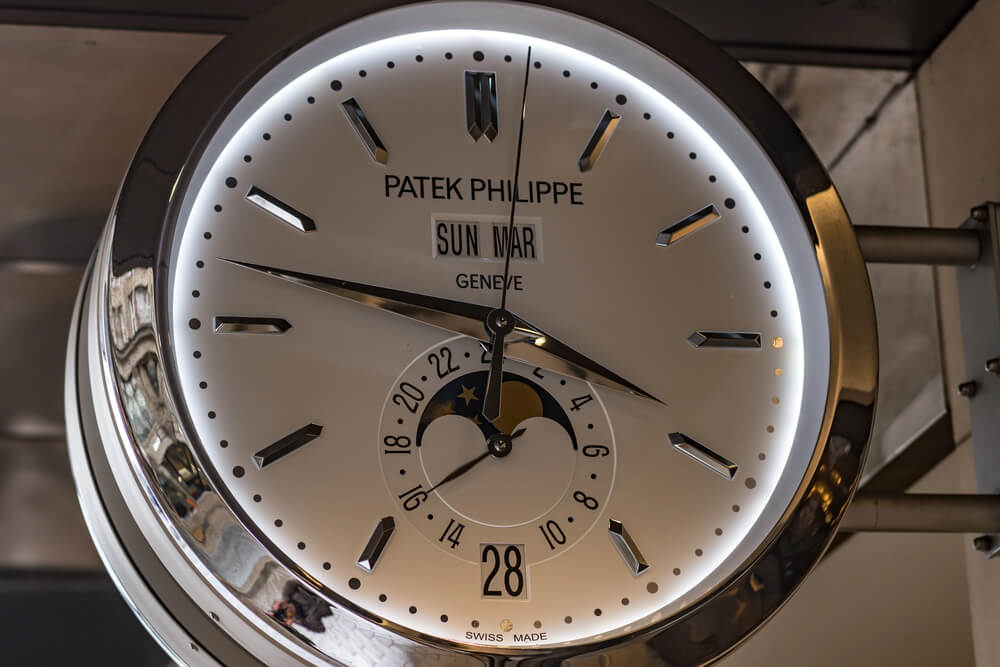
No pocket watch has sold for more than the gold Patek Philippe completed in 1933 for New York banker Henry Graves Jr. It packs 24 complications, including a celestial chart of the night sky over Manhattan, and it held the title of most complicated watch in the world for decades.
At Sotheby’s Geneva in November 2014 it sold for roughly 23.2 million Swiss francs, or about 24 million dollars. Nobody will find this exact piece in an attic, but it sets the ceiling for the entire category and explains why any Patek Philippe pocket watch deserves a careful look before it goes anywhere near a pawn counter.
Patek Philippe Chronometro Gondolo
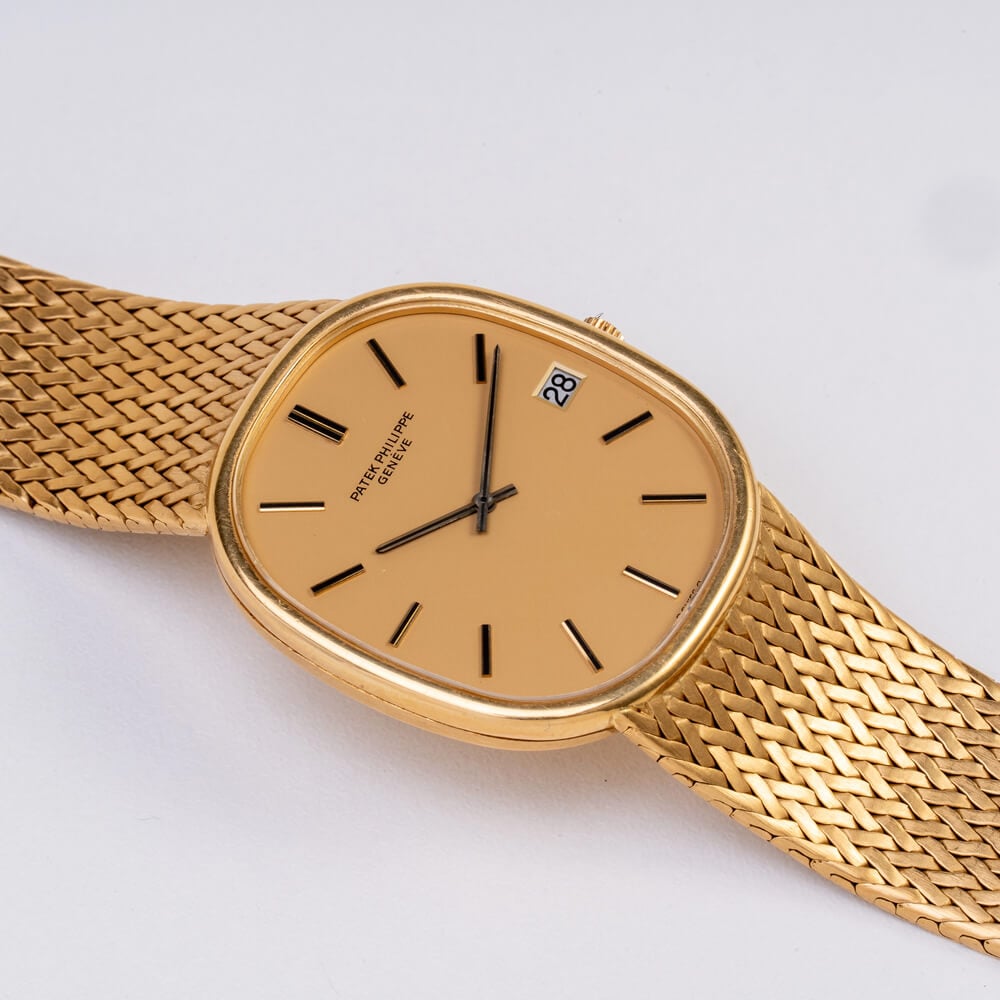
Gondolo, a Rio de Janeiro retailer, sold so many Patek Philippe watches in Brazil around the turn of the twentieth century that the pieces earned their own dial name, Chronometro Gondolo. The retailer ran a buying club that let customers pay in installments, which put Genevan watches into the pockets of Brazilian professionals.
Gold examples typically trade from about 5,000 dollars upward, with original dials and matching numbered cases pushing prices higher. Refinished dials, polished-out hallmarks and replaced crowns all drag the figure down, so specialists check the movement and case numbers against Patek Philippe archive records before bidding.
Patek Philippe Minute Repeaters
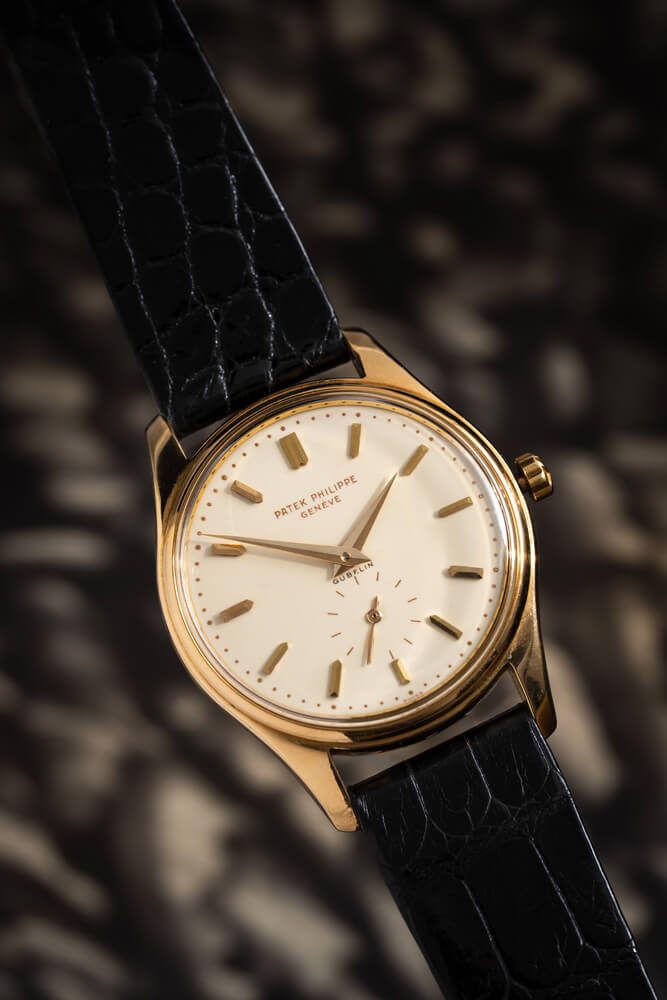
A minute repeater chimes the hours, quarters and minutes on tiny gongs when a slide on the case is pushed, and Patek Philippe made some of the finest ever built. These were luxury objects even when new, assembled by hand in small numbers.
Vintage gold Patek repeaters routinely sell at auction in the six figures, and examples combined with a perpetual calendar or chronograph can go far beyond that. A repeater that no longer strikes cleanly needs restoration by a specialist, which is expensive, and buyers adjust bids sharply for a weak chime, a damaged enamel dial or a case that has lost its crispness through decades of polishing.
Vacheron Constantin Open-Face Chronometers
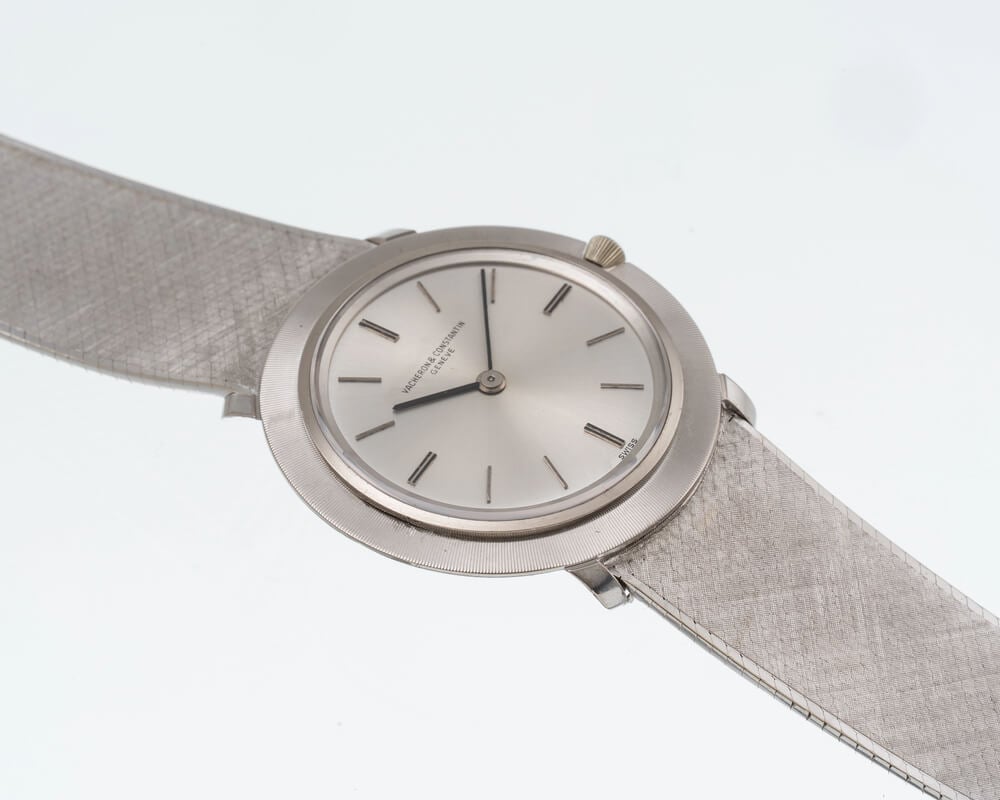
Vacheron Constantin has operated in Geneva since 1755, and its antique pocket watches carry a quiet, finely finished style that collectors rate alongside Patek Philippe. Plain open-face gold examples from the early 1900s often sell for about 3,000 to 8,000 dollars, while chronographs and repeaters climb well past that.
The brand still builds pocket watches on commission, including the Reference 57260 unveiled in 2015 with 57 complications. Older pieces gain value when the dial, case and movement all carry matching signatures, and a crisp enamel dial without hairline cracks is worth far more than one that has been repainted.
Audemars Piguet Grand Complications
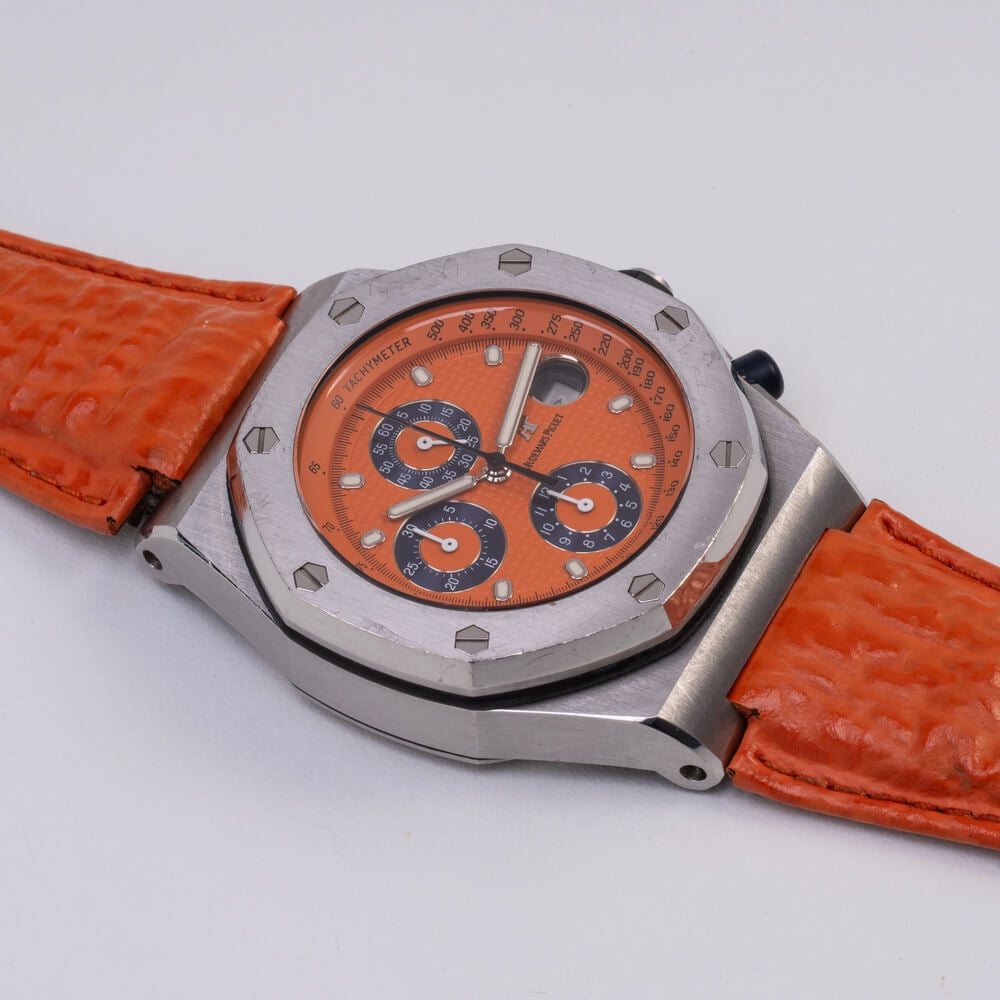
Audemars Piguet was founded in Le Brassus, in the Vallee de Joux, in 1875, and for much of its early history it specialized in complicated movements. Its antique pocket watches with chronographs, perpetual calendars and minute repeaters are scarce because the firm produced them in very small numbers.
Grand complication examples have sold for well into six figures, and even simpler gold open-face pieces usually bring several thousand dollars. Authenticity matters here more than with most brands, since some movements were supplied to other firms, and documentation from the manufacturer’s archive can make a significant difference to a sale.
Breguet Antique Pocket Watches
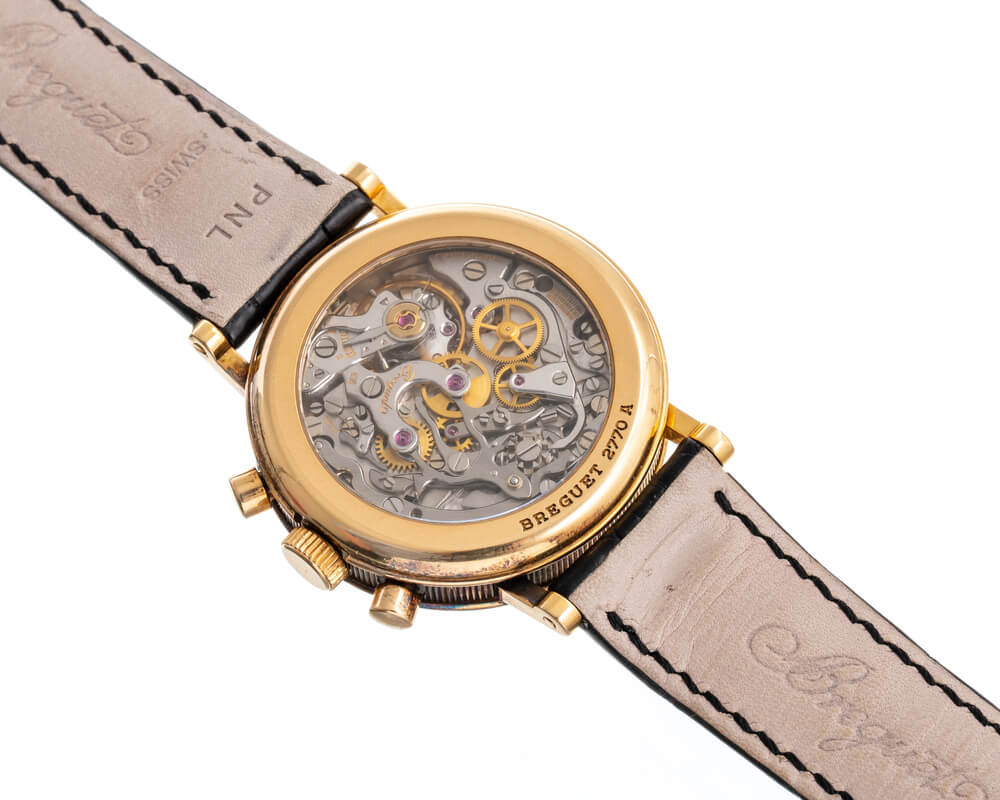
Abraham-Louis Breguet invented the tourbillon and refined the self-winding perpetuelle, and his workshop in Paris supplied watches to European royalty. The most famous, the Marie Antoinette watch, was stolen from a Jerusalem museum in 1983 and recovered more than two decades later.
Original Breguet pocket watches from the late eighteenth and early nineteenth centuries sell at major auction houses for tens of thousands of dollars and often much more. Forgeries were common even during Breguet’s lifetime, which is why he added secret signatures to his dials, and serious buyers insist on an archive certificate before paying.
A. Lange and Sohne Glashutte Watches
Ferdinand Adolph Lange set up shop in Glashutte, Saxony, in 1845, and the firm’s pocket watches became the benchmark for German precision. Movements were sold in quality grades, with the 1A grade at the top featuring gold chatons and elaborate finishing.
Gold 1A examples often sell for about 10,000 to 30,000 dollars, while lower grades and silver cases bring less. Pieces with an original Lange box and certificate add a premium, and buyers watch closely for movements recased in later gold, since the original matched case is a large share of the value.
Jules Jurgensen Copenhagen Pieces
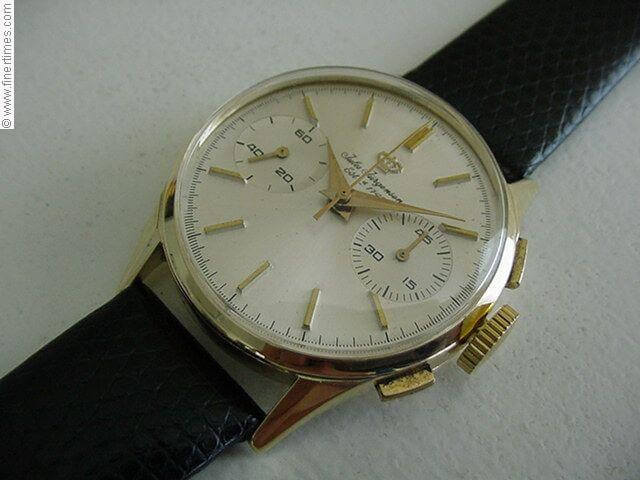
Jules Jurgensen descended from a Danish watchmaking family and ran a firm with ties to both Copenhagen and Le Locle in Switzerland. Nineteenth-century Jurgensen pocket watches are prized for their bow-shaped pendants, elaborate finishing and accurate chronometer movements, and gold examples commonly sell for about 3,000 to 15,000 dollars.
The name was later applied to far more modest watches sold in the American market, so the engraving alone proves little. Collectors judge age from movement quality and serial numbers, and a cracked dial or swapped hands can lower a fine piece considerably.
Longines Chronograph Pocket Watches
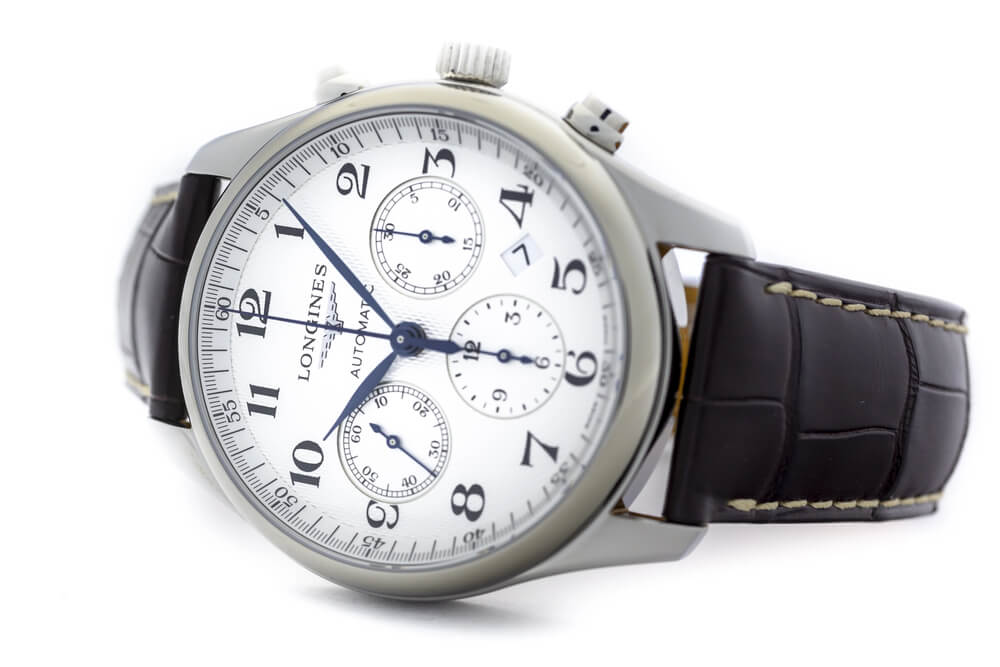
Longines, based in Saint-Imier, registered its winged hourglass logo in 1889, and that mark appears on generations of reliable pocket watches. Ordinary Longines open-face models usually sell for a few hundred dollars, but chronograph pocket watches built for timing races, aviation and scientific work trade far higher.
Gold-cased chronographs in working order often reach about 1,500 to 4,000 dollars. A chronograph that will not reset to zero, or a dial with flaking numerals, can cut that sharply.
Buyers also look for movement serial numbers, which Longines can match to production years through its own records.
Early Omega Pocket Watches
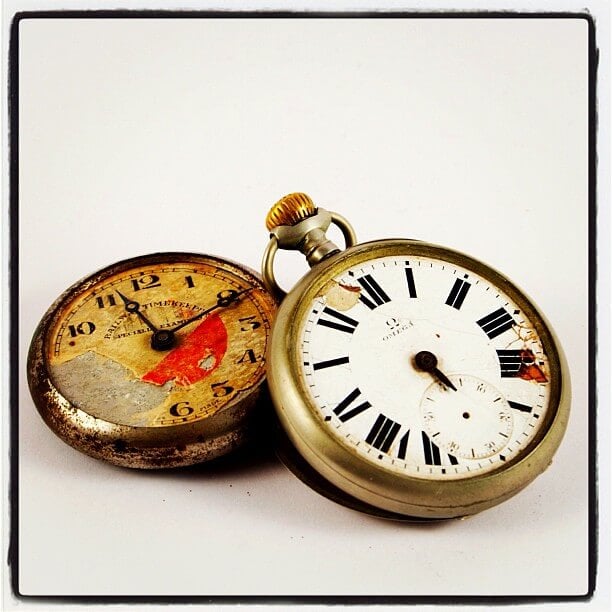
Omega took its name from a 19-ligne movement launched in 1894 by the Brandt family’s firm in Biel, a caliber so successful that the company adopted it as a brand. Early Omega pocket watches, especially those in gold or with enamel dials, now sell for about 500 to 3,000 dollars depending on case material.
Military-issue and railroad-certified examples draw extra interest. Original dials matter more than anything, because many Omegas were refinished over the decades, and a dial with honest patina usually beats a shiny restored one at auction.
Hamilton 992B Railroad Watches
Hamilton of Lancaster, Pennsylvania, produced the 992B from 1940 into the late 1960s, and it became the default railroad watch for a generation of conductors and engineers. The 16-size movement carries 21 jewels, a lever set and adjustment to six positions.
Because so many were made, typical examples sell for about 200 to 600 dollars. Railroad-approved Montgomery dials, original Hamilton cases and clean service histories move prices to the upper end.
Worn plating, a cracked crystal or a movement that has not been serviced in decades all push the value down, though rarely below a few hundred dollars.
Hamilton 950B Twenty-Three Jewel Grade
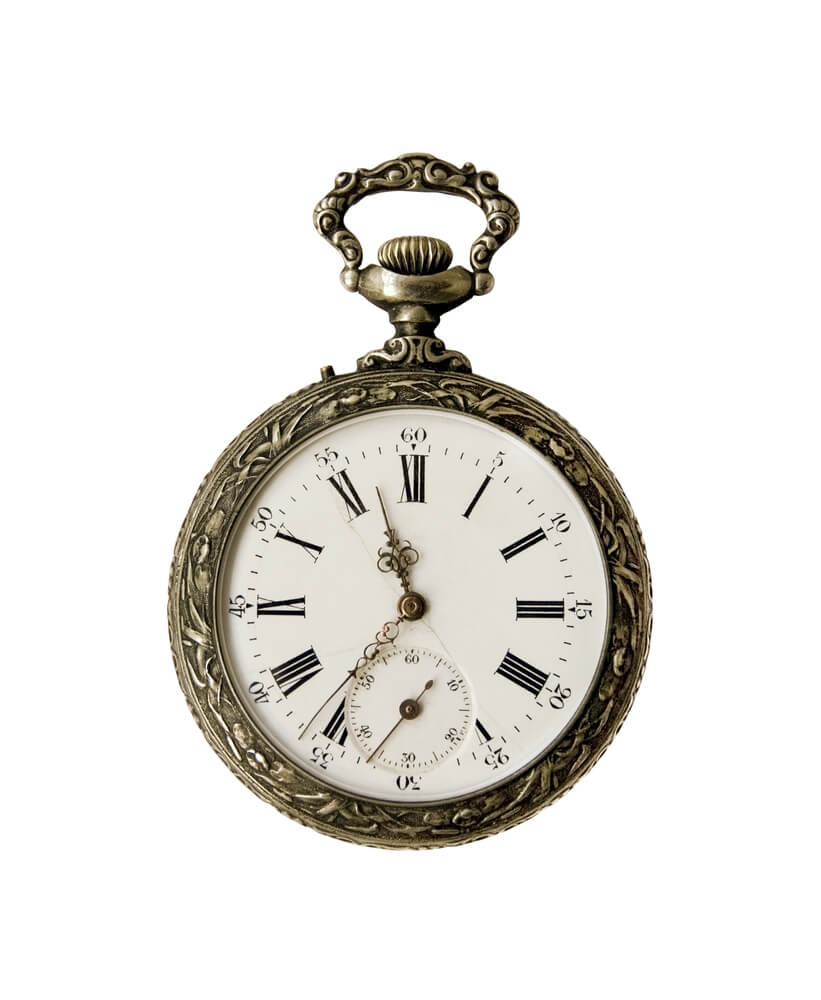
Hamilton’s 950B was the 992B’s dressier sibling, carrying 23 jewels and finer finishing for railroad men who wanted the best. Production numbers were far lower than the 992B, and that scarcity shows up in prices.
Typical examples often bring about 600 to 1,500 dollars, and early 950 models or ones in solid gold cases can go higher. The movement is the prize, so a 950B in a heavily worn gold-filled case still sells well.
Rust on the steel parts or a replaced balance staff can trim the value noticeably, and collectors ask for photos of the movement before committing.
Hamilton 4992B Navigation Master
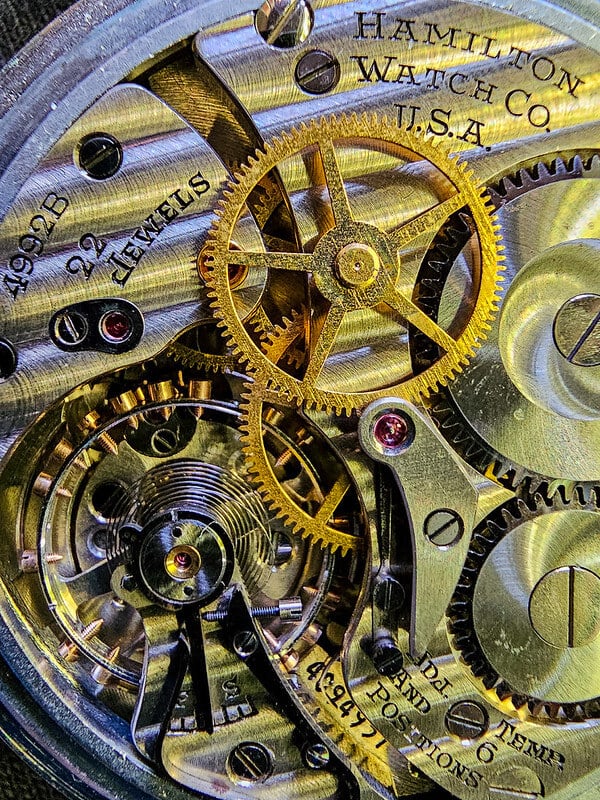
During World War II, Hamilton built the 4992B for military navigators, giving it a black dial, a 24-hour track and hacking seconds so crews could synchronize time precisely. Many were issued in base metal cases marked with government inventory numbers, and later examples served in Cold War aircraft.
The 22-jewel movement is heavy duty and highly regarded. Typical prices fall around 500 to 1,200 dollars, with original military markings worth more than civilian versions.
Luminous paint loss, swapped hands and missing case backs reduce value, and collectors favor examples with documented service history.
Illinois Bunn Special
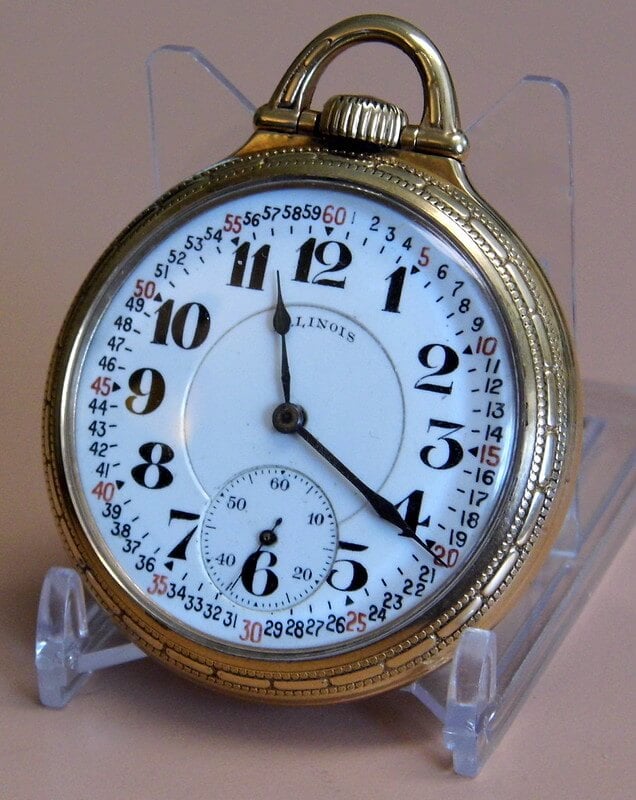
The Illinois Watch Company of Springfield named its premier railroad grade after Jacob Bunn, a local banker and backer of the company. Later Bunn Special models offered a 60-hour mainspring, a selling point for railroad workers who sometimes forgot to wind.
Common 21-jewel Bunn Specials often sell for about 300 to 800 dollars, while 23-jewel and 60-hour models bring more. Collectors prize original Bunn dials and factory cases, and they examine the movement for replaced parts.
A watch that runs but loses time badly usually needs a full service, which buyers factor into their offers.
Illinois Sangamo Special
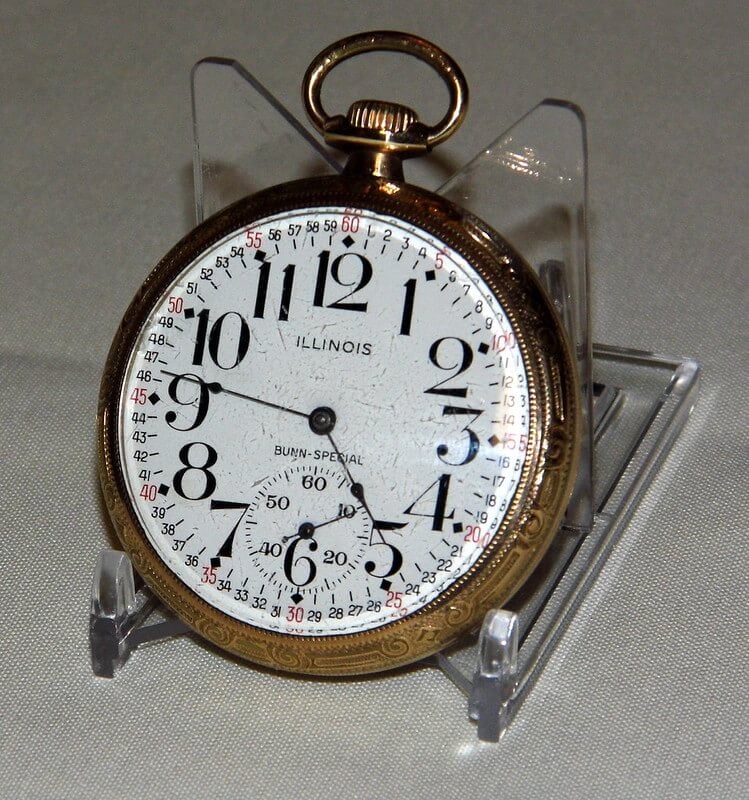
Taking its name from the Sangamon area around Springfield, the Sangamo Special was the Illinois Watch Company’s top railroad and dress grade. Many versions carry 23 jewels with gold-plated train wheels and elaborate damaskeening on the movement.
Prices often run about 600 to 2,000 dollars, with solid gold cases and early models at the top of the range. Watches cased in the factory’s own decorative Sangamo cases are especially desirable.
Collectors look carefully for authentic dials, because reproductions exist, and a case swapped from another watch noticeably weakens the price even if the movement is perfect.
Elgin B.W. Raymond
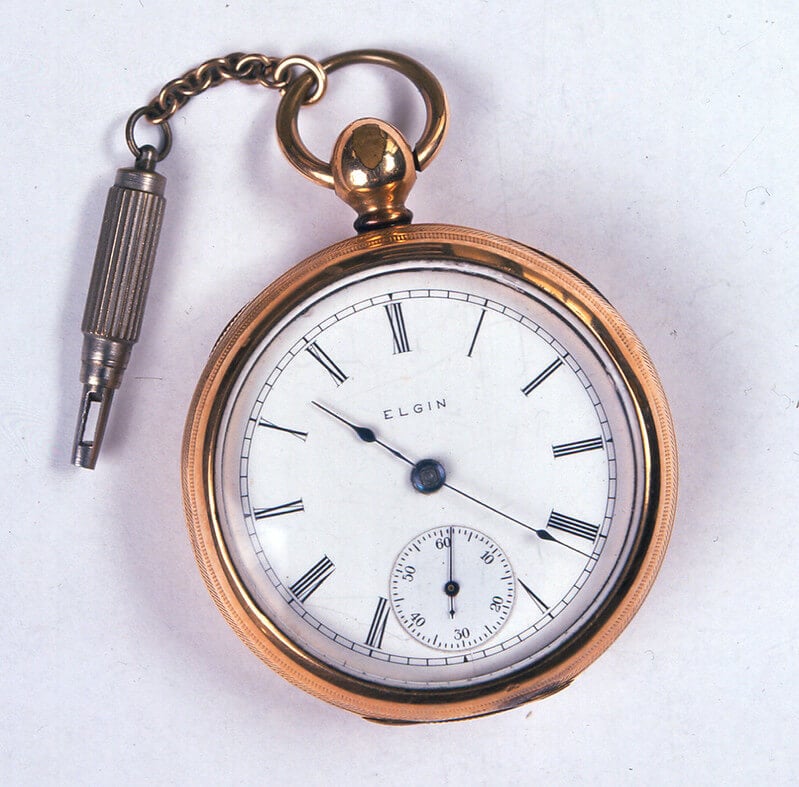
Elgin named this grade after Benjamin W. Raymond, a former mayor of Chicago and one of the company’s founders. B.W. Raymond movements were made for decades and became one of the most widely used American railroad watches.
Typical 19-jewel and 21-jewel examples sell for about 200 to 600 dollars, with 23-jewel versions bringing more. Gold-filled cases are common, so a solid gold case adds real value.
Collectors check the dial for hairline cracks, since many enamel dials were damaged over years of hard use, and a clean, original dial can raise the price considerably.
Elgin Veritas
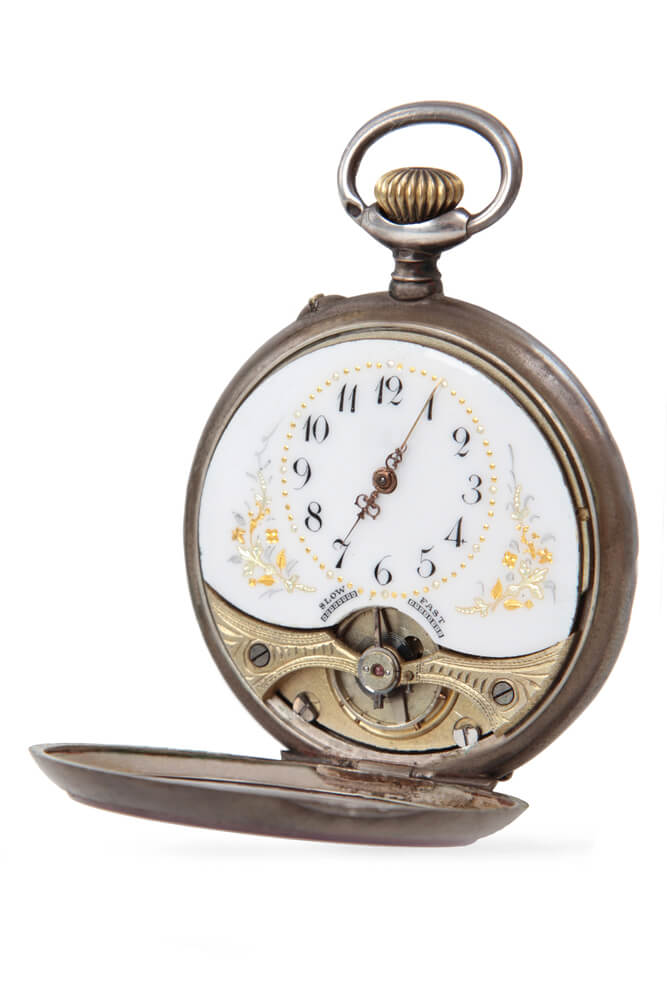
Elgin’s top-tier grade in the early twentieth century was the Veritas, built with 21 or 23 jewels and finished to a higher standard than most of the company’s output. It was produced in smaller numbers than the B.W. Raymond, and that scarcity drives demand.
Veritas pocket watches typically sell for about 400 to 1,200 dollars, with 23-jewel models toward the higher end. Original Veritas dials and gold cases help the price, and collectors pay close attention to whether the balance and hairspring are original.
Fading gilt or heavy scratches on the movement plates can lower the value.
Waltham Vanguard Up-Down Indicator
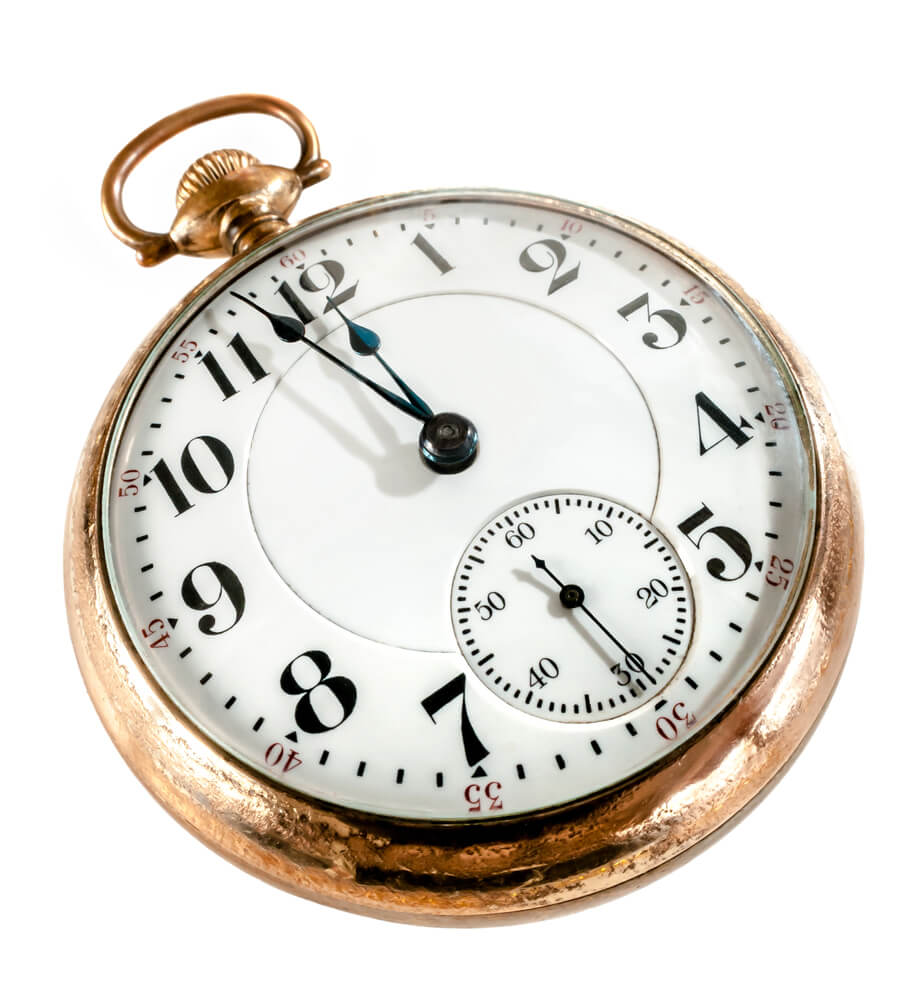
Waltham’s Vanguard grade was a mainstay of American railroads, and the most desirable versions include an up-down indicator, a small dial that shows how much power remains in the mainspring. Those 23-jewel examples were made in smaller numbers and are favorites among collectors.
Prices typically run 400 to 1,500 dollars, with original dials, gold cases and clean movements pushing values higher. Standard Vanguards without the indicator usually bring less.
A cracked indicator subdial or missing hand can cut value noticeably, and collectors pay a premium for watches still in working order.
Waltham Riverside Maximus
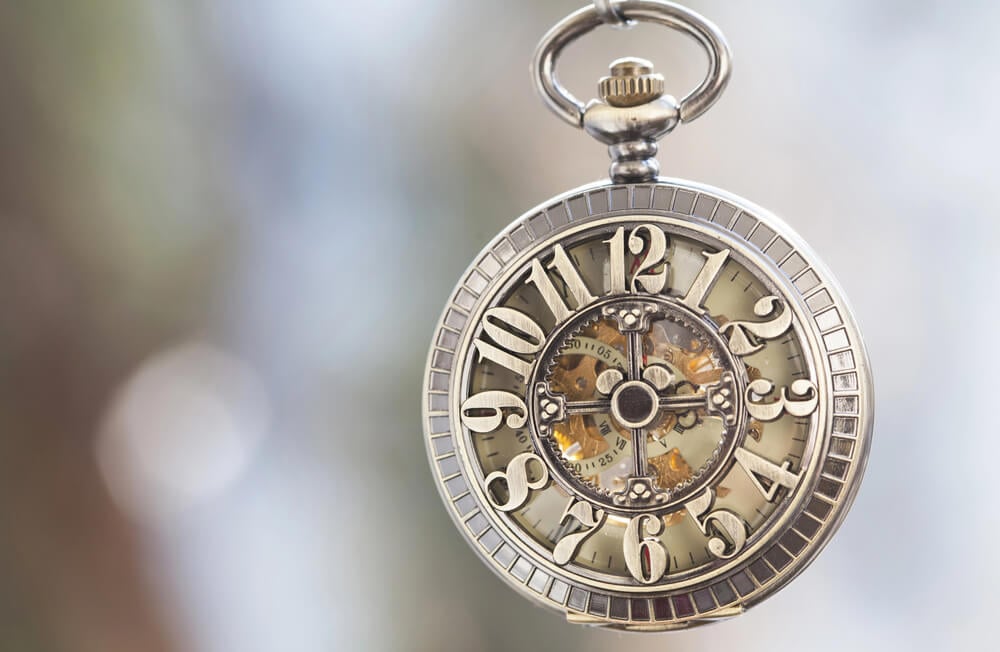
Waltham’s Riverside Maximus sat near the top of the company’s range, featuring 21 or 23 jewels set in gold chatons and diamond endstones on some versions. Built in modest numbers around the turn of the twentieth century, these watches were aimed at buyers who wanted precision and fine finishing.
Gold-cased examples typically sell for about 800 to 2,500 dollars. Collectors favor intact damaskeening and unblemished gold settings.
A missing endstone or replaced balance wheel can lower the price, and an original Maximus dial in clean condition makes a notable difference.
E. Howard Series 11 Railroad Watches
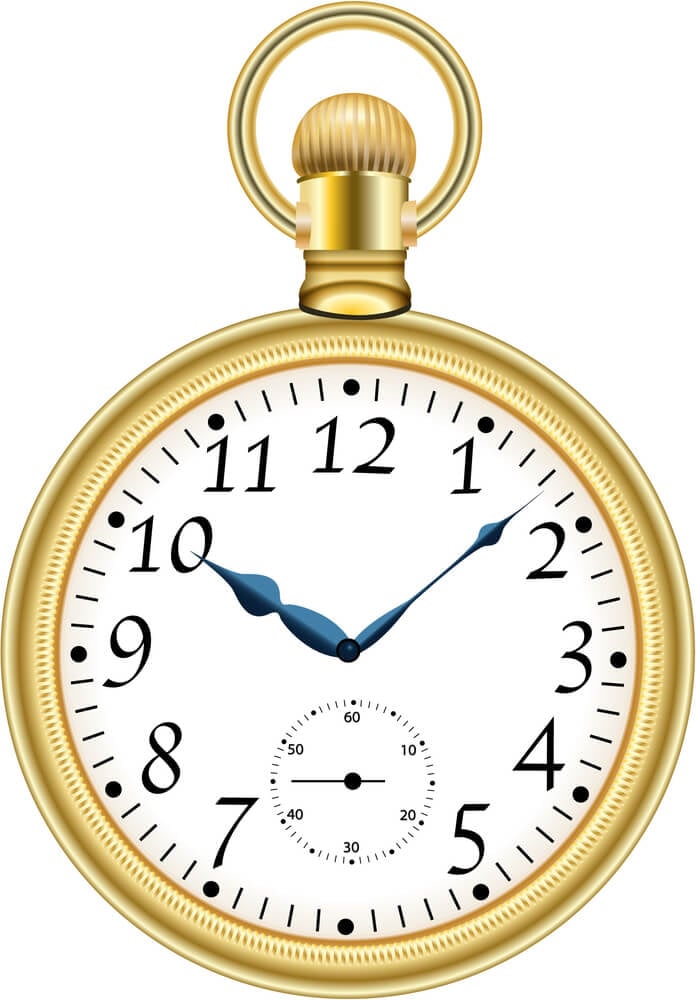
Edward Howard built his reputation in Roxbury, Boston, and his company produced railroad-grade pocket watches prized for their accuracy and solid build. The Series 11 became one of the best-known of these, made under the E. Howard Watch Company name after Keystone acquired the rights in 1902.
Typical Series 11 watches sell for about 500 to 1,500 dollars, and early key-wind Howard watches from the nineteenth century can bring more. Buyers inspect the dial and movement for authenticity, since some were recased, and original Howard cases often lift the value.
Hampden Special Railway
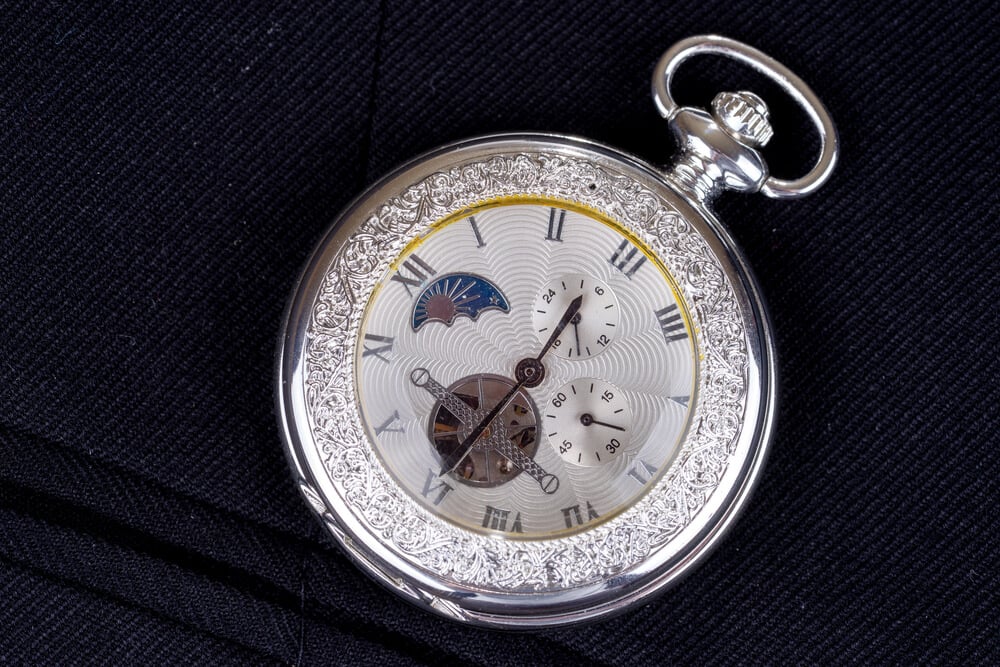
John Dueber moved the Hampden Watch Company from Springfield, Massachusetts, to Canton, Ohio, in 1888, and the new factory built some of the best American railroad grades. The 23-jewel Special Railway is the most sought-after Hampden model, prized for its fine finishing.
Prices often run about 400 to 1,200 dollars, with gold cases pushing higher. Original Hampden dials matter, and collectors look for good damaskeening on the movement.
A watch that has been sitting idle for decades may need a full cleaning, and buyers factor that cost into their offers.
South Bend Studebaker Grade
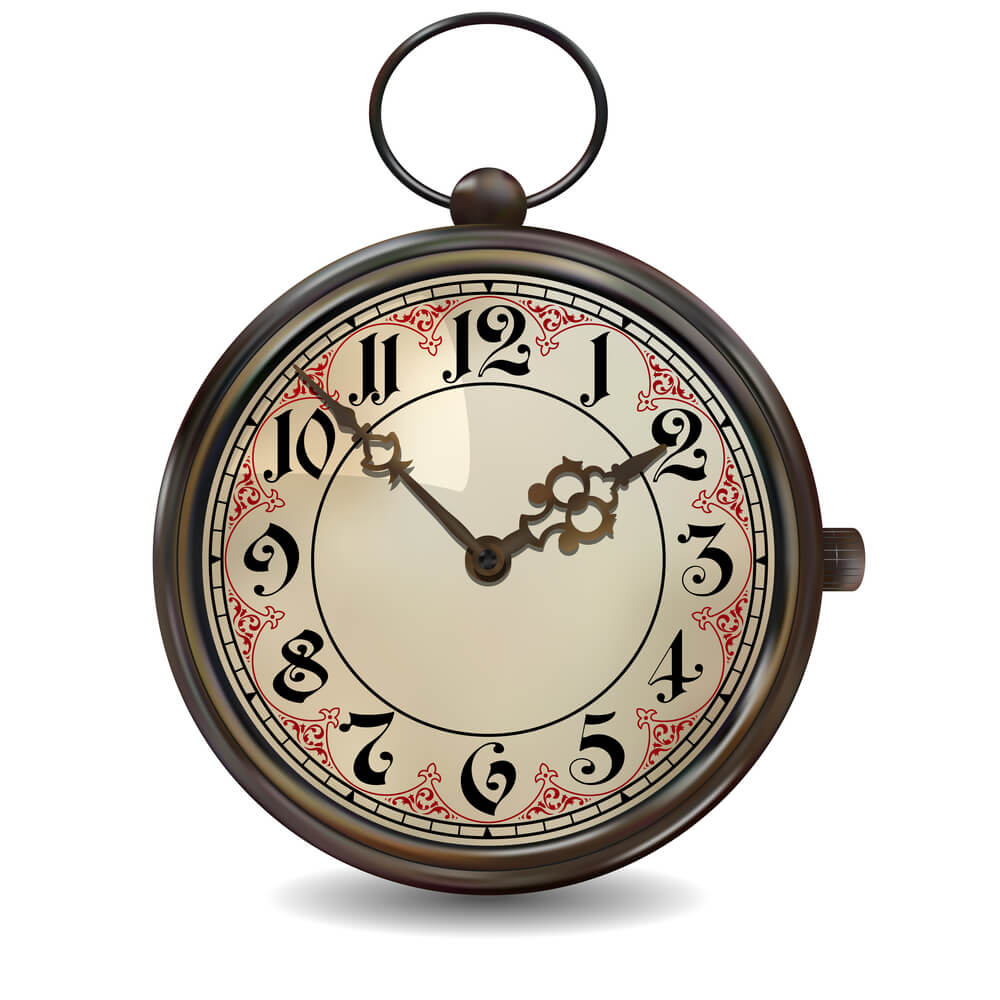
Better known for wagons and automobiles, the Studebaker family also backed the South Bend Watch Company in Indiana, which operated in the early twentieth century and shut down around the onset of the Great Depression. The Studebaker grade 329 was the firm’s top railroad model, carrying 21 jewels.
These watches typically sell for about 300 to 900 dollars. Collectors prize original Studebaker dials and the company’s own cases.
Rust on the movement or a dial with chips around the winding stem lowers the price, and complete examples in working order bring the best results.
Rockford Railroad Grades
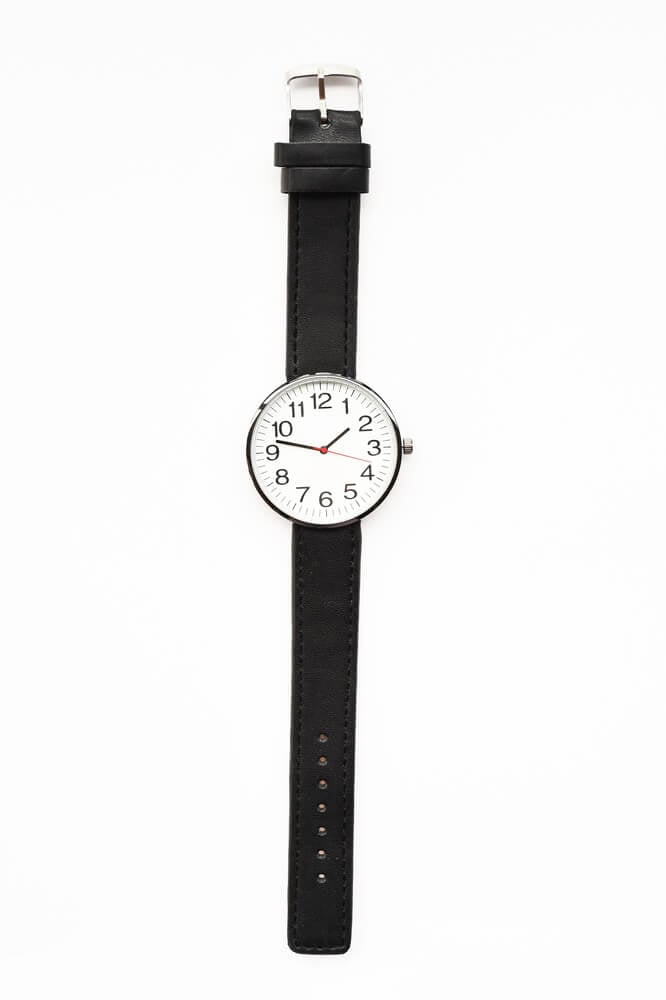
Founded in Rockford, Illinois, the Rockford Watch Company operated from 1873 to 1915 and produced several respected railroad grades, often with 21 jewels. Because the company closed relatively early, surviving examples are less common than Elgin or Waltham watches.
Prices typically run about 300 to 900 dollars, with 21-jewel railroad grades and gold cases at the top. Original Rockford dials and enamel in good condition matter to collectors, and replaced balance staffs or chipped jewels can drop the price.
Watches still in their original factory cases bring a premium.
Seth Thomas Maiden Lane
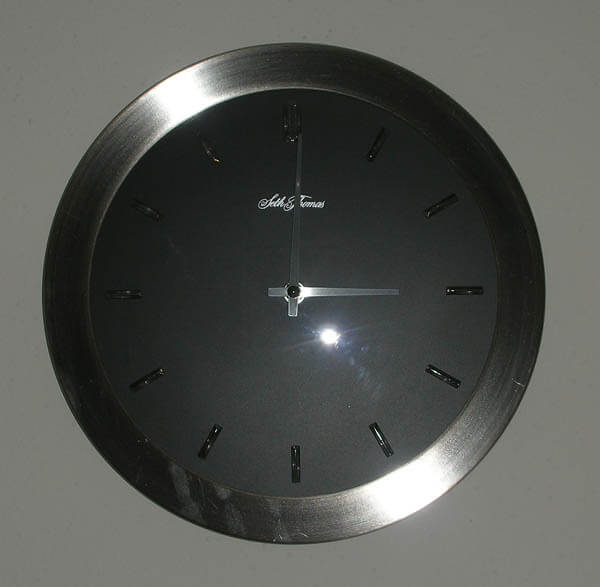
Seth Thomas is best known for clocks, but the Connecticut company also made pocket watches, and the Maiden Lane grade sat at the very top of its line. It carried an unusually high jewel count and fine finishing, aimed squarely at buyers who wanted the most elaborate American movement money could buy.
Surviving examples are scarce and typically sell for about 1,500 to 4,000 dollars depending on case and condition. Collectors examine the movement closely for original parts, and a damaged dial or swapped case can reduce the price significantly.
Ingersoll Dollar Watch
Robert Ingersoll introduced the Yankee dollar watch in 1896, selling it for exactly one dollar and bringing pocket watches to working-class buyers. Millions were made, and that volume keeps prices low today.
Typical examples sell for about 20 to 80 dollars, though early models with advertising dials or special character designs can bring more. A watch that still runs and has an intact dial is worth noticeably more than a nonworking one.
Collectors value these for history rather than precision, and sets with original boxes or paperwork command a modest premium.
Solid Gold Hunter Cases
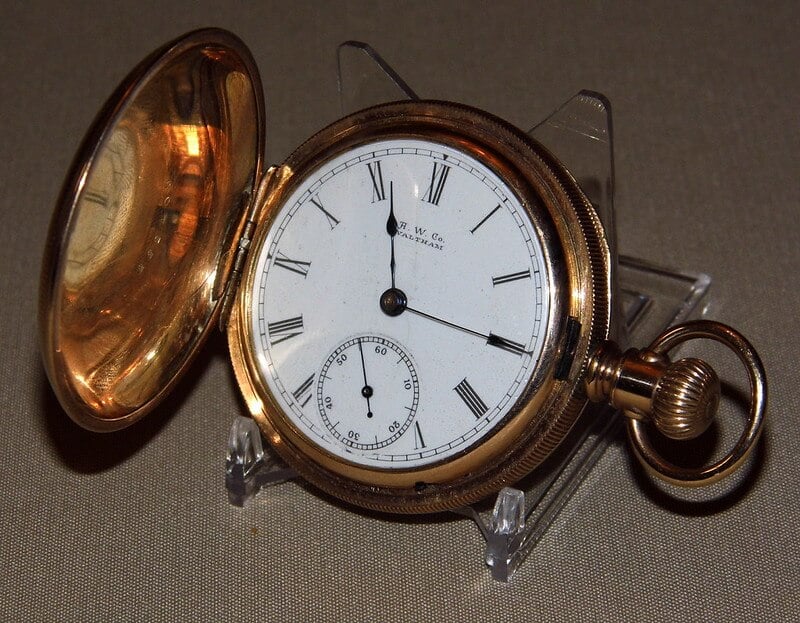
A hunter case is a pocket watch with a hinged cover that protects the crystal, and solid gold hunters can be worth more for their metal than their movements. A heavy 14k or 18k gold hunter case often carries hundreds or even thousands of dollars in melt value alone.
Collectors look for hallmarks and karat stamps inside the case back. Gold-filled cases, which have a thin layer of gold over base metal, are worth far less.
Dents, worn hinges and engraving that has been polished away all lower the value of a gold hunter.
Coin Silver Key-Wind Watches
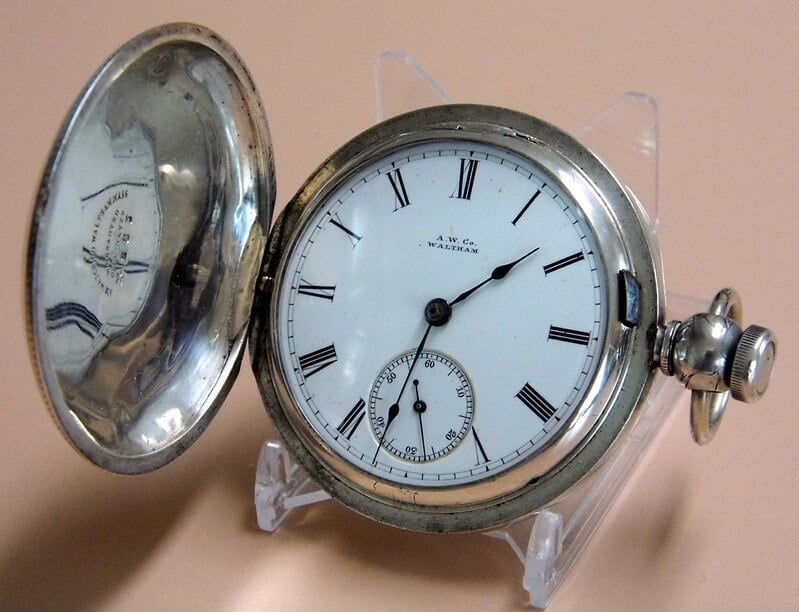
Before stem-winding became standard, many American watches were wound with a separate key and housed in coin silver cases, a metal matching the silver standard of American coinage. These nineteenth-century pocket watches, from makers like Waltham and Elgin, typically sell for about 100 to 500 dollars.
Rare makers or early serial numbers can bring more. Collectors look for the original key and a case stamped coin or with hallmarks.
A cracked enamel dial, missing hands or a damaged movement can lower the value, and working examples are always preferred.
Ticking Through the Generations
Railroad timekeeping rules, bankers’ vanity and Swiss workshop pride all left their mark on the watches above. Each one was built to be carried daily, wound by hand and repaired rather than replaced.
That habit of repair is a big reason so many still run a century later. A well-made movement rewards maintenance in a way few modern objects do.
Prices in this field rest on details that are easy to miss, from a jewel count stamped on a plate to a hairline crack across an enamel dial. Two watches that look identical across a table can differ in value by thousands of dollars.
A watchmaker’s inspection costs little compared to selling a Sangamo Special for scrap gold. Drawers full of old family watches deserve at least that much attention.
More from Go2Tutors!

- The Romanov Crown Jewels and Their Tragic Fate
- 13 Historical Mysteries That Science Still Can’t Solve
- Famous Hoaxes That Fooled the World for Years
- 15 Child Stars with Tragic Adult Lives
- 16 Famous Jewelry Pieces in History
Like Go2Tutors’s content? Follow us on MSN.