31 Stuffed Animals Worth More Than Expected
Most stuffed animals end up loved flat, donated in a bag, or forgotten in a closet. A few, though, carry a maker’s mark, a misprinted tag, or a story that turns worn plush into something auction houses list with care.
The gap between those two fates usually comes down to small details. A button in an ear, a swing tag still attached, or a single word printed wrong can separate a toy worth a few dollars from one worth a used car.
Felt Elephant Pincushions From Giengen
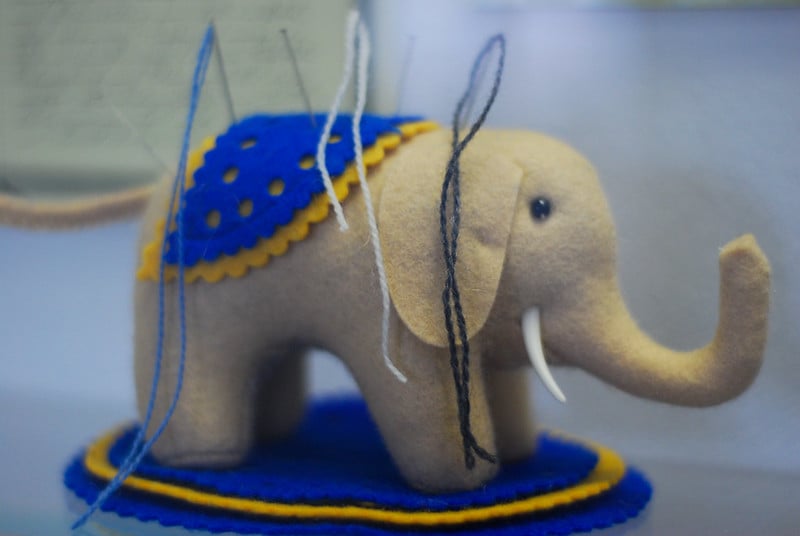
Margarete Steiff, a seamstress in Giengen an der Brenz, Germany, sewed a small felt elephant in 1880 intended as a pincushion. Children claimed them as toys almost immediately, and the little elephants became the seed of the entire Steiff company.
Early felt animals from the 1880s and 1890s rarely survive in decent shape, since felt attracts moths and fades quickly in sunlight. Verified examples reach several thousand dollars at specialist toy sales, though moth damage, missing tusks or a faded body can cut that figure sharply.
Provenance tracing the piece to the early workshop matters more than size.
Ride-On Animals Built on Iron Wheels
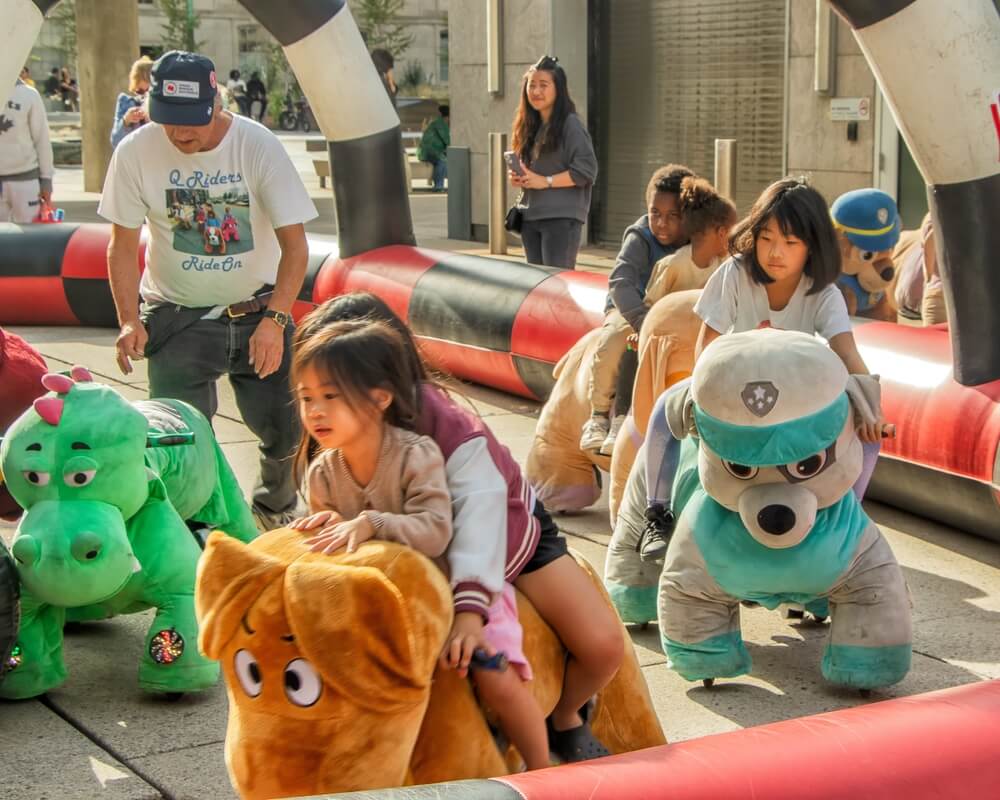
Around the turn of the twentieth century, Steiff mounted plush horses, elephants, bears and dogs on metal frames with cast-iron wheels so children could pull them or ride them. These large toys took hard use, which explains why so many surface today with bald patches, split seams and rusted axles.
Collectors look for the Steiff button, original glass or boot-button eyes and intact stuffing. Auction results run from a few hundred dollars for tired examples to several thousand for bright, complete animals.
Wheel rust and replaced eyes are the most common reasons a promising piece disappoints at sale.
Richard Steiff’s Lost Jointed Bear
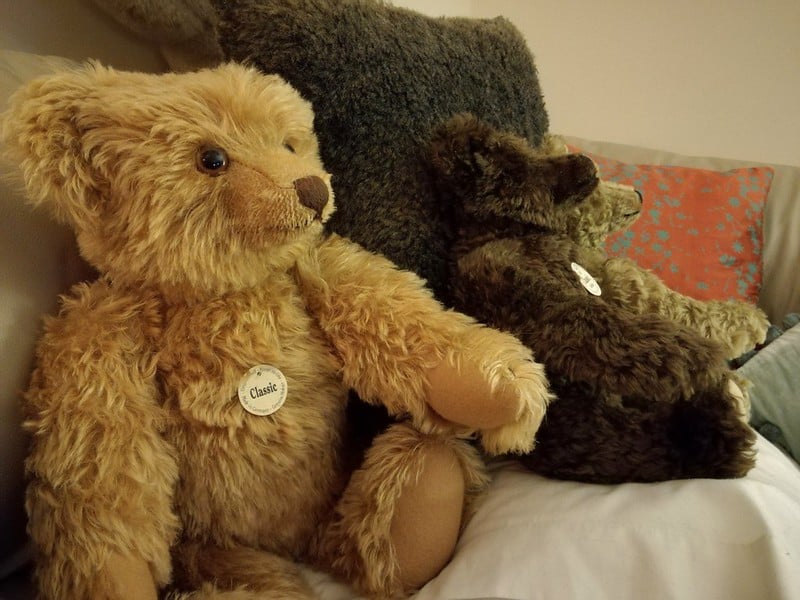
Richard Steiff, Margarete’s nephew, designed a jointed plush bear known as 55PB, with the code standing for its size in centimeters, its plush fabric and its movable limbs. The bear went to the Leipzig Toy Fair in 1903, where an American buyer reportedly ordered 3,000 of them.
That order helped launch the teddy bear craze across the Atlantic. The twist is that no confirmed surviving example of 55PB is widely documented, so the design lives on mainly through Steiff’s own replicas.
Those limited reproductions are the realistic target for collectors, and boxed copies with certificates do best.
Teddy Girl and the Colonel’s Collection
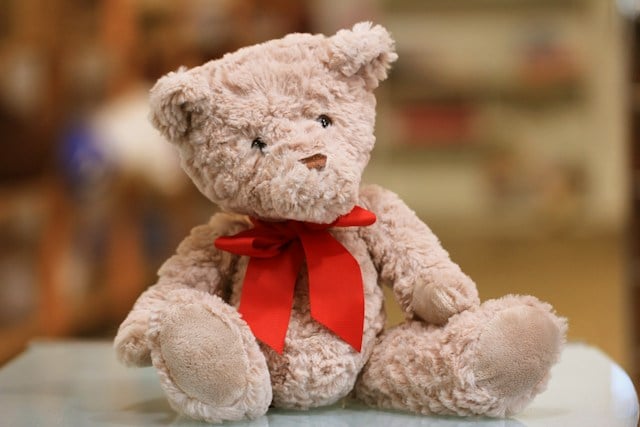
A cinnamon Steiff bear from 1904 known as Teddy Girl belonged to Colonel Bob Henderson, a British collector who carried bears with him for decades. Christie’s in London sold it in December 1994 for 110,000 pounds, a figure that set a record for a teddy bear at the time.
The buyer was a Japanese collector who later displayed it in a teddy bear museum. Teddy Girl shows that personal history can matter as much as maker.
Comparable early Steiff cinnamon bears without a famous owner bring far less, and worn paw pads or thinning mohair lower the price further.
Black Mohair Mourning Bears of 1912
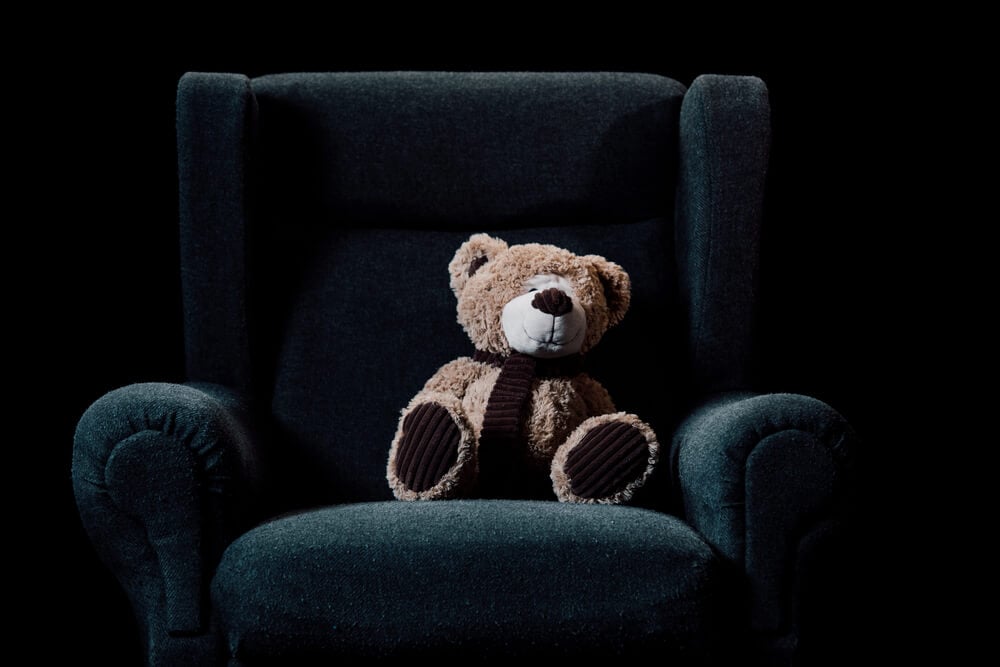
In 1912 Steiff produced a small run of black mohair bears for the British market, often with red felt behind their boot-button eyes. Collectors have long linked them to the sinking of the Titanic that April and call them mourning bears, though the commercial reason for the color is debated.
Only a few hundred are generally believed to have been made. Surviving examples have brought five figures and more at auction, with fur loss on black mohair showing especially clearly. Steiff has issued several replicas since, so buyers check buttons, stitching and construction closely before paying antique prices.
Alfonzo the Red Bear for a Princess
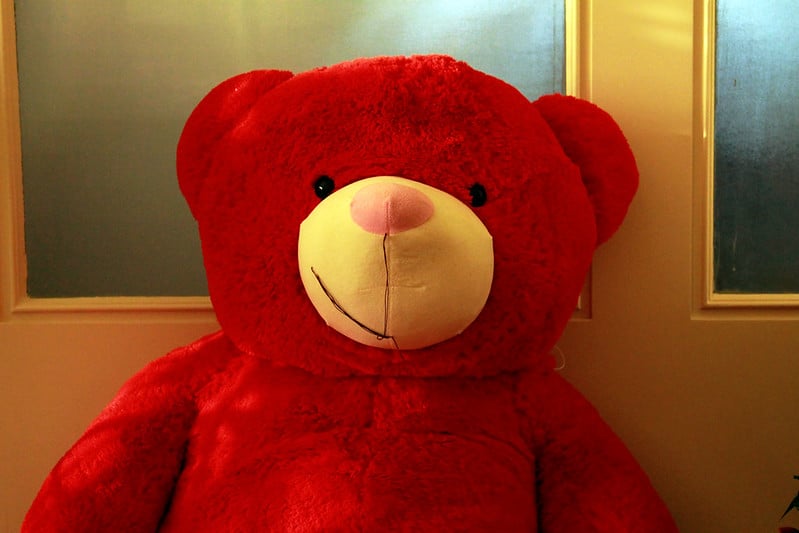
Steiff made a red mohair bear in 1908 for Princess Xenia Georgievna of Russia, who named it Alfonzo. She kept the bear when she left Russia, and it stayed with her for decades before reaching auction at Christie’s in 1989, where it brought a five-figure sum in pounds.
Alfonzo wears a small Cossack-style outfit, which helped make it instantly recognizable. Steiff released a limited replica in 1990, and those copies now trade on their own.
A replica with its box and certificate draws much stronger interest than one with sun fading or a missing costume.
Clown Bear With a Ruff and Pointed Hat
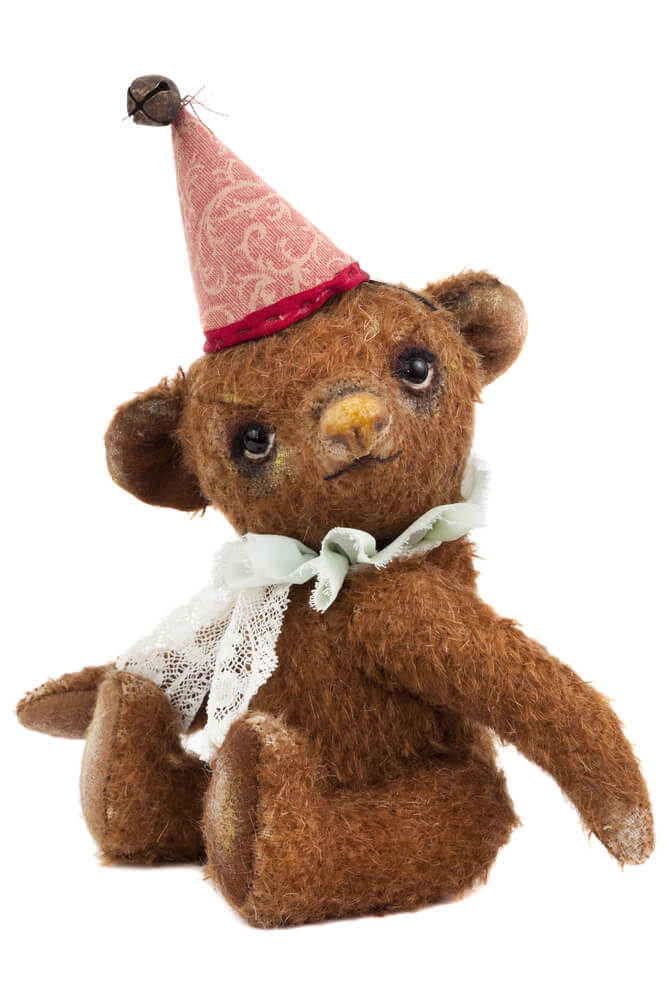
Steiff introduced Teddy Clown in 1926, a jointed bear dressed in a felt clown hat and a ruffled collar, often in tipped mohair. The bear arrived during a period of bright novelty designs as Steiff competed with other German makers.
Larger sizes are scarcer, and complete costumes are scarcer still, because hats and ruffs were easy to lose. Verified examples reach the low thousands for smaller sizes and considerably more for big, bright bears.
Fading of the tipped mohair is a frequent problem, and a missing hat can take a serious bite out of the price.
Teddy Baby and Its Upturned Feet
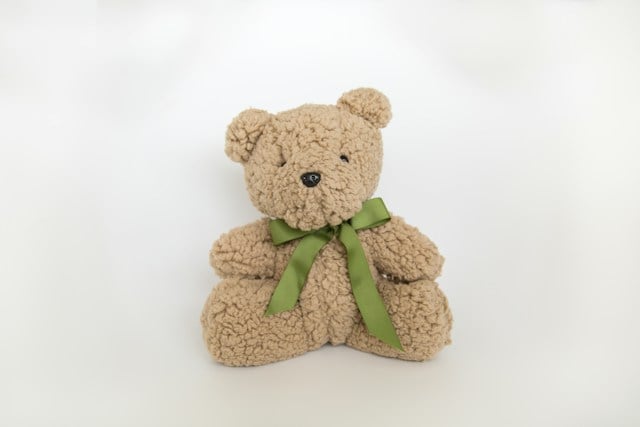
Released by Steiff in 1930, Teddy Baby looks like a bear cub rather than a classic teddy, with an open felt mouth, a short muzzle and large flat feet designed to let it stand. It came in several colors and sizes, and many wore a collar with a bell.
The design proved durable enough that Steiff reissued it repeatedly in later decades. Early prewar examples are the ones collectors want, ideally with button and collar intact.
Prices depend heavily on mohair condition and whether the felt mouth has worn through, since repaired mouths are easy to spot.
Steiff’s Licensed Mickey Mouse
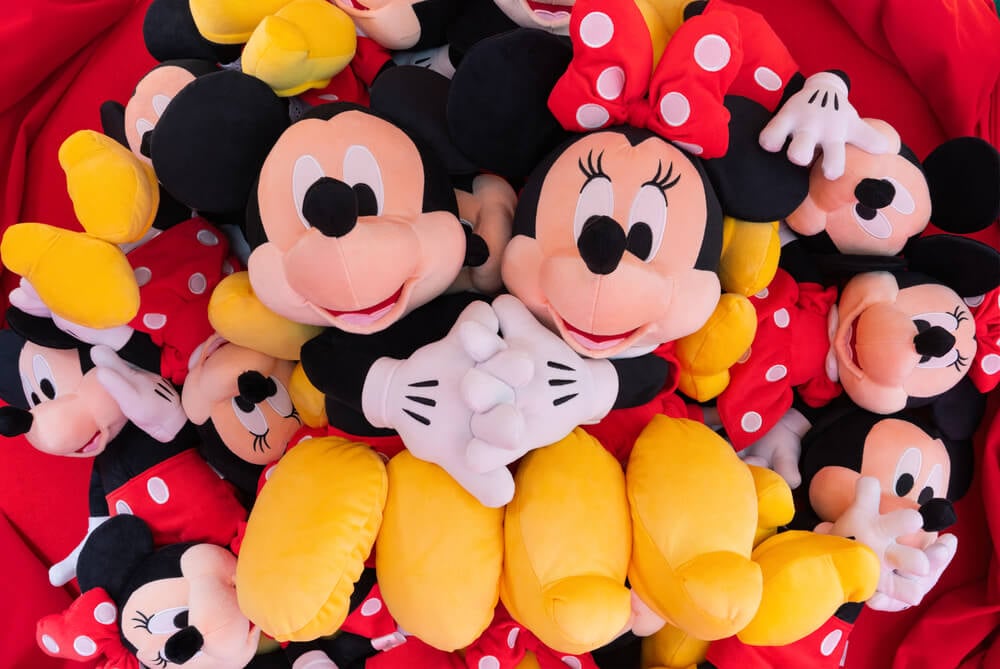
In the early 1930s Steiff produced Mickey Mouse figures under license from Disney, made from velvet with felt ears and the familiar button. The license lasted only a few years, which keeps the supply limited.
These figures appeal to two crowds at once, Steiff collectors and Disneyana collectors, and that overlap pushes prices up. With tags intact, buyers offer well into four figures and sometimes beyond, though velvet wears quickly at the nose and hands.
Missing tails and moth-eaten ears are common faults that reduce value considerably even on otherwise attractive examples.
Toothy Mickey From Dean’s Rag Book
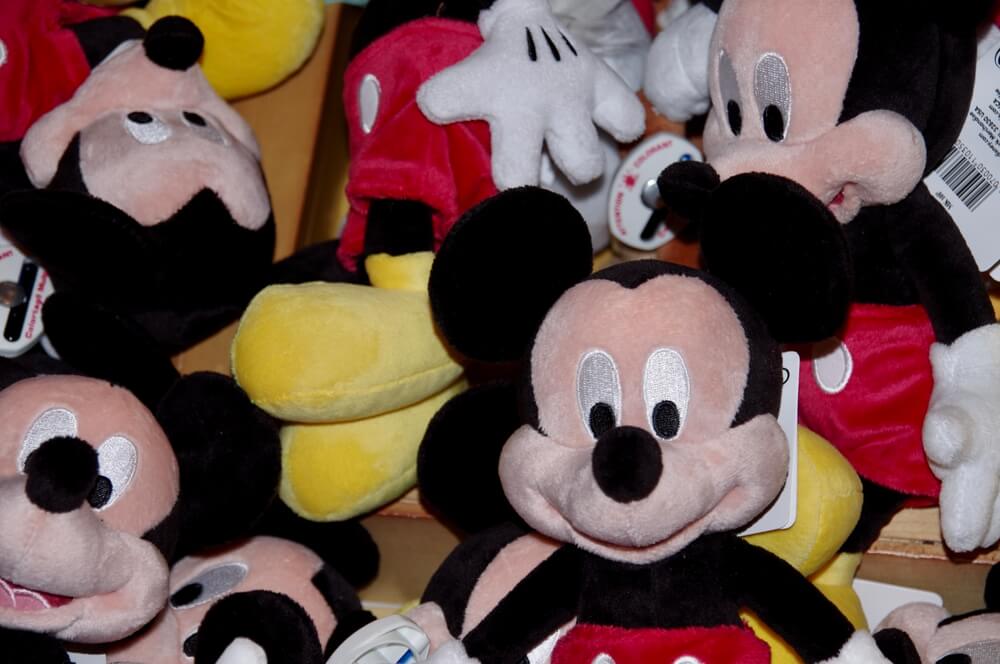
The British firm Dean’s Rag Book Company made Mickey Mouse soft toys under license from around 1930. The early versions had a distinctive grinning mouth with visible teeth, a look that differs sharply from the friendlier Mickey that followed.
Dean’s sold the toys widely in Britain, so they surface more often than the Steiff version, yet good examples still attract strong bidding. Value hinges on the face, because the printed or stitched features fade and fray easily.
A clean grin, firm stuffing and an original label make the difference between a modest sale and a serious one.
Louis Vuitton Monogram Steiff Bear
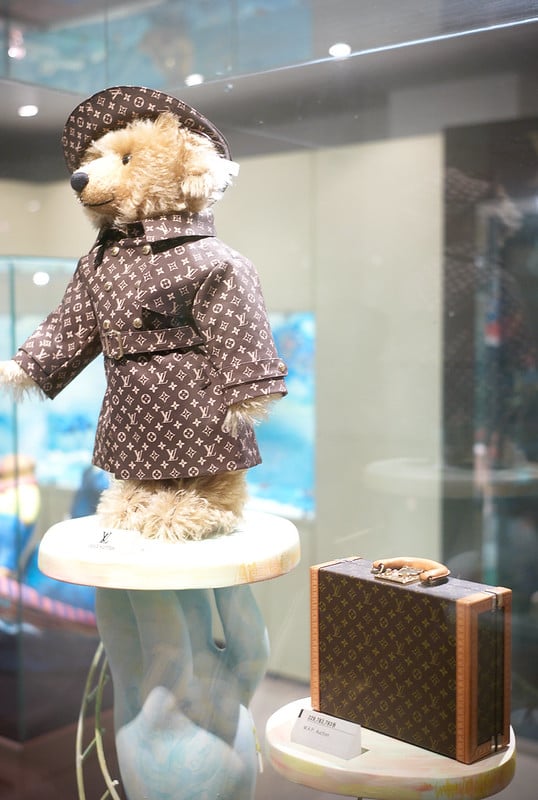
In 2000 Steiff produced a bear dressed in Louis Vuitton monogram fabric for a charity auction in Monaco. A collector from South Korea paid a widely reported 2.1 million dollars for it, and the bear went on display at a teddy bear museum on Jeju Island.
The price had almost nothing to do with the toy itself and everything to do with the charity setting and the brand pairing. It remains one of the most expensive stuffed animals ever reported.
Other designer collaboration bears exist, but their resale depends on documentation, packaging and the absence of handling marks.
Early American Bears From Ideal Novelty
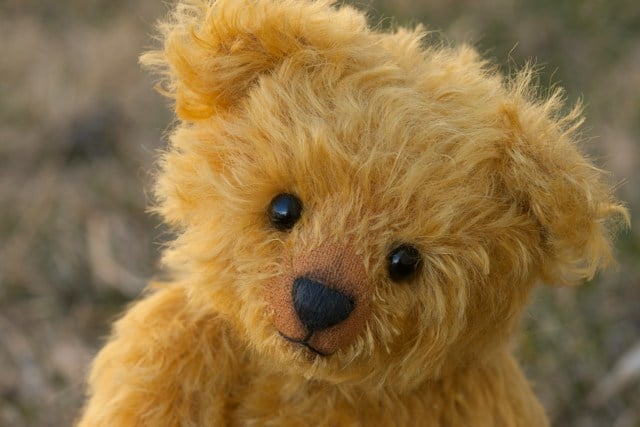
Morris and Rose Michtom of Brooklyn made some of the first American teddy bears around 1903, inspired by a Clifford Berryman cartoon of President Theodore Roosevelt refusing to shoot a tied bear in Mississippi. Their business grew into the Ideal Novelty and Toy Company. Early Ideal bears carried no permanent labels, so identification relies on traits such as a wide triangular head, low-set ears and pointed feet.
Auction results run into the thousands for strong attributed examples. Uncertain attribution, replaced pads and heavy fur loss pull values down, so a specialist opinion carries real weight.
Farnell Alpha Bears From London
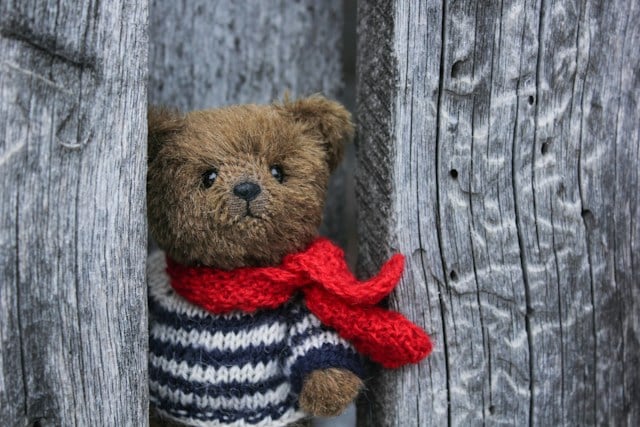
J.K. Farnell of Acton, London, made the Alpha bear range that included the toy Christopher Robin Milne received for his first birthday in 1921. That bear, bought at Harrods, became the model for Winnie-the-Pooh and now lives at the New York Public Library.
Farnell bears are often slimmer than their German rivals, with long arms and a pronounced back hump. Verified examples reach several thousand dollars when their labels survive.
Missing labels make attribution harder, and moth damage or worn paw pads lower the price for even the most handsome early Farnell bears.
Chad Valley Bears From Birmingham
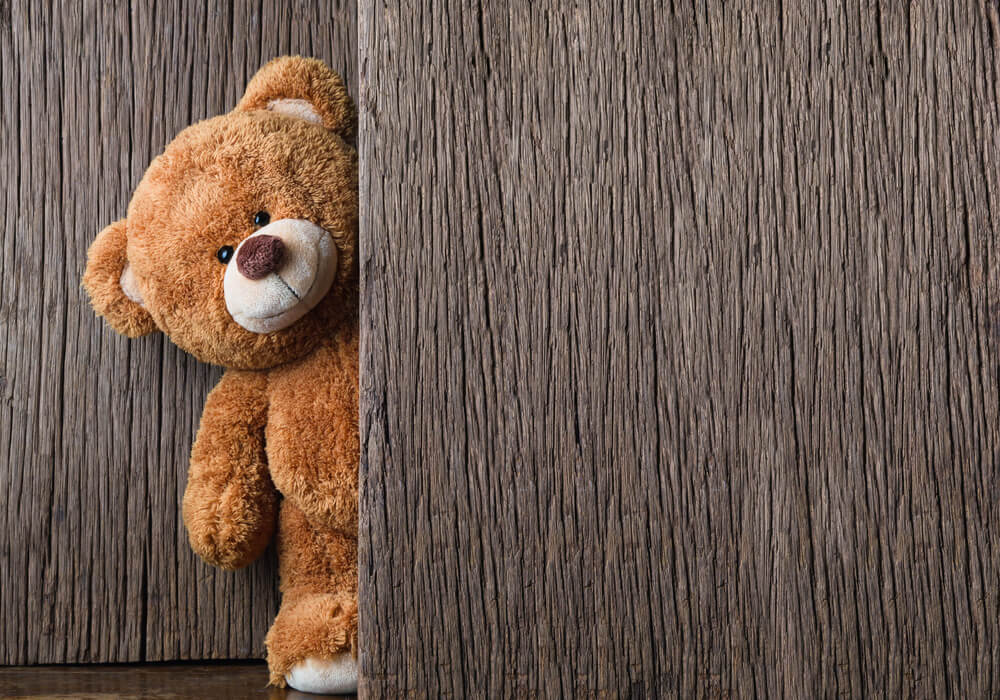
Chad Valley, based in Harborne near Birmingham, became one of Britain’s best-known toymakers and held a Royal Warrant. Its bears usually carried a button or a woven label, which collectors use to date them.
The firm produced bears in large numbers for decades, so ordinary examples remain affordable. Earlier bears with clear labels, glass eyes and good mohair are the ones that climb.
Auction results run from a few hundred dollars into the low thousands, and a lost label, flattened stuffing or patchy fur keeps most examples at the lower end of that scale.
Merrythought Cheeky With Bells in Its Ears
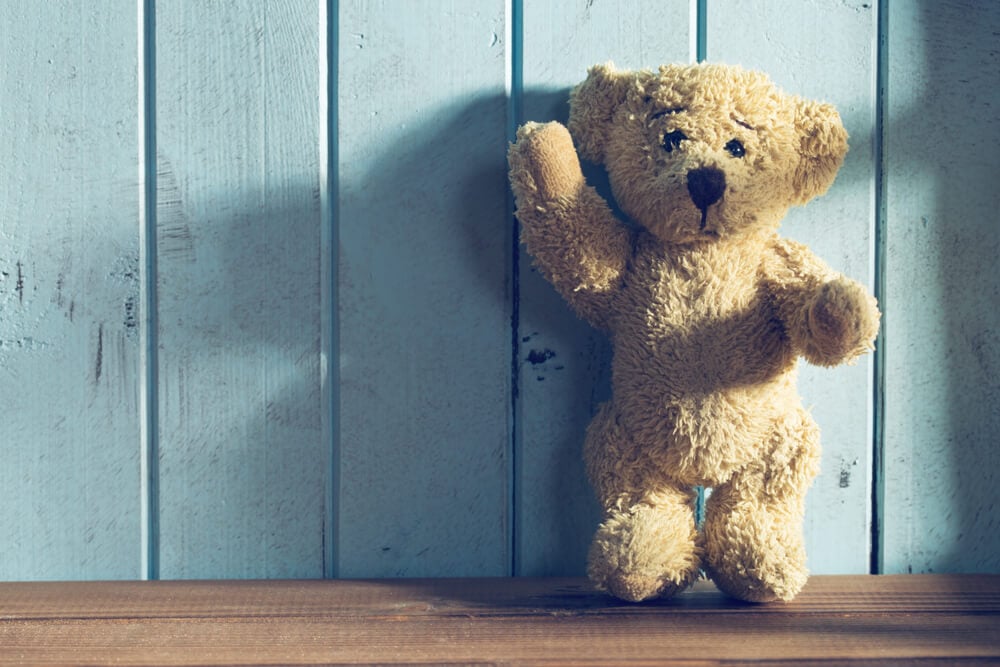
Merrythought, founded in 1930 in Ironbridge, Shropshire, took its name from an old English word for the wishbone. In 1957 the firm introduced Cheeky, a bear with a wide grin, a velvet muzzle and small bells sewn into its ears.
The Victoria and Albert Museum holds an example in its collection. Early Cheeky bears from the late 1950s and 1960s are the most wanted, especially in unusual colors.
With tags intact, buyers offer several hundred dollars and occasionally more, though velvet muzzles wear quickly and silent bells suggest rough handling.
Schuco Miniatures Hiding Perfume and Powder
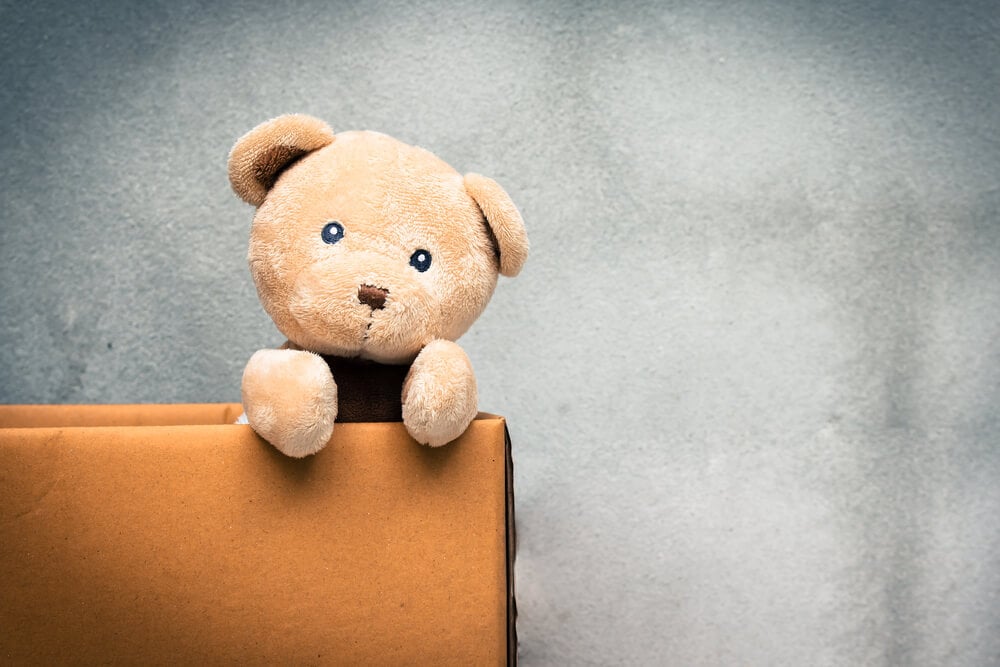
The Nuremberg firm Schuco made tiny mohair bears and monkeys in the 1920s that opened to reveal a perfume bottle or a makeup compact. Many stand only a few inches tall, and they were sold as fashionable accessories for adults.
Surviving examples with the glass bottle, stopper or mirror intact are uncommon, because the hidden parts broke or went missing. Auction results run from several hundred dollars into the thousands for bright colors such as purple, gold or pink.
A cracked mirror, missing stopper or bald head reduces value, and so does fur discolored by spilled scent.
Schuco Bears That Nod Yes and Shake No
Schuco introduced its Yes/No mechanism in the early 1920s, letting a bear nod or shake its head when its tail was moved. The idea was simple and clever, and Schuco applied it to bears, monkeys and other animals for decades.
Collectors favor the earliest versions and unusual colors. Verified examples reach several hundred dollars to a few thousand depending on size and age.
The mechanism must still work properly, because a frozen head is a common fault, and a stiff tail, worn mohair or replaced eyes all reduce the appeal for serious buyers.
Mechanical Bears From the House of Bing
Gebrueder Bing of Nuremberg, better known as Bing, was a major German toy company that made bears from around 1907, including clockwork versions that walked, tumbled or skated. Its bears are often mistaken for Steiff, and the two companies clashed over identifying marks.
Bing bears today are much scarcer than Steiff bears of the same age. Clockwork examples with a working key and mechanism draw the strongest prices, with auction results often reaching thousands of dollars.
A seized motor, a missing key or heavily worn mohair can each cut that figure substantially.
Paddington by Gabrielle Designs
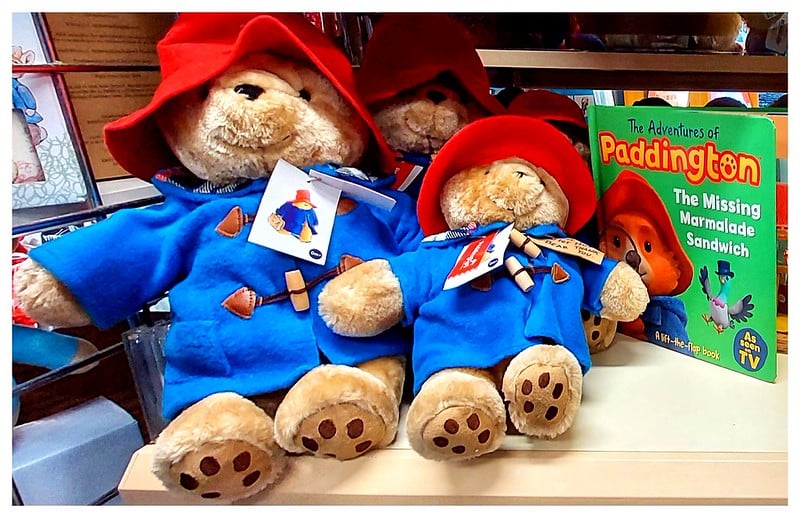
Shirley Clarkson and her husband made a Paddington Bear for their children in the early 1970s, and the toy grew into a business called Gabrielle Designs, licensed from author Michael Bond. The company gave Paddington real rubber boots, which helped the bear stand upright.
Early examples from the 1970s, with original duffle coat, hat, boots and luggage label, are now sought after. Complete early bears often bring several hundred dollars.
Missing boots or a replaced coat lower value quickly, and faded felt hats are another sign of a much-loved toy.
Teddy Ruxpin With a Tape Deck Inside
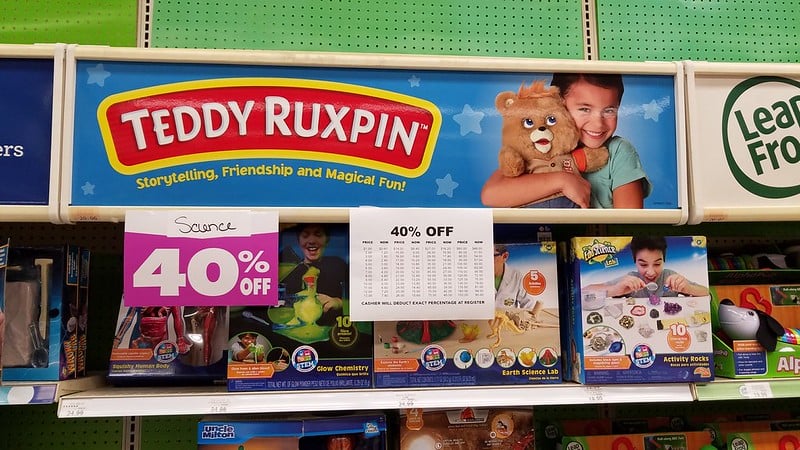
Worlds of Wonder released Teddy Ruxpin in 1985, an animatronic bear that moved its eyes and mouth in sync with cassette tapes loaded into its back. It became a huge seller during the holiday season that year.
Most surviving bears have dead motors, cracked faces or battery corrosion, which is why fully functional examples stand out. Boxed bears in working order with tapes and books typically bring a few hundred dollars.
Corroded battery compartments and torn facial skin are the most common faults, and untested bears are priced as if they do not work.
Care Bear Cousins From the Later Kenner Run
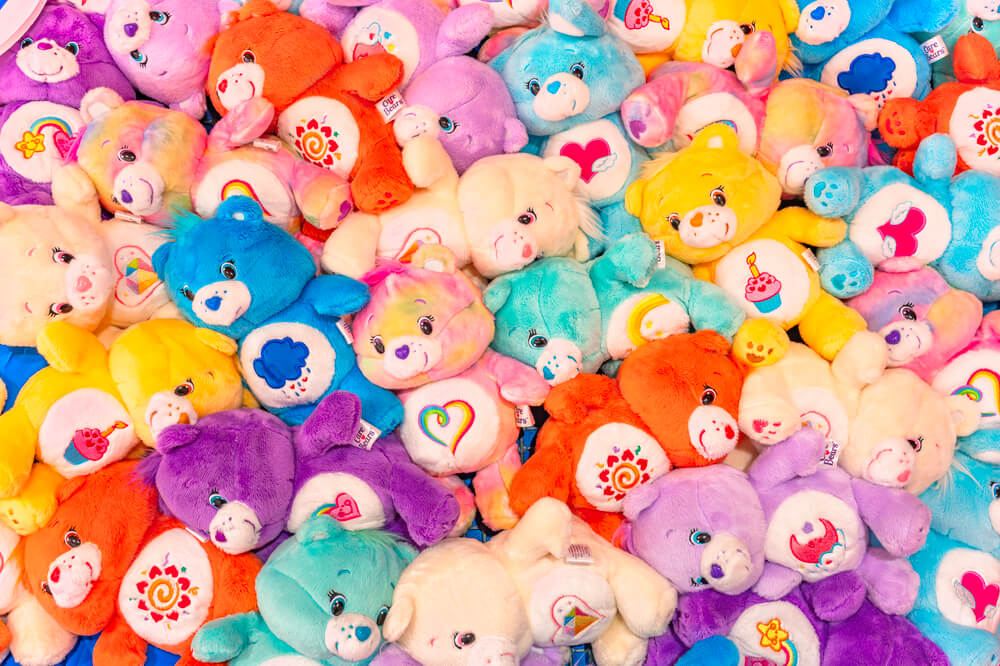
Kenner produced Care Bears plush toys from 1983, based on designs from American Greetings, and later added the Care Bear Cousins. Late additions to the cousins line, such as Noble Heart Horse and Treat Heart Pig, were made in smaller numbers than the first wave.
Those later releases are the vintage Care Bears that collectors chase hardest. With tags intact, buyers offer a few hundred dollars for good examples.
Faded tummy symbols, matted fur and missing hair tufts reduce prices quickly, and reproductions from later decades are not the same as original Kenner toys.
Furby and Its Talking Ancestors
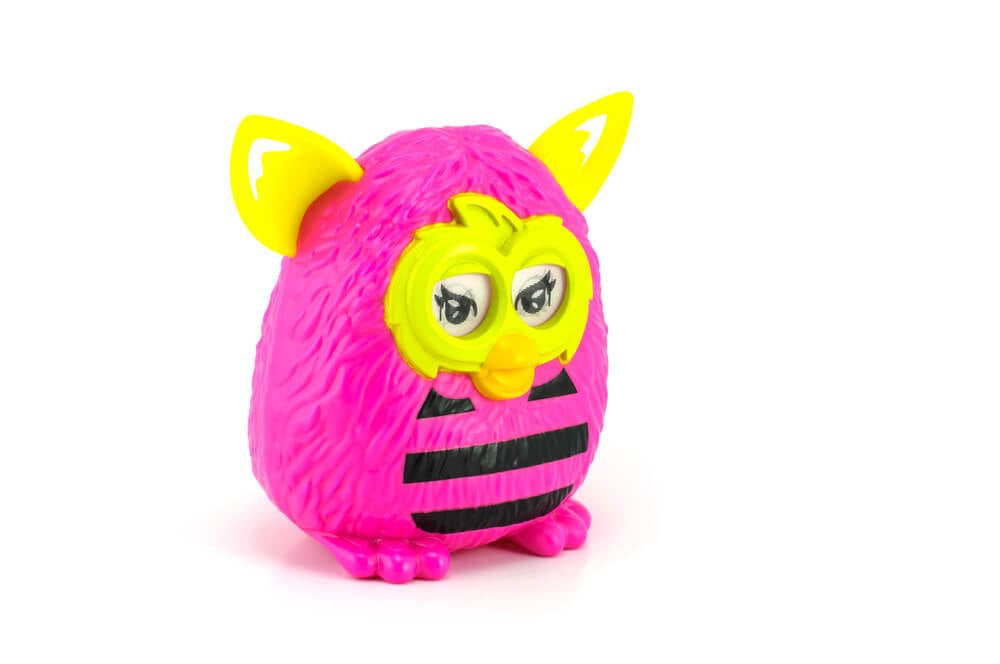
Tiger Electronics launched Furby in 1998, a furry robot that appeared to learn English over time. The toy sold in enormous numbers, and the National Security Agency reportedly banned Furbies from its premises over recording fears, though the toy could not record.
Ordinary used Furbies are common and cheap. Sealed early boxes and special editions are another matter, sometimes bringing a few hundred dollars.
Buyers check for yellowed fur, crusted battery contacts and grinding motors, and a Furby that powers up and speaks properly is worth considerably more than a silent one.
Brownie, the Bear Ty Renamed Cubbie
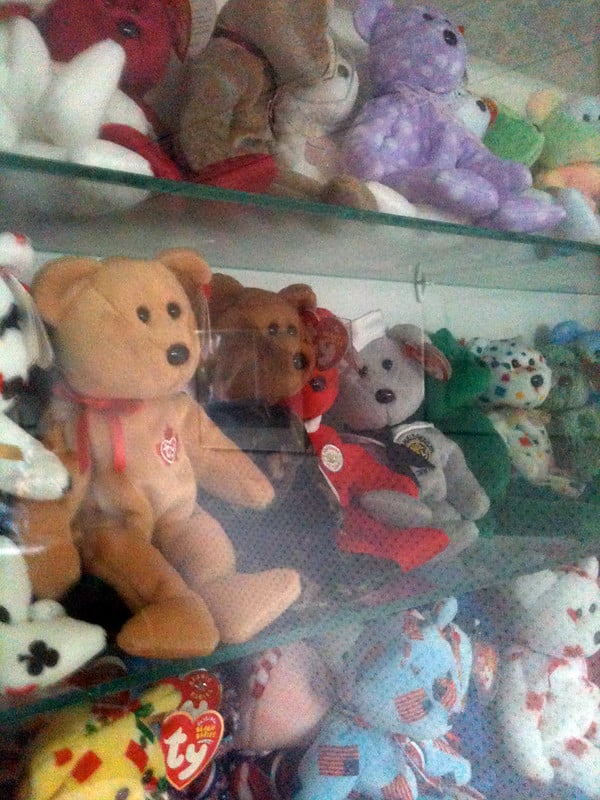
Ty Inc. introduced its first Beanie Babies at the 1993 toy fair, and among them was a brown bear named Brownie. The name was soon changed to Cubbie, so bears wearing the original Brownie swing tag are scarce.
That single printed word is what collectors pay for. Verified examples reach several hundred dollars and sometimes more.
The swing tag must be original and crease-free, and later tags swapped onto older bears are a known problem, so buyers compare tag generation, tush tag and fabric together before trusting the name.
Royal Blue Peanut the Elephant
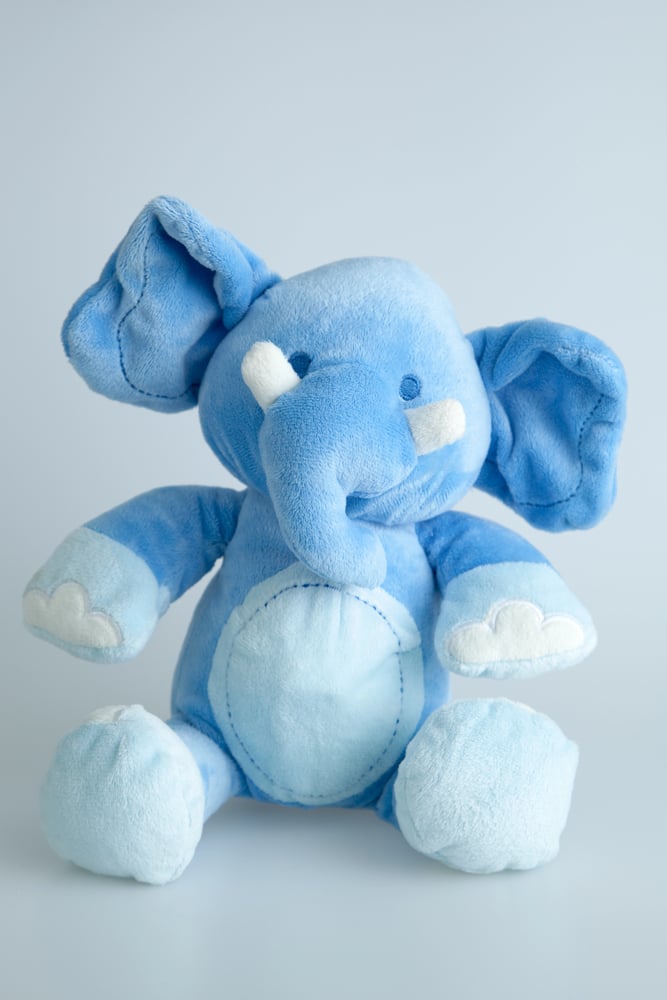
Ty released Peanut the elephant in 1995, and the earliest batch came in a deep royal blue before production switched to light blue. Only a small run of the dark version was made, which is why collectors rank it among the most sought Beanie Babies.
Online listings often claim enormous sums, yet asking prices are not sold prices. Auction results run from a few hundred dollars to a few thousand for authenticated examples.
Tag generation, crisp swing tags and an unfaded color matter, since sunlight can shift the blue and counterfeits are common.
Nana, the Monkey Before Bongo
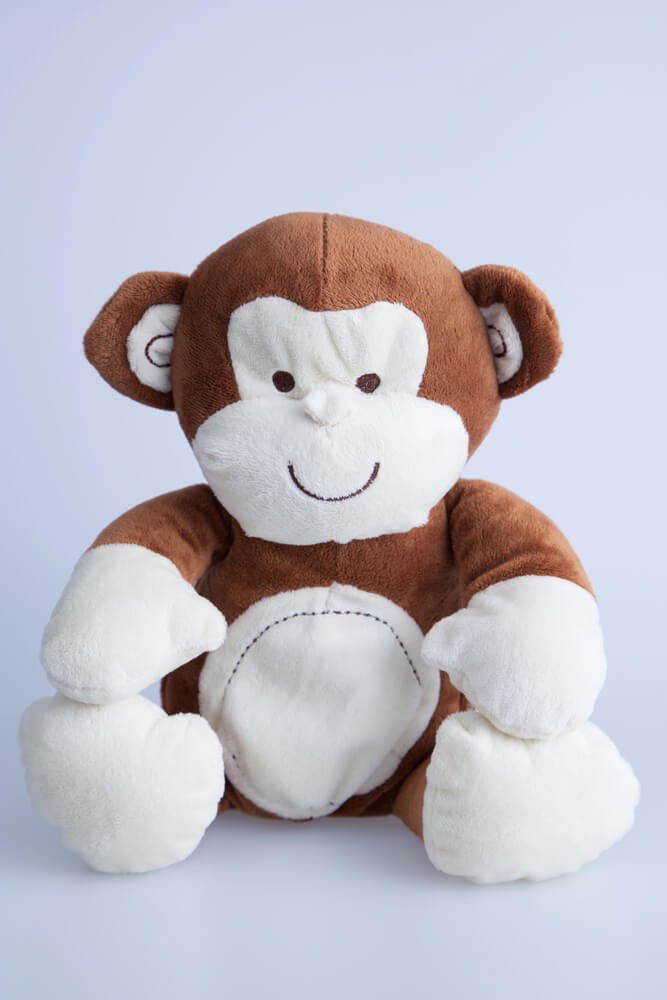
Before it became Bongo, Ty’s brown monkey carried the name Nana on its swing tag. The Nana version was produced only briefly before the rename, making it one of the scarcer early Beanie Babies.
Many collectors had no idea the earlier name existed until price guides began listing it. Verified examples reach several hundred dollars and more with authentication.
The original tag with the Nana name is everything, so a creased, clipped or missing tag destroys most of the value, and buyers expect clear photos of both swing and tush tags.
Spot the Dog Without a Spot
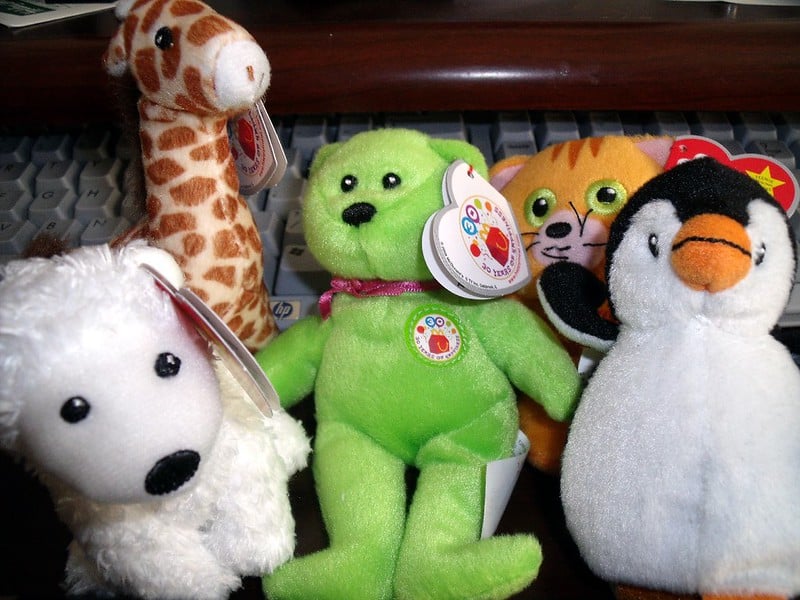
Spot the dog debuted among Ty’s earliest Beanie Babies, and the first production run had no black spot on its back. That omission was corrected quickly, so the spotless version is scarce and easy to miss.
It looks like a factory error, but it is a recognized early variation. With tags intact, buyers offer several hundred dollars for authenticated examples.
A missing swing tag lowers value considerably, and pellet loss, stains or a tush tag that does not match the first generation are all reasons a seller’s claim falls apart.
Quackers Before It Grew Wings
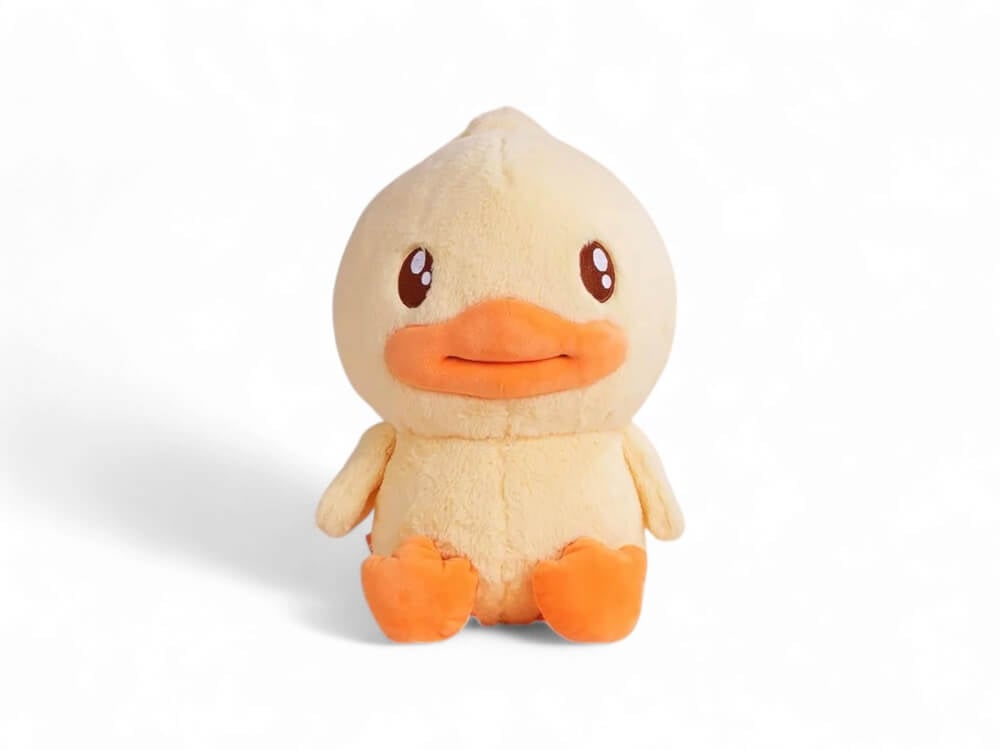
Quackers the duck first appeared without wings, and Ty later added them. The early wingless version, sometimes called Quacker on its tag, was produced only briefly, so far fewer exist.
The difference is obvious at a glance, which makes it one of the easier valuable variations to identify. Verified examples reach a few hundred dollars and sometimes more.
Collectors insist on the correct early tag and check that wings were not simply removed from a later duck, since tampering is a known trick and stray threads give it away.
Humphrey the Camel
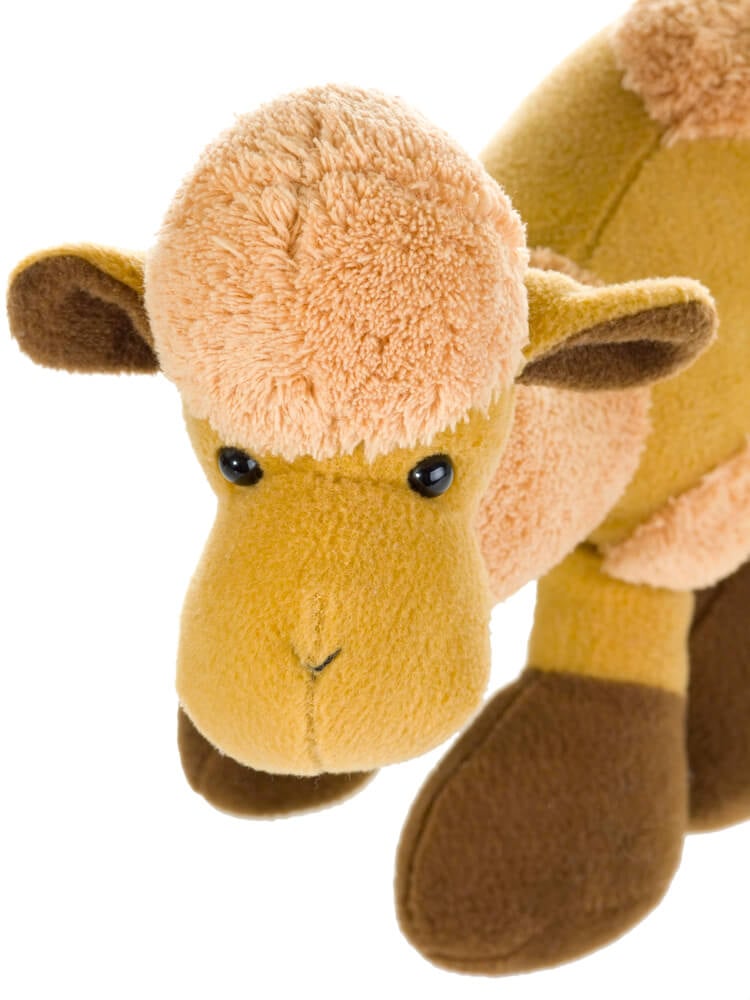
Humphrey the camel was retired early in Beanie Baby history, in 1995, before the craze reached its peak. That short run means fewer reached collectors, and most were played with before anyone thought of them as investments.
Humphrey’s tan body and long legs make it easy to recognize. Auction results run from a few hundred dollars upward for clean examples with early tags. Pellet leakage, stains on the light fabric and creased or missing swing tags are common, and each one pulls the price down noticeably from the top of that range.
Billionaire Bear for Ty Employees
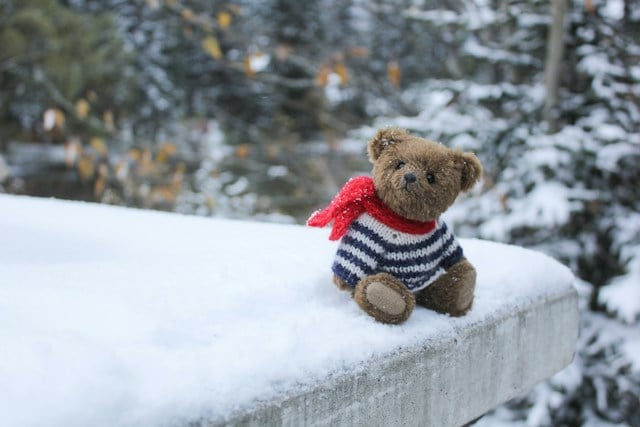
Rather than stocking stores with it, Ty made the Billionaire Bear series as gifts for its own employees. Several versions exist, often marked with a dollar sign symbol and signed by Ty Warner.
Since they were never sold at retail, supply is limited to what former staff have released over the years. Verified examples reach a few hundred dollars and sometimes into the low thousands when the provenance is clear.
Signature quality, original tags and evidence of the employee source matter greatly, because counterfeits and unsigned copies circulate and trade for far less.
Princess Bear and the Listing Problem
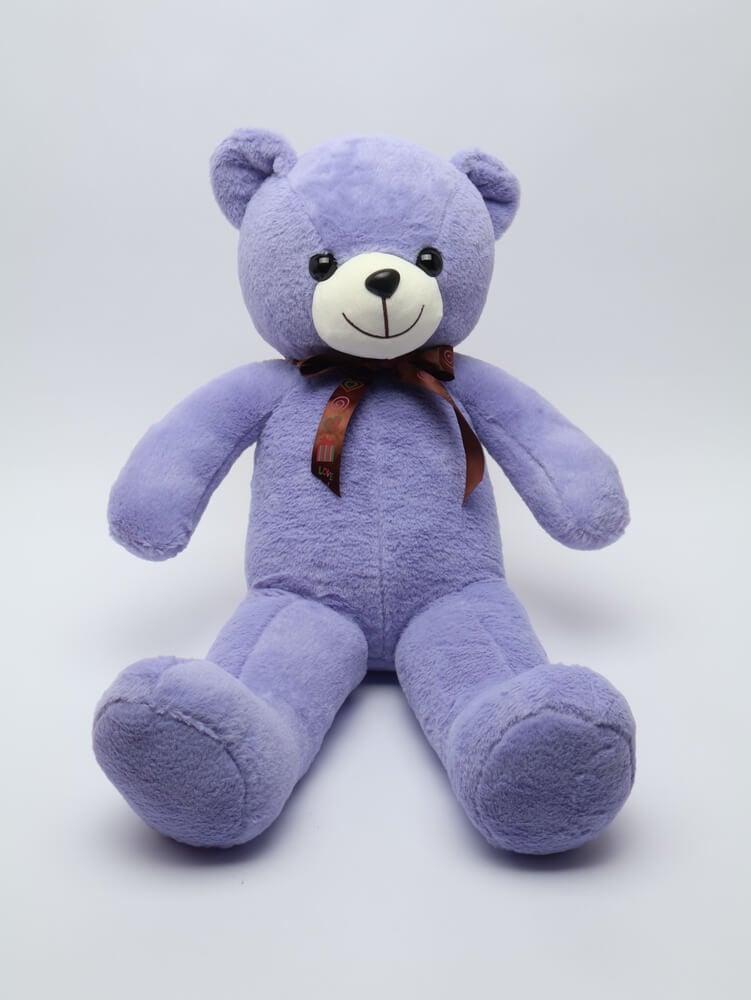
Ty released Princess, a purple bear with a white rose, in 1997 after the death of Diana, Princess of Wales, with proceeds going to her memorial fund. The bear was made in large numbers, and most are worth little.
Online listings asking tens of thousands of dollars are common, but asking prices are not sold prices. Certain early versions with specific tag details do command more.
Buyers focus on tag generation, country of manufacture and pellet type, and even good examples usually trade for modest sums compared with the headlines.
Maple and the Pride Tag
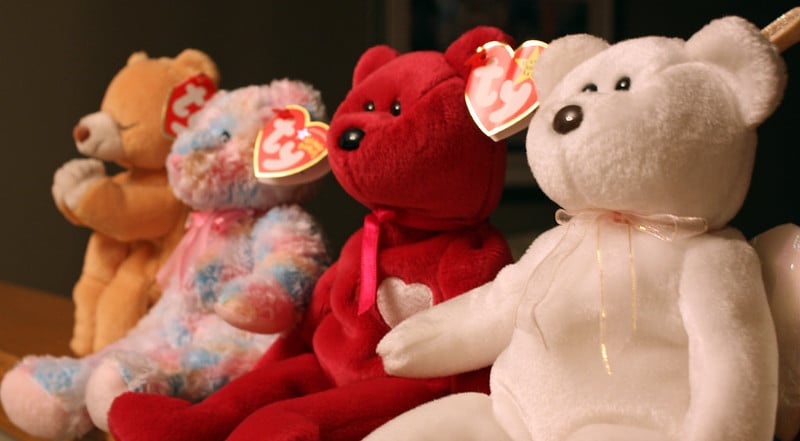
Maple, a white bear with a Canadian flag on its chest, was a Canadian exclusive released in 1997. The bear was originally going to be called Pride, and an early batch reached shelves with a tush tag bearing that name.
Those Pride tush tag examples are the version collectors want. With tags intact, buyers offer several hundred dollars for authenticated copies.
Faded tags, stains on the white plush and counterfeits are serious concerns, and a Maple with only the standard tush tag is worth far less than one carrying the earlier name.
Mohair, Memory and the Market
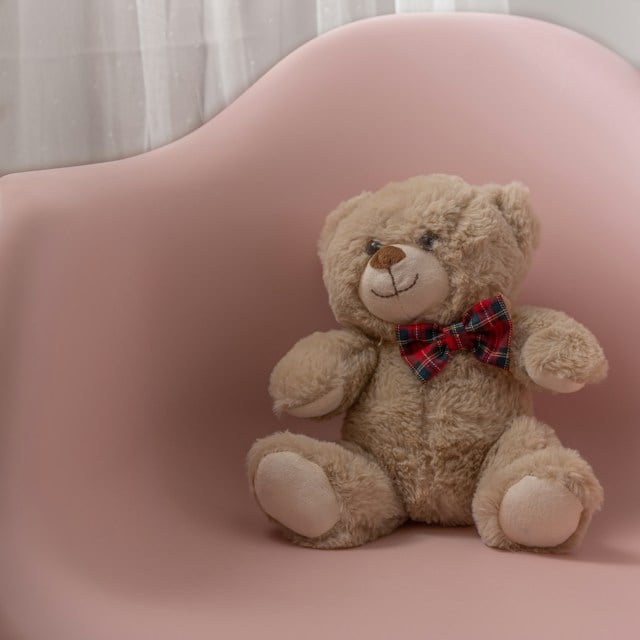
A stuffed animal is built to be squeezed, dragged and slept on. The pieces that become valuable are the ones that somehow survived that purpose, or the ones that carried a mistake, a famous owner or a short production run.
Rarity alone rarely explains the money.
Most bears and beanbag toys will never be worth more than the memories attached to them. The market rewards documentation, tags, working parts and intact fabric, all things children ignore.
That tension is what makes the few winners so surprising.
More from Go2Tutors!

- The Romanov Crown Jewels and Their Tragic Fate
- 13 Historical Mysteries That Science Still Can’t Solve
- Famous Hoaxes That Fooled the World for Years
- 15 Child Stars with Tragic Adult Lives
- 16 Famous Jewelry Pieces in History
Like Go2Tutors’s content? Follow us on MSN.