Babysitting Habits from the ’70s Nobody Allows Now
Picture a Saturday night in 1975. Your parents are dressed for a dinner dance at the club, your mother smells of Charlie perfume, and your dad is jangling the keys to the Cortina.
The babysitter is the girl from three doors down. She is twelve.
She has a packet of Simba chips, a library book and absolutely no idea what to do if anyone chokes.
And somehow, most of you survived it. That is the strange part.
The rules of looking after children in the seventies were loose, improvised and often invented on the spot by whoever happened to be holding the house key. Parents weren’t careless monsters.
They simply worked from a different map, one drawn before anyone had heard of background checks or child-locks.
Today a sitter arrives with a first-aid certificate, three references and a phone loaded with the parents’ live location. Back then, the job description fitted on the back of a till slip.
Some of those old habits deserve a fond laugh. Others deserve a quiet shudder.
Every one of them says something about how much the job has changed.
1. Hiring an 11-Year-Old to Mind a Toddler
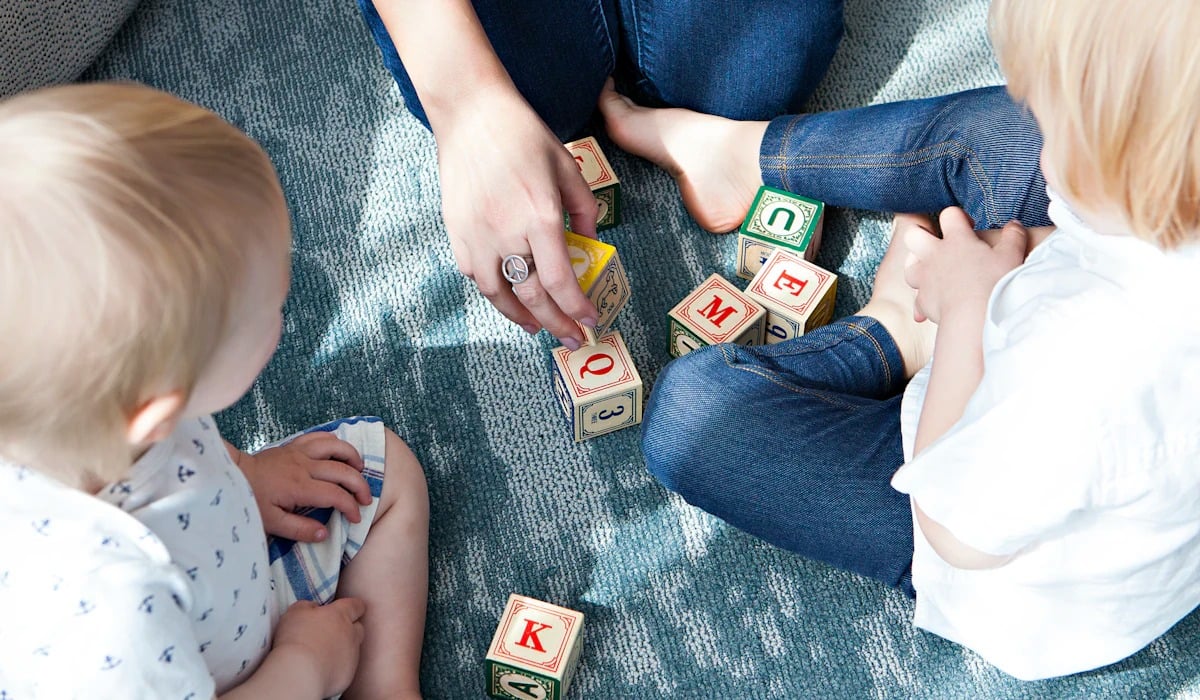
The minimum age for a babysitter in 1970s suburbia was roughly “old enough to reach the kettle.” If a child could ride a bike to your house and recite your surname, she was qualified.
Neighbourhoods ran on this arrangement. An eleven-year-old in Pinetown or Benoni would be handed a sleeping two-year-old, a bottle in the fridge and the instruction to “just pop your head in now and then.”
Parents trusted that a girl who had played house with dolls for years understood the basics. Usually she did.
Sometimes she spent the evening reading the toddler’s Noddy books aloud to herself because the toddler had better things to do, like climbing the bookshelf.
The logic wasn’t entirely mad. Kids that age had often looked after younger cousins at family braais, and they took the responsibility seriously.
But seriousness is not the same as knowing what to do when a small person swallows a marble.
Most parents now set the bar at thirteen or fourteen, and many want a first-aid course on top. If you hire a young sitter today, pair her with an adult who lives within shouting distance.
That one change turns a gamble into a plan.
2. A Scribbled Note by the Rotary Phone

Emergency contact information in 1974 looked like this: a torn corner of the Argus, propped against the heavy black phone in the passage, reading “At the Hendersons’. Number in the book.”
Which book? Which Hendersons?
Nobody asked. The sitter assumed she wouldn’t need it, and the parents assumed the same.
If she did need help, she had to dial each number slowly on a rotary dial, waiting for it to whirr back after every digit, while a child howled in the background. Today your sitter has your cell number, a backup contact and the nearest hospital saved before you’ve reversed out of the driveway.
Write it all down anyway. Phones die.
Paper doesn’t.
3. The Boyfriend Who “Just Popped In”

Every street had one. The sitter’s boyfriend, usually called Craig or Deon, arrived around eight on a Honda 50, parked it behind the hedge as if that hid anything, and settled onto the couch to “help.”
His help consisted of eating your mother’s Romany Creams and changing the radio station. The children, meanwhile, were instructed to go to bed early and given a suspiciously generous reward for doing so.
A whole Crunchie each. No questions.
Parents half-knew. The motorbike left an oil stain on the paving, and the cushions were never quite where they had been left.
But the general view was that teenagers would be teenagers, and as long as the kids were fed and the house was standing, the evening counted as a success.
Today most parents spell out the rule before the sitter even takes her jacket off. No visitors.
Not a friend, not a cousin, not Deon. It feels awkward to say, but it saves an even more awkward conversation later.
4. “Go Play Outside Till the Streetlights Come On”
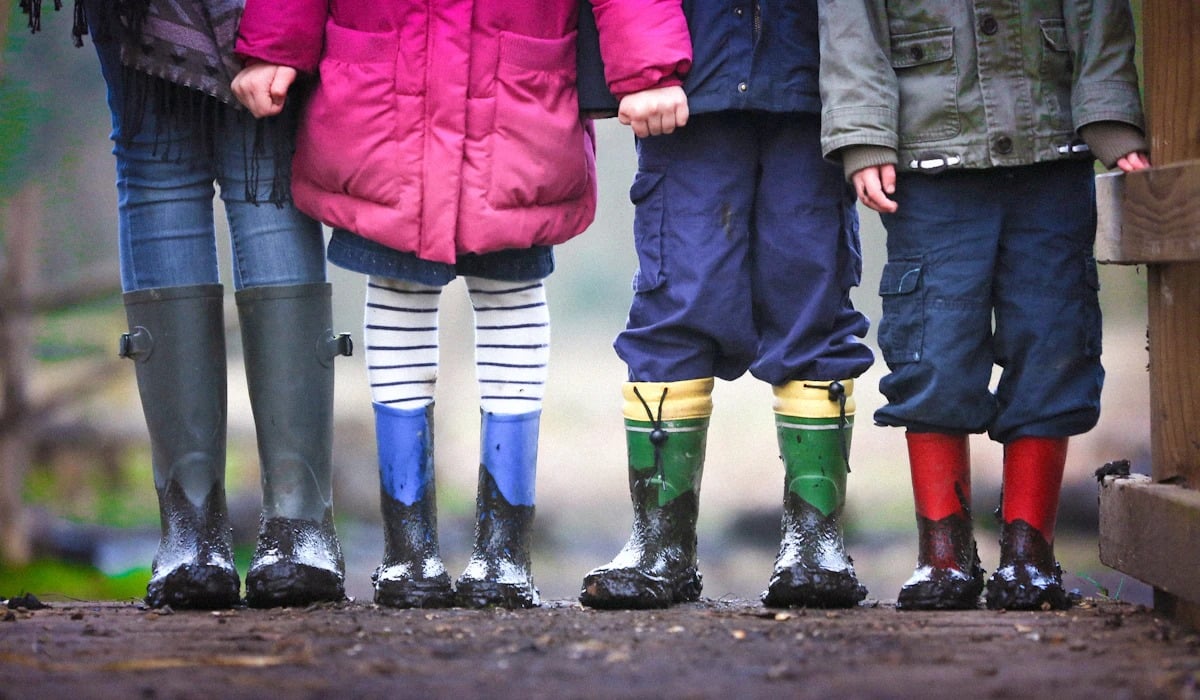
This was less a babysitting technique than an entire philosophy of childhood. After lunch, the sitter opened the back door, pointed vaguely at the world and said, “Out.”
The children would return when it got dark, hungry and covered in mulberry stains.
Where did they go? Everywhere.
Down to the stormwater drain, over the koppie behind the school, into the empty plot where somebody had once dumped an old Valiant. A pack of eight kids from the same road would roam for hours, sorting out their own disputes and their own scraped knees.
Nobody had a watch. The streetlights were the watch.
The sitter, meanwhile, had the house to herself and a stack of Fair Lady magazines. Everyone considered this a fair trade.
There is real nostalgia in this one, and with reason. Those afternoons built independence, problem-solving and a kind of street-level confidence that is hard to manufacture with a scheduled playdate.
Kids learnt which dogs to avoid and which neighbour gave out naartjies.
But the risks were real too, and most parents today won’t let a sitter send a seven-year-old off without knowing where he is. The middle ground is worth finding.
Give your kids a defined area, a check-in time and a sitter who actually looks out the window now and then. Freedom works best with an edge to it.
5. No Car Seats When the Sitter Drove
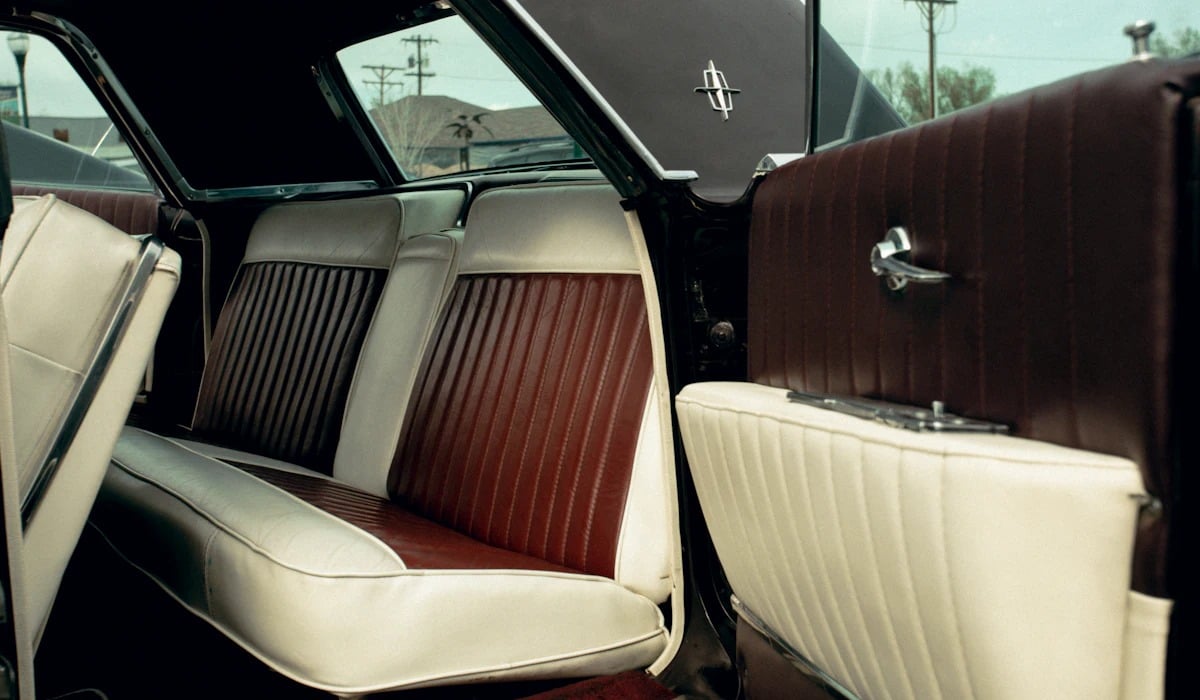
If the babysitter was old enough to drive, she was trusted to take the kids to the café for a cold drink. Car seats didn’t feature.
Seatbelts were optional decor.
Children slid across the vinyl back seat of the Datsun every time she took a corner, shrieking with joy. Some rode in the back of the family bakkie, hair whipping in the wind, waving at oncoming traffic like minor royalty.
Today a sitter who drives your children needs your car seats, properly fitted, every single trip. Even to the corner shop.
Especially to the corner shop.
6. Littlies on Laps in the Front Seat
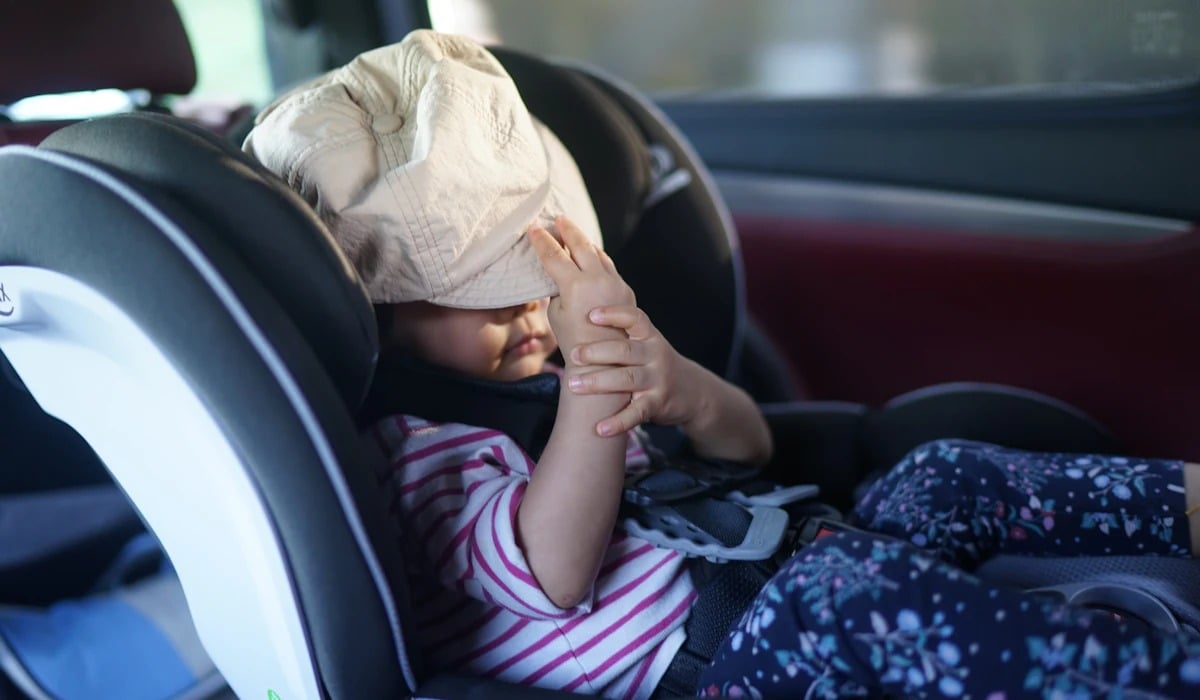
The front passenger seat was prime real estate, and the youngest child often sat there on an older sibling’s lap, facing the windscreen with a perfect view. It felt like the safest place in the car because a grown-up arm was wrapped around you.
Physics disagreed. Every modern parent knows a lap is not a restraint, and an arm cannot hold a child in a sudden stop.
That rule is now non-negotiable.
7. The Television as the Entire Evening’s Plan

Babysitting entertainment in most of the world meant one thing: switch on the box and let it run. Kids sat cross-legged a metre from the screen until their eyes went square, and the sitter got a few blissful hours of peace.
South Africa had a twist. Television only arrived in January 1976, so for the first half of the decade, the sitter’s big tool was Springbok Radio.
Children lay on the carpet listening to Squad Cars and the evening serials, terrified and thrilled in equal measure, while the sitter painted her nails at the dining room table.
When the SABC finally switched on, it was a novelty so powerful that sitters barely had to work. A few hours of broadcasting a night, a test pattern before it started, and kids who would happily stare at that test pattern for twenty minutes just in case something happened.
The whole family gathered around it like a campfire.
Nobody worried about screen time because the phrase didn’t exist. The TV was the reward, the sedative and the babysitter’s assistant rolled into one.
Today parents tend to give sitters a screen limit and a list of approved shows. That’s reasonable.
Still, there’s something charming about an era when the entire evening’s entertainment depended on whether the SABC felt like broadcasting. Try a screen-free hour with your own kids and a board game.
You’ll be surprised how quickly they forget to ask for the remote.
8. The Sitter Fast Asleep on the Couch
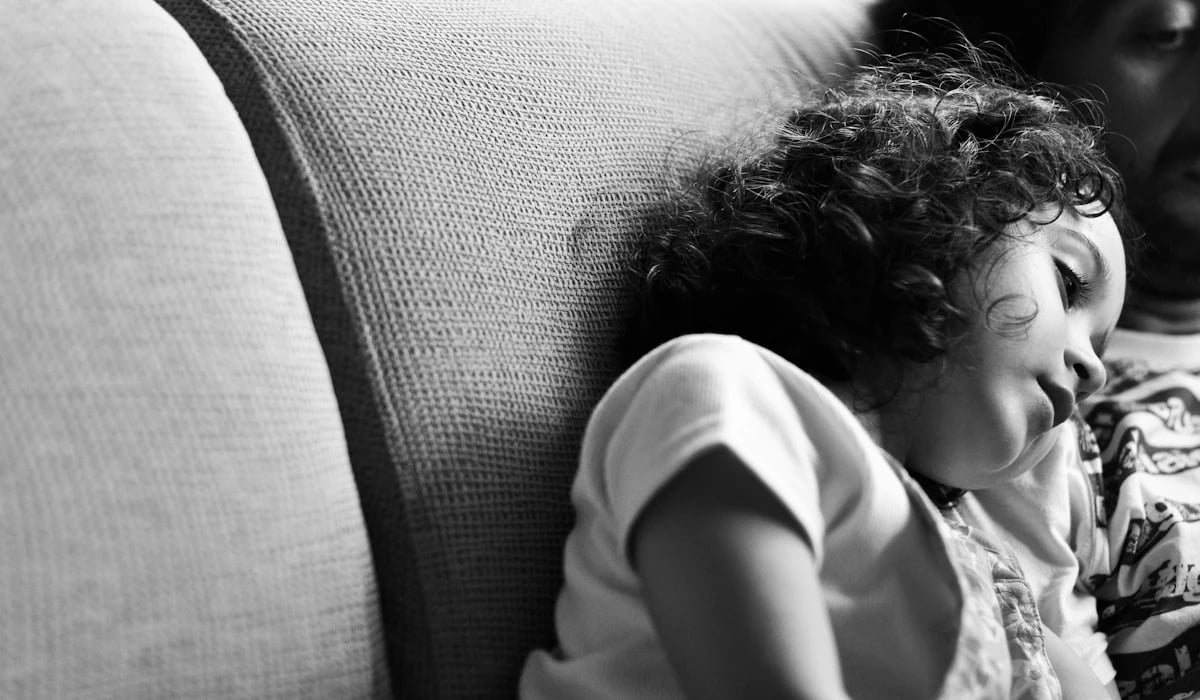
Parents walking in at midnight regularly found the sitter flat out on the sofa, mouth open, with the TV hissing static. The children were usually asleep too.
Sometimes they were in the kitchen eating sugar straight from the bowl. Either way, nobody saw a problem.
A modern sitter is expected to stay awake until you’re home, and frankly that’s fair.
9. Cash in Hand, No References Asked

Hiring a babysitter in the seventies required no interview, no CV and no character reference. Your mother asked around at church, somebody’s daughter was “a lovely girl,” and that was the vetting process complete.
Payment came in cash, pressed into the sitter’s palm at the front door. Fifty cents an hour was decent.
A full rand for a late night was generous. Some sitters were paid in leftover pudding and a lift home.
The system worked because everybody knew everybody. The sitter’s mother was in your mother’s Tupperware circle.
Reputation travelled fast.
Today you can and should ask for references, even from a neighbour’s teenager. Call them.
Ask how the sitter handled a crisis. It takes ten minutes and tells you far more than “she’s a lovely girl” ever did.
10. Putting the Eldest Child in Charge
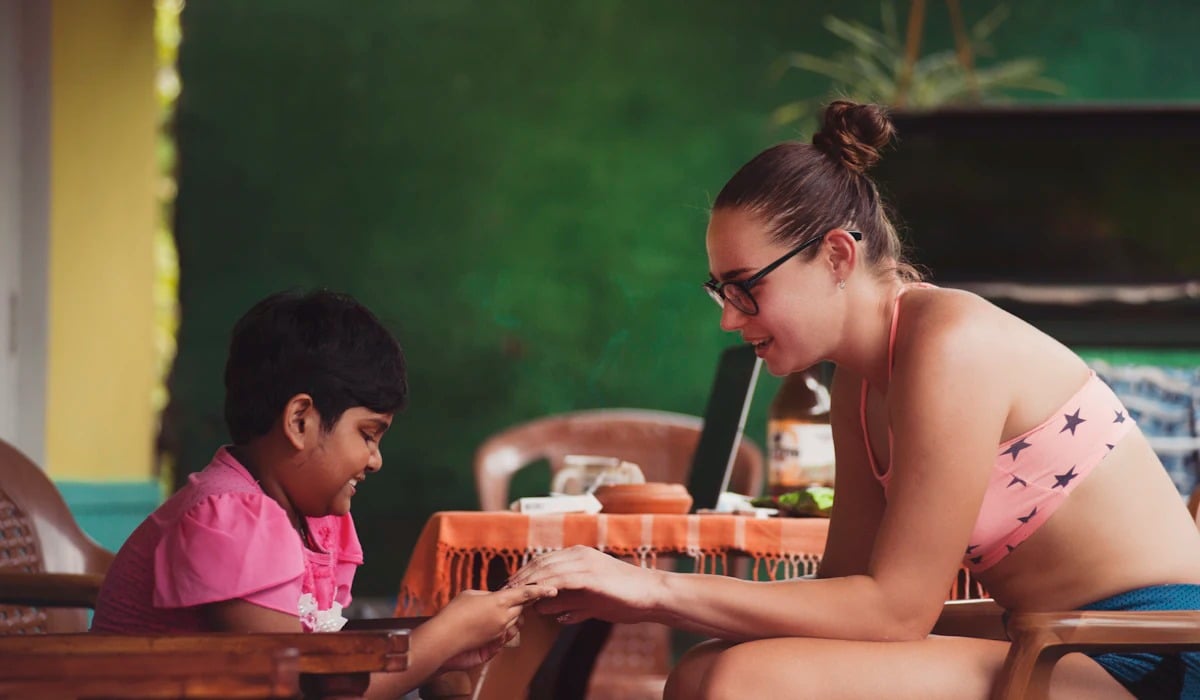
Why pay a sitter when you have a perfectly good ten-year-old? This was the reasoning in thousands of homes across the country, and it produced a generation of eldest children with the managerial instincts of a factory foreman.
The arrangement went like this. Mom and Dad left for the evening.
The eldest was told she was “in charge.” The younger siblings immediately declared that she was not, in fact, in charge, and chaos followed.
By nine o’clock someone had been locked in the bathroom, someone else had raided the biscuit tin, and the eldest was sitting on the stairs wondering why she had ever been born first.
There was real responsibility involved, though. Older siblings learnt to warm up mince, run a bath and check that the back door was locked.
Many grew into adults who could organise a family holiday from a single piece of paper.
The modern view is more careful. Most experts suggest an older sibling can supervise briefly from about twelve, but only if they’re ready for it and willing to do it.
Ask yours. Some kids love the responsibility.
Others would rather pay you to stay home. Either answer is fine, as long as you listen to it.
11. Waiting in the Car Outside the Shops
The sitter needed milk, bread and a copy of Scope for herself. The kids stayed in the car in the OK Bazaars parking lot, windows wound down a few centimetres, with strict instructions not to touch the handbrake.
They’d play I-spy, fight over the window seat and occasionally lean on the hooter until a passing auntie told them off. Twenty minutes later the sitter returned with a packet of Fizzers to keep the peace.
Leaving children alone in a car, even briefly, is now a firm no. Heat builds inside a closed vehicle frighteningly fast under a South African sun.
Take them with you. They’ll survive the trolley.
12. Brandy on the Gums for Teething

A teething baby at 2 a.m. could break even the most patient sitter, and many households had a well-known “remedy” on the top shelf. Grandmothers swore by a dab of brandy rubbed on the gums.
Nobody questioned it, because Granny had raised seven children and Granny was usually right.
This one belongs strictly in the history books. Alcohol is never safe for babies, and modern doctors are firm on that point.
If your little one is struggling with teething, phone your clinic sister or doctor for guidance. Granny can keep her brandy for the Christmas pudding.
13. Matches, Sparklers and a Box of Fireworks

On Guy Fawkes night, the babysitter’s job often included supervising a back-garden fireworks display, which in practice meant handing a box of Lion matches to a nine-year-old and saying “be careful.”
Kids lit Catherine wheels nailed to the fence, sent rockets out of empty Coke bottles and waved sparklers around in circles until somebody’s sleeve singed. Bangers went off under dustbin lids.
Dogs hid under beds across the entire suburb. The night ended with the smell of gunpowder in everyone’s hair and, if you were lucky, all ten fingers still accounted for.
Even on ordinary nights, matches weren’t locked away. Children used them to light candles during power cuts, to burn their names into wooden planks with a magnifying glass, and to start small, mostly controlled fires in the veld behind the house.
The sitter rarely intervened. Fire was a skill, and every child was expected to learn it eventually.
Modern parents keep matches and lighters well out of reach, and fireworks are now heavily restricted in many South African municipalities. That’s sensible.
If you want your kids to learn fire safety, teach them yourself, at a supervised braai, with a bucket of water nearby. It’s the same lesson without the trip to casualty.
14. Sweets and Fizzy Drinks for Supper

The sitter was often given a simple brief: “Feed them.” What counted as food was left open to interpretation.
A popular menu went something like this. Viennas in a bun for the main course.
A bowl of Nik Naks as a side. Pudding of Ouma rusks dunked in Oros, followed by an entire packet of Chappies shared among three children.
Wash it all down with Sparletta Creme Soda in a glass bottle, and send everyone to bed buzzing like a fridge.
Parents now tend to leave a proper meal and a clear note. Fair enough.
But a once-a-year “sitter’s supper” with a bit of junk thrown in won’t harm anyone, and it might just make you the most popular parent on the street.
15. No First-Aid Training Whatsoever

A 1970s sitter’s medical kit consisted of a tin of Zam-Buk, a bottle of Dettol and the firm belief that a cold flannel fixed most things. CPR was something you saw on American TV.
The Heimlich manoeuvre wasn’t even widely known until the mid-seventies, and it certainly hadn’t reached the average fourteen-year-old in Bloemfontein.
When a child fell out of the jacaranda tree, the treatment plan involved checking whether he could still wiggle his toes, then giving him a Marie biscuit. When someone swallowed something odd, the plan was to wait and see.
Remarkably, it worked out more often than it should have.
Today, a first-aid course is one of the most valuable things a babysitter can bring. St John and the Red Cross run short courses around the country, and many are designed for teenagers.
If you’re hiring, ask about it. If you’re a parent yourself, take the course too.
Knowing what to do in those first two minutes changes everything.
16. Helping Herself to the Fridge and the Drinks Trolley
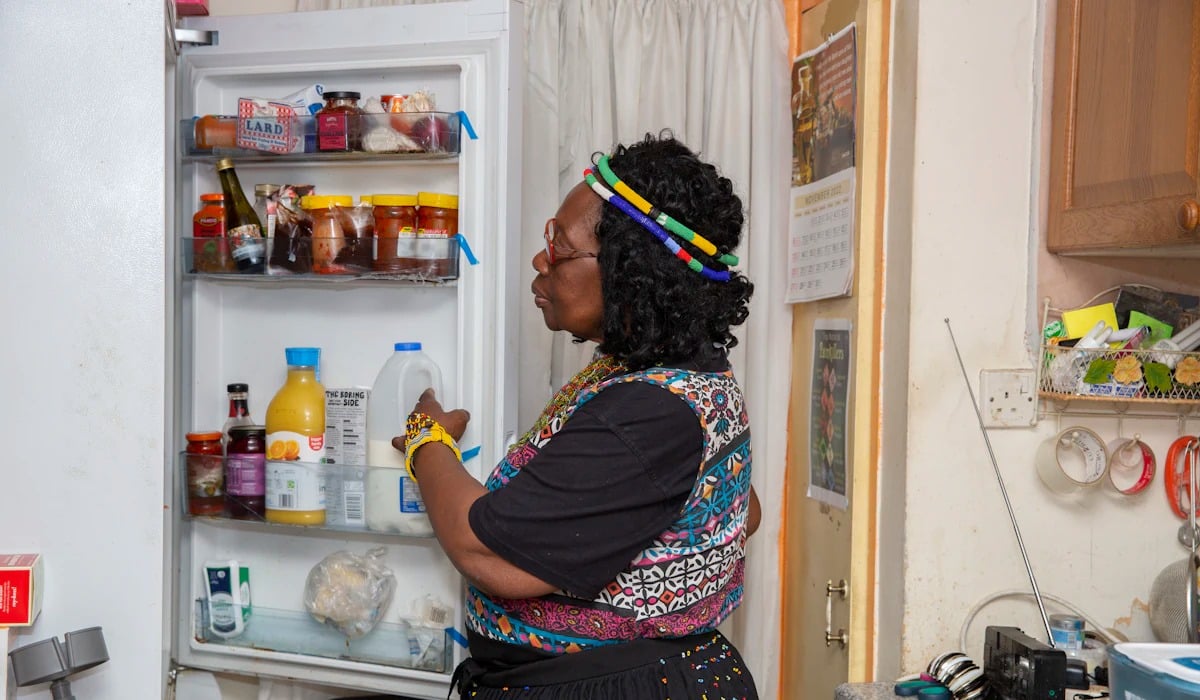
“Help yourself to anything in the fridge” was a standard parting line, and sitters took it literally. The leftover roast, the trifle meant for Sunday, the last of the cheddar.
All gone.
The bolder ones also explored the drinks trolley. A thimble of Van der Hum here, a splash of Cinzano there, topped up with water so nobody would notice.
Parents always noticed. The Cinzano turned a curious pale colour.
Today, lock the liquor away and leave a clearly marked shelf of snacks. Everyone knows where they stand.
17. Ghost Stories to Scare Kids Into Bed

When gentle persuasion failed, the seventies sitter reached for her secret weapon: terror.
“If you’re not in bed in five minutes, the Tokoloshe will come.” “There’s a lady who walks the road at night looking for children who aren’t sleeping.”
“Do you hear that scratching? That’s not the wind.”
Some sitters invented elaborate tales about a headless miner who wandered the old mine dumps on the East Rand. Others borrowed from the Uniondale ghost, the hitchhiking spectre that every South African child knew about and nobody had actually seen.
It worked brilliantly. Children dived under their blankets and stayed there, eyes wide, barely breathing.
The sitter got her peace and quiet. The children got nightmares for a week and a lifelong fear of the passage light switch.
There’s a reason those stories stuck around. They were good stories.
Told with a torch under the chin and a dramatic pause, they became a rite of passage, and many adults now pass them on to their own kids around the campfire.
Most parents today would prefer a sitter who reads a calm bedtime story instead. Save the spooky tales for a camping trip, when everyone is old enough to enjoy the fright and laugh about it afterwards.
Fear makes a great story and a terrible sleeping aid.
18. An Unfenced Swimming Pool and “Keep an Eye on Them”

The family pool was the pride of the property, usually kidney-shaped and serviced by a brand-new Kreepy Krauly, a proudly South African invention of the decade. What it didn’t have was a fence.
Sitters were told to “keep an eye on them” while the kids splashed around all afternoon. The keeping-an-eye often happened from a deck chair with eyes closed and a radio blaring Lionel Petersen.
Toddlers wandered to the edge on their own, and older siblings were expected to fish them out if needed.
Pool fencing and safety nets are now required by many municipal bylaws, and drowning prevention is taken seriously. Any sitter you hire should never take her eyes off children near water.
Not for a magazine, not for a phone call. Not for a second.
19. The Neighbour Over the Wall as the Backup Plan

If something went wrong, the official emergency procedure was to shout over the vibracrete wall for Mrs Venter. Mrs Venter was always home.
Mrs Venter knew how to deal with bee stings, broken windows and boys who had locked themselves in the shed. She had raised five children and buried two husbands, and nothing frightened her.
This was the real safety net of the seventies. Not the phone, not the sitter, but the network of mothers and grannies who watched the street from behind their net curtains.
It’s worth rebuilding in a modern form. Introduce your sitter to a trusted neighbour before you head out.
One name and one door to knock on can make all the difference.
20. Parents Completely Out of Reach All Night
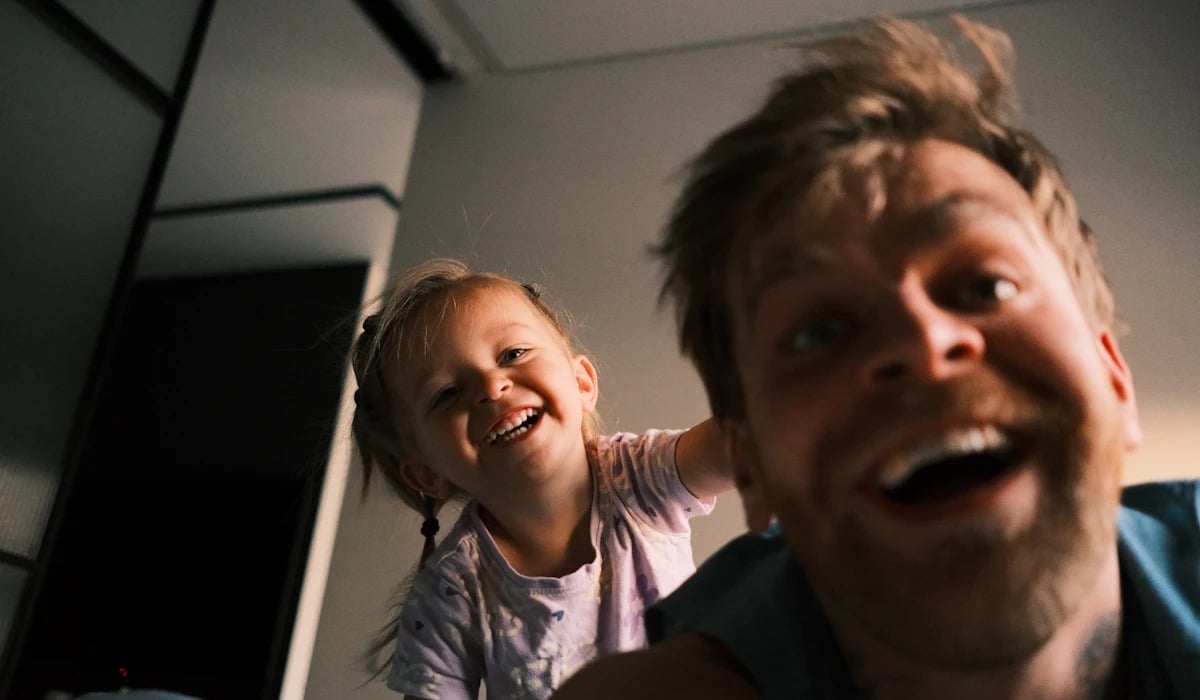
Once your parents drove off, they were gone. Truly gone.
No cell phones, no pagers, no “just checking in” messages. If they were at a dinner party in Constantia or a dance at the Rand Club, the sitter had no realistic way of reaching them until they strolled through the door at one in the morning, smelling of sherry and full of stories.
That disconnection gave everyone a strange kind of freedom. Parents enjoyed a whole night off without glancing at a screen.
Sitters made their own decisions, for better or worse. Children learnt that grown-ups had lives outside the house.
Today, most parents keep their phones on the table and reply within minutes. That’s reassuring for everyone.
But you can still borrow something from the old way. Agree on one check-in time with your sitter, then put the phone away and enjoy your evening.
She’ll call if she needs you.
The Porch Light Left On
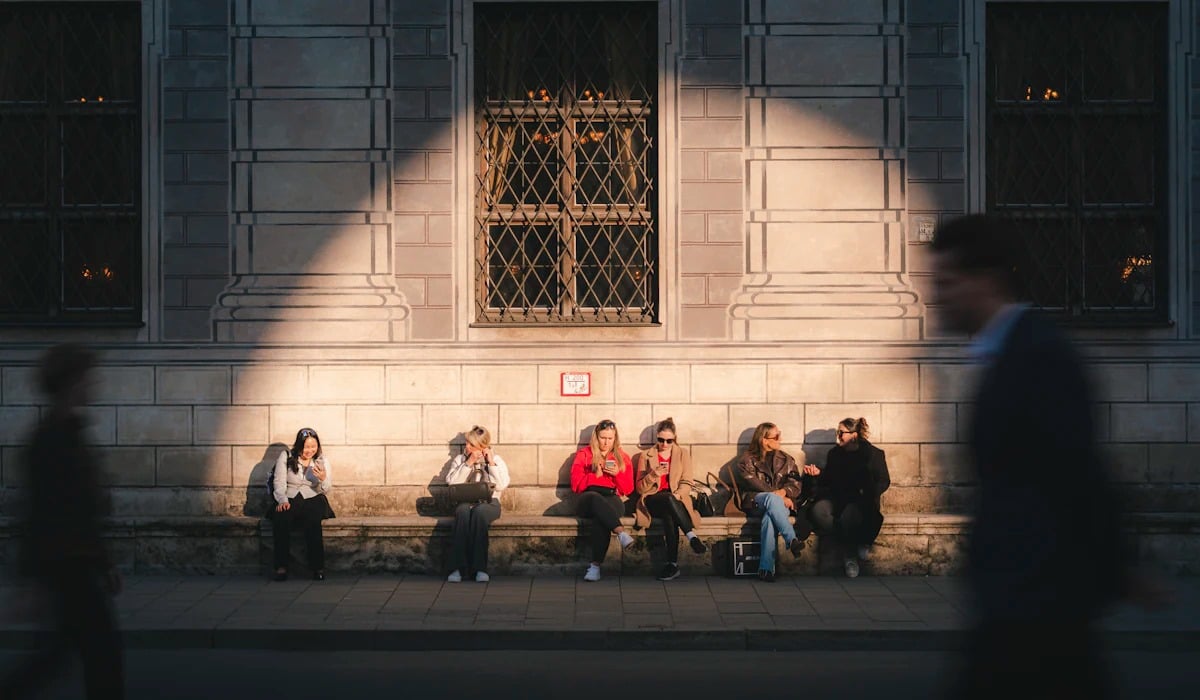
There’s a particular memory many people share from those years. The sound of tyres on the driveway after midnight, the porch light still burning, and the sitter scrambling to sit upright and look like she’d been awake the whole time.
Then the murmur of grown-up voices in the passage, a few coins changing hands, and the front door clicking shut.
Most of the habits above were risky, and the modern rules exist for good reasons. Car seats save lives.
First-aid training saves lives. Pool fences save lives.
Nobody should feel nostalgic for the danger.
But there’s something worth keeping from that era too. Trust.
Neighbours who looked out for each other. Kids who were allowed to be bored, to roam a little, to sort out a squabble without an adult stepping in.
Sitters who were treated as capable young people rather than suspects.
So when you next book a babysitter, take the best of both decades. Check the references, leave the numbers, lock the liquor cabinet.
Then step back and let her do the job. Leave the porch light on, and trust that the house will still be standing when you get home.
MORE FROM GO2TUTORS!

- The Romanov Crown Jewels and Their Tragic Fate
- 13 Historical Mysteries That Science Still Can’t Solve
- Famous Hoaxes That Fooled the World for Years
- 15 Child Stars with Tragic Adult Lives
- 16 Famous Jewelry Pieces in History
Like Go2Tutors’s content? Follow us on MSN.