30 Department Stores Gone From Main Street
Ask anyone over forty about the big store in their hometown and watch their face change. They remember the lift attendant calling out the floors, the smell of the perfume hall, the tearoom where a toasted cheese came on a proper plate.
They remember queuing for Father Christmas in a cardboard grotto that felt like another planet.
Those stores were never just shops. They were where you bought your school uniform, your first suit and the wedding present for a cousin you barely knew.
Your mother had an account there. Your gran knew the woman on the haberdashery counter by name.
Most of them are gone now. Some died slowly over decades, some vanished in a single administration notice, and a few were simply renamed until nobody remembered what they used to be called.
From Adderley Street to State Street to Oxford Street, the pattern repeats.
Here are thirty of them, from Cape Town, Johannesburg and Durban to Chicago, Detroit, London and Liverpool. Some will make you smile.
A few will sting.
1. Stuttafords
Samson Rickard Stuttaford opened his Cape Town business in 1857, and for well over a century the name meant one thing in South Africa: quality. The Adderley Street store was the place Capetonians went when an occasion called for something better than ordinary.
Stuttafords sold the labels other South African stores couldn’t get. It carried imported fashion, serious cosmetics and the sort of menswear a father bought once and wore for twenty years.
Later branches in Sandton, Durban and elsewhere kept that hushed, carpeted feel.
The end came quickly. The chain went into business rescue in 2016 after losing key international brands, and the doors closed for good in early 2017.
Roughly 160 years of trading, finished in months.
If you shopped there, you know the shopping bags outlived the store. Plenty of Cape Town households still have one folded in a drawer.
2. Montgomery Ward
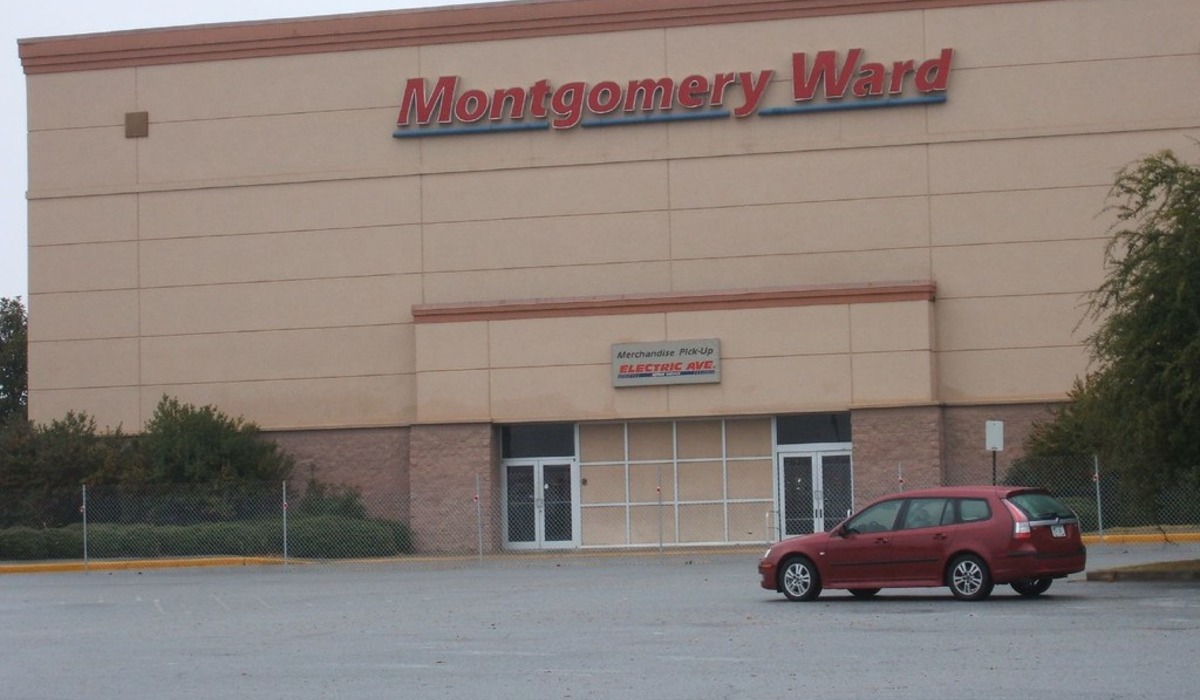
Aaron Montgomery Ward started a mail-order business in Chicago in 1872, and the idea was simple. Farmers in the rural Midwest paid too much at the local general store, so he sent them a catalogue instead.
That catalogue became a rural institution. Families ordered clothes, tools and furniture from it, and the company later opened hundreds of physical stores across America.
Here’s the detail most people don’t know. In 1939, a Ward’s copywriter named Robert L.
May wrote a Christmas booklet for shoppers about a reindeer with a glowing nose. Rudolph was a Montgomery Ward giveaway before he was anything else.
The company struggled through the 1990s and announced its closure at the end of 2000. The last stores shut in 2001.
The name later returned as an online catalogue brand, but the stores, the counters and the staff were gone.
3. OK Bazaars
Michael Miller and Sam Cohen opened the first OK Bazaars on Eloff Street in Johannesburg in 1927. The concept was cheap, cheerful and crowded.
You walked in for a packet of needles and walked out with a kettle, a school jersey and a bag of sweets.
For generations of South Africans, OK was the shop. It had lay-bys long before anyone talked about buy-now-pay-later, and plenty of families stocked their entire kitchens a few rand at a time.
By the 1990s the chain was losing money under South African Breweries. Shoprite bought it in 1997 for a symbolic R1 and took on its problems along with it.
The OK name still survives on some grocery and furniture shops. The sprawling bazaar, with its everything-under-one-roof chaos, does not.
4. Gimbels
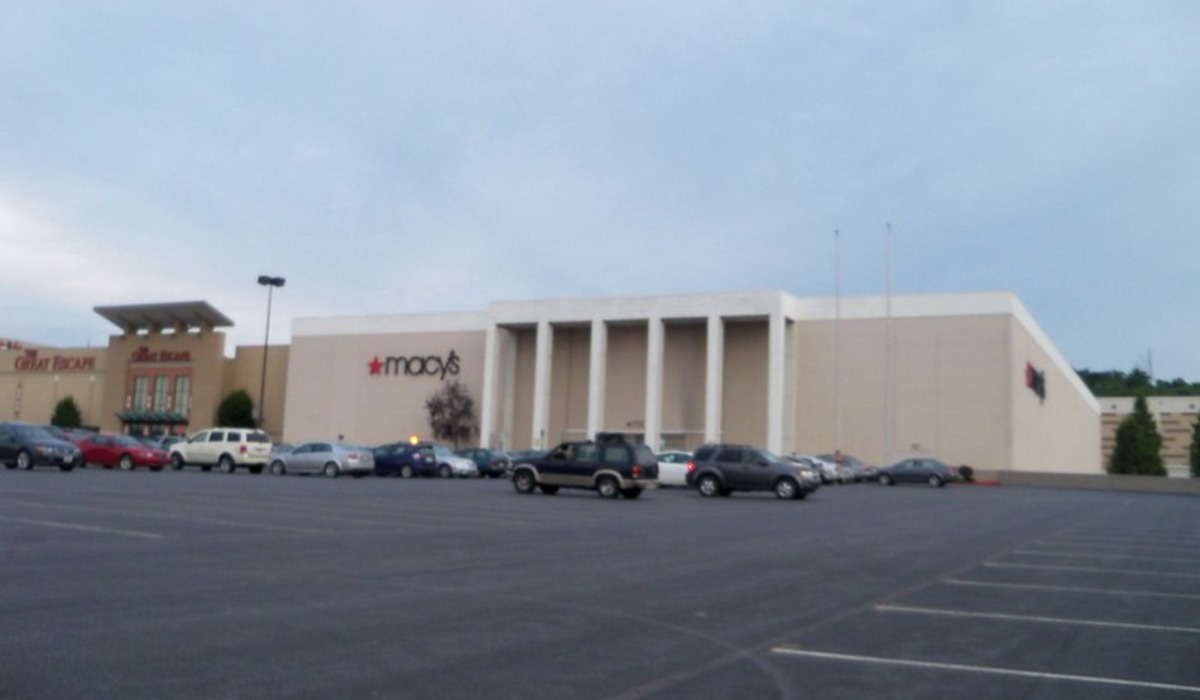
If you’ve watched Miracle on 34th Street, you know Gimbels as the rival Macy’s Santa kept sending customers to. That rivalry was real.
The two stores stood almost side by side at Herald Square in New York, and the phrase “Does Macy’s tell Gimbels?” entered everyday American speech as shorthand for keeping secrets from the competition.
Adam Gimbel started the business in Indiana in the 1840s, and his family built it into a chain with big stores in Philadelphia, Pittsburgh and Milwaukee as well as New York.
But Gimbels never held its ground the way Macy’s did. The American arm of a British conglomerate took it over in the 1970s, profits sank, and the remaining stores were sold off or closed by 1987.
Macy’s, of course, is still at Herald Square.
That’s the thing about famous rivalries. Somebody always loses.
5. Woolworths (UK)
The British Woolworths went into administration in November 2008 and closed its final stores in early January 2009. More than 800 shops and roughly 27,000 jobs disappeared in about six weeks.
You remember the pick ‘n’ mix. Everyone does.
The plastic scoops, the paper bags, the white mice and cola bottles you weren’t supposed to eat before paying. Woolies also sold Ladybird children’s clothes, cheap singles, school stationery and the kind of plastic garden furniture that cracked after one summer.
The British business had split from its American parent decades earlier, so its collapse had nothing to do with the American five-and-dimes. It was a victim of supermarkets selling the same stuff cheaper, online music sales and a crushing debt load just as the financial crisis hit.
Walk down almost any British high street today and you can still spot a former Woolies. The shape of the building gives it away.
South Africans, take note. The Woolworths you shop at in Rosebank or Cavendish has no connection to either the British or the American chain.
Same name, different story, and still trading.
6. Garlicks
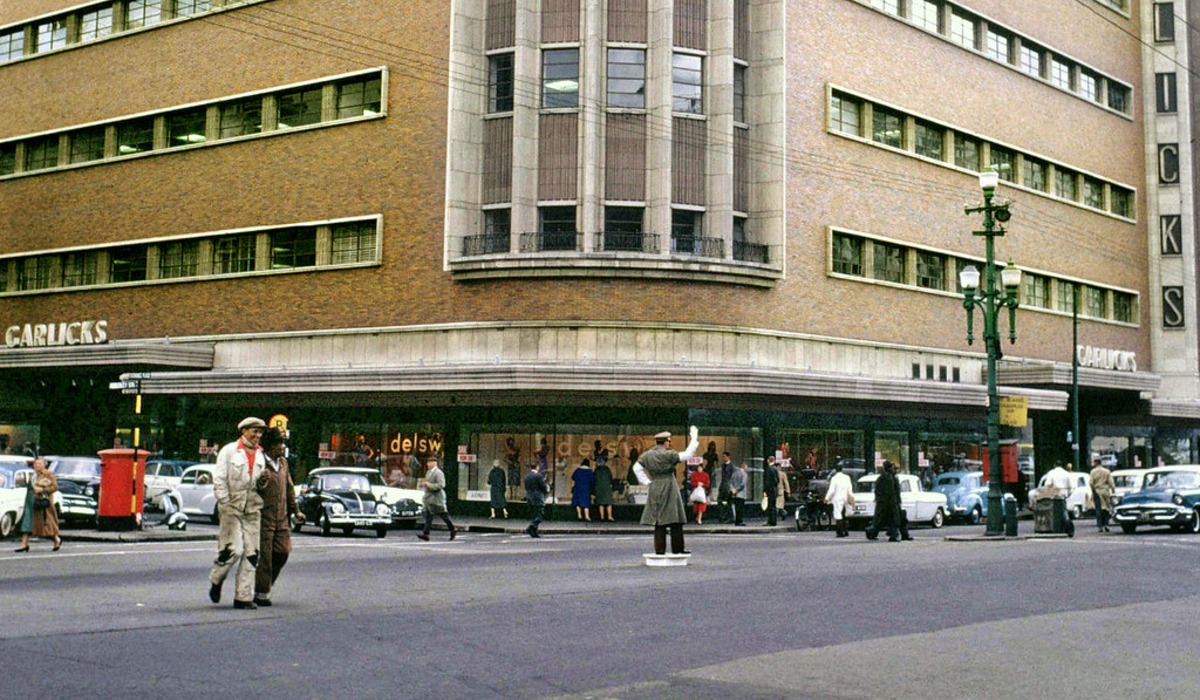
John Garlick opened his first shop in Cape Town in 1875, and Garlicks grew into one of the city’s most respected department stores. Its Adderley Street premises sat in the same stretch as Stuttafords, which made the street the closest thing Cape Town had to a grand shopping avenue.
Garlicks had a tearoom, an elegant restaurant and the sort of staff who’d measure you for a suit and remember your size next season.
The name faded away as shoppers moved to malls and family-owned retailers were absorbed into bigger groups. Today few people under thirty have heard of it.
Their grandparents still say “Garlicks” the way some people say “the good china.”
7. Marshall Field’s
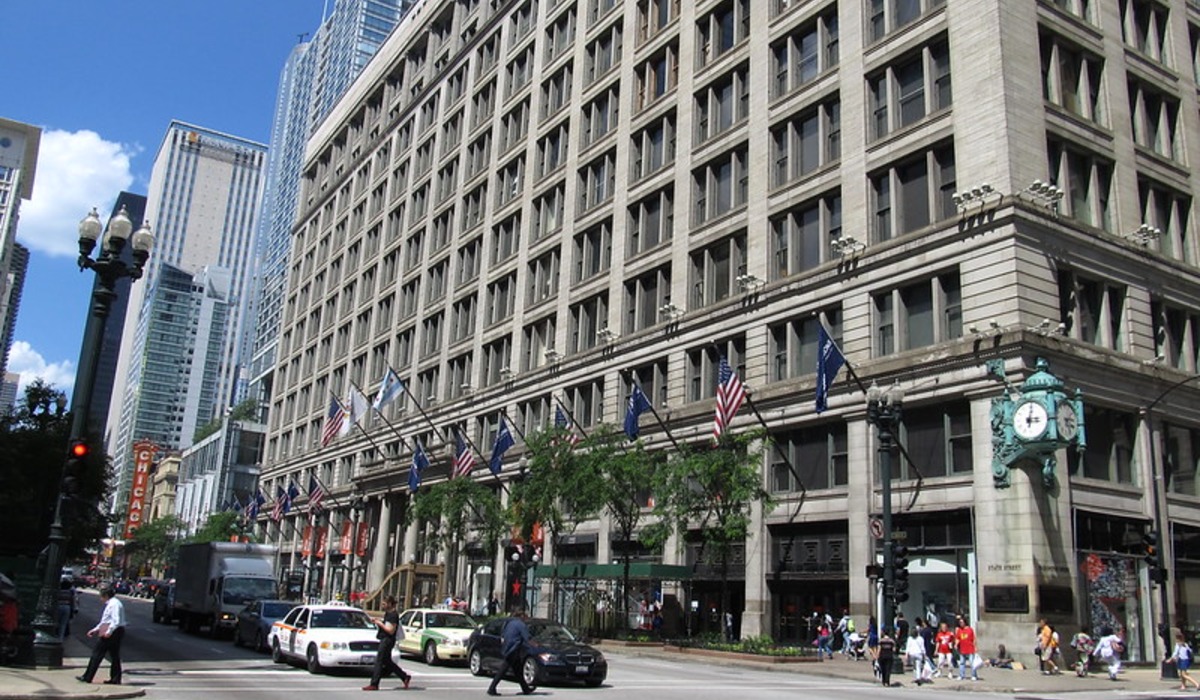
Chicago’s State Street store was a cathedral of retail. It had a Tiffany mosaic ceiling, the Great Clocks on the building’s corners, and the Walnut Room, where families queued for hours at Christmas to eat beneath an enormous decorated tree.
Marshall Field’s also gave the world the motto “Give the lady what she wants.” And it made Frango mints, the chocolates Chicagoans packed into suitcases for relatives out of town.
Federated Department Stores bought the chain and converted every store to Macy’s in 2006. Chicagoans did not take it well.
People protested outside the State Street store and cut up their store charge cards in public.
The building still stands, and the clocks still tell the time. But the green bags with the Marshall Field’s name are now collector’s items.
8. BHS
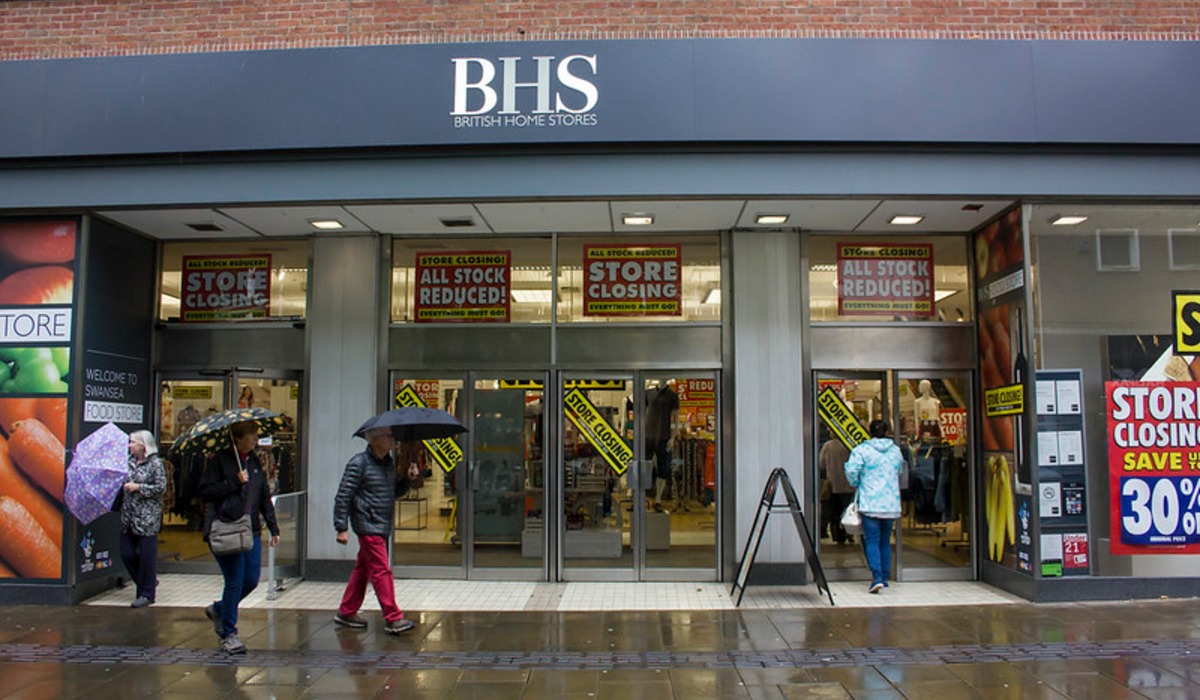
British Home Stores opened in 1928 and became a fixture on high streets across the country. It sold sensible clothing, lighting, bedding and school wear, and its in-store restaurant was a reliable spot for a pot of tea and a scone after a long morning of errands.
BHS was never glamorous. That was the point.
It was where you went for a new lampshade without fuss.
The collapse was ugly. Sir Philip Green sold the business for £1 in 2015 to a buyer with no retail experience.
Within a year BHS went into administration, and all its stores closed in 2016. Around 11,000 people lost their jobs.
A pension deficit running into hundreds of millions of pounds became a national scandal, and a parliamentary inquiry left few reputations intact.
9. Hudson’s
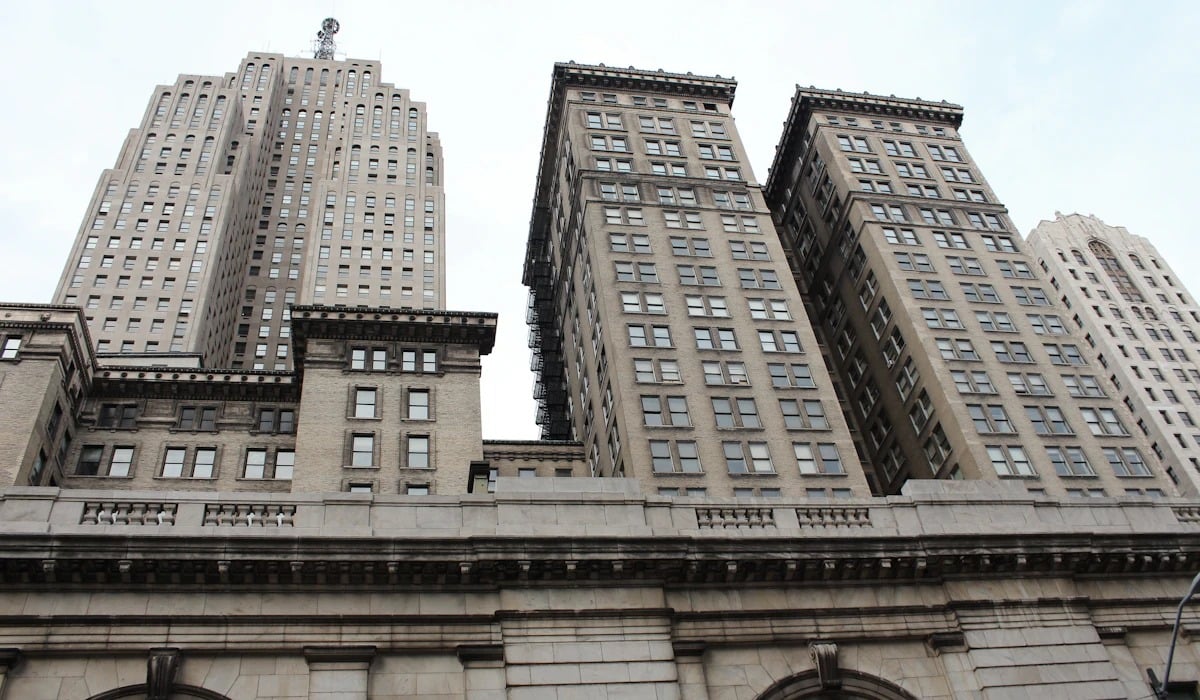
At its peak, the J.L. Hudson store in downtown Detroit was one of the tallest department stores in the world.
It filled an entire city block and ran to more than twenty floors.
Hudson’s hung a giant American flag on its facade for patriotic holidays, and it sponsored Detroit’s Thanksgiving parade for decades. Generations of Michigan children believed the real Santa lived somewhere on the twelfth floor.
As Detroit’s population drained to the suburbs, the downtown flagship lost its customers. It closed in 1983 and sat empty for fifteen years before a controlled demolition brought it down in 1998.
The suburban Hudson’s stores carried on under new owners until the name disappeared in 2001.
10. Anstey’s
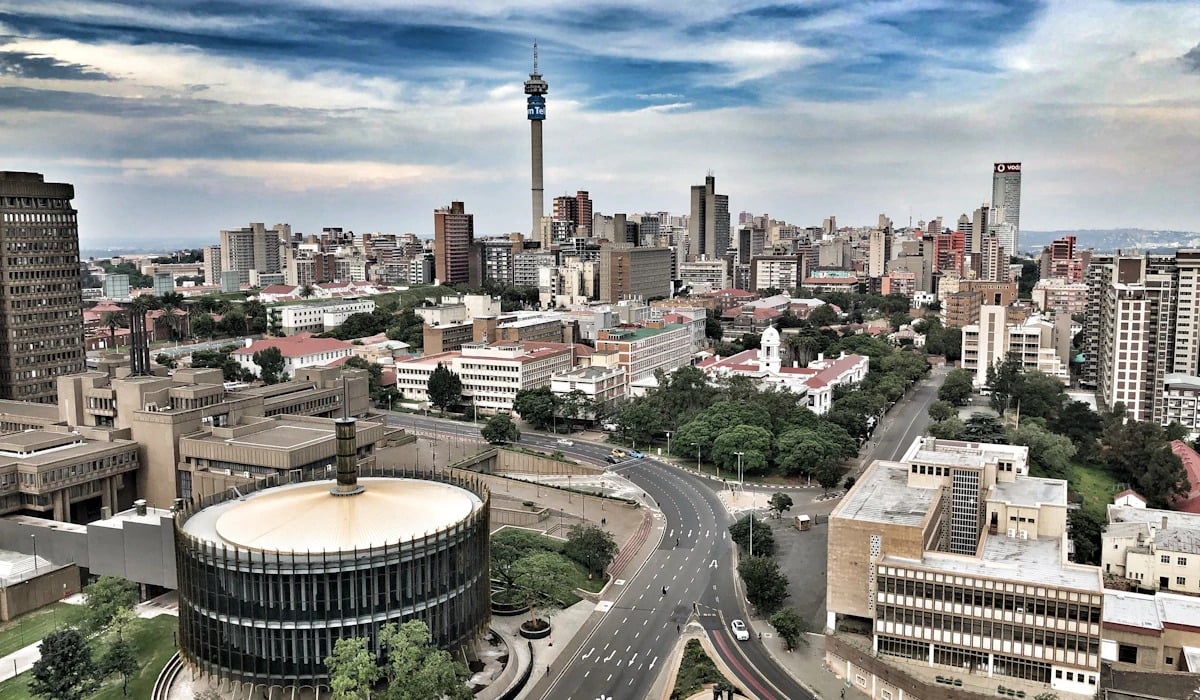
Norman Anstey’s Johannesburg store occupied a striking Art Deco building on the corner of Jeppe and Joubert streets. When it went up in the 1930s, it was one of the tallest buildings in the city, and it announced that Johannesburg intended to be taken seriously.
Anstey’s was where the Reef’s middle class dressed for church, for weddings and for the races. The lifts had operators in uniform.
The departments had floorwalkers who actually walked the floor.
As shoppers left the inner city for suburban malls, the store lost its reason to exist. The building survived, converted into apartments, and you can still stand across the road and read the name.
For a lot of older Joburgers, that’s enough to bring the whole place back.
11. Woolworth’s (US)
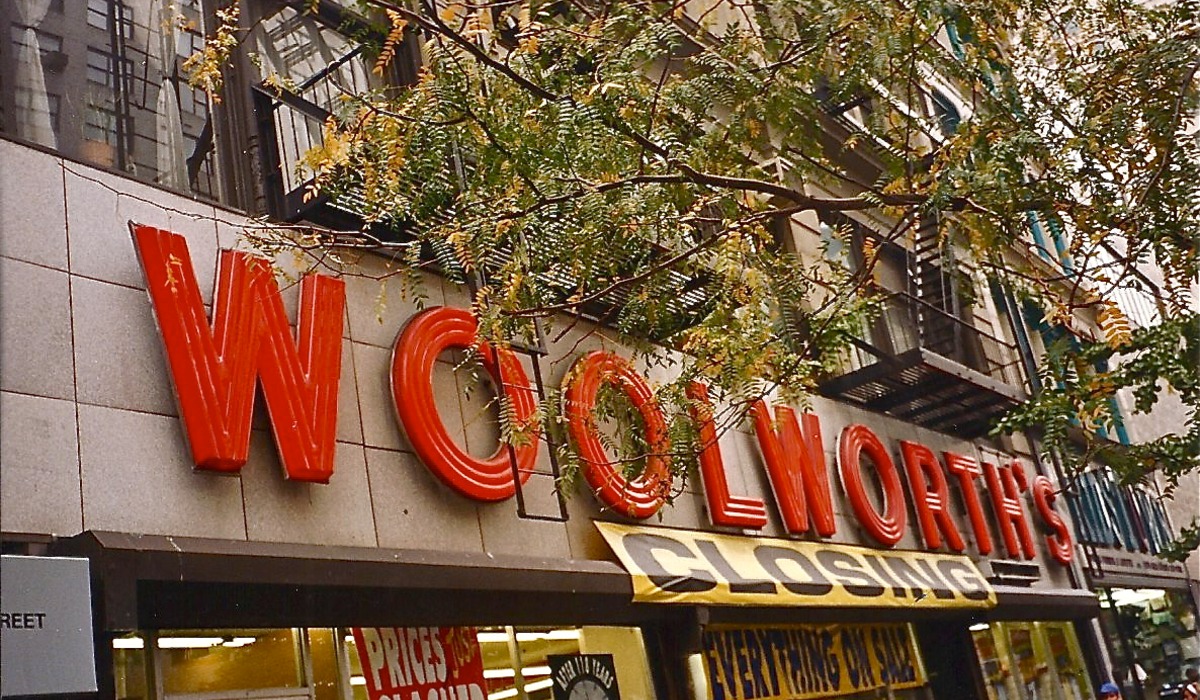
Frank Winfield Woolworth opened his first successful five-cent store in Pennsylvania in 1879. Fixed prices, goods on open display and no haggling.
It sounds obvious now. It wasn’t then.
The chain grew into a giant, and in 1913 the company built the Woolworth Building in Manhattan, briefly the tallest building in the world.
Woolworth’s lunch counters also earned a permanent place in history. In 1960, four Black students sat down at the whites-only counter in Greensboro, North Carolina, and refused to leave.
Their sit-in spread across the South and helped break segregation at lunch counters nationwide.
The company closed its last American five-and-dimes in 1997. It pivoted to athletic footwear and eventually renamed itself Foot Locker.
Every time you walk past one, you’re walking past the last trace of Woolworth’s.
12. Debenhams
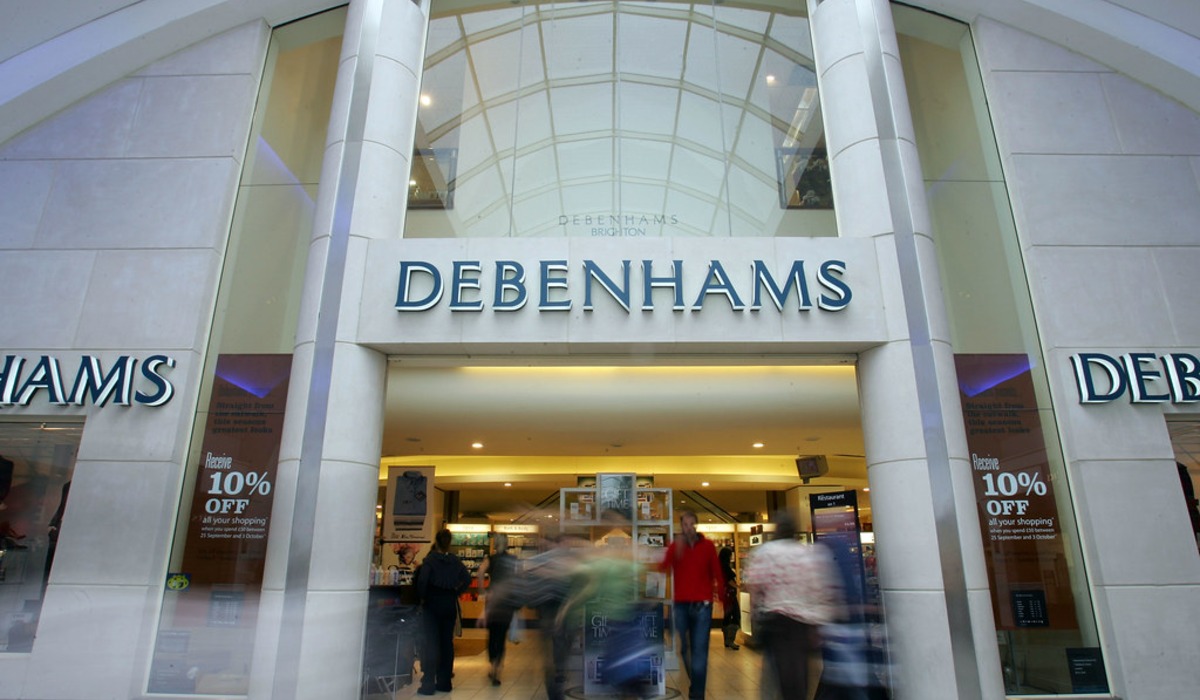
Debenhams traced its roots back to a London drapery business in 1778, which made it one of the oldest names in British retail. By the 2000s it had well over 150 stores and was a default destination for anything from perfume to a sofa.
People loved the Blue Cross sales. They tolerated the endless discounting.
And they quietly stopped going.
The chain went into administration in 2019 and again in 2020, and the pandemic finished it. The last stores closed in May 2021.
Online fashion retailer Boohoo bought the brand name and website, and the business carries on purely online.
Hundreds of vast, empty buildings were left behind in town centres across Britain. Councils are still working out what to do with them.
13. Greatermans
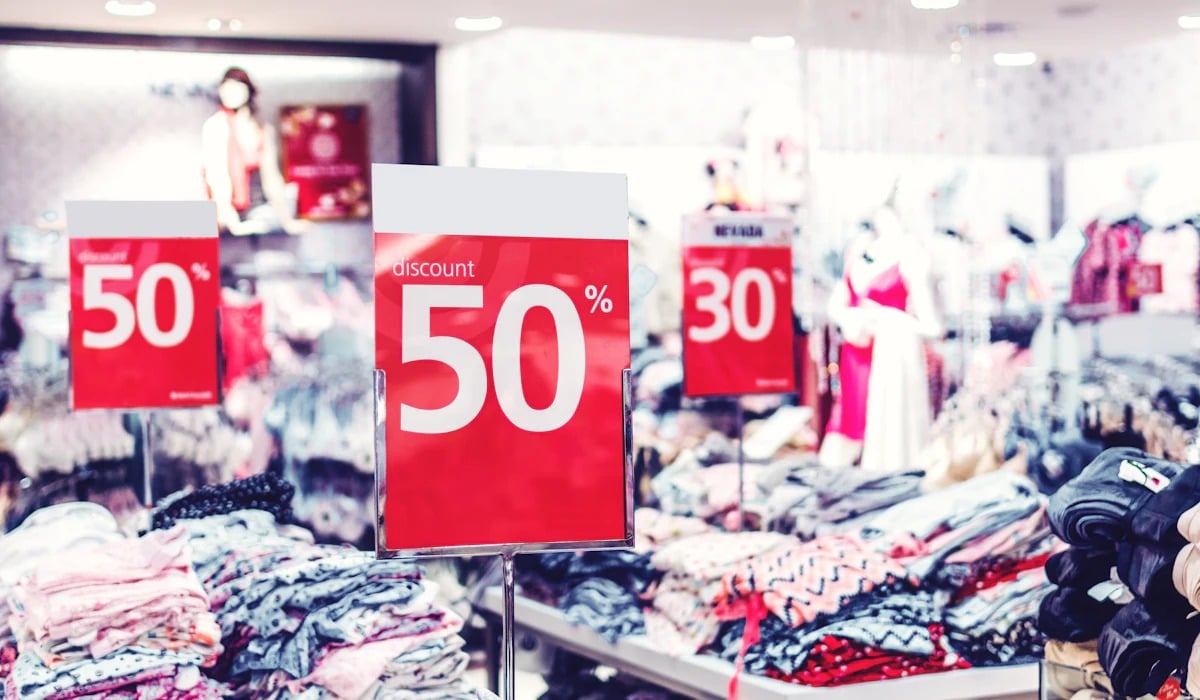
Greatermans was a discount department store group that sold to working and middle-class South Africans at a time when the big downtown names catered mostly to the well-off.
Its most lasting legacy is a little surprising. The Greatermans group launched the Checkers supermarket chain in the 1950s.
When you push a trolley through a Checkers today, you’re shopping in a business that grew from a department store most people have forgotten.
The Greatermans stores themselves didn’t survive the corporate reshuffles of the 1980s and 1990s.
14. Wanamaker’s
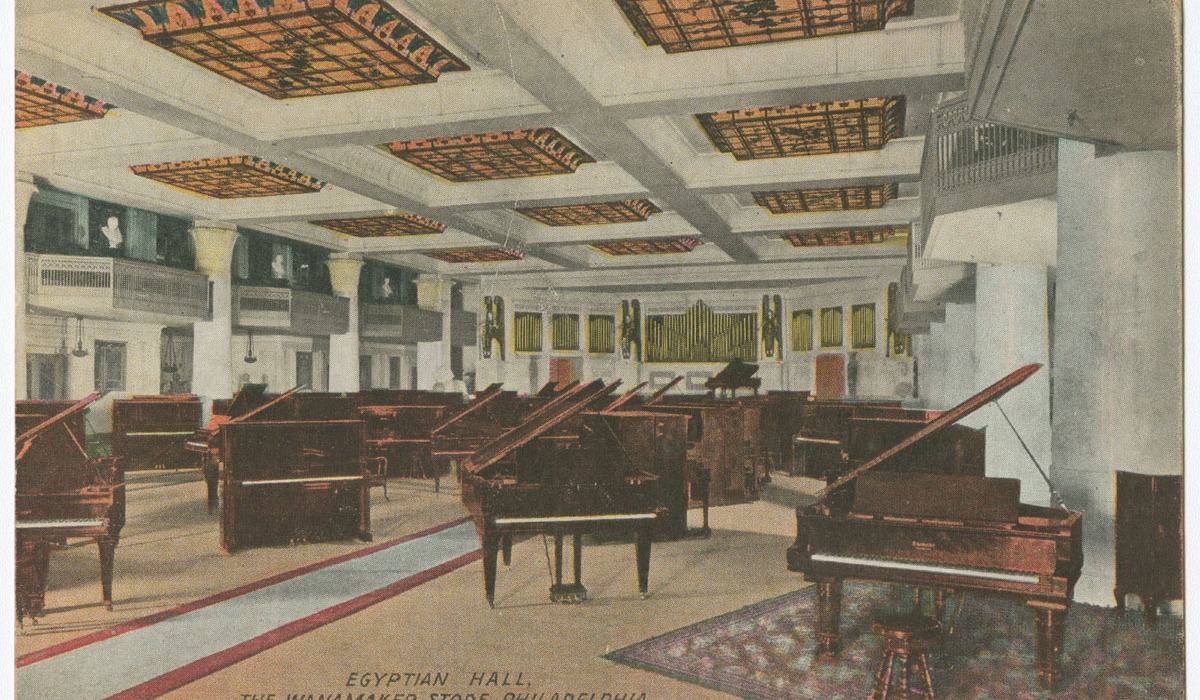
John Wanamaker’s Philadelphia store opened in its grand building in 1911, and it was built to impress. The central Grand Court housed the Wanamaker Organ, one of the largest working pipe organs on earth, and a bronze eagle that became the city’s favourite meeting point.
“Meet me at the Eagle” meant something to every Philadelphian.
Wanamaker’s also ran a Christmas light show in the Grand Court, accompanied by the organ, that families attended year after year. It is credited with pioneering the price tag, so you didn’t have to negotiate with a clerk over every purchase.
The chain changed hands several times and the Wanamaker’s name disappeared in the mid-1990s. Macy’s later ran the building until it closed that store in 2025.
The organ is still there. So is the Eagle.
15. Lewis’s
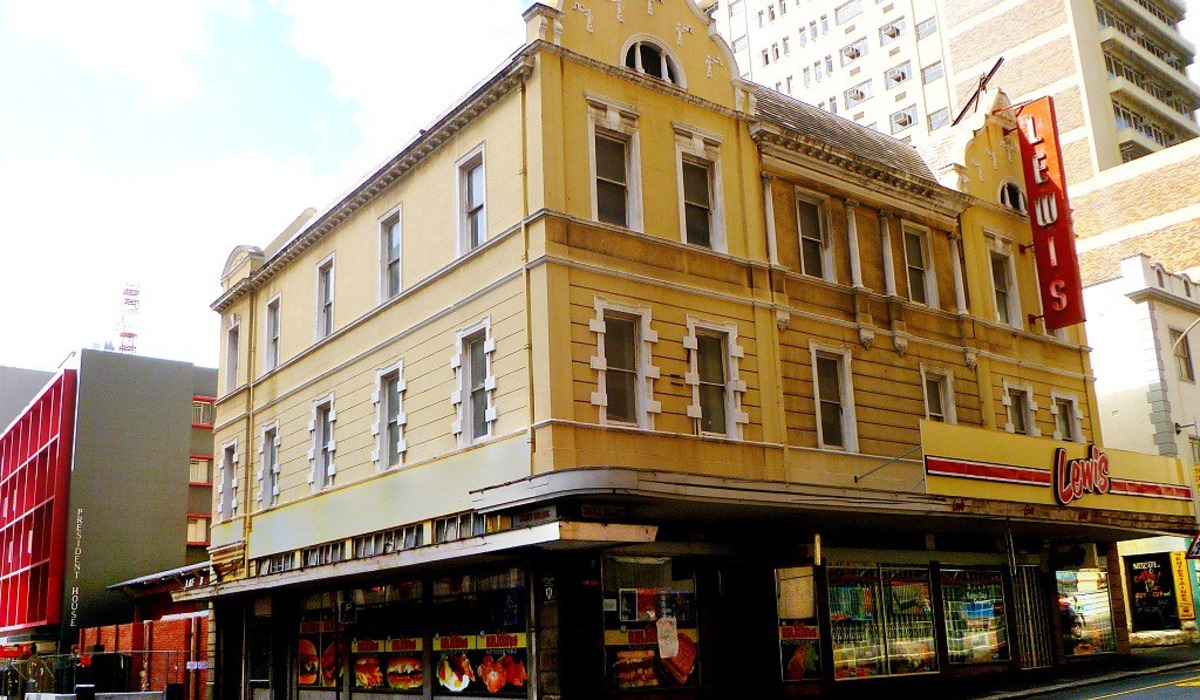
Lewis’s of Liverpool was a giant of the North. The Ranelagh Street store survived wartime bombing, rebuilt itself and became a magnet for shoppers from across Merseyside.
Its Christmas grotto was the stuff of local legend. Children were taken there every December, and queues wound out of the building and down the street.
Above the main entrance stands a large bronze figure by the sculptor Jacob Epstein, unveiled in 1956 to mark the rebuilding. Scousers gave it a cheeky nickname that stuck for good.
Lewis’s branches elsewhere had closed long before, and the Liverpool store limped on until it shut in 2010. The statue remains, keeping watch over a street that has moved on without it.
16. Bonwit Teller
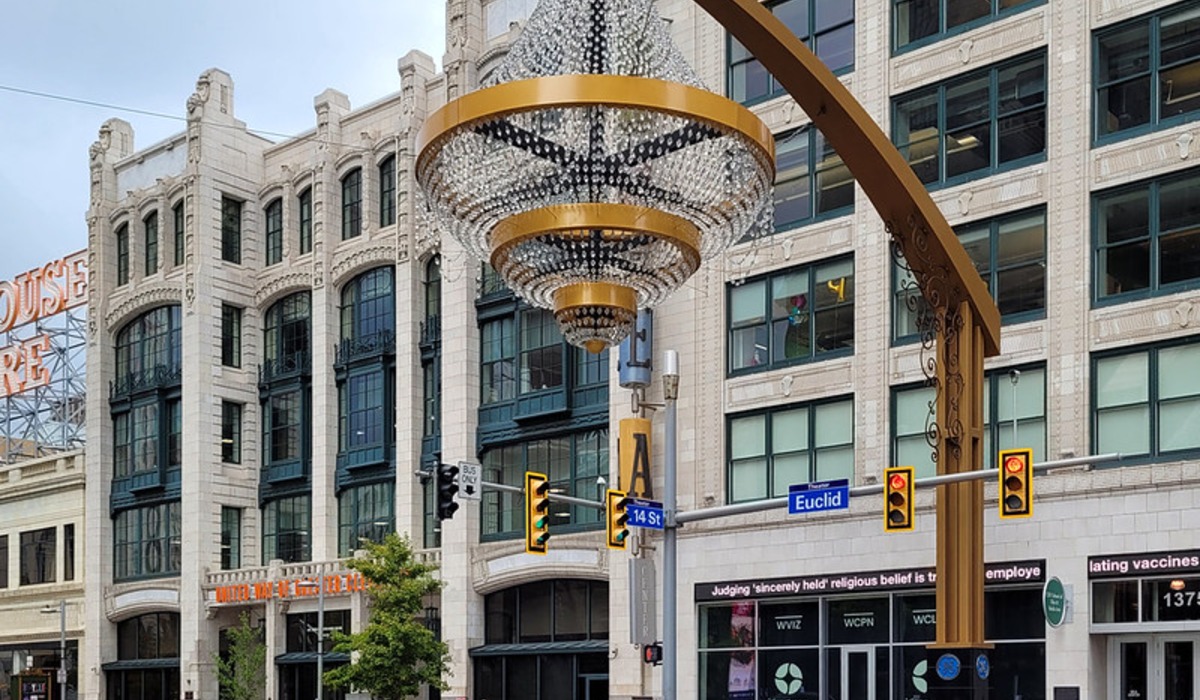
Bonwit Teller was the height of New York elegance. Its Fifth Avenue flagship had famous display windows, and the store gave early window-dressing work to artists who later became household names, including Andy Warhol, Jasper Johns and Robert Rauschenberg.
In 1939, Salvador Dalí was so furious when the store altered one of his window displays that he tipped a bathtub through the glass and landed in the street.
The flagship was demolished in 1980 to make way for Trump Tower. Its Art Deco limestone reliefs, which the Metropolitan Museum of Art had hoped to save, were destroyed in the process.
The rest of the chain closed in 1990.
17. John Orr’s
John Orr’s had its roots in Kimberley, the diamond town, before it became a familiar name in Johannesburg and other South African cities. It positioned itself as a fashion store for people who cared about labels but weren’t quite in the Stuttafords bracket.
Shoppers remember the account cards, the friendly assistants and the sales that drew crowds before dawn. A John Orr’s account was a small status symbol in its own right.
The chain was eventually folded into a larger retail group and the name dropped away. If you still have a John Orr’s card in an old wallet, you’re holding a piece of South African retail history.
18. C&A (UK)
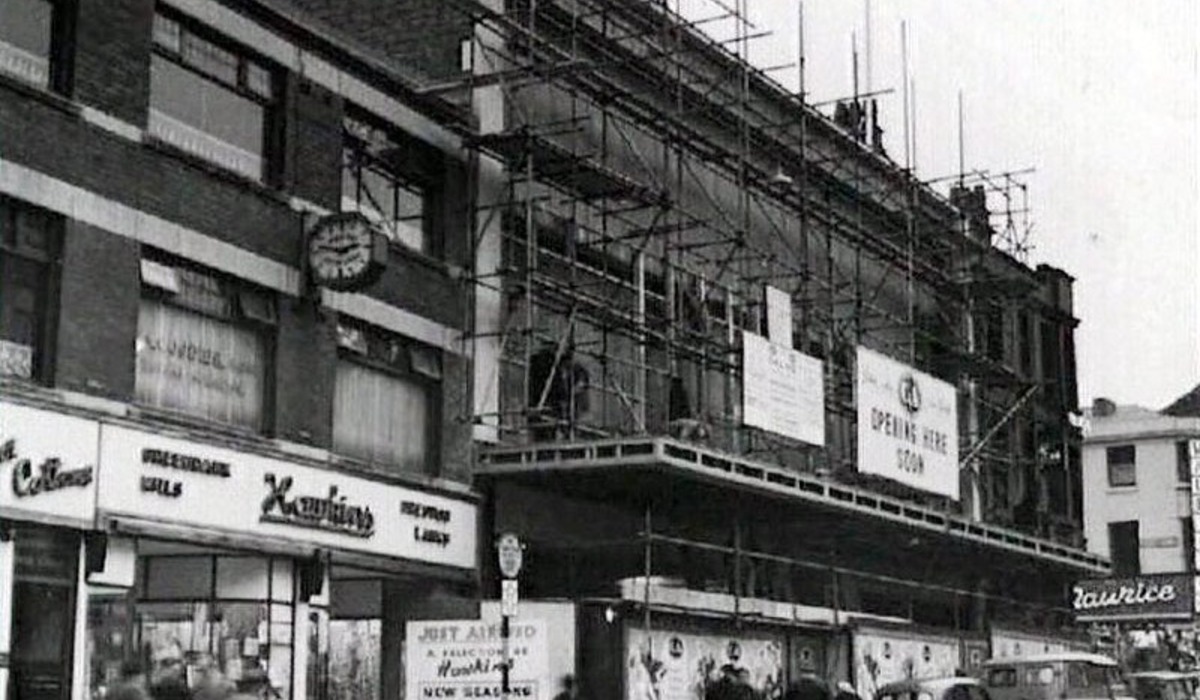
C&A, founded in the Netherlands by the Brenninkmeyer brothers in 1841, opened its first British store on Oxford Street in the 1920s. For decades it was where British families bought affordable coats, school trousers and the occasional regrettable fashion item.
In June 2000 the company announced it was pulling out of Britain entirely. It closed more than 100 stores in 2001.
C&A is still very much alive across Europe. If you’ve travelled to Germany, Belgium or the Netherlands, you’ve probably walked past one and done a double take.
19. Mervyn’s
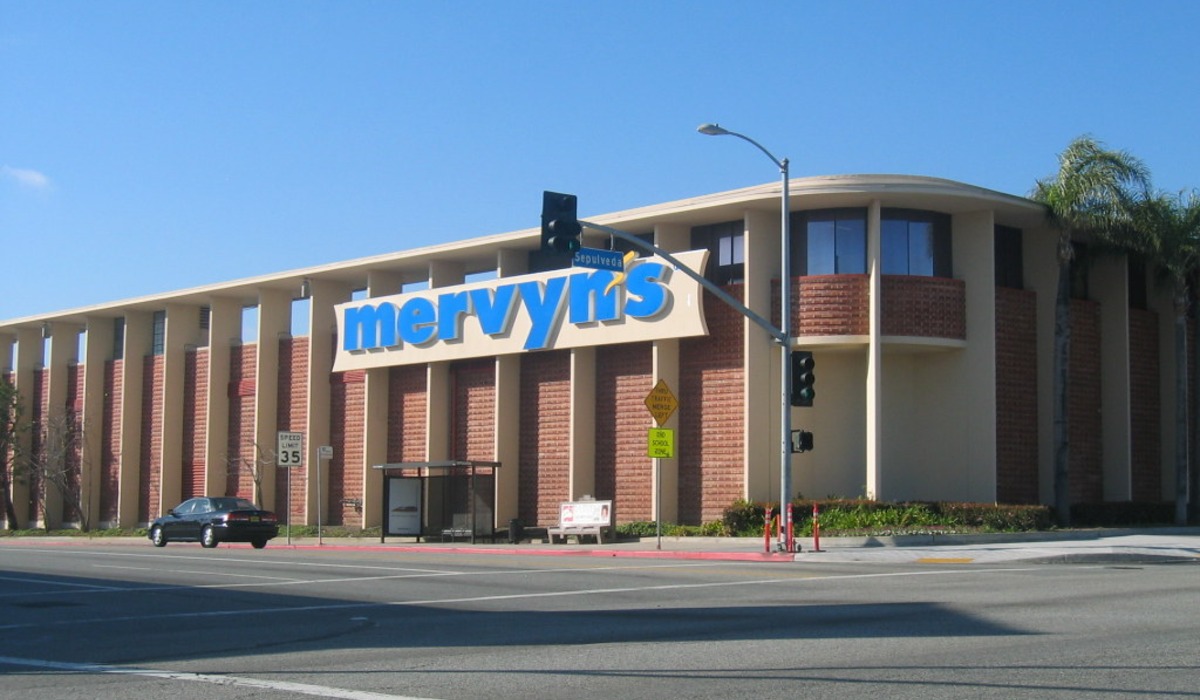
Mervyn Morris opened the first Mervyn’s in San Lorenzo, California, in 1949. The chain grew into a mid-priced department store across the American West and South, and it built a loyal following among families who wanted decent clothes without department store prices.
Mervyn’s was the place for back-to-school shopping, Christmas pyjamas and a new set of towels.
Target bought the chain in 1978 and sold it in 2004 to a group of private equity investors who separated the property from the business. The stores ended up paying rent on buildings they used to own.
Mervyn’s filed for bankruptcy in 2008 and closed every store by the end of that year.
It’s a cautionary tale you’ll hear again and again in this list. Strip a store of its property, load it with debt, and wait.
20. Payne Brothers
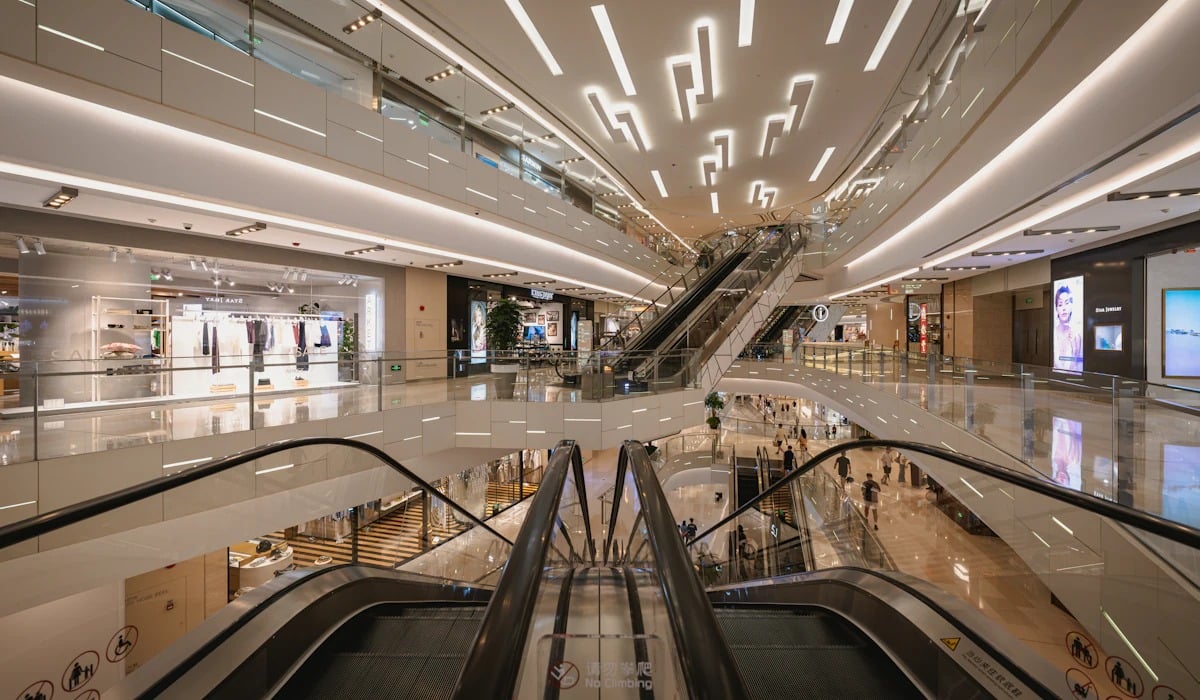
Payne Brothers was one of Durban’s grand old department stores, a fixture of West Street when that road was the heart of the city’s shopping life.
It had the full department store package. A tearoom where ladies met in hats and gloves.
A haberdashery counter that sold buttons by the single piece. Staff who wrapped every purchase in brown paper and string.
Durban’s centre changed, the malls arrived in Umhlanga and Westville, and Payne Brothers quietly disappeared. Older Durbanites still talk about it with real affection.
21. House of Fraser
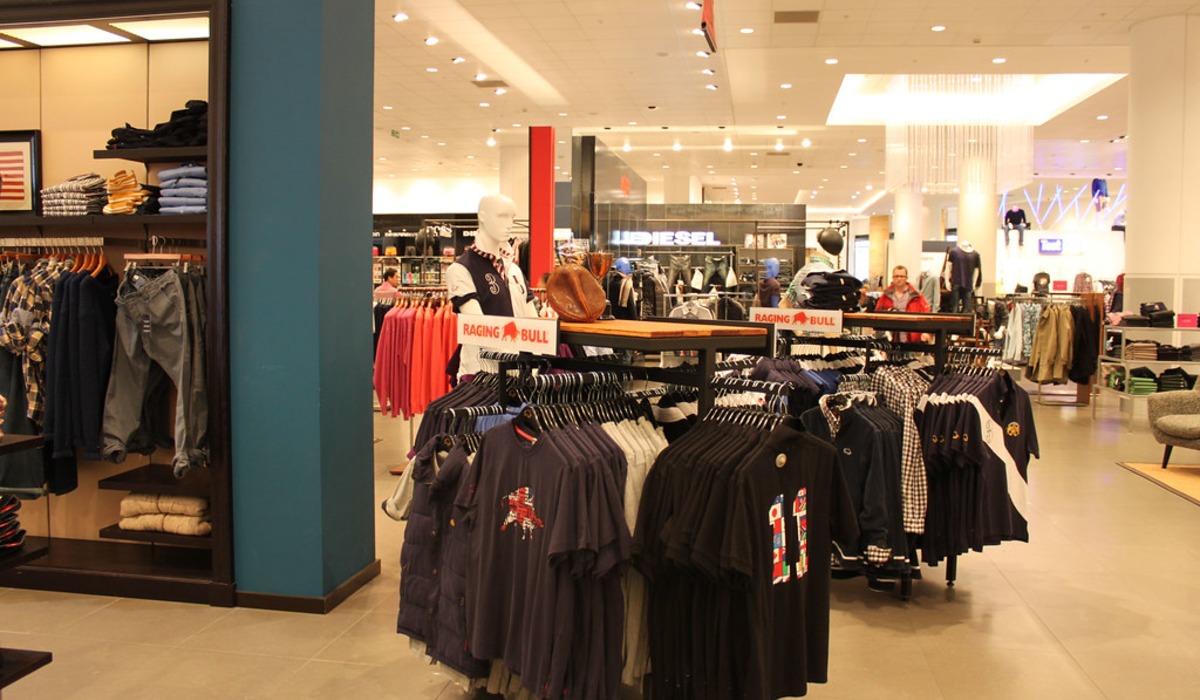
House of Fraser began in Glasgow in 1849 and spent the twentieth century buying up famous regional department stores across Britain. Many beloved local names, from Binns in the North East to Kendals in Manchester and Rackhams in Birmingham, were eventually rebranded with the House of Fraser name.
That’s a disappearance of its own. Ask anyone in Newcastle or Sunderland about Binns and you’ll get a story.
The group collapsed into administration in 2018, and Mike Ashley’s Frasers Group bought it. Dozens of stores have closed since, including big town centre anchors that had traded for generations.
A handful of House of Fraser stores still trade under the brand. But the network of grand regional stores it swallowed is mostly gone.
22. Sears
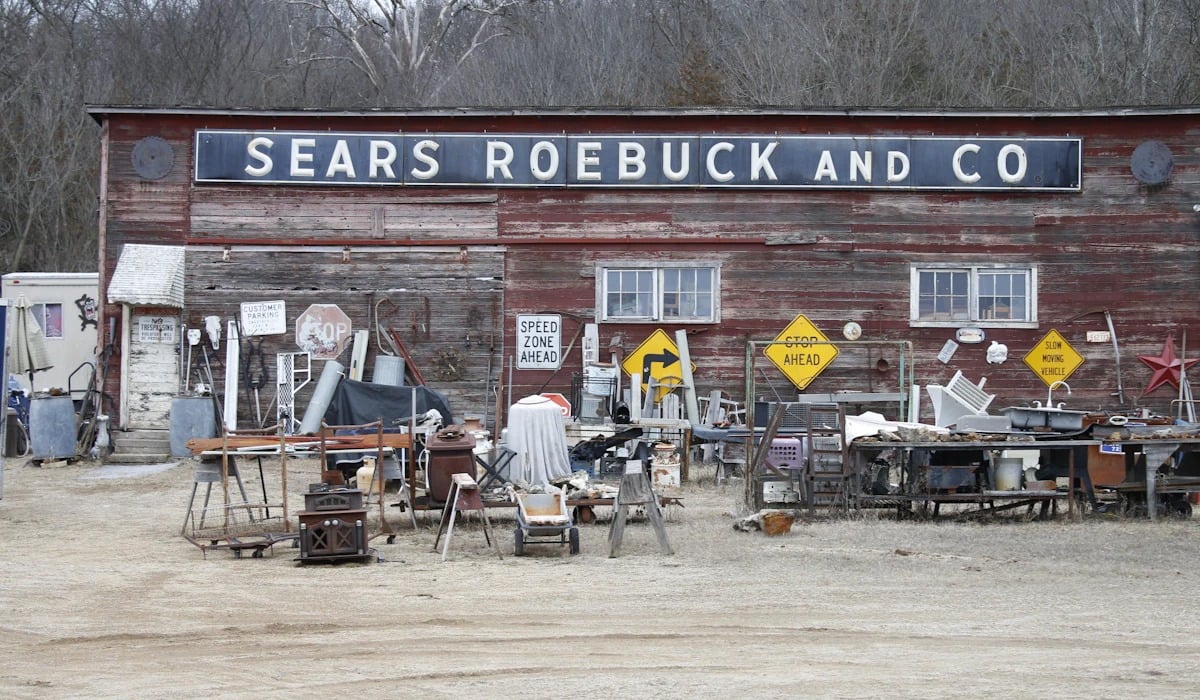
For most of the twentieth century, Sears, Roebuck and Co. was the largest retailer in America. The catalogue sold everything, including entire houses delivered as kits by rail.
Thousands of those Sears homes still stand.
The Christmas Wish Book was a childhood ritual. Kids circled what they wanted and left it open on the kitchen table where their parents couldn’t miss it.
Sears built the tallest building in the world in Chicago, opened its doors in 1973, and put its name on it. Then it lost the plot.
Walmart undercut it, Home Depot took its tool customers, and the company merged with Kmart in 2005.
Sears filed for bankruptcy in 2018. From thousands of stores, the count has fallen to a tiny handful.
The tower was renamed in 2009.
23. Allders
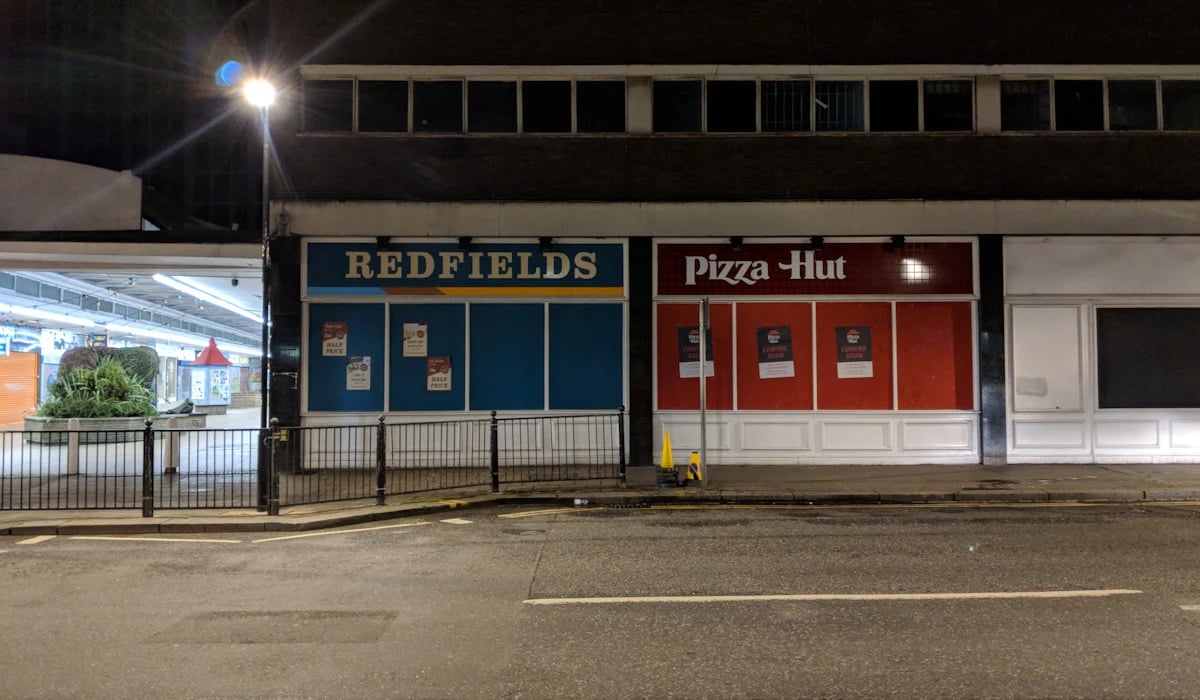
Allders of Croydon was once one of the biggest department stores in Britain by floor space. Croydon people went there for everything, and the building dominated North End for most of the century.
The chain went into administration in 2005, and most branches closed. The Croydon flagship hung on under new ownership until 2013, when it finally shut.
For a town that was trying hard to reinvent its centre, losing Allders felt like losing a landmark. Plans to redevelop the area have come and gone ever since.
24. Harvey Greenacre
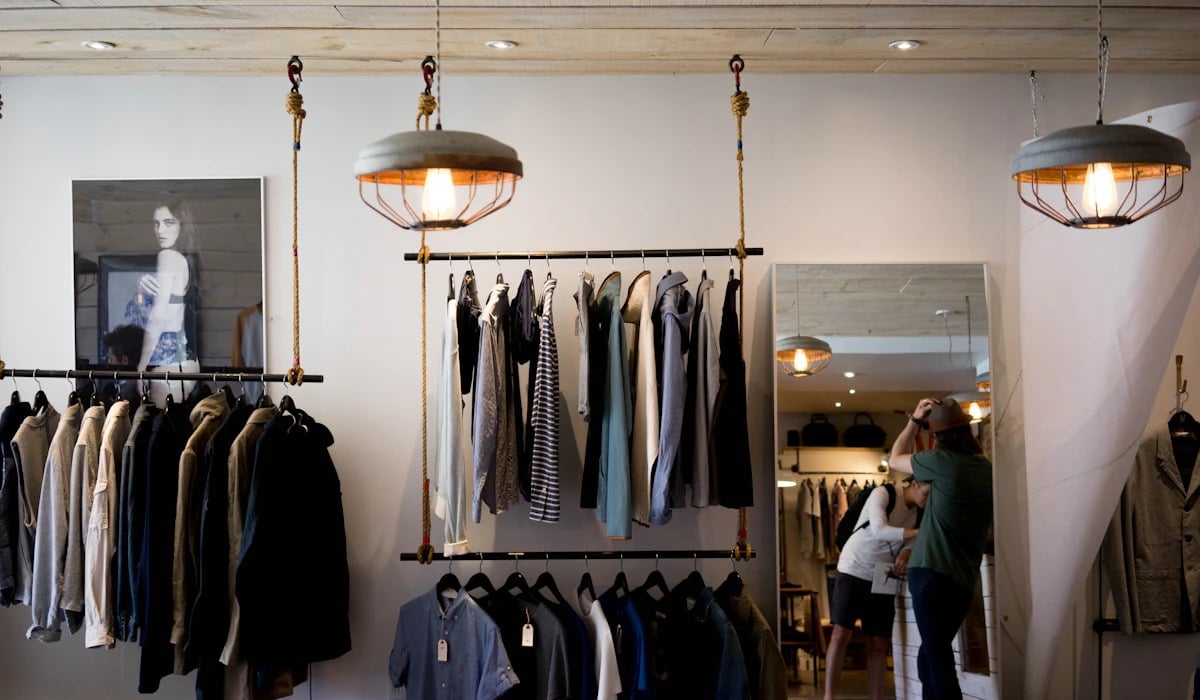
Harvey Greenacre was Durban’s other great West Street name, housed in a building that still draws architecture enthusiasts.
The store had a reputation for service that bordered on old-fashioned. Assistants called regulars by surname, and a purchase for a house on the Berea was as good as delivered before you reached the car.
It vanished as the city’s shopping habits changed, but the building’s ornate facade survives. If you’re ever on the street now known as Dr Pixley KaSeme Street, look up.
The past is right there above the shopfronts.
25. Lord & Taylor flagship
Lord & Taylor opened its Fifth Avenue flagship in 1914, and the store became famous for its Christmas windows. They were among the first in New York to use mechanical, animated displays, and families made a pilgrimage to see them every December.
The store closed in early 2019 after the building was sold to WeWork. Amazon later bought it as office space.
The rest of the chain didn’t last much longer. Lord & Taylor, which dated back to 1826 and called itself America’s oldest department store, filed for bankruptcy in 2020 and liquidated its remaining stores.
The brand lives on online, but the windows went dark for good.
26. Owen Owen
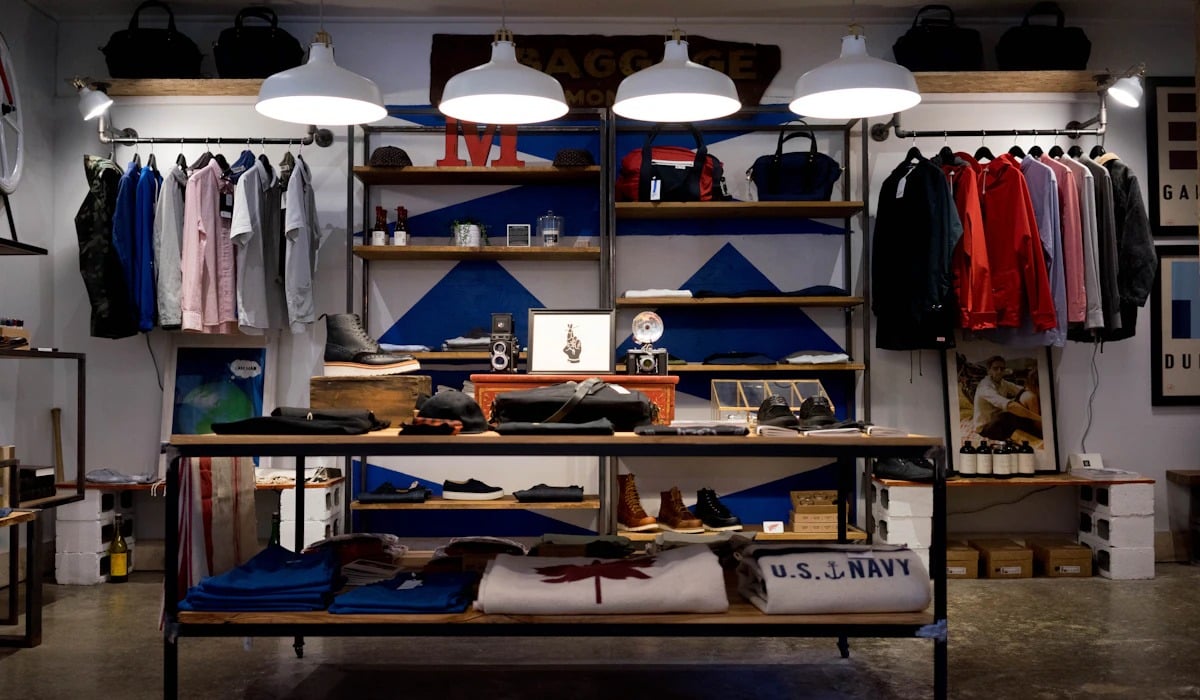
Owen Owen was a Welsh draper who built a department store business in Liverpool in the nineteenth century, and the company grew into a chain of stores across the North West, the Midlands and beyond.
Liverpool shoppers knew the Clayton Square store well. It sat in the shadow of the bigger Lewis’s and George Henry Lee, but it had loyal customers who swore it was friendlier than either.
The business shrank over the decades, selling off branches and changing hands several times. Eventually the name disappeared altogether from British high streets.
27. Filene’s Basement
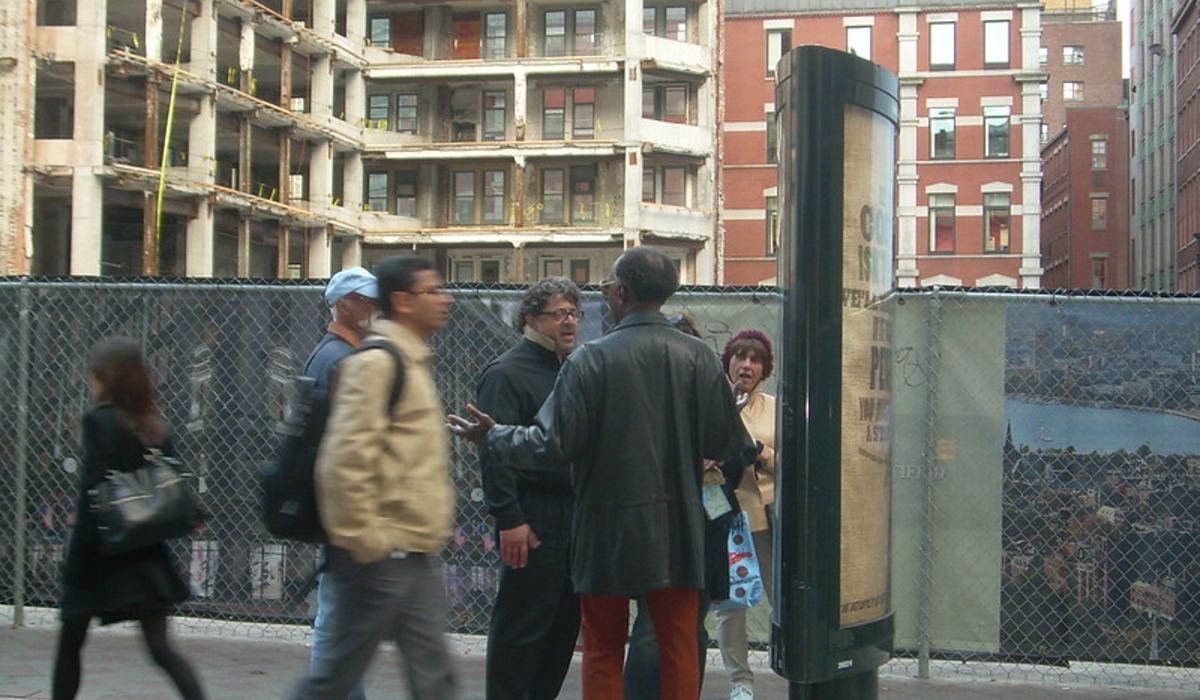
Filene’s in Boston was a respectable department store. Filene’s Basement, underneath it, was a bargain bunfight.
The Basement ran an automatic markdown system. Every item had its date stamped on the ticket, and the price dropped by a set percentage the longer it sat unsold.
Shoppers who knew the system planned their visits around it.
The famous “Running of the Brides” sale saw women sprint into the store at opening to grab discounted wedding dresses off the rails, sometimes stripping them off the hangers before they’d even looked at the size.
The original Downtown Crossing store closed in 2007 for a redevelopment, and the chain shut its remaining stores in 2011. Boston lost one of its truly odd traditions.
28. Jenners
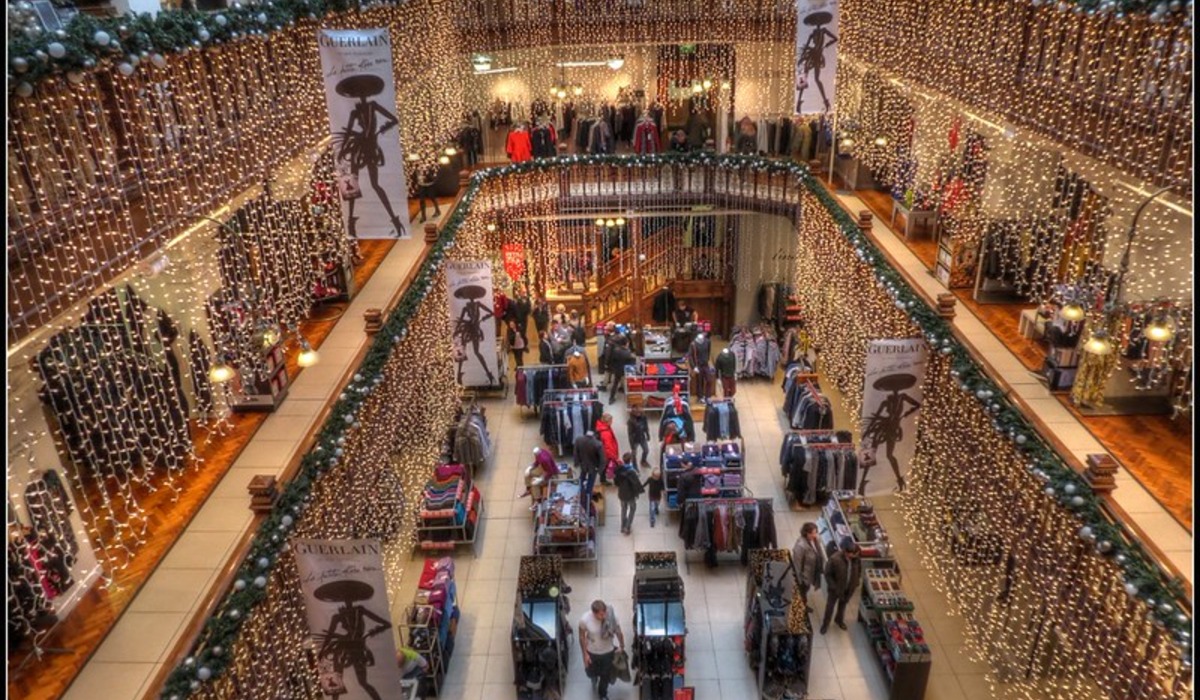
Jenners opened on Princes Street in Edinburgh in 1838, and for most of its life it was simply the place Edinburgh shopped. The store’s Victorian building, rebuilt after a fire in the 1890s, faced the castle across the gardens.
Jenners was famous for its enormous Christmas tree in the central hall, its food hall and its tearoom, where generations of Edinburgh families had afternoon tea.
House of Fraser bought it in 2005. Frasers Group closed it in 2020 after 182 years.
The building is now being turned into a hotel, which means you’ll still be able to walk inside. It just won’t feel like Jenners.
29. Bon-Ton
The Bon-Ton grew from a small shop in York, Pennsylvania, into a department store group that owned a long list of regional names. Elder-Beerman in Ohio, Younkers in Iowa, Herberger’s in Minnesota, Boston Store in Wisconsin and Carson’s in Chicago all came under its control.
Smaller American towns relied on those stores. In many places, Bon-Ton was the only department store within an hour’s drive.
The company filed for bankruptcy in early 2018 and liquidated every store that year. Around 250 locations closed.
It took a whole layer of small-town America’s retail life with it.
30. Kresge
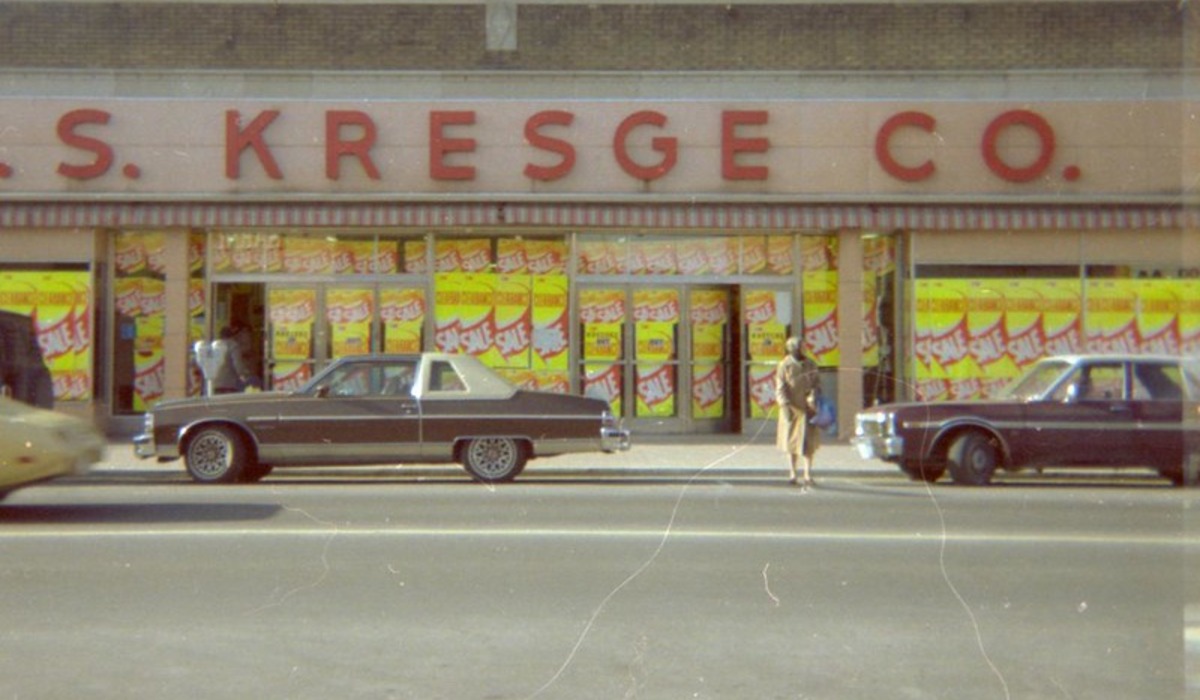
Sebastian Spering Kresge opened his first five-and-dime in the 1890s and grew it into one of the largest variety store chains in America. Kresge’s stores had lunch counters, cheap sweets and a reputation for having a bit of everything.
In 1962, the company opened a new kind of discount store in Michigan and called it Kmart. Kmart grew so fast that the company renamed itself after it in 1977, and the Kresge name faded from storefronts.
The irony is hard to miss. Kmart itself has now dwindled to a handful of stores.
The child outgrew the parent, then followed it into history.
Where the Lifts Used to Stop
You can still find these stores if you know where to look. A faded name carved above a shoe shop.
A mosaic floor at the entrance of a gym. An old shopping bag tucked behind the vacuum cleaner.
In Johannesburg, the Anstey’s lettering still sits high on a building full of flats, and people walk past it every day without looking up.
The reasons they died are mostly the same. Shoppers moved to malls, then to their phones.
Owners loaded stores with debt, sold the buildings and charged the business rent. Families who’d run them for generations sold out to groups that saw a brand, not a place.
But the thing they sold was never really the merchandise. It was an afternoon in town.
It was a cup of tea after the dentist, a lift attendant who knew your name, a grotto that smelled of sawdust and pine. You can’t order that online.
So the next time you walk past an empty building on your own main street, stop for a second. Ask an older relative what it used to be.
You’ll probably get twenty minutes of stories about a tearoom that served scones on a three-tiered stand, and a father who bought one good suit there and wore it to every wedding for thirty years.
MORE FROM GO2TUTORS!

- The Romanov Crown Jewels and Their Tragic Fate
- 13 Historical Mysteries That Science Still Can’t Solve
- Famous Hoaxes That Fooled the World for Years
- 15 Child Stars with Tragic Adult Lives
- 16 Famous Jewelry Pieces in History
Like Go2Tutors’s content? Follow us on MSN.