27 School Rules That Seem Strange Today
Ask anyone over fifty about their school days and watch their face change. First comes the fond smile.
Then comes the list. Shoes polished until you could see your reflection.
Hair measured against a collar. A teacher walking between the desks with a ruler, checking for any sign of rebellion in a sock.
Plenty of those rules made sense to the adults who wrote them. Some kept order in classrooms of forty children.
Others simply reflected the era, with its ideas about gender, discipline and respectability. But read them today and many sound like dispatches from another planet.
South African schools had their own versions of almost all of them, from blazers in a Highveld February to prefects with more power than some magistrates. If you sat in one of those classrooms, you will recognise more than a few of these.
If you didn’t, ask your parents. They have stories.
1. Girls Could Not Wear Trousers
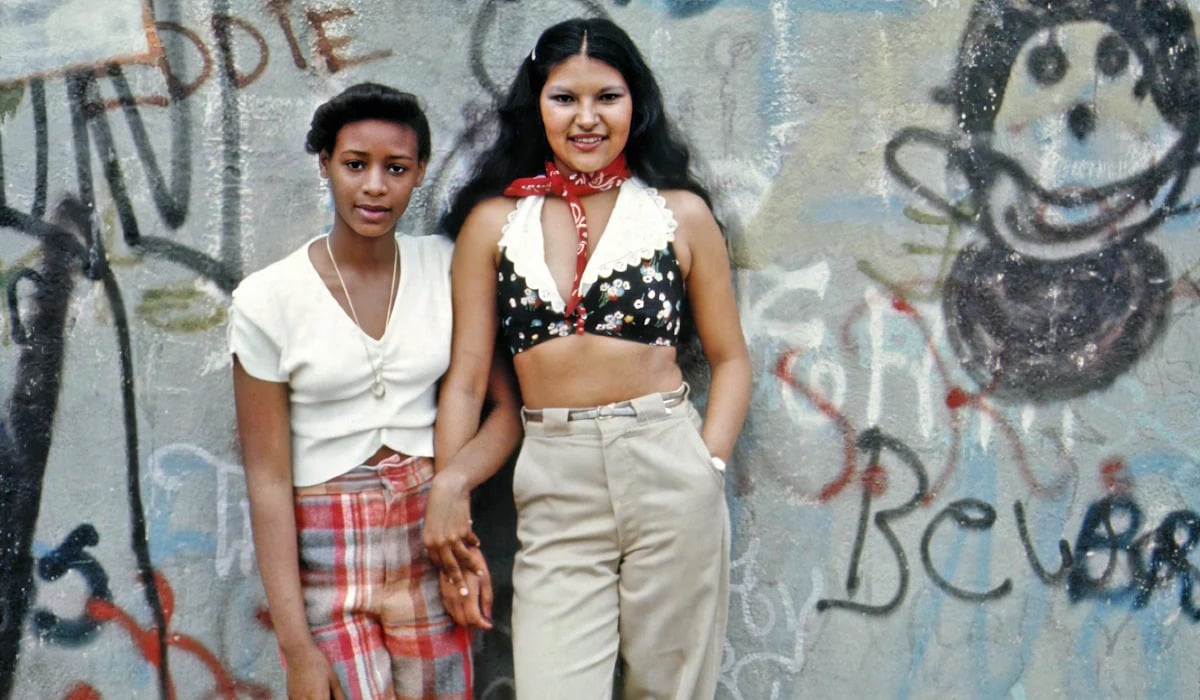
For most of the twentieth century, a girl’s school uniform meant a skirt, a tunic or a gymslip. Trousers were for boys.
It didn’t matter if the classroom had no heating in a Free State winter, or if the walk to school crossed open veld at dawn. Skirt it was.
Some schools allowed girls to wear tracksuit pants under their skirts on the coldest days, then made them strip the pants off once the bell rang. The logic was about appearance, not comfort.
Today, many schools in South Africa and abroad offer trousers as a standard option for girls. A few still resist, and parents still have to argue the point.
That argument would have been unthinkable to a 1960s headmistress, who saw the skirt as part of being a proper young lady.
2. Writing With Your Left Hand Was Not Allowed
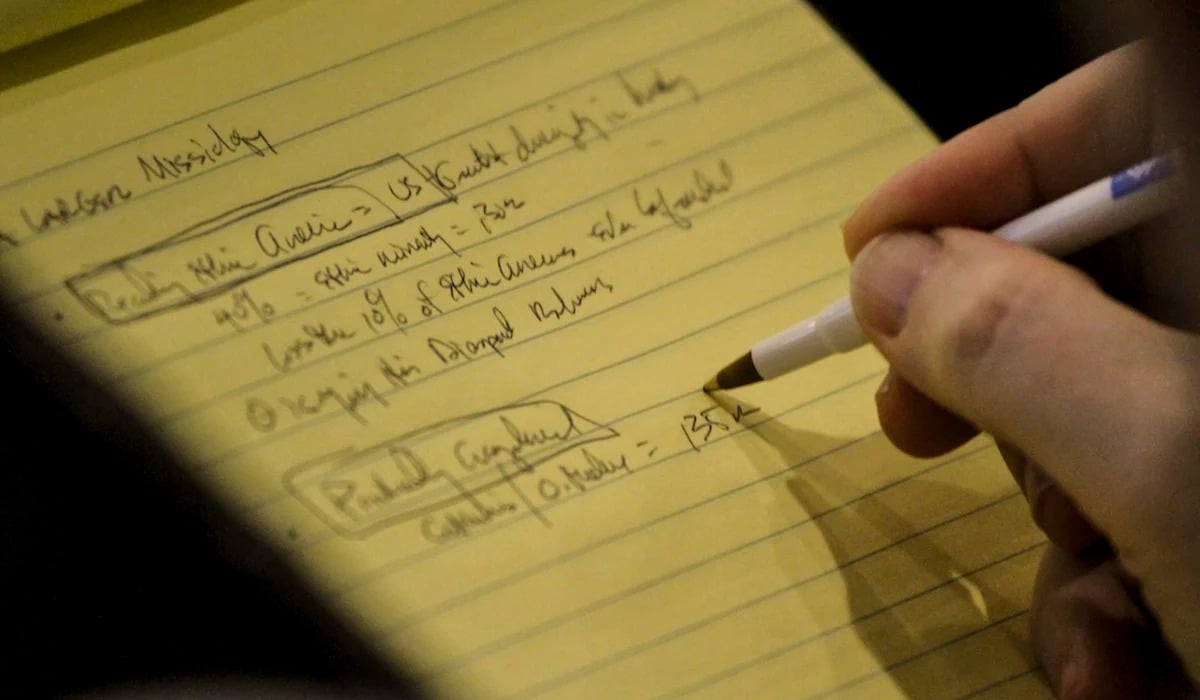
Generations of left-handed children had their natural hand corrected, sometimes gently and sometimes not. Teachers moved the pencil to the right hand, tied the left hand behind the chair, or rapped knuckles with a ruler.
The belief behind it was partly practical. Ink smudged when a left-hander dragged a hand across wet writing, and desks and pens were built for right-handers.
But there was also old superstition at work, the sense that the left side was wrong or unlucky.
Many of those forced converts grew up with messy handwriting and a lifelong awkwardness with scissors. Ask an older left-hander about it.
You will likely hear a story they have never fully forgiven.
3. Standing Up When a Teacher Entered the Room
The door opens. The principal walks in.
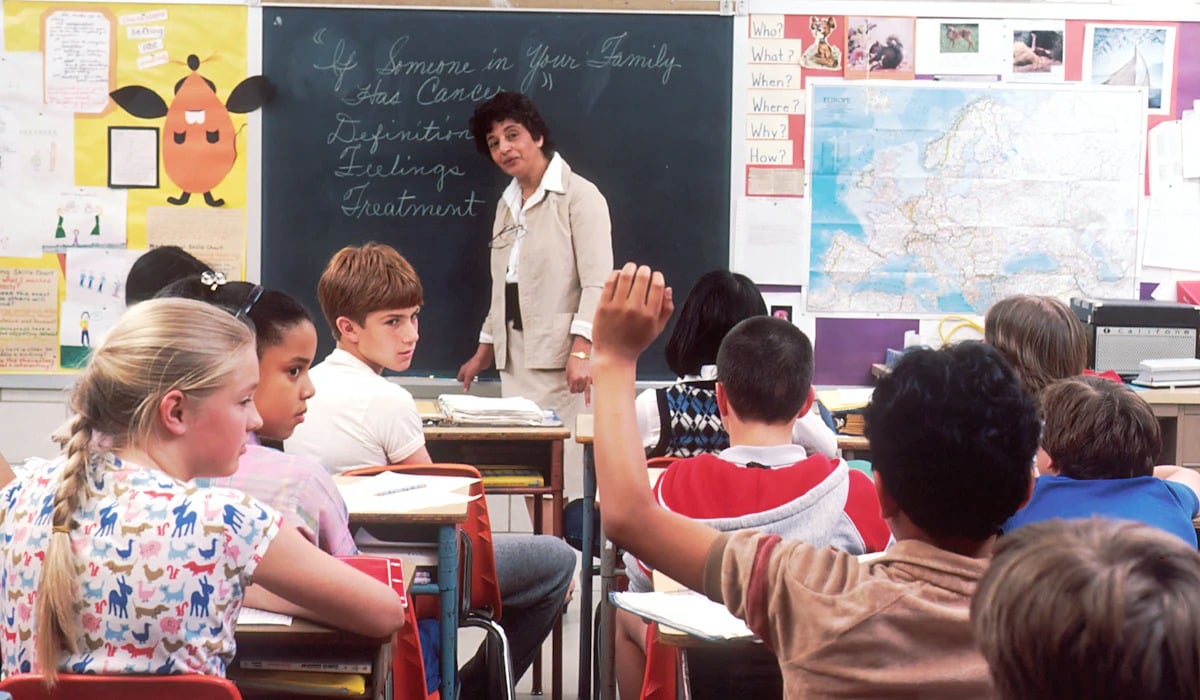
Thirty chairs scrape back at once and thirty children stand to attention, chanting “Good morning, Sir” in a flat sing-song that nobody ever meant.
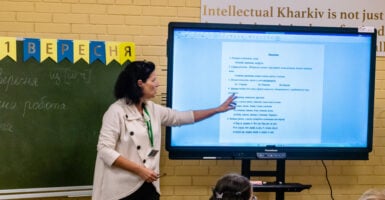
This was routine in South African classrooms for decades, and plenty of schools still do it. What makes it feel odd now is how absolute it was.
Forget to stand and you earned detention. Stand too slowly and you heard about it.
The rule taught respect, or at least the outward shape of respect. Whether it taught anything deeper is another question entirely.
4. Fountain Pens Only, No Biros

When the biro arrived, many schools treated it like a threat to civilisation. Teachers argued it ruined handwriting, encouraged a sloppy grip and produced a cramped, ugly script.
So pupils had to keep using fountain pens or dip pens well after cheaper options flooded the shops.
In South Africa, fountain pens stayed on school stationery lists for a long time. Some primary schools held a ceremony of sorts when you earned your “pen licence” and graduated from pencil to ink.
There’s a certain charm to that. Your fingers carried blue stains for the whole of Standard 3, and an ink blot on a final copy meant writing the entire page again.
Not so charming at the time.
5. Inkwell Duty
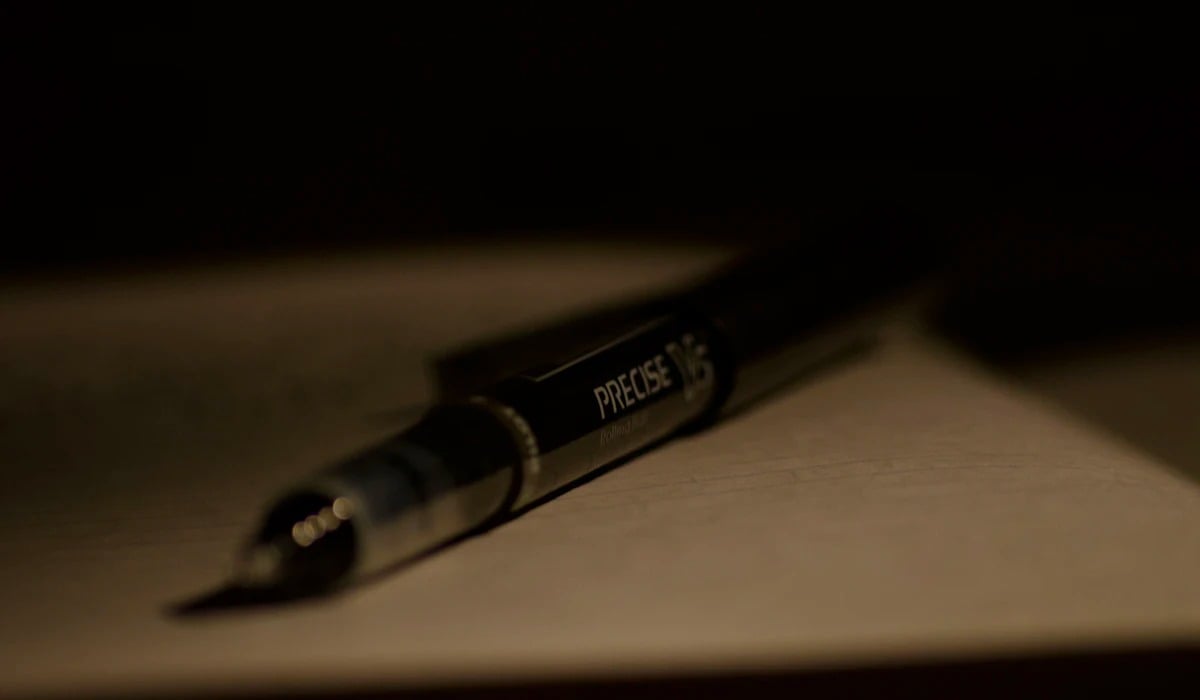
Before cartridges, every desk had a little ceramic or glass well sunk into the top. Somebody had to fill those wells each morning, and that somebody was the ink monitor.
It sounds like a punishment. It was actually a privilege.
The ink monitor carried a large bottle around the room, topped up each well and wiped up spills before a teacher noticed. Being trusted with that bottle meant something.
Of course, the inkwell also had a darker use. Boys famously dipped the end of a girl’s plait into it from the desk behind.
Teachers knew. They rarely caught anyone in the act.
6. Writing on Slates

Long before exercise books became cheap, young children learned their letters on slates. A small framed board of real slate, a slate pencil that squeaked horribly and a damp cloth to wipe it clean.
You couldn’t keep anything. Every sum vanished once the teacher checked it.
That was the point, since paper cost money and schools had little of it. Some children were told to spit on the slate to clean it, which tells you a lot about hygiene standards at the time.
7. Boys’ Hair Could Not Touch the Collar

Few rules caused more fights at the school gate than this one. A boy’s hair had to sit above the collar, clear of the ears and well away from the eyebrows.
Teachers checked by running a finger along the back of the neck or holding a ruler against the hairline.
South African boys’ schools enforced this with real zeal. Hair inspections happened at assembly, and anyone who failed got sent home or handed a note for the barber.
Some schools went further and banned any style that looked “fashionable”, which in the 1970s meant almost every style a teenage boy actually wanted.
The rule made boys look uniform, which was exactly the aim. It also made the weekend before term start a grim march to the barber’s chair.
Many grown men still feel a small flinch when a hairdresser asks, “Short back and sides?”
Hair rules haven’t disappeared. Debates about them, particularly where they clash with natural Black hairstyles, reached national attention in South Africa in 2016 when pupils at Pretoria High School for Girls protested against their school’s code.
The conversation has shifted from neatness to identity, and that shift matters.
8. Hair Ribbons in Regulation Colours

Girls didn’t escape hair rules either. Long hair had to be tied back, often in a specific way, and any ribbon, band or clip had to match the school colours.
Navy, maroon, bottle green. A bright red scrunchie from the chemist could earn you a demerit.
Some schools specified the width of the ribbon. A few insisted on plaits rather than ponytails.
Picture a teacher holding a tape measure up to a ten-year-old’s hair ribbon and you begin to see how seriously this was taken.
9. Blazers and Hats Outside School Grounds

Your uniform didn’t stop at the school gate. At many schools, pupils had to wear the full uniform, blazer and hat included, all the way home.
Getting caught on the bus with your tie loosened or your hat stuffed in your bag meant trouble the next morning.
The thinking was simple. You represented the school in public, and the school’s reputation rode on your appearance.
Some South African schools even sent teachers or prefects to patrol nearby shops and bus stops in the afternoons.
Boaters, panama hats and felt hats all had their era. Wearing a woollen blazer through a Durban summer, though, remained a test of character that no one has ever fully justified.
10. Walking on the Left in Corridors

Keep left. Walk, don’t run.
No talking between classes. Corridors in many schools worked like tightly managed roads, with prefects stationed at corners to catch offenders.
To be fair, a corridor packed with eight hundred teenagers needs some order. But the rule often went well beyond safety.
Pupils walked in single file, in silence, hands at their sides. A cheerful shout to a friend across the passage could land you on the detention list.
Some schools painted arrows on the floor or a line down the middle of the passage, like a miniature N1 with lockers on either side.
11. Silence in the Dining Hall
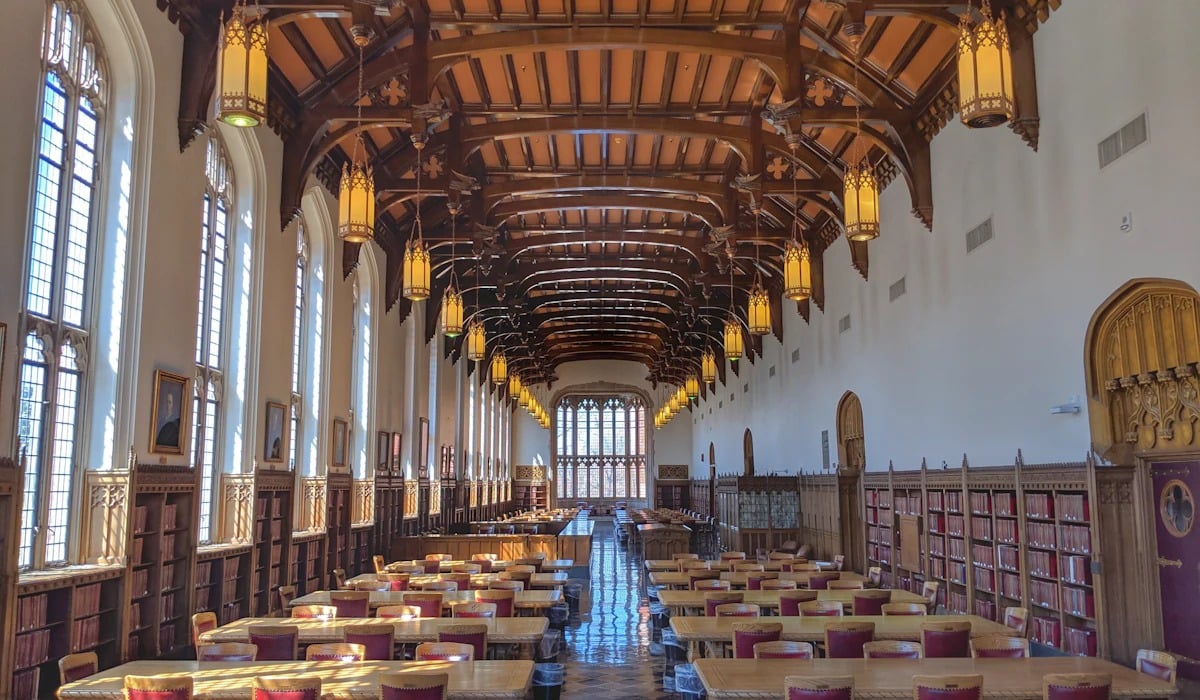
At boarding schools especially, meals were not social occasions. Pupils filed in, stood behind their chairs, waited for grace and then ate in silence or close to it.
Some schools allowed quiet conversation only after the main course.
Prefects or teachers sat at the head of each table and enforced the rules. You finished what was on your plate, whether you liked it or not.
Lumpy custard and grey cabbage live on in the memories of many former boarders, and so does the fear of being told to stay seated until the plate was clean.
12. Separate Playgrounds for Boys and Girls
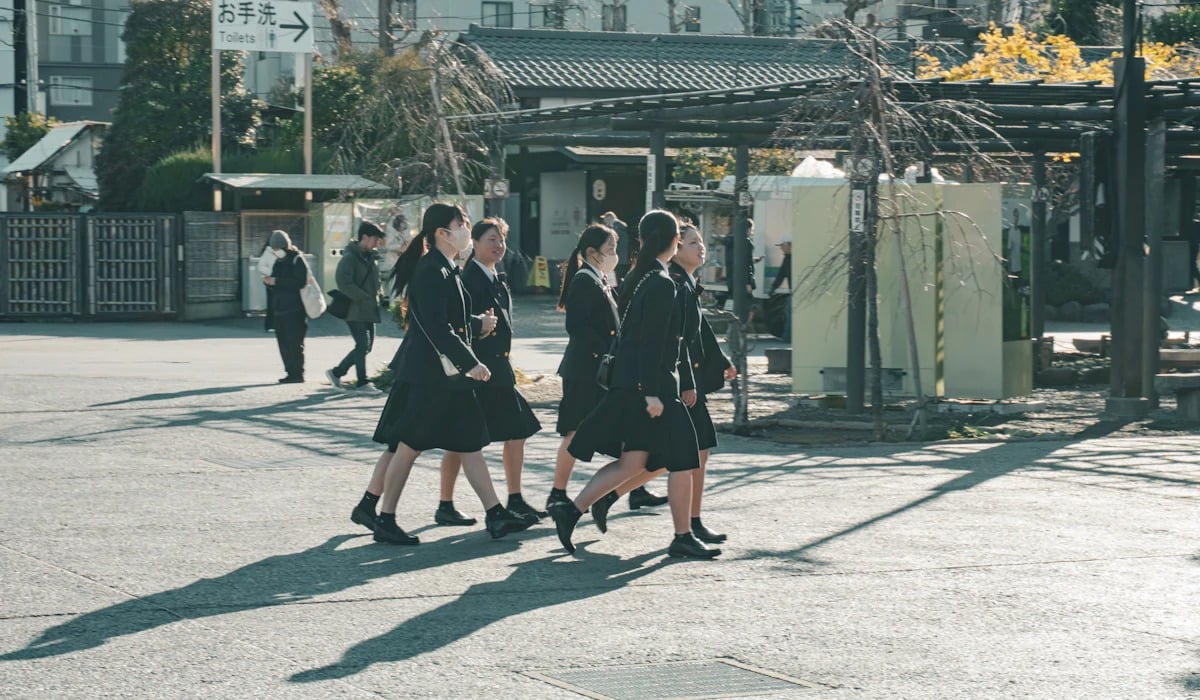
In co-ed schools, boys and girls often had separate playgrounds, separate entrances and sometimes separate staircases. A painted line or a low wall marked the boundary.
Cross it and you were in trouble.
Today it sounds odd. Children learn together, so why not play together?
But for much of the last century, adults saw mixing between the genders as a risk to manage rather than something normal.
South Africa had plenty of single-gender schools, and many still exist, so the full separation never felt unusual to pupils there. In mixed schools, though, the line on the tar could feel absurd.
Brothers and sisters spent break on opposite sides of it, waving at each other like visitors at a border post.
13. Corporal Punishment
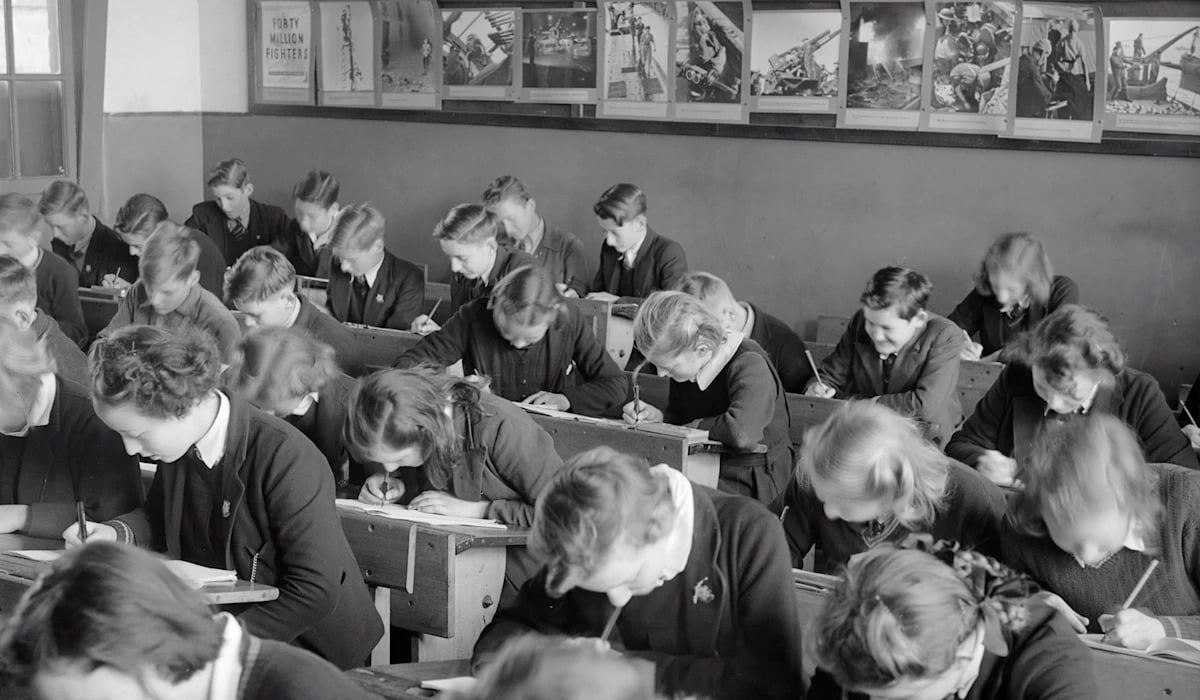
No list like this is complete without the cane. For generations of South African pupils, a hiding was part of school life.
Principals and senior teachers kept canes in their offices, and some pupils kept a mental tally of how many “cuts” they had received over the years.
Offences varied. Late for school.
Homework not done. Talking back.
Sometimes nobody quite knew. Pupils would wait outside the office, hearing each stroke land on the pupil before them, which often felt worse than the punishment itself.
The South African Schools Act of 1996 banned corporal punishment in schools. The Constitutional Court had already struck down judicial whipping of juveniles the year before, and the Schools Act brought classrooms into line with the new constitutional commitment to dignity.
That change didn’t happen overnight in practice. Some teachers resisted, and reports of illegal hidings still surface.
But the law is clear. If you went to school after 1996, you were legally protected from the cane, and if you went before, you probably remember the day you first heard it was gone.
Many adults who were caned shrug it off now. Others don’t.
Both responses are valid, and neither erases the fact that the rule now looks unthinkable.
14. Standing in the Corner
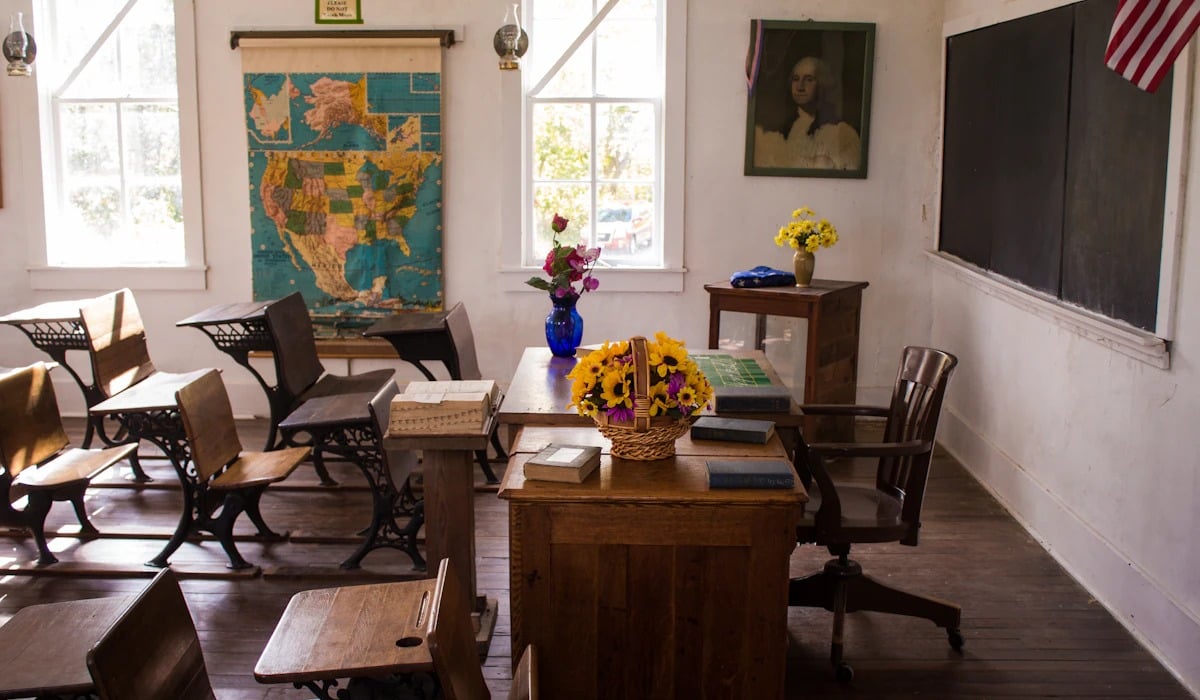
A milder punishment, but a humiliating one. Misbehave and you stood facing the wall in the corner of the classroom, sometimes for the whole lesson.
Your classmates could see you. You couldn’t see them.
Some teachers made pupils kneel instead, or stand with their arms out, or balance a book on their head. The goal was shame more than pain.
Ask anyone who did time in the corner and you’ll find they still remember exactly which corner it was.
The corner has mostly gone. Teachers today lean on time-outs, conversations and calls home instead.
15. Nail and Hand Inspections

Hold out your hands. Palms down, then palms up.
Every morning in some schools, a teacher walked along the line checking fingernails for dirt, length and any trace of nail polish.
Dirty nails earned a scolding, or worse, a public trip to the basin with a scrubbing brush. Girls caught wearing even clear polish could be sent to the office to remove it with acetone.
The rule had real roots in hygiene, back when childhood illnesses spread quickly through crowded classrooms. Over time, though, it became more about control than cleanliness.
16. Regulation Sock Length

Socks had to be pulled up. Not to the ankle, not bunched halfway, but straight to just below the knee for boys in shorts, often with the school’s coloured band showing at the top.
Some schools sent prefects around with an eye trained purely on legs. Garters to hold socks up were a standard part of the uniform for boys in many South African schools.
Rolling them down after the final bell was one of the small, sweet acts of rebellion available to a twelve-year-old.
17. No Talking in Queues
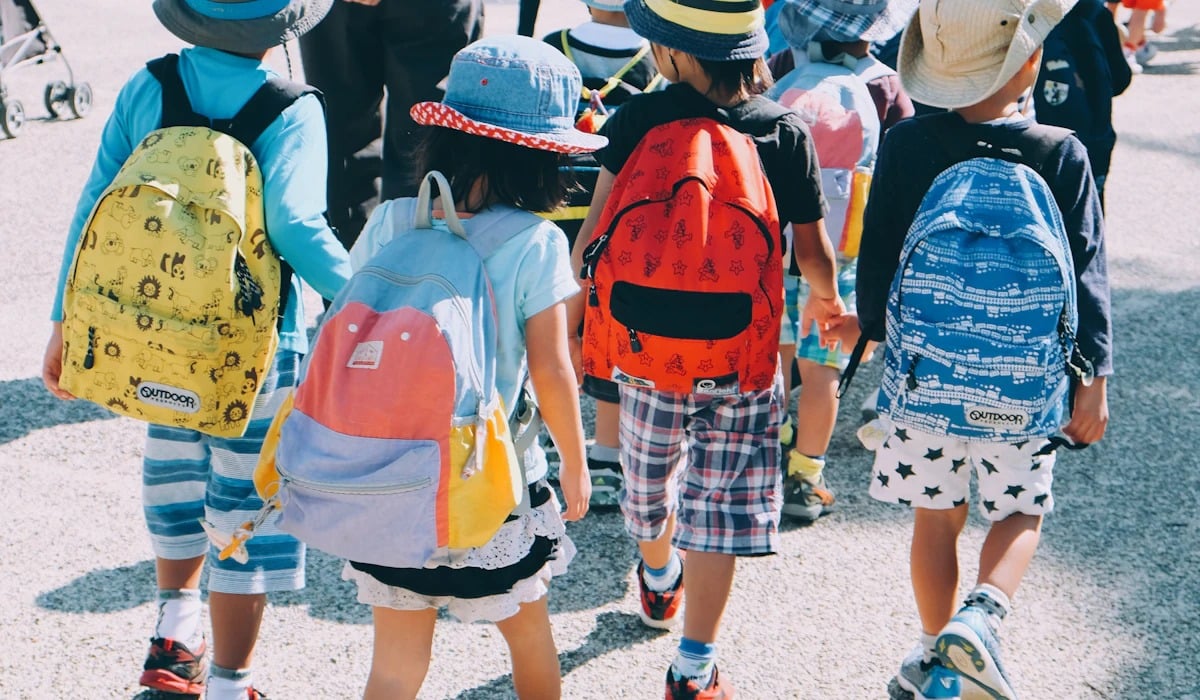
Lines for assembly. Lines for the tuck shop.
Lines to go back into class after break. And in every line, the same rule: silence.
Teachers would wait at the front until the line went quiet, then wait a little longer for effect. One whisper and the whole class went to the back.
Pupils learned early that the fastest way to get anywhere was to say nothing at all.
The habit sticks. Watch a group of adults who went through that system queue at a bank or a Home Affairs office and you’ll notice how quietly they wait.
18. Prefects With Real Power
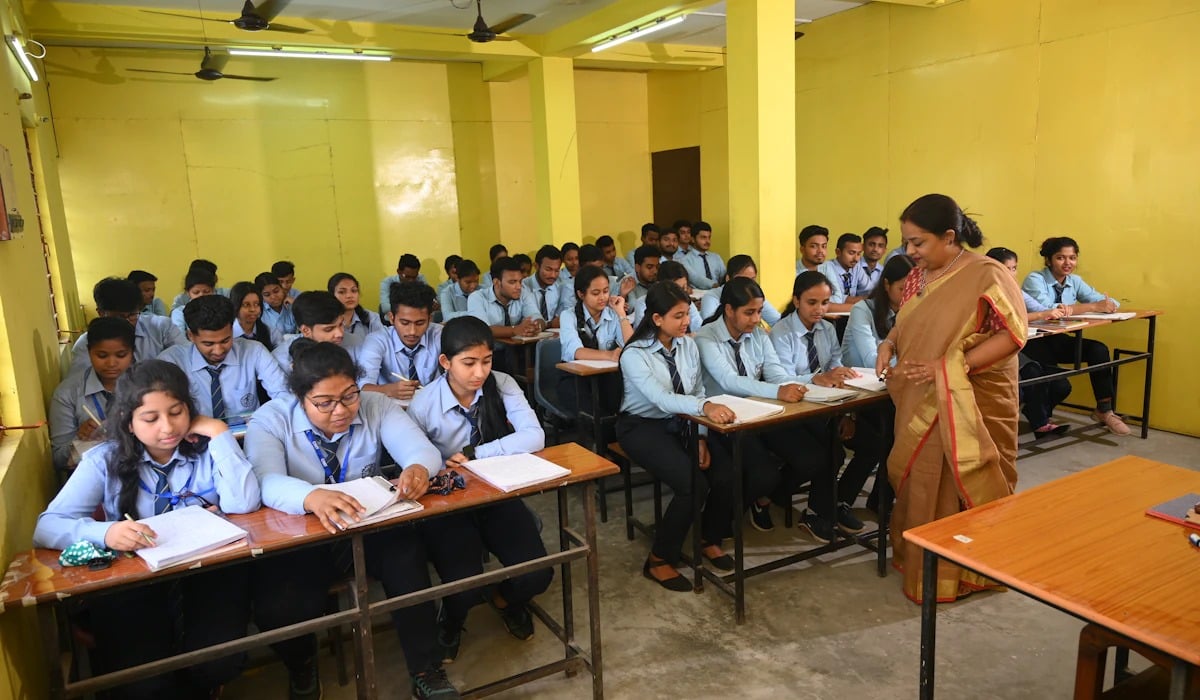
In many South African schools, prefects were not just helpers. They handed out detention, gave lines, ran duty rosters and patrolled grounds with genuine authority over younger pupils.
In some boys’ schools, prefects were even allowed to cane juniors, a practice that sounds astonishing now.
The system rested on a British public school model. Senior boys and girls kept order so teachers didn’t have to.
It built leadership in some pupils. In others, it built petty tyrants.
The prefect’s badge carried weight. Juniors stepped aside in corridors.
Some schools reserved special benches or doors for prefects alone. If you were a Grade 8 pupil walking through the wrong door, you learned the hierarchy quickly.
Modern schools still have prefects and representative councils, but their power looks very different. Detention and punishment now sit with teachers, where they belong.
19. Calling Teachers “Sir” and “Ma’am”
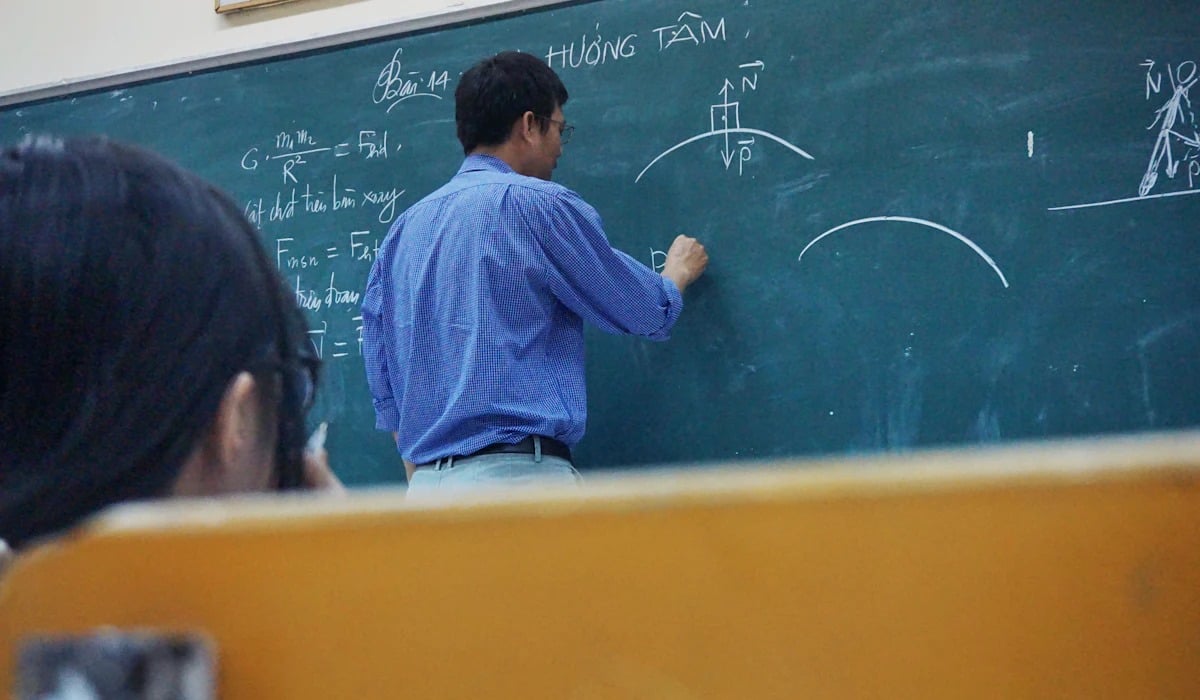
“Yes, Sir.” “No, Ma’am.”
“Please, Sir, may I go to the bathroom?” For decades, pupils addressed teachers by title alone, and getting it wrong was a punishable offence.
Many schools still use it, and it isn’t necessarily strange on its own. What seems odd now is the strictness.
Calling a teacher “Miss” instead of “Ma’am,” or using their surname without a title, could earn you lines. In Afrikaans-medium schools, “Meneer” and “Juffrou” carried the same weight, and you didn’t mix them up.
20. Latin Was Compulsory

At many schools, Latin wasn’t an elective. It was a requirement, at least for the “academic” stream.
Pupils spent years declining nouns and conjugating verbs in a language nobody had spoken as a mother tongue in centuries.
The argument for it was that Latin trained the mind, sharpened grammar and opened doors to law and medicine. In South Africa, Latin also had real professional weight, since Roman-Dutch law sits at the heart of the country’s legal system and law students long had to study it.
Today Latin survives as a niche subject at a small number of schools. Plenty of former pupils still mutter “amo, amas, amat” without ever being able to explain why.
21. Saying Grace Before Lunch
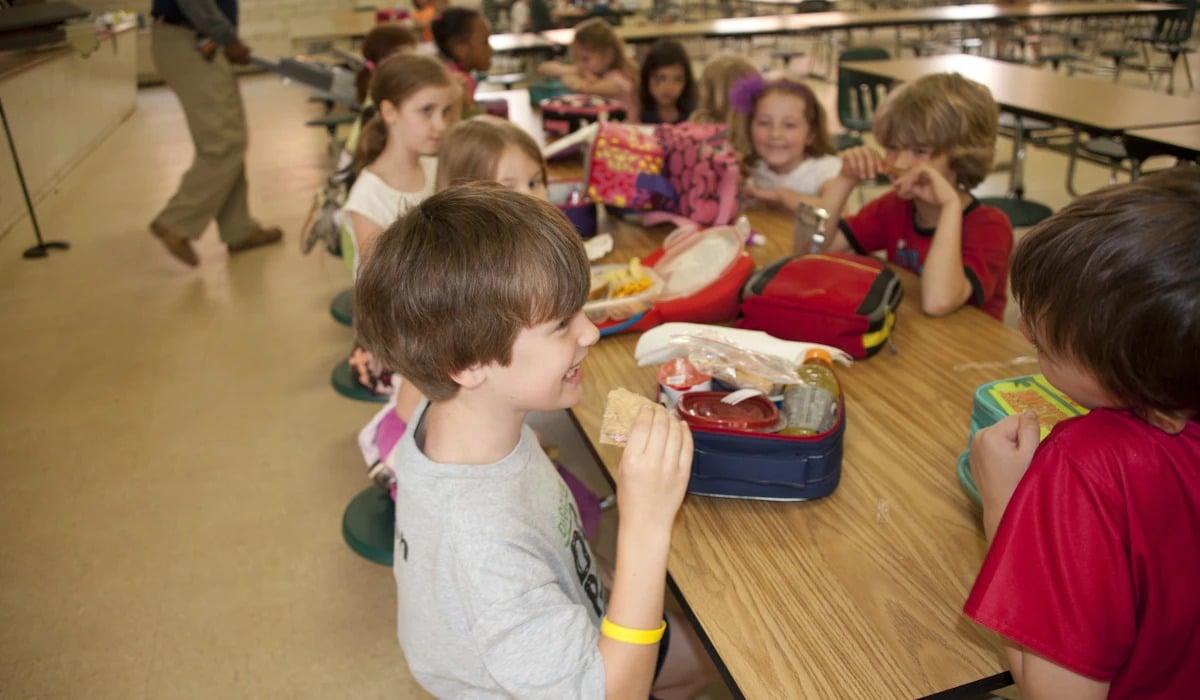
Before anyone could eat, the whole hall stood and said grace together. Some schools used a short prayer.
Others had a longer version that everyone knew by heart, often in Latin or in the school’s own words.
In apartheid-era South Africa, public schools followed a Christian National Education policy, and religious observance ran through the whole school day, from morning devotions at assembly to grace at meals. Pupils of other faiths, or no faith at all, simply joined in or stood quietly.
After 1994, the constitution protected freedom of religion, and schools had to rethink compulsory observance. Some kept grace as a voluntary tradition.
Others replaced it with a moment of silence.
22. Copying Out Lines
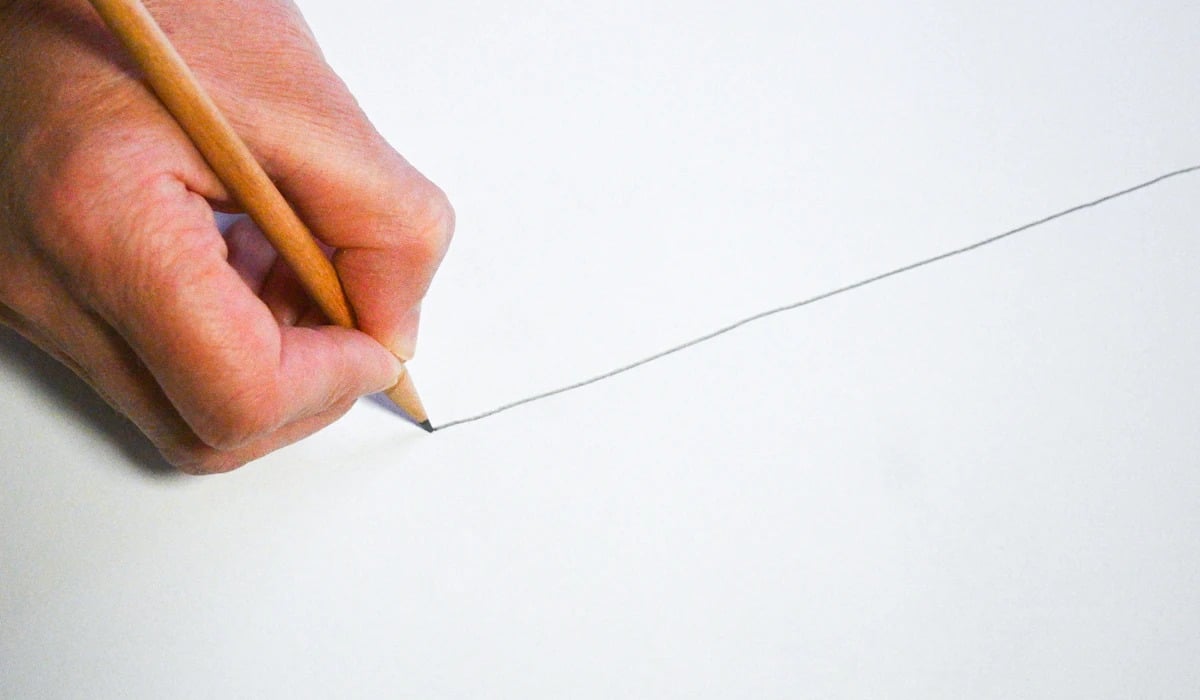
“I must not talk in class.” Write it one hundred times.
Then five hundred. Some unlucky pupils wrote out thousands of lines over a term.
Lines were supposed to drill a lesson into you. Mostly they drilled a technique.
Clever pupils learned to hold three pens at once, writing three lines in one stroke. Teachers learned to spot it.
The real cost was time. An evening spent copying the same sentence was an evening not spent on homework, reading or anything useful.
Ask a former pupil what lesson those lines taught and the honest answer is usually patience, plus a deep hatred of the sentence itself.
23. No Running on the Grass
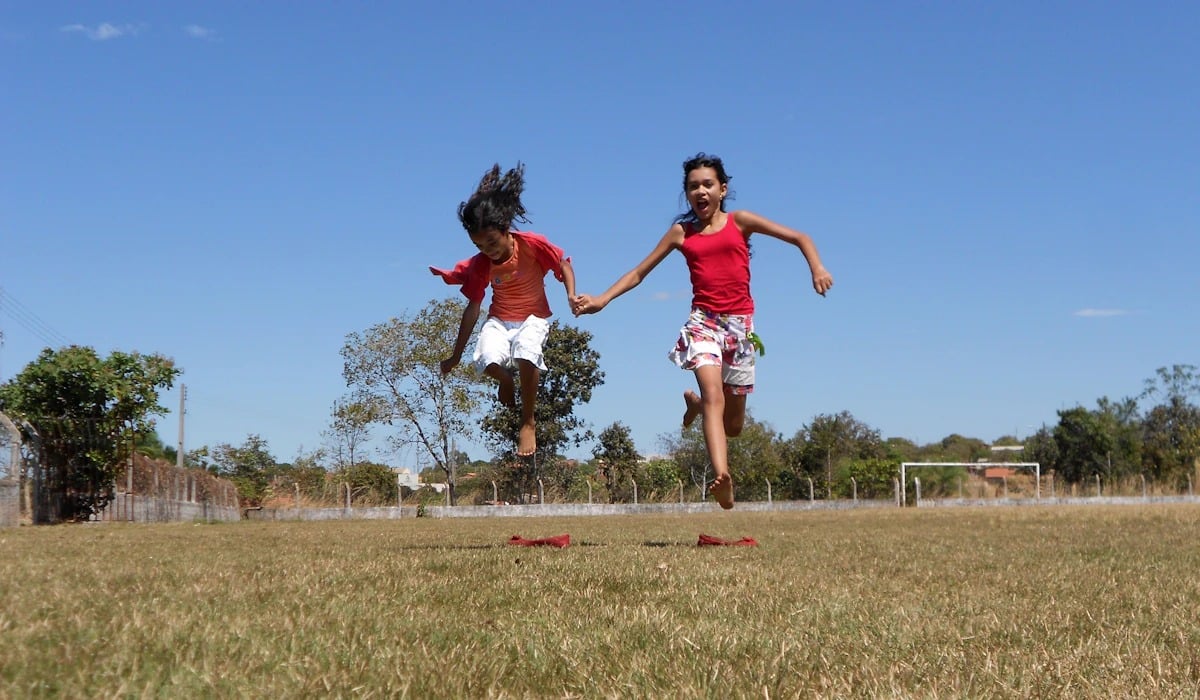
Some school lawns were holy ground. Neatly mowed, carefully watered and completely off limits to the children who attended the school.
A sign or a prefect kept everyone on the paths.
Often only matrics, staff or prefects could walk on certain lawns. Crossing the grass as a junior counted as a serious offence, and the shortcut that saved you two minutes cost you an hour of detention.
To this day, some grown men still walk around a school lawn out of instinct.
24. Strict Rules About Shoes

Black lace-up shoes, polished every morning. No slip-ons.
No buckles. No platforms.
Some schools specified the exact brand and style, and teachers checked the shine during assembly.
For many South African families, school shoes were the biggest expense on the uniform list, and they had to last the whole year. Children who grew out of them by October simply curled their toes and hoped nobody noticed.
A scuffed toe got a coat of black polish or, in a pinch, a smear of koki pen before the morning inspection.
The barefoot afternoon in the summer holidays felt like freedom itself.
25. Raising Your Hand to Speak, Always

Not just to answer questions. To speak at all.
To ask to sharpen a pencil, to fetch a book, to go to the toilet. Everything required a raised hand and a teacher’s permission.
Some classrooms took it further. You raised your hand and waited until the teacher nodded, then stood up beside your desk to speak.
Sitting down to answer was considered rude.
Raising hands is still common. The difference now lies in how rigidly it once applied to every single movement a child made.
26. Boys and Girls Taking Different Subjects

Girls took needlework and home economics. Boys took woodwork and technical drawing.
The choice often wasn’t a choice at all.
For decades, schools assumed girls would become homemakers and boys would become breadwinners, so the timetable shaped them accordingly. A girl who wanted woodwork or a boy who wanted cookery had to fight for it, and usually lost.
Plenty of South African women born in the 1950s and 1960s still remember the frustration of sewing an apron while the boys next door built a bookshelf. Today, subject choices tend to follow interest and aptitude rather than gender, and the old split looks both unfair and short-sighted.
27. No Chewing Gum, Ever

This rule still exists almost everywhere, but older generations enforced it with a passion that bordered on the theatrical. Caught chewing?
You might have to stick the gum to your nose and wear it for the rest of the lesson. Or stand at the front of the class and swallow it.
Teachers had a point. Gum ended up under desks, on carpets and in the hair of the girl sitting in front of you.
But the punishments often outweighed the crime.
The Bell Still Rings in Your Head

Strange rules have a long half-life. You can be forty years out of school and still feel a jolt when you hear a door open behind you, still stand a little straighter when someone says “Sir,” still check your collar in a shop window without knowing why.
Some of those rules deserved to go. Corporal punishment, forced right-handedness and splitting subjects by gender all hurt real children, and their passing is worth celebrating.
Others, like standing for a teacher or polishing your shoes, survive in a gentler form.
The useful question for you now isn’t whether your old school was too strict. It’s which of today’s school rules will look just as strange in fifty years.
Phones collected at the door? Screens in every classroom?
Somebody’s grandchild will laugh about it one day.
And somewhere, in a box in a cupboard, there’s still a fountain pen with dried blue ink in the nib. Pick it up and you’ll feel twelve years old again.
MORE FROM GO2TUTORS!

- The Romanov Crown Jewels and Their Tragic Fate
- 13 Historical Mysteries That Science Still Can’t Solve
- Famous Hoaxes That Fooled the World for Years
- 15 Child Stars with Tragic Adult Lives
- 16 Famous Jewelry Pieces in History
Like Go2Tutors’s content? Follow us on MSN.