Presidential Pets That Lived in the White House
The most famous address in America has housed grizzly cubs, a dairy cow, a badger with a temper and a raccoon that was supposed to be dinner. Presidents come and go on a fixed schedule, but the animals they brought along followed no rules at all.
Some were gifts from foreign leaders, some were strays, and a few simply wandered onto the public stage and stayed there. Their stories run from Jefferson’s lawn to the age of the White House webcam.
Fala, the Scottish Terrier Who Got His Own Speech
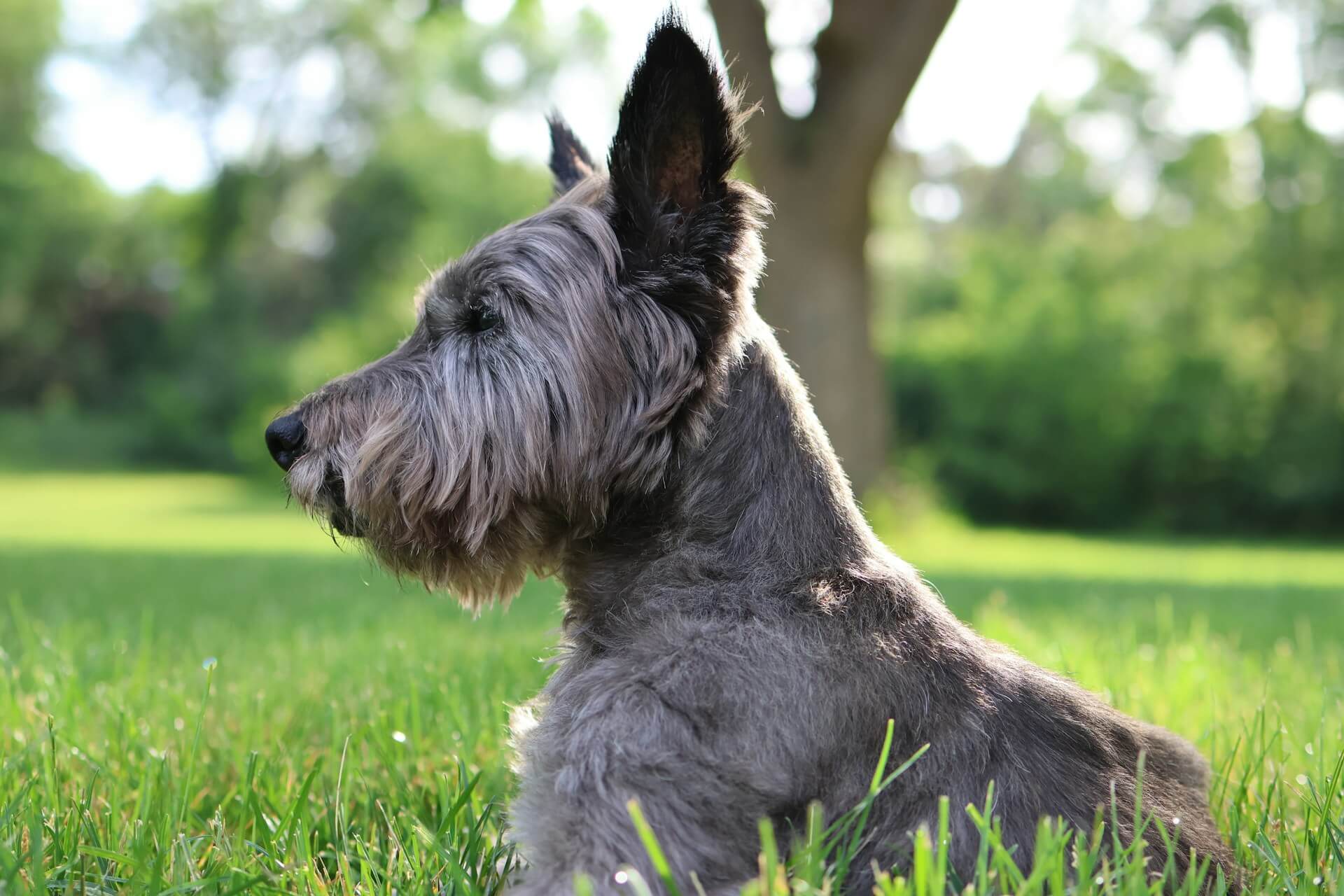
Franklin Roosevelt’s black Scottish terrier was born in April 1940, given to the president by his cousin Margaret Suckley and moved into the White House that November. His full name was Murray the Outlaw of Falahill, borrowed from a Scottish ancestor.
Fala rode on trains, ships and in the presidential car, and he became a campaign issue in 1944 when opponents claimed a Navy destroyer had been sent to fetch him from the Aleutian Islands. Roosevelt answered on September 23, 1944, in a dinner address to the Teamsters union that is still known as the Fala speech.
The dog is buried near Roosevelt at Hyde Park.
Thomas Jefferson’s Grizzly Cubs on the Lawn
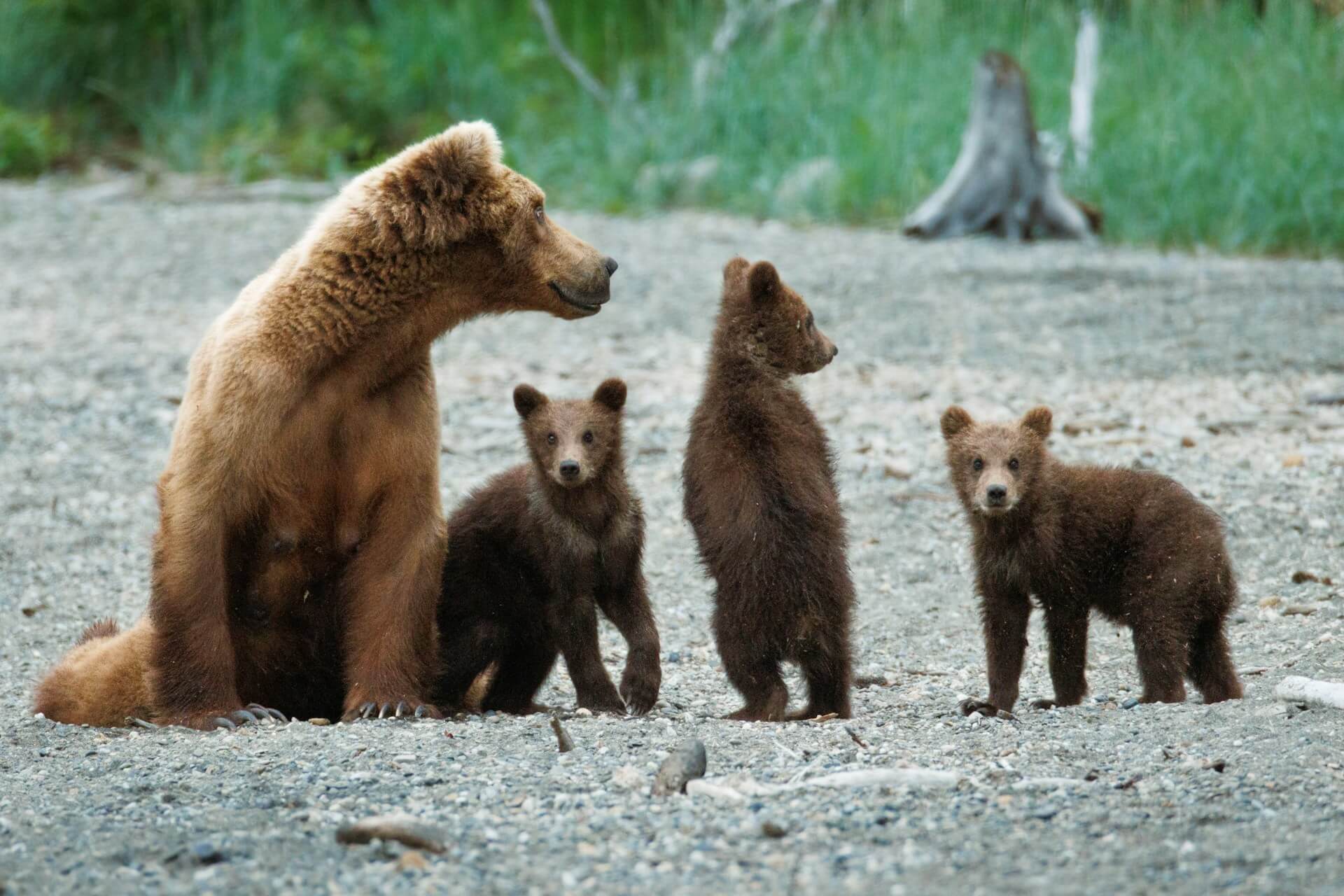
Explorer Zebulon Pike sent Jefferson an unusual present in 1807: a pair of grizzly cubs, one male and one female, acquired during his expedition through the Southwest. Jefferson kept them for a short time in an enclosure on the grounds of the President’s House, where passersby could stare at a species few Easterners had ever seen.
He recognized quickly that grizzlies were poor long-term houseguests. Within a few months he passed them to Charles Willson Peale, the painter who ran a museum in Philadelphia.
Jefferson’s letters to Peale about the bears survive, which makes this one of the best documented odd pets of the early republic.
Old Whitey, Zachary Taylor’s War Horse
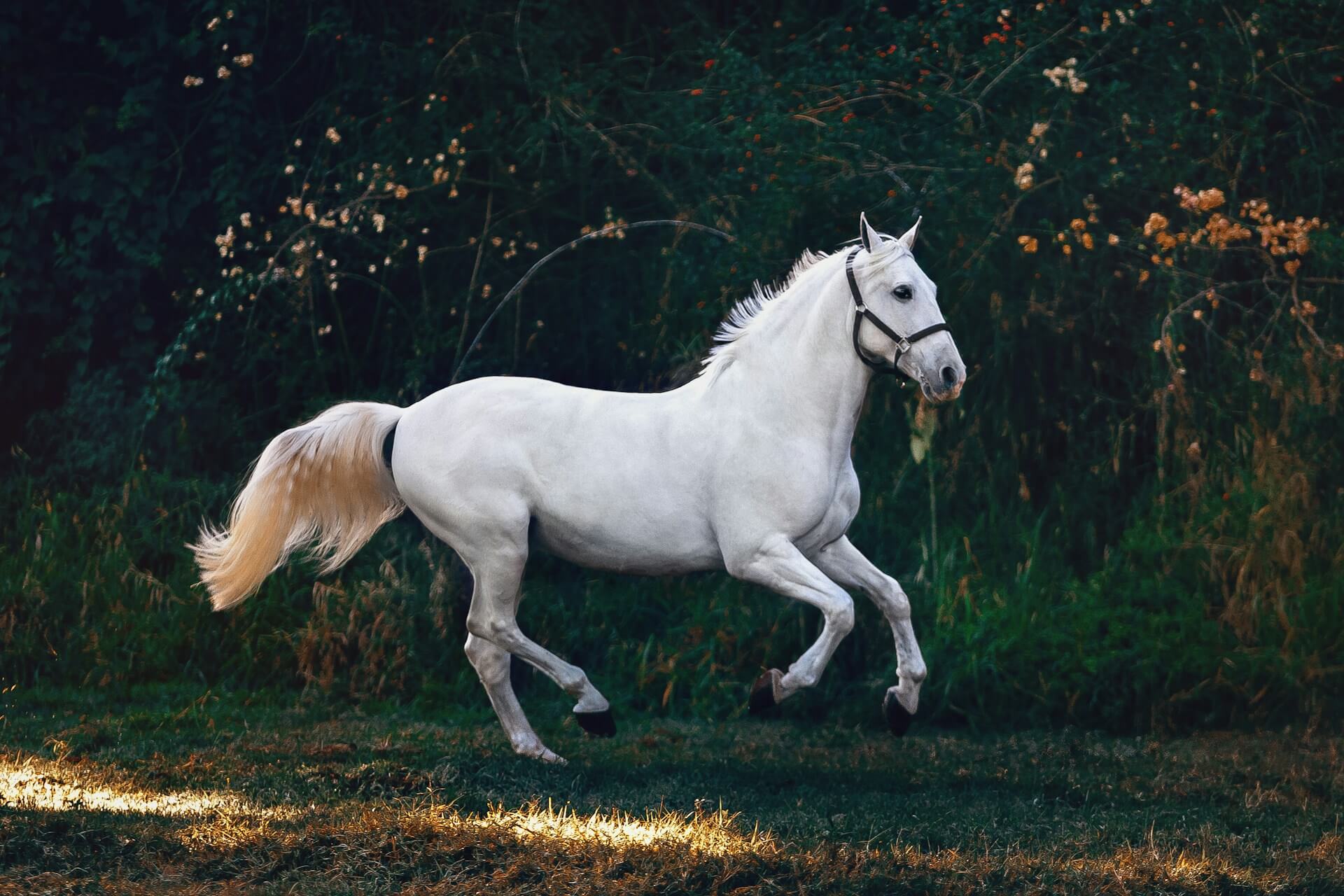
Zachary Taylor rode Old Whitey through the Mexican War, and the horse was nearly as well known as the general by the time Taylor took office in 1849. In Washington the aging mount was allowed to graze on the White House lawn in retirement.
Visitors are said to have plucked hairs from his tail as souvenirs, a habit that reportedly left it rather thin. Taylor died in July 1850 after only sixteen months as president.
Accounts of the funeral describe Old Whitey walking behind the coffin in the procession, saddled but riderless, in the military tradition for a fallen commander.
Nanny and Nanko, the Lincoln Family Goats
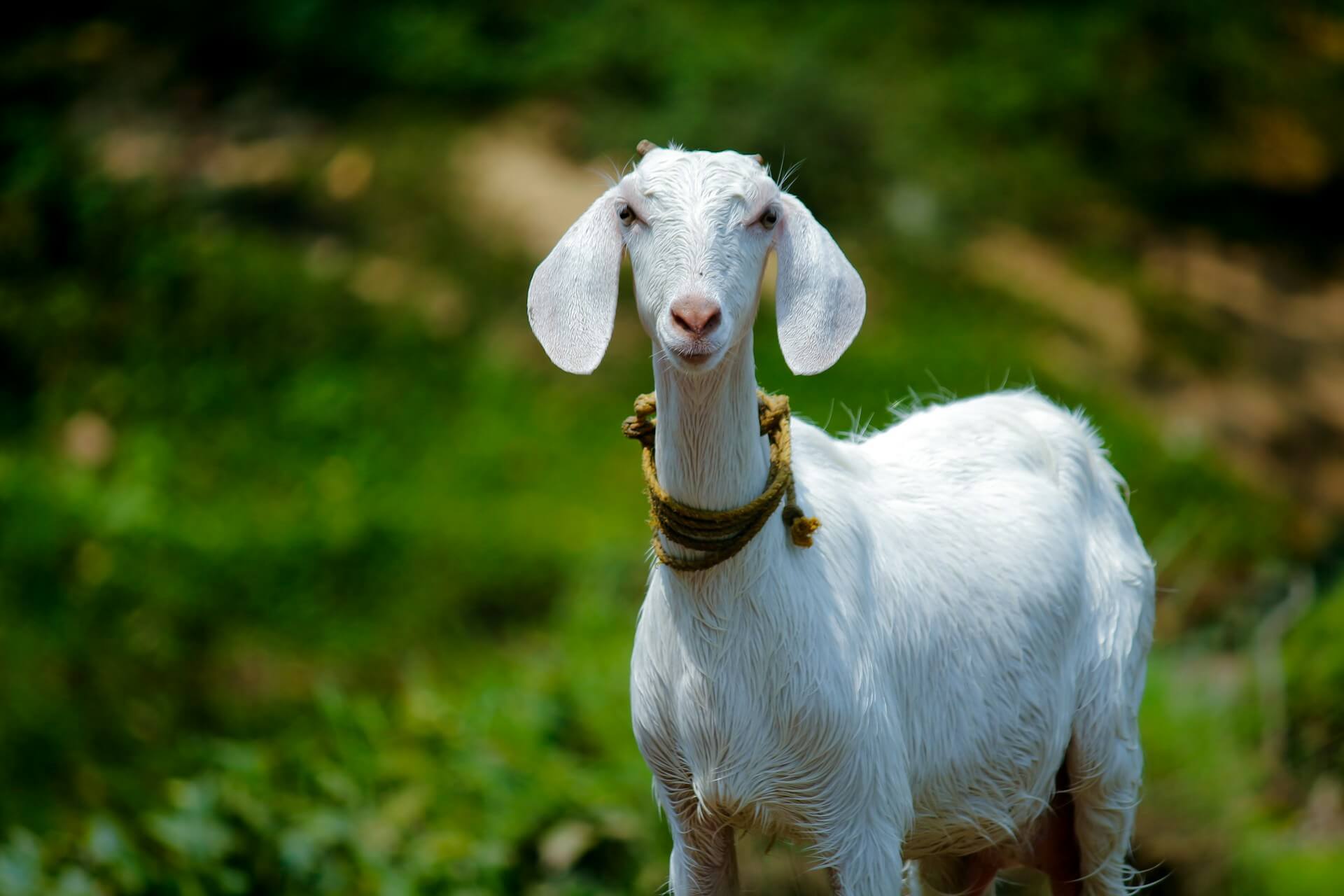
Tad Lincoln’s two goats had the run of the Executive Mansion during the Civil War, and Nanny was once found resting in the middle of the boy’s bed. Abraham Lincoln’s family correspondence left a paper trail.
On August 8, 1863, he wrote to Mary Lincoln, who was away with Tad, to break the news that Nanny had vanished. A gardener at the Soldiers’ Home had complained that she was destroying the flowers, so she was brought to the White House and soon disappeared.
A telegram of April 28, 1864, assured the family that the goats and the father were both very well, especially the goats. Tad also drove a goat-pulled chair through a group of visitors in the East Room.
Siam, a Gift From Bangkok for Lucy Hayes
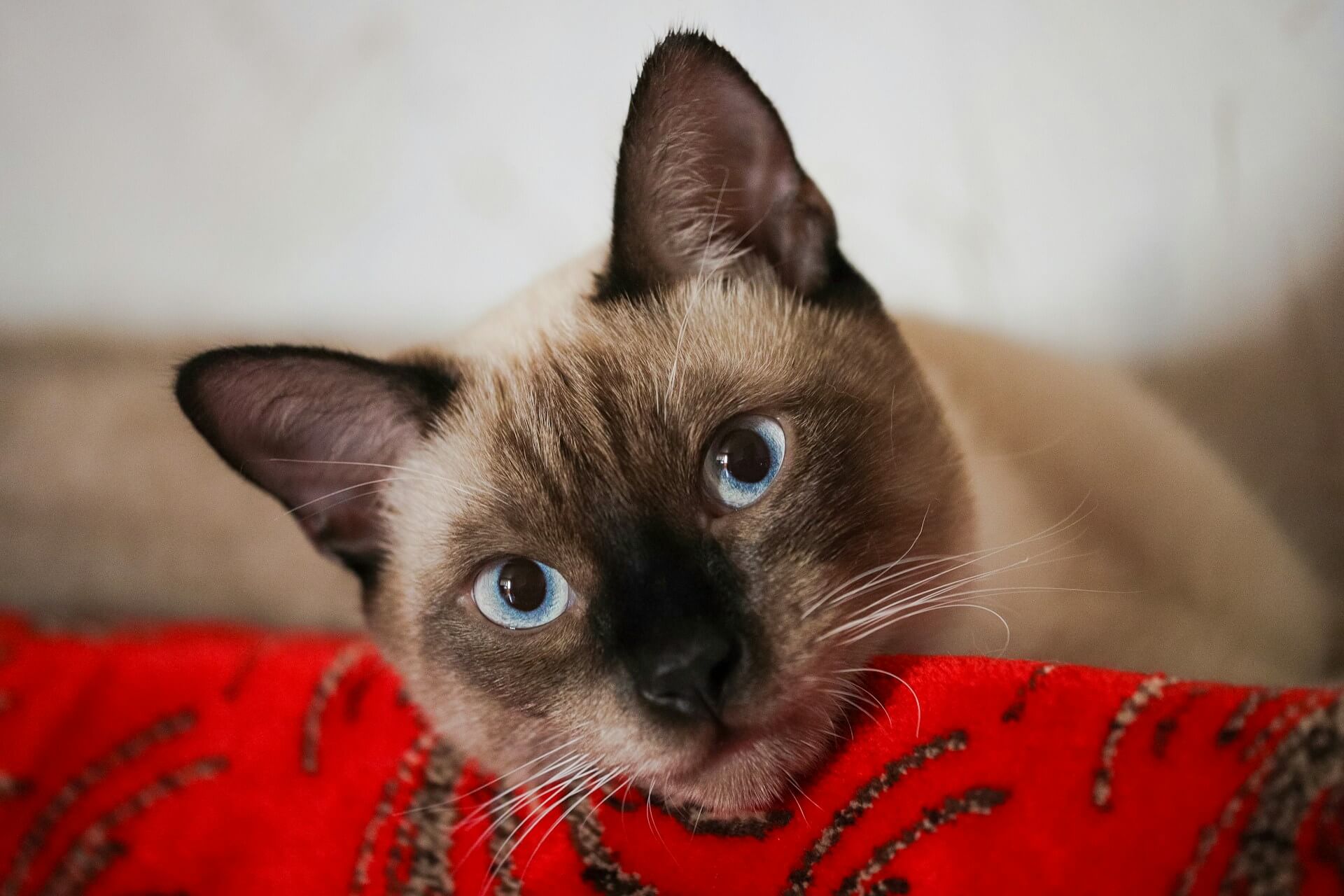
David Sickels, an American consul in Bangkok, wrote to First Lady Lucy Hayes in November 1878 to say he was sending her a Siamese cat. The animal traveled by way of Hong Kong and San Francisco, then overland, and reached Washington in early 1879, more than two months after the letter.
Named Siam, she became a favorite of twelve-year-old Fanny Hayes and of the household staff. She is often described as the first Siamese cat in the United States, a claim that is hard to prove, though Sickels himself believed no one had tried it before.
Siam fell ill in the autumn of 1879 and died despite the attention of the president’s physician.
Old Whiskers and a Runaway Cart
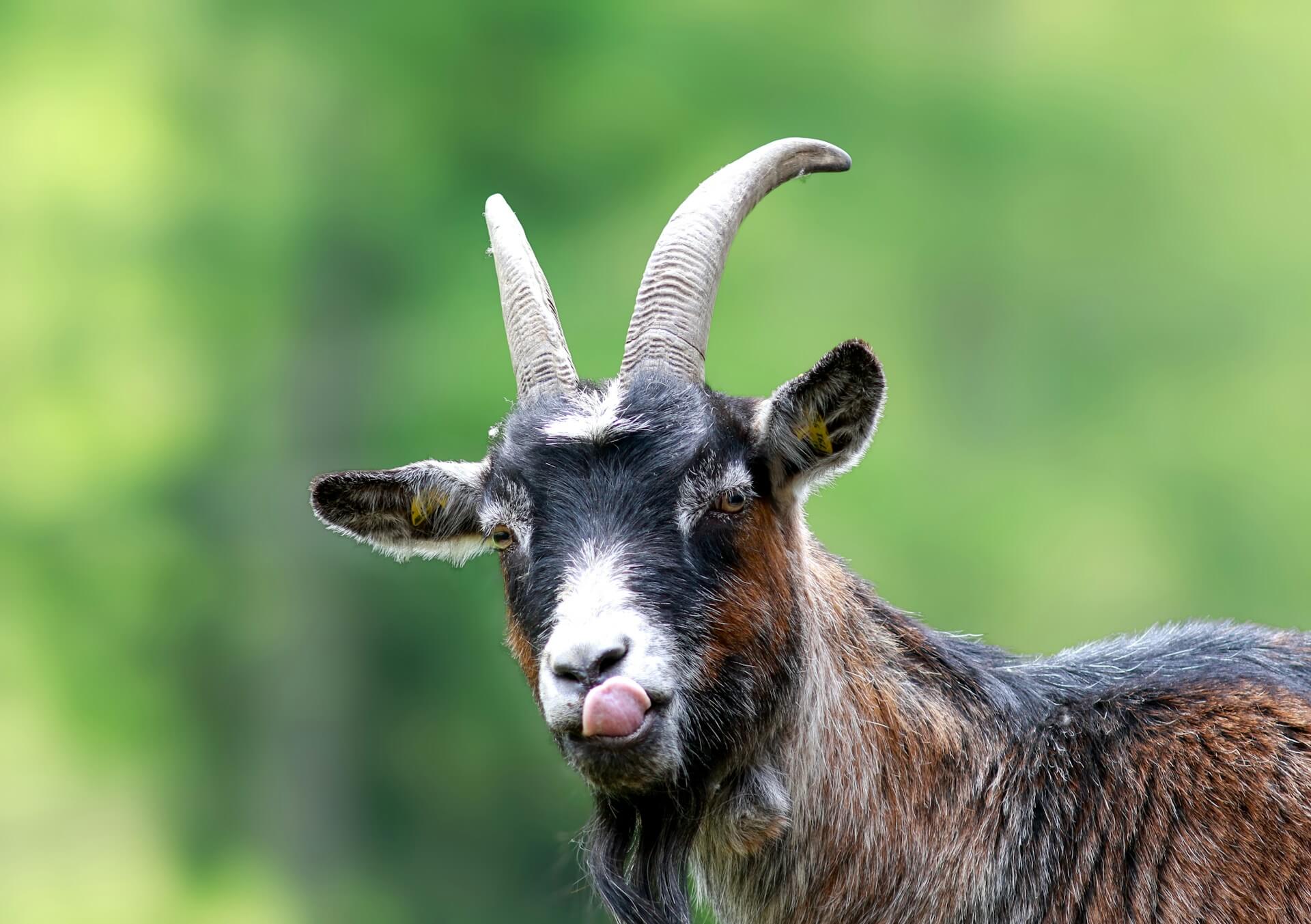
Benjamin Harrison, president from 1889 to 1893, kept a goat for his grandchildren, who rode around the grounds in a small cart pulled by the animal. The goat appears in different accounts as Old Whiskers or His Whiskers.
The best known story holds that one day the goat bolted through the White House gates with the children still aboard and headed down Pennsylvania Avenue. Harrison, who had been waiting for his carriage, is said to have run after them holding onto his top hat while Washingtonians watched.
An 1891 photograph taken in front of the mansion shows the goat in harness with the grandchildren and the family dog, Dash.
Algonquin, a Pony in the Elevator
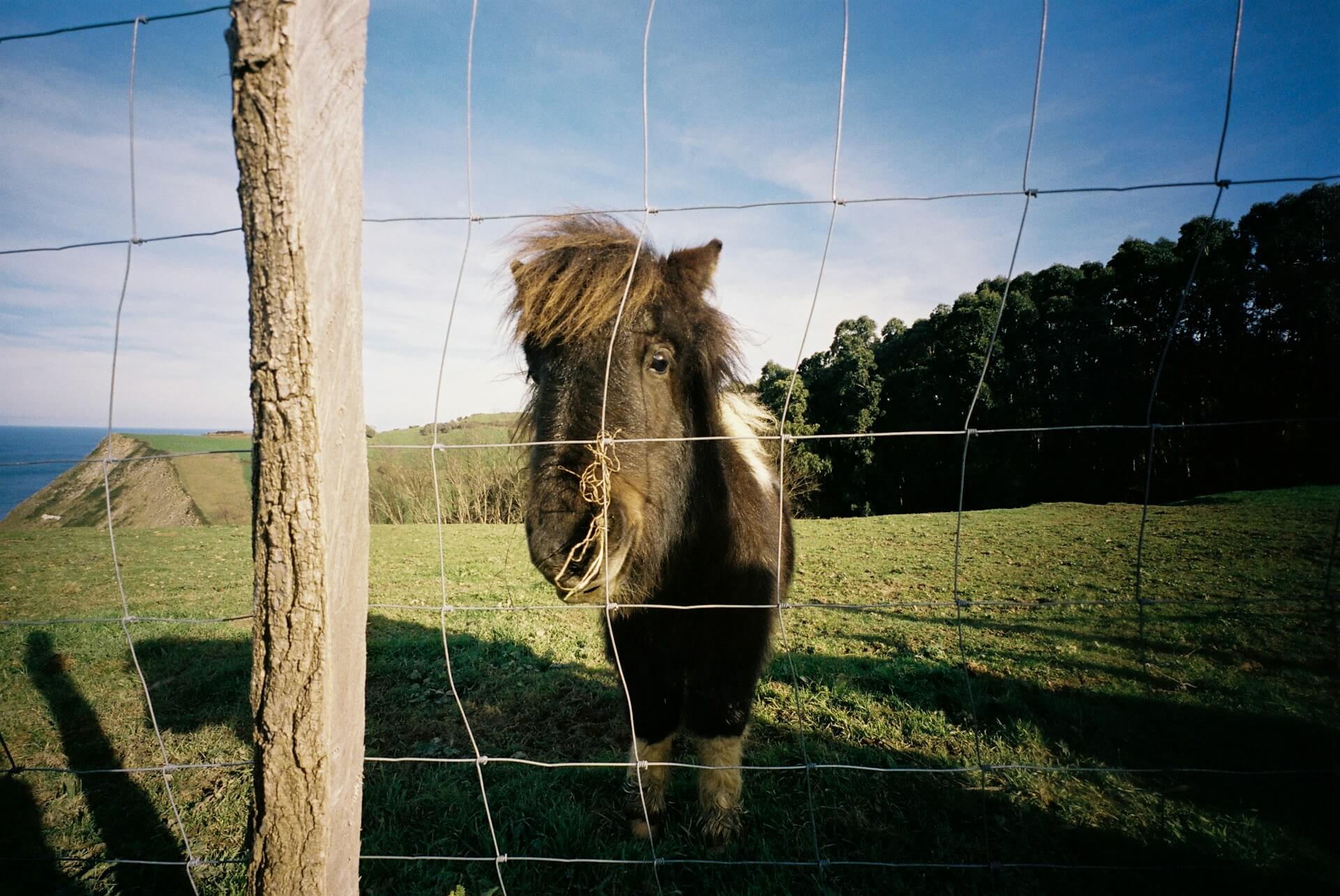
Archie Roosevelt, one of Theodore Roosevelt’s six children, owned a Shetland pony named Algonquin that weighed about 350 pounds. When Archie, then about nine, was confined to bed with measles, it was decided that a visit from the pony would speed the recovery.
Accounts differ on who did the smuggling, with some crediting his brothers Kermit and Quentin and others a footman named Charles Reeder. Either way, the pony was led into the building and loaded into the elevator for the ride to the second floor.
Algonquin is said to have been so taken with his own reflection in the elevator mirror that getting him out again took some persuasion.
Josiah, the Badger From a Kansas Train Stop
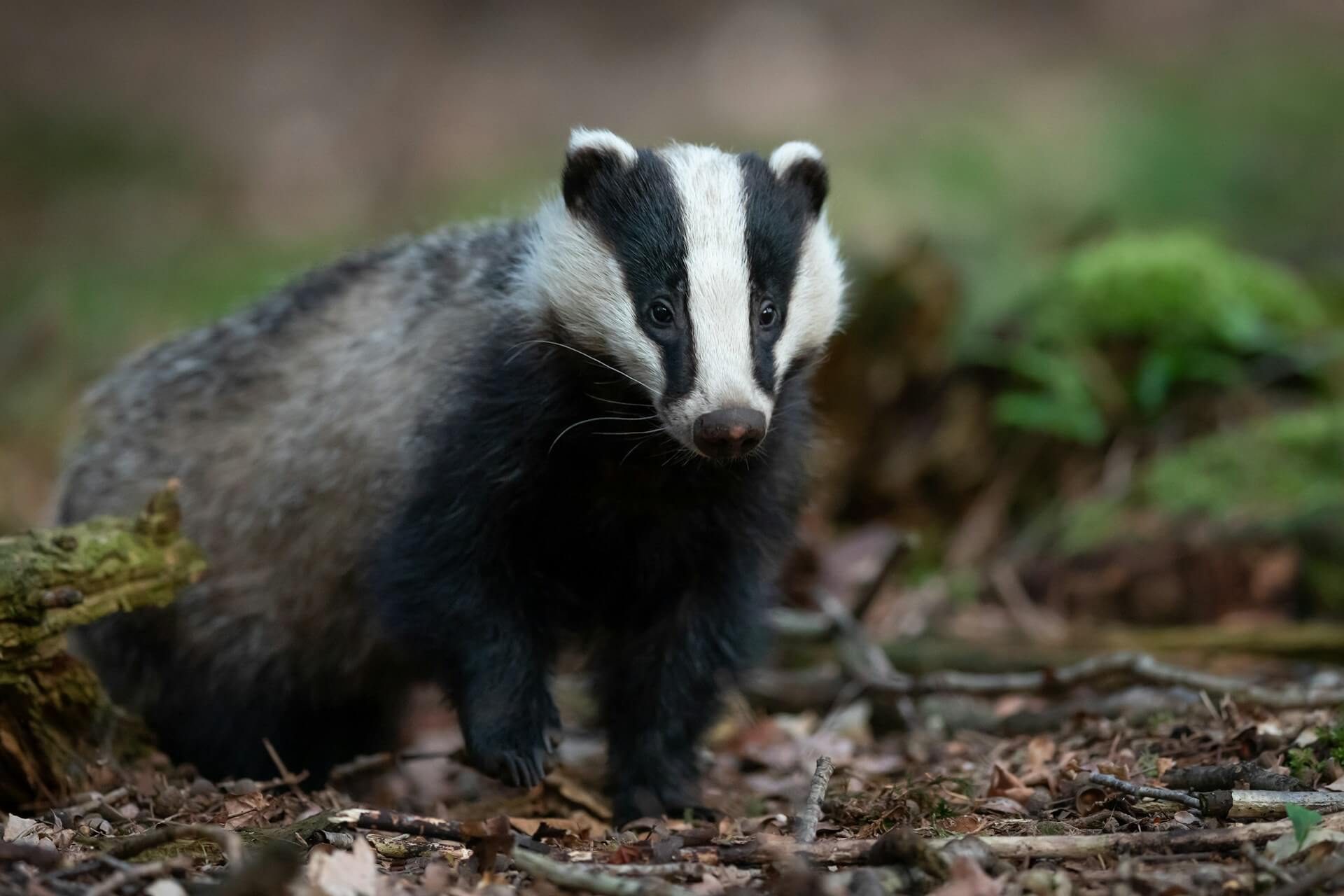
During a western tour in the spring of 1903, Theodore Roosevelt’s train stopped at Sharon Springs, Kansas, where a twelve-year-old girl named Pearl Gorsuch offered him a badger about two weeks old. He accepted, named the animal Josiah and took it home to Washington in his railroad car.
Archie Roosevelt carried the badger around the grounds clasped at the middle and defended him on the grounds that he bit legs but never faces. The family fed Josiah milk and potatoes and built him a pen where he could dig.
As he grew, the ankle nipping became less charming, and the Roosevelts eventually sent him to the Bronx Zoo in New York, where they continued to visit.
Pauline Wayne, the Last White House Cow
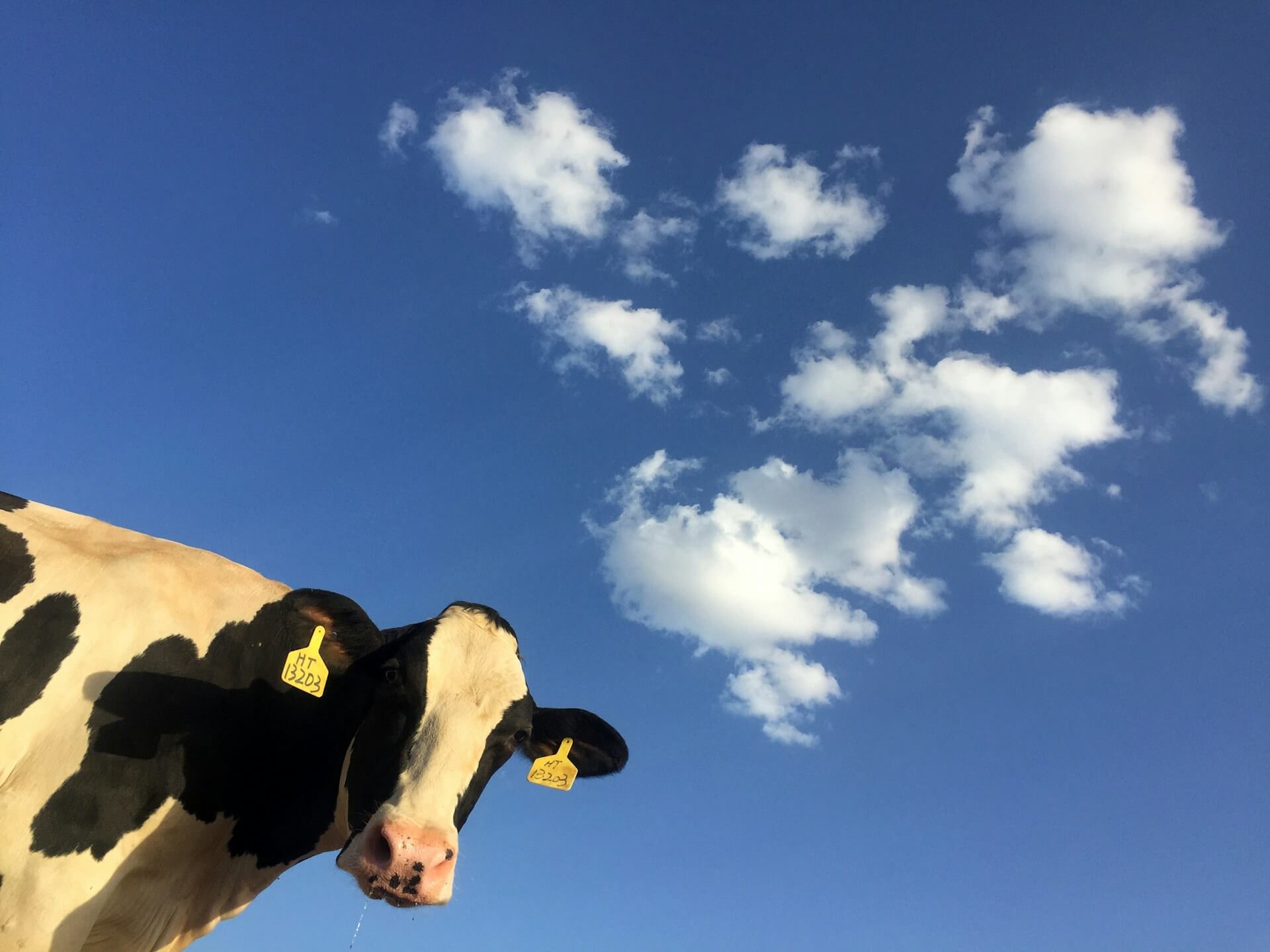
William Howard Taft liked fresh milk, and from 1910 to 1913 a Holstein named Pauline Wayne supplied it. She was a gift from Senator Isaac Stephenson of Wisconsin and grazed on the lawn beside what was then the State, War and Navy Building.
In 1911 she was shipped to a dairy exposition in Milwaukee and went missing for two days when her railcar was attached to the wrong train. Newspapers reported that she was found at the Chicago stockyards before any harm came to her.
When Taft left office in 1913 she went back to Wisconsin, and she is remembered as the last cow kept at the White House.
Woodrow Wilson’s Wartime Flock
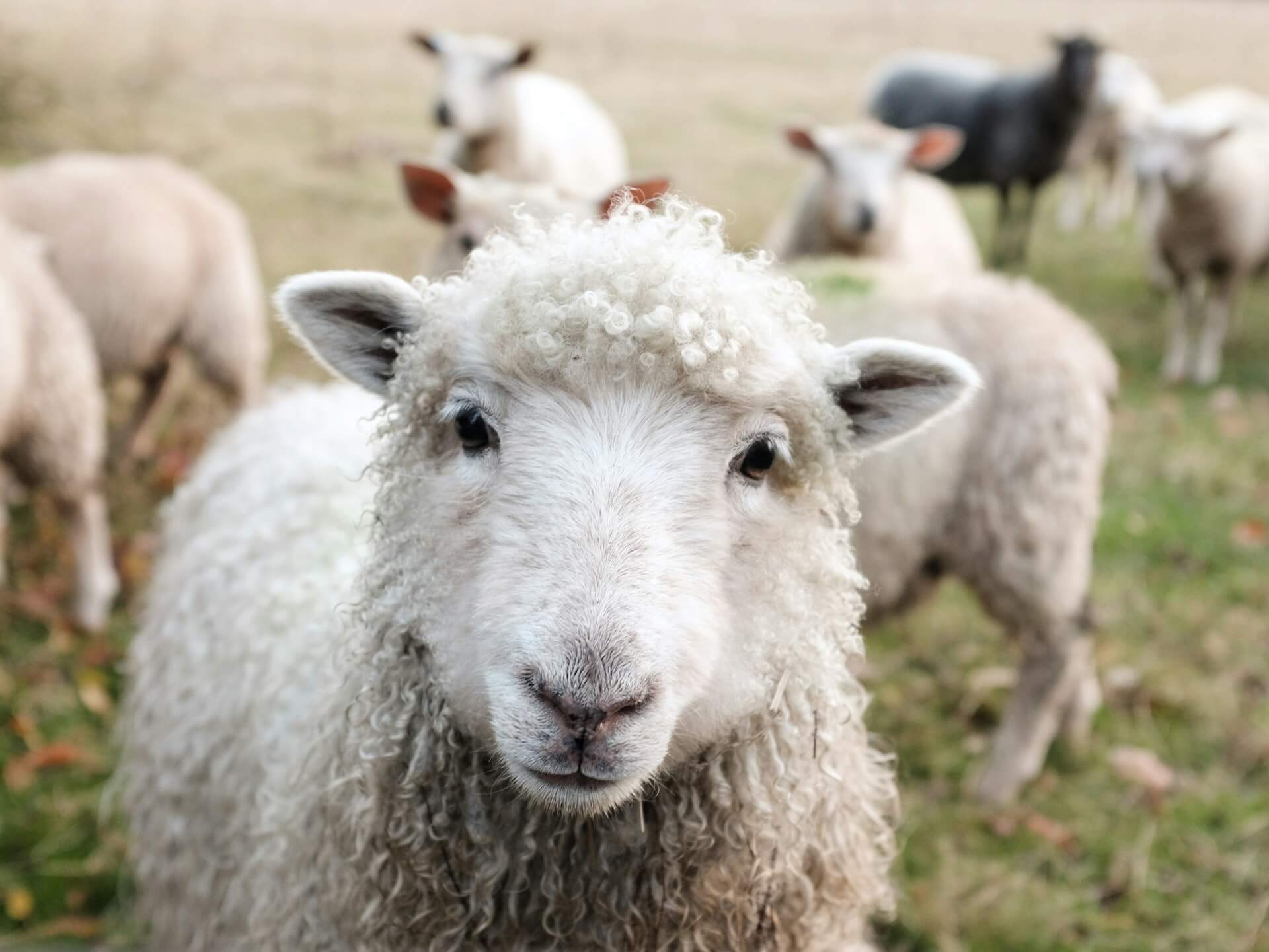
A flock of sheep arrived on the White House grounds in the spring of 1918, during the First World War. The idea was practical: grazing animals kept the grass short and freed groundskeepers for war work.
It began with 12 sheep and 4 lambs bought from a Maryland farm and eventually grew to 48 animals. The wool was sheared and donated to the Red Cross, with the plan that the governor of each state would auction a share, and the sales reportedly raised more than 50,000 dollars.
Photographs of sheep grazing on the south grounds remain among the most reproduced images of the Wilson years. The flock was sold by August 1920.
Laddie Boy, the First Celebrity Dog
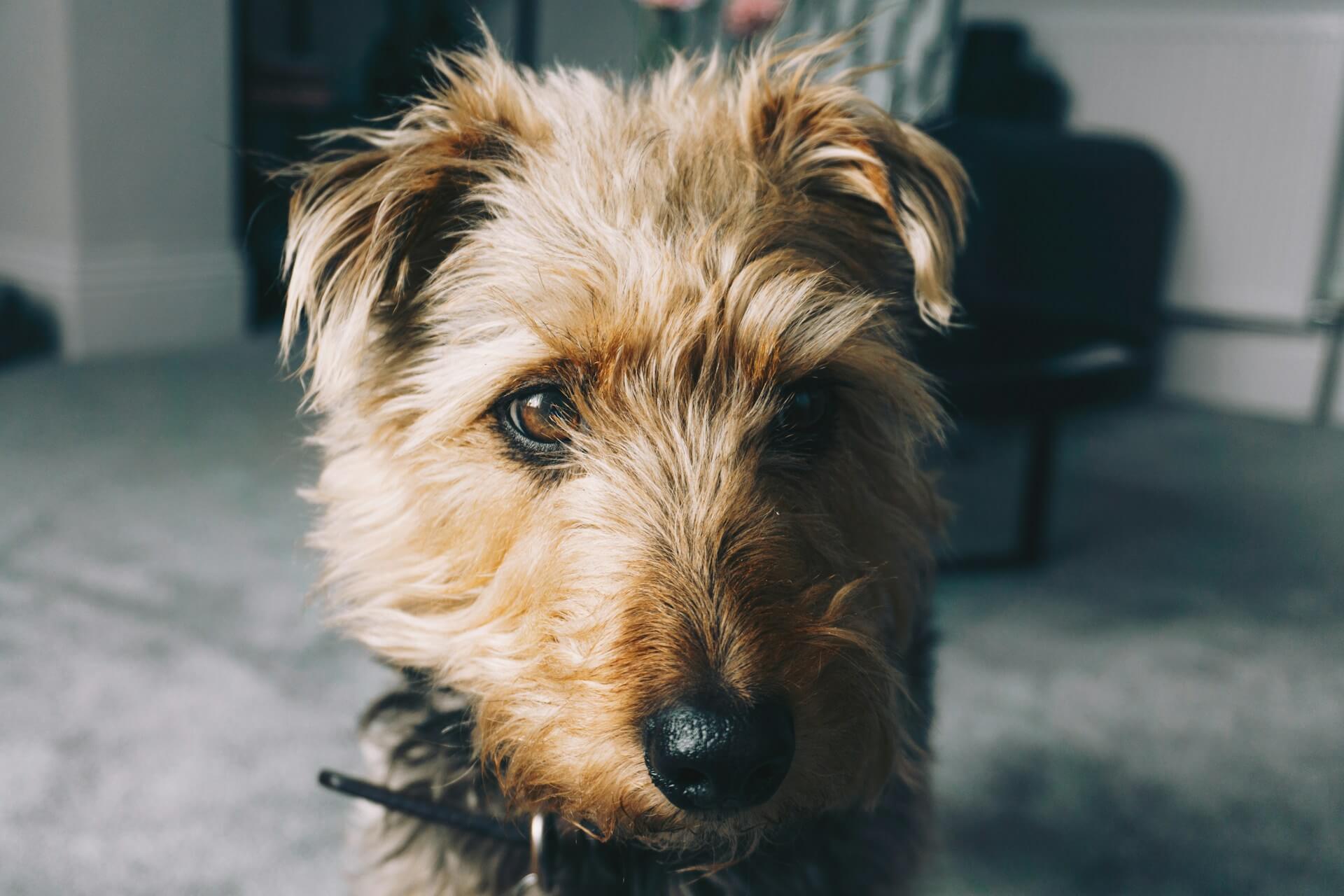
Warren Harding’s Airedale terrier arrived at the White House on March 5, 1921, the day after the inauguration, and newspapers took to him immediately. Laddie Boy had his own hand-carved chair for Cabinet meetings, fetched the president’s morning paper and was the guest of honor at a birthday party featuring a cake made of dog biscuits.
Reporters published mock interviews with him. After Harding died in August 1923, newsboys across the country donated pennies in memory of the president, who had once been a newspaper publisher.
More than 19,000 of the coins were melted down and cast into a statue of the dog by sculptor Bashka Paeff, now held by the Smithsonian.
Rebecca, the Raccoon Who Skipped Thanksgiving
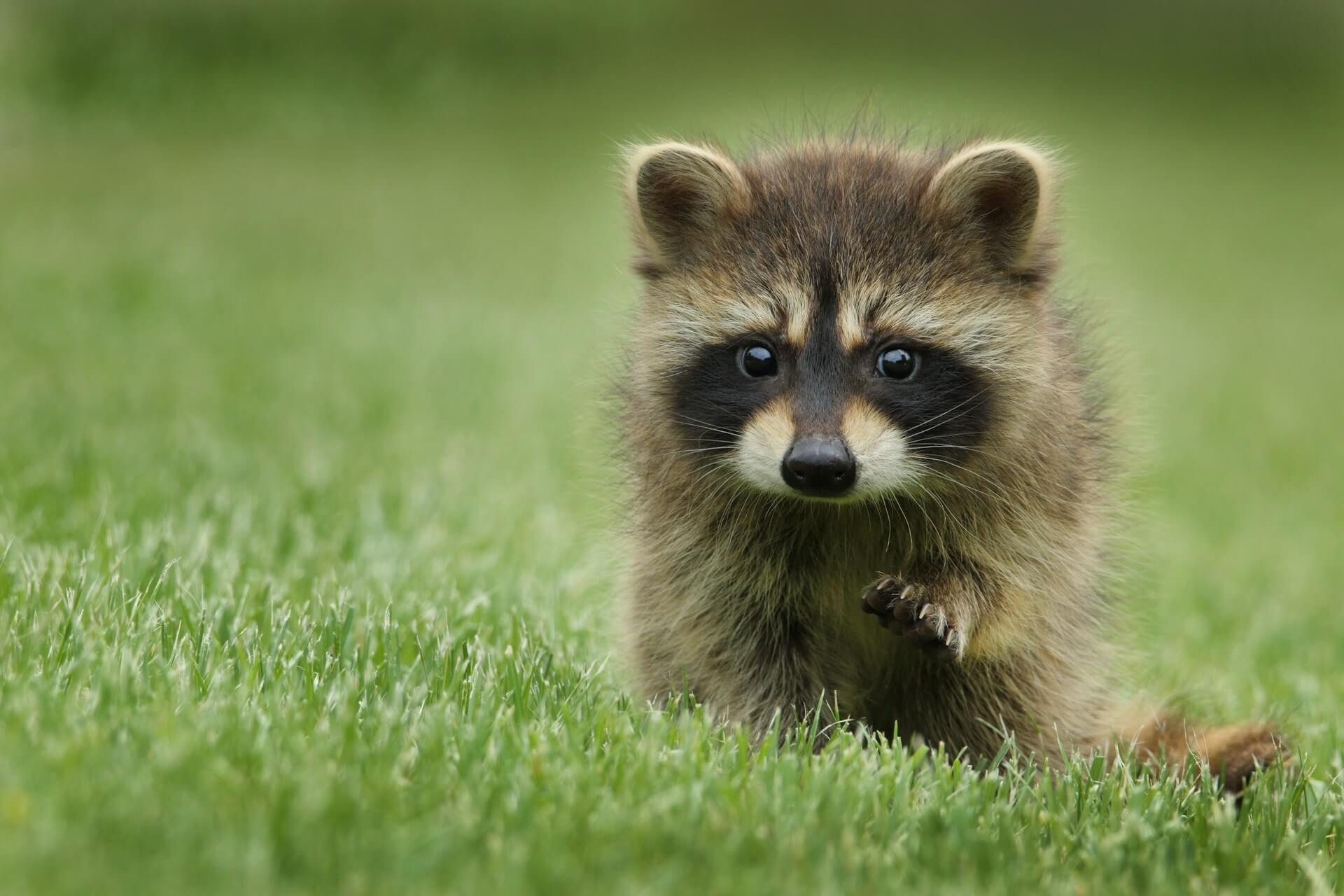
In November 1926 a Mississippi admirer sent Calvin Coolidge a live raccoon intended for the Thanksgiving table. The Coolidges declined to eat her and adopted her instead.
Named Rebecca, she received an embroidered collar and a house built for her on the grounds, and Grace Coolidge carried her to the Easter Egg Roll in 1927. Rebecca enjoyed playing in a partly filled bathtub with a cake of soap and was also talented at escaping, which sent staff climbing trees on more than one occasion.
Toward the end of the Coolidge years she was given to the zoo in Rock Creek Park.
Rob Roy and Prudence Prim, the Coolidge Collies
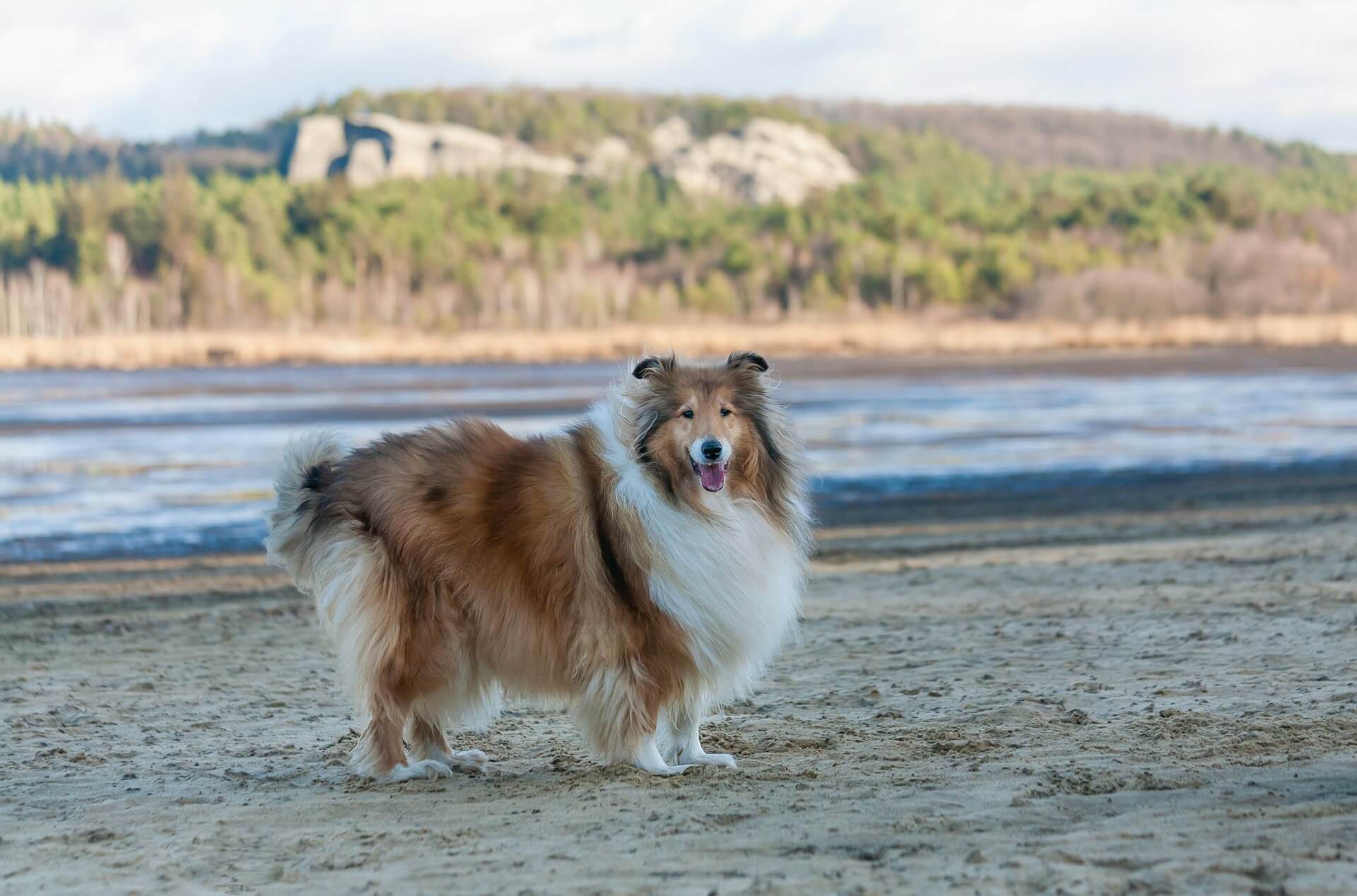
Calvin and Grace Coolidge kept a pair of white collies that became fixtures of 1920s Washington. Rob Roy, originally called Oshkosh, came from Wisconsin and was the president’s favorite. Prudence Prim, who arrived in October 1925 from a kennel in Iowa, attached herself to the first lady and wore a straw bonnet to a garden party in 1926.
Rob Roy stands beside Grace Coolidge in the 1924 portrait by Howard Chandler Christy, in which her red dress contrasts with his coat. That painting remains in the White House collection.
Prudence Prim died during the family’s summer trip to the Black Hills of South Dakota in 1927, and Rob Roy died the following year.
Heidi, the Camera-Shy Weimaraner
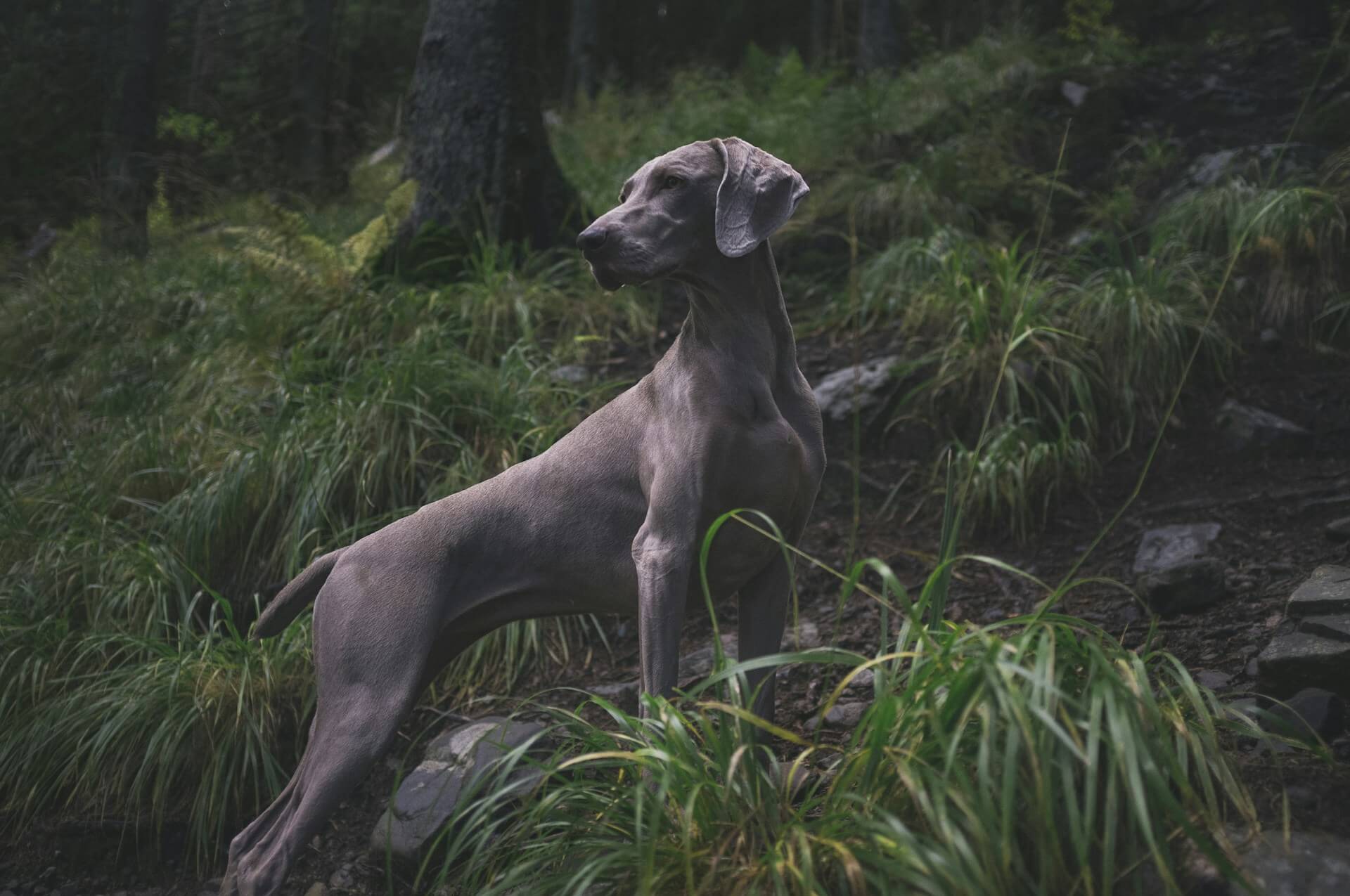
Dwight Eisenhower’s Weimaraner, Heidi, was born in the mid 1950s and spent part of his presidency roaming the White House grounds. She was devoted to Mamie Eisenhower and disliked photographers, reportedly jumping between the first lady and any raised camera.
Heidi had a habit that proved less forgivable. After an accident on an expensive rug in the Diplomatic Reception Room, by the usual account, she was sent to live at the Eisenhower farm in Gettysburg, Pennsylvania, where the carpets were under less pressure.
She is said to have settled in comfortably there and to have had a litter of puppies. Gettysburg later became the couple’s retirement home, so the exile turned out to be a reunion.
Macaroni, Caroline Kennedy’s Pony
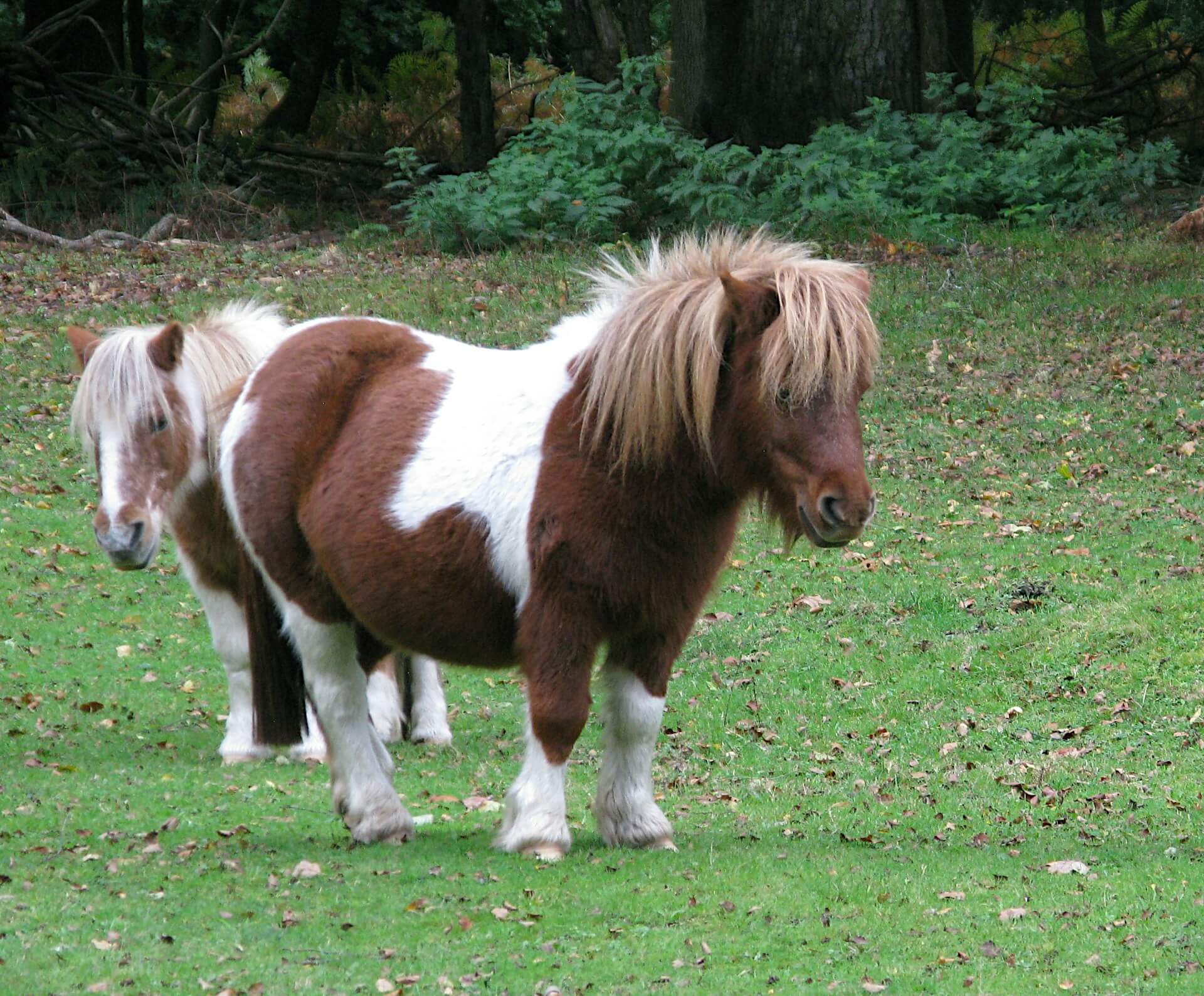
Vice President Lyndon Johnson gave Caroline Kennedy a pony named Macaroni, and for a time the small animal was among the most photographed in the country. He was stabled mostly in Virginia but was brought to the White House regularly, where he was allowed to wander the South Lawn and is said to have turned up outside the Oval Office.
Macaroni pulled the Kennedy children in a sleigh across the snowy grounds in the winter of 1962. He received fan mail from children around the country.
Photographs of Caroline riding him appeared in national magazines and helped define the public image of a young family in an old house.
Pushinka, a Cold War Puppy
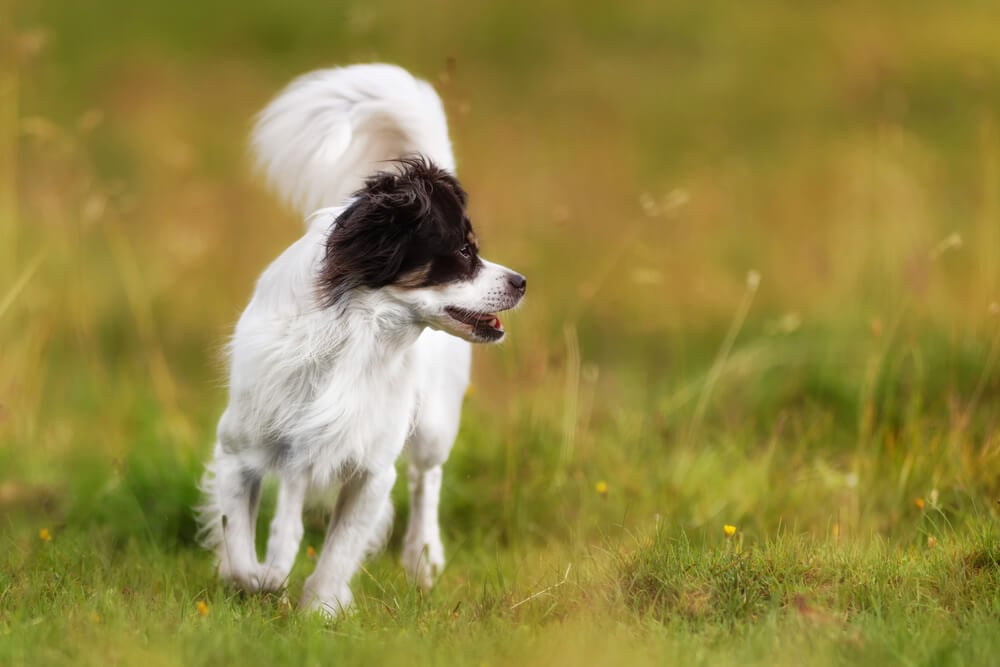
During a state dinner in Vienna in 1961, Jacqueline Kennedy chatted with Soviet leader Nikita Khrushchev about Strelka, a dog that had orbited the Earth aboard a Soviet spacecraft the year before. That summer one of Strelka’s puppies arrived at the White House as a gift.
She was named Pushinka, Russian for fluffy, and was examined for hidden listening devices before joining the household. Pushinka learned to climb the ladder of Caroline’s playhouse and slide down the other side.
In 1963 she had four puppies with Charlie, the family’s Welsh terrier, and President Kennedy called them pupniks.
Him and Her, the Beagles in the Photograph
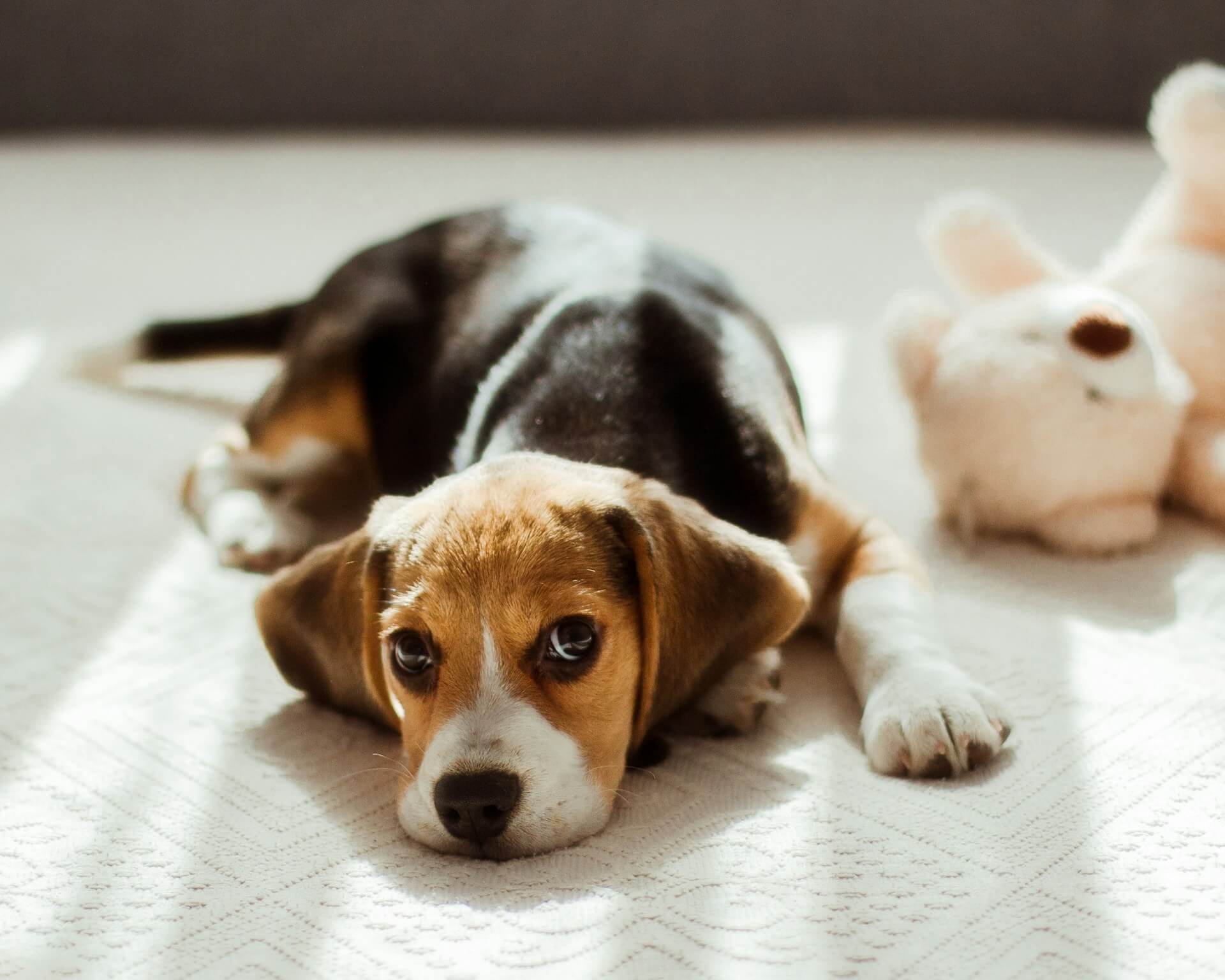
Lyndon Johnson owned two beagles with the plainest names in presidential history. On April 27, 1964, while walking with visitors on the South Lawn, he lifted Him by the ears in front of news photographers.
The picture ran nationwide and drew angry letters from dog lovers, though Johnson insisted that the dog did not mind. Both beagles met early ends, Her in 1964 after swallowing a stone and Him in 1966 after being struck by a car on the grounds.
Johnson’s later favorite was Yuki, a mixed-breed stray his daughter Luci found at a Texas gas station on Thanksgiving Day in 1966.
King Timahoe and the Nixon Dogs
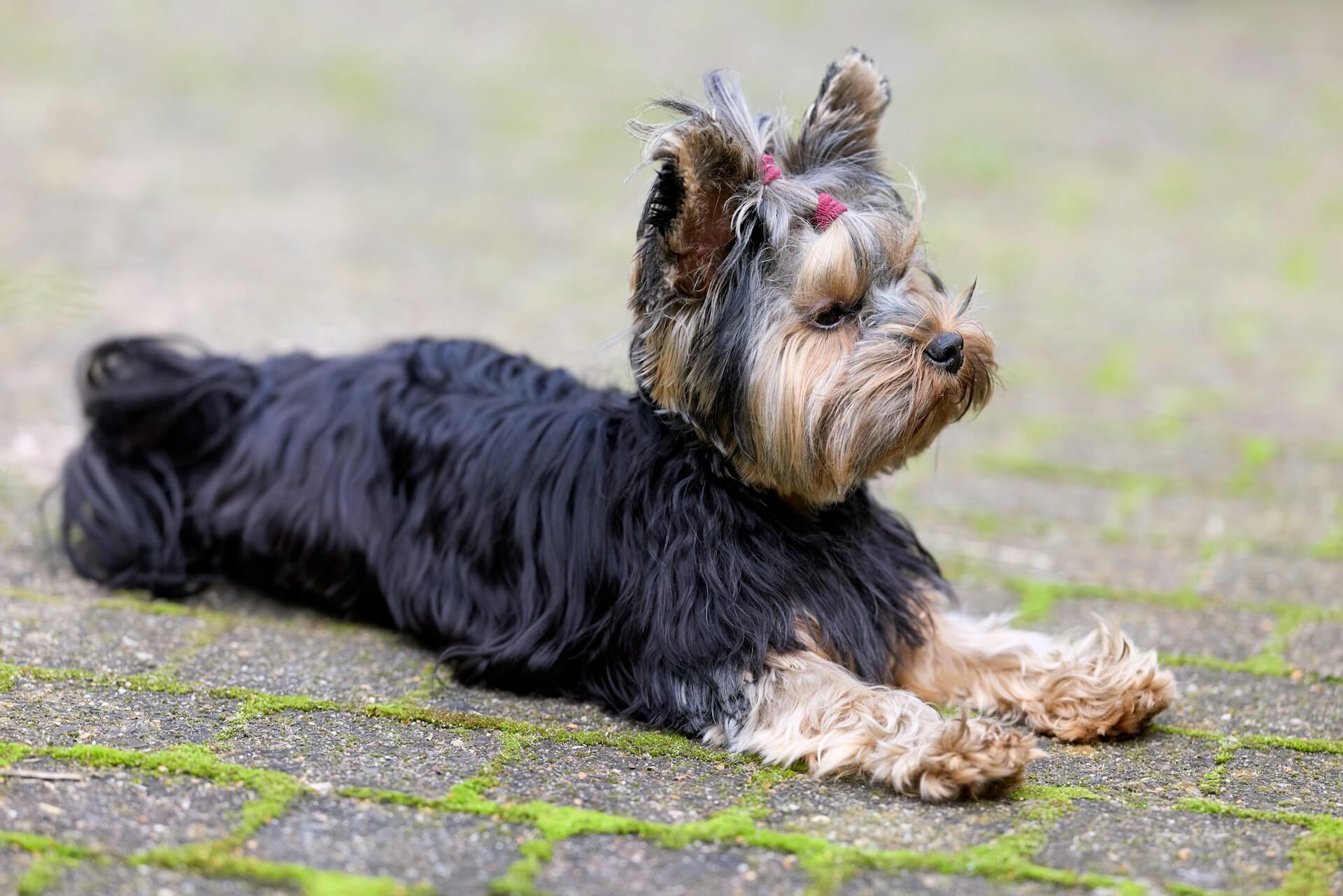
Richard Nixon’s most famous dog, Checkers, died in 1964 and never lived in the White House. Three others did. King Timahoe, an Irish setter born in July 1968, was a gift from the president’s staff in 1969 and was named for a hamlet in County Kildare, Ireland, where Nixon’s ancestors had lived.
Vicky, a poodle, and Pasha, a Yorkshire terrier, came with the Nixon daughters. White House kennel keeper Traphes Bryant later described the setter in his memoir of the job.
A television news clip from January 9, 1974, shows King Timahoe helping himself to cake at the president’s 61st birthday party. He died in 1979.
Liberty and Her Puppies
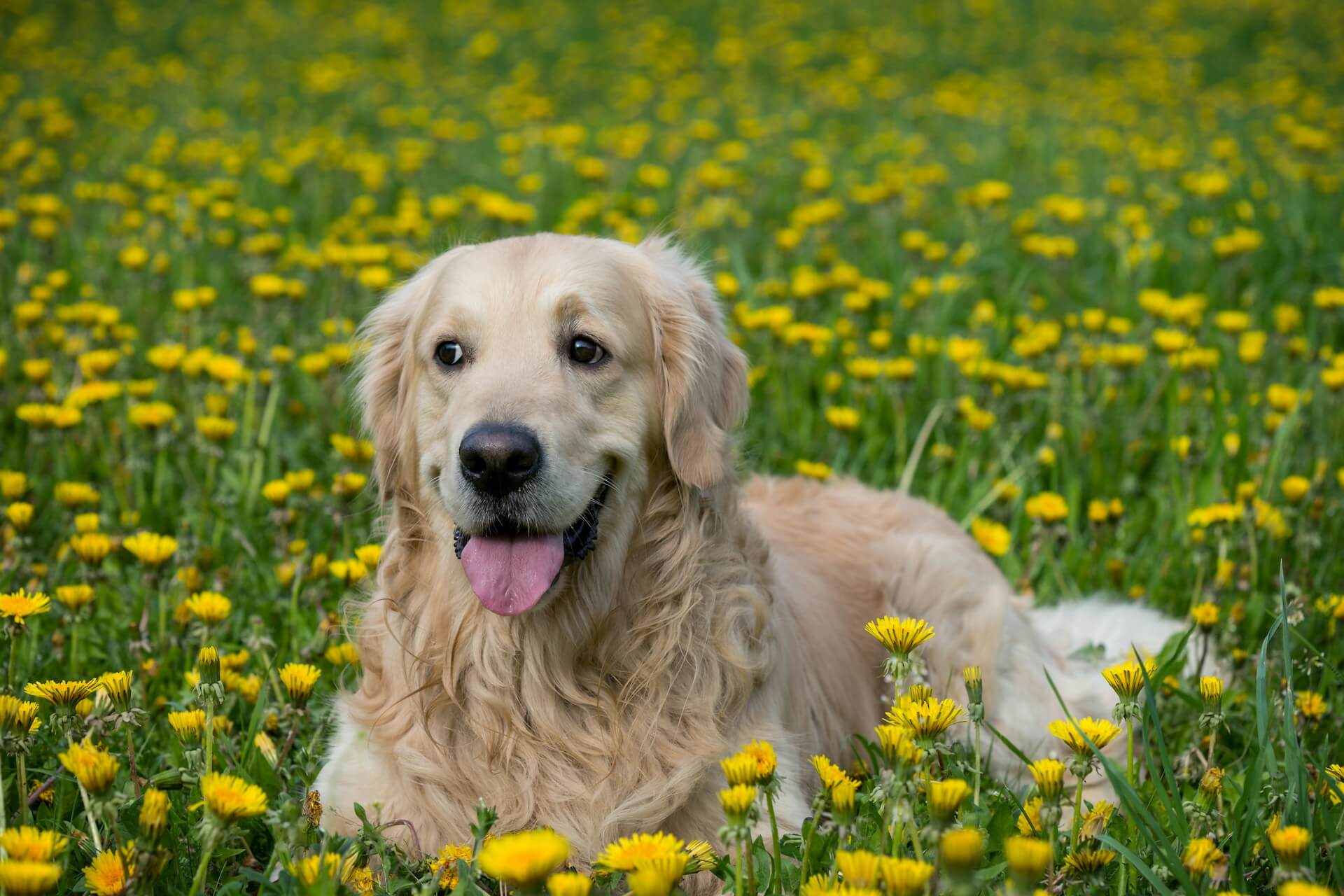
Gerald Ford’s golden retriever was a surprise arranged in the fall of 1974 by his daughter Susan and White House photographer David Hume Kennerly. Liberty quickly became a regular in the Oval Office and in official photographs.
On September 14, 1975, she gave birth to eight puppies at the White House, and the Fords kept one, a female named Misty. So many admirers requested the dog’s autograph that staff had a rubber stamp made of her paw print to sign photographs.
A popular story that Ford signaled Liberty to interrupt long meetings has never been firmly documented.
Misty Malarky Ying Yang, Amy Carter’s Cat
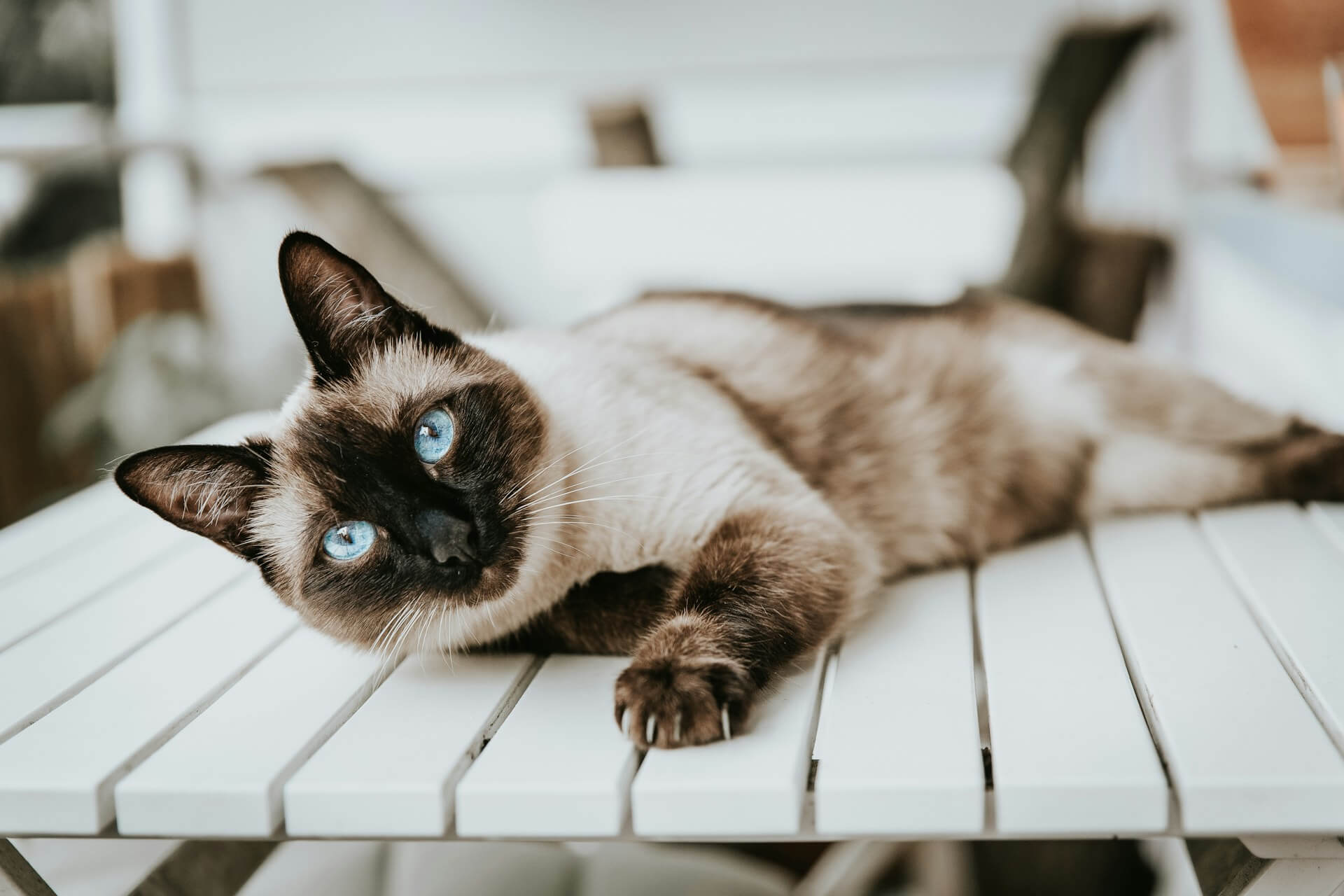
Amy Carter was nine years old when her father took office in January 1977, and she brought along a Siamese cat with one of the longest names ever recorded at the address. Misty Malarky Ying Yang lived in the family quarters for all four years of the Carter administration.
A dog named Grits, given to Amy by a teacher, also moved in but was later returned to its donor. The cat proved the more durable resident.
Jazz guitarist Gabor Szabo even recorded a tune named for the cat on his 1977 album Faces.
Rex and His Custom Doghouse
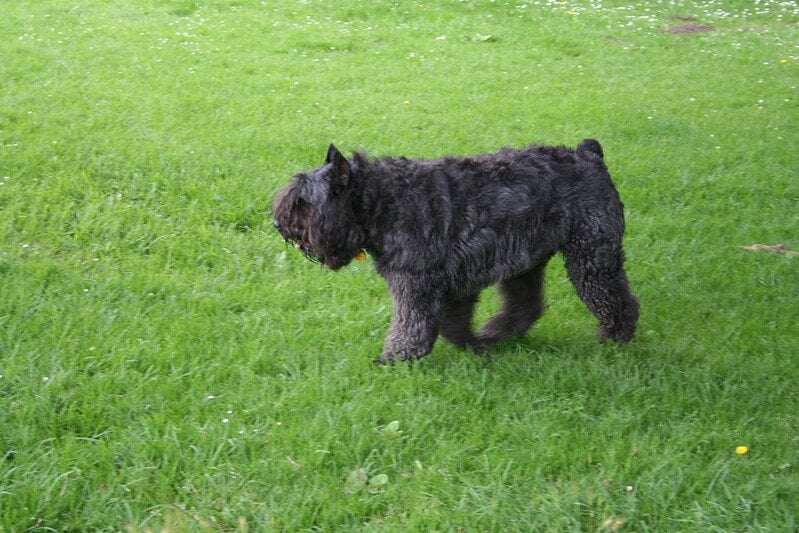
Ronald Reagan’s first White House dog was Lucky, a Bouvier des Flandres who grew so large that she towed the president across the lawn in front of British Prime Minister Margaret Thatcher in 1985. Lucky was sent to the family ranch in California that year.
Her replacement, a Cavalier King Charles spaniel given to Nancy Reagan for Christmas in 1985, was named Rex after the retiring chief usher, Rex Scouten. He lived in a doghouse designed by Theo Hayes, a descendant of President Rutherford Hayes, complete with red curtains and framed portraits of the Reagans.
Rex was also reported to bark at the door of the Lincoln Bedroom.
Millie, the Best-Selling Spaniel
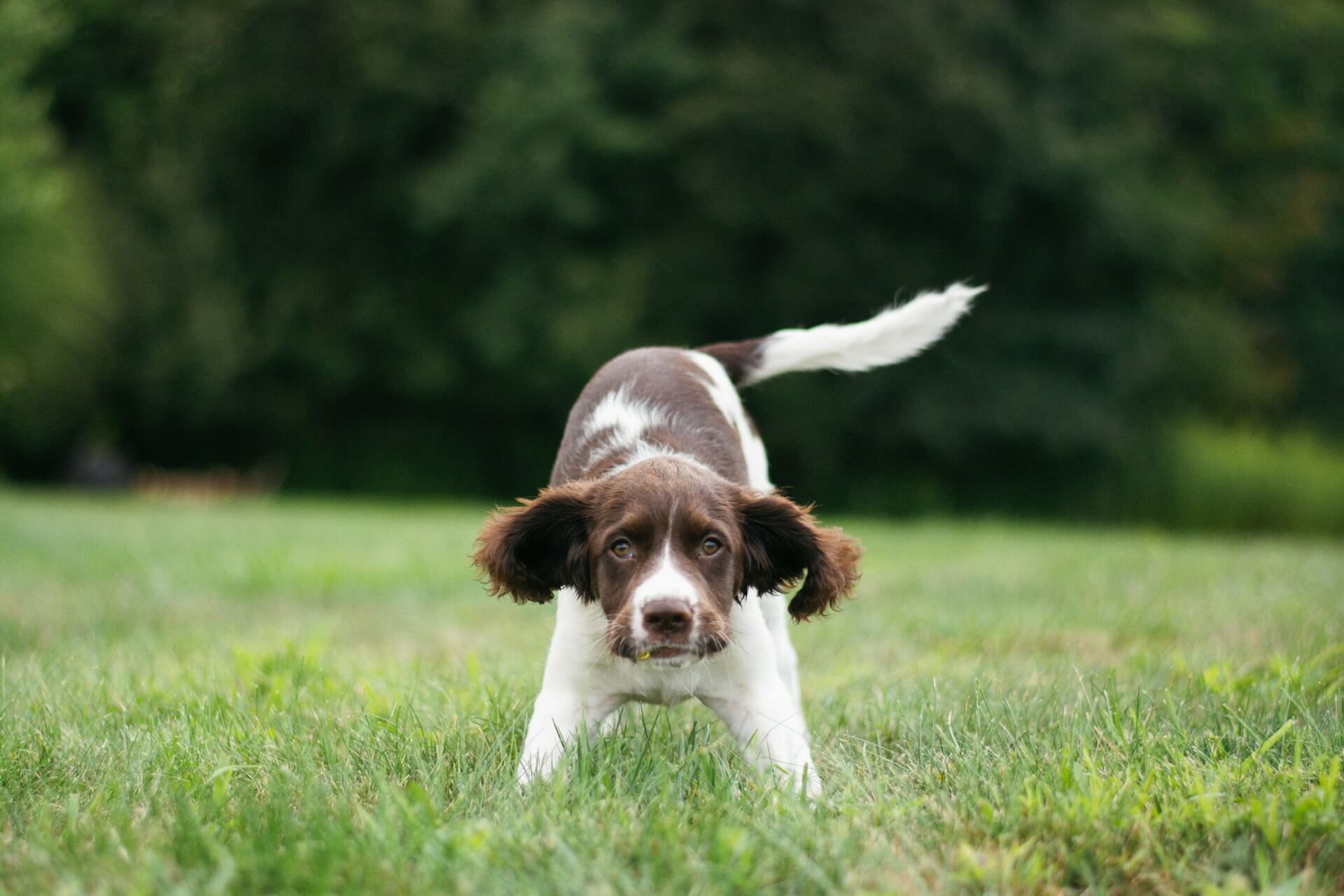
Barbara Bush’s English springer spaniel had been in the White House only two months when she delivered six puppies on March 17, 1989. Reporters and photographers covered the event closely.
The following year came Millie’s Book, a tour of White House life credited to the dog as dictated to the first lady. It reached the top of the New York Times nonfiction list in 1990, and its royalties, reported at close to 900,000 dollars, went to the Barbara Bush Foundation for Family Literacy.
One of the 1989 puppies, Spot, returned to the White House in 2001 with President George W. Bush.
Socks, the Clinton Family Cat
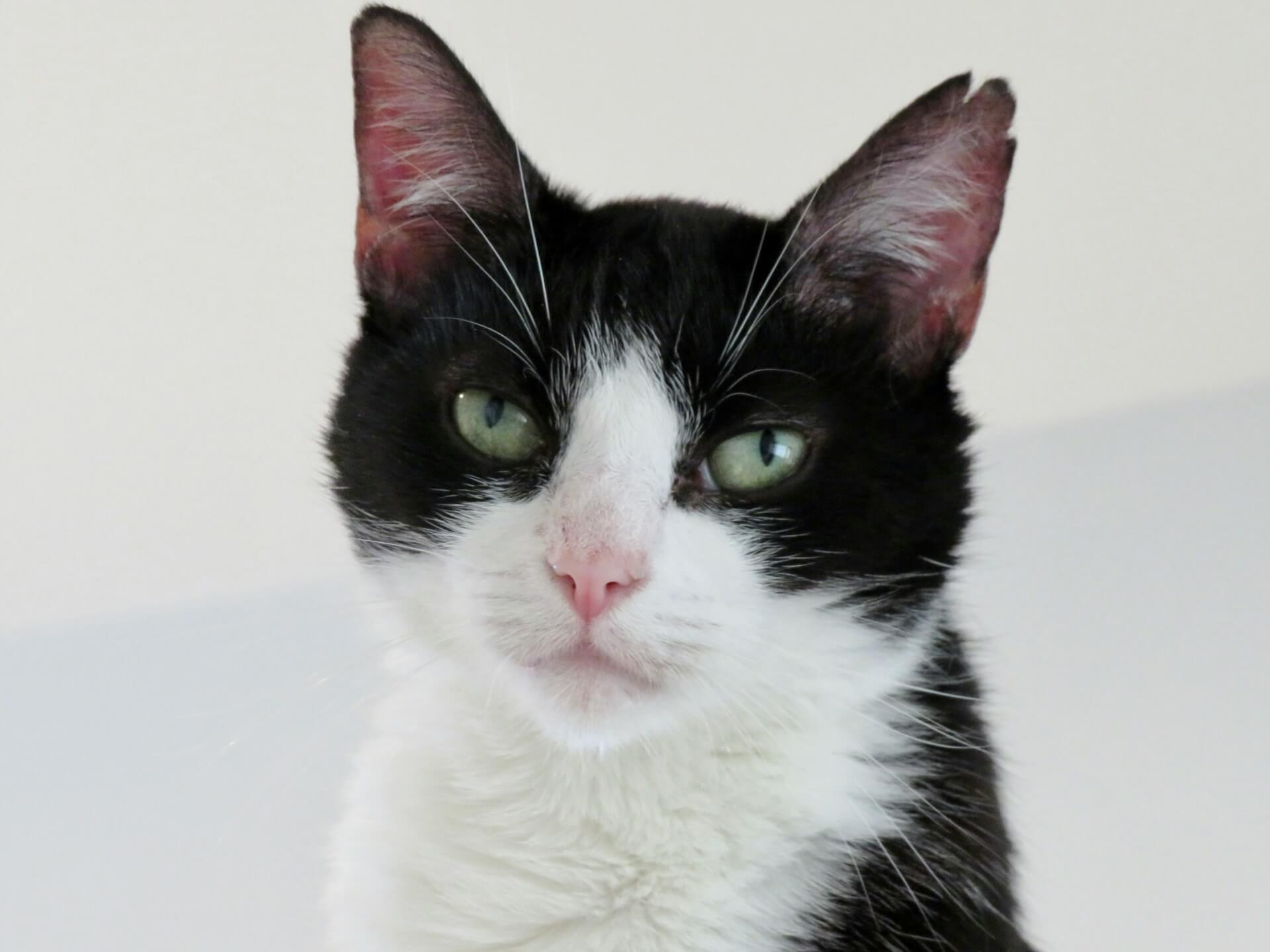
Chelsea Clinton adopted a black-and-white stray in Little Rock, Arkansas, in 1991, and less than two years later he was the most famous cat in America. Socks moved to Washington in 1993, perched on the press briefing room lectern for a well-known photograph, and received mail by the sackful.
Peace ended in December 1997 with the arrival of Buddy, a chocolate Labrador retriever, and the two never got along. When the Clintons left in 2001, Socks went to live with the president’s secretary, Betty Currie, in Maryland.
He died in February 2009, when he was thought to be close to twenty years old.
Bo and Sunny, the Portuguese Water Dogs
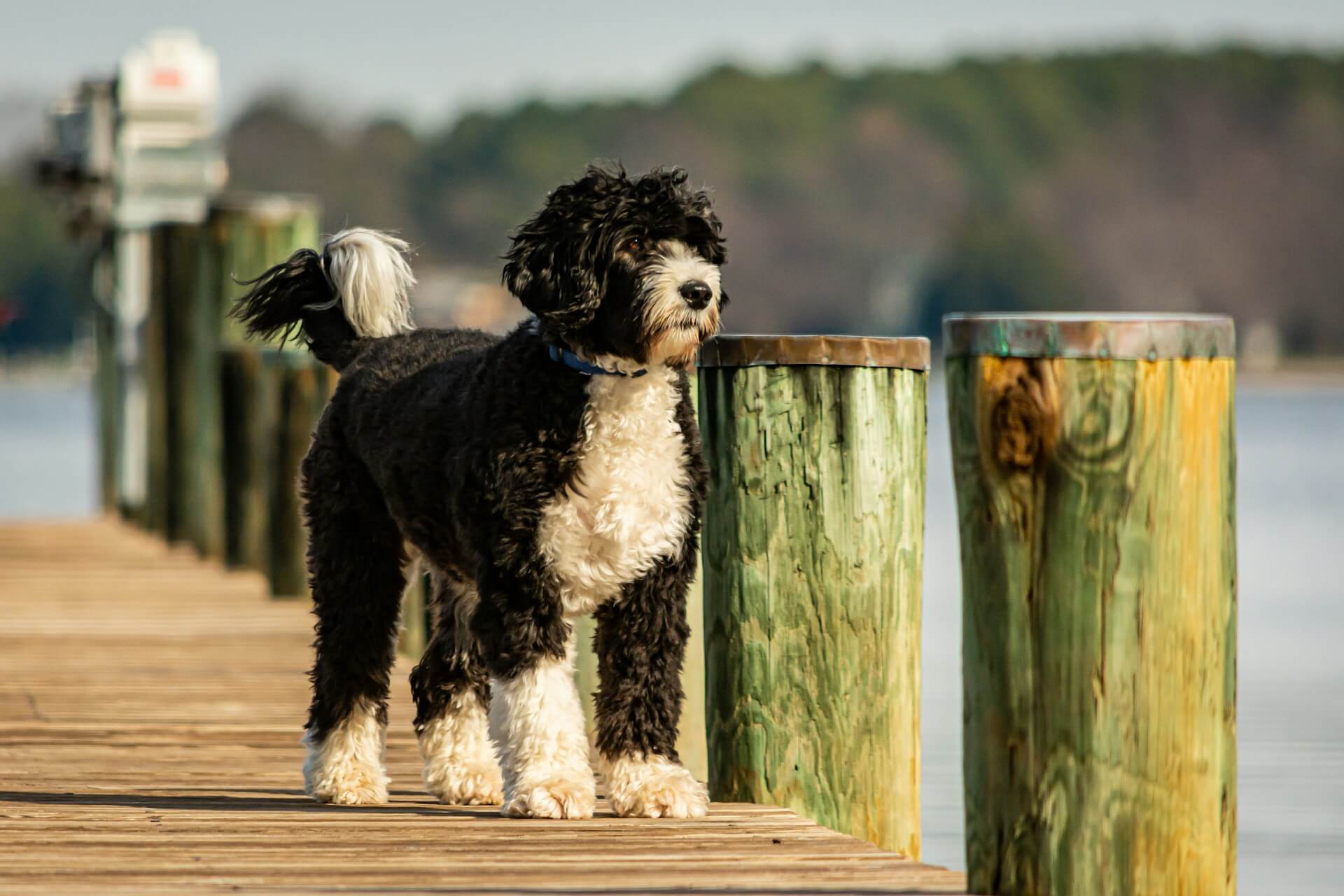
Barack Obama told his daughters on election night in 2008 that they had earned a puppy, and the search became national news. Bo, a black-and-white Portuguese water dog, arrived in April 2009 as a gift from Senator Edward Kennedy and his wife Victoria.
The breed was chosen in part because Malia Obama has allergies and its coat sheds very little. A second Portuguese water dog, Sunny, joined the household in August 2013.
Both dogs kept official schedules of a sort, greeting tourists and visiting hospitals. Bo died in May 2021, and the family announced the loss publicly.
Barney and Miss Beazley, Stars of Barney Cam
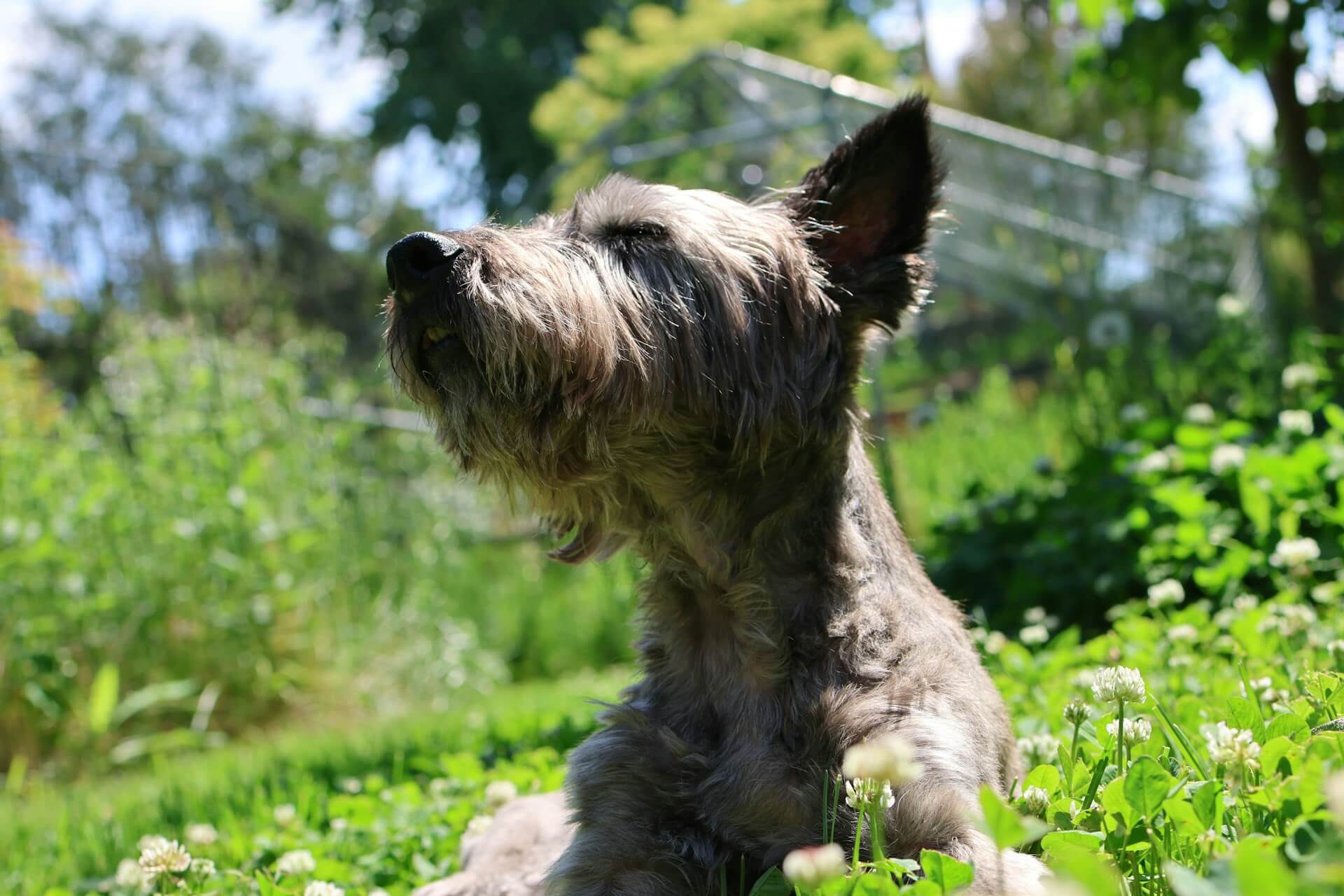
George W. Bush’s Scottish terrier, Barney, moved into the White House in 2001 and soon had a film career. In December 2002 staff strapped a small camera to his collar and released the footage online as Barney Cam, a dog’s-eye tour of the holiday decorations that drew heavy traffic to the White House website.
Sequels followed in later holiday seasons. Miss Beazley, a second Scottish terrier, arrived in January 2005 as a birthday present from the president to Laura Bush.
Barney was less popular with the press after November 2008, when he bit a Reuters reporter on the finger. He died in 2013.
Paws on the Carpet of Power
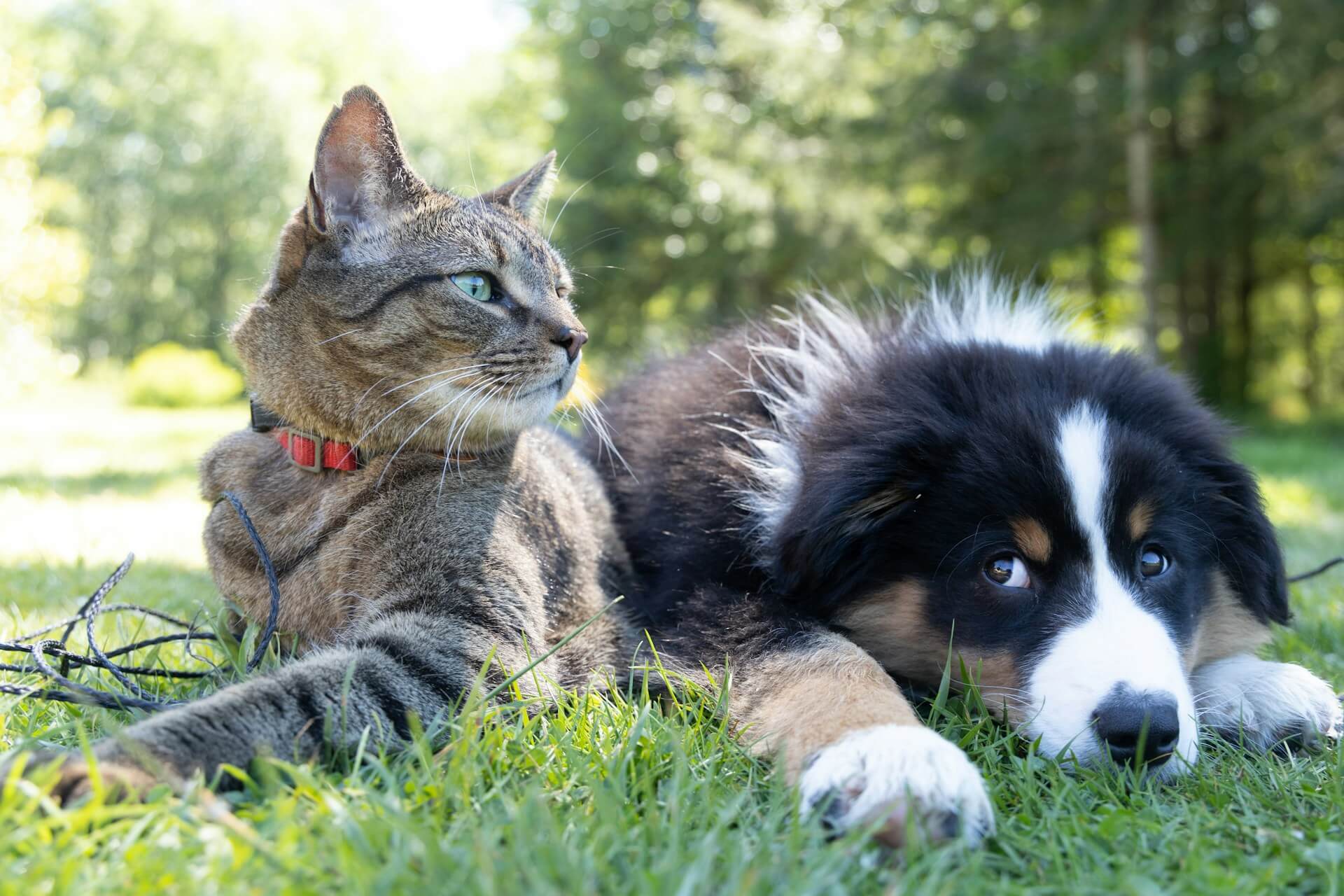
A pet does not care about polls, treaties or the next election. That indifference explains why these animals mattered so much to the people who lived with them.
A president could walk a dog on the South Lawn and, for a few minutes, simply be someone holding a leash.
For the public, the animals offered something rarer still: an unscripted view of a very scripted house. A goat on a bed, a pony in an elevator and a beagle held up by the ears told Americans more about their presidents than many press statements did.
The furniture and the families change, but the fondness for whatever is sleeping under the desk has held steady for two centuries.
More from Go2Tutors!

- The Romanov Crown Jewels and Their Tragic Fate
- 13 Historical Mysteries That Science Still Can’t Solve
- Famous Hoaxes That Fooled the World for Years
- 15 Child Stars with Tragic Adult Lives
- 16 Famous Jewelry Pieces in History
Like Go2Tutors’s content? Follow us on MSN.