29 Famous Inventors Who Died Broke
A good idea and a good income have never been the same thing. The steam locomotive, the telephone, the bicycle, canned food and the photograph all came from people who ended their lives owing money, living on charity or lying in graves someone else paid for.
Some were cheated, some were unlucky, and a fair number were simply bad at business. The record for each is given here as plainly as the sources allow, including the cases where “broke” needs a footnote.
Nikola Tesla and the Unpaid Hotel Bills
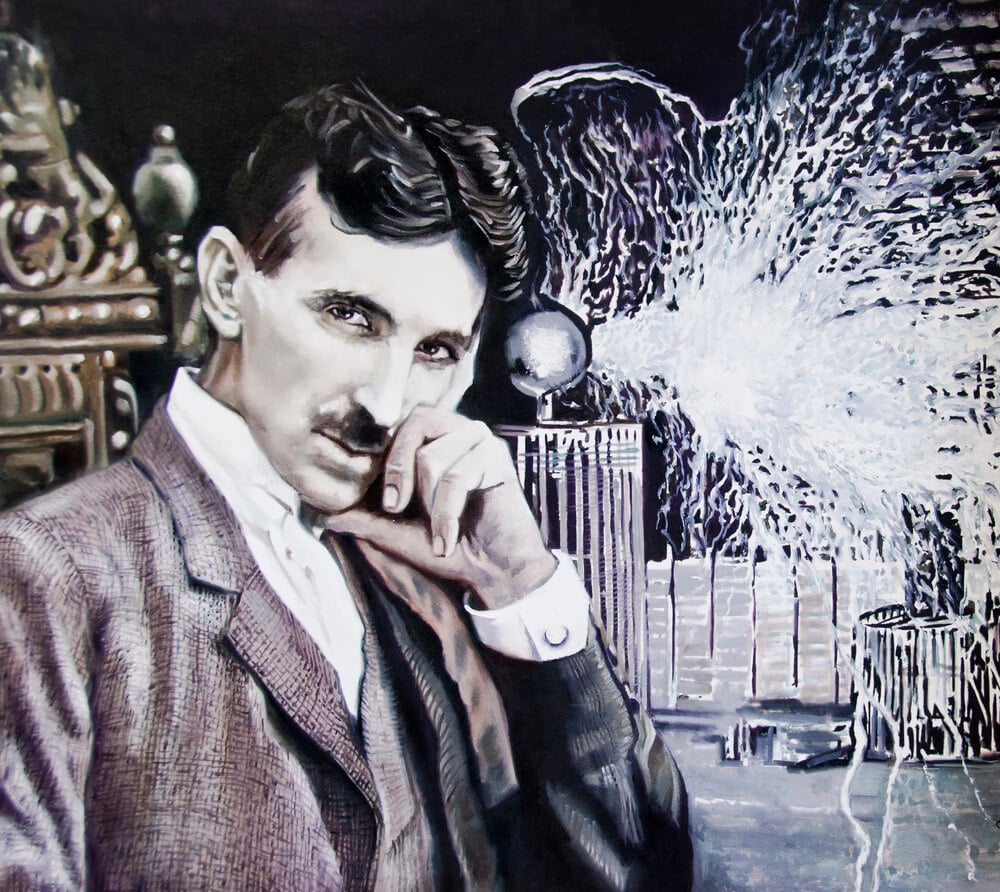
Nikola Tesla gave the world the alternating current motor and, by most accounts, tore up a royalty contract with George Westinghouse that could have made him one of the richest men alive. By the 1930s he was moving between New York hotels and leaving unpaid bills behind him. From 1934 the Westinghouse company paid him 125 dollars a month and covered his rent at the Hotel New Yorker.
He died there in room 3327 on January 7, 1943, aged 86, with debts and little else to his name. His last years were spent largely alone, feeding the city’s pigeons.
Johannes Gutenberg Lost His Press in Court
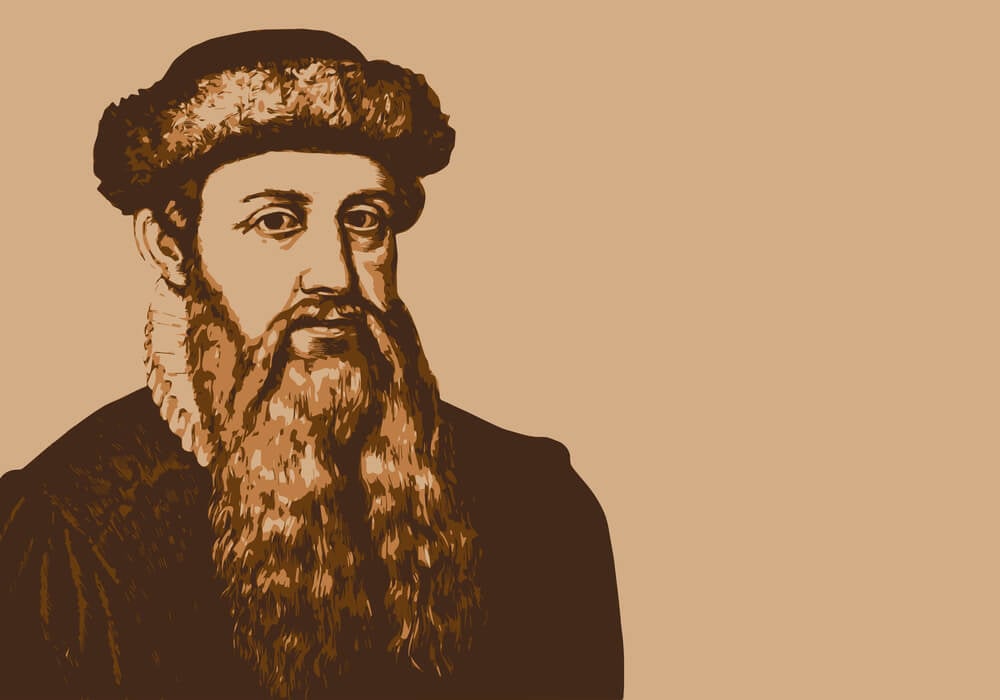
Printing with movable type cost more than Johannes Gutenberg had, so he borrowed heavily from the Mainz financier Johann Fust. In 1455 Fust sued for repayment.
The surviving court record, known as the Helmasperger Instrument, shows Gutenberg lost, and Fust carried on the business with Gutenberg’s skilled assistant Peter Schoeffer. How poor the inventor then became is debated, since he seems to have kept some printing going.
In 1465 the Archbishop of Mainz, Adolf of Nassau, granted him a yearly allowance of clothing, grain and wine. He died in 1468 dependent on that pension, having earned almost nothing from the most consequential machine of his age.
Charles Goodyear Owed a Fortune
Charles Goodyear spent years in and out of debtors’ prison while trying to make rubber that would not melt in summer or crack in winter. He found the answer in 1839, when a mixture of rubber and sulfur met a hot stove, and he patented vulcanization in 1844.
Lawsuits against infringers and poor licensing deals swallowed the profits. Even his display at the 1855 Paris exposition ended with a stay in a French debtors’ prison.
Goodyear died in New York on July 1, 1860, owing roughly 200,000 dollars. The tire company that carries his name was founded in 1898 and had no connection to his family.
Antonio Meucci Could Not Afford Ten Dollars
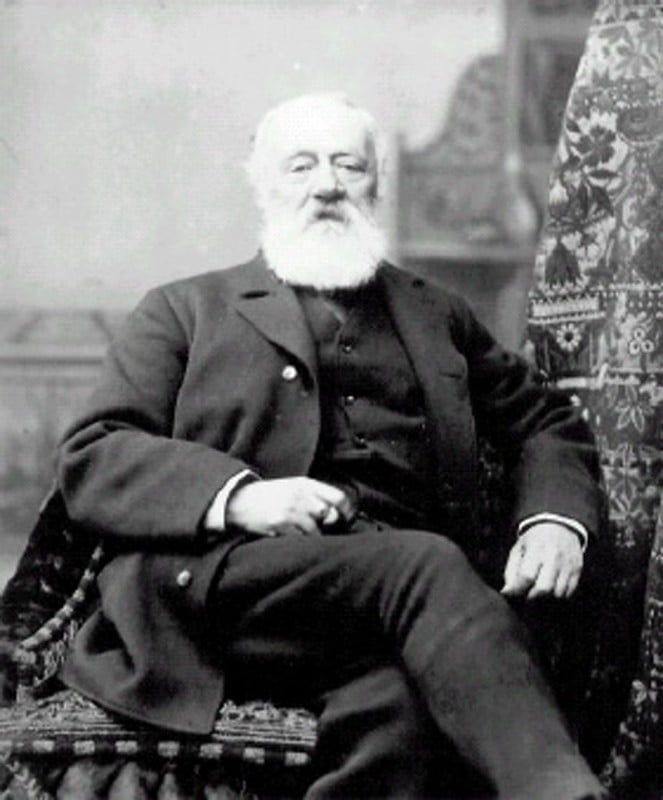
An Italian immigrant on Staten Island, Antonio Meucci built a voice-carrying device he called the telettrofono to link his workshop to the bedroom of his ailing wife. In 1871 he filed a caveat, a notice of an intended patent, and by 1874 he could no longer afford the 10 dollar fee to renew it.
Alexander Graham Bell received his telephone patent two years later. Meucci, badly burned in a ferry boiler explosion and dependent at times on the help of friends, died poor in 1889.
In 2002 the US House of Representatives passed a resolution honoring his work, though historians still argue over how far his device went.
John Fitch Ran a Steamboat Before Fulton
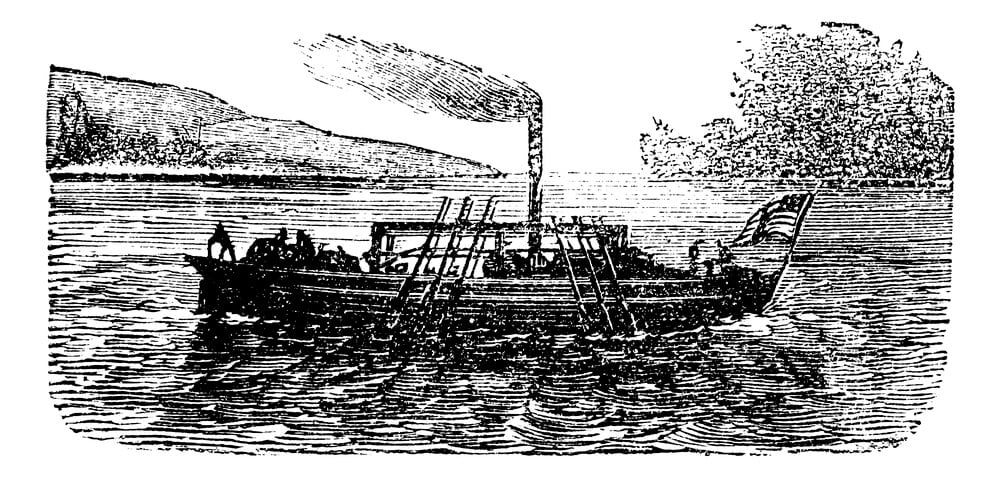
John Fitch ran a working steamboat on the Delaware River in August 1787, with delegates to the Constitutional Convention among the onlookers. By 1790 one of his boats carried paying passengers between Philadelphia and Trenton, well over a decade before Robert Fulton’s famous run on the Hudson.
The service lost money, his backers drifted away, and a dispute with rival James Rumsey left him without a clear monopoly. Fitch moved to Bardstown, Kentucky, to pursue land claims that also came to nothing.
He died there in 1798, by then lodging at a tavern and with no fortune to leave anyone.
Richard Trevithick Was Buried by His Workmates
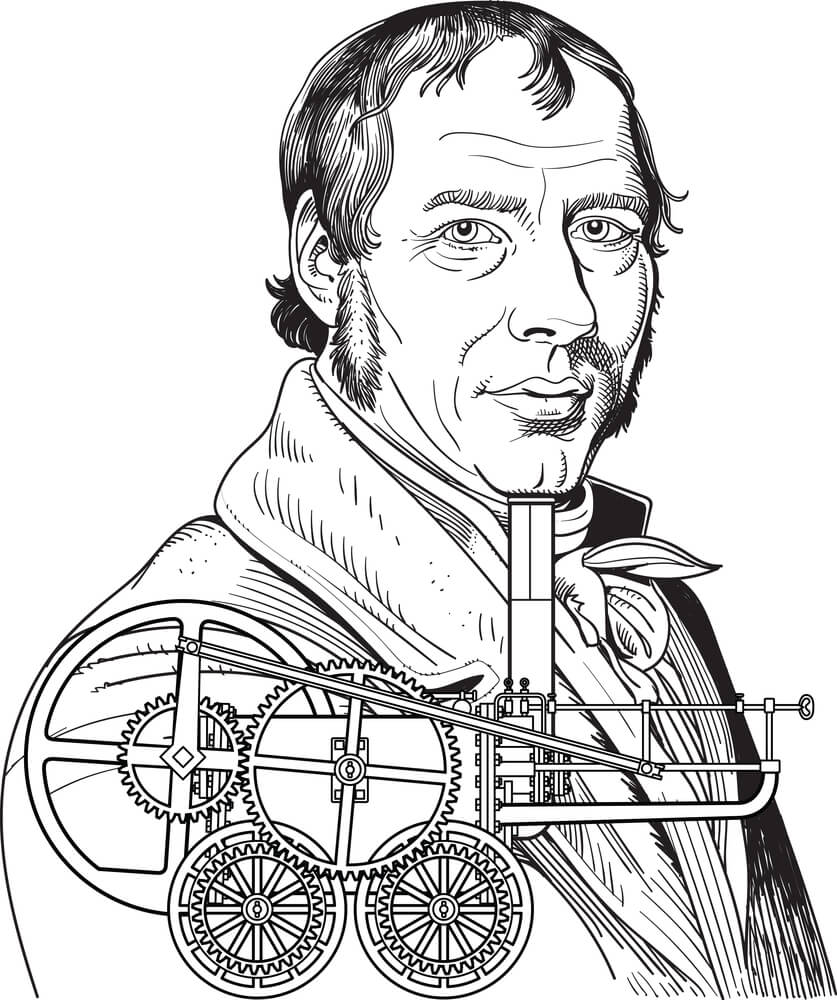
The first steam locomotive to haul a load on rails ran at the Penydarren ironworks in Wales in 1804, and Richard Trevithick built it. He then spent about eleven years in South America chasing silver mining ventures and came home in 1827 with nothing.
A petition to Parliament for a reward failed. In 1833 he was working for the engineering firm of John Hall in Dartford, Kent, when he fell ill and died at the Bull inn on April 22.
He left no money for a funeral, so his fellow workers at the foundry paid for it. The grave was unmarked, and its exact spot is no longer known.
William Friese-Greene Had Pennies in His Pockets
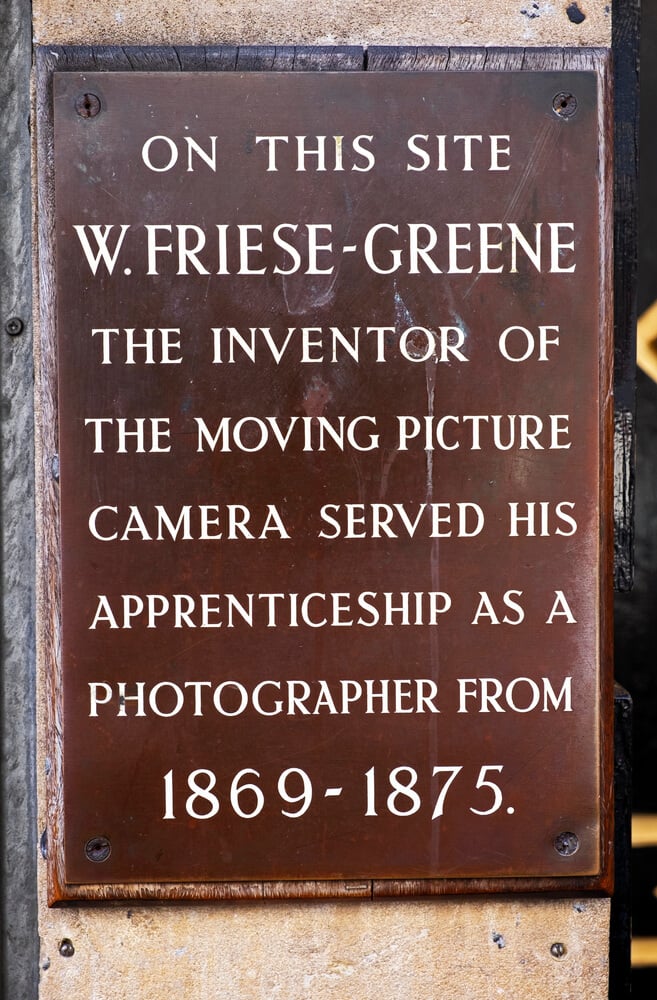
William Friese-Greene, a Bristol-born portrait photographer, patented a moving picture camera in 1889, years before the Lumiere brothers showed films in Paris. How well it worked is disputed, and film historians long credited others with the practical breakthrough, though recent research has been kinder to him.
The experiments were costly. He sold the patent rights for 500 pounds and was declared bankrupt in 1891.
On May 5, 1921, he rose to speak at a film trade meeting in London, sat down and died. His pockets are reported to have held one shilling and ten pence.
Rudolf Diesel Left Behind Empty Accounts
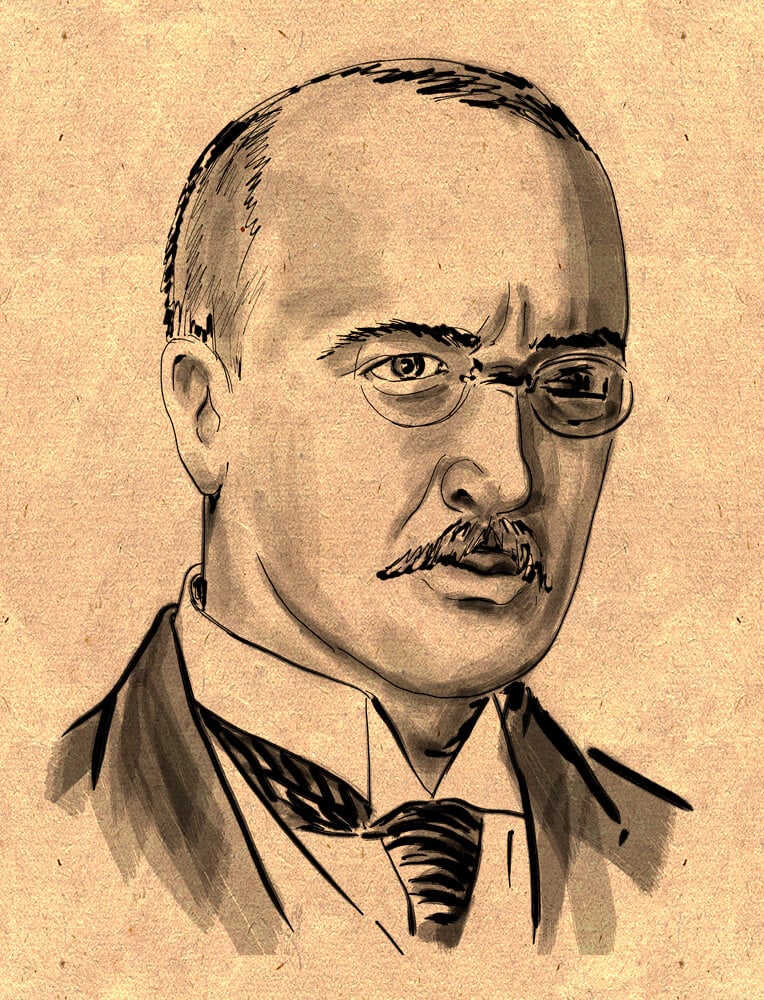
Rudolf Diesel patented his compression ignition engine in the 1890s and was a millionaire within a few years. Unsuccessful stock market speculation and poor real estate deals are blamed for draining the fortune.
On the evening of September 29, 1913, he boarded the steamer Dresden at Antwerp for a meeting in London, went to his cabin and was never seen alive again. A Dutch pilot boat found his body ten days later.
Before leaving he had given his wife Martha a bag to be opened the following week. It reportedly held 20,000 marks in cash and statements showing that the family bank accounts were all but empty.
Nicolas Appert Ended in a Common Grave
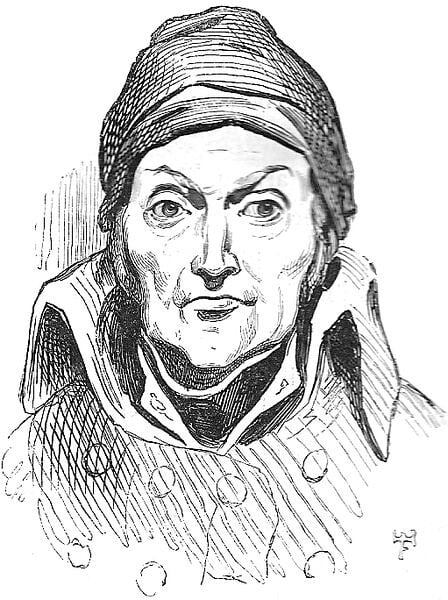
A Paris confectioner named Nicolas Appert worked out that food sealed in glass jars and heated in boiling water would keep for months. In 1810 the French government paid him 12,000 francs on condition that he publish the method, which he did in a book that same year.
He put the money into a factory at Massy, south of Paris, and invading troops wrecked it in 1814. Canning made fortunes for others, especially British firms working in tin.
Appert kept experimenting with very little money and died at Massy in 1841, aged 91. He was buried in a common grave.
Samuel Crompton Was Too Poor to Patent the Mule
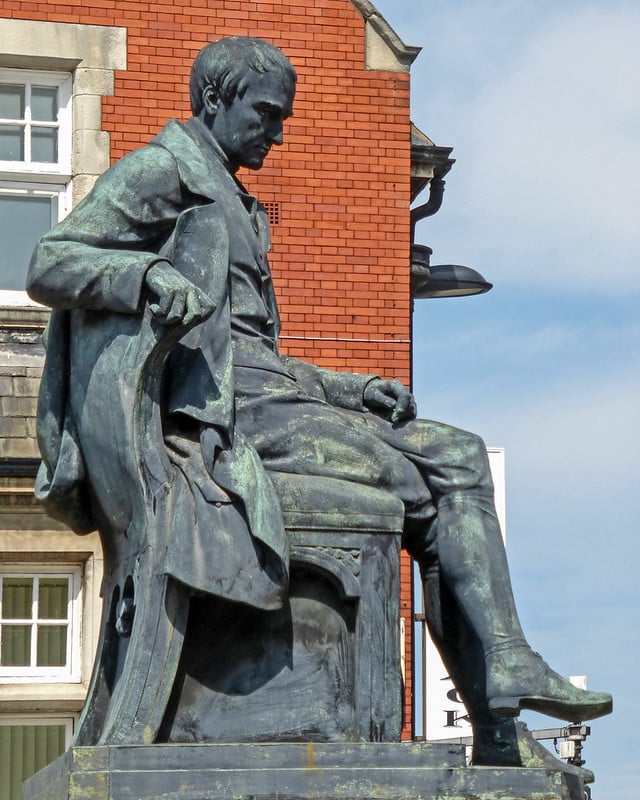
Samuel Crompton finished his spinning mule in 1779 at a house called Hall i’ th’ Wood near Bolton. Too poor to patent it, he revealed the design to local manufacturers in return for a promised subscription that brought in only about 60 pounds.
By 1811 his own survey counted more than four million mule spindles at work in Britain. Parliament voted him 5,000 pounds in 1812, far less than he had hoped for, and it vanished into failed businesses.
Friends bought him an annuity of 63 pounds a year in 1824. He died in Bolton in 1827, still short of money.
Henry Cort Lost His Patents to the Crown
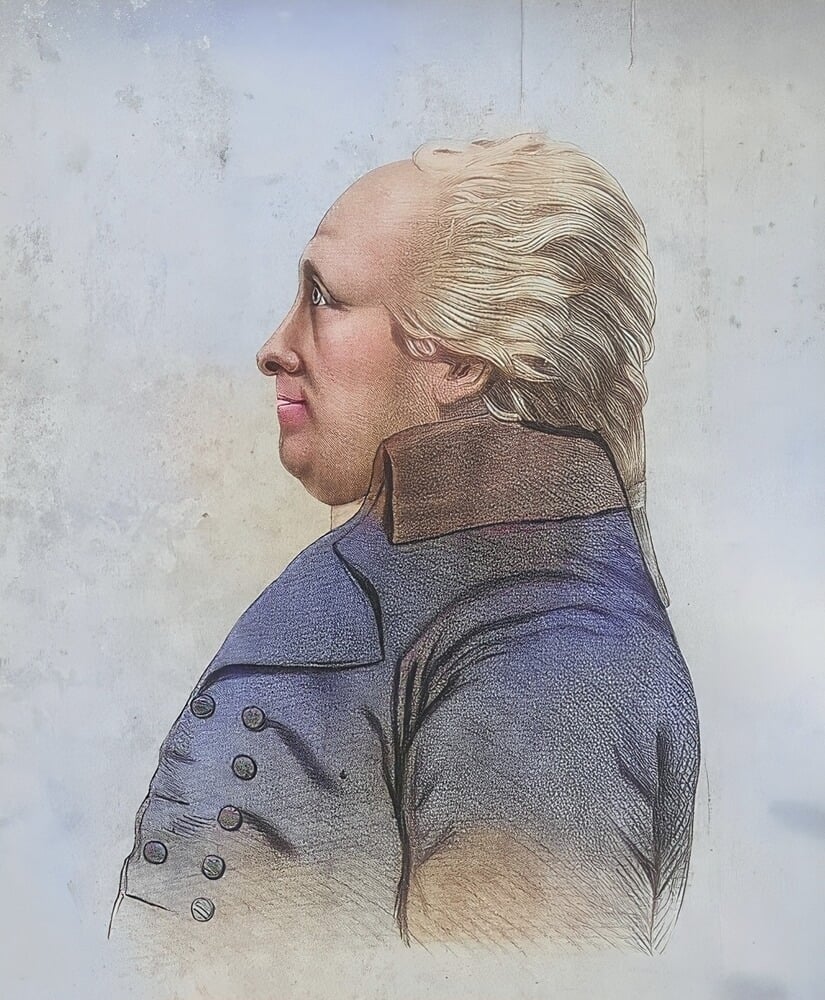
Henry Cort patented grooved rolling in 1783 and the puddling process in 1784, the pair of methods that let Britain make wrought iron cheaply with coal. His capital came from Adam Jellicoe, a navy pay official whose son was Cort’s partner.
When Jellicoe died in 1789 it emerged that the loans had been made with public money. The Crown seized Cort’s works and patents to recover the debt, and ironmasters across the country went on using his methods without paying him royalties.
Cort was bankrupted. He was granted a pension of 200 pounds a year in 1794 and died in 1800, leaving a large family and little to support it.
Adolphe Sax Went Bankrupt Three Times
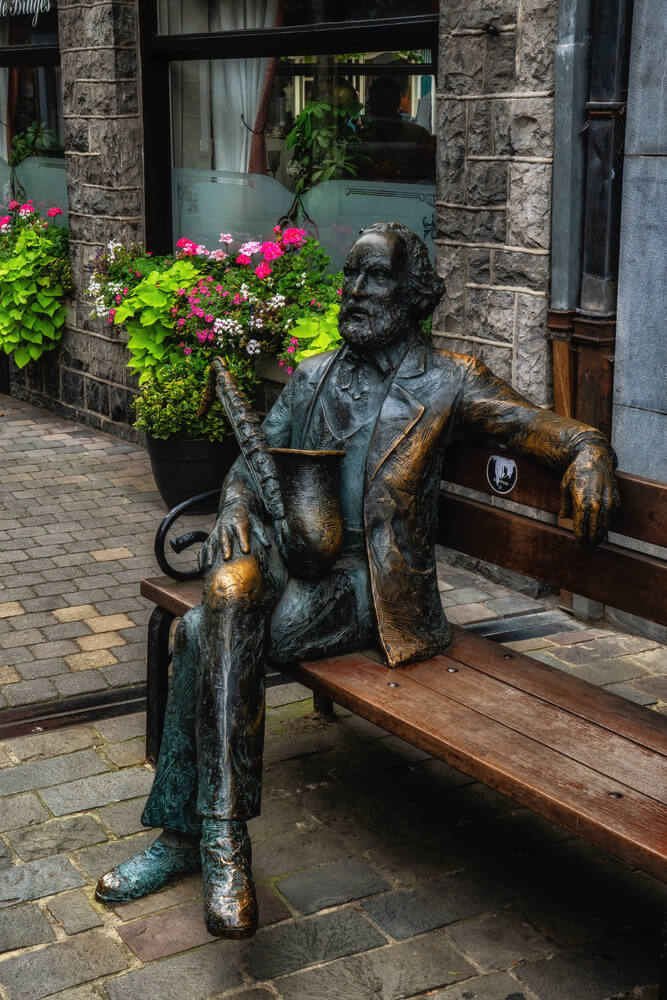
Rival instrument makers in Paris never forgave Adolphe Sax, the Belgian who patented the saxophone in 1846 and won contracts to supply French army bands. They fought him in court for decades, challenging the patent and copying the instrument.
The legal bills helped push him into bankruptcy three times, in 1852, 1873 and 1877, and in 1877 he sold his entire collection of instruments. After his teaching post at the Paris Conservatory ended in 1870, a small pension arranged by an admirer is said to have kept him afloat.
Sax died in Paris in February 1894, in poverty, and was buried in Montmartre cemetery.
Karl Drais Had His Pension Seized

Karl Drais, a forest official from Baden, rode his two-wheeled running machine out of Mannheim on June 12, 1817, and every bicycle since descends from it. As a civil servant he earned little from the idea, and copies spread across Europe without payment.
Drais was also a democrat who dropped his noble title during the revolution of 1849. Once the uprising was crushed, the authorities seized his pension to help pay the costs of the revolt, and opponents tried to have him declared insane.
He died in Karlsruhe on December 10, 1851, with almost no possessions.
Pierre Michaux Lost His Velocipede Company
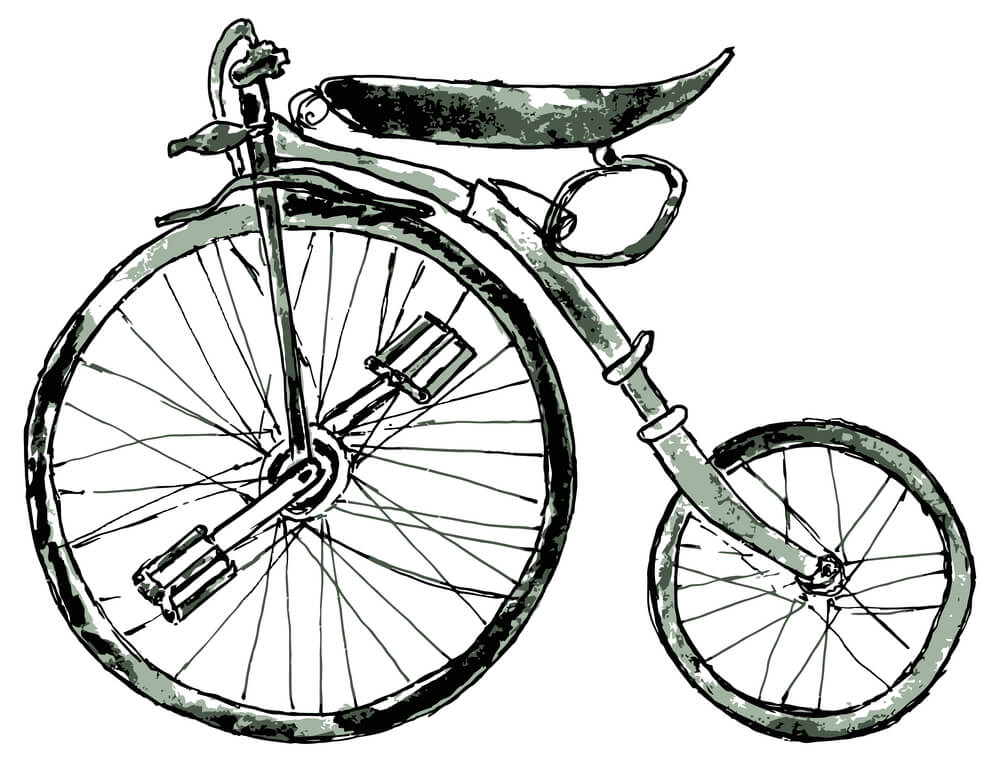
Pierre Michaux, a Paris blacksmith who made carriage parts, turned out the first pedal-driven velocipedes sold in quantity during the 1860s. Who first fitted the pedals is disputed, with his son Ernest and the mechanic Pierre Lallement both put forward.
In 1868 he took the wealthy Olivier brothers as partners in a firm called Michaux et Cie, and a year later the partnership was dissolved and the Oliviers carried on without him. French accounts say Michaux then opened a rival business, lost the resulting lawsuit and was bankrupted.
He died in January 1883, by those accounts at the Bicetre hospital near Paris, an institution that took in the poor.
Augustin Mouchot Bet on the Sun

Fear that coal would one day run out led Augustin Mouchot, a French mathematics teacher, to try running steam engines on sunlight. His mirrored solar concentrator won a gold medal at the Paris Universal Exposition of 1878, where a version of it was also used to make ice.
Then coal grew cheaper, and the government withdrew its funding after judging solar power uneconomic. Mouchot went back to teaching and to mathematics, and his machines were not developed further.
He died in Paris in 1912, aged 87, in poverty and largely forgotten by the country that had once paid for his experiments.
Charles Tellier Shipped Cold Meat Across an Ocean
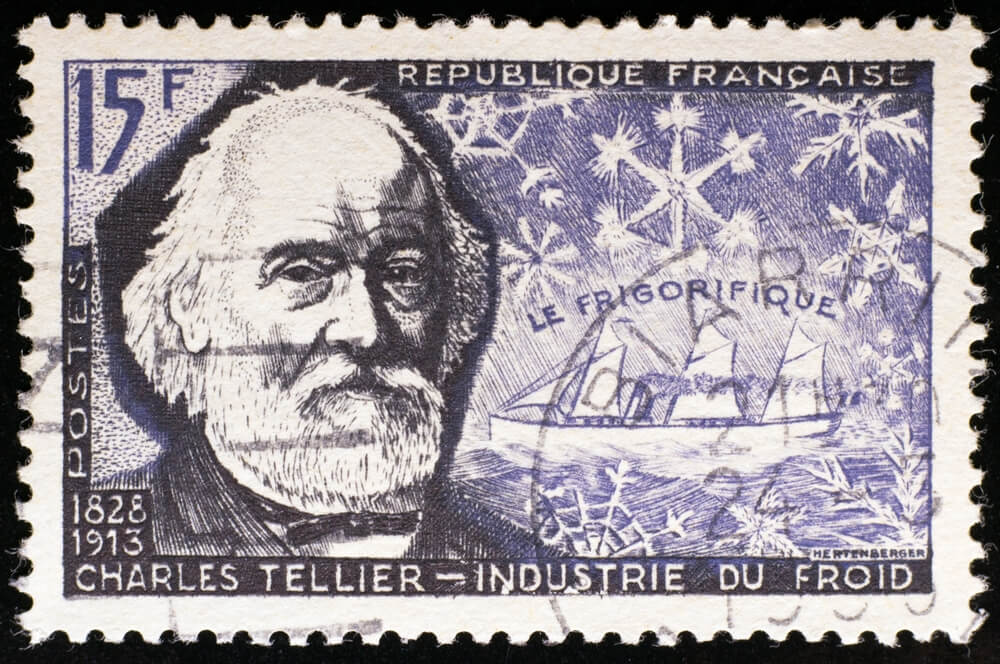
Charles Tellier, an engineer from Amiens, fitted a ship called Le Frigorifique with his refrigerating machinery and sent it from Rouen to Buenos Aires in 1876 with a cargo of meat. The voyage took 105 days and the meat arrived in edible condition, which showed that fresh food could cross oceans.
Others built the industry that followed, and Tellier’s own ventures failed. He became known in France as the father of cold, a title that paid nothing.
He died in Paris in October 1913, aged 85, in poverty. Accounts say the Legion of Honor reached him only shortly before the end.
Frederick Scott Archer Gave Photography Away
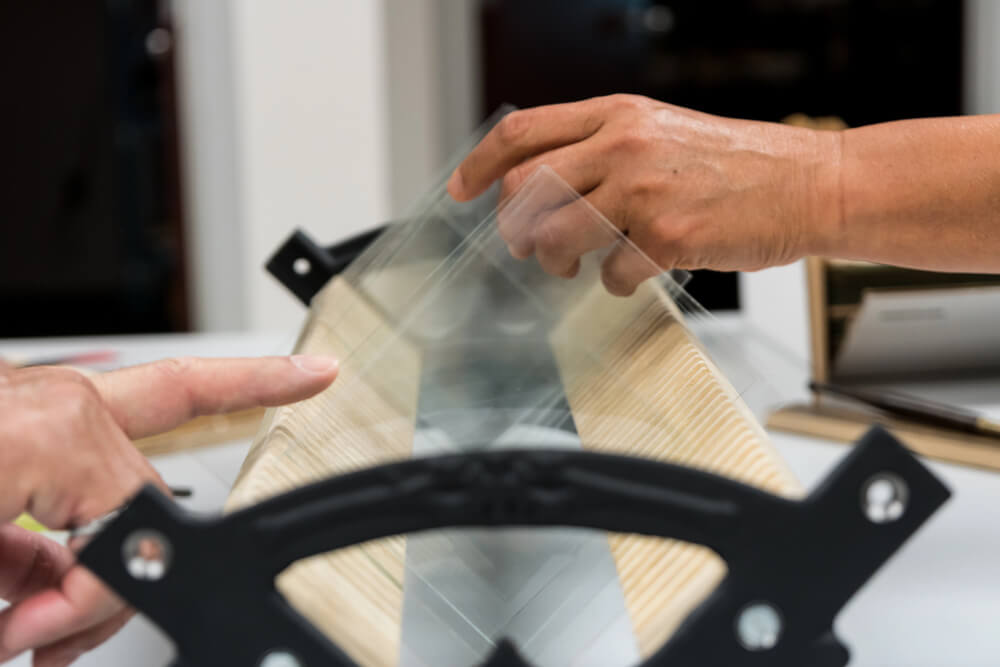
Frederick Scott Archer, a London sculptor who took up photography to record his sitters, published the wet collodion process in a journal called The Chemist in March 1851. It gave sharp negatives on glass in a matter of seconds and pushed aside both the daguerreotype and the calotype within a decade.
Archer chose not to patent it. He died in May 1857, in his mid forties, leaving his family with next to nothing.
Fellow photographers raised a subscription of several hundred pounds, and after his widow died the following year his children were granted a small Crown pension.
Nicephore Niepce Spent the Family Fortune
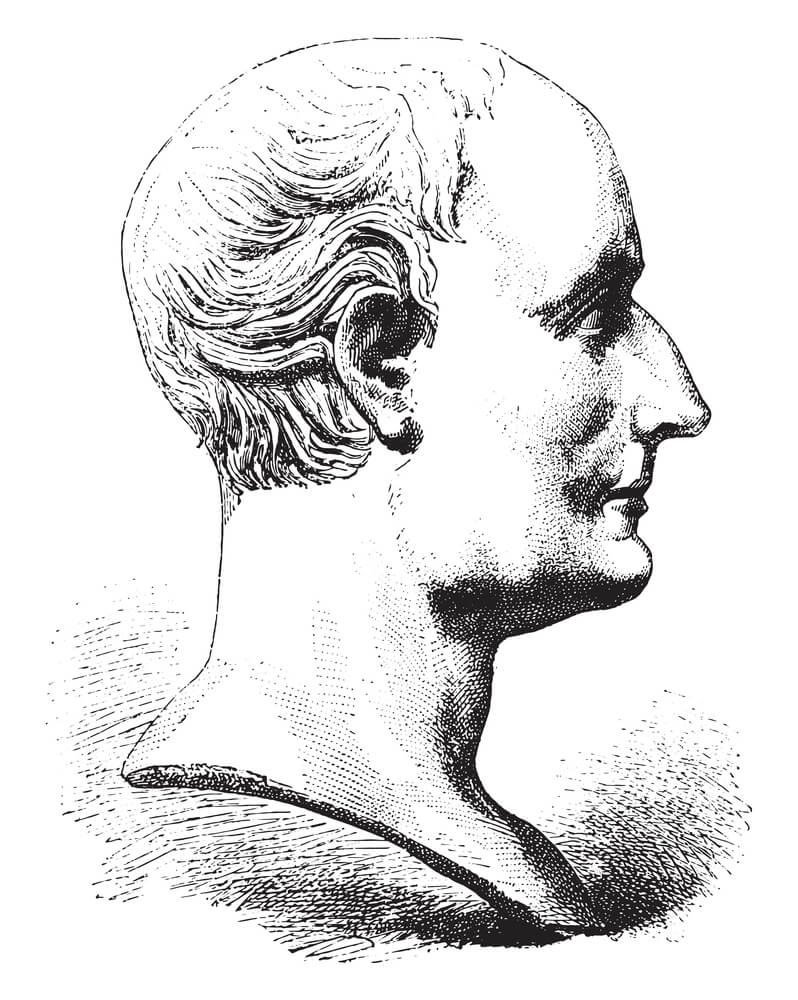
The oldest surviving photograph from nature shows the view from an upstairs window at Le Gras, the Burgundy estate of Nicephore Niepce, and dates from around 1826 or 1827. The exposure took hours at the very least. He and his brother Claude had already sunk much of the family money into an early internal combustion engine, the Pyreolophore, and Claude spent heavily in England trying to sell it.
Niepce signed a partnership with Louis Daguerre in 1829 and died in 1833, financially ruined. Six years later the French state bought the process, and it was Daguerre’s name that went on it.
Thomas Davenport Built a Motor Nobody Could Afford to Run

Thomas Davenport, a blacksmith from Vermont, saw an electromagnet lift iron at a works in Crown Point, New York, and bought one for himself. By 1834 he had built a battery-powered motor, and in February 1837 he received the first American patent for an electric machine.
His wife Emily is said to have cut up her silk wedding dress to insulate the wire. The trouble was the power source. Zinc batteries cost far more to run than a steam engine, no buyers came, and Davenport went bankrupt.
He died in Salisbury, Vermont, in 1851 at the age of 48.
Granville Woods Lay in an Unmarked Grave
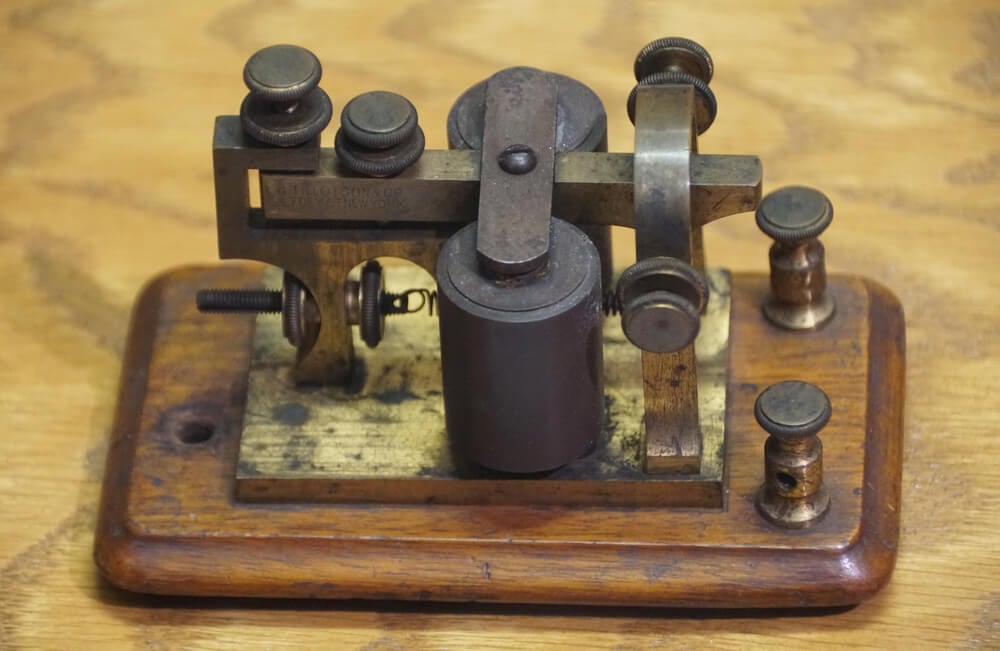
Granville Woods, a largely self-taught Black engineer from Ohio, held dozens of patents on railway telegraphs, electric railway controls and brakes. His induction telegraph of 1887 let moving trains communicate with stations.
Thomas Edison challenged his priority and lost, and other disputes kept Woods in court for years. He sold patents to large firms including General Electric and Westinghouse, yet legal costs are reported to have consumed much of what he earned.
Woods died after a stroke at Harlem Hospital in New York on January 30, 1910. He was buried in an unmarked grave in Queens, and a headstone was added only in 1975.
Edwin Drake Struck Oil and Lost Everything

Edwin Drake drilled the first commercial oil well in the United States at Titusville, Pennsylvania, striking oil on August 27, 1859. To keep water and gravel from collapsing the bore he drove an iron pipe down to bedrock and drilled inside it, a method still basic to the industry. He never patented the idea.
Drake lost his savings speculating in oil stocks in New York during the 1860s and fell into poverty and poor health.
Friends in Titusville raised money for him, and in 1873 the Pennsylvania legislature voted him an annuity of 1,500 dollars. He died in Bethlehem, Pennsylvania, in 1880.
Louis-Nicolas Robert Died a Village Schoolteacher

Louis-Nicolas Robert was a clerk at a paper mill in Essonnes, owned by a member of the Didot family, when he designed a machine that made paper in a continuous sheet on a moving wire screen. He received a French patent in 1799.
A quarrel with his employer followed, and Robert sold the patent to Didot, who was slow to pay. The design went to England, where the Fourdrinier brothers financed its development and gave it their name.
Robert left the trade and opened a small school at Vernouillet. He died there in 1828, a poorly paid teacher, as paper machines spread across Europe.
Barthelemy Thimonnier Watched a Mob Wreck His Machines
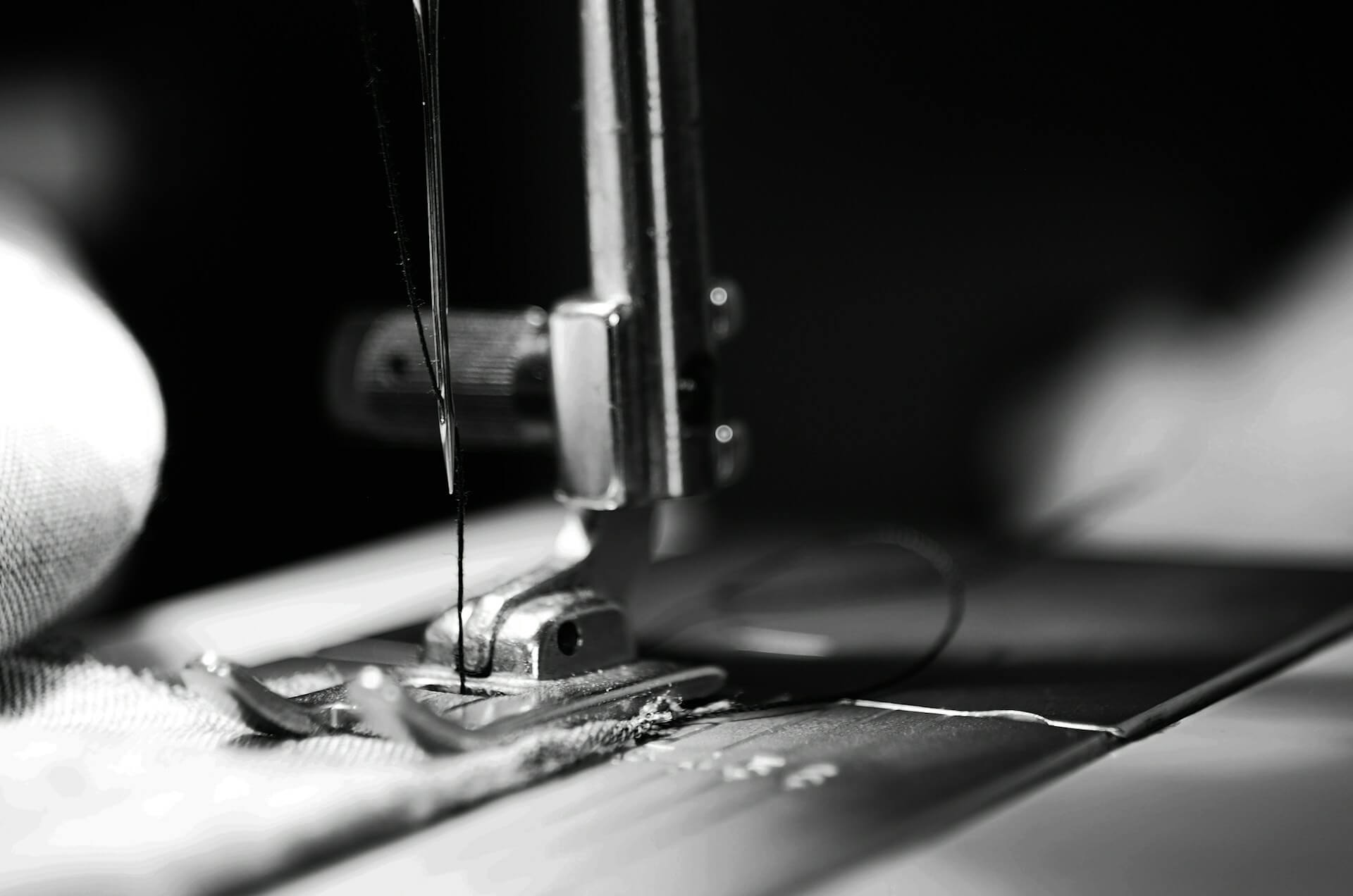
Barthelemy Thimonnier, a French tailor, patented a chain stitch sewing machine in 1830. Within about a year some 80 of his wooden machines were sewing army uniforms in a Paris workshop. In 1831 a crowd of tailors, afraid for their livelihoods, broke in and destroyed them.
Thimonnier went home to Amplepuis, near Lyon, and kept improving the design, but a later venture collapsed in the upheaval of 1848. American makers soon dominated the market with a different stitch.
He died at Amplepuis in 1857, aged 63, a poor man in the town where he had learned his trade.
Denis Papin Vanished From the Record

Denis Papin, a French physician and Huguenot exile, invented the steam digester, the forerunner of the pressure cooker, in 1679, and added the safety valve that made it usable. In 1690 he described a piston moved by steam, an idea later engineers built upon.
He returned to London in 1707 hoping the Royal Society would fund his work. Several of his papers were read there between 1707 and 1712 without credit or payment, and he complained bitterly.
His last known letter, dated January 23, 1712, describes his sad case. The date of his death stayed unknown until 2016, when a burial entry of August 26, 1713, at St Bride’s Church in Fleet Street was found in a London register.
William Symington Never Got His Money Back
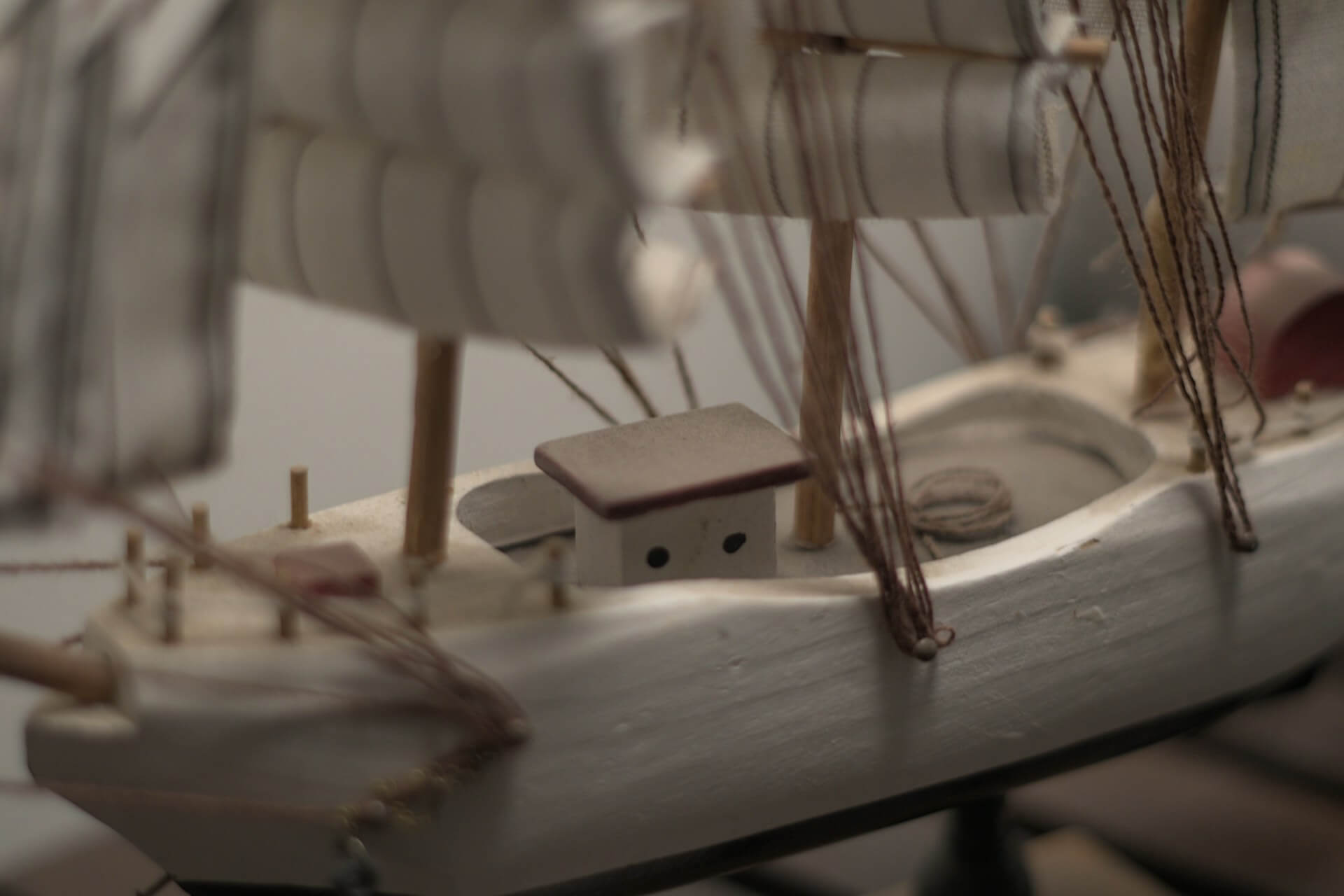
Scottish engineer William Symington built the Charlotte Dundas, which towed two loaded barges along the Forth and Clyde Canal in 1803 and is often called the first practical steamboat. The canal company, said to have feared for its banks, declined to order another vessel.
A hoped-for order of eight boats for the Duke of Bridgewater ended with the duke’s death that same year. Symington had put his own money into the trials and never recovered it.
A petition to the House of Lords in 1825 brought no pension, only two payments of 100 pounds and 50 pounds. In 1829, ill and in debt, he moved to London to live with his daughter, and he died there in 1831.
Alexander Bain Invented the Fax and Died in a Charity Home
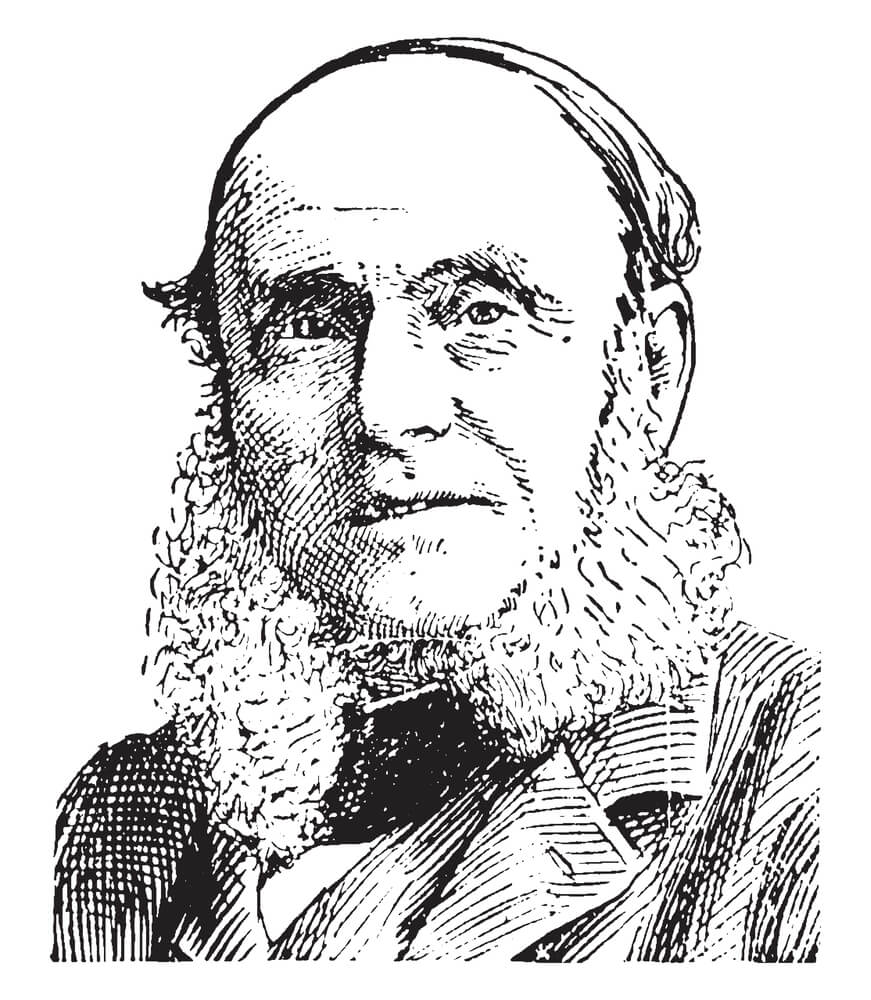
Alexander Bain, a crofter’s son from Caithness in the far north of Scotland, patented an electric clock in 1841 and a machine for sending images by wire in 1843, the ancestor of the fax. His chemical telegraph was fast enough to worry Samuel Morse, and a British telegraph company paid him several thousand pounds for his patents.
Litigation, much of it in the United States, consumed the money. In 1873 leading scientists helped secure him a Civil List pension of 80 pounds a year.
Bain died in January 1877 in a home for incurable patients at Kirkintilloch, near Glasgow.
Lee de Forest Had Little Left in the Bank
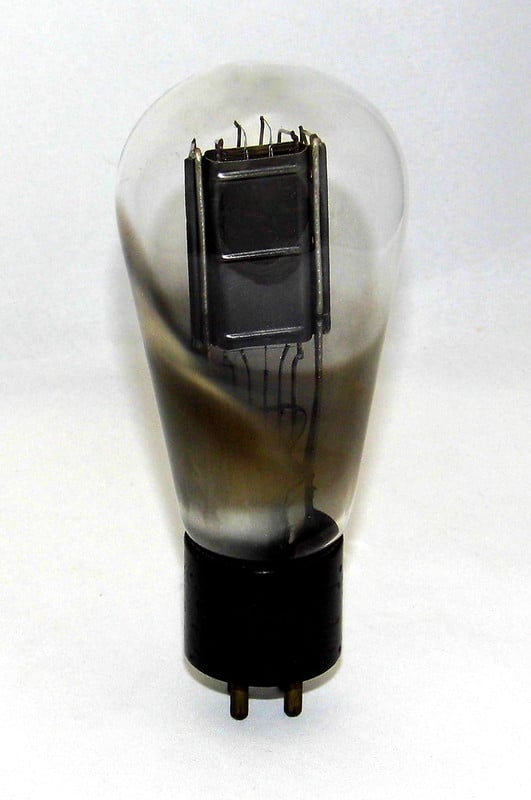
Radio broadcasting and long-distance telephone calls both depended on the Audion, the three-element vacuum tube that Lee de Forest developed from 1906 and patented in 1908. He sold rights to the American Telephone and Telegraph Company for sums that later looked small, beginning with 50,000 dollars in 1913, watched several of his companies fail, and spent years in patent suits, including a long fight with Edwin Armstrong.
He was also tried for mail fraud in 1913 and acquitted. De Forest held well over 100 patents, married four times and spent much of his income on lawyers.
t his death in Hollywood on June 30, 1961, his bank account reportedly held 1,250 dollars.
Margaret Knight Won Her Case and Little Else
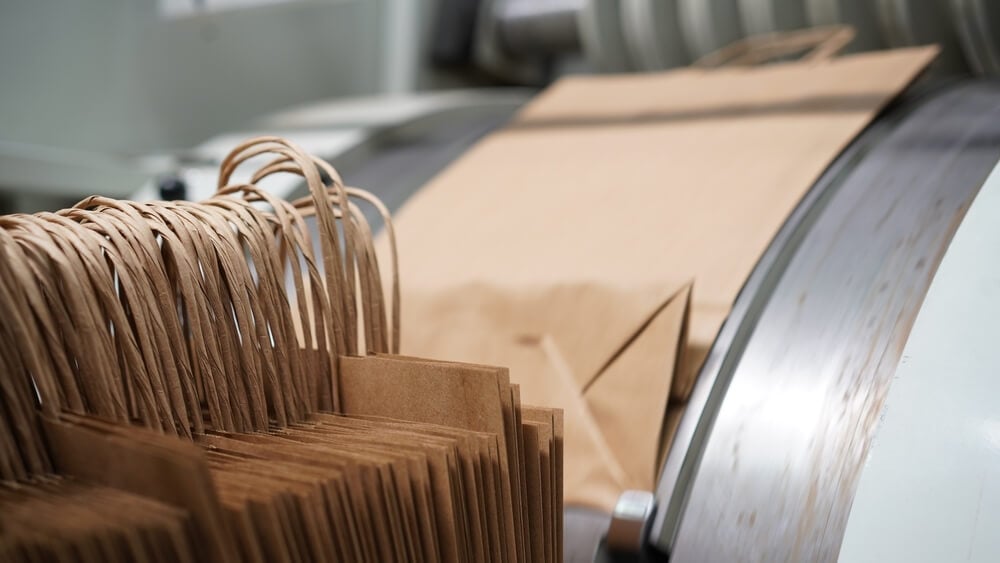
Margaret Knight built a machine that cut, folded and glued flat-bottomed paper bags, the kind still used for groceries. A man named Charles Annan saw her prototype at a machine shop and patented it first. Knight took him on with her drawings and notebooks as evidence, won, and received her own patent in 1871.
She went on to earn roughly two dozen more, covering shoe-cutting machines and rotary engines among other things. Her bag machine was licensed to a company she co-founded in Hartford, Connecticut, for 2,500 dollars and royalties capped at 25,000 dollars.
At her death in October 1914, aged 76, her estate was valued at about 275 dollars.
Nicolas Leblanc Saw His Factory Confiscated
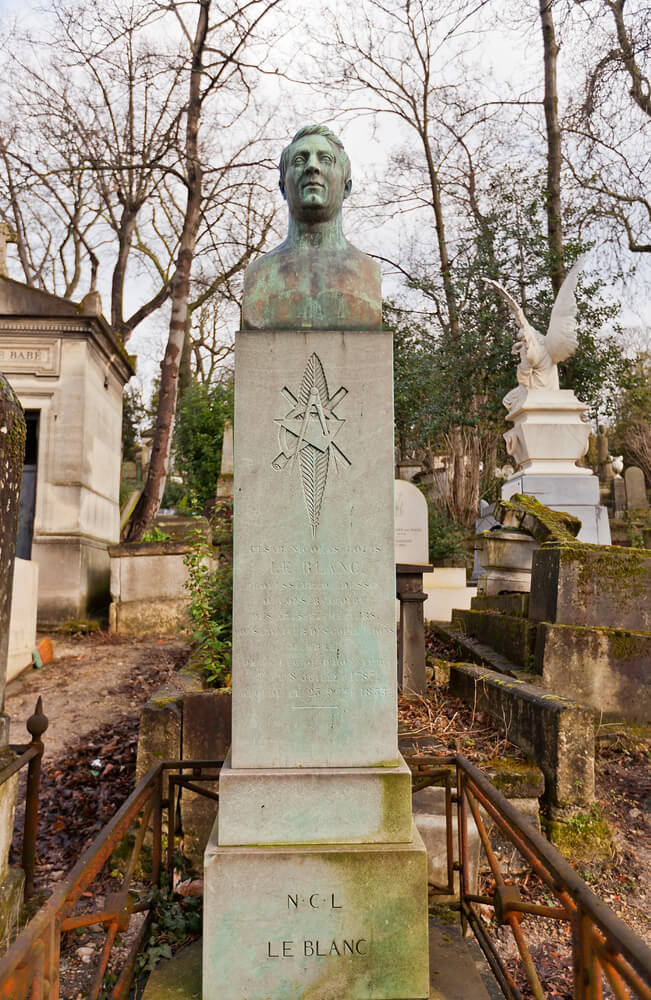
Physician to the Duke of Orleans, Nicolas Leblanc devised a way to make soda ash from sea salt, a chemical needed for glass, soap and textiles. He patented it in 1791 and built a plant at Saint-Denis with the duke’s money.
Then the revolution intervened. The duke went to the guillotine in 1793, the factory was confiscated as his property, and the process was ordered to be made public.
Leblanc got the works back around 1801 but had no capital to run them and received only a fraction of the compensation he claimed. He died in January 1806, impoverished. His process dominated the alkali industry for decades.
Patents Were Never a Paycheck

A patent grants the right to sue, and suing costs money. Again and again in these lives the inventor held the paper while someone with capital, lawyers or a government behind them held the market.
Goodyear, Sax and Woods all won in court often enough to be ruined by it.
Recognition tended to arrive on a different schedule from payment. Pensions came decades late and small, statues and street names later still, and the industries built on these ideas rarely looked back to see who was left behind.
Being first, it turns out, has usually been the expensive part.
More from Go2Tutors!

- The Romanov Crown Jewels and Their Tragic Fate
- 13 Historical Mysteries That Science Still Can’t Solve
- Famous Hoaxes That Fooled the World for Years
- 15 Child Stars with Tragic Adult Lives
- 16 Famous Jewelry Pieces in History
Like Go2Tutors’s content? Follow us on MSN.