Code Names Behind Famous Military Operations
A code name has one job, which is to say nothing. For most of the twentieth century, planners pulled words from approved lists precisely because they were meaningless, and a few of those random picks ended up attached to the largest events of the age.
Then the job changed. Once operations were announced on television, the names had to persuade as well as conceal, and generals found themselves arguing over adjectives.
The stories behind the labels are often stranger than the labels themselves.
Overlord and the Crossword Scare
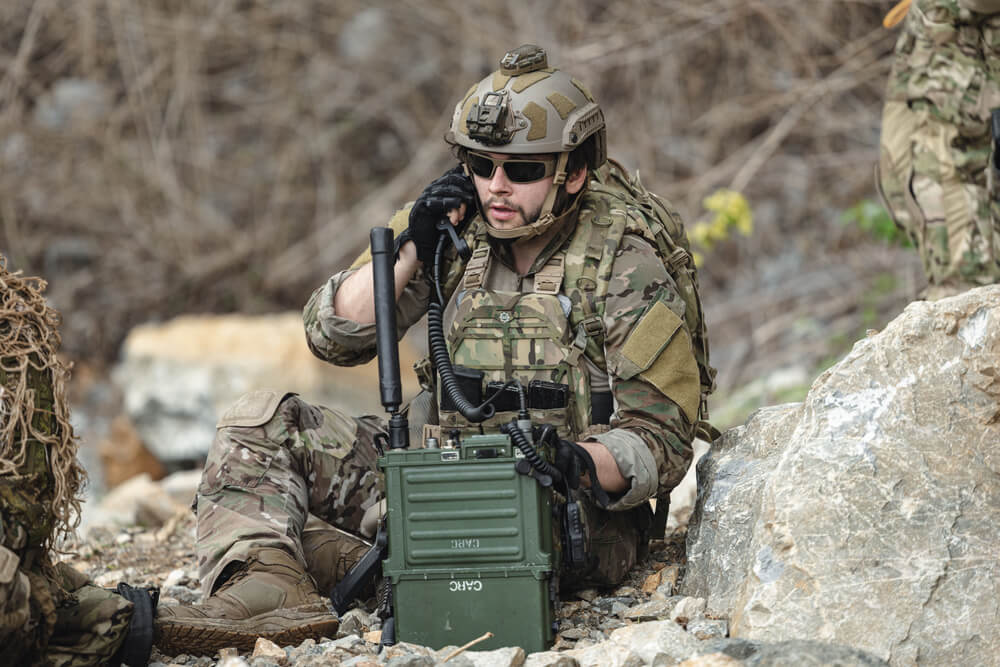
Earlier Allied schemes for crossing the English Channel carried the names Roundup and Sledgehammer, and the 1944 invasion of Normandy inherited a grander one, Overlord, which Winston Churchill is generally credited with selecting.
The landing phase had its own name, Neptune. In the weeks before June 6, 1944, British security officers were alarmed to find Overlord, Neptune, Utah, Omaha and Mulberry all appearing as answers in Daily Telegraph crossword puzzles.
The compiler, a schoolmaster named Leonard Dawe, was questioned and cleared. In 1984 a former pupil said he had fed the words into the puzzles, having picked them up, by his account, from soldiers camped near the school.
Gymnast Becomes Torch
Planning for the Anglo-American invasion of French North Africa spent its early life as Gymnast, later enlarged into Super-Gymnast, a name that suggested a circus act more than an amphibious assault. In July 1942, as the plan was finally approved, Churchill gave it the shorter and more dignified name Torch.
Landings in Morocco and Algeria followed on November 8, 1942, under the overall command of Dwight Eisenhower. It was the first large commitment of American ground troops to the war against Germany and Italy, and it taught hard lessons about loading ships and landing troops that were applied in Sicily and Normandy.
Soapsuds, Tidal Wave and Churchill’s Rule
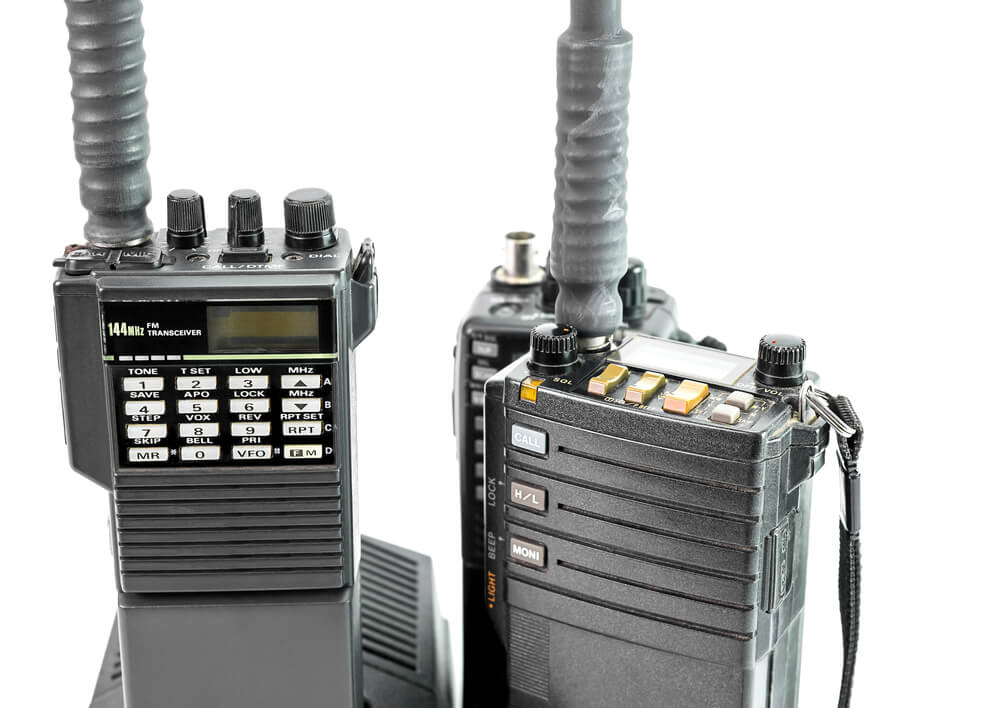
Soapsuds was the first label given to the low-level bombing raid on the Romanian oil refineries at Ploesti. Churchill thought the word unfit for a mission that would cost many lives, and it was renamed Tidal Wave before roughly 177 B-24 Liberators flew from bases near Benghazi, Libya, on August 1, 1943. More than 50 bombers were lost.
A week later Churchill sent a memo to General Hastings Ismay laying down rules for naming operations: nothing boastful, nothing despondent, and nothing frivolous. No widow or mother, he wrote, should have to say her son died in an operation called Bunnyhug.
Barbarossa and a Sleeping Emperor

German planners first filed the invasion of the Soviet Union under plain working titles, including Otto and Fritz. Hitler’s Directive 21, signed on December 18, 1940, gave it the name Barbarossa, after Frederick I, the red-bearded Holy Roman Emperor who drowned in 1190 while leading an army on the Third Crusade.
German legend held that the emperor slept beneath the Kyffhauser hills and would wake when Germany needed him. The attack opened on June 22, 1941, with more than three million troops along a front that ran from the Baltic to the Black Sea.
Market Garden Was Two Plans
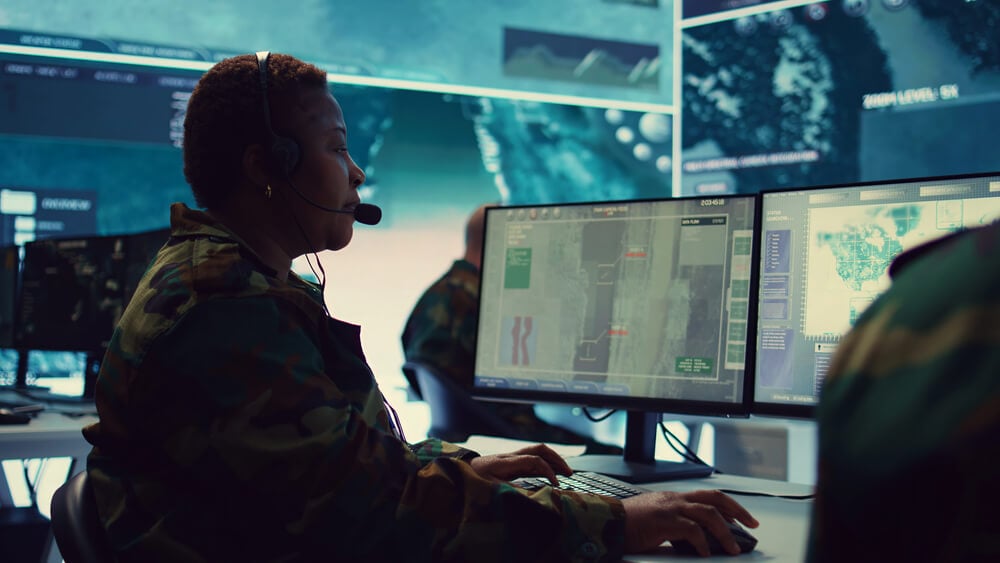
The name sounds like a single pastoral image, but it was two code words joined together. Market was the airborne half, in which American, British and Polish paratroopers and glider troops would seize a chain of bridges across the Netherlands.
Garden was the ground half, the advance of the British XXX Corps up a single highway to link those bridges together. Field Marshal Bernard Montgomery’s operation opened on September 17, 1944.
The armored column never reached the last bridge at Arnhem, where the British 1st Airborne Division was largely destroyed after nine days of fighting.
Dynamo and the Room Beneath Dover Castle
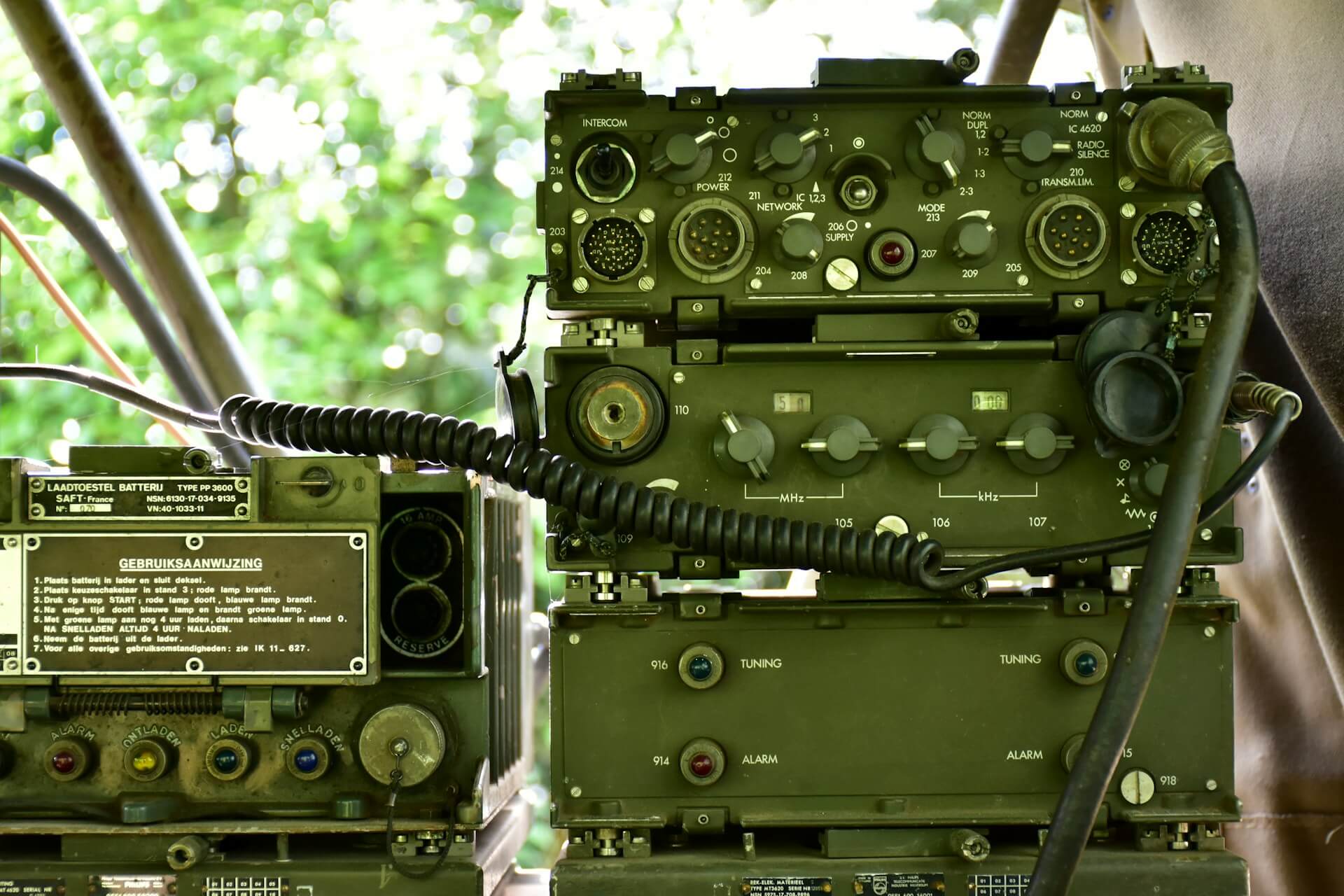
Vice Admiral Bertram Ramsay organized the evacuation of Dunkirk from tunnels cut into the chalk cliffs under Dover Castle. One of the rooms in that headquarters housed the generator that supplied its electricity, and the dynamo room gave the operation its name. Dynamo ran from May 26 to June 4, 1940.
Planners initially hoped to rescue about 45,000 men before the port fell. Instead, a fleet of destroyers, ferries, fishing boats and pleasure craft carried more than 338,000 British and Allied soldiers across the Channel, though nearly all of their heavy equipment stayed behind in France.
Mincemeat and Its Grim Joke
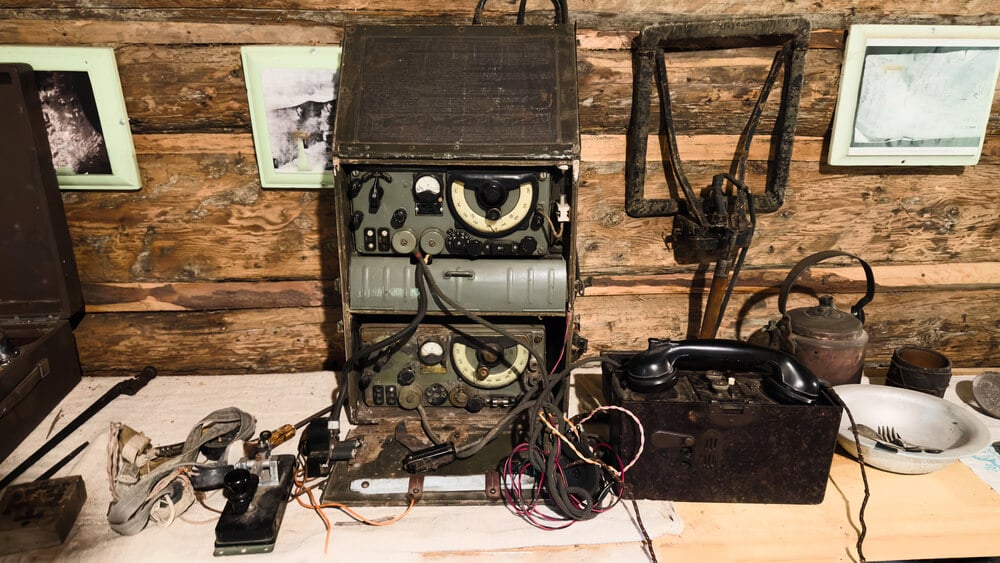
British intelligence officers Ewen Montagu and Charles Cholmondeley planned to float a dead man carrying forged letters onto the Spanish coast, hoping German agents would read them. Montagu took the name Mincemeat from a list of approved code words and later admitted that its macabre humor appealed to him.
The body, that of a Welsh laborer named Glyndwr Michael, was dressed as Major William Martin of the Royal Marines and released from the submarine HMS Seraph off Huelva on April 30, 1943. The papers pointed to Greece and Sardinia. The real Allied target, invaded that July, was Sicily.
Bodyguard Came From a Churchill Remark
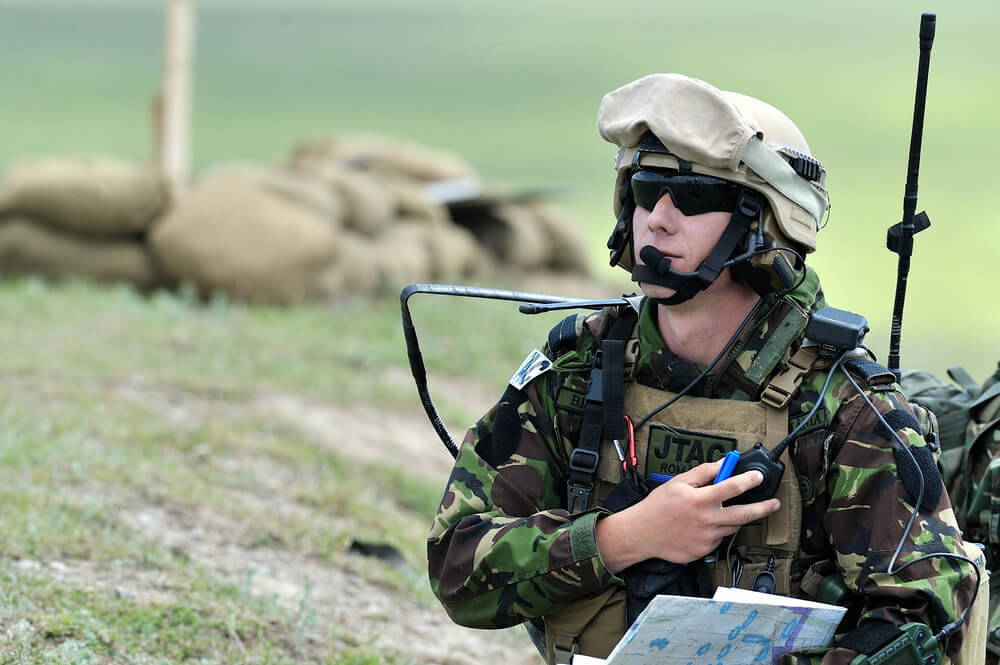
At the Tehran Conference in late 1943, Churchill told Stalin that in wartime truth is so precious that she should always be attended by a bodyguard of lies. The overall deception plan shielding the Normandy invasion, previously called Jael, was renamed Bodyguard soon afterward.
Its best-known component, Fortitude South, invented an entire army group in southeast England under General George Patton, complete with dummy tanks, fake radio traffic and reports from double agents. German commanders kept strong forces waiting near the Pas-de-Calais for weeks after the real landings, still expecting the main blow there.
Manhattan, a Deliberately Dull Label
The American atomic bomb program was first given the cover title Development of Substitute Materials. Leslie Groves, then a colonel in the Corps of Engineers, disliked it, reasoning that the phrase would only make people curious.
The Army Corps of Engineers customarily named its districts after the cities where they were based, and because the new district’s first offices were at 270 Broadway in New York, it became the Manhattan Engineer District in August 1942. The name stuck even after the work moved to Oak Ridge, Hanford and Los Alamos.
A project that eventually employed well over 100,000 people hid behind the title of a local office.
Trinity and a Poet’s Influence
J. Robert Oppenheimer chose the code name for the first nuclear test, carried out in the New Mexico desert on July 16, 1945. Asked about it years later by Groves, he replied that he was not certain why he had picked the word, but that the poems of John Donne had been on his mind.
One of Donne’s Holy Sonnets opens with an appeal to a three-personed God. Groves had suspected a simpler explanation, since rivers and peaks named Trinity are common across the American West and the word would attract little attention on a map.
Downfall, Olympic and Coronet
American planners named the proposed invasion of Japan Downfall and split it in two. Olympic would land on the southern island of Kyushu, with a target date of November 1, 1945.
Coronet would follow on the Kanto Plain near Tokyo, penciled in for March 1, 1946. In early August 1945, according to most accounts, concern that the name Olympic had been compromised led planners to rename it Majestic. Japan’s surrender that month meant neither name was ever used in battle.
The casualty estimates prepared for Downfall are still debated by historians.
Chastise and the Bouncing Bomb

Royal Air Force planners gave the name Chastise to the attack on the great dams of western Germany, a stern, schoolmasterly word for a raid aimed at the water supply of the Ruhr factories. The weapon itself, Barnes Wallis’s spinning cylindrical bomb that skipped across the water, was called Upkeep.
On the night of May 16, 1943, nineteen Lancasters of the newly formed 617 Squadron, led by Wing Commander Guy Gibson, flew at about 60 feet above the reservoirs. They breached the Mohne and Eder dams. Eight aircraft did not return, and 53 airmen were killed.
Overcast Turned Into Paperclip
Overcast was the original name for the American effort to bring German scientists and engineers to work in the United States from 1945. That name became too widely known, partly because the scientists’ families were housed at a site in Bavaria nicknamed Camp Overcast.
Late in 1945 the program became Paperclip, a name traditionally explained by the paperclips Army officers attached to the files of specialists they wanted to recruit. More than 1,600 scientists and technicians eventually came, among them the rocket engineer Wernher von Braun.
Several had wartime records that the program’s managers chose to play down.
Valkyrie, a Plan Turned on Its Author
Valkyrie was a legitimate emergency plan before it was a conspiracy. Approved by Hitler, it directed Germany’s Reserve Army to restore order if bombing or an uprising among forced laborers caused chaos at home. General Friedrich Olbricht, Henning von Tresckow and Colonel Claus von Stauffenberg quietly rewrote it so the same orders could be used to seize government offices and arrest Nazi officials after Hitler’s death.
Stauffenberg’s bomb exploded at the Wolf’s Lair headquarters on July 20, 1944, but Hitler survived. In Norse myth the Valkyries choose who dies in battle, and most of the leading plotters were dead within weeks.
Desert Shield Gave Way to Desert Storm
By 1990 American planners understood that an operation’s name would be read aloud on the evening news. After Iraq invaded Kuwait that August, Central Command first proposed Peninsula Shield, which the Joint Chiefs rejected, before settling on Desert Shield, a title that stressed protection of Saudi Arabia.
When the mission shifted from guarding to attacking, General Norman Schwarzkopf’s command kept the first word and swapped the second. Desert Storm opened with air strikes on January 17, 1991, and the ground campaign that followed lasted about 100 hours.
The paired names set a pattern for a deployment and an offensive that the Pentagon reused for years.
Blue Spoon Promoted to Just Cause

Contingency plans for removing Panama’s Manuel Noriega sat in Pentagon files under the name Blue Spoon. Shortly before the invasion of December 20, 1989, General James Lindsay of Special Operations Command telephoned the Joint Staff to complain.
As the exchange was later recounted, he asked whether anyone wanted their grandchildren to hear that they had fought in Blue Spoon. The planners came back with Just Cause.
Military historians often mark the change as a turning point, the moment American operation names stopped being neutral labels and became arguments for the missions they described.
Neptune Spear and a Disputed Code Word
The May 2011 raid on Osama bin Laden’s compound in Abbottabad, Pakistan, was officially Operation Neptune Spear. The name is generally explained as pointing to the trident held by the eagle on the Navy SEAL insignia.
It was a different word that drew public attention. During the raid, the code word Geronimo was used over the radio in connection with bin Laden, and a transmission including it told the White House he had been killed.
Several Native American leaders objected to linking the Apache leader’s name with a terrorist, and the Senate Committee on Indian Affairs heard testimony on the matter days later.
Infinite Justice Lasted Barely a Week

Within days of the September 11 attacks, the Pentagon’s buildup for a campaign in Afghanistan was being called Operation Infinite Justice. Muslim scholars and advocacy groups pointed out that in Islamic belief only God can dispense infinite justice, and that the phrase would offend the allies Washington was trying to recruit.
On September 25, 2001, Defense Secretary Donald Rumsfeld announced the new name, Enduring Freedom. Air strikes began under that title on October 7.
The replacement lasted far longer than its predecessor, covering American operations in Afghanistan until the end of 2014.
Vittles Fed a Blockaded City

American airmen gave the Berlin Airlift an unusually homely name. Brigadier General Joseph Smith, who organized the first flights in June 1948, is usually credited with calling it Vittles, reportedly on the grounds that the crews were hauling grub.
The British ran their share as Operation Plainfare. Over about fifteen months the combined effort delivered more than two million tons of food, coal and supplies to the western sectors of the city.
Pilot Gail Halvorsen’s habit of dropping candy on tiny parachutes to waiting children earned its own unofficial title, Little Vittles.
Killer Was Too Honest for Washington
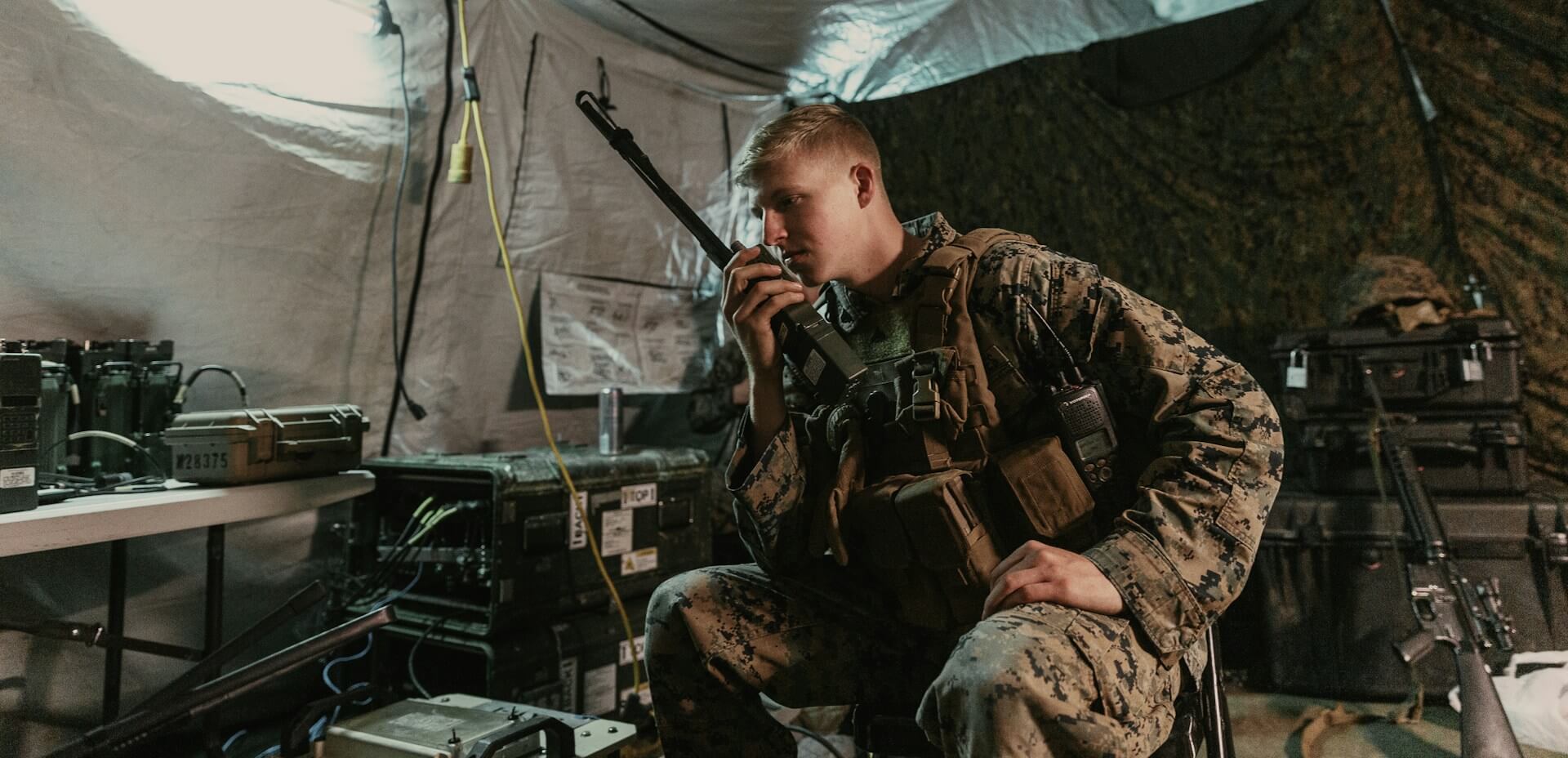
General Matthew Ridgway took over the Eighth Army in Korea at a low point and wanted names that sounded like fighting. In February 1951 he launched Operation Killer, followed in March by Operation Ripper, which retook Seoul.
The Army’s chief of staff, General J. Lawton Collins, told him that the word killer was causing public relations trouble at home. Ridgway wrote afterward that he saw no reason to hide from the public that war meant killing the enemy.
His later offensives nonetheless went out under softer titles such as Courageous, Rugged and Dauntless.
Anvil Recast as Dragoon
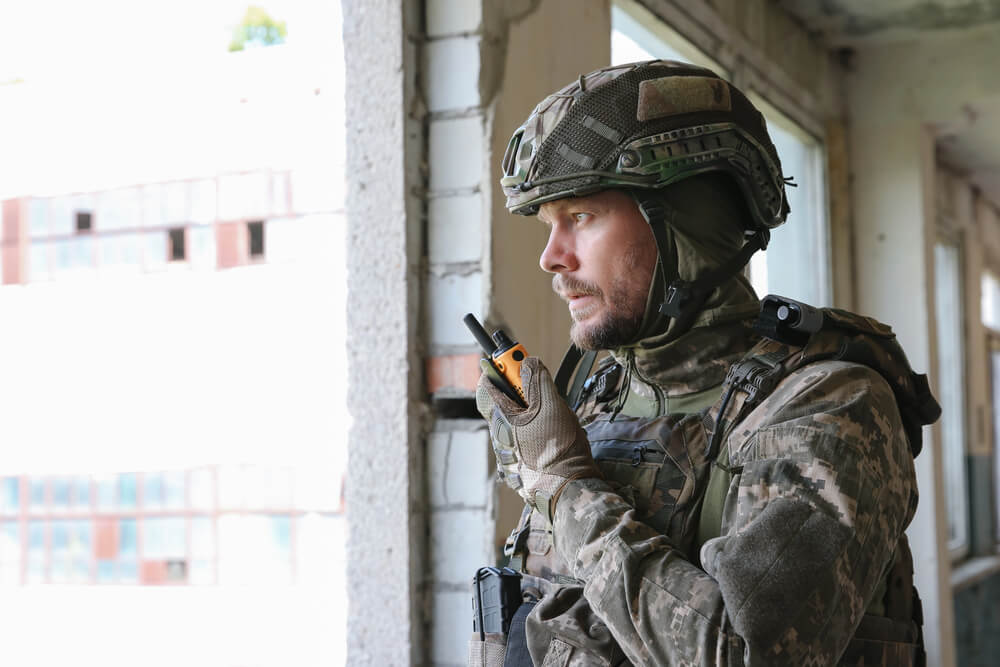
Allied planners conceived the landing in southern France as Anvil, the surface against which the hammer of the Normandy invasion would strike. It was meant to coincide with D-Day, but a shortage of landing craft pushed it back by more than two months.
On August 1, 1944, the name was changed to Dragoon, apparently because Anvil had been in use long enough to be considered compromised. Churchill had opposed the operation, preferring to keep the troops in Italy.
A popular story, never confirmed, holds that he suggested the new name because he had been dragooned into accepting it.
Thunderbolt Renamed for a Fallen Commander
Israel’s long-range rescue of hostages held at Entebbe airport in Uganda was planned as Operation Thunderbolt. On the night of July 3, 1976, transport aircraft carried commandos some 2,500 miles to free passengers of a hijacked Air France flight, and 102 hostages were brought out alive.
The assault force’s commander, Lieutenant Colonel Yonatan Netanyahu, was shot and killed during the raid, the only Israeli soldier to die in it. The operation was afterward renamed Operation Yonatan in his memory.
His younger brother Benjamin later became Israel’s prime minister.
Frequent Wind Began With a Christmas Song
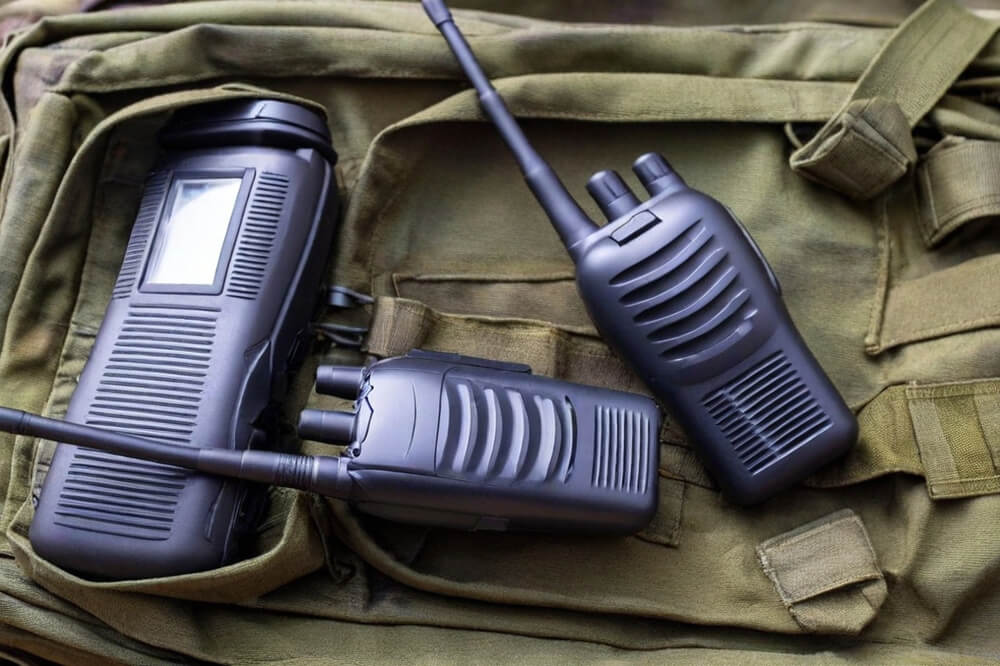
Talon Vise was the first name given to the planned helicopter evacuation of Saigon in April 1975, which was dropped when it was believed to be compromised. Its replacement, Frequent Wind, came with a signal as odd as the name.
Americans in the city were told to listen for an Armed Forces Radio announcement that the temperature in Saigon was 105 degrees and rising, followed by the song White Christmas. When it aired on April 29, helicopters began shuttling to ships offshore.
Over roughly a day they lifted out more than 7,000 Americans and Vietnamese.
Bagration Honored a Hero of 1812
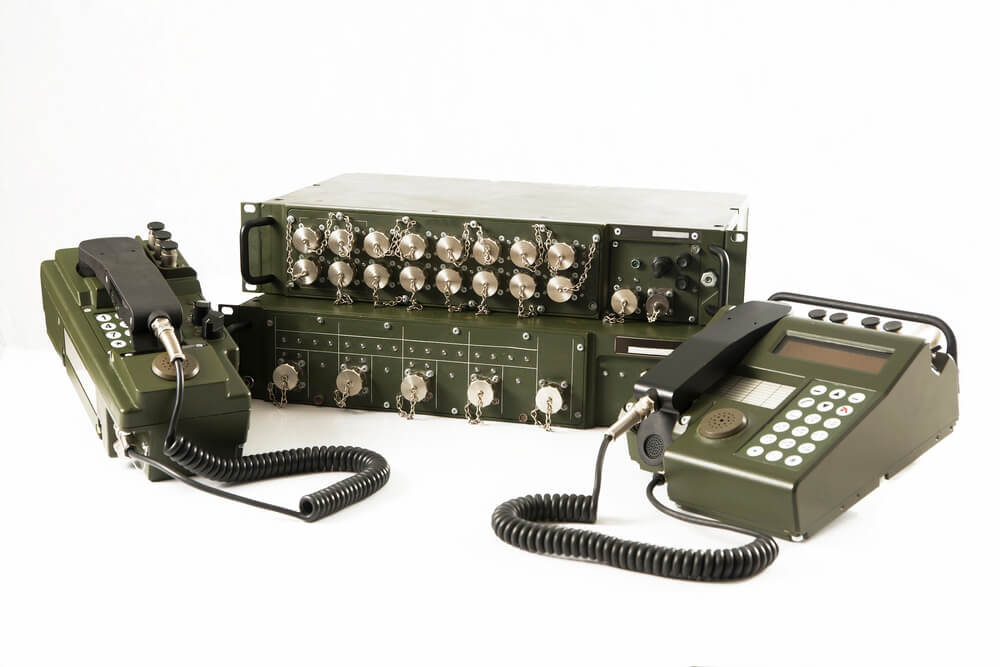
Stalin is usually credited with naming the great Soviet summer offensive of 1944 after Prince Pyotr Bagration, a general of Georgian descent who was mortally wounded fighting Napoleon’s army at Borodino in 1812. Stalin was Georgian himself, and the choice tied the war against Hitler to an earlier invasion that Russia had survived.
Operation Bagration opened in Belarus on June 22 and 23, 1944, three years after the German attack. Within weeks it had wrecked Army Group Center and carried the Red Army to the edge of Warsaw, a defeat often ranked as the worst the German army suffered.
Uranus and the Soviet Planets
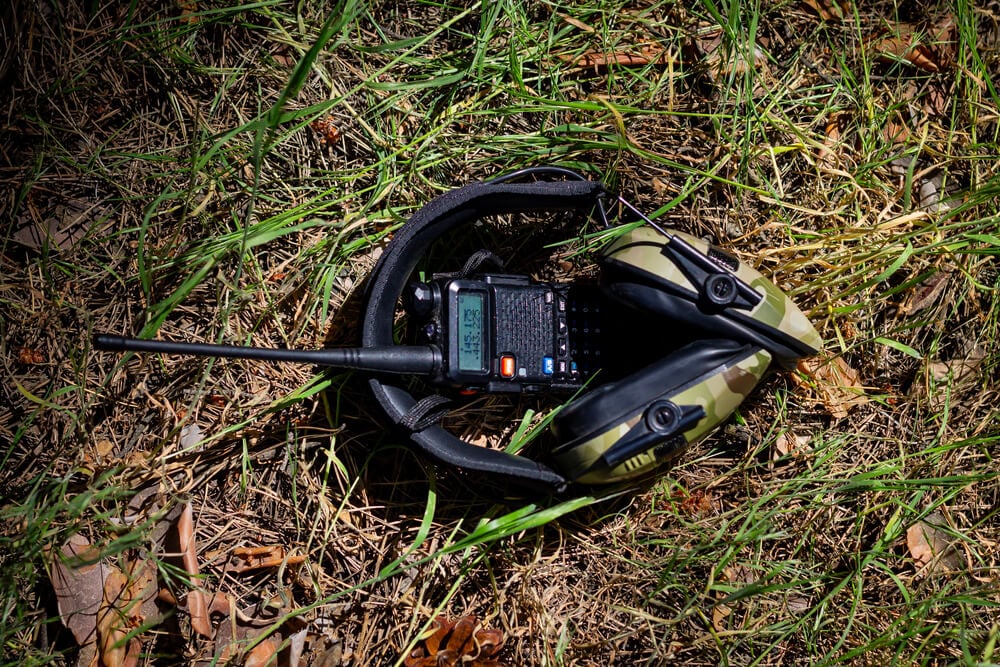
Soviet staff officers in late 1942 named a family of offensives after the heavens. Uranus was the pincer attack that broke through the Romanian armies on either side of Stalingrad, launched on November 19, 1942, and closed around the German Sixth Army four days later.
Saturn, later scaled back to Little Saturn, struck farther west along the Don. Mars was aimed at the German salient near Rzhev and failed at heavy cost, which helps explain why it was rarely mentioned for decades.
Friedrich Paulus surrendered on January 31, 1943, and the last of his trapped Sixth Army gave up two days later.
Words That Went to War
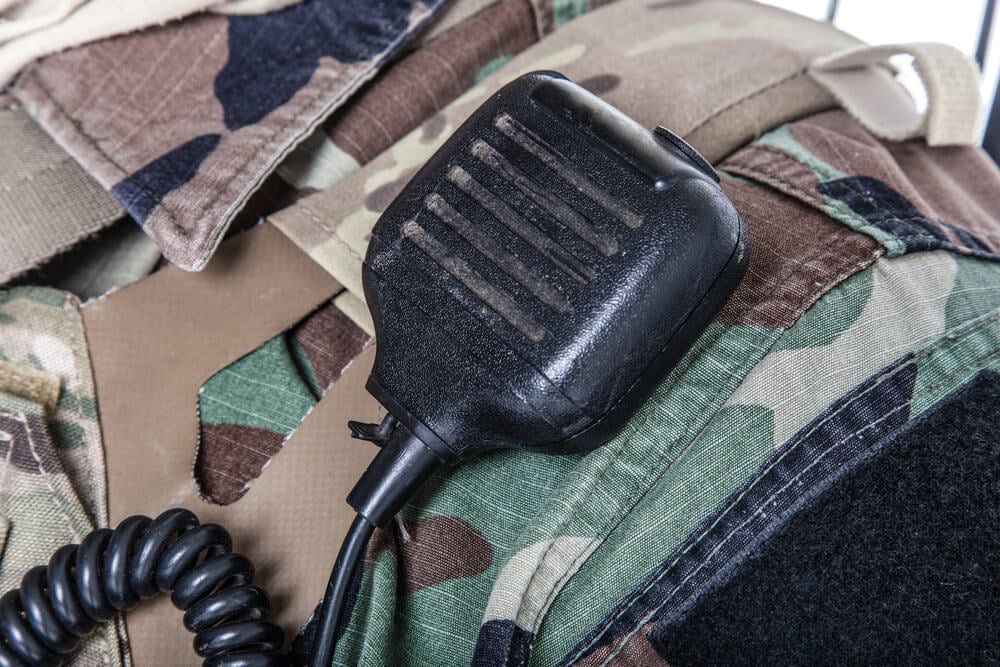
For most of the period covered here, a good code name was one that revealed nothing. Dynamo, Torch and Overlord told an eavesdropper nothing about where the ships were going, and that was the point.
Churchill’s 1943 memo added a second requirement, that the word should not embarrass the families of the dead. Few of the people who drew these names from a list expected them to end up in schoolbooks.
After 1989 the purpose shifted from concealment to persuasion. Just Cause and Enduring Freedom were written for an audience, and the audience answered back, as the quick retreat from Infinite Justice showed.
The older names carry a different weight. A random word, attached to a day when thousands of people did something difficult, slowly stops being random.
More from Go2Tutors!

- The Romanov Crown Jewels and Their Tragic Fate
- 13 Historical Mysteries That Science Still Can’t Solve
- Famous Hoaxes That Fooled the World for Years
- 15 Child Stars with Tragic Adult Lives
- 16 Famous Jewelry Pieces in History
Like Go2Tutors’s content? Follow us on MSN.