Literary Awards That Shaped History
Literary prizes are kind of absurd when you think about it—a small group of people deciding which books are “the best” and handing out trophies like it’s the Oscars but for people who sit alone typing for years. But here’s the thing: these awards genuinely matter.
They can turn an unknown writer into a bestseller overnight, cement certain books into the cultural canon, and sometimes they even influence international politics (the Nobel committee has definitely used their platform to make statements). Some awards have been around for over a century, shaping what gets published, what gets read, and whose voices get amplified.
Others are newer but have already changed the landscape of publishing in significant ways.
Here are the literary awards that actually moved the needle.
Nobel Prize in Literature

The Nobel Prize in Literature started in 1901 and is probably the most prestigious literary award in the world (whether writers want to admit caring about prestige or not). Alfred Nobel’s will established it to honor authors who produced “the most outstanding work in an idealistic direction,” which is vague enough that the Swedish Academy can basically do whatever they want.
The prize comes with a substantial cash award (currently around 11 million Swedish kronor, or about a million dollars), a medal, and instant global recognition. Winners include Toni Morrison, Gabriel García Márquez, Kazuo Ishiguro, Bob Dylan (which caused a huge controversy because song lyrics aren’t literature according to many people), and dozens of others.
The Academy has been criticized for Eurocentrism, for favoring obscure writers over popular ones, for gender bias (only 17 women have won out of over 100 recipients), and for their #MeToo scandal in 2018 that caused them to postpone the award for a year. But it’s still the big one.
Pulitzer Prize for Fiction

Joseph Pulitzer established the Pulitzer Prizes in his will in 1917, and they’ve been given out by Columbia University ever since. The Fiction category (originally called the Novel category until 1948) has launched careers and defined what “important American fiction” looks like for over a century.
Winners get $15,000 and a certificate, which isn’t a ton of money but the prestige is enormous. Harper Lee won for “To Kill a Mockingbird,” Toni Morrison got one for “Beloved,” and Donna Tartt won for “The Goldfinch” (which people have very strong opinions about).
The prize has occasionally been withheld when the board felt no book met their standards (this happened in 1971, 1974, 1977, and 2012), which seems pretentious but whatever.
Man Booker Prize

Started in 1969, this prize was originally for Commonwealth and Irish writers writing in English. In 2014 they opened it to all English-language fiction published in the UK (which annoyed a lot of people who felt it would just become dominated by Americans).
The winner gets £50,000 and sales go through the roof. Salman Rushdie won twice, Hilary Mantel won twice for her Thomas Cromwell novels, Margaret Atwood has won. The prize has a reputation for choosing serious, literary fiction over commercial stuff, and the shortlist announcement usually generates tons of discussion in the British press.
In 2019 they broke their own rules and gave the prize to two winners (Margaret Atwood and Bernardine Evaristo) instead of one, which was controversial because rules are apparently important.
Prix Goncourt
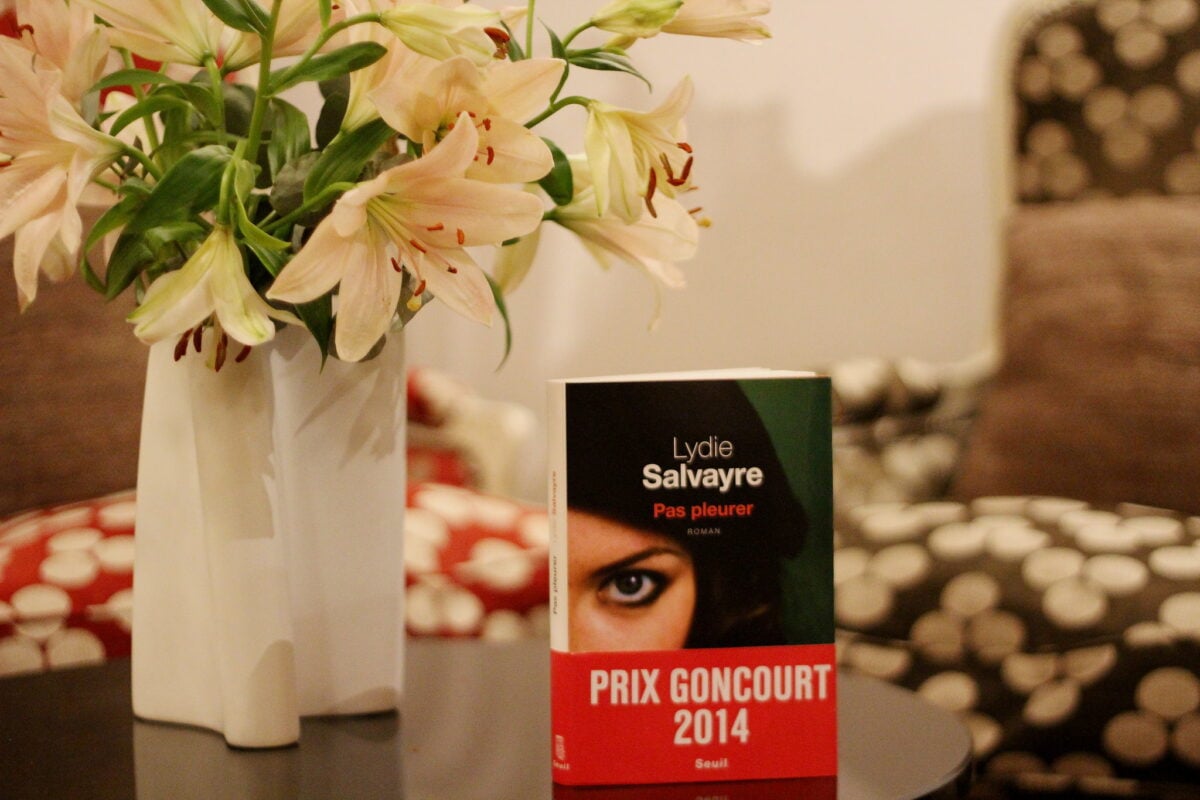
The Prix Goncourt is the most prestigious literary award in France, established in 1903 by the will of Edmond de Goncourt. It’s given to “the best and most imaginative prose work of the year” written in French.
The actual monetary prize is symbolic—just 10 euros—but winning basically guarantees your book becomes a bestseller in France (we’re talking hundreds of thousands of copies). The ten-member Académie Goncourt votes over lunch at the Drouant restaurant in Paris every November, which is very French.
Winners include Simone de Beauvoir (though she refused it), Marguerite Duras, and Patrick Modiano. The prize tends to favor established French publishers and has been criticized for being too insular, but it shapes what French readers buy more than any other award.
Hugo Award

The Hugo Award is for science fiction and fantasy, first awarded in 1953 at the World Science Fiction Convention. It’s fan-voted rather than selected by a committee (attendees of the WorldCon vote), which makes it different from most literary prizes. Isaac Asimov, Ursula K. Le Guin, N.K. Jemisin, Liu Cixin—basically everyone important in sci-fi has won one or been nominated.
The award was at the center of the “Sad Puppies” and “Rabid Puppies” controversy in 2015 when conservative sci-fi fans tried to game the nomination process because they felt the genre had gotten too progressive and politically correct, which backfired spectacularly when voters used “No Award” rather than give it to their slate of nominees (internet drama is eternal, even in science fiction).
National Book Award

The National Book Award started in 1950 and is one of the most important American literary prizes. There are categories for Fiction, Nonfiction, Poetry, Translated Literature, and Young People’s Literature.
Winners include William Faulkner, Flannery O’Connor, Don DeLillo, Colson Whitehead, Louise Erdrich. The Fiction award particularly has helped shape the American literary canon and what gets taught in universities.
The ceremony is usually star-studded in a literary way (as star-studded as authors get, anyway), and winning tends to boost sales significantly, though not as much as the Pulitzer.
Newbery Medal

This award goes to the best children’s book by an American author each year. It started in 1922, named after John Newbery who was an 18th-century bookseller.
The medal itself features a gold seal that goes on the book cover, and parents and librarians and teachers use it as a buying guide (though plenty of Newbery winners are books kids don’t actually enjoy reading, which is a whole separate conversation). Winners include “The Giver,” “Bridge to Terabithia,” “Where the Mountain Meets the Moon,” and “When You Reach Me.”
The award has been criticized for being too white and too focused on “worthy” books about difficult topics rather than just good stories.
The Booker International Prize

This is different from the regular Booker Prize (it used to be called the Man Booker International Prize but dropped “Man” when the sponsor changed). It’s awarded for a single book translated into English and published in the UK or Ireland, and both the author and translator share the prize money equally (£50,000 split between them).
This is actually a big deal because translators usually don’t get recognition or decent pay, so this award has helped elevate the profile of literary translation. It started in 2005 with a different format and changed to its current structure in 2016.
Winners include Olga Tokarczuk, Jokha Alharthi, and David Diop.
Costa Book Awards

Formerly the Whitbread Book Awards, these British awards cover five categories: First Novel, Novel, Biography, Poetry, and Children’s Book. They started in 1971, and they’re supposed to be more accessible and less stuffy than the Booker (though people debate whether that’s actually true).
The interesting thing is one of the category winners is then chosen as the overall “Book of the Year,” which gets more prize money. Winners have included Hilary Mantel, Sebastian Barry, Kate Atkinson.
The awards stopped in 2022 after Costa ended their sponsorship and they haven’t found a new sponsor yet, which shows how these prizes depend on corporate funding to survive.
PEN/Faulkner Award

This is the largest peer-juried award in America, established in 1980 by writers to honor writers (the judges are all published authors). It’s named after William Faulkner, who used his Nobel Prize money to create a fund for young writers.
The award gives $15,000 to the winner and $5,000 to the finalists. It tends to recognize more experimental or challenging fiction than some other prizes. E.L. Doctorow, Ann Patchett, and Karen Russell have won.
The award is run by PEN/Faulkner Foundation which also does educational programs, so winning helps the foundation’s mission beyond just the individual book.
T.S. Eliot Prize
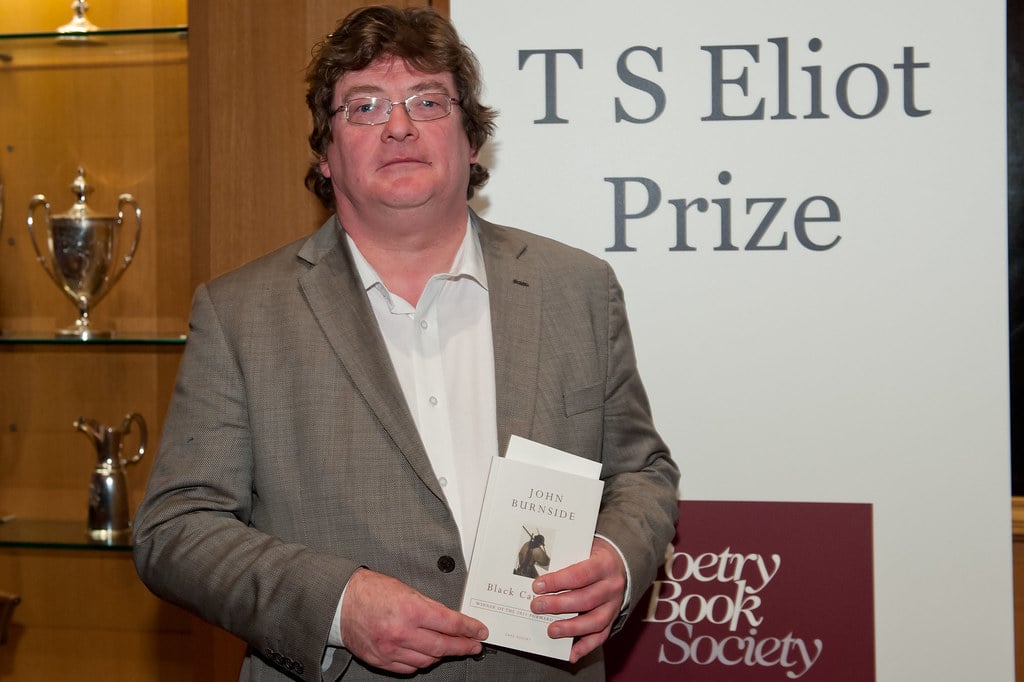
For poetry published in the UK and Ireland, established in 1993. The winner gets £25,000, which is a lot for a poetry prize (poetry doesn’t pay well, to put it mildly).
It’s named after T.S. Eliot and managed by the Poetry Book Society. Winners include Seamus Heaney, Ted Hughes, Carol Ann Duffy, Ocean Vuong. Poetry prizes don’t get as much mainstream attention as fiction prizes, but within the poetry world, this is a big deal.
Reading the shortlisted collections gives you a good sense of what’s happening in contemporary British and Irish poetry.
Cervantes Prize

This is basically the Nobel Prize for Spanish-language literature, established in 1976 by the Spanish Ministry of Culture. It’s awarded to Spanish-language writers for their lifetime achievement, and it comes with €125,000.
Winners include Jorge Luis Borges, Octavio Paz, Mario Vargas Llosa, and Juan Goytisolo. It’s named after Miguel de Cervantes (the “Don Quixote” guy), and it’s presented by the King of Spain in a ceremony at the University of Alcalá.
The prize has helped maintain Spain’s cultural connections with Latin America and recognizes the global Spanish-speaking literary community.
National Book Critics Circle Award

Started in 1974 by book critics who wanted to have their own awards (I guess they got tired of just writing about other people’s awards). The voting body is made up of over 600 book reviewers and critics.
Categories include Fiction, Nonfiction, Poetry, Autobiography, Biography, and Criticism. Winners include Marilynne Robinson, Ta-Nehisi Coates, and Claudia Rankine.
Because it’s voted on by critics, it tends to pick books that are intellectually ambitious or stylistically innovative. The prize doesn’t come with money, just prestige, but it influences what gets reviewed and taken seriously.
The Astrid Lindgren Memorial Award

This is for children’s and young adult literature, established by the Swedish government in 2002 in memory of Astrid Lindgren (who wrote the Pippi Longstocking books). It’s one of the largest monetary awards in children’s literature—5 million Swedish kronor (about $500,000).
Recipients can be authors, illustrators, or organizations promoting reading. Winners include Maurice Sendak, Shaun Tan, and Jacqueline Woodson. The award specifically honors work that reflects Lindgren’s values and literary quality, and winning it usually means international recognition and translation into multiple languages.
When Words Win Prizes, Who Really Wins?

Literary awards matter – yet don’t really. They shift focus toward certain stories, funnel cash to writers, shape publishing choices, classroom syllabi, even shelf displays at shops.
A prize might pull a forgotten novel into the spotlight or confirm success someone’s already had. Still, they feel empty sometimes – taste isn’t fixed, judging groups carry baggage, overlook gems, lift up so-so work instead.
Then you start questioning what ‘good’ truly stands for, and who holds that power anyway. The awards that changed things didn’t always choose the greatest books – just ones that clicked with judges at a certain time, yet those picks still spread through society. Some impacts lasted long, others vanished fast. Still, the contests go on, authors stay eager to win (no matter what they say), while folks continue debating if the correct book got picked.
That’s likely the whole idea.
More from Go2Tutors!

- The Romanov Crown Jewels and Their Tragic Fate
- 13 Historical Mysteries That Science Still Can’t Solve
- Famous Hoaxes That Fooled the World for Years
- 15 Child Stars with Tragic Adult Lives
- 16 Famous Jewelry Pieces in History
Like Go2Tutors’s content? Follow us on MSN.



