26 Inventions Kids Created That Took Off
Most inventors get their breakthroughs after years of training, funding, and a lab coat. These inventors got theirs between homework and curfew, with whatever happened to be lying around.
Some were barely old enough to read a patent, let alone file one. The results were not science fair curiosities.
Several became industries, several are still in daily use almost two centuries later, and a few made their teenage creators wealthy before graduation.
Earmuffs From a Frozen Fifteen-Year-Old

Chester Greenwood of Farmington, Maine, was 15 in 1873 when his ears froze during an ice-skating outing. He bent a piece of wire into two loops and asked his grandmother to sew fur onto them, and the result was a warm, wearable fix.
Greenwood patented his design in 1877 as the Champion Ear Protector and ran a factory making them for decades, and the company supplied earmuffs to American troops during World War I. Farmington still celebrates Chester Greenwood Day on the first Saturday of December with a parade.
A Popsicle Born of a Forgotten Drink

+DepositPhotos
Frank Epperson was 11 in 1905 when he left a cup of soda powder and water, with a stirring stick in it, on the porch of his San Francisco home overnight. The temperature dropped, and the next morning he had a frozen treat he could hold by the stick.
Years later he began selling the idea as the Epsicle, applied for a patent in 1923, and eventually sold the rights to the Joe Lowe Company. The name changed to Popsicle after his own children began calling it “Pop’s ‘sicle.”
The Six-Dot Alphabet Louis Braille Built at 15
Louis Braille lost his sight as a small child after an accident with an awl in his father’s saddlery workshop in France. As a student at the Royal Institute for Blind Youth in Paris, he took an army captain’s 12-dot system of tactile night writing and cut it down to a compact six-dot cell.
He was 15 in 1824, and the smaller cell meant a fingertip could take in an entire character with a single touch. Braille published his system in 1829, and versions of it are now used for dozens of languages around the world.
Water Skis Cut From Boards on Lake Pepin

Ralph Samuelson was 18 in 1922 when he began trying to ski on water at Lake Pepin in Minnesota. His first attempts, on barrel staves and then on snow skis, went badly, and he eventually settled on long boards and a rope pulled by a motorboat.
He is generally credited as the first person to waterski, and Lake City, Minnesota, bills itself as the birthplace of the sport. Samuelson then took it on the road, performing exhibitions that introduced the idea to crowds who had never imagined skiing without snow.
A Motorized Sled That Became the Snowmobile

Joseph-Armand Bombardier was 15 in 1922 when he rigged an engine from a Ford Model T and a wooden propeller to a sled in his family’s workshop in Valcourt, Quebec. The machine could carry a few people across snow, and it convinced him that winter travel in rural Quebec did not have to depend on horses.
He spent the following years developing tracked vehicles, introduced a seven-passenger snow vehicle in 1937, and launched the Ski-Doo in 1959. The name is often explained as a printing mistake, since the machine was reportedly meant to be called the Ski-Dog.
A Plowed Field That Inspired Television

Philo Farnsworth was 14 in 1921 when he was plowing a potato field near Rigby, Idaho, and realized an image could be scanned line by line, the way he was working the rows. He sketched the concept on a blackboard for his chemistry teacher, Justin Tolman.
Farnsworth transmitted his first fully electronic image in 1927, when he was 21. Tolman’s memory of that sketch later helped Farnsworth defend his claim against the powerful Radio Corporation of America.
Summly, the News App a Teenager Sold to Yahoo
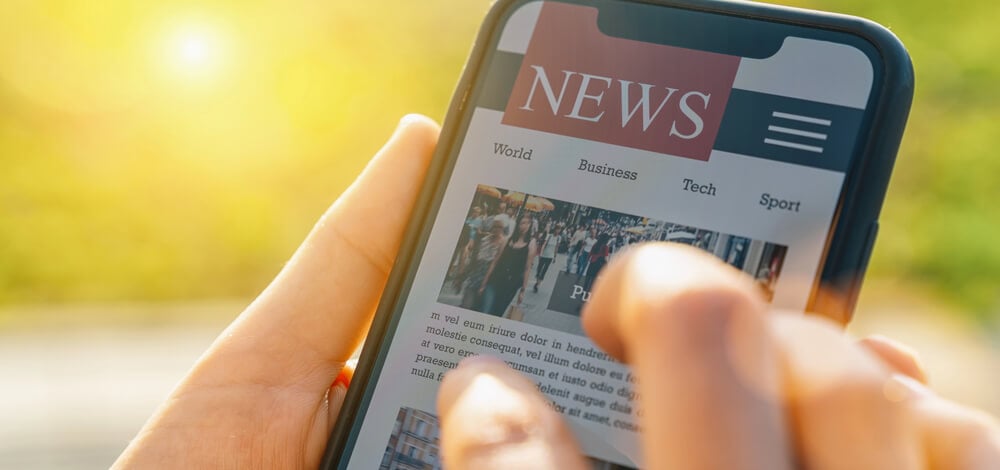
Nick D’Aloisio was a schoolboy in London when he built an app, first called Trimit, that condensed long web pages into short summaries. It evolved into Summly, which gave readers news digests small enough to fit on a phone screen.
In March 2013, Yahoo bought it for a reported $30 million, and D’Aloisio was 17 at the time. The sale made him one of the youngest people ever to cash out of a tech company.
A Physics Puzzle Game That Dethroned Angry Birds

Robert Nay was an eighth grader in Utah when he built a free physics puzzle game for the iPhone, in which players arrange planks and ramps to steer a rolling object toward a goal. Within weeks of its late-2010 release, the game had pushed Angry Birds off the top spot on the App Store’s free chart.
Nay was 14, and the game was downloaded millions of times. It showed that a solo developer with no studio, no publisher, and no marketing budget could outrun the biggest names on the platform.
Lion Lights Against a Hungry Predator
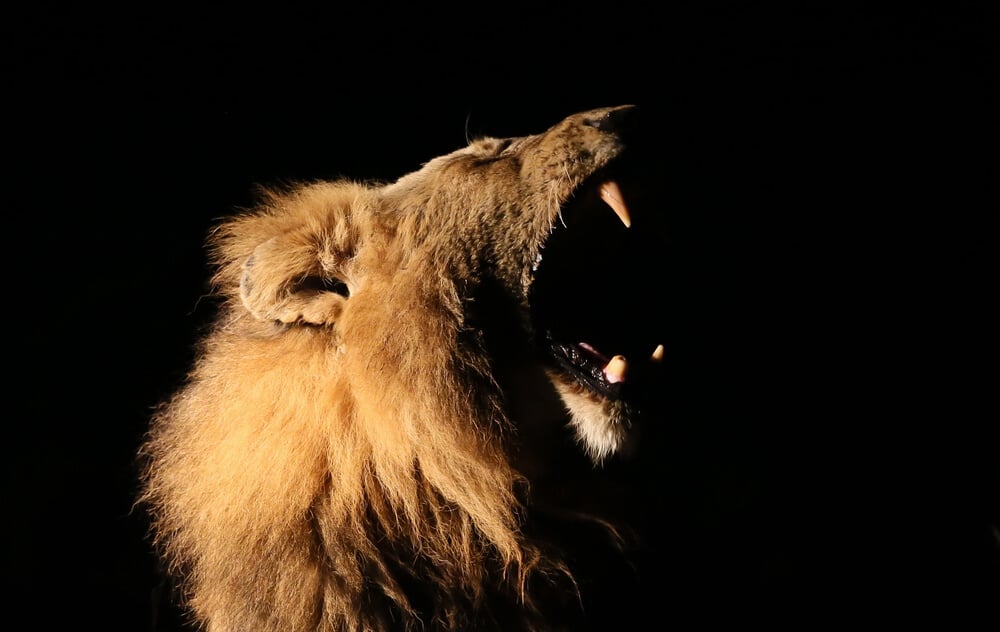
Richard Turere grew up herding cattle on the edge of Nairobi National Park in Kenya, where lions regularly killed his family’s livestock. As a boy he noticed that the lions stayed away when someone walked around the pen with a flashlight, so he wired a series of LED bulbs to flash in sequence around the enclosure.
The setup used a solar panel, a battery, and a flasher box salvaged from a motorbike, and it made the lions believe a person was on patrol. Neighbors adopted the design, Turere gave a TED talk about it in 2013, and he won a scholarship to a prestigious school in Nairobi.
Makin’ Bacon and the Eight-Year-Old Who Fixed Breakfast
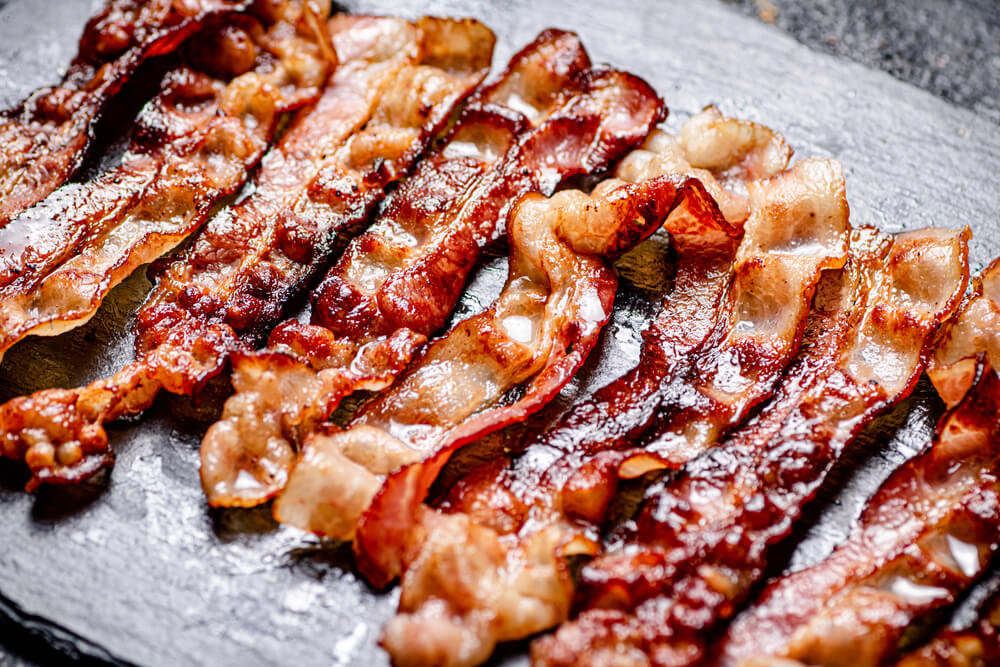
Abbey Fleck was eight when she noticed that bacon cooked in a microwave lay flat in its own grease. Her solution was a dish with ridges and a trough that hung the strips up and let the fat drain below.
She earned a patent for Makin’ Bacon, and the product reached store shelves around the country. The principle is simple enough to be obvious in hindsight, which is usually the sign of a good idea.
The Glowing Writing Pad Becky Schroeder Made at 10

Becky Schroeder was 10 when she came up with a way to do homework in the dark, using a clipboard-style panel coated in glow-in-the-dark material. Once charged with a bright light, the panel lit up the paper clipped over it so she could see the page while writing.
The patent was issued when she was 12, making her the youngest female patent holder in the United States. The invention found a market well beyond bored schoolchildren, since anyone who needed to take notes in dim conditions had the same problem.
Braigo, the Braille Printer Built From Lego
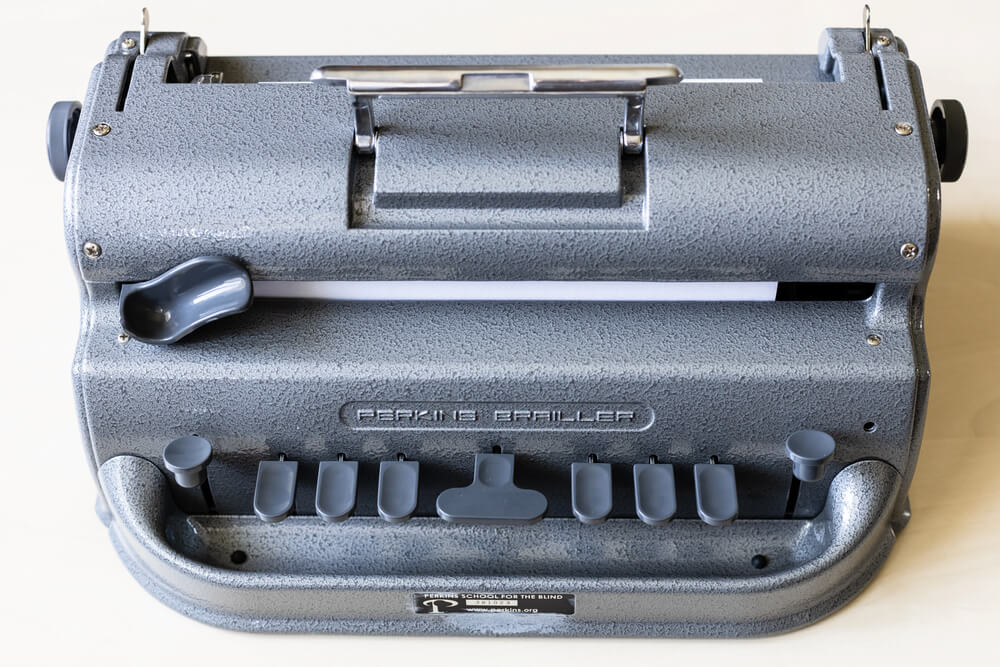
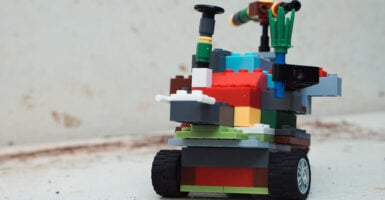
Shubham Banerjee was 12 in 2013 when a flyer asking for donations for the blind got him wondering why Braille printers cost so much. For a school science fair in California, he built a working printer from a Lego Mindstorms kit and named it Braigo.
In November 2014, Intel Capital invested in his company, and at 13 he became the youngest person ever to receive venture capital funding. A hobby kit for children had turned into a serious attempt to make Braille hardware cheaper.
Samuel Colt’s Wooden Revolver Model
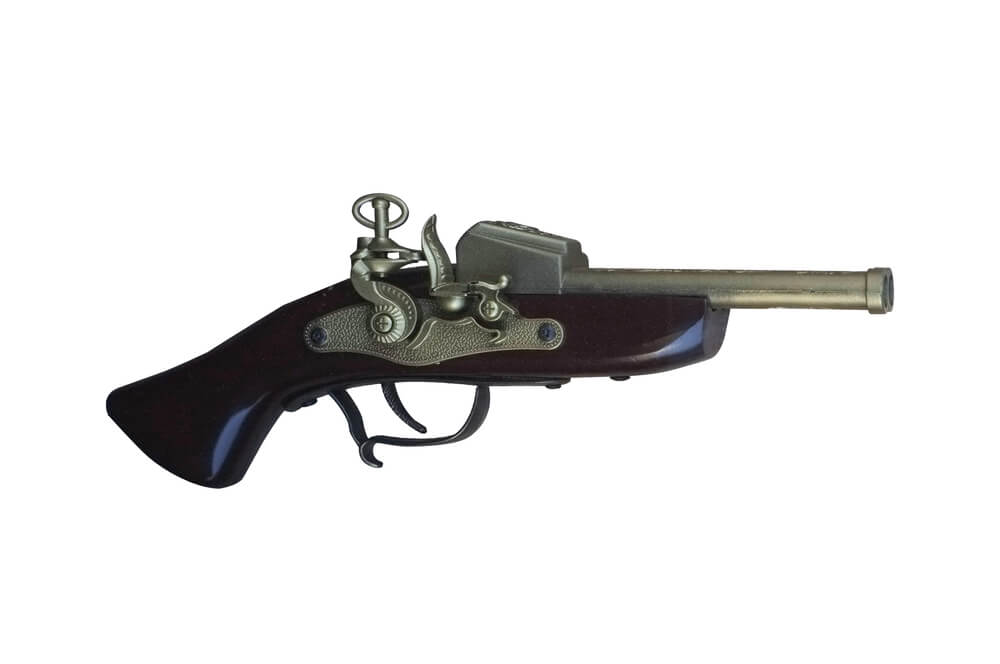
Samuel Colt was about 16 in 1830 when he sailed as a seaman on the brig Corvo, bound for Calcutta. During the long voyage he whittled a wooden model of a firearm with a rotating cylinder, reportedly inspired by the way the ship’s wheel and its locking mechanism worked.
He patented the revolver in 1836, at the age of 21. His name became so closely tied to the weapon that “Colt” stuck to revolvers for generations, and his Hartford factory became one of the most recognizable manufacturers in America.
The Windmill Built From Scrap in Malawi

William Kamkwamba was 14 in 2002 when famine hit Malawi and his family could no longer afford his school fees. He taught himself from a library book called Using Energy and built a windmill from blue gum poles, a tractor fan, bicycle parts, and scrap, using it to power lights in the family home.
The windmill drew attention, and he later built bigger ones, including one that pumped water for irrigation. His story became a 2009 memoir and a 2019 Netflix film, both titled The Boy Who Harnessed the Wind.
Zollipops and the Candy That Cleans Teeth
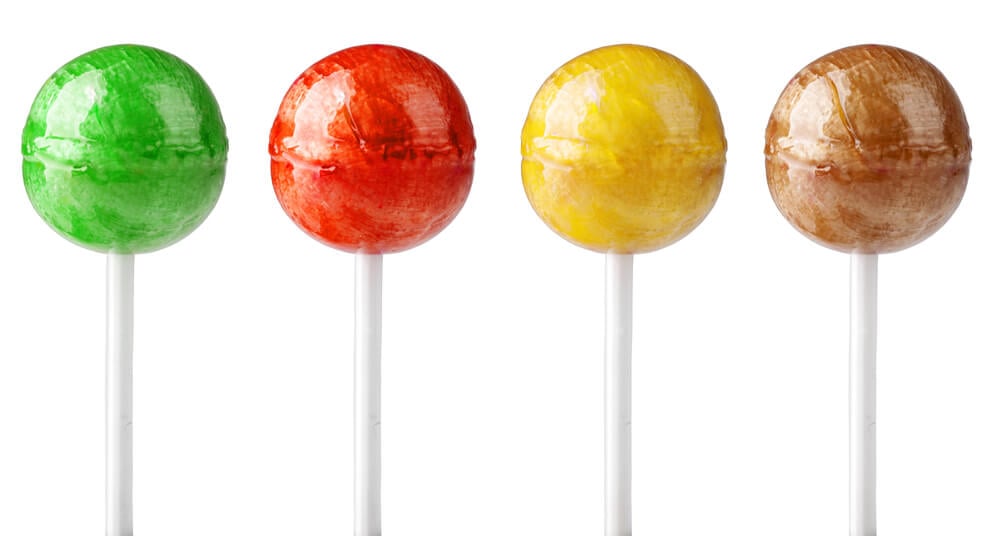
Alina Morse was seven when a bank teller handed her a lollipop and her father mentioned what sugar does to teeth. She decided to invent a candy that was good for them instead.
Her lollipops, sweetened with ingredients like xylitol and erythritol, became Zollipops, sold by her company, Zolli Candy. They reached major retailers, including Walmart and Target, and the company turned a child’s complaint into a national brand.
Firefox, the Browser a Teenager Helped Build

Blake Ross began contributing to the Mozilla project as a teenager, and with developer Dave Hyatt he helped turn a stripped-down browser experiment, first called Phoenix, into Firefox. Firefox 1.0 launched in November 2004, when Ross was 19.
A month later, a full-page advertisement in The New York Times, paid for by donations, listed the names of the supporters who had funded it. The browser dented Internet Explorer’s near monopoly and pushed the entire industry toward tabs and extensions.
Napster, Written by an 18-Year-Old Dropout
Shawn Fanning was 18 in 1999 when he wrote Napster, a program that let people search each other’s computers for music files. He had left Northeastern University to work on it, and his nickname, earned from his hair, gave the service its name.
At its peak, Napster reportedly had roughly 80 million registered users. Court rulings and lawsuits from the music industry shut it down in 2001, but streaming services have been playing out the questions it raised ever since.
Ethereum, Sketched Out by a 19-Year-Old
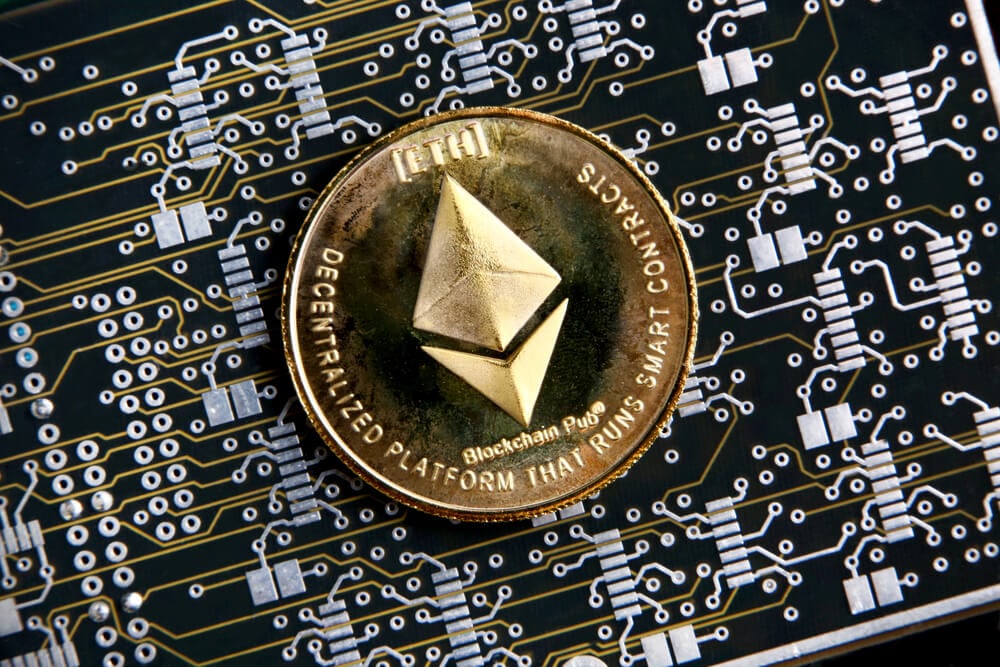
Vitalik Buterin was 19 in late 2013 when he wrote a white paper proposing a blockchain that could run programs, not just track a digital currency. He had been immersed in Bitcoin since his teens, and he accepted a Thiel Fellowship in 2014, a grant that encouraged him to leave university and build the project.
The Ethereum network went live in July 2015, and its platform now supports a huge ecosystem of applications and tokens. It remains one of the largest blockchains in the world.
Mauve, the Accidental Dye From an 18-Year-Old Chemist

William Henry Perkin was 18 in 1856 when he spent his Easter vacation in a makeshift laboratory at his London home, trying to synthesize the malaria drug quinine from coal tar chemicals. The experiment failed, but it left a purple residue that dyed silk.
Perkin patented the color, known as mauve, and with his father and brother built a factory outside London to produce it. Fashion followed fast, with the color sweeping Europe and Queen Victoria herself wearing mauve, and Perkin had launched the synthetic dye industry.
Akalabeth, the Computer Role-Playing Game Sold in Plastic Bags
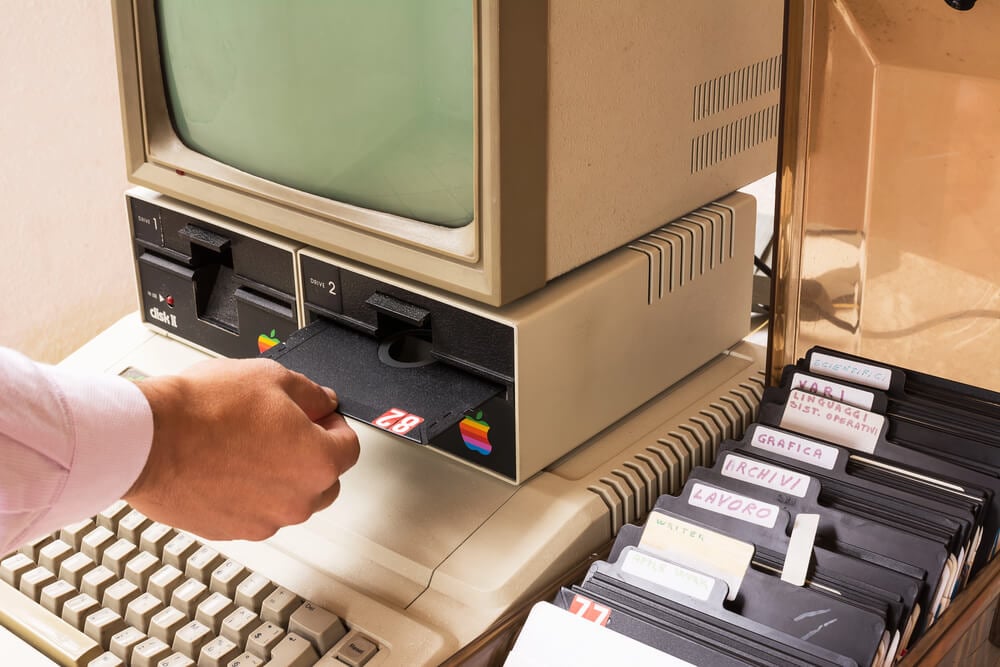
Richard Garriott wrote Akalabeth on an Apple II as a teenager in 1979, using BASIC. He sold some early copies in plastic bags at a computer store in Texas where he worked, until the publisher California Pacific Computer Company picked it up.
The game went on to sell about 30,000 copies. Garriott used the success to create Ultima, the series that helped define the computer role-playing genre.
The Ollie, a Skateboard Trick That Rewrote the Sport
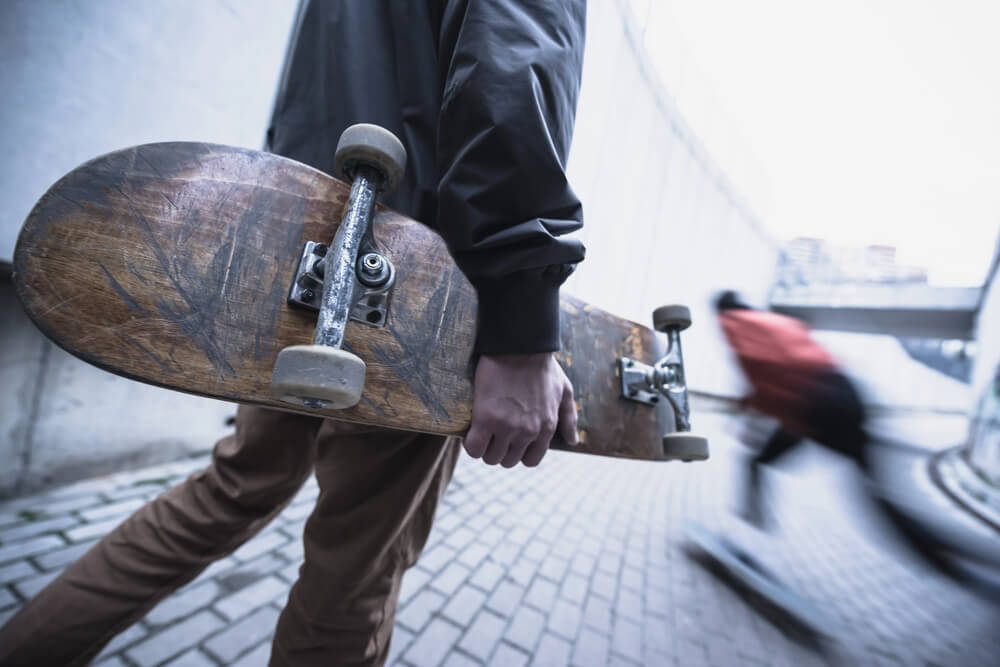
Alan Gelfand was 13 in 1976 when he figured out how to pop his skateboard into the air without touching it with his hands, in a skatepark in Florida. The move, which uses the foot to slam the tail down and level the board in midair, was named for his nickname, Ollie.
Rodney Mullen later adapted it to flat ground, which freed skaters from needing a ramp. Nearly every modern street trick builds on this one maneuver.
The Fosbury Flop, a High-Jump Technique Born in a High School

Richard Fosbury was a 16-year-old at a high school in Medford, Oregon, in 1963 when he began experimenting with a new approach to the high jump, going over the bar headfirst and backward. The standard straddle technique was not working for him, and his awkward new style slowly produced better heights.
At the 1968 Olympics in Mexico City, he won the gold medal with an Olympic record of 7 feet 4 1/4 inches. The technique spread so widely that it is now how nearly every elite jumper clears the bar, helped by the foam landing pits that made it safe.
Ben Franklin’s Hand Paddles and Kite Swim
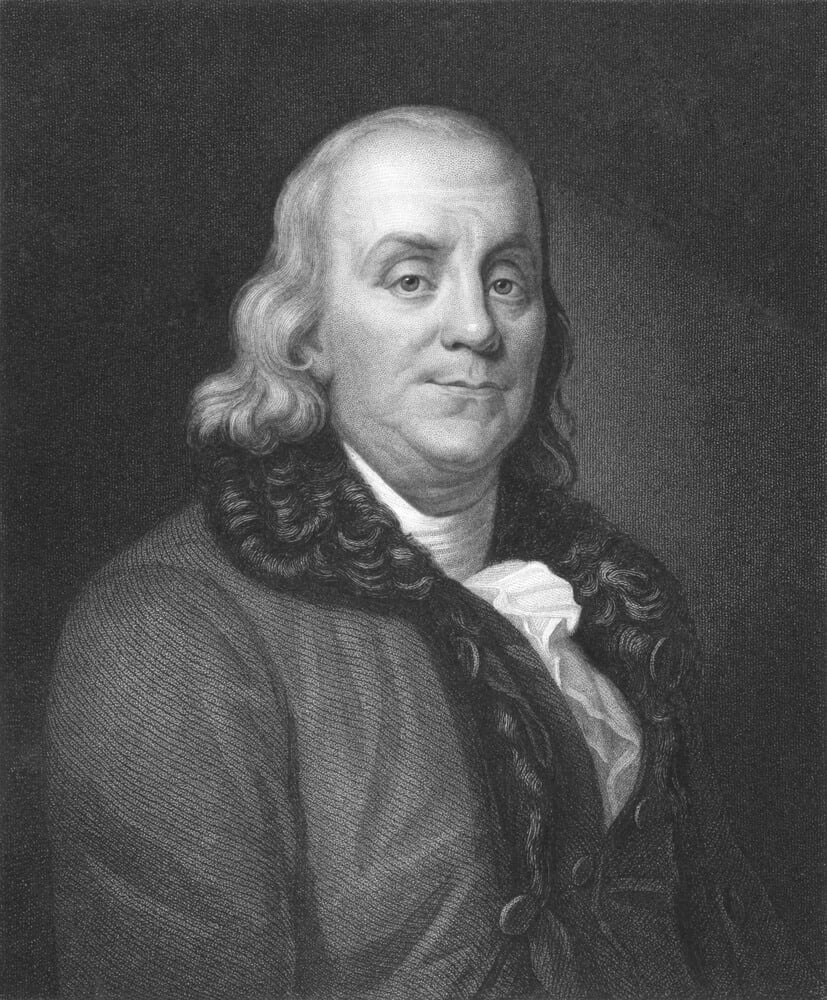
Benjamin Franklin was around 11 when he made oval wooden paddles to strap to his hands for swimming. He wrote that they made him faster, though he thought they tired his wrists.
As a boy he also tried a sandal for each foot, and he once let a kite tow him across a pond while he floated. Swimmers still train with hand paddles today, more than 300 years after Franklin tested the first ones in the waters around Boston.
Pascal’s Calculating Machine
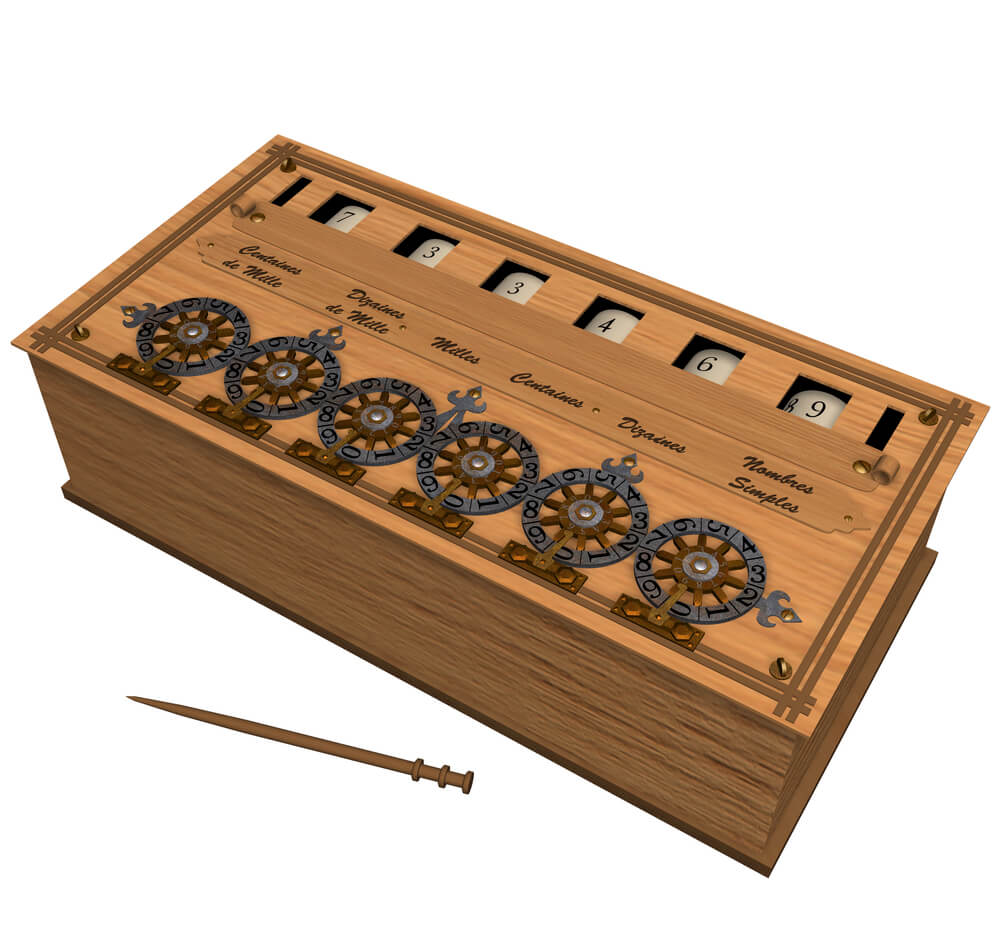
Blaise Pascal was 18 in 1642 when he began building a mechanical calculator in Rouen to ease the workload of his father, a tax supervisor. He produced about 50 prototypes over the following years, and the final design used gears with a mechanism for carrying digits from one column to the next.
He received a royal privilege to make and sell the machines in 1649, and about 20 were eventually built. Several of the surviving machines sit in museums today, and the Pascaline stands as one of the earliest mechanical calculators.
A Wheat Husker Built by a 12-Year-Old Alexander Graham Bell

Alexander Graham Bell was 12 when a friend’s father, who ran a flour mill near Edinburgh, mentioned that removing husks from wheat was a slow and tedious job. Bell and his friend Ben Herdman built a machine with rotating paddles and nail brushes that scrubbed the husks off the grain.
The device worked well enough that the mill used it for years. The young Bell had found out that solving a practical problem could be more satisfying than any school lesson.
The Ocean Cleanup, From a Dive in Greece
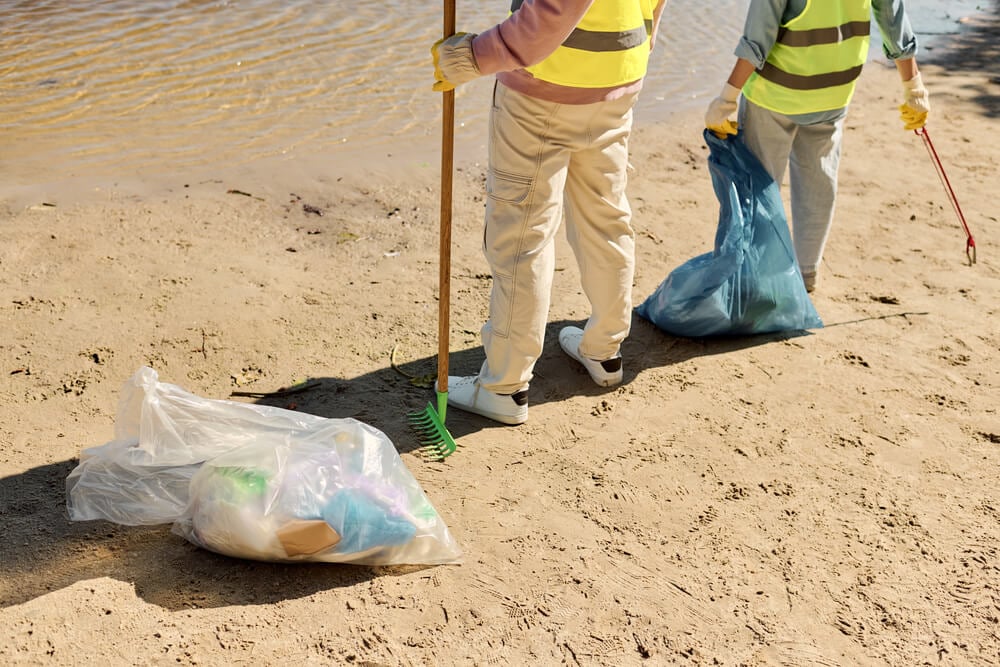
Boyan Slat was 16 when he went diving in Greece and saw more plastic bags than fish. He turned the experience into a school project on cleaning up the oceans, and at 18 he gave a TEDx talk on the idea that drew worldwide attention.
He founded The Ocean Cleanup in 2013, and a 2014 crowdfunding campaign raised more than $2 million. The organization has since pulled millions of kilograms of plastic from rivers and the Great Pacific Garbage Patch.
The Advantage of Not Knowing Better

Most of these ideas share a pattern. The inventors saw a problem that adults had stopped noticing, such as cold ears, drained bacon, or a husk-scrubbing chore, and they were too young to assume it could not be solved.
Nobody had told them which tools were off limits, so they used a wire, a sled, a kit of plastic bricks, or a stick of wood. That freedom did not guarantee success, and plenty of equally clever kids never saw their ideas reach a market.
What separated the ones who did was persistence, along with adults willing to help file a patent, fund a prototype, or simply listen. The lesson is less about genius than about what happens when a curious young person is taken seriously.
More from Go2Tutors!

- The Romanov Crown Jewels and Their Tragic Fate
- 13 Historical Mysteries That Science Still Can’t Solve
- Famous Hoaxes That Fooled the World for Years
- 15 Child Stars with Tragic Adult Lives
- 16 Famous Jewelry Pieces in History
Like Go2Tutors’s content? Follow us on MSN.