Toys Still in the Box Worth a Fortune
Most toys were made to be opened, played with and broken, which is exactly why the ones that never were have become so valuable. A figure that stayed on its card or a game that kept its factory seal is a survivor of decades of Christmas mornings, garage sales and attic cleanouts.
Collectors now pay staggering sums for that kind of restraint, and the prices below are hedged secondhand estimates for 2026 rather than guarantees. Condition decides nearly everything, so the same item can be worth a few hundred dollars or a few hundred thousand depending on how well the packaging held up.
Rocket-Firing Boba Fett Prototype
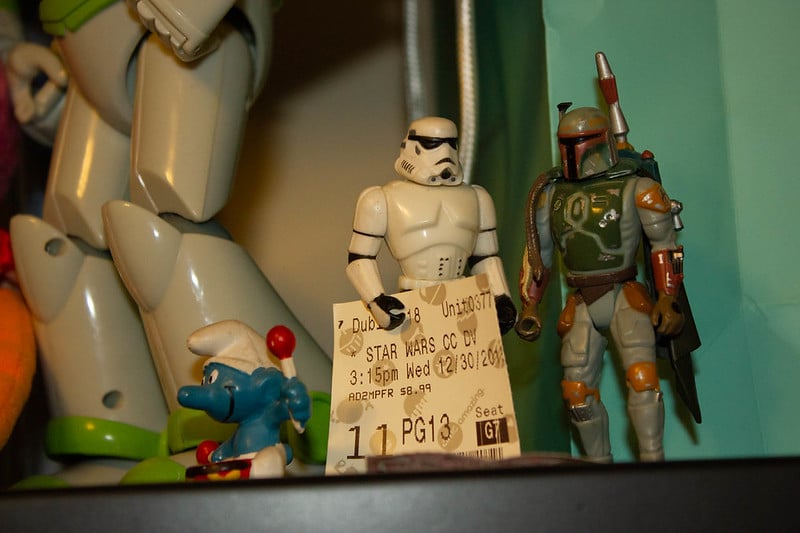
Kenner advertised a Boba Fett figure with a spring-loaded missile in 1979, then dropped the feature over safety concerns before any shipped to stores. The handful of prototypes that escaped the factory, in L-slot and J-slot versions, have become the most expensive Star Wars toys ever sold.
Hake’s Auctions has sold examples for well over half a million dollars, and the record has been broken more than once in recent years. These were never carded, so authentication by a grading service matters more here than packaging.
Any example offered without documented provenance is treated with suspicion.
Double Telescoping Luke Skywalker
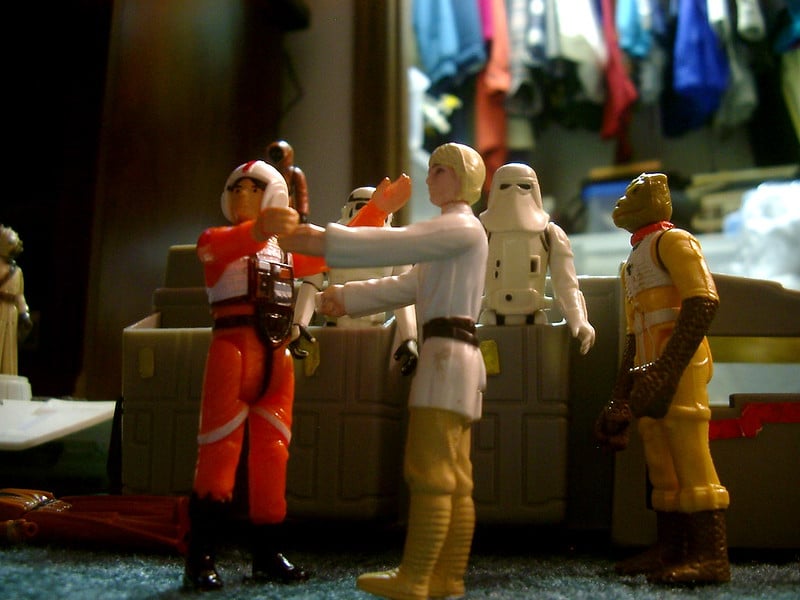
Kenner’s earliest 1978 Luke Skywalker figures had a lightsaber with a thin second section that slid out of the main blade. The mechanism was fiddly and expensive, so Kenner simplified it almost immediately, leaving the double telescoping version in very small numbers. A carded example graded AFA 90 sold recently for 161,458 dollars at LCG Auctions, and an earlier AFA 90 example brought 100,251 dollars in 2022. Loose versions still sell for thousands, though far less than carded ones, and a sealed card with an uncracked bubble sits at the top of the market.
Vinyl Cape Jawa
— Photo by esthermm
Kenner’s first Jawa figure in 1978 wore a thin vinyl cape, which the company quickly replaced with a cloth one because the small figure looked cheap at full price. Vinyl cape examples were on shelves for a short time, and carded ones are scarce enough that collectors treat them as one of the key Star Wars pieces.
A carded example sold in 2023 for more than 20,000 pounds at auction in Britain, and graded examples in the United States have brought comparable money. Loose vinyl cape Jawas are far more affordable but prone to fakes made by swapping capes, so sellers check the cape material carefully.
Star Wars Early Bird Certificate Package
Kenner had no figures ready for Christmas 1977, so it sold an envelope containing a cardboard display stand, stickers, a fan club card and a certificate redeemable for the first four figures by mail. Luke, Leia, Chewbacca and R2-D2 arrived in early 1978 in a plain white mailer box.
A complete and unredeemed Early Bird package with its certificate intact is rare, since most children sent the coupon away, and sealed examples have sold for well into five figures. Value drops sharply if the certificate is missing, and the mailer box with its four figures is a prize in its own right.
Kenner 12-Back Darth Vader
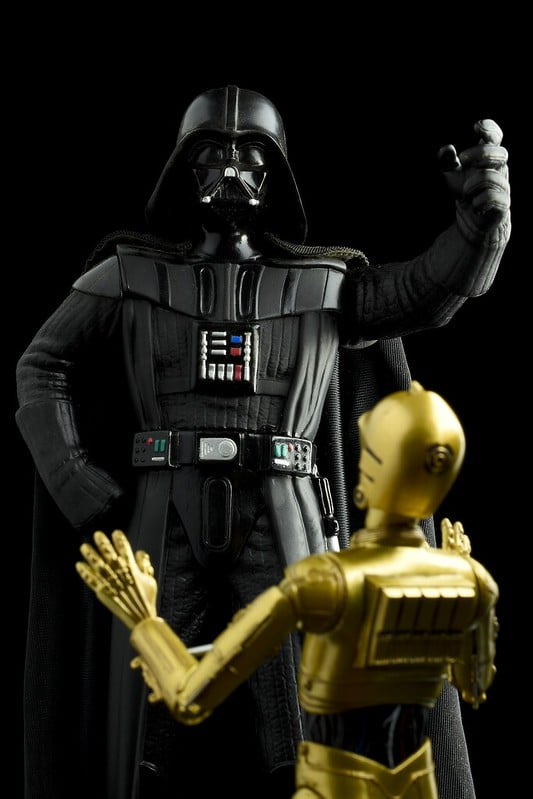
The first wave of Kenner Star Wars figures appeared on cards showing the original twelve characters on the reverse, which collectors call 12-backs. Darth Vader on a 12-back card is among the most sought after because the character was popular from the first week of release and very few cards survived unopened.
High-grade examples have sold for tens of thousands of dollars, with the price rising steeply as the grade climbs. The card art, the bubble clarity and the absence of a price sticker all move the number, and even a small tear in the cardback can cut the value in half.
Kenner Alien Figure of 1979
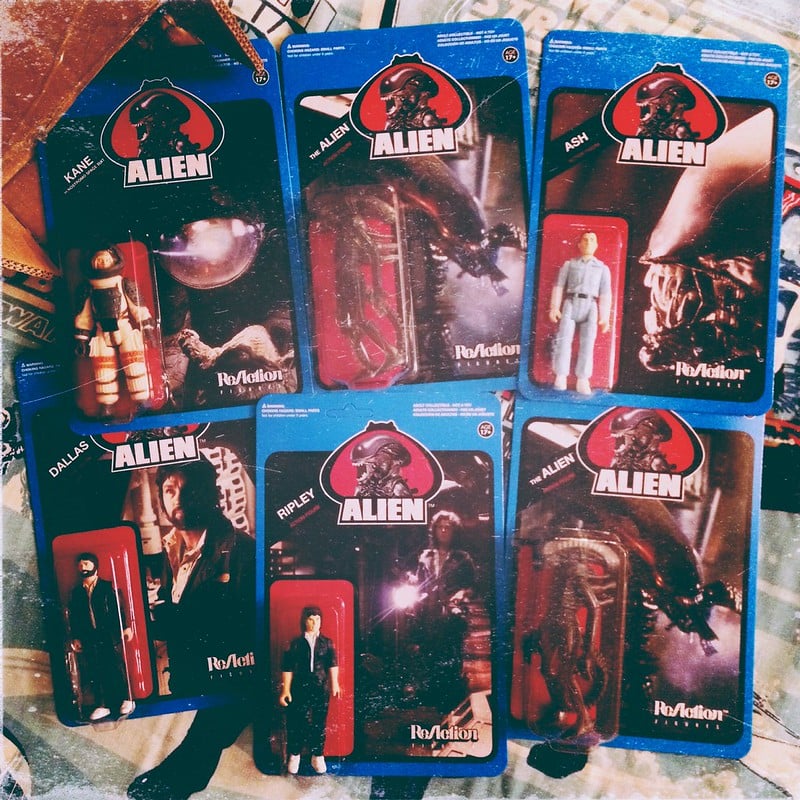
Kenner released an 18-inch Alien figure in 1979 to tie in with a film rated R, which puzzled parents and led to complaints that pushed the toy off shelves quickly. The figure has a clear dome over its head, a jaw that extends and glow-in-the-dark teeth, and it came in a large printed box. Boxed examples with the dome, the inner mouth and the box in good shape sell for low to mid four figures, and the box alone is worth hundreds. Loose figures turn up often, so the premium is almost entirely in complete packaging and an unbroken dome.
Hasbro GI Joe of 1964
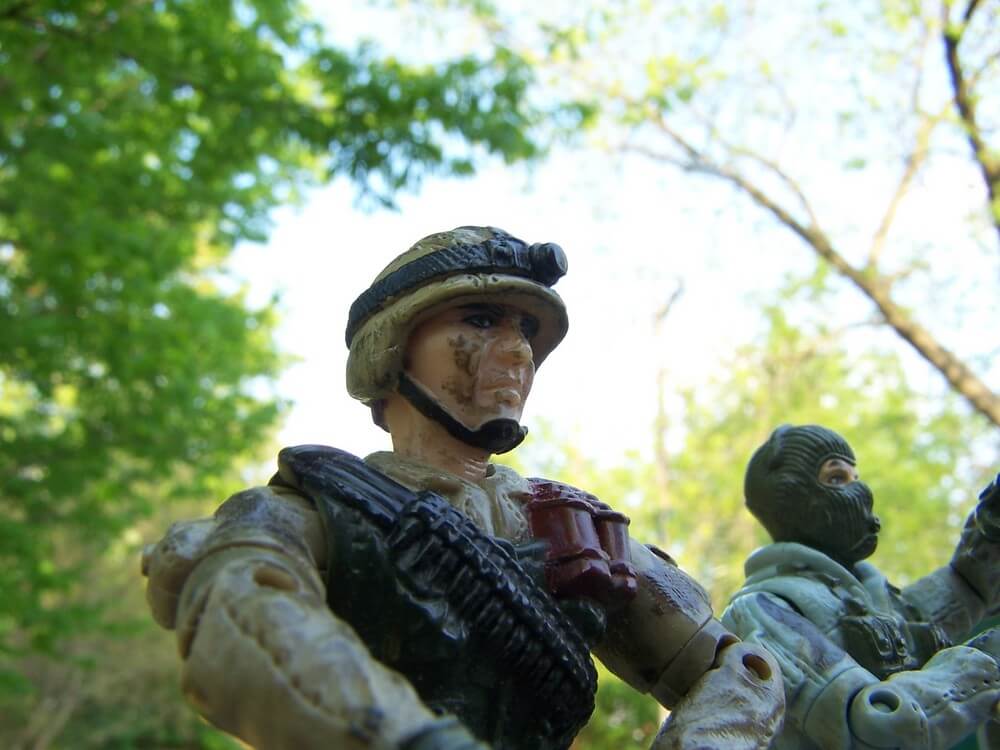
Hasbro introduced GI Joe in 1964 as a 12-inch articulated figure, with four branches of service sold in separate boxes. The hand-made prototype that Don Levine used to pitch the concept sold at auction in 2003 for 200,000 dollars, which remains the benchmark for toy soldiers.
Ordinary 1964 boxed figures are far cheaper but still fetch hundreds to low thousands when the box, the inner tray, the manual and the dog tag are present. The earliest figures carry a scar on the right cheek and a trademark stamp on the lower back, and collectors look for both before paying a premium.
Number One Barbie of 1959
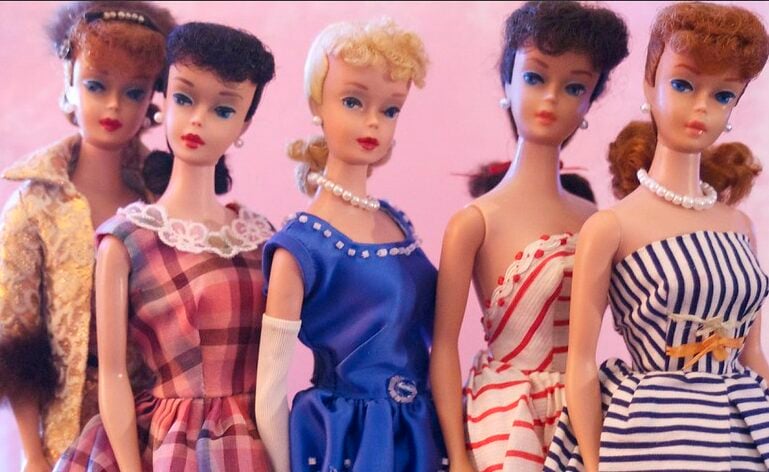
The first Barbie doll, sold by Mattel in 1959, came in a slim box with a black and white striped swimsuit, gold hoop earrings and a stand with two metal prongs that fit into the feet. The number one doll is identified by those prong feet and by white irises in the eyes, which changed in later production.
Boxed examples in excellent condition have sold for 20,000 dollars and more at auction, with blondes more common than brunettes. A doll with faded hair, greening ears from the earrings or a replaced box drops dramatically, so the complete original package drives the price.
Optimus Prime of 1984
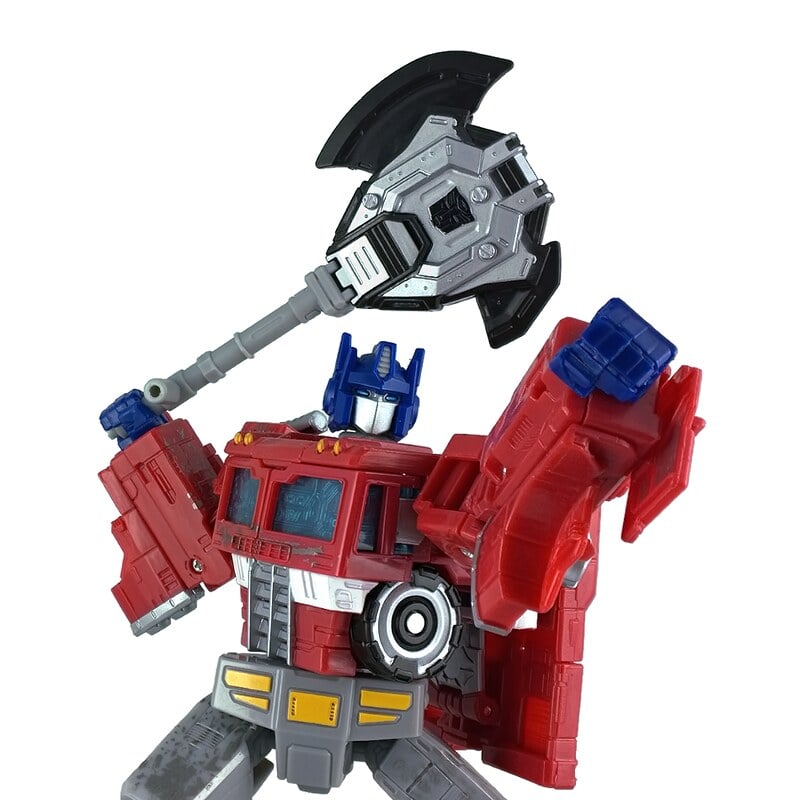
Hasbro’s original 1984 Optimus Prime was adapted from a Takara Diaclone truck and came in a large box with a trailer, a small Roller vehicle and a sheet of stickers. Sealed examples with the factory tape intact have sold for five figures through graded toy auctions, and the Canadian Pepsi promotional variant adds a further premium. Opened boxed examples with all accessories and unapplied stickers still bring thousands. Chrome wear on the smokestacks and a yellowed window on the box are the first things buyers check.
He-Man on an Eight-Back Card
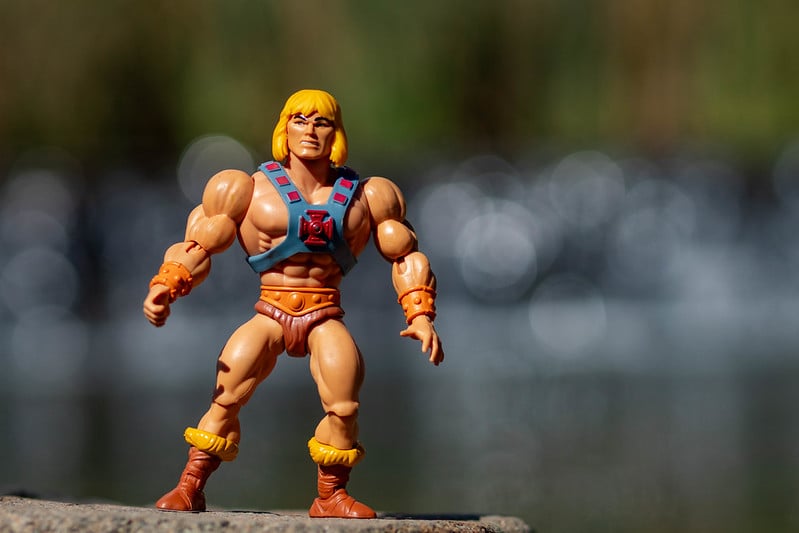
Mattel’s first Masters of the Universe wave in 1982 was sold on cards showing eight figures on the back, before the line grew and the cardbacks changed. He-Man on an eight-back card, especially with the clear bubble used on the earliest runs, is the figure collectors chase.
Graded examples have sold for four figures and occasionally more, and a Skeletor from the same wave set a record of about 18,000 dollars. The soft rubber of these figures discolors inside the bubble, so examples that stayed in a dark closet are worth far more than ones that sat in sunlight.
First Wave Teenage Mutant Ninja Turtles
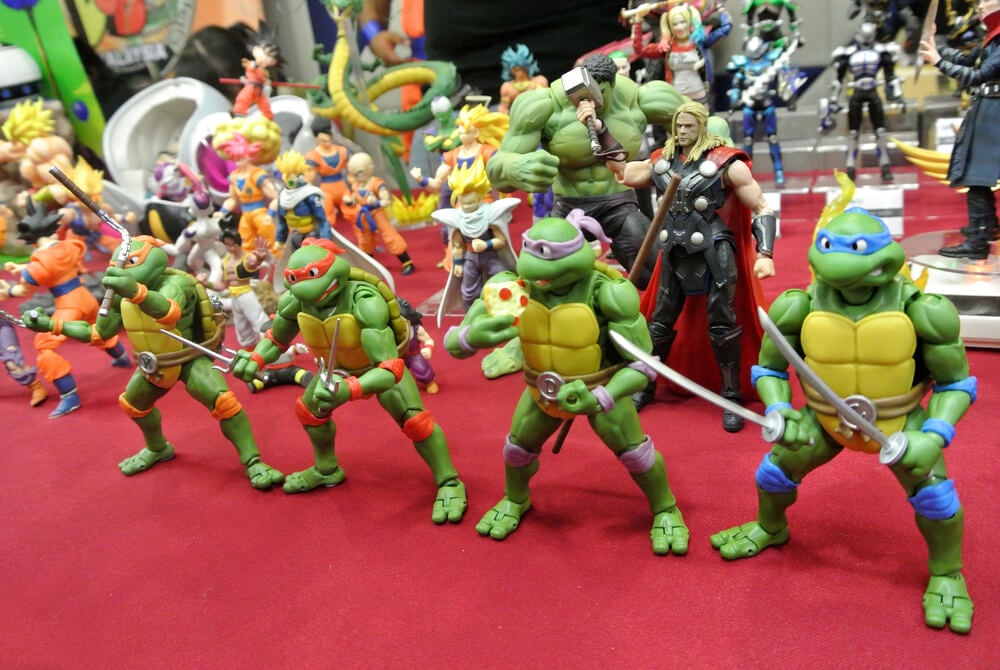
Playmates released the first four Turtles in 1988 on cards that showed ten figures on the reverse, with soft rubber heads and fan club forms tucked inside the bubble. These 10-back cards were followed by larger cardbacks within a year, so the first printing is the one with value.
High-grade carded examples of Leonardo, Raphael, Donatello and Michelangelo have sold for low to mid four figures each, with the uncommon soft-head versions leading the way. Cards that still have the fan club form inside the bubble are preferred, and any creasing on the thin cardboard knocks the grade down fast.
Sealed Super Mario Bros. for the NES
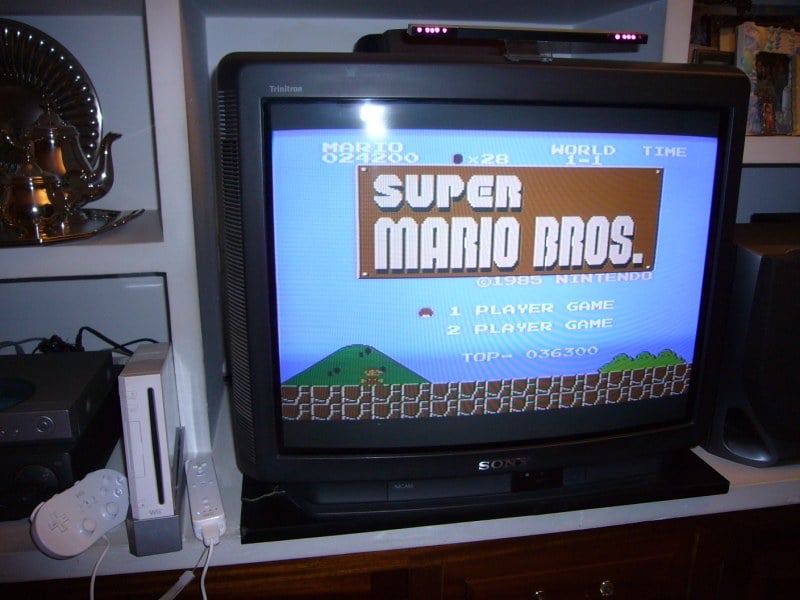
A sealed copy of Super Mario Bros. for the Nintendo Entertainment System sold for 2 million dollars through the investment platform Rally in August 2021, making it the most expensive video game sale on record. The copy came from an early print run with the cardboard hangtab still attached, a detail that identifies the first retail versions from 1985 and 1986.
Later sealed copies without the hangtab still sell for thousands, and the grade assigned by Wata or a similar service drives the price. Opened cartridges from the same era remain common and cheap.
Super Mario 64 in Factory Shrinkwrap
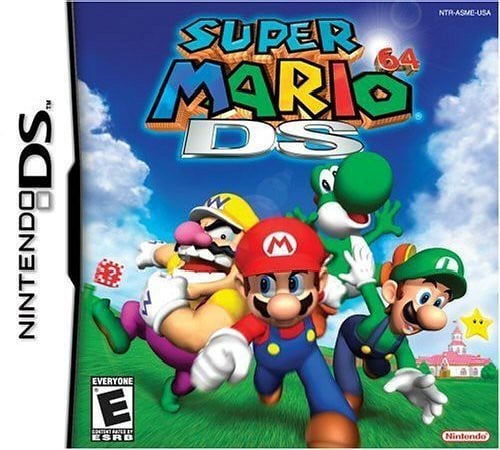
Super Mario 64 launched the Nintendo 64 in 1996, and a sealed copy graded Wata 9.8 A++ sold for 1.56 million dollars at Heritage Auctions in July 2021. The sale surprised even seasoned collectors because the game was produced in enormous numbers and remained on shelves for years.
The value sits almost entirely in the grade, since sealed copies in lower grades sell for a tiny fraction of that record. Shrinkwrap tears, seam splits and crushed corners are the common faults on the cardboard box, and the Nintendo 64 boxes dent easily.
Legend of Zelda From the Earliest Print Run
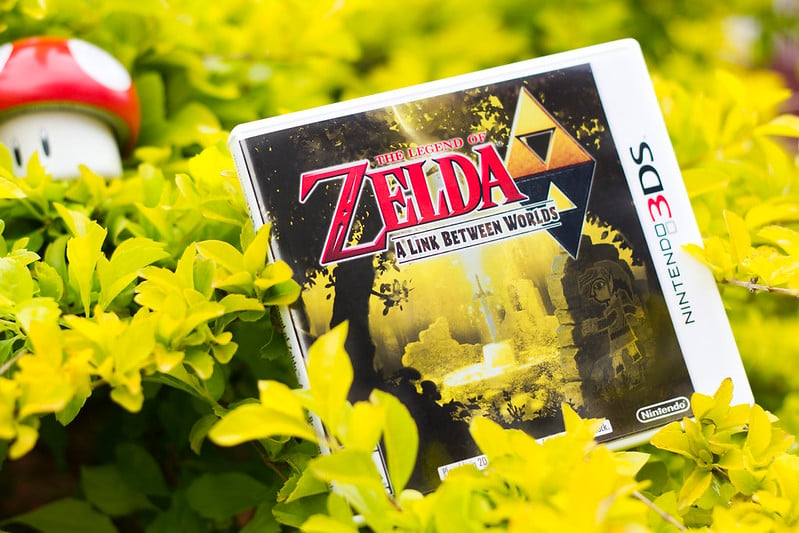
A sealed copy of the original 1987 Legend of Zelda for the NES sold for 870,000 dollars at Heritage Auctions in July 2021. The copy was from a brief early production run identified by details on the box, which is why it sold for far more than ordinary sealed examples.
The gold cartridge inside was a selling point when the game was new and remains one now. Collectors distinguish production variants by the presence or absence of a Nintendo Seal of Quality in a particular format, and opened gold cartridges without a box sell for modest money.
Factory Sealed Game Boy
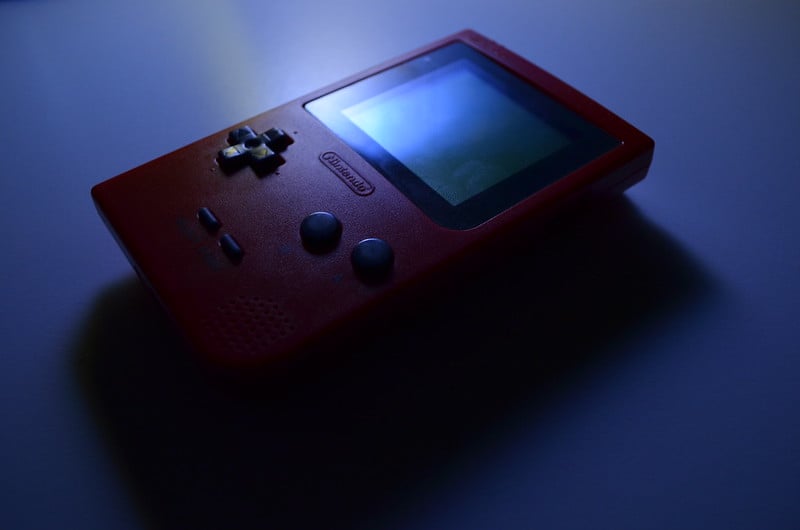
Nintendo’s original Game Boy launched in North America in 1989 with Tetris in the box, and sealed launch units are now sought after by collectors who grew up with the gray brick. Sealed consoles have sold for thousands of dollars through graded auctions, with a premium for early boxes and intact seals.
Sealed early Game Boy games like Tetris have also sold strongly at Heritage Auctions. Boxed but opened units are worth a few hundred dollars depending on whether the manuals, the headphones and the foam inserts remain, and the green-tinted screen is checked for dead lines.
Atari 2600 Air Raid
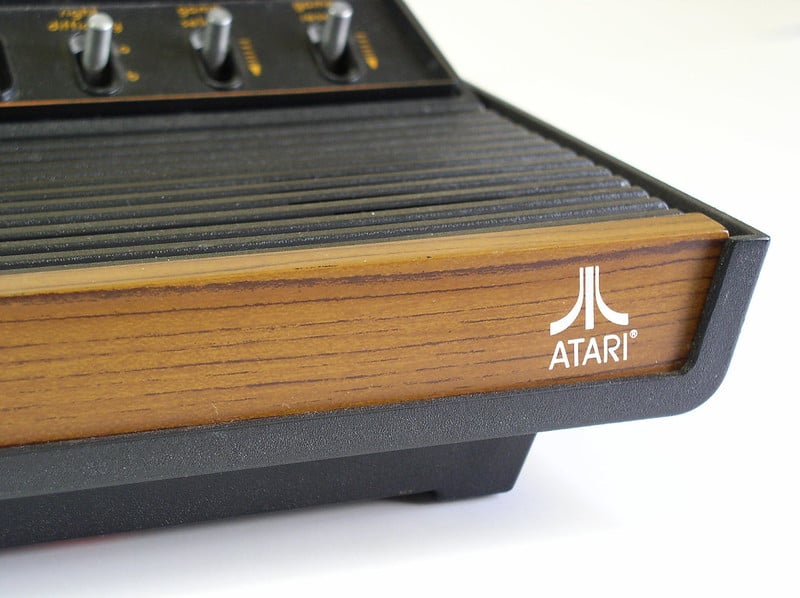
Air Raid was published around 1982 by a company called Men-A-Vision and is recognizable by its blue cartridge with a T-shaped handle. It was sold in tiny numbers, and for years no box was known to exist.
A complete copy with box and manual sold in 2012 for 33,433 dollars after a Texas Goodwill found it among donations, and a boxed copy had sold for over 31,000 dollars shortly before. Loose cartridges still bring several thousand dollars.
The box and the manual make up most of the value, and only a few are documented.
Pokemon First Edition Base Set Booster Box
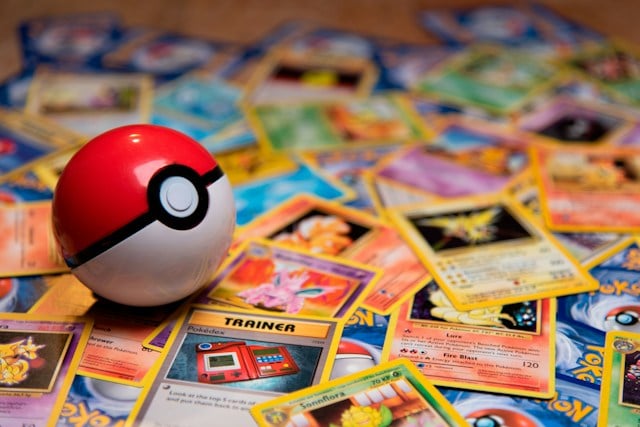
A sealed booster box of the 1999 First Edition Base Set, with 36 packs and the chance of a shadowless First Edition Charizard inside, is the most valuable item in Pokemon collecting. Heritage Auctions sold one for 198,000 dollars in September 2020, another for 360,000 dollars that November and a third for 408,000 dollars in March 2021.
Prices have moved since, but sealed boxes remain six-figure items. Resealing is a known problem, so buyers look for the original Wizards of the Coast shrinkwrap and factory seams, and single sealed packs from the same set sell for thousands.
Magic: The Gathering Alpha Deck Box
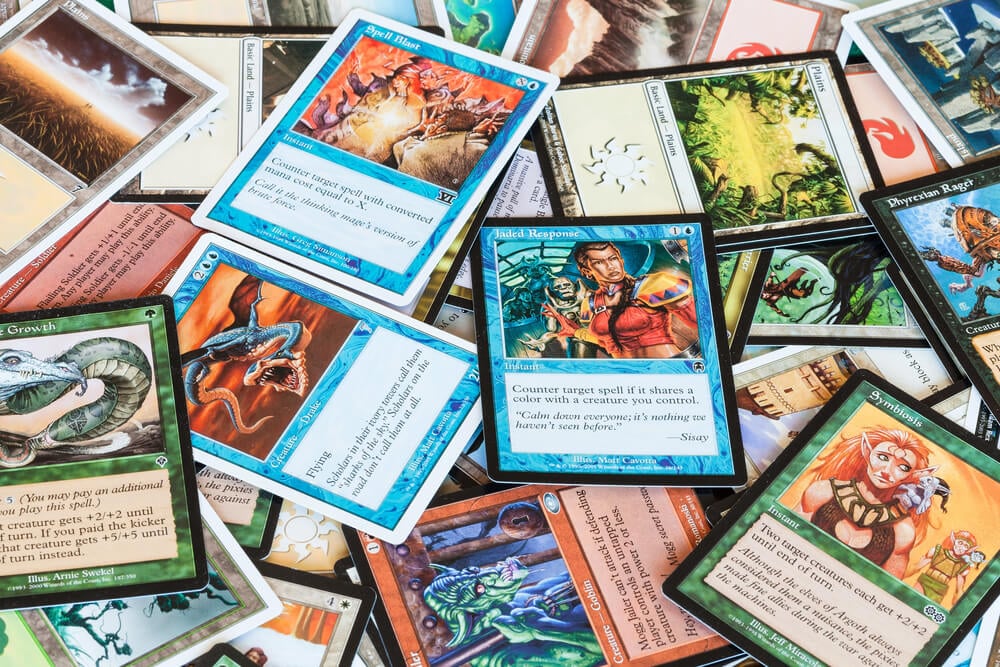
Wizards of the Coast printed the first Magic: The Gathering set, now called Alpha, in 1993 in small quantities. Sealed Alpha product, whether a 60-card deck box or a booster pack, has sold at Heritage Auctions and elsewhere for six figures because the cards inside could include a Black Lotus or one of the Moxen.
Opening one is a gamble that collectors occasionally film, and the sealed box is often worth more than the expected contents. Alpha cards have slightly rounder corners than the Beta printing that followed, which helps with identification, and tampered shrinkwrap is a constant worry.
Lego Ultimate Collector’s Millennium Falcon 10179
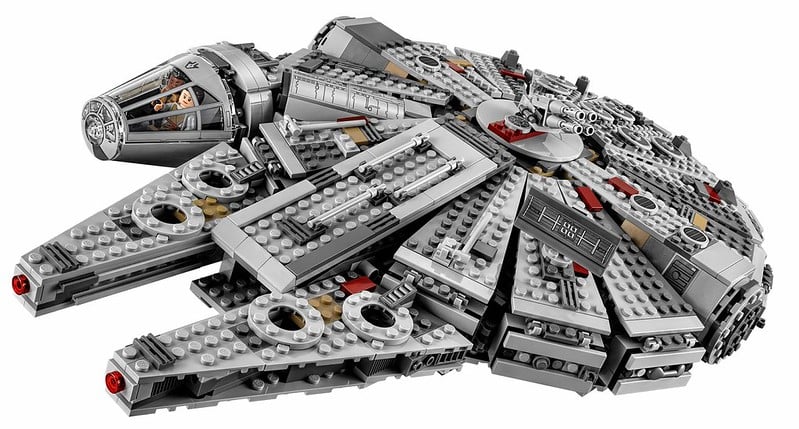
Lego released set 10179 in 2007 with 5,195 pieces, which made it the largest Lego set at the time, and it retailed for about 500 dollars. It was discontinued in 2010, and sealed examples have since sold for five figures, with graded auction results climbing well above 10,000 dollars.
A larger version, set 75192, arrived in 2017 and softened demand slightly, but the original remains the prize because of its first edition status. Sealed boxes are large and easily crushed, so corner damage and faded print matter, and complete opened sets with instructions and all pieces still sell for thousands.
Lego Galaxy Explorer of 1979
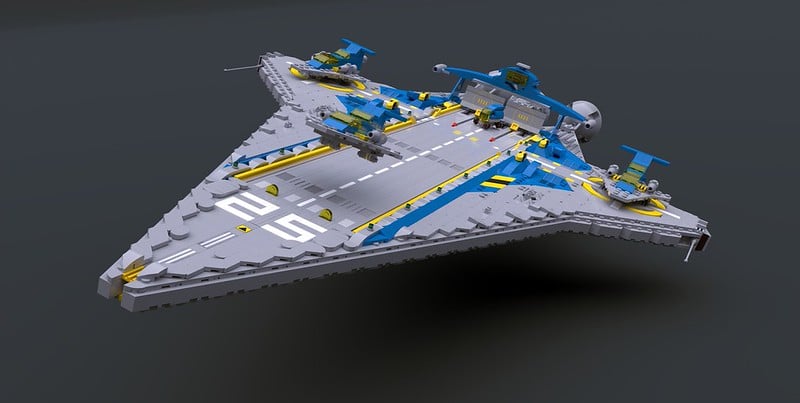
The Galaxy Explorer, set 497 in the United States and 928 in Europe, was the flagship of Lego’s first Classic Space range in 1979. It included a blue and gray spaceship, a landing pad baseplate and four astronaut minifigures, and it anchored a theme that many adult collectors remember as their first love.
Sealed originals are rare because the sets were played with hard, and they have sold for several thousand dollars. Lego released a reinterpretation as set 10497 in 2022, which pushed interest in the original rather than denting it, and boxed vintage sets with crisp print and intact instructions bring the most.
Lego Taj Mahal 10189
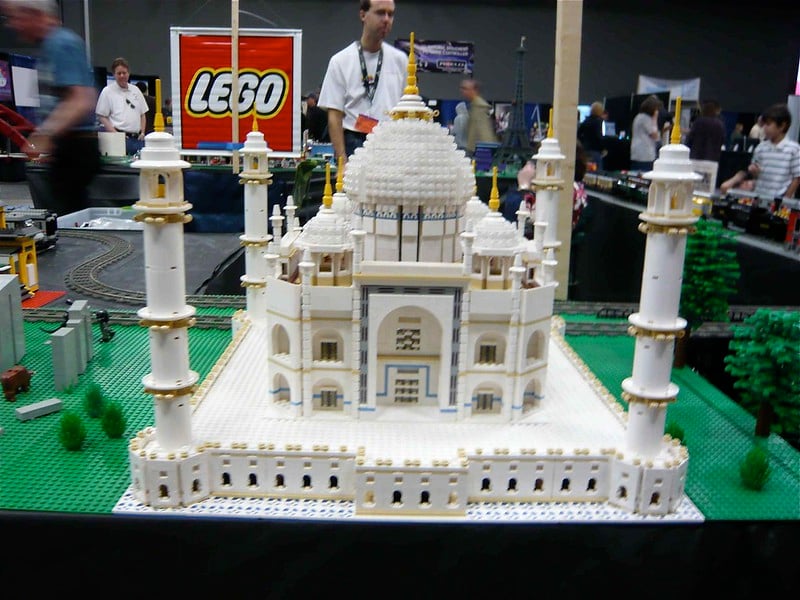
Lego’s Taj Mahal, set 10189 from 2008, had 5,922 pieces and briefly held the title of largest Lego set by piece count. Sealed examples climbed to several thousand dollars within a few years of retirement, becoming a favorite example of Lego as an investment.
Lego then re-released the model almost unchanged as set 10256 in 2017, and prices for the original fell sharply because the two are nearly identical. The episode taught collectors that a sealed box is only as valuable as its scarcity, and original 10189 boxes now sell for a fraction of their peak, still above retail but no longer a fortune.
Furby of 1998
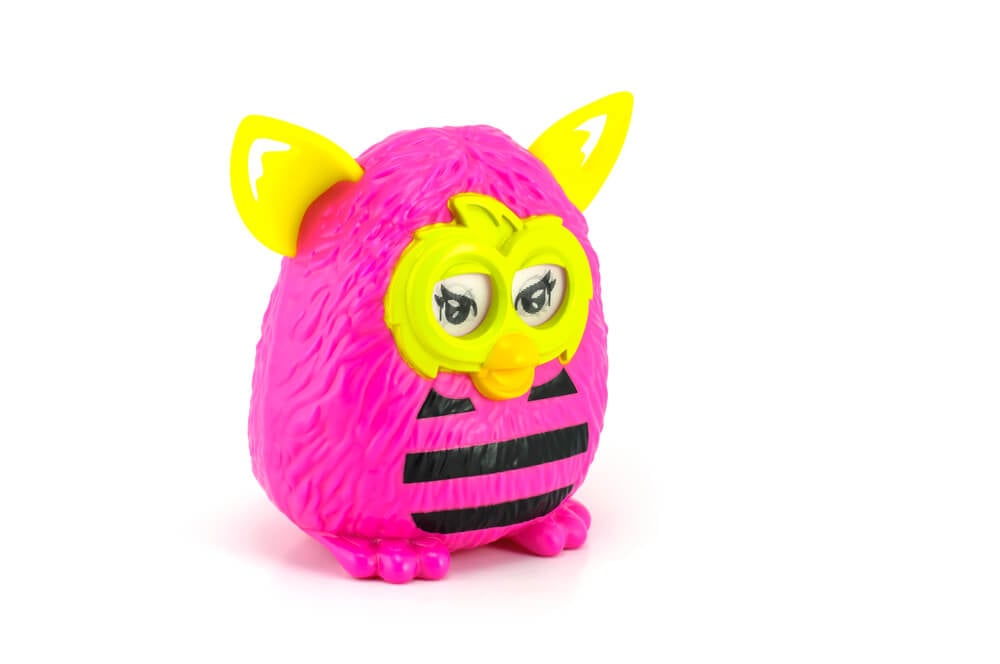
Tiger Electronics launched Furby in October 1998, and the owl-like toy became the holiday shortage of the season, with stores selling out and resale prices spiking before Christmas. First-generation Furbys in sealed boxes now sell for a few hundred dollars for common colors, while rare colorways and special editions bring more.
The original Furbys cannot corrode inside sealed boxes, and the motor gears can fail, so a sealed example is bought for the box rather than the expectation that it still works. Later Furby generations from 2005 onward are worth much less, so the 1998 copyright on the box is the detail to check.
Original Tamagotchi of 1997
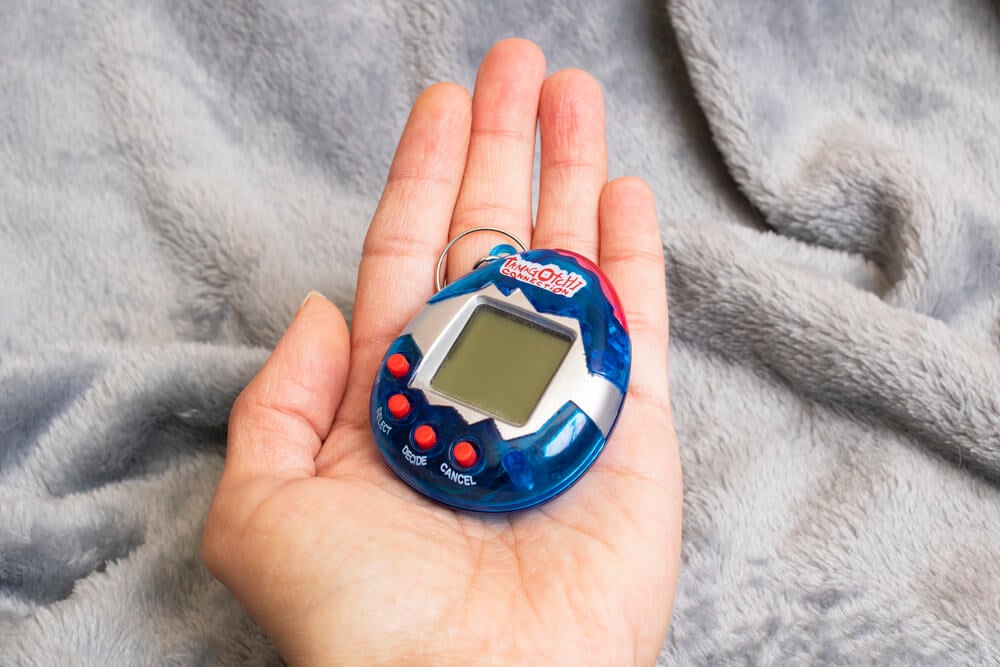
Bandai introduced Tamagotchi in Japan in late 1996 and in the United States in 1997, and the egg-shaped virtual pet sold tens of millions of units in its first years. Sealed first-generation units on their original cardboard backers now sell for low hundreds of dollars for common shells, with rarer shell colors and Japanese releases bringing more.
Collectors distinguish the first generation by the shell shape and the packaging, since Bandai has reissued the toy many times. A sealed unit has never been reset or scratched, and the clear blister remains the main indicator of whether the item was ever handled.
Japanese Tin Robots in Their Boxes

Battery-operated tin robots from Japanese makers like Masudaya, Yonezawa and Horikawa were sold cheaply in the 1950s and 1960s and are now among the most valuable toys of any kind. Masudaya’s Gang of Five series, large lithographed robots that lumber forward and spin, includes Machine Man, which has sold at Morphy Auctions for high five figures.
Yonezawa and Horikawa robots with chest-mounted guns and spinning lights sell for hundreds to thousands depending on the model. The original box, with its lithographed artwork, can double the price, and lithograph scratches, rust on the tinplate and replaced battery covers all lower it.
Beanie Babies
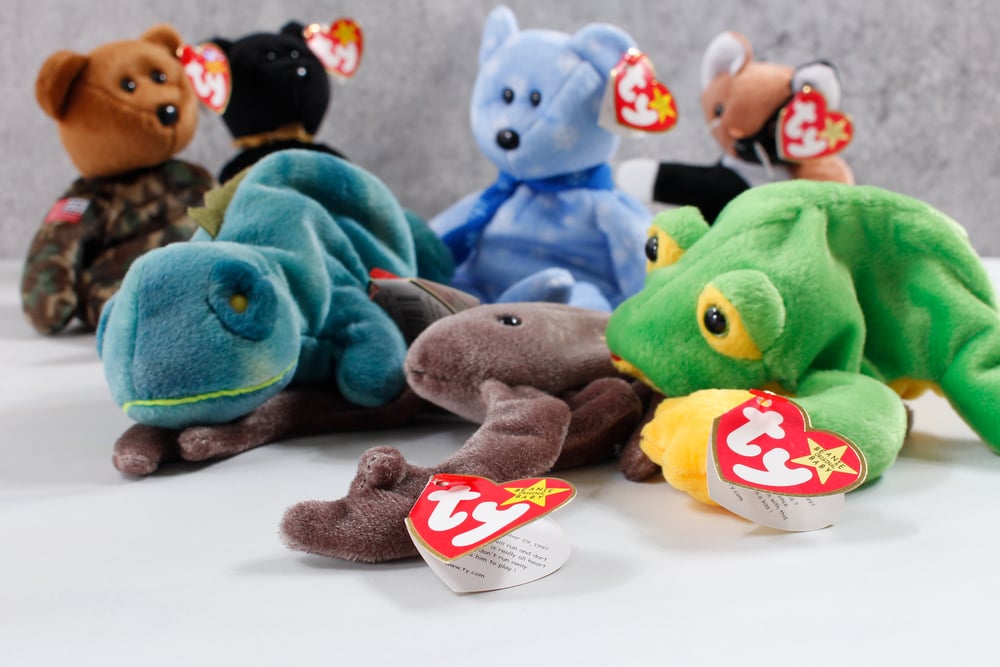
Ty Beanie Babies produced a speculative frenzy in the late 1990s, with magazines printing price guides and collectors storing them in plastic cases to protect the heart-shaped tags. Nearly all of them are worth almost nothing today, including the ones with supposed tag errors, because Ty made them in the tens of millions.
A small number of very early pieces with first-generation tags, and a few scarce variants, sell for more than a few dollars, but the listings asking tens of thousands on auction sites almost never sell. The tag protector in the plastic case is the clearest evidence of how certain a generation felt about an investment that never paid.
Shrinkwrap as the Last Line of Defense
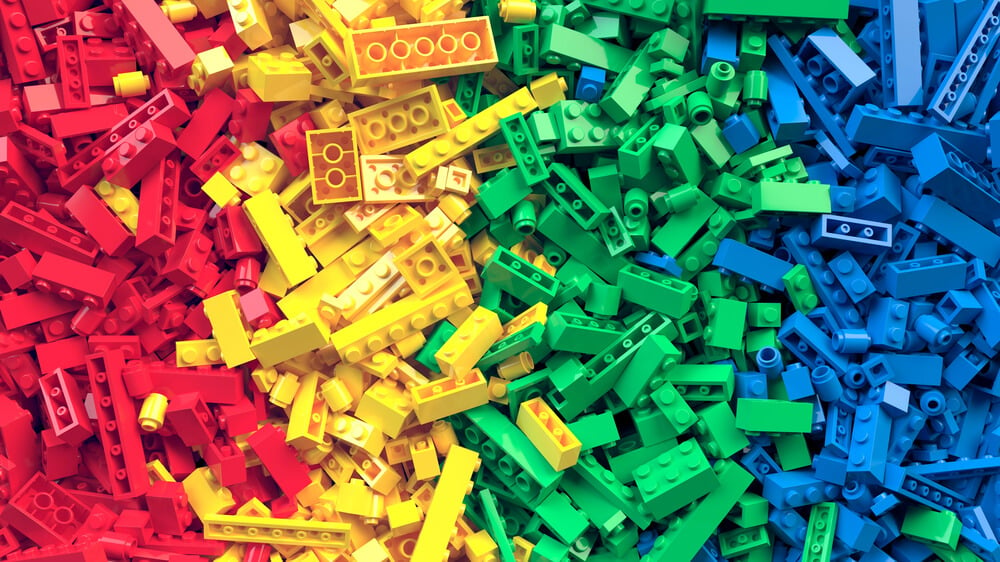
Shrinkwrap, a stapled blister or a strip of yellowed factory tape is a thin barrier between a toy and its ordinary fate. The objects on this list are valuable because that barrier held while millions of identical items were opened, lost and thrown out.
Rarity was never designed into most of them, it was created afterward by everyone else’s lack of patience.
Serious money now depends on grading services, provenance and a steady supply of buyers who remember the original shelves. That supply will thin as the people who wanted these toys in 1978 or 1996 grow older, and some prices will follow.
A sealed box is a bet on memory, and memory is the one component that cannot be restored.
More from Go2Tutors!

- The Romanov Crown Jewels and Their Tragic Fate
- 13 Historical Mysteries That Science Still Can’t Solve
- Famous Hoaxes That Fooled the World for Years
- 15 Child Stars with Tragic Adult Lives
- 16 Famous Jewelry Pieces in History
Like Go2Tutors’s content? Follow us on MSN.