27 Ancient Monuments Saved From Destruction
Most ancient monuments that still stand do so by accident. The rest survived because somebody, at some point, decided that a pile of old stone was worth a fight with a river, a quarryman, a landlord or a government budget.
Those decisions were rarely obvious at the time.
The rescues took many forms. Some involved cranes and cofferdams, others a single purchase at a country auction, and a few came down to a bishop reading the right prayer over the right building.
Each monument below was headed for the rubble pile until someone intervened.
Abu Simbel Lifted Above the Nile
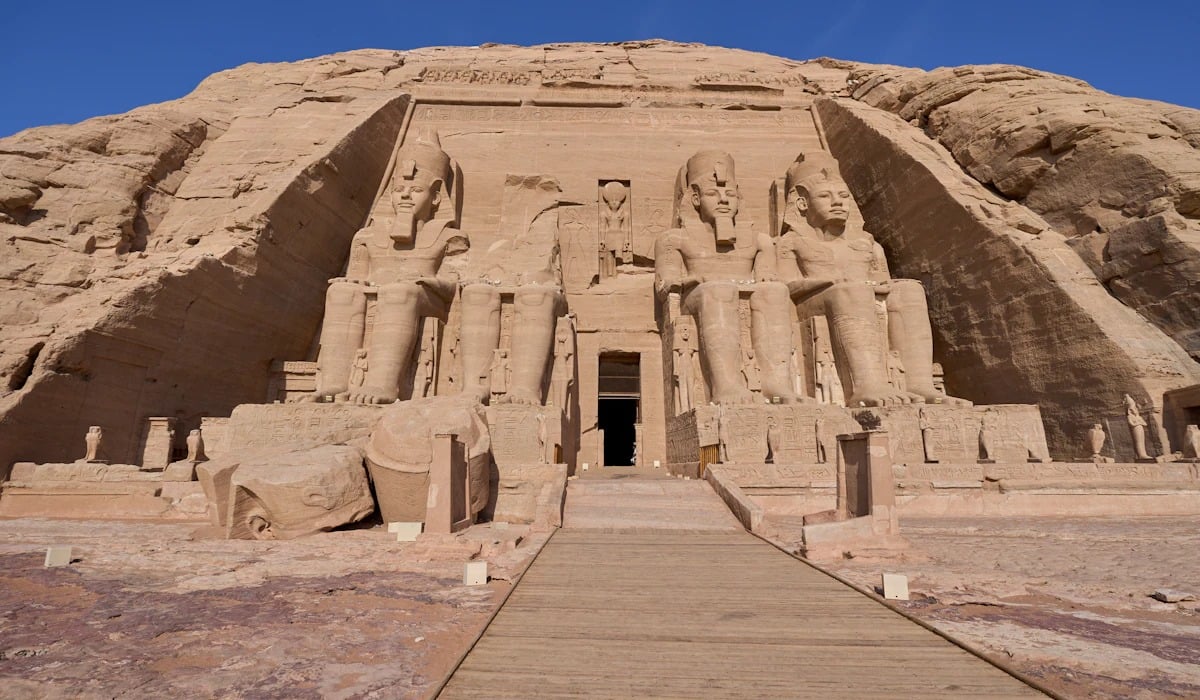
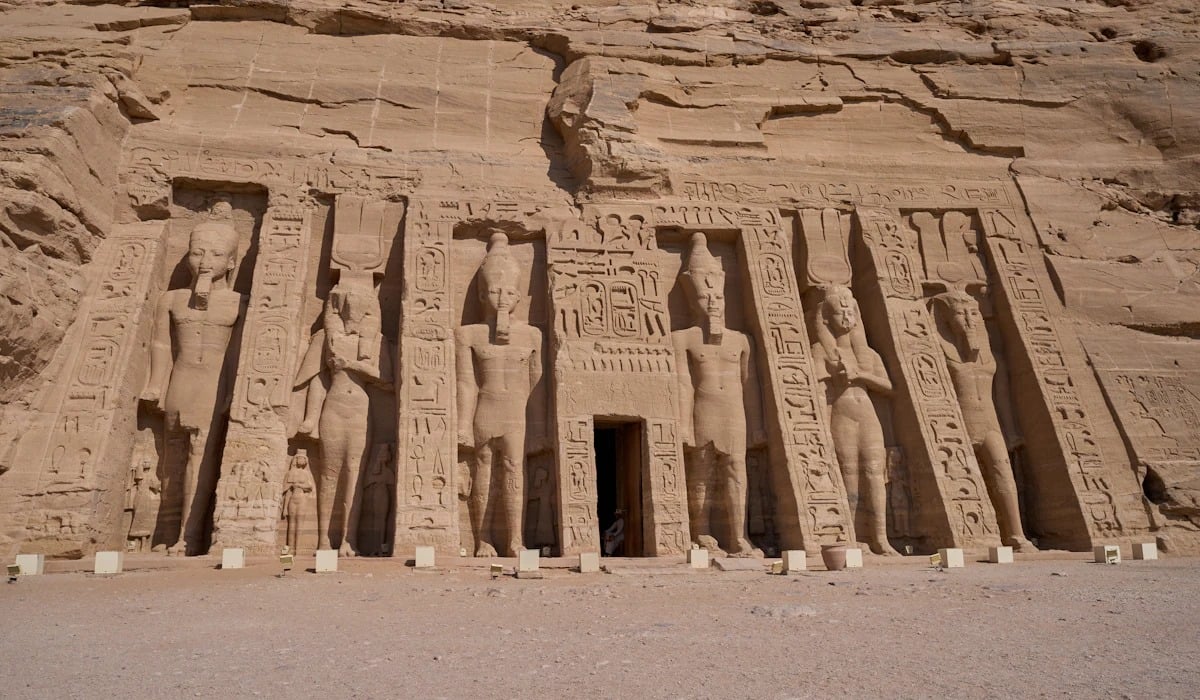
Between 1964 and 1968, an international team cut the two rock temples of Ramesses II at Abu Simbel into blocks weighing up to 30 tons each and rebuilt them 65 meters higher and about 200 meters back from the rising waters of Lake Nasser. The original site was already being flooded by the Aswan High Dam while the saws were still running.
Engineers built an artificial hill with a concrete dome behind the new facades so that the mountain would look as solid as it had for three thousand years. The join lines are still faintly visible on the faces of the colossi, revealing that the ancient temples were dismantled and reconstructed at a new location.
Philae Rebuilt on Agilkia Island
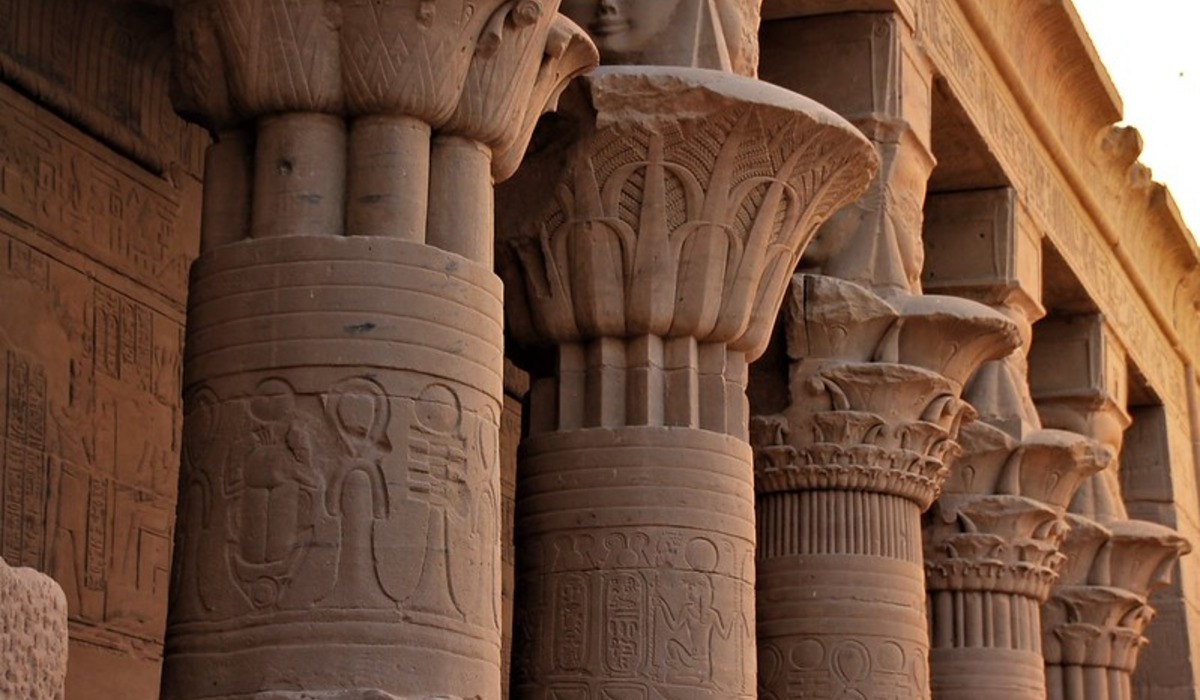
Philae spent much of the twentieth century underwater for part of every year once the first Aswan dam raised the river. After the High Dam threatened to drown the island permanently, UNESCO and Egypt undertook a rescue operation that culminated in the temples being dismantled and rebuilt on nearby Agilkia Island, which had been reshaped to match the original island’s contours.
The relocation took place between 1972 and 1980, with the monuments reassembled on higher ground. Visitors arriving by boat today see the same approach that pilgrims saw under the Ptolemies, just a few hundred meters from where it originally stood.
Kalabsha Moved by West German Engineers
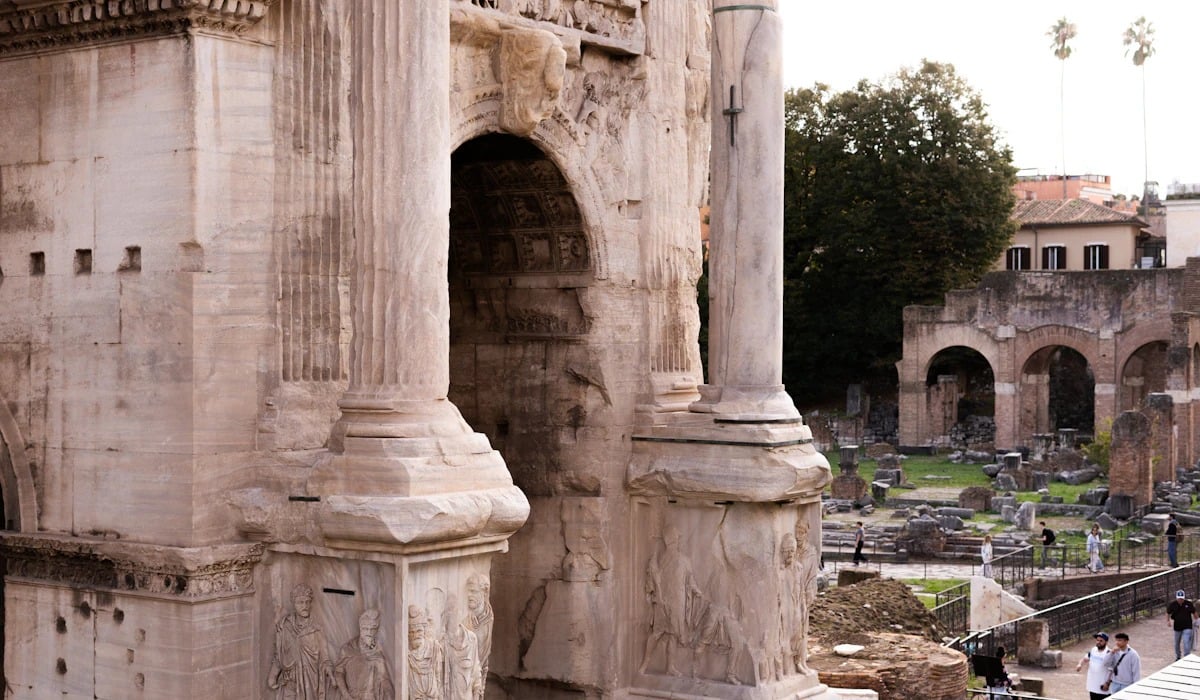
Kalabsha was the largest free-standing temple in Lower Nubia, built under Augustus for the local god Mandulis, and it stood directly in the path of Lake Nasser. In 1962 and 1963, a West German team dismantled it into about 13,000 blocks and reassembled it on a promontory beside the Aswan High Dam, roughly 50 kilometers north of its original site.
The work had to move fast because the water was already rising. The operation revealed an earlier Ptolemaic gateway reused inside the walls, which Egypt later gave to Berlin, where it now stands in the Egyptian Museum.
Amada Rolled Uphill on Rails
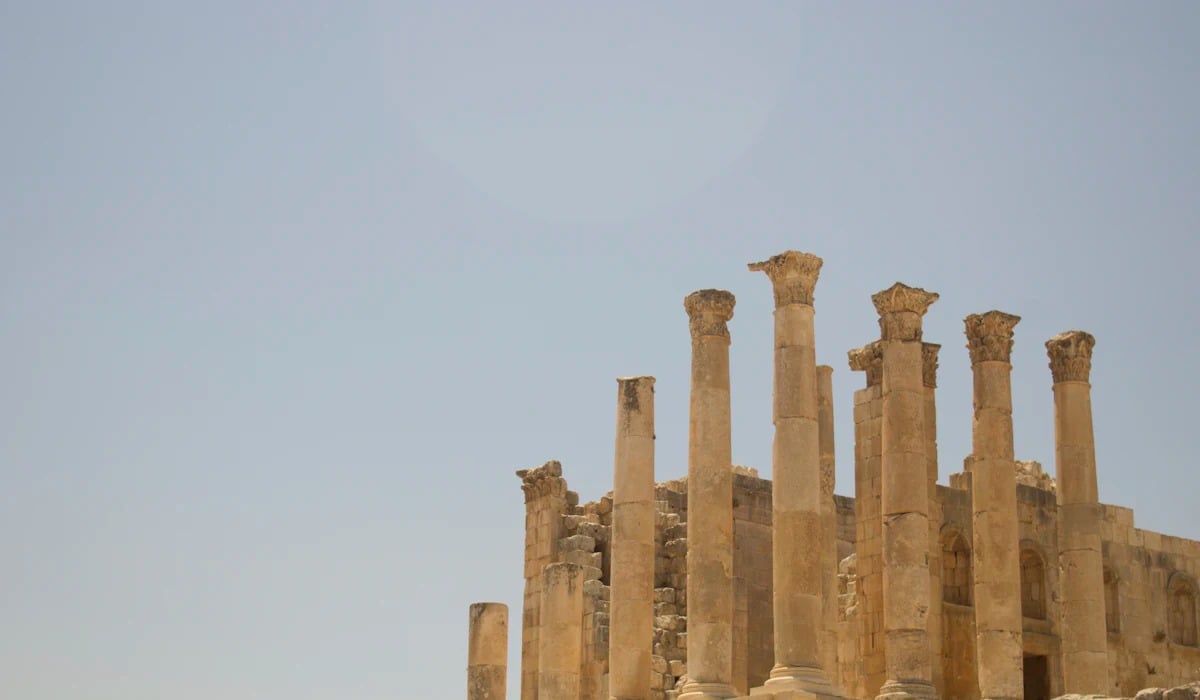
Amada’s painted reliefs were too fragile to be cut apart, so the French team led by Christiane Desroches-Noblecourt did something nobody had tried at that scale. Between 1964 and 1975, the entire temple, dating to Thutmose III and Amenhotep II, was braced in a concrete frame and pushed on rails to a new site about 2.6 kilometers away and some 65 meters higher.
The move happened in one piece, at walking pace, so that the plaster and pigments inside would not crack. The Temple of Derr was dismantled conventionally and rebuilt beside it, giving the New Amada site two rescued sanctuaries that had never been neighbors before.
Dendur’s Temple in Manhattan
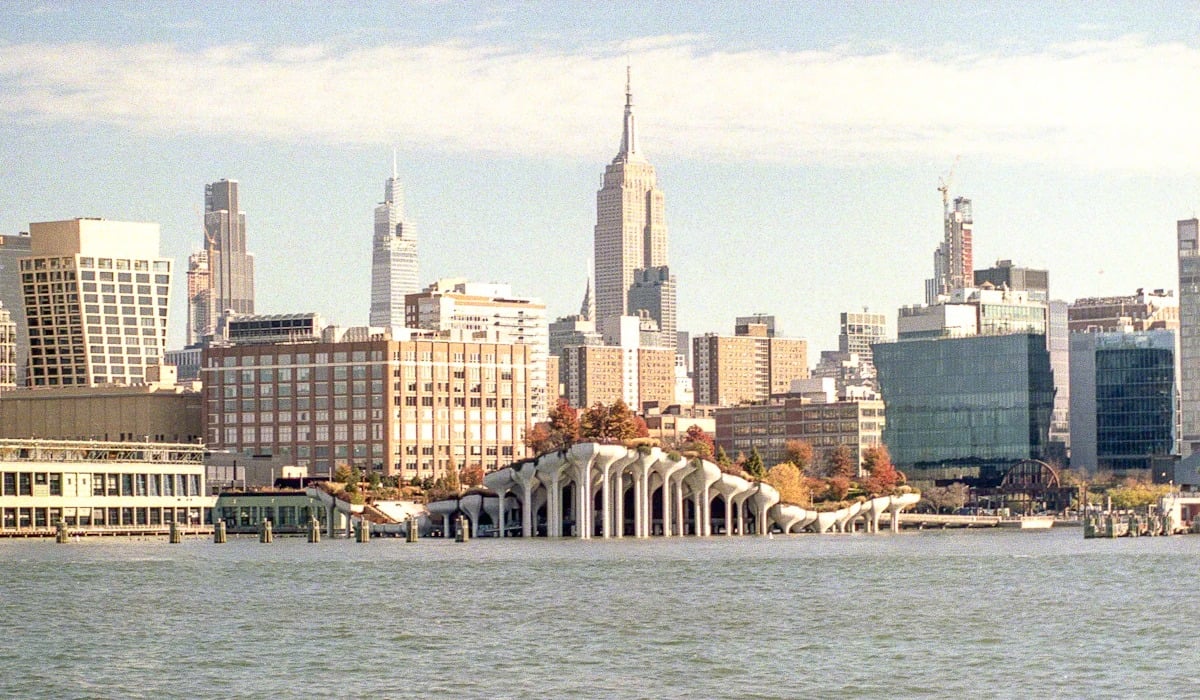
Egypt gave the Temple of Dendur to the United States in 1965 in recognition of international assistance with the Nubian monument rescue campaign, and the Metropolitan Museum of Art won the competition to house it in 1967. The sandstone temple, built around 15 BCE under Augustus, arrived in New York in 642 blocks weighing around 800 tons in total.
It opened in the museum’s Sackler Wing in 1978, inside a glass hall with a reflecting pool that stands in for the Nile. Graffiti scratched on its walls by nineteenth-century travelers came along for the voyage and is now part of the exhibit.
Debod in a Madrid Park
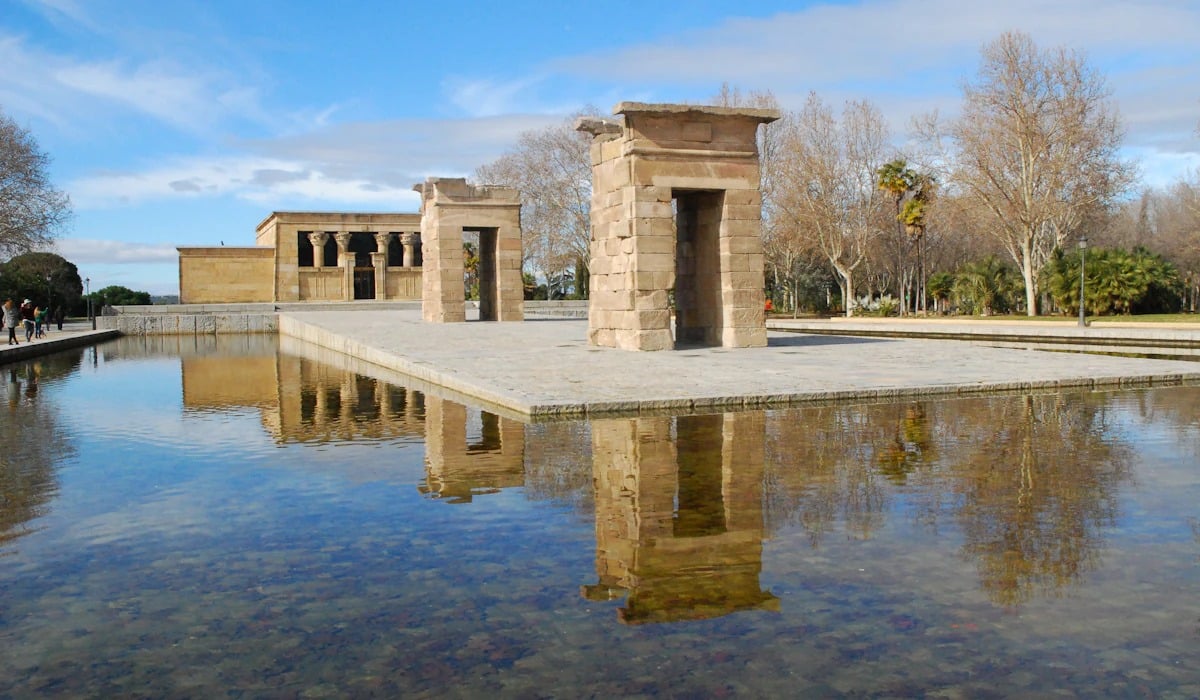
Spain received the Temple of Debod in 1968 in recognition of its work saving the Nubian monuments, particularly at Abu Simbel. The small temple, begun in the second century BCE by the Meroitic king Adikhalamani and expanded under the Ptolemies, was rebuilt in Madrid’s Parque del Oeste and opened to the public in 1972.
It stands on the site of a former military barracks, aligned roughly as it was in Egypt with its gateways in a row. Conservators have argued for decades about whether a sandstone building from a desert can survive Madrid’s rain and frost indefinitely, and the city has repeatedly studied enclosing it.
Taffeh Inside a Leiden Museum
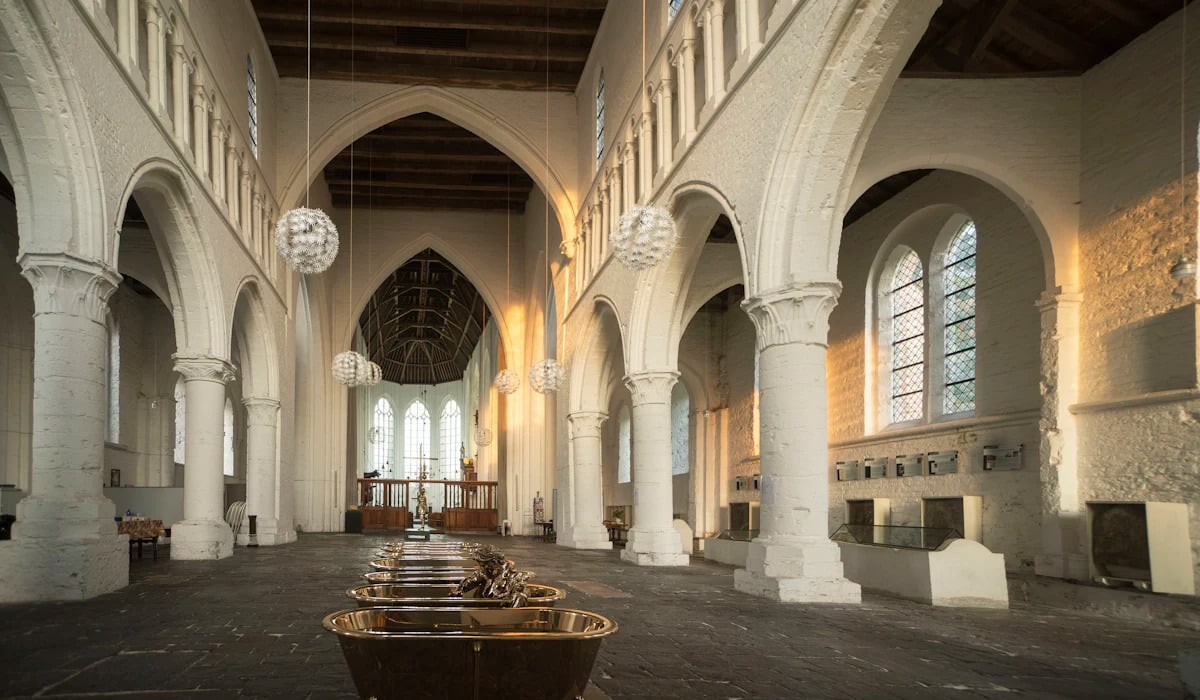
Dutch help in the Nubian campaign earned the Netherlands the Temple of Taffeh in 1969, and it arrived in Leiden in 1971 packed in 657 blocks. The temple was reconstructed indoors at the Rijksmuseum van Oudheden, where it opened to visitors in 1979.
The temple, built in the time of Augustus, is small enough to walk around in a few minutes. Keeping it inside a museum was a practical decision, since the Dutch climate would expose the sandstone to different weathering conditions than those it experienced in Egypt.
Ellesyia’s Rock Chapel in Turin
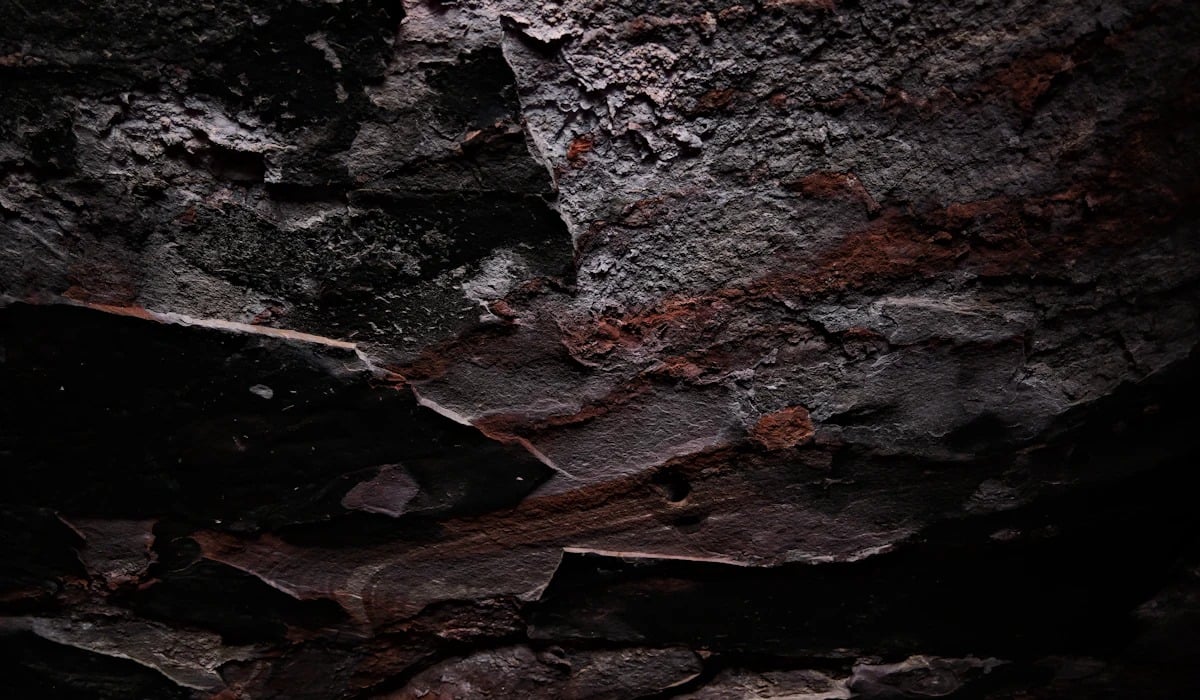
Ellesyia was not a built temple but a chapel carved into a cliff by Thutmose III, which made moving it a matter of sawing out the living rock. Egypt gave the chapel to Italy in 1966, and it was cut from the cliff face, crated and shipped to the Museo Egizio in Turin.
Its reliefs had been recut under Ramesses II and defaced in later periods, so what arrived in Italy was a dense record of several centuries of use. The chapel now sits inside the museum as a reconstructed rock interior, one of the Nubian monuments relocated internationally during the rescue campaign.
Stonehenge Bought at a Country Auction
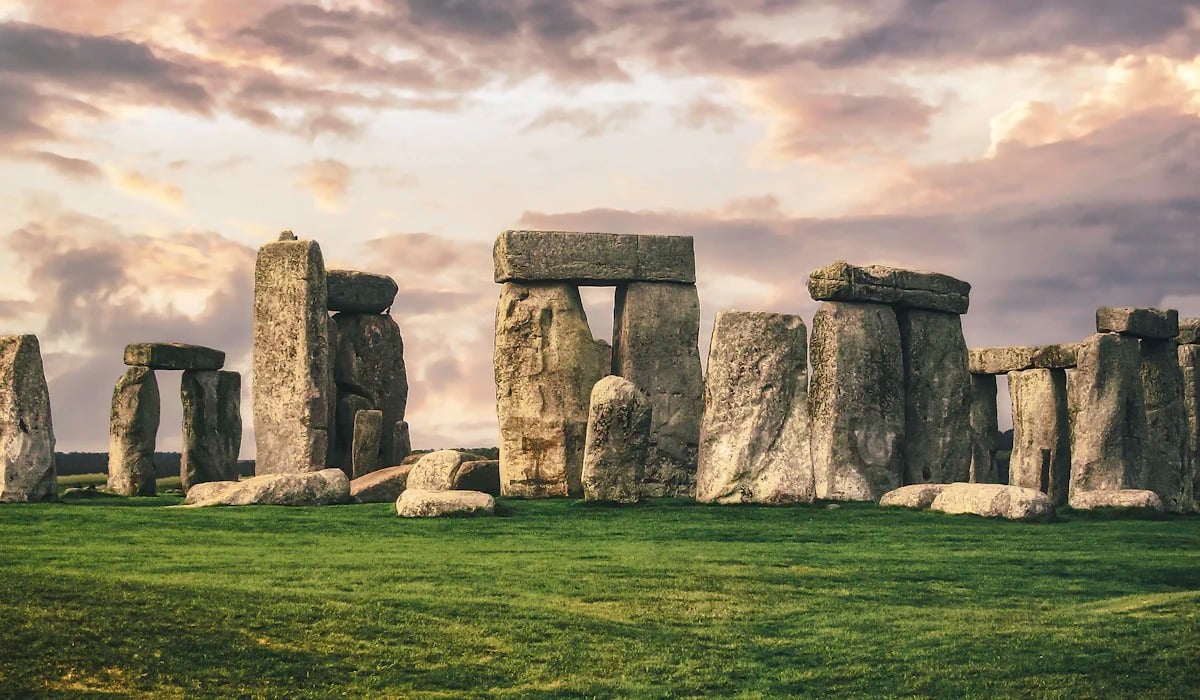
Stonehenge was private property until September 1915, when it came up for sale at an auction in Salisbury as part of a local estate. Cecil Chubb, a barrister who lived nearby, bought it for £6,600, reportedly without having planned to bid.
Three years later, on 26 October 1918, he gave the stones to the nation, helping secure their long-term protection as a national monument. Before that purchase, visitors had chipped souvenirs off the sarsens for a century and at least one stone had fallen within living memory.
Chubb’s gift helped place the site in public ownership and conservation care rather than leaving it vulnerable to another private sale.
Hadrian’s Wall Rescued by a Town Clerk
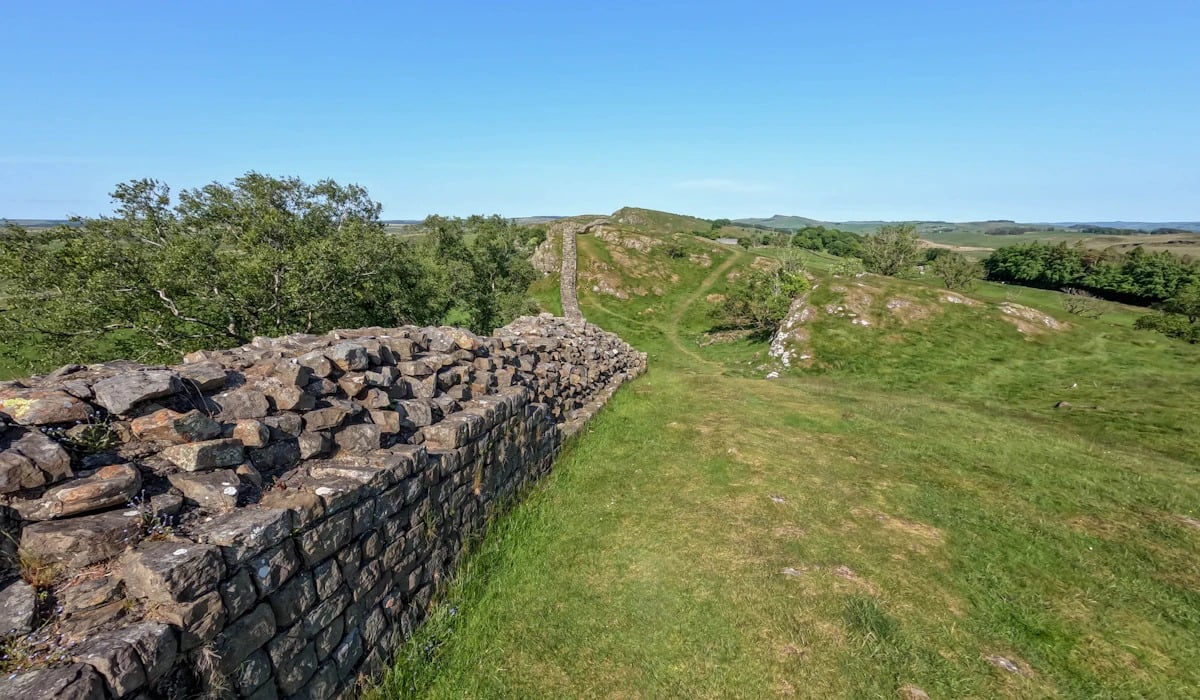
John Clayton, town clerk of Newcastle, began buying up farms along Hadrian’s Wall in 1834 for one reason: to stop farmers pulling the stone out for barns and field walls. Over the following decades, he acquired a string of estates, including Housesteads and Chesters, excavated forts and rebuilt the tumbled courses with stones found lying nearby.
The stretch of dry-stone wall he restored in the central section is still known as the Clayton Wall and is recognizable by its turf top. Without his purchases, more sections of the wall might have been dismantled or incorporated into nearby farm buildings.
Colosseum Declared Holy Ground
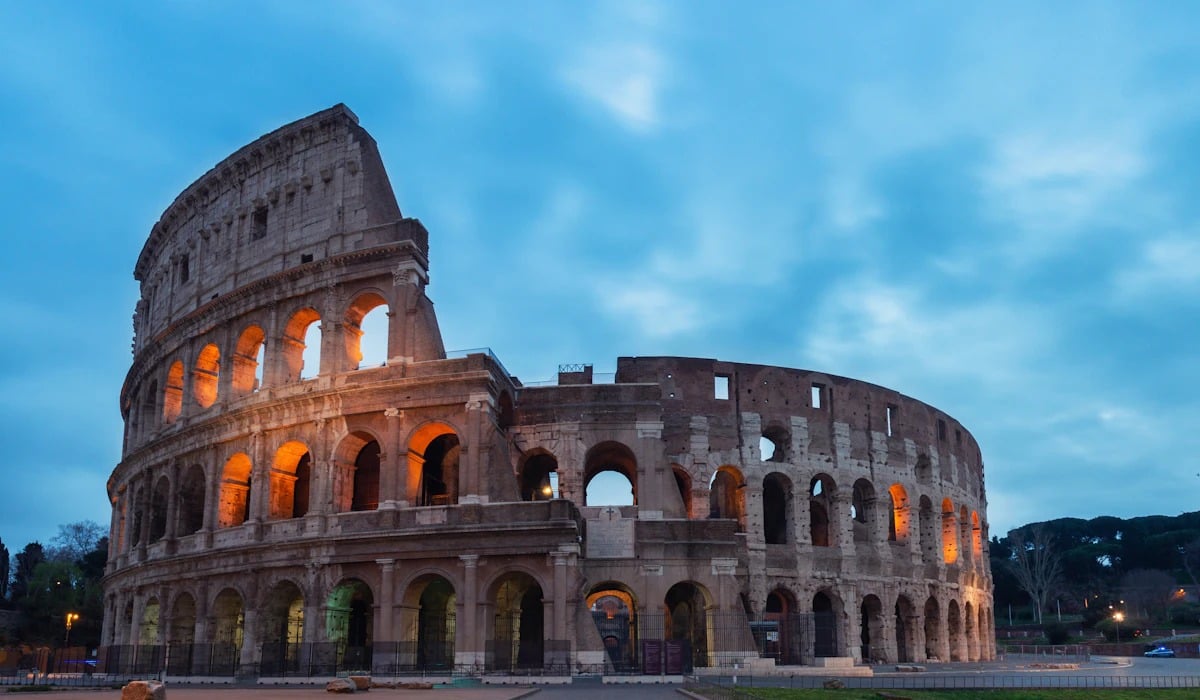
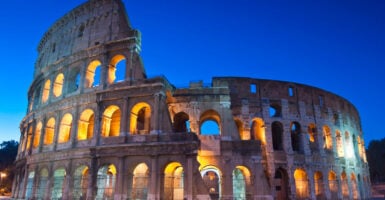
For a thousand years, the Colosseum was Rome’s most convenient quarry, supplying stone for palaces and churches, including parts of St. Peter’s.
In 1749, Pope Benedict XIV declared the Colosseum a consecrated site associated with Christian martyrs, helping discourage further stone removal. Later popes added structural support, including the great brick buttress built by Raffaele Stern in 1807 to hold up the broken outer ring on the eastern side.
That wedge of brickwork is visible from the street today and looks nothing like the travertine around it. Much of the original building had already been lost or damaged before these preservation efforts began.
Pantheon Handed to the Church
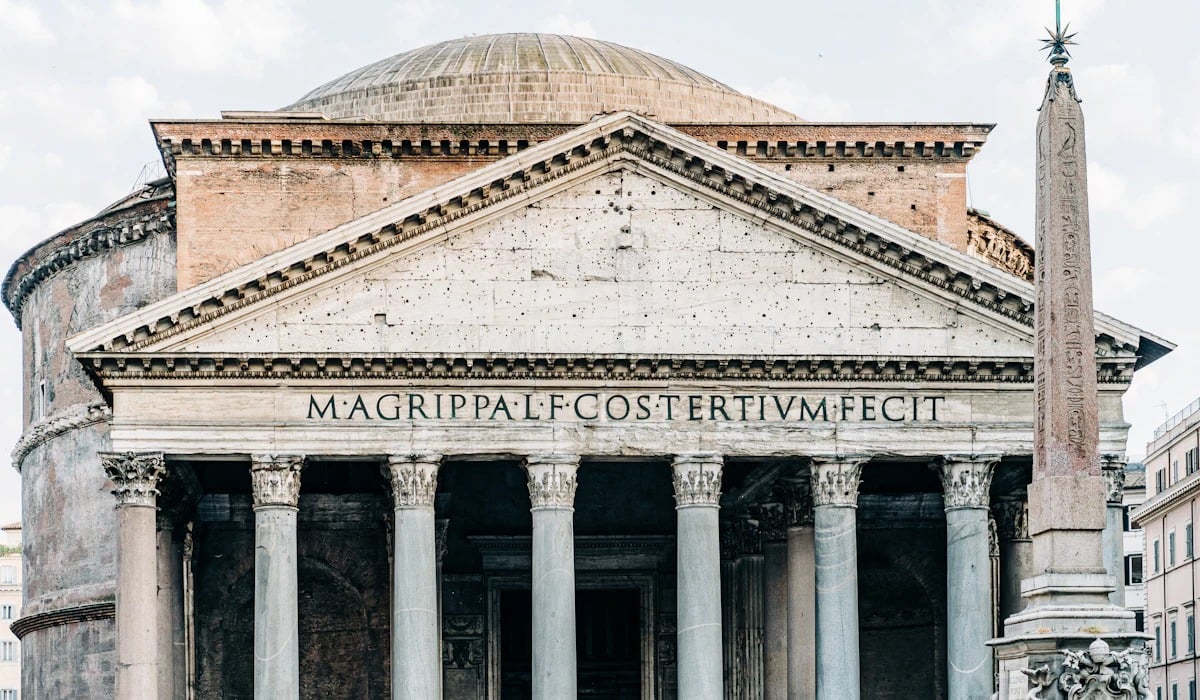
The Pantheon survived because Emperor Phocas gave it to Pope Boniface IV in 609 CE, who consecrated it as the church of Santa Maria ad Martyres. From that point, it was maintained rather than mined, which helped preserve its structure and continued use.
Its unreinforced concrete dome remains the largest of its kind. The building was not entirely spared, since the bronze cladding on its portico beams was stripped under Pope Urban VIII in the 1620s and reportedly used for cannon.
Even so, it remains one of the best-preserved monumental buildings from ancient Rome, with its ancient bronze doors and marble floor pattern still in place.
Hephaestus Temple Converted to St. George
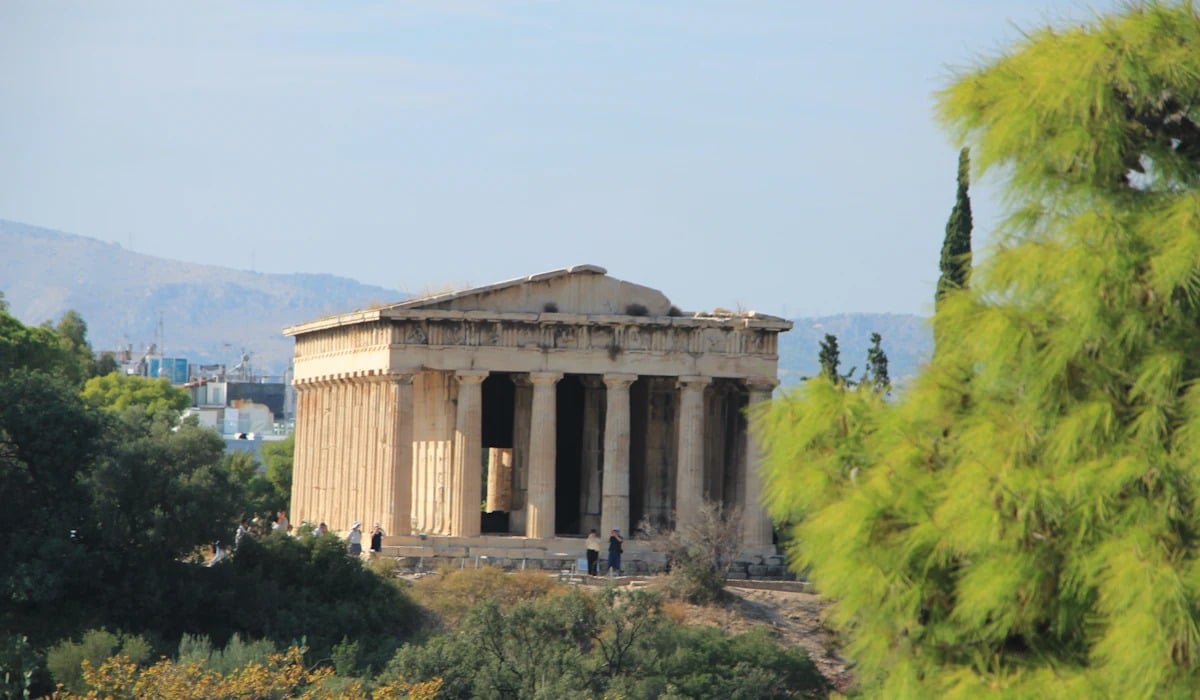
Above the Athenian Agora, the Temple of Hephaestus became the church of St. George Akamates around the seventh century CE, which helped protect it from the extensive stone robbing that affected many ancient buildings in Athens.
Its roof, columns and inner walls stayed largely intact because they were part of an active place of worship. The last service held there was reportedly associated with the arrival of King Otto in Athens in the 1830s, after which the building became a museum.
It is now the most complete surviving Doric temple in Greece, with all 34 outer columns and most of its original marble ceiling beams still in place.
Maison Carree Never Left Alone
The Maison Carree in Nimes, dedicated in the first years of the first century CE to Gaius and Lucius Caesar, is one of the best-preserved Roman temples anywhere because it was never allowed to sit empty. Over the centuries, it served as a consul’s house, a church, a stable, a granary and a prefecture archive.
Thomas Jefferson admired it so much in the 1780s that he based the Virginia State Capitol on its proportions. A long cleaning and repair of the facade finished in 2010, and in 2023, UNESCO added the temple to the World Heritage list as part of the Maison Carrée of Nîmes World Heritage property.
Borobudur Taken Apart Stone by Stone
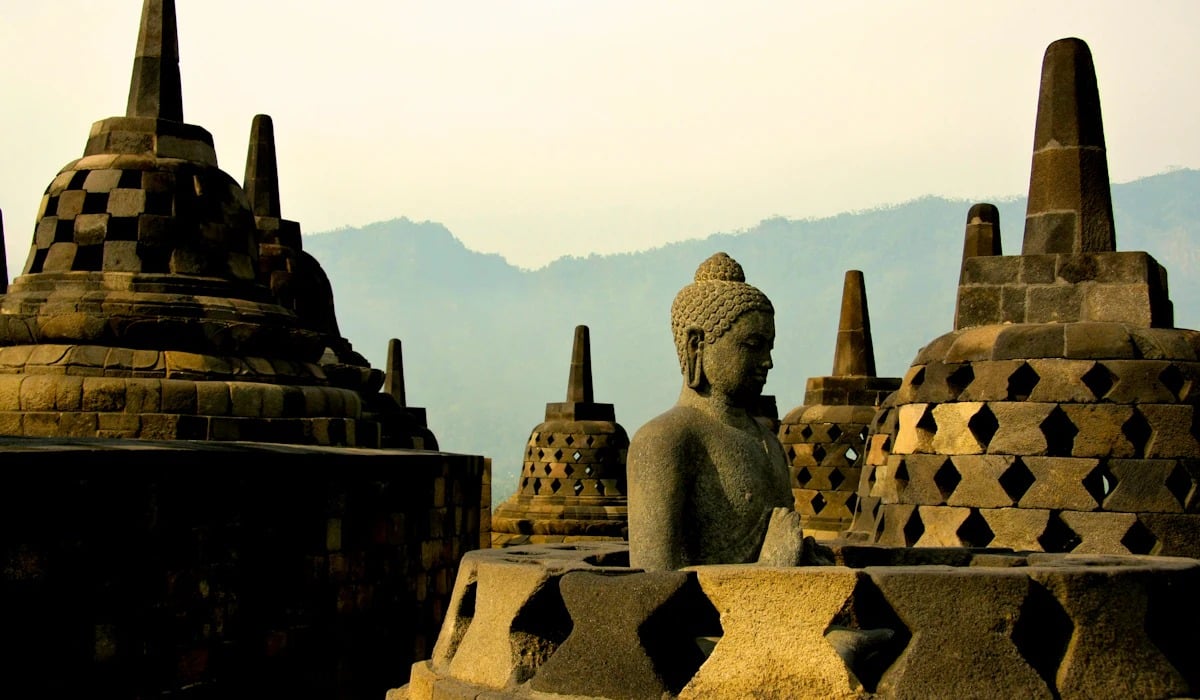
Borobudur in central Java was sinking into its own hill, with rainwater working into the structure and dissolving the stone from inside. Between 1973 and 1983, Indonesia and UNESCO dismantled the lower terraces, lifting and cleaning more than a million stone blocks, then installed drainage and a concrete base before rebuilding the galleries in order.
The project cost around $25 million and involved photographing and numbering every block so it went back exactly where it had been. An earlier Dutch restoration under Theodoor van Erp in 1907 to 1911 had patched the monument but not fixed the water problem that was destroying it.
Baphuon Reassembled From 300,000 Blocks
French archaeologists began dismantling the Baphuon at Angkor in 1960 because the eleventh-century temple mountain was collapsing under its own weight. Around 300,000 sandstone blocks were numbered and laid out in the surrounding forest, but the records needed to guide reconstruction were lost during the Khmer Rouge period, leaving the puzzle without its original instructions.
Work resumed in 1995 under architect Pascal Royere, who spent sixteen years matching blocks by shape and tool marks. The restored temple was inaugurated in July 2011, and the press called it the largest jigsaw puzzle in the world, a fitting description of the extraordinary reconstruction effort.
Ahu Tongariki Raised After a Tsunami
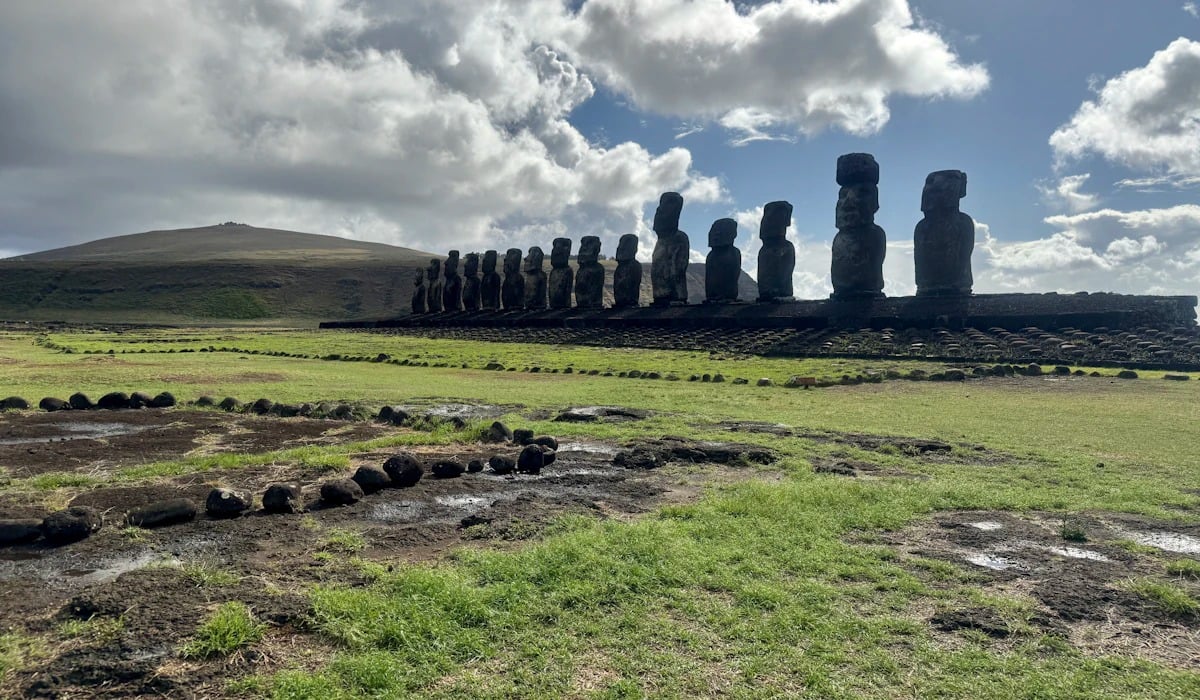
Ahu Tongariki on Rapa Nui holds fifteen moai on a single platform, the largest such arrangement on the island, but in 1960 a tsunami generated by the great Chilean earthquake threw the statues inland and scattered the stones of the platform. Between 1992 and 1996, a Chilean team led by archaeologist Claudio Cristino rebuilt the ahu and set the moai back on it, using a crane donated by the Japanese company Tadano.
One of the statues weighs well over 80 tons. Sunrise behind the row of figures has since become the most photographed view on the island, a striking contrast with the site’s devastated condition after the tsunami.
Newgrange Dug Out and Rebuilt
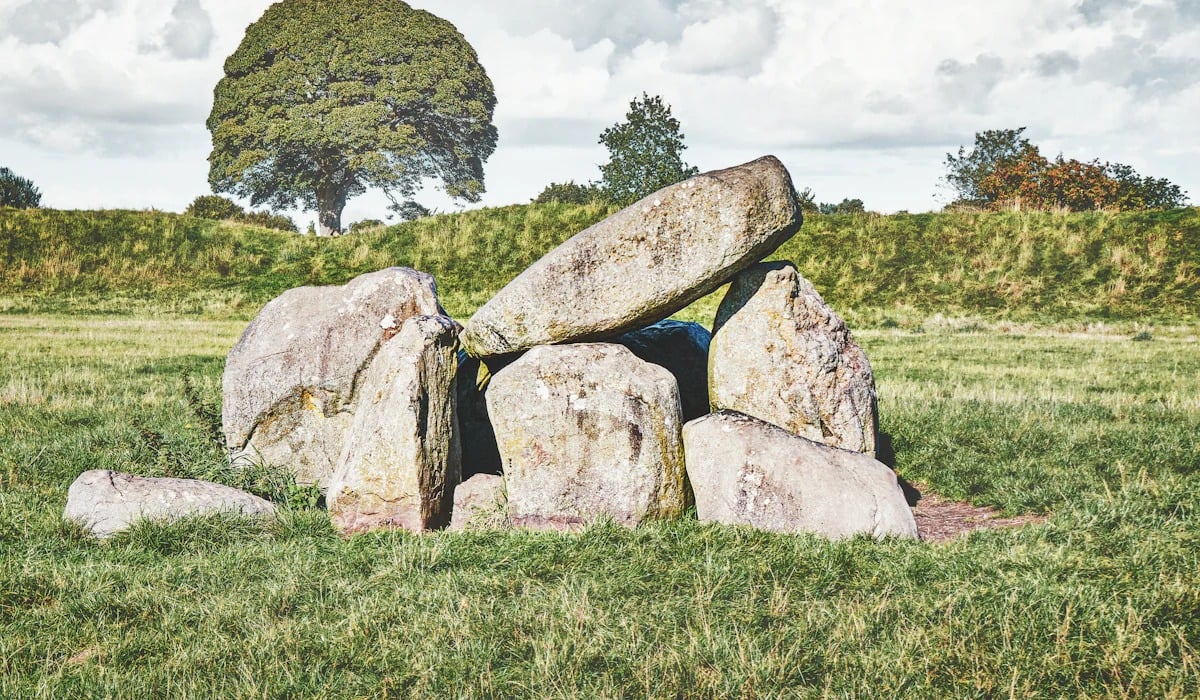
Newgrange in County Meath was a grassy mound with a collapsed front when Michael O’Kelly began excavating in 1962, and his project ran until 1975. During the work, he found the roof box above the entrance and confirmed on the winter solstice of 1967 that sunrise light runs down the passage to the central chamber, something no one had seen in modern times.
He also rebuilt the facade with the white quartz and dark granite cobbles found fallen around the base, propped on a concrete wall. That near-vertical white face remains disputed among archaeologists, but the restoration stabilized the monument and made its entrance and passage easier to interpret.
Skara Brae Exposed by a Storm
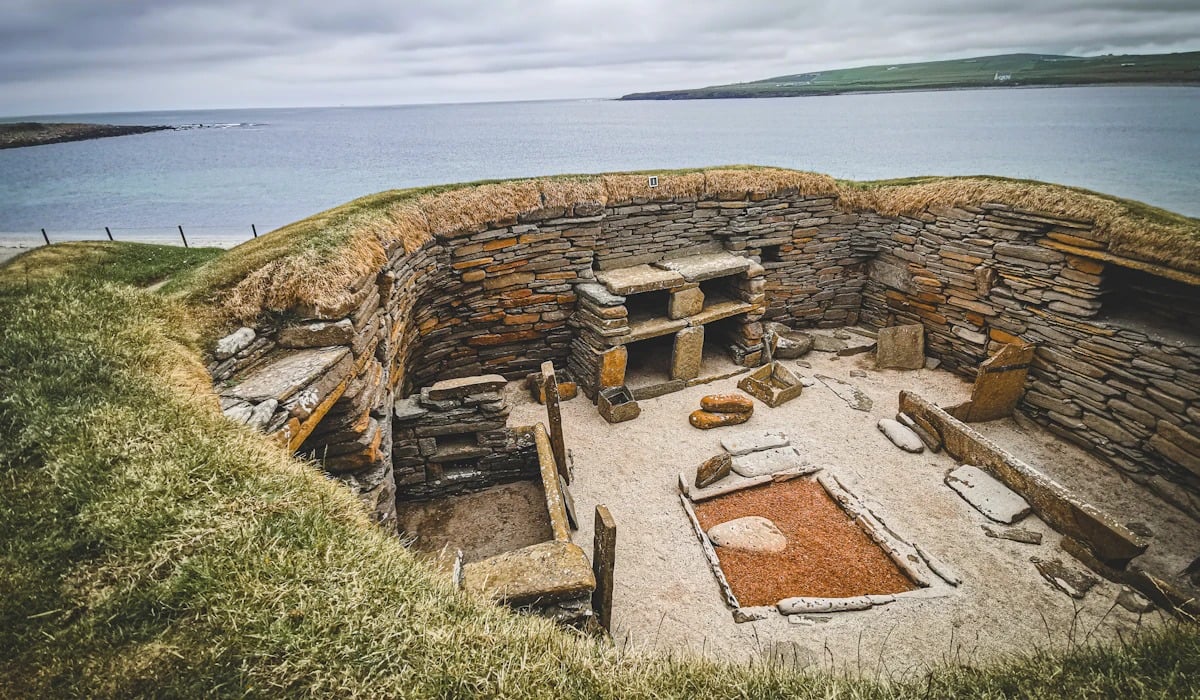
A winter storm in 1850 tore the turf off a sand dune at the Bay of Skaill in Orkney and revealed the stone walls of a village older than the pyramids. The local landowner, William Watt, began clearing the houses, and systematic excavation came later under V.
Gordon Childe between 1927 and 1930. Because the sea that had buried the village was now eating the shoreline, protective sea defenses were built to reduce coastal erosion.
The houses, with their stone dressers, box beds and hearths from around 3100 BCE, survive today in part because of continued conservation and coastal management.
Zeugma Mosaics Pulled From a Rising Reservoir
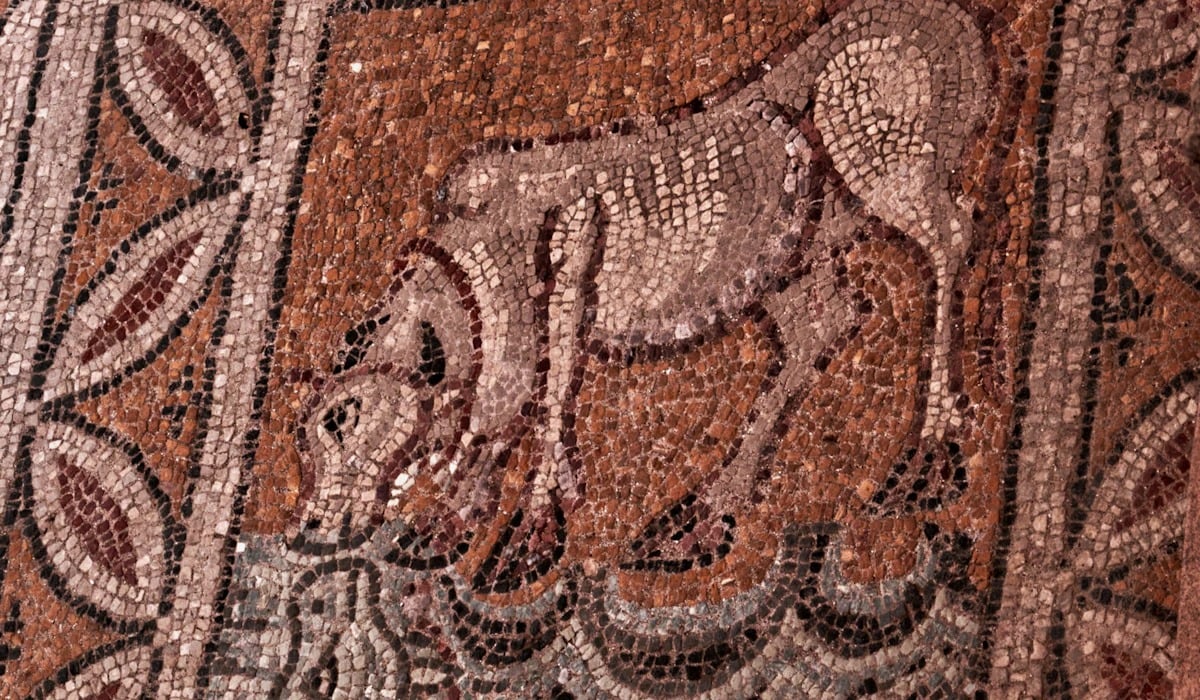
Zeugma, a Roman garrison city on the Euphrates in southern Turkey, was scheduled to disappear under the reservoir of the Birecik Dam in 2000. In the months before the water rose, international teams worked around the clock to lift floor mosaics from the villas on the lower terraces, including the portrait known as the Gypsy Girl.
Many of them were cut from their beds, consolidated and crated within days of discovery. The rescued floors now fill the Zeugma Mosaic Museum in Gaziantep, which opened in 2011, while parts of the ancient city remain underwater.
Ara Pacis Frozen Out of the Ground
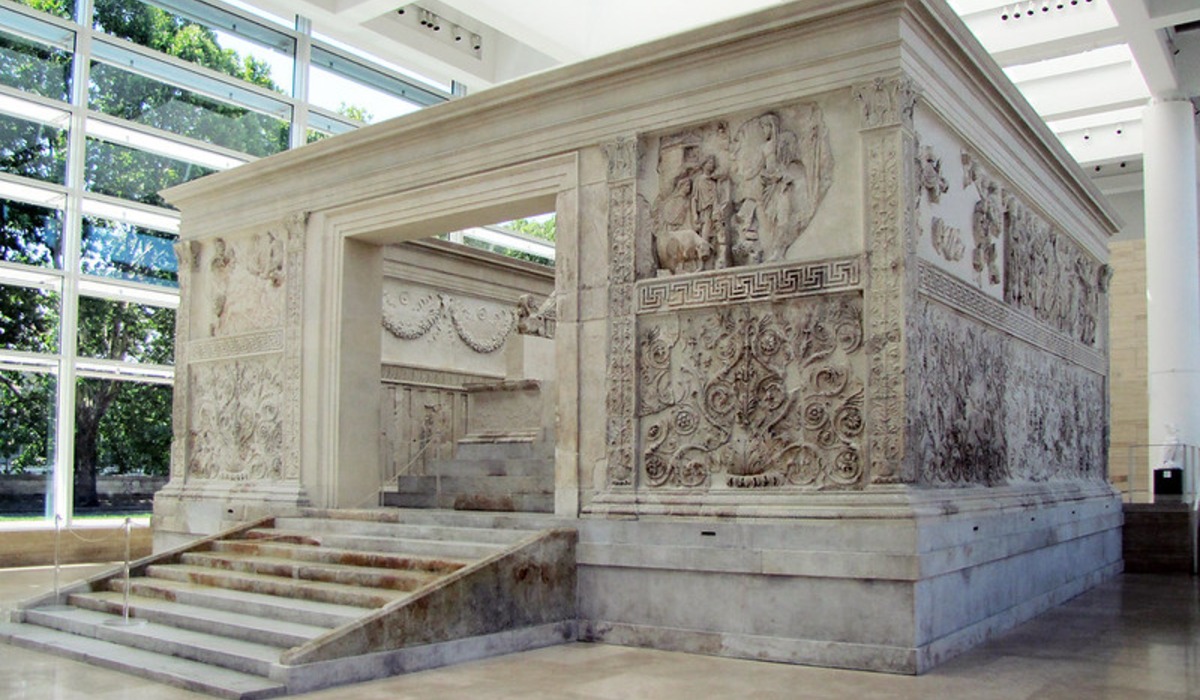
Fragments of the Ara Pacis, the altar of peace dedicated in 9 BCE, had been turning up beneath Palazzo Fiano in Rome since the sixteenth century, but the rest lay in waterlogged ground under the building. In 1937 and 1938, engineers used groundwater-control techniques, including freezing, to help excavate and recover the remaining fragments without destabilizing the surrounding structures.
The altar was reassembled beside the Mausoleum of Augustus in 1938 for the two thousandth anniversary of the emperor’s birth. Richard Meier’s glass museum replaced the original pavilion in 2006, giving the altar its first modern climate-controlled setting.
Mausoleum of Augustus Reopened After Centuries
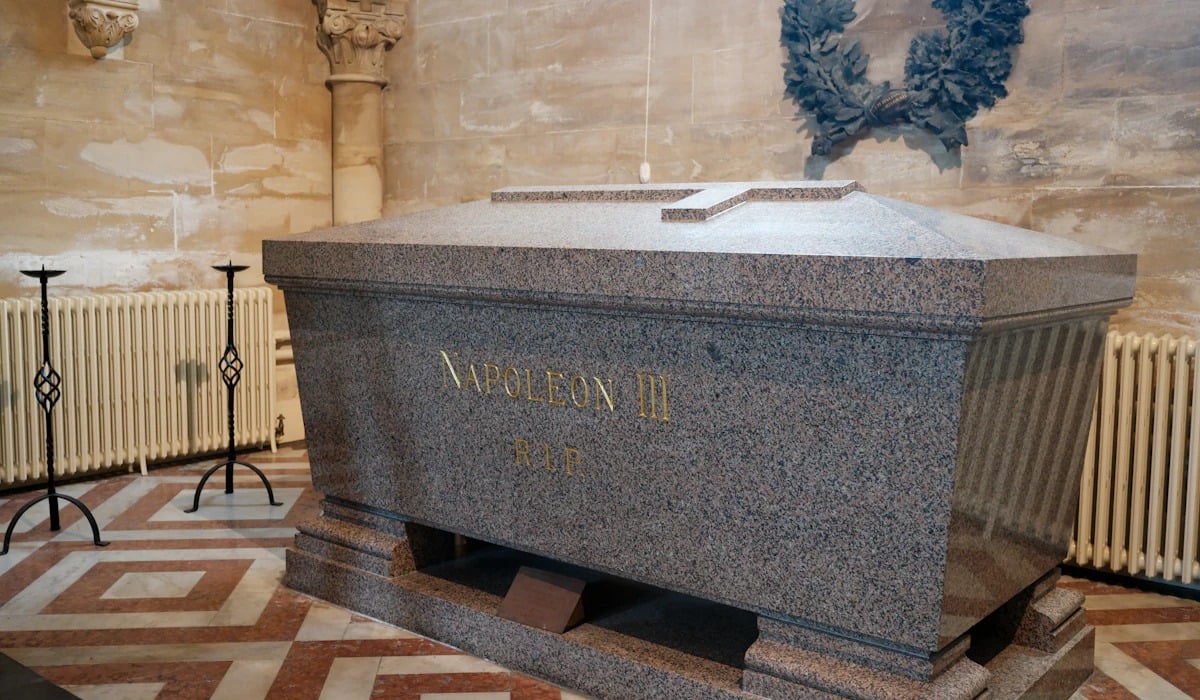
Finished around 28 BCE, the Mausoleum of Augustus had been a medieval fortress, a Renaissance garden, a bullfighting arena and a concert hall before Mussolini cleared the buildings around it in the 1930s and left it as a weed-choked ruin. It then sat fenced off for most of a century.
Restoration began in 2016 with funding from Fondazione TIM, and the structure reopened to visitors on 1 March 2021 after decades of restricted access. The largest circular tomb in the Roman world, with a drum about 90 meters across, now takes guided visitors through the ring corridors that once held the imperial family’s ashes.
Lascaux Sealed to Save Its Paintings
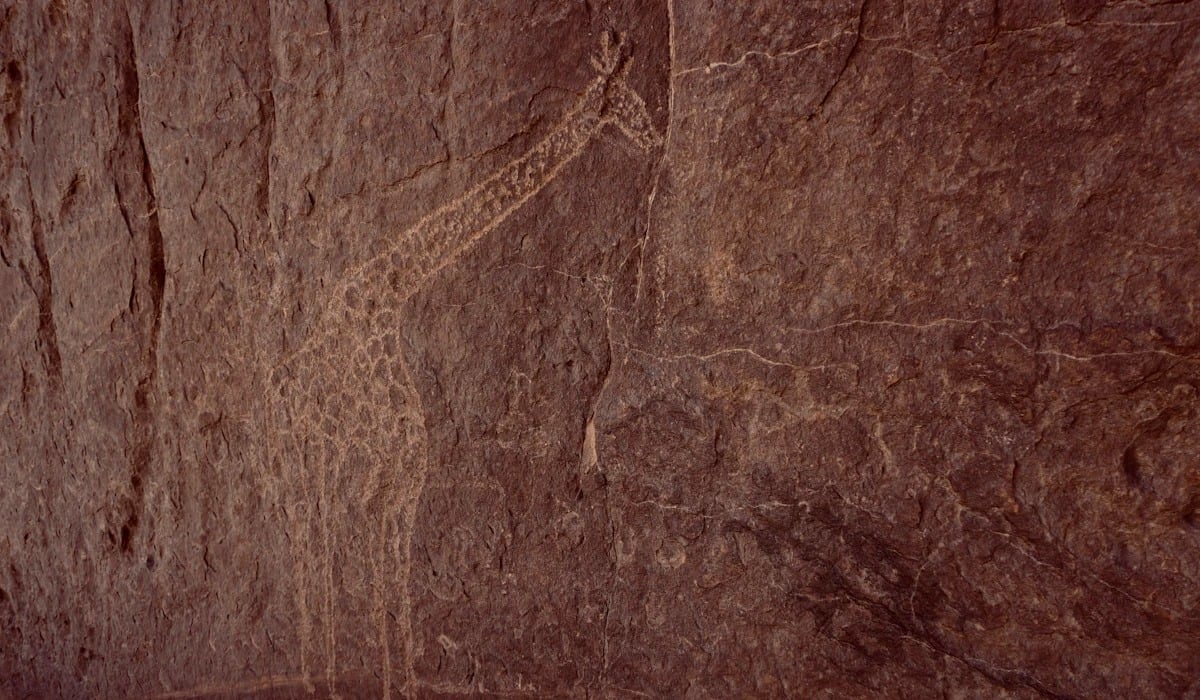
Four teenagers found the painted cave at Lascaux in 1940, and after the war it was opened to the public with a wider entrance and electric lights. By the early 1960s, the breath and body heat of a thousand visitors a day had encouraged green algae and calcite crusts to spread across the Paleolithic bulls and horses.
The French culture ministry closed the cave in 1963, and it has stayed shut to the public ever since. A full-size replica of the main galleries, Lascaux II, opened nearby in 1983, and a complete facsimile called Lascaux IV followed in 2016.
Nefertari’s Tomb Stabilized Without Repainting
Nefertari’s tomb in the Valley of the Queens, discovered by Ernesto Schiaparelli in 1904, held some of the finest painted walls in Egypt, and they were peeling off. Salt crystals growing between the limestone and the plaster were pushing the paint layer away from the rock.
From 1986 to 1992, the Getty Conservation Institute worked with the Egyptian Antiquities Organization to reattach loose plaster, clean the surfaces and remove old repairs, under the direction of conservators Paolo and Laura Mora. No missing paint was replaced, so what visitors see today is largely original pigment, with the losses left honestly visible as bare plaster.
Sanchi Pieced Back Together by Marshall
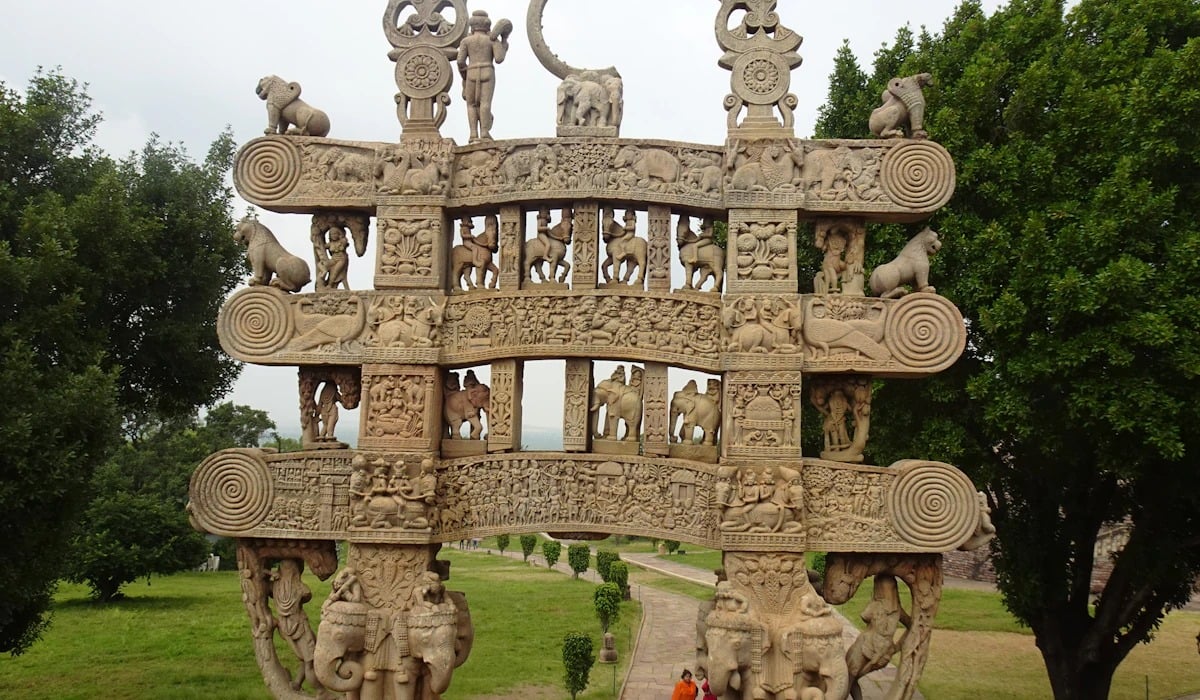
Founded under Ashoka in the third century BCE, the Great Stupa at Sanchi was rediscovered in 1818 by a British officer and then suffered decades of amateur digging that left its gateways toppled and its dome breached. John Marshall, director general of the Archaeological Survey of India, led a restoration from 1912 to 1919 that rebuilt the dome, reset the carved gateways and reassembled the fallen railings.
He worked with the French scholar Alfred Foucher, who cataloged the gateway reliefs. The site, which had faced neglect and proposals for the removal of some of its sculptures, instead became India’s best-preserved early Buddhist monument.
Great Sphinx Dug Free of the Desert
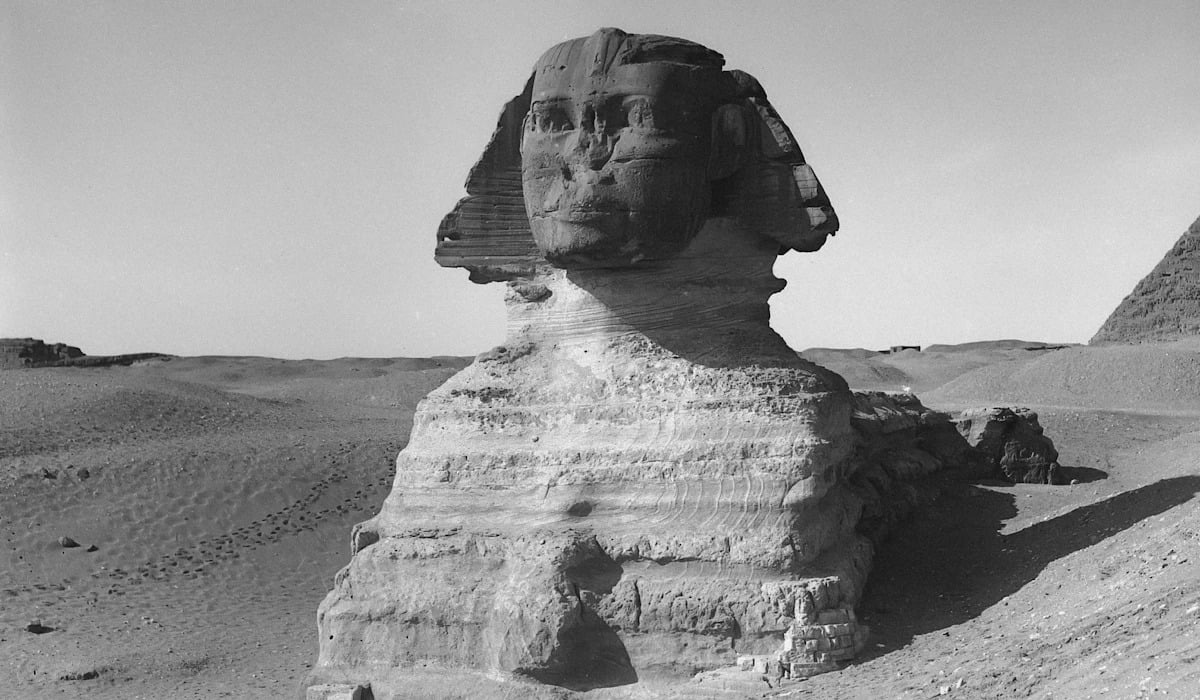
Sand has buried the Great Sphinx to the neck more than once. A stele between its paws records that Thutmose IV cleared it around 1400 BCE after a dream promised him the throne in return.
The modern rescue came between 1925 and 1936, when French engineer Emile Baraize dug the entire body and enclosure free of accumulated sand and shored up the flanks with blocks. Restorers in the 1980s used cement that trapped moisture and caused new flaking, and in 1988 a large chunk fell from the right shoulder.
A later campaign replaced that work with fitted limestone blocks to improve the repair and reduce further damage.
Gobekli Tepe Covered Before the Crowds Came
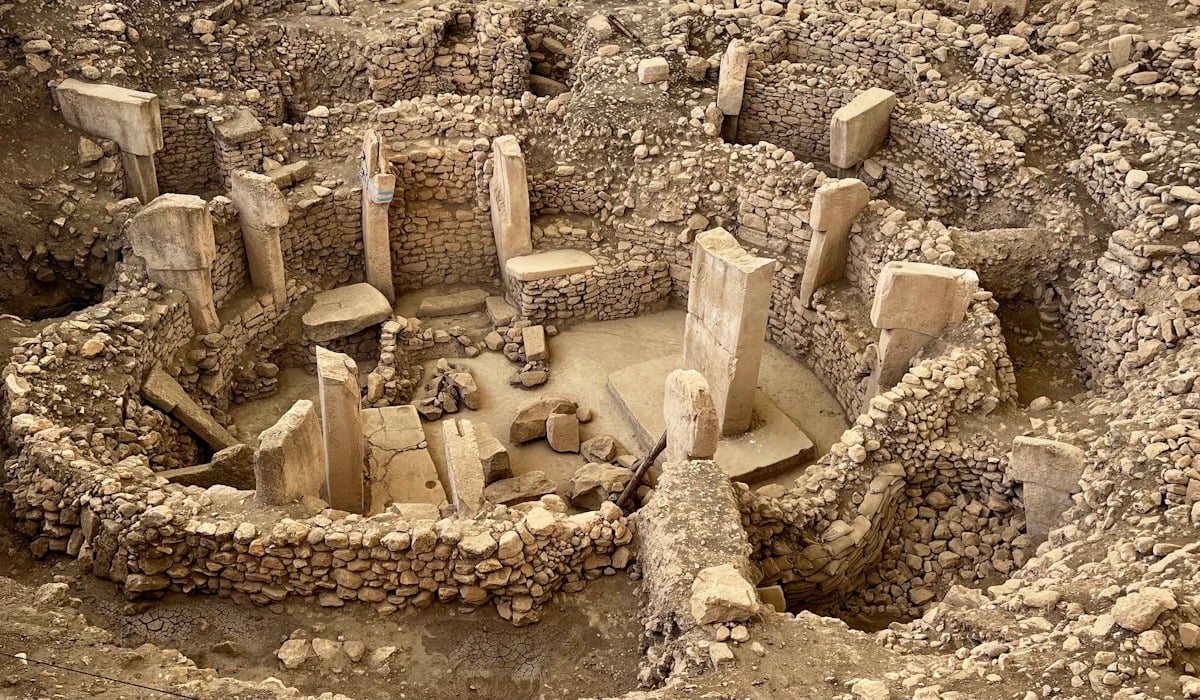
Gobekli Tepe in southeastern Turkey holds carved limestone pillars arranged in rings around 9600 BCE, which makes them among the oldest monumental structures known. Klaus Schmidt of the German Archaeological Institute began excavating in 1995, and the site stood exposed to rain, sun and a growing stream of visitors for two decades.
Permanent roofs on steel frames were built over the main enclosures and finished in 2018, the same year UNESCO listed the site. Visitors now walk elevated boardwalks beneath the canopy rather than across the soft fill, which protects both the carvings and the unexcavated layers around them.
Rubble Is a Decision, Not a Fate
Every monument on this list was, at some point, cheaper to lose than to keep. Stone from the Colosseum built palaces, Hadrian’s Wall built barns, and a drowned Nubian temple would have cost nobody anything.
Survival came down to individuals who were willing to spend money, careers or political capital on a building that could not argue for itself.
Those decisions set the pattern for everything that followed. A barrister with a spare £6,600, a pope with a decree and a town clerk with a grudge against farmers did as much for the ancient world as any excavator.
Rubble is what happens by default, and preservation is the rarer, stranger choice.
More from Go2Tutors!

- The Romanov Crown Jewels and Their Tragic Fate
- 13 Historical Mysteries That Science Still Can’t Solve
- Famous Hoaxes That Fooled the World for Years
- 15 Child Stars with Tragic Adult Lives
- 16 Famous Jewelry Pieces in History
Like Go2Tutors’s content? Follow us on MSN.