Things Kids Saved Allowance Money For
Allowance was never really about the money. It was a slow-motion lesson in patience, delivered one coin at a time, usually while a shiny thing sat in a store window mocking you.
Between the 1960s and the 2000s, kids across America counted out weeks of chores and lawn work to land something they could not talk their parents into buying.
The list of prizes changed with every decade, but the math stayed brutal. A toy that cost too much meant skipping candy for a month.
Here are the items that made kids do exactly that.
Hot Wheels Die-Cast Cars
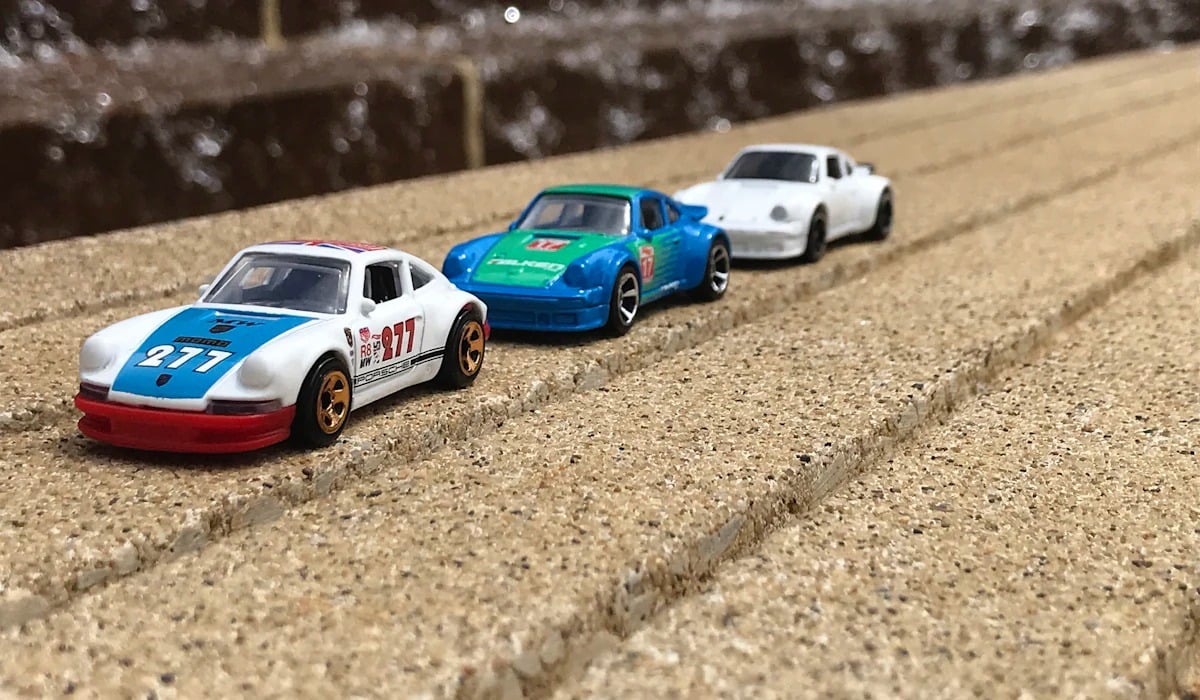
Mattel introduced Hot Wheels in 1968 with a launch lineup of sixteen cars, and kids quickly learned that the low-friction wheels made these tiny racers faster than rivals on the orange track. Saving for a single car was easy, which made it dangerous, because one car always turned into five.
The shiny Spectraflame paint on the earliest models is what collectors chase today. Prices for old cars vary wildly, and condition, original packaging, and the specific casting decide nearly everything.
Schwinn Sting-Ray Bicycle
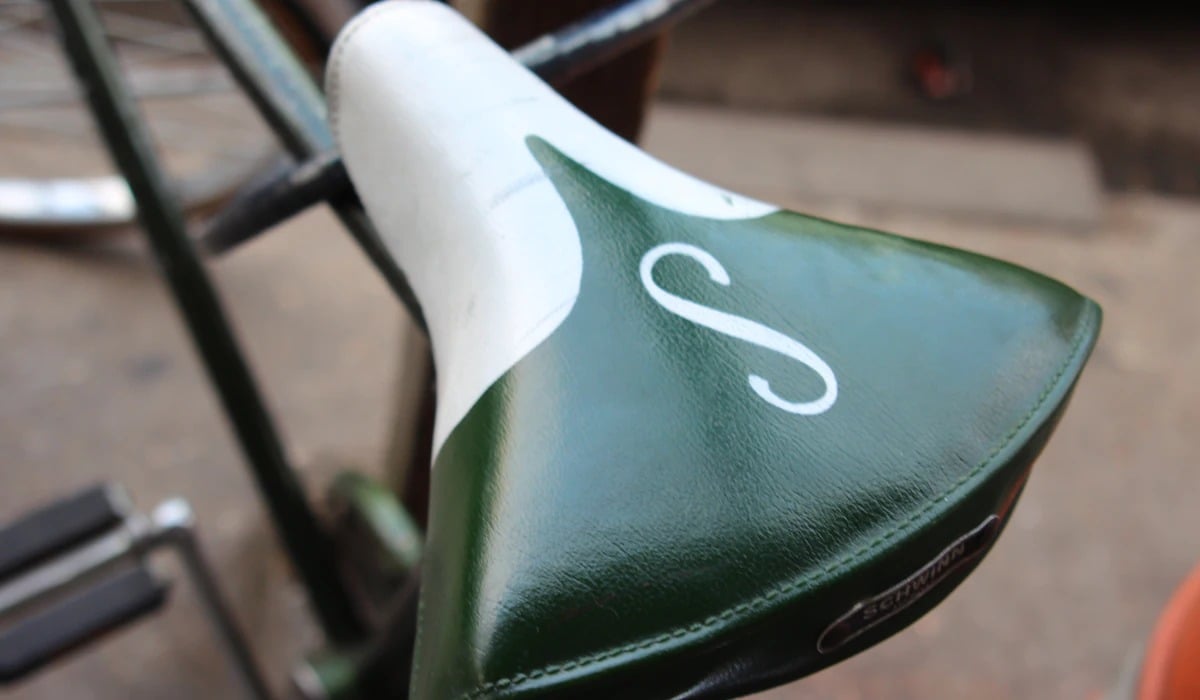
The Sting-Ray arrived from Schwinn in 1963 with a long banana seat and high-rise handlebars that set it apart from every other bike on the block. It was a major purchase, so many kids put their allowance toward it for months, often with a parent covering the difference.
Riding one meant instant status on the block. Original examples still circulate among collectors, and their worth depends heavily on how much of the original paint and parts survived.
Pet Rock

Advertising man Gary Dahl sold the Pet Rock in 1975, packaging an ordinary stone in a cardboard carrier along with a mock training manual. It was a joke that became a surprisingly lucrative fad during the 1975 holiday season.
Kids bought them with spare change because the price was low and the humor felt like an inside joke on the adult world. Few things in toy history asked so little of a rock and gave so much to its inventor.
Mood Ring
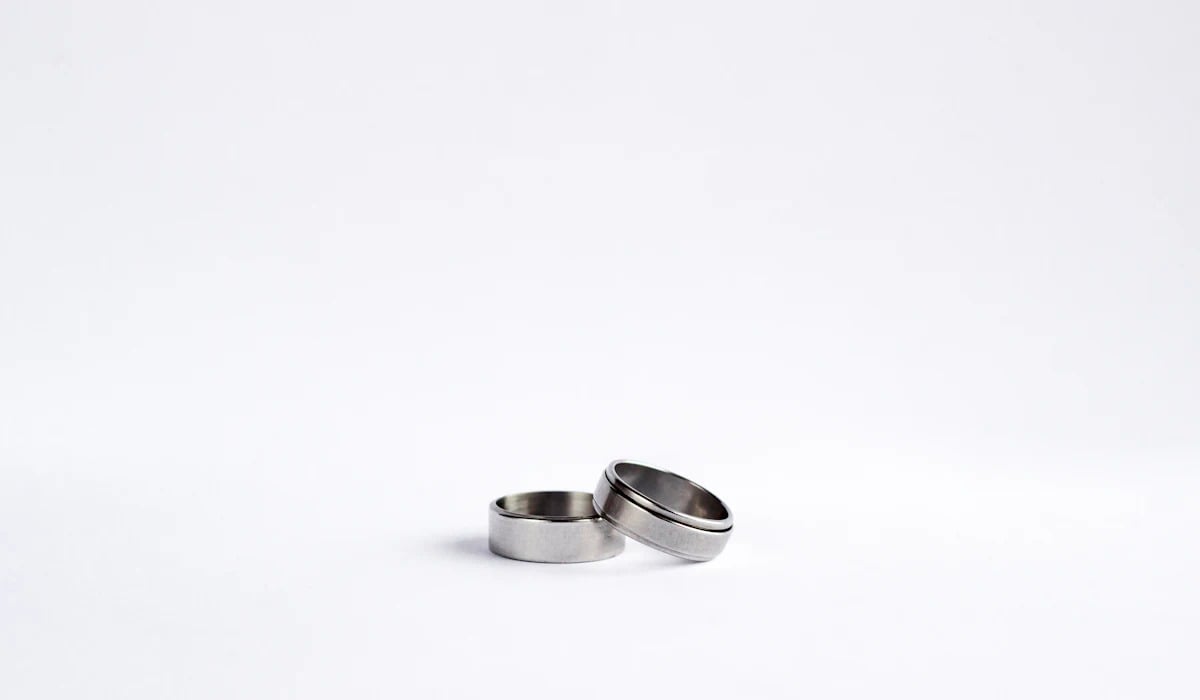
Mood rings swept through the market in 1975, built around liquid crystals that shifted color with temperature and were marketed as readouts of the wearer’s feelings. Kids who wanted one saved up and then spent days nervously checking whether the stone had turned a dreamy blue or an alarming black.
The real explanation was body heat and cold fingers, not a direct reading of emotion, which hardly slowed the craze. A cold classroom could make the entire fashion statement look gloomy.
Atari 2600 Game Console
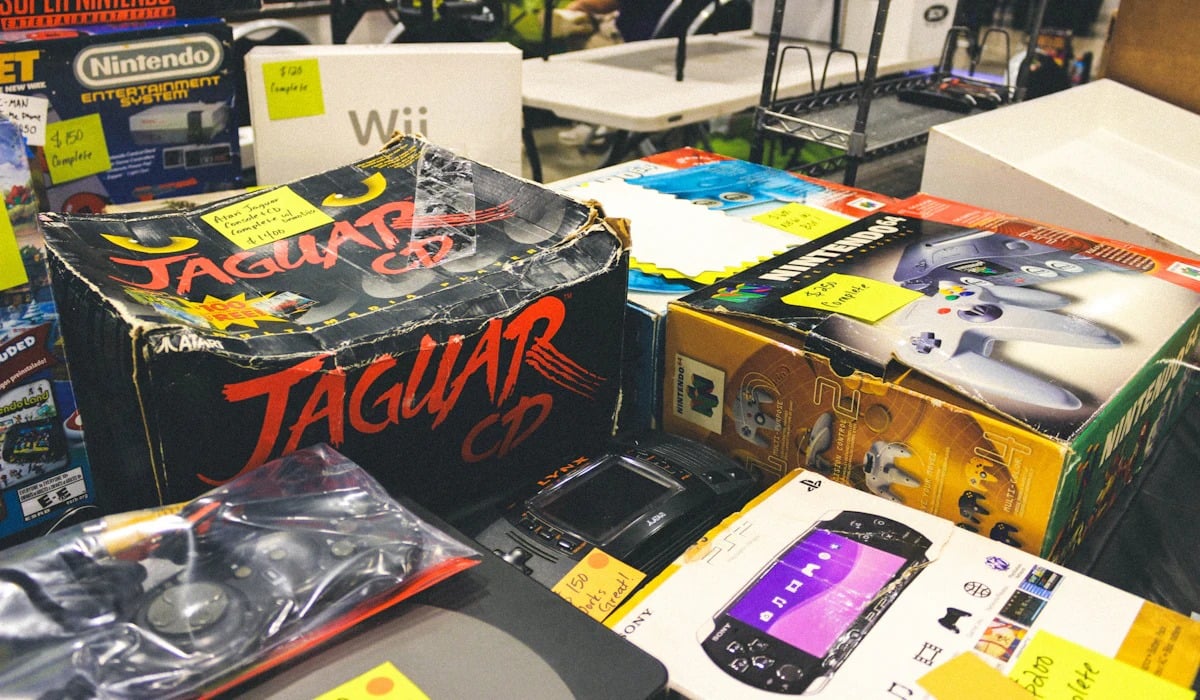
Atari released its Video Computer System, later renamed the 2600, in September 1977, and it brought arcade-style games into living rooms using swappable cartridges. The console itself was costly enough that many kids had to combine allowance with birthday money, and each extra game cartridge meant another stretch of saving.
Combat shipped as one of the original launch titles. Boxed systems and sealed games are valued mostly by condition and completeness, so a missing manual can cut a price sharply.
Kenner Star Wars Action Figures
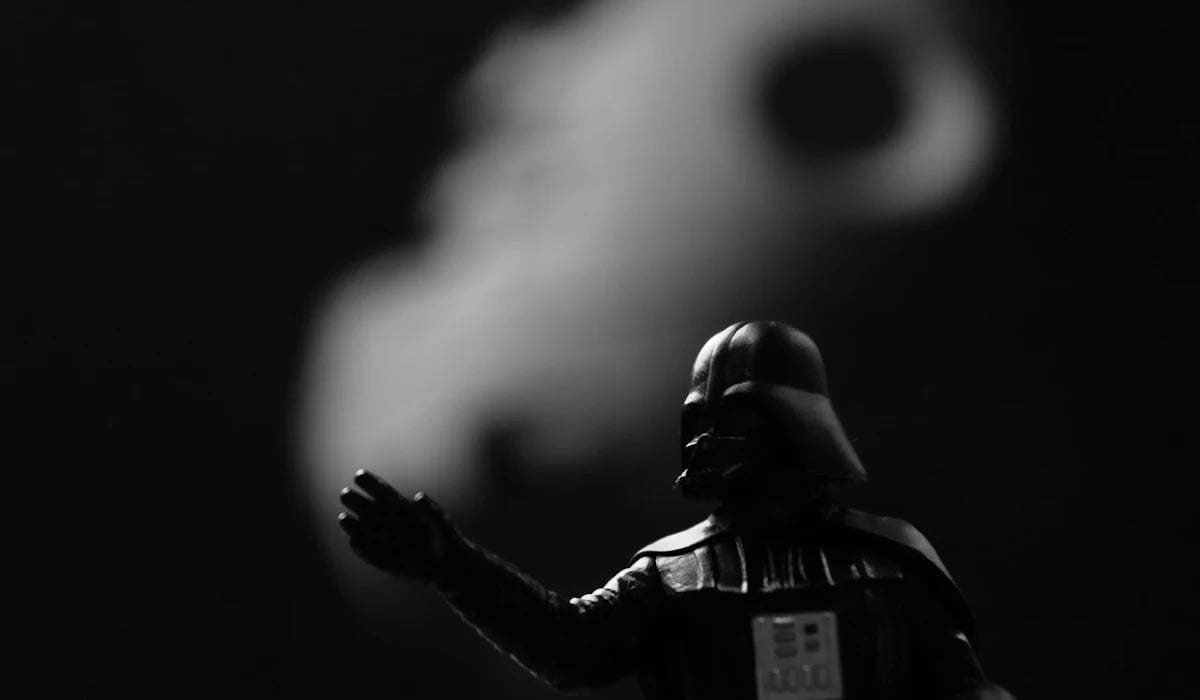
Kenner could not finish its first Star Wars figures before the 1977 holiday season, so it sold a mail-in Early Bird Certificate package instead of actual toys. When the small figures finally shipped in 1978, kids bought them one by one, saving for Luke, Han, Chewbacca, and the rest of the cast.
The three-and-three-quarter-inch scale made it easy to collect an entire galaxy on a modest budget. Carded figures in clean packaging are worth much more than loose ones, and the value gap grows with every dent and crease.
Simon
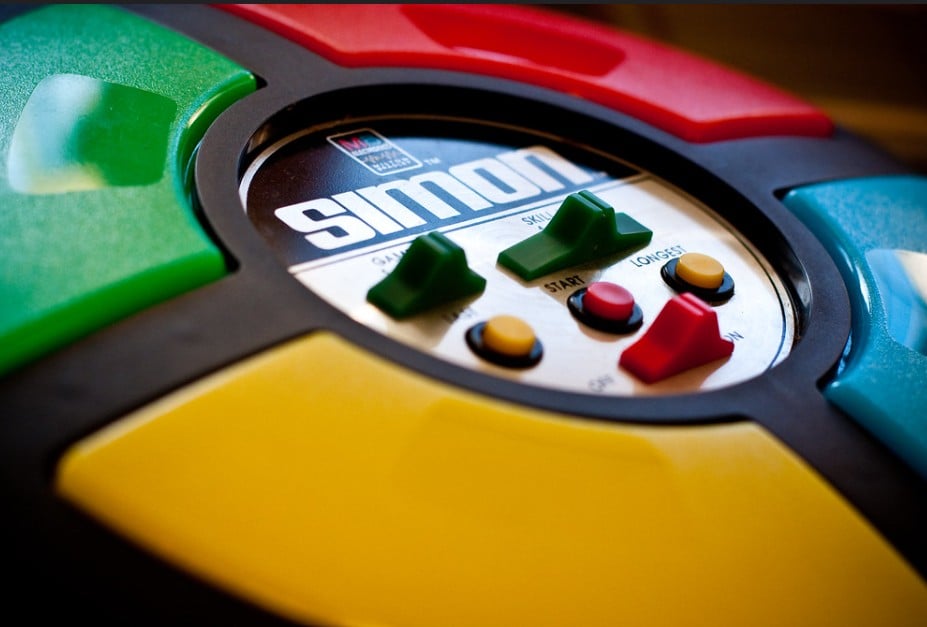
Milton Bradley released Simon in 1978, an electronic game with four colored pads that lit up and played tones in ever-longer sequences. Ralph Baer and Howard Morrison are credited with its design, and the round gadget looked like something dropped from a space station.
Kids saved up because it felt like owning a tiny computer that talked back. It also doubled as a social event, since friends crowded around to see who could last longest.
Speak & Spell
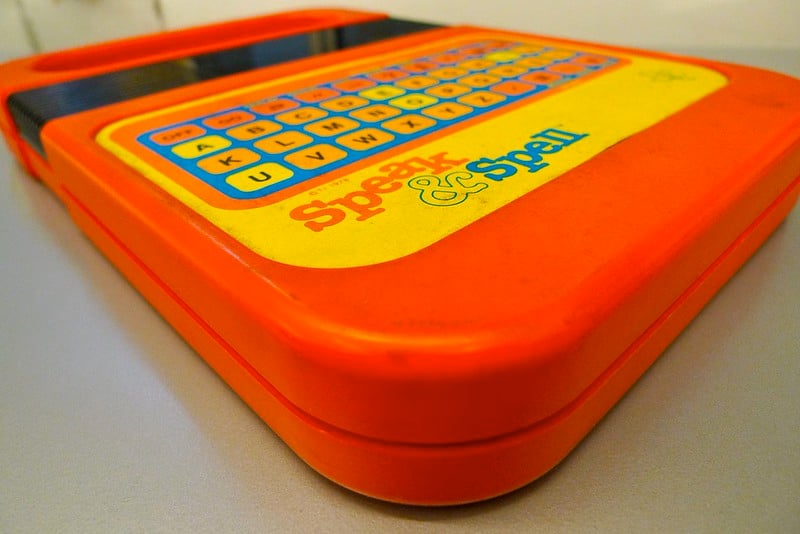
Texas Instruments introduced Speak & Spell in 1978, pairing a synthesized voice with a keyboard that quizzed children on spelling words. The idea of a toy that could talk was astonishing at the time, so kids who wanted one counted every dollar.
Parents liked it because it was educational, and kids liked it because it was a gadget first and a lesson second. Many a child tried to stump it with words it could not pronounce.
Sony Walkman
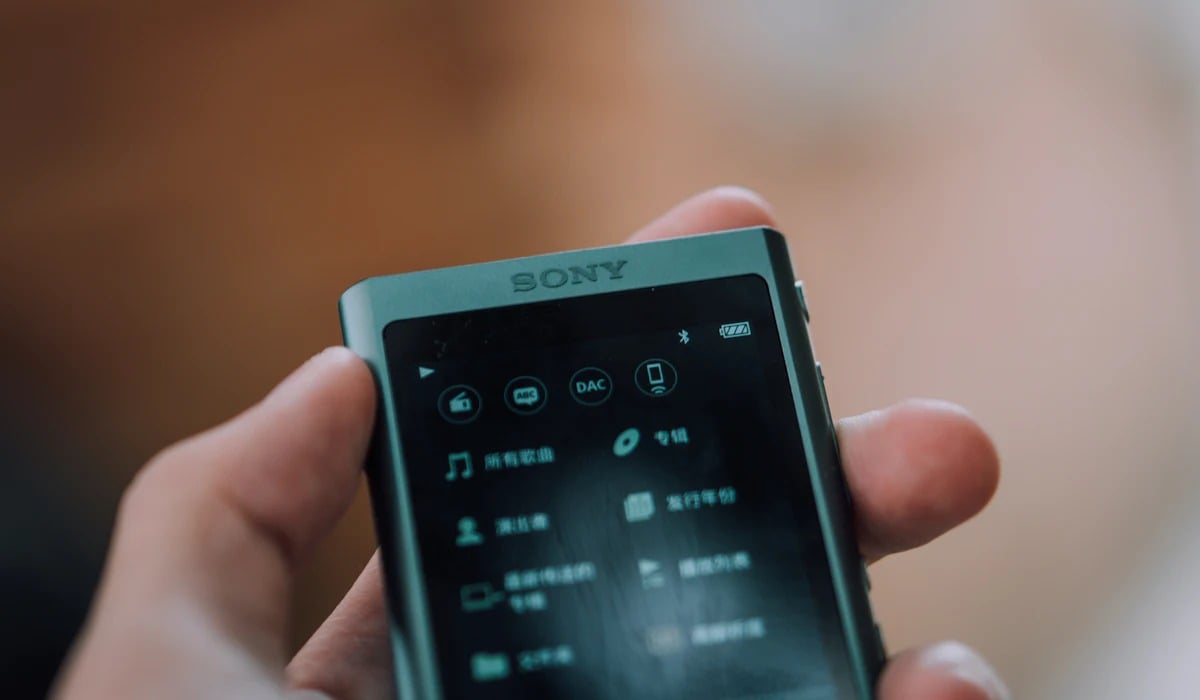
Sony launched the Walkman on July 1, 1979, in Japan with the model name TPS-L2, and the idea of private music on a walk soon became a worldwide obsession. Teenagers and younger kids alike saved for the device, then spent leftover change on blank and prerecorded cassettes.
It rewrote the rules of personal music, since a song no longer needed a family stereo. Early units in good working condition are collected today, and original packaging and accessories lift values significantly.
Rubik’s Cube
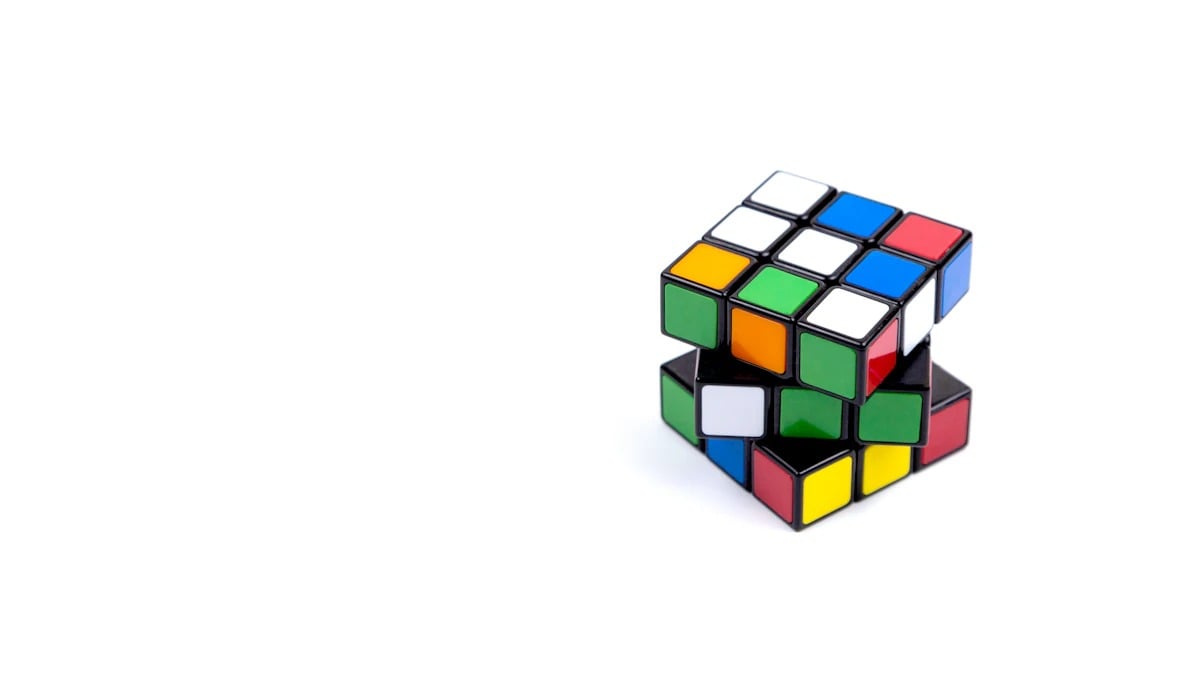
Ideal Toy Corporation brought Ernő Rubik’s Cube to the United States in 1980, and it spread across school hallways with surprising speed. Kids saved to buy one, then discovered that owning a cube and solving it were completely different achievements.
Many spent weeks twisting it before giving up and peeling off the stickers to cheat. Rubik himself reportedly spent about a month solving the puzzle after creating it.
Cabbage Patch Kids
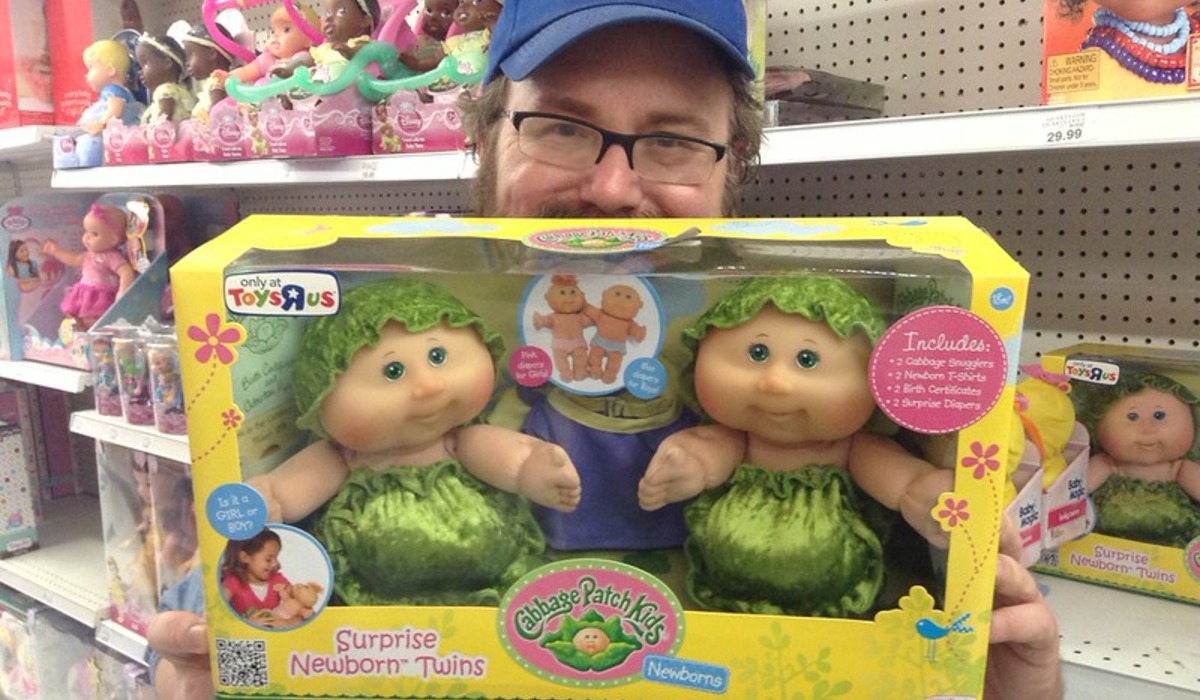
Coleco turned the Cabbage Patch Kids into a national phenomenon in 1983, using a clever concept: each doll came with its own adoption papers and unique look, building on the handmade Little People dolls artist Xavier Roberts had created years earlier. Kids were told they were adopting a child, not just buying a toy, and that made saved allowance feel serious.
Shortages that holiday season sent parents into stores in a frenzy. Older dolls in good shape and with their original paperwork bring the best collector interest.
Lite-Brite
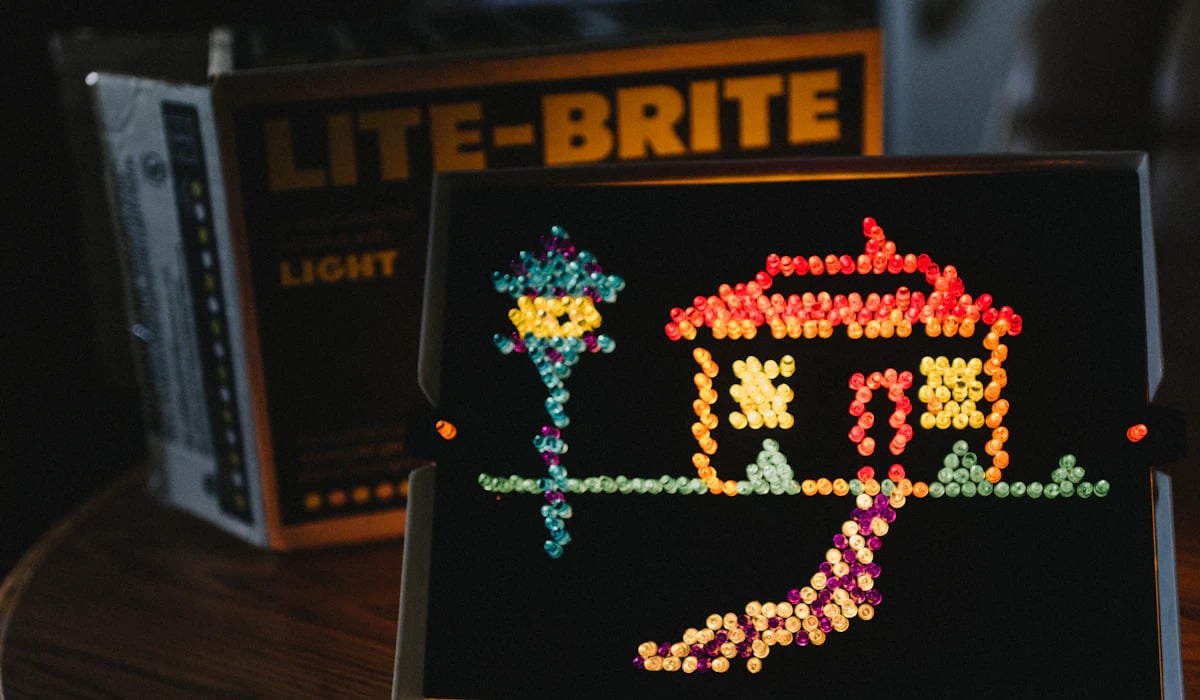
Introduced in 1967, Lite-Brite remained a favorite through the following decades because it turned a lamp and some colored pegs into glowing art. Kids saved for refill sheets and extra pegs the way adults save for new paint.
Each completed picture lit up a dark bedroom like a small stained glass window. Sets with all pegs and pattern sheets intact are the ones collectors prefer, since lost pieces drag down value.
Game Boy
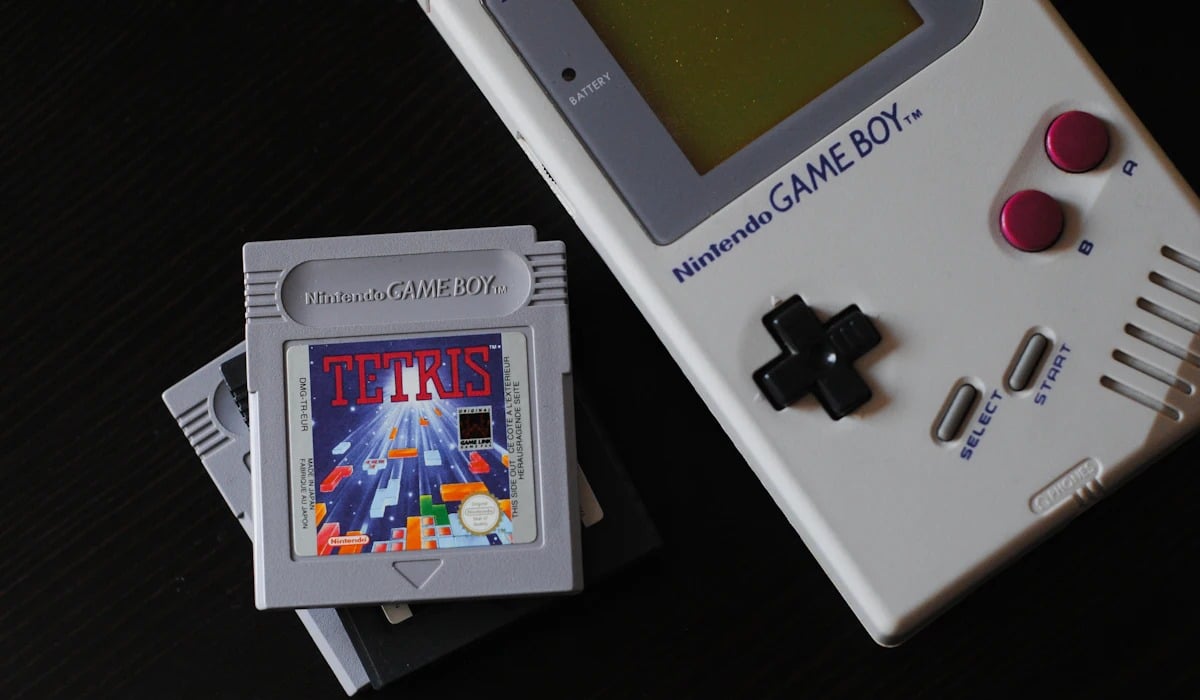
Nintendo released the Game Boy in 1989 with a gray monochrome screen, and it came packaged with Tetris, which turned out to be one of the smartest bundles in gaming. Because the device ran on AA batteries and fit in a backpack, it became a constant companion in the back seat of family cars.
Kids saved for the handheld, then saved again for each cartridge. A boxed system in clean condition is worth far more than a scuffed loose one.
Super Soaker

Engineer Lonnie Johnson invented the water gun that became the Super Soaker, and Larami brought it to stores in 1990 under the name Power Drencher. The product was renamed Super Soaker in 1991.
Its pump-action pressure chamber shot a stream far beyond anything earlier squirt guns could manage. Kids saved for them because a summer without one meant losing every water fight on the street.
The toy also proved that a gifted engineer could change playtime as much as any big corporation.
Beanie Babies
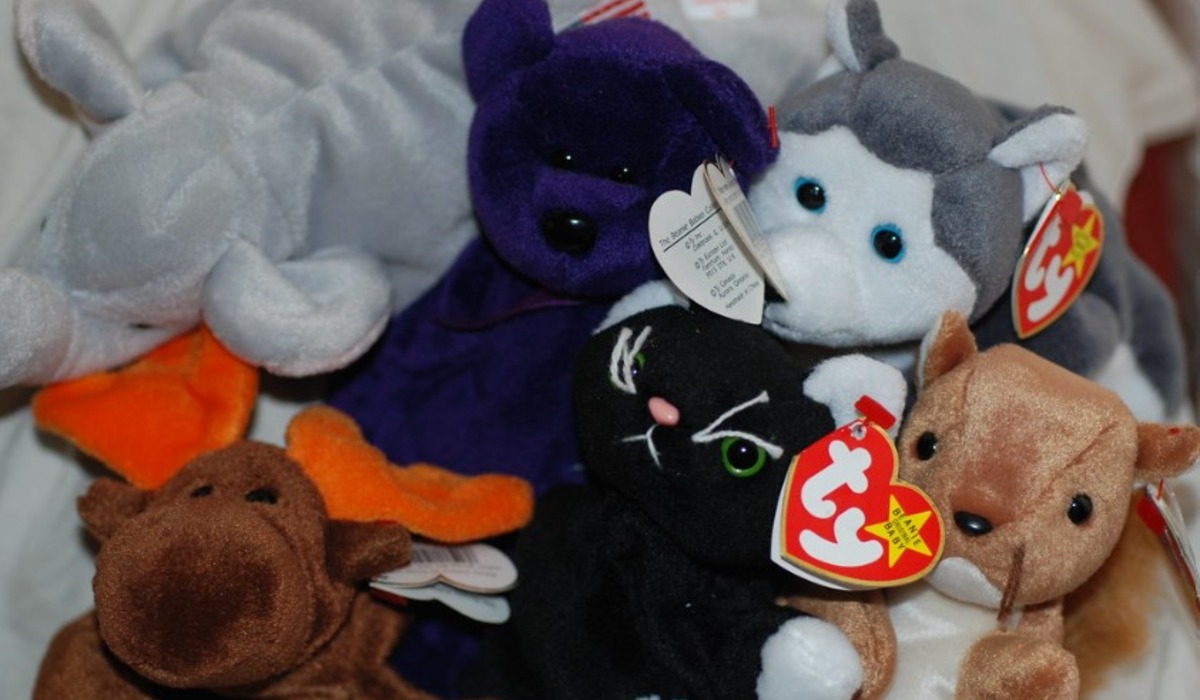
Ty Warner launched Beanie Babies in 1993 with an original group of nine plush animals, and the low price per toy made them an easy habit for kids to feed with allowance. The collecting frenzy that followed in the late 1990s led many children to believe they were holding a future fortune.
Tag condition mattered enormously to collectors, and a creased or missing tag could ruin a toy’s resale appeal. Most surviving Beanies are worth much less than the hopeful kids of that era assumed.
Tickle Me Elmo
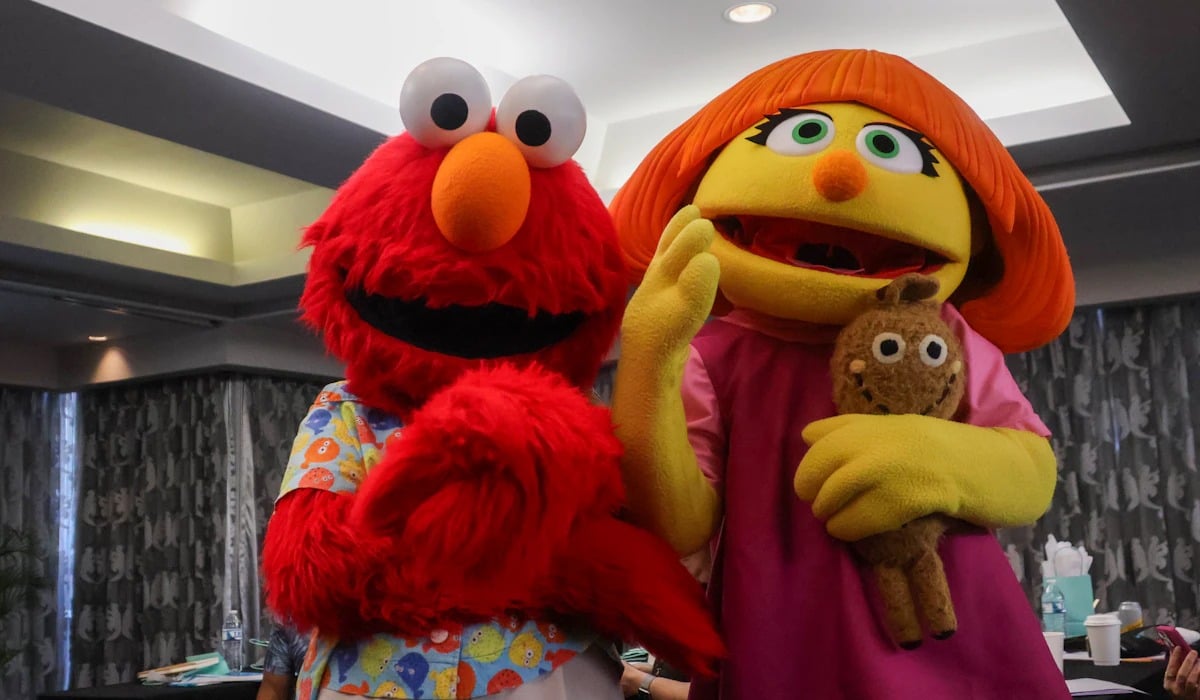
Tyco released Tickle Me Elmo in 1996, a plush Sesame Street character that giggled and shook when squeezed. Supply ran short that Christmas season, and the toy became famous for sending shoppers hunting from store to store.
Kids who tried to buy it with their own savings often found that the money was not the obstacle, because shelves were empty. Original boxed versions in good condition hold more interest for collectors than worn ones.
Tamagotchi
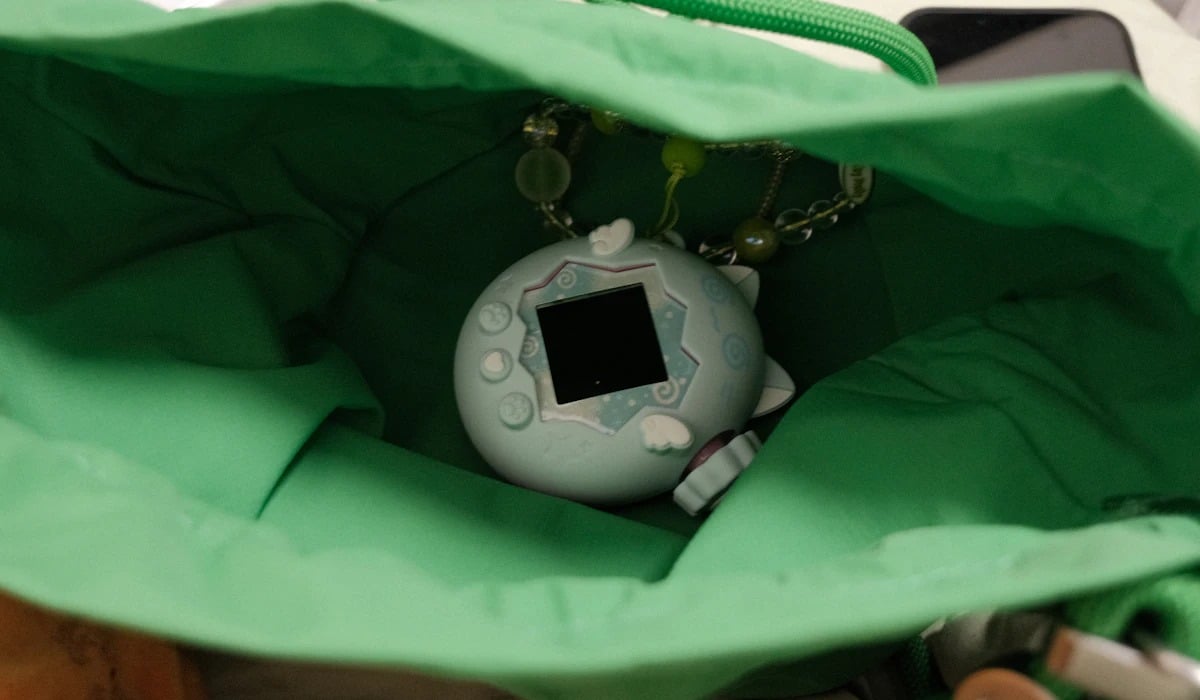
Bandai’s Tamagotchi reached American stores in 1997, an egg-shaped keychain device on which a tiny digital pet needed feeding, cleaning, and attention. Kids saved to adopt one, then discovered the pet could die if neglected, which turned allowance into a heavy responsibility.
Teachers across the country complained about beeping from backpacks. Early units in working order with original packaging are valued by collectors, while battery corrosion can sharply reduce the price.
Furby
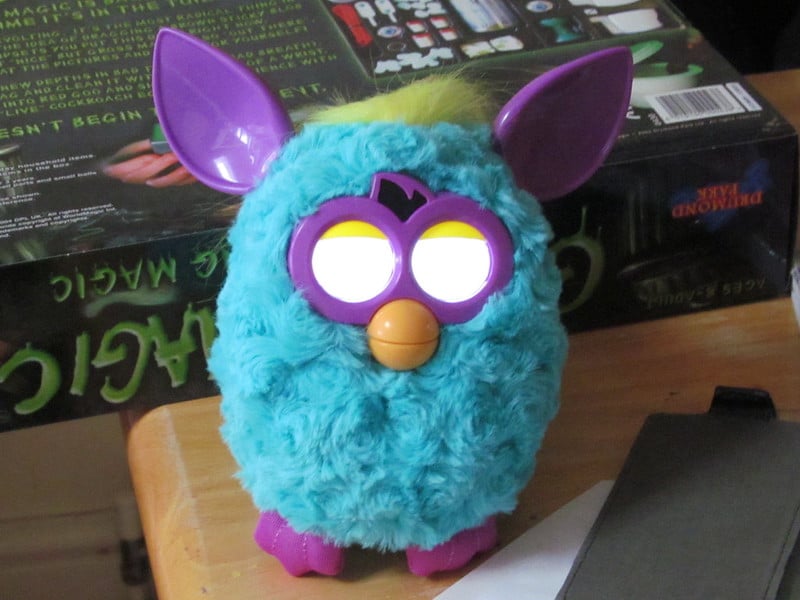
Tiger Electronics introduced Furby in 1998, a furry robotic creature that began by speaking its own language and gradually seemed to pick up English. It sold out repeatedly during the holiday season, which pushed kids to guard their savings for the moment a store restocked.
The unusual selling point was that each Furby appeared to grow smarter with play. Boxed examples in clean condition are worth considerably more than loose, worn ones.
Pokémon Trading Cards
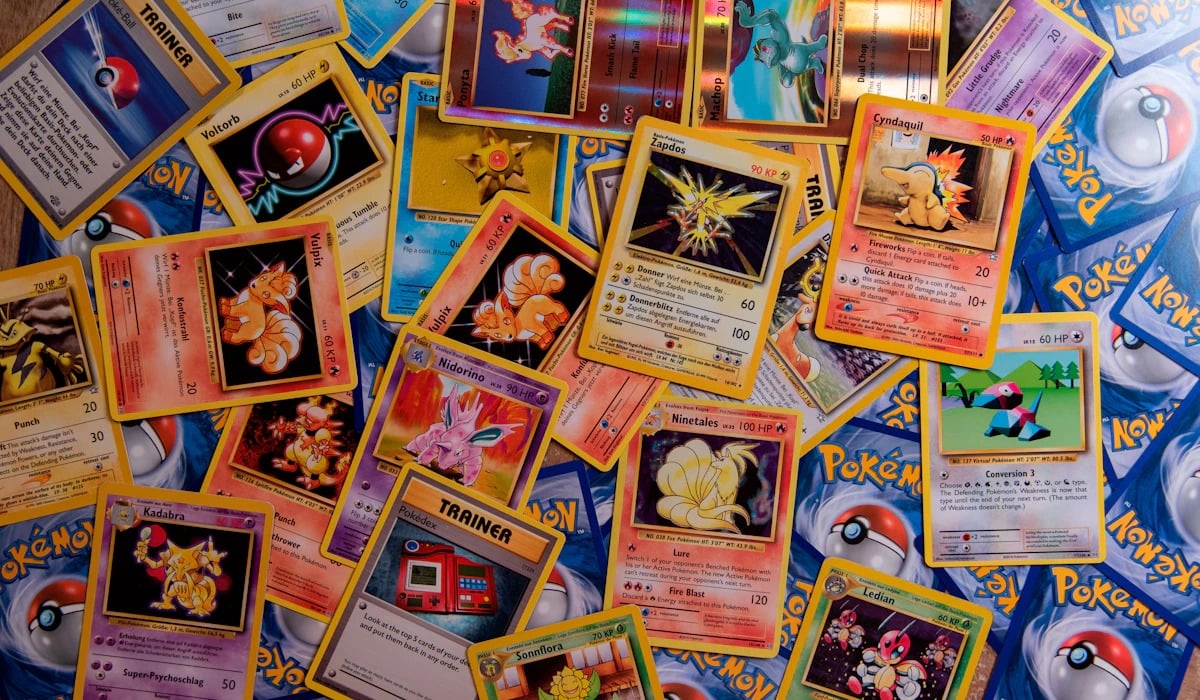
The Pokémon trading card game reached American kids in 1999 through Wizards of the Coast, and the Base Set quickly turned playgrounds into trading floors. Booster packs were cheap, so allowance disappeared one pack at a time while kids hoped for a shiny Charizard.
The odds of landing that holographic card were slim, which only made the hunt more addictive. Card value depends enormously on condition, edition, and grading, and a single scratch can erase much of the price.
The Economics of Waiting
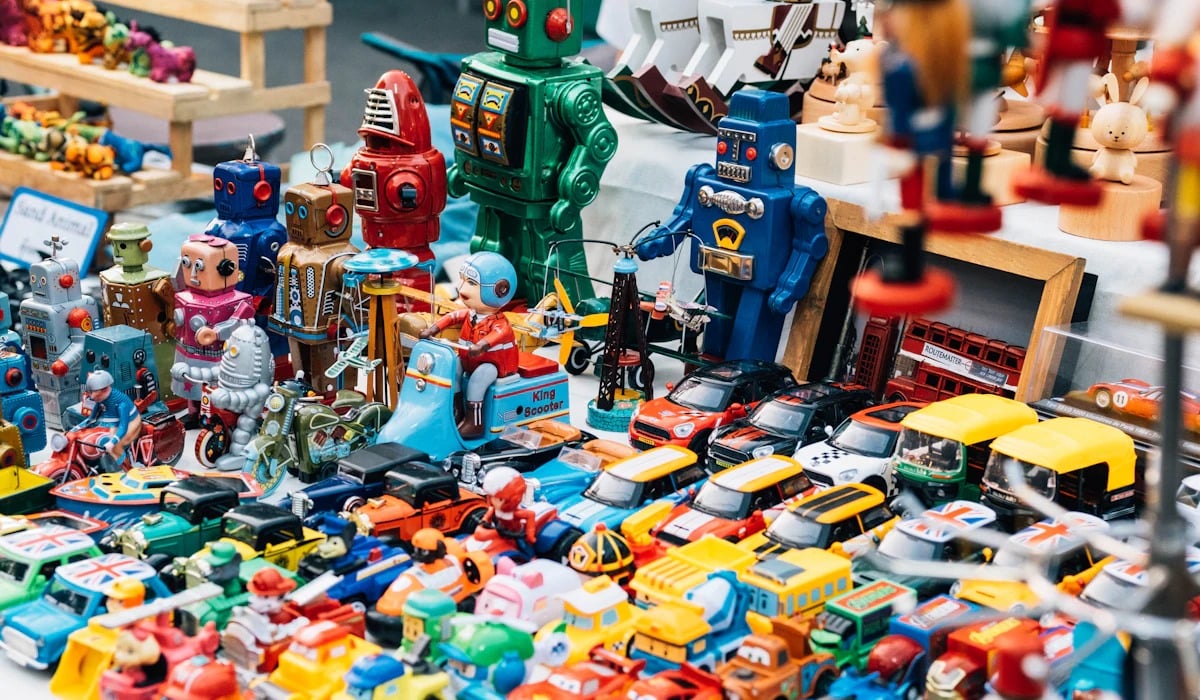
Looking back, the strangest part of these purchases is how little the objects themselves mattered by the time the money was in hand. The real prize was the stretch of weeks before the transaction, when a kid learned to compare a candy bar today against a console next month.
Every decade had its own must-have toy, yet the same quiet discipline ran underneath all of them.
That discipline is why so many adults still remember exactly what they bought and where. A toy handed over on a birthday fades quickly, but one earned coin by coin tends to stay vivid for decades.
The prices may look tiny now, though the satisfaction of finally reaching the counter with enough cash has not changed at all.
MORE FROM GO2TUTORS!

- The Romanov Crown Jewels and Their Tragic Fate
- 13 Historical Mysteries That Science Still Can’t Solve
- Famous Hoaxes That Fooled the World for Years
- 15 Child Stars with Tragic Adult Lives
- 16 Famous Jewelry Pieces in History
Like Go2Tutors’s content? Follow us on MSN.