23 Fast Food Mascots That Retired
Somewhere in a marketing archive, a talking burger is waiting for a call that will never come. Fast food chains spent decades building cheerful faces to sell cheap meals, and then quietly walked many of them out the back door.
Some left after lawsuits, some after unsuccessful campaigns, and a few after a commercial that landed wrong. Others simply faded as marketing priorities changed.
Each of these characters once sat at the center of a major campaign.
Speedee, McDonald’s Original Hamburger-Headed Chef
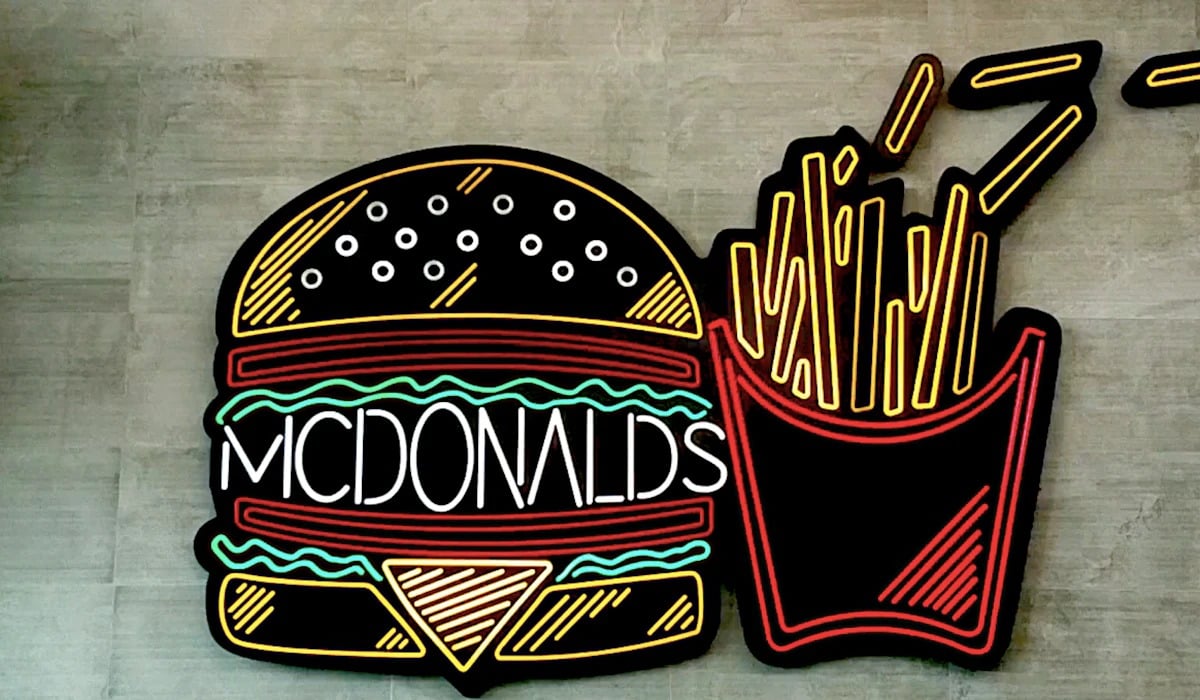
Before Ronald McDonald, the face of the golden arches was Speedee, a winking little chef with a hamburger for a head. The McDonald brothers introduced him in connection with their Speedee Service System in 1948, when they rebuilt their San Bernardino, California, restaurant around fast service.
He faded as Ronald McDonald became the chain’s better-known mascot. Ronald made his debut on local television in Washington, D.C., in 1963.
Speedee has since resurfaced occasionally as a retro design flourish.
Mayor McCheese, the Cheeseburger in Charge
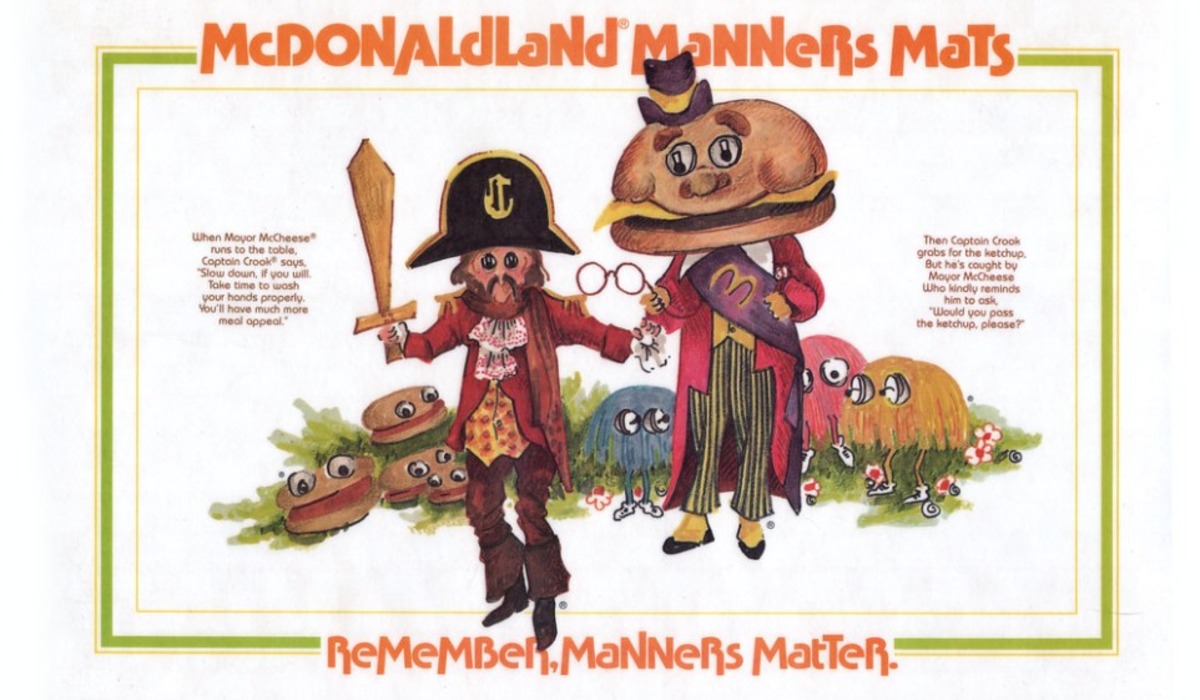
Mayor McCheese arrived in 1971 as part of McDonaldland, where he governed the town with a cheeseburger for a head and a big hat. The setting was so close to the look of the children’s series H.R.
Pufnstuf that creators Sid and Marty Krofft sued, and a federal appeals court sided with them in 1977. The ruling forced McDonald’s to change or discontinue some elements of the campaign, but McDonaldland characters continued to appear afterward.
Mayor McCheese eventually drifted out of regular use as the chain pulled back from the McDonaldland cast.
Captain Crook, the Pirate Who Sold Fish
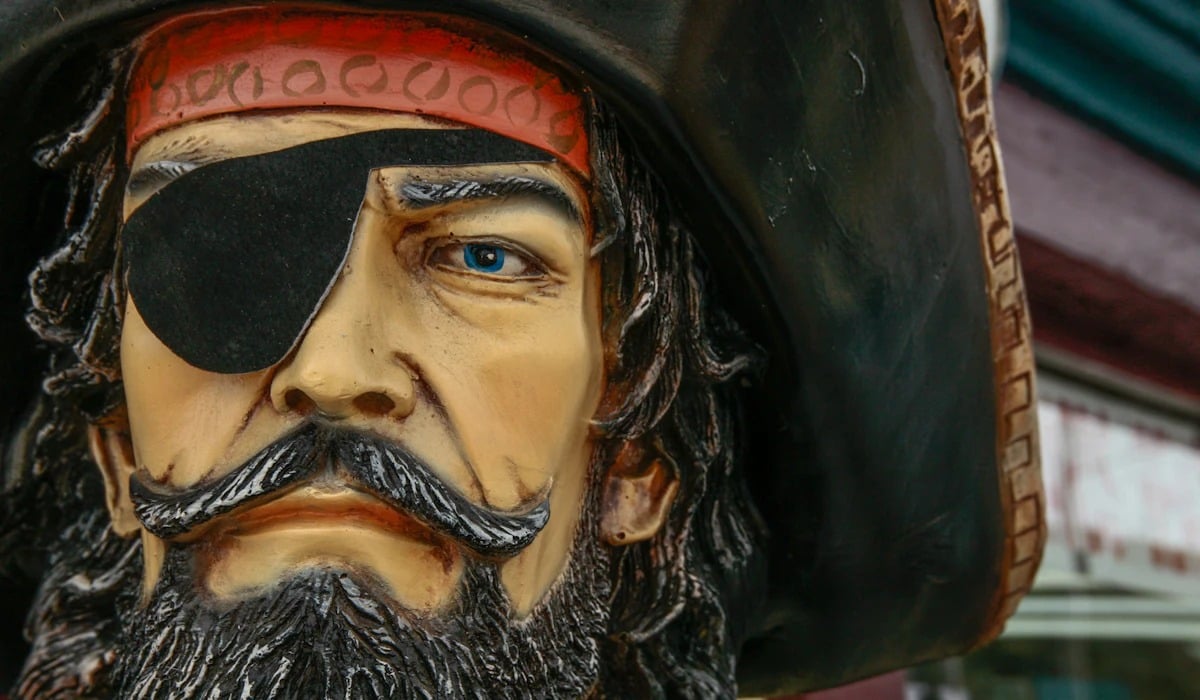
Captain Crook was a hook-handed pirate who joined McDonaldland in the early 1970s with one job: stealing Filet-O-Fish sandwiches. That sandwich dates to 1962, when Cincinnati franchisee Lou Groen created it for Catholic customers who skipped meat on Fridays.
The pirate never matched the popularity of the burger-based characters. He was phased out as McDonald’s streamlined its cast of characters in the 1980s, and the fish sandwich continued to be advertised on its own.
Fry Kids, the Pom-Pom Creatures of McDonaldland
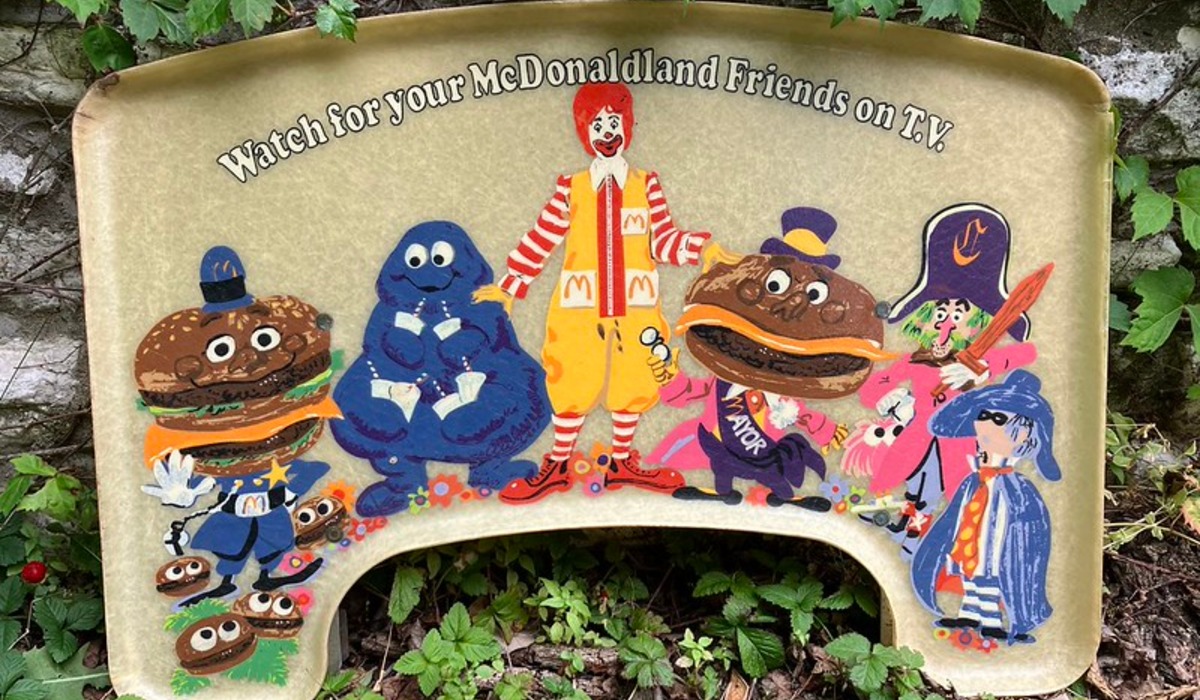
The McDonaldland fry creatures were pompom-shaped critters with big eyes, first introduced in the early 1970s as the Fry Gobblins before becoming known as the Fry Guys and later the Fry Kids. Their entire purpose was to chase after french fries, which they did across commercials, playground equipment and Happy Meal boxes.
When McDonald’s trimmed its character lineup, the Fry Kids were among the characters that disappeared from regular advertising. A generation of children can still picture the colorful fuzz without remembering a single line of dialogue.
Officer Big Mac, the Law in McDonaldland
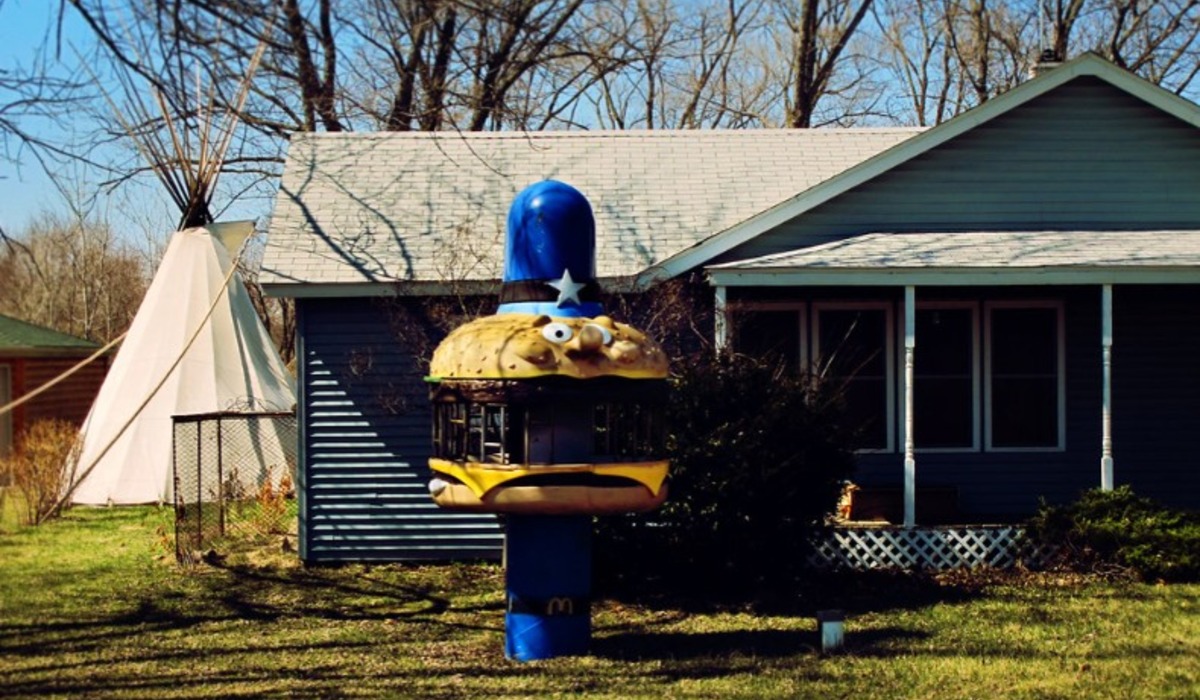
Officer Big Mac wore a police cap and had a Big Mac for a head, and his role was to keep order in McDonaldland. The sandwich he was named for was created in 1967 by Pittsburgh franchisee Jim Delligatti and went national in 1968.
The character appeared mostly in commercials and on toys during the 1970s. He disappeared from regular advertising as the chain stopped promoting its fantasy town.
Birdie the Early Bird, Breakfast Ambassador
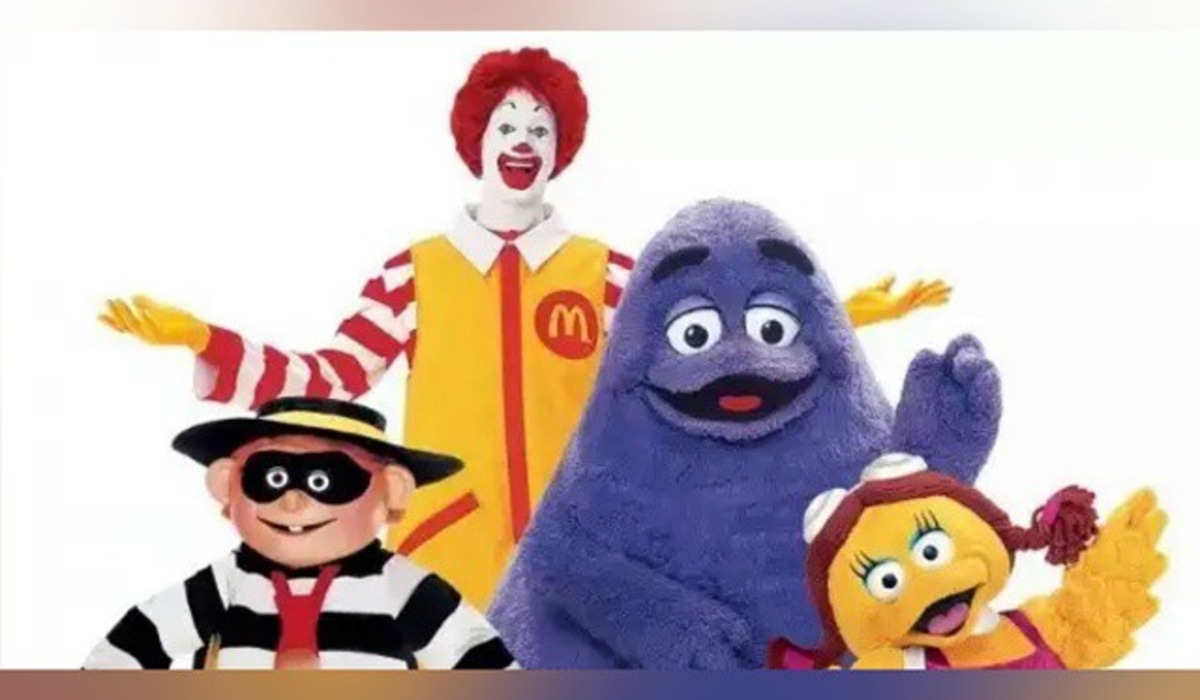
Birdie the Early Bird was introduced in 1980 as a pink, flight-suited pitchwoman for McDonald’s breakfast menu. Breakfast had been a corporate priority since the Egg McMuffin debuted in 1971, created by franchisee Herb Peterson in Santa Barbara, California.
Birdie was meant to make eggs and hotcakes feel playful rather than routine. She slipped from the lineup as McDonald’s advertising changed and its McDonaldland cast shrank.
Mac Tonight, the Moon With a Piano
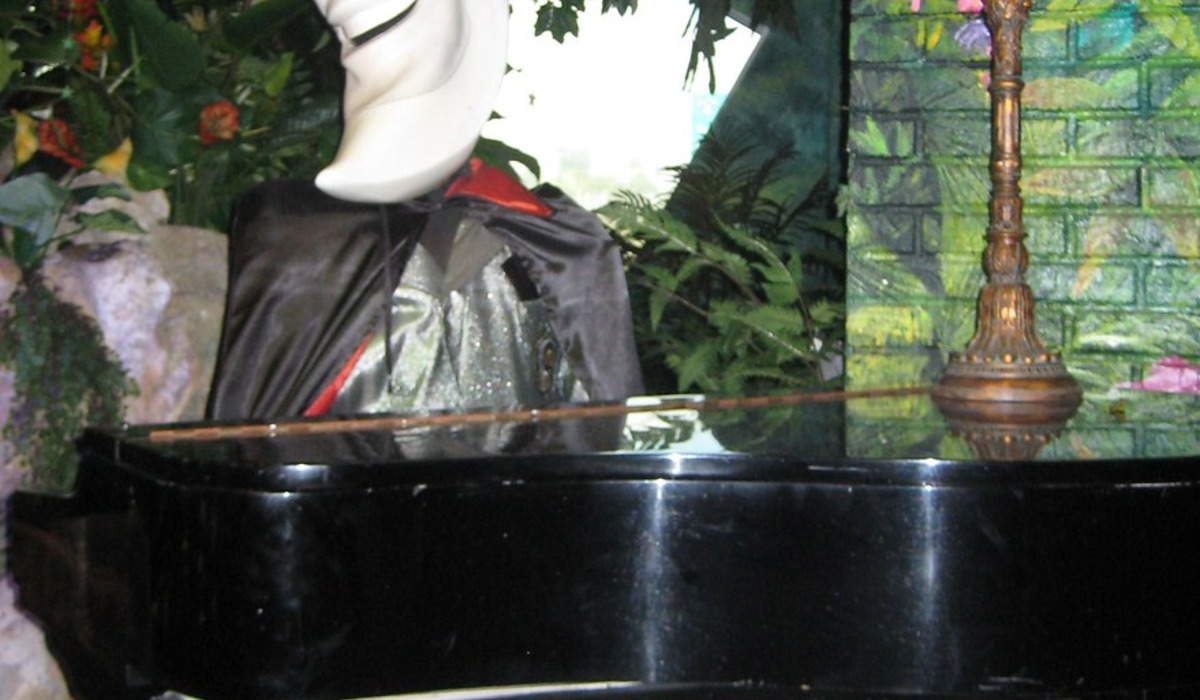
Mac Tonight was a crescent moon in sunglasses who played piano and crooned a parody of the song Mack the Knife to advertise McDonald’s dinner menu. The campaign launched in 1986 in Southern California and expanded across the country.
Plush toys and cardboard cutouts followed. The original campaign wound down by 1989, and McDonald’s has only occasionally nodded to the character since.
McNugget Buddies, Chicken Nuggets With Personality
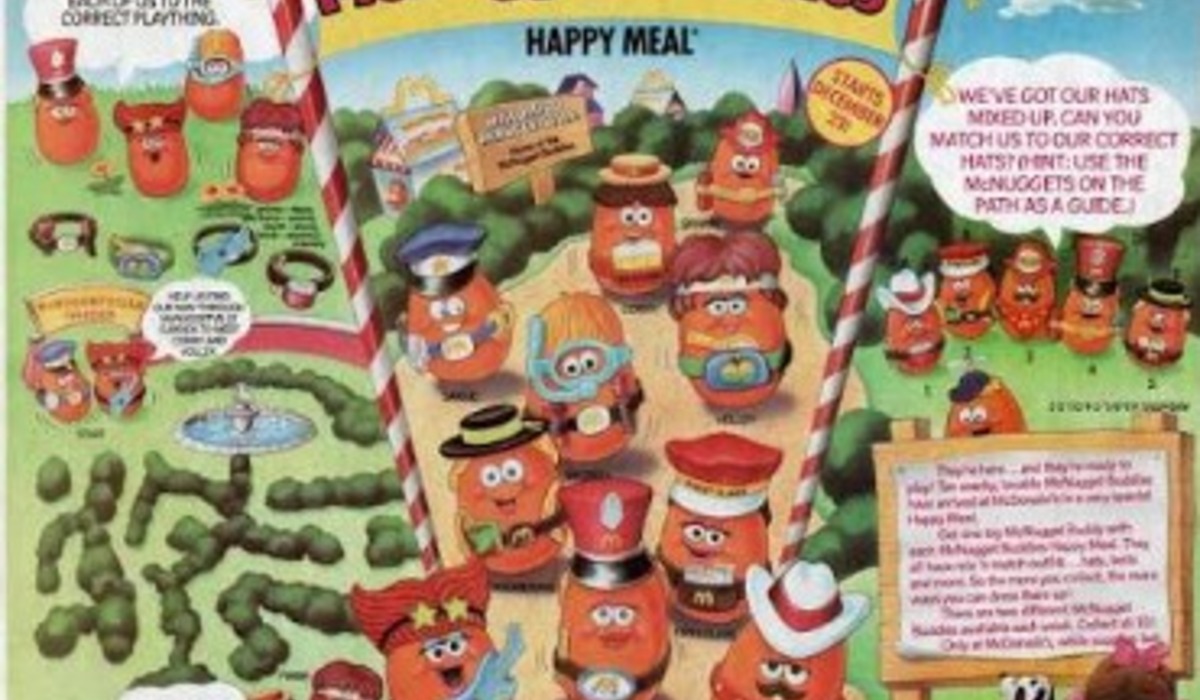
Chicken McNuggets went nationwide in 1983, and by 1988 the chain was giving them faces, costumes and names. McNugget Buddies were Happy Meal toys that dressed up each nugget as a tiny character in a themed outfit.
The line proved popular enough to be revived several times. Still, the characters never became a permanent part of the advertising lineup, and they remain a collector’s curiosity.
Uncle O’Grimacey, the Irish Relative Who Visited Once a Year
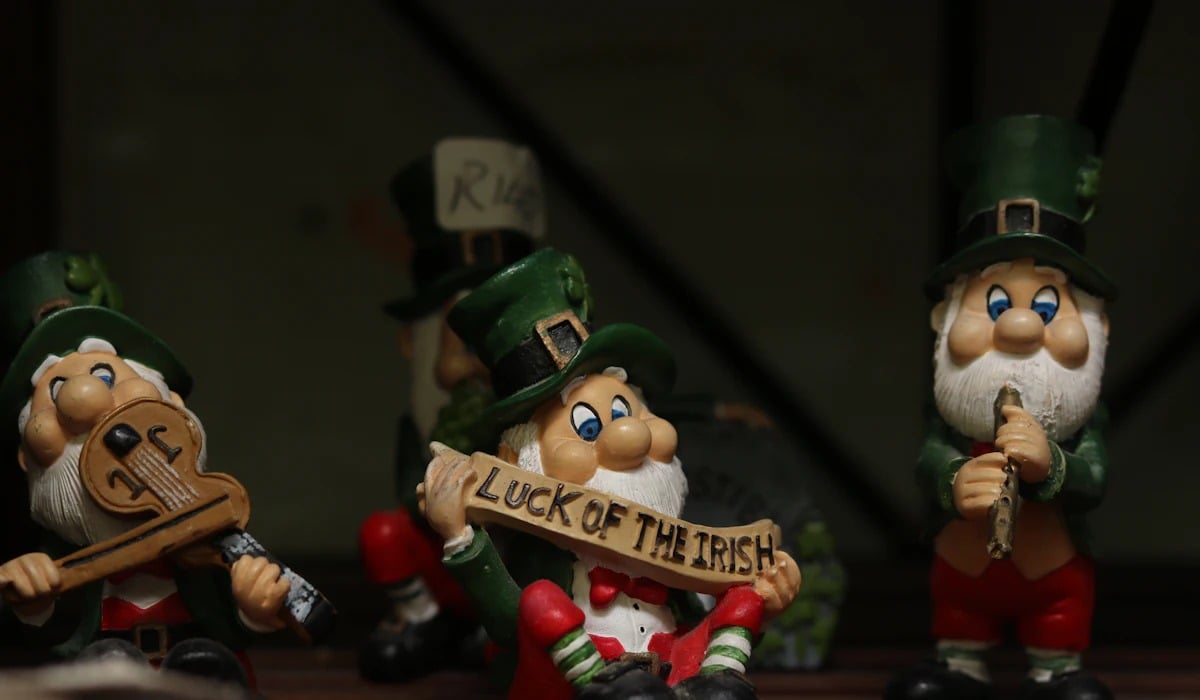
Uncle O’Grimacey was a green, shamrock-loving relative of Grimace, introduced in the mid-1970s to promote the Shamrock Shake each March. Unlike the rest of the McDonaldland crowd, he appeared mainly around St.
Patrick’s Day. His seasonal schedule made him easy to forget when the chain moved away from promoting its extended cast of characters.
He was never officially retired so much as left off the invitation list.
The Hamburglar, Master of the Heist That Never Ended
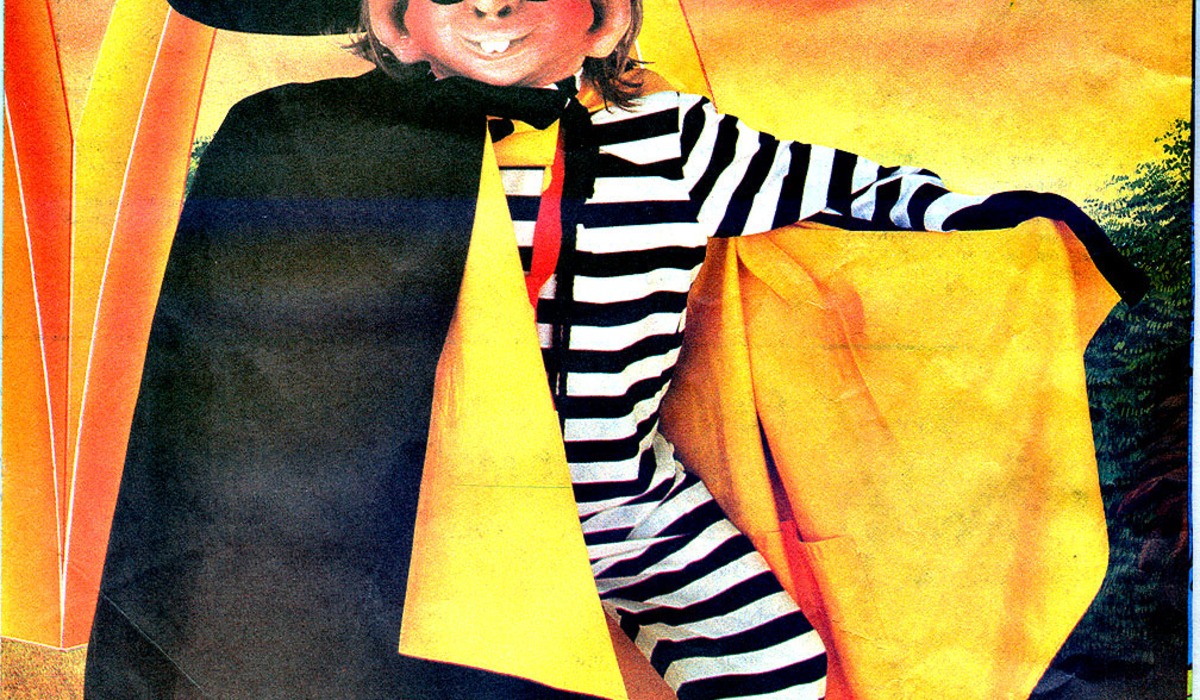
The Hamburglar debuted in 1971 as a masked, striped crook whose only goal was to steal hamburgers from Ronald McDonald and his friends. His catchphrase and his black cape became pop culture shorthand for burger theft.
He faded from regular advertising in the early 2000s. McDonald’s brought him back in 2015 with a redesign that dressed him as a suburban dad, a change that prompted mixed reactions from longtime fans.
Ronald McDonald, the Clown Who Went Quiet
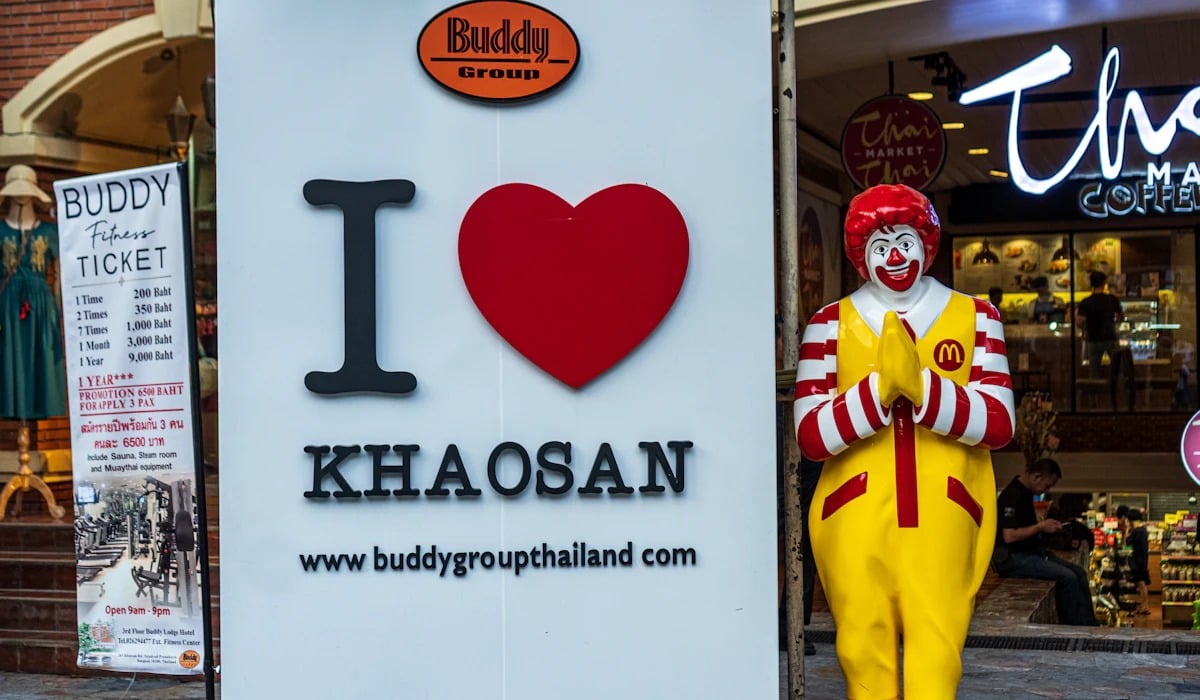
Ronald McDonald was one of the most recognizable corporate mascots in the United States for decades, with Willard Scott among the first to play him in 1963. In 2016, amid a wave of creepy clown sightings across the country, McDonald’s announced that it would scale back his public appearances.
The clown has stayed largely out of national advertising ever since. His reduced visibility is one of the clearest examples of a mascot becoming less prominent in response to public sentiment.
The Burger King Kingdom Court
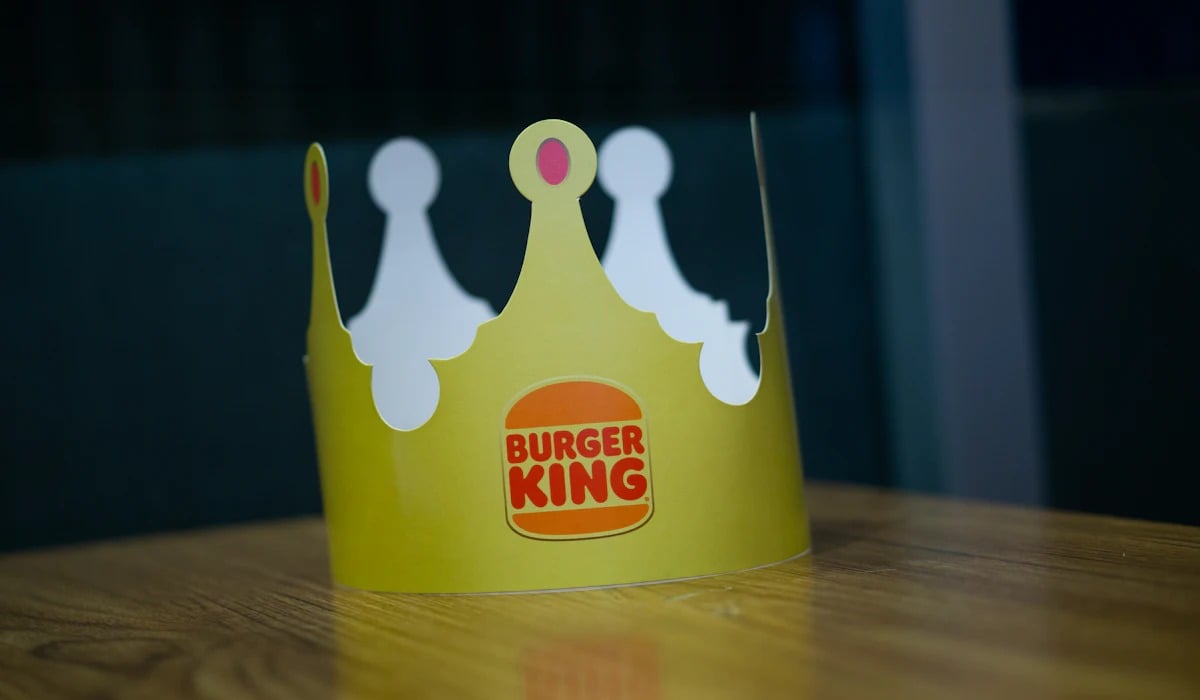
In 1976, Burger King rolled out a fantasy advertising campaign built around a magical kingdom and a crowned figure who could conjure burgers. The cast included Sir Shake-A-Lot, the Duke of Doubt and the Burger Thing, all designed to compete with McDonaldland.
The Duke served as the skeptic who refused to believe the king’s burger magic. The kingdom campaign was phased out by the late 1980s, when the chain shifted toward other approaches to marketing to children.
The Burger King Kids Club Gang
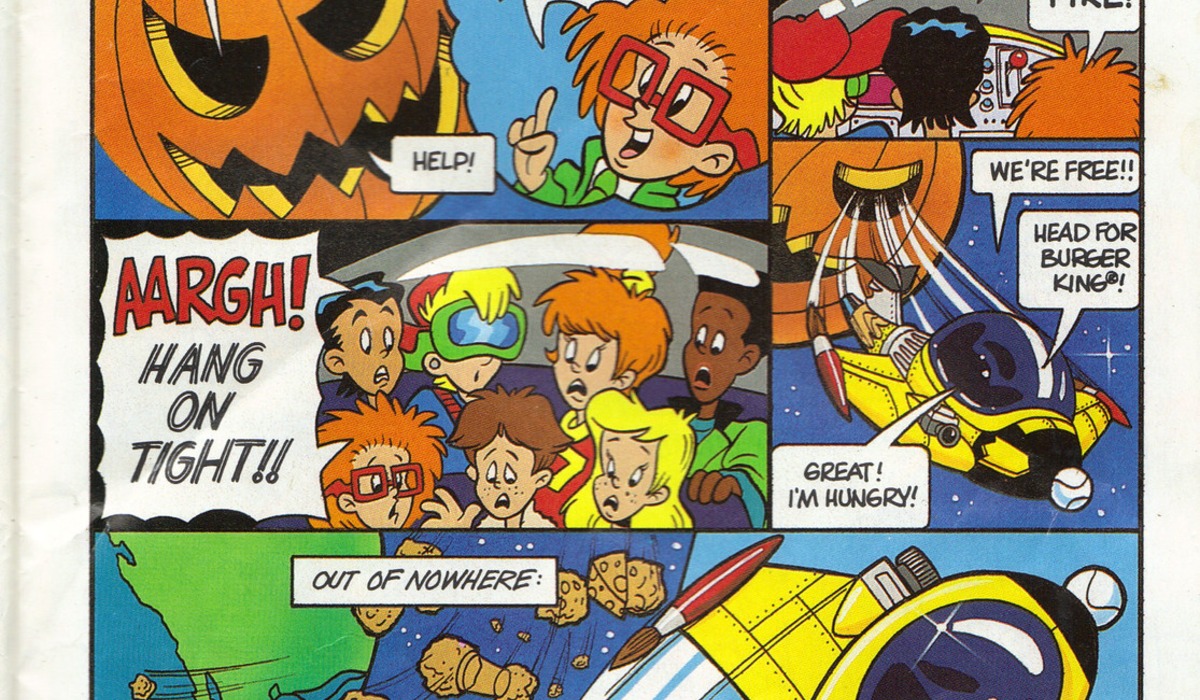
The Burger King Kids Club launched in 1990 with a diverse group of cartoon children, including Kid Vid, Boomer and Jaws. The characters appeared on kids’ meal toys, cups and in a series of commercials.
They fit squarely into the era’s rush to build cartoon casts around kids’ meals. By the mid-1990s, the club had faded from the chain’s national promotions.
The Burger King, the Mascot Who Was Shown the Door
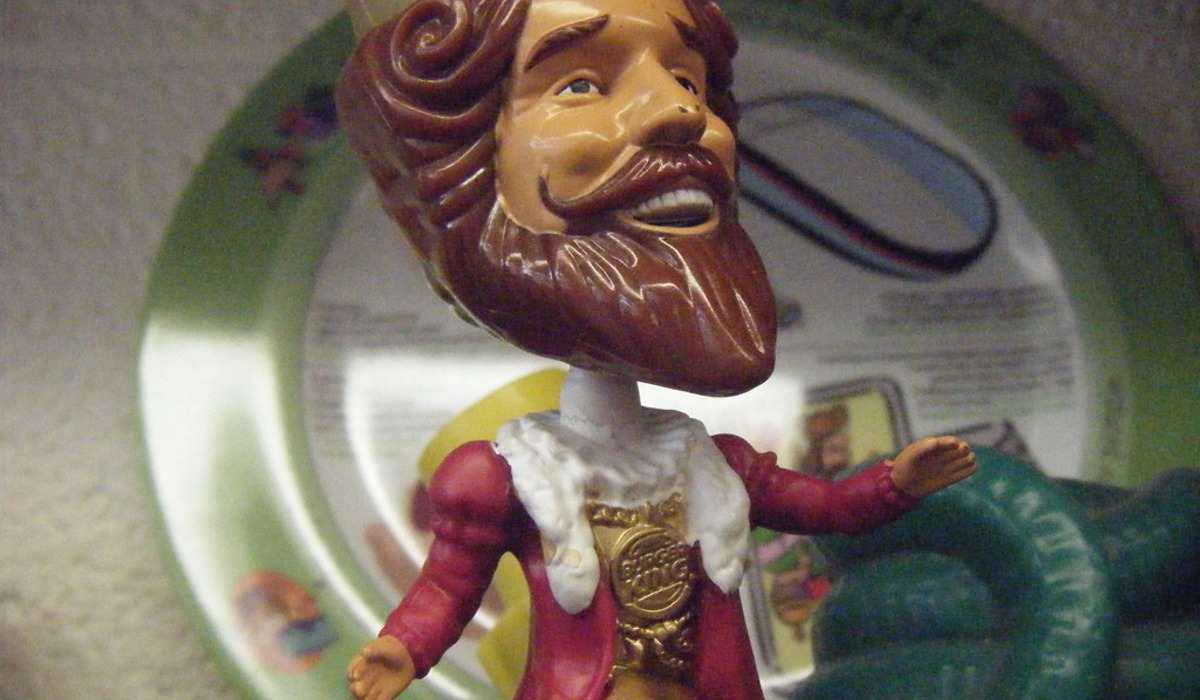
The costumed Burger King, a figure with an oversized plastic head and a crown, had been associated with the brand since the 1950s. In 2004, the agency Crispin Porter + Bogusky popularized a new version of the character, a silent, grinning figure who showed up in people’s beds and other unexpected places.
Burger King retired this version in 2011 after a change in marketing strategy under new ownership. The company brought the character back for select appearances in later years, but the original run of the 2000s campaign ended with a pink slip.
The Taco Bell Chihuahua, a Dog Who Wanted Tacos
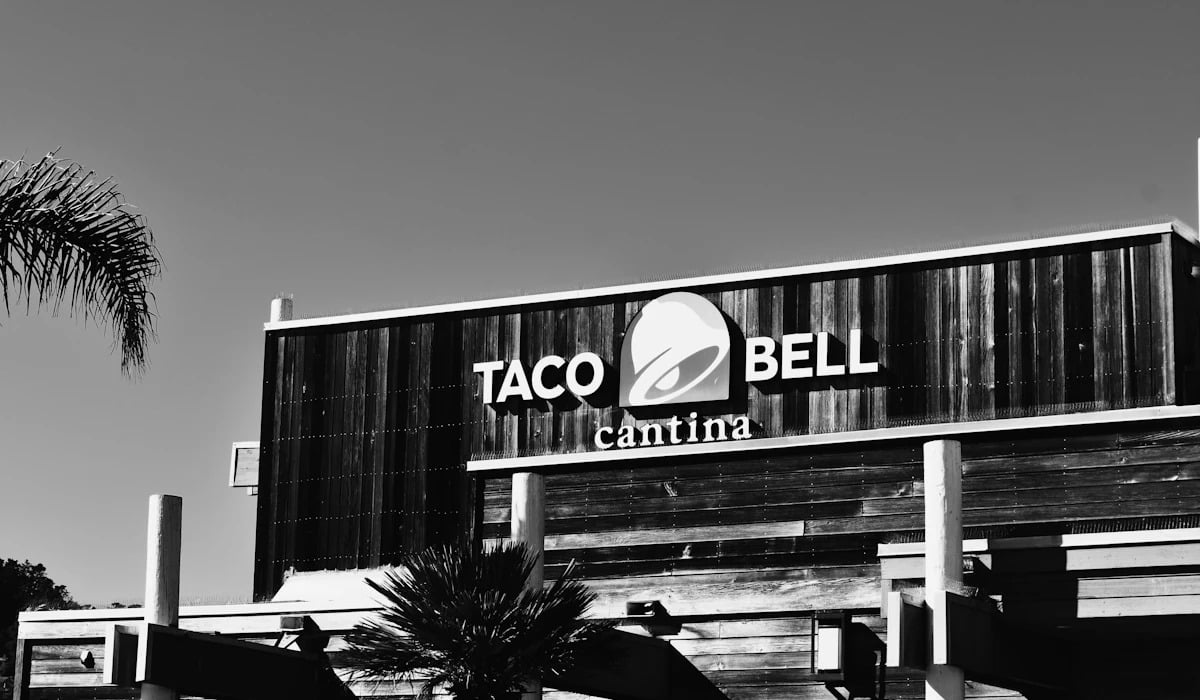
Gidget, a Chihuahua voiced by Carlos Alazraqui, became a national sensation in 1997 with a line in Spanish about wanting Taco Bell. She inspired plush toys and talking dolls and became one of the chain’s best-known advertising characters.
In July 2000, Taco Bell dropped the dog after the campaign ended, amid reports that it had not delivered the hoped-for sales boost. Gidget died in 2009, years after her last national ad.
The Noid, Domino’s Pizza Saboteur
The Noid was a red-suited, rabbit-eared troublemaker introduced in the mid-1980s, whose mission was to ruin pizza before it arrived within 30 minutes. In 1989, a man named Kenneth Lamar Noid took two Domino’s employees hostage in Chamblee, Georgia, believing the ads were aimed at him.
Domino’s phased out the character in the 1990s. The Noid reappeared in company advertising in 2021 as a nostalgia play.
Fred the Baker, Dunkin’ Donuts’ Early Riser
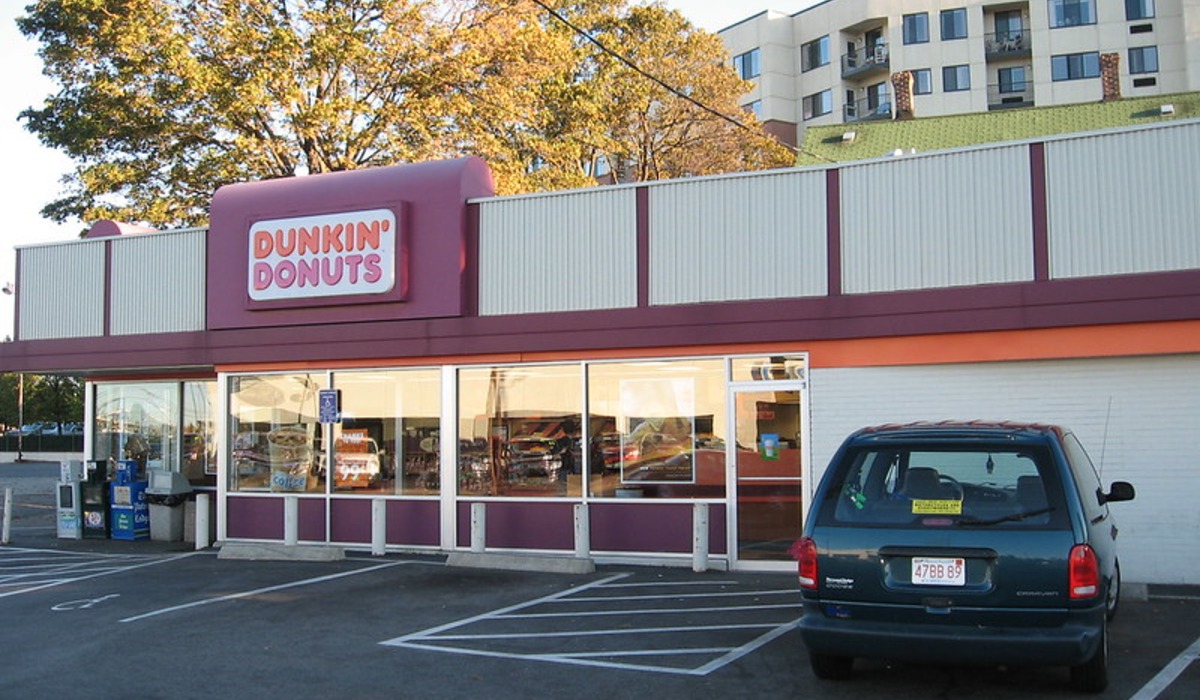
Actor Michael Vale played Fred the Baker in Dunkin’ Donuts commercials from 1982 to 1997, trudging out of bed before dawn to make the doughnuts. His tired catchphrase entered everyday speech.
In 1997, the company retired Fred with a final ad that sent him off to a well-earned rest. Vale died in 2005 at age 83, and the baker remains one of the best-loved characters of the fast food era.
The Original Jack in the Box, a Clown Who Got Blown Up
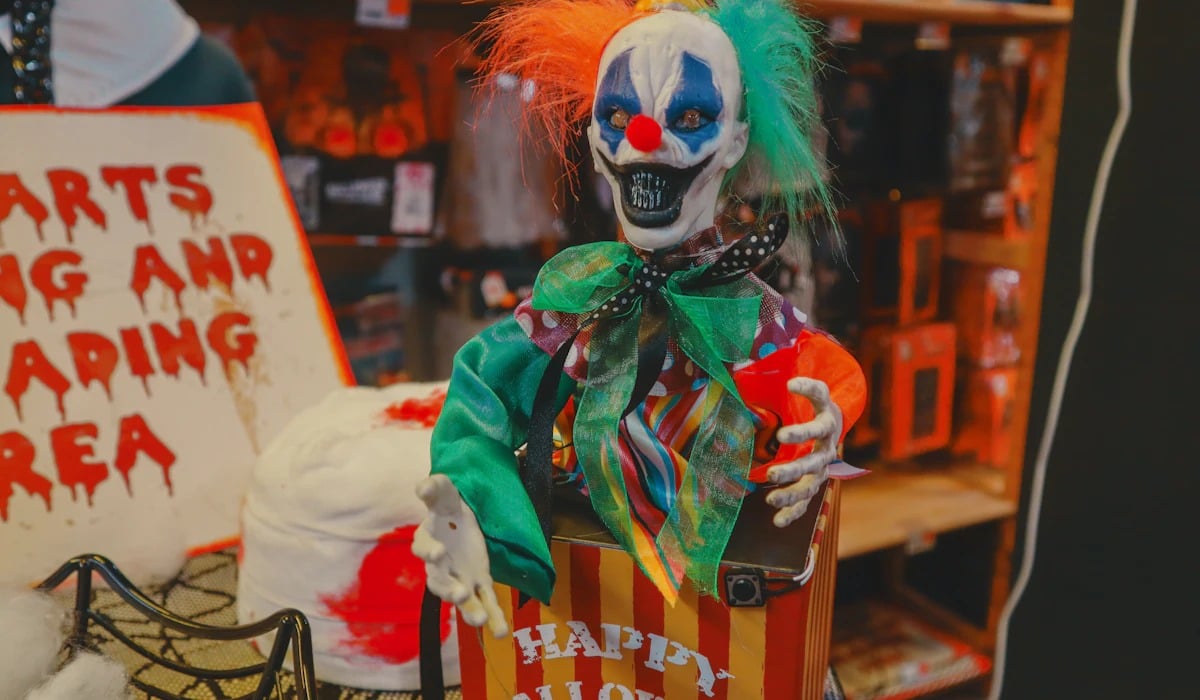
Jack in the Box restaurants carried a clown-faced mascot for years before the chain made a bold decision in 1980. A commercial depicted the clown’s head being blown up in an explosion, a deliberately dark joke meant to signal a break with the past.
The chain then went without that version of its mascot for years. In 1995, a new Jack returned in a business suit with a round white head and a pointed hat, now playing the role of the company’s chief executive.
Burger Chef and the Funmeal
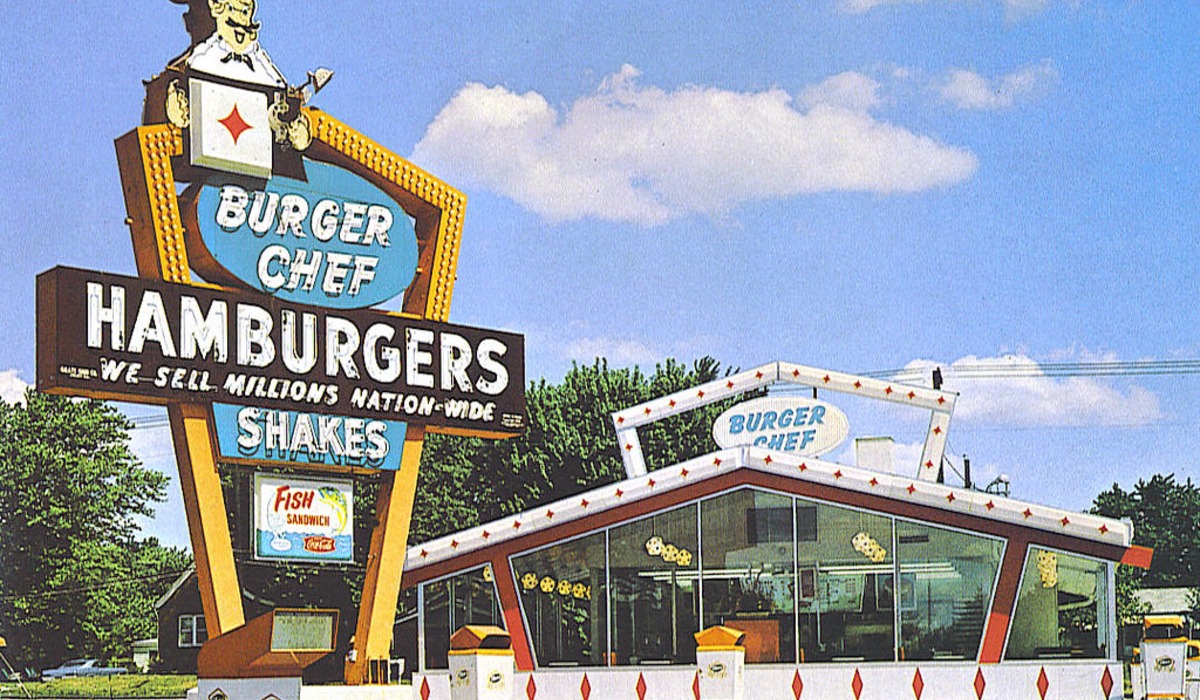
Burger Chef was founded in Indianapolis in 1954 and grew into one of the largest burger chains in the nation. In 1973, it introduced the Funmeal, a kids’ meal with a toy, years before McDonald’s Happy Meal arrived.
The chain’s cheerful chef character served as the mascot in print and television ads. After Hardee’s bought the company in 1982, most locations were converted, and the chef disappeared with the signs.
The Quiznos Spongmonkeys
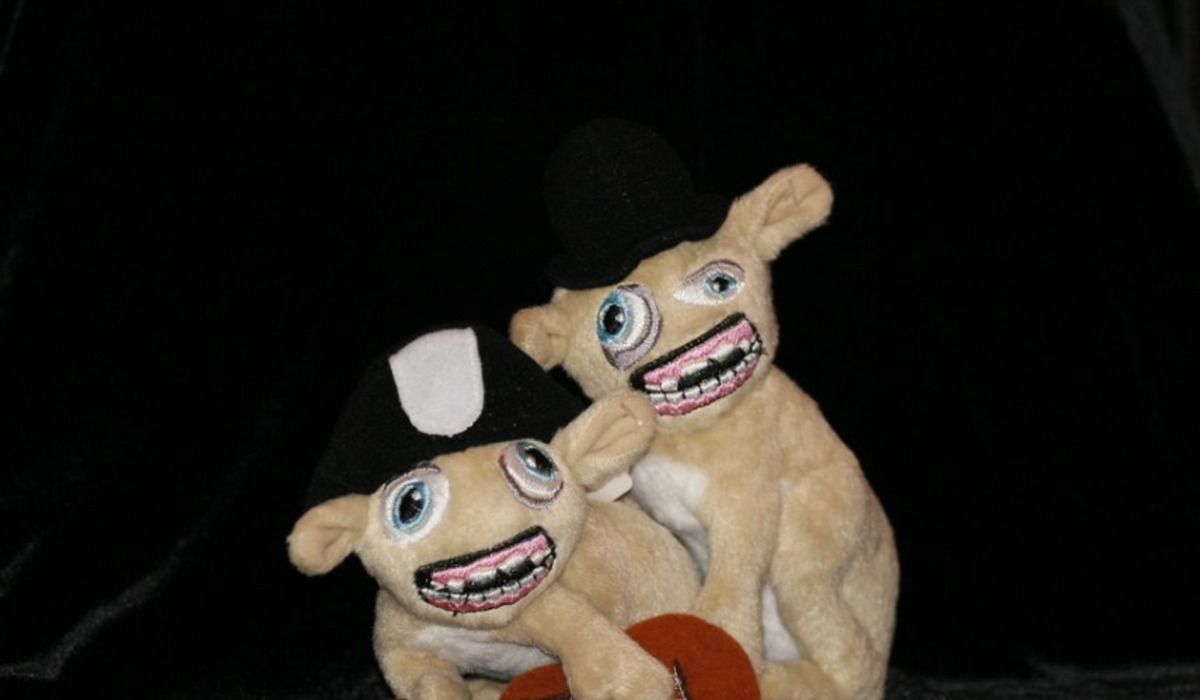
In 2004, Quiznos aired commercials featuring odd, rodent-like creatures with high-pitched voices singing about the chain’s toasted subs. Joel Veitch, creator of the Rather Good Animation website, designed the characters.
The ads generated a lot of buzz, much of it unfavorable, because viewers found the creatures unsettling. Quiznos eventually moved on from the characters, which became a case study in how weird a campaign can get before it backfires.
Clara Peller, the Woman Who Asked Where the Beef Was
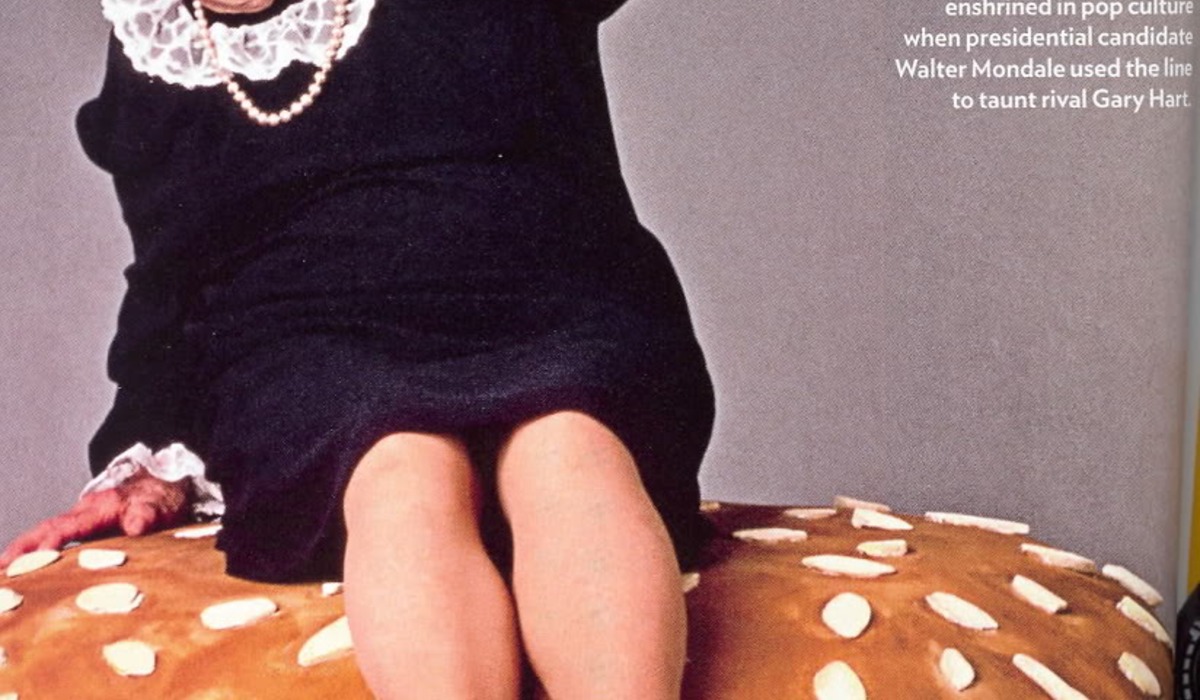
Clara Peller was in her eighties when she appeared in Wendy’s 1984 commercials, peering at a puny burger and demanding to know where the beef was. The line became a national catchphrase and even turned up in a presidential campaign.
In 1985, Wendy’s dropped her after she filmed a commercial for a spaghetti sauce that used the same catchphrase to suggest the sauce contained plenty of beef. Her time as the face of the chain was brief, but it was among the most talked-about in the industry.
Arby’s Oven Mitt, the Hand Puppet With a Sales Pitch
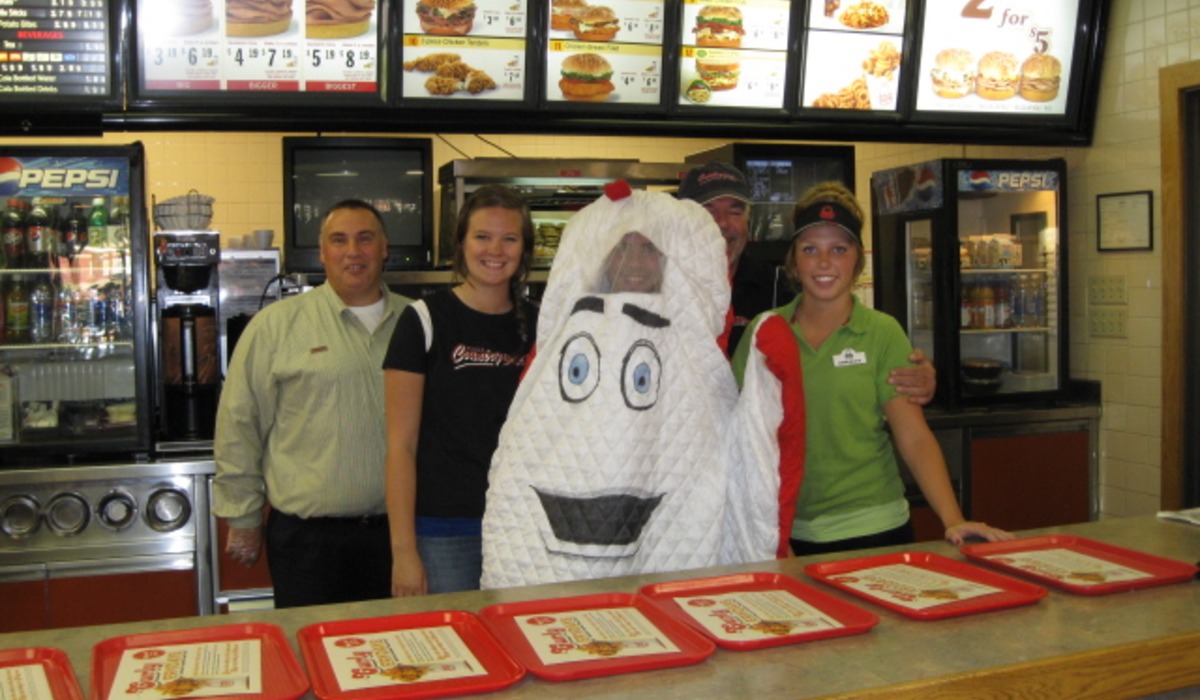
Arby’s Oven Mitt was a talking red mitt who appeared in commercials during the 2000s, reciting the virtues of the chain’s roast beef sandwiches in a smooth, slightly smug voice. Instead of a flashy costume, the character relied on a single piece of cooking gear, a gag the advertising world loved for its simplicity.
The Oven Mitt eventually gave way to newer slogans and celebrity pitchmen. He remains a favorite among advertising fans for how little he needed to work.
Chuck E. Cheese’s Animatronic Band
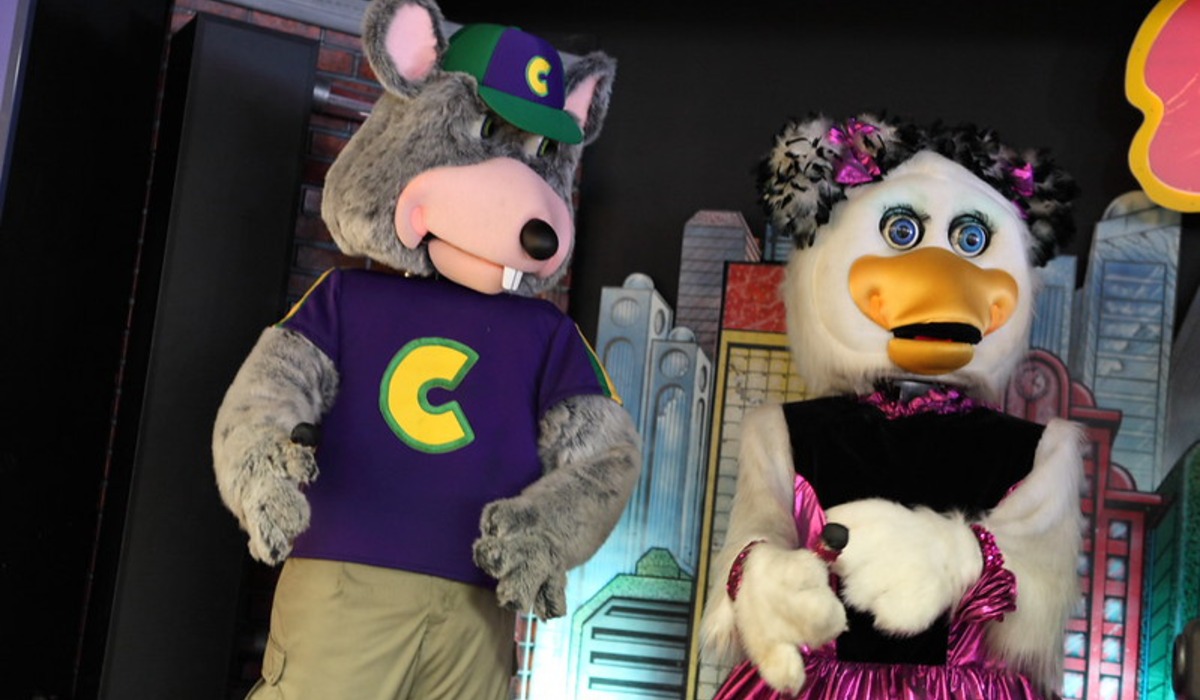
When Chuck E. Cheese’s Pizza Time Theatre opened in San Jose in 1977, its animatronic animal band was a main attraction.
Characters like Jasper T. Jowls, Helen Henny and Pasqually performed songs on stages built into dining rooms.
The company later began phasing out animatronic shows in favor of more interactive entertainment, including dance floors and video screens. Many locations have since removed their stages, leaving the old characters to live on in memory.
What Mascots Leave Behind
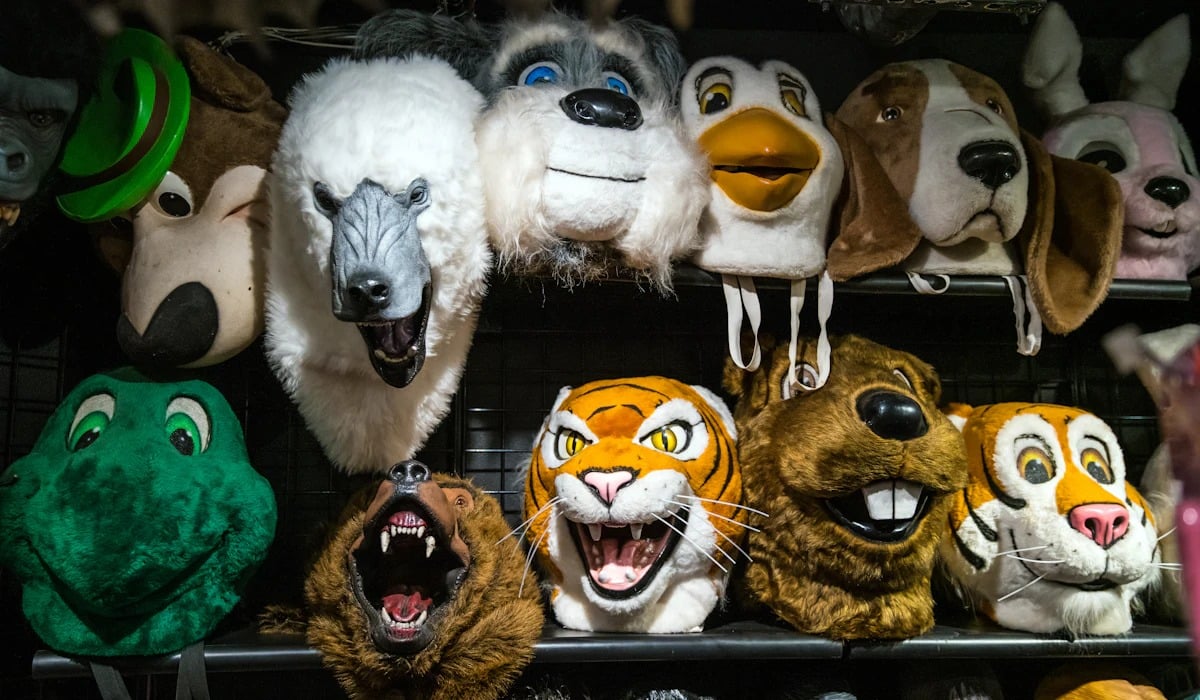
Mascots tend to vanish when the audience changes, not when the character stops being charming. A pirate selling fish sandwiches or a baker waking before sunrise made sense in a particular decade, and then it did not.
The ones that survived often did so by being rebuilt, as Jack and the Burger King were.
Even so, the retired figures hold a surprising amount of affection. People remember their names, their catchphrases and the plastic toys in the bottom of a paper bag long after the campaigns ended.
A mascot may be retired, but the habit of eating under a friendly face has proven much harder to quit.
MORE FROM GO2TUTORS!

- The Romanov Crown Jewels and Their Tragic Fate
- 13 Historical Mysteries That Science Still Can’t Solve
- Famous Hoaxes That Fooled the World for Years
- 15 Child Stars with Tragic Adult Lives
- 16 Famous Jewelry Pieces in History
Like Go2Tutors’s content? Follow us on MSN.