Great Depression Photos Of Ordinary Families
The Depression did not arrive in history books first. It arrived in boxes of negatives, shot by government photographers who were sent out to document rural poverty and came back with faces people still cannot forget.
Most of the subjects never expected to be remembered, and many never learned how widely their pictures traveled.
The images below come from Library of Congress collections and museum archives, and each shows people and families living through economic hardship. They are not portraits of famous people.
They are portraits of parents, children, kitchens, roadsides and the daily lives of people whose circumstances became part of the historical record.
The Mother Who Became a Symbol at Nipomo

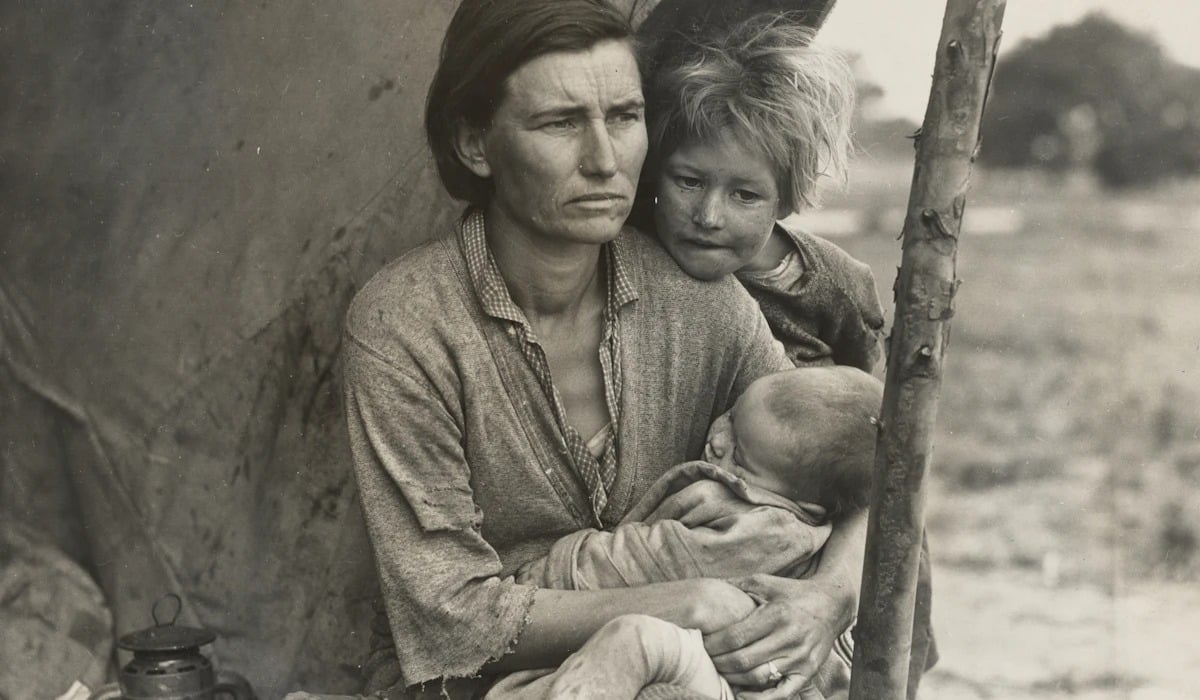
In March 1936, Dorothea Lange photographed a migrant mother at a pea pickers’ camp in Nipomo, California. The woman was later identified as Florence Owens Thompson, and her name stayed unknown to the public for decades after the image became one of the best-known photographs of the era.
The famous photograph shows Thompson with two children leaning against her shoulders, their faces turned away from the camera. Lange’s image became an enduring symbol of hardship during the Great Depression, although one photograph cannot tell the whole story of the family’s circumstances.
Allie Mae Burroughs and the Face of Tenant Farming

Walker Evans photographed Allie Mae Burroughs in Hale County, Alabama, in 1936, and the Library of Congress labels her the wife of a cotton sharecropper. Evans and writer James Agee had been assigned to document the lives of tenant farmers for a magazine project.
Their work later became the 1941 book Let Us Now Praise Famous Men. In that book, the family names were changed, so readers met her under a pseudonym while museum labels kept her real one.
Her direct gaze, with no smile and no apology, made the picture a standard for what a portrait can demand of a viewer.
The Burroughs Family in Hale County
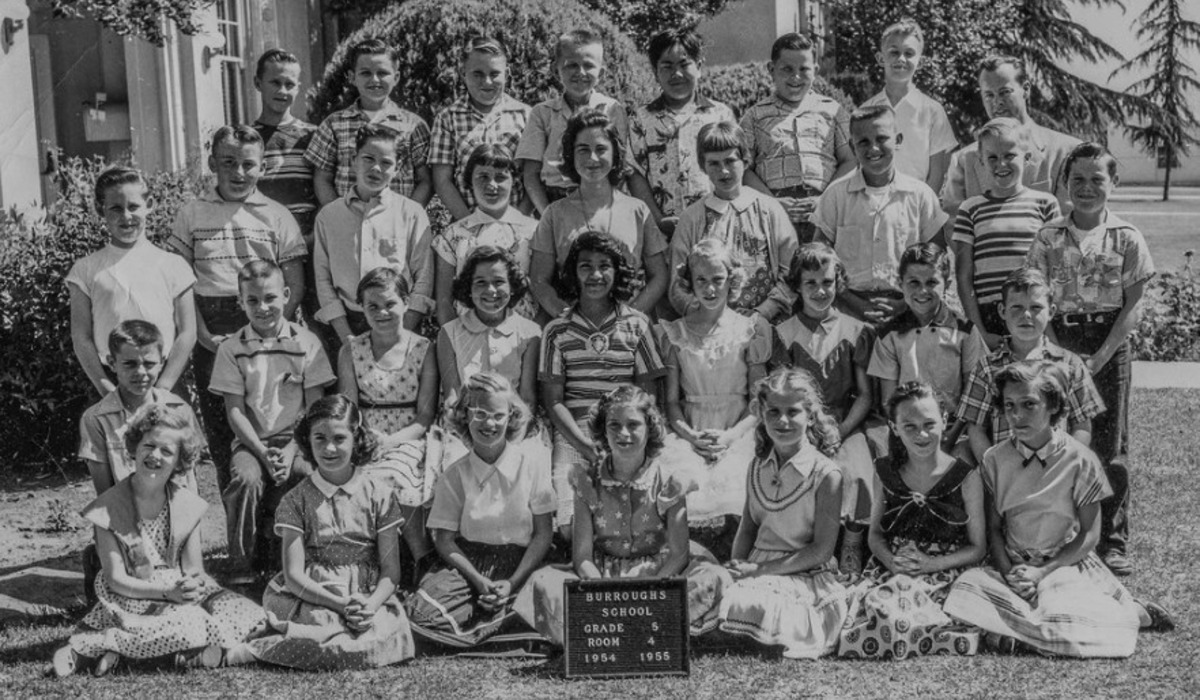
Evans also photographed the family of Floyd Burroughs in Hale County, Alabama, a household of tenant farmers whose lives he recorded at close range. The pictures were made during the same 1936 assignment that produced the portrait of Allie Mae Burroughs.
Evans often used direct, frontal compositions, allowing the people and their surroundings to remain central to the image. What reads as stiffness can also reflect the formality of the portrait and the circumstances in which it was made.
Bud Fields and His Family in Their Bare Rooms
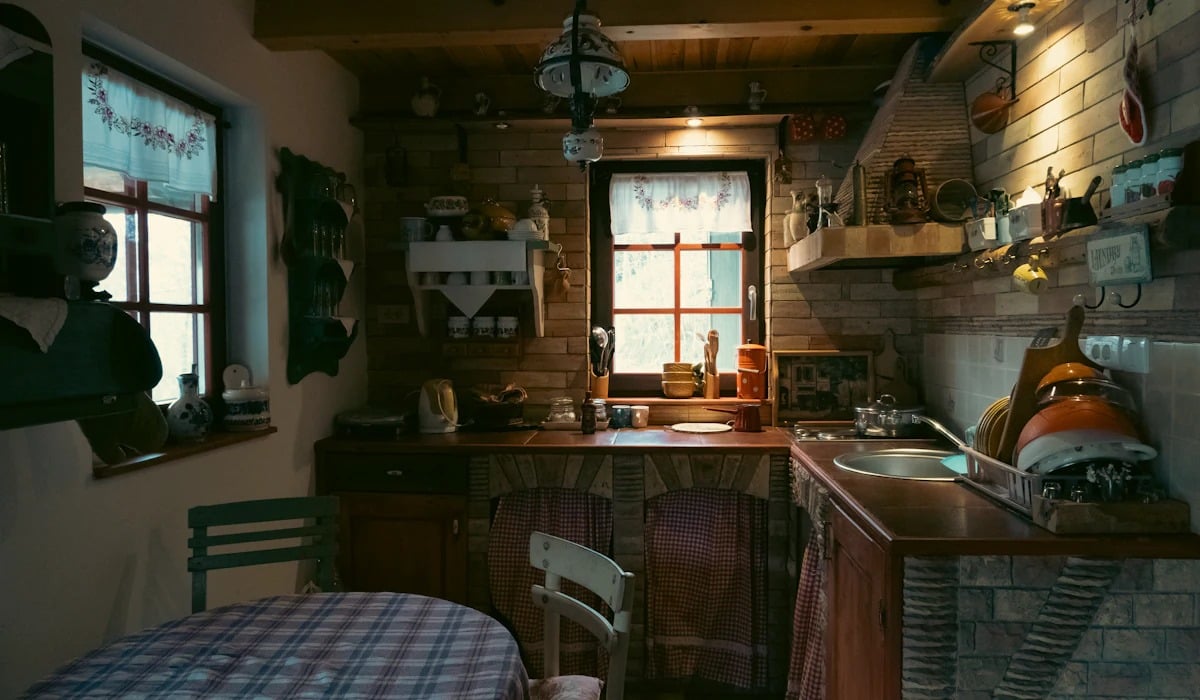
Another Hale County household Evans visited in 1936 was headed by Bud Fields, and museums today title the picture Bud Fields and His Family, Hale County, Alabama. In the published book, the family appeared under different names, a choice Agee made to shield the real people from attention.
Evans kept the composition level and unhurried, letting the unpainted walls and worn clothing carry the story. The photographs of Fields and other tenant families remain important records of rural poverty and the people who lived through it.
A Farmer and His Sons Walking Into the Dust
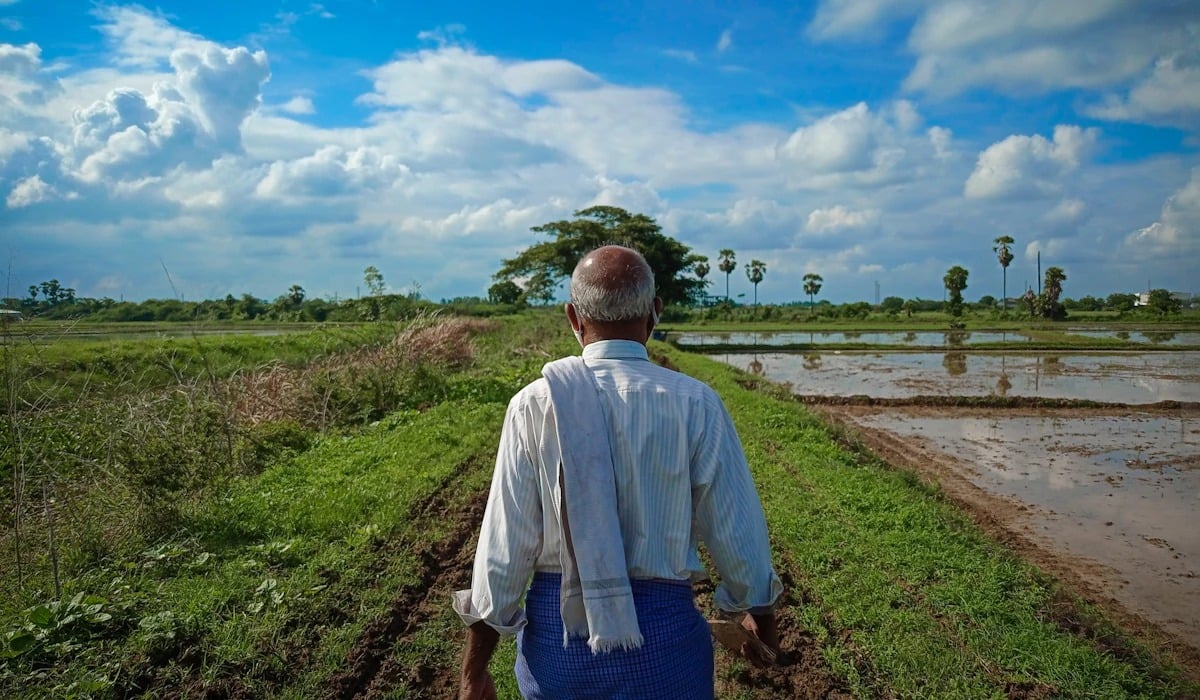
In April 1936, Arthur Rothstein photographed a farmer and his two sons walking toward a shed in Cimarron County, Oklahoma, as a dust storm swept across the farm. The Library of Congress titles the image Farmer and Sons Walking in the Face of a Dust Storm.
Rothstein worked for the Resettlement Administration, and the family became the human scale for a landscape disaster. The image circulated widely and became one of the best-known visual records of the Dust Bowl.
Dinner in a Dugout at Pie Town
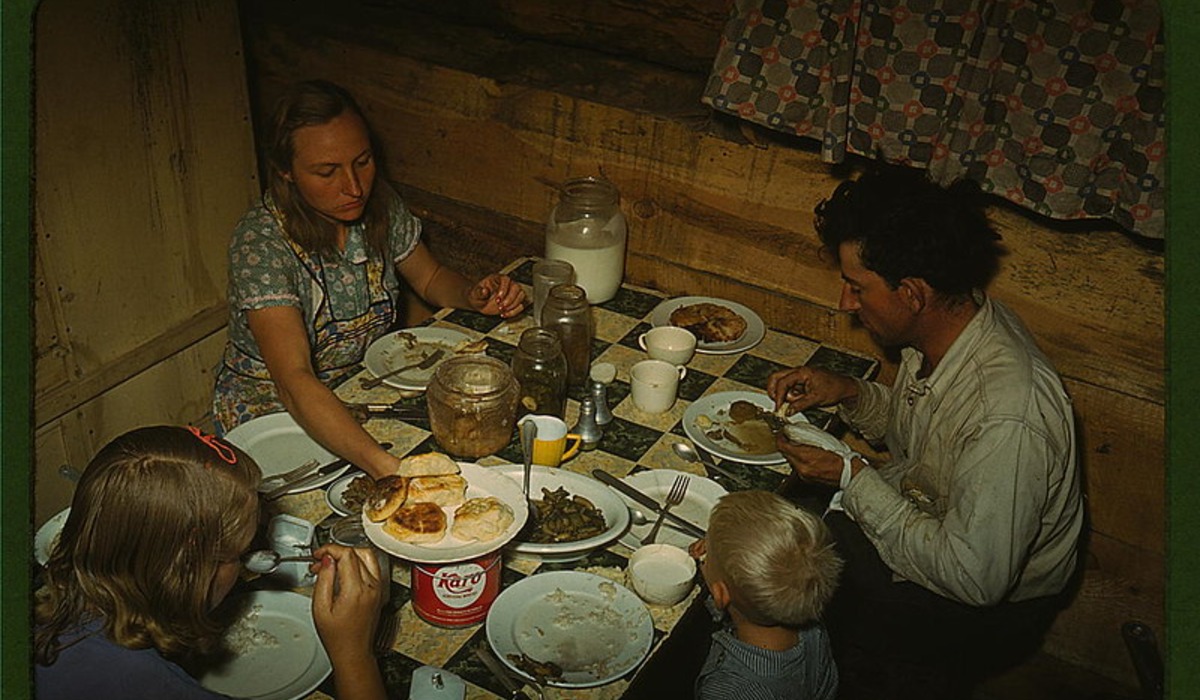
Russell Lee photographed the Faro Caudill family eating dinner in their dugout at Pie Town, New Mexico, in October 1940, a scene the Library of Congress holds in color. The family had settled in the high desert as homesteaders, and the dugout served as home while they worked the land.
Lee photographed several aspects of life in Pie Town, including the Caudills’ home and daily routines. The town took its name from the pies sold to travelers, a detail that sounds invented but is simply local history.
Nettie Featherston and Her Three Children Near Childress
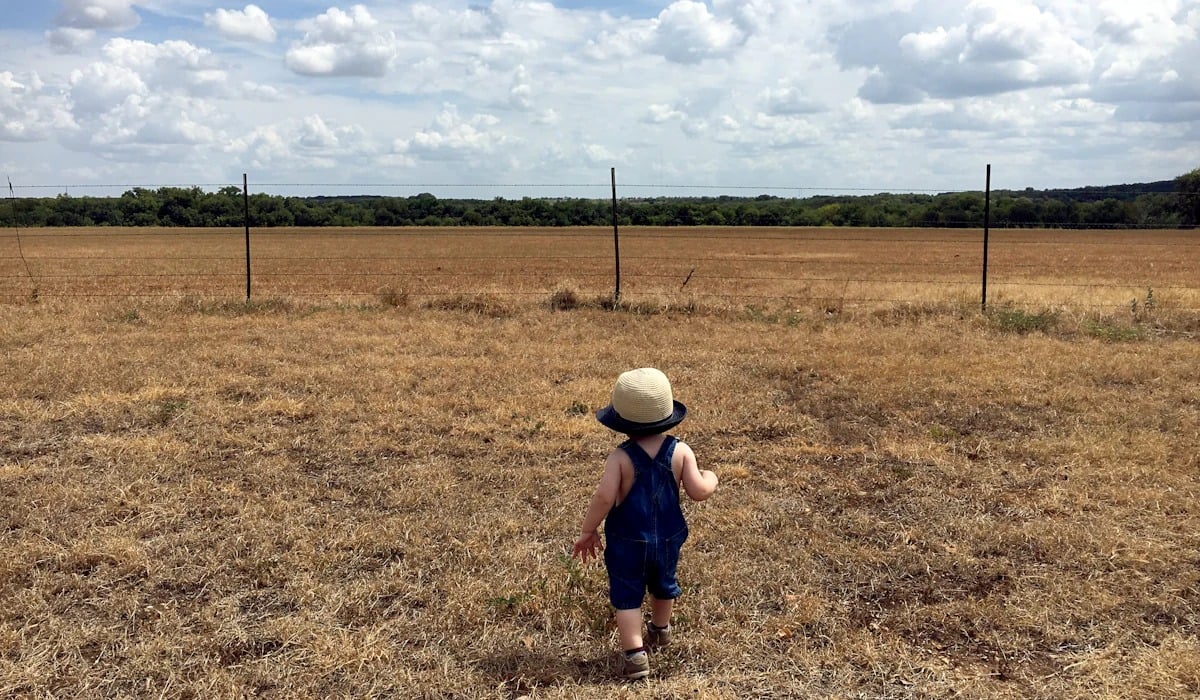
Lange photographed Nettie Featherston, the wife of a migratory laborer, with her three children near Childress, Texas, in June 1938. The National Gallery of Art lists the work by that full descriptive name.
Featherston’s family had left Oklahoma after losing their farm and became stranded in Texas while trying to reach California for work. The caption records a person with a name and a family rather than a faceless statistic.
That small act of recording who she was is part of why the photograph is still studied today.
Texan Squatters in Kern County, California
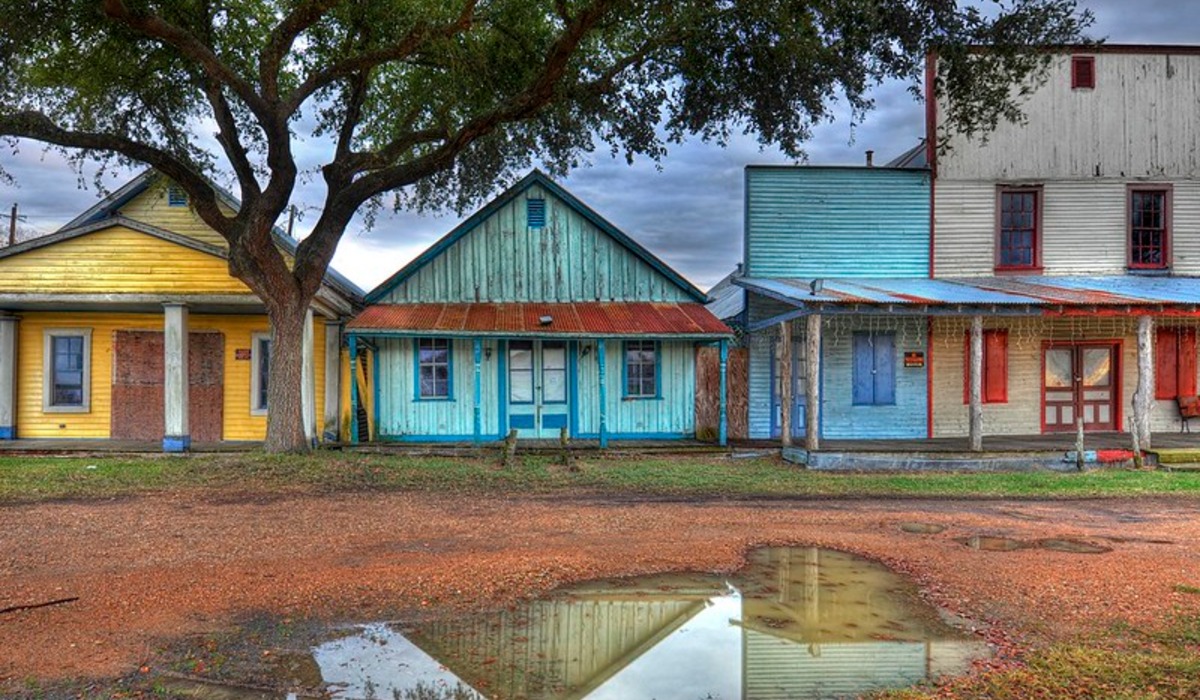
Lange documented a family of Texan squatters in Kern County, California, who had left their home state and ended up in a roadside settlement. Her Farm Security Administration photographs documented the living conditions of migrant workers and families who had moved in search of agricultural work.
Her captions often gave a family’s origin, turning a photograph into a record of where the migration began. That detail made a statistic about displaced farmers into a story about people who had once called somewhere else home.
A Migrant Family in the Imperial Valley
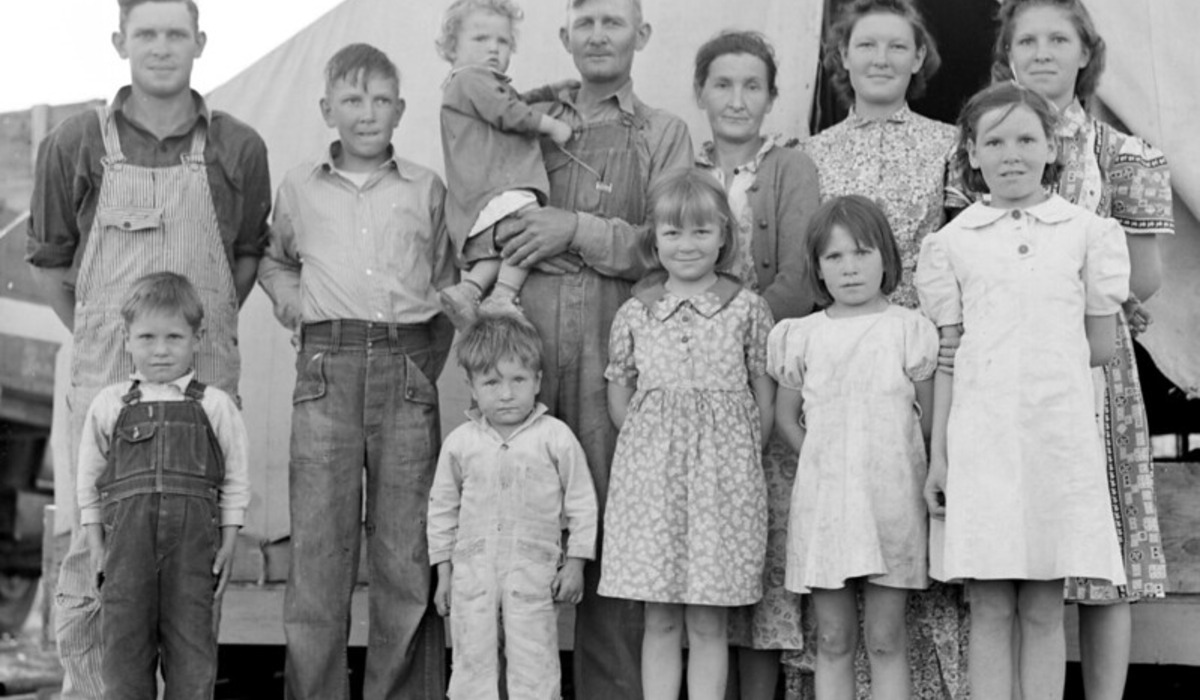
In 1939, Lange photographed migrant families in California, including workers and households living along routes between the Imperial and San Joaquin valleys. Her field reports paired images with observations about wages, housing and the number of people in each household.
The result was part photograph and part testimony, written for officials who needed evidence to help assess the conditions facing migrant workers. The pictures still read as working documents as well as works of art.
An Oklahoma Family on the Road
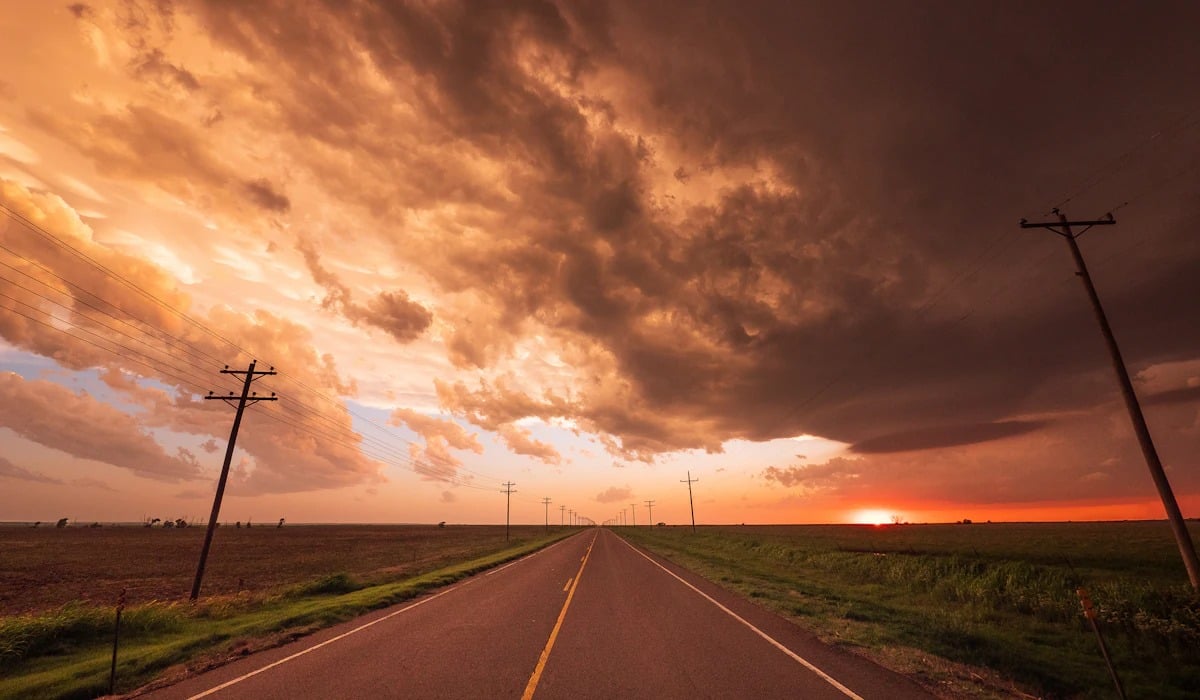
Lange’s photographs of families traveling from Oklahoma and other states show households on the move, with belongings and children packed into cars. The Oakland Museum of California preserves Lange material connected to her book An American Exodus.
That book, produced with the economist Paul Taylor and published in 1939, brought photographs and captions together to document migration and its human consequences. The pairing of images and text helped readers understand the journeys behind the photographs.
The Migrant Agricultural Workers’ Home in California
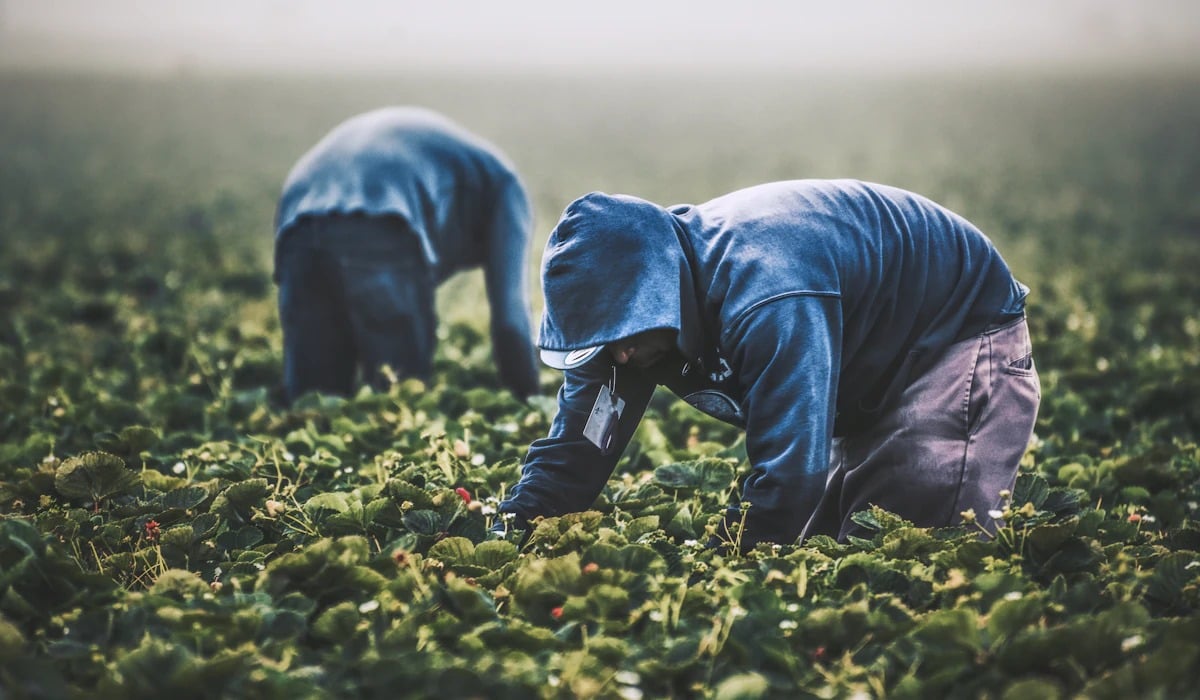
Lange photographed the improvised shelters that migrant farm laborers often occupied in California. Library of Congress records of her work in the state include photographs of tent camps, squatter settlements, rented quarters and other makeshift housing.
These homes were temporary by design, built to last one harvest and not much longer. Lange photographed them alongside the people who lived in them, documenting conditions that could otherwise have been overlooked.
A Destitute Family in the Ozark Mountains
Ben Shahn photographed rural families for the Resettlement Administration and later the Farm Security Administration, including a destitute tenant farmer’s family in the Ozark Mountains of Arkansas. Shahn was a painter before he was a photographer, and his pictures carry a sense of composition that frames each person against the landscape.
His work took him through the South and the Midwest, where he recorded homes with little furniture and less heat. The photographs show that poverty in the Depression was not limited to the plains or the cotton belt.
What a Camera Owes the People It Photographs

These photographs were made for government programs, and the families in them had limited control over how their images might be circulated or interpreted. Some, like Nettie Featherston and Florence Owens Thompson, became known by name, while others were assigned pseudonyms or captions that listed only an occupation.
Questions about representation, privacy and consent remain part of how historians and viewers interpret documentary photography. What is clear is that the photographers returned with evidence of poverty and displacement, while the families continued to live with the circumstances the pictures recorded.
The pictures endure because they refuse to explain themselves too neatly. A child turned away from the lens, a plain table, a porch with peeling paint and a road leading west all say more than a caption could.
Viewers today are looking at people who were once only a line in a federal report. That the report is forgotten while the faces are not is the lasting argument for paying attention to ordinary lives.
More from Go2Tutors!

- The Romanov Crown Jewels and Their Tragic Fate
- 13 Historical Mysteries That Science Still Can’t Solve
- Famous Hoaxes That Fooled the World for Years
- 15 Child Stars with Tragic Adult Lives
- 16 Famous Jewelry Pieces in History
Like Go2Tutors’s content? Follow us on MSN.