Tiniest Living Spaces in Big Cities
City living comes with trade-offs. You get culture, jobs, and endless things to do.
But space? That becomes a luxury you can’t afford. People squeeze themselves into places that would make a suburban garage look spacious.
And somehow, they make it work.
Tokyo’s Capsule Hotels
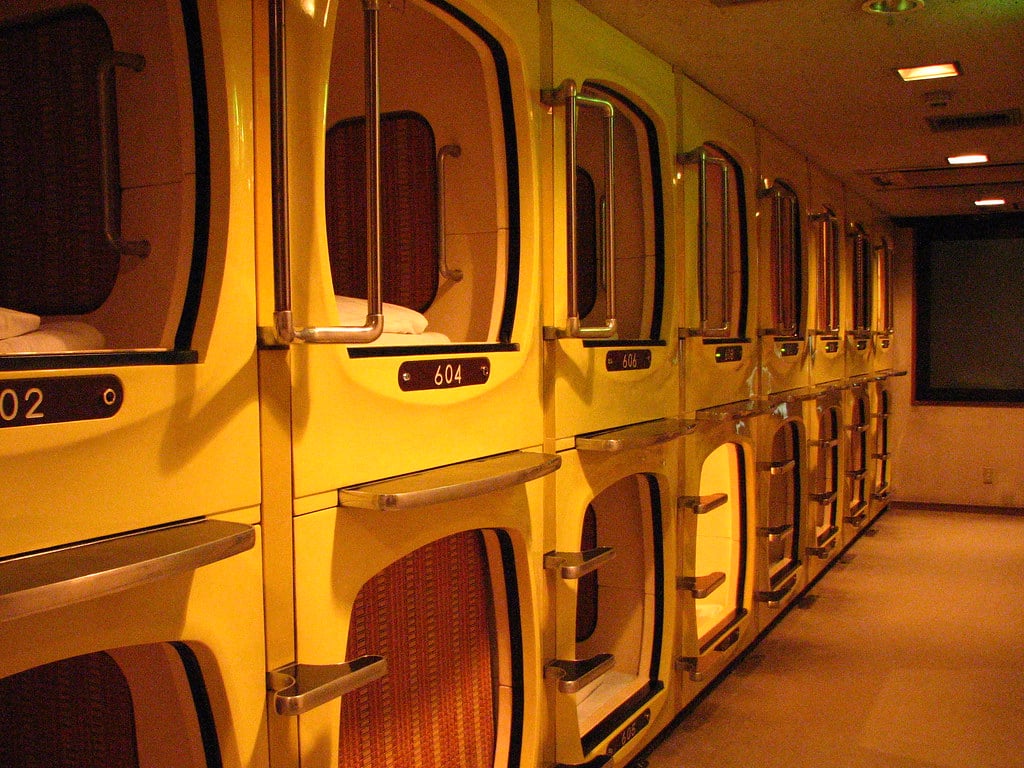
Walk into a capsule hotel and you’ll see what looks like a wall of plastic coffins stacked on top of each other. Each pod measures about six feet long and three feet wide.
You crawl in, close a curtain or panel, and that’s your space for the night. The concept started in the 1970s for businessmen who missed their last train home.
Now these pods house long-term residents who can’t swing Tokyo’s astronomical rents. Inside, you get a mattress, a light, and maybe a small TV mounted to the ceiling.
Your belongings stay in a locker outside. Bathrooms are communal.
People adapt. They spend their days elsewhere and treat the capsule as just a place to sleep.
When you can’t spread out horizontally, you make peace with it.
Hong Kong’s Cage Homes

Picture a chicken coop built for humans. That’s essentially what cage homes are.
In Hong Kong’s poorest neighborhoods, landlords stack wire mesh cages inside apartments. Each cage measures about six feet by three feet.
Twenty people share one apartment this way. You can’t stand up in your cage.
You sleep, sit, and store your entire life in that metal box. The rent still costs hundreds of dollars a month.
Residents cook in shared hallways, wait in lines for bathrooms, and try to maintain dignity in impossible conditions. The government calls these homes illegal.
They keep existing anyway. When a city runs out of affordable housing, people end up in whatever shelter they can find.
New York’s Micro-Apartments
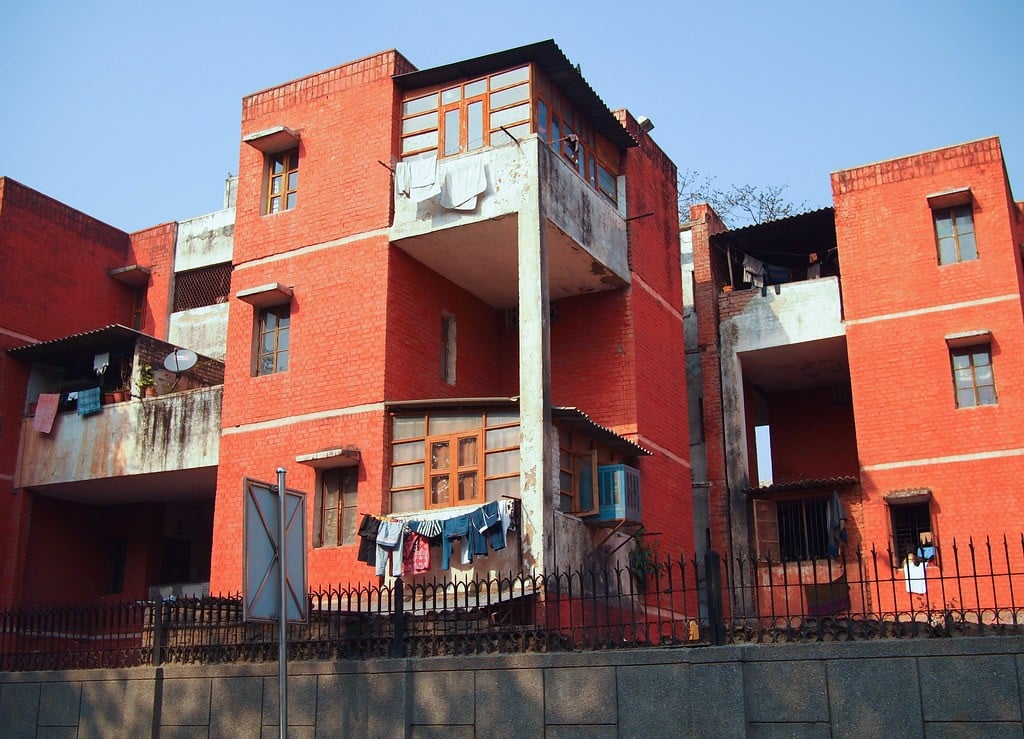
New York developers discovered they could shrink apartments down to 260 square feet and still call them legal housing. That’s smaller than many hotel rooms.
But in Manhattan, where average rents hit $4,000 monthly, micro-apartments offer a path to living alone without roommates. These studios pack everything into one room.
Your bed folds into the wall. Your table converts into storage.
Every inch serves multiple purposes. Developers market this as “efficient living.”
Residents call it making do. The kitchen consists of a mini-fridge, a two-burner stove, and about two feet of counter space.
You learn to cook simple meals. Your social life happens outside because inviting guests over means everyone sits on your bed.
London’s Pod Living
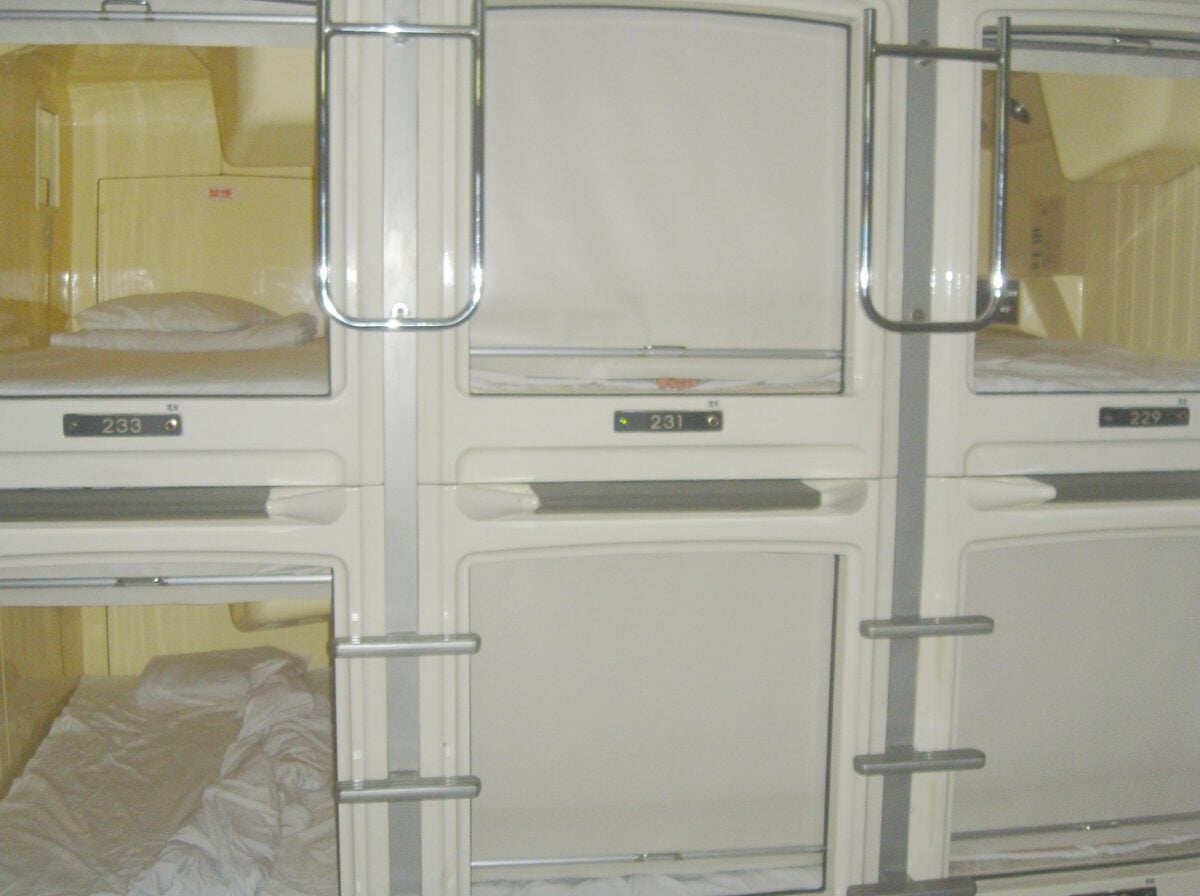
London borrowed Tokyo’s capsule concept and made it British. Pod hotels and residences have sprouted across the city.
Each pod offers slightly more space than a capsule—maybe seven feet long and four feet wide. You get a proper mattress, charging ports, and reading lights.
The buildings include communal kitchens, lounges, and workspaces. Residents treat their pods purely as sleeping quarters.
Everything else happens in shared areas where you bump into the same faces daily. Monthly rates undercut traditional studio apartments by about 30 percent.
For young professionals and students, that difference makes pod living worth the privacy sacrifice. You trade space for location and price.
San Francisco’s Co-Living Developments
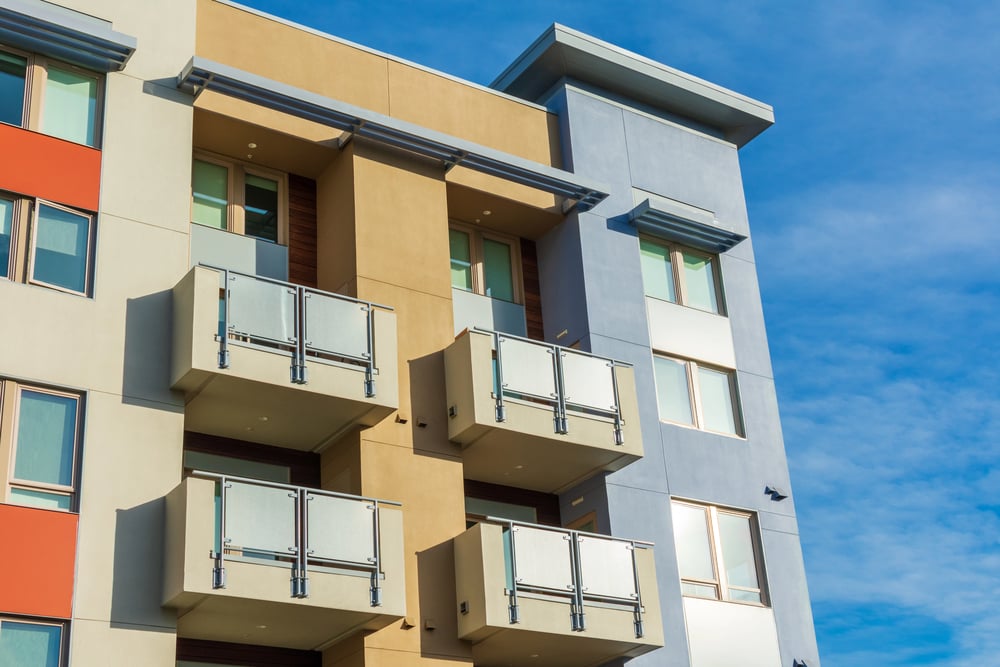
San Francisco took the dorm room concept and repackaged it for adults. Co-living buildings offer private bedrooms around 80 to 100 square feet.
Your room fits a bed and maybe a small desk. That’s it.
Everything else stays communal. You share kitchens with a dozen other residents.
You book time in shared bathrooms. You cook dinner while strangers prepare their meals next to you.
The companies running these buildings call it “community living.” The bedroom door locks. That’s your only guaranteed privacy.
Monthly costs still run $1,500 to $2,000. In San Francisco’s housing market, even this feels like a deal.
Seoul’s Goshiwon Rooms

Students and test-takers in Seoul rent goshiwon rooms that barely exceed closet dimensions. These spaces measure about 5 feet by 7 feet.
You get a desk, a narrow bed, and walls thin enough to hear your neighbor breathing. Many goshiwon rooms lack windows.
You can’t tell if it’s day or night without checking your phone. The buildings pack dozens of these rooms into converted offices or older buildings.
Hallways stay dim to save electricity. Rent includes utilities and internet.
That’s the selling point. You pay around $300 monthly for a place where you can study without distractions—assuming the paper-thin walls don’t count as distractions.
Paris’s Chambre de Bonne
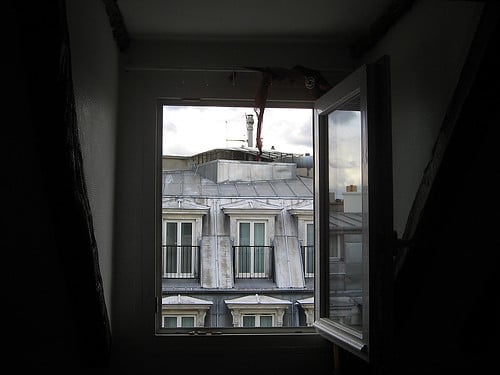
Paris hides tiny rooms in the top floors of elegant buildings. Chambre de bonne translates to “maid’s room” because that’s what they were.
Servants lived in these attic spaces while wealthy families occupied the floors below. Today, landlords rent them to students and young workers.
The rooms average about 100 square feet. Many lack private bathrooms.
You might climb six flights of stairs to reach yours, only to climb back down to use a toilet shared with three other rooms. The ceilings slope so low you can’t stand upright in half the space.
But you live in Paris. The address carries enough prestige that people tolerate the cramped conditions.
Location trumps comfort when you’re trying to make it in the city.
Singapore’s Shoebox Apartments
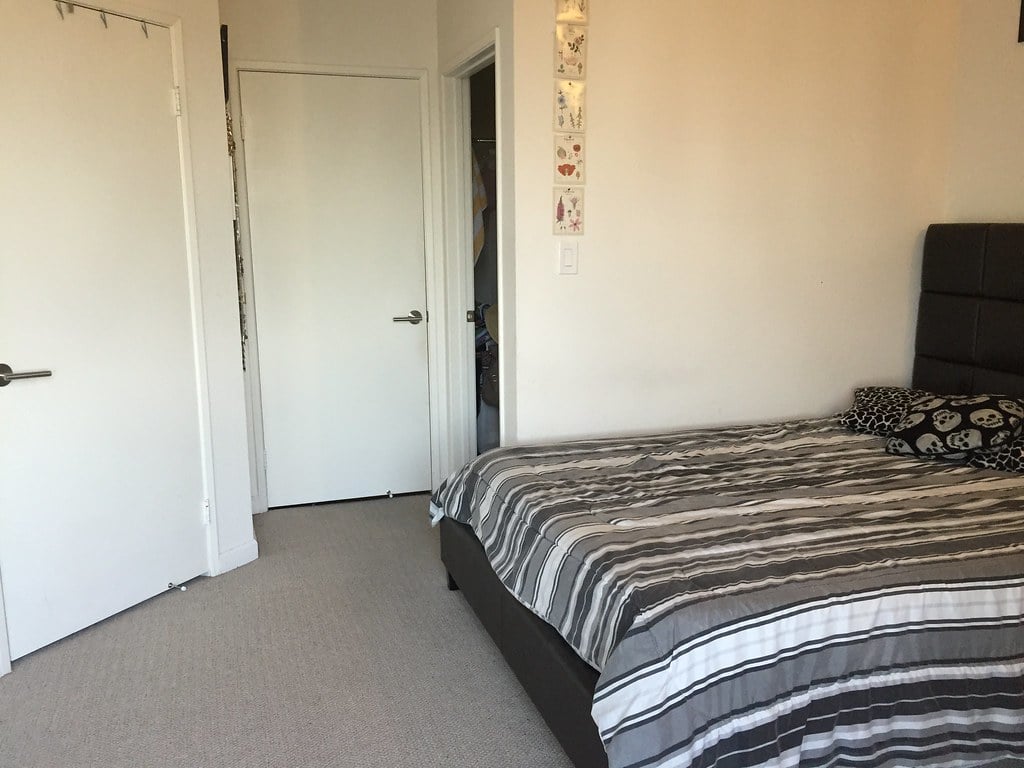
Singapore coined the term “shoebox apartment” for units under 500 square feet. Many measure closer to 300 square feet.
In one of the world’s most expensive cities, these apartments offer the only entry point for first-time buyers. Developers design these spaces with fold-out furniture and hidden storage.
Your dining table pulls out from the wall. Your bed lifts to reveal storage underneath.
Every design choice aims to create the illusion of more space. But you still share one small room for sleeping, eating, and living.
The bathroom is so tight your knees touch the wall while sitting on the toilet. You make it work because owning property in Singapore means financial security, even if that property barely fits your furniture.
Mumbai’s Chawls

Mumbai’s chawls house working-class families in conditions that make other tiny spaces look spacious. These colonial-era tenement buildings contain single rooms around 100 to 150 square feet.
Entire families—parents, children, sometimes grandparents—live in one room. Cooking happens in the corridor.
Bathrooms are communal, shared by all residents on the floor. Privacy doesn’t exist.
Your neighbors know everything about your life because they hear and see it all. Rents stay low compared to Mumbai’s newer buildings.
Families stay for generations because moving means paying triple or quadruple the rent. You adapt to the noise, the lack of space, and the constant presence of others.
You don’t have another choice.
Amsterdam’s Houseboat Cabins

Amsterdam’s canals host hundreds of houseboats converted into living spaces. The smallest cabins measure around 200 square feet.
You get a boat that rocks when larger vessels pass. Your floor tilts slightly.
Everything feels temporary. The charm wears off quickly.
Mold grows easily in the damp environment. Winter means cold seeps through every wall. You pay marina fees on top of rent.
But you live on the water in one of Europe’s most beautiful cities. Space stays tight.
Your ceiling hangs low. Storage consists of whatever you can tuck under benches or behind doors.
But the view from your window shows swans and historic buildings. That view makes up for a lot.
Boston’s Studio Conversions

Boston landlords have perfected the art of carving studios out of larger apartments. These conversions squeeze into spaces never meant to be separate units.
You end up with 250 square feet that includes a bathroom the size of an airplane lavatory. Your kitchen sink sits three feet from your bed.
You cook, sleep, and work in the same room. The only separation comes from furniture placement.
You create zones in your mind because physical walls don’t exist. These studios rent for $1,500 to $1,800 monthly.
Boston’s housing shortage means you compete with dozens of applicants for each listing. You take what you can get.
Space becomes a luxury you postpone until your salary increases.
Barcelona’s Pensión Rooms

Barcelona still operates old-style pensión buildings where rooms rent by the week or month. These rooms measure about 80 to 100 square feet.
You get a bed, maybe a small table, and a window if you’re lucky. Some rooms share balconies where you hang laundry alongside your neighbors.
Bathrooms alternate down the hallway. You learn the schedules of other residents to avoid morning bottlenecks.
The buildings smell like whatever everyone cooked the night before. Sounds travel through walls built a century ago when insulation wasn’t a concern.
Artists and students flock to these pensións. The rent undercuts regular apartments by 40 percent.
You sacrifice privacy and space for affordability and location. In a tourist city where housing costs spiral yearly, this trade works for people just starting out.
Toronto’s Bachelor Units

Toronto’s real estate market has pushed bachelor apartments down to absurd sizes. The smallest legal units now hit 240 square feet.
That’s barely enough room for a full-size bed, a tiny kitchen, and a bathroom. Open the door and you see your entire home at once.
These units occupy converted office buildings or basements carved into separate spaces. Natural light becomes optional.
Your oven might be half-size. Your fridge fits under the counter.
You shop daily because storage space for groceries doesn’t exist. But you live alone.
That matters to people tired of roommate drama. You pay $1,400 monthly for independence, even if that independence happens in a space that feels like a very expensive closet.
When Walls Close In
What shows up in these small rooms is what city leaders often look past. Because homes cost so much now, people settle for ways of living that once sounded impossible.
Instead of proper apartments, they squeeze into areas meant for keeping things, not raising lives. For this chance just to exist there, they hand over high amounts of money.
Most talk around these places highlights smart layouts and saving rooms. Yet this view overlooks what’s real.
For many who live there, it’s not a choice shaped by taste. It’s an adjustment demanded by property systems that push everyday folks out.
Out there, cities spread wider every year. Rent climbs higher each season.
Rooms get tighter by the month. Staying put means bending your routine around less space, since moving out could mean losing everything familiar – work, friends, routines carved over years.
People stick around anyway. They adjust.
Squeezing days into compact corners becomes normal, whispered as a short-term fix. Some do move on later. Most just settle in.
More from Go2Tutors!

- The Romanov Crown Jewels and Their Tragic Fate
- 13 Historical Mysteries That Science Still Can’t Solve
- Famous Hoaxes That Fooled the World for Years
- 15 Child Stars with Tragic Adult Lives
- 16 Famous Jewelry Pieces in History
Like Go2Tutors’s content? Follow us on MSN.



