13 Cereal Box Prizes Collectors Pay For
Somewhere in a shoebox, there is a plastic ring that once cost a kid a box top and a dime. Decades later, the right one can outprice the groceries that came with it many times over.
Cereal makers spent much of the twentieth century hiding pins, whistles, rings, and paper deeds in or on their boxes. Most ended up in the trash by lunchtime.
The survivors now turn up at auction houses, where complete examples in good shape draw serious bidding.
Cap’n Crunch Bo’sun Whistle, Quaker Oats, 1960s
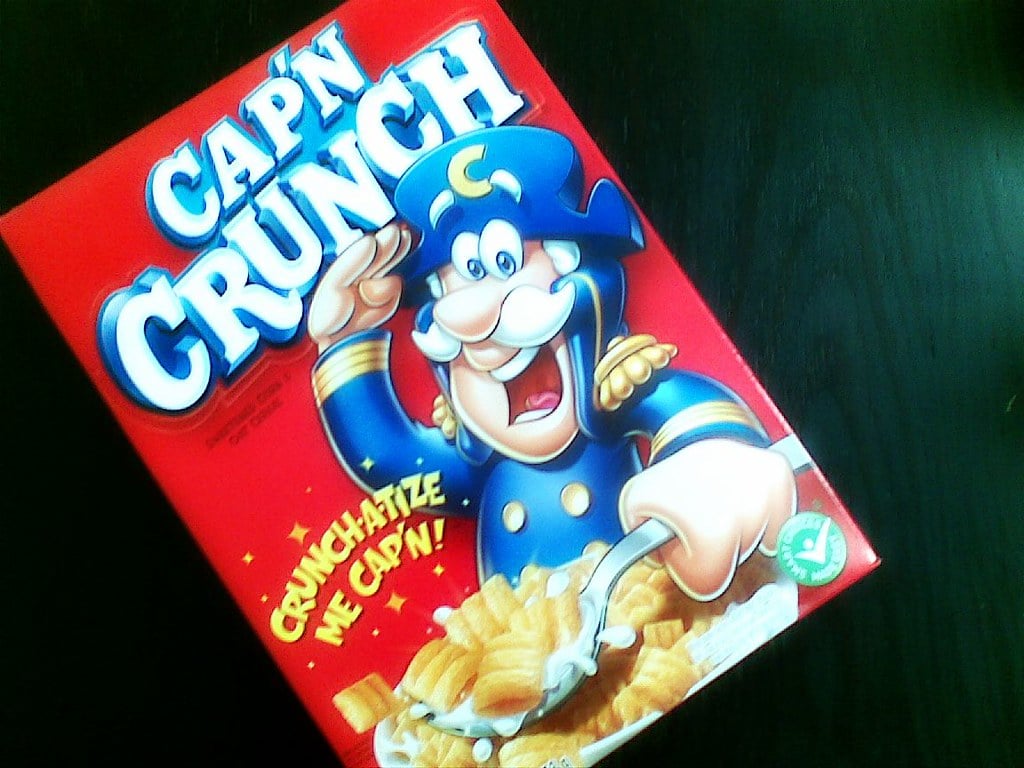
Quaker tucked a plastic bo’sun whistle into Cap’n Crunch boxes in the 1960s. The toy became famous when phone hackers discovered that it produced a tone at 2600 hertz, the frequency used to control long-distance phone switching.
One of them, John Draper, took the nickname Captain Crunch and became a legend of early phone hacking. Prices swing with condition, so a clean, unyellowed whistle with its original packaging sits in a different bracket than a chewed, scuffed loose one.
Big Inch Land Deed, Quaker Puffed Wheat and Puffed Rice, 1955
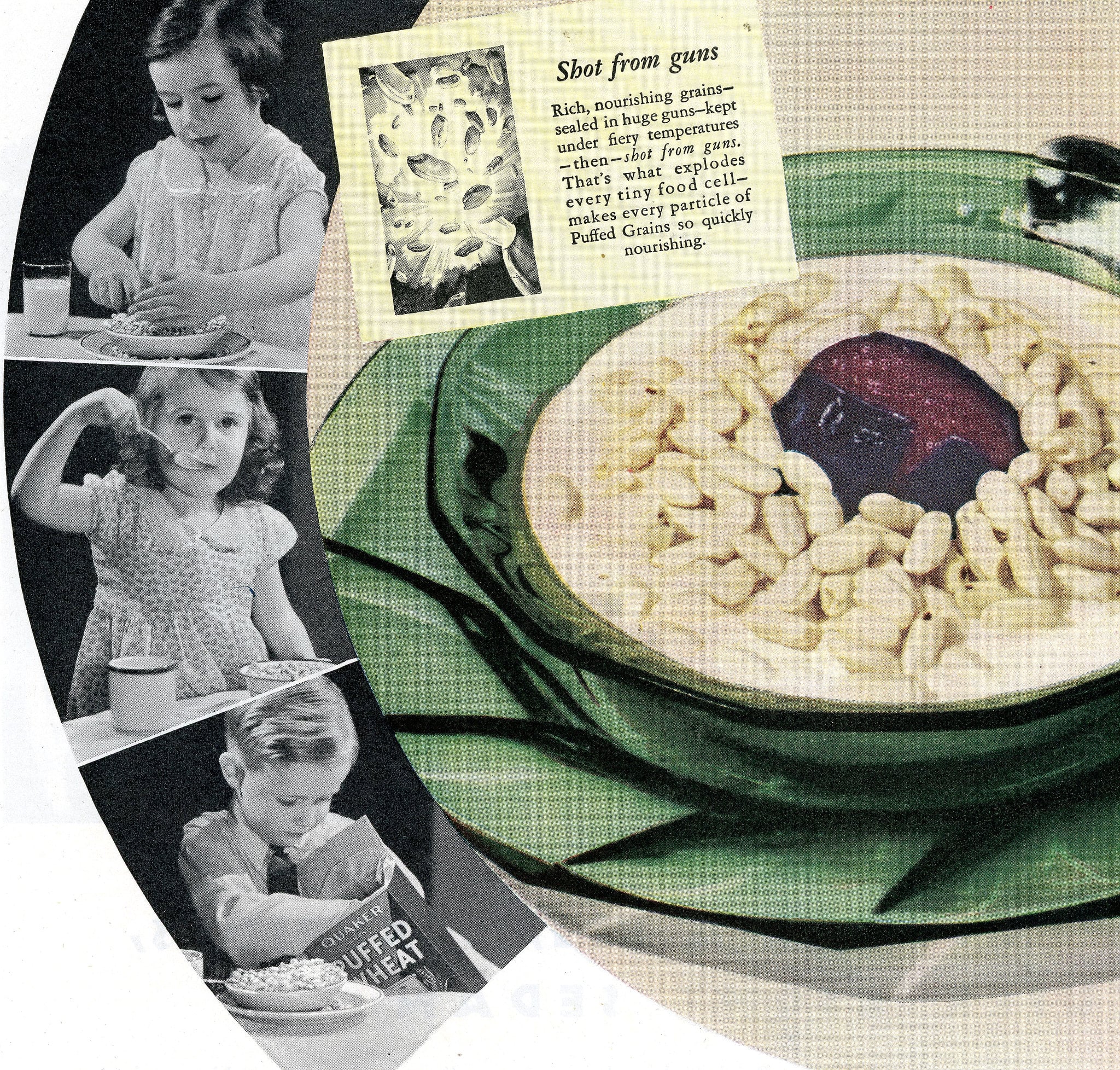
To promote its Sergeant Preston of the Yukon radio and television tie-in, Quaker offered children a deed to one square inch of real land in the Yukon Territory. The gimmick spawned a small paper rush, with Yukon officials left to sort out what the certificates actually meant.
The deed is a flimsy slip of printed paper, so folds, tears, and fading hold prices down, while a crisp certificate with its original materials is the version collectors chase.
Complete Set of 86 Kellogg’s Pep Pins, 1945 to 1946
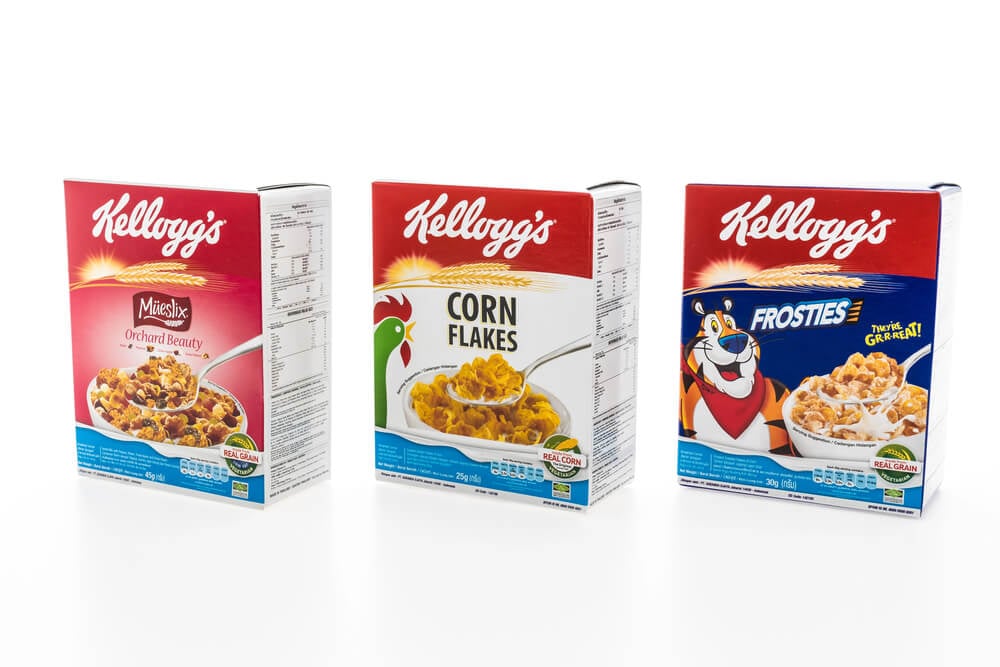
Kellogg’s slipped one pin-back button into boxes of Pep cereal, and the full run of comic strip characters totaled 86 pins. The set is stubbornly hard to finish because each box held only a single pin and the cheap metal scratched and rusted easily.
Complete sets in high grade turn up only occasionally at specialty auctions. Value depends heavily on surface condition, and a full set in uniformly clean shape commands far more than a bundle of mixed, scuffed buttons.
Superman Crusader Ring, Kellogg’s Pep, 1946
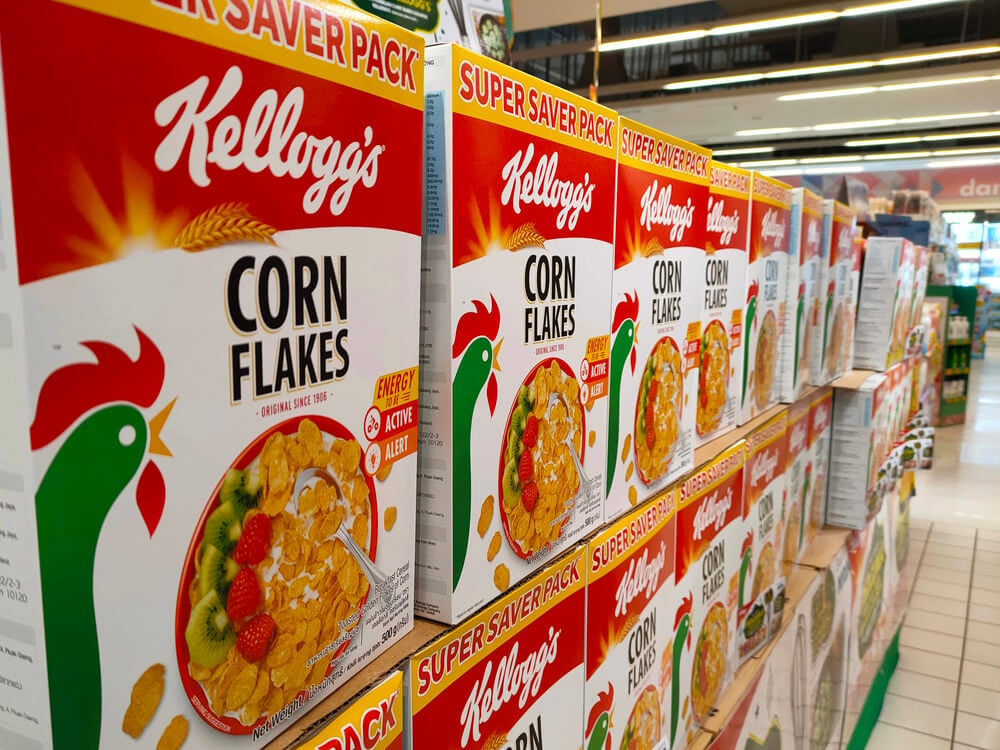
The same cereal that hid 86 pins also offered a Superman Crusader ring in 1946, one of the earliest rings to carry the Man of Steel. Superman himself appeared in the Pep pin set, so a determined collector could chase him in two formats from one brand.
The ring is small and was made to be worn by children, which explains why examples with intact paint and no distortion are so rare. Price follows condition closely, with complete rings in clean shape bringing the strongest results.
Atomic Bomb Ring, Kix and The Lone Ranger, 1947
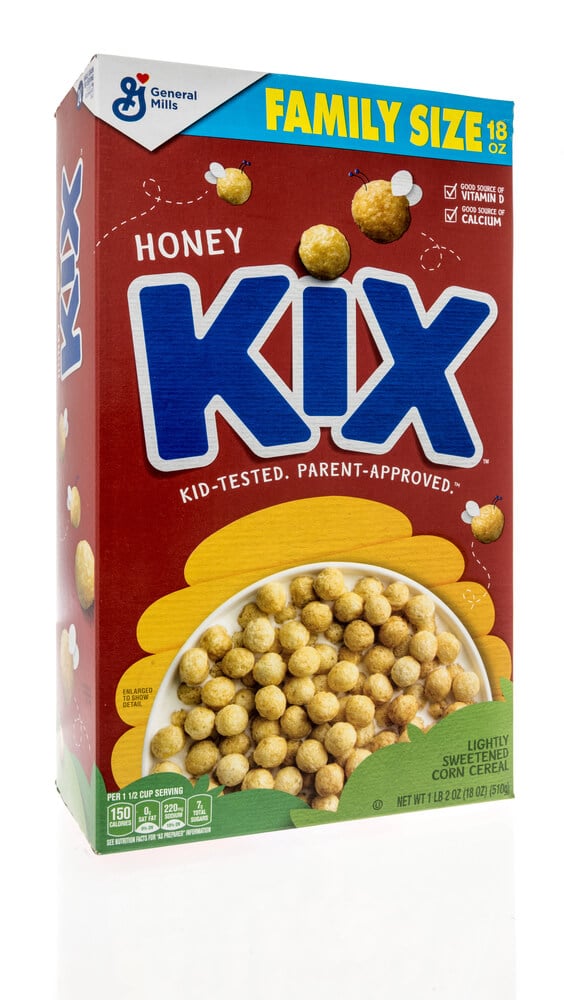
The Lone Ranger Atomic Bomb Ring was a Kix premium from 1947, and its tiny viewer was a spinthariscope that held a speck of polonium-210. In a dark room, a child could peer into the ring and see faint flashes of light from radioactive particles striking a screen.
Polonium-210 has a half-life of roughly 138 days, so the glow faded within a year or two even though the ring itself lasted. Collectors pay more for rings that are complete and unaltered, and condition, working parts, and original mailers all move the price.
Lone Ranger Frontier Town, Cheerios, 1948
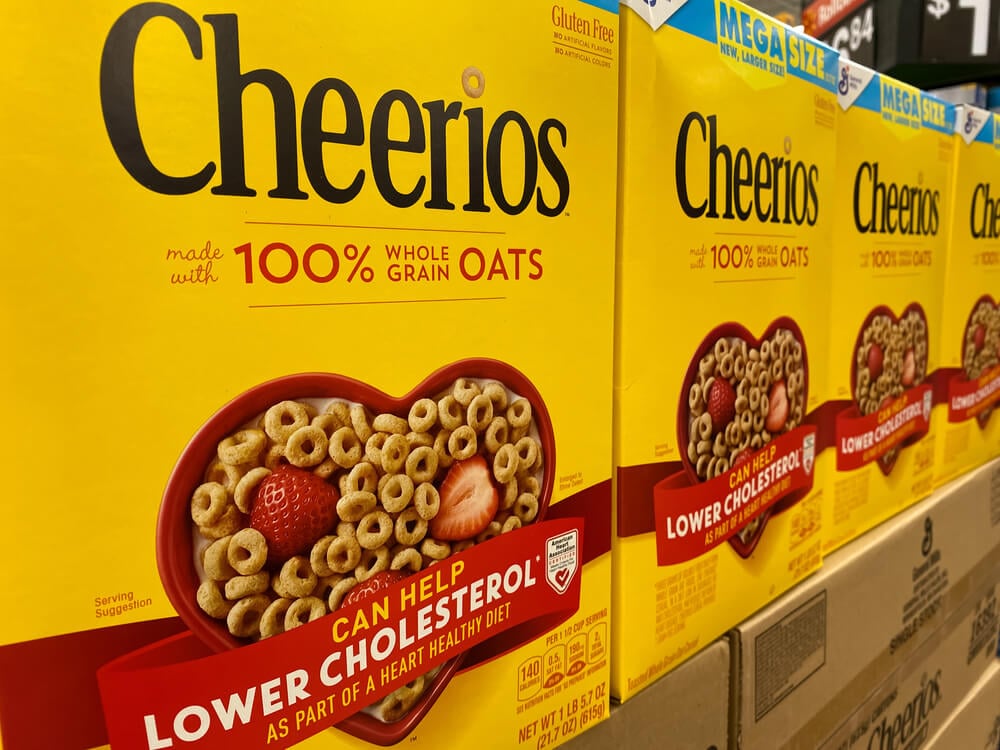
General Mills sponsored The Lone Ranger on radio, and Cheerios offered a cardboard Frontier Town in 1948 that children assembled into a Western street. The same sponsor behind the atomic ring was therefore selling paper buildings, which suggests how seriously the company worked the series.
Paper punch-outs rarely survived play, and complete sets with unbent pieces and original mailing envelopes are scarce. Price depends on whether the pieces are complete, uncut, and free of tears and stains.
Tom Mix Look-Around Ring, Ralston Cereals, 1940s
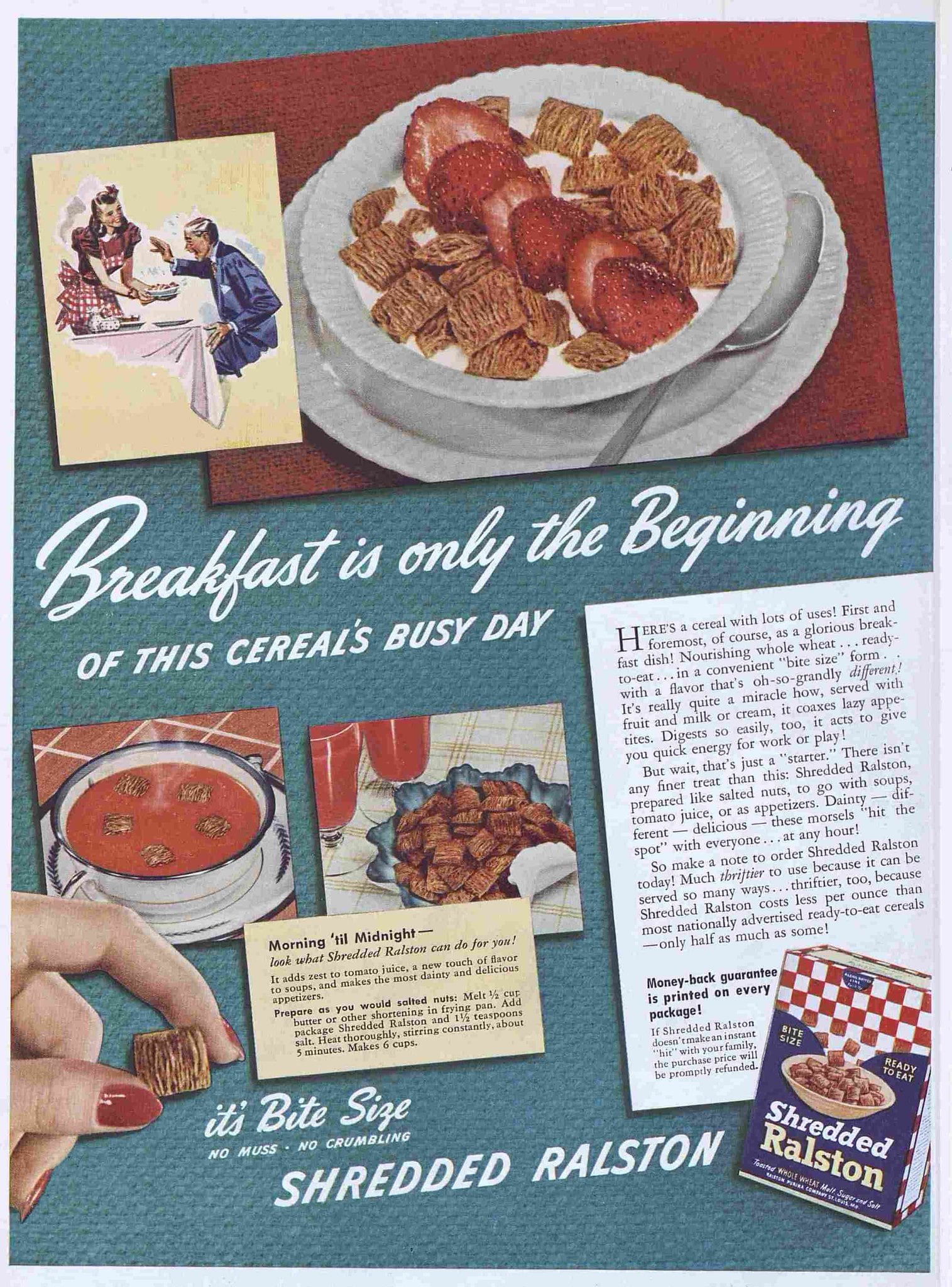
The Tom Mix Look-Around Ring was a Ralston Cereals premium tied to the Tom Mix Straight Shooters radio show, and the design let a wearer peek behind them. Rings like this passed through design and tooling stages before they ever reached a cereal box.
Small moving parts and glass or mirror pieces break easily, so a working ring is a notable find. Collectors pay according to condition, with complete, undamaged examples leading the field.
Tom Mix Straight Shooters Telescope, Ralston Cereal, 1930s
Long before the ring, Ralston offered a telescope to fans of the Tom Mix Straight Shooters radio program in the 1930s. Children sent in proof of purchase to get gadgets tied to a cowboy star who was already a screen legend.
Pull-out telescopes made of thin metal and cardboard dented and cracked with everyday use. Value depends on condition, so a complete telescope with clean finish and its original box or mailer is worth more than a dented one.
Funny Jungleland Moving-Pictures, Kellogg’s Toasted Corn Flakes, 1909
Kellogg’s offered a book called Funny Jungleland Moving-Pictures in 1909, an early example of animated advertising aimed at children. It predates the radio rings by decades, and paper survival rates for a century-old children’s novelty are low.
Pricing depends on condition, with unfaded covers and a working moving-picture mechanism commanding the most.
Jack Armstrong Hike-O-Meter, Wheaties, 1930s
Jack Armstrong, the All-American Boy was a Wheaties radio show that sold its sponsor through premiums, and the Hike-O-Meter was one of them. The gadget was a pedometer that counted steps, giving kids a reason to keep walking.
A pedometer needs gears that still work, and decades of drawer storage have left many seized or missing parts. Collectors pay more for examples that function and come with their original cases, since price follows condition.
Wheaties Champ Stamps, 1940
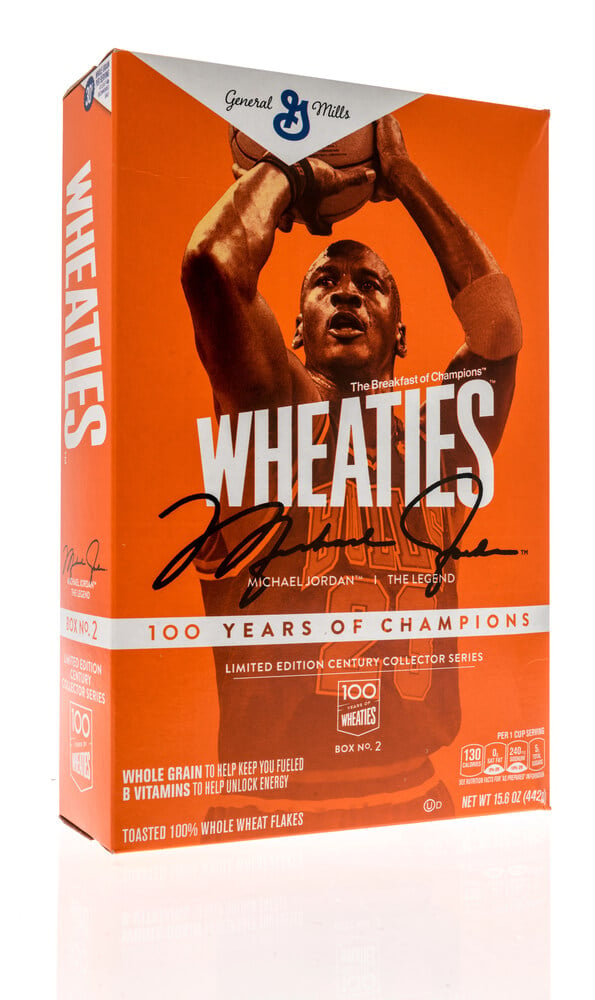
General Mills issued Champ Stamps in 1940 that children collected into an album. Because the stamps are small paper items, pages with the full set intact and no creasing are the exception.
Price depends on condition and completeness, and a complete book is worth far more than a handful of loose stamps.
Cap’n Crunch Top Spinner, Quaker Oats
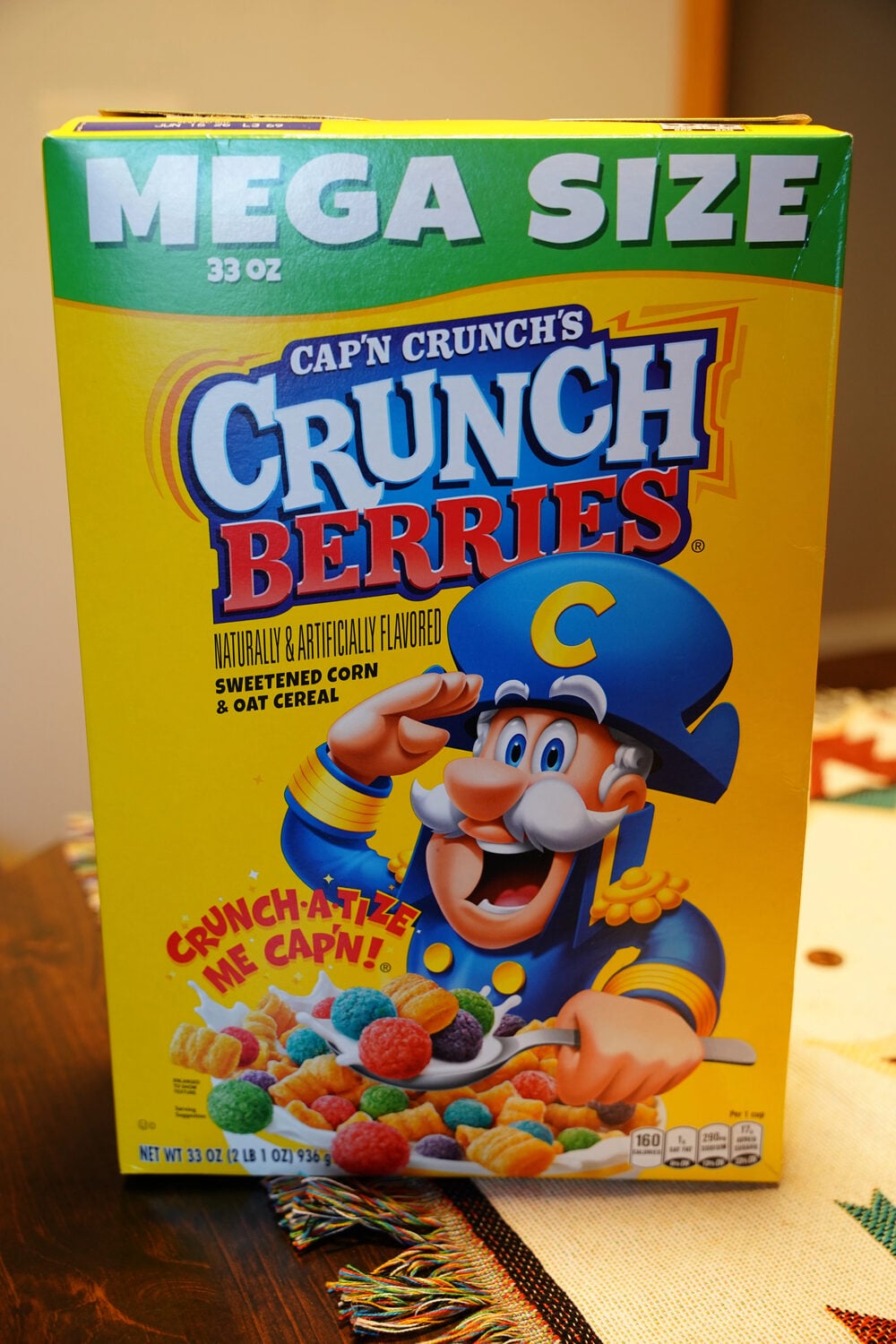
Quaker also put a yellow top spinner into the Cap’n Crunch line, and collectors seek examples still sealed in their original packaging. A plastic top looks cheap and was meant to be spun on a kitchen floor until it was lost.
Because few kids saved theirs in a sealed bag, mint examples stand out on auction sites. Sealed packaging, intact colors, and no cracks are what decide the price.
Snap Crackle Power Mover, Kellogg’s Rice Krispies, 1984
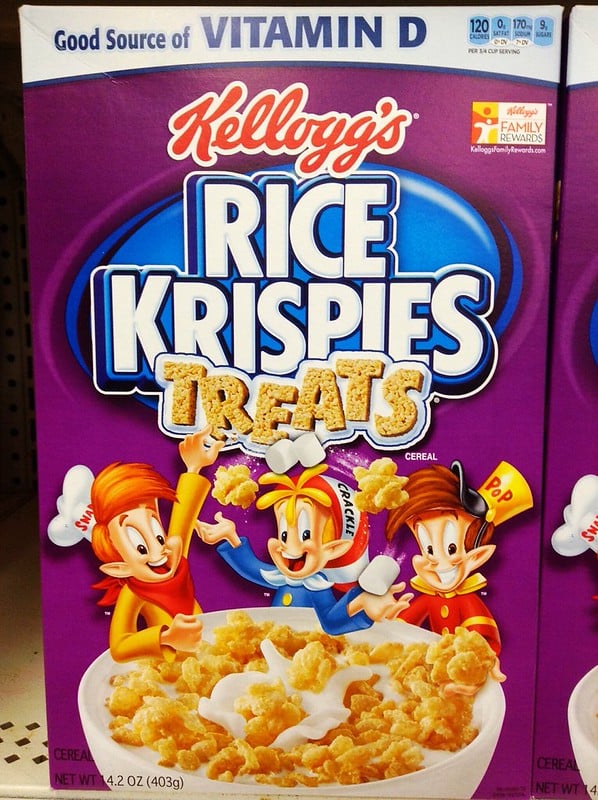
In 1984 Talbot Toys produced a friction-powered Snap Crackle Power Mover for Kellogg’s Rice Krispies, putting the cereal’s cartoon elves on wheels. It is a more recent premium than most on this list, which makes it a useful reminder that eighties toys are now vintage.
Friction mechanisms wear out, and decals peel, so examples that still roll are harder to find than the production runs suggest. Price depends on whether the toy works, the decals are intact, and the original packaging survives.
When a Box Top Becomes a Museum Piece
Every item here began as a throwaway, built cheaply to move a box off a shelf. The things that survive are rarely the best made.
They are the ones someone happened to tuck away, which is why a scratched pin from 1945 can say more about a childhood than a polished antique.
That is also why condition rules the market. A complete set, a working mechanism, or an unopened bag turns a kitchen-table trinket into something worth protecting.
The hobby rewards the kid who saved the packaging, and punishes everyone who played with the toy.
More from Go2Tutors!

- The Romanov Crown Jewels and Their Tragic Fate
- 13 Historical Mysteries That Science Still Can’t Solve
- Famous Hoaxes That Fooled the World for Years
- 15 Child Stars with Tragic Adult Lives
- 16 Famous Jewelry Pieces in History
Like Go2Tutors’s content? Follow us on MSN.