Wool Plaid Jackets, Shirts, And Blankets Collectors Want
Wool plaid once meant utility: something thick enough to survive a winter on a ranch, a logging camp, or a trading post. Today, it also means vintage appeal, and collectors have taken notice.
Old labels, heavy weaves, and mill histories can matter as much as the pattern itself.
Prices for these pieces depend heavily on condition, since moth damage, fading, and stains can cut value sharply. The entries below highlight names that often come up when collectors discuss vintage wool plaid.
Pendleton 49er Jacket
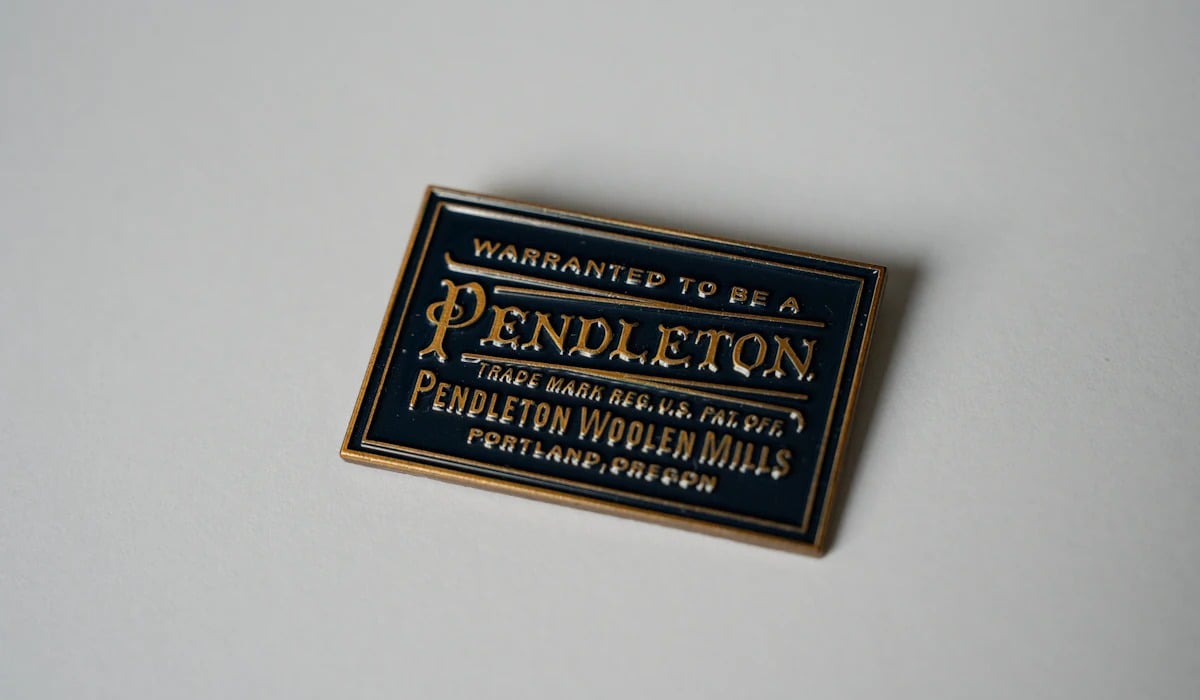
Pendleton introduced the 49er jacket in 1949 as part of its first women’s collection. The wool jacket, known for its bold plaids, became a midcentury wardrobe staple.
Early examples with intact labels and original buttons can attract collector interest. Condition drives value, and moth damage or faded color can lower what a buyer will pay.
Pendleton Board Shirt
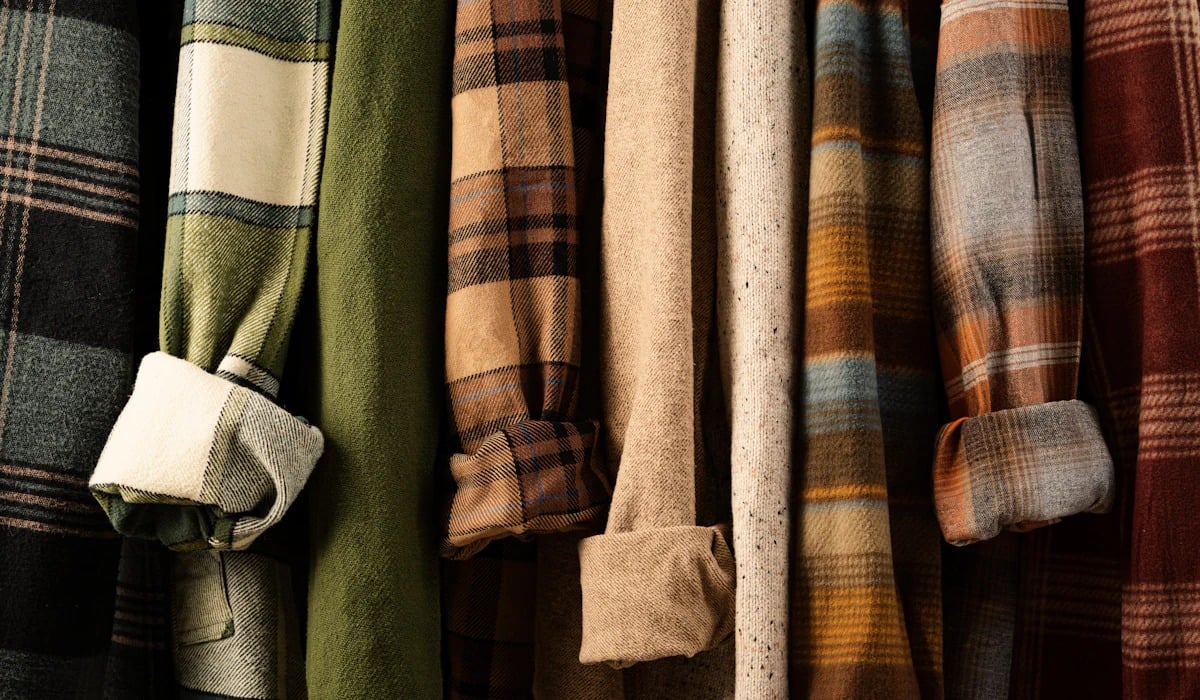
Pendleton’s wool Board Shirt became closely associated with Southern California surf culture in the early 1960s. The Beach Boys, originally known as the Pendletones, took their name from the shirts associated with the scene.
Vintage versions with a clean collar and unfrayed cuffs can appeal to collectors. A faded or worn example will generally be less desirable than one in better condition.
Pendleton National Park Blankets
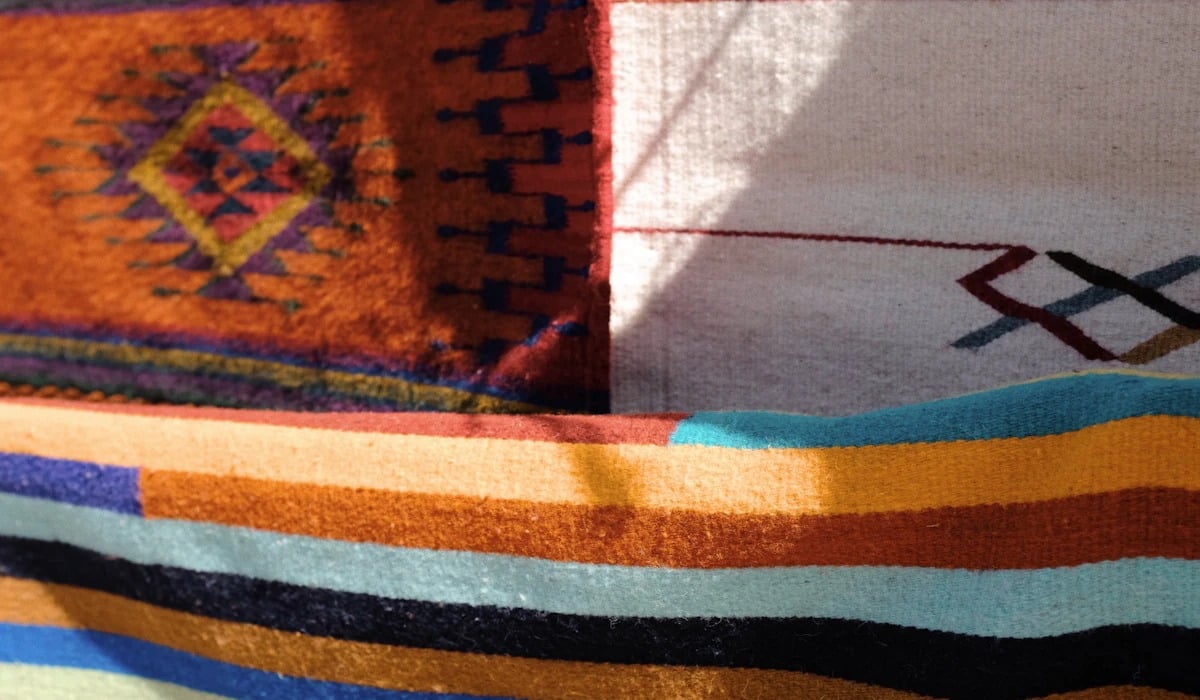
Pendleton’s National Park blankets feature patterns inspired by parks such as Glacier and Yosemite. The collection began with the Glacier blanket, first woven in 1916 for sale at the park’s historic lodges.
Older examples with original labels may interest collectors, but age alone doesn’t guarantee a high price. Stains, moth damage, and other condition issues can reduce value.
Pendleton Westerley Cardigan

The Westerley is a distinctive Pendleton wool cardigan associated with the look worn by Jeff Bridges as the Dude in The Big Lebowski. Vintage examples may show variations in labels and details.
Collectors often look for sound knitting and intact trim. A cardigan with stretched cuffs, pulled threads, or other damage is generally less desirable.
Pendleton Trade Blankets
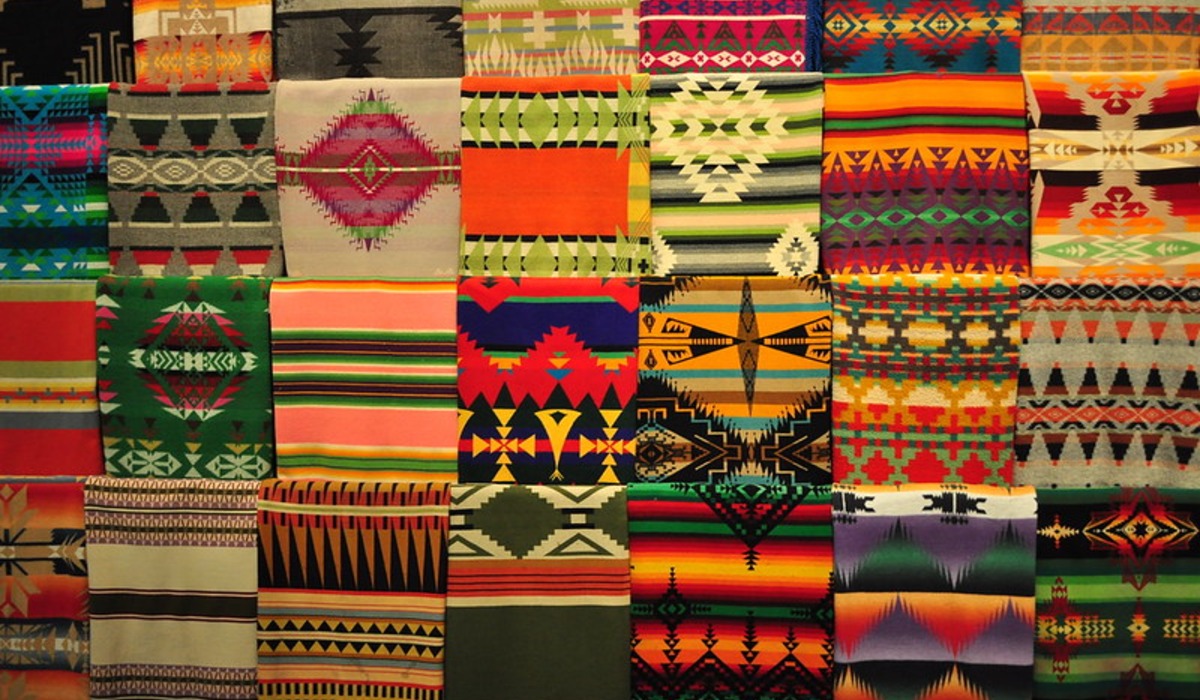
Pendleton began operating its woolen mill in Pendleton, Oregon, in 1909. The company developed a long history of making wool blankets for Native American customers, and its blanket designs have varied across eras and collections.
Older examples with documented provenance can attract collectors, but these blankets are not interchangeable artifacts of Native American cultures. Color retention, fringe condition, repairs, and the blanket’s specific history all affect its appeal and value.
Pendleton Chief Joseph Blanket

First woven in the 1920s, Pendleton’s Chief Joseph blanket is one of the company’s best-known designs. Its geometric arrowhead motifs honor Nez Perce leader Chief Joseph and symbolize bravery and endurance.
Vintage versions with older labels can interest collectors, particularly when their history is documented. Prices vary widely with condition, age, and provenance.
Hudson’s Bay Point Blanket
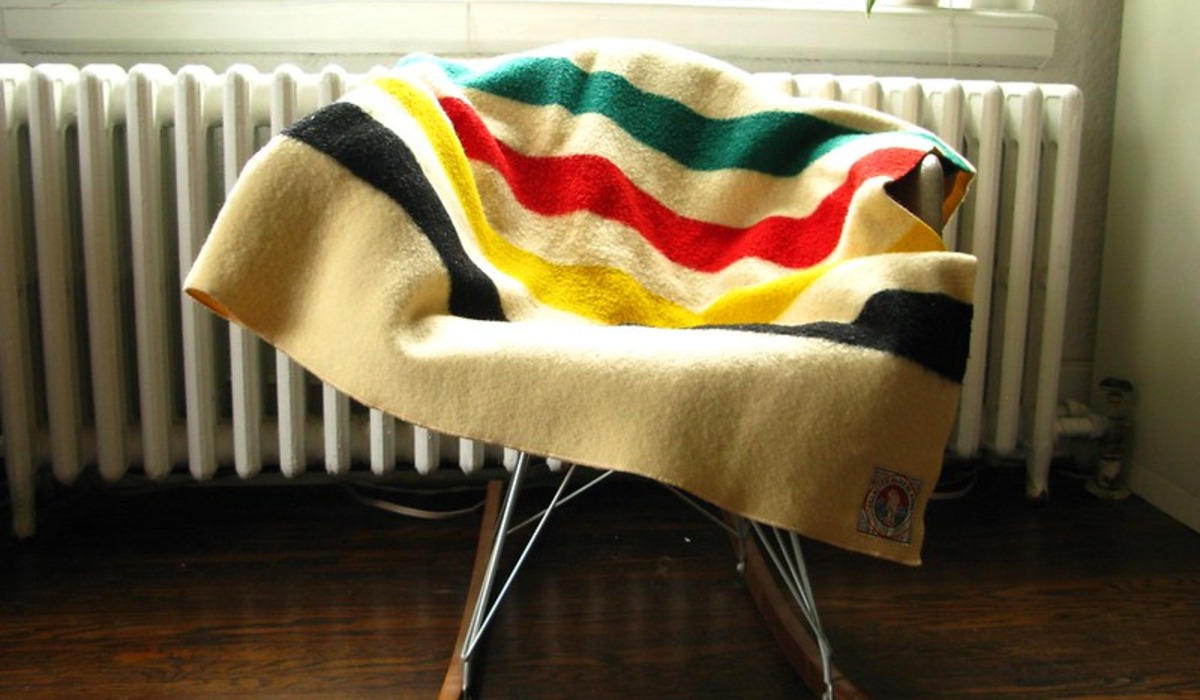
The Hudson’s Bay Company adopted its point system in 1779. The small lines woven near one edge indicate a blanket’s size, making it easier to identify the dimensions of a folded blanket.
The familiar striped design features combinations of green, red, yellow, and indigo. Collectors may favor older blankets with clear colors and intact fabric, while moth holes, stains, and repairs can affect value.
Hudson’s Bay Blanket Coat
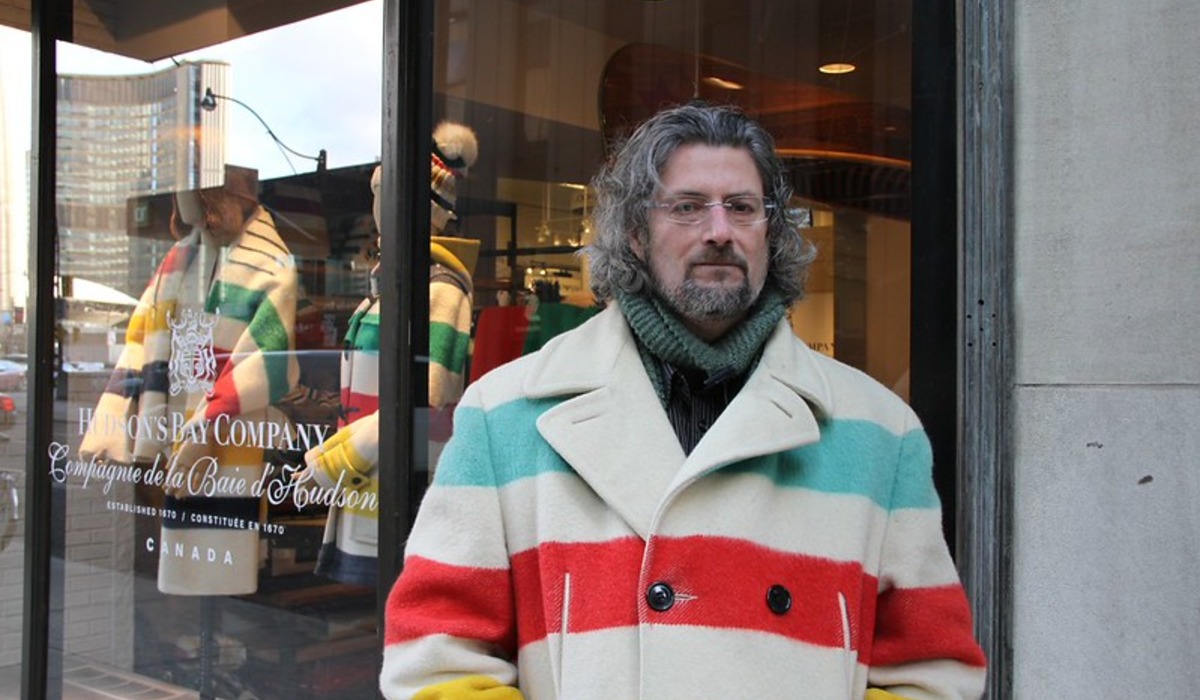
Wool blankets were sometimes cut and sewn into hooded coats known as capotes. These garments have historical connections to Indigenous and Métis clothing traditions and survive in museum collections as well as private hands.
Older examples can be difficult to authenticate, while later reproductions also appeal to some buyers. Because these coats are made from heavy wool, wear around the seams and moth damage are important condition concerns.
Woolrich Buffalo Check Coat

Founded in Pennsylvania in 1830, Woolrich introduced its red-and-black Buffalo Check wool shirt in 1850. The bold pattern became closely associated with outdoor clothing and Pennsylvania hunting culture.
Vintage jackets with clear labels, intact pockets, and sound fabric can attract collectors. Value varies with condition, particularly around the collar, elbows, and seams.
Woolrich Buffalo Check Blanket

Blankets in bold buffalo check turn up in cabins, thrift shops, and estate sales. Older Woolrich labels can help identify vintage pieces, although labels alone do not establish a blanket’s age or authenticity.
Collectors may favor tight weaves and clear colors, while stains, thinning, and moth damage can reduce a piece’s appeal.
Filson Cruiser Jacket
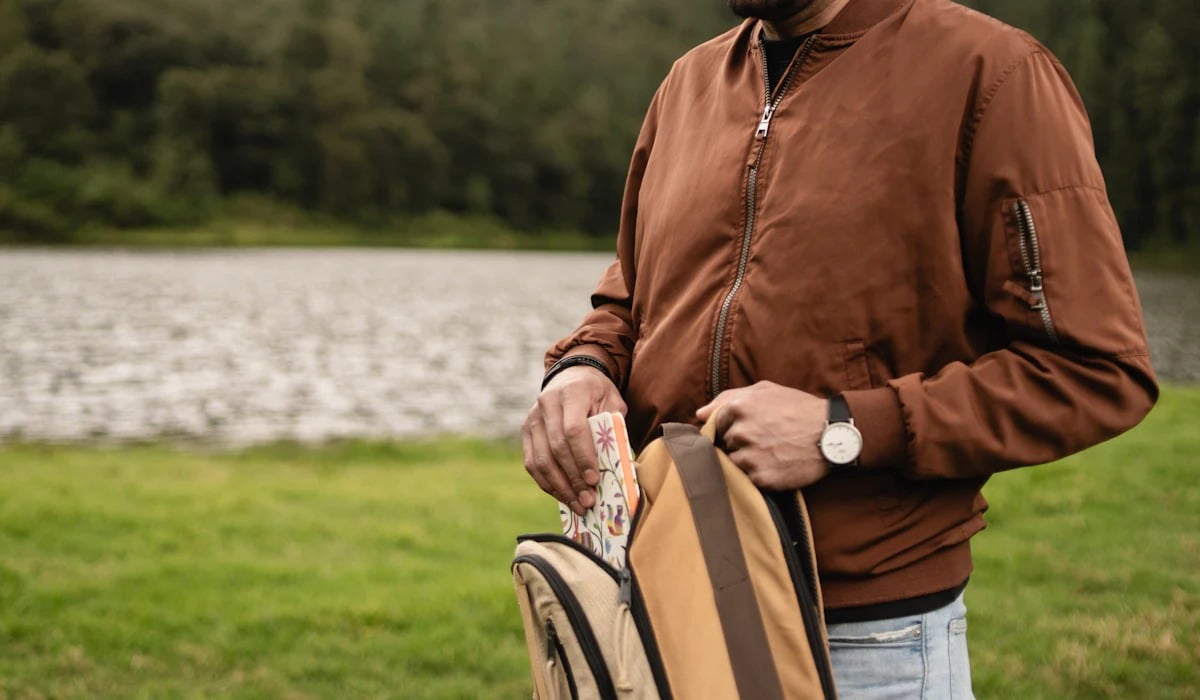
C.C. Filson founded his Seattle company in 1897 to outfit prospectors and other travelers heading north during the Klondike Gold Rush.
The wool Cruiser developed into a practical garment for timber cruisers, with pockets designed to carry tools, maps, and other essentials. Vintage wool versions can appeal to collectors interested in workwear and outdoor clothing.
Pricing depends on age, model, provenance, and condition, with fading and tears generally reducing desirability.
Johnson Woolen Mills
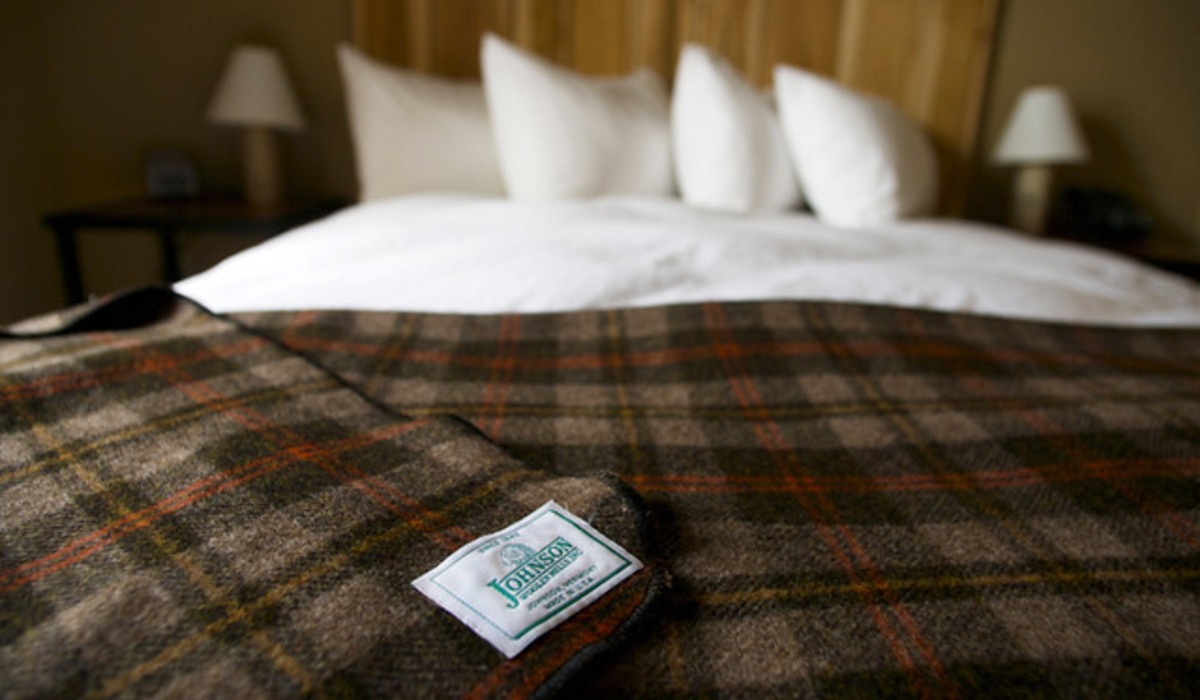
Johnson Woolen Mills, based in Johnson, Vermont, has made wool clothing since 1842. The company is known for rugged outerwear and traditional checked and plaid garments.
Vintage hunting jackets and heavy shirts can interest collectors, especially when labels and seams remain intact. Condition, age, and the specific garment all influence value.
Faribault Woolen Mill Blankets
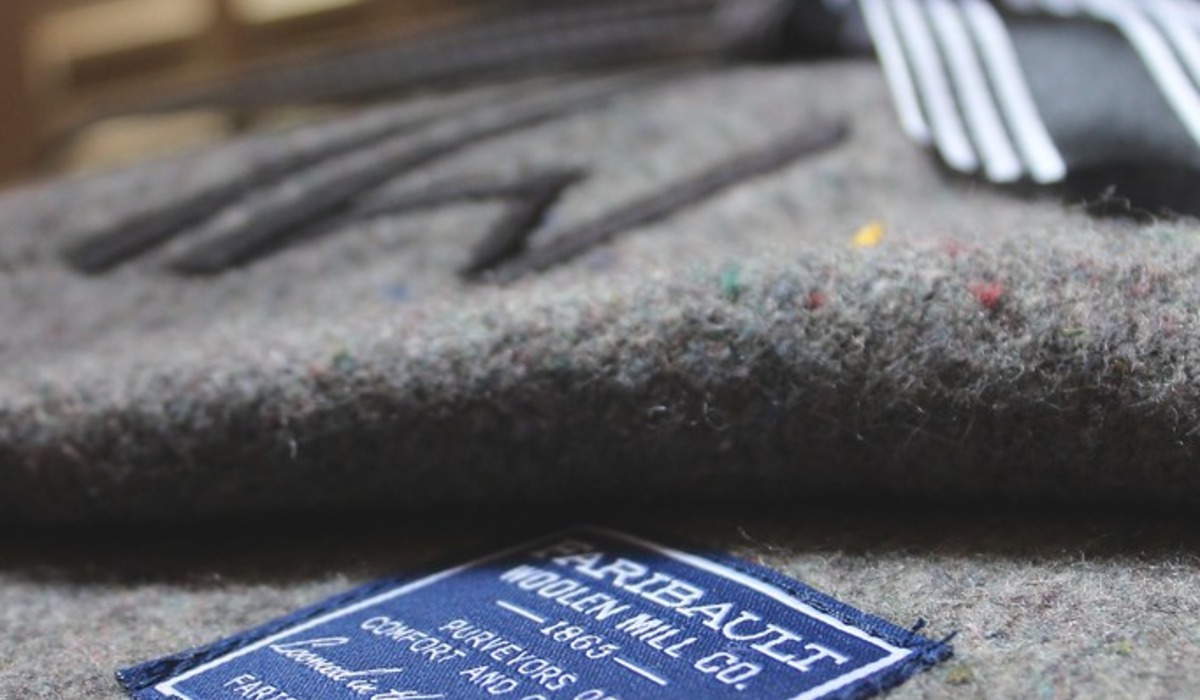
Faribault Woolen Mill in Minnesota began making wool blankets in 1865. Older examples can appeal to collectors interested in American textile manufacturing and traditional wool goods.
Designs vary, including striped and plaid patterns, and the quality of the weave can help distinguish one piece from another. Tears, fading, stains, and moth damage can reduce a blanket’s value.
Why Old Wool Keeps Its Value
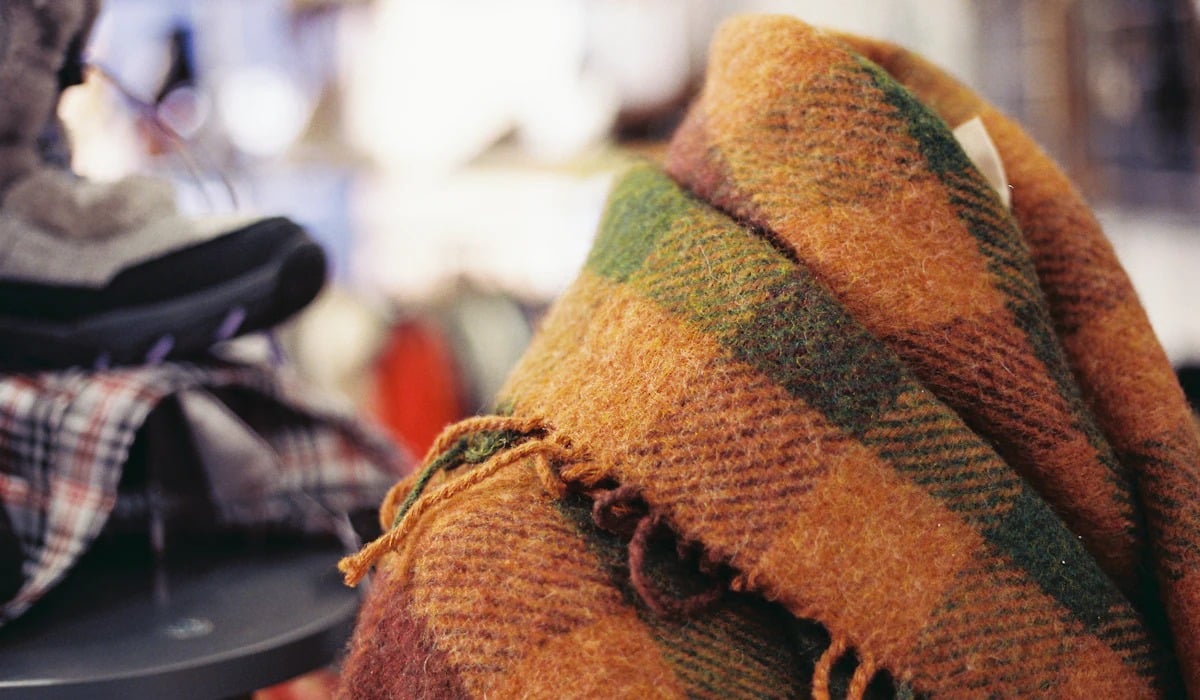
Plaid wool lasts because it was built for people who needed dependable clothing and blankets. Mills used durable fibers and sturdy weaves to make goods that could stand up to regular use.
As a result, some pieces made decades ago still turn up in usable condition.
Collectors respond to that durability as well as the look. A jacket or blanket with a documented history can tell a story that a new reproduction cannot.
Labels, construction, age, provenance, and condition all matter when assessing a piece, so careful inspection is the first rule of the hunt.
More from Go2Tutors!

- The Romanov Crown Jewels and Their Tragic Fate
- 13 Historical Mysteries That Science Still Can’t Solve
- Famous Hoaxes That Fooled the World for Years
- 15 Child Stars with Tragic Adult Lives
- 16 Famous Jewelry Pieces in History
Like Go2Tutors’s content? Follow us on MSN.