22 Wild West Laws That Sound Absurd Now
The American frontier is remembered for gunfights and outlaws, but it was also a place where rules were improvised, borrowed, and sometimes invented on the spot. Territories wrote laws for situations no legislature had faced, and courts sometimes sat in saloons.
The results can look bizarre to modern eyes.
Some of these rules were meant to bring order, others to protect a favored group, and a few were openly unjust. All of them show how a young country tried to govern land it had barely mapped.
Tombstone’s Ban on Carrying Guns
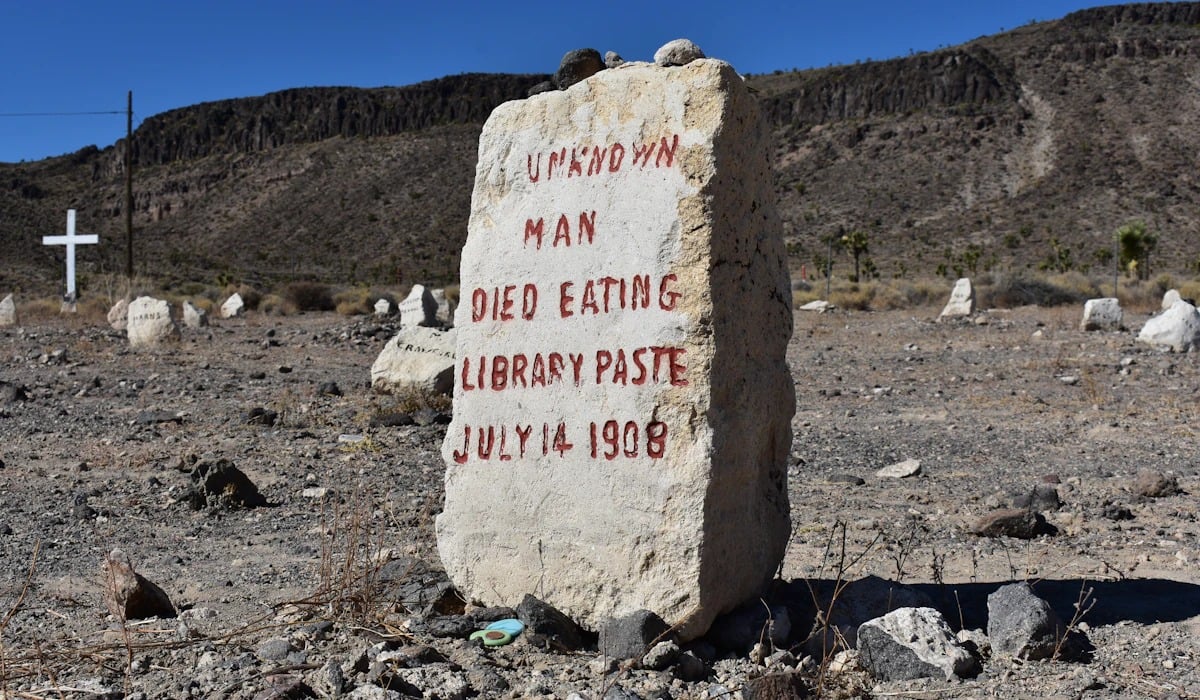
Tombstone, Arizona, passed Ordinance No. 9 in 1881, restricting the carrying of deadly weapons within city limits. Visitors were expected to surrender their weapons to a designated authority or leave them in a secure place.
The famous showdown at the O.K. Corral on October 26, 1881, followed a broader dispute involving the Earps, Doc Holliday, and the Clanton and McLaury brothers.
The town that symbolizes gun culture had rules against carrying weapons openly in town.
Dodge City’s Deadline
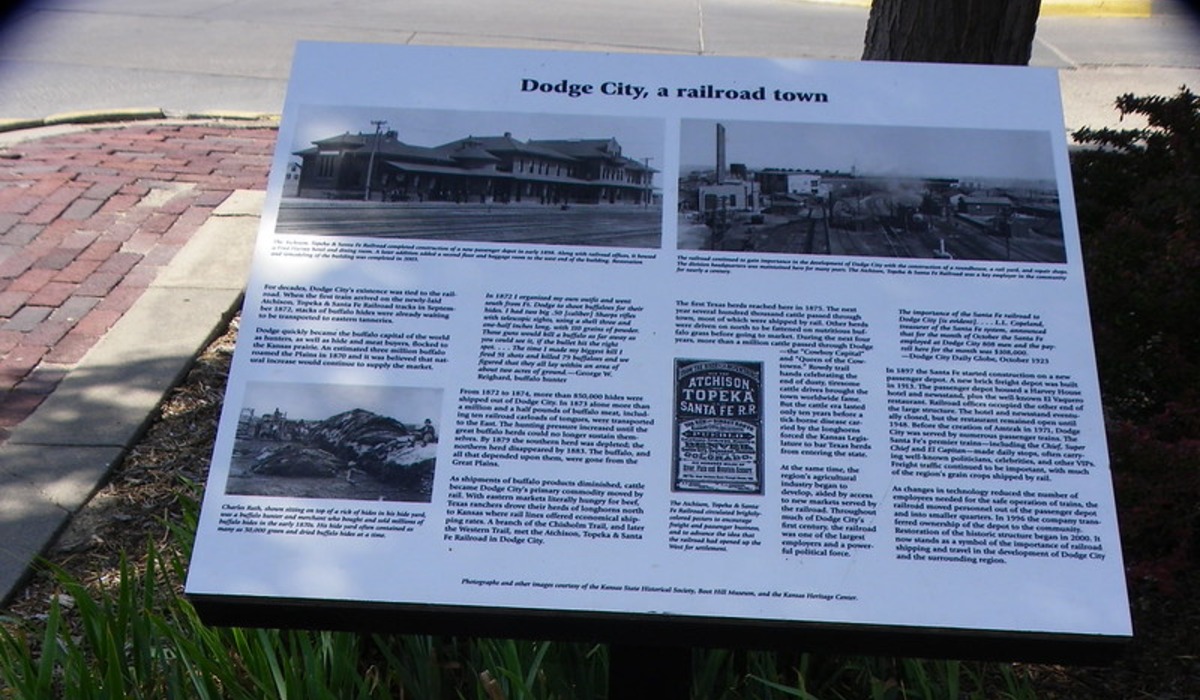
In the 1870s, Dodge City used the railroad tracks as a boundary for its weapons restrictions. Guns were prohibited north of the tracks, while the south side was less restricted.
Visitors could be expected to leave their revolvers at designated locations, depending on local rules and circumstances. The practice sits oddly with the town’s reputation.
Women Voting in Wyoming
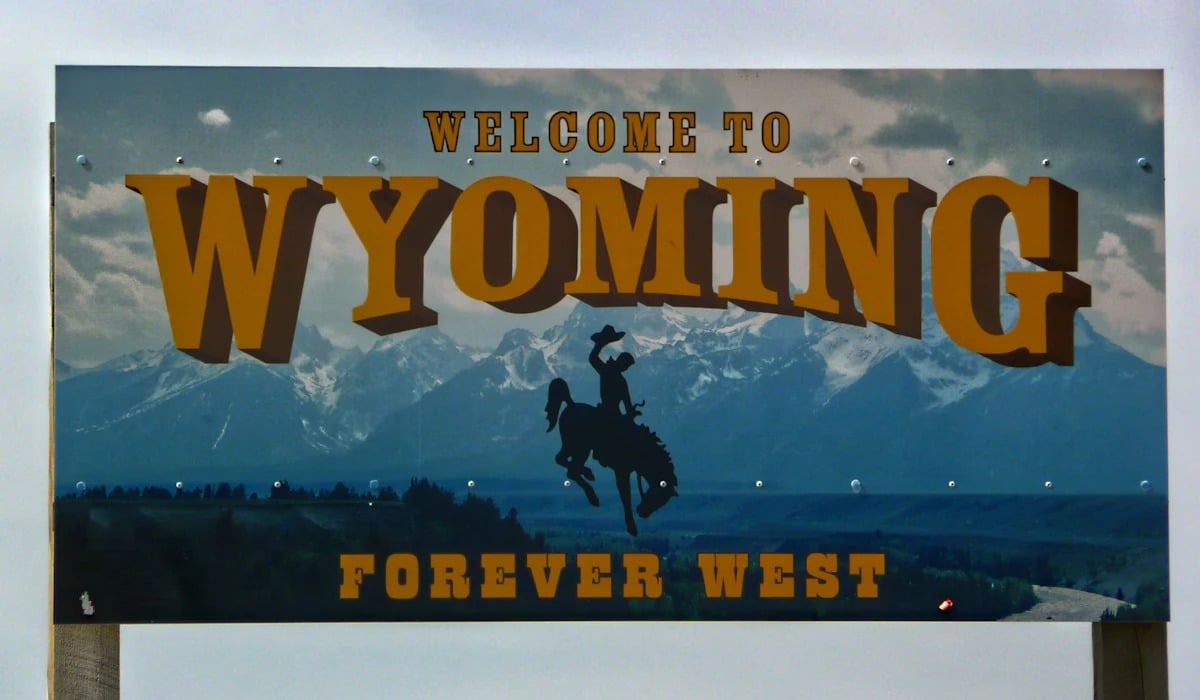
Wyoming Territory granted women the right to vote in December 1869, decades before the rest of the country. Lawmakers made the territory an early leader in women’s suffrage, although their motives included attracting settlers and gaining publicity.
Newspapers across the nation mocked the move, and women went to the polls anyway.
Women on Juries in Laramie
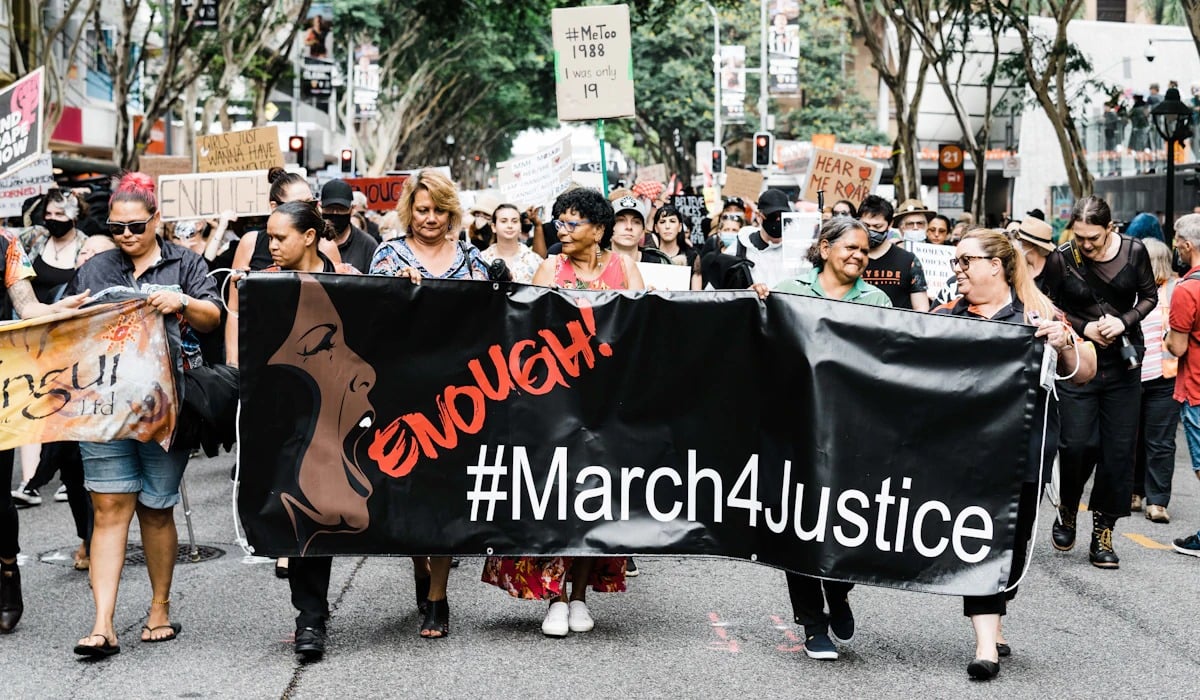
In March 1870, women served on a jury in Laramie, Wyoming, in one of the earliest instances of women serving on juries in the United States. The trial drew crowds and national attention.
Judges and lawyers had to confront assumptions about women’s role in the courtroom.
A Woman as Justice of the Peace
Esther Hobart Morris became a justice of the peace in South Pass City, Wyoming, in 1870, widely recognized as the first woman in the United States to hold that office. She heard cases in a rough mining town.
Her appointment challenged the prevailing assumption that judicial office was reserved for men. She served for just over eight months.
The Homestead Act’s Free Land
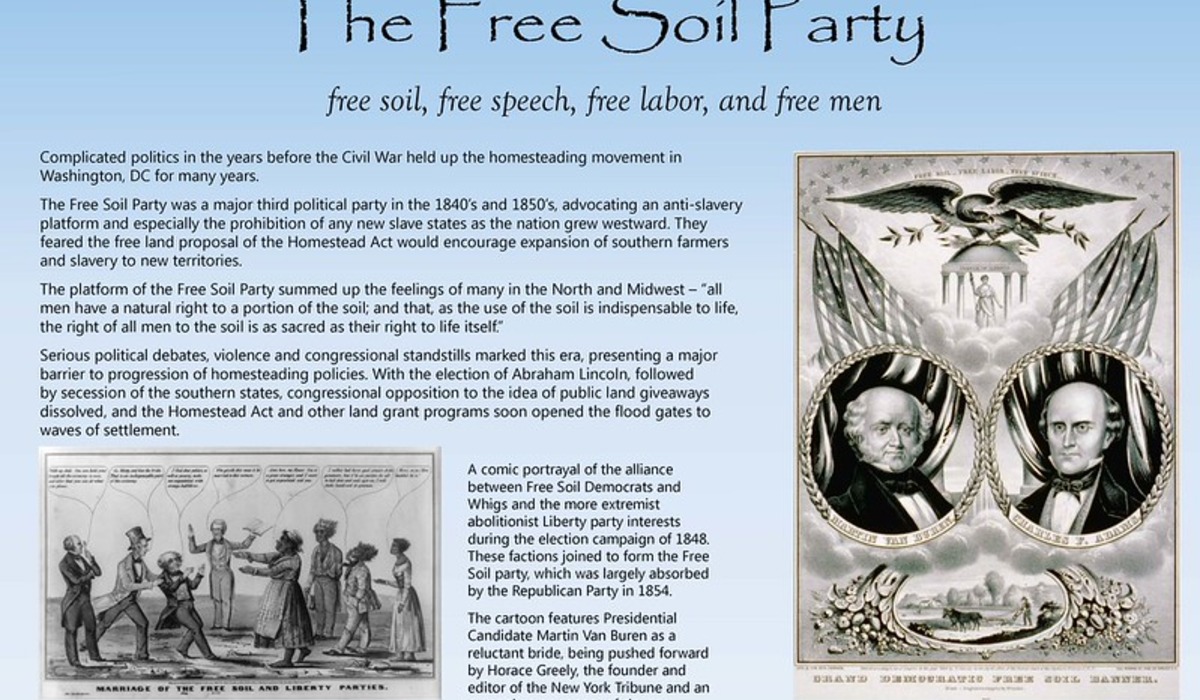
The Homestead Act of 1862 allowed eligible applicants to claim up to 160 acres of public land, generally in exchange for a filing fee, residence on the property, and improvements over five years. Millions of acres changed hands.
The deal sounds too good to be true because, for many, it was brutally hard to make work.
Proving Up With a Window

Homesteaders had to show they had settled on and improved the land, and many built small homes from sod, logs, or boards. However, a universal federal rule requiring every homestead dwelling to meet a minimum size and contain at least one window is not well established.
Requirements and local practices varied, and applicants had to meet the applicable legal standards to receive title. Neighbors sometimes vouched for each other’s progress.
Turning a rough dwelling and cultivated land into a successful claim could take years of work.
The Oklahoma Land Run
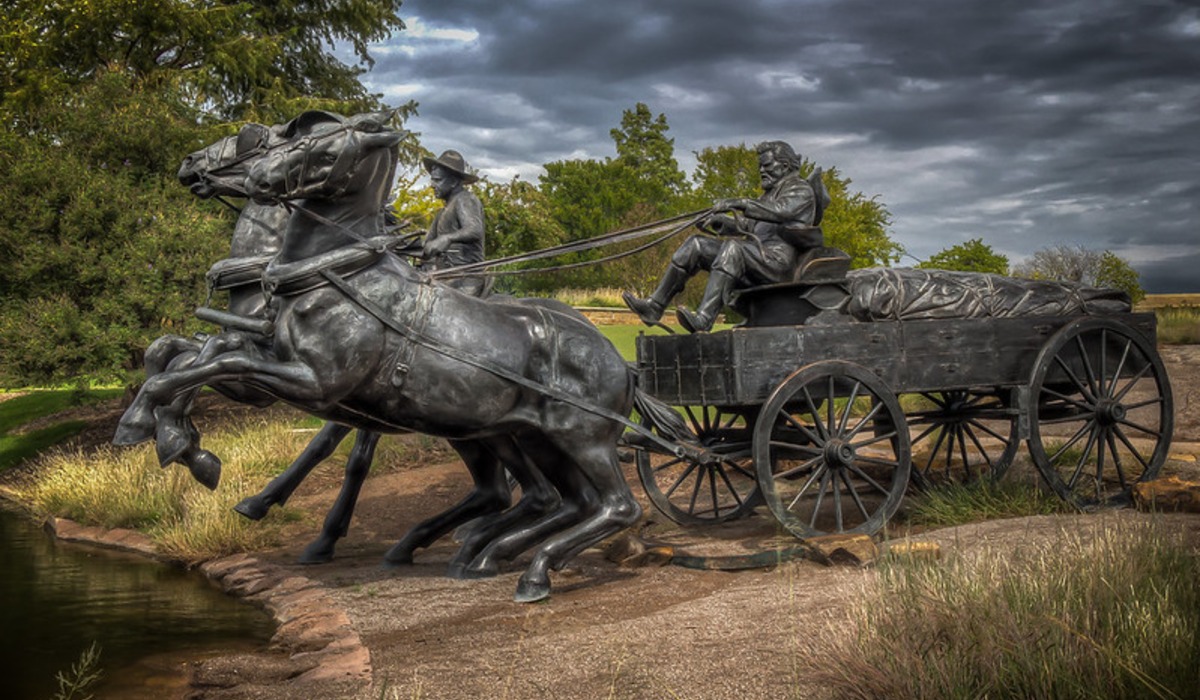
At noon on April 22, 1889, thousands of settlers raced across the line to claim land in Oklahoma Territory’s Unassigned Lands. Some entered early, which earned them the nickname Sooners.
Land became a prize for the fastest horse or the earliest illegal entry.
The General Mining Law of 1872
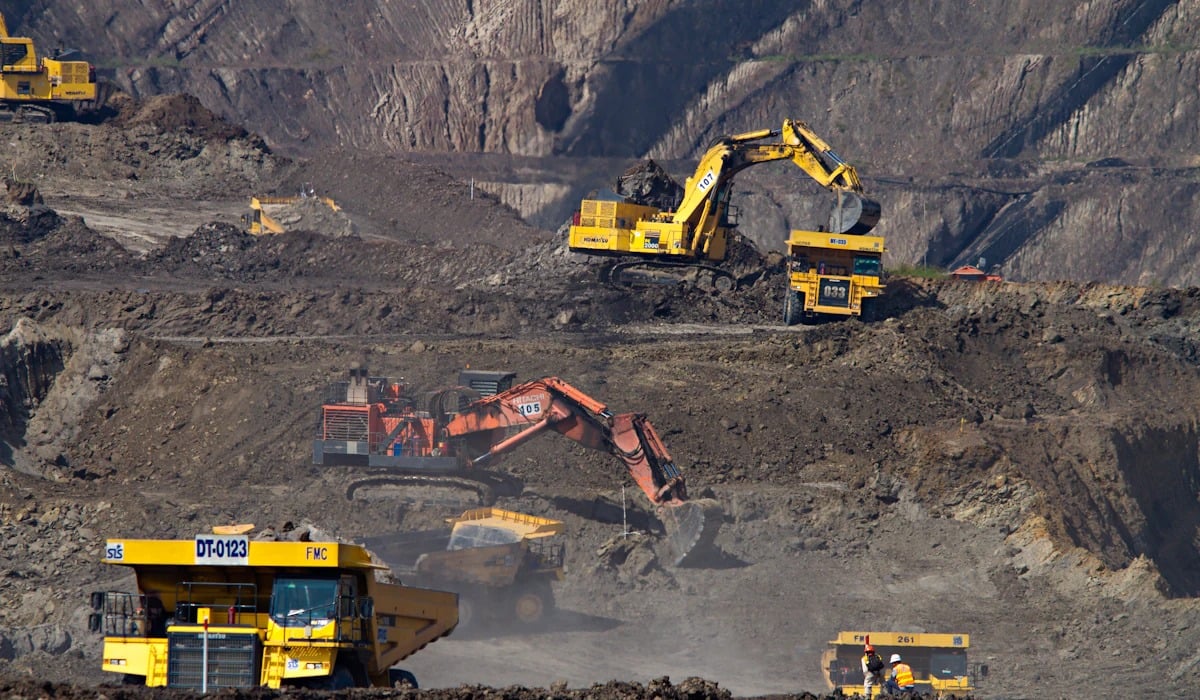
The General Mining Law of 1872 established a framework for locating and developing mineral deposits on certain federal public lands. It allowed prospectors to stake claims under specified rules, and eligible claimants could pursue ownership of mineral lands through a separate patent process.
The law was meant to encourage development of the West. It remains in force, although later laws and regulations have changed how public lands and mining claims are managed.
The Law of the Apex
Under the apex rule, a valid mining claim could, under certain conditions, allow its owner to follow a mineral vein underground beyond the claim’s surface boundaries. The principle could lead to disputes when a vein extended beneath neighboring claims.
Lawyers made fortunes alongside miners as courts worked through competing claims and property rights.
Texas and the Fence-Cutting Wars
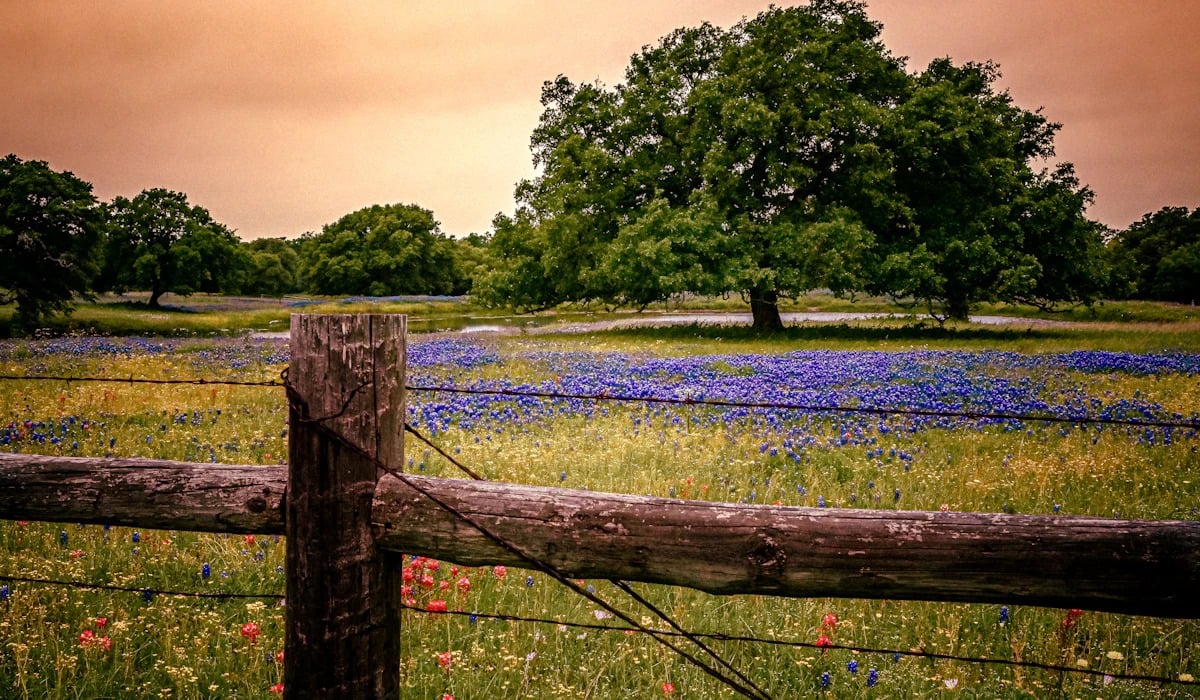
As ranchers began fencing the open range with barbed wire in the 1870s and 1880s, others cut the wires in protest. Drought and disputes over access to grazing land, water, and public roads intensified the conflict.
Texas made fence cutting a felony in 1884 after violence flared. The law marked a turning point in the end of open-range cattle operations in many areas.
Fence-Out Laws

In some Western jurisdictions, livestock laws placed much of the responsibility on landowners to fence out roaming cattle, rather than requiring every rancher to keep animals enclosed. A farmer whose crops were trampled could have difficulty recovering damages if the law did not require the cattle owner to fence in the herd.
These rules varied by location and helped fuel conflicts between farmers and open-range ranchers.
The Maverick Rule

Unbranded cattle found on the range could become the property of whoever lawfully claimed and branded them, depending on local law and custom. The practice is associated with Texas rancher Samuel Maverick, whose name became linked to unbranded cattle.
The rule could lead to disputes over ownership and accusations of rustling. The word maverick now describes independent thinkers.
The Foreign Miners’ Tax
California imposed a Foreign Miners’ Tax in 1850, charging foreign miners a monthly fee of $20. The law was repealed in 1851, but California later enacted another foreign miners’ license tax in 1852.
These measures contributed to discriminatory treatment of Chinese and Latino miners, among others, and pushed many out of the goldfields. The resentment lingered.
The Queue Ordinance
San Francisco adopted a jail ordinance requiring male prisoners to have their hair cut to within one inch of the scalp. The rule had a discriminatory impact on Chinese men, many of whom wore queues, or long braids, that held cultural significance.
A federal court struck it down in 1879 in Ho Ah Kow v. Nunan.
The case remains an important ruling on discriminatory government action and equal protection.
The Morrill Anti-Bigamy Act
Congress passed the Morrill Anti-Bigamy Act in 1862, aiming at plural marriage in Utah Territory. The law was not consistently enforced at first, and its constitutionality became part of a larger legal battle over religious practice and federal authority.
The challenge eventually reached the Supreme Court in Reynolds v. United States in 1879, which upheld the federal ban on bigamy.
The Edmunds Act
The Edmunds Act of 1882 strengthened federal penalties for plural marriage and barred people convicted of or living in certain forms of polygamous relationships from voting or serving on juries. Hundreds of men were prosecuted.
The law reshaped life in Utah and intensified the federal government’s campaign against plural marriage.
The Law West of the Pecos
Roy Bean was a justice of the peace in Langtry, Texas, appointed in 1882, who held court in his saloon. He named the town after the actress Lillie Langtry, whom he admired.
His rulings were colorful and often arbitrary, and he billed himself as the law west of the Pecos.
The Hanging Judge
Judge Isaac Parker presided over the federal court in Fort Smith, Arkansas, which had jurisdiction over Indian Territory. During his tenure, he sentenced 160 people to death, and 79 men were executed.
The death sentences were imposed following jury convictions for capital crimes under federal law. His reputation as a hanging judge came from the sheer volume of capital cases.
The San Francisco Vigilance Committee
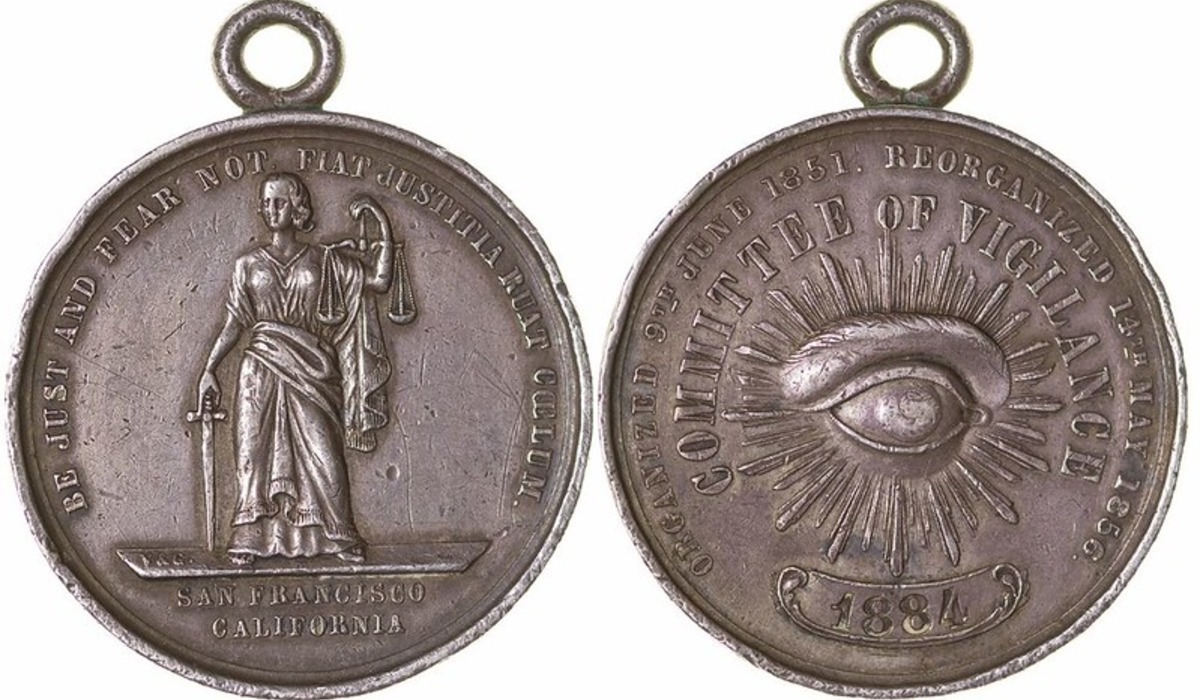
In 1851, citizens of San Francisco formed a Committee of Vigilance to punish crime when they felt the courts could not. The group detained, tried, and punished suspects outside the official legal system, including by hanging some of them.
It disbanded, then formed again in 1856.
Miners’ Districts
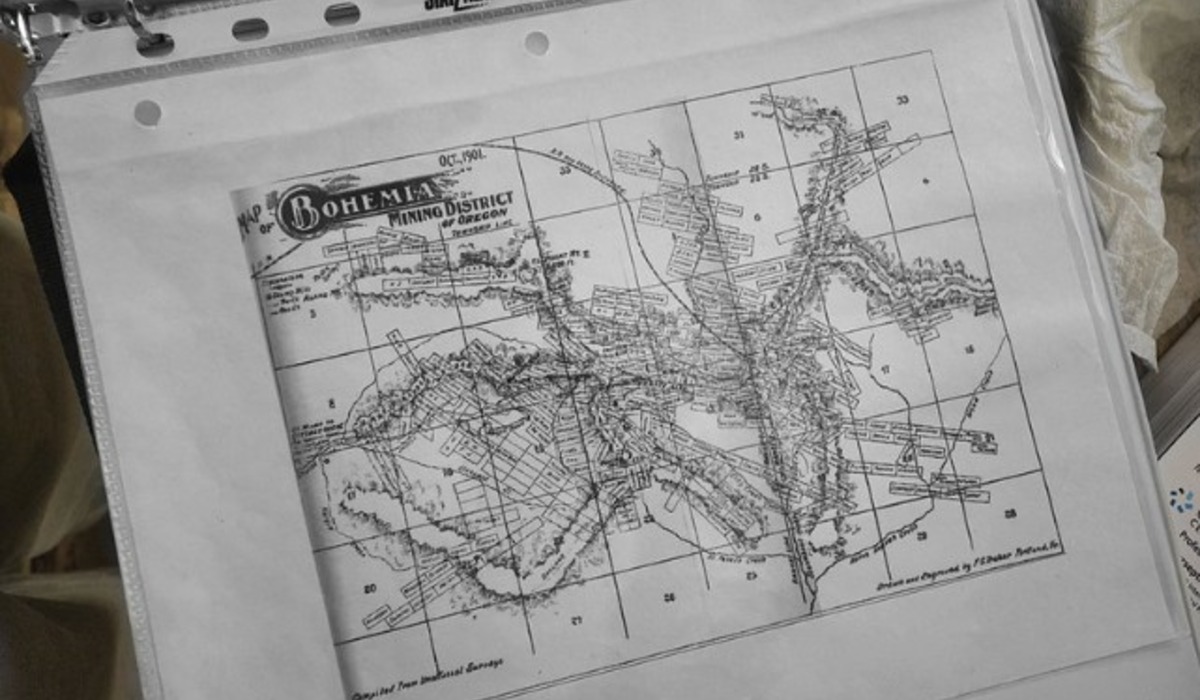
Mining camps often wrote their own codes, setting claim sizes, work requirements, and penalties for jumping a claim. Meetings of local miners acted as courts.
These informal rules later influenced the development of Western mining law, though formal laws and courts also played important roles.
The Bannack Vigilantes
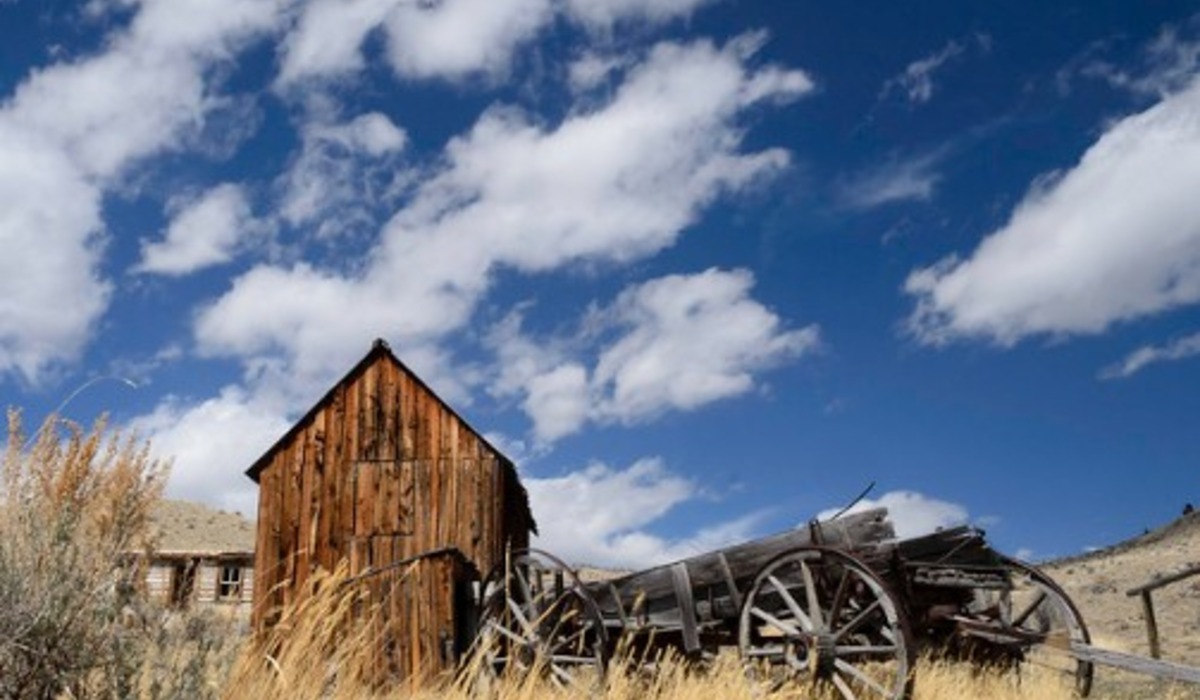
In Montana Territory in early 1864, vigilantes hanged sheriff Henry Plummer at Bannack on January 10 after accusing him of leading a gang of road agents. The accusations remain controversial, and Plummer was not given a regular criminal trial.
The action shows how quickly self-appointed justice could replace a trial.
When Rules Arrived Before Order
Most of these laws were attempts to impose structure on a place that had too little of it. They reveal what lawmakers feared: crime, competition for land, and unfamiliar neighbors.
They also reveal who was trusted to write the rules and who was not.
Seen from today, the absurdity often lies in the unfairness. Some laws gave settlers astonishing opportunities, while others singled out immigrants or minorities.
The frontier was not a lawless place so much as a place where law was being argued over every day.
MORE FROM GO2TUTORS!

- The Romanov Crown Jewels and Their Tragic Fate
- 13 Historical Mysteries That Science Still Can’t Solve
- Famous Hoaxes That Fooled the World for Years
- 15 Child Stars with Tragic Adult Lives
- 16 Famous Jewelry Pieces in History
Like Go2Tutors’s content? Follow us on MSN.