24 Treasures Unearthed by Farmers and Hobbyists
Archaeologists spend careers planning excavations, and then a man looking for a lost hammer finds more Roman gold in an afternoon than any of them will see in a lifetime. The pattern repeats so reliably that museums have built entire programs around amateurs reporting what their plows and detectors turn up.
The finds below were all made by people who were not looking for history. Some were digging wells, some were testing a new detector, and at least one was walking the dog.
The Terracotta Army Under a Farmer’s Well

In March 1974, farmers digging a well near Xi’an in Shaanxi Province broke through into a pit filled with life-sized clay soldiers. The pits turned out to hold thousands of figures guarding the tomb of China’s first emperor, Qin Shi Huang, buried for more than two thousand years.
One of the farmers, Yang Zhifa, later spent years signing books for tourists at the museum built over the site.
The Staffordshire Hoard in a Plowed Field

In July 2009, a metal detectorist named Terry Herbert began finding gold in a field near Lichfield, and he kept finding it for five days. The hoard turned out to be the largest collection of Anglo-Saxon gold ever discovered, thousands of fragments of sword fittings, helmet pieces, and a folded cross, valued at more than three million pounds.
Herbert and the farmer who owned the field split the money and reportedly stopped speaking to each other.
The Hoxne Hoard and the Lost Hammer
In November 1992, a Suffolk farmer asked his friend Eric Lawes to help find a hammer he had dropped in a field, and Lawes brought his metal detector. Instead of the hammer, he found a chest of nearly fifteen thousand Roman gold and silver coins, along with spoons, pepper pots, and jewelry.
The hammer was eventually found too, and the British Museum keeps it in the collection.
The Frome Hoard in a Single Pot
Dave Crisp, a hospital chef with a detector, found a few scattered coins in a Somerset field in April 2010 and then hit a signal that turned out to be a large pot buried in the ground. It contained 52,503 Roman coins, one of the largest hoards ever found in Britain.
Crisp stopped digging and called archaeologists, which is why the pot was excavated properly.
The Vale of York Viking Hoard
In January 2007, David Whelan and his son Andrew were detecting near Harrogate when they found a silver-gilt cup packed with coins and jewelry. The cup held over six hundred coins and dozens of other objects from as far away as Afghanistan and North Africa, buried around 927.
The British Museum and York Museums Trust bought it jointly.
The Dead Sea Scrolls in a Shepherd’s Cave
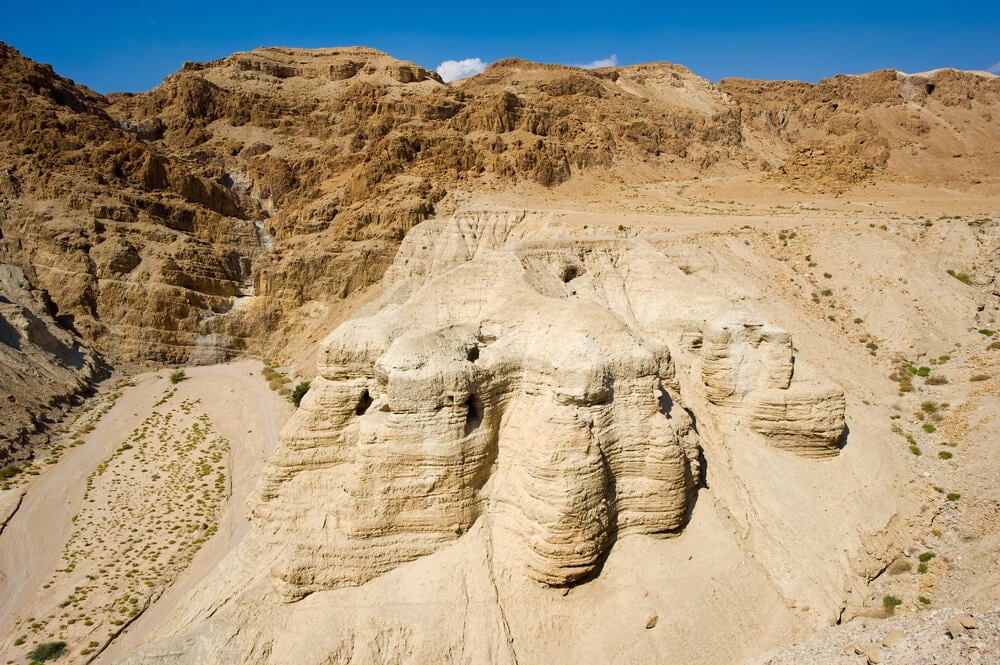
In late 1946 or early 1947, a Bedouin shepherd named Muhammed edh-Dhib threw a stone into a cave near Qumran while looking for a stray goat and heard pottery break. Inside were jars holding ancient manuscripts, including the oldest known copies of books of the Hebrew Bible.
The first scrolls were sold to a Bethlehem antiquities dealer for a modest sum, and more caves yielded fragments for years afterward.
The Nag Hammadi Codices in a Clay Jar
In December 1945, an Egyptian farmer named Muhammad al-Samman was digging for fertilizer near the town of Nag Hammadi when he unearthed a sealed jar containing thirteen leather-bound papyrus books. The texts, written in Coptic, included the Gospel of Thomas and other works that reshaped the study of early Christianity.
By his own account, his mother burned some of the pages in the cooking fire before anyone realized what they were.
The Venus de Milo in a Buried Niche
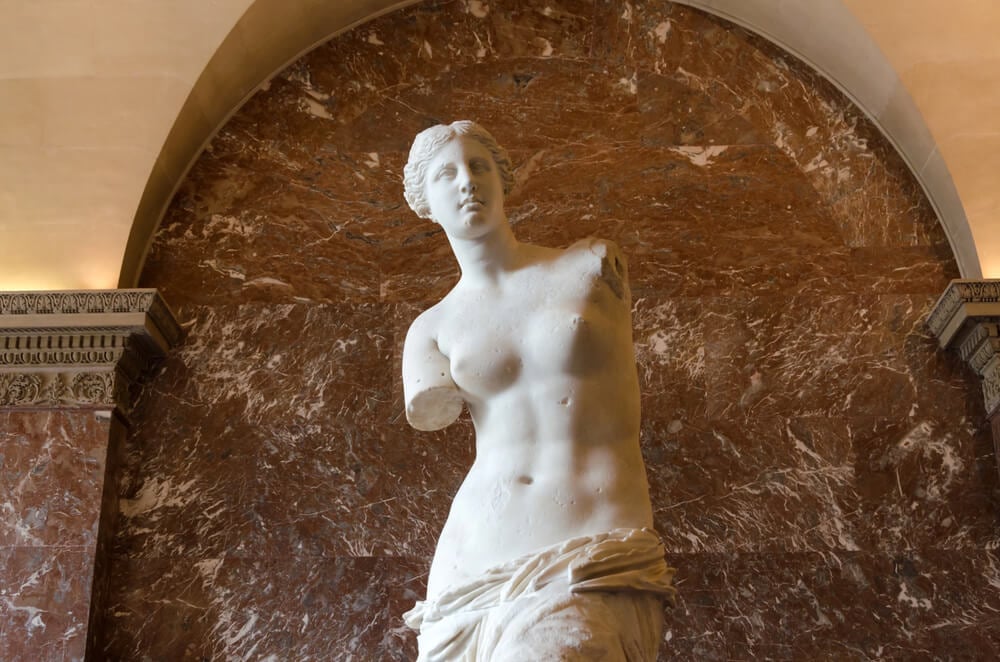
In April 1820, a farmer named Yorgos Kentrotas was pulling stones from an ancient wall on the Greek island of Milos when he uncovered a marble statue of a woman in two pieces. A French naval officer stationed nearby recognized its quality, and the statue was shipped to France and presented to Louis XVIII.
It has stood in the Louvre since 1821, and the arms have never been found.
The Mildenhall Treasure Under a Plow
In 1942, a plowman named Gordon Butcher struck something hard in a Suffolk field and, with his employer, dug up more than thirty pieces of Roman silver tableware. The centerpiece, known as the Great Dish, weighs over eight kilograms and shows the face of a sea god surrounded by dancing figures.
The pair kept the silver in a cupboard until 1946, when it was declared treasure and taken by the British Museum.
The Galloway Hoard in a Scottish Field
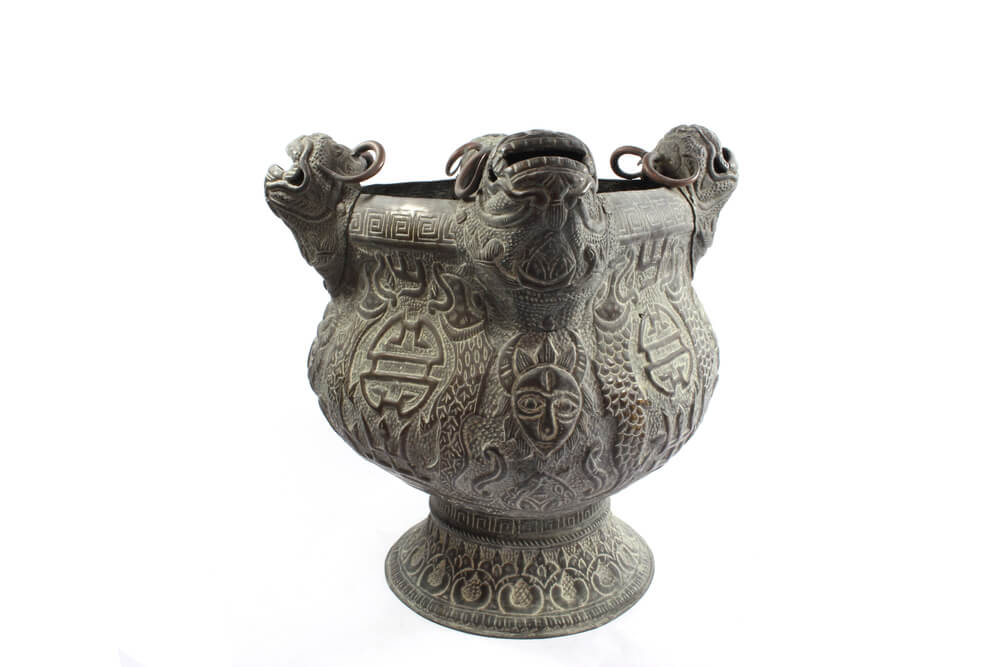
Derek McLennan, a retired businessman with a detector, found a Viking-age hoard in Dumfries and Galloway in September 2014 after a landowner gave him permission to search. The find included more than a hundred objects, among them a silver-gilt vessel wrapped in cloth, arm rings, and an enameled Christian cross.
National Museums Scotland acquired it in 2017 for nearly two million pounds.
The Hand of Faith Nugget
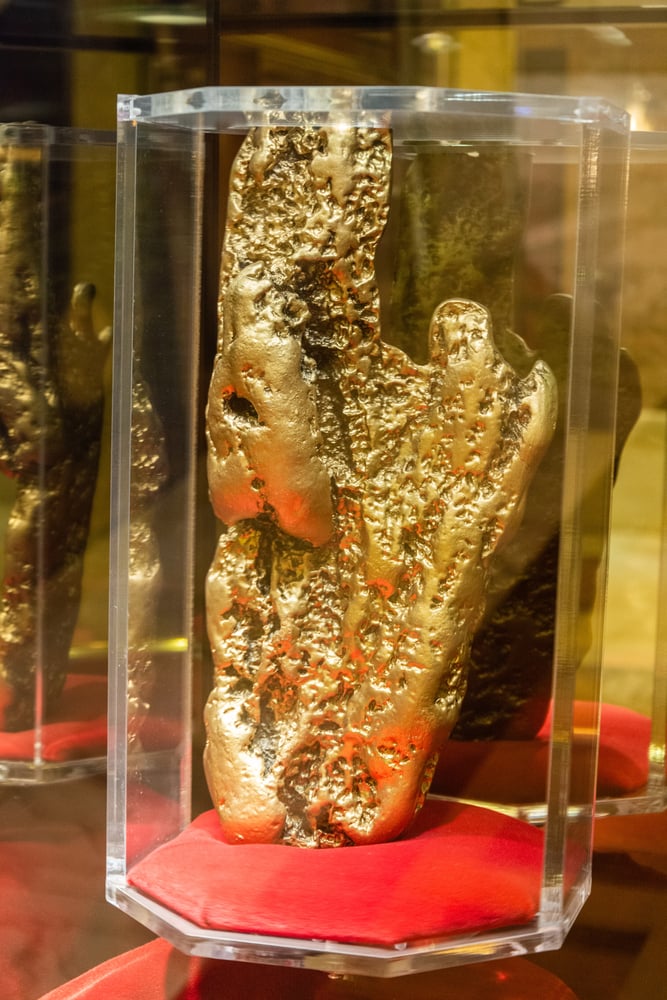
On September 26, 1980, Kevin Hillier was testing a metal detector near Kingower in Victoria, Australia, when he found a gold nugget weighing 875 troy ounces, about 27 kilograms, lying a foot below the surface. It remains the largest nugget ever found with a detector.
The Golden Nugget casino in Las Vegas bought it for over a million dollars and displays it in a hallway near the hotel lobby.
The Welcome Stranger Nugget
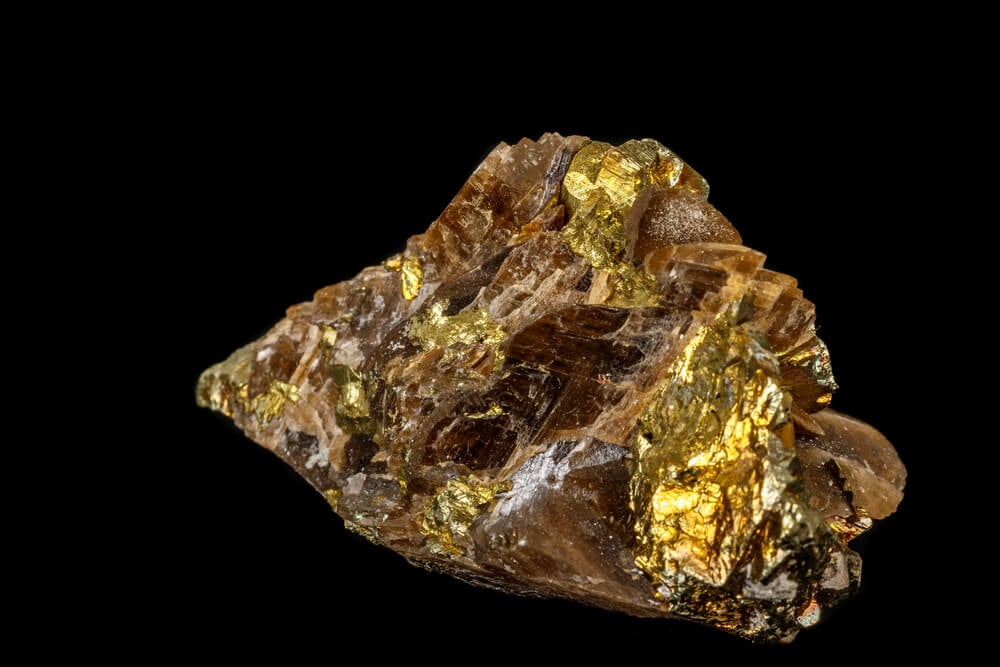
In February 1869, two Cornish miners, John Deason and Richard Oates, found a nugget near Moliagul, Victoria, that weighed about 72 kilograms, the largest ever recorded. It was too big for the bank’s scales and had to be broken on an anvil before it could be weighed.
The men received a little under ten thousand pounds, and the nugget was melted down.
The Saddle Ridge Hoard Beside a Dog Walk
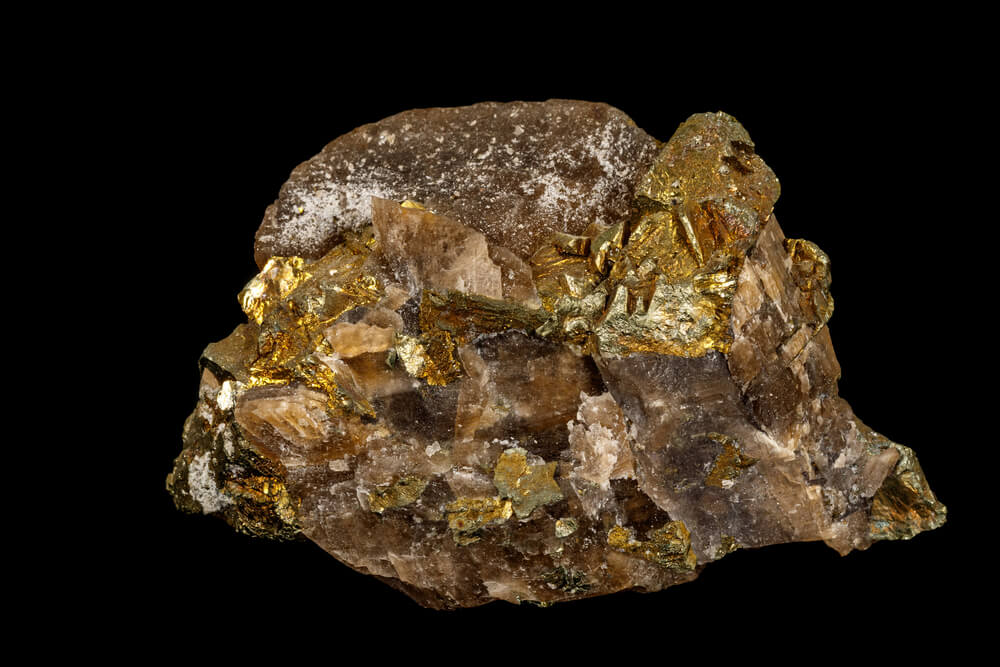
In February 2013, a couple walking their dog on their property in California’s Gold Country noticed a rusted can poking from the ground. It and seven others held 1,427 gold coins dating from 1847 to 1894, most of them uncirculated, with a face value of about 28,000 dollars and an estimated worth of around ten million.
The couple have never been named, and the coins were sold through a dealer.
The Chew Valley Hoard From a Detector’s First Outing
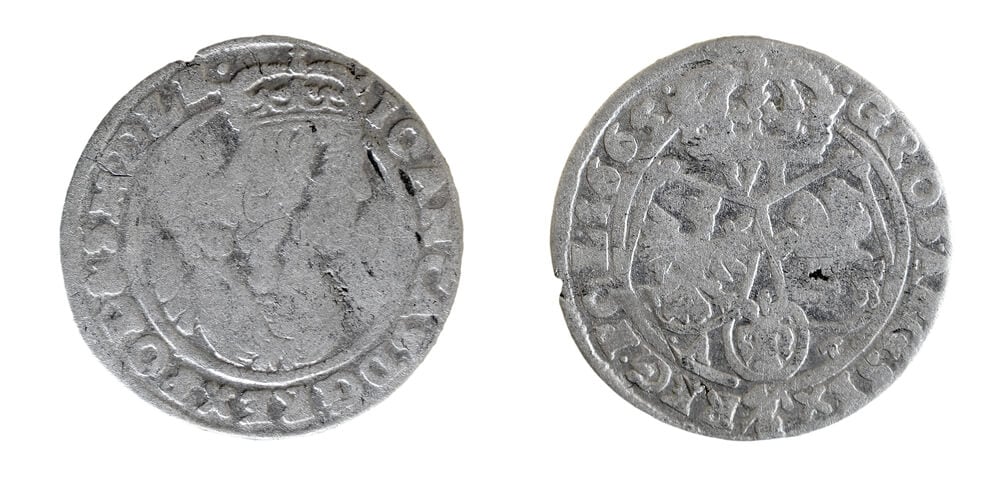
In January 2019, Adam Staples, Lisa Grace, and five friends were testing a new detector in a Somerset field when they found 2,584 silver pennies struck between 1066 and 1068, with some showing Harold II and others William the Conqueror. The hoard was valued at 4.3 million pounds, the highest ever for a British treasure find, and was bought for the nation in 2024.
The finders and landowner split the proceeds.
The Ringlemere Cup Flattened by a Plow
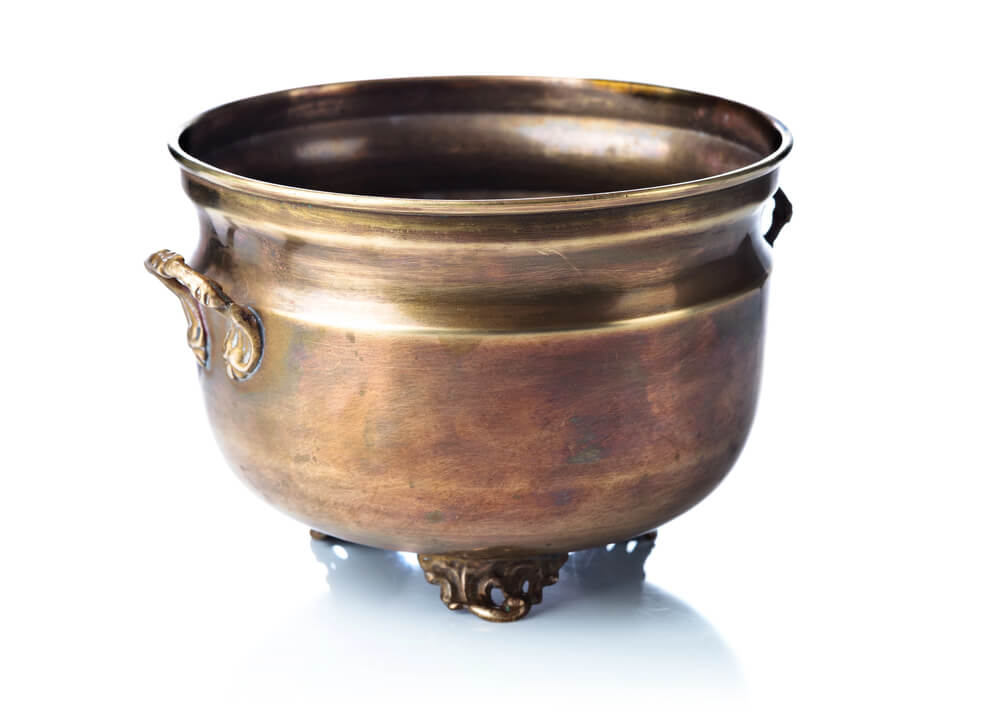
Cliff Bradshaw, a detectorist in Kent, found a crumpled gold cup in a field in November 2001. It was about 3,600 years old, one of only a handful of such Bronze Age cups known in Europe, and it had been crushed by modern farm machinery before he reached it.
The British Museum bought it, and excavation of the field revealed a burial mound.
The Watlington Hoard of King Alfred’s Coins
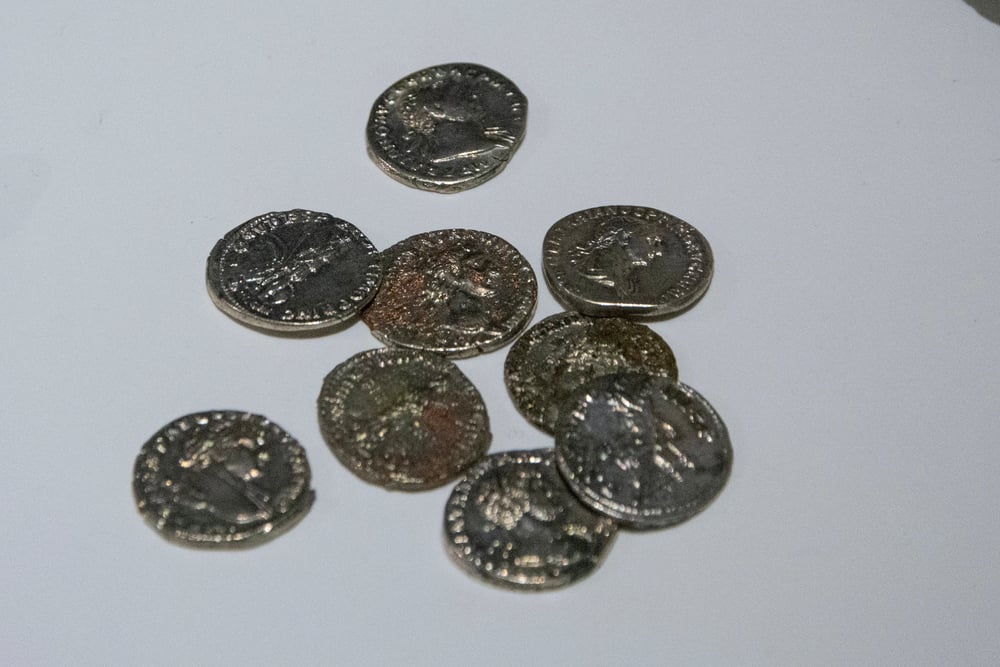
James Mather found a hoard of Viking silver and more than two hundred coins near Watlington in Oxfordshire in October 2015, after years of detecting without much result. The coins included rare issues showing Alfred the Great and Ceolwulf II of Mercia side by side as allies, which changed how historians read their relationship.
The Ashmolean Museum acquired the hoard in 2017.
The Crosby Garrett Helmet
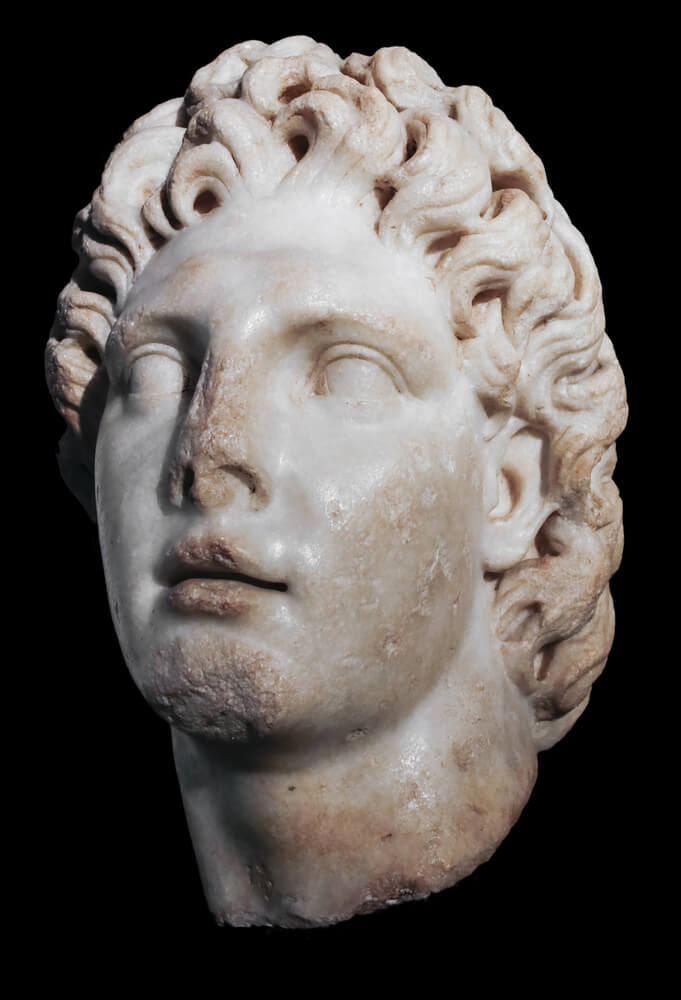
In May 2010, an unnamed detectorist in Cumbria found a Roman cavalry parade helmet in dozens of fragments, including a bronze face mask with a young man’s features and a griffin crest. Because it was bronze rather than gold or silver, it did not count as treasure under British law, and it sold at auction for 2.3 million pounds to a private buyer.
Museums were outbid, and the law was later reviewed.
The Snettisham Great Torc
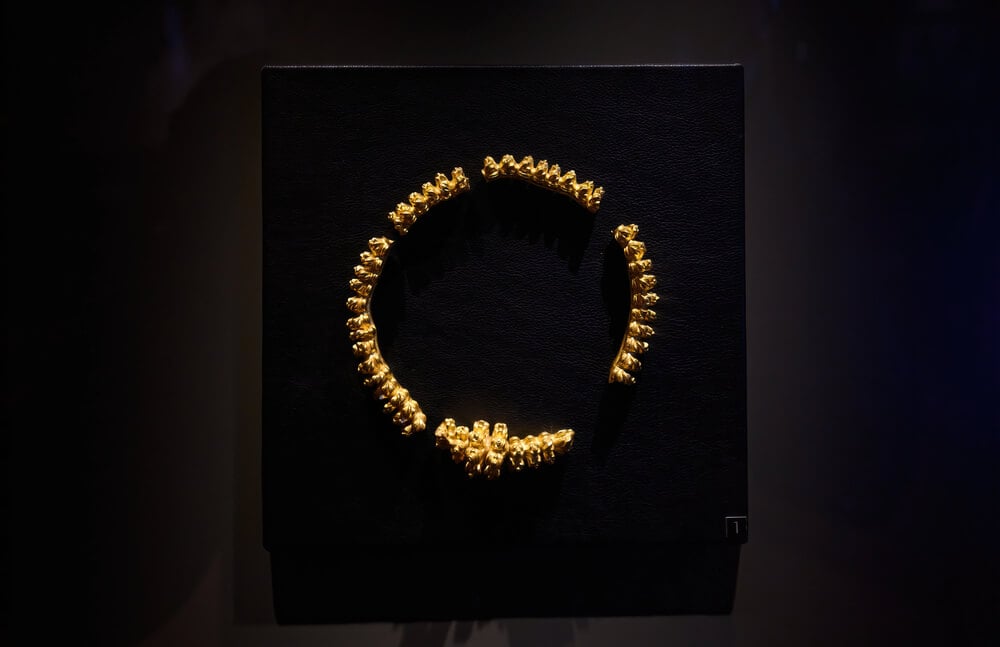
Plowing on a Norfolk farm in 1948 turned up Iron Age gold, and over the following years more torcs emerged from the same field. The finest, a twisted neck ring of gold and silver alloy weighing over a kilogram, was found in 1950 and is now in the British Museum.
Later excavations showed the field held more than a dozen separate hoards.
The Hallaton Helmet and Hoard
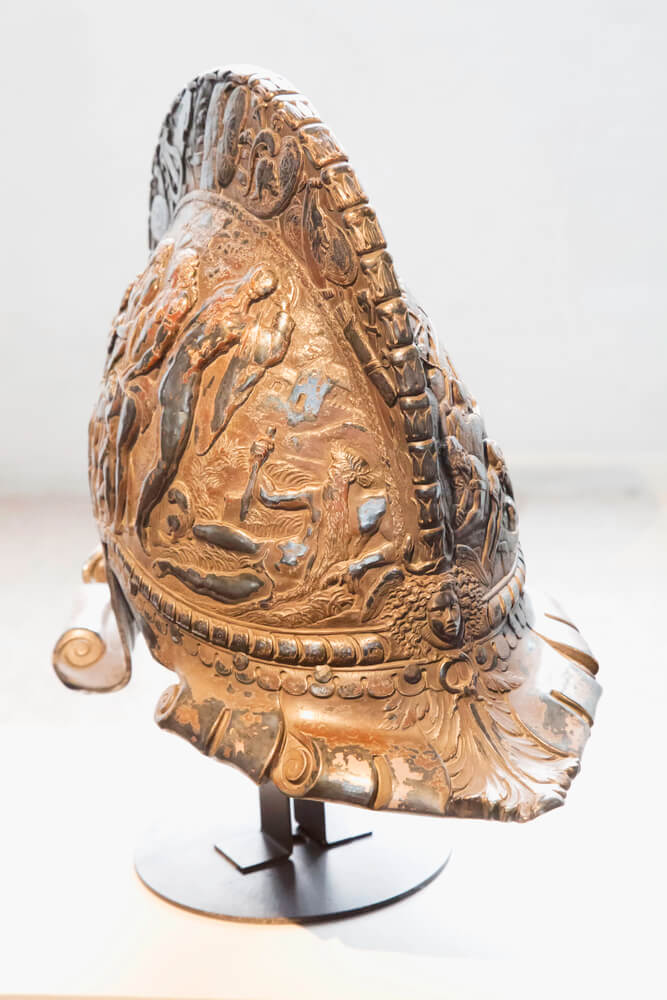
Ken Wallace, a retired teacher walking a field in Leicestershire in 2000, picked up a few Iron Age coins and reported them. Excavation found more than five thousand coins, the largest Iron Age coin hoard in Britain, and the remains of a Roman cavalry helmet decorated in silver.
The helmet took nine years to conserve.
The Grouville Hoard After Thirty Years of Searching
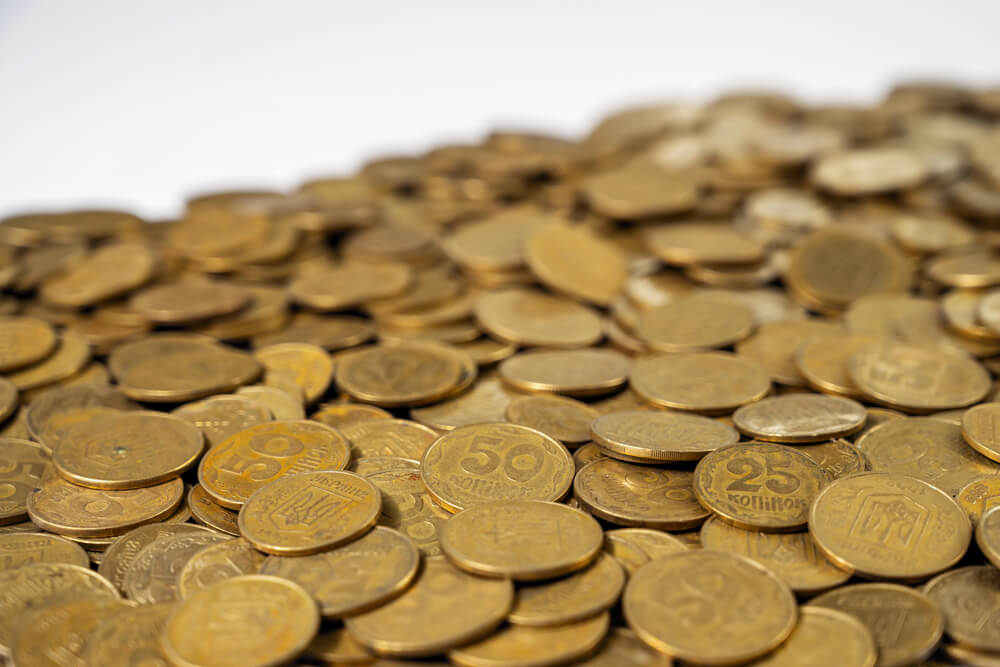
Reg Mead and Richard Miles spent three decades searching a field in Jersey after a farmer’s daughter told them her father had found coins there. In June 2012, they hit a solid mass of about seventy thousand Celtic coins fused together with gold torcs and jewelry, weighing roughly three quarters of a ton.
It took conservators years to separate the coins.
The Lenborough Hoard in a Lead Sheet
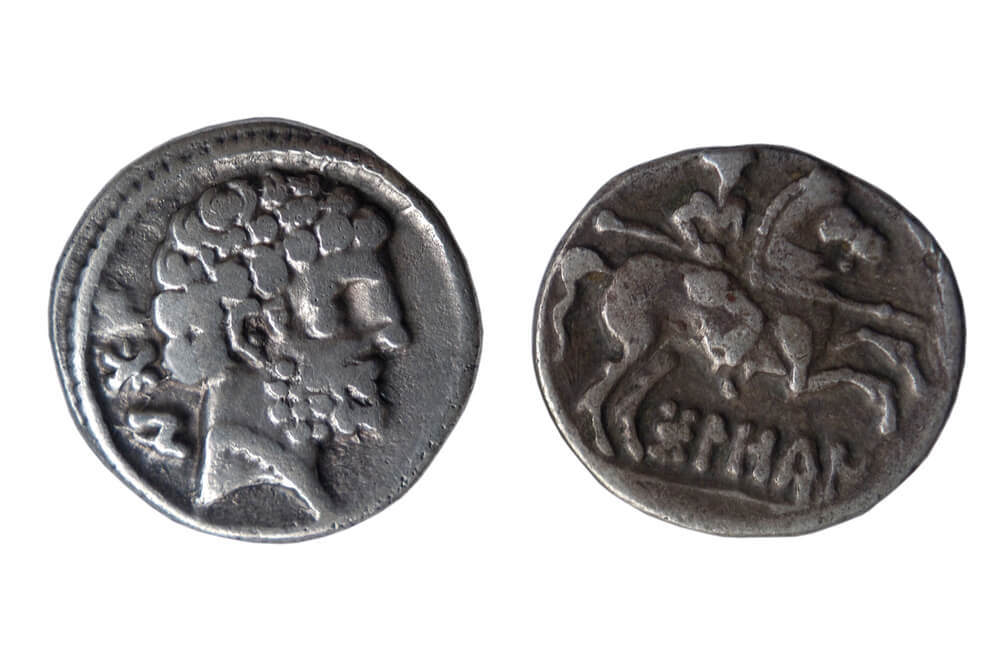
On a Christmas-season club outing in December 2014, Paul Coleman found a lead-wrapped bundle in a Buckinghamshire field that held 5,251 silver pennies of Ethelred the Unready and Cnut. It was one of the largest Anglo-Saxon coin hoards ever found.
Coleman nearly stayed home that day because of the cost of fuel.
The Winchester Hoard of Iron Age Gold
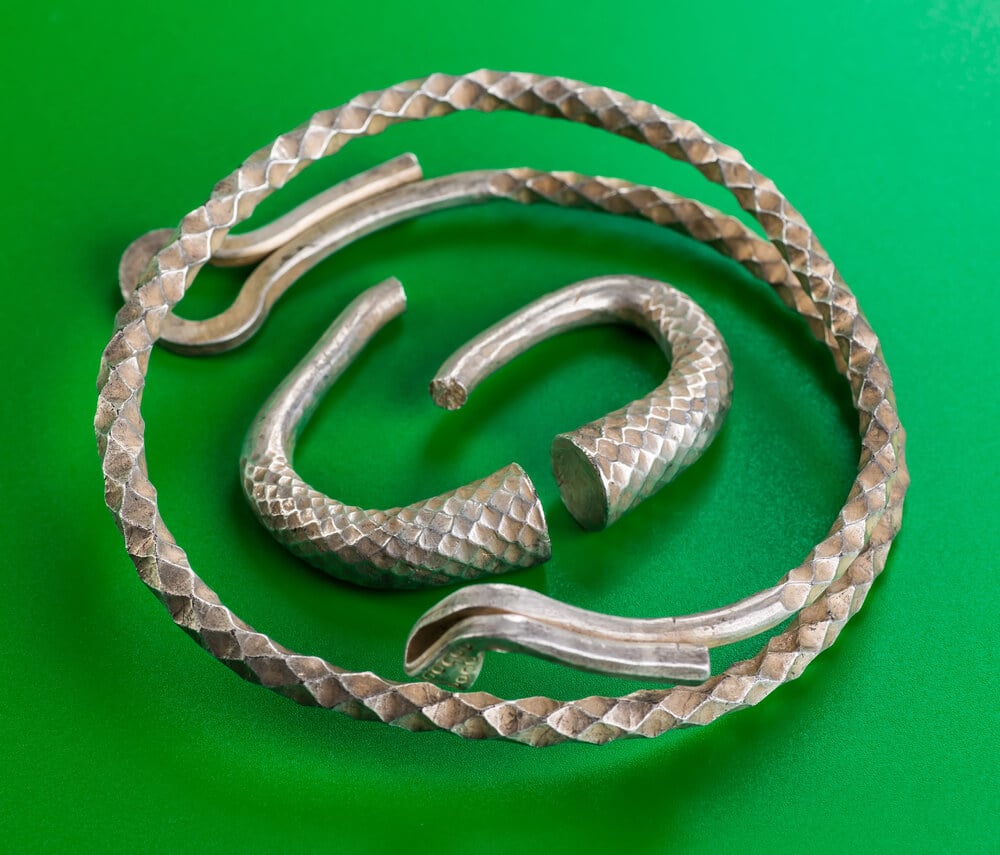
Kevan Halls, a retired florist, found two sets of gold jewelry in a Hampshire field in 2000, including necklaces, brooches, and bracelets. The craftsmanship suggested Roman work made for a local ruler, and experts compared the pieces to royal gifts.
The British Museum bought the hoard for a sum that was then a record.
The Mold Gold Cape in a Quarry
In 1833, workmen quarrying stone from a mound near Mold in Wales found a skeleton wrapped in a sheet of beaten gold. The cape, about 3,700 years old, had been hammered from a single ingot and was broken into pieces by the workers and the landowner before the British Museum reassembled it over decades.
It is one of the finest pieces of Bronze Age goldwork in Europe.
The Cuerdale Hoard on a Riverbank
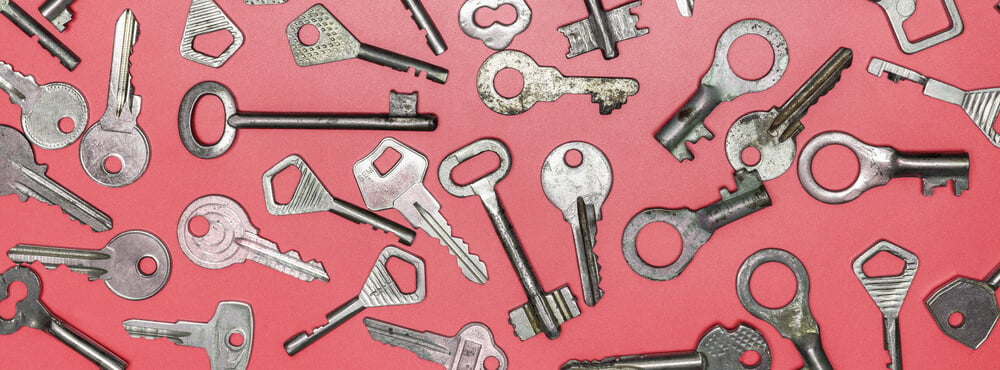
In May 1840, workmen repairing an embankment of the River Ribble in Lancashire found a lead chest holding about 8,600 pieces of Viking silver, including coins, ingots, and chopped-up jewelry. It remains the largest Viking silver hoard found outside Russia.
The workers were allowed to keep one coin each, and the rest went to Queen Victoria as Duke of Lancaster.
Luck Is Not a Method, but It Keeps Working
Britain’s Portable Antiquities Scheme exists because farmers and detectorists keep finding things, and recording those finds has produced more data on the past than most planned digs. Other countries have taken different approaches, and some treat a detector in a field as a crime.
The finds keep happening either way. What the list suggests is that the ground is full, and that the person who finds the next great hoard
More from Go2Tutors!

- The Romanov Crown Jewels and Their Tragic Fate
- 13 Historical Mysteries That Science Still Can’t Solve
- Famous Hoaxes That Fooled the World for Years
- 15 Child Stars with Tragic Adult Lives
- 16 Famous Jewelry Pieces in History
Like Go2Tutors’s content? Follow us on MSN.