Uncommon Hobbies of Famous Historical Figures
History books tell us about the big achievements of famous people. We learn about their inventions, their political moves, and the wars they fought.
But what did these historical giants do when they weren’t changing the world? Turns out, many of them had hobbies that were just as interesting as their day jobs.
Let’s take a look at some surprising ways these well-known figures spent their free time.
Winston Churchill painted landscapes

The British Prime Minister who led his country through World War II had a softer side that most people don’t know about. Churchill picked up painting in his 40s and became quite good at it.
He completed over 500 paintings during his lifetime, mostly landscapes and garden scenes. The hobby helped him deal with stress and what he called his ‘black dog’ of depression.
His work was good enough that he exhibited under a fake name and even sold some pieces.
Abraham Lincoln was a skilled wrestler
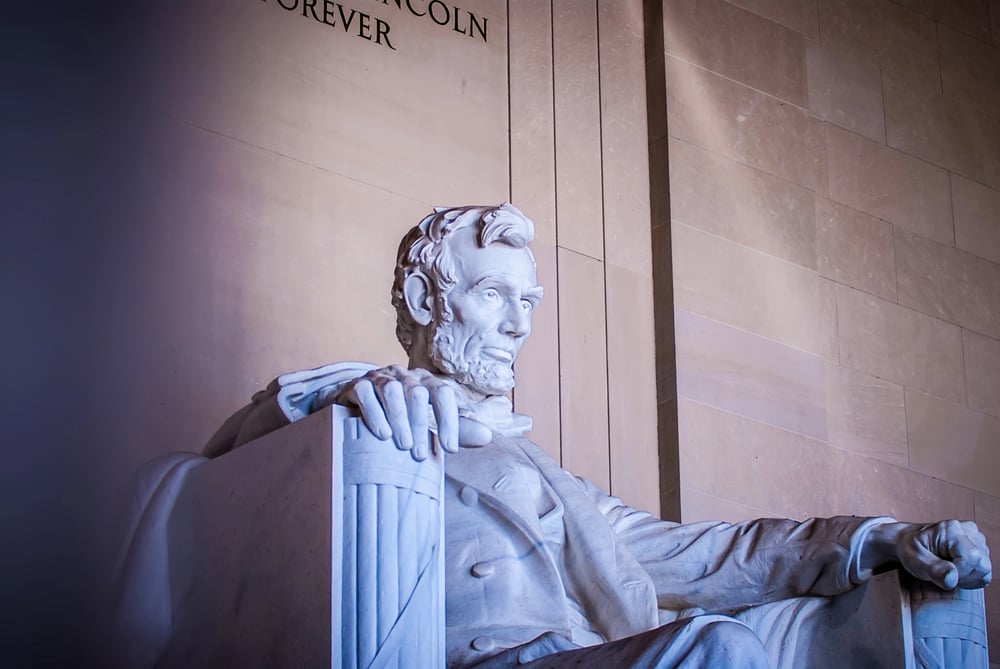
Before Lincoln became president, he was known around town for his wrestling abilities. He competed in nearly 300 matches and lost only one of them.
Lincoln used his long arms and legs to his advantage, developing moves that worked with his tall, lean frame. His reputation as a tough opponent spread throughout Illinois.
The future president even got inducted into the National Wrestling Hall of Fame in 1992.
Thomas Jefferson bred sheep
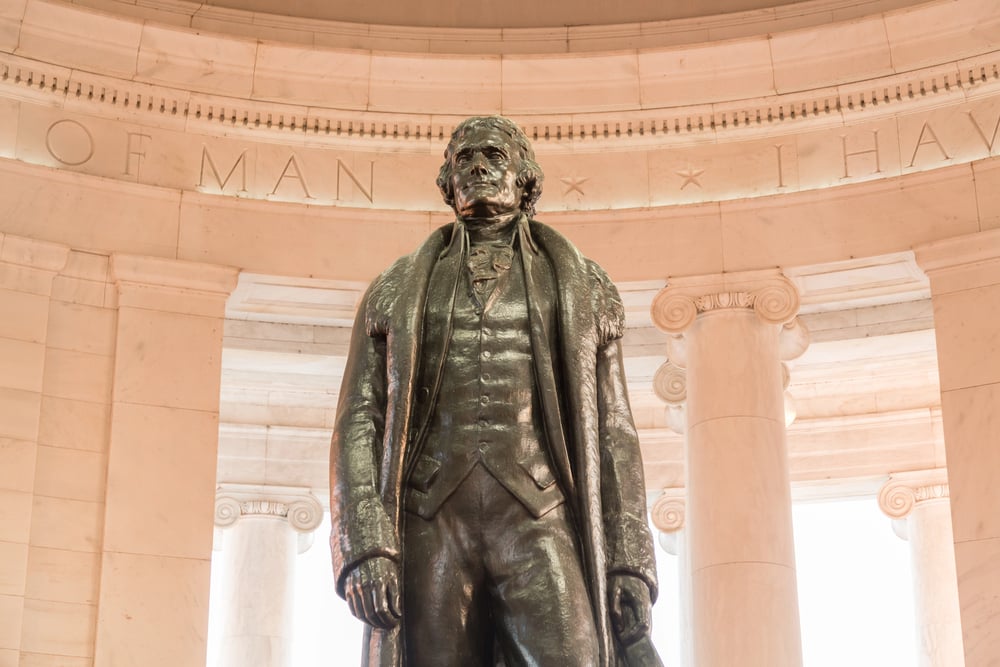
The third U.S. president didn’t just write the Declaration of Independence. Jefferson spent years trying to improve American sheep farming.
He imported special Merino sheep from Europe, which was actually illegal at the time because Spain wanted to keep them exclusive. Jefferson believed better wool production would help America become less dependent on British imports.
He kept detailed records of his breeding experiments at Monticello.
Queen Victoria loved to sketch her pets
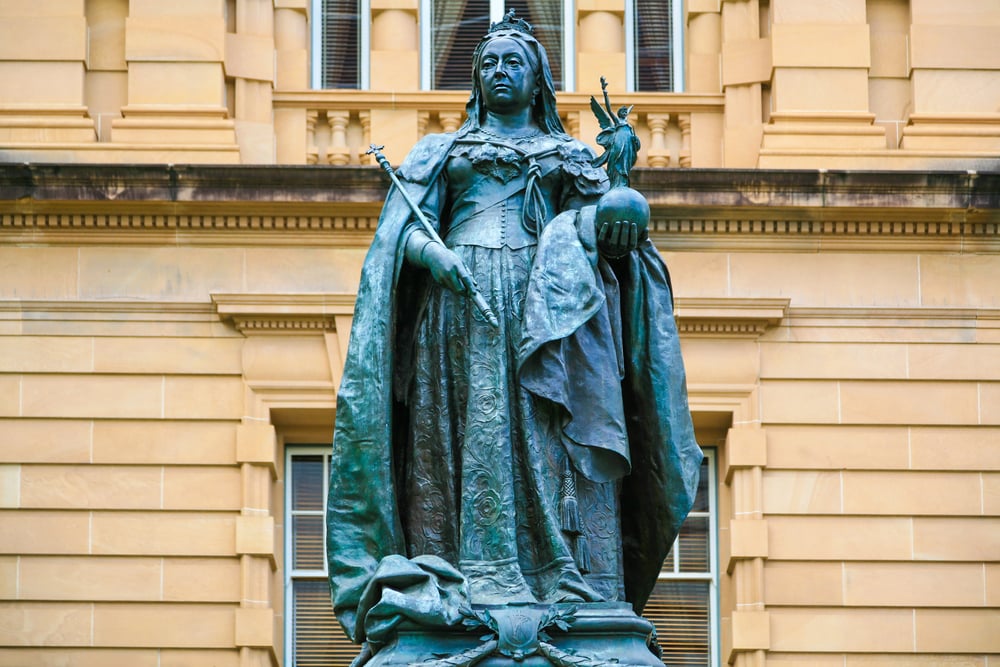
The long-reigning British monarch had a real talent for drawing animals. She filled sketchbooks with portraits of her dogs, horses, and birds.
Victoria started drawing as a child and continued throughout her life. Her artwork shows genuine skill and affection for her animal subjects.
Some of her drawings are still displayed in the Royal Collection today.
Benjamin Franklin created his own swimming flippers

The inventor and founding father loved swimming so much that he created early versions of swim flippers. Franklin made wooden paddles that attached to his hands and feet to help him move faster through water.
He learned to swim in the ocean near Boston as a young boy. Franklin even considered opening a swimming school at one point.
His love for the water stayed with him throughout his life.
Marie Curie took her lab equipment on vacation

The Nobel Prize-winning scientist couldn’t leave her work behind even during holidays. Curie would pack up radioactive materials and measuring instruments to bring along on family trips.
She set up temporary labs wherever she stayed. Her daughters remembered vacations where their mother would disappear for hours to run experiments.
This dedication, though admirable, probably wasn’t the safest hobby given what we now know about radiation.
Theodore Roosevelt practiced taxidermy
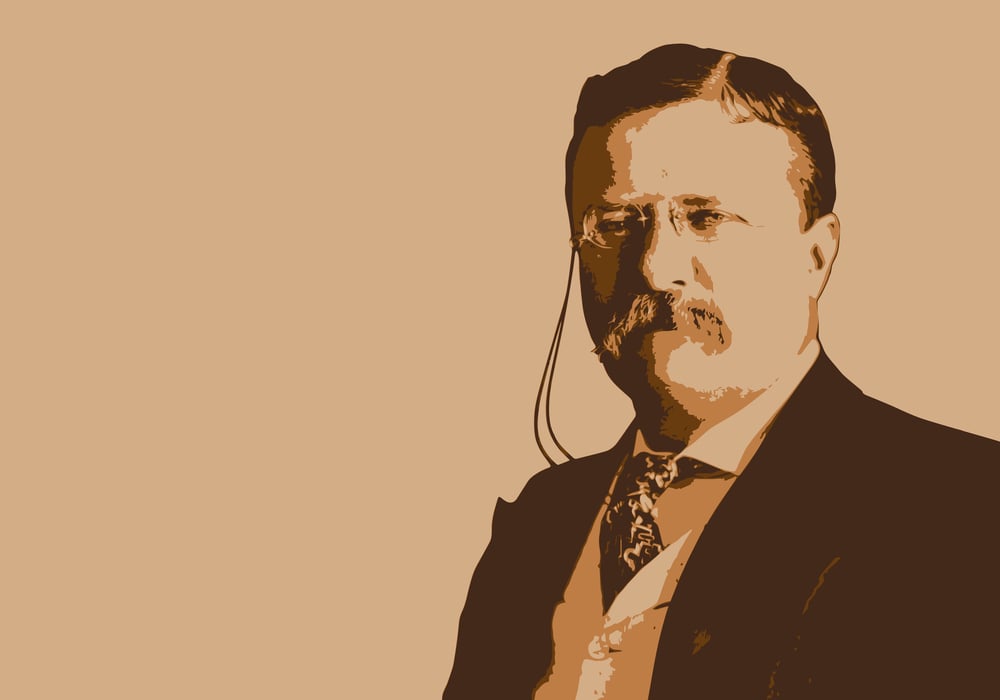
The outdoorsy president started stuffing animals as a teenager. Roosevelt learned the skill from a local taxidermist in New York City.
He continued the hobby through college, filling his dorm room with preserved specimens. His early interest in taxidermy led to a lifelong passion for natural history.
Roosevelt later helped establish several museums and national parks.
Albert Einstein played the violin
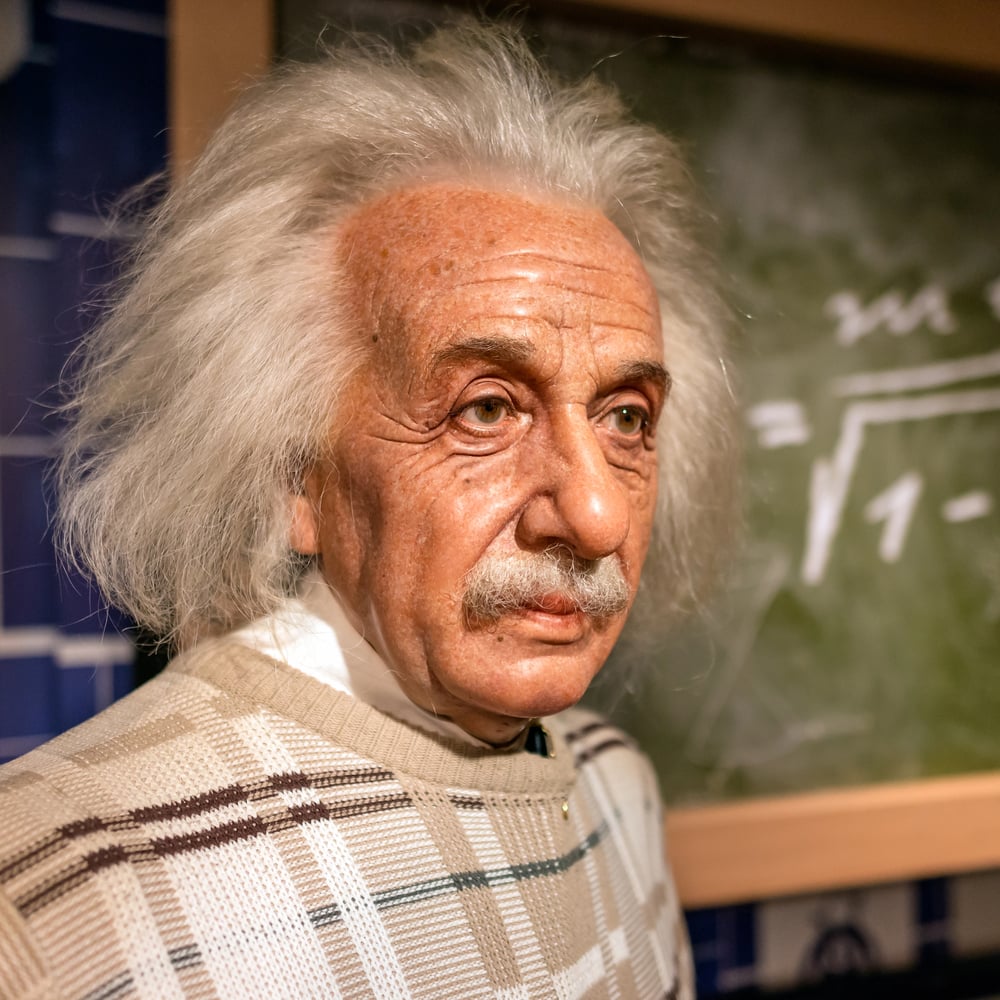
The famous physicist named his violin Lina and played it regularly throughout his life. Einstein started lessons at age six but didn’t enjoy it until his teenage years.
He particularly loved Mozart’s compositions and often played sonatas for relaxation. Music helped him think through complex physics problems.
Einstein once said that if he hadn’t been a scientist, he would have been a musician.
Charles Dickens rearranged furniture obsessively
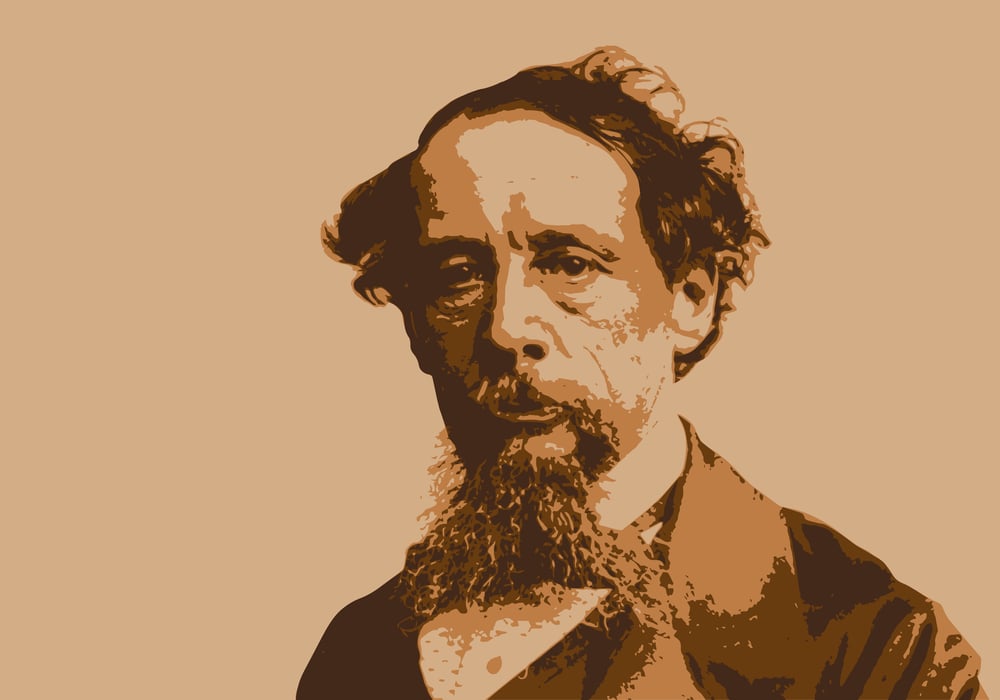
The famous author had a strange habit of constantly moving furniture around. Dickens couldn’t settle into a room until everything felt exactly right to him.
He would rearrange his study multiple times before sitting down to write. Friends and family knew not to move anything in his workspace.
This need for perfect arrangement extended to hotel rooms when he traveled.
Cleopatra collected rare books

The Egyptian queen built one of the ancient world’s most impressive personal libraries. Cleopatra gathered texts from across the Mediterranean and beyond.
She could read multiple languages, which helped her appreciate works from different cultures. Her collection focused on science, medicine, and philosophy.
The library’s exact size remains unknown, but ancient writers described it as extensive.
Henry VIII composed music
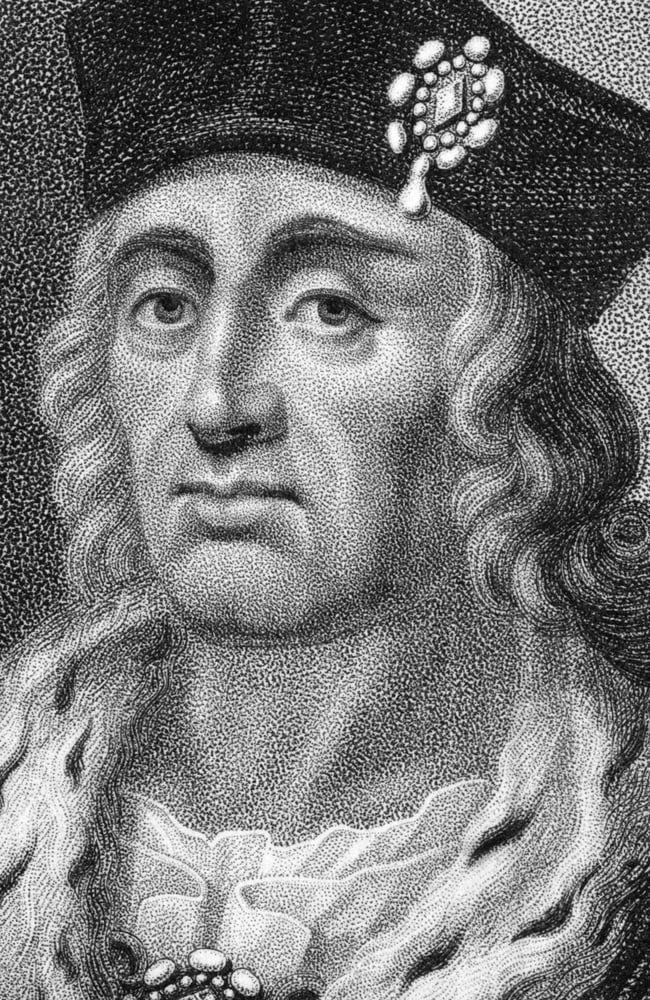
The Tudor king wrote songs and instrumental pieces in his spare time. Henry played multiple instruments including the lute, organ, and harpsichord.
He composed ‘Pastime with Good Company,’ which became quite popular in his time. Music was a regular part of court life, and Henry expected everyone around him to appreciate it.
His compositions show real musical talent beyond just royal dabbling.
Napoleon Bonaparte wrote romance novels

The French military leader tried his hand at fiction writing during his youth. Napoleon wrote a romantic novella called ‘Clisson et Eugénie’ in his twenties.
The story featured a soldier who struggles between love and duty. It was pretty melodramatic and not particularly good.
The manuscript wasn’t published until long after his death.
Agatha Christie surfed in Hawaii

The mystery writer took up surfing during a world tour in the 1920s. Christie learned to stand up on a board in Waikiki when she was in her thirties.
She described the experience in her autobiography with genuine excitement. This was decades before surfing became popular in mainstream culture.
Christie’s adventurous spirit extended well beyond her detective novels.
George Washington bred hunting dogs

The first leader bred a unique type of American foxhound. Although he tracked every mating carefully, some pups got odd names such as Taster or Tipsy.
Despite high costs, he invested lots of effort improving them. Since local landscapes were tougher, these dogs needed more stamina than British ones.
Because of his work, chasing foxes on horseback grew popular across the States.
Leonardo da Vinci designed stage productions
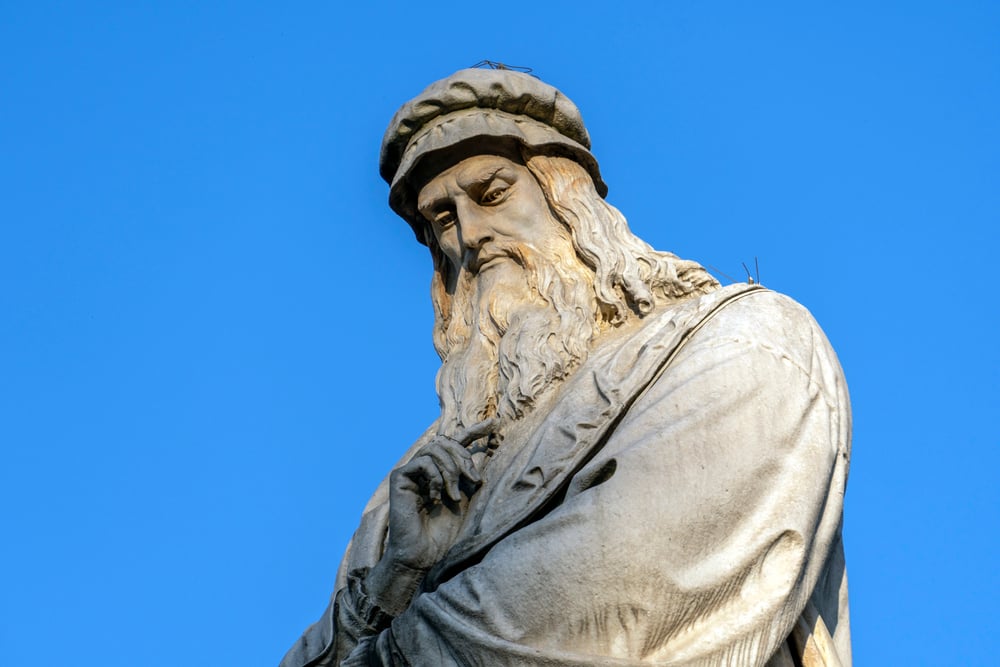
The Renaissance thinker crafted detailed stage setups with fancy visual tricks during plays. So Leonardo made machines allowing performers to soar through the air above audiences.
There were moving scenes along with advanced light arrangements he came up with. Such shows entertained rich supporters living in places like Milan or Florence.
Engineering mixed with creativity and fun kept him hooked on theater projects.
Eleanor Roosevelt taught school
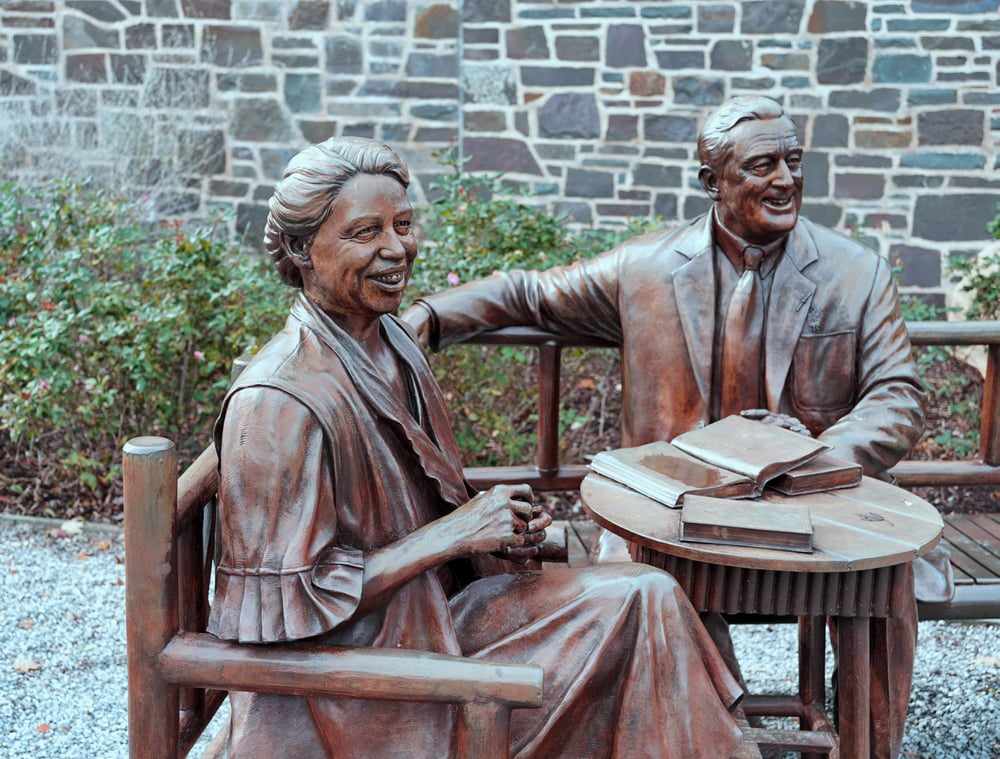
The ex-First Lady started teaching again at a private school in NYC once she left the White House. Though her husband was President, she’d worked there earlier – then came back later in life.
She gave lessons on U.S. history along with today’s big issues – for high school girls. Kids at the school referred to her as Mrs. R, recalling that she found her lively yet tough.
Because of teaching, Roosevelt felt driven – not just by politics.
Carl Jung built stone structures

The well-known doctor spent many years building a stone tower plus some other small buildings – all done by hand. Over in Switzerland, Jung shaped his land himself, hauling and setting each rock piece by piece.
Doing hard work like that calmed his mind – almost like therapy. This whole thing went on for ages, stretching across decades while he kept expanding it bit after bit.
As time passed, new parts came together slowly under his hands. For him, this wasn’t just busywork – it mattered deeply to how he felt inside.
Nikola Tesla fed pigeons
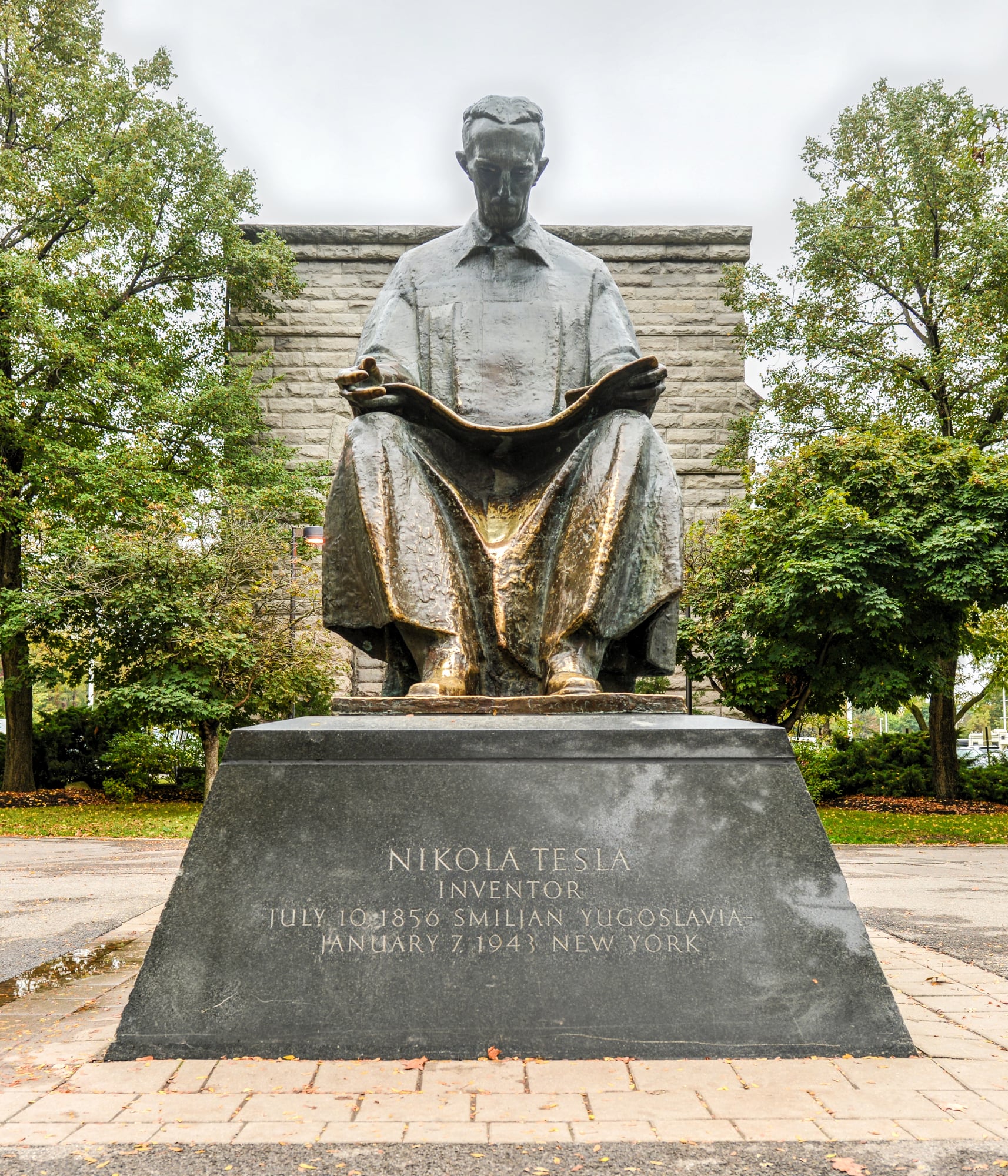
The inventor got really close to the pigeons around New York. Instead of just passing by, he gave them food every day in different parks while also carrying hurt ones up to his room at the hotel.
Not only did he spend a lot on their needs, but he even paid folks to find certain birds when he couldn’t leave bed. Out of all of them, one white pigeon meant something unique to him.
As time went on, this habit took up more and more of his life.
Whenever stories reveal how people truly acted
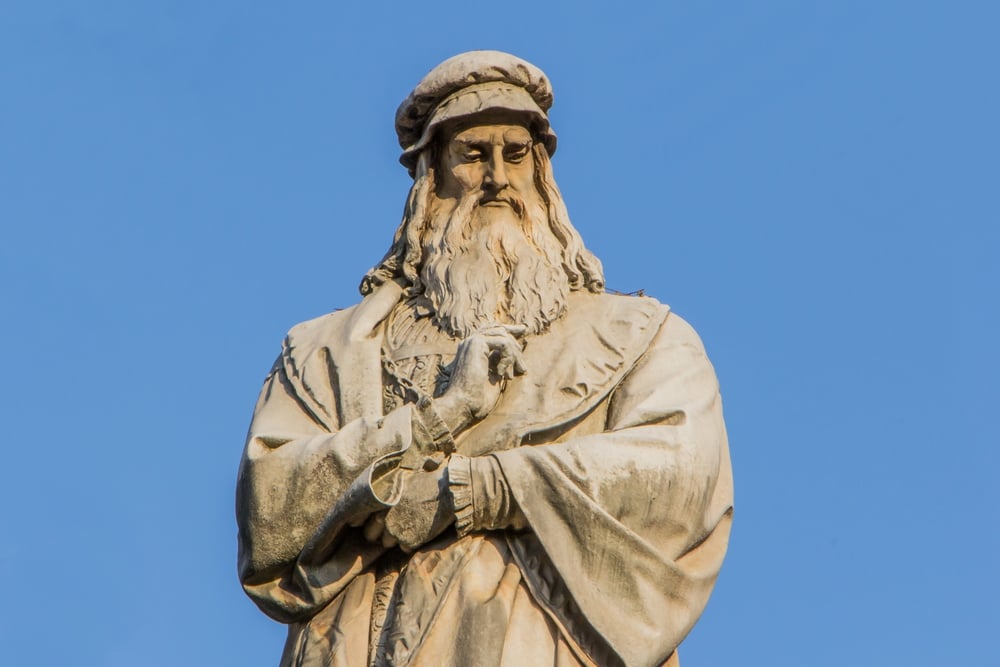
Odd hobbies show old-time leaders weren’t just names in books – they had weird tastes, strong likes. Free time uncovered sides school lessons skip.
Painting, grappling, tossing seeds to sparrows – these things built character like big deeds did. Doing fun stuff didn’t just fill gaps – it added depth, balance, a pulse missing from stiff classroom sketches.
More from Go2Tutors!

- The Romanov Crown Jewels and Their Tragic Fate
- 13 Historical Mysteries That Science Still Can’t Solve
- Famous Hoaxes That Fooled the World for Years
- 15 Child Stars with Tragic Adult Lives
- 16 Famous Jewelry Pieces in History
Like Go2Tutors’s content? Follow us on MSN.