Tech Gadgets That Totally Flopped
The tech industry is famous for its groundbreaking innovations, but it’s equally notorious for its spectacular failures. From billion-dollar blunders to devices that barely lasted a season, the graveyard of failed gadgets is packed with expensive lessons and cautionary tales.
While we celebrate the iPhones and laptops that changed our lives, it’s worth taking a look at the gadgets that didn’t quite make it. Here’s a list of 20 tech gadgets that remind us why timing, innovation, and market research matter more than fancy marketing campaigns.
Google Glass

Google Glass launched in 2013 with the promise of being the future of wearable tech, but instead became something of a joke. The $1,500 price tag alone was enough to scare away most consumers, but the real problems ran deeper than cost.
Privacy concerns dominated the conversation since the device made it easy to record video discretely, which prompted bars, restaurants, and movie theaters to ban the gadget entirely. The term ‘glasshole’ became popular to describe users who wore them in inappropriate situations.
Beyond the social issues, the device itself suffered from poor battery life and limited functionality that didn’t justify its astronomical price.
Microsoft Zune

Microsoft’s Zune launched in November 2006, five years after Apple’s iPod had already conquered the market and sold over 100 million units. Sales were catastrophic.
During the first several months, only 1.2 million Zune players sold between launch and mid-2007. The device suffered from terrible timing, lack of innovation, and marketing that was too narrowly focused on a niche audience rather than broad appeal.
While the Zune wasn’t necessarily a bad device, it simply didn’t offer anything compelling enough to pull people away from their iPods.
Like Go2Tutors’s content? Follow us on MSN.
Samsung Galaxy Note 7
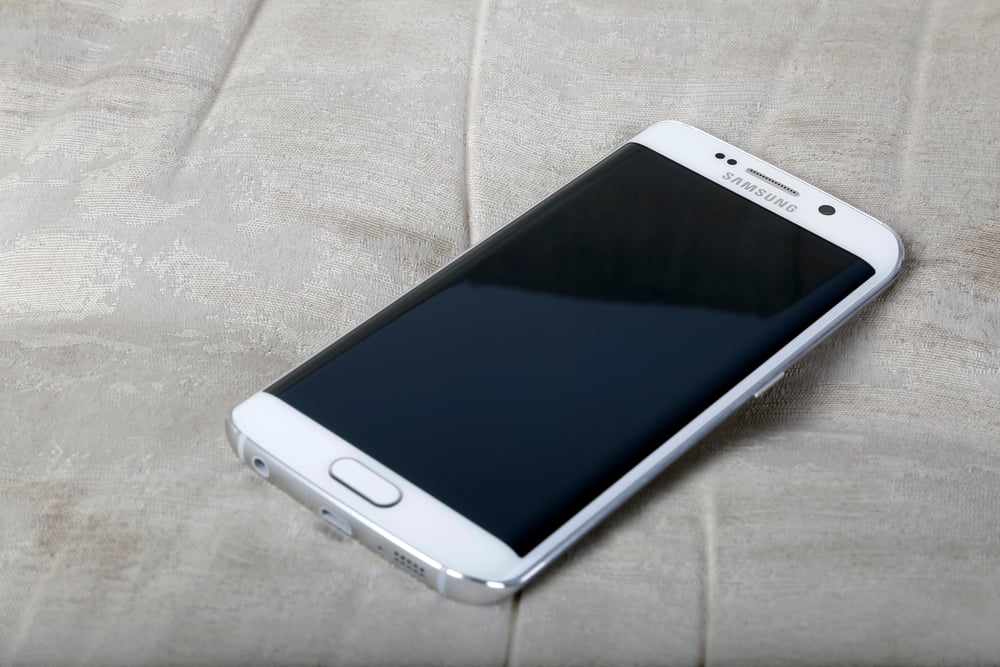
The Galaxy Note 7 was initially well-received when it launched, but then the phones started exploding because of faulty batteries. Samsung had to recall millions of these devices and eventually canceled the entire flagship program entirely.
The exploding phone saga became a massive public relations nightmare, with airlines banning the devices and the phones becoming symbols of corporate failure. Despite Samsung’s strong brand recovery afterward, the Note 7 remains one of the most dramatic tech failures in recent memory.
Amazon Fire Phone
Amazon’s Fire Phone had unique features like a 3D effect that rotated app icons based on the user’s head position, but it flopped so badly that it ‘nearly took Amazon’s reputation down with it.’ The company abandoned its usual low-pricing strategy and tried to compete directly with Samsung and Apple at premium price points.
Without the app ecosystem or brand loyalty that its competitors enjoyed, the Fire Phone couldn’t justify its high cost. Amazon quickly retreated from the smartphone market and refocused on areas where it actually excelled.
Apple Newton
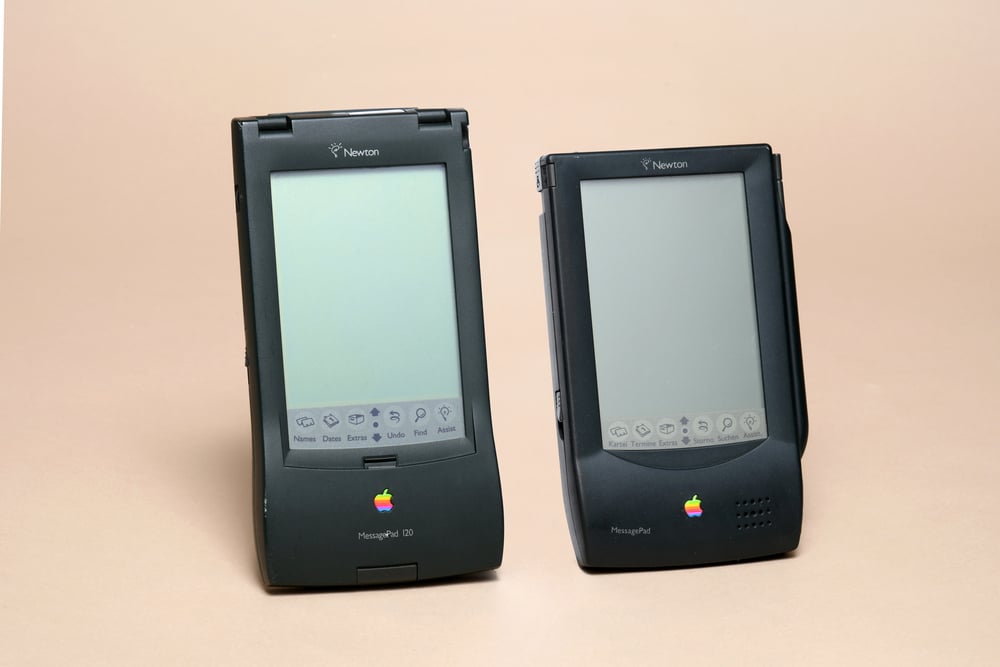
The Apple Newton was a personal digital assistant that suffered from a poorly functioning operating system and never caught on with consumers. Released in the 1990s, it was supposed to revolutionize mobile computing with handwriting recognition, but the technology wasn’t reliable enough for practical use.
The Newton became famous more for its quirky interpretation of handwriting than for any useful functionality. Still, the lessons learned from the Newton’s failure eventually contributed to the development of the iPad, proving that even spectacular failures can lead to future success.
Like Go2Tutors’s content? Follow us on MSN.
Segway

The Segway was designed as a revolutionary transportation option that would change how people move around cities, but it largely became relegated to mall cops and tour groups. Despite massive hype and predictions that it would transform urban planning, most people found walking to be more practical and cost-effective.
The device lives on as inspiration for later transportation experiments, as the Great Hoverboard Craze of 2015-16 can trace its origins directly to this stand-up scooter. Mall cops everywhere probably have mixed feelings about this legacy.
Google Nexus Q
Google’s Nexus Q was supposed to be a smart streaming hub that could connect phones and tablets to home entertainment systems, but it failed horribly due to excessive pricing. The unit itself cost $299, but when you added the accompanying speakers ($399) and official cables ($49), the total price reached nearly $750.
For a streaming device with limited functionality, this pricing was absolutely ridiculous. Google quickly pulled the product and went back to the drawing board.
Microsoft Zune HD

Even after the original Zune flopped, Microsoft tried again with the Zune HD in 2009. The Zune HD came two years after the iPod Touch, showing that Microsoft still hadn’t learned about timing in the market.
By then, smartphones were starting to dominate, and standalone media players were already becoming obsolete. The Zune HD had some nice features, but it arrived at exactly the wrong moment in tech history.
Talk about bad timing.
Like Go2Tutors’s content? Follow us on MSN.
3D TVs

TV manufacturers like Sony and Samsung were convinced that everyone wanted to watch TV in 3D, but the idea fizzled out almost as quickly as it started. The special glasses, limited content, and hefty price tag meant that most viewers didn’t see enough benefit over regular HD televisions.
By 2017, most brands had quietly abandoned their 3D ambitions entirely. The technology felt more like a gimmick than a genuine improvement to the viewing experience.
Windows Phone
Microsoft’s Windows Phone made perfect sense on paper: a smartphone running Windows software that would be fully compatible with programs most people used every day. But the number one thing people wanted from smartphones was popular apps, and Windows Phone didn’t have enough of those apps.
Despite launching with Nokia’s hardware and a modern interface, Microsoft’s mobile OS peaked at just 3.6% market share in 2013 before plummeting to 0.1% by 2017. The app gap proved impossible to overcome, no matter how slick the interface looked.
Betamax

While many considered Sony’s Betamax video cassette player superior to its VHS competitor, it came with a higher price tag that ultimately doomed it. Consumers chose the cheaper VHS option, and the movie industry followed their lead, leaving Betamax in the technology graveyard.
This became a classic example of how superior technology doesn’t automatically win in the marketplace when pricing and market timing work against you.
Like Go2Tutors’s content? Follow us on MSN.
HP TouchPad

In 2011, HP decided to compete with the iPad 2 by releasing the TouchPad at the same price point, but with a considerably inferior display, a new operating system with no third-party app support, and a cheap plastic body. The TouchPad’s webOS platform was barren and laughable compared to the App Store.
HP needed to excel in several areas to compete with Apple’s established tablet, but the TouchPad barely excelled in even one category. Sometimes being obvious isn’t enough.
BlackBerry Storm

BlackBerry’s Storm featured a touchscreen with SurePress technology that forced users to physically press down on the entire screen to register touches, creating a tiring interface without any real benefits. The technology was supposed to combine the best of touchscreens and physical keyboards, but in practice, it delivered the worst of both worlds.
BlackBerry never used the SurePress display in any subsequent phones, and the Storm became a cautionary tale about rushing new technology to market.
Virtual Boy

Nintendo’s Virtual Boy was marketed as a virtual reality gaming console, but it was actually nothing close to an actual VR system. Instead, it was a clunky, unresponsive, and overpriced piece of gaming hardware with a confusing operating system and limited game selection.
The device was rumored to cause back problems and vision issues for users, showing how pushing technology to market before it’s ready can create serious problems beyond just poor sales.
Like Go2Tutors’s content? Follow us on MSN.
Microsoft Kin

Microsoft launched the Kin One and Kin Two phones to address contemporary mobile trends, but despite their social media focus, they didn’t support downloadable games and apps. This was a catastrophic oversight during the era when the iPhone’s App Store was revolutionizing what phones could do.
The KIN line failed so quickly that it lasted only a few months before Microsoft pulled the plug. The phones represented a complete misunderstanding of what consumers wanted from their mobile devices.
iTunes Ping

Apple’s iTunes Ping launched in 2010 as a music-focused social network within iTunes, but the entire ‘social’ aspect was limited to sharing reviews, purchases, and other basic updates. The platform felt isolated from the broader social media ecosystem and didn’t offer compelling reasons for music fans to engage with it.
Apple quietly discontinued Ping in 2012, acknowledging that even they couldn’t automatically succeed in every market they entered.
The Innovation Cycle Continues

Looking back at these failures reveals common patterns that still apply today. Poor timing, inadequate market research, unrealistic pricing, and misunderstanding consumer needs remain the primary killers of promising technology.
Many of these devices weren’t inherently bad, but they arrived at the wrong moment or addressed problems that didn’t actually exist. The tech industry’s willingness to take massive risks continues to produce both revolutionary successes and expensive failures, proving that innovation always comes with the possibility of spectacular defeat.
More from Go2Tutors!

- 16 Historical Figures Who Were Nothing Like You Think
- 12 Things Sold in the 80s That Are Now Illegal
- 15 VHS Tapes That Could Be Worth Thousands
- 17 Historical “What Ifs” That Would Have Changed Everything
- 18 TV Shows That Vanished Without a Finale
Like Go2Tutors’s content? Follow us on MSN.