28 Animated Shows That Were Banned, Censored, Or Controversial
Cartoons look harmless, which is exactly why censors and network executives keep finding reasons to get nervous about them. A drawn character can say or do things a live actor never could, and an audience of children makes every complaint louder.
The cases below are documented and tied to particular countries, networks, or episodes. Some were reasonable reactions to real harm, some were political, and a few look absurd in hindsight.
Not every case involved a formal ban: some shows were edited, withheld from broadcast, or caught up in controversies that changed how they were shown.
South Park and the Muhammad Problem
Comedy Central has repeatedly censored depictions of the Prophet Muhammad in South Park. In 2006, the network obscured his image in the episode Cartoon Wars Part II, using a black card carrying a statement about the refusal to show him.
In 2010, the 201st episode aired with dialogue bleeped and the character representing Muhammad, who appeared in a bear costume, obscured by a black bar. Creators Trey Parker and Matt Stone have long argued that the network, not them, made the cuts.
Pokémon and the Porygon Episode
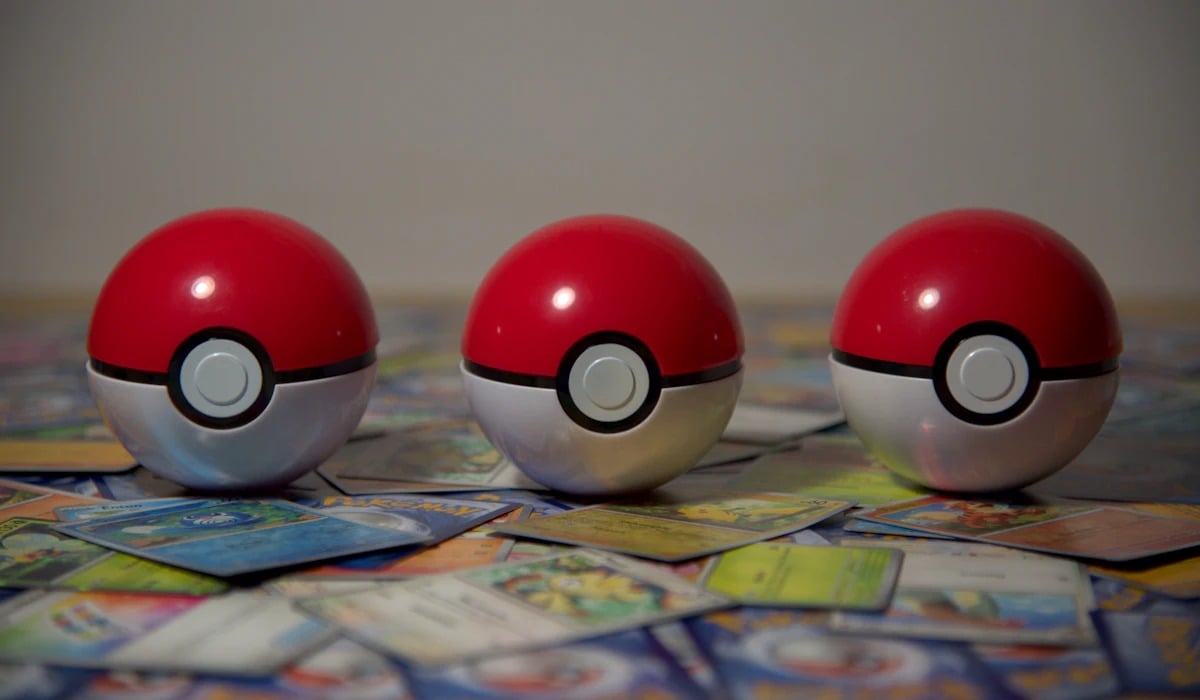
Dennō Senshi Porygon aired on TV Tokyo on December 16, 1997, and was followed by a medical emergency involving hundreds of viewers. A rapid sequence of flashing red and blue lights, triggered when Pikachu’s attack hit a series of missiles, brought on seizures and nausea in viewers.
Reports put the number of children taken to hospitals at about 685. The series went off the air for roughly four months, and the episode has never been rebroadcast.
Pokémon in Saudi Arabia
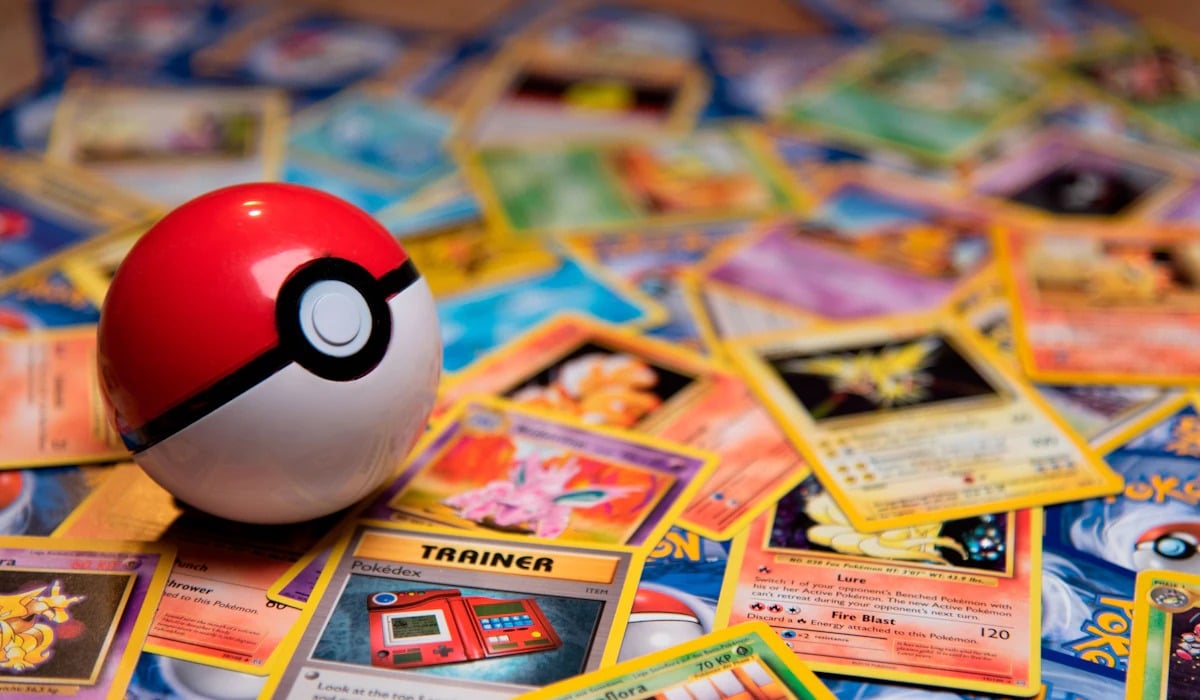
In 2001, reports emerged of a religious ruling in Saudi Arabia against Pokémon, treating the franchise as a harmful influence. The objections included the trading cards, which the ruling compared to gambling, and the idea of creatures evolving into new forms.
The ruling followed similar worries in several countries about the cards and games. It remains one of the clearest examples of a children’s cartoon franchise being treated as a religious and moral issue.
Pokémon’s Jynx, Redesigned
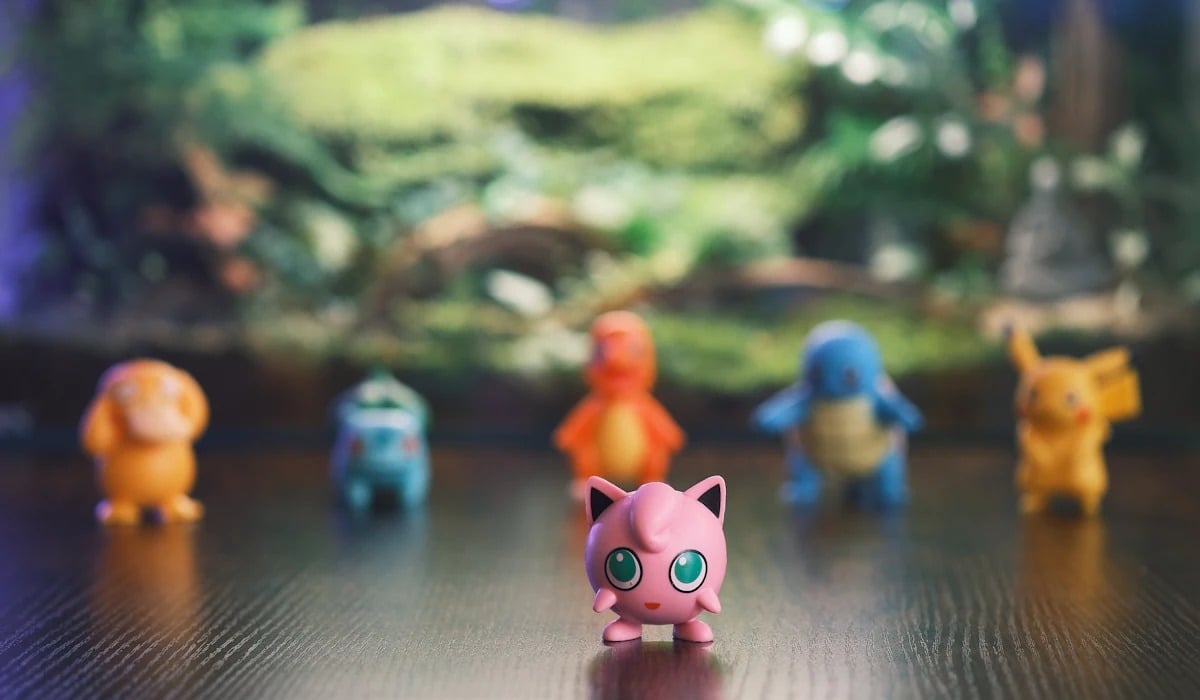
Jynx, a Pokémon with black skin and thick red lips, drew criticism in the United States in 1999 when viewers saw a resemblance to racist caricatures. Nintendo changed the character’s skin color to purple in later releases, and Jynx now appears with purple skin.
The design had been created in Japan, where the original context was different. The change showed how a single character could force a global franchise to rethink a visual choice.
Teenage Mutant Hero Turtles in Britain
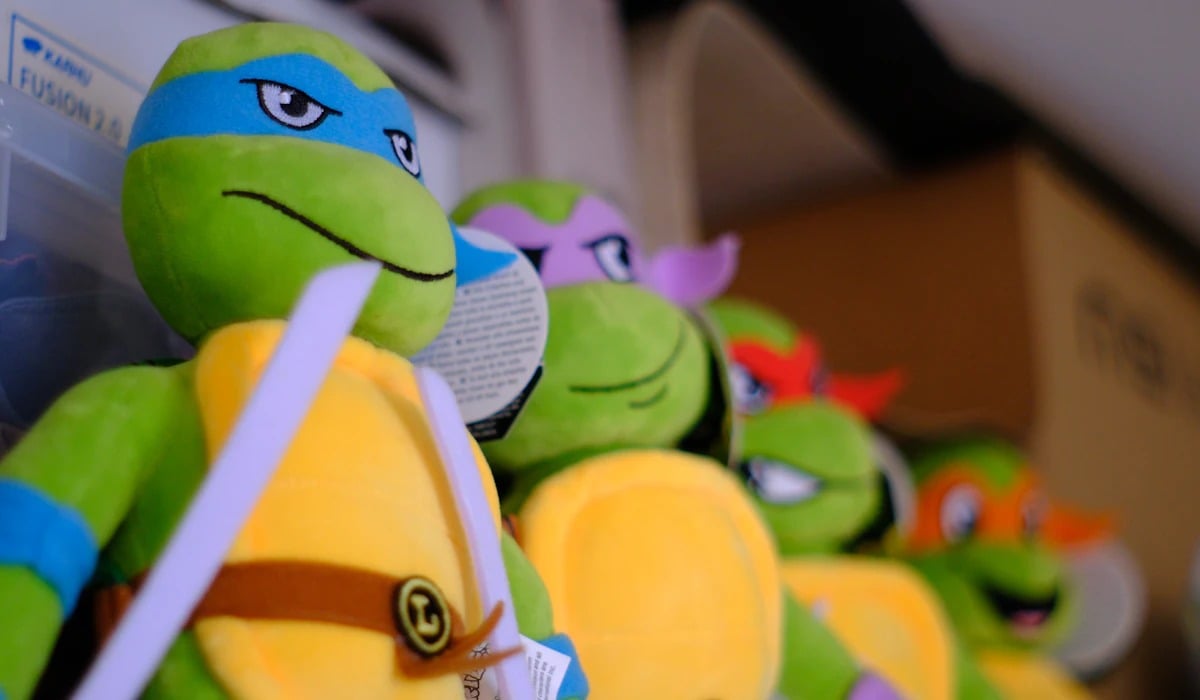
When the BBC brought the Teenage Mutant Ninja Turtles to Britain in 1990, it renamed them the Teenage Mutant Hero Turtles. The word ninja was removed from the title because broadcasters were uneasy about martial arts violence aimed at young viewers.
Michelangelo’s nunchaku were also edited out of the footage, with the character’s fighting moves trimmed or reworked. The series became a hit under the softened name, though fans in other countries had a very different version.
Looney Tunes and the Censored Eleven
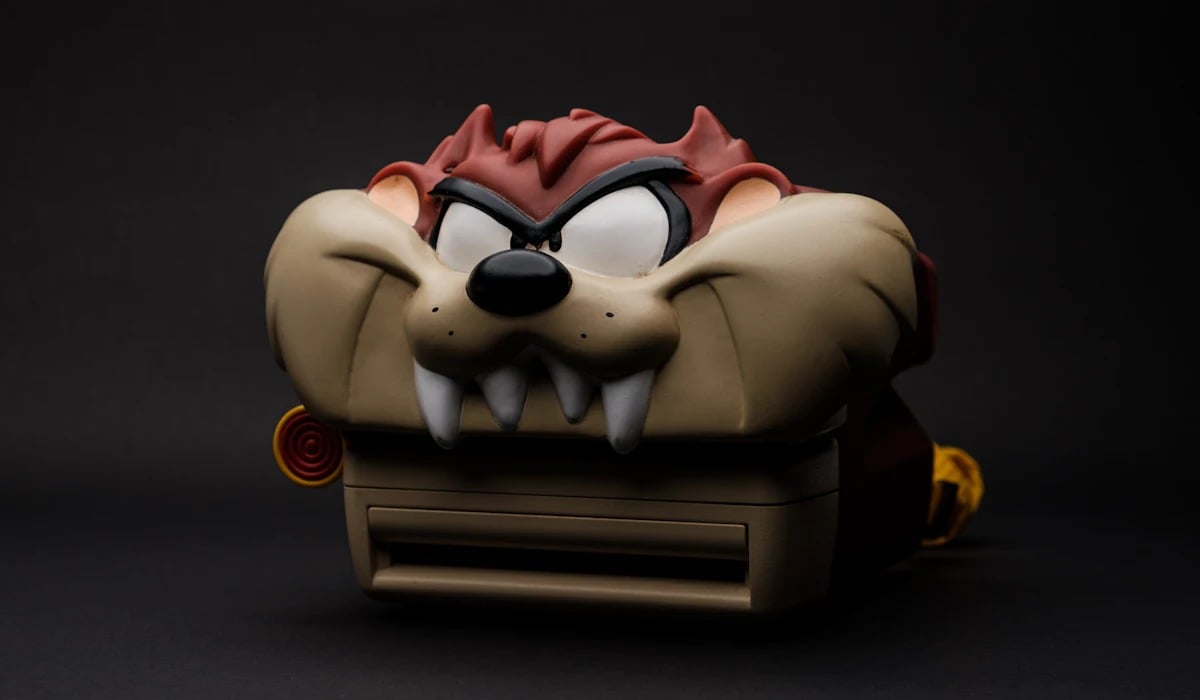
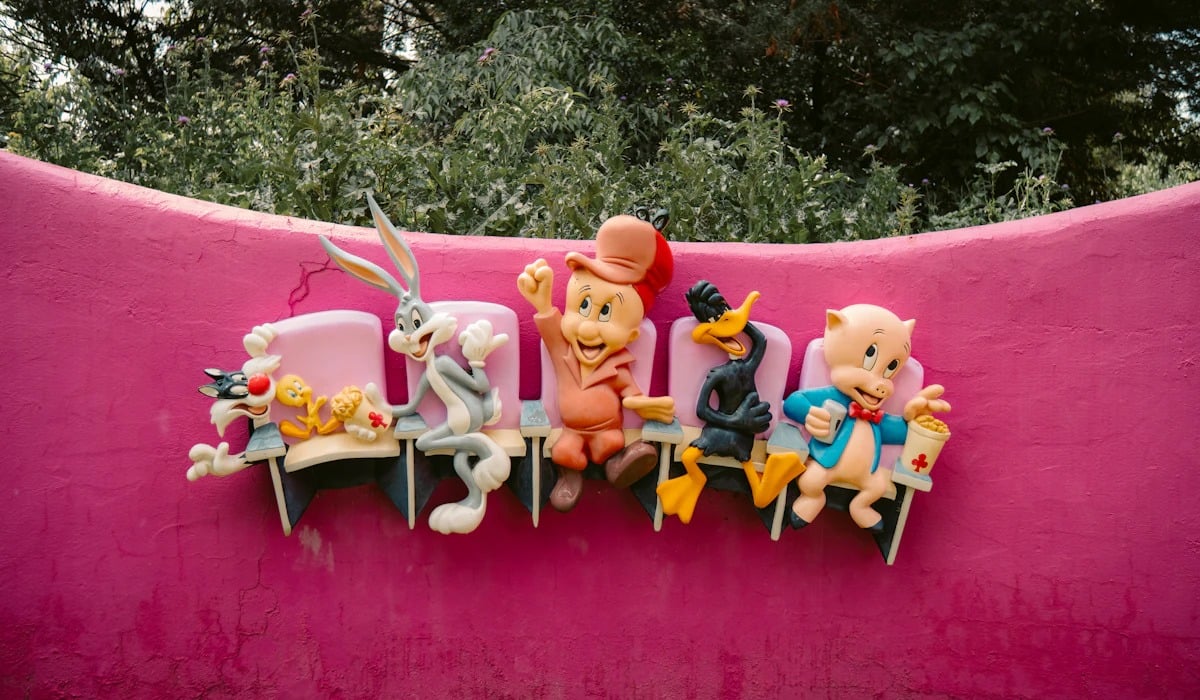
In 1968, United Artists pulled eleven Warner Bros. cartoons from television distribution because of racial stereotypes. The group, known as the Censored Eleven, includes shorts made between the early 1930s and the mid-1940s.
One example is Coal Black and de Sebben Dwarfs, a 1943 cartoon directed by Bob Clampett. The shorts remained out of regular U.S. television distribution, though they survive in archives and have been discussed by historians.
The Ren & Stimpy Episode Nickelodeon Refused to Air
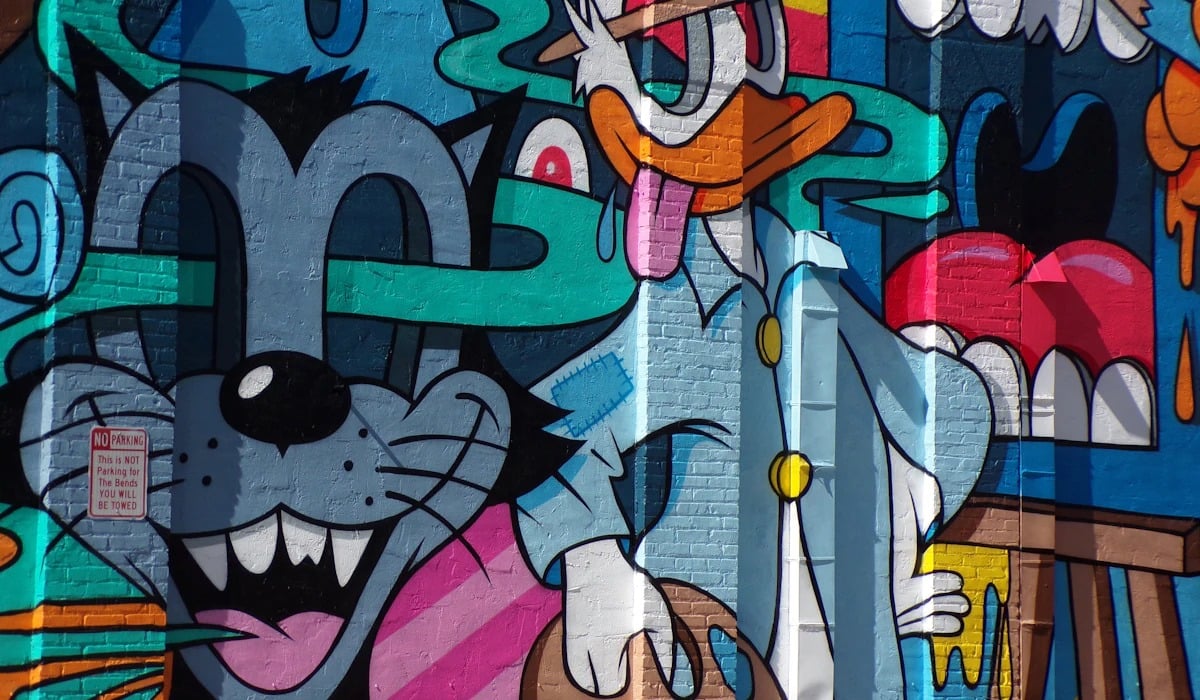
Nickelodeon declined to broadcast Man’s Best Friend, a 1992 episode of The Ren & Stimpy Show in which Ren attacks the character George Liquor with an oar. The network ended creator John Kricfalusi’s involvement in the series that year, amid disputes over deadlines and content.
Games Animation, Nickelodeon’s in-house studio, took over production of the series. The episode remained off Nickelodeon until it aired on Spike TV in 2003, turning it into one of the most talked-about shelved cartoons of its time.
Beavis and Butt-Head After the Ohio Fire
MTV changed Beavis and Butt-Head in October 1993 after a fire in Ohio killed a young child. The child’s family blamed the cartoon, which had featured the two main characters celebrating fire.
MTV removed references to fire from the show and moved it to a later time slot. The case became one of the best-known examples of a network responding to public pressure over a cartoon’s perceived influence.
Peppa Pig and the Australian Spider Episode
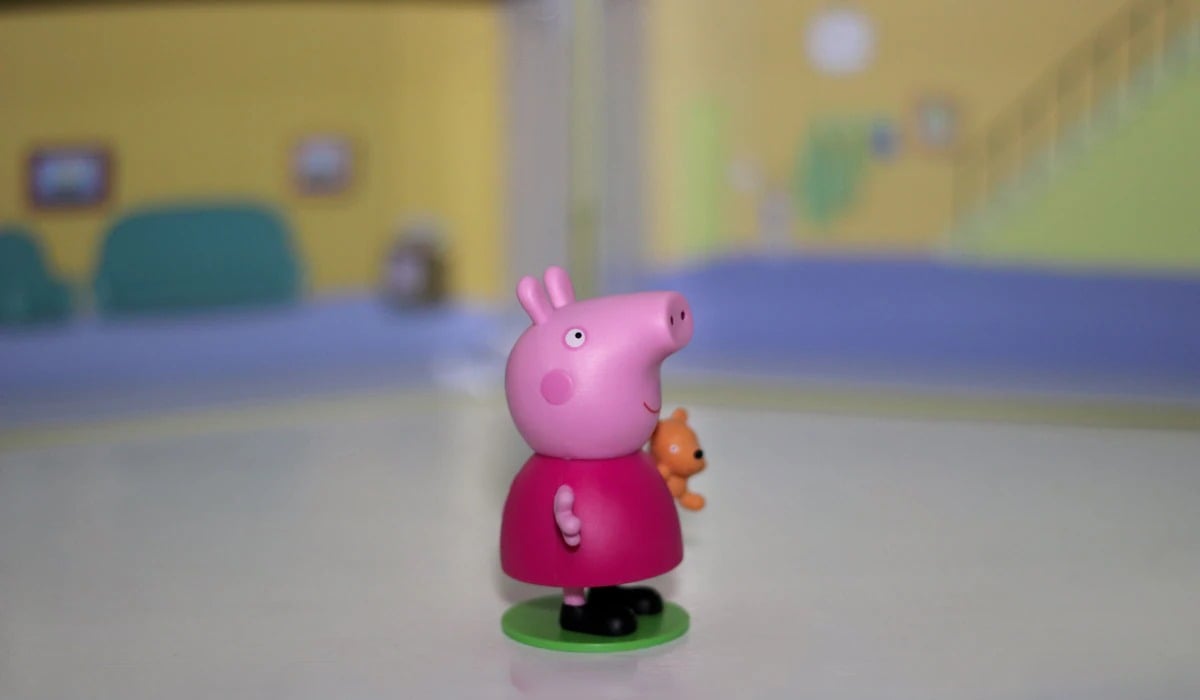
Australian broadcasters did not air a Peppa Pig episode about spiders, Mr. Skinny Legs, because it told children that spiders could not hurt them.
In a country with venomous species such as the funnel-web, broadcasters worried the message could encourage dangerous behavior. The episode shows Peppa and her brother George befriending a spider, which sounds harmless to British audiences.
The case became a famous example of local conditions shaping what children are allowed to watch.
Peppa Pig on Chinese Short-Video Apps
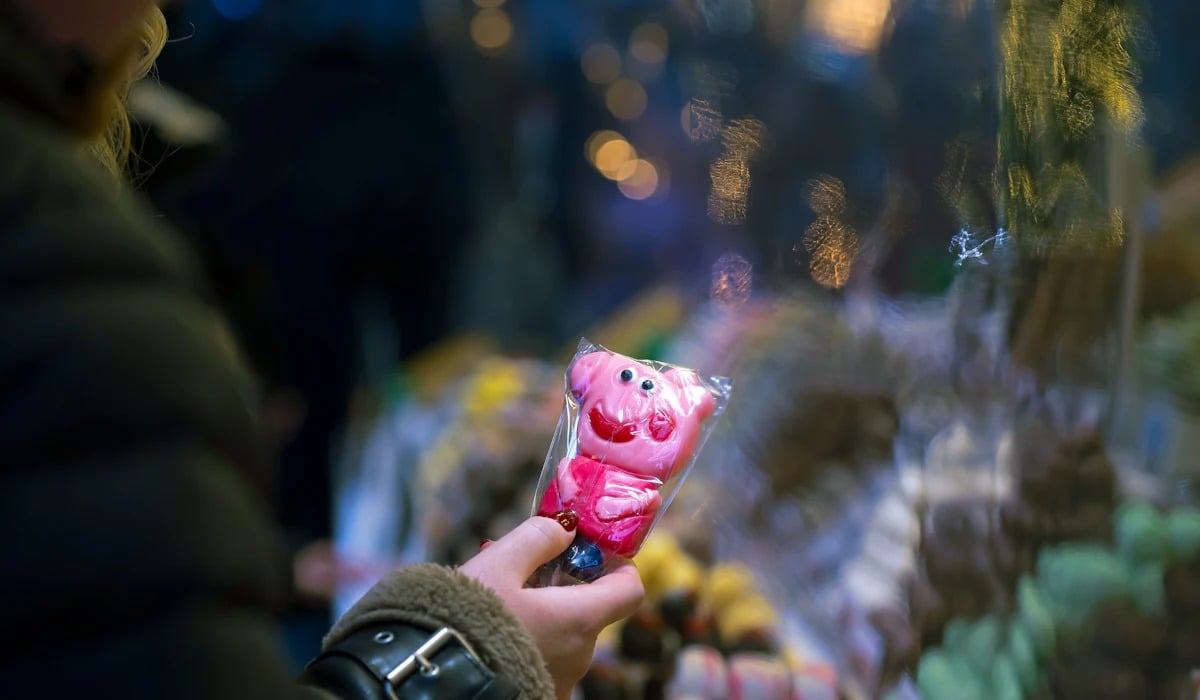
In 2018, the short-video app Douyin removed Peppa Pig videos after the cartoon pig became associated with a subculture known as shehui ren, or social society. People wore Peppa tattoos and watches as symbols, and state media criticized the trend.
The removal was widely reported as an unusual case of a preschool cartoon being treated as a social problem. Peppa returned to Chinese screens in 2019 with a Chinese New Year film, which suggested the controversy centered less on the children’s show itself than on the subculture that had adopted its character.
Clone High and Gandhi
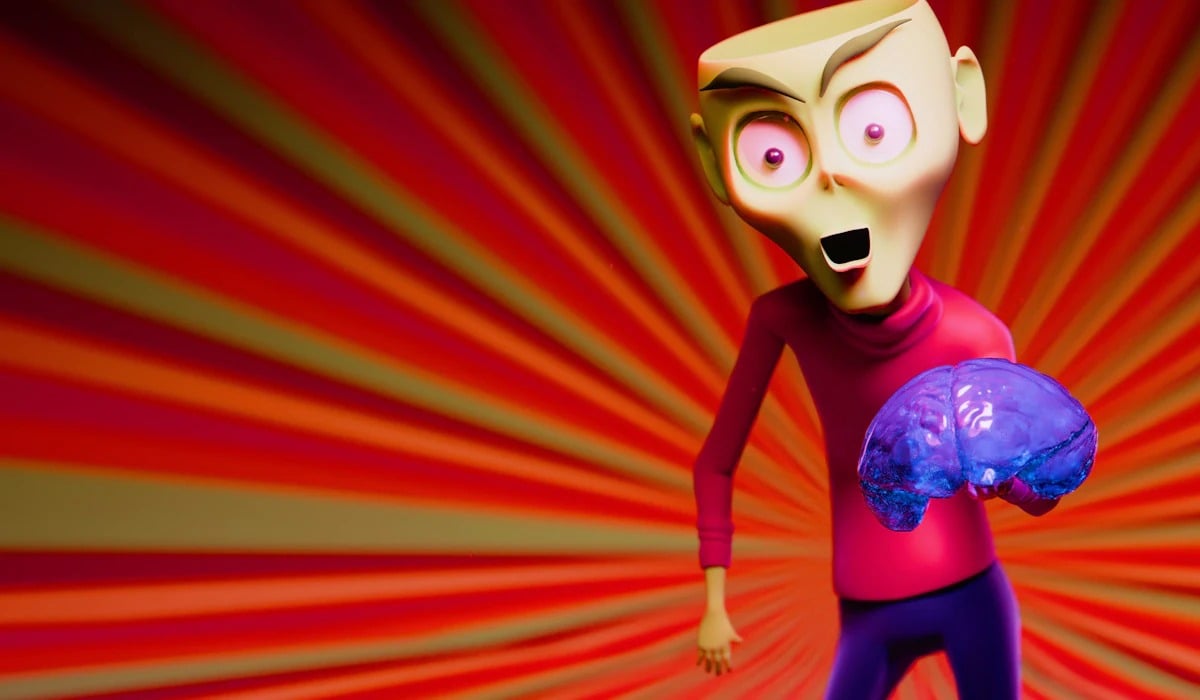
Clone High, an animated series on MTV and Teletoon from 2002 to 2003, imagined teenage clones of historical figures attending high school together. Its depiction of Mahatma Gandhi as a party-loving teen set off protests in India.
The series ended after thirteen episodes, and the controversy became part of its legend. The creators, Phil Lord and Chris Miller, went on to direct hit animated films.
The protests are often cited in accounts of the show’s short run, although they should not be treated as the sole confirmed reason it ended.
The Simpsons in Hong Kong
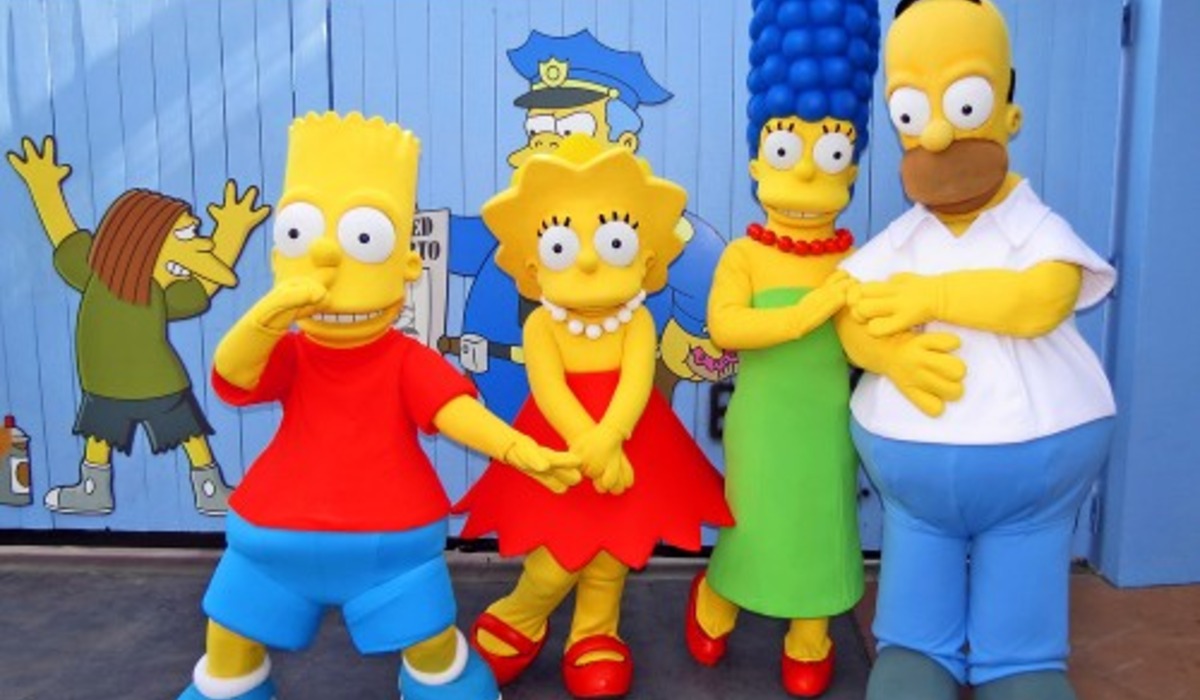
Disney+ launched in Hong Kong in November 2021 without a 2005 Simpsons episode called Goo Goo Gai Pan. The episode takes the family to China and includes a scene at Tiananmen Square, where a plaque suggests that nothing happened there in 1989.
Viewers noticed the missing episode soon after launch, and it became one of the clearest examples of a streaming service omitting politically sensitive content in Hong Kong. The incident was widely reported as part of a broader pattern of caution around Chinese politics.
The Simpsons in Rio
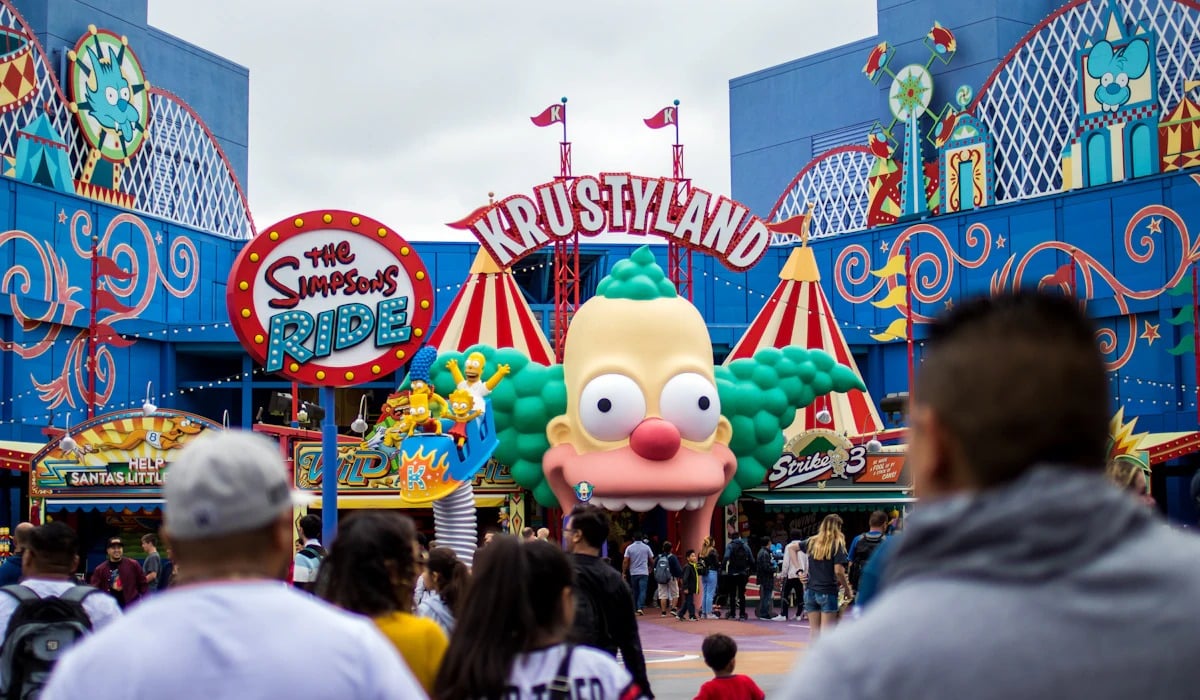
The 2002 Simpsons episode Blame It on Lisa sent the family to Brazil, where it portrayed kidnapping, street crime, and rodents. Brazilian tourism officials reportedly threatened legal action against Fox, saying the show damaged the country’s image.
The episode drew a loud response in Rio de Janeiro, where officials feared it would hurt tourism. It remains one of the best-known cases of a foreign government objecting to a cartoon’s portrait of its country.
Family Guy’s Boston Marathon Episode
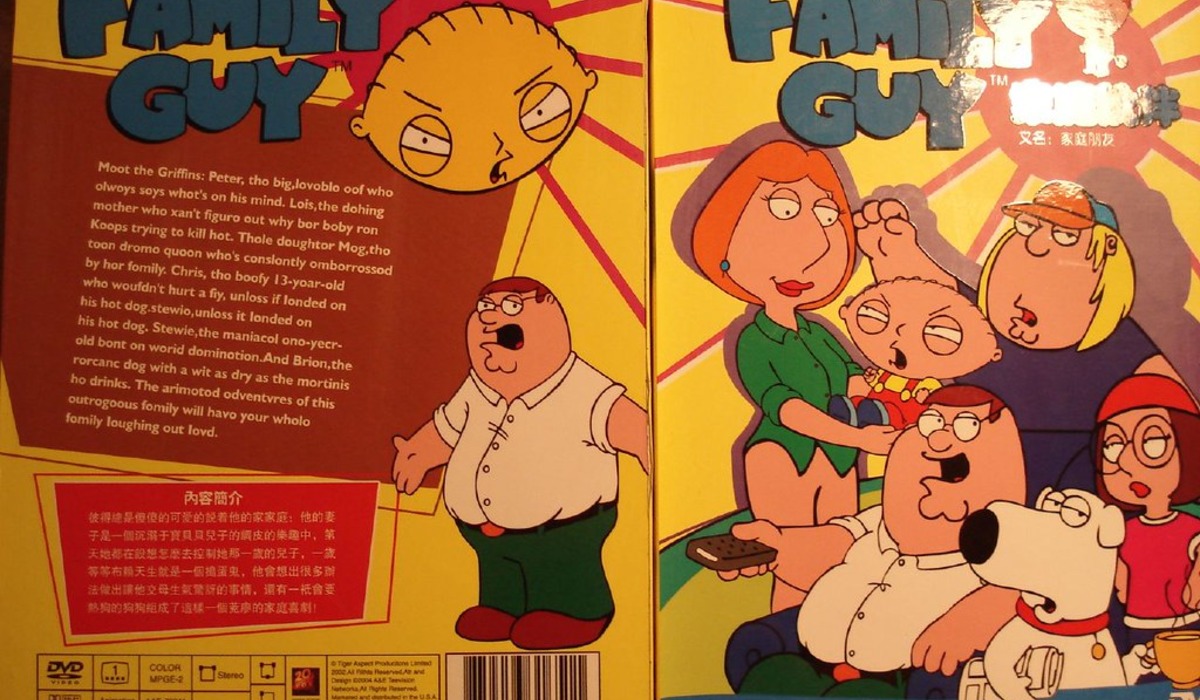
Fox pulled the episode of Family Guy called Turban Cowboy from its schedule in April 2013, days after the Boston Marathon bombing. The episode contained a gag depicting violence at the Boston Marathon, which suddenly seemed unthinkable to air.
The network decided to hold the episode instead of risking offense to victims and their families. The decision illustrates how a cartoon written months earlier can become too sensitive to rerun because of real-world events.
Battle of the Planets
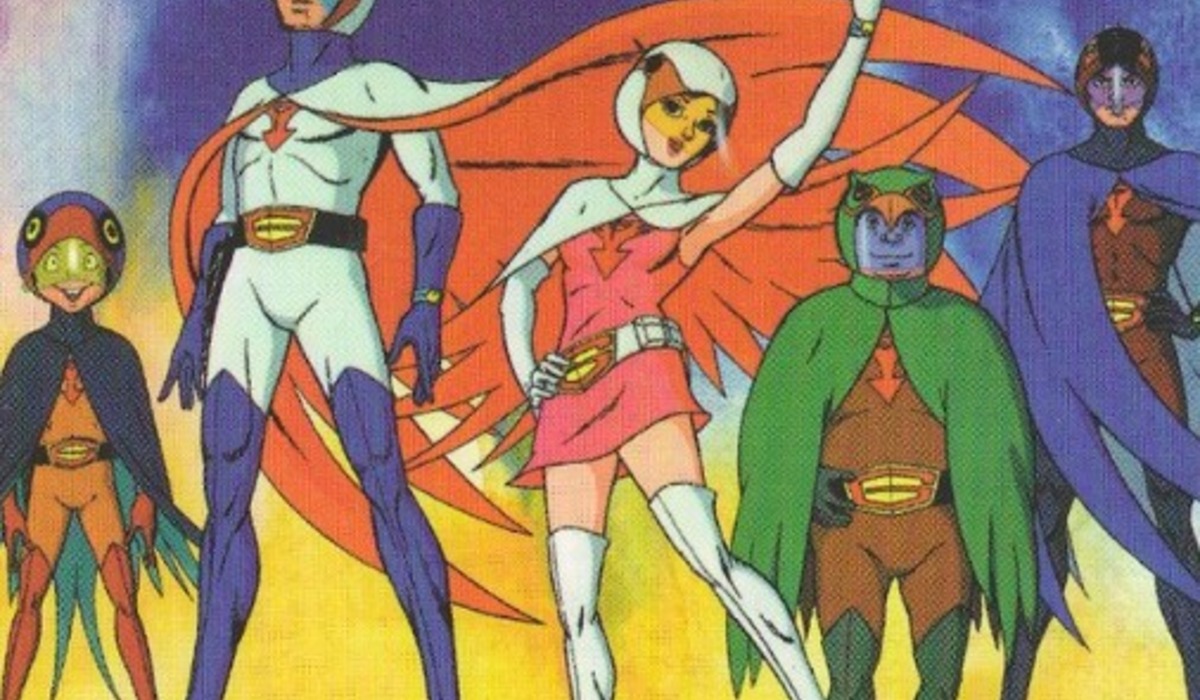
Sandy Frank Entertainment brought the Japanese series Gatchaman to American syndication in 1978 as Battle of the Planets. The company cut violent scenes and added new footage featuring a robot narrator named 7-Zark-7 to fill the gaps.
Characters were renamed, with Ken becoming Mark and Jinpei becoming Keyop. The edited version reached an American audience that had no idea how different the original was.
Star Blazers
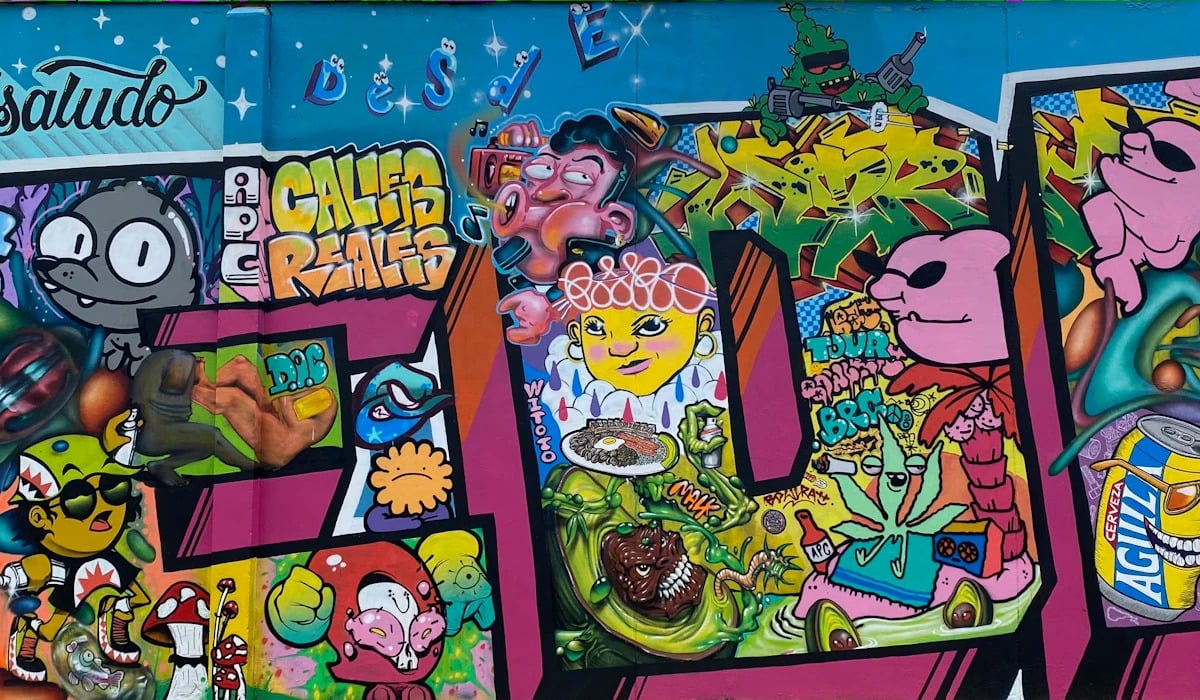
Star Blazers brought the Japanese series Space Battleship Yamato to American syndication in 1979, and it changed the show substantially for a young audience. The ship’s name became the Argo, while character names and dialogue were adapted for American viewers.
The hero Susumu Kodai became Derek Wildstar, and references that tied the story closely to Japanese wartime history were softened. The adaptation turned a Japanese epic into a space adventure that American children could follow without a history lesson.
Yu-Gi-Oh! and the Shadow Realm
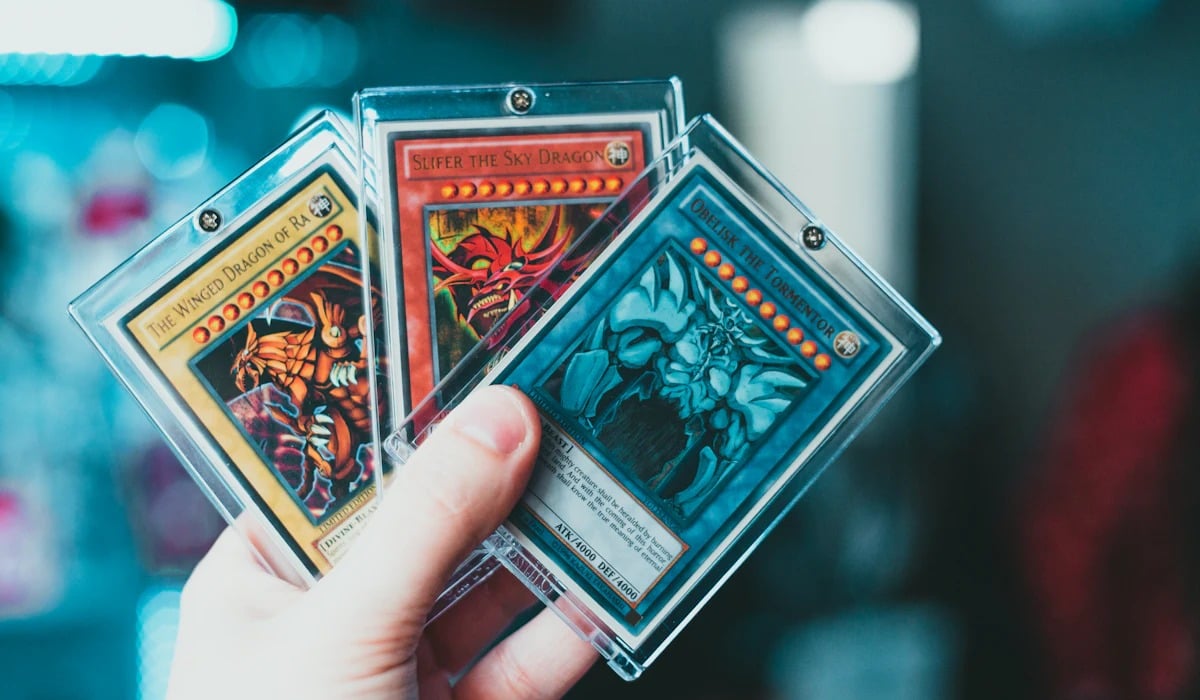
When Yu-Gi-Oh! debuted on Kids’ WB in 2001, 4Kids Entertainment edited it heavily.
Swords and guns were trimmed or digitally altered, and references to death were rewritten. Characters who died in the Japanese original were sent to the Shadow Realm instead.
The change allowed the show to air in a time slot for younger viewers, though it also became a long-running example of how editors can change a story’s stakes without changing its pictures.
One Piece on Fox Box
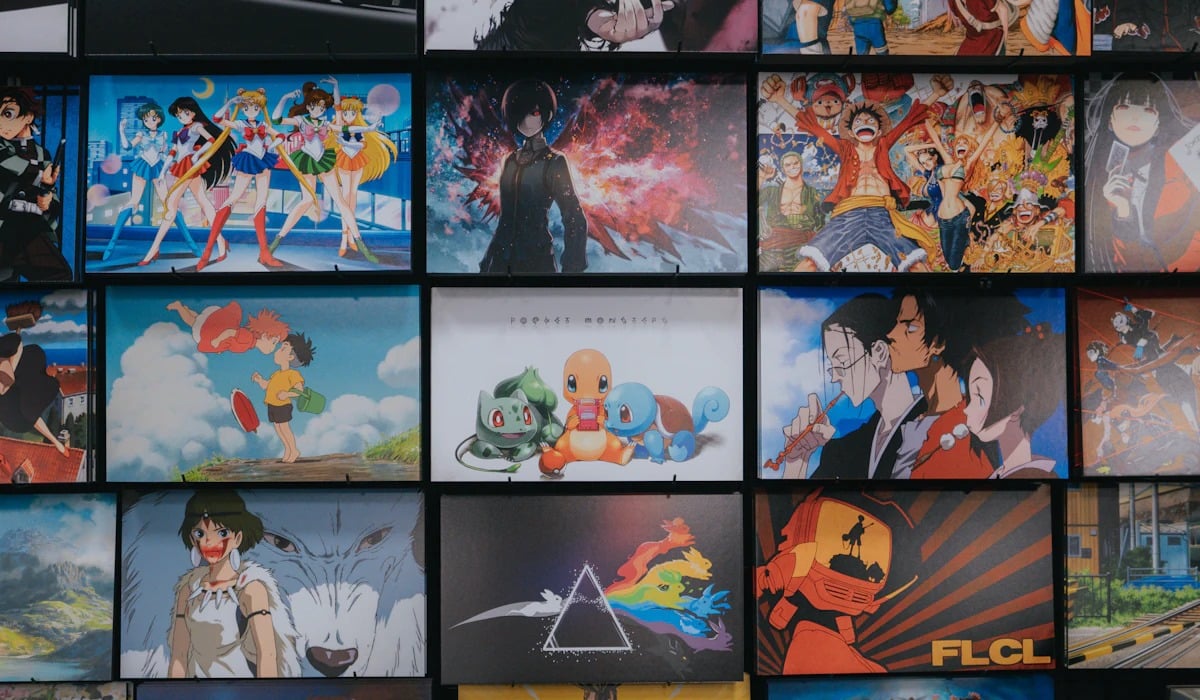
4Kids Entertainment brought One Piece to American television on Fox Box in 2004 and rebuilt the series for a younger audience. The company replaced the original music with a new score and a new theme and edited scenes it considered too intense.
The result was so different from the Japanese version that fans began to push for an uncut release. By 2007, Funimation had begun a new dub that restored more of the original tone and content, and the show found a far larger audience.
G.I. Joe and the War Without Casualties
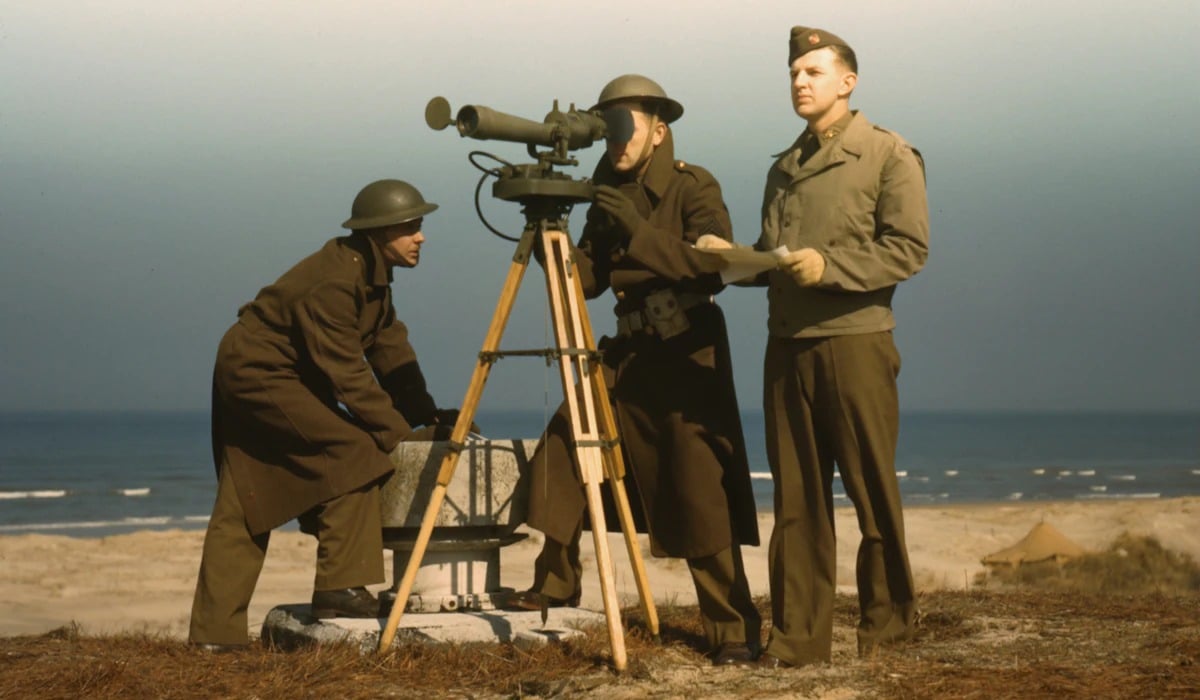
The G.I. Joe cartoon that aired in the 1980s presented a long war in which almost no one ever died.
Broadcast standards at the time discouraged depictions of killing, so the soldiers fought with lasers and vehicles exploded while pilots parachuted to safety. The restriction shaped the entire series, which relied on captures, escapes, and last-second rescues.
Fans often point to it as a classic example of how broadcast standards can force a show to be inventive.
Pleasant Goat and Big Big Wolf
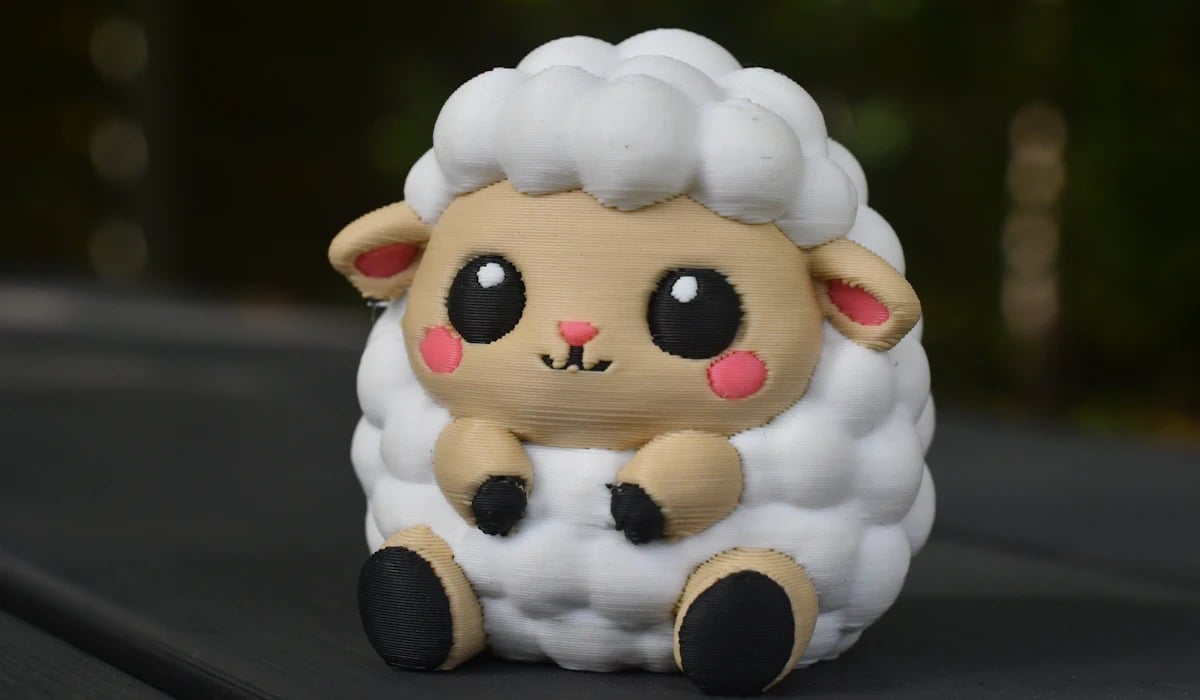
Pleasant Goat and Big Big Wolf, a hugely popular Chinese cartoon, drew criticism during a broader crackdown on cartoon violence in 2013. In the show, a hapless wolf is regularly hit with a frying pan by his wife.
The series had been a national hit since the mid-2000s and spawned feature films. The criticism showed how even a slapstick cartoon can become a target when regulators worry that children may imitate what they see on screen.
Speedy Gonzales and the Cartoon Network Pullback
Cartoon Network stopped airing Speedy Gonzales shorts around 1999 because of concerns about the depiction of Mexican stereotypes. The decision drew pushback from Latino advocacy groups, including the League of United Latin American Citizens, who said the fast-running mouse was a hero rather than an insult.
The shorts, which first appeared in the 1950s, were beloved in Latin America. Cartoon Network brought the shorts back in 2002, and the dispute showed that a single cartoon could be read as offensive and as empowering at the same time.
Speed Racer
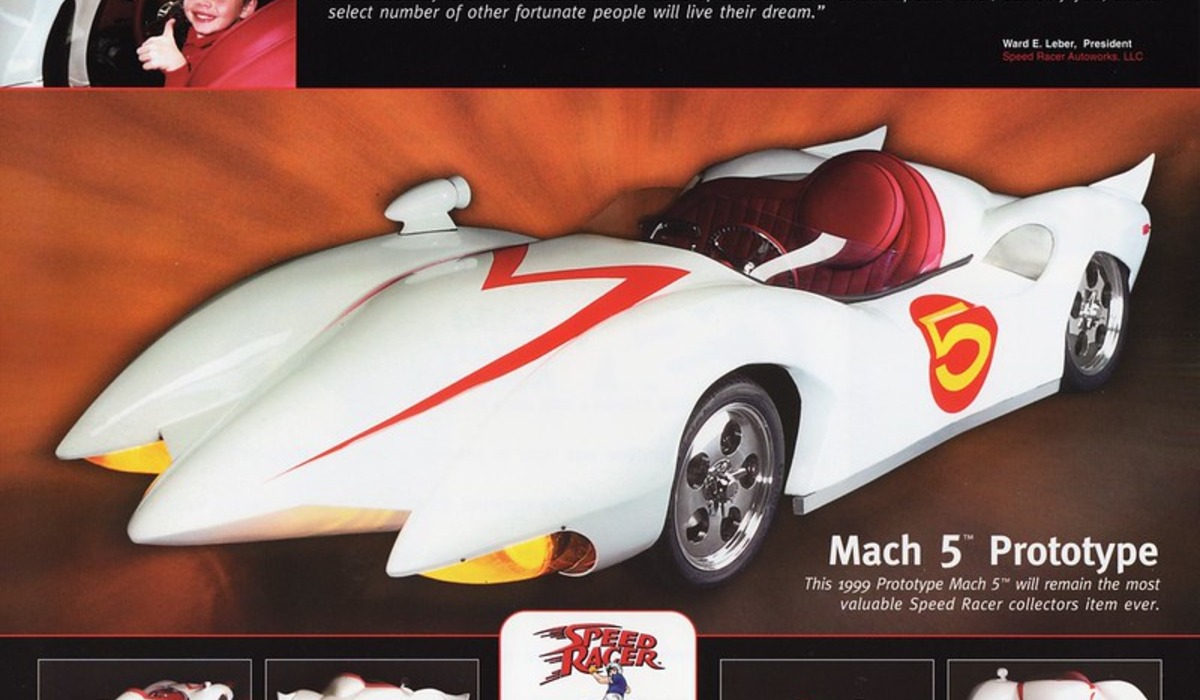
Trans-Lux brought the Japanese series Mach GoGoGo to American syndication in 1967 as Speed Racer, adapting its scripts and editing scenes for a young American audience. Peter Fernandez adapted the scripts and voiced both Speed and the mysterious Racer X, and a small cast handled dozens of roles.
Scenes of violence were trimmed, and the dialogue was reworked to fit the mouth movements of the original animation. The edited dub of 52 episodes left many American viewers unaware that the show had begun life as a very different Japanese series.
Aqua Teen Hunger Force and the Boston Scare
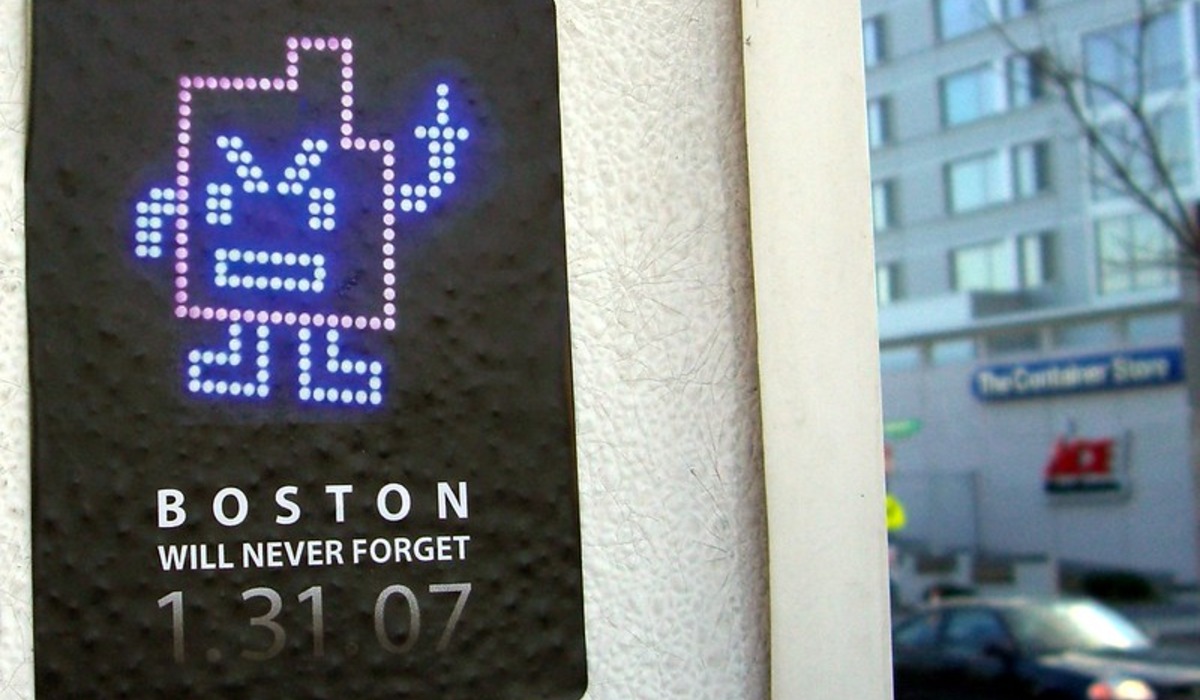
On January 31, 2007, Boston authorities shut down parts of the city after discovering blinking LED devices that turned out to be marketing for Aqua Teen Hunger Force. The devices depicted a Mooninite character, and officials initially treated them as potential bombs.
Turner Broadcasting, which owned Cartoon Network, agreed to pay two million dollars in compensation. Cartoon Network’s general manager, Jim Samples, resigned, and the campaign was pulled.
This was a promotional controversy rather than a ban on the series itself.
Voltron
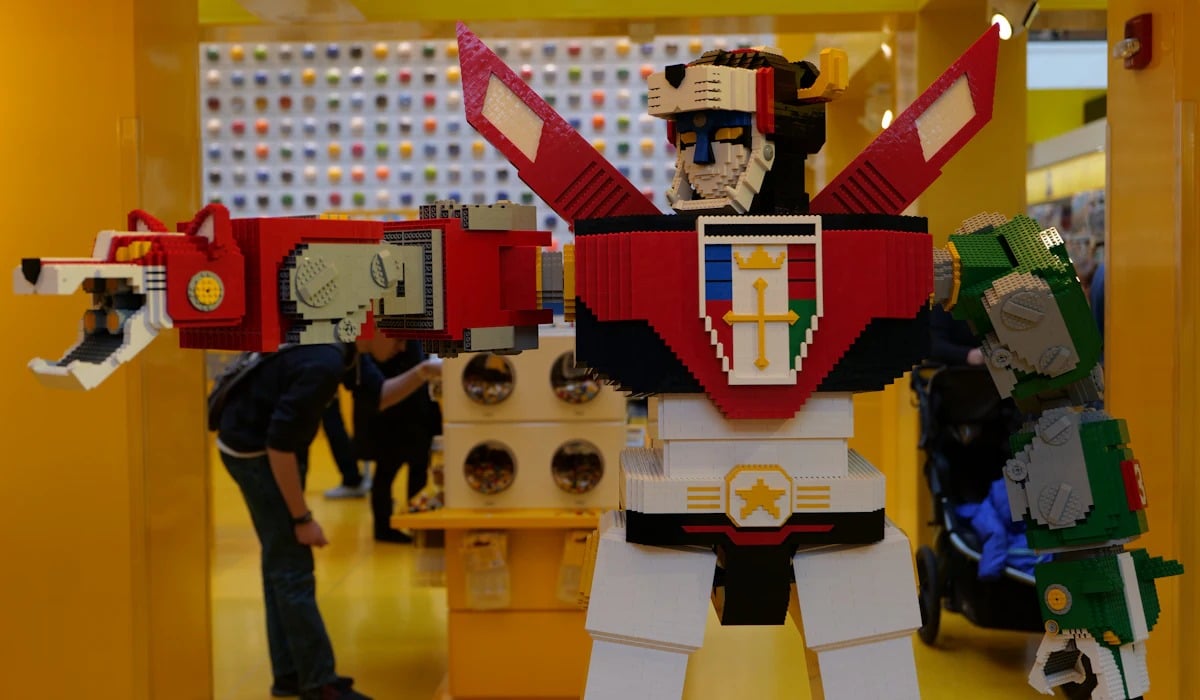
Voltron: Defender of the Universe reached American television in 1984 after World Events Productions stitched together two Japanese series, Beast King GoLion and Dairugger XV. The producers rewrote the stories, renamed characters, and trimmed scenes in which characters died.
The result was a new show with a new setting on a planet called Arus. The edit became a template for how Japanese series were reshaped for American audiences.
Robotech

Robotech was assembled in 1985 by Harmony Gold from three unrelated Japanese series: Macross, Southern Cross, and Genesis Climber MOSPEADA. The companies needed enough episodes for American syndication, so they combined the material into one saga of eighty-five episodes.
The story was rewritten and edited to fit a continuous narrative. Robotech introduced a generation of Western viewers to anime and showed how deeply a story could be rebuilt.
Scooby-Doo and the 1969 Crackdown on Scary TV
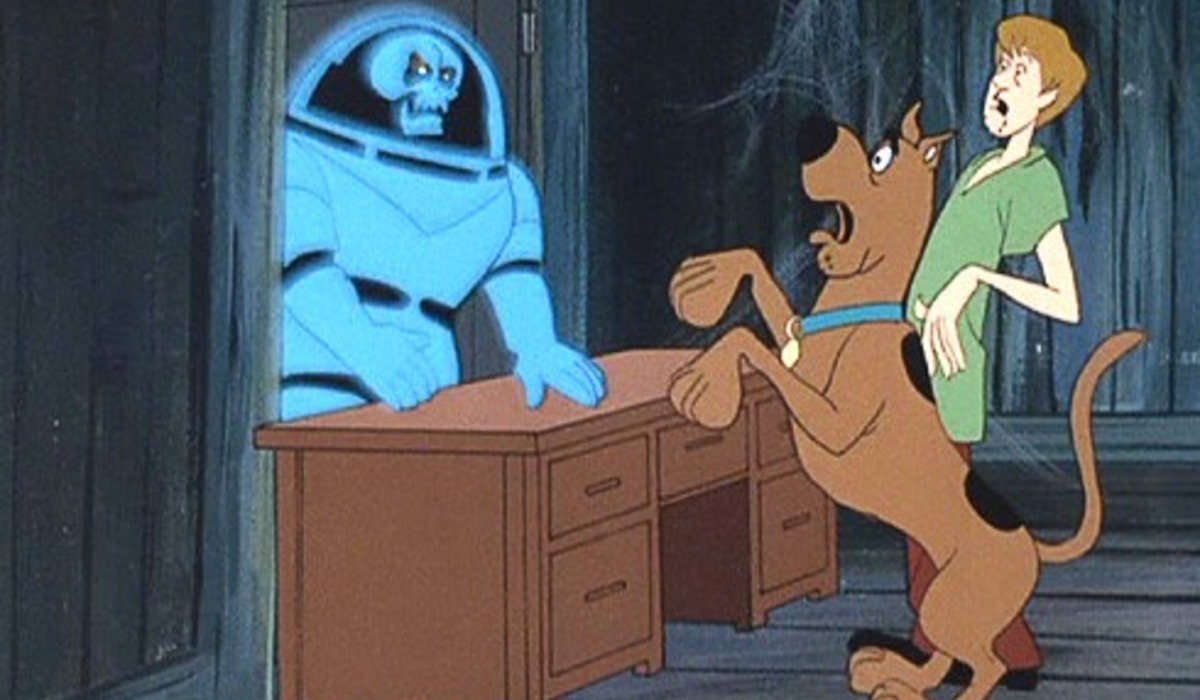
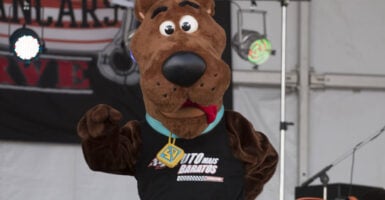
Scooby-Doo exists in part because of a wave of concern about television violence after the assassinations of 1968. CBS executive Fred Silverman wanted a gentler Saturday morning lineup, and Hanna-Barbera’s early concept, Mysteries Five, was considered too frightening.
The studio reworked the idea into a comic mystery with a talking dog, and it debuted in September 1969 as Scooby-Doo, Where Are You! The monsters remained in the show, but the stakes were softened.
It is a rare case where concerns about children’s television content helped shape a hit, rather than leading to a ban.
Winnie the Pooh in China
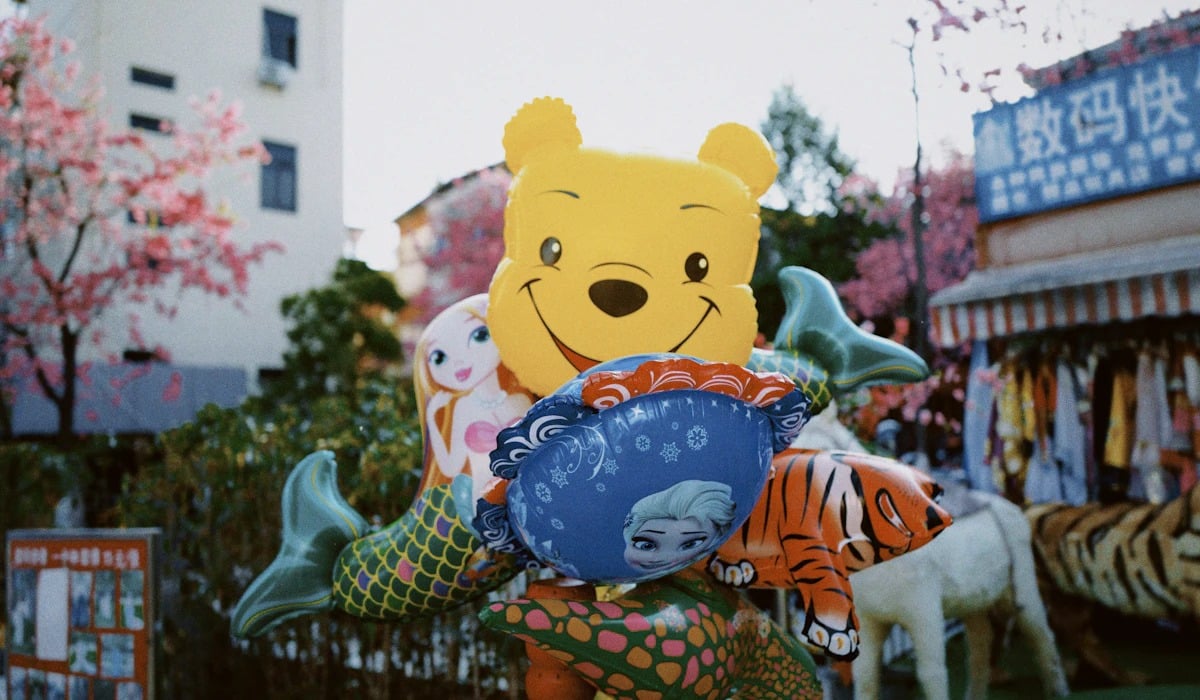
Chinese censors restricted images and online references to Winnie the Pooh in 2017 after internet users compared the bear to President Xi Jinping. In 2018, the live-action film Christopher Robin was reportedly denied a release in China.
The cartoon bear, long a symbol of gentle childhood, became politically sensitive without anyone at Disney intending it. The case shows how a harmless character can be pulled into a conflict when the public begins reading it differently.
What Gets Cut Says More Than What Stays
The pattern across these cases is that censorship rarely targets cartoons for what they are. It targets them for what they represent at a particular moment, whether that is violence, politics, religion, or fear of imitation.
A flash of red and blue lights, a reference to Tiananmen, or a bear in a yellow shirt can all become flashpoints.
The more interesting question is who gets to decide. Sometimes it is a government, sometimes a network, sometimes a toy company or advertiser.
In nearly every case, the decision says less about the cartoon than about the people watching it.
MORE FROM GO2TUTORS!

- The Romanov Crown Jewels and Their Tragic Fate
- 13 Historical Mysteries That Science Still Can’t Solve
- Famous Hoaxes That Fooled the World for Years
- 15 Child Stars with Tragic Adult Lives
- 16 Famous Jewelry Pieces in History
Like Go2Tutors’s content? Follow us on MSN.