27 Electronics Dads Bought in the ’80s
The 1980s turned the family den into a showroom. Dads came home with boxes that promised to change how the household listened, watched, calculated and phoned, and the packaging alone could silence an argument about the budget.
Many of these gadgets cost a shocking amount of money and became obsolete within a few years. A few of them reshaped everyday life, and every one of them has a story worth telling.
Sony Walkman TPS-L2
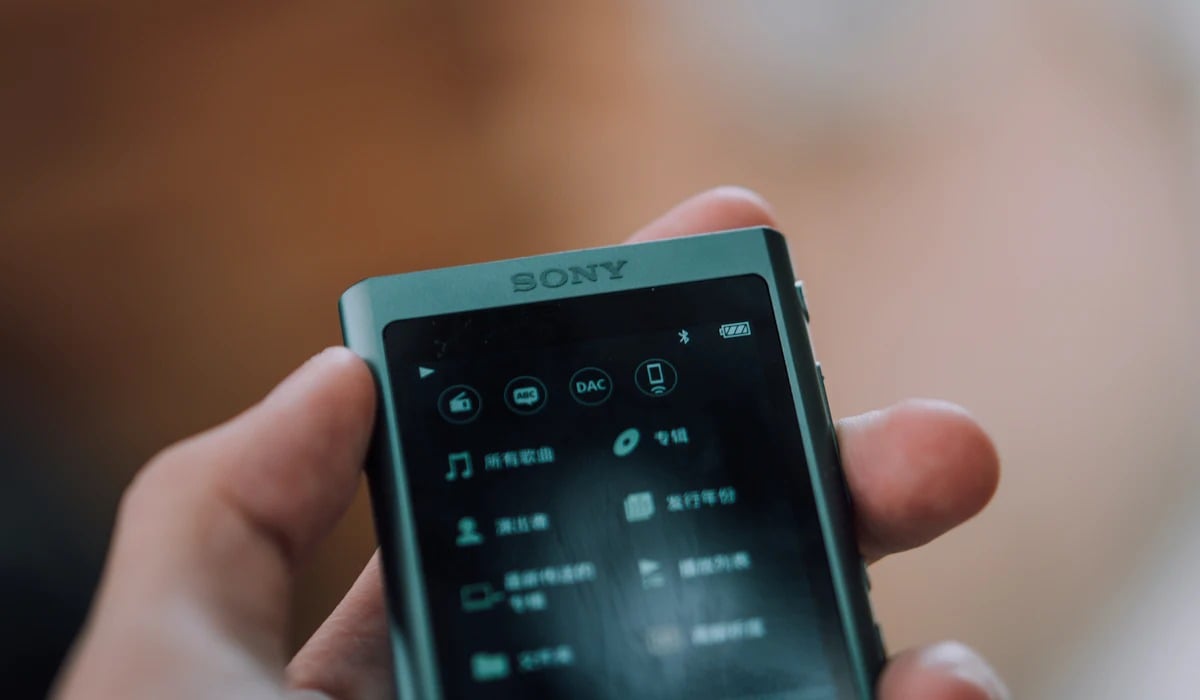
Sony launched the first Walkman, the TPS-L2, in Japan on July 1, 1979, at a price of 33,000 yen. Overseas it was sold under other names, including Soundabout in the United States and Stowaway in the United Kingdom, before the Walkman name stuck.
The first model had two headphone jacks and a Hotline button that let two listeners communicate while listening. By the early 1980s, it was a popular choice for people who wanted music on a commute or jog.
Commodore 64
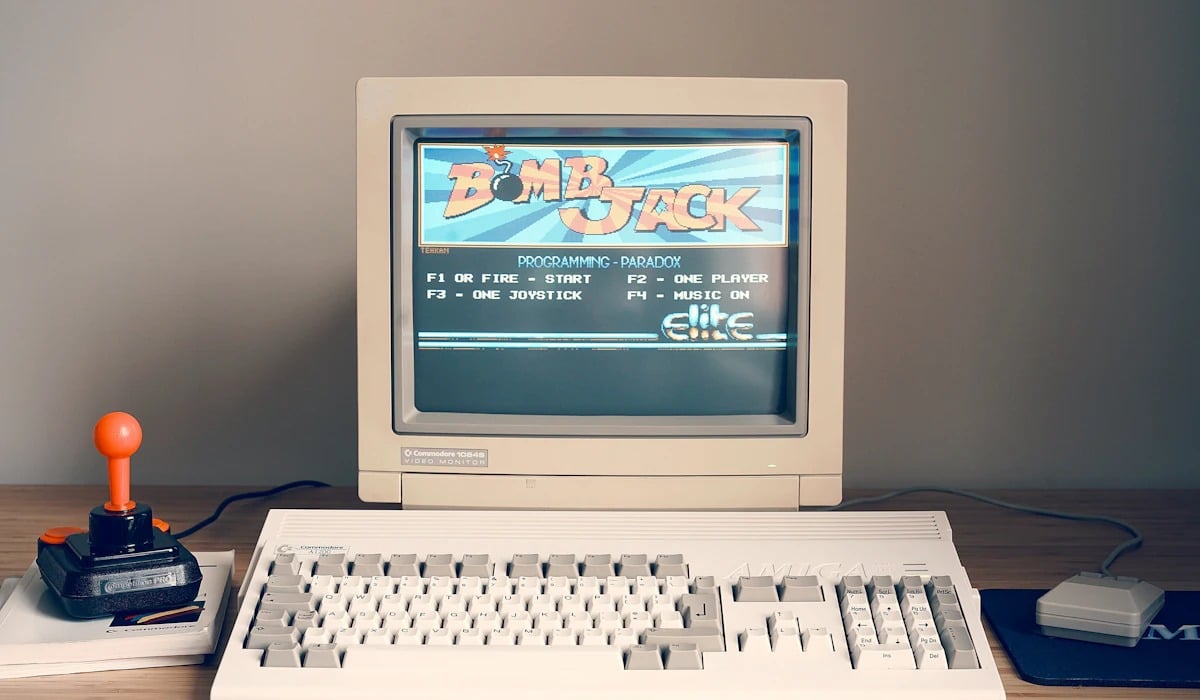
Commodore introduced the C64 in 1982 at a launch price of $595, undercutting rivals with a machine that had 64 kilobytes of memory. It became one of the best-selling home computer models of all time, with estimates running between 12.5 million and 17 million units.
Dads bought it for spreadsheets and programming and then watched their kids use it for games. Price cuts through the decade pushed it into mass-market territory.
IBM Personal Computer 5150
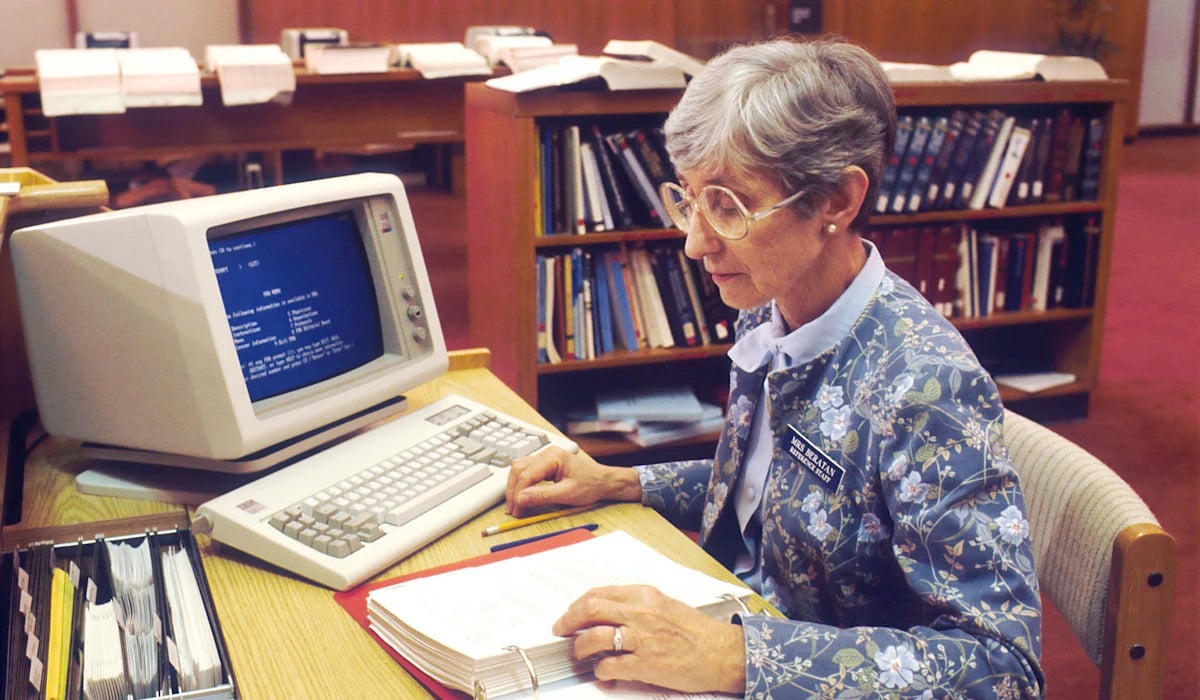
IBM released the Personal Computer in August 1981 with a base price of $1,565 and an Intel 8088 processor. The base model shipped with just 16 kilobytes of memory, and a cassette port was included in case buyers wanted to store programs on tape.
Microsoft supplied the operating system, a deal that helped build its fortune. Executives and dads with a home office were among the first to bring one home.
Apple Macintosh
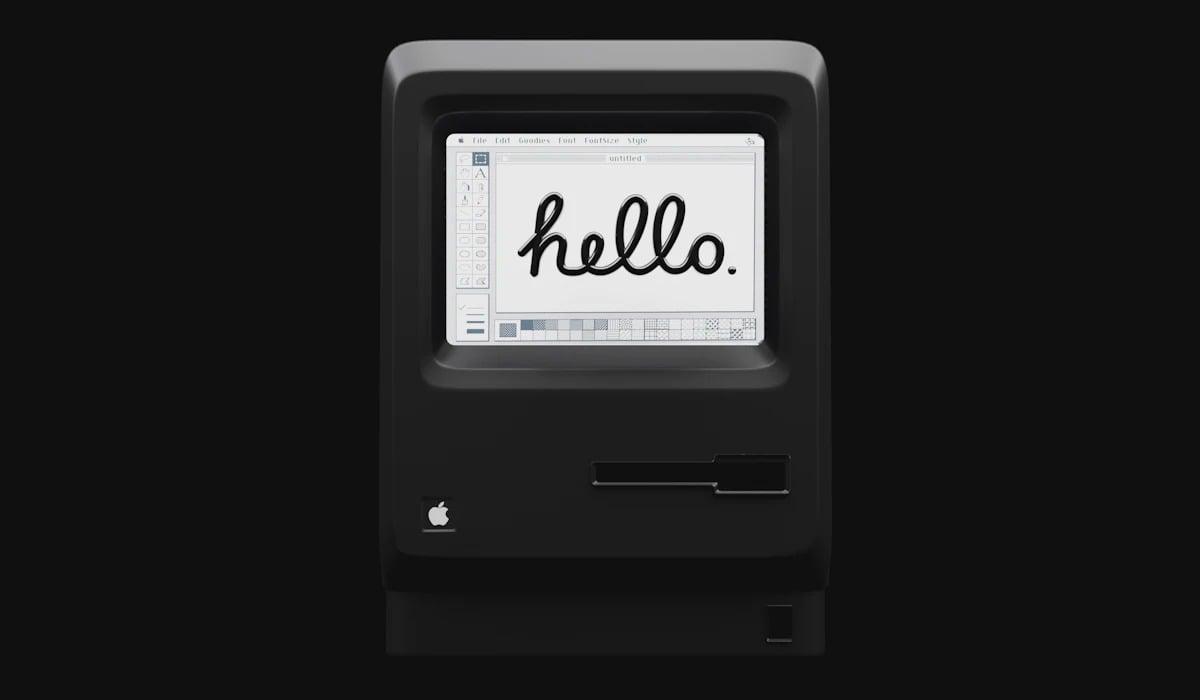
Apple unveiled the Macintosh in January 1984 at a price of $2,495, introducing it with a Super Bowl commercial directed by Ridley Scott. The original Mac had a built-in nine-inch black-and-white screen, a mouse and 128 kilobytes of memory.
Dads who bought one were paying for a graphical interface that felt like the future. The tiny memory was the product’s main limitation.
Osborne 1
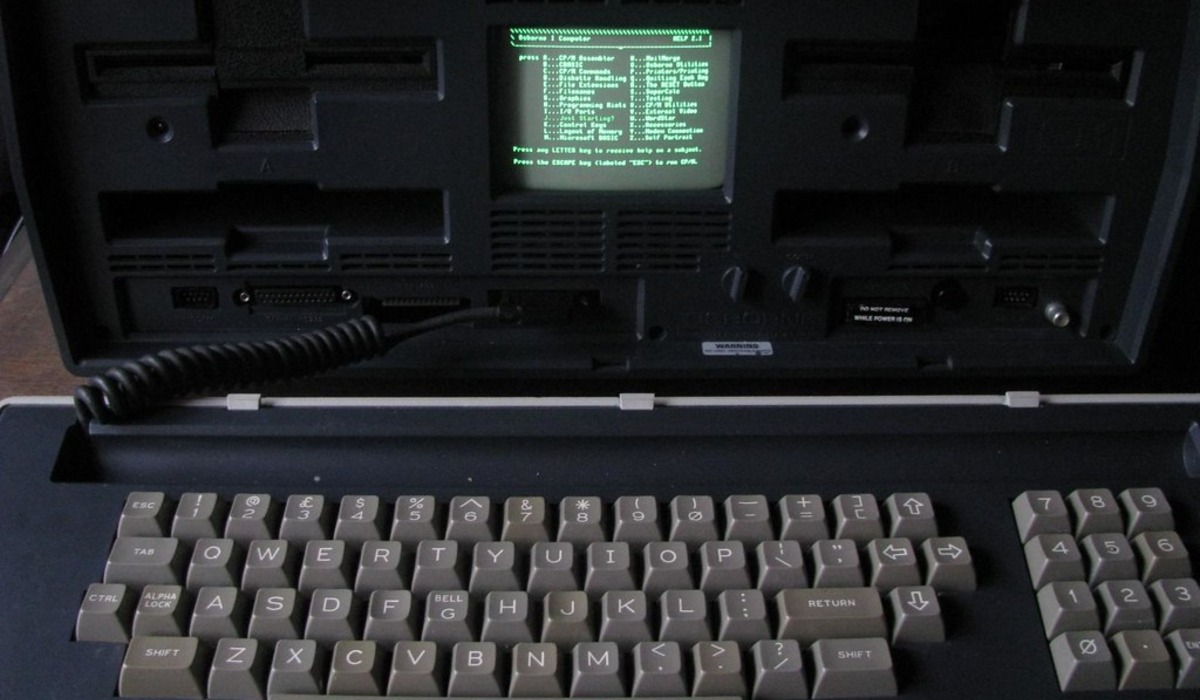
Adam Osborne’s Osborne 1 arrived in 1981 at $1,795 and weighed about 24 pounds. It was marketed as a portable computer, meaning it folded up into a suitcase-sized box with a built-in five-inch screen.
The price included a bundle of software worth a lot more on its own. The company filed for bankruptcy protection in 1983, leaving dads with a machine whose maker was in serious financial trouble.
Compaq Portable
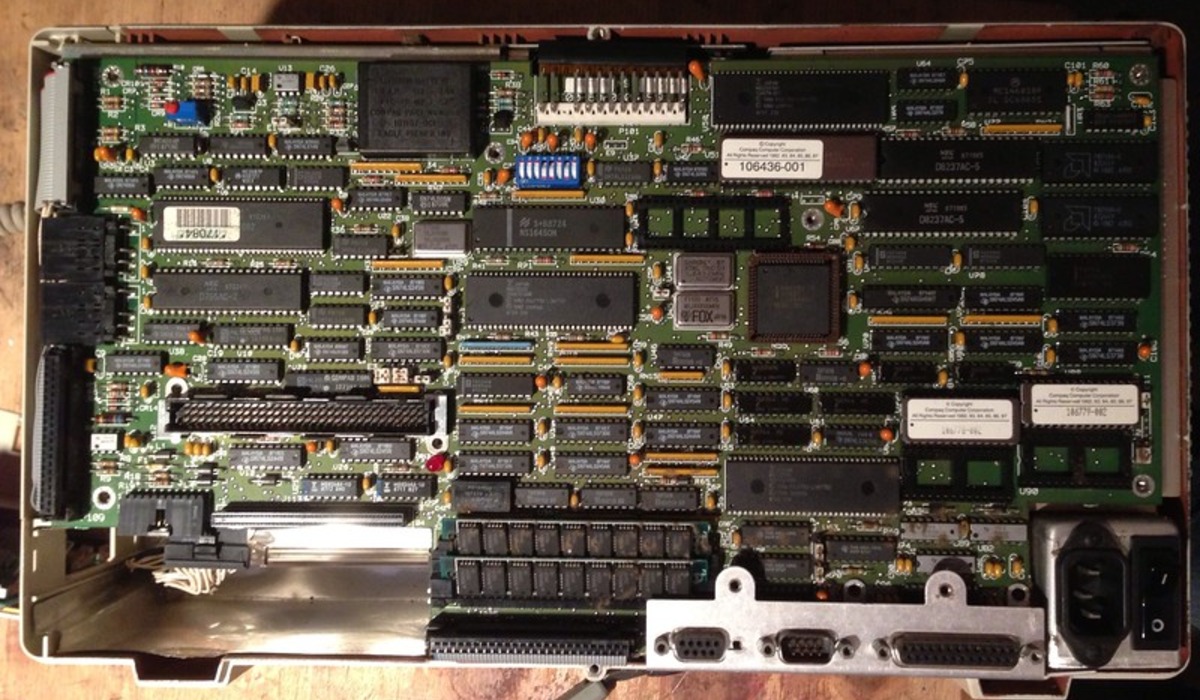
The Compaq Portable arrived in 1983 as a sewing-machine-sized IBM-compatible computer weighing about 28 pounds. Compaq built it using a clean-room reimplementation of IBM’s BIOS, which let it run the same software as the IBM PC.
It was carried by a fold-down handle like a small suitcase, and dads who could expense it at the office hauled it from desk to desk.
Radio Shack TRS-80 Model 100
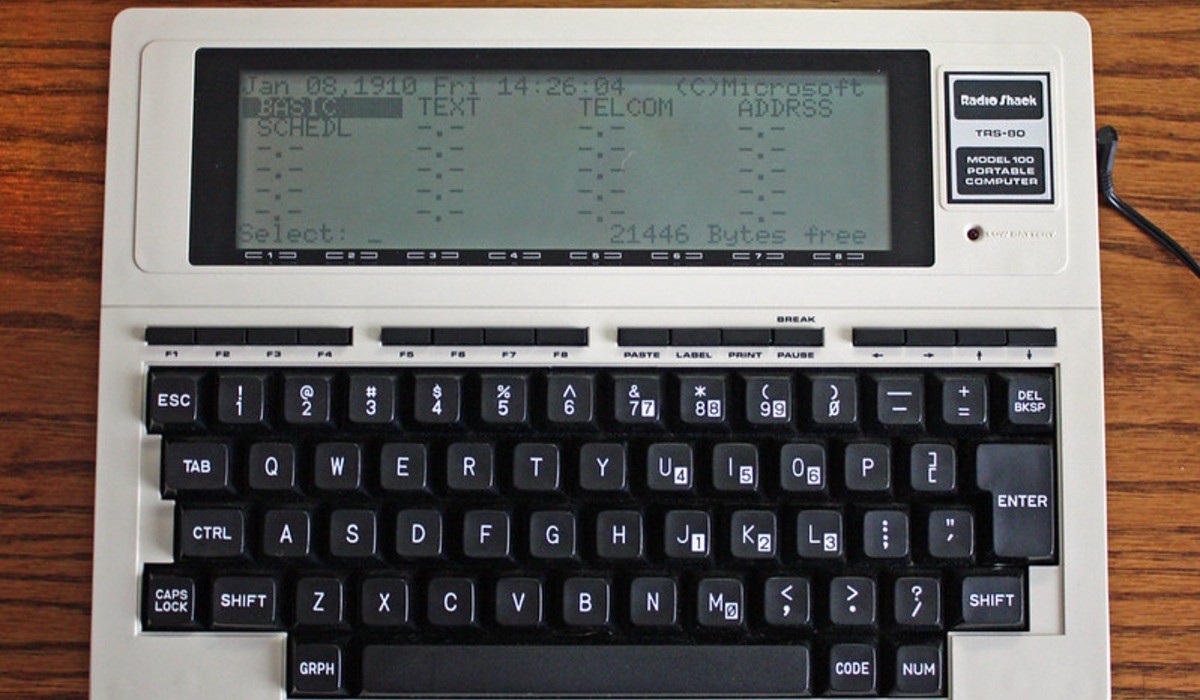
The TRS-80 Model 100 arrived in 1983 at $799 as a battery-powered notebook computer built by Kyocera for Radio Shack. It ran on four AA batteries and had a built-in word processor, a modem and a small LCD screen.
Bill Gates wrote much of the machine’s built-in BASIC software, an unusual hands-on contribution for someone leading a rapidly growing software company. Journalists and traveling salesmen adopted it faster than anyone.
Timex Sinclair 1000
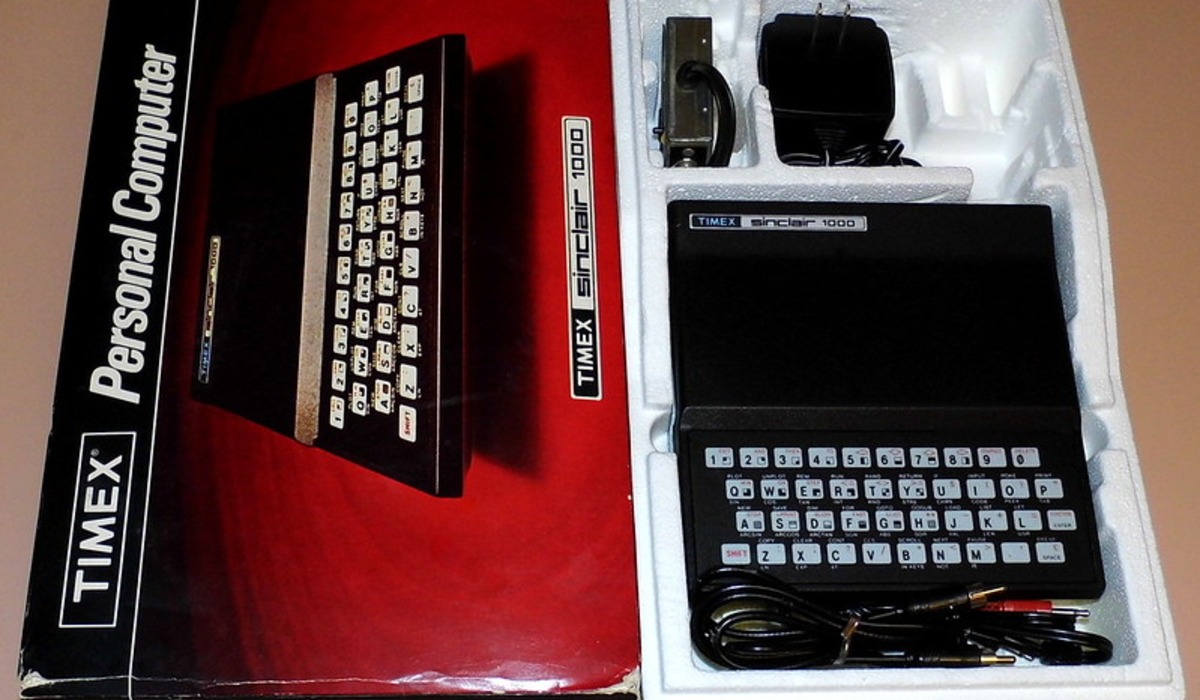
The Timex Sinclair 1000 was the American version of Britain’s Sinclair ZX81, launched in 1982 for about $100. It came with only 2 kilobytes of memory and a flat membrane keyboard that was almost impossible to type on.
For many dads, it was the cheapest way to say that the family owned a computer. Most of them quickly found it too limited to keep.
Texas Instruments TI-99/4A
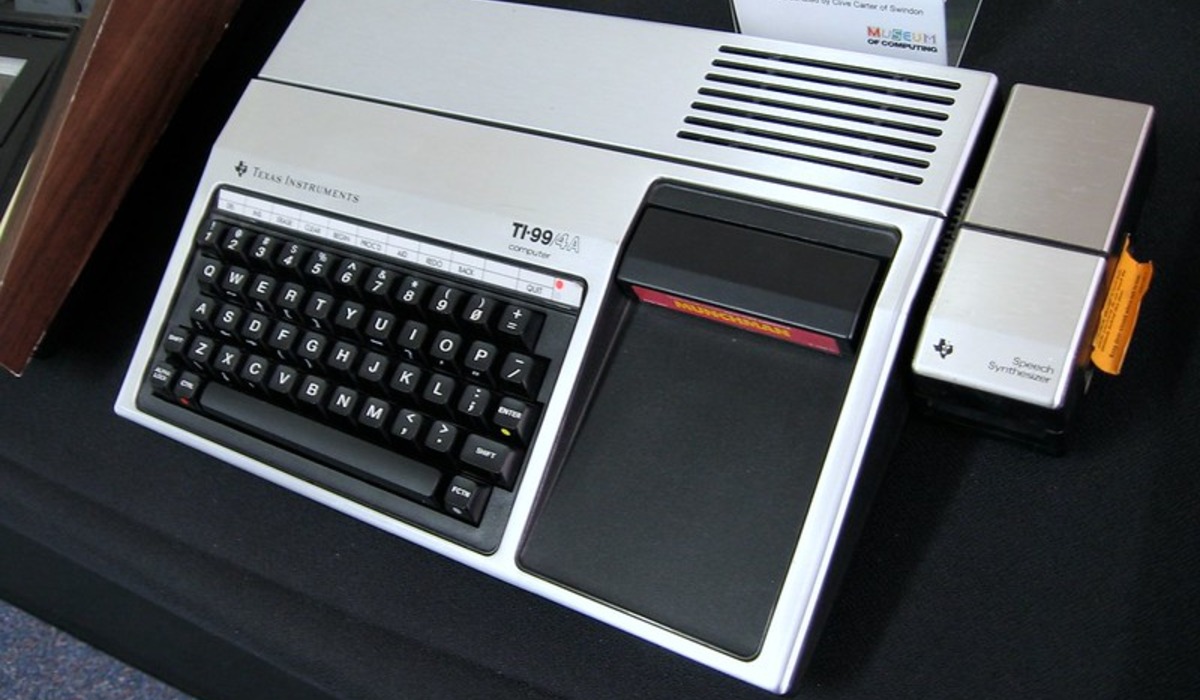
Texas Instruments released the TI-99/4A in 1981, and a price war with Commodore in 1983 pushed TI out of the home computer business. The TI-99/4A had speech synthesis available through an optional module and a library of cartridges.
Dads who bought it at a clearance price discovered that software support dried up soon after. It remains a favorite among collectors who remember the unusual keyboard and cartridge slot.
Coleco Adam
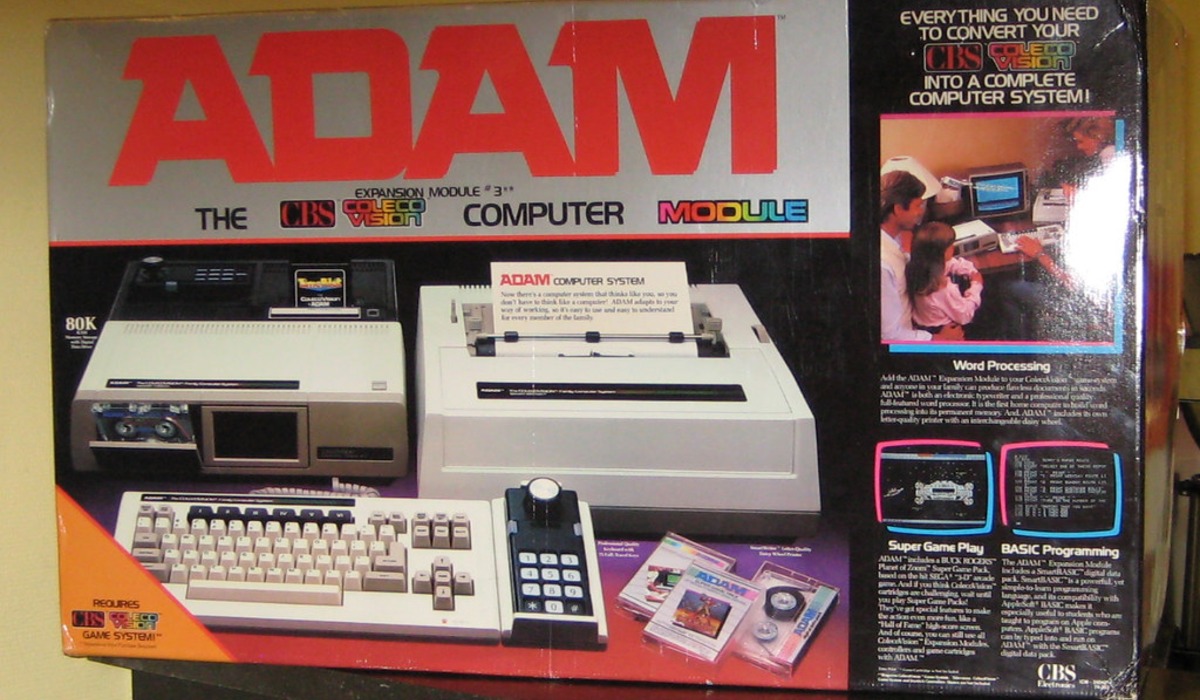
Coleco launched the Adam in 1983 as a complete computer system, with a printer included in the base package, and it was aimed at families already familiar with its ColecoVision game console. The machine had a notorious flaw: a magnetic surge when the computer was powered on could damage or erase data on nearby cassette tapes.
Coleco stopped production in January 1985. Dads who bought one often found themselves with a very expensive paperweight.
Tandy 1000

Radio Shack introduced the Tandy 1000 in 1984 as an IBM-compatible computer sold through its own stores. Its graphics and sound capabilities were modeled on the IBM PCjr, which made it popular for games.
That combination of PC compatibility, game-friendly features and Radio Shack’s retail network made it an easy buy. Dads could take it home from the same store where they bought batteries and cables.
Apple IIe
Apple introduced the Apple IIe in January 1983, and the e stood for enhanced. It added lowercase letters and 64 kilobytes of memory to a design that went back to the late 1970s.
The machine stayed in production until 1993, an extraordinarily long run for a computer. Schools bought it by the thousands, and dads who bought one for the home often kept it for a decade.
Hayes Smartmodem
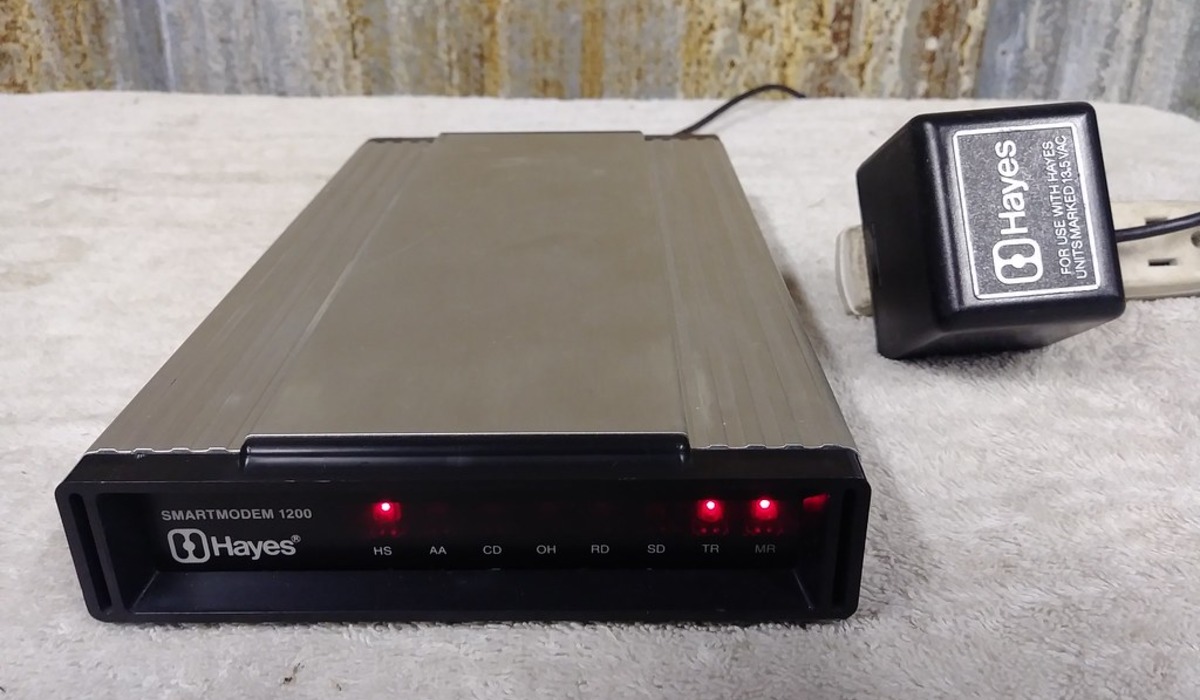
Hayes released the Smartmodem in 1981 for $279, and it ran at 300 bits per second. It introduced the AT command set, which became the standard way to control modems for years afterward.
A dad with a Smartmodem could dial into a bulletin board system and spend an evening chatting with strangers. The phone bill that followed was a separate conversation.
Sony CDP-101
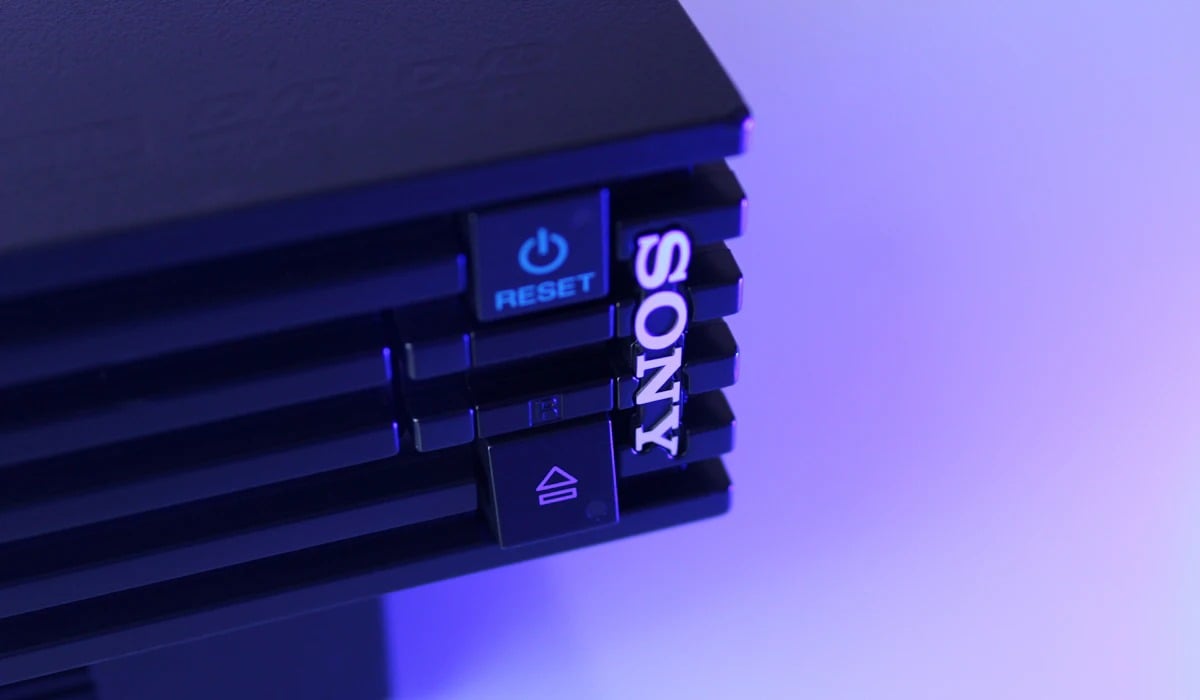
Sony launched the CDP-101, the first commercial compact disc player, on October 1, 1982, in Japan at 168,000 yen. The initial Japanese CD releases included Billy Joel’s 52nd Street.
A dad with a CD player in the 1980s could claim the clearest sound in the neighborhood, and few of his friends could afford to argue.
Sony Discman D-50
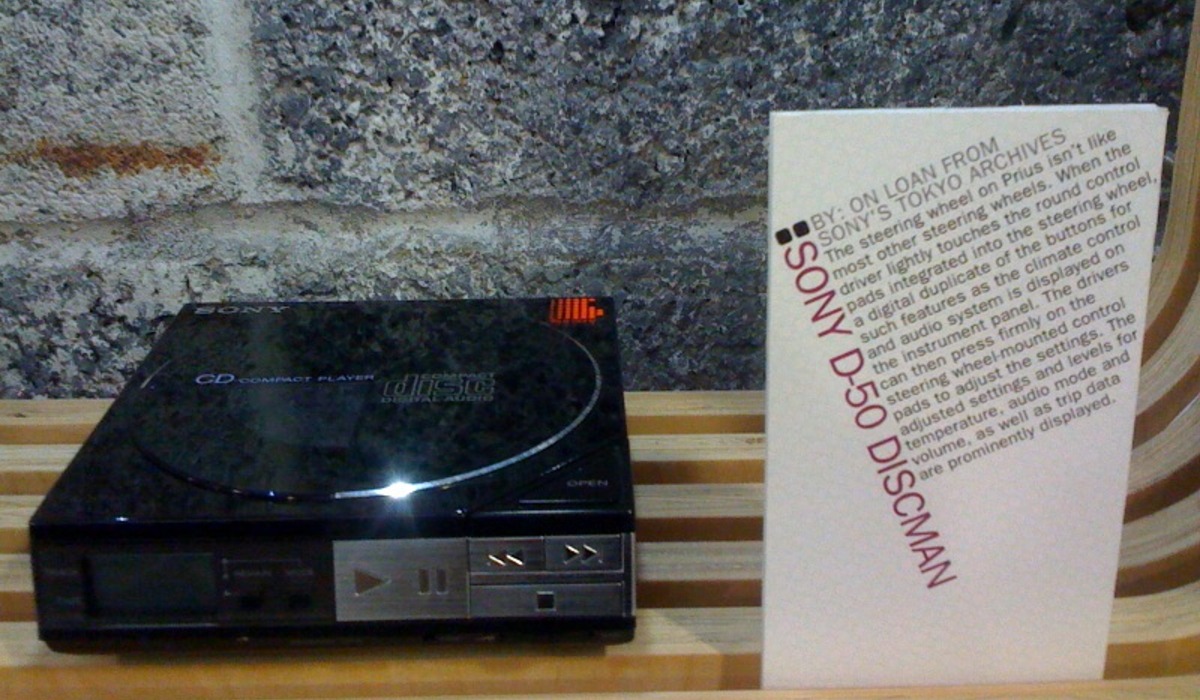
Sony introduced the Discman D-50 in 1984 as a portable CD player roughly the size of a CD case. It brought the Walkman idea to digital audio, and early portable CD players were prone to skipping when jostled.
Dads who bought one often found that a car’s vibrations made skipping even worse.
Sony Betamovie BMC-100
Sony’s Betamovie BMC-100 arrived in 1983 as one of the first consumer camcorders. It recorded onto standard Betamax cassettes and had no playback function of its own, so users had to connect it to a television or a VCR to watch their footage.
Dads carried the shoulder-mounted unit to birthday parties and graduations, and the recordings they made are now family treasures.
JVC GR-C1
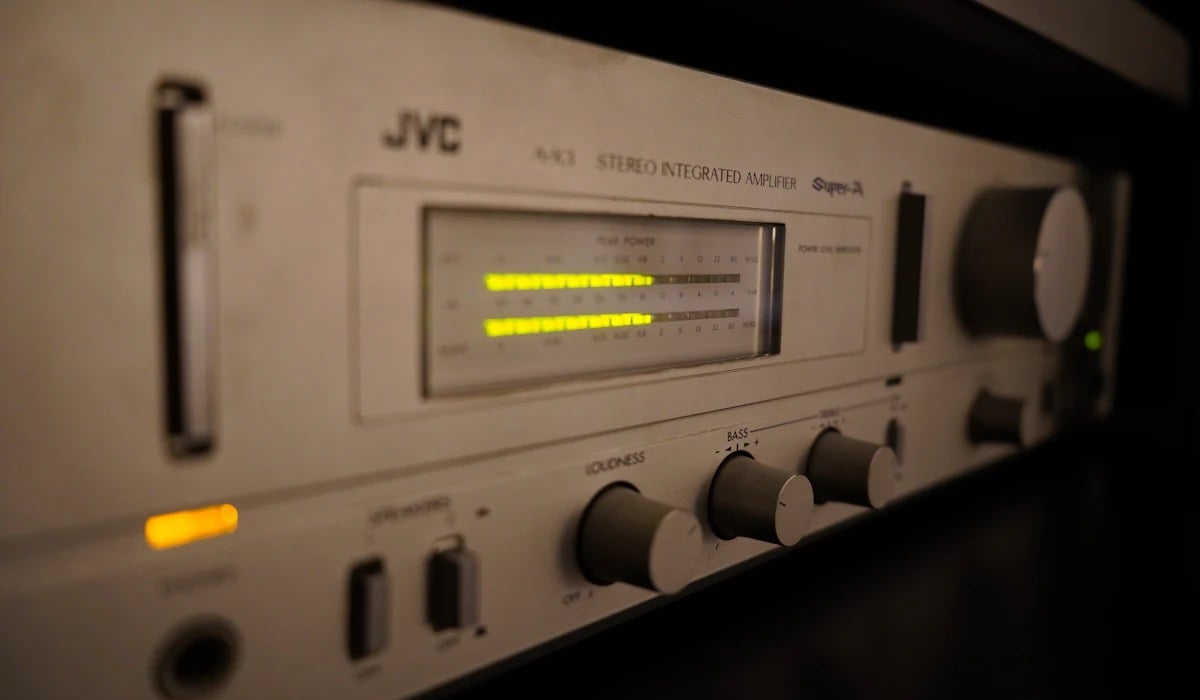
JVC released the GR-C1 in 1984 as the first camcorder to use the compact VHS-C format. Its tapes could be played back in a standard VHS machine with the help of an adapter cassette.
That compatibility was a decisive advantage in the camcorder format war. A dad could shoot a child’s recital and then play the footage on the family VCR using the adapter.
Sony CCD-V8 Video Camcorder

Sony introduced the CCD-V8 in 1985 as its first camcorder capable of recording on standard 8mm videotape. The smaller format helped reduce the size of video equipment, though the CCD-V8 itself was still a shoulder-mounted camera rather than a tiny pocket device.
Sony’s compact CCD-M8, also introduced in 1985, was an early model in the company’s Handycam line. Dads who upgraded found that 8mm equipment was easier to carry than some earlier systems, but their old VHS machines could not play the new tapes without a connection to a compatible player or the camcorder.
RCA SelectaVision CED Player
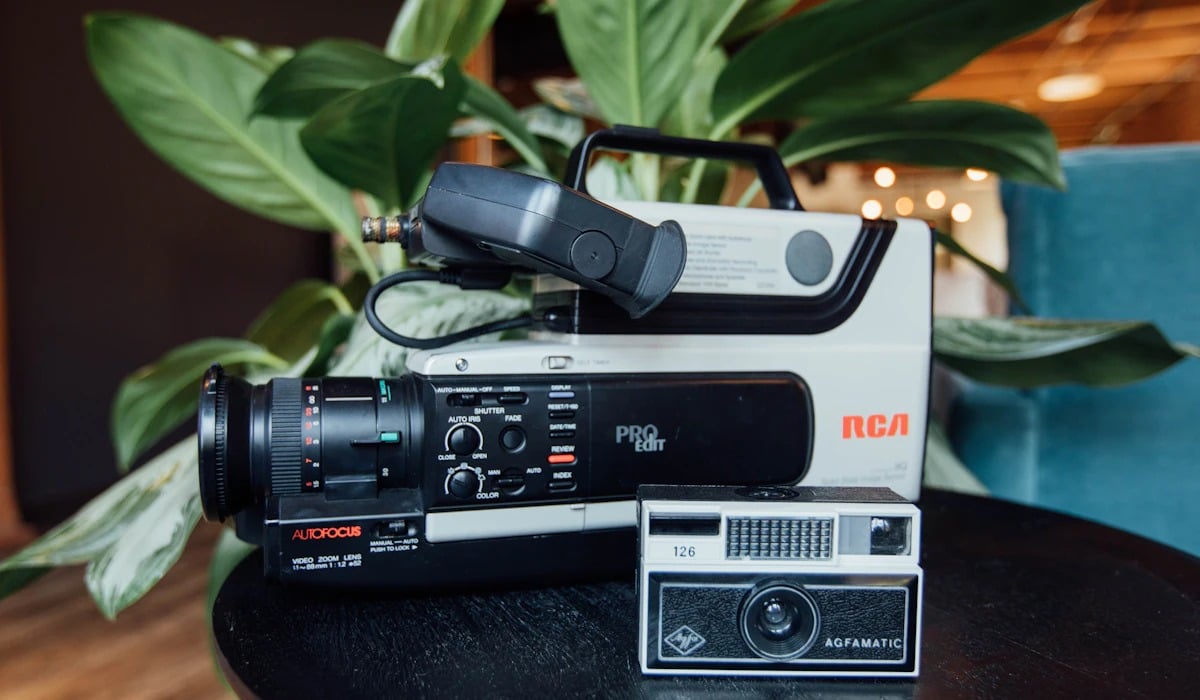
RCA launched its SelectaVision CED video disc system in March 1981, and the player read grooves in a vinyl-like disc with a stylus. The discs came in protective caddies, and the player lost the format race against the VCR.
RCA ended production in 1984. Dads who bought one were left with a shelf of discs for a format that never achieved widespread success.
Pioneer LaserDisc Player
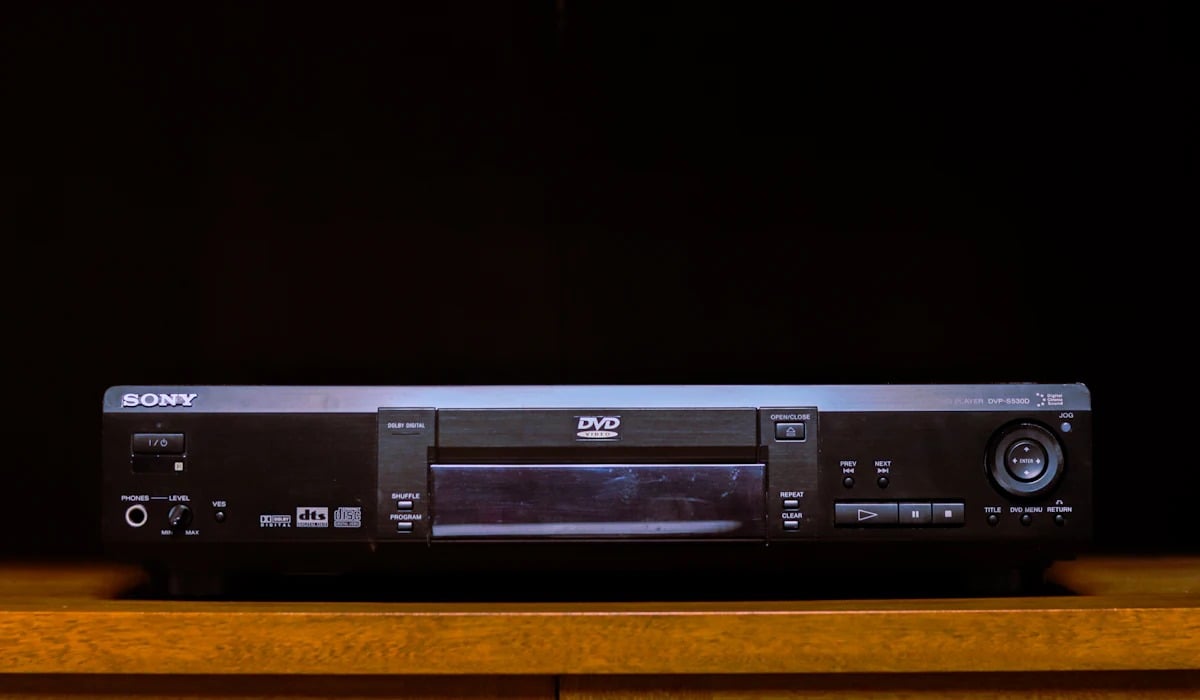
Pioneer sold LaserDisc players that delivered a sharper picture than VHS from 12-inch discs. A full-length movie often required flipping the disc over partway through, or even swapping to a second disc.
Dads who owned a LaserDisc player were the envy of the neighborhood. It was also a quick way to fill a living room with equipment that cost more than the furniture.
Motorola DynaTAC 8000X
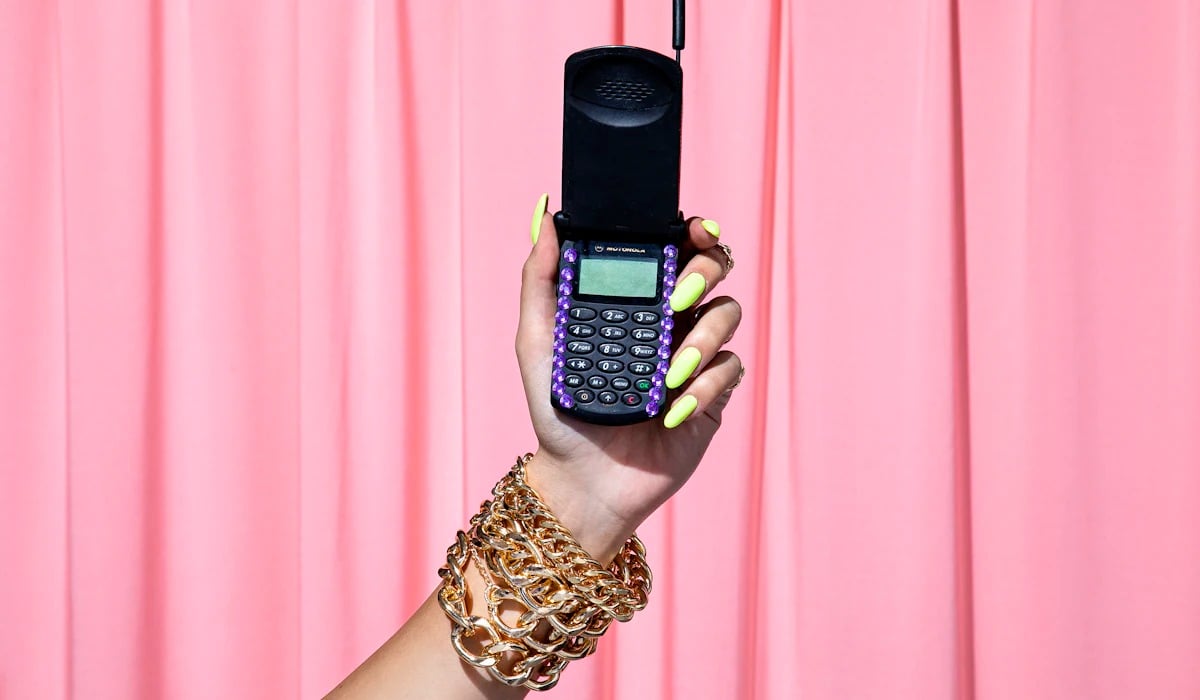
Motorola’s DynaTAC 8000X was the first commercially available handheld cellular phone, approved in 1983 and brought to market in 1984 for $3,995. It weighed roughly two pounds and offered about 30 minutes of talk time after a charge that took around 10 hours.
Early owners were mostly executives and the occasional dad with a deep wallet. It was nicknamed the brick for good reason.
Nintendo Entertainment System
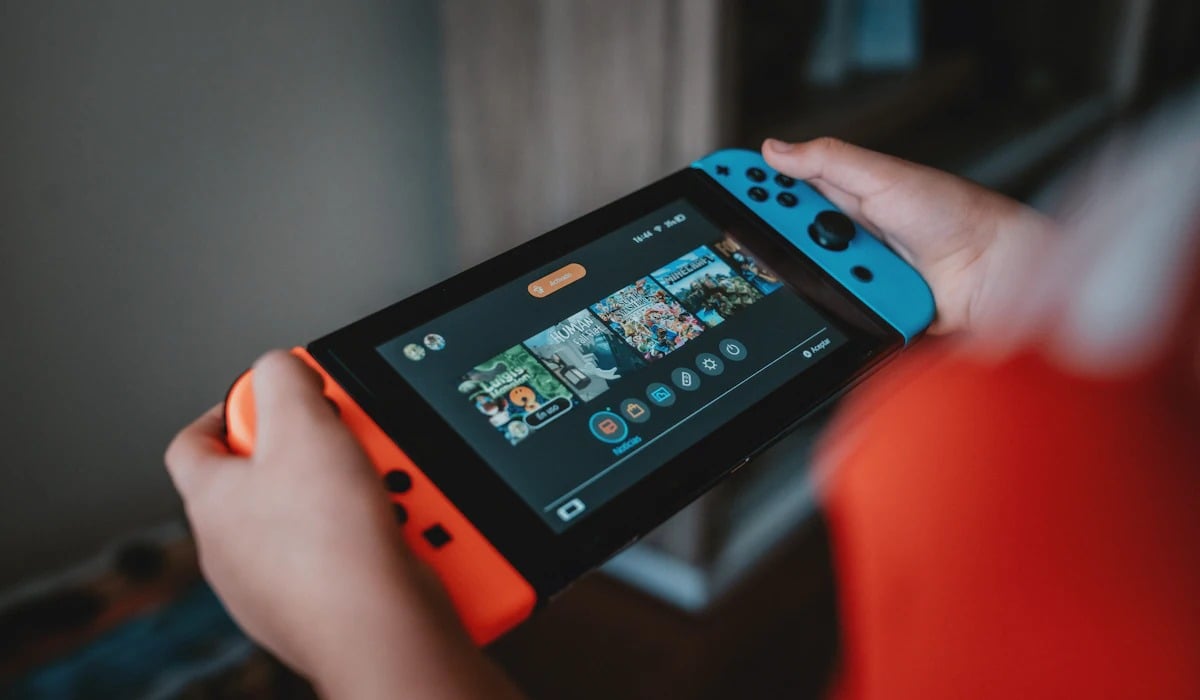
Nintendo test-marketed the Nintendo Entertainment System in New York in October 1985 before rolling it out nationwide in 1986. The deluxe set included R.O.B., a small robot that reacted to the screen, which was a clever way to sell a game console to retailers still wary after the 1983 crash.
Dads who bought one for the kids quickly found themselves holding the controller.
Sony Watchman FD-210
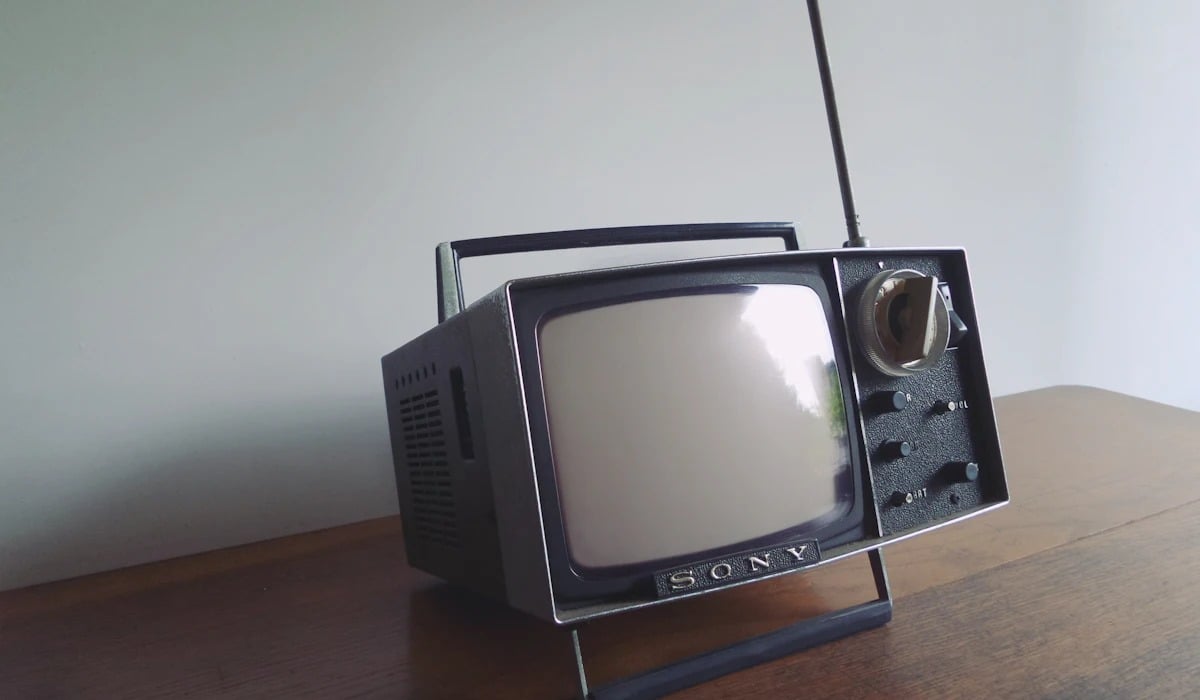
Sony launched the Watchman FD-210 in 1982 as a small, portable black-and-white television with a tiny screen, and the Watchman line continued until 2000. The tiny screen made the picture hard to watch for long.
A dad could take the game to the back porch, the garage or the dentist’s waiting room. It was the first time many people could watch television without sitting in front of a full-sized television.
Nintendo Game & Watch Donkey Kong
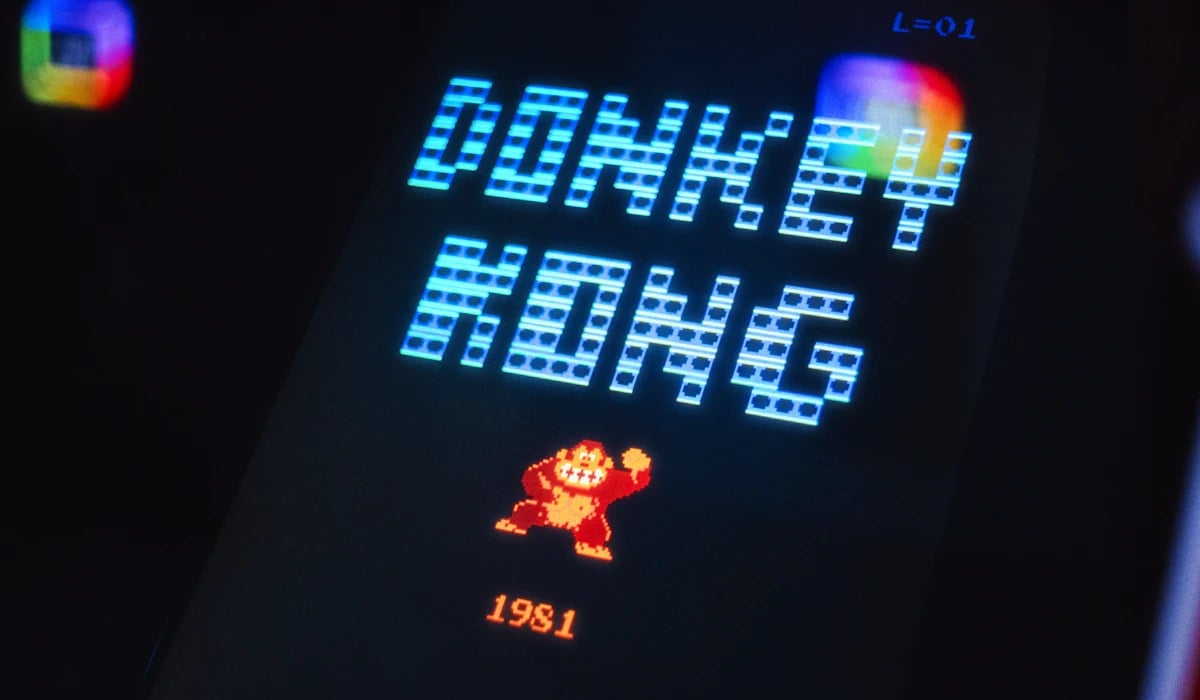
Nintendo released a Game & Watch version of Donkey Kong in 1982, with two screens in a clamshell design. The device introduced the cross-shaped directional pad that Nintendo would later use on its consoles and handhelds.
Designer Gunpei Yokoi had conceived the Game & Watch idea after seeing a commuter pass time with a calculator. Dads who bought it for their kids were often caught playing it themselves.
Kodak Disc 4000
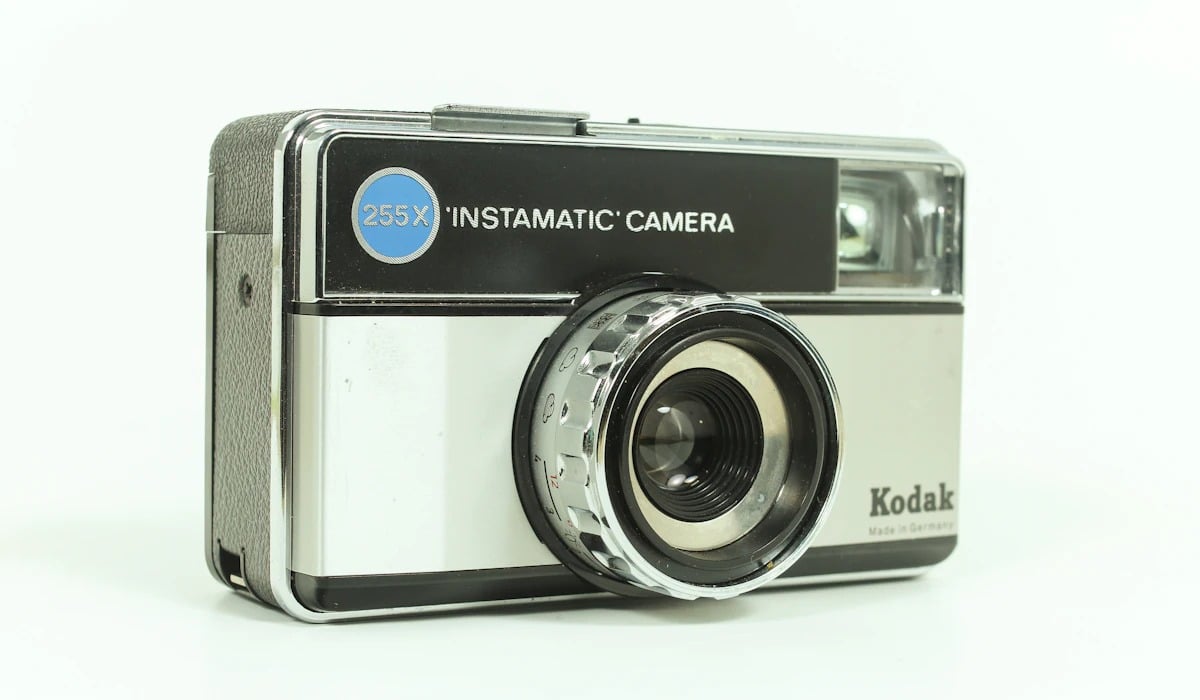
Kodak introduced disc cameras in 1982, and the Disc 4000 was among the models sold for casual snapshots. The camera used a cartridge holding 15 exposures on a rotating disc of film.
The pictures were small and grainy, and Kodak eventually discontinued the format. Dads who bought one produced albums of photographs that look noticeably softer than their neighbors’ 35mm prints.
ColecoVision
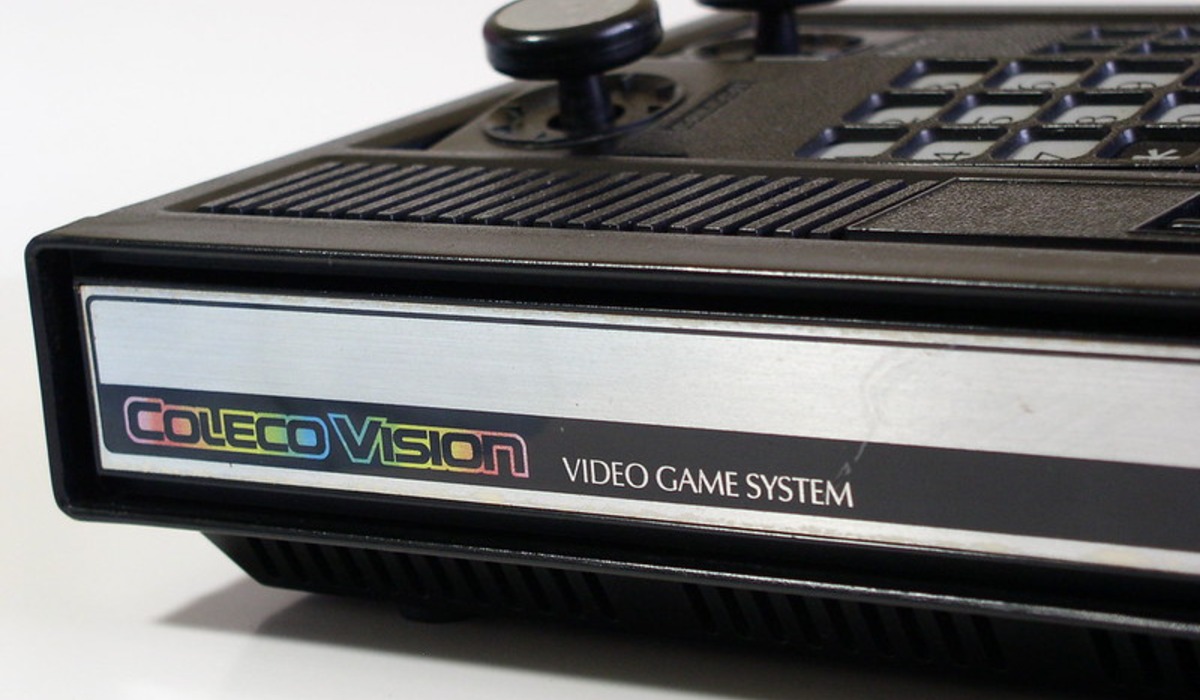
Coleco launched the ColecoVision in August 1982 at around $175, and it came packaged with a version of Donkey Kong. Its graphics were closer to the arcade than anything else in living rooms at the time.
Coleco’s attempt to follow it with the Adam computer proved disastrous. Dads who bought it in 1982 could enjoy arcade-style games at home before the video game industry crash of 1983 disrupted the market.
Casio CA-53W Calculator Watch
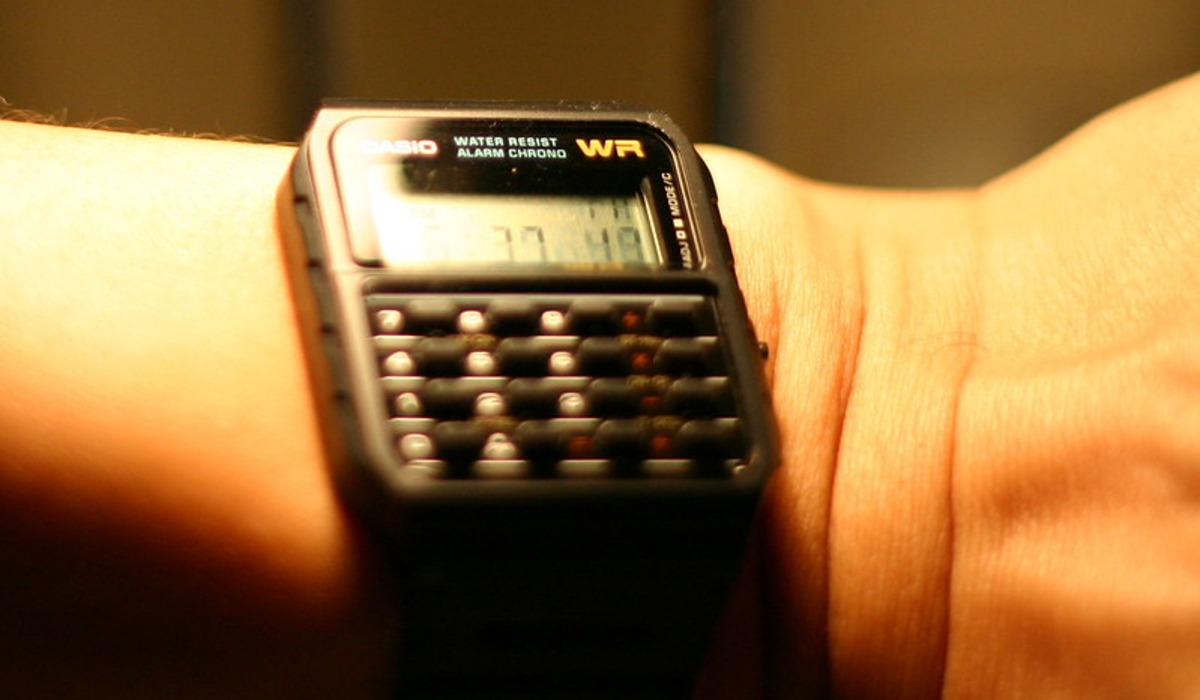
Casio’s CA-53W calculator watch became a recognizable example of the calculator-watch trend of the 1980s, combining timekeeping with a four-function calculator on the wrist. The keys were so small that many users pressed them with a pen tip.
Dads wore it to look both practical and slightly nerdy, a look that has returned to fashion decades later. It is a rare gadget that gets cooler the longer it sits in a drawer.
The Gadget Drawer Economy
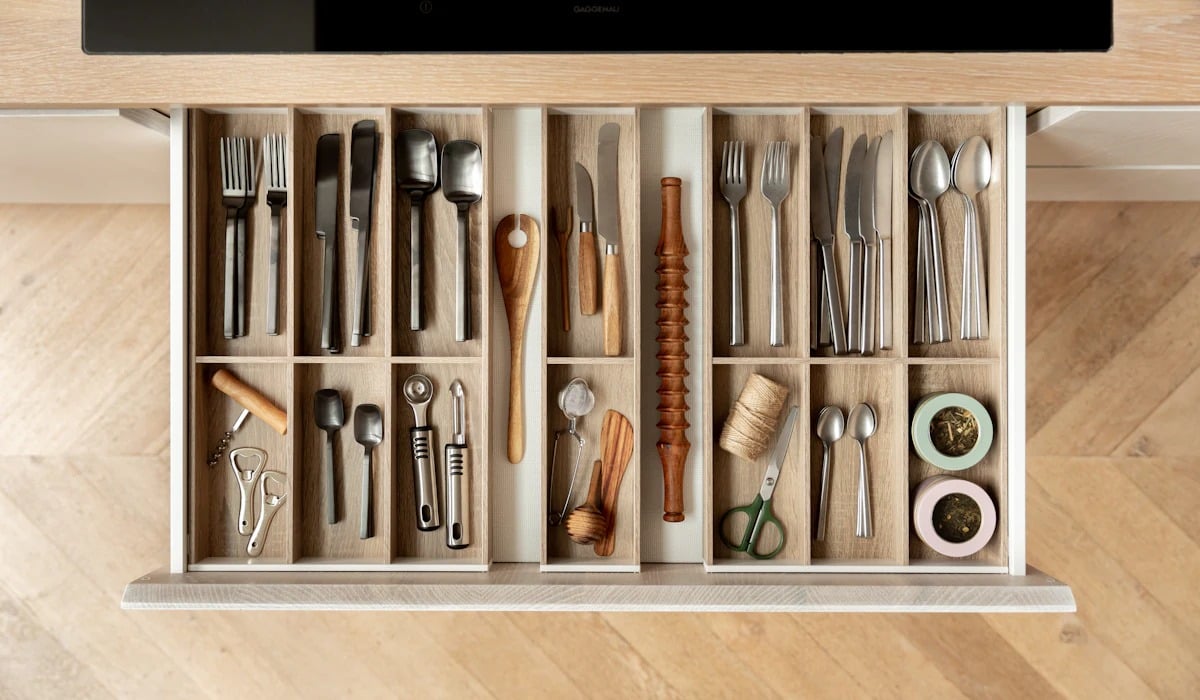
Look at this list and a pattern appears. Nearly every one of these products was expensive, overhyped or replaced within a few years by something better.
Entire formats died, including Betamax, CED and the Adam, and the machines that survived ran on software their owners barely understood.
Yet the dads who bought them were not fools. Each purchase was a bet on the future, and many of those bets laid the groundwork for the cameras, phones and computers that followed.
The gadgets that ended up in the closet still taught a household what technology could do.
MORE FROM GO2TUTORS!

- The Romanov Crown Jewels and Their Tragic Fate
- 13 Historical Mysteries That Science Still Can’t Solve
- Famous Hoaxes That Fooled the World for Years
- 15 Child Stars with Tragic Adult Lives
- 16 Famous Jewelry Pieces in History
Like Go2Tutors’s content? Follow us on MSN.