27 Costume Jewelry Brands Grandmothers Trusted
Open a grandmother’s dresser drawer and the jewelry rarely tells a grand story at first glance. A brooch pinned to a wool coat, a necklace saved for church, a bracelet that clinked at the kitchen table: most of it came from companies that made glamour affordable and put their names on the back in tiny letters.
Those names turn out to belong to real founders, real factories, and real design rivalries. Some of the makers below supplied movie sets and inaugural gowns, while others sold from living rooms across the country.
Each one was trusted because the pieces held up, looked good, and could be bought without a jeweler’s budget.
Trifari
Gustavo Trifari, a member of an Italian family of jewelers, founded the company in New York in 1910, and it grew into one of the best-known names in American costume jewelry. Alfred Philippe, who trained at Cartier, became its chief designer in 1930 and brought fine-jewelry polish to a mass-market line.
The “Jelly Belly” animal brooches of the 1940s, which used translucent Lucite for their bellies, remain among its most recognizable designs. Mamie Eisenhower wore Trifari pearls to the 1953 inauguration, a long way from the corner store.
Monet
Brothers Michael and Jay Chernow founded the company in New York in 1927 under the name Monocraft, and it became Monet in 1937. The brand built its reputation on polished gold-tone and silver-tone chains, hoops, and bracelets that wore well and matched everything.
A Monet necklace could be bought for an office outfit and worn for decades.
Napier
Napier traces back to the E. A. Bliss Company of Meriden, Connecticut, and took the Napier name in 1922 in honor of a company president, James H. Napier. The firm became known for sturdy, well-finished pieces, including charm bracelets and sculptural metalwork.
Meriden had long been a center of silverware and metal manufacturing, which gave the company a deep bench of skilled workers. A grandmother who bought Napier was buying from a factory with a pedigree.
Coro
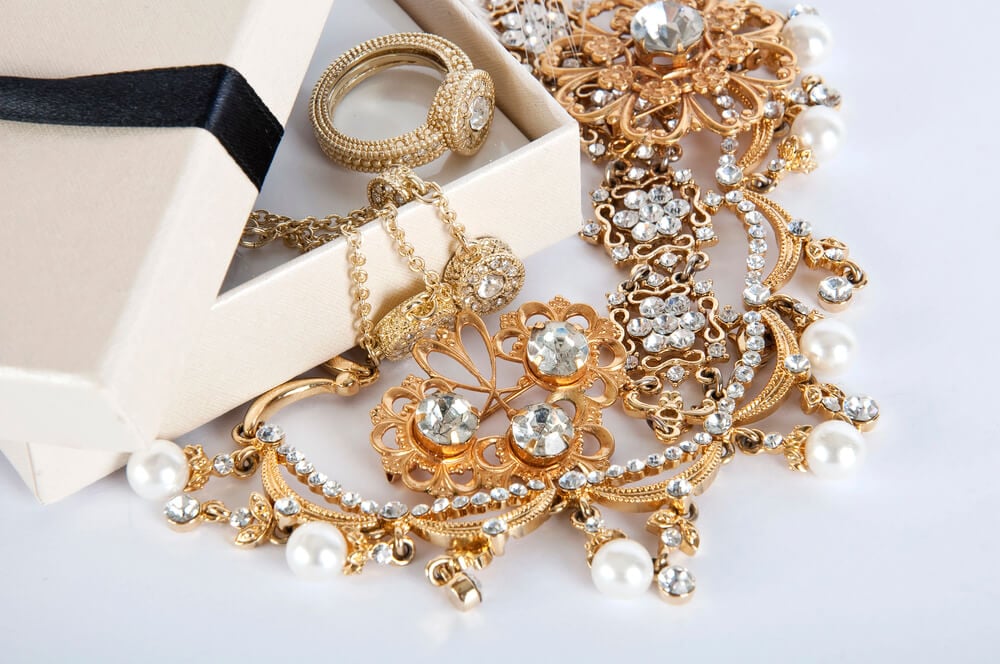
Emanuel Cohn and Carl Rosenberger founded the company in New York in 1901, and the name Coro came from combining the first letters of their last names. Its Duette, a brooch design patented in the early 1930s, could be split into two smaller clips, giving the wearer two accessories for one price.
Coro grew into a very large operation with factories in Providence, Rhode Island, and sold its work in department stores across the country. Collectors still hunt its figural brooches and its Duettes.
Weiss
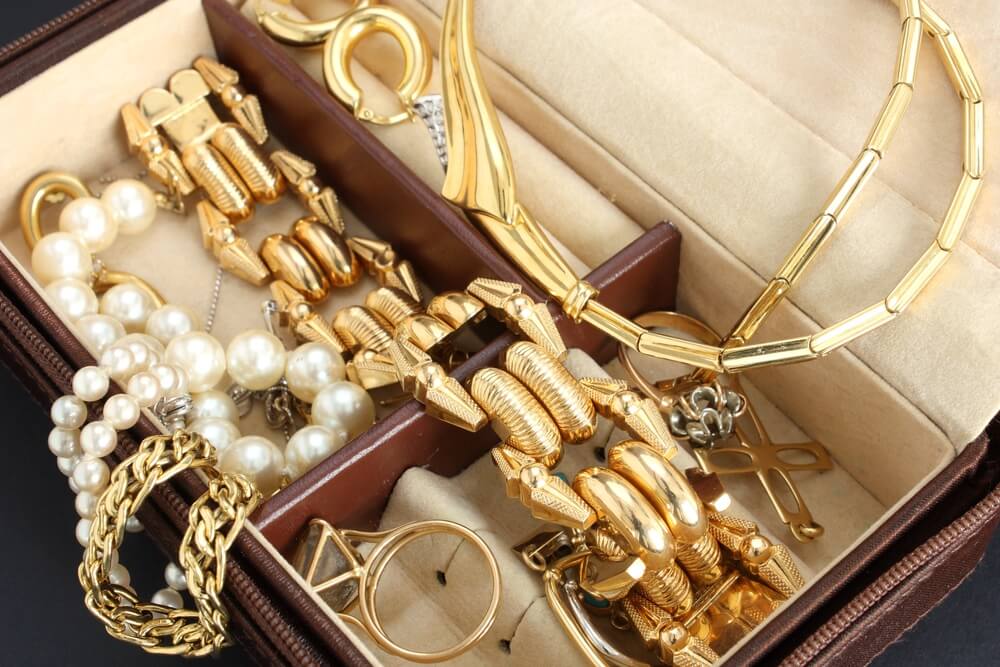
Albert Weiss founded his company in New York in 1942 after working at Coro, and he built it around Austrian crystal rhinestones. His pieces include flowers, fruit, and insect brooches that sparkle against a winter coat.
Weiss jewelry is known for crisp, high-quality stone setting. A small bee or butterfly pin carried the name into many a coat lapel.
Eisenberg
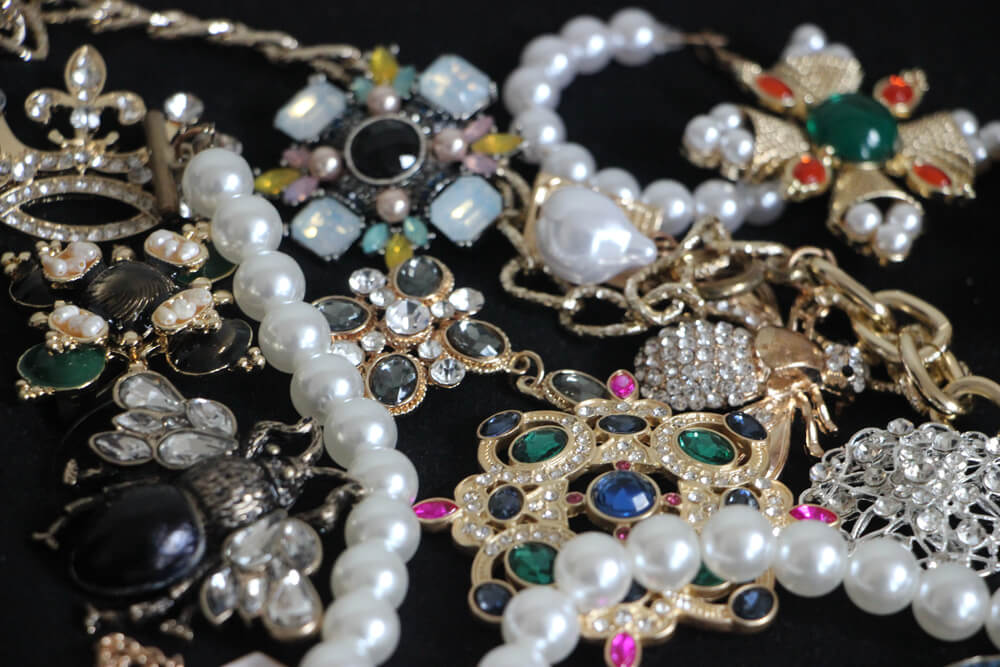
Jonas Eisenberg founded a Chicago clothing firm in 1914, and in the early 1930s the company began making jeweled pins to decorate the dresses it sold. Those ornaments proved more popular than anyone expected, and the maker turned into a jewelry house of its own.
Large crystal brooches and fur clips marked its output, and pieces were stamped “Eisenberg Original.” What began as a garment accessory ended up outliving many dresses.
Kenneth Jay Lane
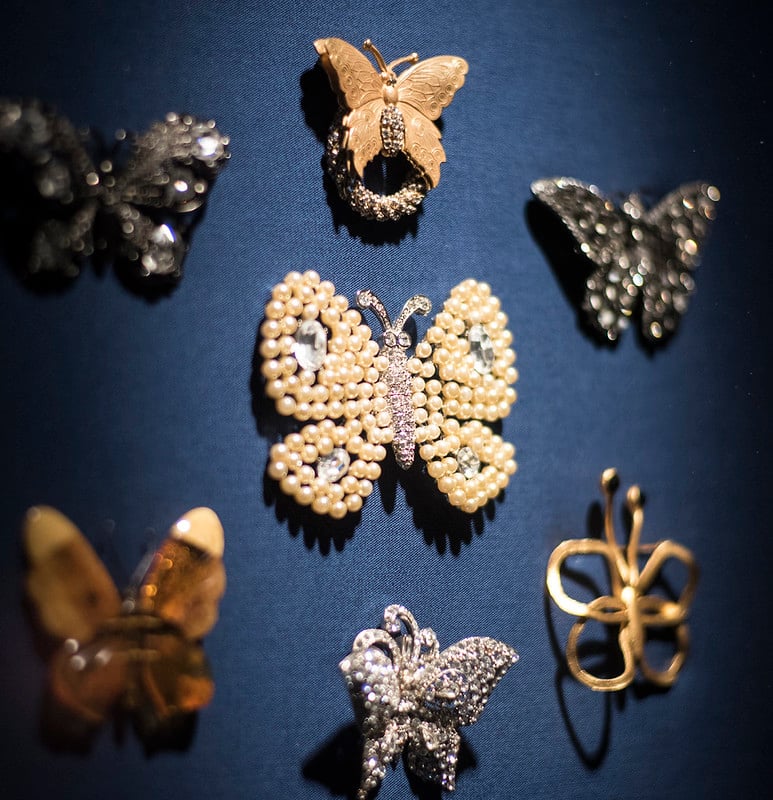
Kenneth Jay Lane began making jewelry in 1963 after a career designing shoes, and his bold, colorful, unapologetically fake pieces became fixtures of high society. Jacqueline Kennedy wore his work, and Barbara Bush’s triple strand of faux pearls at the 1989 inaugural was his design.
Lane treated costume jewelry as pure fun, with enameled bangles, jeweled animals, and oversized cuffs. Grandmothers who wanted drama without risk wore his pieces to dinner parties.
Avon
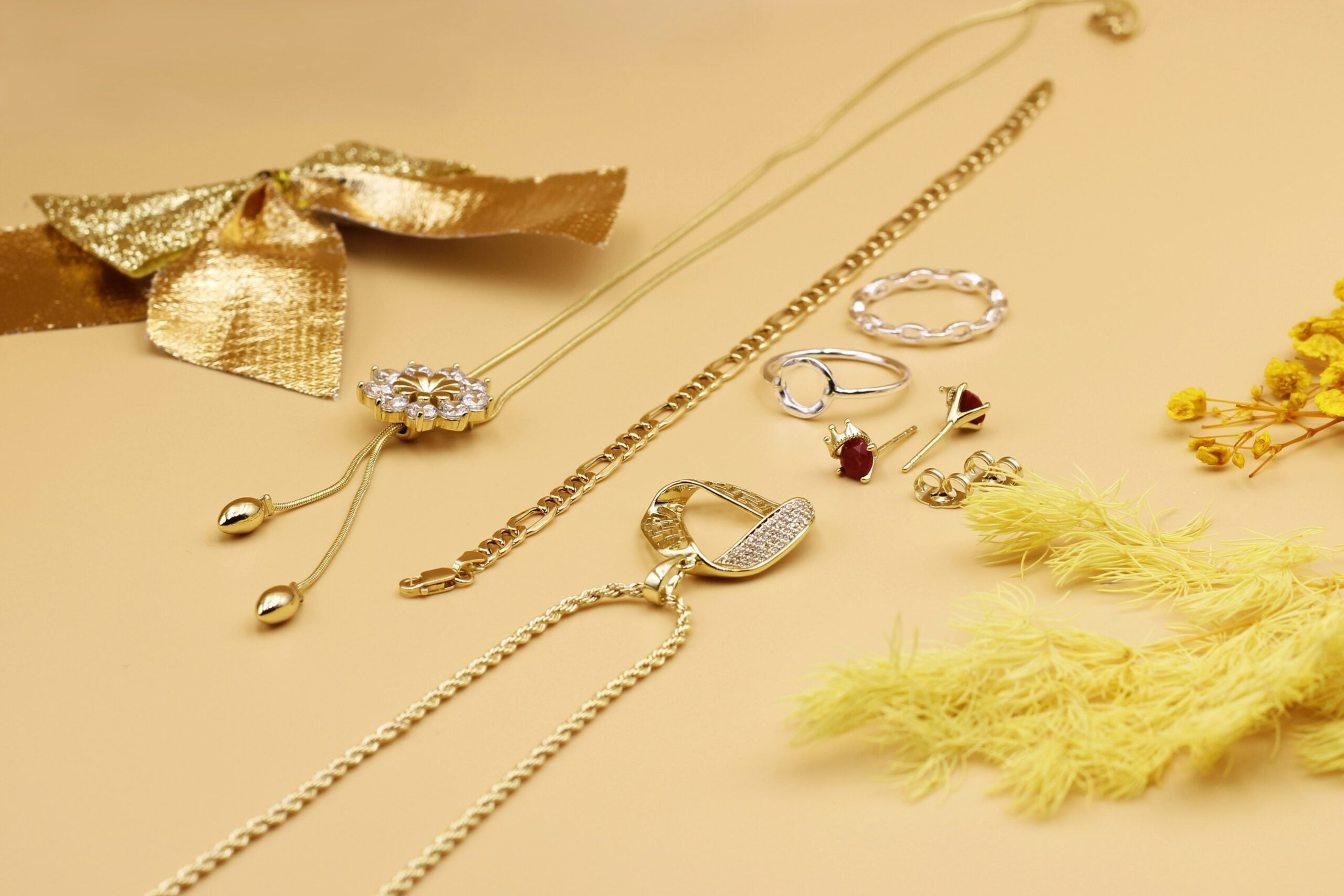
David H. McConnell founded the California Perfume Company in 1886 and renamed it Avon in 1939, reportedly after the English town of Stratford-upon-Avon. Its representatives sold door to door, and the “Avon calling” slogan became a household phrase.
The company later added jewelry to its catalogs, and many grandmothers wore Avon pins and earrings picked out at the kitchen table. Avon jewelry is easy to find today because so many households owned a few pieces.
Sarah Coventry
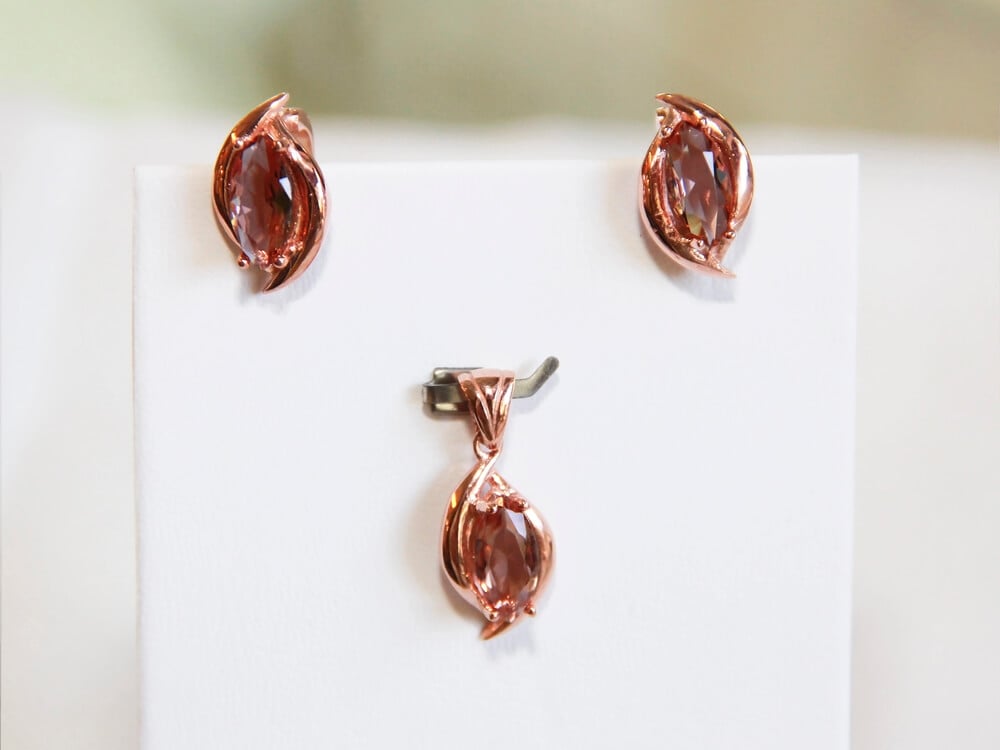
Sarah Coventry began selling jewelry in 1949 from Newark, New York, and built its business on home “fashion shows” run by independent sales consultants. A hostess invited neighbors, the consultant displayed the line, and orders were taken on the spot.
The format made jewelry shopping a social event, not an errand. Pieces from the company filled countless dresser drawers across the country.
Miriam Haskell
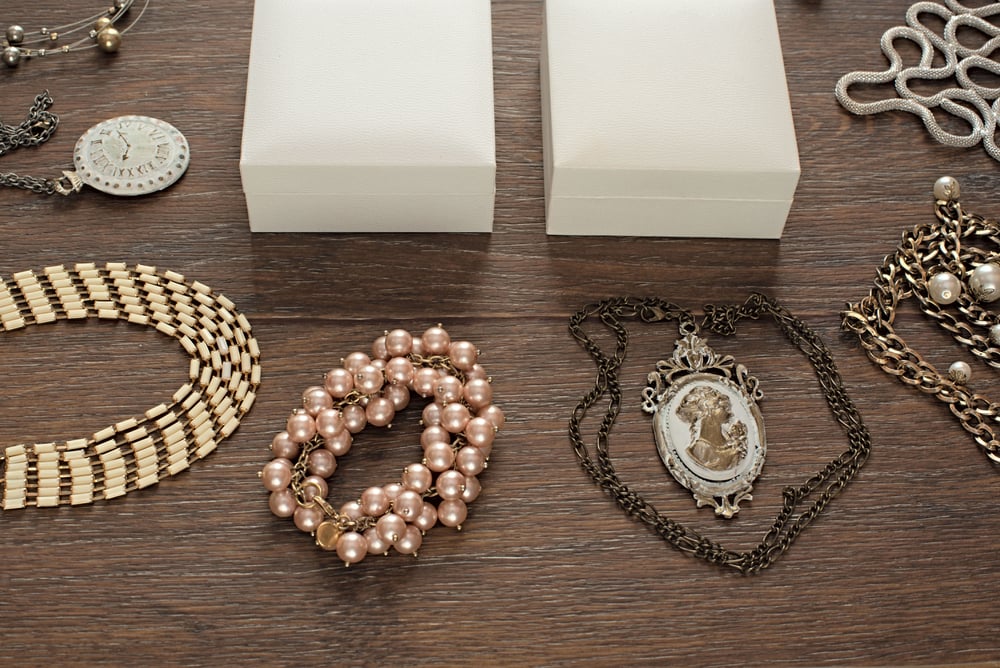
Miriam Haskell opened her business in New York City in 1924, and the company became known for hand-wired designs built from glass beads, faux pearls, and filigree. Frank Hess served as chief designer and shaped the signature look of the early decades.
Each piece was assembled by hand, which gave Haskell jewelry a lush, layered quality that mass production rarely matched. A necklace from this house was a prized possession in a grandmother’s collection.
Hattie Carnegie
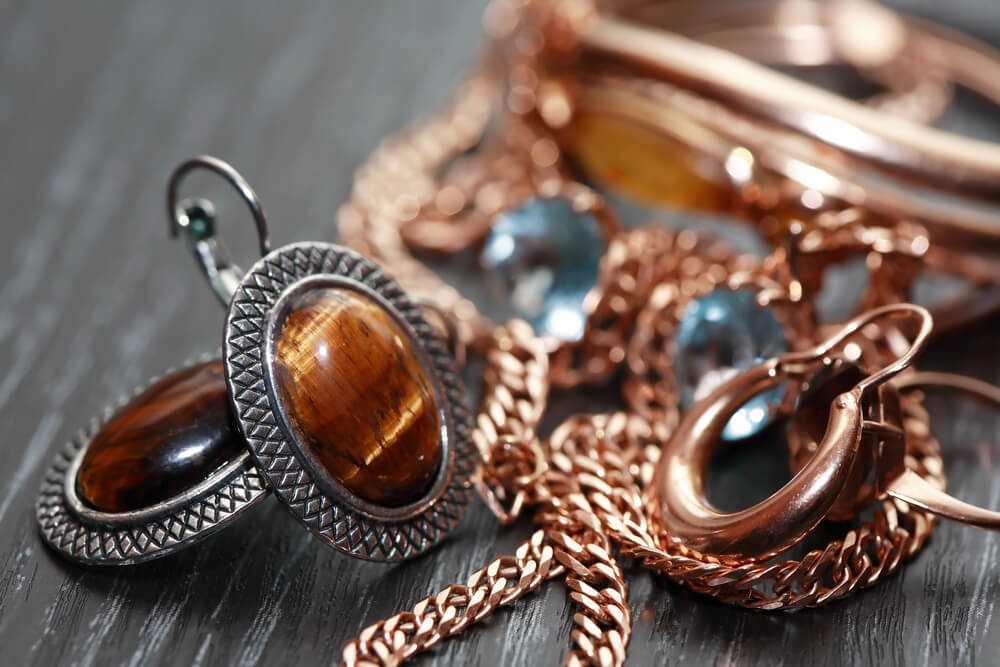
Hattie Carnegie was born Henrietta Kanengeiser in Vienna and chose the surname Carnegie, according to widely told accounts, because Andrew Carnegie was a symbol of wealth. She built a New York fashion house famous for tailored clothes, and her name on a pin or necklace carried the same promise of polish.
Her jewelry favored restrained gold-tone work and pearl accents that finished an outfit without shouting. A Carnegie brooch said the wearer had taste.
Joseff of Hollywood
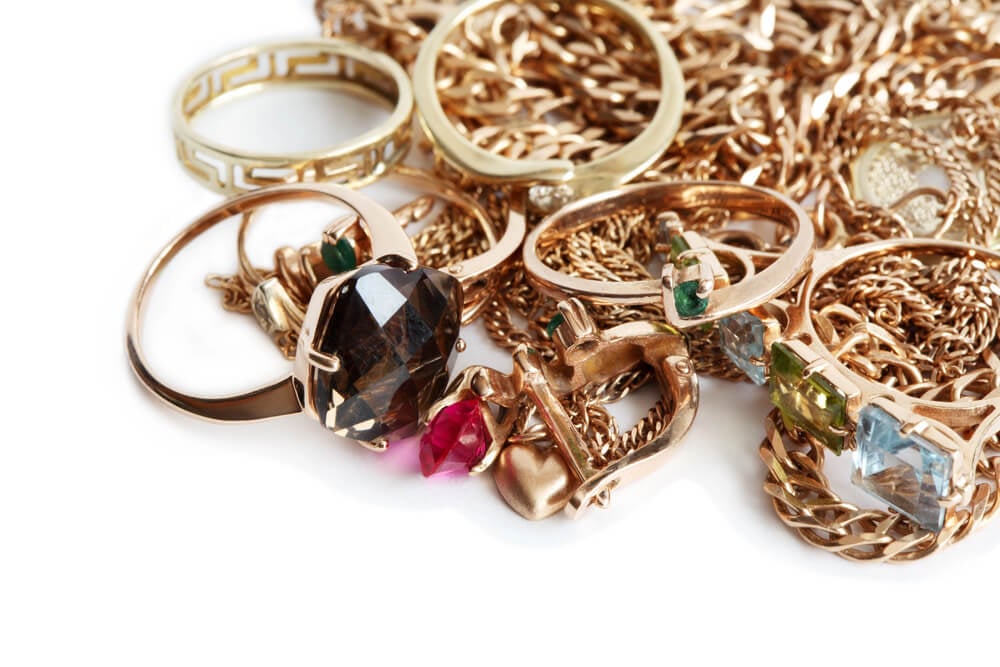
Eugene Joseff founded his Hollywood company in 1937 and supplied jewelry to the film studios, including for Gone with the Wind. He developed a matte “Russian gold” finish that avoided glare under studio lights.
After his death, his wife Joan Castle Joseff continued to run the business. Retail pieces carrying his name gave ordinary shoppers a taste of screen glamour.
Juliana
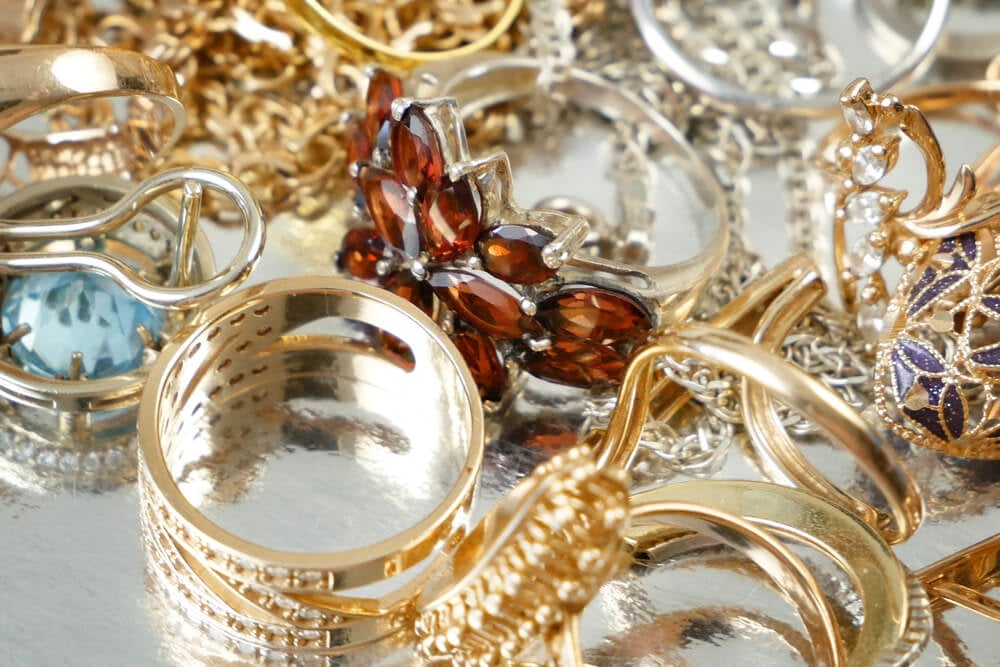
Juliana is the name collectors use for jewelry made by DeLizza & Elster, a company whose pieces often carry no maker’s mark at all. The designs are known for layered rhinestones, many stones in a single piece, and complex settings.
Because the jewelry was unsigned, enthusiasts had to identify it by style and construction, which built an obsessive following. Many grandmothers owned a Juliana brooch without ever knowing the name.
Schreiner
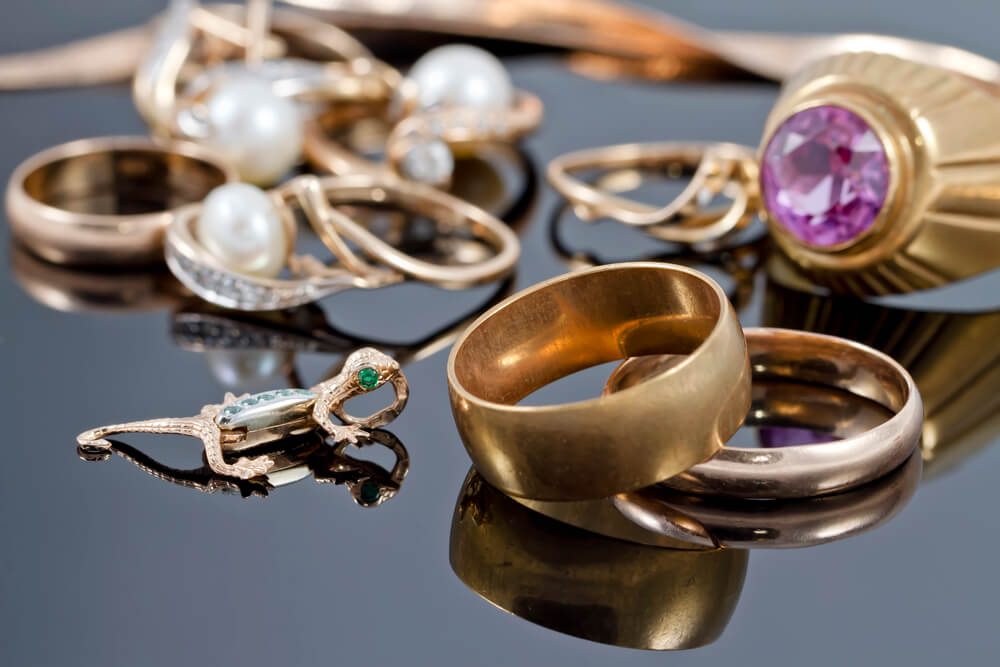
Schreiner of New York earned a reputation for unusual stones, many of them hand-set in inverted settings that gave pieces a distinctive, jewel-like depth. The company appealed to women who wanted something a little more unusual than the standard rhinestone spray.
Its designs often combined unexpected colors and textures. A Schreiner piece drew questions at church because nobody else had one like it.
Boucher
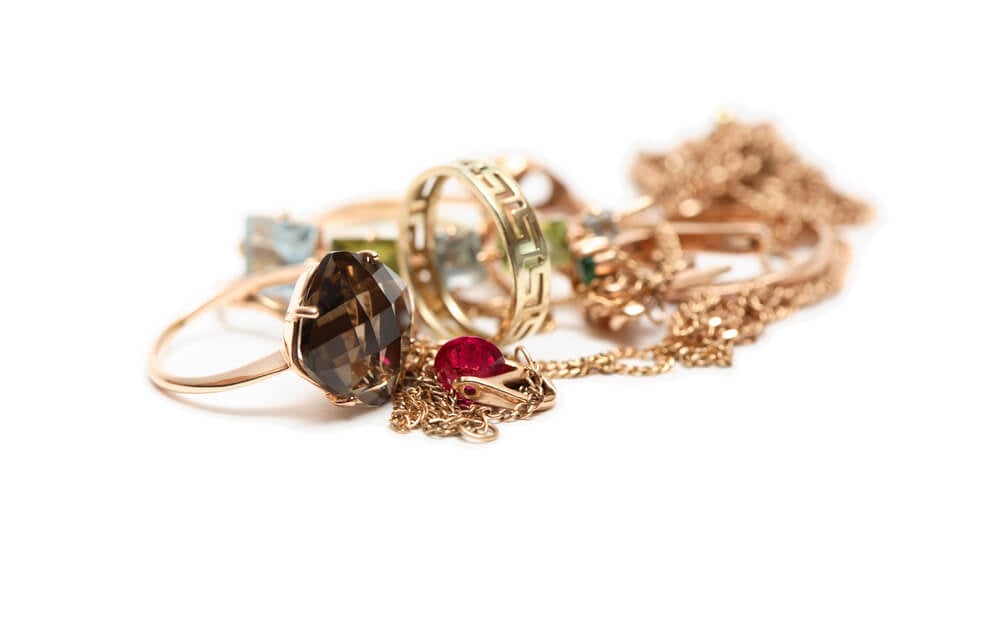
Marcel Boucher trained at Cartier in Paris, moved to the United States, and founded his own New York firm in 1937. His jewelry carried the finish of a fine-jewelry workshop and was marked with the maker’s name and a style number.
Boucher was especially fond of birds, flowers, and sculptural brooches. Customers who bought it were quietly taking home a little bit of Paris.
Hobé
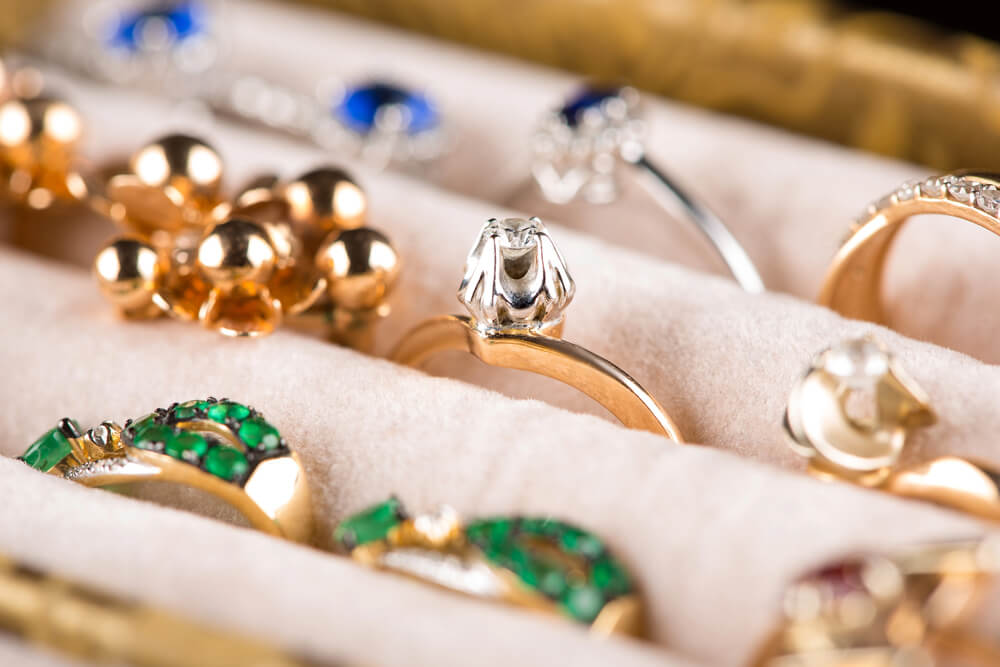
Hobé began as a French family business of jewelers and opened a New York branch in the 1920s, where it became known for theatrical jewelry worn on stage, including in the Ziegfeld Follies. The company later brought that sense of drama to retail collections.
Hobé pieces often feature ornate filigree and elaborate stonework. A wearer got a bit of Broadway for the price of a department-store purchase.
Ciner
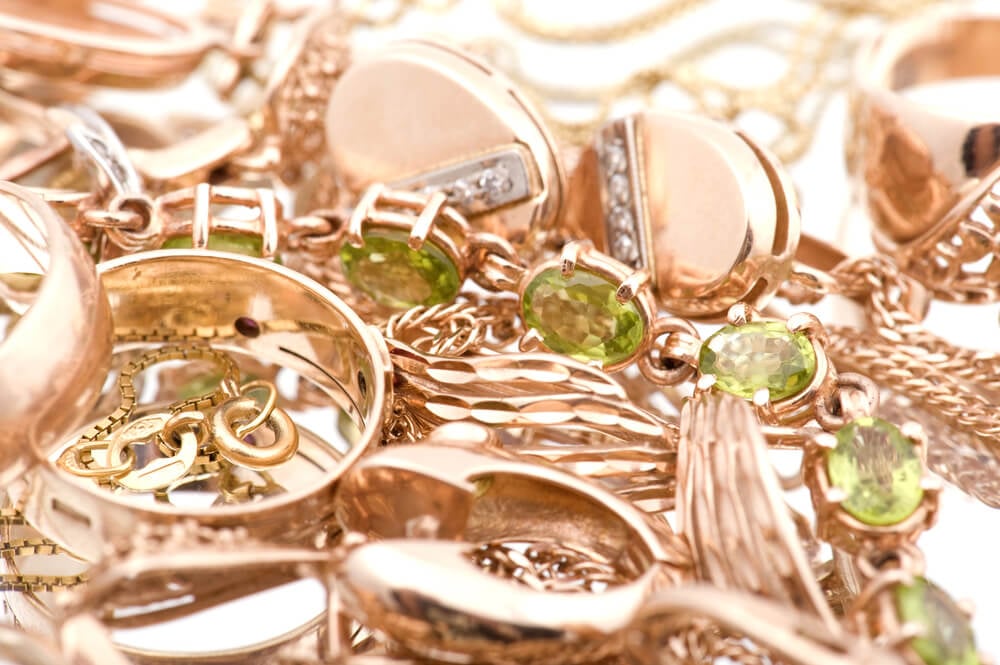
Emanuel Ciner founded the company in New York in 1892 as a maker of fine jewelry, and it later turned to costume pieces that kept the high standards of the older trade. Its work is known for excellent stone setting and a weighty feel that suggests fine jewelry.
Ciner remained a family business for generations. The brand showed that costume jewelry did not have to feel cheap.
Jomaz
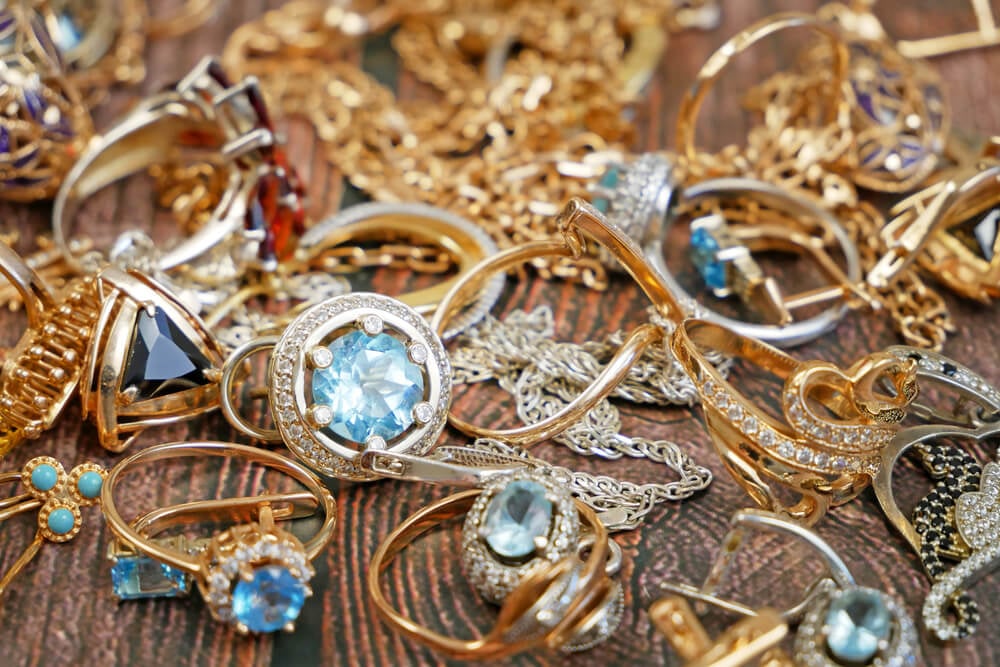
Joseph Mazer worked with his brother Louis at Mazer Bros., founded in New York in the 1920s, and later launched his own line under the name Jomaz in 1946. Jomaz pieces were known for fine design, bold rhinestone work, and elegant brooches.
Collectors treat the name as a mark of quality in the mid-century market. A grandmother with a Jomaz pin owned something well ahead of its price.
Carolee
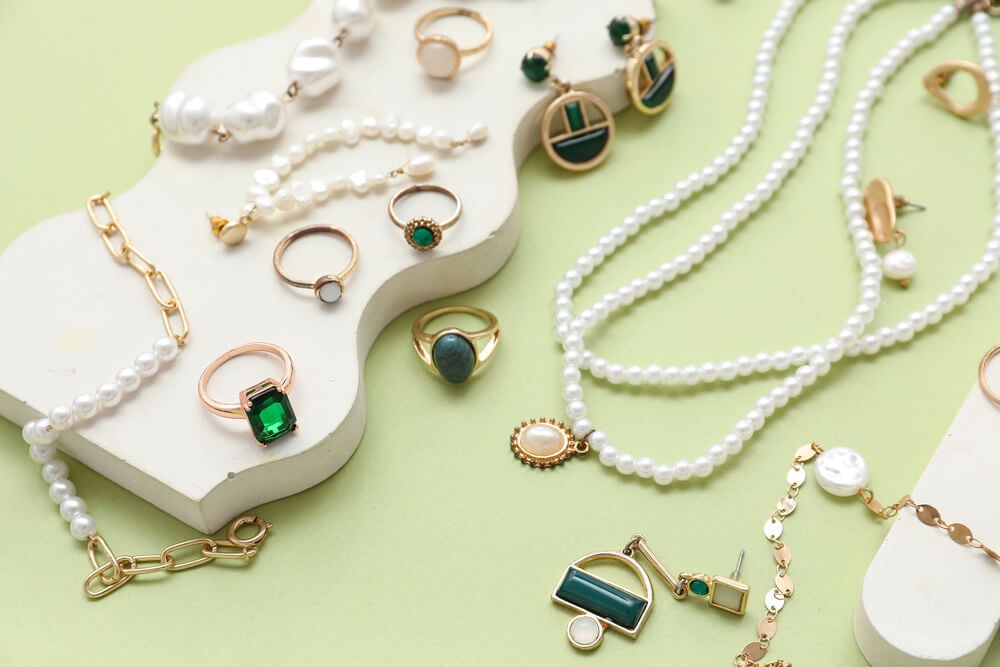
Carolee Friedlander founded her company in 1972 in Greenwich, Connecticut, and built it on classic designs, especially faux pearls. The brand became a favorite among women who wanted traditional looks at accessible prices.
Its pearl necklaces and earrings were popular for weddings, graduations, and office wear. Carolee offered elegance on a budget at a time when real pearls were out of reach for many.
Swarovski
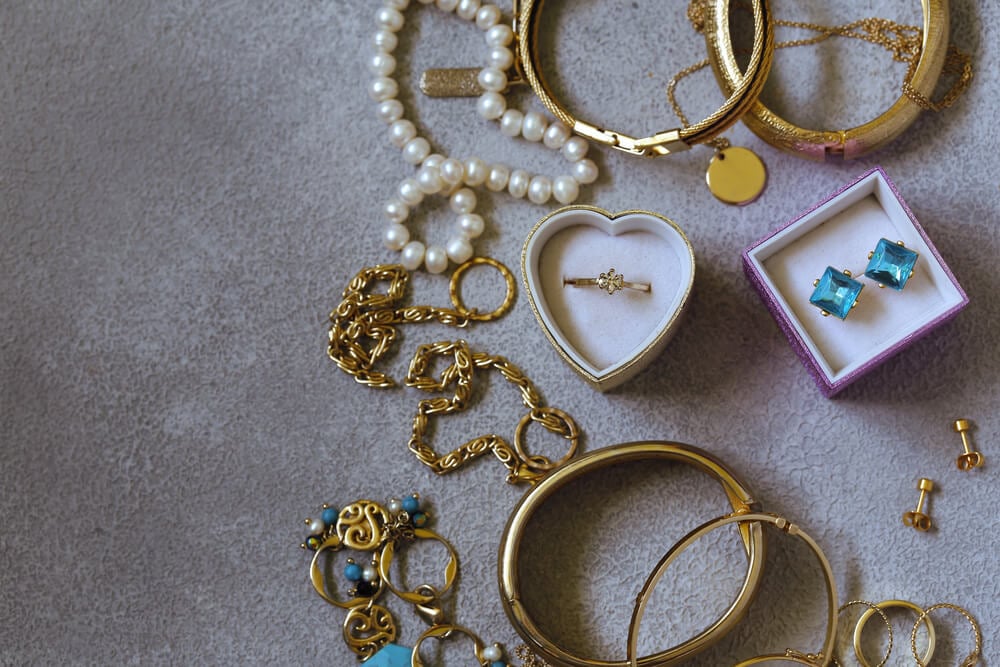
Daniel Swarovski founded his crystal company in Wattens, Austria, in 1895, and his precision-cut glass stones ended up in jewelry made around the world. In 1955 the firm worked with Christian Dior to introduce the Aurora Borealis finish, a shimmering coating that gave crystals a rainbow shine.
Many American costume jewelry makers, Weiss among them, relied on Austrian stones. The glitter on a grandmother’s brooch often began in Wattens.
Sherman
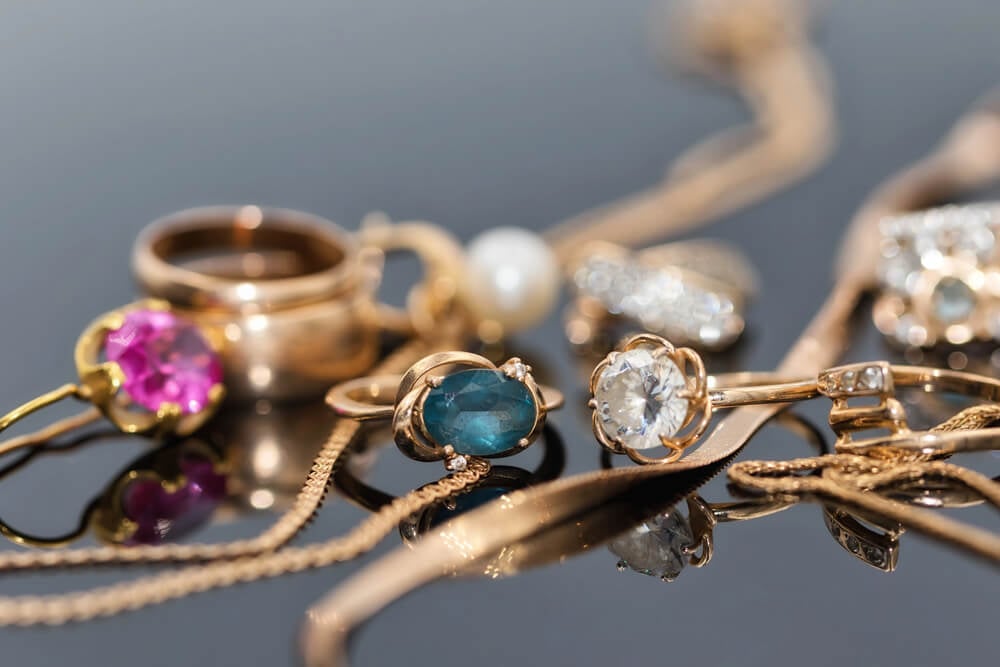
Sherman was a Canadian maker based in Montreal, known for glittering jewelry set with Austrian crystal. The pieces featured deep color, sparkling clusters, and finish that suggested a higher price tag.
A grandmother who owned a Sherman set was holding something Canadian-made and surprisingly brilliant.
Whiting & Davis
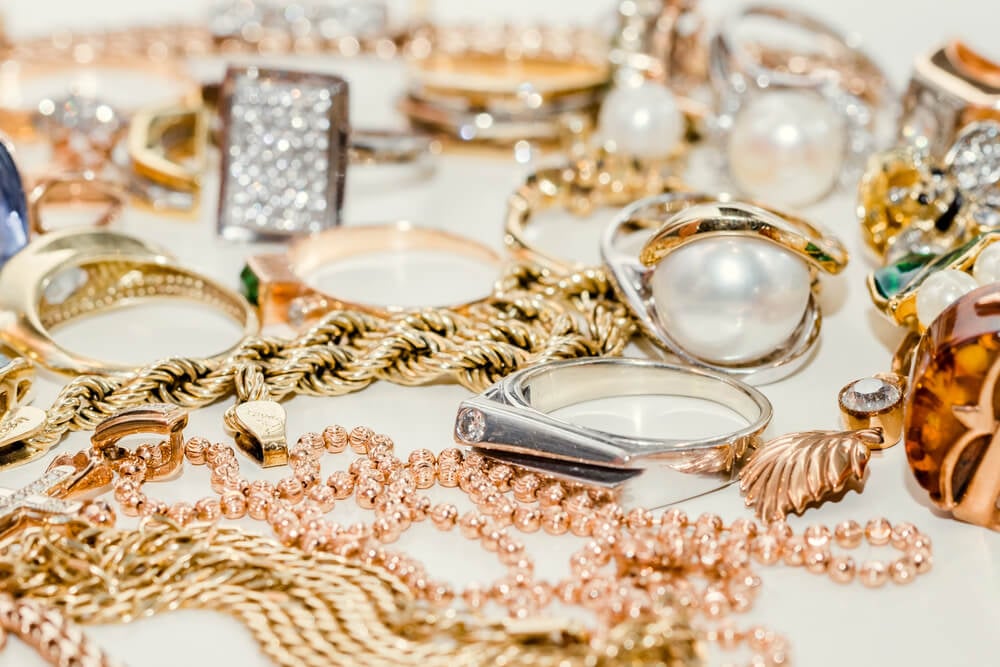
Whiting & Davis of Plainville, Massachusetts, became known for flexible metal mesh, the technique behind its famous handbags and also used in its jewelry. The mesh moved like fabric and shimmered under evening lights.
The company has been making the material for well over a century. A mesh bag or bracelet was a flashy accessory for a formal evening.
Vendome
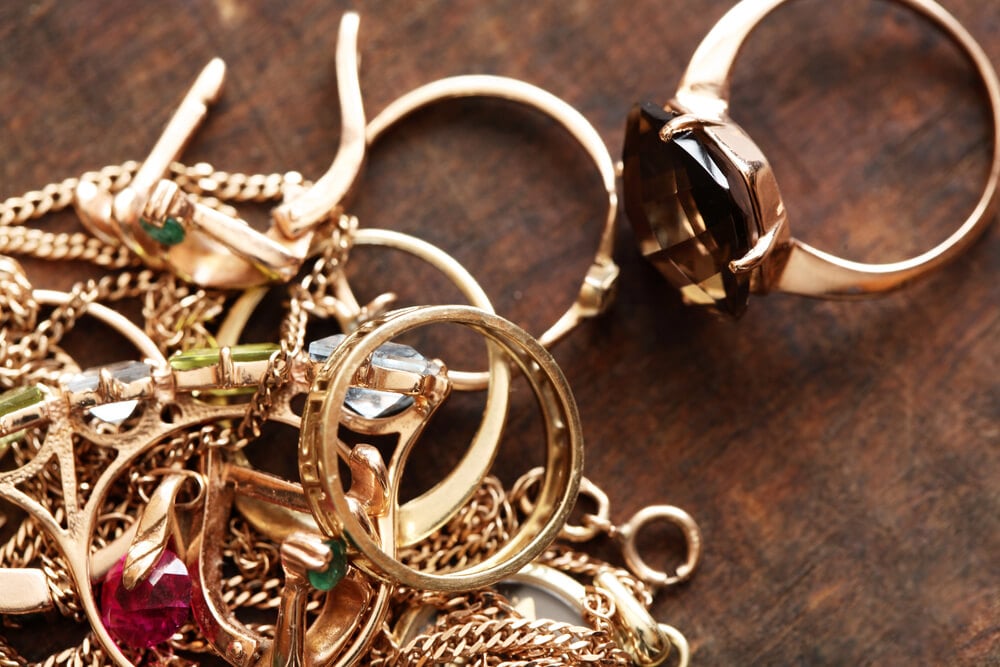
Vendome was an upscale line created by Coro in the 1940s, intended to compete at a higher price point than the parent company’s ordinary output. Its pieces featured finer finishes, thoughtful designs, and sophisticated stonework.
The brand allowed Coro to reach customers who wanted something a notch above the usual department-store pin. Vendome work has become a favorite among collectors who like quality without a famous name.
Christian Dior
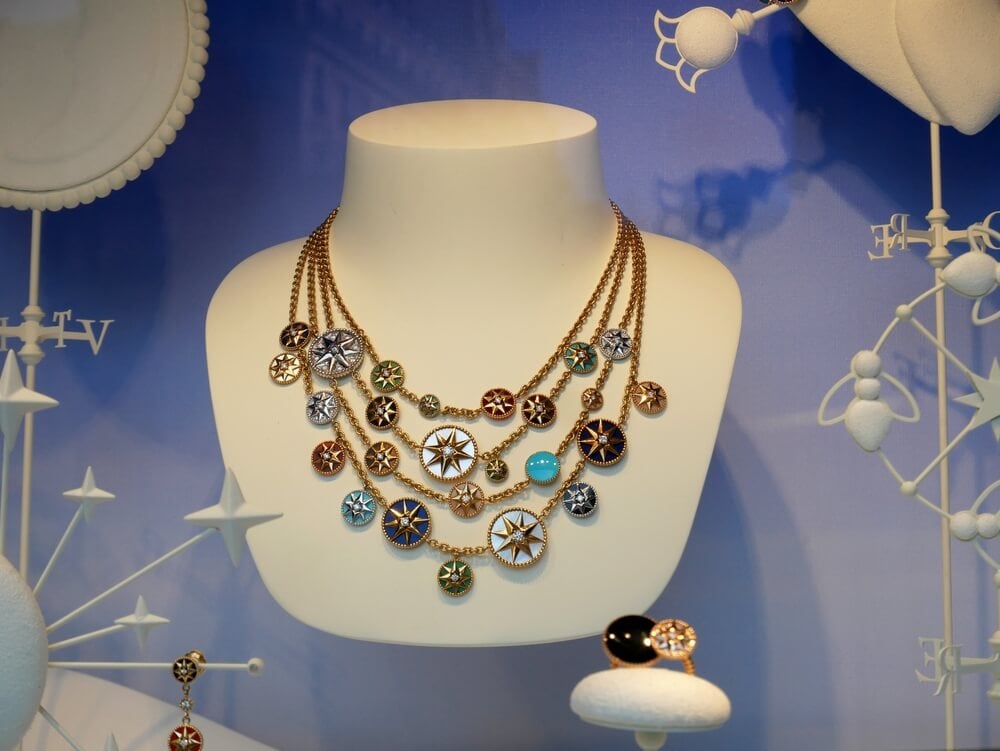
Costume jewelry bearing the Dior name was produced under license, and the Pforzheim, Germany, firm Henkel & Grosse made it beginning in 1955. The Dior name on the back turned a modest brooch into a fashion statement.
Henkel & Grosse had been founded in 1907 and brought German precision to the collection. A woman who wore Dior jewelry carried a bit of Parisian couture into everyday life.
Liz Claiborne
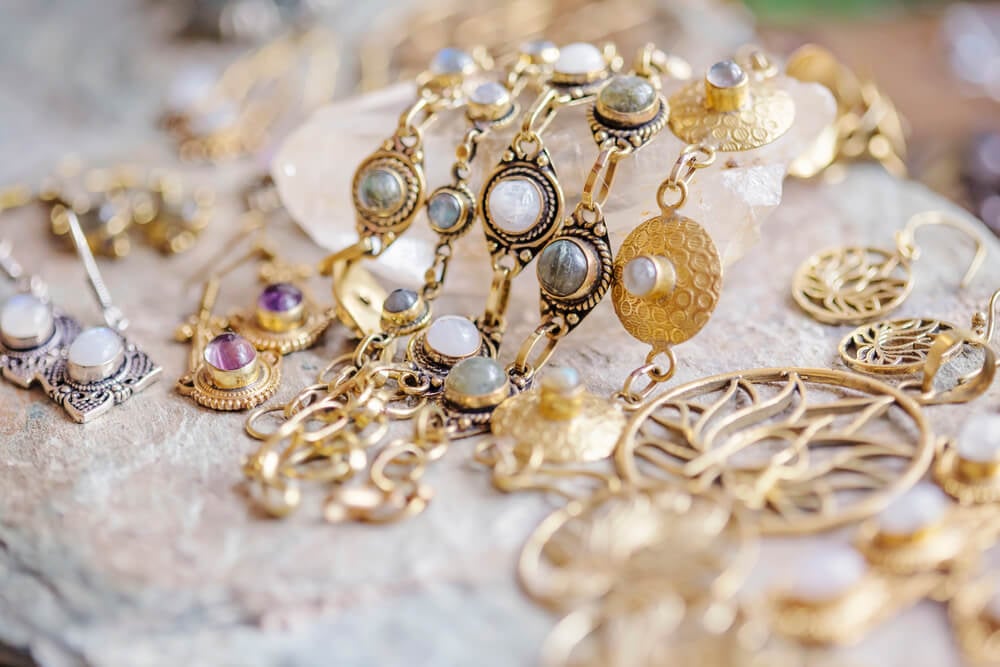
Liz Claiborne, Inc. was founded in 1976 by Liz Claiborne, Art Ortenberg, Leonard Boxer, and Jerome Chazen, and its focus on clothing for working women was joined by a jewelry line. The accessories matched the company’s sportswear, making it simple to put together an office look.
Jewelry bearing the Claiborne name filled department-store cases through the eighties and nineties. For many grandmothers, this was the brand for the working years.
Schiaparelli
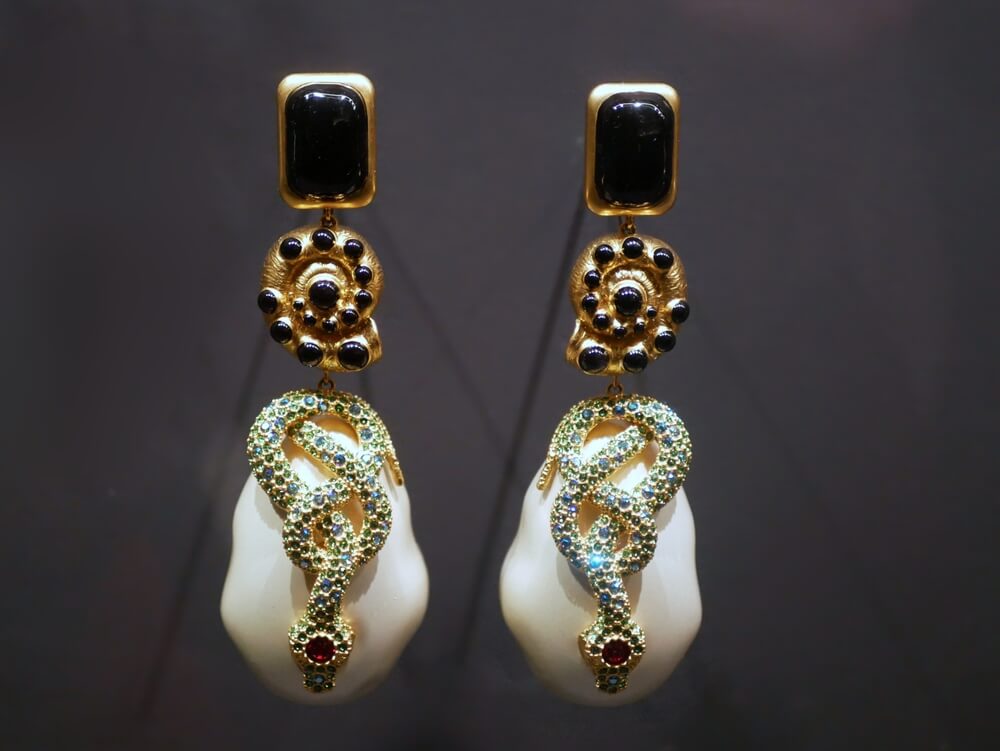
Elsa Schiaparelli opened her Paris fashion house in 1927, and her costume jewelry became as daring as her clothes. Jean Schlumberger designed jewelry for her in the 1930s, adding a surreal sense of humor to bracelets and brooches.
The house made bold shapes that were unlike the demure designs of many contemporaries. Her work proved that fake jewelry could have a point of view.
Majorica
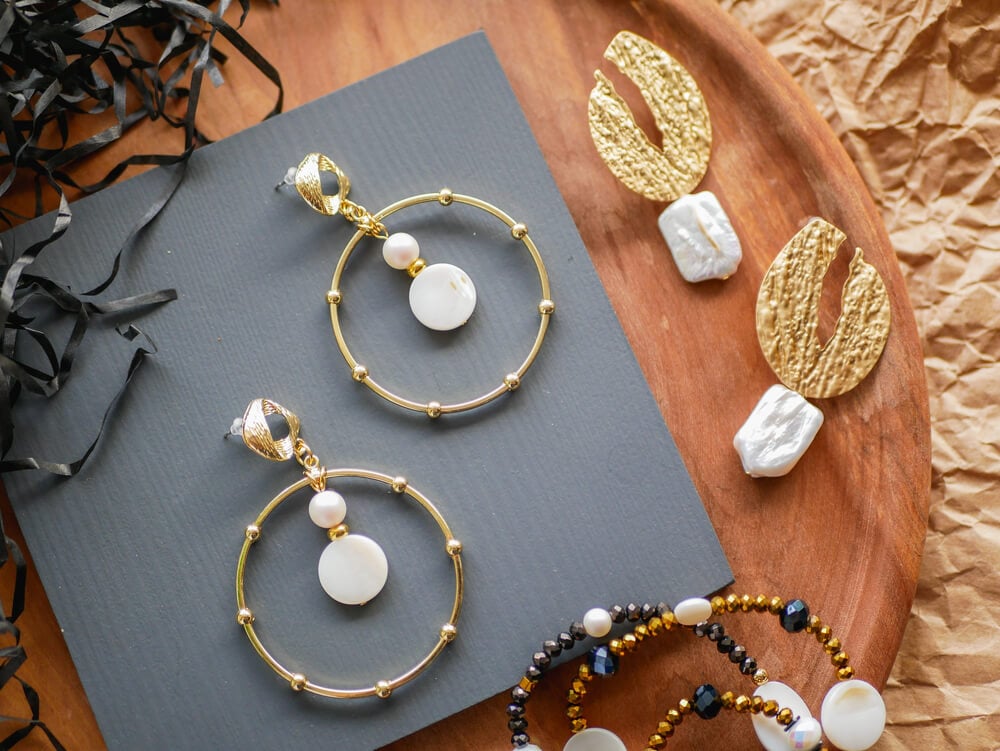
Majorica has produced simulated pearls on the Spanish island of Mallorca since 1890, with its workshops in Manacor. The pearls are made by coating glass beads with layers of a pearl-like essence, a process designed to give a lustrous finish. They became a favorite gift for anniversaries and graduations.
A grandmother might have worn a Majorica strand for decades without ever knowing the Spanish story behind it.
What the Dresser Drawer Remembers
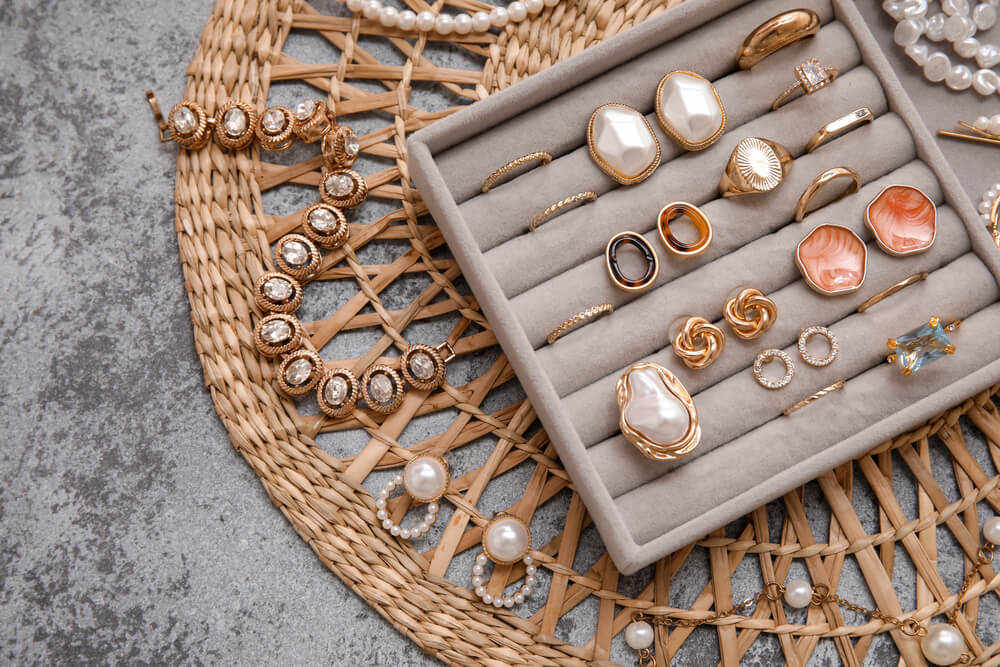
These brands survived because they understood something about their customers. A woman did not need a diamond to feel well dressed, and she did not want a piece that tarnished or broke after a few wears. Makers across New York, Providence, Chicago, and beyond competed to give her sparkle, structure, and a story at a price she could manage.
The result is a generation of jewelry boxes that now double as small museums. The signatures stamped on the backs of brooches and clasps lead to workshops, designers, and rivalries that shaped American style.
The next time a grandmother’s drawer opens, the tiny lettering on the back is worth a closer look.
More from Go2Tutors!

- The Romanov Crown Jewels and Their Tragic Fate
- 13 Historical Mysteries That Science Still Can’t Solve
- Famous Hoaxes That Fooled the World for Years
- 15 Child Stars with Tragic Adult Lives
- 16 Famous Jewelry Pieces in History
Like Go2Tutors’s content? Follow us on MSN.