The Most Expensive AI-Generated Art Pieces Ever Sold
The art world has always been unpredictable, but nothing quite prepared it for the arrival of AI-generated art. What started as experimental computer programs creating curious digital abstractions has evolved into a legitimate market where collectors pay millions for works created by algorithms.
These aren’t just expensive novelties—they’re reshaping how people think about creativity, authorship, and value in art. The numbers tell a story that traditional art critics are still trying to process.
AI artworks have sold for prices that rival works by established masters, and the trend shows no signs of slowing down. Each sale represents more than just a transaction; it’s a statement about where art is heading in an increasingly digital world.
Portrait of Edmond de Belamy
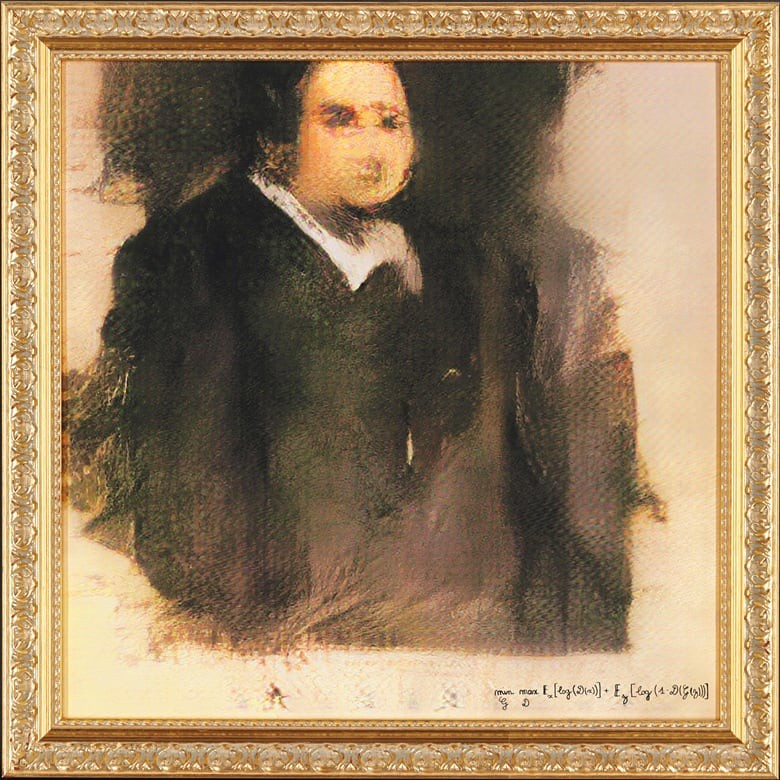
$432,500. That’s what someone paid for a blurry portrait that looks like it was painted through fog. The piece started everything—the first AI artwork to hit the major auction houses and completely upend expectations about machine-created art.
Created by the French collective Obvious using a Generative Adversarial Network, this portrait doesn’t even have clean lines or sharp details. But it sold anyway, and suddenly everyone was paying attention.
The Pixel
This gets complicated in ways that make your head spin, because we’re talking about an artwork that exists as both a physical painting and an NFT—and the story of how Julian Assange’s partner, Stella Assange, commissioned artist Pak to create a piece that would fund WikiLeaks founder’s legal defense involves layers upon layers of technology, politics, and art market speculation that seem to fold in on themselves. The physical version (a canvas with what amounts to a single colored square) was meant to be burned in a livestreamed event, transferring all value to its digital twin, but the process raised questions about whether destroying the physical version actually increased the digital version’s worth or simply eliminated half of the artwork’s existence.
The final sale price reached $1.36 million, though tracking exactly what was being bought and sold requires understanding blockchain transactions, legal defense funds, and conceptual art theory simultaneously. And that’s before considering whether this counts as AI art at all—Pak’s work often incorporates algorithmic processes, but the relationship between human intention and machine execution gets murky when the concept itself is about transformation.
So the categorization matters less than the precedent.
Memories of Passersby I
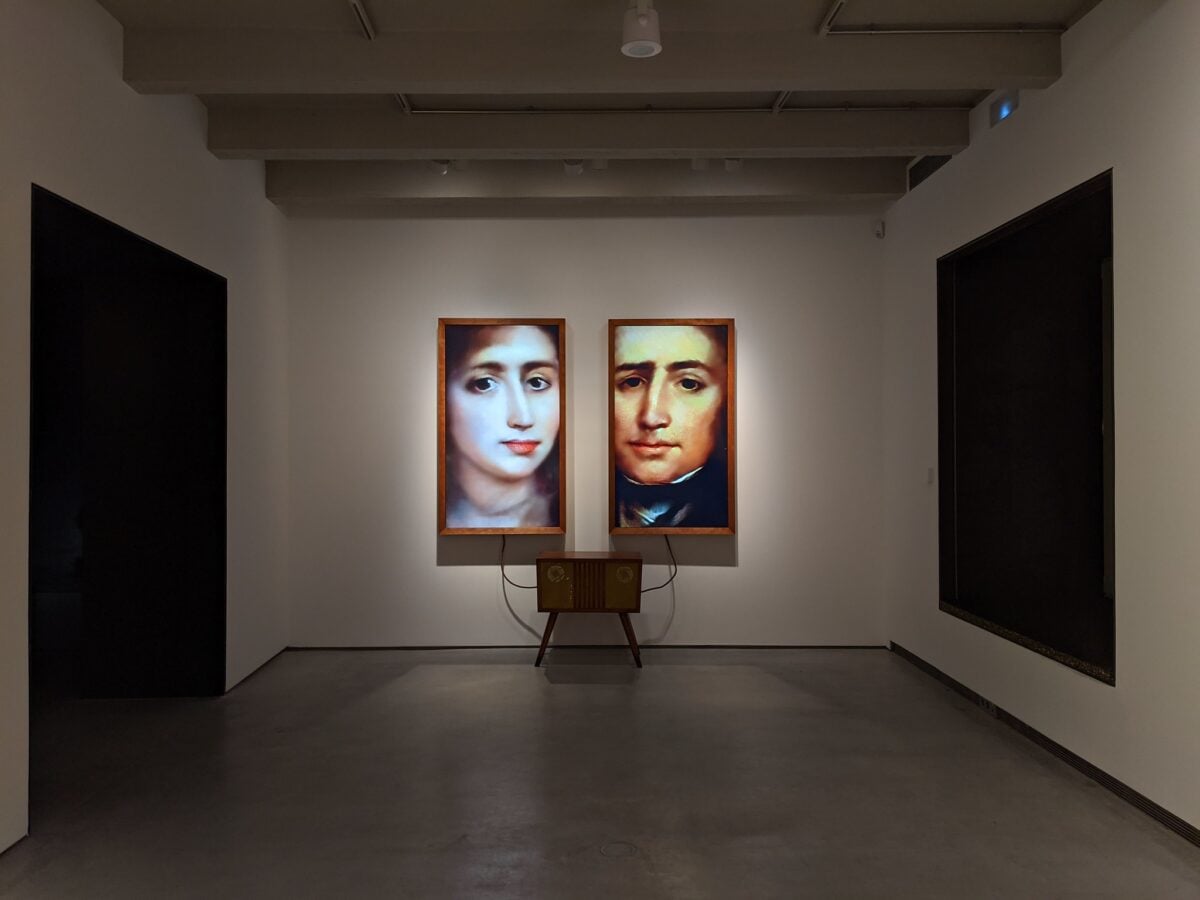
There’s something unsettling about watching a machine dream faces that have never existed. Mario Klingemann’s installation sits in a room, endlessly generating portraits of people who were never born, each one flickering into existence for a moment before dissolving into the next.
The neural network pulls from thousands of historical paintings, creating an infinite stream of almost-familiar faces that feel like memories you can’t quite place. The piece sold for $51,000, but its value isn’t really in the price—it’s in the way it makes you confront the uncanny valley of artificial creativity.
These aren’t copies or variations of existing portraits. They’re genuinely new faces, born from the mathematical relationships between pixels and patterns that the algorithm has learned to recognize as “human.”
Each face appears once and never again, like catching glimpses of alternate histories where different people lived different lives.
AI God
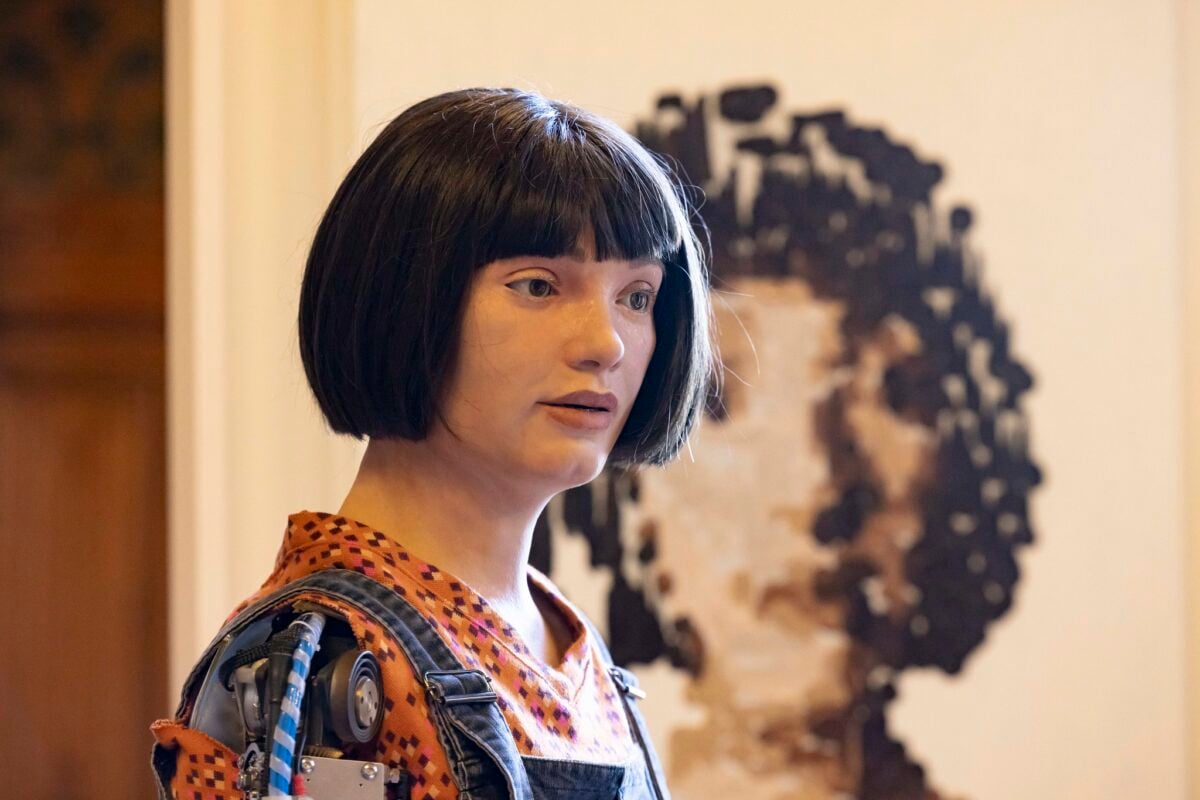
Ai-Da Robot’s self-portrait triggered exactly the kind of philosophical confusion that makes art dealers nervous and collectors excited. Here’s a robot that paints, using cameras for eyes and algorithms for artistic decision-making, creating a portrait of itself—which raises the question of whether machines can engage in the fundamentally human act of self-reflection, or whether this is simply an elaborate performance of self-awareness.
The piece sold for $1.08 million, making it one of the most expensive works by a non-human artist, assuming we’re calling Ai-Da an artist rather than a very sophisticated tool. The real disruption isn’t the price—it’s the precedent.
If a robot can create a self-portrait, what does that say about human creativity, consciousness, and the nature of artistic expression? The market seems to think these questions are worth seven figures to explore.
Merge

Pak strikes again. The sale structure was intentionally confusing—buyers purchased units of ownership in a collective artwork rather than buying discrete pieces.
Think of it like owning shares in a painting rather than owning the painting itself. The more units someone bought, the fewer individual pieces they received, creating an inverse relationship between money spent and objects owned.
The final tally reached $91.8 million across all sales, but that number represents thousands of individual transactions rather than a single purchase. Smart or silly, it worked—proving that AI art could generate traditional art market prices through completely non-traditional sales methods.
Crossroad
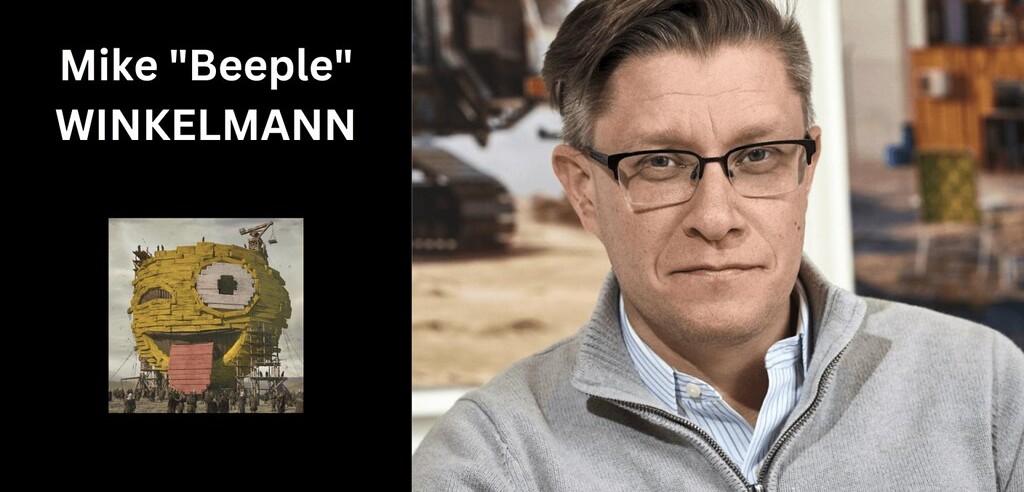
Here’s where politics meets technology in ways that make everyone uncomfortable, because Beeple’s piece was designed to change based on the outcome of the 2020 presidential election—one version for a Trump victory, another for a Biden win (which is what buyers ended up seeing after the election was called). The artwork itself was programmed to automatically update, meaning the collector bought something that would literally transform based on real-world events, turning the piece into a kind of visual prediction market that settled itself.
At $6.6 million, Crossroad proved that AI art could command serious money even when—or perhaps especially when—it tackled controversial subjects through algorithmic means. The piece exists somewhere between political commentary, technological demonstration, and traditional collectible art, occupying a space that didn’t exist before NFTs and programmable artworks made it possible.
Clock

$52.7 million for a countdown timer. The piece tracks Julian Assange’s imprisonment day by day, created collaboratively by Pak and Assange himself as a fundraising mechanism for legal defense costs.
Each day adds another number to the display, turning the artwork into a kind of durational performance that continues as long as Assange remains detained. The concept is brutal in its simplicity—time passing, measured in days of confinement, sold as art to fund legal challenges to that same confinement.
Whether this counts as AI art depends on how broadly you define algorithmic creation, but the automated, responsive nature of the piece puts it in conversation with machine-generated works even if humans wrote the underlying code.
Everydays: The First 5000 Days (while not purely AI)
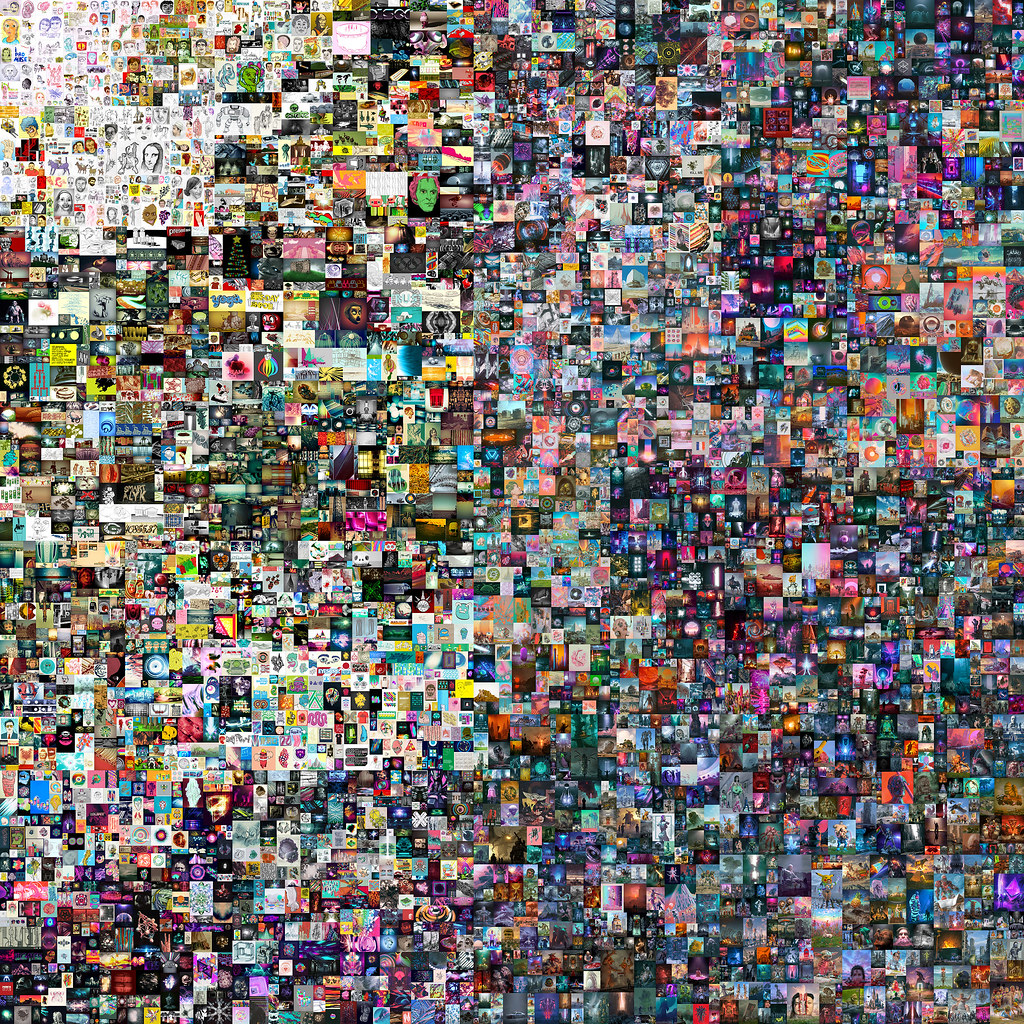
Beeple’s magnum opus isn’t pure AI art, but it incorporates enough algorithmic processes and digital manipulation techniques to deserve mention in this context (and at $69 million, it’s impossible to ignore when discussing expensive digital art sales). The piece compiles 5,000 individual artworks created over 13-plus years, many of which used AI-assisted tools, machine learning processes, or algorithmic generation techniques that put it in conversation with purely AI-created works.
The final collage was assembled using computational processes that analyzed, arranged, and optimized the individual pieces into a coherent whole—human creativity amplified and organized by machine intelligence. This sale changed everything about how people perceive digital art values, creating a market environment where purely AI-generated works could command serious prices because collectors had already accepted that digital-native art could be worth millions.
Beeple’s success opened doors that AI artists walked through.
The Fabricant Genesis
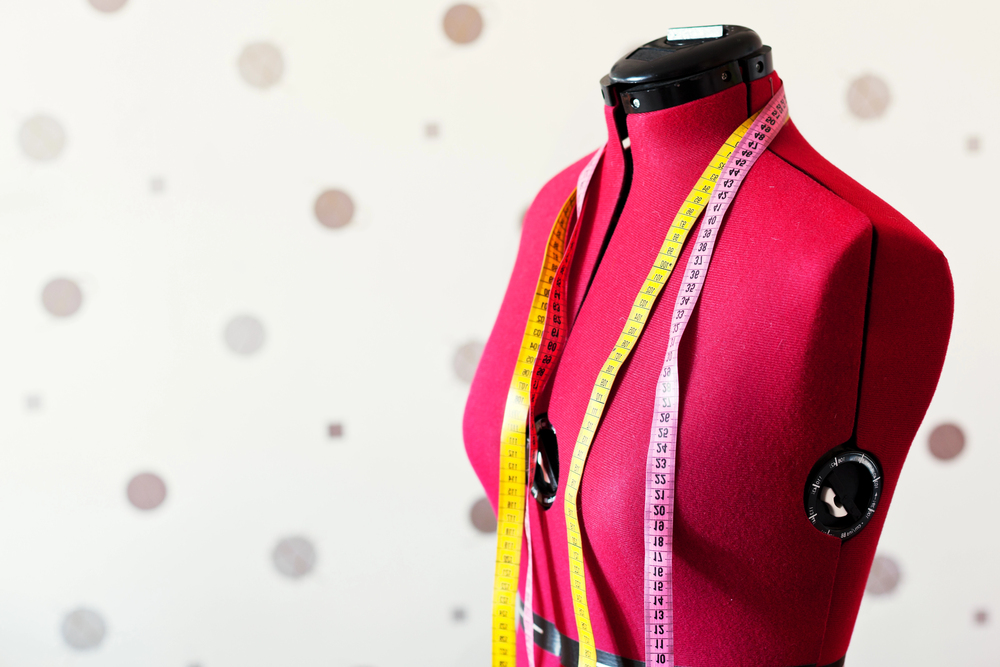
Fashion meets AI in a piece that exists only digitally but sold for $9,500—not the highest price on this list, but significant because it proved AI could generate luxury goods that people would pay for despite never being able to wear them. The dress was created using machine learning algorithms trained on historical fashion designs, producing a garment that could only exist in digital spaces but commanded real-world prices from collectors who valued virtual ownership.
The piece opened up an entire category of AI-generated luxury goods, proving that algorithms could create objects of desire even when those objects had no physical form. The buyer received ownership of a dress that could be worn only in virtual environments, but that limitation didn’t diminish its market value.
Chimera

Helena Sarin’s work explores the boundary between human artistic vision and machine interpretation, with pieces like Chimera selling for significant sums because they demonstrate genuine collaboration between human creativity and algorithmic processes rather than simple automation. Sarin trains neural networks on her own artwork, creating feedback loops where the machine learns from her style and she responds to its interpretations, generating pieces that neither human nor algorithm could create independently.
The resulting artworks feel distinctly different from purely human or purely algorithmic creations—they occupy a middle space where technological processes amplify human artistic instincts in ways that surprise both creator and algorithm. Chimera sold for $75,000, establishing Sarin as one of the leading voices in human-AI artistic collaboration.
DeepDream Iterations
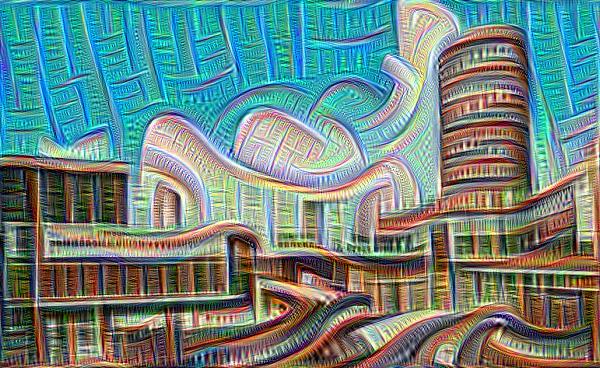
The psychedelic, hallucinogenic quality of Google’s DeepDream algorithm has produced numerous high-value art sales, with individual pieces reaching five-figure sums based on their historical significance as early examples of neural network creativity. These works emerged from Google’s research into how artificial neural networks process and interpret visual information, accidentally creating a new aesthetic category characterized by surreal, often disturbing transformations of ordinary photographs into dream-like visions filled with eyes, animals, and impossible architectural forms.
The commercial success of DeepDream art proved that even accidental algorithmic creativity could generate market value when it produced genuinely novel visual experiences. Collectors paid premium prices for early examples of this unintentional AI art form, recognizing their importance in the development of machine creativity.
Neural Decay
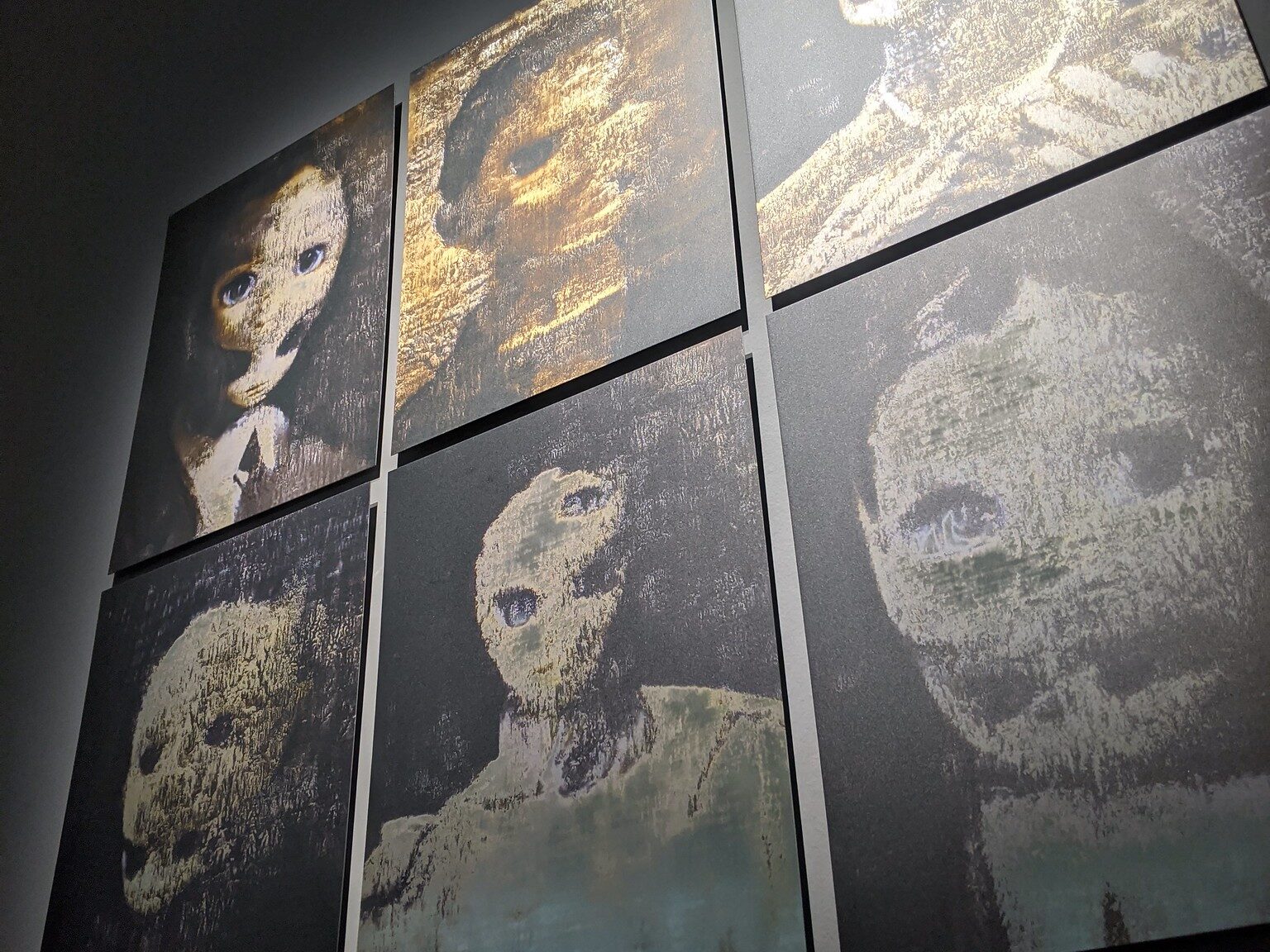
The concept behind this series is deliberately unsettling—AI algorithms trained to create beautiful images, then deliberately corrupted and degraded to explore what happens when machine learning processes break down. The resulting artworks capture artificial intelligence in various states of failure, producing images that are simultaneously gorgeous and disturbing as the algorithms struggle to maintain coherence while their underlying processes deteriorate.
Individual pieces from the Neural Decay series have sold for up to $45,000, appealing to collectors interested in the darker implications of AI creativity. These aren’t celebrations of technological progress—they’re explorations of what happens when that progress goes wrong, creating beauty from the failure modes of artificial intelligence.
The Unsettled Score

Time hasn’t settled the question of whether paying six or seven figures for algorithmically generated art makes sense, and maybe that’s exactly the point. These sales represent more than market speculation—they’re investments in a future where human and machine creativity intertwine in ways that are still being figured out.
Each purchase is a bet that AI art will prove to be more than a technological novelty. The prices keep climbing, the techniques keep evolving, and collectors keep paying premium sums for works created by algorithms they don’t fully understand.
Whether this represents the future of art or an expensive technological experiment remains to be seen, but the money being spent suggests that enough people believe it’s the former to keep the market moving forward.
More from Go2Tutors!

- The Romanov Crown Jewels and Their Tragic Fate
- 13 Historical Mysteries That Science Still Can’t Solve
- Famous Hoaxes That Fooled the World for Years
- 15 Child Stars with Tragic Adult Lives
- 16 Famous Jewelry Pieces in History
Like Go2Tutors’s content? Follow us on MSN.