29 Soft Drinks From Grandma’s Fridge
A grandmother’s refrigerator once held a lineup of glass bottles that guests rarely saw anywhere else. Some drinks came from regional bottlers with devoted followings, while others were national brands that have since changed hands or flavors.
This list gathers 29 of them, from cola pioneers to fruit sodas that still show up in small-town stores.
Coca-Cola Sold Nine Glasses a Day
— Photo by a3701027d
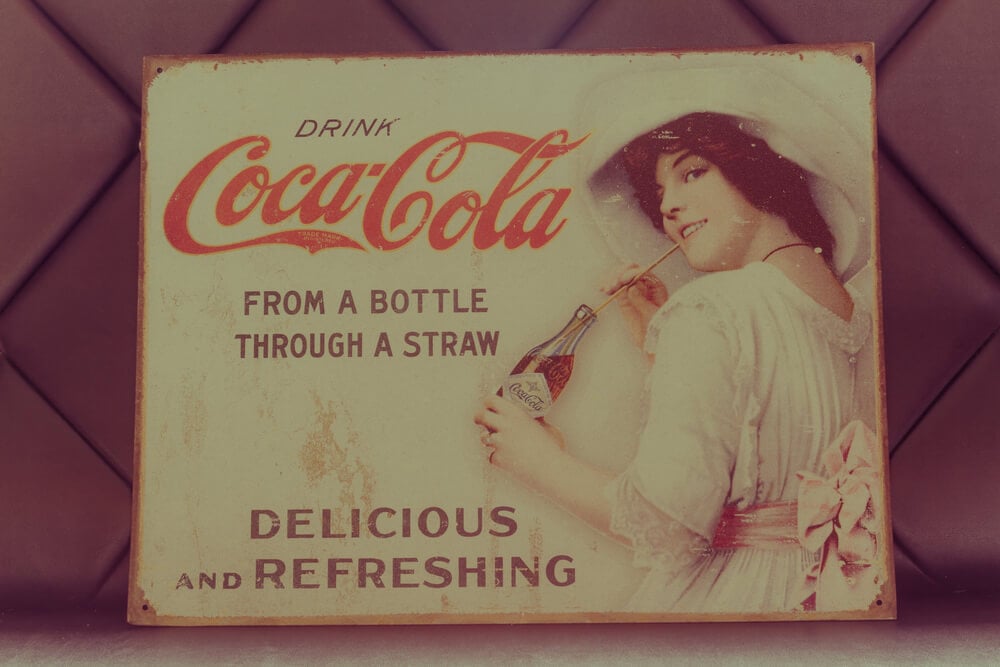
Pharmacist John Pemberton mixed the first Coca-Cola in Atlanta in 1886, and it went on sale at Jacobs’ Pharmacy for five cents a glass. Sales averaged only about nine drinks a day in the first year, a modest beginning for what became one of the best-known products on earth.
The curved glass bottle most people associate with the brand was designed in 1915 by the Root Glass Company of Terre Haute, Indiana, so that it could be recognized even in the dark. A cold one in a grandmother’s refrigerator still looks like a family heirloom.
Pepsi-Cola Began as Brad’s Drink
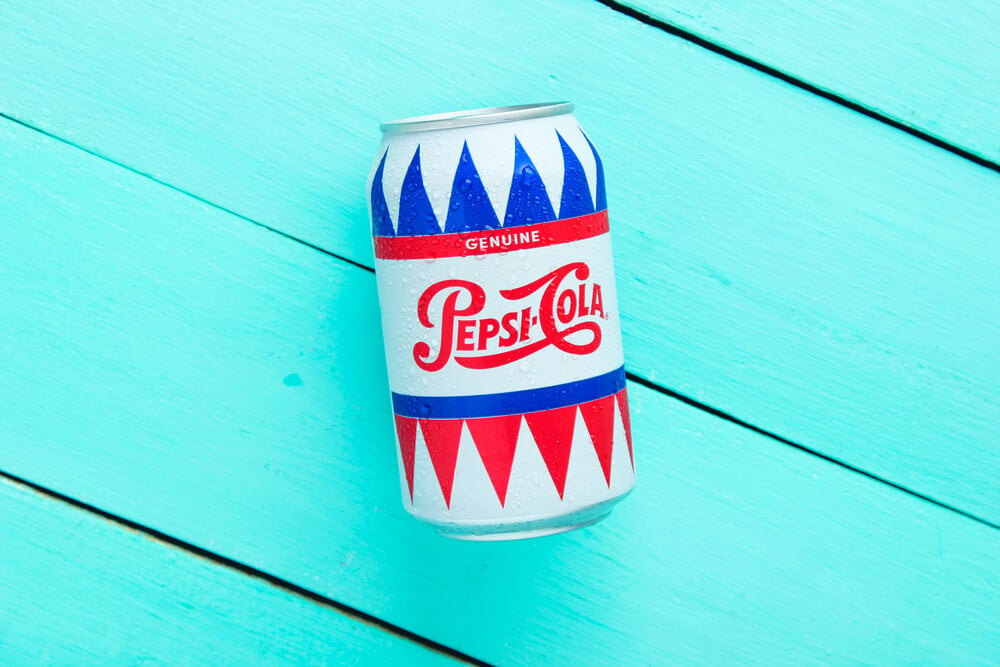
Caleb Bradham, a pharmacist in New Bern, North Carolina, created a fizzy mixture in 1893 that locals called Brad’s Drink. He renamed it Pepsi-Cola in 1898, drawing on the word dyspepsia and promoting it as an aid to digestion.
The company went bankrupt in 1923, then rebuilt its fortunes in the 1930s by selling a 12-ounce bottle for a nickel, twice what rivals offered. A jingle about twice as much for a nickel became so familiar that many older Americans can still sing it from memory.
Dr Pepper Comes Out of a Waco Drugstore
— Photo by iama_sing
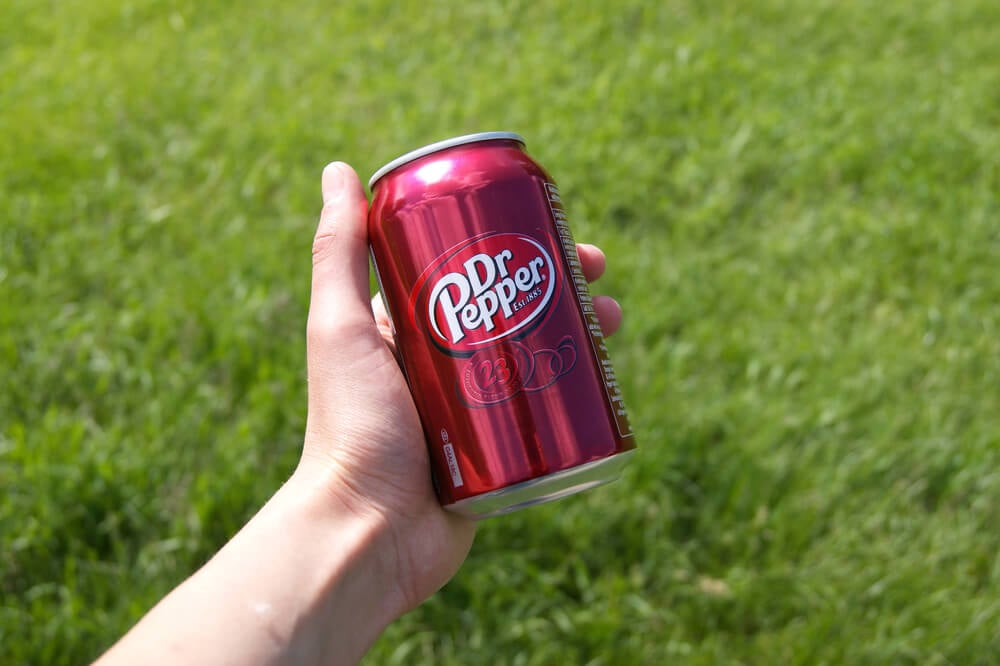
Pharmacist Charles Alderton mixed Dr Pepper at Morrison’s Old Corner Drug Store in Waco, Texas, in 1885, and the drink reached a much wider audience at the 1904 World’s Fair in St. Louis. The company says the formula blends 23 flavors, and the recipe has been a subject of speculation for generations.
The brand dropped the period from its name decades ago, a quirk that still confuses newcomers. In a grandmother’s refrigerator, the dark bottle usually sat on the lowest shelf beside the butter, and it was often reserved for adults at the dinner table.
RC Cola Pairs With a MoonPie
— Photo by DenisMArt
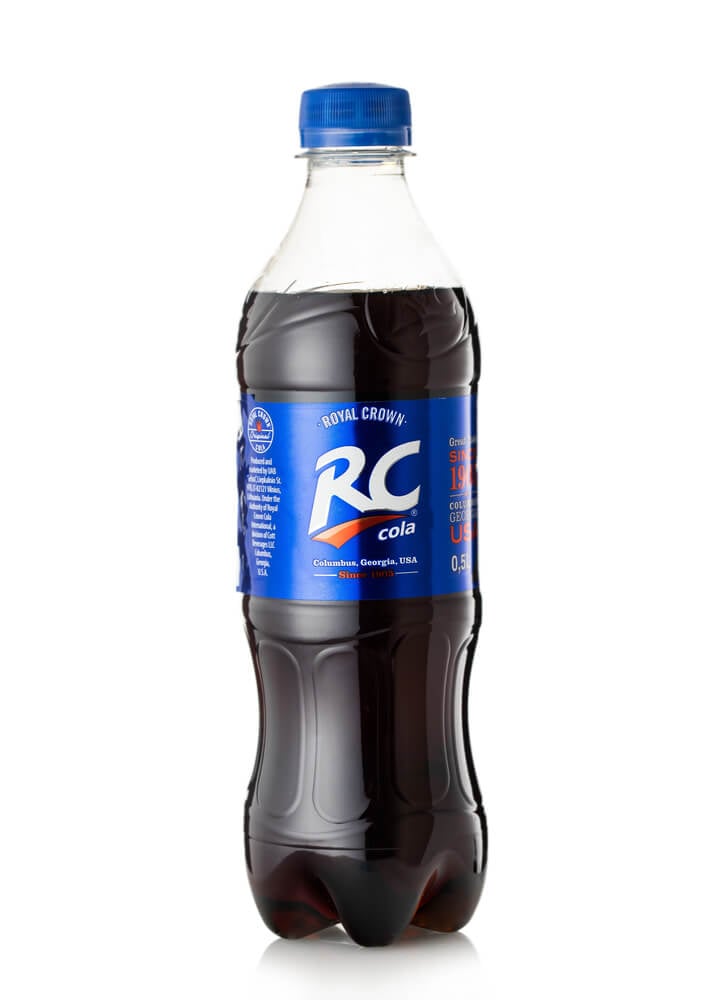
Claud Hatcher, the son of a Georgia grocer, created Royal Crown Cola in Columbus in 1905 after building a small beverage business that began with ginger ale. The brand later became famous in the South for its pairing with a MoonPie, a marshmallow sandwich cookie, a lunch that cost only a few cents and became shorthand for a working-class meal. RC was often sold in larger bottles than rivals, which appealed to families. Today the combination still has fans who treat it as a point of Southern pride.
Moxie Tastes Like Gentian Root
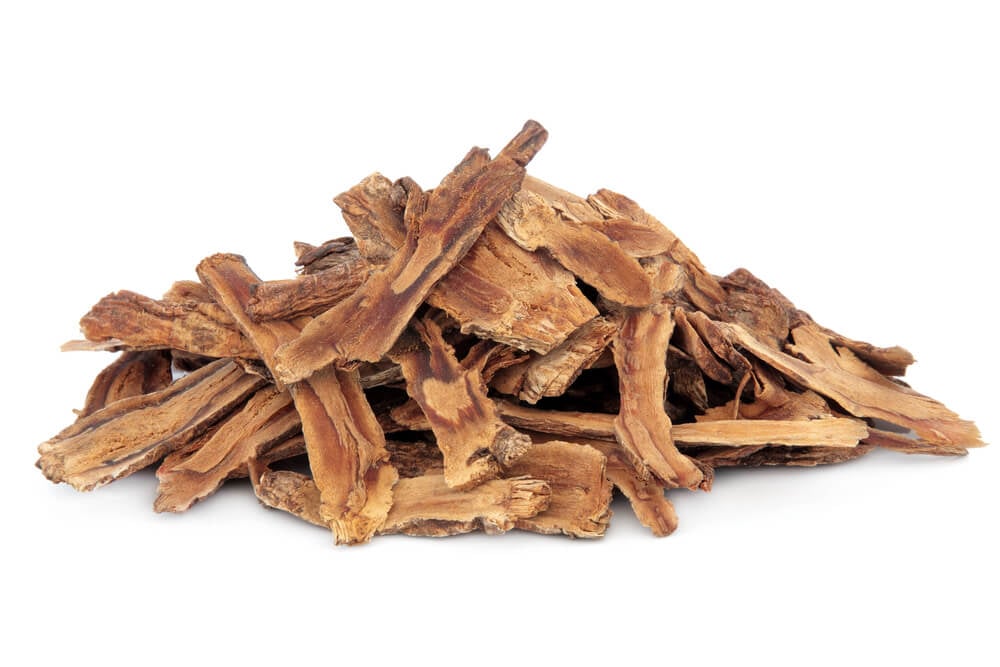
Dr. Augustin Thompson developed Moxie in Lowell, Massachusetts, in 1876 as a patent medicine called Moxie Nerve Food, and it was later sold as a carbonated soft drink. The bitter taste comes from gentian root, which makes the drink an acquired taste even in New England.
Moxie became so closely tied to Maine that the state legislature named it the official soft drink in 2005. A Moxie bottle in a grandmother’s refrigerator usually signals a family with deep roots in northern New England, and annual festivals in Maine still celebrate the drink.
Hires Root Beer Debuts in Philadelphia
Pharmacist Charles Hires introduced his root beer at the 1876 Centennial Exposition in Philadelphia, and he first sold it as a packaged mix of herbs and roots that customers brewed at home. The company marketed the drink as a temperance beverage, a healthy alternative to alcohol that families could enjoy together. Bottled versions followed, and the brand became one of the best-selling root beers in the country. Hires bottles with vintage paper labels still turn up in antique shops and flea markets, and the brand’s name still appears on diner signs across the East.
A and W Root Beer Hits the Drive-In
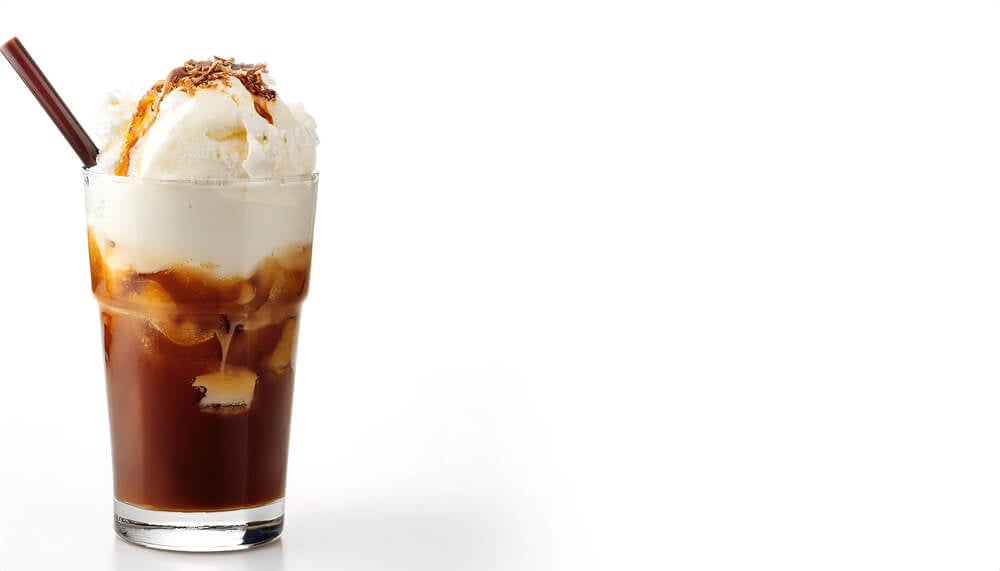
Roy Allen opened a root beer stand in Lodi, California, in 1919, serving frosty mugs to travelers on hot days. He partnered with Frank Wright in 1922 and combined their initials into the brand name A and W. The company later grew into a chain of drive-in restaurants where carhops delivered mugs on trays.
The frosted glass mugs, kept in a freezer, remain the signature image of the brand, and many grandparents remember the thrill of a cold, thick mug at the window of a parked car.
Barq’s Root Beer Has Bite
— Photo by tastyfood
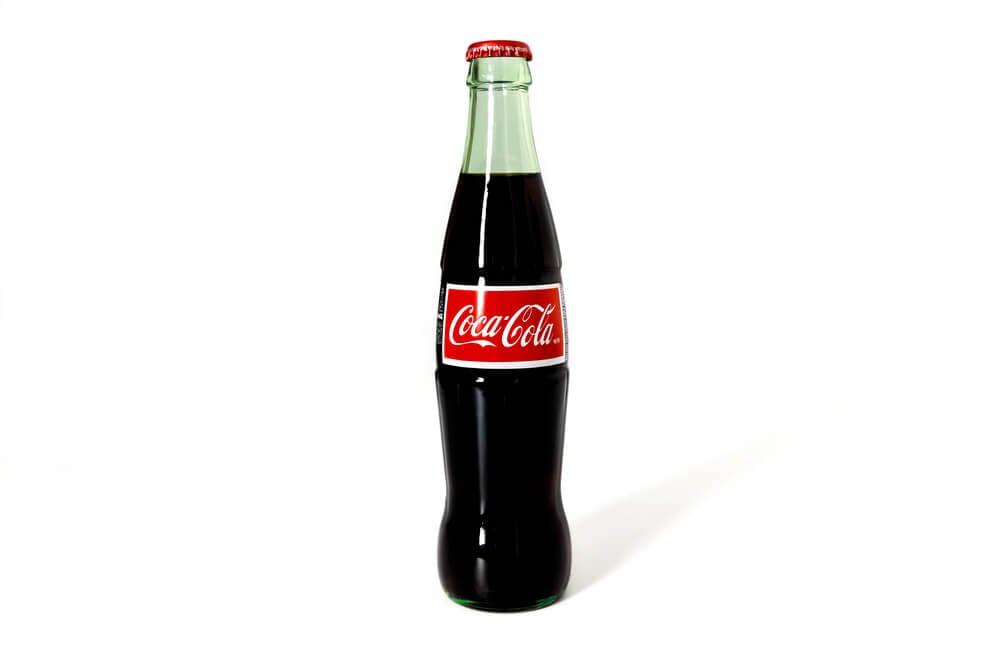
Edward Barq began bottling soft drinks in Biloxi, Mississippi, and introduced Barq’s root beer in 1898, with a slogan promising that it had bite. Unlike most root beers, Barq’s contains caffeine, a feature that still surprises newcomers.
The drink spread along the Gulf Coast, then nationally after Coca-Cola bought the brand in 1995. Fans of the original often seek out glass bottles, which they say taste crisper than cans, and many keep a few in the refrigerator door for visiting grandchildren, who love the sharper bite.
Vernors Ginger Soda Ages in Oak
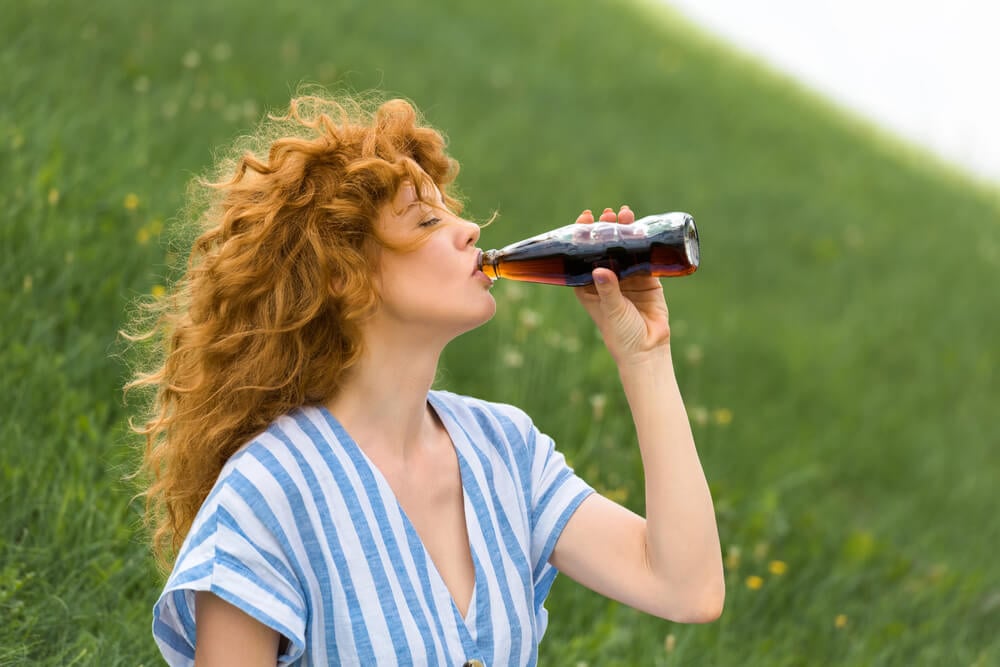
James Vernor, a Detroit pharmacist, created Vernors in 1866, and the story goes that he stored his ginger-flavored mixture in an oak barrel while he served in the Civil War. When he returned four years later, the taste had mellowed into something he liked enough to sell. The drink is stronger and spicier than most ginger ales, which is why Detroiters sometimes treat it as a home remedy for upset stomachs. A float called the Boston Cooler adds vanilla ice cream and remains a regional favorite.
Canada Dry Calls Itself the Champagne of Ginger Ales
— Photo by egunes_
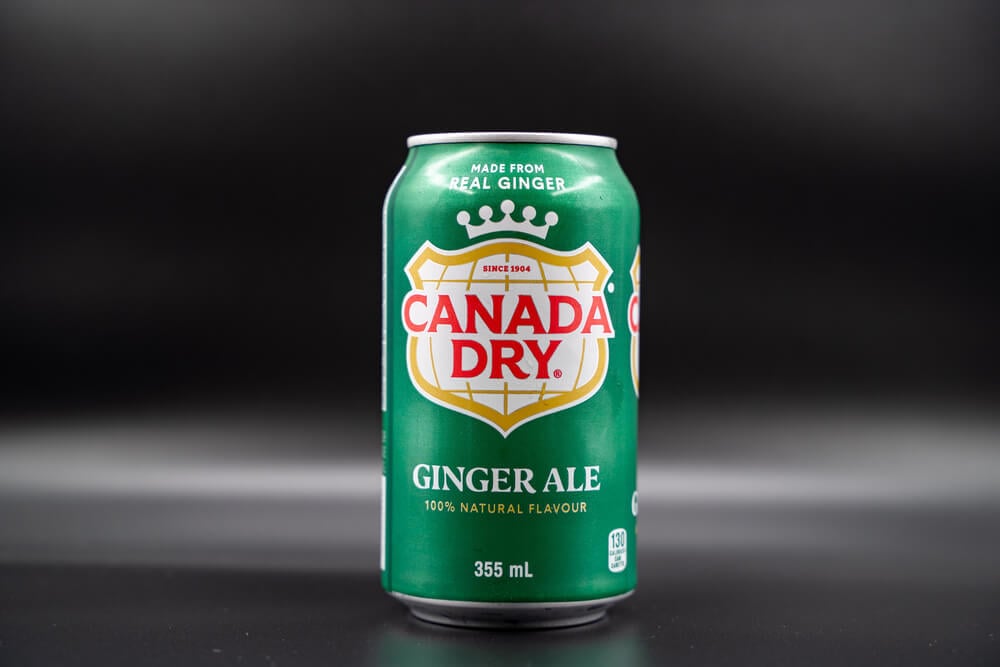
John J. McLaughlin, a Toronto pharmacist, perfected a pale, dry ginger ale in 1904 that he later branded as Canada Dry. The slogan, the Champagne of Ginger Ales, helped the drink become a household staple, especially as a sick-day beverage served over ice.
Many grandmothers kept a bottle in the refrigerator for settling stomachs, and the habit endures. Sparkling and light compared with darker ginger beers, it reflects the quiet side of the soda aisle, where a simple glass of ginger ale could soothe a bad day at school or at work. Bartenders also relied on it as a mixer for decades.
Orange Crush Wears a Dimpled Bottle
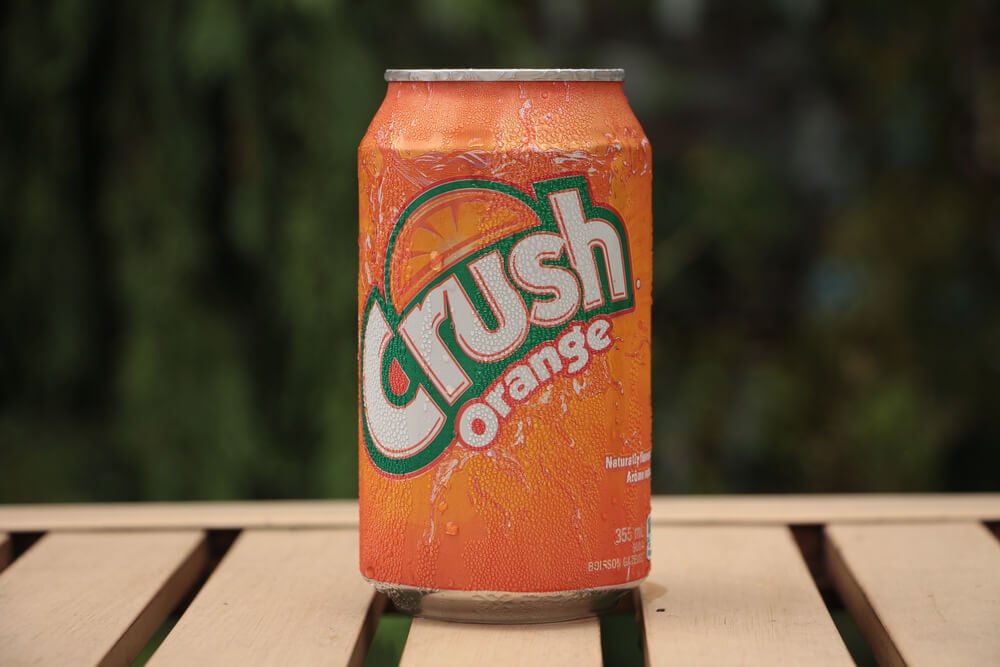
— Photo by PenguinLens
Orange Crush was developed in the early twentieth century by beverage maker Neil Ward and chemist Clayton Howell, who built the drink around natural orange flavor. Its brown glass bottles, covered in a dimpled pattern like an orange’s skin, became a signature look.
The brand later spread overseas, and collectors still search for the old bottles at estate sales. A glass of orange soda on a hot afternoon remains a childhood memory for many people who grew up with a grandmother’s refrigerator, and the bright color made the drink popular at birthday parties.
Squirt Pours Grapefruit Over Ice
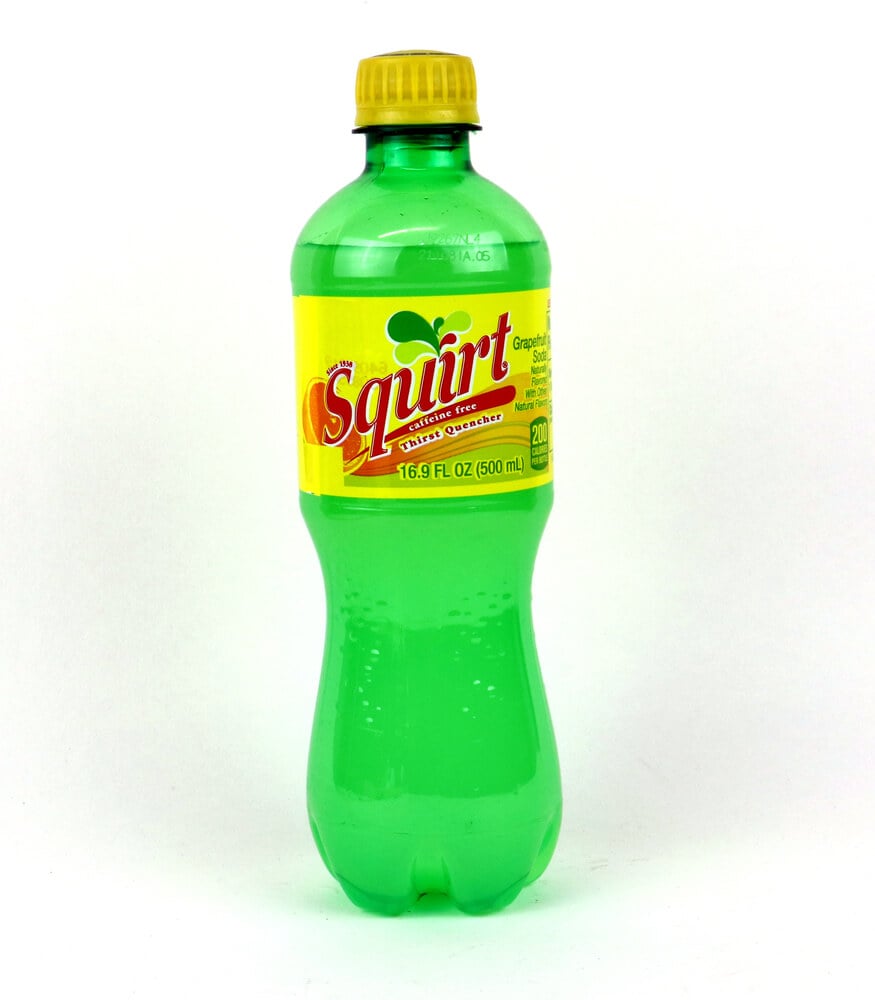
— Photo by dcwcreations
Herb Bishop created Squirt in Phoenix, Arizona, in 1938, aiming for a grapefruit-flavored soda that used less sugar than competitors. The name was chosen for its lively sound, and the drink soon spread through the Southwest. In Mexico and the American Southwest, Squirt is a popular mixer for the paloma cocktail, which combines grapefruit soda, lime and tequila. A cold Squirt over ice tastes of citrus and salt, balancing sweet and bitter in a way few other sodas manage, which explains why bartenders and home cooks reach for it so often.
Fresca Brings Grapefruit to the Diet Aisle
Fresca arrived from Coca-Cola in 1966 as a sugar-free grapefruit soda, one of the earliest diet drinks aimed at adults who did not want cola. The name came from the Spanish word for fresh, and the clean typography stood out on shelves.
Fresca became a staple in households that prized sparkling citrus without sweetness. The brand changed formulas over the years but retains a loyal following among those who want something sharp, and older relatives often keep it for its crisp finish, and the soda is sometimes poured over ice with a lime wedge.
Tab Was a Diet Drink With a Computer-Chosen Name
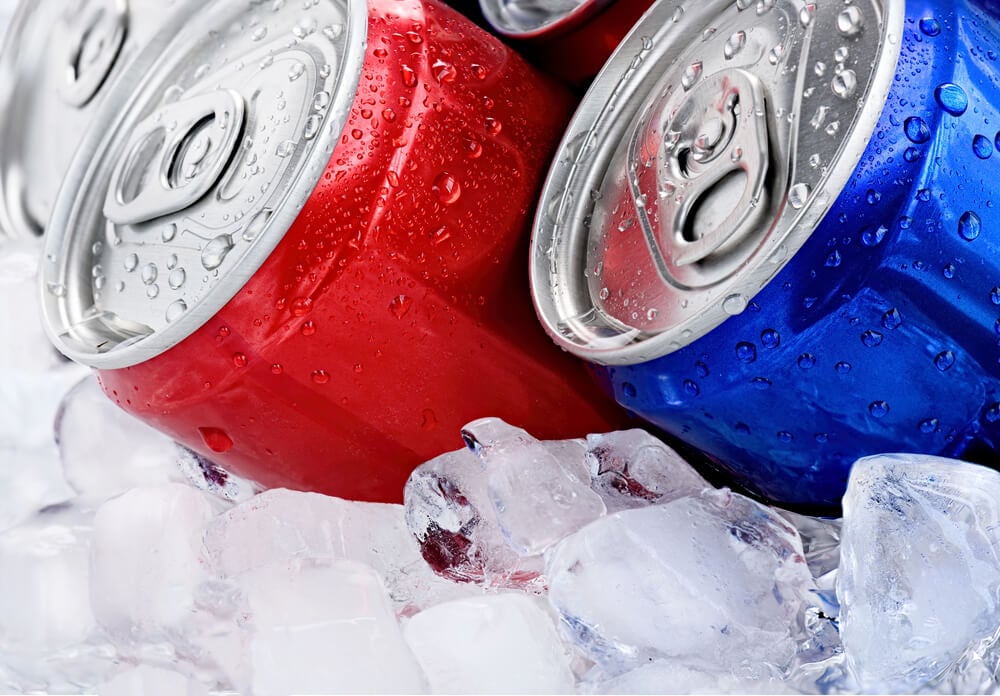
Tab launched in 1963 as Coca-Cola’s first diet cola, with a name selected from a list generated by a computer. The drink became a fixture of the 1970s and 1980s, with pink cans and slogans aimed at weight-conscious adults.
Coca-Cola announced in late 2020 that Tab would be discontinued, ending nearly six decades of sales. Longtime fans mourned, and the final cans became collectibles that sold online for far more than their original price.
Its pink cans and quirky taste live on in memories of old television commercials, kitchen counters and diet plans that never quite worked.
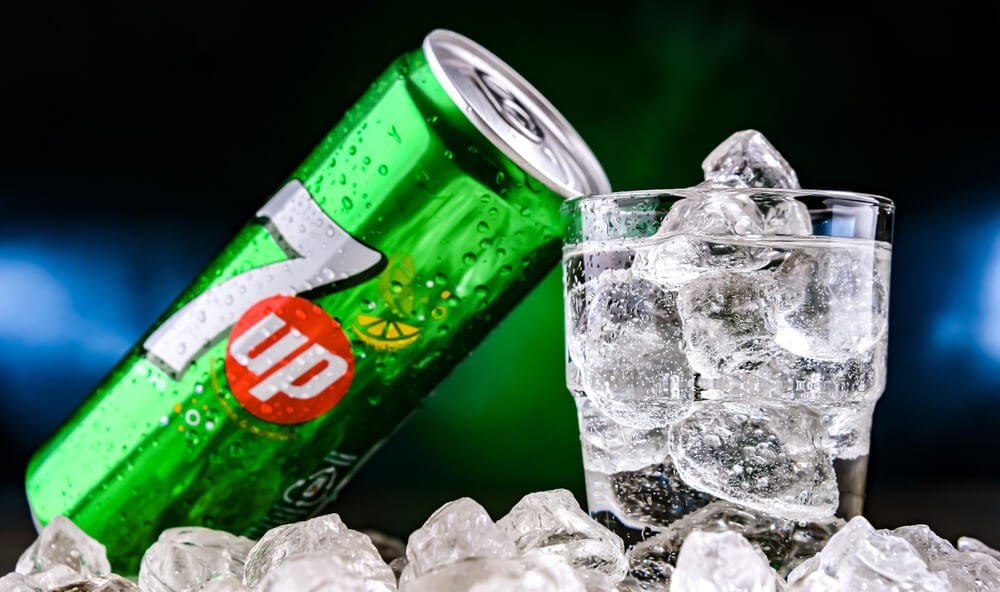
Seven Up Once Contained Lithium
— Photo by monticello
In St. Louis in 1929, Charles Leiper Grigg introduced the drink under the clumsy name Bib-Label Lithiated Lemon-Lime Soda, later shortened to 7 Up. Early versions contained lithium citrate, a mood-stabilizing compound, until the ingredient was removed in the late 1940s. The drink sold well during the Depression because it was marketed as an all-day refreshment, even for use in cocktails. Clear and light, it became the standard for lemon-lime sodas and a go-to drink for stomach upset. The brand’s slogan once described it as the uncola, a cheeky way of standing apart from the cola giants.
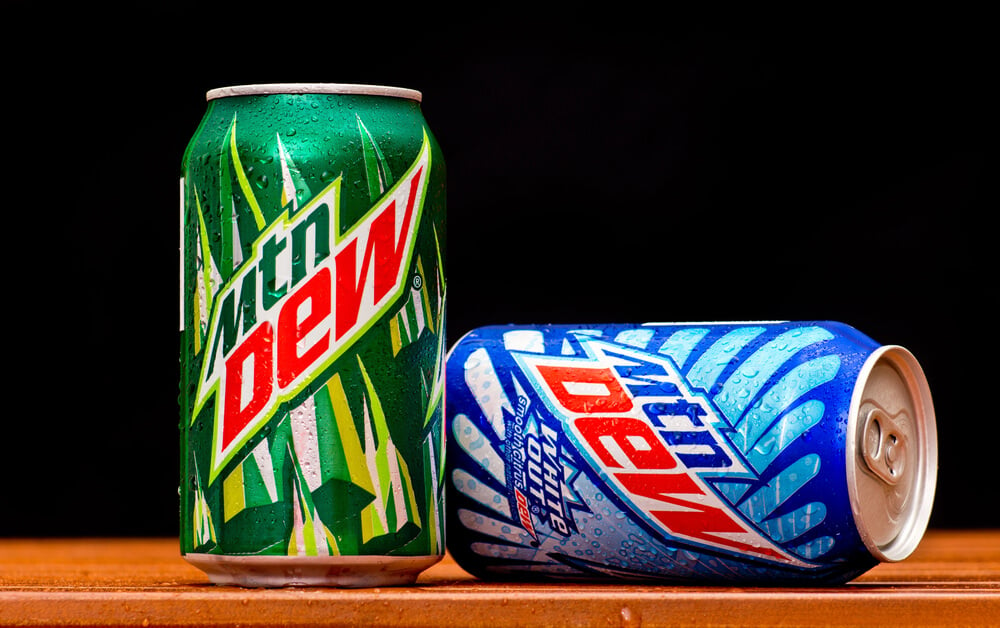
Mountain Dew Began as a Whiskey Mixer
— Photo by bertys30
Barney and Ally Hartman, bottlers in Knoxville, Tennessee, developed Mountain Dew in the 1940s as a lemon-lime drink to mix with whiskey. The name was slang for moonshine, and early bottles carried an illustration of a cartoon mountain man with a jug.
Pepsi acquired the brand in 1964 and reformulated it into a citrus soda with more caffeine and a brighter color. The original Hartman version remained a modest regional product, now remembered mostly by collectors and the families who drank it, and a few old bottles still circulate among enthusiasts of vintage Tennessee glassware.
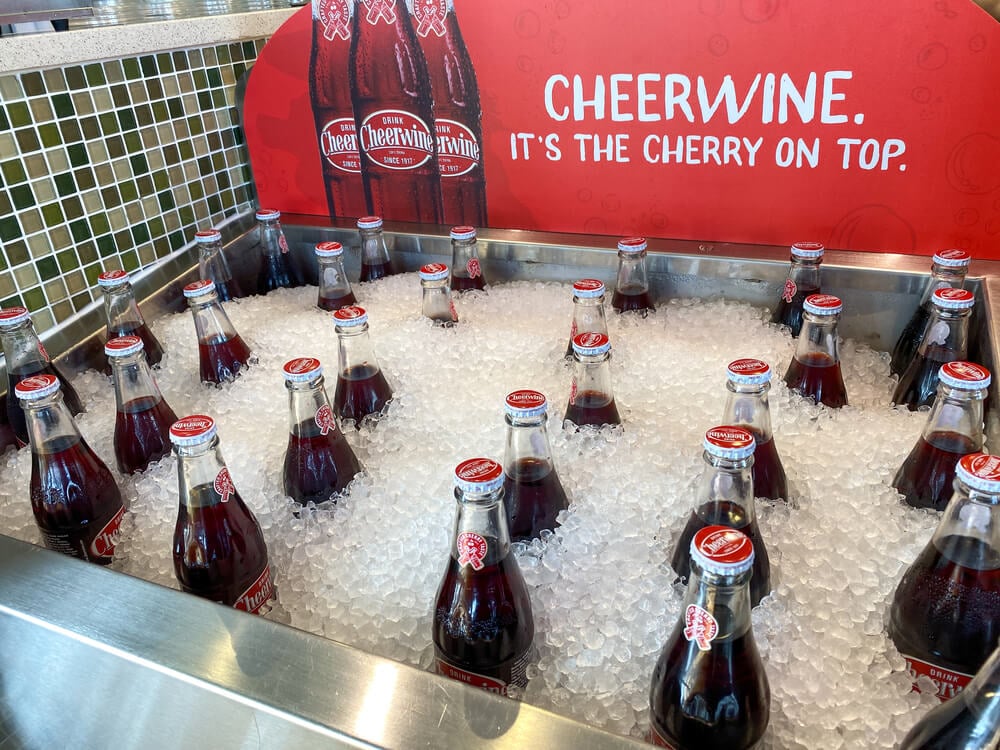
Cheerwine Keeps North Carolina Cherry-Red
— Photo by Jshanebutt
L.D. Peeler, a grocer in Salisbury, North Carolina, developed Cheerwine in 1917 during a sugar shortage, creating a wild cherry soda with a burgundy hue. The drink remains family-owned and is sold mainly in the Carolinas and neighboring states, where it is a point of regional pride.
Fans pair it with barbecue and pour it over ice cream, and some bakers use it in cakes. A bottle of it in the refrigerator signals that someone in the family is from the Carolinas, and visitors often leave with a case in the trunk.
Big Red Is a Texas Cream Soda
Grover Thomas introduced a red cream soda called Sun Tang in Waco, Texas, in 1937, which later became known as Big Red. The soda’s sweet, vanilla-and-fruit taste is hard to describe, and fans love to debate it.
The drink became a staple of Texas barbecue joints and of Friday night gatherings in small towns. Many Texans keep a case of Big Red in the pantry for family reunions, and the bright red bottles are an easy way to recognize a Texas kitchen, particularly during summer when the glass sweats on the table.
Sun Drop Keeps Citrus Bright
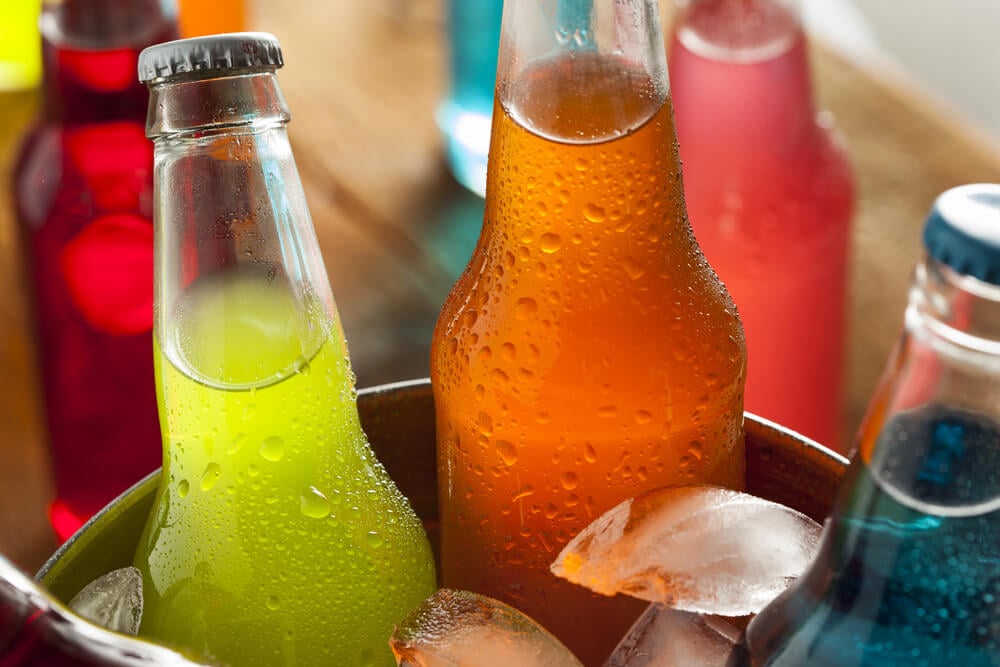
Sun Drop arrived from St. Louis, Missouri, in 1928, created by Charles Lazier, and the lemon-lime-orange soda later spread through the South and Midwest. The drink is yellow and strongly citrus, and in some regions it is poured over ice cream.
It is also popular as a mixer. Sun Drop’s loyal base is strongest in parts of Tennessee, Missouri and Virginia, where small bottlers keep it in steady supply and families treat it as a regional treasure, much as other communities treat a hometown bakery or barbecue stand. Long road trips often include a stop to buy a cold bottle.
Faygo Redpop Fills Michigan Glasses
Ben and Perry Feigenson founded Faygo in Detroit in 1907, borrowing the first syllables of their last name for the label. The strawberry-flavored Redpop became the brand’s best-known flavor, and generations of Detroit families remember buying it from neighborhood stores.
The company has produced dozens of flavors over the years, including the unusual Rock and Rye, which borrowed its name from an old cough-syrup tradition. For many Michiganders, a cold bottle of Redpop is a taste of summer, shared at picnics and backyard parties and often poured over scoops of ice cream.
Nehi Grape Glows Purple
— Photo by zenmaster8
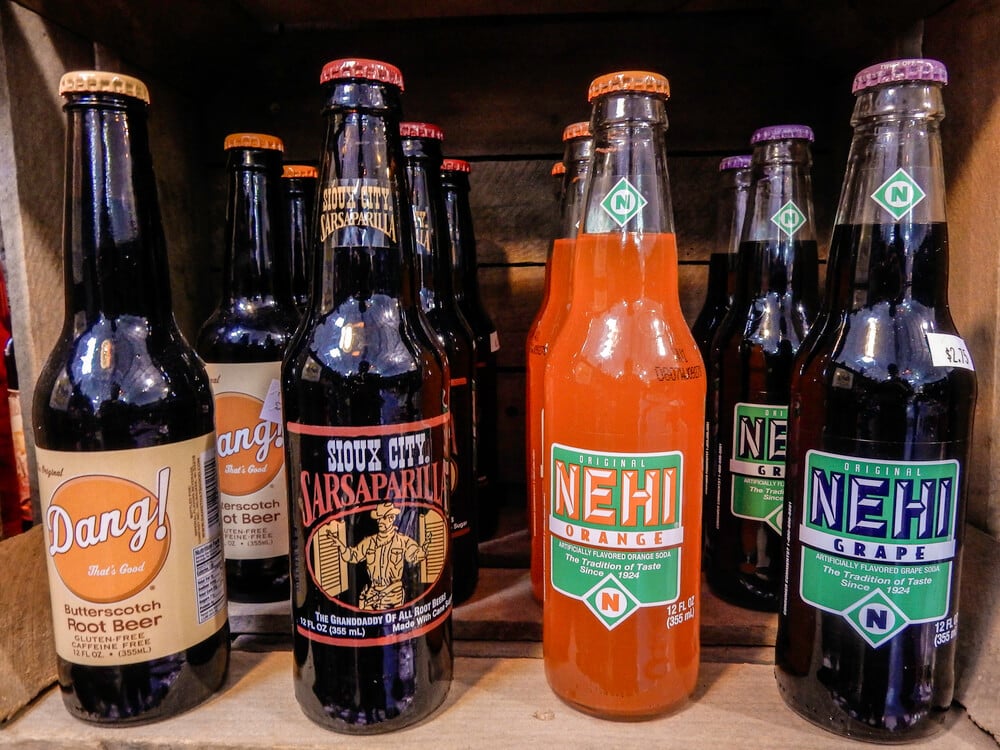
The Chero-Cola Company of Columbus, Georgia, introduced Nehi in the 1920s, and the name came from the phrase knee-high, which played on the short skirts and the low shape of the bottle in advertising. The grape and orange flavors were bright and sweet, and they were sold in distinctive glass bottles.
Grape Nehi became so familiar that the character Radar, in a popular television comedy about an army hospital, drank it constantly, a detail many viewers still recall. Bottles from the era sell for modest sums at antique malls.
Dr. Brown’s Cel-Ray Tastes Like Celery
Dr. Brown’s Cel-Ray, a celery-flavored soda first sold in Brooklyn in the late nineteenth century, became a staple of Jewish delicatessens in New York. Its mildly spicy, herbal flavor pairs with pastrami sandwiches, and some customers call it the ultimate deli drink.
The Dr. Brown’s brand also makes a cream soda and a black cherry soda that remain popular in the same neighborhoods. Newcomers sometimes find the first sip puzzling, but regulars insist the savory taste is what makes it refreshing, particularly when it arrives with a plate of corned beef, a pickle and a side of mustard.
Dr. Enuf Adds Vitamins to the Fridge
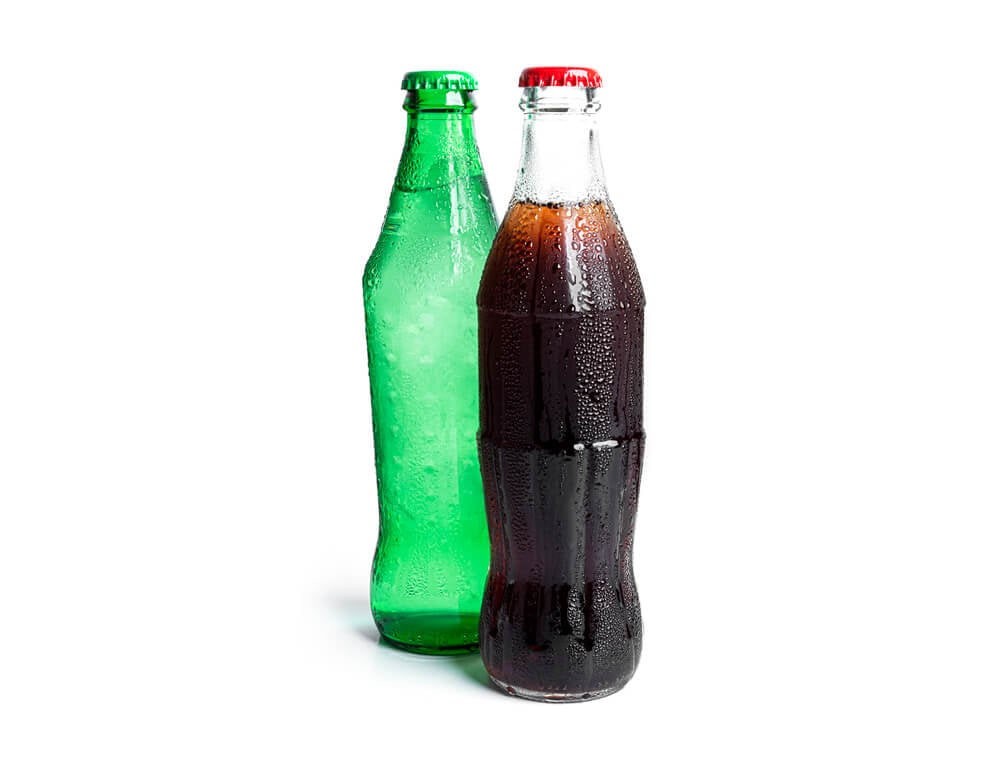
Dr. Enuf came out of Chattanooga, Tennessee, in 1949, created by Charles Gordon as a lemon-lime soda fortified with B vitamins, aiming to give tired factory workers a boost. The name was meant to suggest that one bottle was enough to restore energy.
The drink became a regional favorite across eastern Tennessee and Virginia, where it is still bottled and sold. Grandparents in the region often keep it in the refrigerator door for the occasional afternoon lift, treating it as part health tonic and part soda, a mixture that sums up the old fashioned drink well.
Mello Yello Challenged Mountain Dew
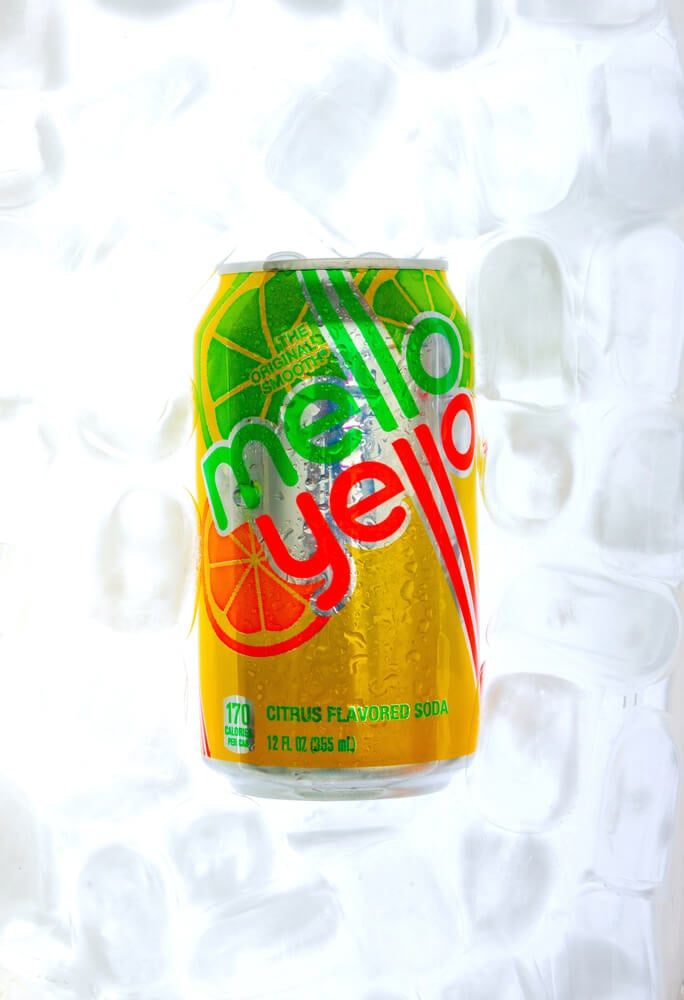
— Photo by bertys30
Mello Yello arrived in 1979 as a citrus soda to compete with Mountain Dew, and it quickly found a following among younger drinkers. The drink was yellow, sweet and lightly caffeinated, and its name suggested a laid-back mood.
Racing sponsorships in later years helped make the brand familiar to television viewers. The soda remains in the lineup today, though in fewer places than before, and many fans associate it with the music and fashion of the 1980s, when its bright yellow cans stood out on supermarket shelves. A fresh can still tastes much as it did then.
Mr. Pibb Took On Dr Pepper
Mr. PiBB launched in 1972 to rival Dr Pepper, with a spicy cherry-and-vanilla flavor. The brand was later reworked and renamed Pibb Xtra, and it remains a fountain staple at many restaurants.
The rivalry with Dr Pepper played out in advertising and in restaurants, where the choice between them often depended on which company held the contract. Grandmothers who liked the spicier cherry taste kept a bottle for visiting grandchildren.
Fans of the flavor describe it as a cousin of root beer and cherry cola, a combination that is difficult to find anywhere else. The name was written with unusual capitals, a quirk that survives in vintage signs.
Sprite Borrowed Its Name From an Elf
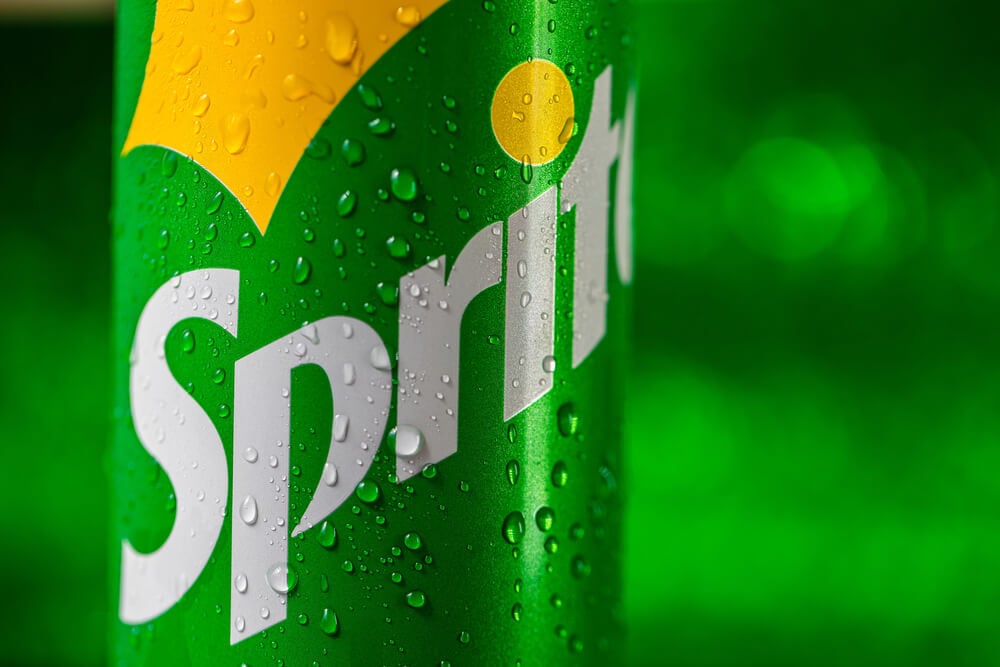
— Photo by Ruslan-Lytvyn
Sprite arrived in 1961 as Coca-Cola’s answer to 7 Up, borrowing the name from Sprite Boy, an elfin character used in its advertising in the 1940s. The lemon-lime soda was clear, crisp and caffeine-free, and it eventually became one of the best-selling soft drinks in the world.
Early ads leaned on its clean, cold image, and the green bottle became a familiar sight in refrigerators across the country. It remains a go-to drink for upset stomachs and summer cookouts, and the brand has spent decades building its link to music and sports stars.
Fanta Was Born in Wartime Germany
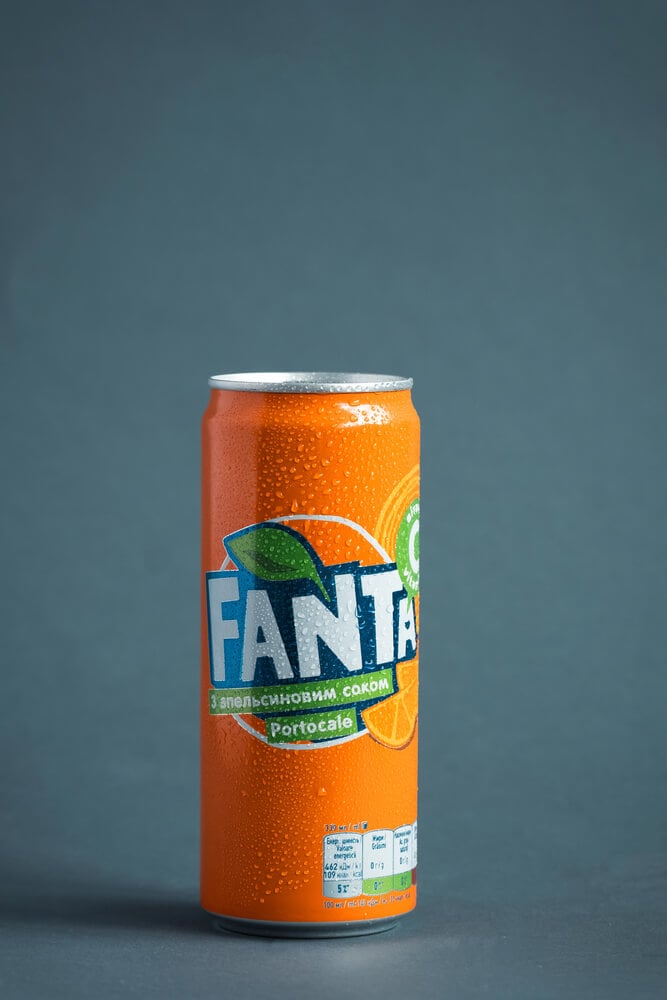
— Photo by alexanderon
Max Keith, who ran Coca-Cola’s German operations during World War II, created Fanta in 1940 after trade restrictions cut off the supply of Coca-Cola syrup. Early versions used leftovers from other industries, including whey and apple fiber, and the name came from the German word for imagination, fantasie. The orange flavor that Americans know today came later, from an Italian recipe.
By the time it reached refrigerators in the United States, the drink had a history far stranger than its cheerful orange label suggested, a tale of shortages, improvisation and survival.
IBC Root Beer Grew Out of Prohibition
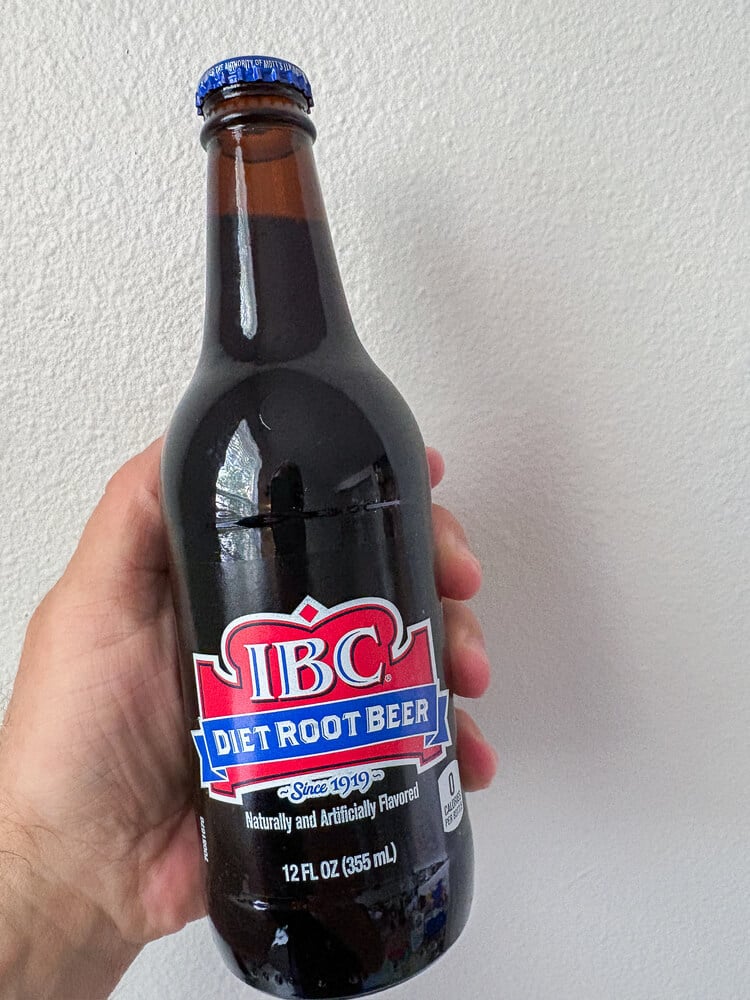
— Photo by crispyphoto
The Independent Breweries Company of St. Louis began selling IBC root beer around 1919, when Prohibition forced brewers to find new products. The company used its bottling lines and brewing know-how to make a sweet, creamy root beer that was sold in brown glass bottles.
The brand later changed owners several times, but its old-style flavor kept a following in the Midwest. A bottle of IBC in the refrigerator door usually belonged to someone who remembered the brewery days, and many fans insist the creamy foam tastes better from a glass bottle than from a can.
Yoo-hoo Came Out of New Jersey
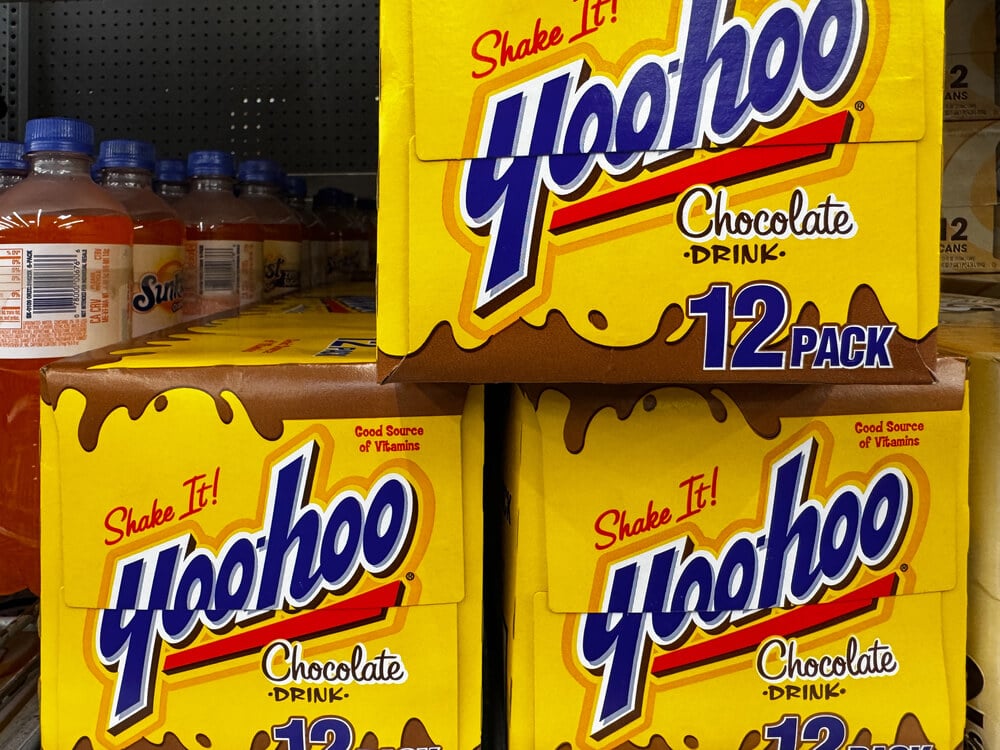
— Photo by mkopka
Natale Olivieri, an Italian immigrant, figured out how to keep chocolate from settling out of a bottled drink in the 1920s, and he began selling it in Carlstadt, New Jersey. The drink, called Yoo-hoo, shipped in glass bottles with a warning to shake before opening.
Yankees catcher Yogi Berra became its best-known endorser in the 1950s, and the brand leaned on his folksy charm. Technically a chocolate beverage rather than a soda, it still earned a spot beside the sodas in many refrigerators, and its signature bottle remains easy to spot.
Bottle Caps and Long Memories
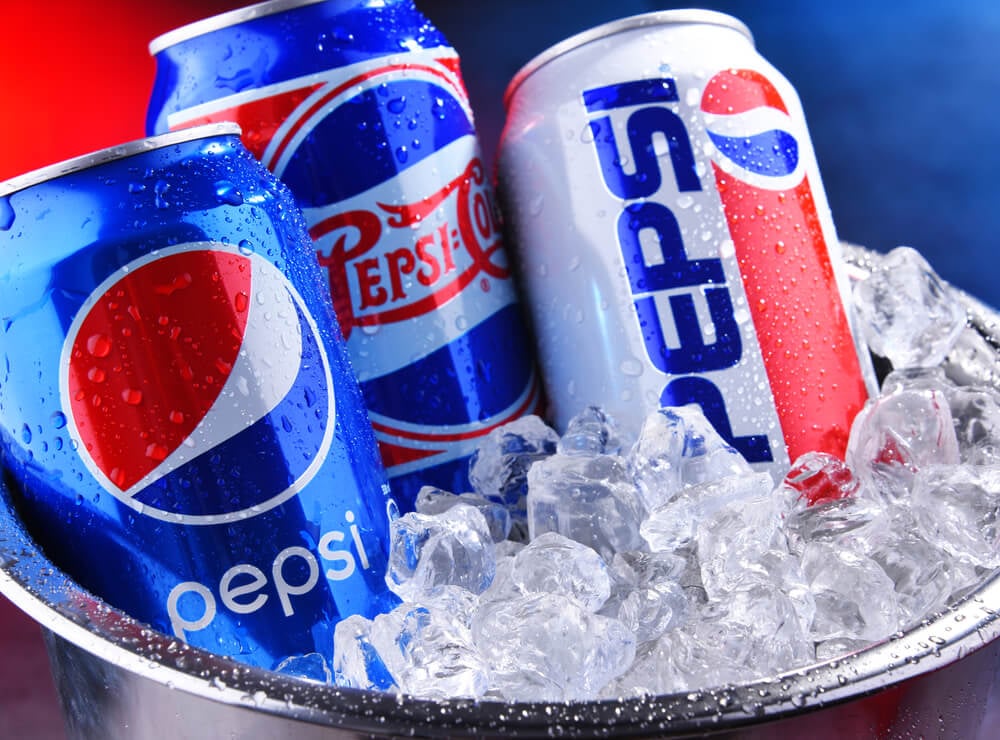
— Photo by monticello
Soft drinks rarely come with a single origin story, and the ones on this list were shaped by pharmacists, brewers and tinkerers who wanted something new to sell. Many began as tonics or remedies, and the flavors reflect the odd tastes of the nineteenth and early twentieth centuries. That heritage explains why a celery soda could share a shelf with a grape soda.
Corporate consolidation has made the lineup less varied, but small bottlers and regional favorites survive because customers keep asking for them. The refrigerator of any grandmother is a small museum of that loyalty. A cold glass bottle with a ring of condensation still carries the feeling of being a guest at the family table.
More from Go2Tutors!

- The Romanov Crown Jewels and Their Tragic Fate
- 13 Historical Mysteries That Science Still Can’t Solve
- Famous Hoaxes That Fooled the World for Years
- 15 Child Stars with Tragic Adult Lives
- 16 Famous Jewelry Pieces in History
Like Go2Tutors’s content? Follow us on MSN.