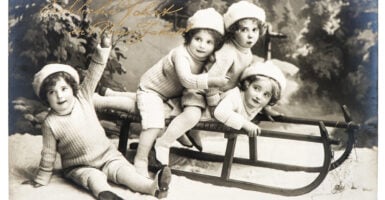
27 Ways Kids Spent Summer Before Air Conditioning
Long before central air, summer meant the day was organized around heat. Families opened windows, fanned themselves and sent children outside until supper, and kids invented ways to stay cool and entertained.
This list gathers 27 of them, from chasing the iceman’s wagon to sleeping on rooftops.
Chasing the Iceman’s Wagon
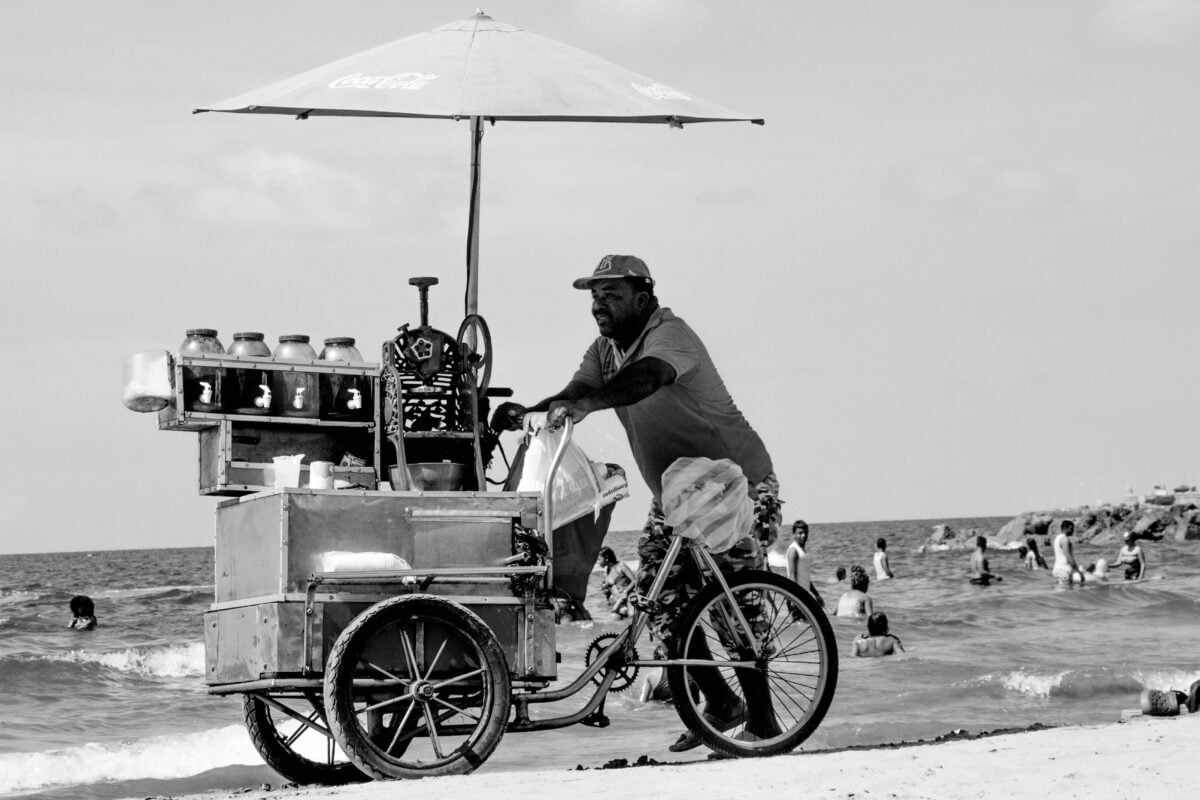
Before home refrigerators were common, an iceman delivered blocks of ice by horse-drawn wagon or truck, and kids ran behind the vehicle hoping for a chip or sliver to engulf on. A card in the front window told him how many pounds to leave, and he carried the block upstairs with tongs and a leather pad on his shoulder.
refrigerators spread through American homes during the 1930s and 1940s, but the iceman held on in some neighborhoods for years. The cool, wet chips tasted better than any candy on a hot afternoon.
Opening the Fire Hydrant
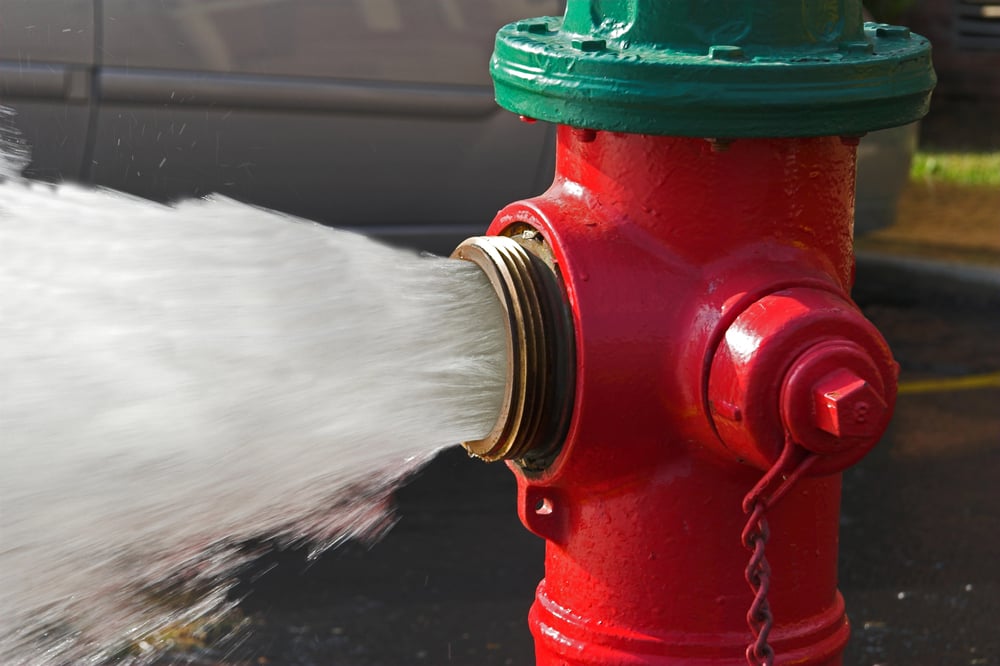
In hot city summers, neighborhood kids sometimes opened the nearest fire hydrant with a wrench and let the water gush across the street. The spray was powerful enough to knock a child over, and it wasted thousands of gallons, which worried city officials.
New York later introduced spray caps that reduced the flow and turned the hydrant into a safer sprinkler. Block parties revolved around the cool arc of water, and photographers captured laughing children soaked to the skin, dancing in the gutter beneath the glare of the sun.
Running Through the Sprinkler
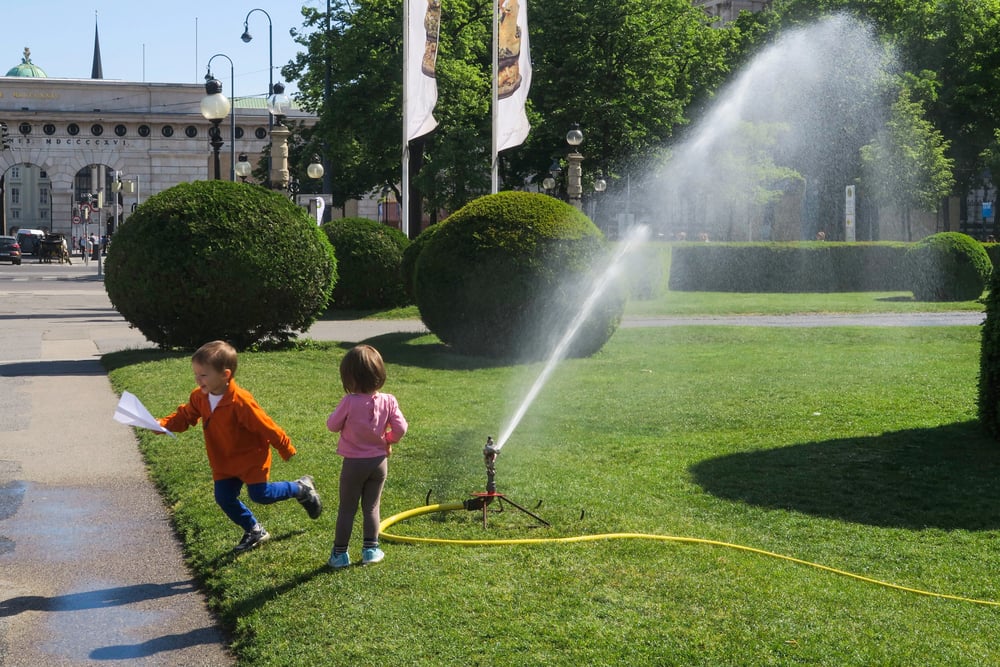
With a garden hose and a metal sprinkler, a patch of grass became a private water park. Kids ran back and forth through the arc, shrieking when the spray caught them, while the sprinkler ticked and swung with a steady rhythm.
Parents kept an eye on the water bill, but most let the fun continue until dusk. The scent of wet grass and warm pavement is a memory shared by generations, and a sprinkler on a lawn remains a sign that summer has arrived, usually announced by a bright flash of wet sunlight.
Sliding on a Slip ‘N Slide

Wham-O introduced the Slip ‘N Slide in 1961, a long sheet of yellow plastic that kids covered with a running hose and used as a runway. Children took a running leap and slid headfirst, ending in a puddle of mud at the far end.
The toy was cheap, easy to set up and a hit in neighborhoods across the country, and it needed nothing but a lawn and a hose. Sore elbows and grass stains were part of the experience, and the yellow strip became as familiar a summer sight as lemonade and fireworks.
Swimming in Creeks and Quarries
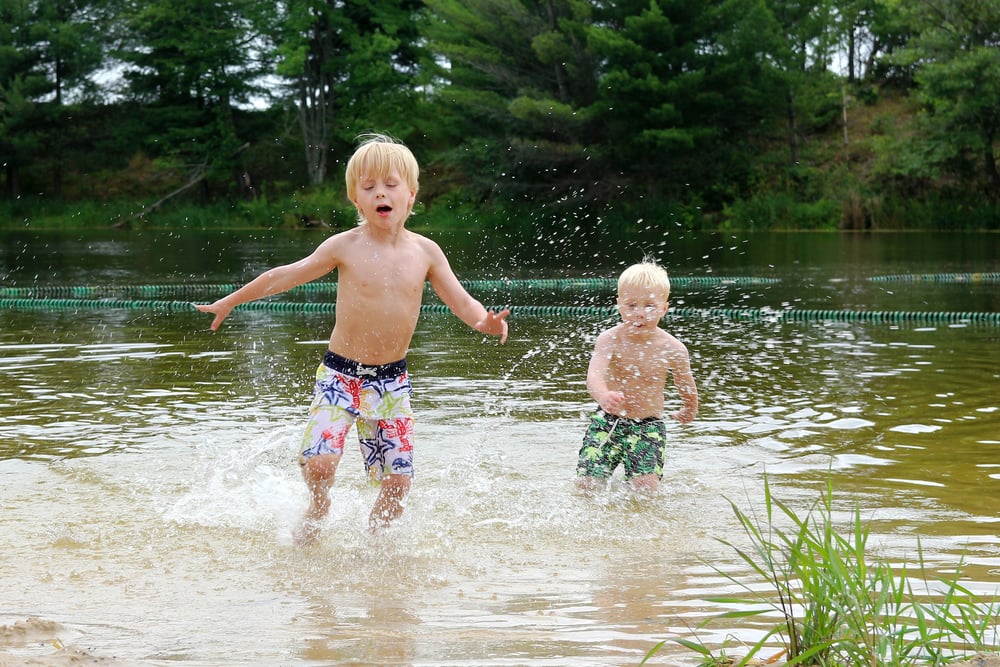
Without a pool nearby, children swam in creeks, ponds and flooded quarries, often with a rope swing hanging from a tree branch. The water was cold and murky, and parents worried about snags and drowning, but the fun usually won out.
Kids learned to swim by splashing around with older siblings and cousins. The swimming spots became local landmarks, passed down by word of mouth, and many adults can still describe the exact tree that held the rope, the cold shock of the first jump and the long walk home with dripping hair.
Spending the Day at the Public Pool

During the 1930s, New Deal programs built hundreds of public swimming pools, and by midcentury a pool was a fixture of many towns. Kids carried towels and lunch money, and a day at the pool meant hours of splashing and a snack from the concession stand.
Polio epidemics sometimes led to closures, since parents feared the disease spread through crowded water, until the Salk vaccine arrived in 1955. Pool access was also unequal, and many Black families were barred from segregated pools well into the 1960s.
Sleeping on Tar Beach

In crowded cities such as New York, families climbed to rooftops on sweltering nights and spread blankets across the tar paper to sleep under the stars. The rooftops were nicknamed tar beach, and the name became the title of a well-known children’s book by Faith Ringgold in 1991.
Kids watched the city lights and talked with neighbors on adjoining roofs. The cool breeze was the main attraction, and a rooftop at midnight felt like a vacation, even if the tar still held the day’s heat.
Sleeping on the Porch
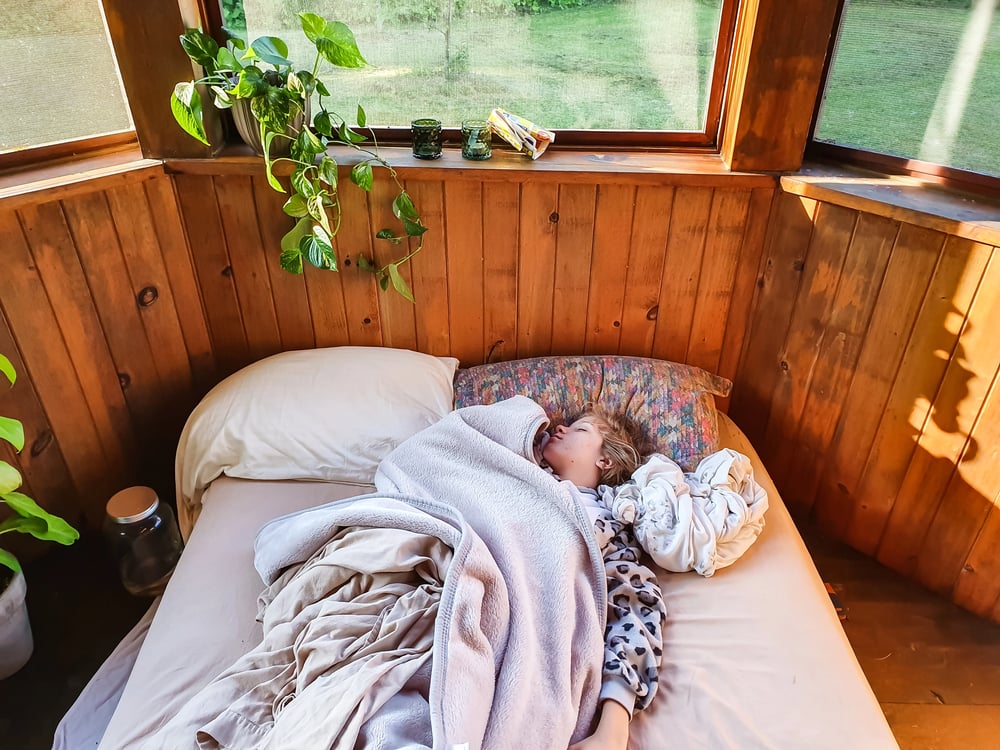
Many homes built in the early 1900s included a screened sleeping porch, a room designed for sleeping outdoors in hot weather. Entire families moved their beds outside on the worst nights, enjoying the breeze and the sound of crickets.
Doctors of the era recommended fresh air, which made the porches popular for health as well as comfort, and parents often tucked the children in with a light sheet. Children lay awake listening to the night, and the memory of a thunderstorm drumming on the porch roof stays vivid long after the house itself is gone.
Camping in the Backyard
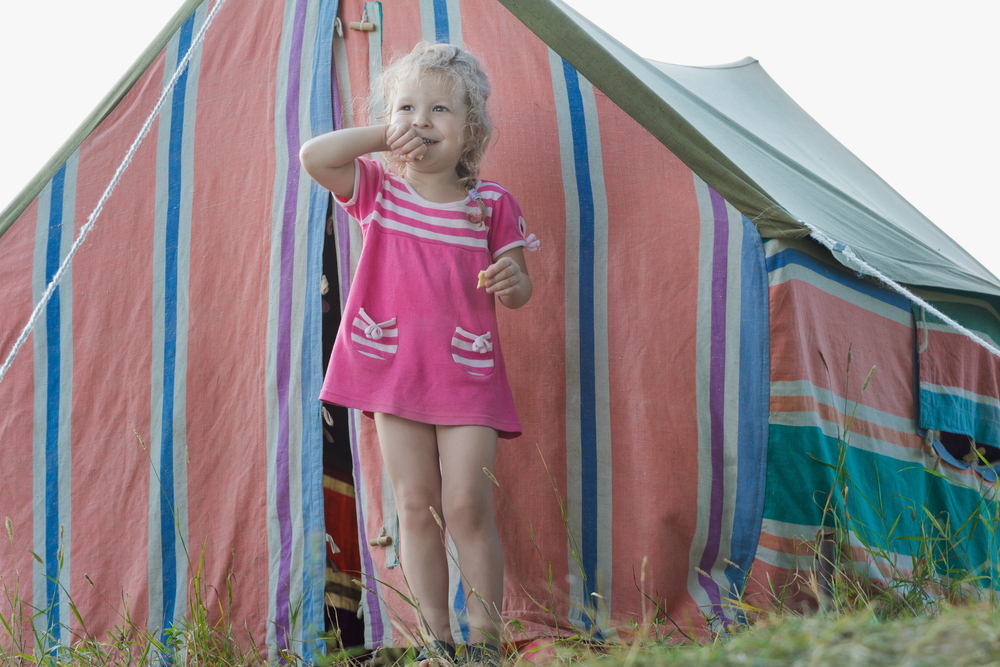
Kids pitched canvas tents or draped blankets across clotheslines and declared the backyard a wilderness. They brought flashlights, comic books and a bag of snacks, and told ghost stories until someone got spooked and ran inside.
The heat inside the tent was often worse than the heat in the house, but that mattered little. Adventure, not comfort, was the goal, and the sounds of the neighborhood after dark made the lawn feel as big as a national forest, with every rustle in the hedge a possible bear.
Catching Fireflies in Jars
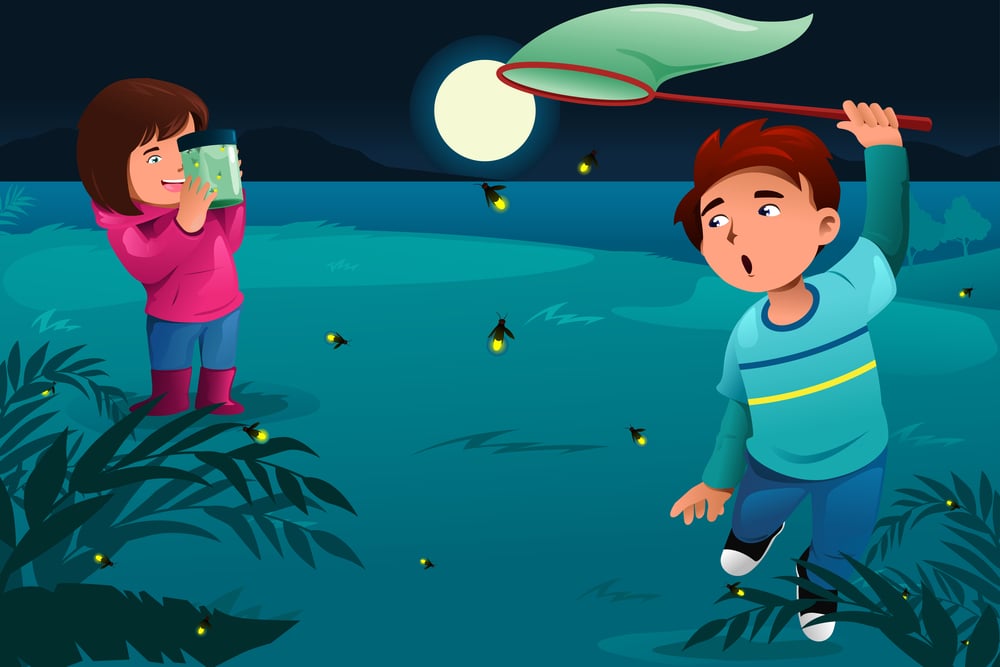
At dusk, kids ran across the lawn with empty jars, clapping them shut over the blinking insects they called lightning bugs. Perforated lids let the fireflies breathe, and a handful of glowing bugs made a lantern for the bedroom.
Most children released them by morning, a ritual that taught a first lesson in care for living things, and the glow faded gently in the cool grass. Firefly numbers have declined in many places, which gives the memory an extra glow, and the sight of the first one of the season still thrills.
Collecting Cicada Shells
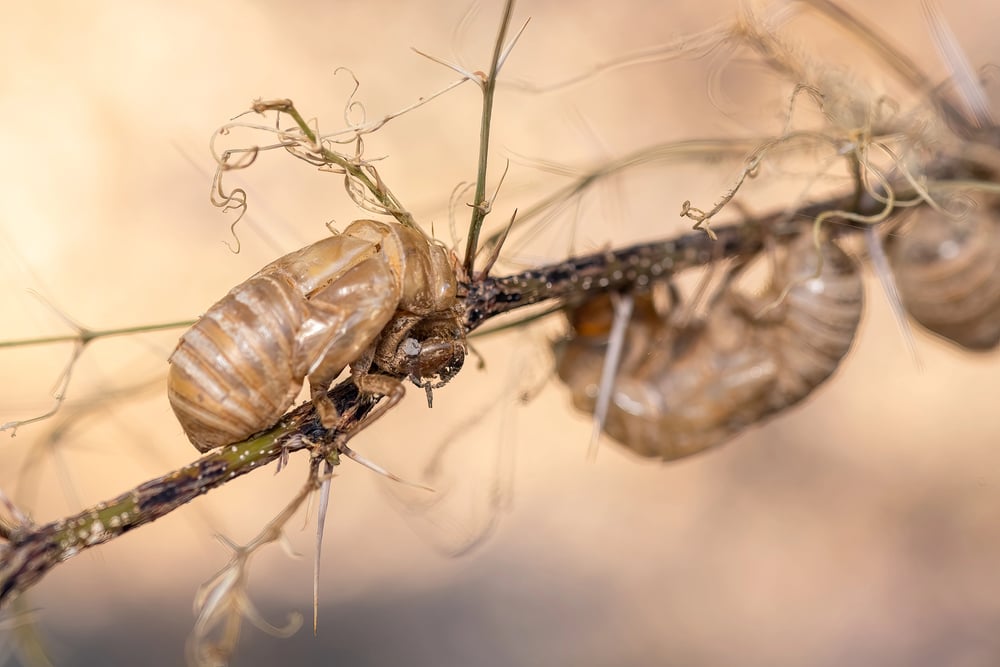
Every summer, the shells of cicadas clung to tree trunks, and kids collected them by the dozen. Periodical cicadas emerge on 13- or 17-year cycles, so some summers brought a spectacular swarm.
Children pinned the empty shells to their shirts like brooches or lined them up on windowsills, and the loud buzzing in the trees was a soundtrack that lasted for weeks. The shells were free and plentiful, and the collection became a badge of a summer that had something remarkable in it, proof that the neighborhood had been visited by something strange.
Running a Lemonade Stand
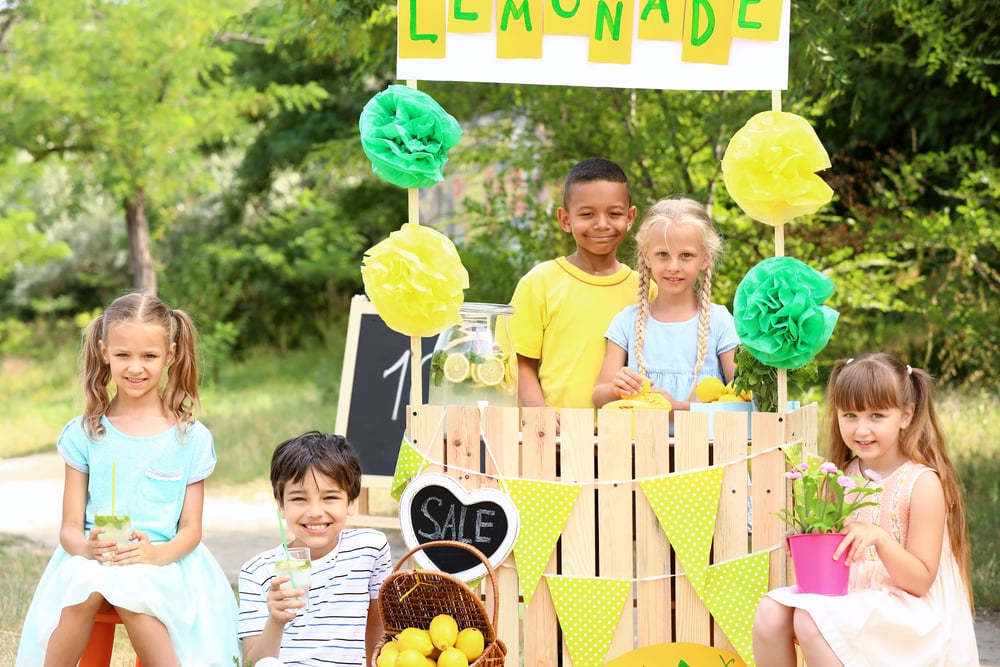
A cardboard sign, a pitcher and a stack of paper cups were all a child needed to open a business. The price was usually a nickel or a dime, and the customers were mostly neighbors and relatives who paid more than the drink was worth.
Kids learned about money, advertising and the cost of sugar, and some got their first taste of failure when it rained. A lemonade stand remains the classic first job, a lesson in enterprise that fits in a wagon, and the first dollar earned is often framed or spent on candy.
Waiting for the Ice Cream Truck

Harry Burt of Youngstown, Ohio, introduced the Good Humor bar in 1920, and drivers in white uniforms soon rolled through neighborhoods ringing bells. Later trucks played cheerful jingles that carried for blocks, sending kids running for spare change.
The choice among popsicles, ice cream sandwiches and fudge bars was a serious decision. A truck rolling slowly down the street was the highlight of a hot afternoon, and the music still triggers a Pavlovian response in adults who grew up chasing it, sending them to their pockets for change.
Cranking Homemade Ice Cream

Families packed hand-cranked freezers with ice and rock salt, which lowers the freezing point and chills the cream. Kids took turns cranking, and the smallest often sat on the lid to hold the freezer steady while an adult turned the handle.
It took half an hour or more of effort, which made the reward feel earned. The first spoonful from the dasher was a prize, and the flavor, usually vanilla or peach, tasted better than anything from a store, especially when eaten on the back steps at sunset.
Spitting Watermelon Seeds
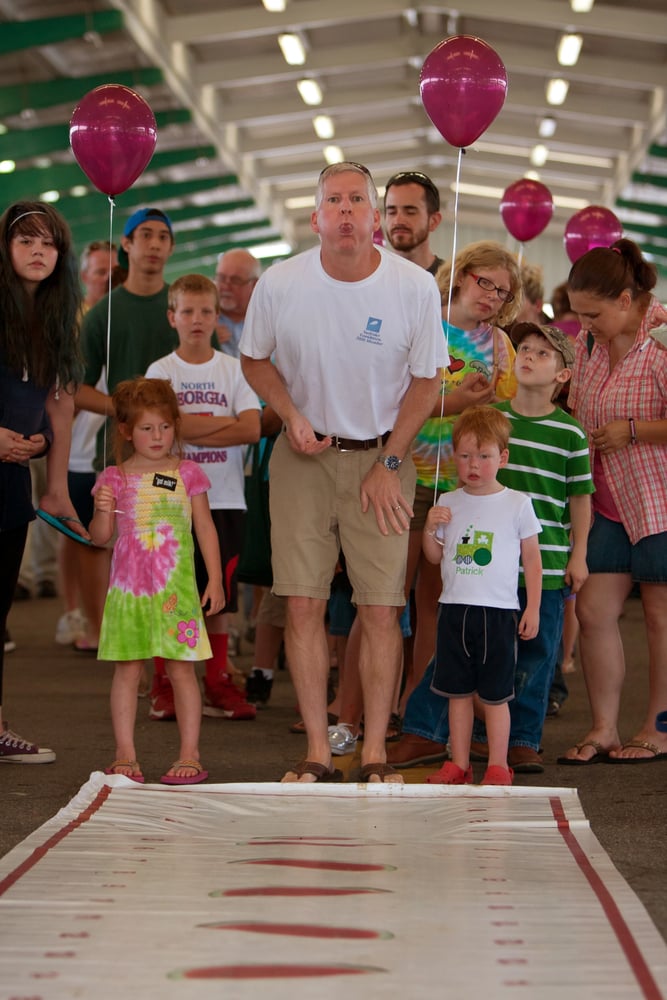
— Photo by BluIz60
Watermelons chilled in a creek or a tub of ice made a perfect summer snack, and the seeds were ammunition. Kids held contests to see who could spit farthest, and the lawn became a scatter of black seeds.
The town of Luling, Texas, has hosted a watermelon festival with a seed-spitting contest since the 1950s. Sticky faces, sweet juice and the thrill of a record-breaking spit made the activity a ritual, and the memory of cold watermelon on a porch is hard to beat, with juice running down elbows onto the boards.
Cooling Off at the Matinee
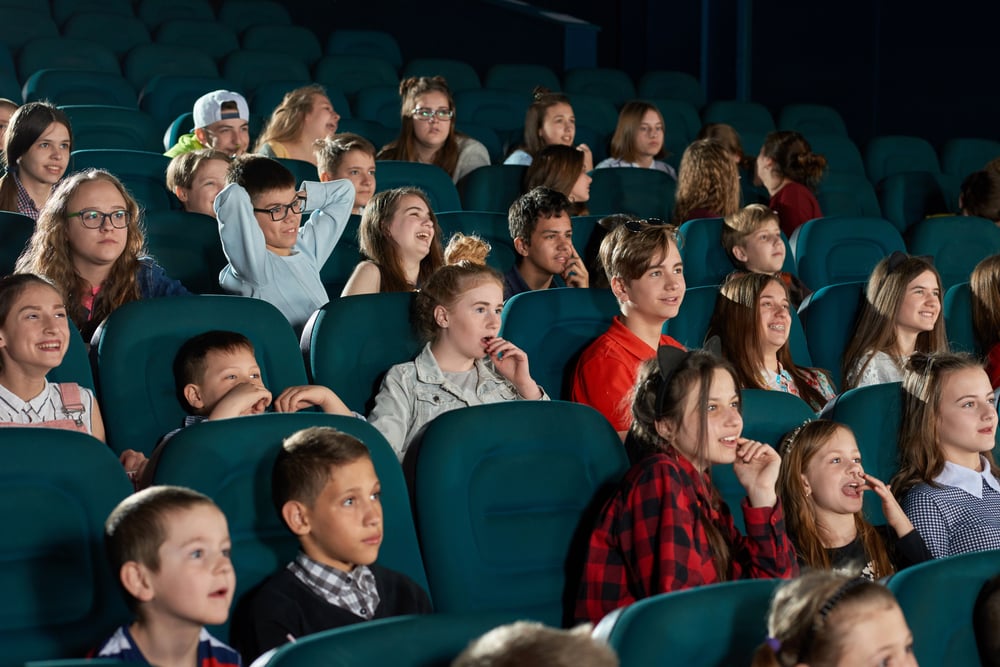
Movie theaters were among the first public buildings with air conditioning in the 1920s, and they advertised the fact with banners featuring icicles and the words refrigerated air. For a dime or a quarter, kids could sit in a dark, cool room for hours with a double feature and cartoons.
Parents knew where their children were, and the theater’s chilly air felt like luxury. The tradition of summer blockbusters grew in part from that habit, and the cold seat remains part of the experience, along with popcorn and a long line for the snack bar.
Watching Films at the Drive-In
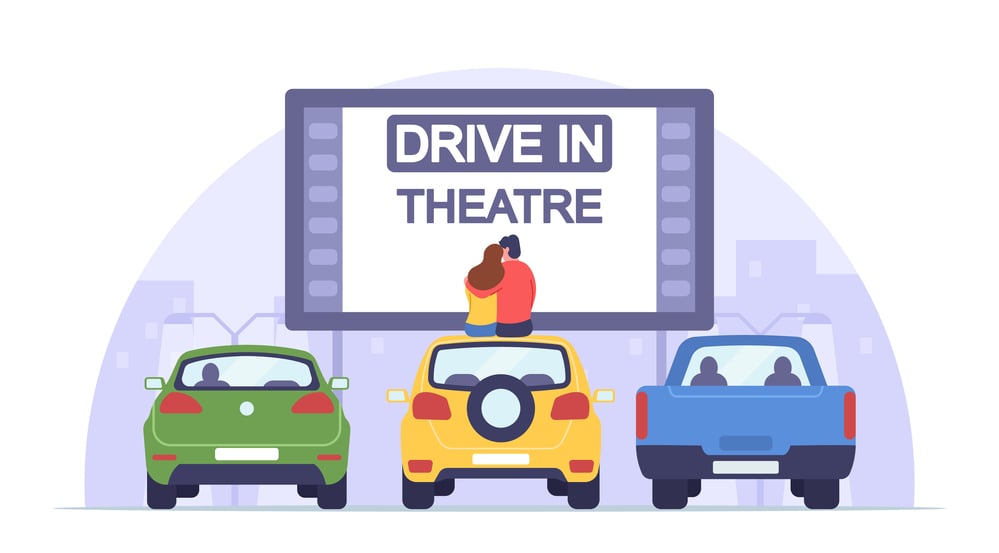
Richard Hollingshead opened the first drive-in theater in Camden, New Jersey, in 1933, and the format spread widely after the war. Families parked on gravel, rolled down the windows and let the evening air cool the car while the movie played.
Kids wore pajamas and fell asleep in the back seat before the second feature. The speaker hung on the window made the sound tinny, but nobody minded, and the playground beneath the screen gave children something to do before dark, with swings and a slide lit by the last orange light.
Fanning With Funeral Home Cards

Churches and funeral homes handed out cardboard hand fans on wooden sticks, usually printed with a religious scene on one side and an advertisement on the other. On hot Sundays, congregations waved them in unison, creating a soft breeze and a rhythmic sound.
Kids collected the fans and used them at home, at picnics and at parades. Today the fans are collectibles, valued for their artwork and nostalgic charm, and a stack of them tells a story about faith, commerce and the lengths people went to for a breeze.
Fishing With a Cane Pole
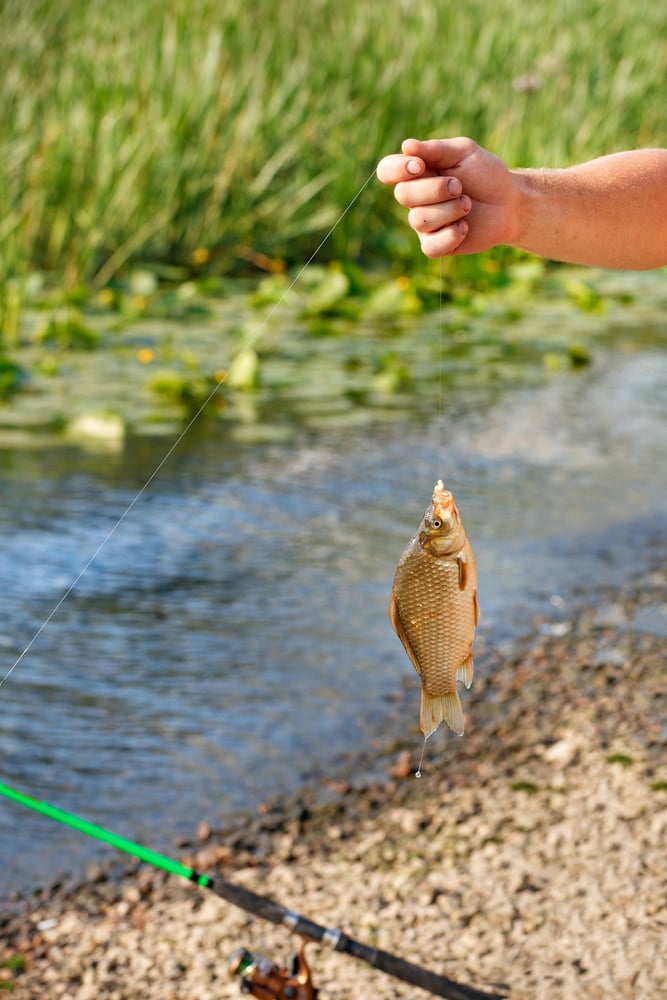
A bamboo cane pole, a length of line, a hook and a can of worms were all a child needed to spend a day at the water. Bobbers floated on the surface, and a tug meant a bluegill or a catfish was on the line.
Kids learned patience, because the fish rarely cooperated, and they learned to share the bank with other anglers. The day often ended with a string of fish and a fried supper, and sunburned noses were the souvenir, along with stories that grew larger each time they were told.
Playing Kick the Can
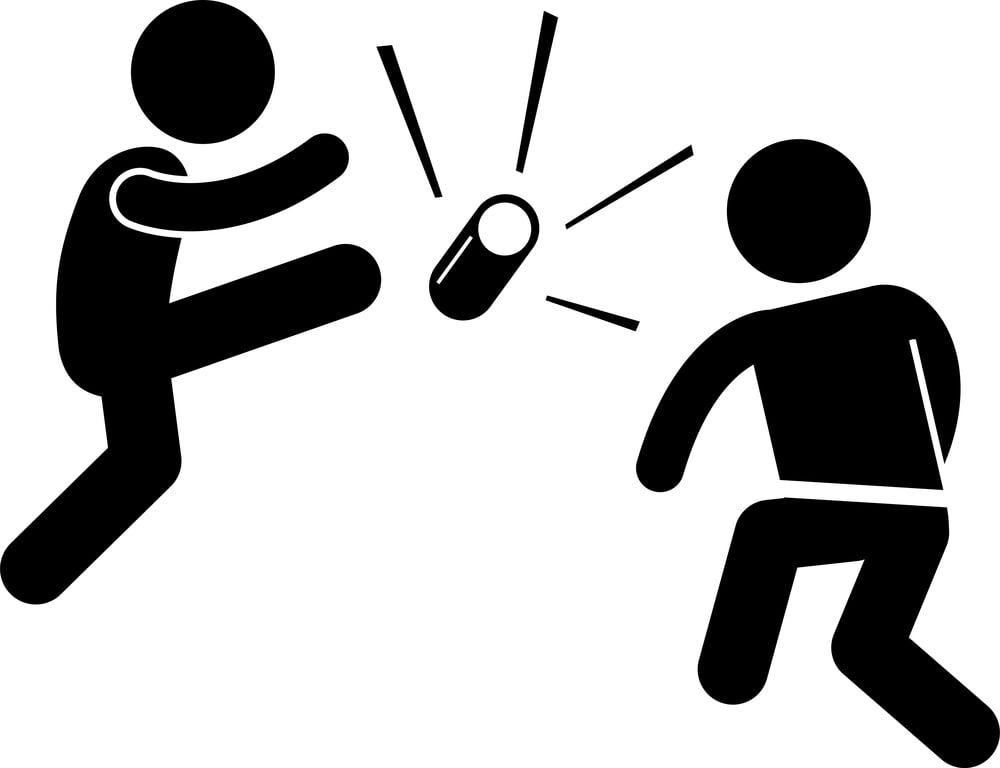
Kick the can was a neighborhood game that combined hide-and-seek and tag, played at dusk when the light was fading. One player guarded a can in the street while the rest hid, and anyone who snuck out and kicked it freed all the captured players.
The game produced shrieks, skinned knees and elaborate strategies. Streetlights were the signal to go home, and the glow of those lamps still marks the end of the day in the memories of those who played, a signal to run home before supper went cold.
Jumping Rope and Double Dutch
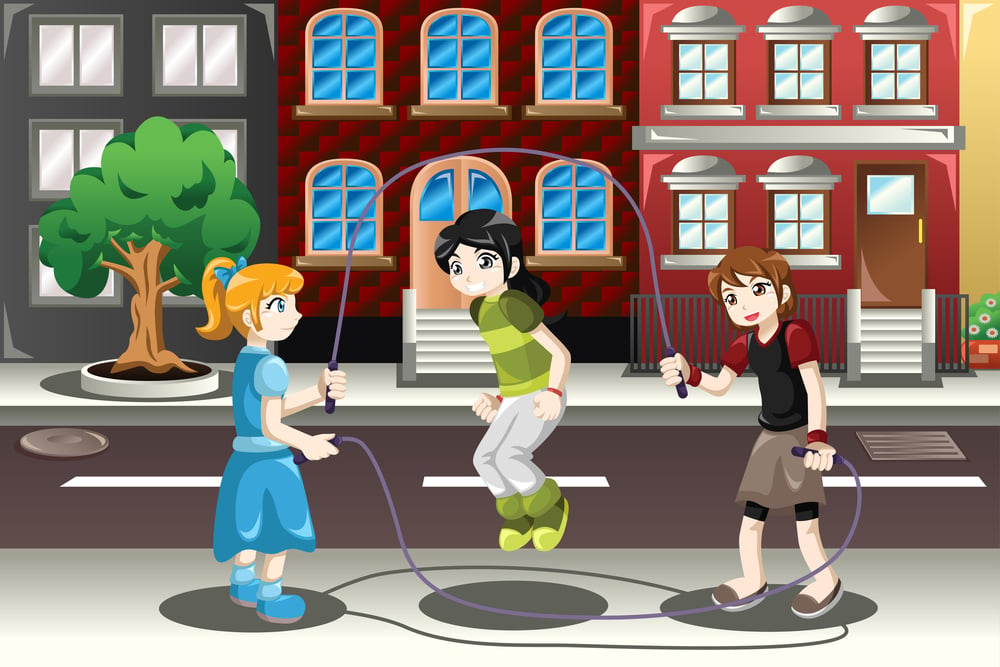
Jump rope chants filled playgrounds and sidewalks, with rhymes that kept time and counted the jumps. Double Dutch, played with two ropes turning in opposite directions, grew popular in New York, where police detective David Walker helped organize competitions in the 1970s.
The game demanded rhythm and daring, and champions developed acrobatic routines. Kids practiced for hours under the shade of a tree, and the rhythmic slap of the rope on the pavement remains one of the sounds of summer, a beat that kept pace with the afternoon.
Skating With a Skate Key
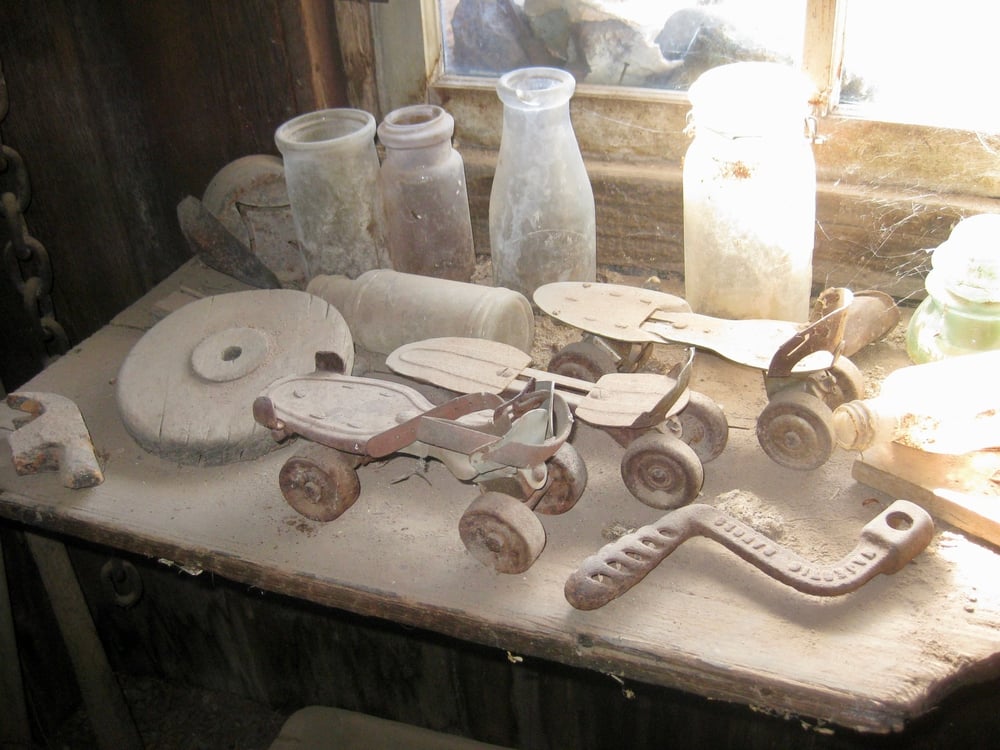
Clamp-on metal roller skates strapped over ordinary shoes and were tightened with a small skate key that kids wore on a string around their necks. The skates rattled over sidewalks, and every crack in the concrete was a hazard.
Falls were common, but the thrill of speed kept children going. Skating down a gentle hill felt like flying, and the skate key, kept in a pocket or on a string, became a prized possession and a symbol of freedom, and losing it meant a stern talk with a parent and an immediate search of the front steps.
Riding Bicycles Until Dusk
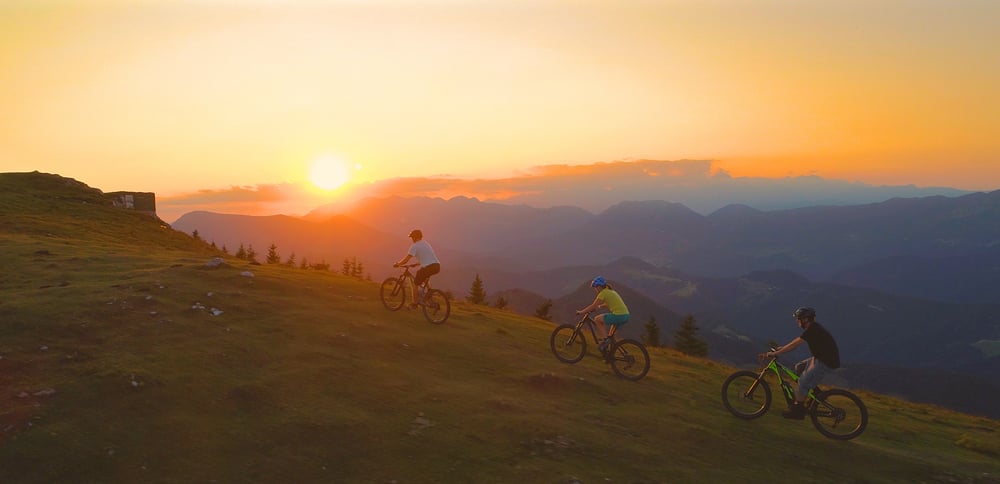
Bicycles were a ticket to freedom, and kids rode from breakfast until the streetlights came on. Schwinn built sturdy models that survived years of abuse, and the banana seat became a favorite in the 1960s.
Children clipped playing cards to the spokes with clothespins to make a motor sound, and they raced each other down the block. The wind from riding was the best cooling system available, and the miles covered on a bike defined the boundaries of a summer, from the corner store to the edge of town and back by supper.
Playing Marbles
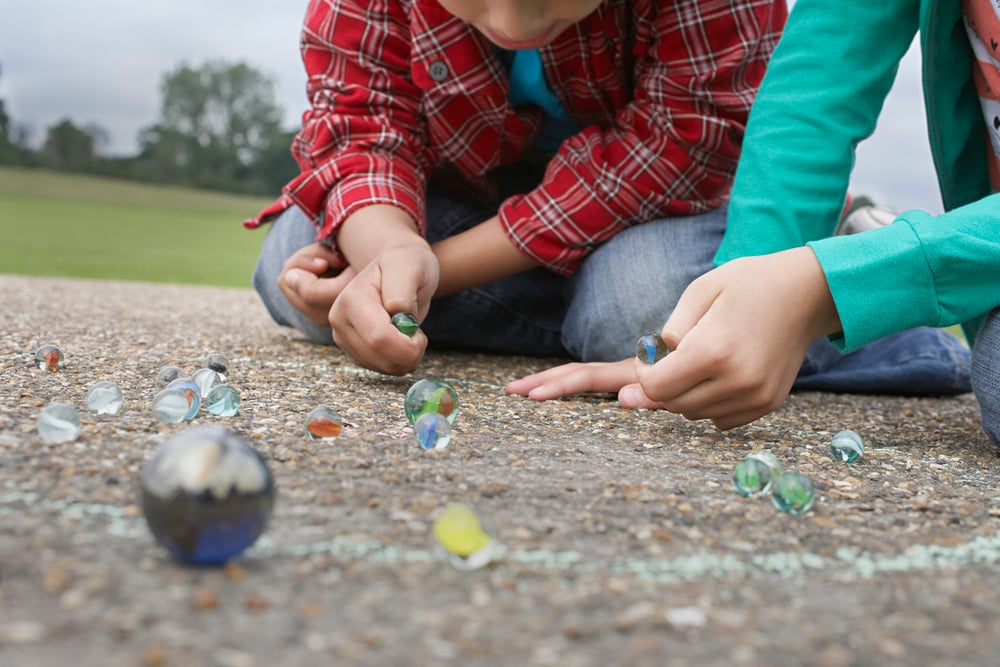
Marbles were a summer currency, traded and won in games played in dirt rings drawn with a stick. Kids prized special marbles, such as cat’s eyes and large shooters, and kept them in cloth bags.
A national marbles tournament has been held in New Jersey since the 1920s, and champions have included many young players. The game required steady aim and a sense of fairness, and a pocket full of clicking marbles was a sign of a good day, a small fortune carried in a cloth bag or a coffee can.
Raiding the Penny Candy Store
— Photo by homank76
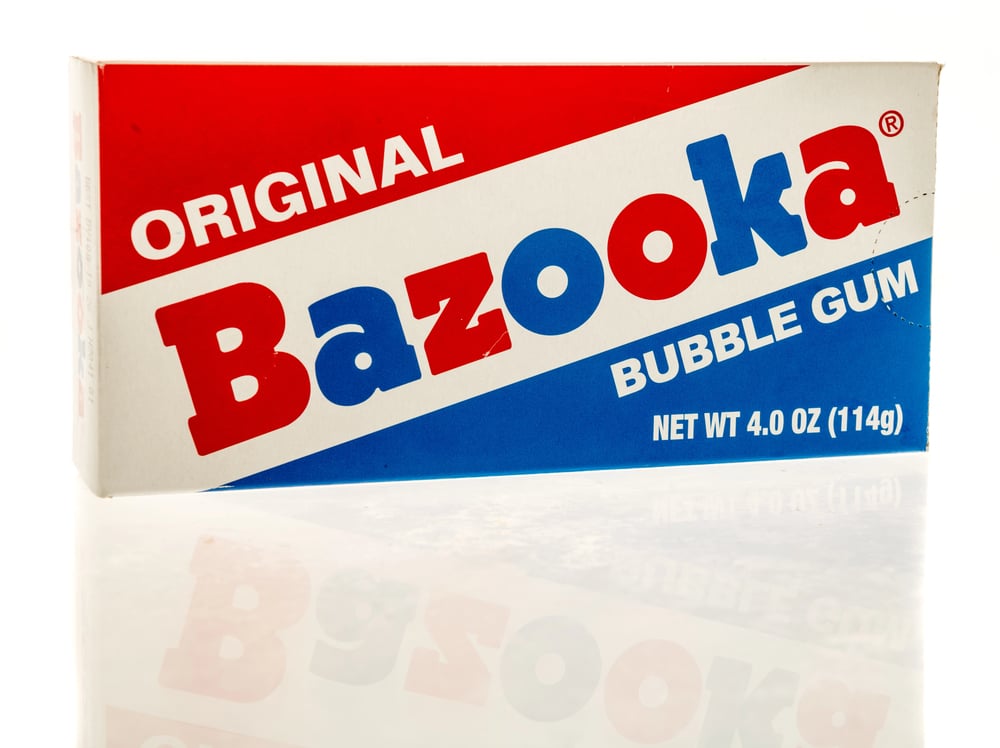
Corner stores sold candy for a penny, and kids arrived with a few coins and the serious task of deciding how to spend them. Wax lips, candy buttons, licorice whips and Bazooka bubble gum with a comic strip wrapper filled the glass jars.
Bazooka sold for a penny in the 1950s, which made it an easy purchase. The shopkeeper, patient and amused, counted out the treats one by one, and the paper bag of sweets was a treasure that lasted until the sun went down.
Reading Comics on the Porch Steps
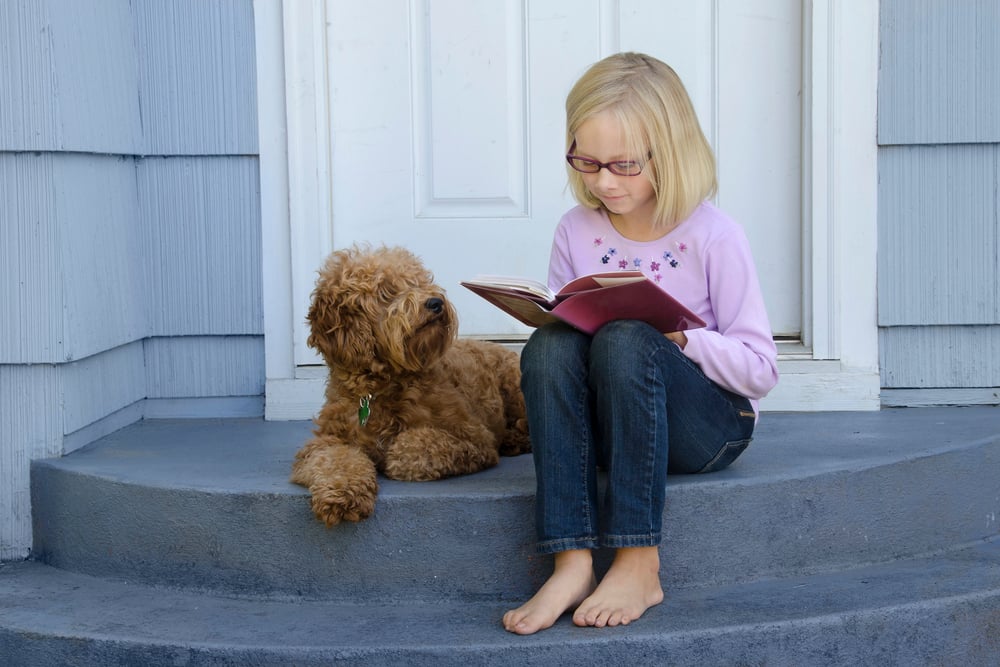
Comic books cost a dime in the 1940s and 1950s, and kids traded stacks of them on the porch steps. Superheroes, cowboys and funny animals filled the pages, and a good issue could be read a dozen times.
Libraries also ran summer reading programs, rewarding children with stickers and certificates for each book finished. A shaded step, a glass of cold water and a pile of comics was a complete afternoon, and the smell of old newsprint still brings it back, a mixture of dust, ink and warm paper.
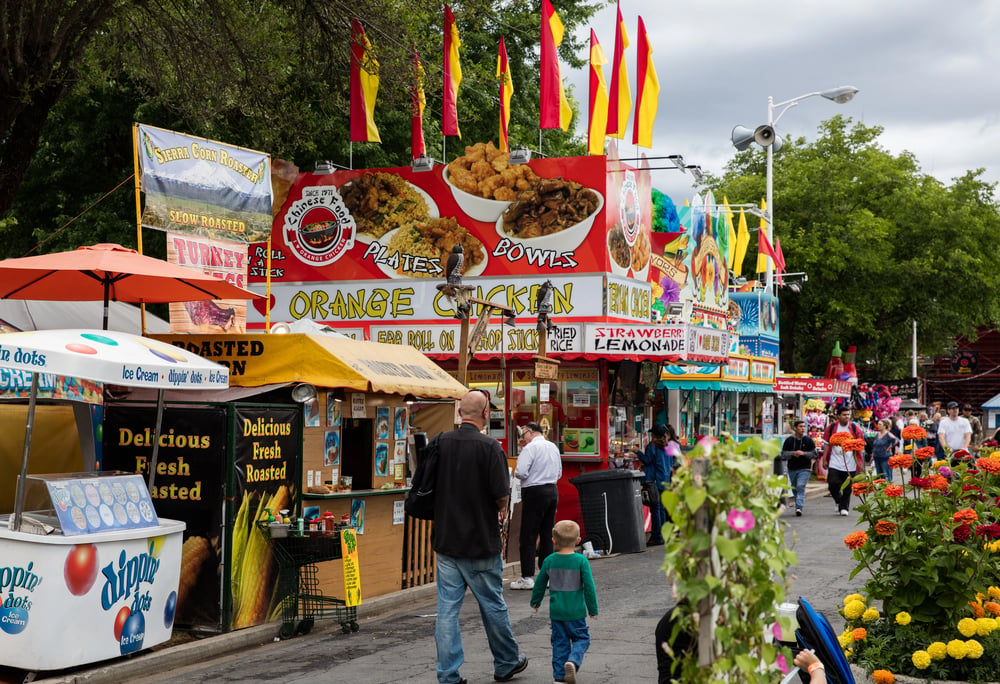
Visiting the County Fair
— Photo by Teacherdad48
County fairs brought livestock shows, pie contests, carnival rides and the 4-H clubs that taught farm kids to raise animals and grow crops. The movement began in the early 1900s and gave rural children a place to compete and learn.
Cotton candy, funnel cake and the glow of the Ferris wheel at night made the fair a highlight of August. Winning a ribbon for a calf or a jar of pickles was a point of pride, and the fairgrounds were crowded with proud families, tired animals and children holding oversized stuffed prizes.
Heat, Freedom and Long Light

The heat shaped childhood in ways that air conditioning later softened. Without cool indoor rooms, kids were pushed outdoors into neighborhoods where they built games and friendships from scratch. Evenings stretched long, and summer felt like a country of its own.
Of course, the heat also brought hardship, from polio scares to sleepless nights in crowded apartments. The memories that survive are mostly of water, ice and fireflies, though, and they have a special glow. Those who lived them often say the best part was that nobody scheduled anything.
More from Go2Tutors!

- 27 Silver Dollars and Half Dollars Worth Keeping
- 28 Restaurant Menu Items Nobody Orders Anymore
- 17 Places Built in Seemingly Impossible Spots
- 27 Vintage Rings Worth More Than They Look
- 25 Restricted Sites Tourists Can’t Enter
Like Go2Tutors’s content? Follow us on MSN.