Photos of Travel Destinations With Unexpected Appeal
Some of the most captivating travel photos come from places that don’t make the glossy magazine covers or Instagram highlight reels. These destinations possess a raw authenticity that catches the camera off-guard — the kind of beauty that emerges not from perfection, but from character.
Whether it’s an industrial landscape that transforms at golden hour or a forgotten town that time forgot to ruin, these places reward photographers who look beyond the obvious.
Newark, New Jersey
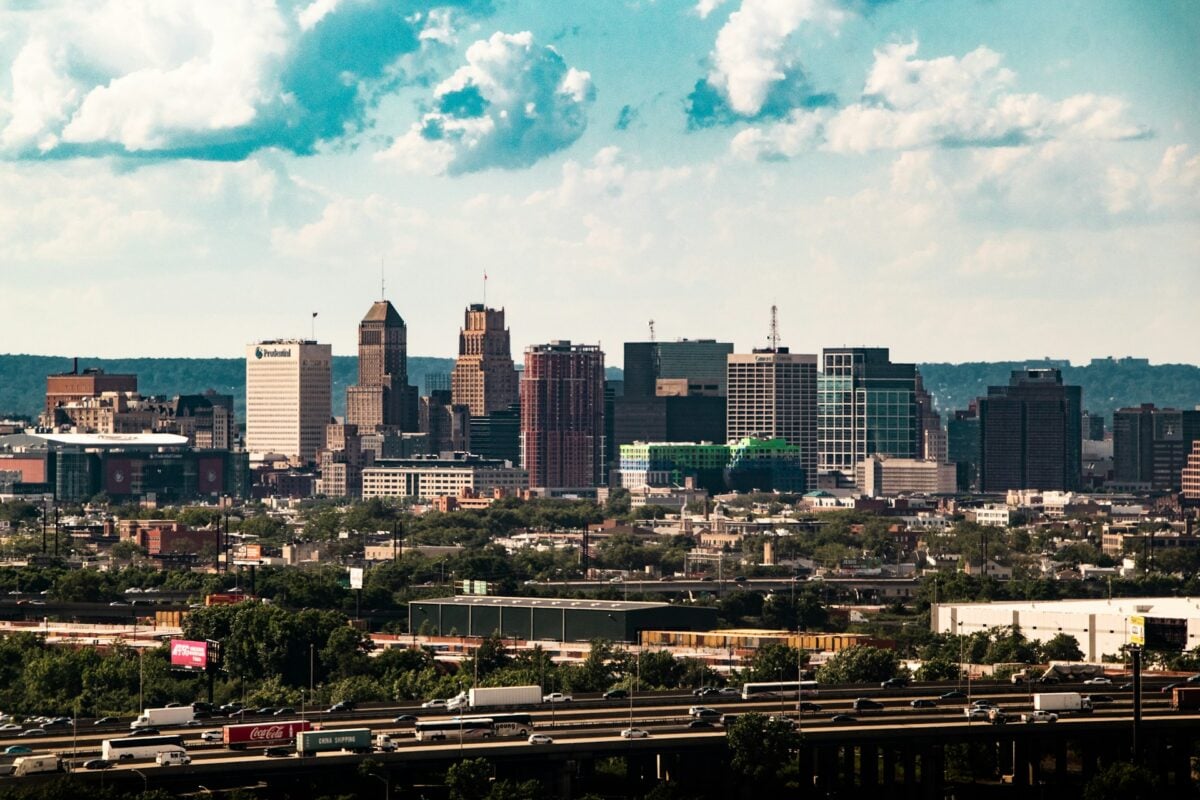
Newark gets dismissed before anyone bothers to look. The industrial skyline creates dramatic silhouettes against winter sunsets.
Empty lots become unexpected urban prairies where wildflowers push through chain-link fences. The architecture tells honest stories.
Cleveland, Ohio
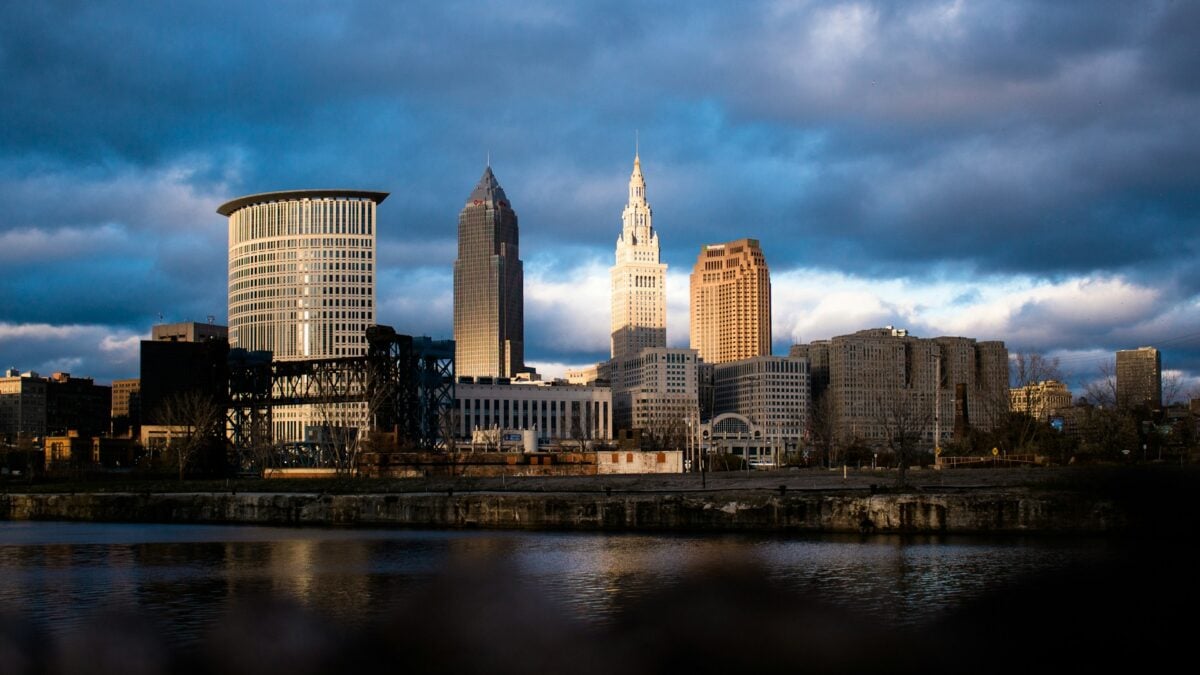
Cleveland exists in the space between what people expect and what actually unfolds when the camera finds the right angle (and the city has spent decades perfecting that contradiction). The Cuyahoga River, once so polluted it caught fire, now reflects the downtown lights with an almost defiant beauty — as if the water itself remembers the insult and chose grace instead of bitterness.
And there’s something about rust belt cities that the lens loves: the way abandoned buildings become accidental art installations, how Lake Erie stretches endlessly like an ocean that got tired of salt, the stubborn gardens that bloom in vacant lots because someone decided hope was more interesting than resignation. So the photographs that emerge from Cleveland don’t just capture a place.
They capture recovery itself.
Fresno, California
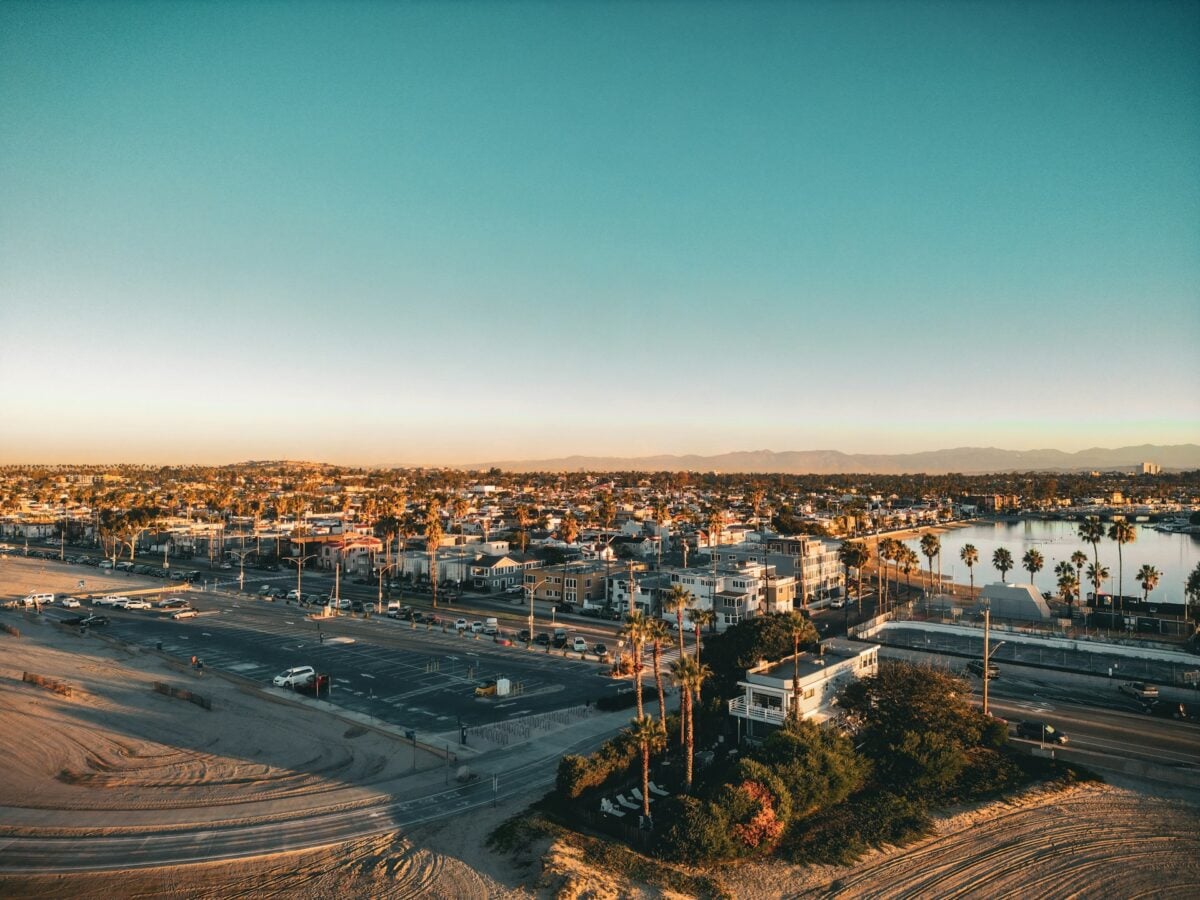
The Central Valley sprawls flat and honest under a dome of sky that photographers either love or hate. There’s no middle ground here.
Almond orchards create perfect geometric patterns when shot from above, while the agricultural machinery scattered across fields becomes sculpture against the endless horizon.
Gary, Indiana
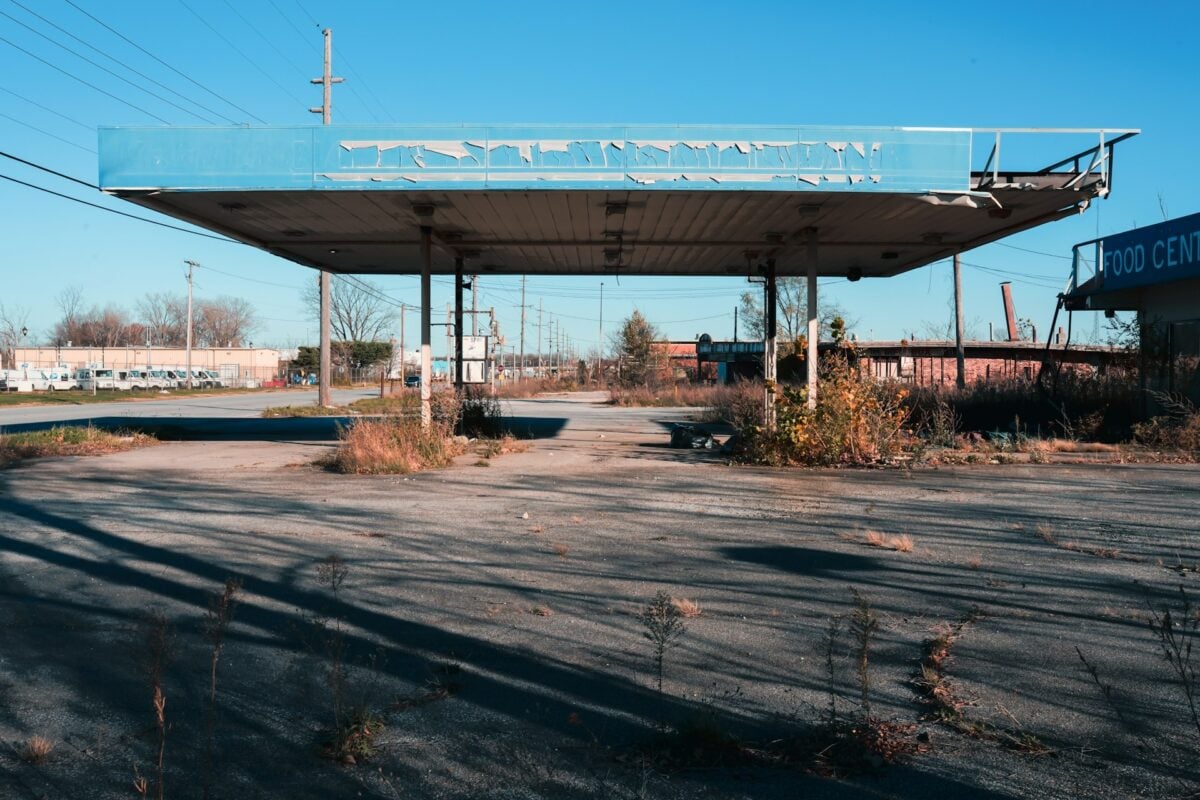
Gary represents post-industrial America at its most photogenic, which sounds like a contradiction but absolutely isn’t — the abandoned steel mills and empty lots have been reclaimed by something more stubborn than urban planning, and what remains is a landscape that refuses to apologize for its scars. But here’s what the camera catches that the reputation misses: the way nature fights back with a vengeance that borders on artistic.
Weeds don’t just grow in Gary, they compose themselves into arrangements that would make a landscape architect weep (and probably charge thousands to recreate). The light bounces off rusted surfaces with a warmth that shouldn’t exist, creating shadows that fall across broken concrete like calligraphy written in a language only photographers understand.
And the people who stayed, who planted gardens in lots where houses used to stand, who painted murals on walls that everyone said weren’t worth saving — they’ve created a visual story about persistence that no amount of urban decay can diminish.
Stockton, California
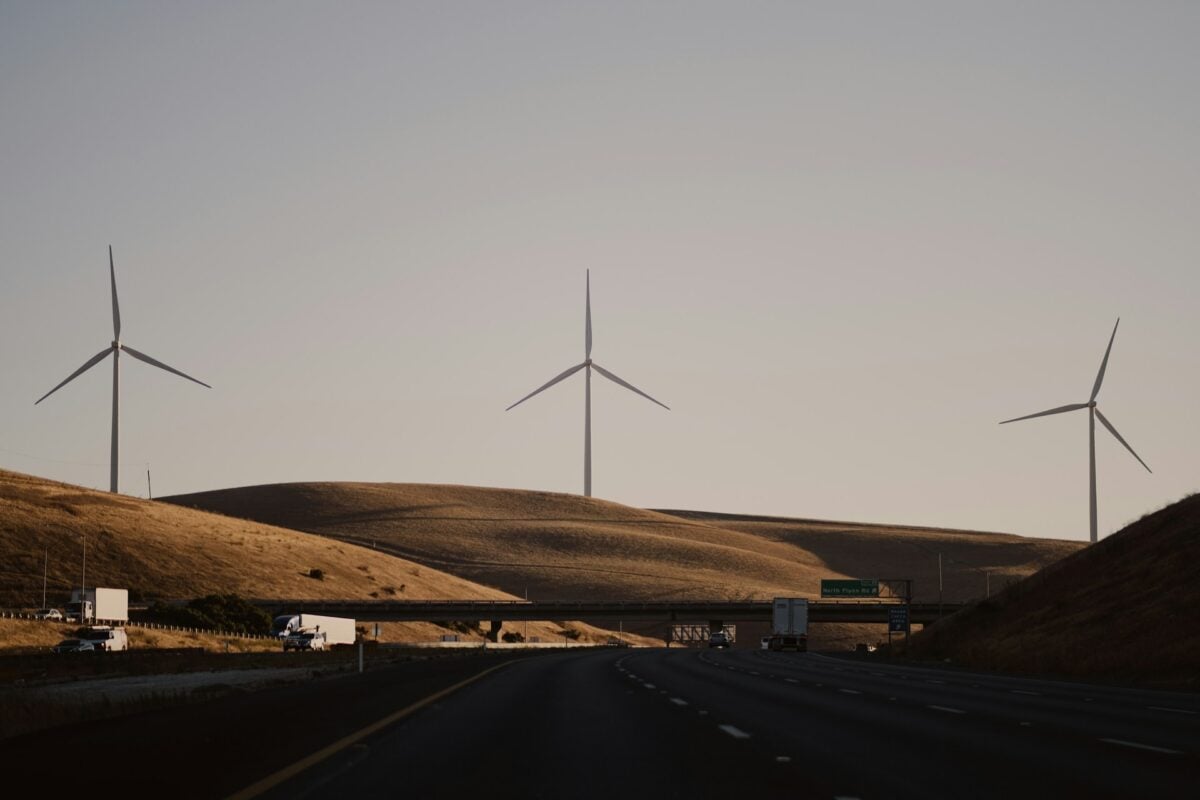
Think of Stockton as California’s middle child — not glamorous enough for the coast, not rustic enough for the mountains, just sitting there in the valley being deliberately unremarkable. Which turns out to be exactly what makes it interesting through a lens.
The delta waterways wind through suburban neighborhoods like secret passages, creating unexpected moments where great blue herons fish in someone’s backyard.
Bakersfield, California
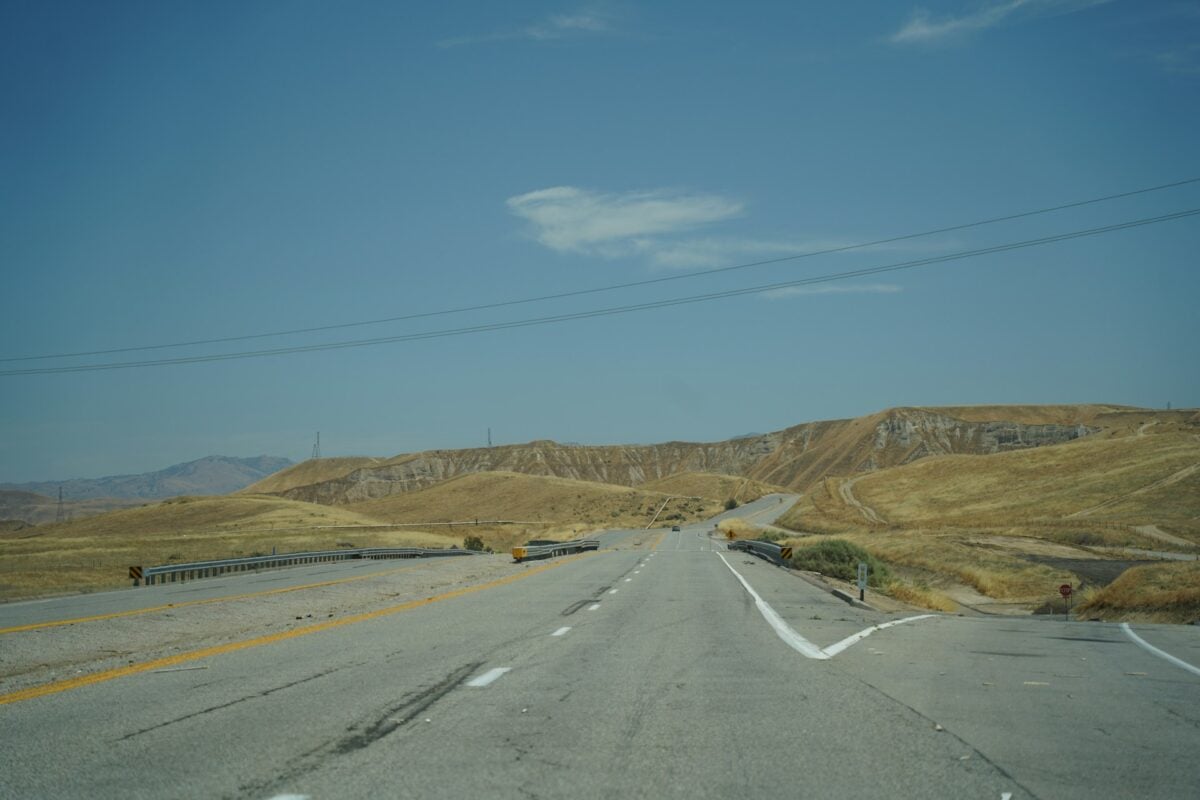
Oil derricks and country music shouldn’t create compelling photography, but Bakersfield proves that assumption wrong daily. The contrast between agricultural green and industrial metal creates compositions that feel both American and abstract.
Heat shimmer turns ordinary landscapes into something that wavers between real and imagined.
Akron, Ohio
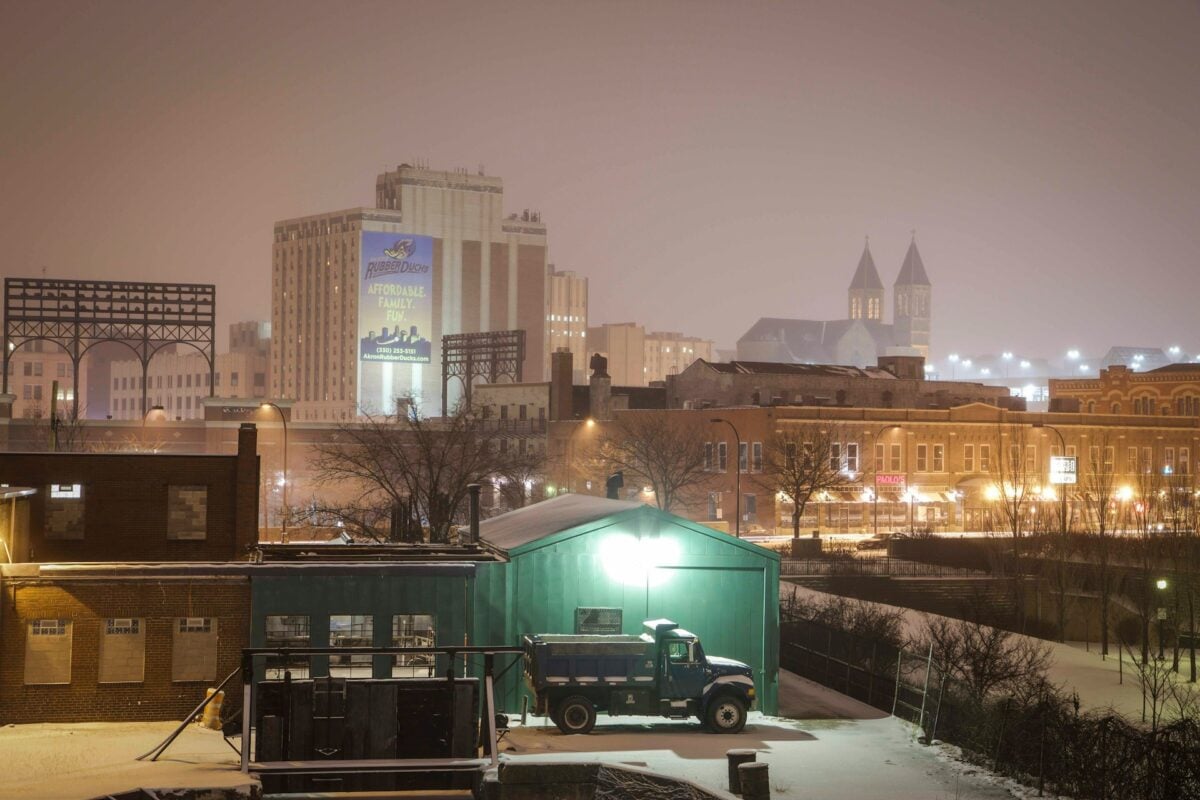
Akron built itself around rubber and then had to figure out what to do when the world moved on — which created exactly the kind of creative tension that produces unexpectedly compelling photographs. The abandoned Goodyear facilities have transformed into something between ruins and monuments, their brick facades catching morning light with the dignity of structures that remember when they mattered.
But the real photographic gold lies in how the city adapted: rooftop gardens growing where tires used to cure, art installations in former factory windows, bike paths that follow old railroad grades through neighborhoods that learned to see beauty in persistence rather than prosperity. And the Cuyahoga Valley National Park sits right there at the city’s edge, offering waterfalls and covered bridges that seem almost too pastoral to exist so close to industrial history, creating a visual juxtaposition that feels like two different centuries decided to share the same frame.
Modesto, California
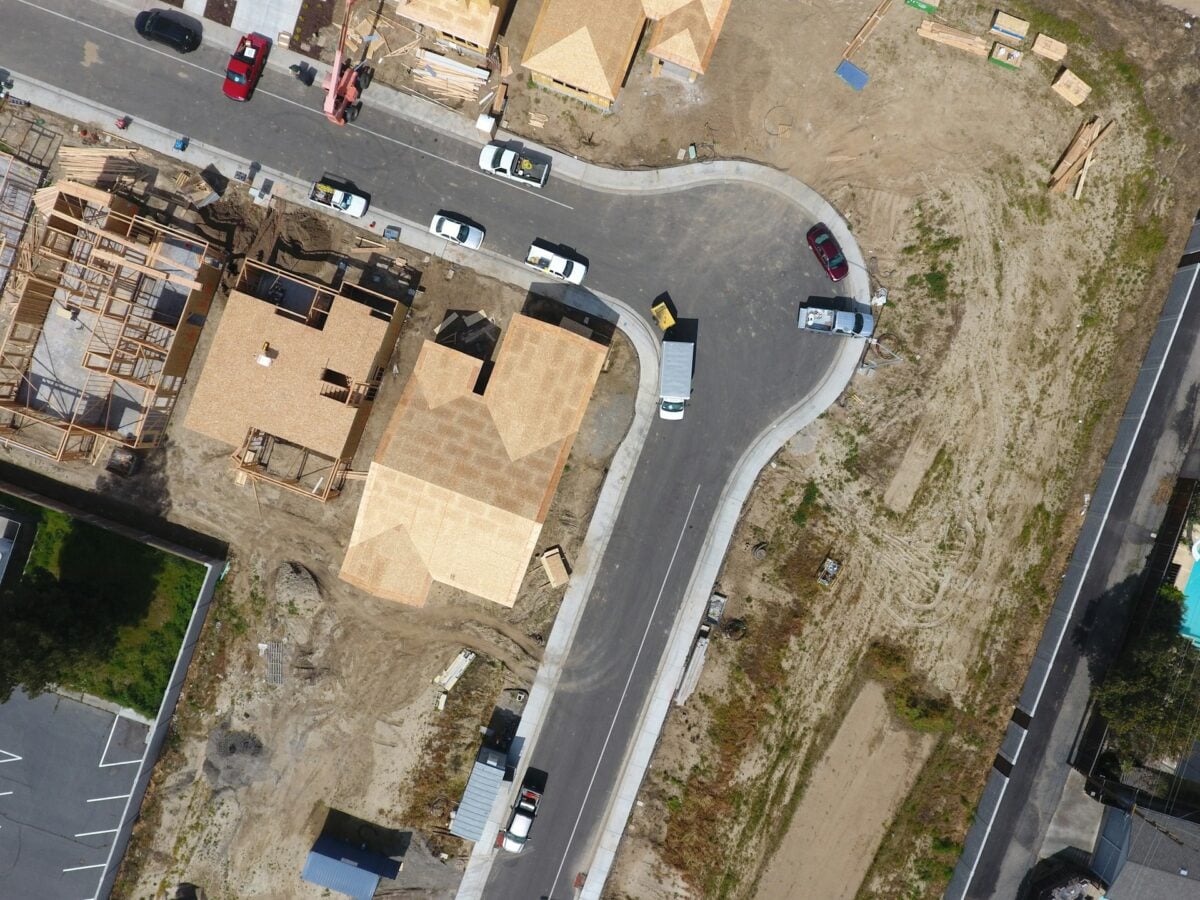
Modesto perfected the art of being overlooked, which freed it from having to perform for tourists. The agricultural landscape changes with the seasons in ways that create natural photography exhibitions — almond blossoms in February, golden fields in summer, fog-shrouded orchards in winter.
Dayton, Ohio
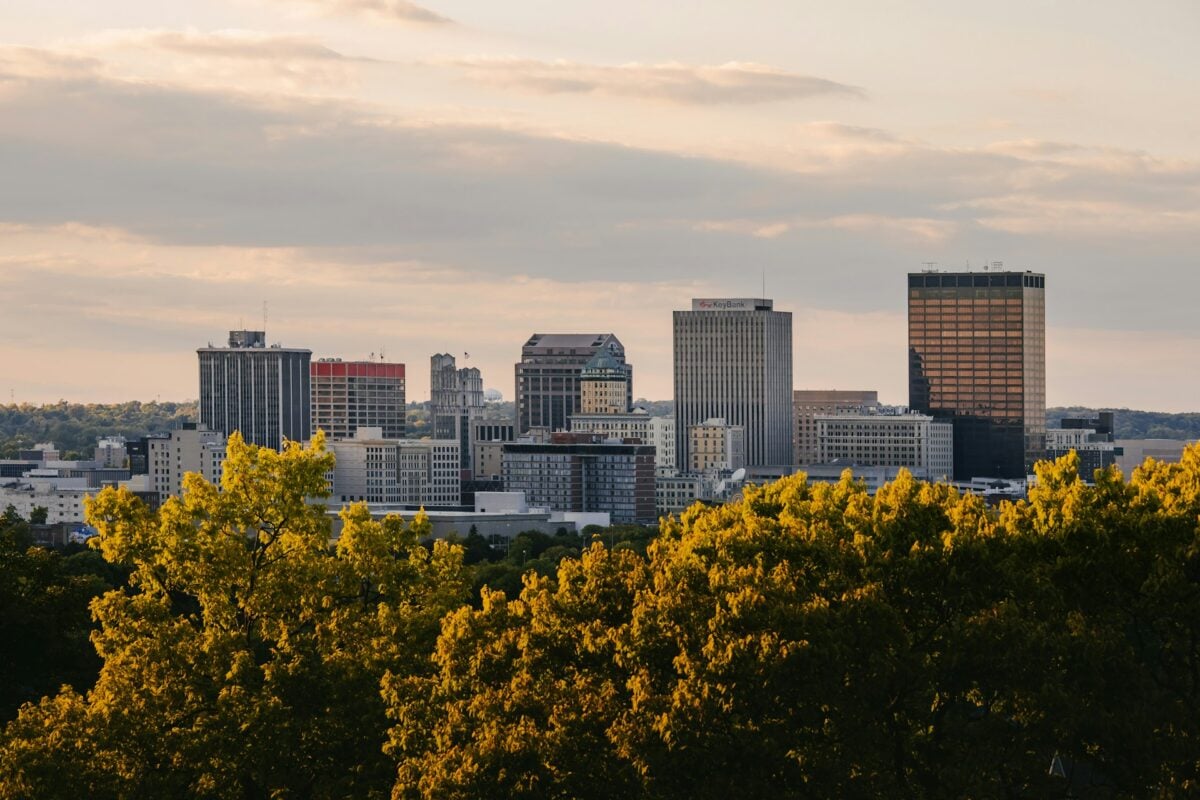
The Wright brothers were based in Dayton and conducted much of their aeronautical design and development there, but they launched human flight from Kitty Hawk, North Carolina in 1903. The city’s engineering practicality shows up in photographs as a kind of utilitarian beauty that doesn’t announce itself but definitely rewards attention — and that engineering practicality shows up in photographs as a kind of utilitarian beauty that doesn’t announce itself but definitely rewards attention.
The downtown architecture mixes aviation-age optimism with rust belt realism, creating skylines that photograph like monuments to the idea that function and form don’t have to choose sides. And then there’s the Great Miami River, which flows through the city center with the quiet confidence of water that has watched history happen and decided to just keep moving.
So when photographers discover Dayton, they tend to find themselves documenting not just a place, but a particular kind of American optimism that builds things to last and then figures out how to make them beautiful afterward.
Merced, California
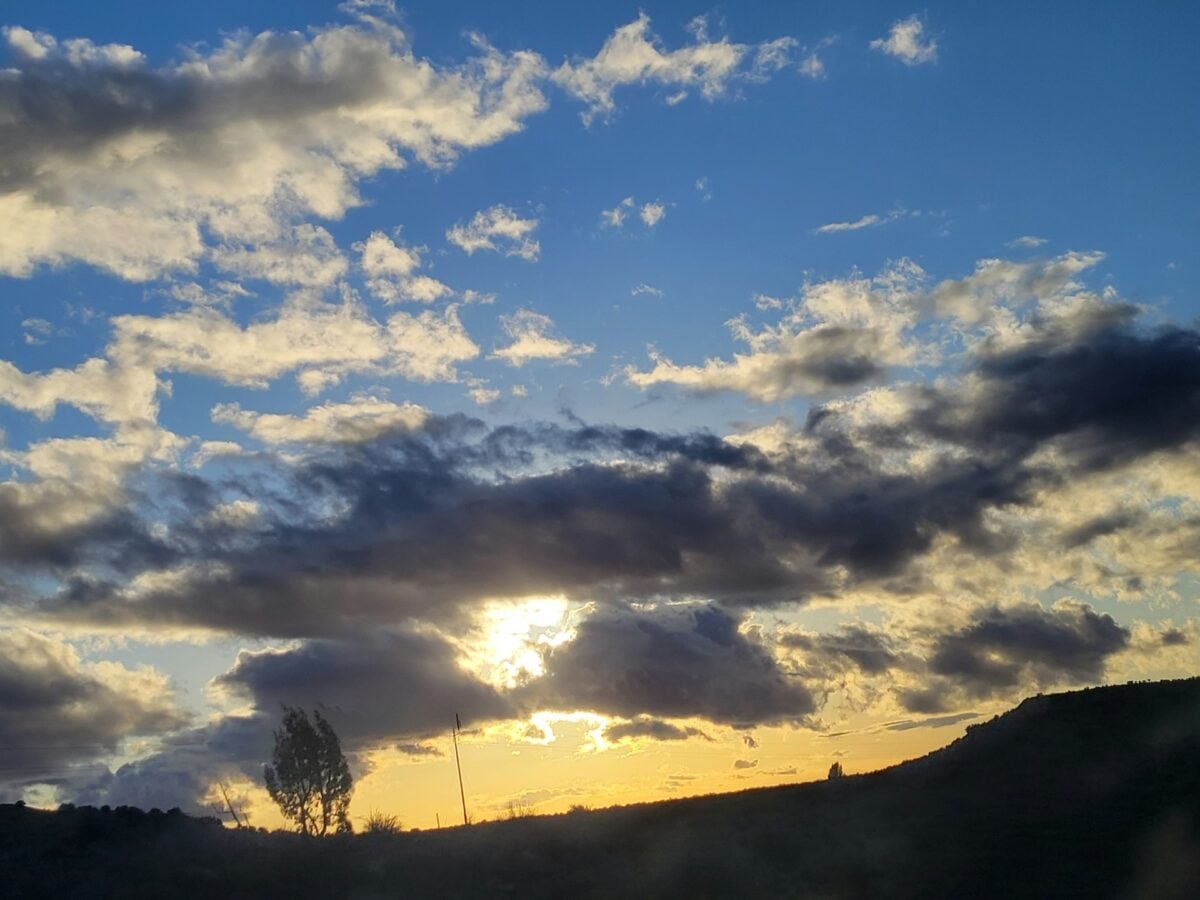
The gateway to Yosemite gets ignored in favor of the destination, but Merced offers something the famous park can’t: agricultural authenticity without the crowds. Castle Air Museum creates surreal moments where vintage aircraft sit among almond orchards like mechanical flowers.
Youngstown, Ohio
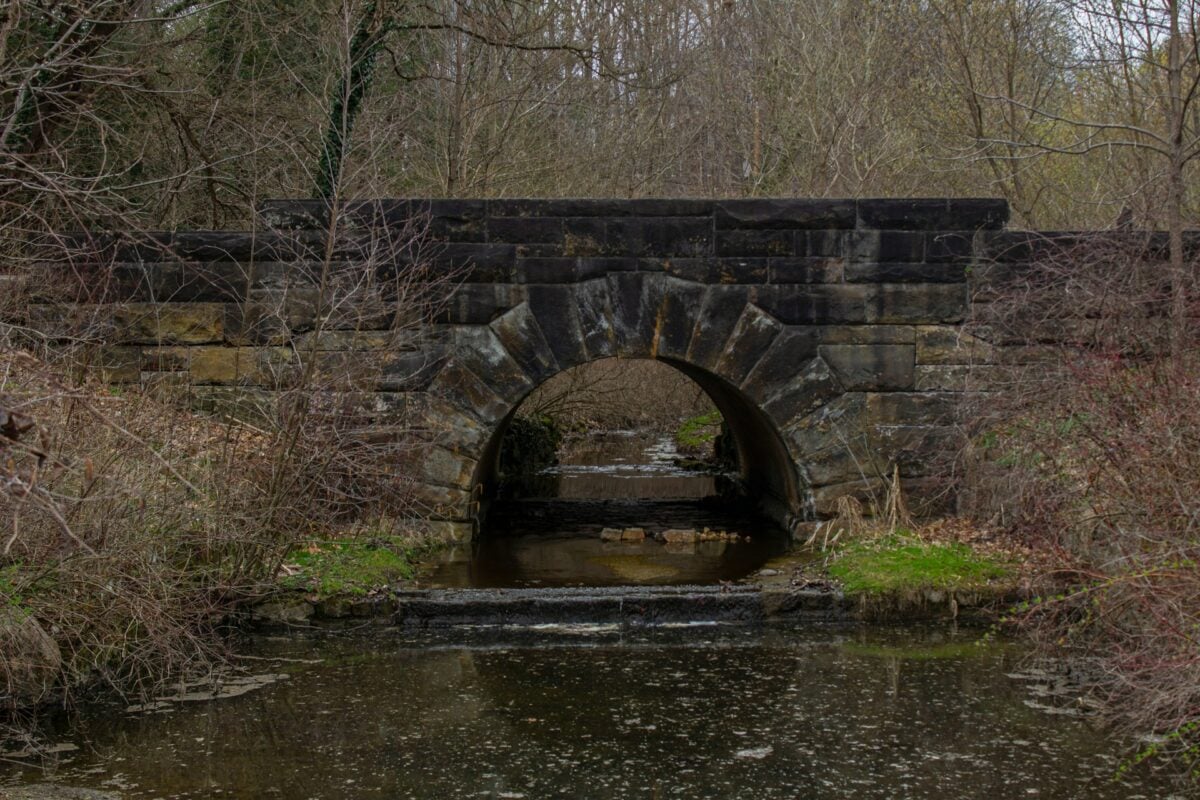
Youngstown embraced the concept of “planned shrinkage” before anyone called it that, accidentally creating a city where urban and rural blur into something entirely new (and surprisingly photogenic). The abandoned steel mills have become accidental monuments to industrial ambition, their skeletal remains creating dramatic silhouettes against Ohio sunsets that seem too cinematic to be real.
But what makes Youngstown particularly compelling through a camera lens is how green space has reclaimed the empty lots — not in a manicured, planned way, but with the wild enthusiasm of nature that suddenly found room to breathe. Urban prairies stretch between houses, creating compositions that feel more like pastoral landscapes than city neighborhoods, while community gardens bloom in spaces where factories once stood, turning former industrial sites into something that photographs like hope made visible.
Salinas, California
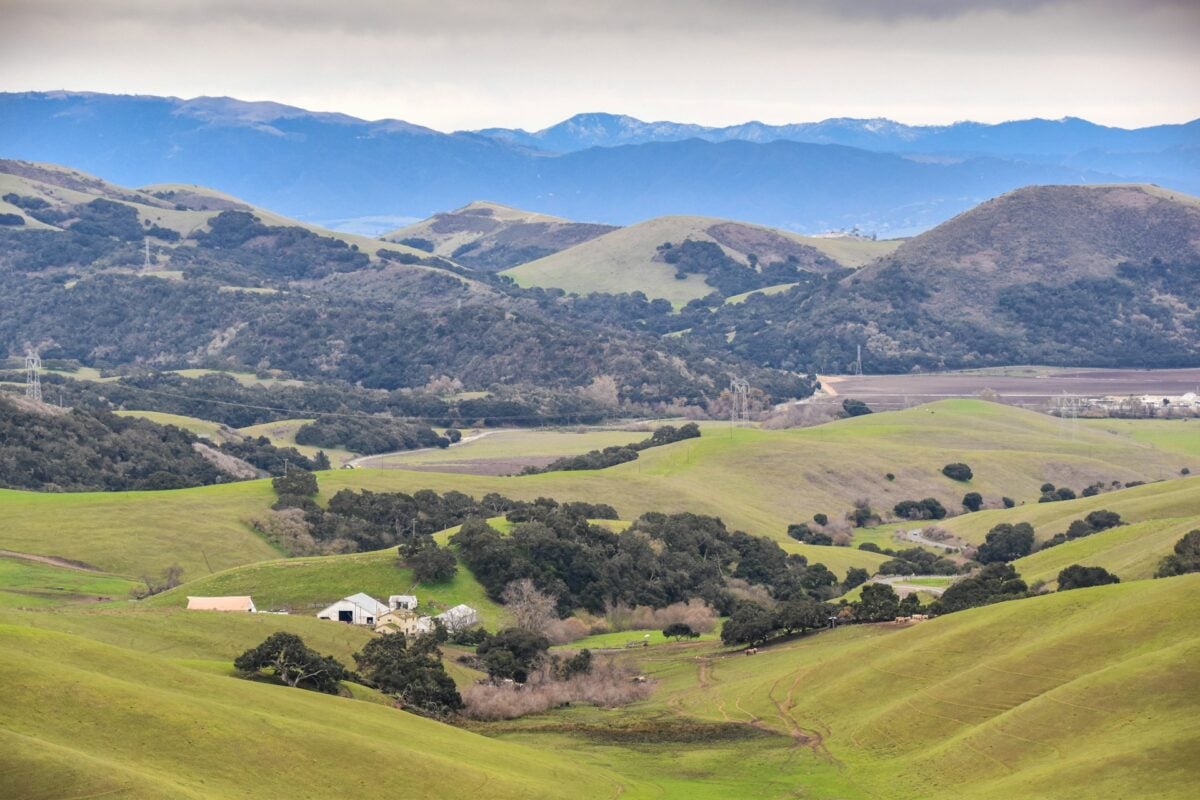
Steinbeck’s hometown sits in a valley that produces more lettuce than anywhere else on earth, which creates vast green geometries that shift with the growing seasons. The agricultural workers’ movement started here, giving the landscape a visual weight that goes beyond pretty patterns.
Toledo, Ohio
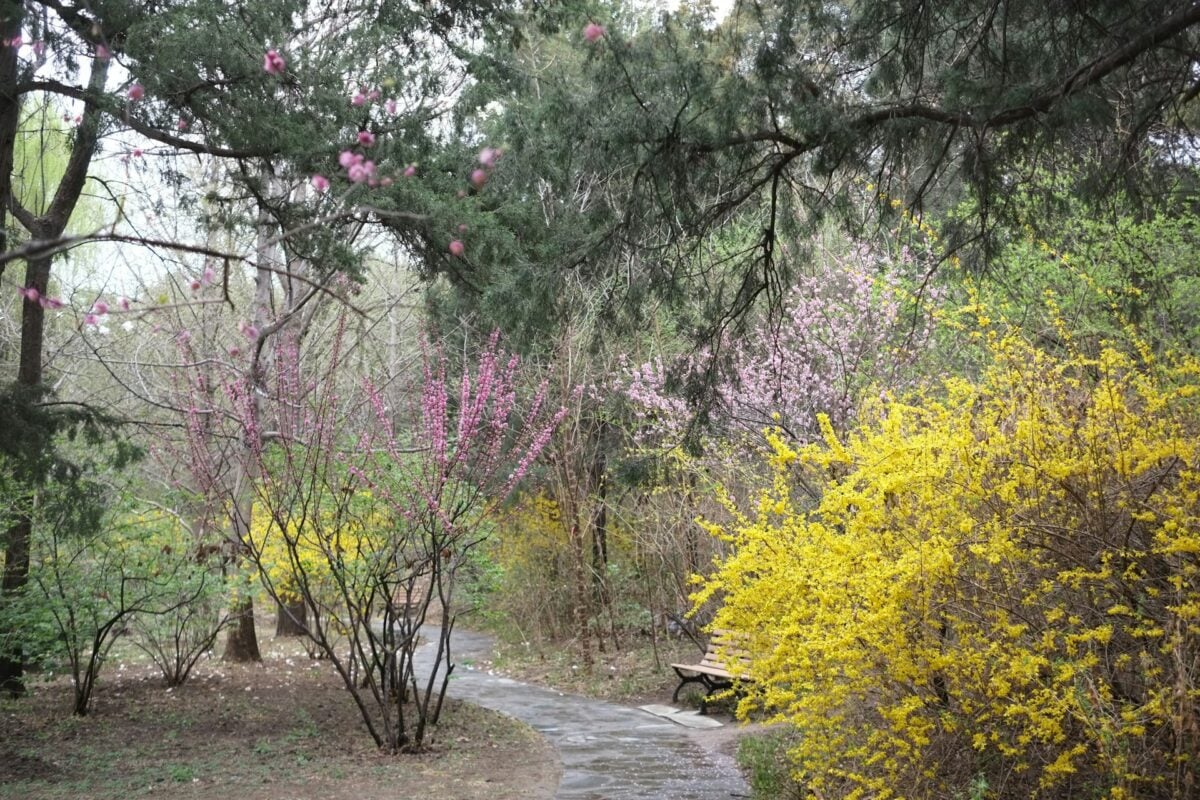
Toledo sits at the western tip of Lake Erie like a port city that forgot to be quaint, which created exactly the kind of honest waterfront aesthetic that produces compelling photographs. The glass industry built the city’s reputation, and that legacy shows up in unexpected ways — industrial buildings with more windows than walls, creating plays of light and reflection that change throughout the day.
The Maumee River feeds into the lake through a landscape that mixes urban industry with surprising wetlands, where great blue herons fish in the shadow of grain elevators and freighters navigate channels that wind through marshes that shouldn’t exist so close to downtown.
Richmond, California
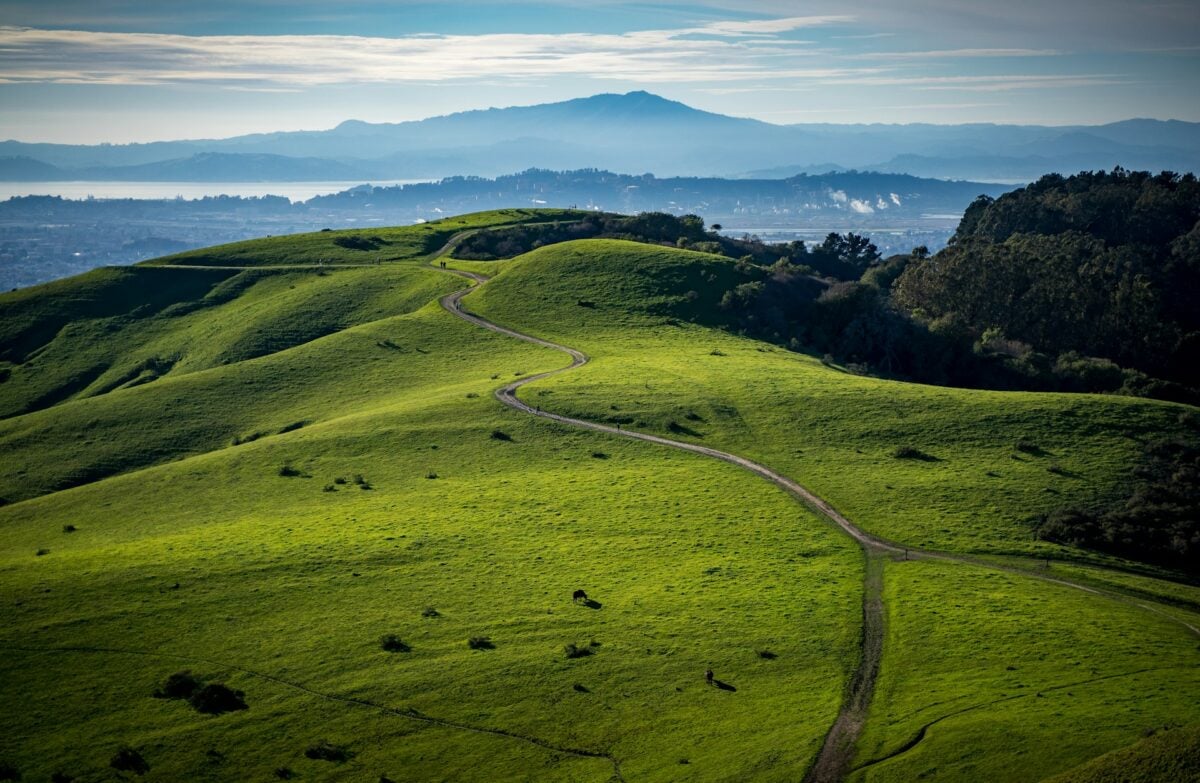
Richmond reinvented itself after the shipbuilding boom ended, transforming from industrial powerhouse to something more complex and visually interesting. The Rosie the Riveter museum sits along a waterfront that offers unexpected views of San Francisco Bay, while the hills create dramatic backdrops for urban photography.
The Appeal Remains Unplanned
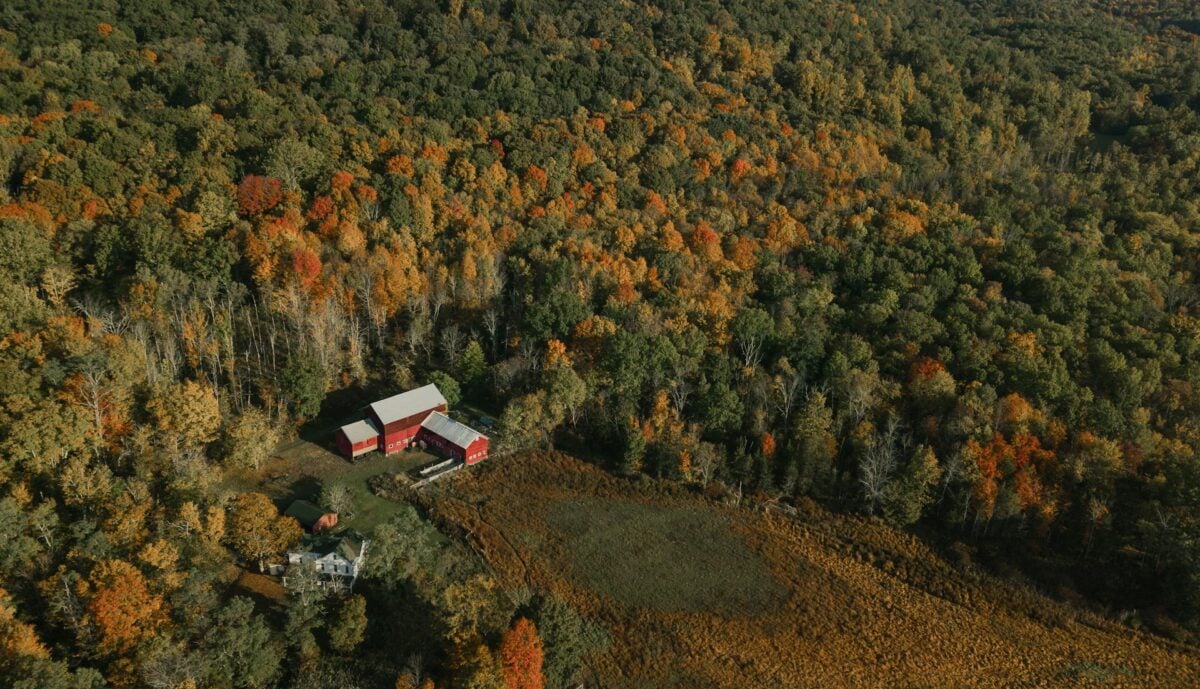
These places don’t try to be photogenic, which might be exactly why they succeed. They offer authenticity in an age of curated experiences, showing what America looks like when it’s not performing for cameras.
The beauty emerges from function, from adaptation, from the simple fact that people build lives in these places and find ways to make them home.
More from Go2Tutors!

- The Romanov Crown Jewels and Their Tragic Fate
- 13 Historical Mysteries That Science Still Can’t Solve
- Famous Hoaxes That Fooled the World for Years
- 15 Child Stars with Tragic Adult Lives
- 16 Famous Jewelry Pieces in History
Like Go2Tutors’s content? Follow us on MSN.