28 Things Phone Books Were Used For
For most of the twentieth century, a fresh directory landed on nearly every American doorstep each year. It was meant for finding telephone numbers, but it also had heft, a flat surface, and thousands of sheets of cheap paper.
Households found a surprising amount of work for it.
The old book did plenty beyond its official job. Some of the uses were practical, some were mischievous, and a few turned out to matter to historians.
A Booster Seat for the Smallest Diner

When a child sat too low at the dinner table, a phone book on the chair fixed the problem in seconds. The directory cost nothing, a new copy arrived every year, and its thickness suited the job better than most cushions.
A second book on top handled a taller child, which made the outdated directory more useful than the new listings inside it.
A Test of Strength for Show-Offs

Tearing a phone book in half became a standard feat in strongman acts and, later, school talent shows. The trick is usually credited to technique rather than raw power, which is why a thin small-town edition looked easy and a thick city directory looked heroic.
Either way, the audience was watching a fresh book get ruined, and nobody seemed to mind.
Fifty Names on a Single Page

The first telephone directory appeared in New Haven, Connecticut, on February 21, 1878, and it was a single page listing 50 subscribers. It carried no phone numbers at all, because an operator connected every call by name.
The entries were sorted into groups such as residences, physicians, dentists, stores, and stables.
A Manual for Talking on the Telephone
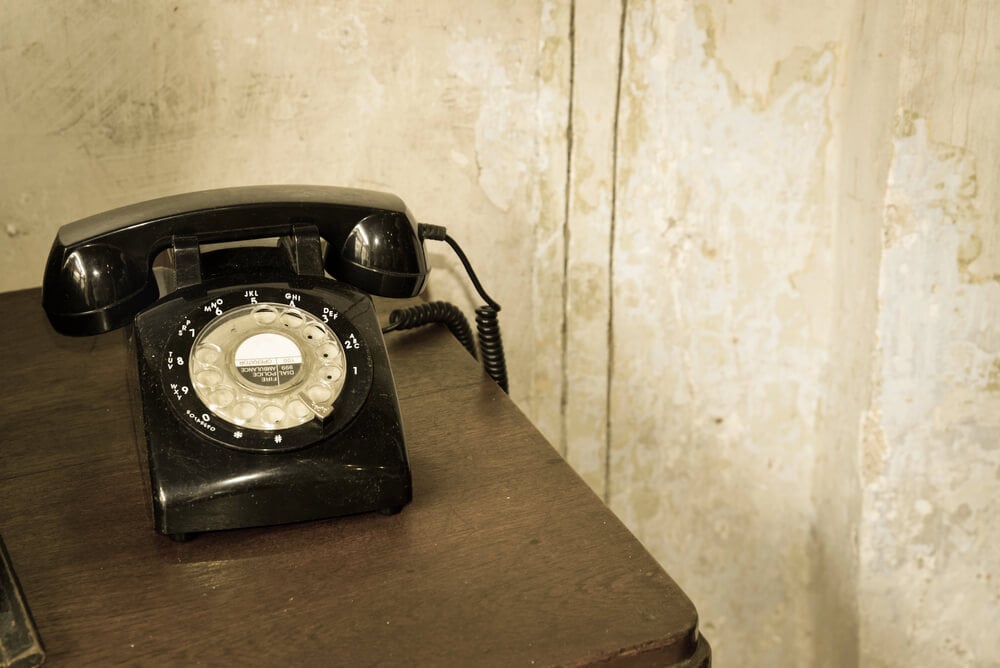
Early directories doubled as instruction booklets for a technology nobody had used before. The first New Haven book told subscribers to end a call by announcing they were finished and to have the other person answer with an O.K.
It also asked people to keep conversations under three minutes unless the main office gave permission for longer.
The Yellow Pages and a Printer Who Ran Out of Paper
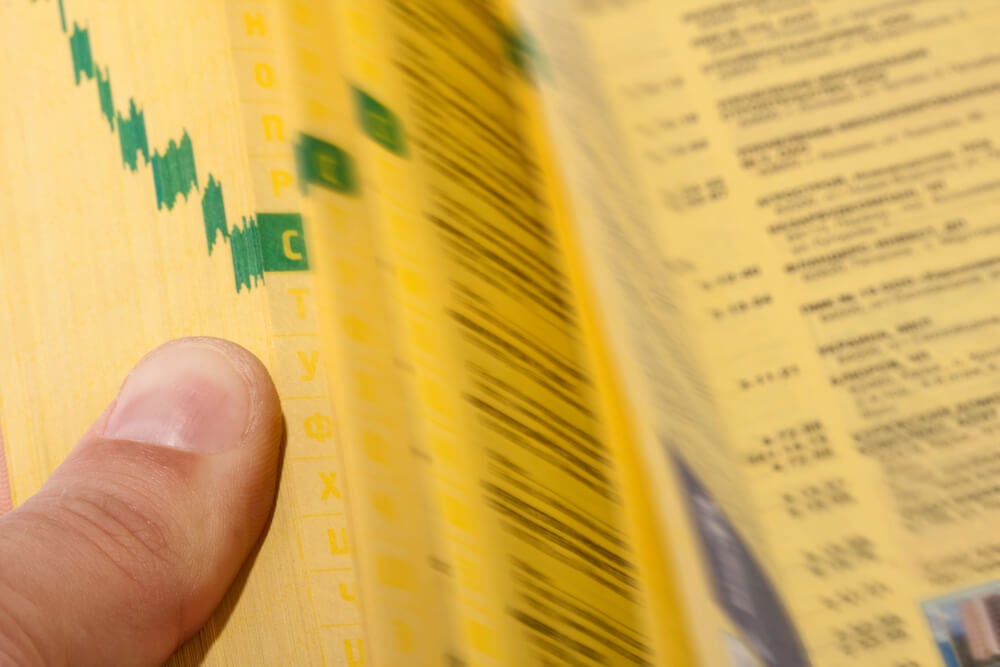
A widely repeated story credits a printer in Cheyenne, Wyoming, who ran out of white paper in 1883 and used yellow stock for a directory. Reuben H. Donnelley is credited with producing the first official Yellow Pages in 1886, with businesses sorted by trade.
From then on, hiring a locksmith meant flipping to the right heading rather than asking a neighbor.
Prank Calls With a Ready Supply of Targets

The white pages gave bored children a printed list of strangers with numbers attached. A kid could flip to a random page, pick a funny surname, and dial before an adult noticed.
The pastime faded only as caller ID spread and made the directory a far less reliable accomplice.
The Emergency Page Before 911 Existed
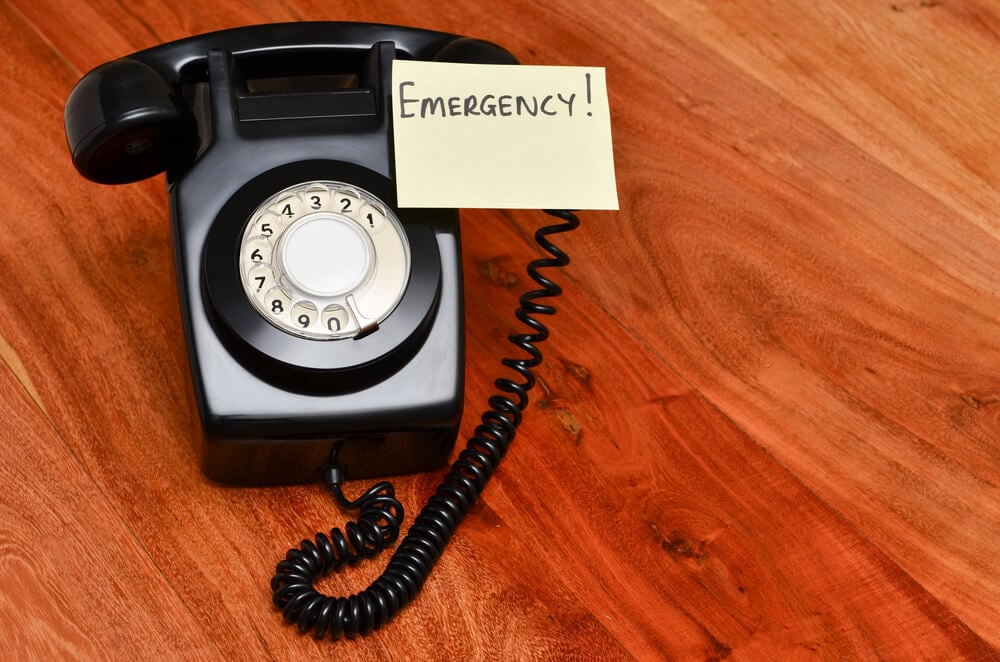
Many directories printed police, fire, and ambulance numbers on the opening pages because no universal emergency number existed for most of the century. The first 911 call in the United States was placed in Haleyville, Alabama, on February 16, 1968, and the number spread slowly afterward.
As late as 1987, only about half of Americans could reach emergency services by dialing 911.
A Guide to Long-Distance Dialing

Area codes arrived in 1947, and the first customer-dialed long-distance call went out on November 10, 1951, from the mayor of Englewood, New Jersey, to the mayor of Alameda, California. Directories soon carried pages of area codes and calling instructions so that residents could look up a distant relative’s code instead of waiting for an operator.
The book taught the country a new way to dial.
Strips of Paper for Papier-Mâché

Craft projects at kitchen tables ran on torn directory pages dipped in paste. The thin paper tore easily into strips, laid over wire frames and molds, and dried hard overnight.
A single book could supply an entire classroom’s worth of masks and piñatas.
A Flower Press With Spare Pages

Pressing flowers required only a heavy book and patience, and the phone book had plenty of both. Petals went between pages, and the closed directory went under another stack of books for a few weeks.
The flat, dry result turned up later in scrapbooks, greeting cards, and framed keepsakes.
The Doorstop That Needed No Hardware

A directory laid flat against a door held it open against wind and slamming. It was heavy enough to do the job and cheap enough to forget about.
Offices and apartment hallways kept a retired edition near the door for years.
A Riser for the Computer Monitor
When desktop computers arrived, the bulky monitor often sat too low for comfortable viewing. A phone book underneath brought the screen up to eye level and cost less than a purpose-built stand.
Old directories lingered on desks long after the information inside had gone out of date.
Kindling for the Fireplace
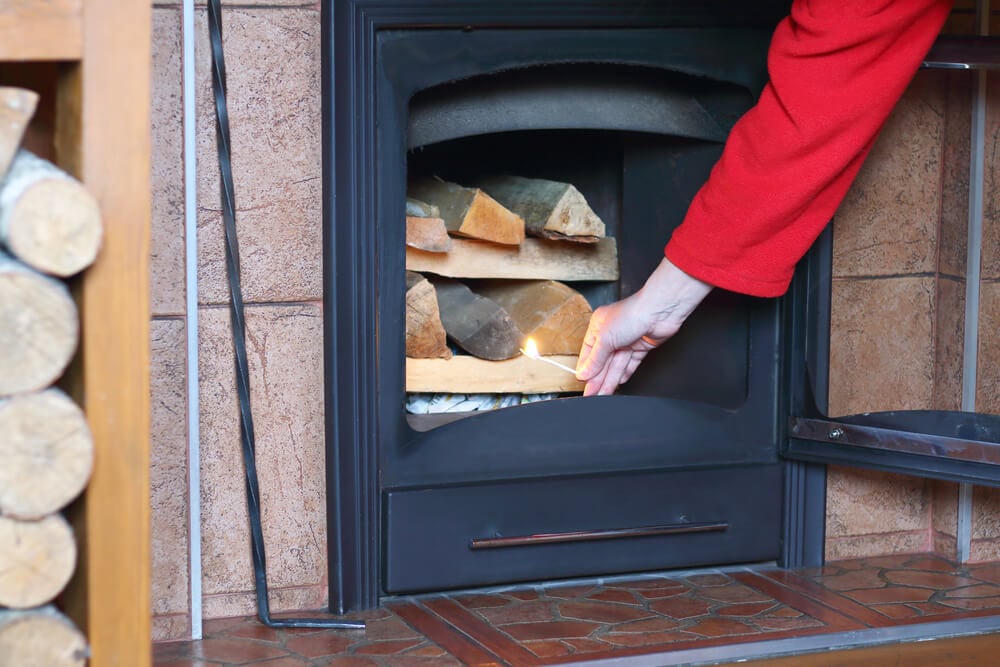
The pages were thin, dry, and plentiful, which made them useful for lighting a fire. Crumpled sheets beneath the logs caught quickly and burned hot enough to get the wood going.
The yearly replacement ensured that no household ran short.
Packing Material for Fragile Goods

Crumpled directory pages cushioned dishes, ornaments, and glassware in moving boxes. The paper was free, abundant, and available in bulk once the new edition arrived.
Anyone who has unwrapped a teacup from ink-smudged pages knows the smell of that particular method.
A Christmas Tree Folded From Pages

Book folding turned a spare directory into a decorative tree. Each page was folded toward the spine in a repeating pattern, and the stack fanned out into a cone shape that stood on a shelf.
Seasonal crafters favored the phone book because it had hundreds of pages and no sentimental value.
A Flip Book in the Corners

Children drew small figures in the upper corner of each page, changing the pose slightly from one sheet to the next. Riffling the pages with a thumb made the figure move.
A thick directory could hold a surprisingly long animation, limited only by the artist’s patience.
A Lesson in Alphabetical Order

Teachers handed out directories to show students how alphabetizing worked in practice. Finding a name meant knowing where the letters fell and narrowing down by the second and third letter.
The exercise taught a skill that search engines would later make unnecessary.
The Surname Scavenger Hunt
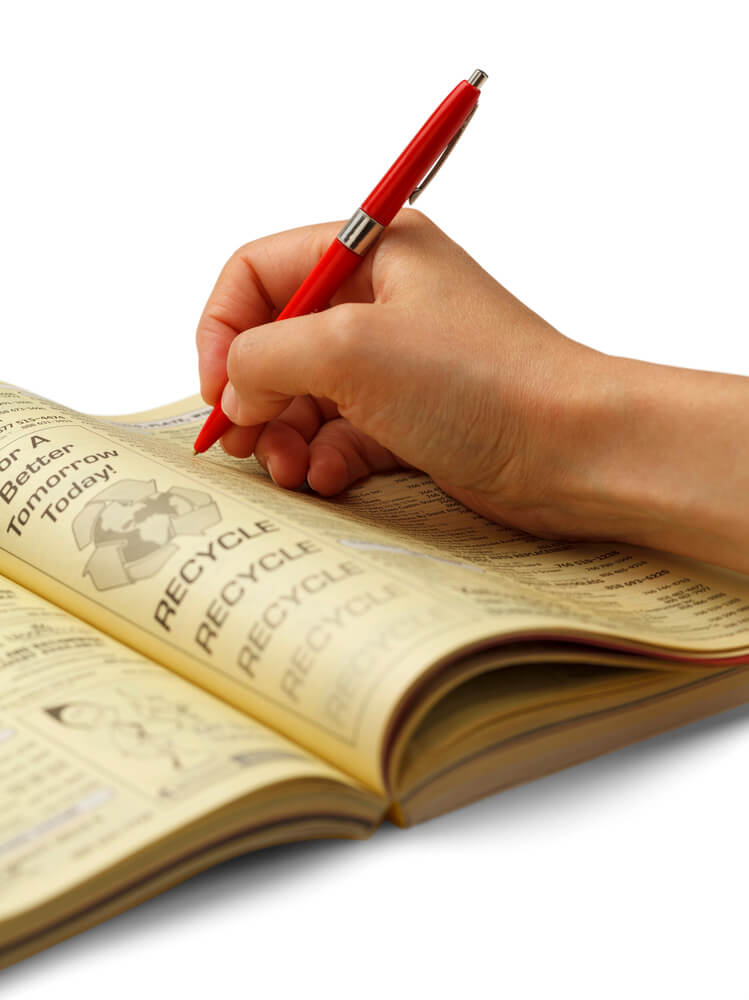
Classroom scavenger hunts sent children to find the first Smith, the last Zimmerman, or a family with their own surname. The activity required no equipment beyond the book and a pencil.
It was an early lesson in how common or rare a name could be.
A Research Tool for Local Historians

Archived telephone directories became important tools in local historical research and trademark disputes. A run of old books shows who lived where, which businesses operated, and when they appeared or vanished.
Libraries kept complete sets for exactly that reason.
A Drop Cloth Under the Paint Can

Painters spread directory pages across floors and shelves to catch drips. The paper soaked up spills, stayed in place under a heavy can, and went straight into the trash afterward.
A weekend project could use up an entire retired edition without costing a dime.
A Shim for the Wobbly Table

A folded section of directory slid under a short table leg to stop the rocking. The paper could be trimmed or stacked to match the gap exactly.
A restaurant owner and a college student could solve the same problem with the same free supply.
The Book Chained to the Phone Booth
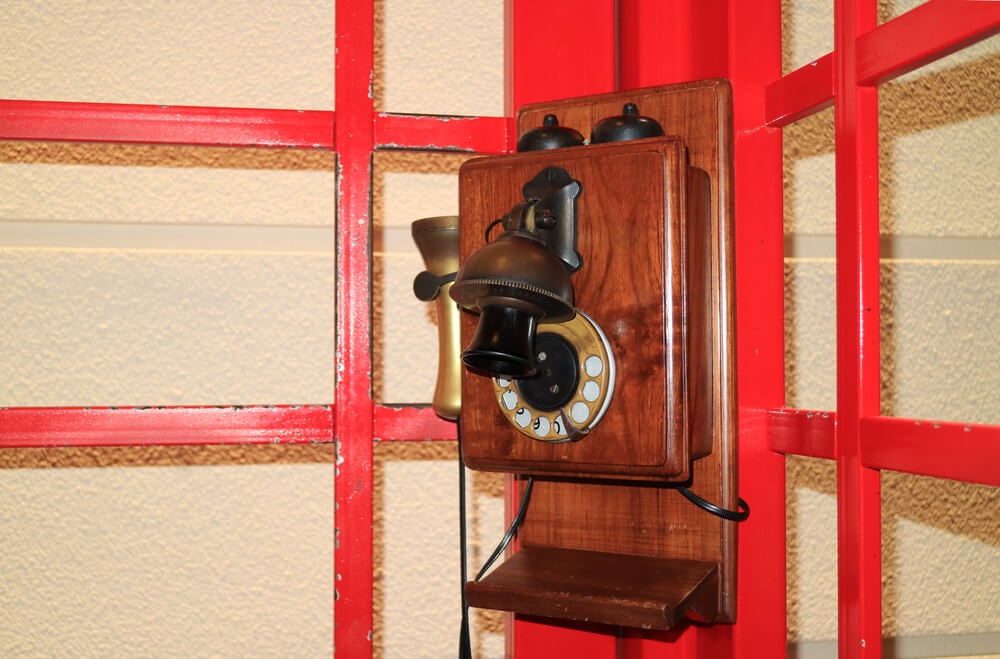
Pay phone booths held a directory on a chain or cable so it could not leave with a caller. The book hung below the phone shelf, often battered, with pages torn out or covered in scribbles.
It was the only library most people consulted while standing up.
Shopping the Yellow Pages Before Search Engines

In February 2011, the Yellow Pages Association said 75 percent of American adults still used the print directories. The listings were sorted by trade, packed with display advertisements, and trusted by customers who wanted a plumber right now.
Years of habit kept the heavy book on kitchen counters longer than the industry expected.
A Weed Barrier for the Garden
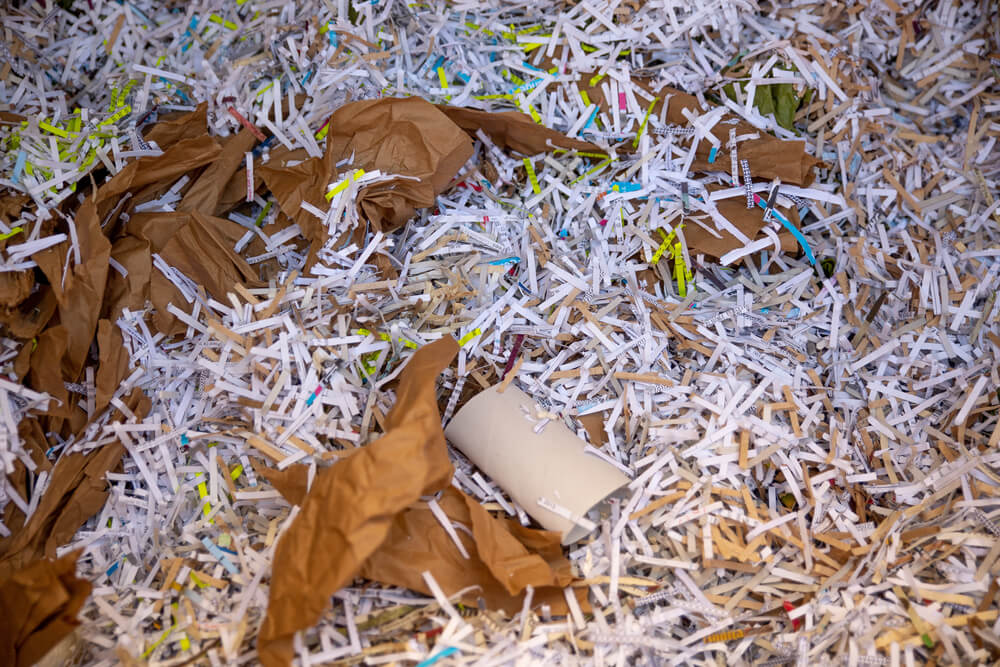
Gardeners spread layers of directory pages around plants and covered them with mulch to block weeds. The paper broke down slowly and gave the soil a rest from competing roots.
Neighborhood vegetable plots kept a stack of old books near the compost for the purpose.
A Step Stool in a Pinch

A stack of two or three directories gave a quick boost to reach a high shelf or change a bulb. It was not as steady as a proper stool, but it was always nearby.
Mothers and carpenters alike resorted to it, usually with a warning to be careful.
The End of the Doorstep Delivery

Most phone companies stopped dropping directories on doorsteps in the 2010s, and the printed books faded from daily life. Residents who still wanted one could request a copy, but the free delivery that once covered every household was gone.
The bundle left on the porch disappeared along with the habit of discarding it.
Numbers Scribbled in the Margins

Families wrote the numbers they called most often inside the front cover or along the margin near their own listing. The directory became a personal address book, covered with pencil marks and ink.
A well-used copy told the story of the household better than any official list.
A Liner for Drawers and Cages
Pages lined drawers, shelves, and the bottoms of pet cages, absorbing spills and catching crumbs. Shredded pages made inexpensive bedding for hamsters and guinea pigs.
The directory proved cheaper than store-bought liners and just as absorbent.
The Book That Outlived Its Purpose
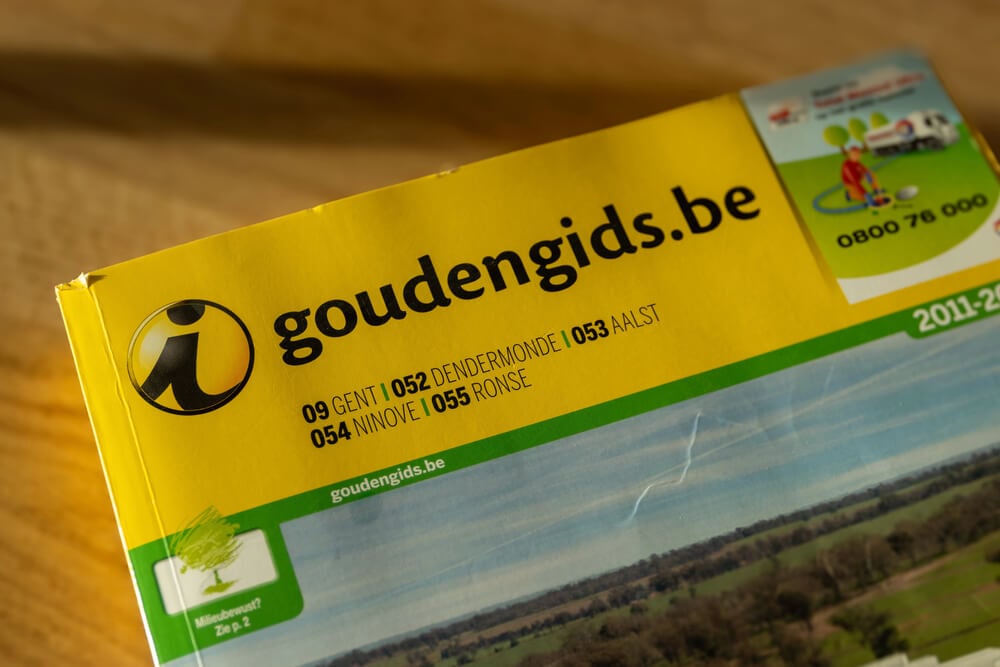
The directory’s official job was to connect callers, and the internet took that work away. What remained was the book’s physical presence: a heavy, free, flat, absorbent object that people knew how to use.
The same qualities that made it a booster seat and a doorstop made it nearly impossible to throw away without thinking of another job for it. The history inside has proved more durable than the numbers.
Researchers still search old directories for names, addresses, and businesses that no longer exist, and a surviving run of volumes can answer questions that no database can. The thing households once used to prop a door is now a record of who they were.
More from Go2Tutors!

- The Romanov Crown Jewels and Their Tragic Fate
- 13 Historical Mysteries That Science Still Can’t Solve
- Famous Hoaxes That Fooled the World for Years
- 15 Child Stars with Tragic Adult Lives
- 16 Famous Jewelry Pieces in History
Like Go2Tutors’s content? Follow us on MSN.