29 Things Found in Dad’s Garage Years Ago
Every garage had a smell: gasoline, cut lumber, machine oil, and something faintly sweet that nobody could name. It came from the objects stacked on the shelves, hung on the walls, and tucked behind the lawn mower.
Most of these items were bought once and used for decades. Some were handed down, some were borrowed and never returned, and a few were simply too useful to throw away.
A Craftsman Tool Chest With a Lifetime Promise
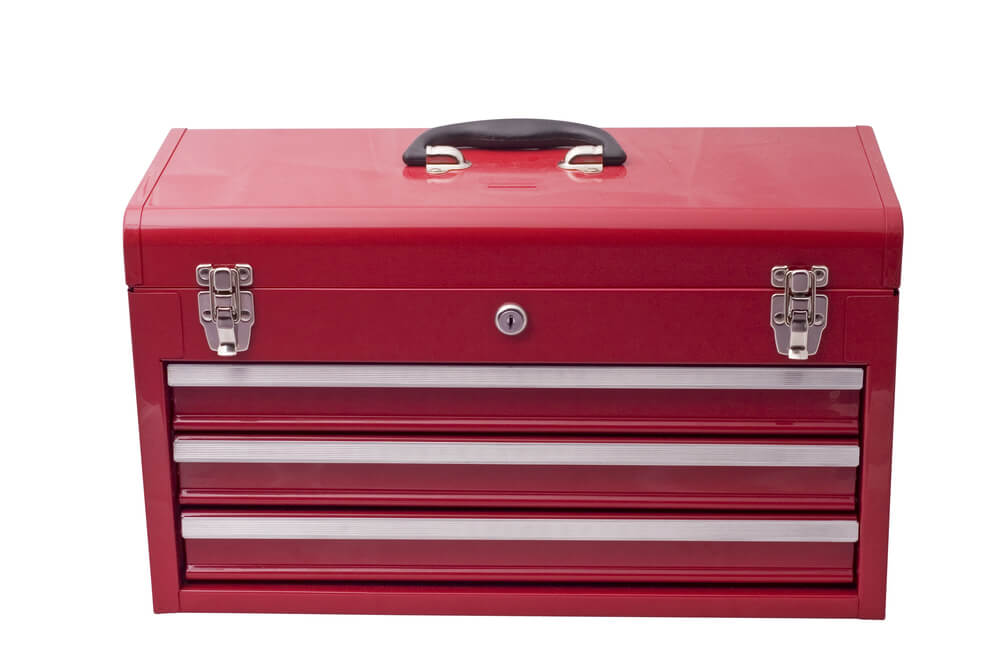
Sears adopted the Craftsman name in 1927, and by the mid-century a red, rolling chest of drawers lined with socket sets sat in countless garages. The hand tools inside carried a full lifetime warranty, which turned a broken wrench into a trip to the store rather than a purchase.
That promise explains why so many sets from the 1960s and 1970s are still in daily use today. Collectors pay varying amounts for vintage chests, and prices depend heavily on condition, completeness, and original paint.
A Coleman 200A Lantern Hissing Over the Workbench

Coleman introduced the 200A lantern in 1951, and its green enamel body became a fixture of camping trips and power outages alike. The company marketed its lanterns under the slogan “Sunshine of the Night,” a phrase that fit the bright white glow of a mantle at full pump.
Dad usually kept one hung from a rafter, with a spare box of fragile mantles nearby. Value on vintage lanterns swings widely, and prices depend heavily on condition, original markings, and whether the globe is intact.
A Folgers Coffee Can Rattling With Mismatched Screws

Folgers traces its roots to the California Gold Rush era of the 1850s in San Francisco, long before its red metal cans ended up on garage shelves. Once the coffee was gone, the can became a free storage bin for screws, nails, washers, and bolts of unknown origin.
The system relied on a single method of retrieval, which was to dump everything out on the workbench and sort by hand. The metal can eventually gave way to plastic tubs, which are lighter but do not rattle quite the same way.
A Black & Decker Drill With a Trigger Born in 1916
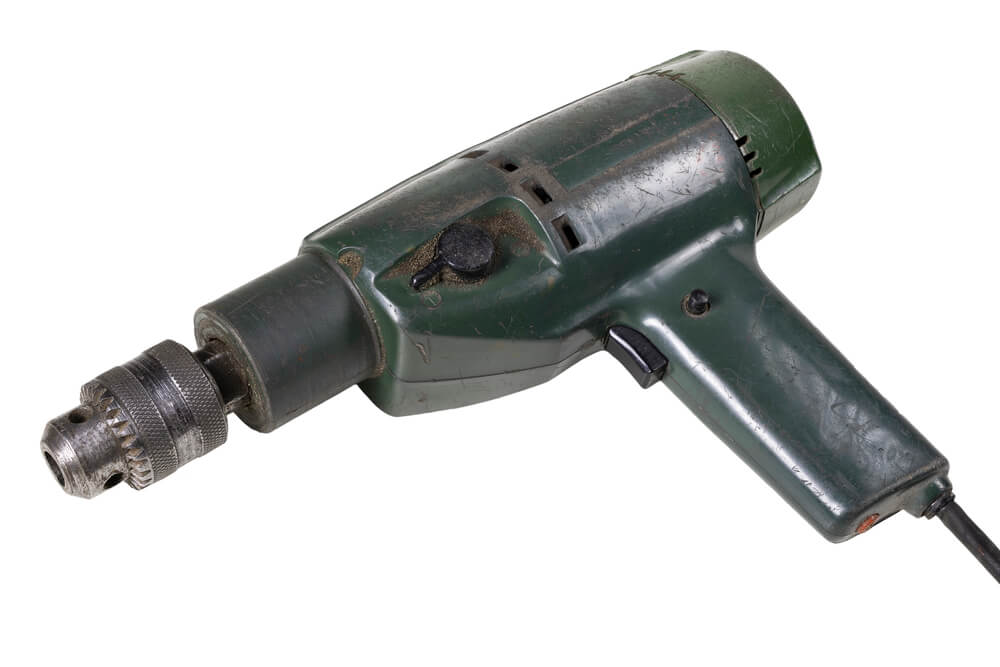
Black & Decker was founded in Baltimore in 1910 by S. Duncan Black and Alonzo Decker. Their portable electric drill, patented with a pistol grip and a trigger switch, set the template that nearly every drill has followed since.
Dad’s version was likely a heavy, corded model with a cast metal housing and a chuck key tied to the cord with a piece of twine. The key went missing about once a year, usually the day before a big project.
An STP Sticker Peeling Off a Toolbox Lid

STP stands for Scientifically Treated Petroleum, and the company was founded in 1954 to sell an oil additive. Its oval logo was handed out as a free sticker, and it ended up on bumpers, toolboxes, helmets, and the sides of refrigerators. The brand gained fame through Andy Granatelli’s racing efforts at Indianapolis, including the 1967 turbine car. Original unused sticker sheets can fetch interesting sums, but values depend heavily on condition and how well the adhesive has held up.
A Schwinn Sting-Ray Leaning Against the Wall
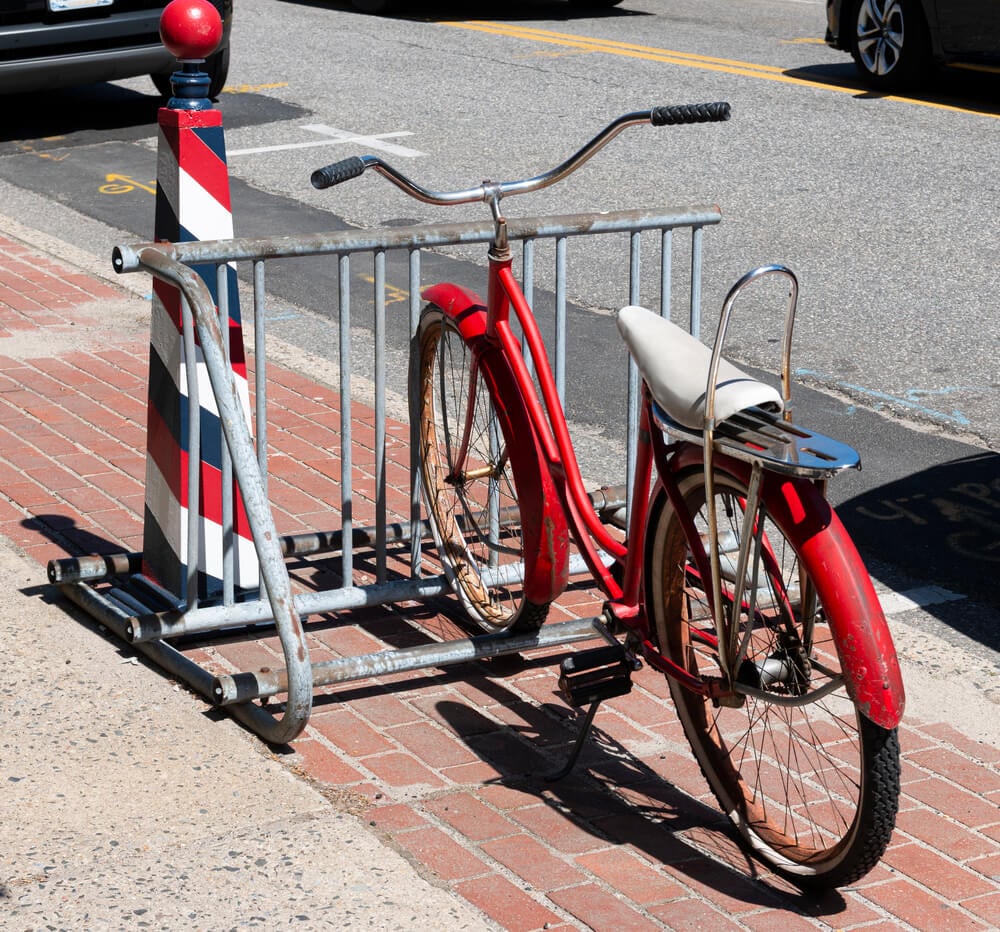
The Schwinn Sting-Ray arrived in 1963, with a banana seat, high-rise handlebars, and a small frame that looked closer to a chopper than a traditional bicycle. Designer Al Fritz, who died at age 88 in 2013, shaped the look that kids begged for on birthdays and holidays.
Parents often parked the bike in the garage, where it picked up oil stains from the floor. Original models in clean shape are collectible, and prices depend heavily on condition, color, and original parts.
A Radio Flyer Wagon Hauling Everything but Kids
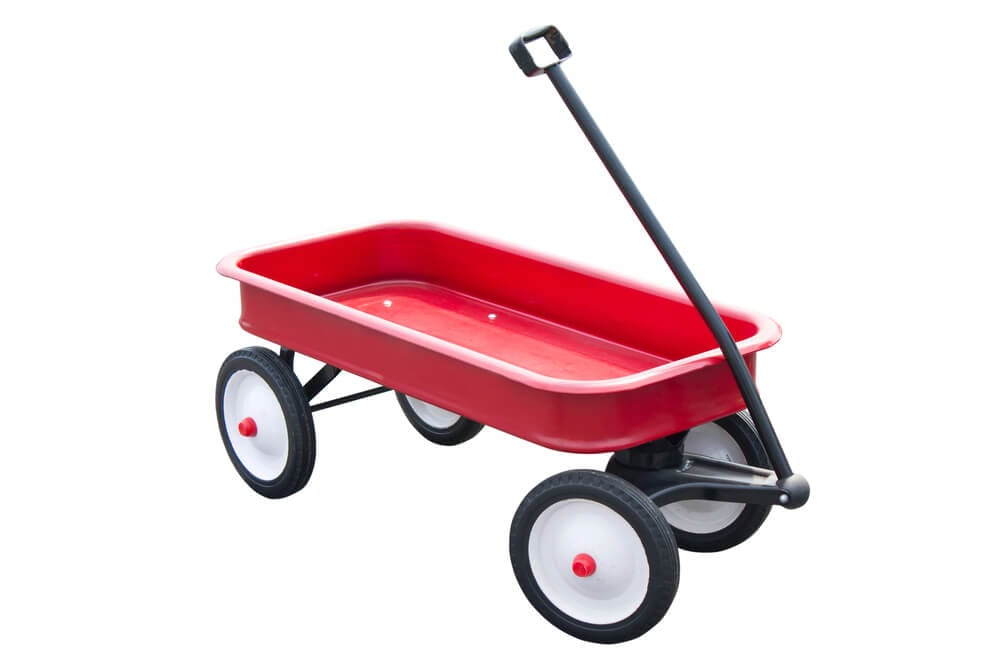
Antonio Pasin, an Italian immigrant and cabinetmaker, began building wooden wagons in Chicago in 1917, and the Radio Flyer name grew from his company. The name was a nod to the excitement over radio and flight at the time.
By the 1970s, the red steel wagon was as likely to carry firewood, bags of mulch, or paint cans as it was to carry a toddler. Vintage wagons are valued by collectors, and prices depend heavily on condition, decals, and how much original paint remains.
A Stanley Thermos in Hammertone Green
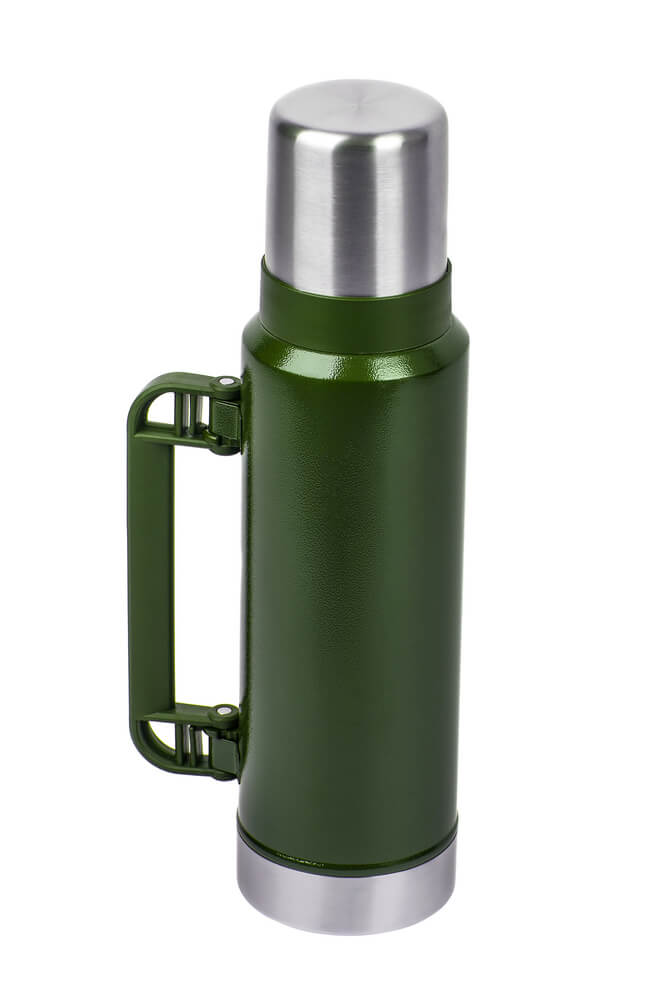
William Stanley Jr. introduced his all-steel vacuum bottle in 1913, solving the problem of fragile glass-lined flasks. The result was a bottle that survived drops, job sites, and decades of lunch breaks.
In Dad’s garage, the green thermos sat next to the toolbox, usually dented, with a cup that doubled as a measuring scoop. Vintage Stanley bottles in good shape sell for varying prices, which depend heavily on condition and original markings.
A Shop-Vac Parked by the Garage Door
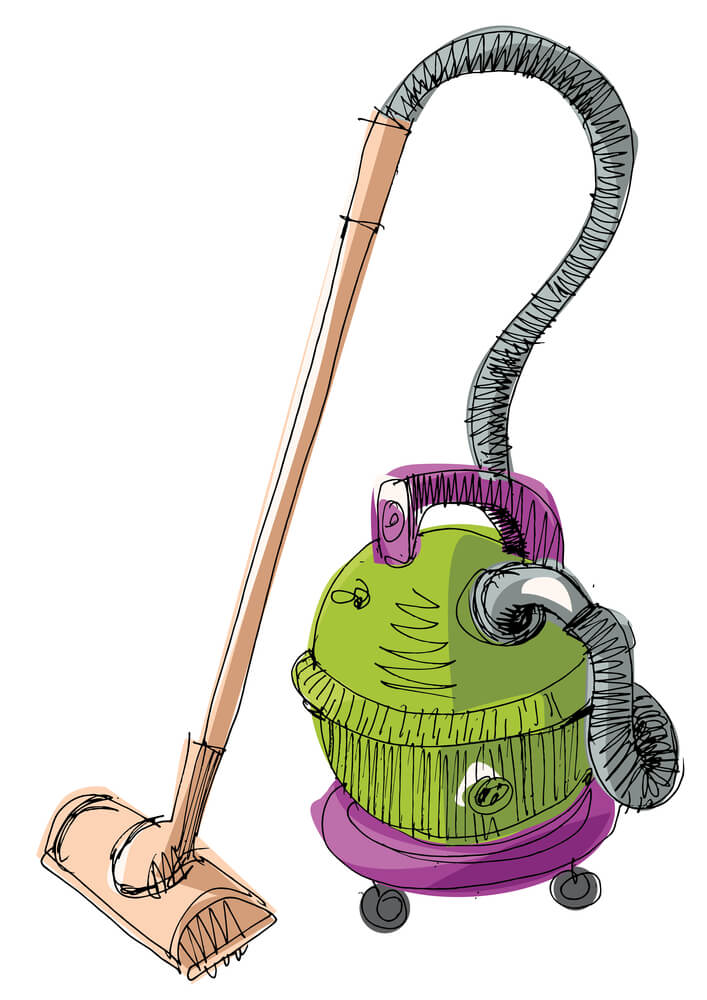
Shop-Vac Corporation was founded in 1953 in Williamsport, Pennsylvania, and its wet-dry vacuum became a standard in workshops and basements. The machine could handle sawdust, spilled bolts, and a flooded floor without complaint.
Its hose was typically coiled around the lid, and the filter was usually overdue for a cleaning. A garage that had a Shop-Vac rarely had to deal with a mess for long.
A Can of WD-40 With Forty Attempts Behind It
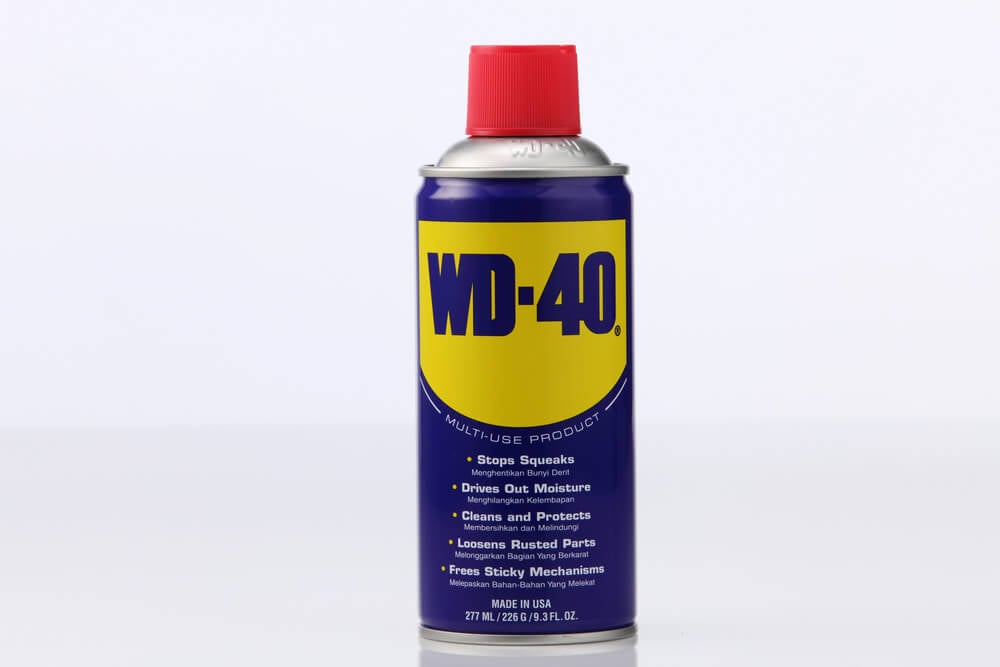
WD-40 was created in 1953 at the Rocket Chemical Company in San Diego, and the name stands for Water Displacement, 40th formula. It was first developed to protect the outer skin of an Atlas missile from rust and corrosion.
Workers took cans home, and the product soon landed on store shelves. Dad used it on squeaky hinges, stuck bolts, bike chains, and a surprising number of things that did not need it.
A Tub of Bondo and a Half-Finished Fender
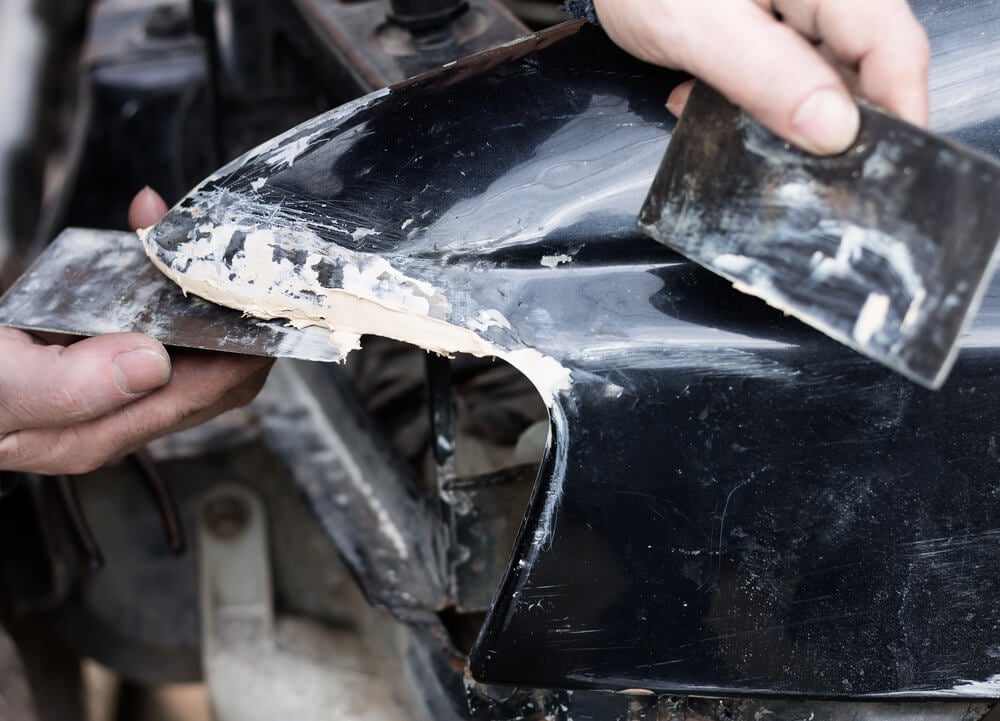
Bondo is a polyester-resin body filler, sold in a can along with a small tube of hardener that sets it in minutes. It let amateur mechanics repair rusted quarter panels in a driveway rather than paying a body shop.
A garage with a coffee can lid covered in dried gray smears of the stuff usually meant a project car was nearby. The filler sands easily, which is why the garage floor often carried a fine dust of it for weeks.
A Kodak Carousel Projector Waiting for Vacation Night
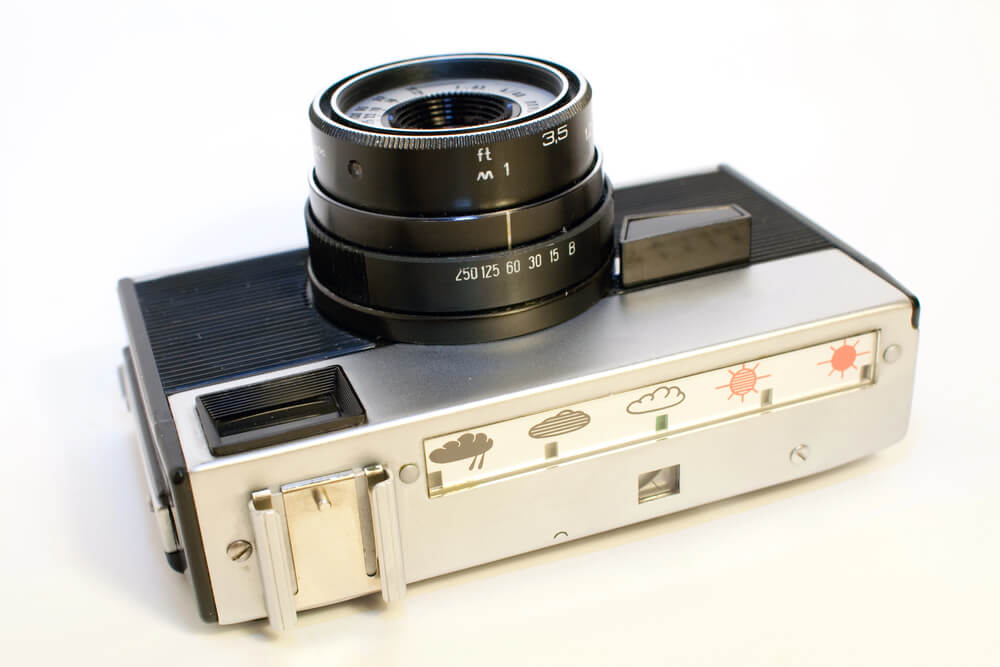
Kodak introduced the Carousel slide projector in 1961, and it remained in production until 2004. Its round tray held 80 slides and dropped each one into place with a satisfying clunk.
The projector often lived in the garage or a closet, along with a pull-down screen and boxes of labeled slide trays. Used machines turn up at sales, and prices depend heavily on condition and whether the lamp and tray still work.
An Evinrude Outboard Motor Clamped to a Sawhorse
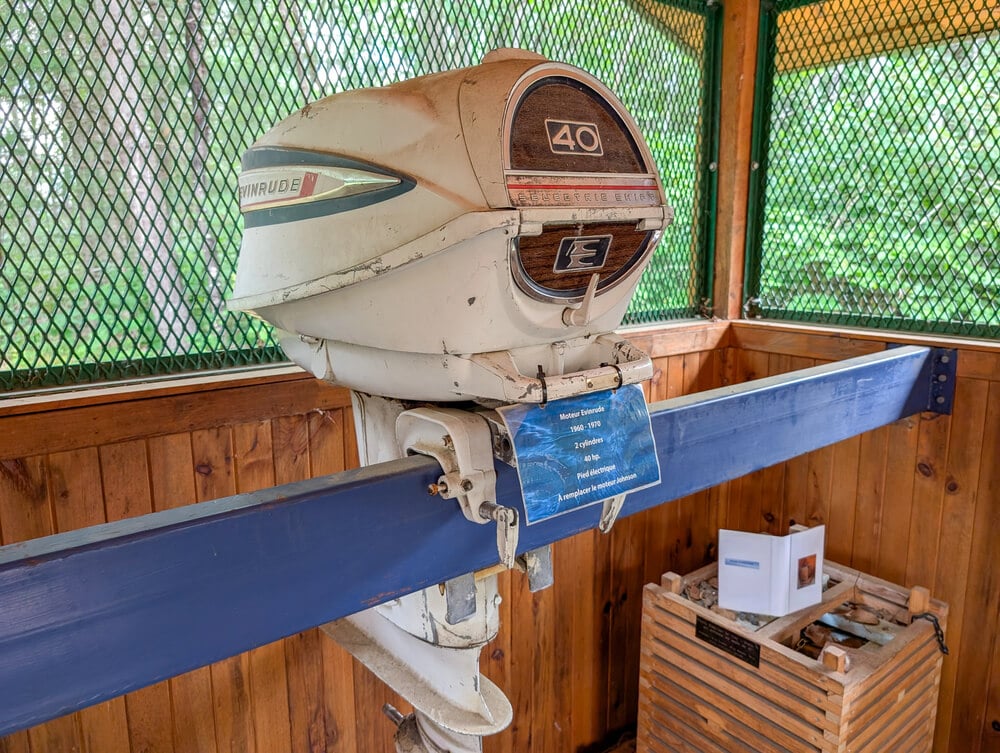
Ole Evinrude built his first outboard motor in 1909 in Milwaukee, and the engine has since been recognized as a landmark of mechanical engineering. The motor turned rowboats into something a family could cross a lake in without blistered hands.
Decades later, a used Evinrude clamped to a sawhorse or a barrel of water was a common sight in a fishing family’s garage. Vintage motors are valued by collectors, and prices depend heavily on condition, model, and whether they run.
A Weber Kettle Grill Built From a Buoy
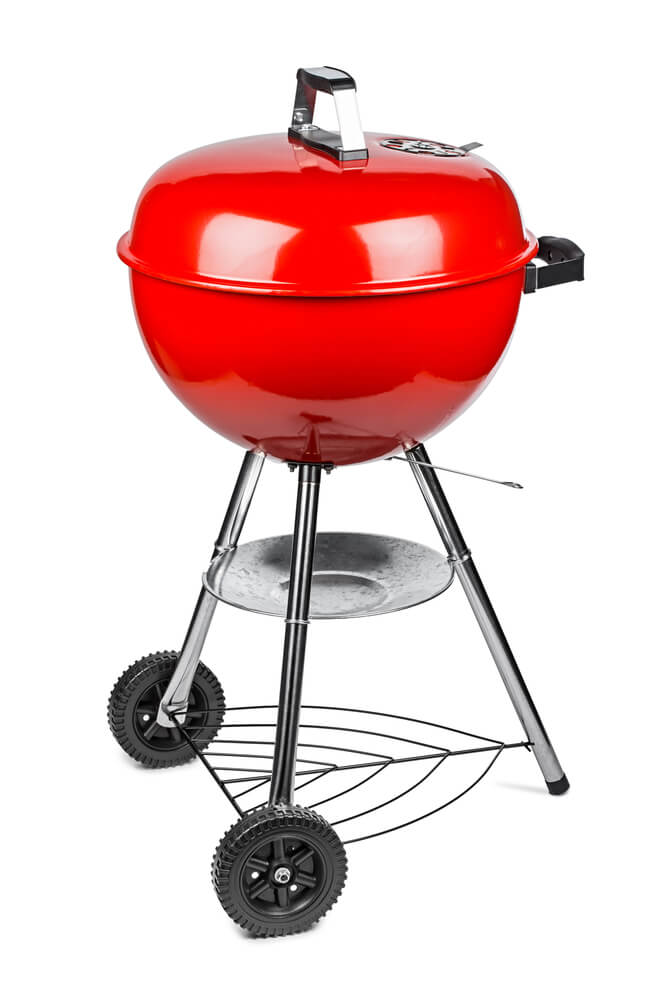
George Stephen of Weber Brothers Metal Works in Chicago created the Weber kettle in 1952, shaping it from a metal buoy. The domed lid and vent system gave backyard cooks a level of control that open braziers could not match.
Between summer weekends, the grill often retreated to the garage, where it collected a layer of dust and a rack of charcoal bags. The design has barely changed in seven decades, which says something about getting it right the first time.
A Pair of Vise-Grip Pliers With a Locking Bite
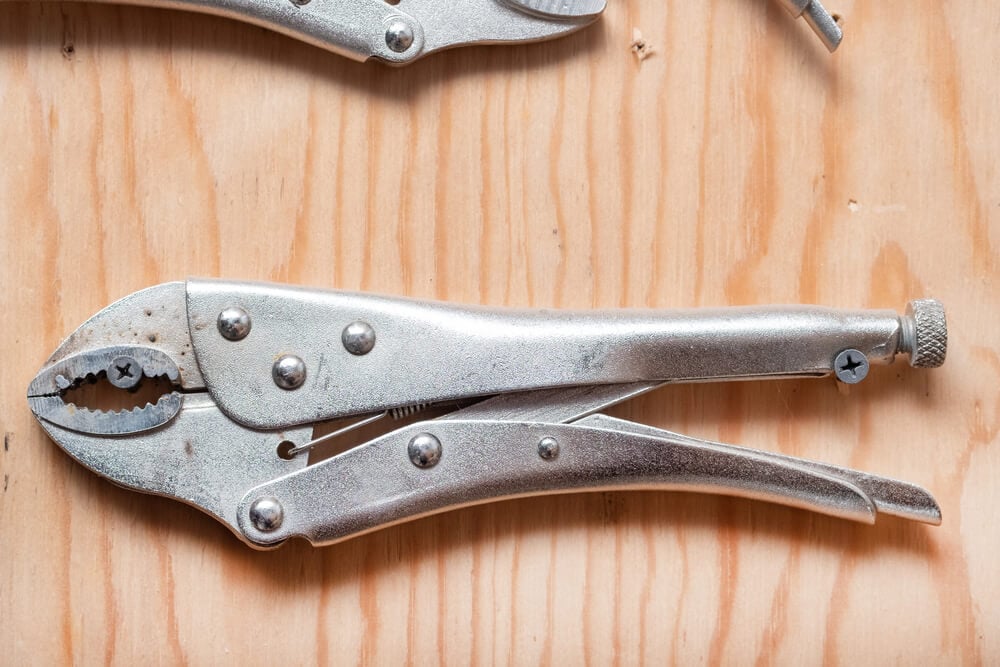
William Petersen invented the locking pliers in 1924 in the small town of DeWitt, Nebraska, and the Vise-Grip name became shorthand for the tool. Once the jaws were clamped on a stripped nut or a stubborn pipe, they stayed there without a hand squeezing.
Dad treated them as a fix for everything, including as a stand-in for a missing knob. The original factory in DeWitt was once the heart of the town’s economy.
A Milwaukee Sawzall That Took On Everything
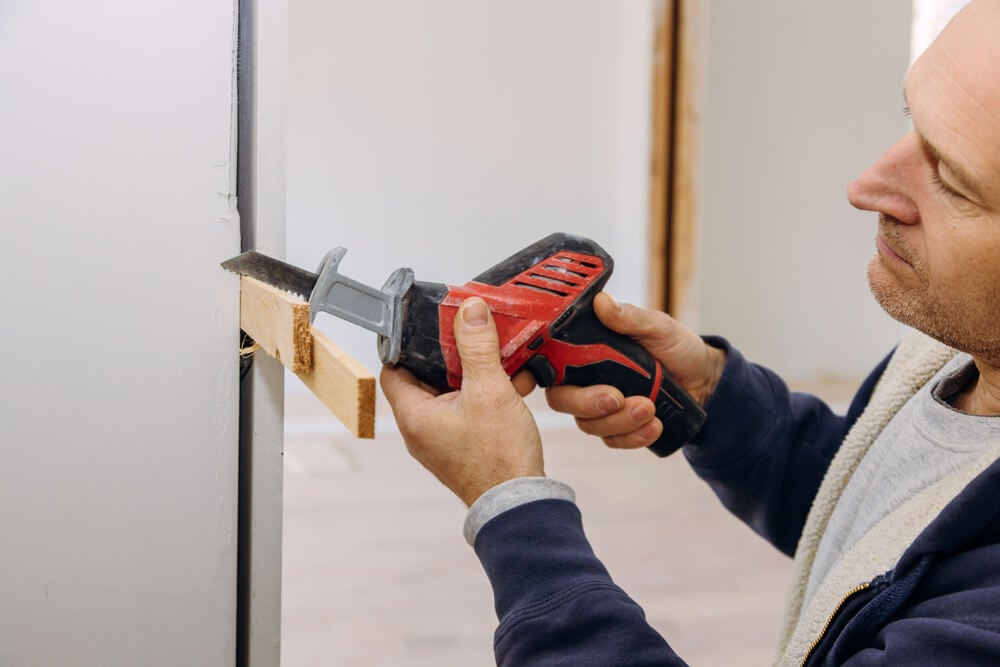
Milwaukee Electric Tool introduced the Sawzall reciprocating saw in 1951, and the name became so common that people use it for every brand. The blade moves back and forth like a handsaw on rapid repeat, which lets it cut through wood, pipe, and nails in a single pass.
In the garage, it was the tool brought out for demolition and for the jobs nobody wanted to do by hand. Models from the early decades are heavy, loud, and still working.
A Zenith Trans-Oceanic Radio Tuned to Distant Voices
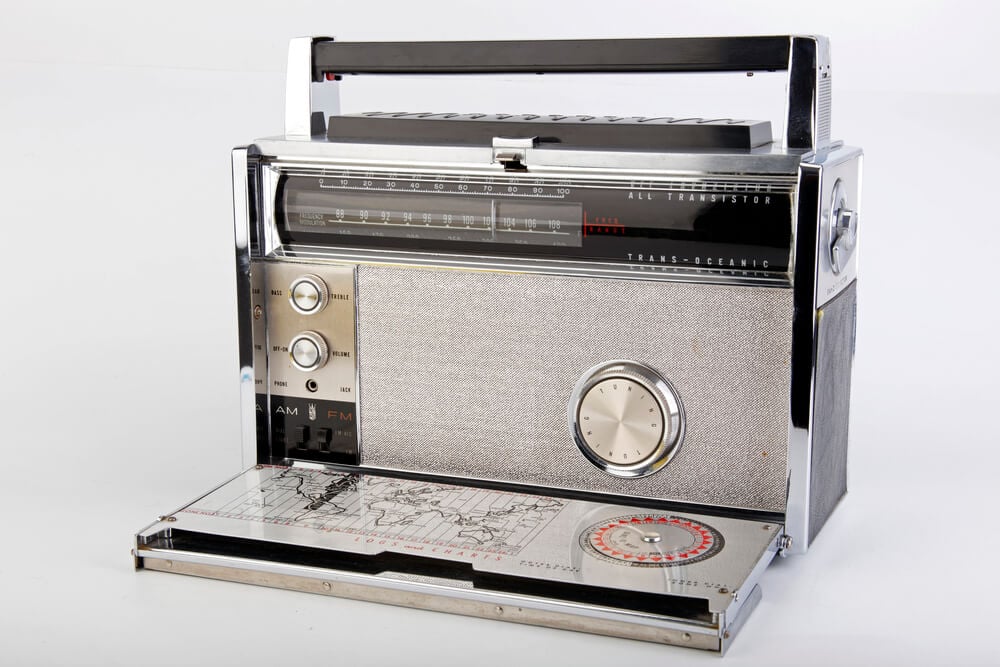
Zenith introduced the Trans-Oceanic shortwave radio in 1942, with a hinged lid and a map of world time zones printed inside. It could pull in stations from across oceans, which made it a prize for anyone curious about the faraway.
Dad often left one on a garage shelf, tuned to a game or the news, with the antenna pulled out. Vintage models are collectible, and prices depend heavily on condition and whether the original parts and tubes are intact.
An Igloo Cooler Packed for the Weekend
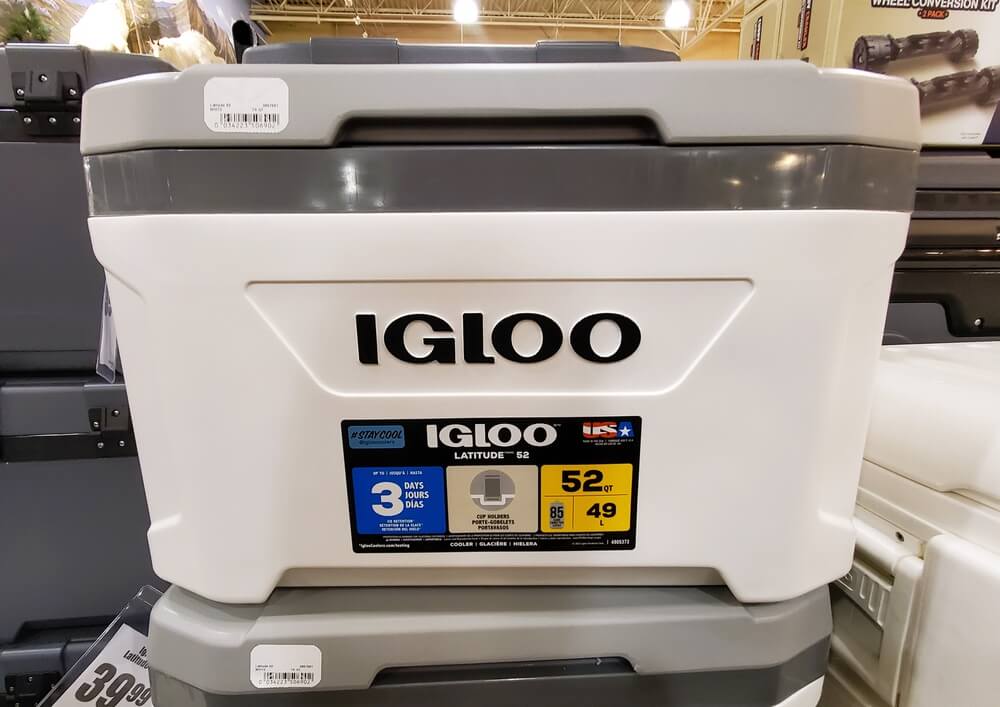
Igloo Products was founded in 1947 in Houston, Texas, and its insulated coolers turned a day trip into a picnic. The cooler lived in the garage between outings, usually with a faint smell of old ice and sandwiches.
It served as a seat, a step stool, and a table when needed. Older models in good shape are popular at flea markets, and prices depend heavily on condition and color.
A Dremel Moto-Tool for the Small Jobs
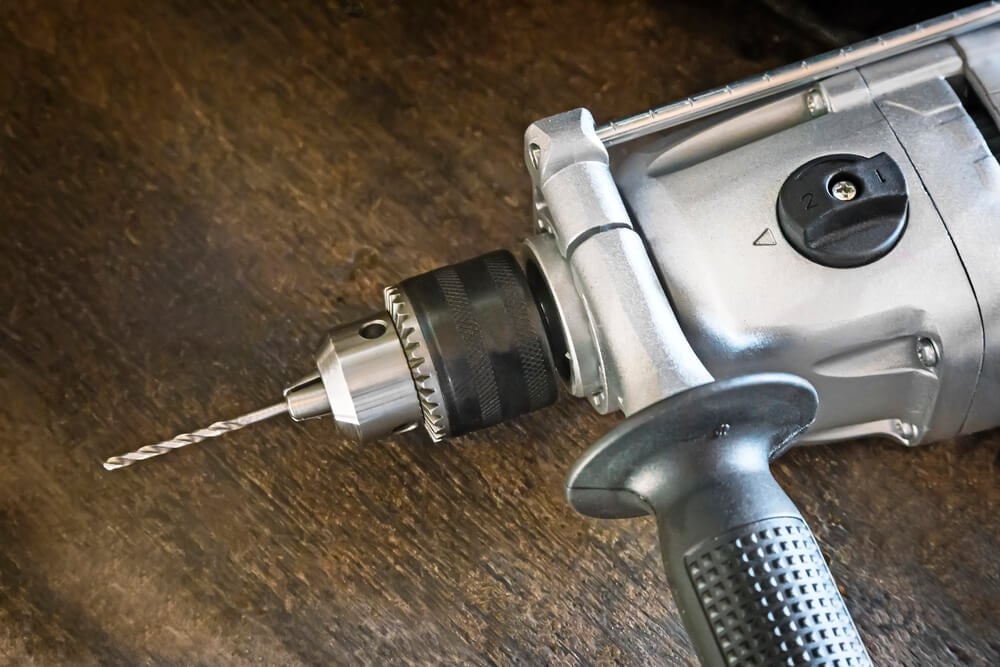
Albert J. Dremel founded his company in Racine, Wisconsin, in 1932, and the brand became famous for its handheld rotary tool. The little motor could spin sanding drums, grinding stones, and engraving bits at high speed.
In the garage, it was used to sharpen mower blades, polish brass, and carve initials into things. Accessories came in a flat plastic case that was always missing at least one bit.
A Fram Oil Filter in Its Orange Can
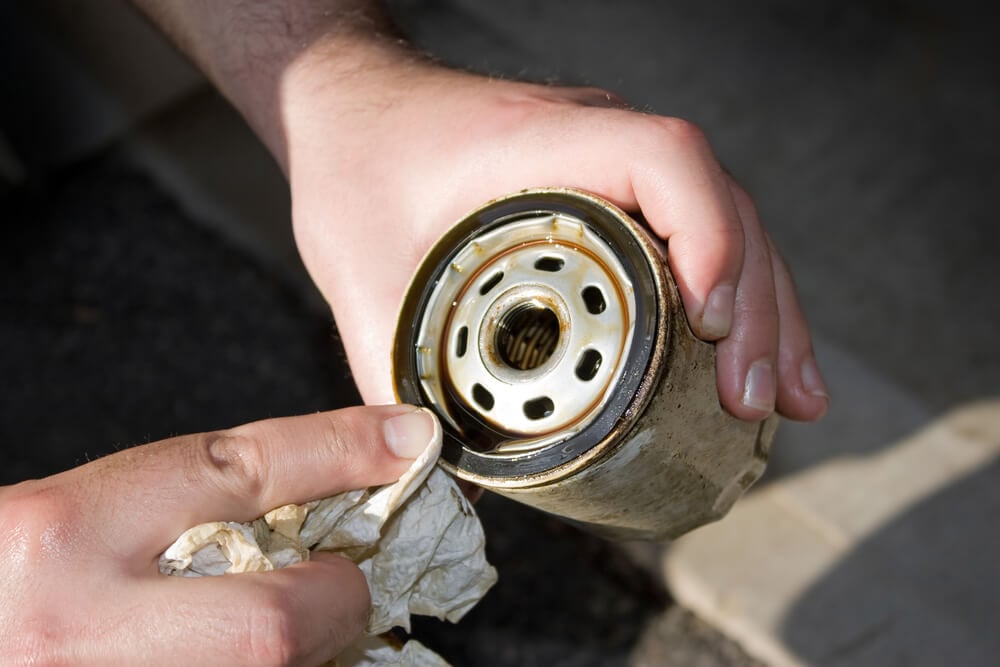
Fram has sold its filters since 1934, and the bright orange can is among the most recognized packaging in automotive history. The brand’s advertising line, “You can pay me now or pay me later,” warned drivers that skipping maintenance would cost far more in the long run.
A stack of spare filters usually sat on a shelf next to a drain pan. The oil change itself was a Saturday ritual that taught more than one kid how a car worked.
A Skilsaw Cutting Through Weekend Projects
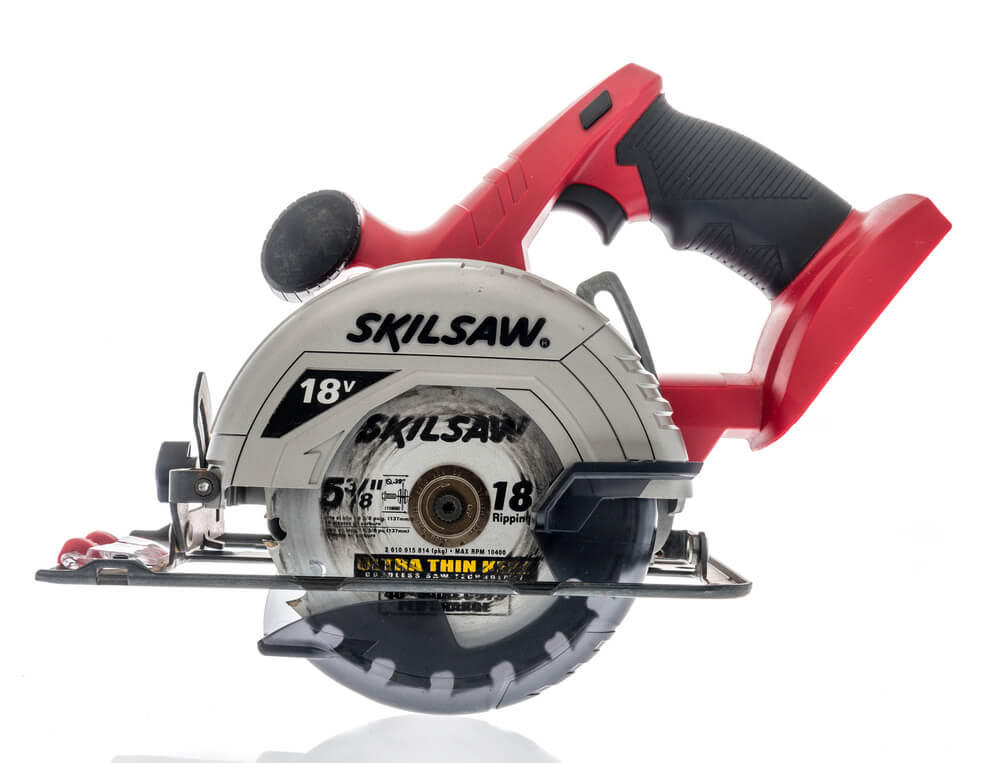
Edmond Michel developed the portable circular saw in the 1920s, and the Skilsaw name became the way many people refer to the tool. A worm-drive model weighed enough to make a long cut feel like an arm workout.
Dad’s saw leaned on a pile of scrap wood near the door, with a cord wrapped around the handle. Anyone who borrowed it was expected to return it with the blade guard still working.
A Quaker State Oil Can on the Shelf

The Quaker State name grew out of Pennsylvania oil country, and the company formed in 1931 from a group of regional refiners. Its motor oil was sold in cans with a green label and a distinctive logo, and many garages kept a case on hand.
A can with a pour spout punched in the top was a familiar sight on any engine project. The empty cans are popular decor and collectible items, and prices depend heavily on condition and graphics.
A Jug of Prestone Antifreeze Before Winter
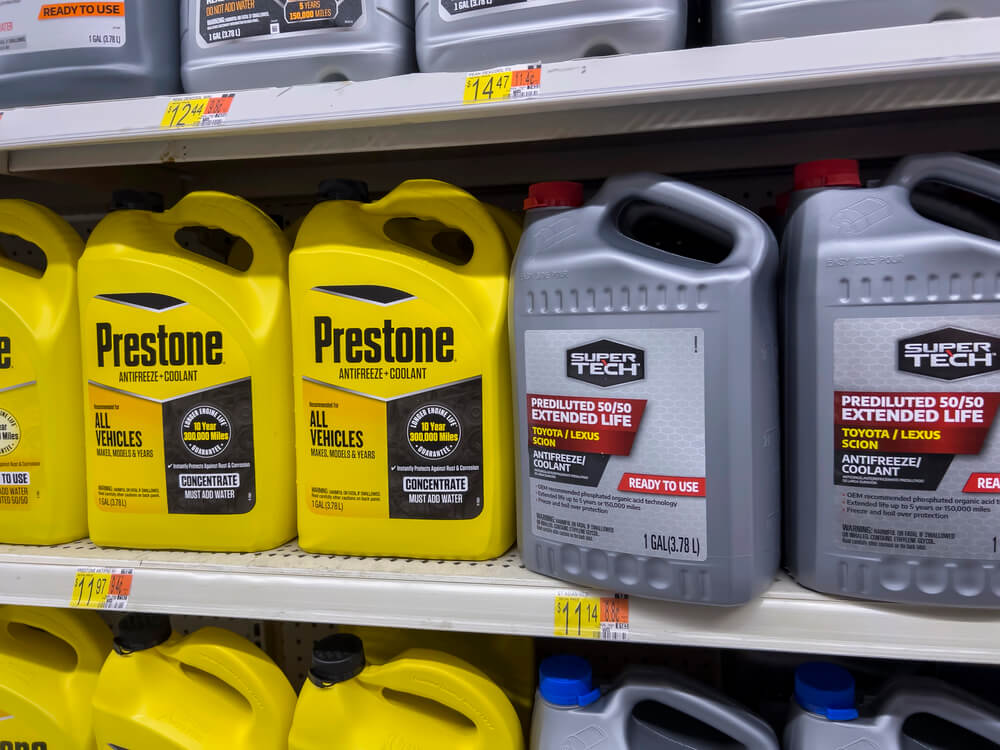
Prestone antifreeze was introduced in 1927 by National Carbon Company, giving drivers a way to protect radiators from freezing in cold months. Before that, many motorists relied on mixtures that were less effective and sometimes corrosive.
By the time Dad’s generation was driving, a gallon of Prestone was a fall ritual, poured into the radiator once the temperature dropped. Leftover jugs sat on a low shelf, forgotten until the next autumn.
A Ping-Pong Table Folded Against the Wall

The name Ping-Pong was popularized by the London firm Jaques, which sold the game around 1901, and the American rights went to Parker Brothers. By the 1970s, a green table folded up in the garage was a staple of family life.
Paddles with worn rubber and a lone celluloid sphere were scattered across the surface. The table also served as a workbench, a paint station, and a drop zone for mail.
A Briggs & Stratton Engine on the Lawn Mower
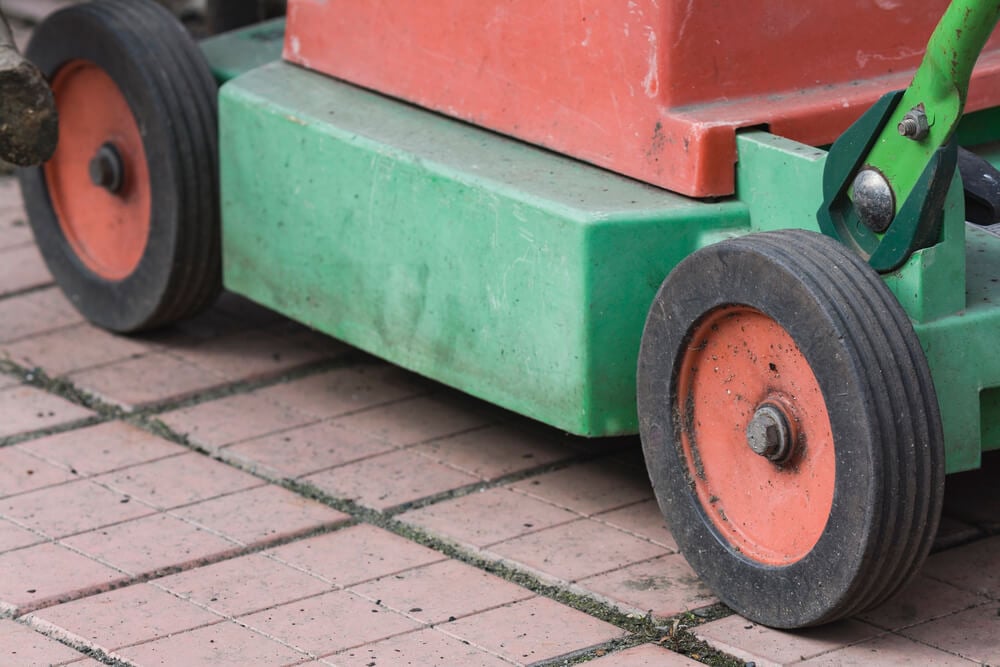
Briggs & Stratton was founded in Milwaukee in 1908, and its small gas engines powered generations of lawn mowers. The engines were famously simple, which meant most owners could repair them with a few wrenches and a spark plug socket.
Every spring, Dad pulled the mower out, changed the oil, and gave the cord a few long yanks. The sound of it catching on the third pull was the signal that summer had begun.
A Crescent Wrench That Became a Name for Every Adjustable Wrench
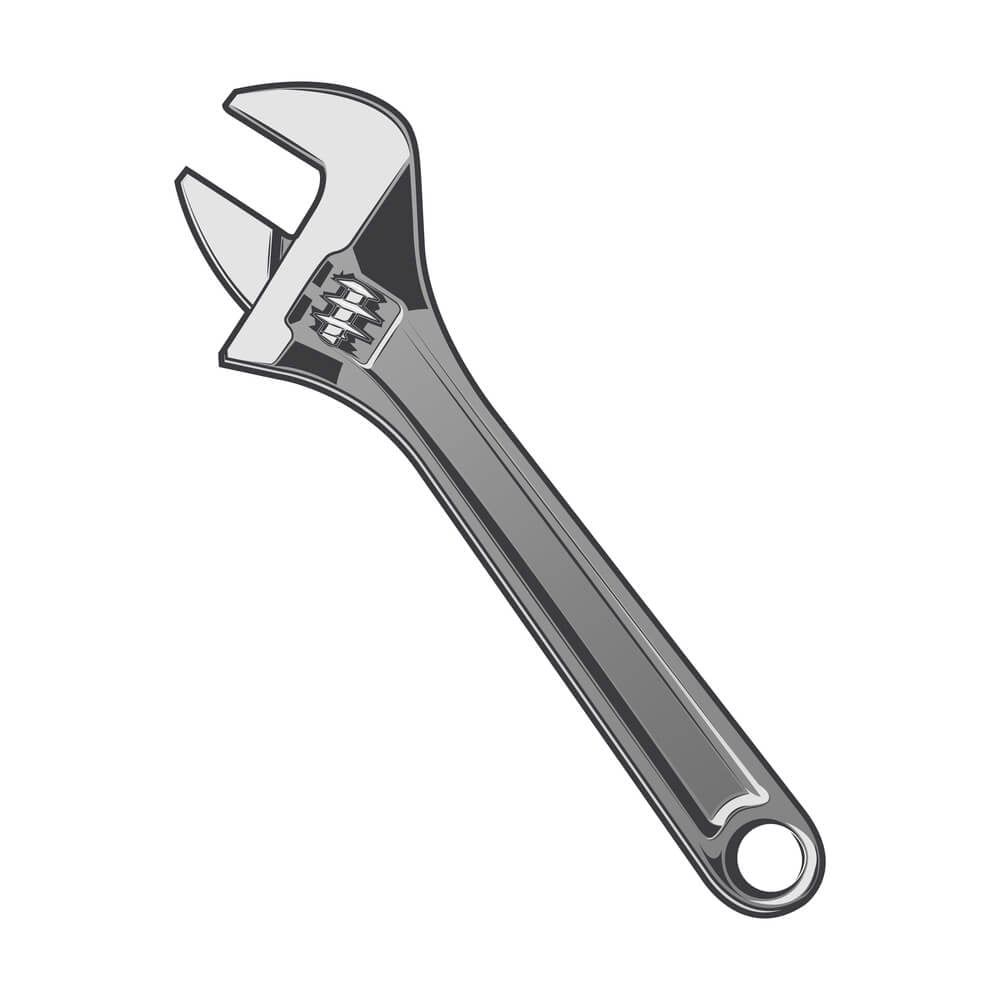
The Crescent Tool Company was based in Jamestown, New York, and the adjustable wrench designed by Karl Peterson became so popular that the brand name became generic. The movable jaw and worm-gear adjustment let a single tool fit many nut sizes.
In the garage, one usually hung on the pegboard, worn smooth from decades of grip. It was the tool grabbed first, often by someone who should have reached for the correct socket.
A Set of Channellock Pliers for the Stubborn Jobs
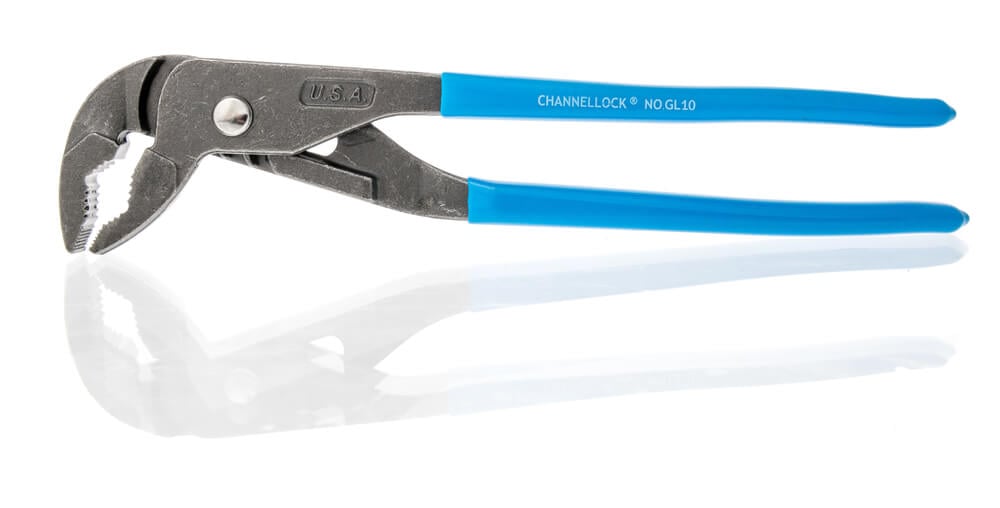
Channellock was founded in 1925 in Meadville, Pennsylvania, and became known for its tongue-and-groove pliers with multiple adjustment positions. The jaws could grip pipes, nuts, and odd-shaped parts that regular pliers could not manage.
The blue handles were a common sight in garages and under sinks. A pair kept in the toolbox usually outlasted the car it was used on.
A Roll of Duct Tape With a Wartime Origin
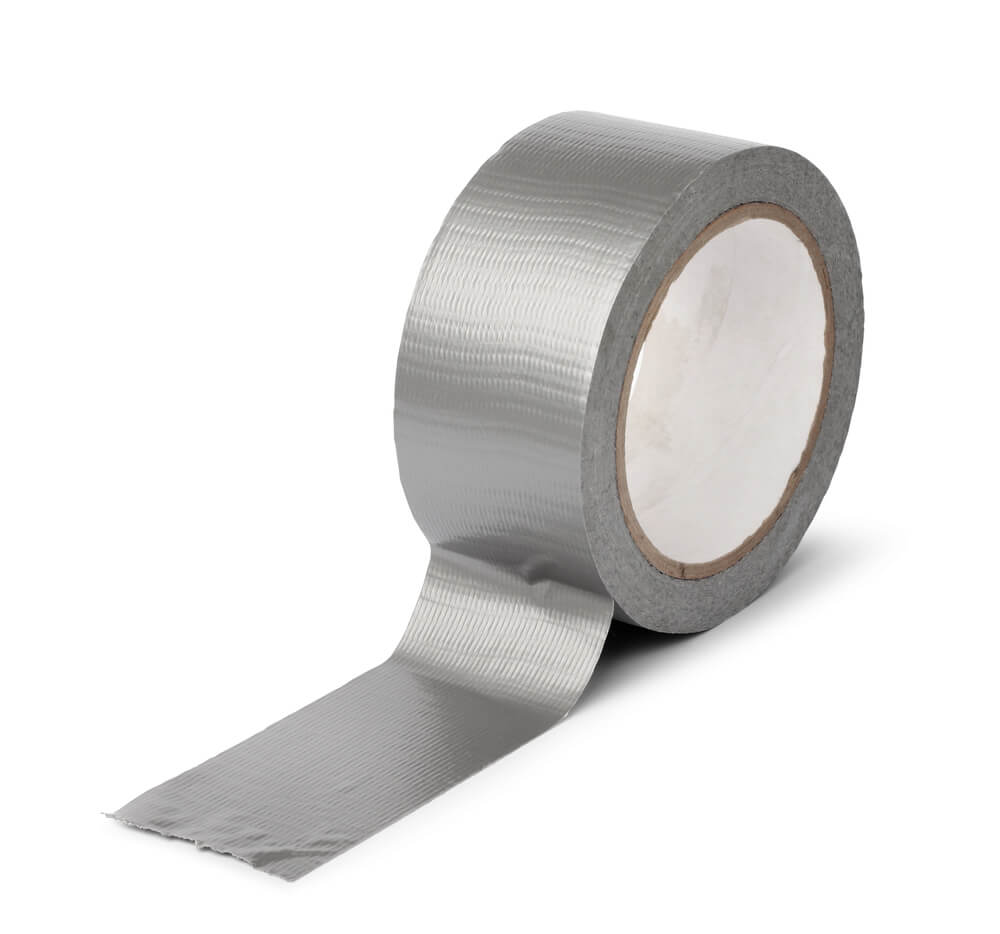
Vesta Stoudt, a factory worker, proposed a waterproof cloth tape in 1943 to seal ammunition cases, and the idea reached Johnson & Johnson, which produced the first version. The tape later moved from the military to hardware stores, where its silver color became iconic.
Dad’s version sat in the garage drawer, holding together everything from hoses to bumpers. The roll was never quite finished, since another repair always seemed to be on the way.
A Masonite Pegboard Covered in Outlined Tools

William H. Mason invented the process for making Masonite in 1924 in Laurel, Mississippi, and the sturdy fiberboard became the base for the pegboard seen in garages everywhere. Rows of evenly spaced openings held metal hooks, and a marker outline showed where each tool belonged.
In theory, this kept the workbench organized. In practice, the outlines were the only evidence of tools that had since gone missing.
What a Garage Remembers

Taken together, these objects tell a story about a generation that valued repair over replacement. Tools were bought to last, supplies were saved in coffee cans, and a broken thing was assumed to be fixable until proven otherwise.
The brands on the labels, from Craftsman to Coleman, were trusted because they held up. Many of these items still sit in garages today, covered in dust and attached to memories.
A can of oil, a thermos, or a dented wagon can bring back an entire afternoon spent handing tools to a parent. The garage was never only a place to park a car.
It was a workshop, a clubhouse, and a museum of everything worth keeping.
More from Go2Tutors!

- 27 Silver Dollars and Half Dollars Worth Keeping
- 28 Restaurant Menu Items Nobody Orders Anymore
- 17 Places Built in Seemingly Impossible Spots
- 27 Vintage Rings Worth More Than They Look
- 25 Restricted Sites Tourists Can’t Enter
Like Go2Tutors’s content? Follow us on MSN.