29 Ice Cream Flavors That Got Discontinued
Not every beloved flavor gets to stay on the shelf. Some were retired by brands with little warning, while others slipped out of supermarket freezers as tastes moved toward cookie dough and candy pieces.
This list gathers 29 of them, from premium pints that vanished overnight to old parlor favorites that now seem like relics.
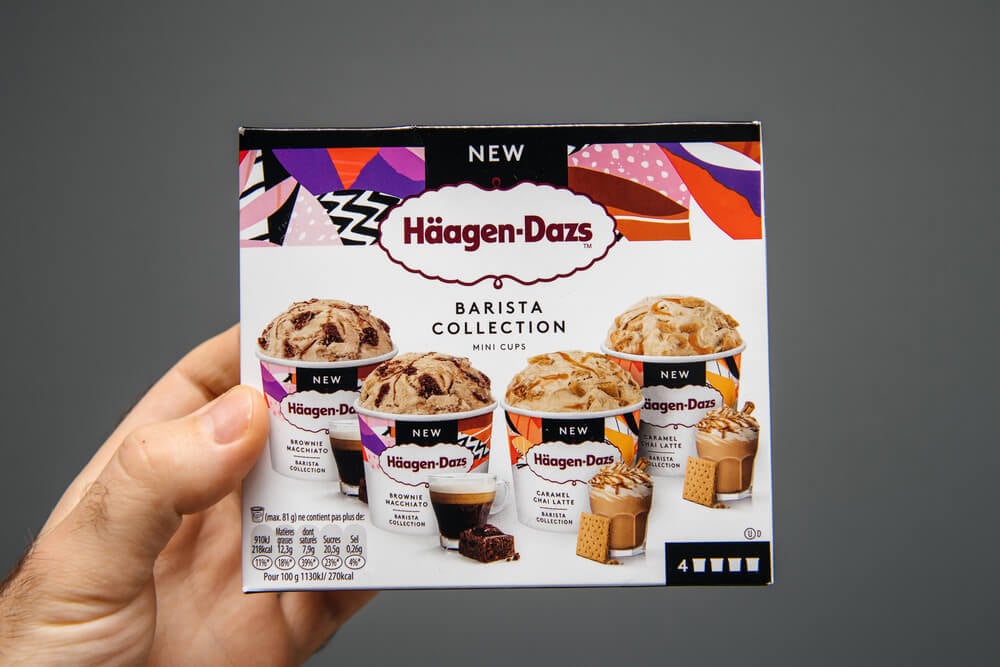
Haagen-Dazs Black Walnut Quietly Disappears
— Photo by ifeelstock
Reuben Mattus founded Haagen-Dazs in the Bronx in 1960 and gave it a Danish-sounding name that means nothing in Danish. Black Walnut was among its long-running flavors, built on the bold, faintly bitter taste of black walnuts, which differ sharply from the milder English walnuts sold in most grocery stores.
The company stopped making the flavor with little fanfare, and loyal fans have lobbied for its return ever since. Pints of it are now remembered mostly by shoppers who grew up when premium ice cream was a new idea.
Haagen-Dazs Baileys Irish Cream Leaves the Lineup
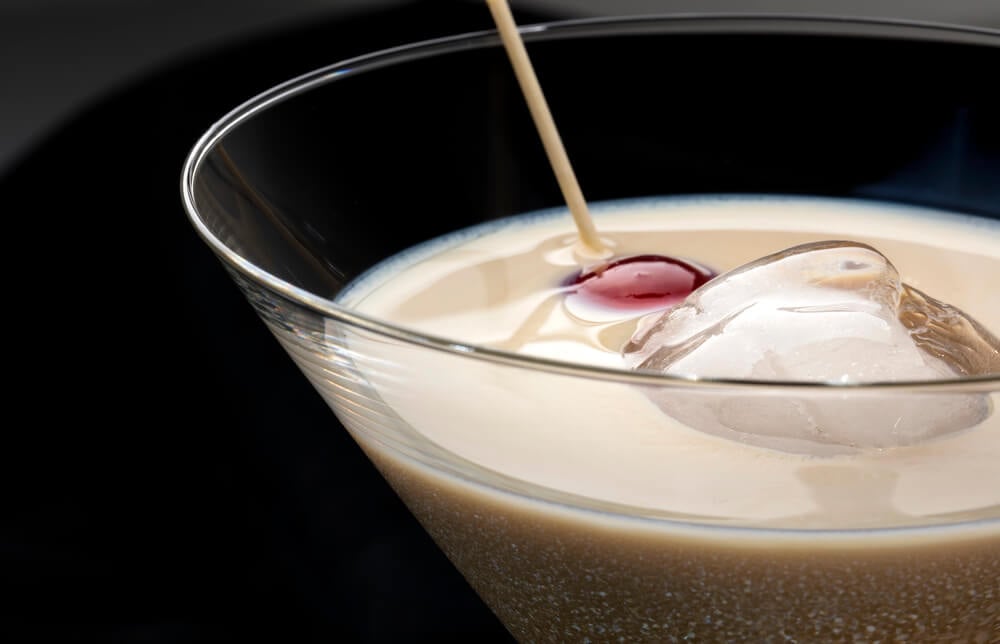
Baileys Original Irish Cream reached stores in 1974, and its mix of cream, Irish whiskey and cocoa soon inspired dessert makers to borrow the taste. Haagen-Dazs built a flavor around the liqueur, a rare case of a mainstream brand putting an alcohol-based recipe into the freezer aisle.
Liqueur-flavored pints sell to a narrower audience than vanilla or chocolate, and the flavor eventually left the lineup. Fans of the combination now pour the liqueur over plain vanilla themselves, which gets close to the original without needing a dedicated carton.
Blue Bell Banana Split Slips Away
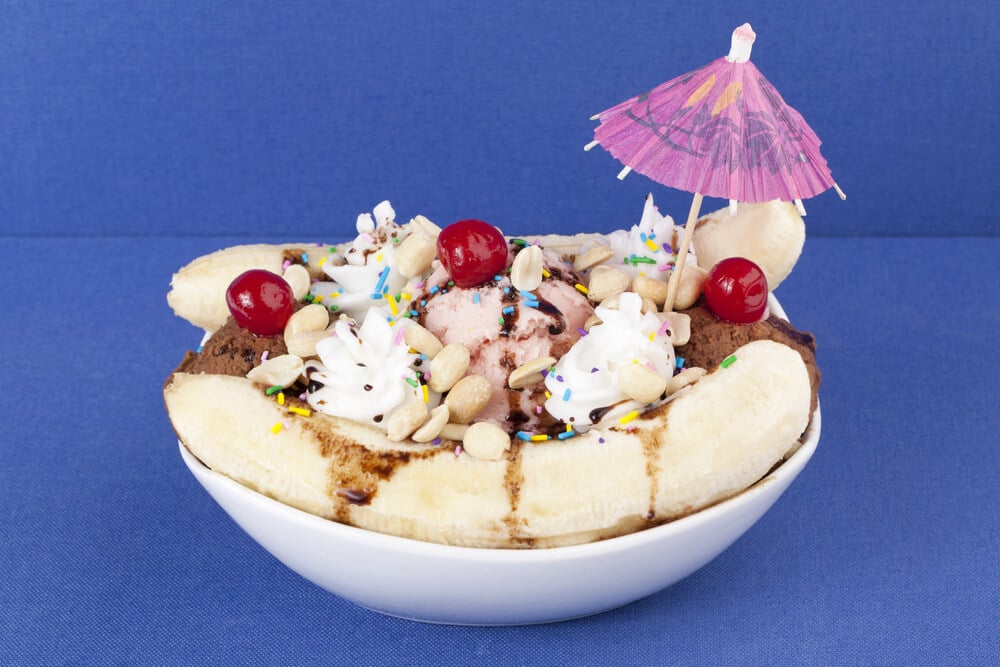
Blue Bell, the Brenham, Texas, creamery that began as a butter maker in 1907, built its following in part by rotating flavors in and out of its freezers. Banana Split was among those that vanished, and fans circulated an online petition begging the company to bring it back.
The flavor aimed to capture the soda-fountain sundae in a carton. Loyalty to the brand runs deep in Texas, where many families treat a half-gallon carton as a household staple, and Blue Bell has held fan votes to revive other retired flavors.
Baskin-Robbins French Vanilla Leaves the Case
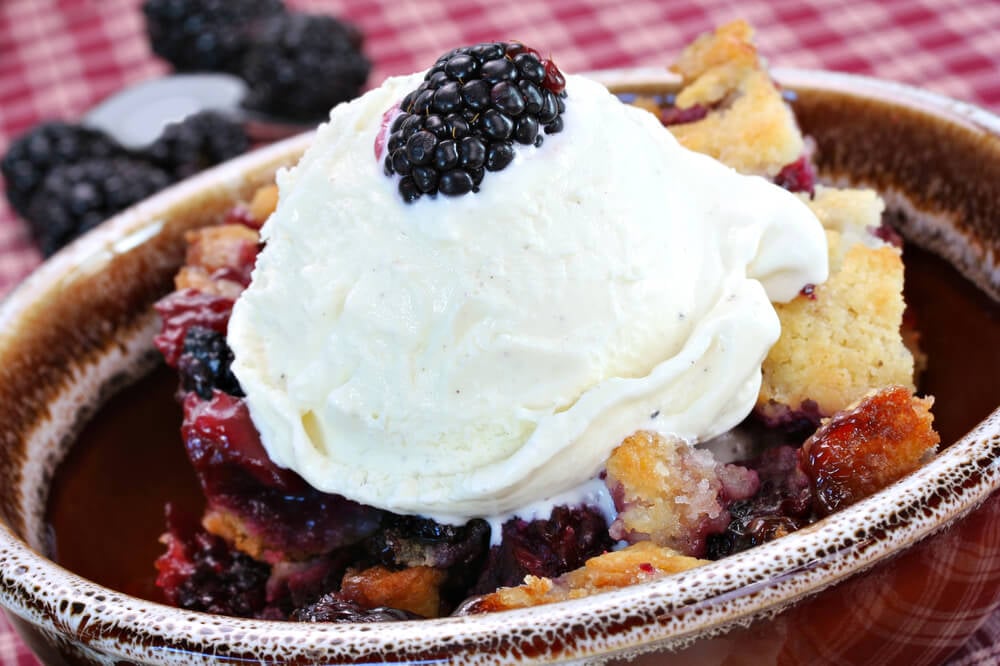
The chain built by brothers-in-law Burt Baskin and Irv Robbins in California in the 1940s advertised 31 flavors, one for every day of the month. French vanilla, traditionally made with egg yolks for a richer, custard-style base, was once a staple of the lineup before it disappeared.
Plain vanilla and its many variations remain popular elsewhere, but the French style has faded from many scoop shops. Shoppers who remember it describe a deeper color and a smoother texture than the pale vanilla that now dominates the market.
Friendly’s Wattamelon Roll Ends Its Summer Run

Friendly’s, founded in Springfield, Massachusetts, in 1935 by brothers Prestley and Curtis Blake, sold the Wattamelon Roll as a summer favorite for many years. The frozen dessert was designed to look like a watermelon, with a green outer layer, a pink center and chocolate chips standing in for seeds.
Families bought it for birthday parties and cookouts because one roll could feed a crowd. After the roll left the menu, longtime customers filled social media with pleas for its return, and the dessert became a symbol of New England summers.
Klondike Retires the Choco Taco
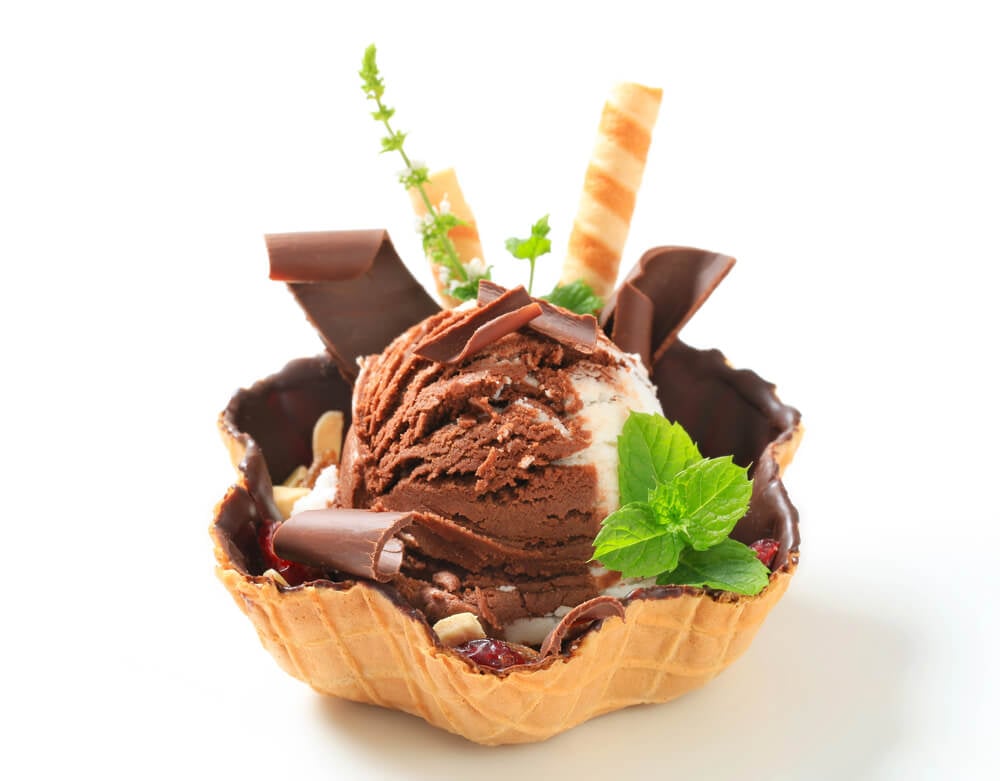
Klondike announced in July 2022 that it was ending production of the Choco Taco, a frozen dessert that had been a freezer-truck favorite for decades. The treat packed ice cream inside a waffle shell shaped like a taco, then coated it in chocolate and crushed peanuts.
News of the decision set off a wave of tributes, petitions and jokes online, with fans insisting that no other novelty tasted quite the same. It was a rare case of a frozen novelty becoming a cultural symbol, and its retirement made national headlines.
Tutti-Frutti Fades From the Scoop Shop
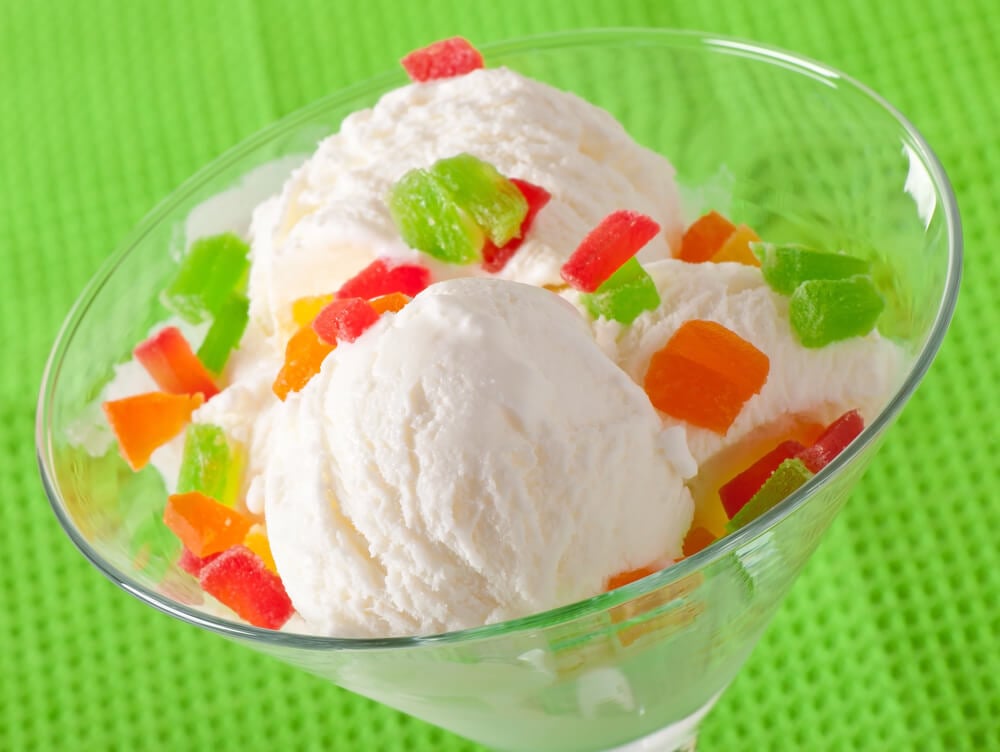
Tutti-frutti is Italian for all fruits, and ice cream flavored this way blended chopped candied fruit, nuts and sometimes liqueur into a creamy base. It was a staple of early twentieth century soda fountains and church socials, when candied fruit was a pantry luxury.
Shoppers later gravitated toward flavors with cookie and candy mix-ins, and candied fruit became a baking item reserved mostly for holiday cakes. The flavor survives in a few old-school shops, where it arrives as a pale scoop dotted with small, jewel-like pieces.
Spumoni Retreats to Italian Bakeries
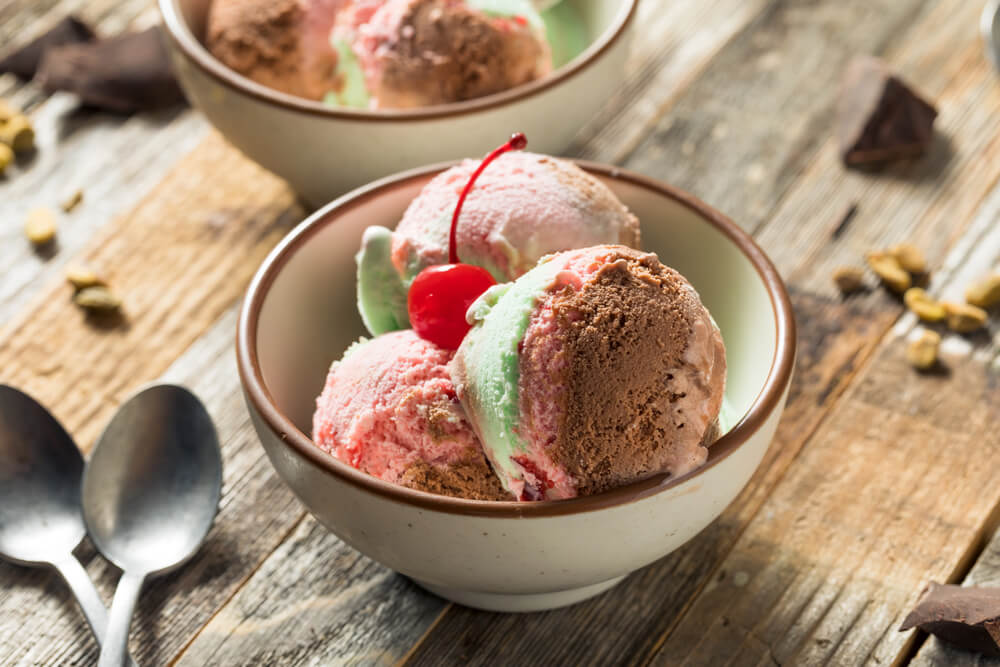
Spumoni is an Italian molded dessert whose name comes from spuma, the word for foam, and the classic version layers pistachio, chocolate and cherry ice creams studded with fruit and nuts. Italian-American restaurants served slices as a finale, and grocery stores sold it in cardboard bricks.
Today the dessert turns up mostly in old-school bakeries and restaurants, where servers still cut it into wedges and set the colors side by side. The sight of three stripes on a plate is a reminder of how much ice cream once belonged to restaurants rather than freezers.
Nesselrode Melts Into History
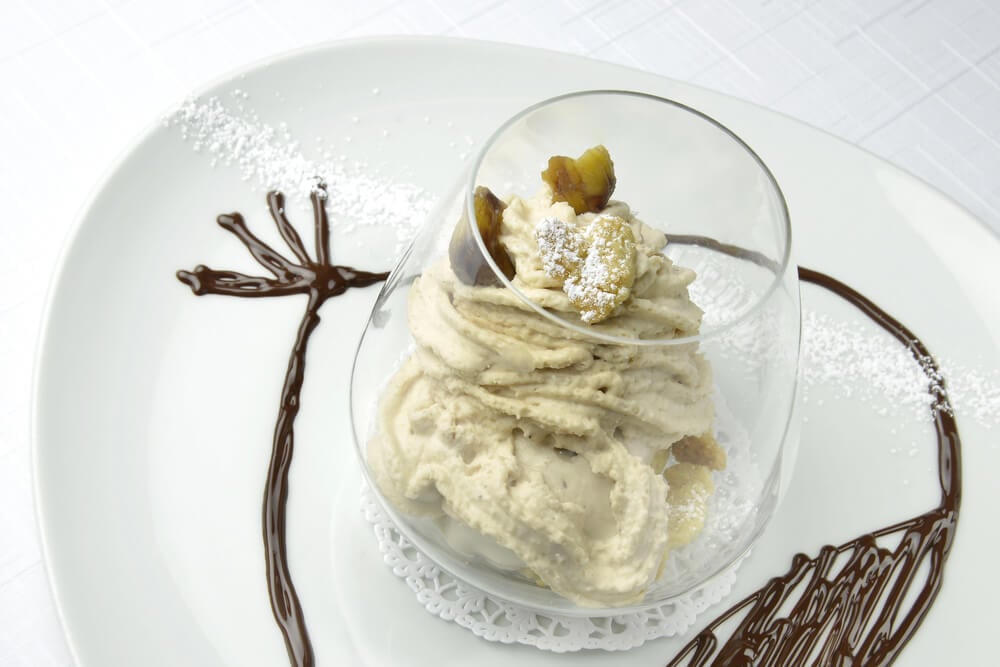
Nesselrode, a frozen mixture of chestnut puree, candied fruit and rum or maraschino liqueur, took its name from Count Karl Nesselrode, a nineteenth-century Russian diplomat whose chef is credited with the original pudding. American hostesses served Nesselrode pudding and pie at holidays in the early and middle twentieth century, and ice cream makers produced a Nesselrode flavor.
Chestnut puree and liqueur-soaked fruit faded from freezer cases as tastes shifted, and the name now sounds like a puzzle to most shoppers. Recipes survive in old cookbooks and in the memories of grandparents.
Biscuit Tortoni Loses Its Paper Cup
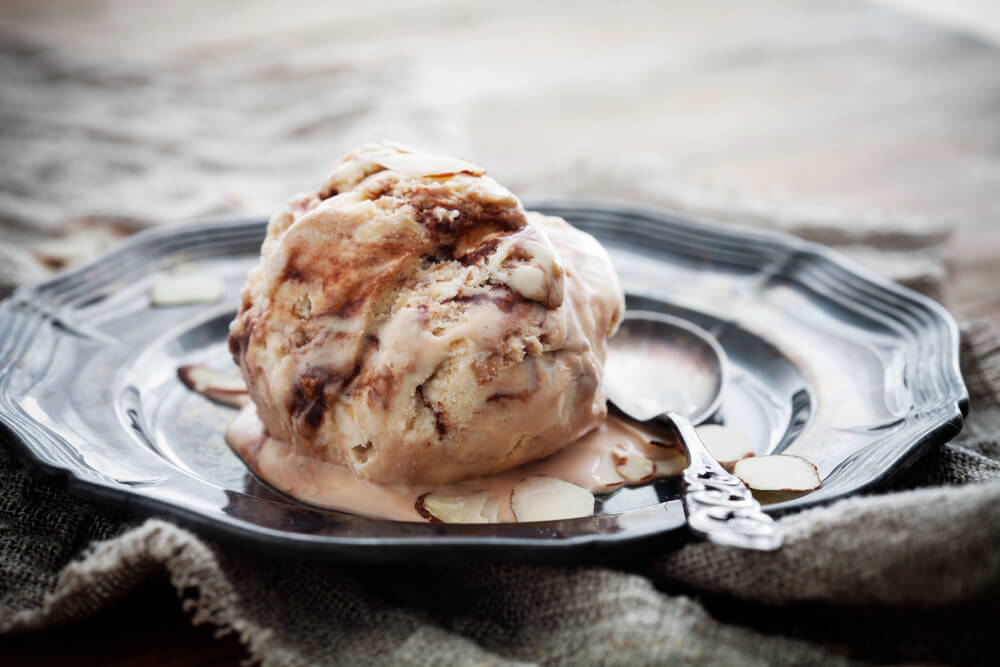
Biscuit tortoni is a frozen dessert of cream, sugar and crushed macaroons or almonds, often topped with toasted nuts and a cherry. The name is generally traced to an Italian restaurateur named Tortoni who ran a famous cafe in Paris in the nineteenth century.
It was a fixture of Italian-American restaurant menus in the mid-twentieth century, usually served in a small paper cup. Today it appears mostly in older restaurants, a quiet leftover from an era when dinner ended with a pale frozen cup instead of a chocolate lava cake.
Cassata Layers Fade From the Case
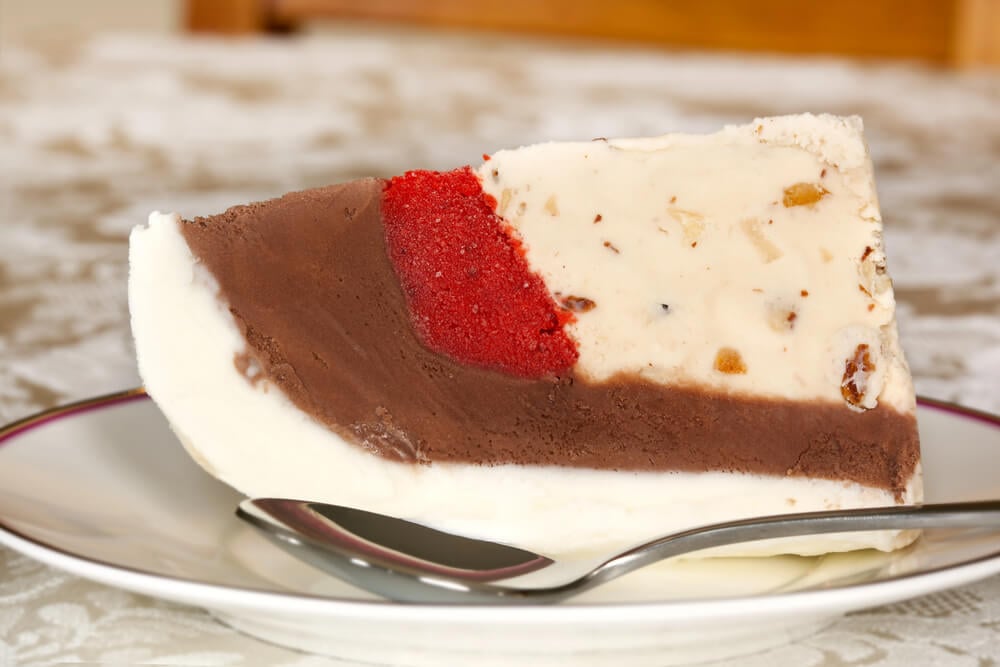
Cassata began as a Sicilian cake of sponge, sweet ricotta and candied fruit, and its frozen cousin layered ice cream with bits of fruit and nuts. Italian-American neighborhoods sold it as a molded brick for holidays and family dinners, often in bright colors that stood out in the case.
Fewer shops make it now, and the layered style survives mostly in bakeries that cater to older customers. The flavor shows how an elaborate dessert from one island could end up in countless freezers before disappearing again.
Peach Melba Bows Out
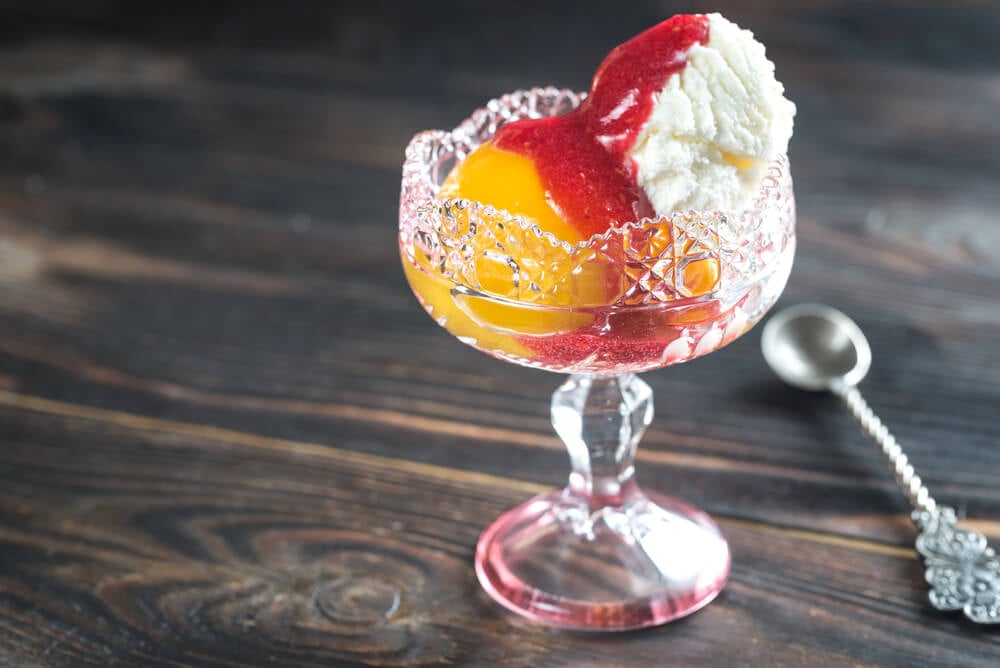
Auguste Escoffier invented Peach Melba at the Savoy Hotel in London in the early 1890s to honor the Australian soprano Nellie Melba, serving poached peaches over vanilla ice cream with raspberry sauce. Ice cream makers later turned the dessert into a flavor, mixing peach pieces and raspberry ripple into vanilla.
The flavor is rarely found in freezer cases now, though the dessert survives on menus that favor tradition. Few opera singers can claim a dessert named after them, but the story of the soprano and the chef still gets retold.
Cherries Jubilee Loses Its Flame
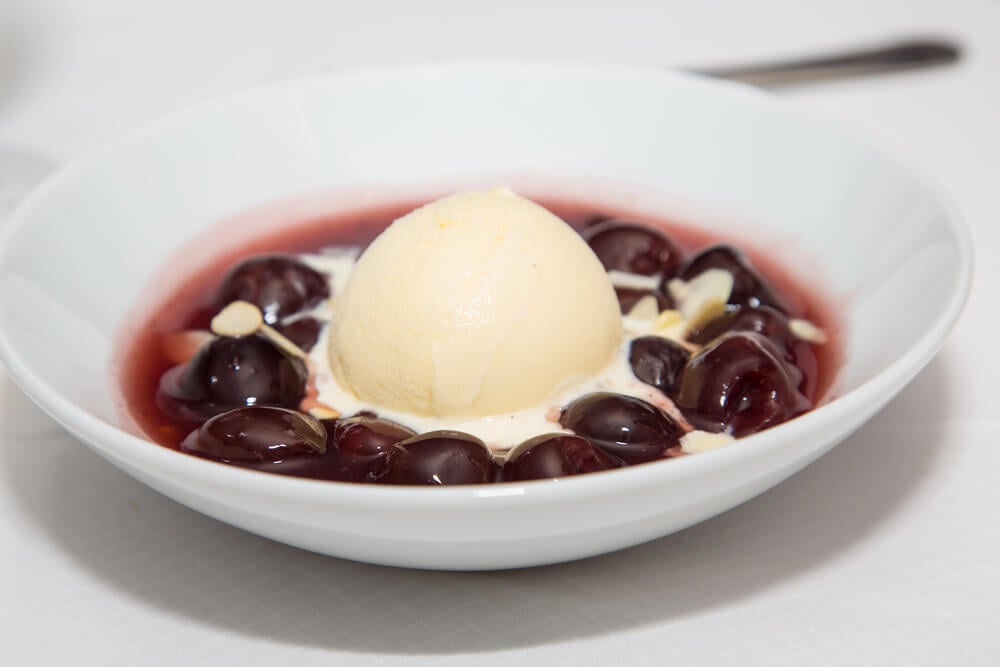
Cherries Jubilee is usually credited to Auguste Escoffier, who is said to have created the dish for a Queen Victoria jubilee, flaming cherries in kirsch and serving them over vanilla ice cream. The ice cream flavor borrowed the idea, combining vanilla with dark cherries and a ripple of cherry sauce.
It was a restaurant showpiece in mid-century steakhouses, where waiters lit the sauce at the table. The flavor largely vanished from freezers as flambe service went out of fashion, though a few old-fashioned diners keep the memory alive.
Burnt Almond Goes Out of Fashion
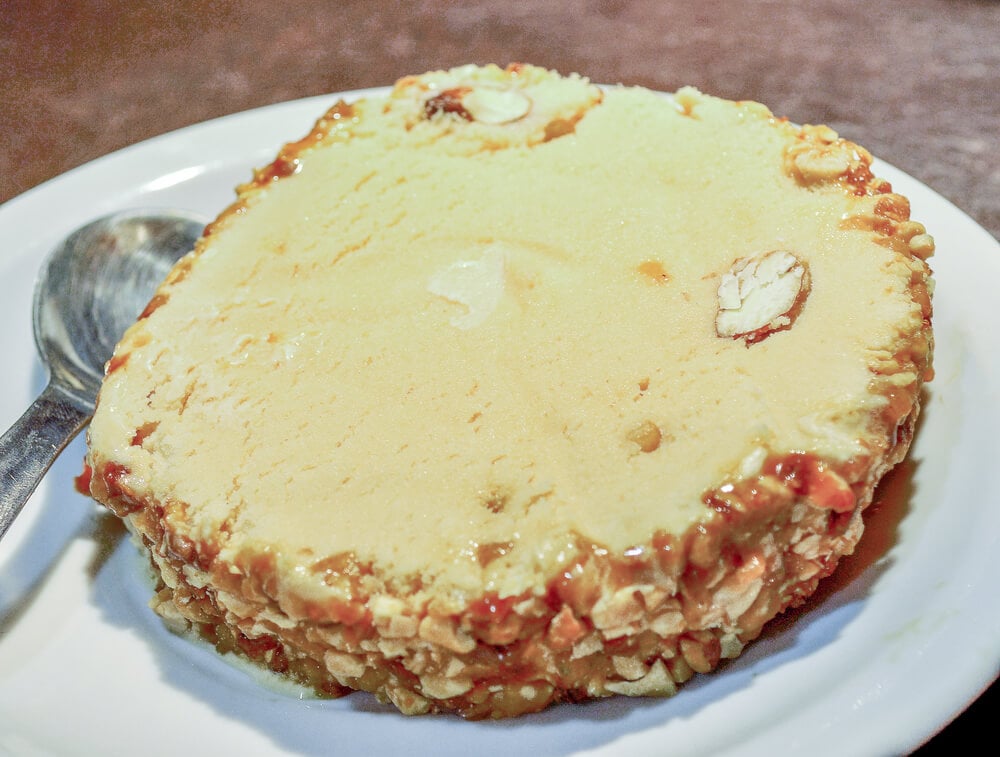
Howard Johnson’s, the orange-roofed restaurant chain, advertised 28 flavors of ice cream at its peak, a lineup that shaped what Americans considered traditional. Burnt almond belongs to that era, made by folding sugar-coated, deeply toasted almonds into vanilla or caramel ice cream.
The nuts gave a smoky sweetness that has since been replaced by salted caramel and pretzel pieces. Today it exists mostly in regional creameries and in the memories of travelers who once stopped at roadside orange roofs, ordering a cone before getting back on the highway.
Maple Walnut Gets Too Expensive
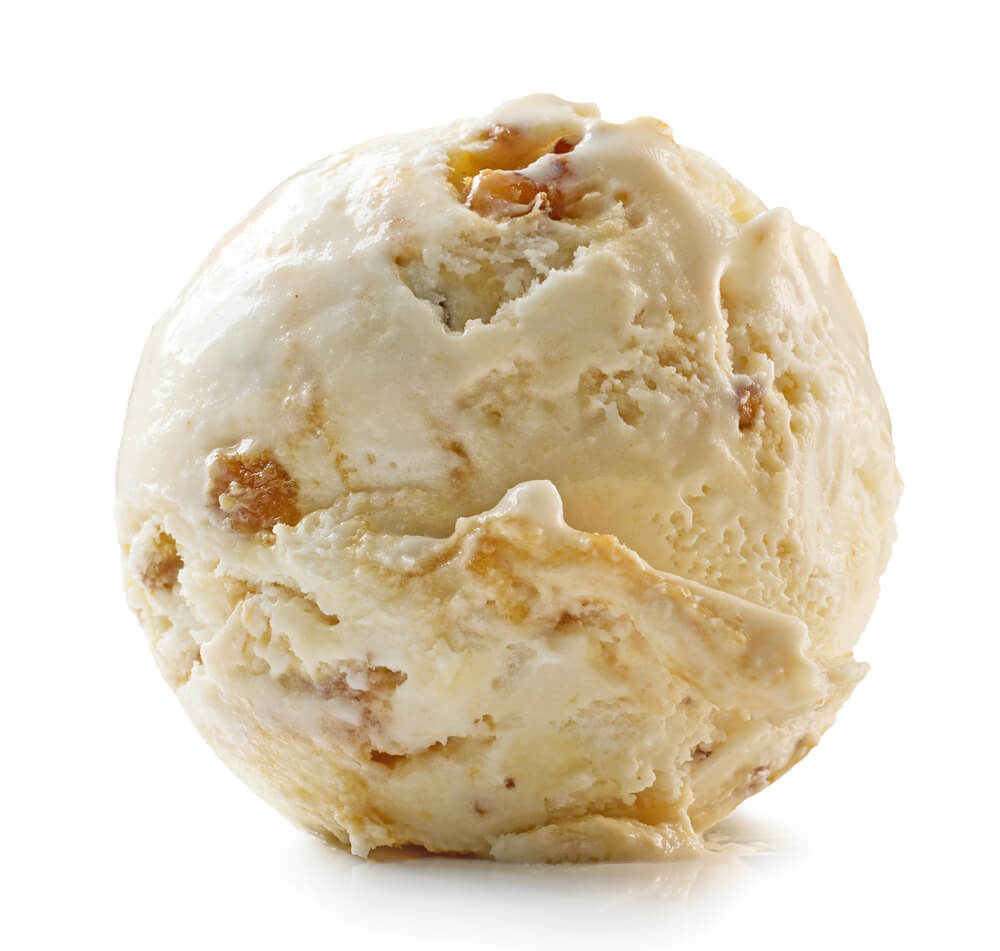
Maple walnut pairs maple syrup with chopped walnuts, a combination tied to New England and the maple-producing regions of Canada. For decades it was a standard flavor in ice cream parlors, especially in autumn.
Maple syrup is expensive compared with vanilla, so some large brands replaced it with artificial syrup or dropped the flavor altogether, a change that disappointed loyal fans. Small creameries that still use real syrup treat the flavor as a seasonal specialty, and the toasted walnut crunch remains a reason to seek it out.
Grape-Nut Ice Cream Stays Local
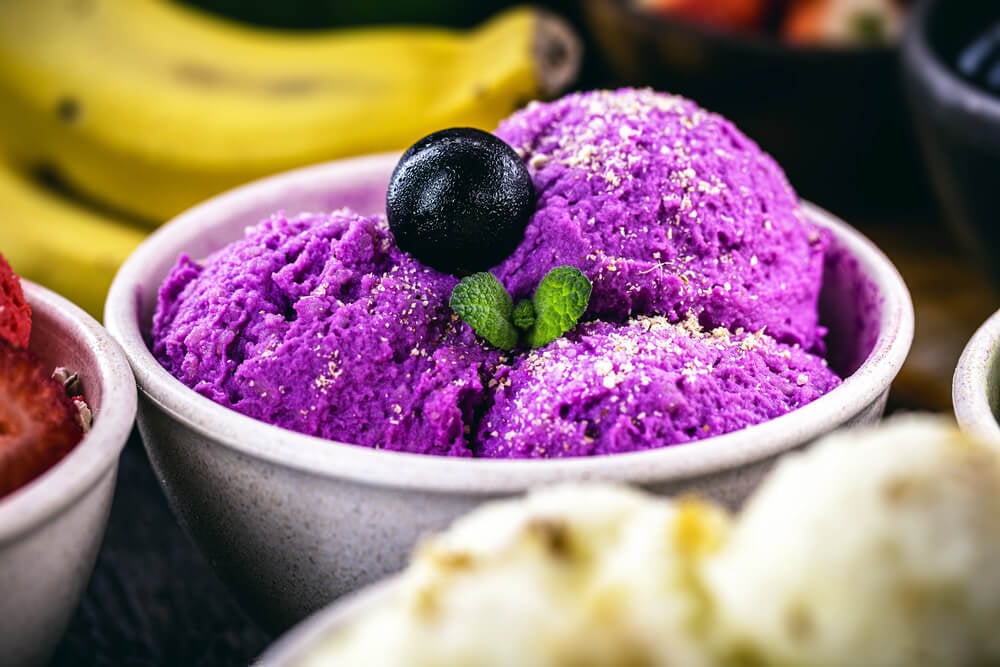
Grape-Nut ice cream folds crunchy Grape-Nuts cereal into vanilla, a combination popular in New England. The cereal, created by C. W. Post in 1897, softens in the cream and turns into chewy, nutty bits.
Some local dairies still make the flavor, but national brands rarely do. It is a good reminder that ice cream flavors often grow out of local pantry habits rather than marketing departments, and that regional favorites can vanish when a company decides to simplify its lineup, even if a few thousand loyal customers keep buying it.
Brown Bread Ice Cream Recalls Thrift
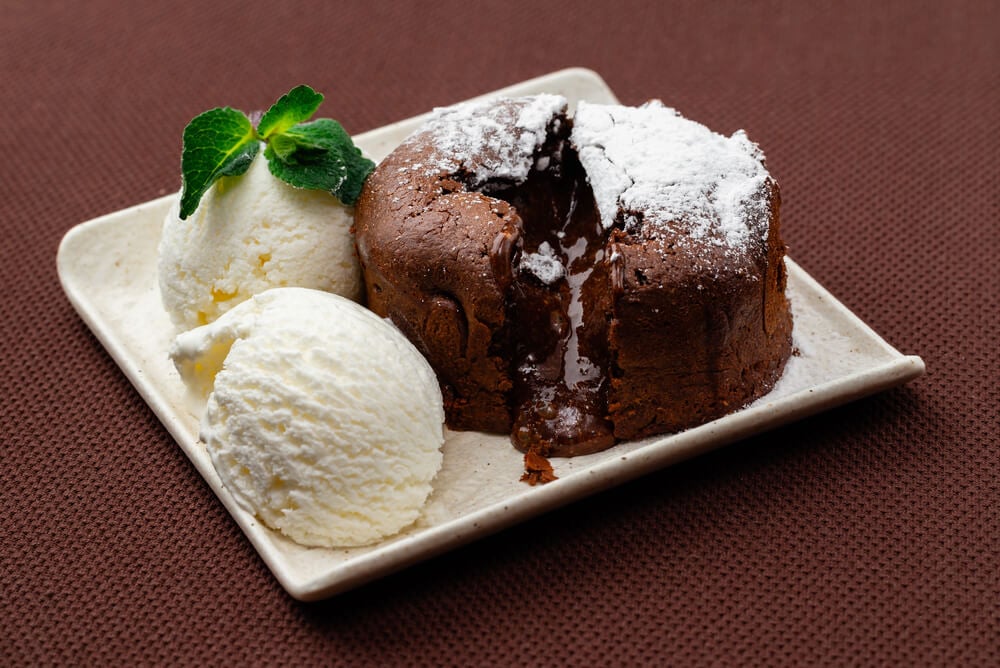
Brown bread ice cream mixes toasted brown bread crumbs into sweet cream, a dessert with roots in British and Irish kitchens. The crumbs add a caramel-like crunch and a slightly malty taste that surprises anyone expecting plain vanilla.
It lingered in British and Irish restaurants long after most American shops dropped it, and traditionalists still serve it with berries or a spoonful of honey. The flavor came from an era of thrift, when stale bread was a pantry staple rather than a waste product, and nothing went to waste in a careful kitchen.
Heavenly Hash Becomes a Riddle
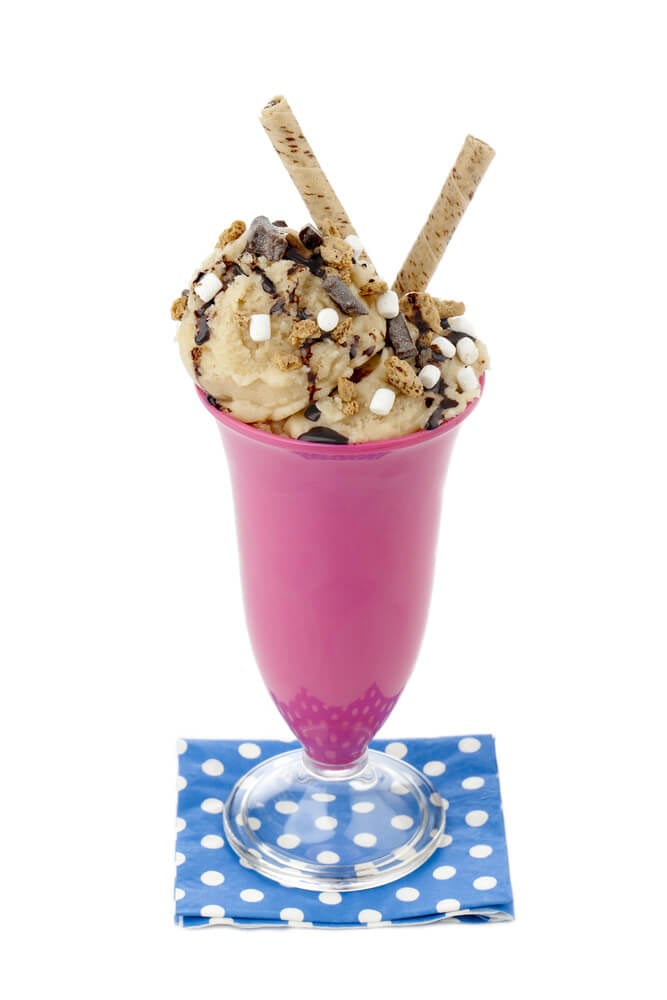
Heavenly Hash describes a style of ice cream that blends chocolate ice cream with marshmallow and almonds, a Southern relative of Rocky Road. The name is shared with a candy egg sold at Easter in New Orleans, made by the Elmer Candy Company, which combines marshmallow, almonds and chocolate in the same pattern.
In ice cream form, the flavor was a mainstay of soda fountains. Modern shops favor cookie dough and brownie chunks over marshmallow ribbons, which is why the old name sounds like a riddle.
Cherry Vanilla Fades From Soda Fountains
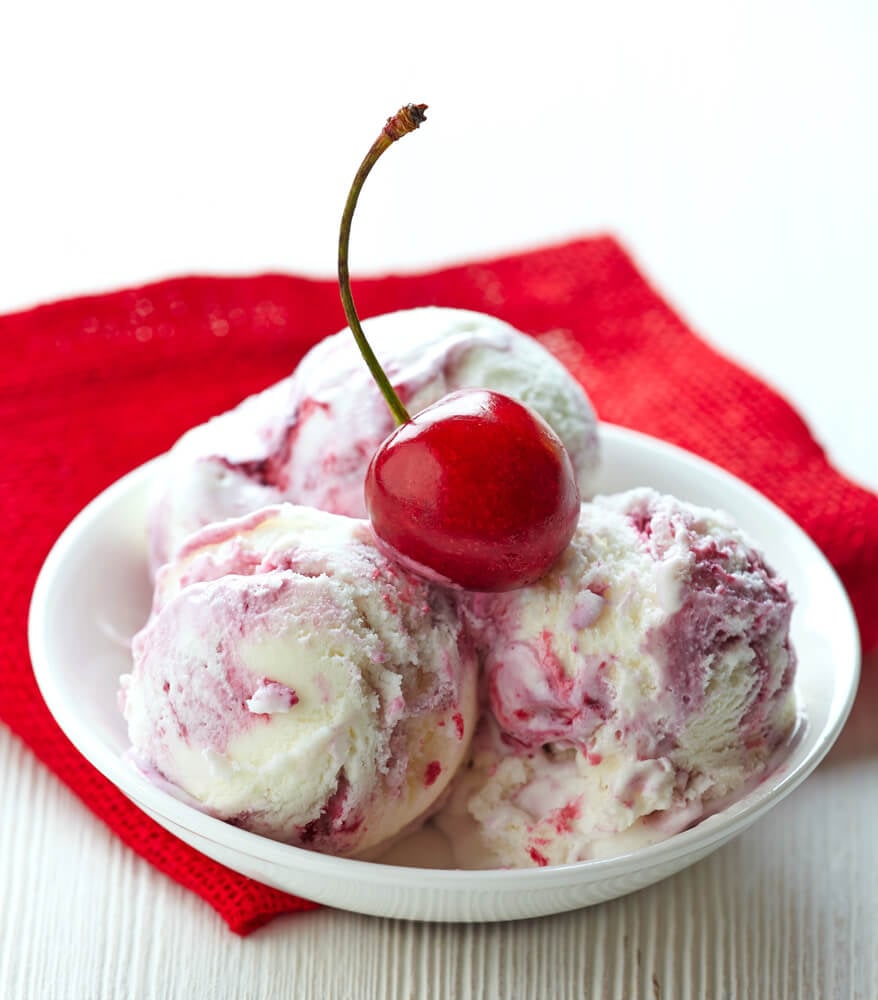
Cherry vanilla ice cream, vanilla studded with chopped maraschino cherries, was a regular at soda fountains and grocery stores through the mid-twentieth century. The cherries, bright red from dye, gave the pale ice cream a festive look.
Their syrupy, almond-like taste divided shoppers, and dark cherry flavors such as black cherry took more of the market. The old version now appears mostly in vintage ads and in small shops that cling to tradition.
A scoop of it feels like opening a drawer of mid-century postcards.
Butter Brickle Loses Its Crunch
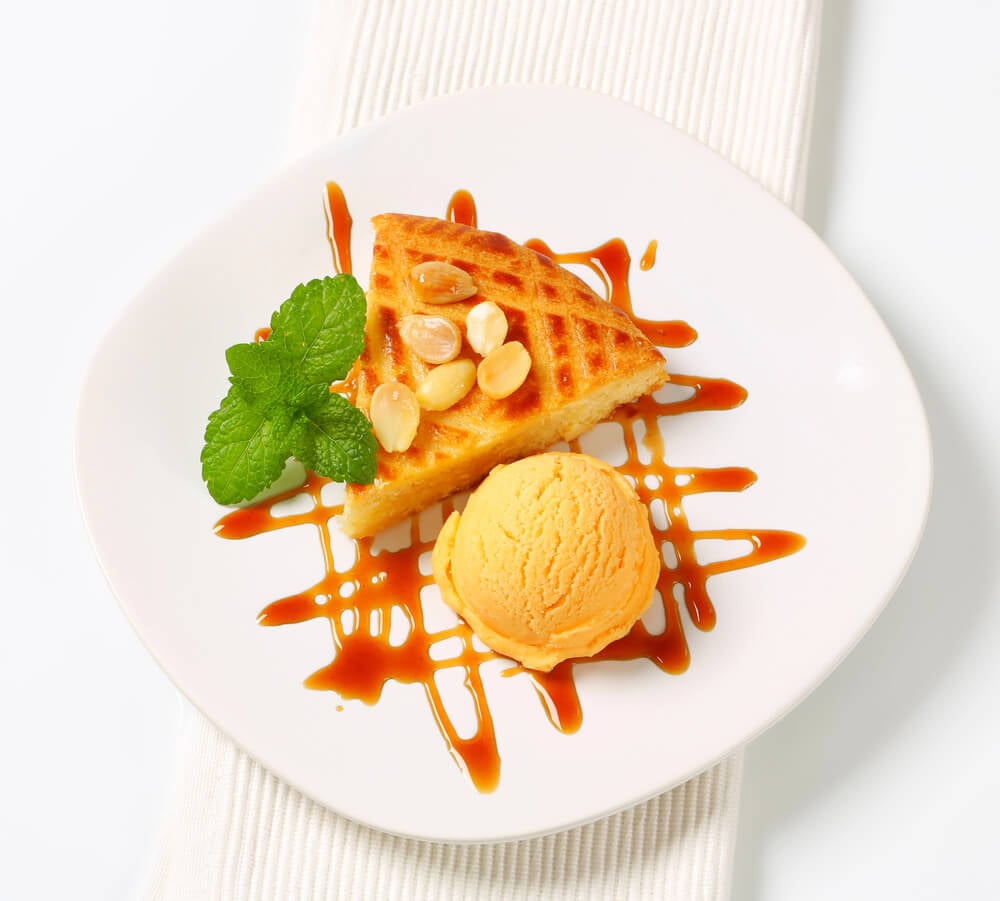
Butter brickle is a brittle toffee candy, and the ice cream flavor studded vanilla or butter-flavored ice cream with crunchy toffee bits. The brickle name was widely used by candy makers in the mid-twentieth century.
Toffee bits still show up in other flavors, but butter brickle itself has become rare in freezer aisles. Fans remember the way the candy stayed crisp for the length of the scoop, a buttery crunch that contrasted with the smooth cream around it, and one that rewarded anyone who dug past the first layer.
Rum Raisin Sobers Up
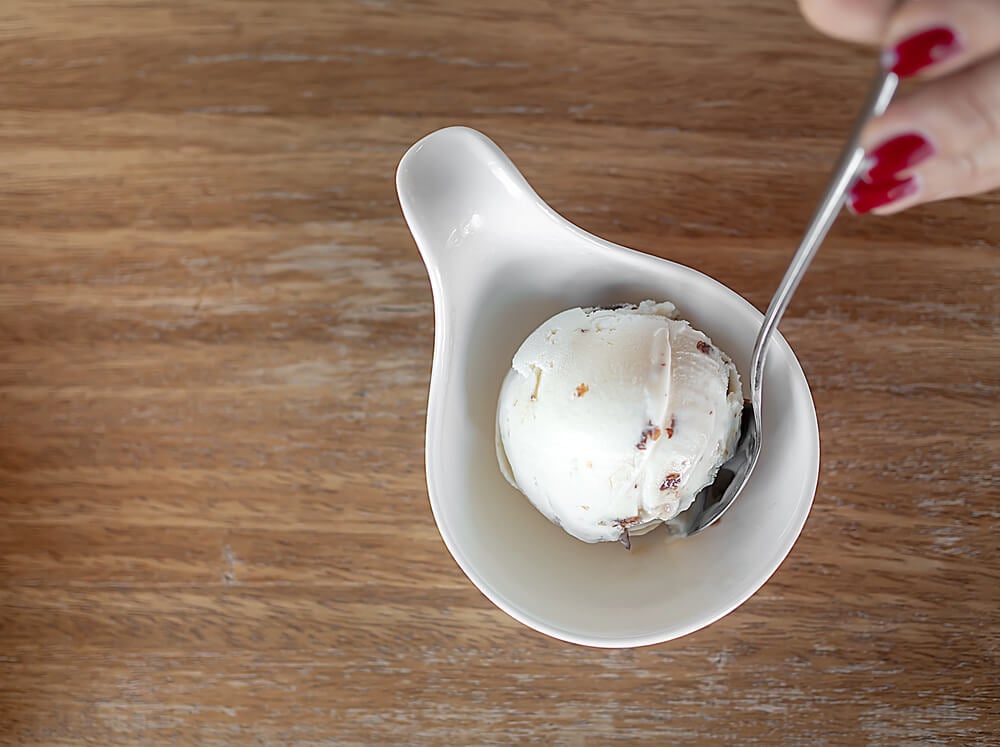
Rum raisin ice cream soaks raisins in rum before folding them into vanilla, giving the cream a rich, slightly boozy flavor. For decades, it was the sophisticated pick on parlor menus, ordered by adults who found chocolate chip too childish.
Raisins in dessert have fallen out of favor with many shoppers, and many brands removed the flavor from their standard lineups. Lovers of the original recipe now hunt for artisan versions or soak the raisins themselves at home, which takes a few days of patience.
Tin Roof Sundae Goes Quiet
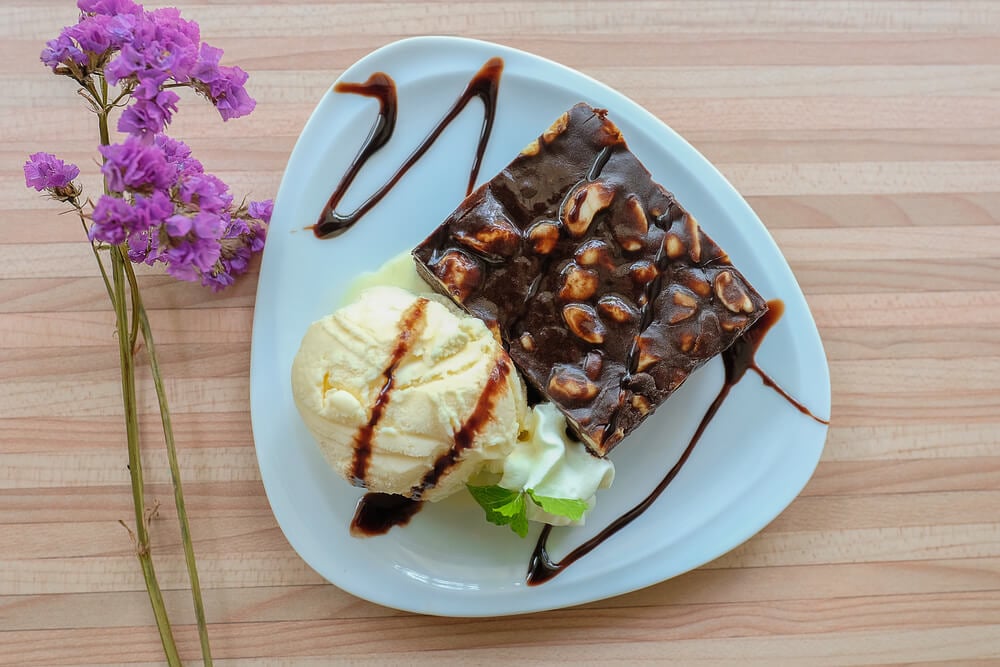
Tin roof sundae ice cream recreates a soda-fountain sundae of vanilla ice cream, chocolate fudge and salted Spanish peanuts. The crunchy peanuts, covered in thin red skins, set the flavor apart from the smoother sundaes around it.
Many dairies sold it in half-gallon cartons during the mid-century heyday of ripple flavors.Modern peanut butter cups and caramel swirls have crowded it out, though it still turns up in a few regional creameries.
The name remains a mystery to most customers, though the flavors it describes are easy to picture.
Fresh Peach Ice Cream Waits for July
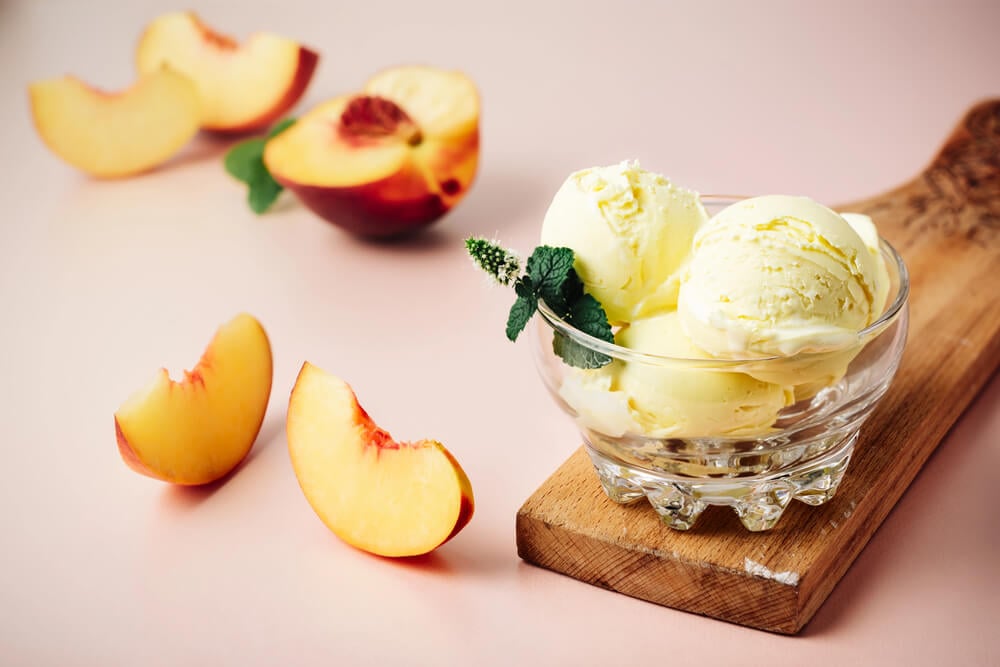
Fresh peach ice cream was once the highlight of summer picnics, made by cranking cream, sugar and ripe peaches in a hand-turned freezer. Dairies sold commercial versions during peach season, and the flavor depended on the quality of the fruit.
As supermarkets standardized flavors for year-round sales, seasonal peach faded in favor of flavors that stay consistent in any month. Small farm stands and creameries keep the tradition alive, and the first spoonful tastes unmistakably like July, with juice and cream blended into something close to a summer memory.
Butterscotch Ripple Gives Way to Caramel
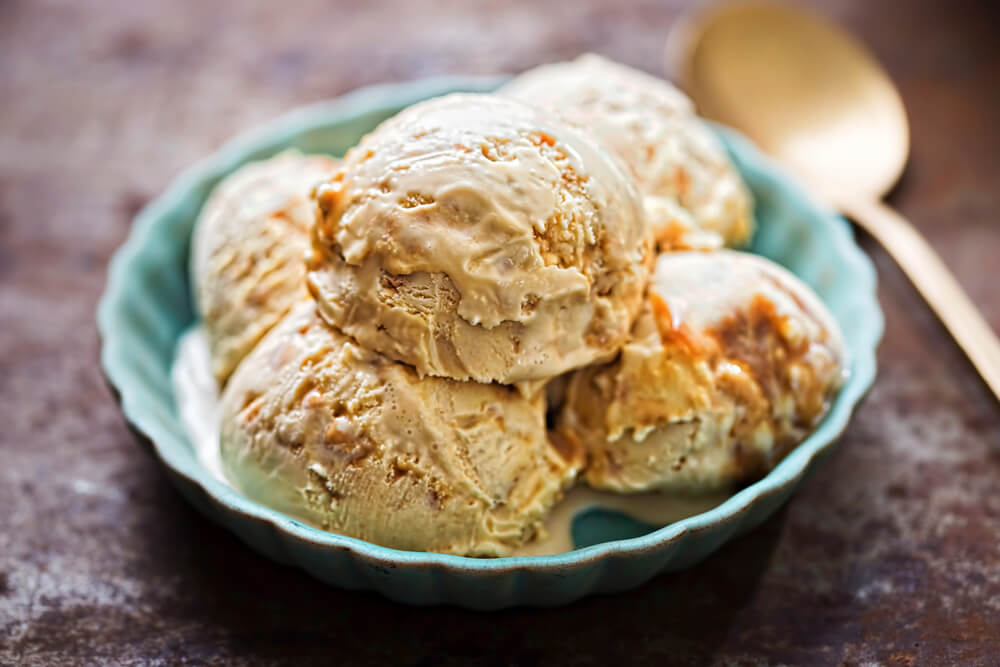
Butterscotch ripple ice cream swirled ribbons of butterscotch sauce through vanilla, a mid-century staple of grocery freezers. Butterscotch, made from brown sugar and butter, tastes a little darker and sharper than caramel.
Salted caramel and dulce de leche eventually took over the territory, leaving butterscotch with the older generation. The ripple technique also vanished from many lineups as mix-ins in chunk form became popular, though the swirl remains a charming sight in photographs, where it looks like a ribbon of amber laid across a white field. Old dessert menus still list the flavor, often beside a hot fudge sundae.
Peanut Brittle Ice Cream Crumbles
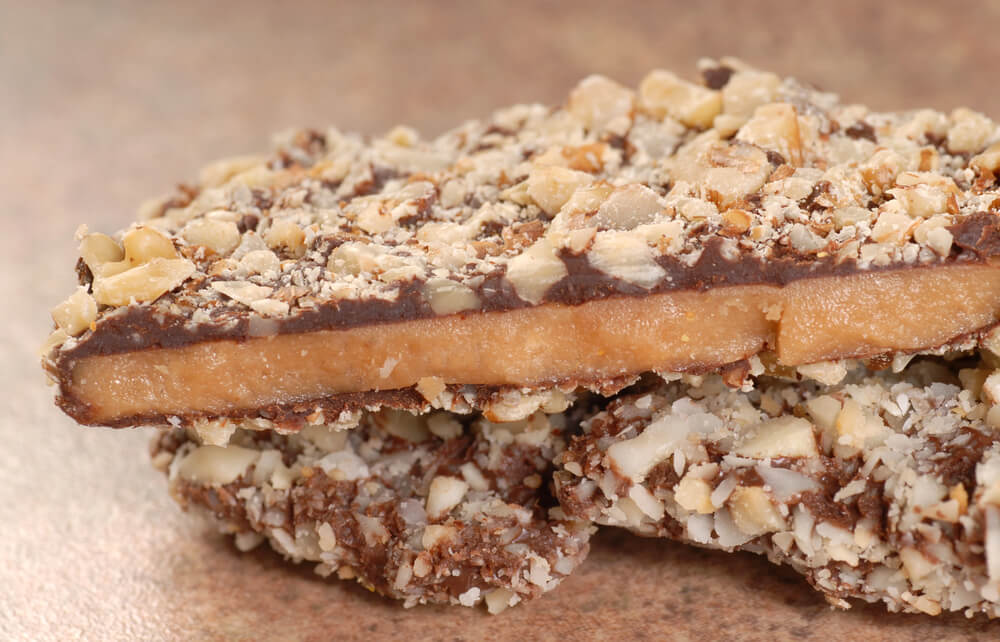
Peanut brittle ice cream folds crushed peanut brittle candy into vanilla or butter pecan, a flavor meant to mimic the crunch of a favorite Southern sweet. The candy shards melt slightly into the cream, leaving a toffee-like glaze around the nuts. Some regional dairies kept it, but national brands favored simpler peanut flavors.
The flavor appears in old recipe collections and in small-town shops that remember when brittle was a holiday staple, often sold in tins that sat beside the cash register at Christmas time. Homemade versions are easy to make by stirring broken candy into softened ice cream.
Chocolate Marshmallow Loses Its Identity
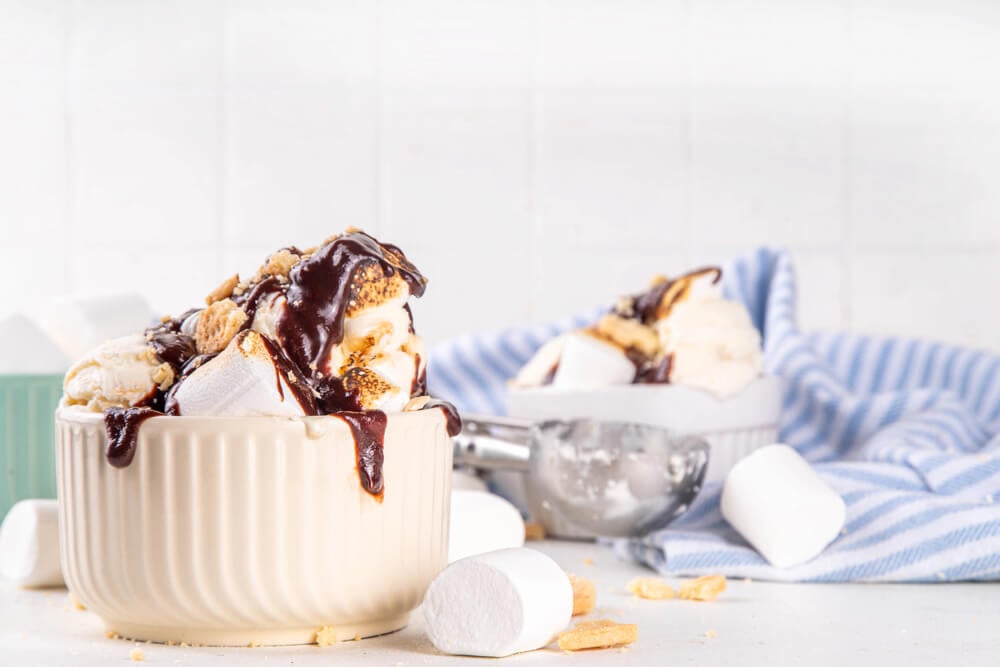
Chocolate marshmallow ice cream swirled thick white marshmallow creme through chocolate. Archibald Query developed a marshmallow creme recipe in Somerville, Massachusetts, in 1917, and the spread became a New England pantry staple. Ice cream makers adopted the creme as a ribbon, giving the flavor a sticky, glossy look.
Later flavors such as rocky road and s’mores borrowed the same ingredients, which left the original chocolate marshmallow without a unique identity, and it faded as a standalone flavor, even though the creme itself remains a pantry staple in many New England kitchens.
Vanilla Fudge Ripple Gets Crowded Out
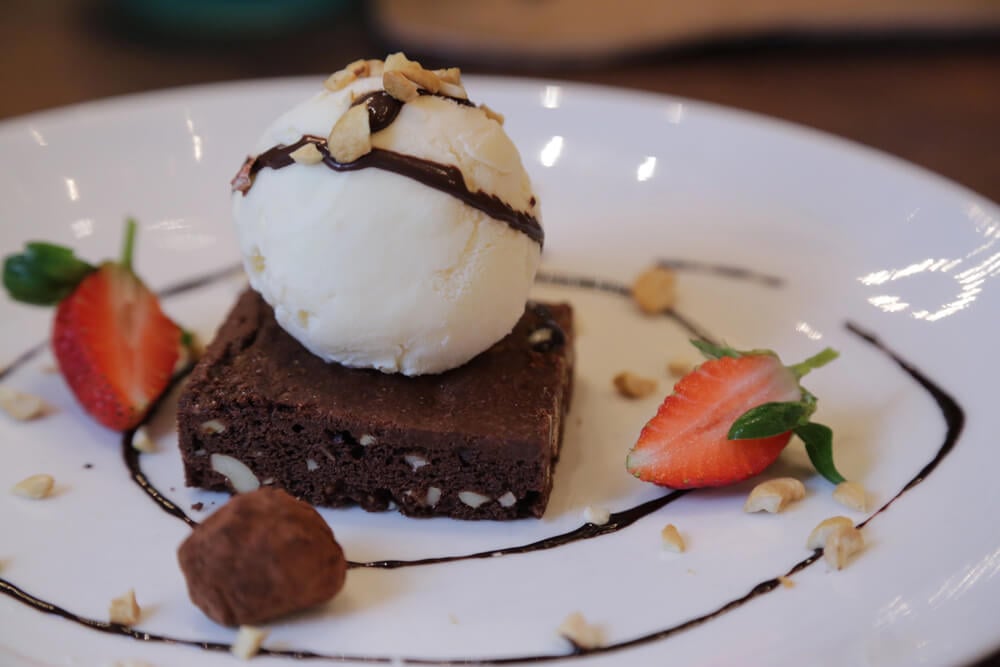
Ripple ice creams ran ribbons of sauce through a base of vanilla, a technique that gave scoops a marbled look. Vanilla fudge ripple was a standard version, with dark fudge running through pale cream in streaks. The flavor gradually gave way to chunky mix-ins such as cookie dough, brownies and candy pieces, which are easier to market.
A few creameries still make ripples, and a scoop shows the pattern clearly, a marbled reminder of a simpler idea, executed with a spoon and a ladle of warm sauce rather than a complicated mix-in machine.
Frozen Plum Pudding Leaves the Holiday Table
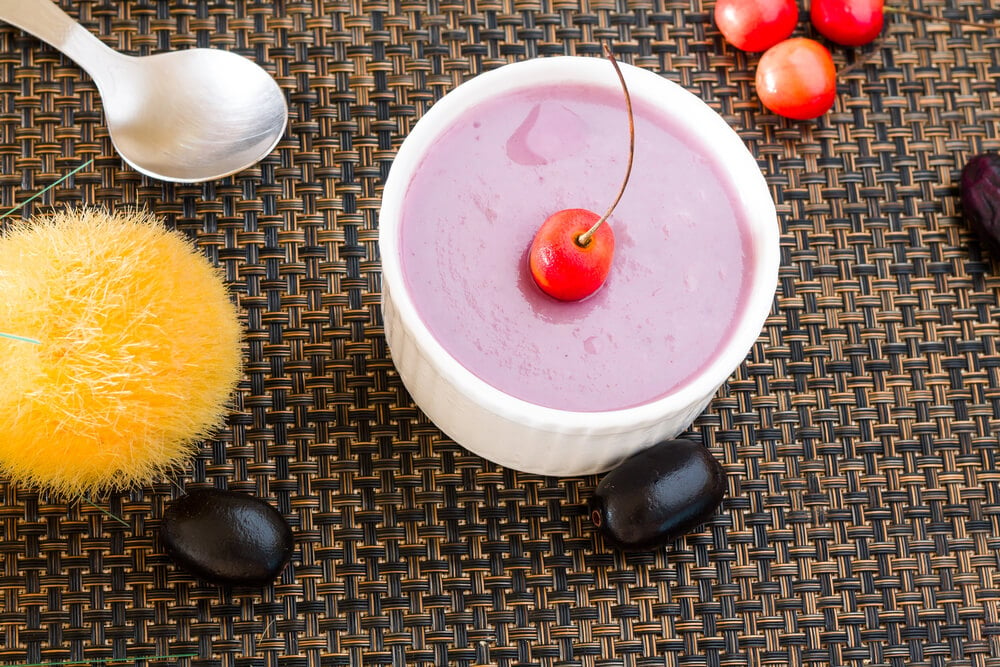
Frozen plum pudding is a holiday ice cream flavored with spices, dried fruit and sometimes rum, inspired by the British Christmas pudding. The word plum in the old name originally referred to raisins and other dried fruit, not the fresh fruit. Ice cream makers sold it in December as a festive twist, and families served it as a lighter alternative to the heavy baked version.
Eggnog and peppermint have since taken over the season, and the old flavor survives mostly in cookbooks, which still list it among the desserts for large holiday gatherings.
Zabaglione Turns Warm Again
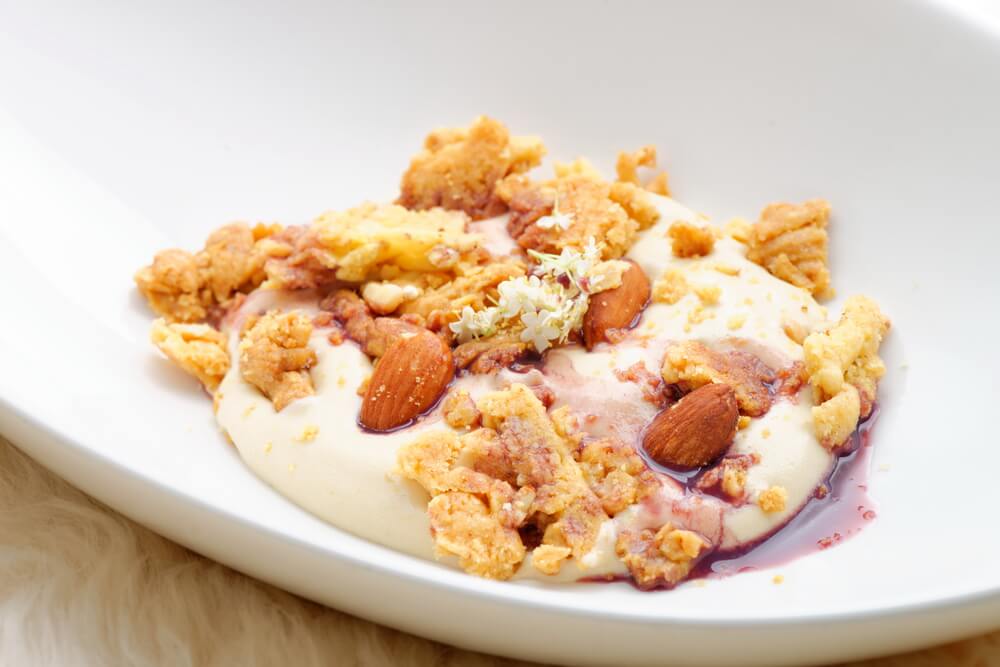
Zabaglione is an Italian custard of egg yolks, sugar and Marsala wine, whisked until frothy, and ice cream versions turned the dessert into a cold scoop. Italian-American restaurants offered it in the middle of the twentieth century, usually as a creamy gold scoop beside fresh fruit.
The wine flavor limited its market, and few brands made it. Today it survives mostly as a warm dessert in Italian restaurants, a reminder of how many Italian ideas once passed through American ice cream cases, and how few lasted beyond a generation.
Scoops That Left Without Saying Goodbye
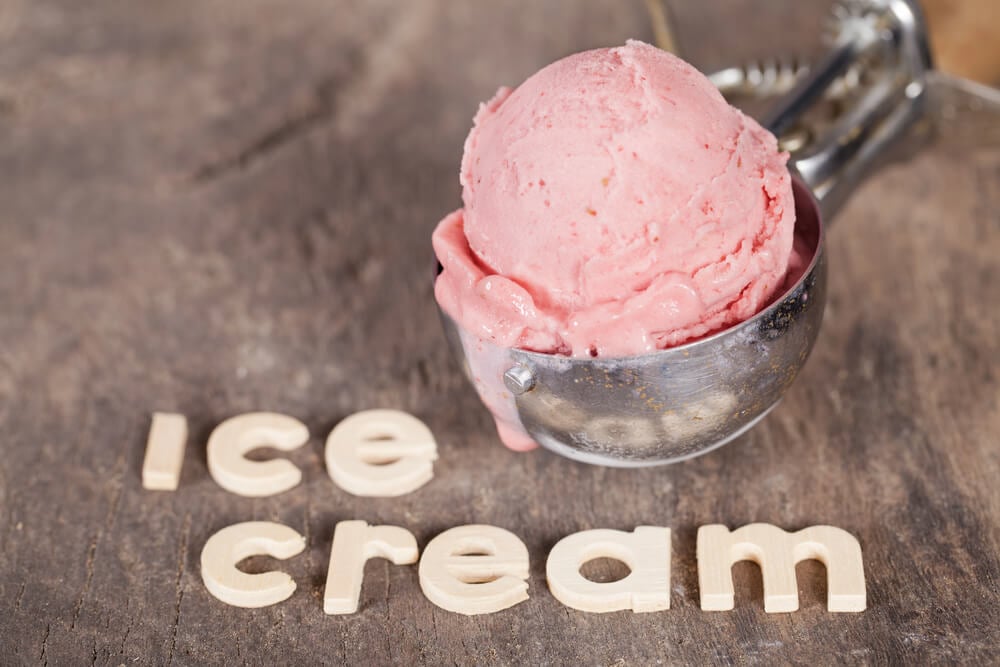
Flavors disappear for many reasons, including cost, changing taste and the simple math of freezer space. A flavor that sells well in one region may fail nationally, and a limited batch can vanish before shoppers notice. Fans often learn about a retirement only when the carton stops appearing.
The classics on this list remind readers that ice cream has always been a fashion business. Candied fruit and chestnut gave way to cookie dough and caramel, and each generation reinvents the freezer aisle. If history is any guide, today’s favorites will also become tomorrow’s memories.
More from Go2Tutors!

- The Romanov Crown Jewels and Their Tragic Fate
- 13 Historical Mysteries That Science Still Can’t Solve
- Famous Hoaxes That Fooled the World for Years
- 15 Child Stars with Tragic Adult Lives
- 16 Famous Jewelry Pieces in History
Like Go2Tutors’s content? Follow us on MSN.