15 Quirky Words That Originated in the 1800s
The 1800s were a time of linguistic creativity in America, when colorful new words bubbled up from everyday conversation and found their way into newspapers, books, and eventually dictionaries. These weren’t stuffy academic terms—they were playful, inventive words that regular folks used to describe everything from trickery to foolishness to being completely fed up.
Many of these delightful expressions have since vanished from common use, which is honestly a shame. Here is a list of 15 quirky words that originated in the 1800s and deserve a comeback in modern conversation.
Flummadiddle
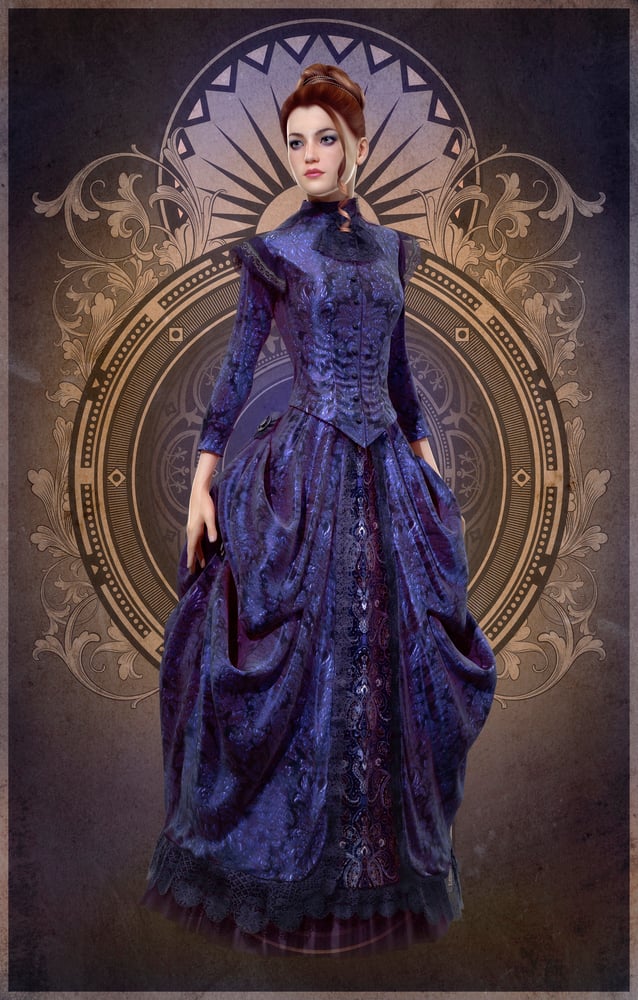
This wonderfully silly word started life around 1840 as a term for unnecessary frills or decorations on clothing. Think of it as the Victorian equivalent of calling something ‘over the top.’ By the middle of the century, people were using flummadiddle to describe anything foolish or worthless—basically anything that was pure nonsense. The word has such a delightful ring to it that newspaper editors sometimes used it as headlines just because they liked how it looked on the page.
Sockdolager

Here’s a word that packs a real punch—literally. Sockdolager meant something that settles a matter decisively, like a knockout blow in a fight or the perfect comeback in an argument. The word appeared in print as early as the 1820s and had more spelling variants than it has letters. Its claim to fame is rather dark: a close relative of this word was supposedly among the last things President Lincoln heard, as it appeared in the play ‘Our American Cousin’ during the scene when he was shot.
Hornswoggle
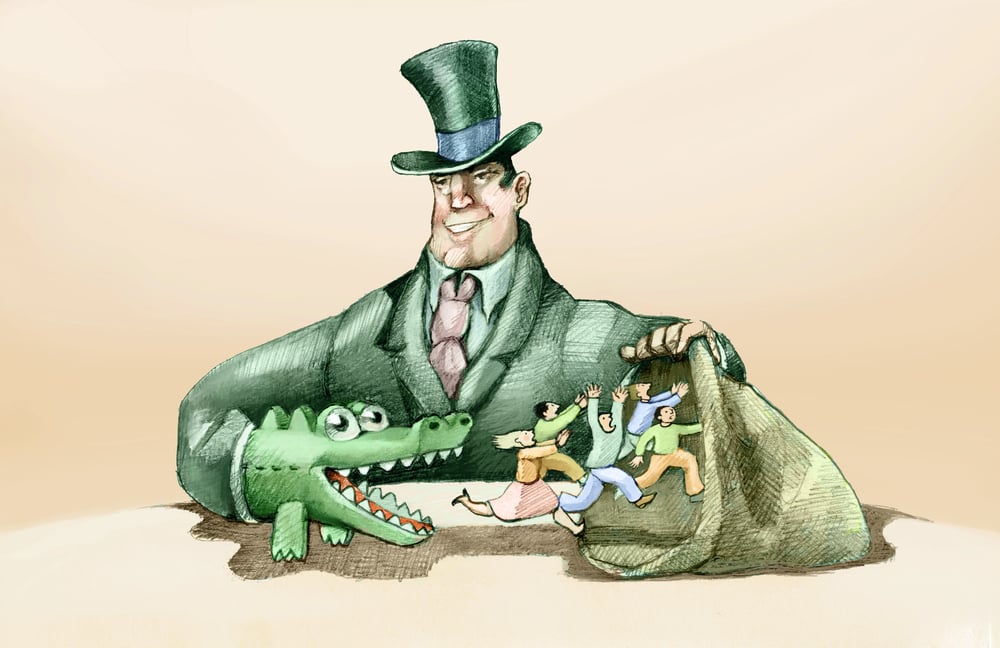
Nobody knows exactly where this marvelous word came from, but it appeared in an 1829 issue of The Virginia Literary Magazine in its glossary of Americanisms, with the magazine stating that hornswoggle came from Kentucky. It means to trick or deceive someone thoroughly—basically to bamboozle them completely. The word fits perfectly with other fanciful 1800s creations, and its mysterious origins only add to its charm.
Bodacious
Long before it became associated with surfer dudes and ’80s movies, bodacious had a completely different meaning in the early 1800s. The original meaning of bodacious was ‘outright, unmistakable,’ and the senses of bodacious that are in common use today (‘excellent’ and ‘attractive’) do not appear to have been used until the latter portion of the 20th century. When someone in 1830 called something bodacious, they meant it was absolutely obvious or undeniable.
Absquatulate

This fantastic word means to leave suddenly or to disappear without warning—essentially to vanish into thin air. In 1830 a newspaper in North Carolina, the Newbern Sentinel, ran an article about an unpublished dictionary that included this term. Picture someone absquatulating from a boring party or a difficult conversation, and you’ll get the idea perfectly.
Highfalutin
When someone gets too fancy for their own good, they’re being highfalutin. This word serves a brilliant purpose because it lets you call out pretentious behavior without sounding pretentious yourself. It emerged in the 1840s and described people who put on airs or used overly elaborate speech to seem more important than they actually were.
Slumgullion

Slumgullion is a nasty-sounding word, and for most of its time on earth it has been what we might refer to as eponymous (‘suitably named’), for the things it has described have been similarly unpleasant. Originally it referred to an insipid drink, then to the disgusting mixture of blood, oil, and salt water that collected on whaling ships. Eventually it came to mean any kind of terrible stew or, more generally, pure nonsense.
Katzenjammer

This German import means a hangover, but it translates literally to ‘cat’s misery’—which is probably exactly how someone feels in the morning after too many drinks. The word katzenjammer had been in use for close to a century before it was appropriated as part of the name of an early 20th century comic strip, The Katzenjammer Kids. It perfectly captures that awful feeling when even cats seem to be making too much noise.
Mollagausauger

Here’s a wonderfully specific term from the early 1800s that meant ‘a stout fellow’—essentially a tough, robust person. This same article provides examples of a number of other linguistic specimens that were thought to be particular to North America in the early 19th century, several of which are worth repeating: honeyfuggle (‘to quiz, to cozen’), mollagausauger (‘a stout fellow’), and coudeript (‘thrown into fits’). The word sounds almost like something Dr. Seuss might have invented, but it was serious slang back in the day.
Jimberjawed

This delightful description refers to someone with a projecting lower jaw. Jimberjawed (also occasionally found as gimberjawed, jibberjawed, jiggerjawed, jimmiejawed, among other variations) shows how creative people got with describing physical features. It’s much more colorful than simply saying someone has an underbite.
Honeyfuggle
To honeyfuggle someone meant to quiz them relentlessly or to cheat them out of something. It combines the sweetness suggested by ‘honey’ with the idea of getting someone all mixed up and confused. The word has a playful sound that masks its somewhat devious meaning.
Coudeript

This unusual word meant ‘thrown into fits’ and described someone who was completely overwhelmed or agitated by something. This same article provides examples of a number of other linguistic specimens that were thought to be particular to North America in the early 19th century. It’s a much more dramatic way to say someone is having a meltdown.
Callithump

A callithump was a noisy, discordant parade or celebration—the kind of raucous event that probably drove the neighbors crazy. Its oddness matches nicely with other 19th-century Americanisms, such as sockdolager, absquatulate, callithump, slumgullion, and skedaddle. Think of it as the 1800s version of a really loud, chaotic street party.
Slantindicular

This word sounds like it should describe something geometric, but it was actually used to mean ‘slanting’ or ‘diagonal.’ Slantindicular sounds a bit similar to a good number of other fanciful 19th century Americanisms on this list, and much like several of them it is a portmanteau. It shows how Americans loved to create elaborate-sounding words for simple concepts.
Daddles
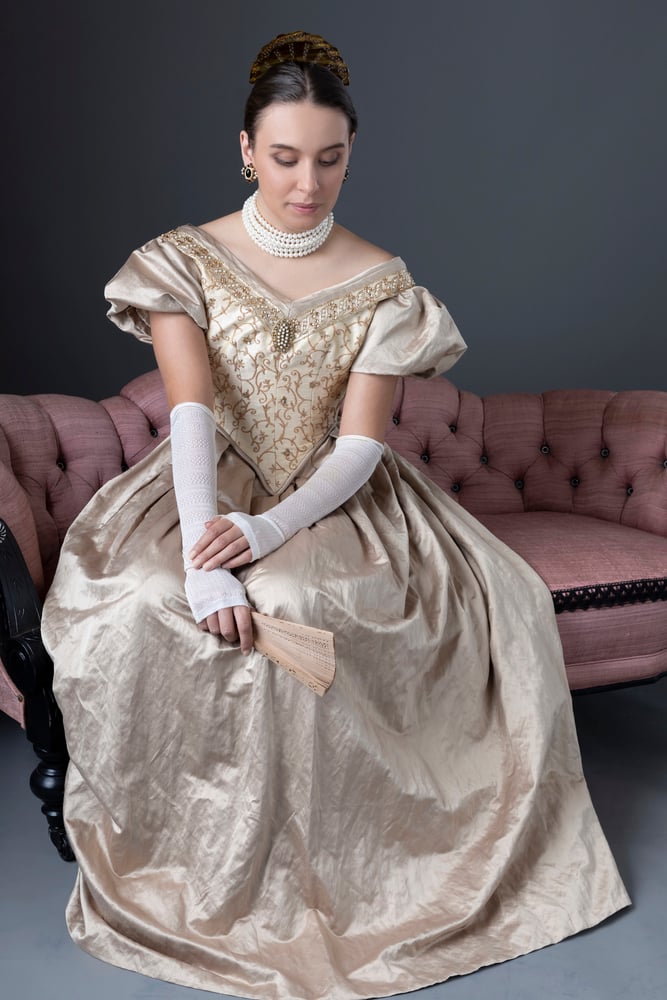
Instead of boring old ‘hands,’ people in the 1800s could refer to their daddles. A delightful term taken from boxing to refer to your rather boring hands. It came from the boxing world and added a touch of whimsy to describing the most basic part of human anatomy that we use constantly throughout the day.
The Lasting Appeal of Forgotten Language
These colorful expressions remind us that language has always been a playground for creativity and humor. While we’ve gained countless new words since the 1800s, we’ve also lost some gems that brought real personality to everyday conversation. Maybe it’s time to bring a few of these delightful terms back into circulation—after all, wouldn’t the world be a little more interesting if people still absquatulated from boring meetings or called out hornswoggling when they spotted it?
More from Go2Tutors!

- The Romanov Crown Jewels and Their Tragic Fate
- 13 Historical Mysteries That Science Still Can’t Solve
- Famous Hoaxes That Fooled the World for Years
- 15 Child Stars with Tragic Adult Lives
- 16 Famous Jewelry Pieces in History
Like Go2Tutors’s content? Follow us on MSN.



