18 Bank Vaults and Safes With Famous Stories
A vault is built on a simple promise that nothing gets in and nothing gets out. History is full of people who treated that promise as a challenge, and of vaults whose contents turned out to be far stranger than anyone expected.
These 18 vaults and safes are tied to heists, hostage dramas, wartime discoveries and one very disappointing television special. Some were broken into, others held fast, and a few became legends for reasons nobody could have planned.
The Antwerp Diamond Centre
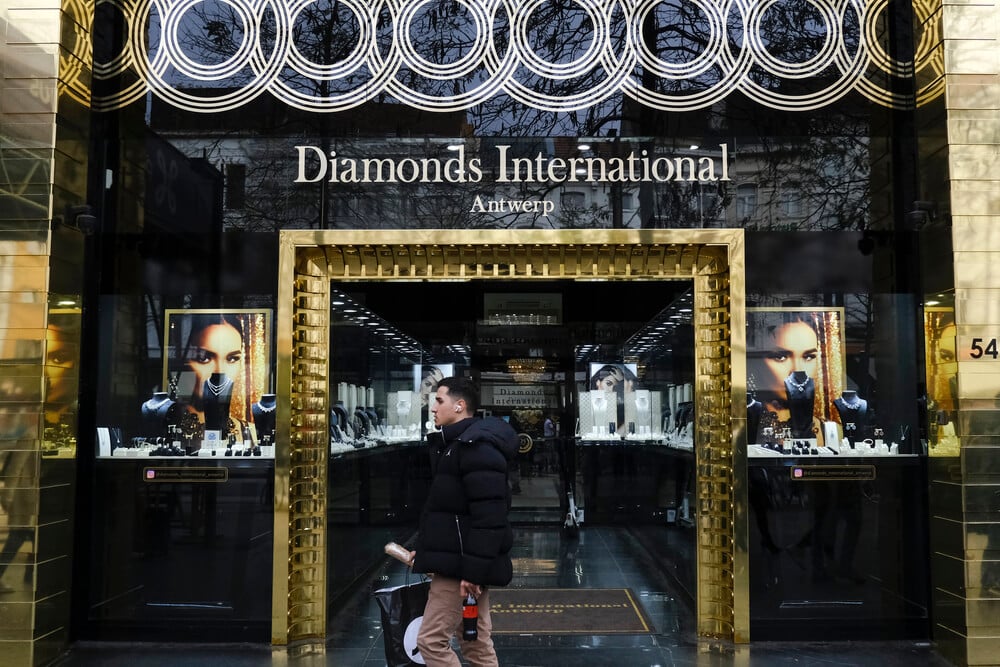
In February 2003, thieves emptied more than 100 safe deposit boxes in a vault guarded by multiple layers of security in Antwerp’s diamond district, with losses estimated at around $100 million. The ringleader, Leonardo Notarbartolo, had rented an office in the building and posed as a legitimate gem merchant.
The gang was eventually linked to evidence recovered from a bag of trash dumped near a forest, including food scraps and other items that investigators traced back to the suspects.
The Hatton Garden Safe Deposit Company
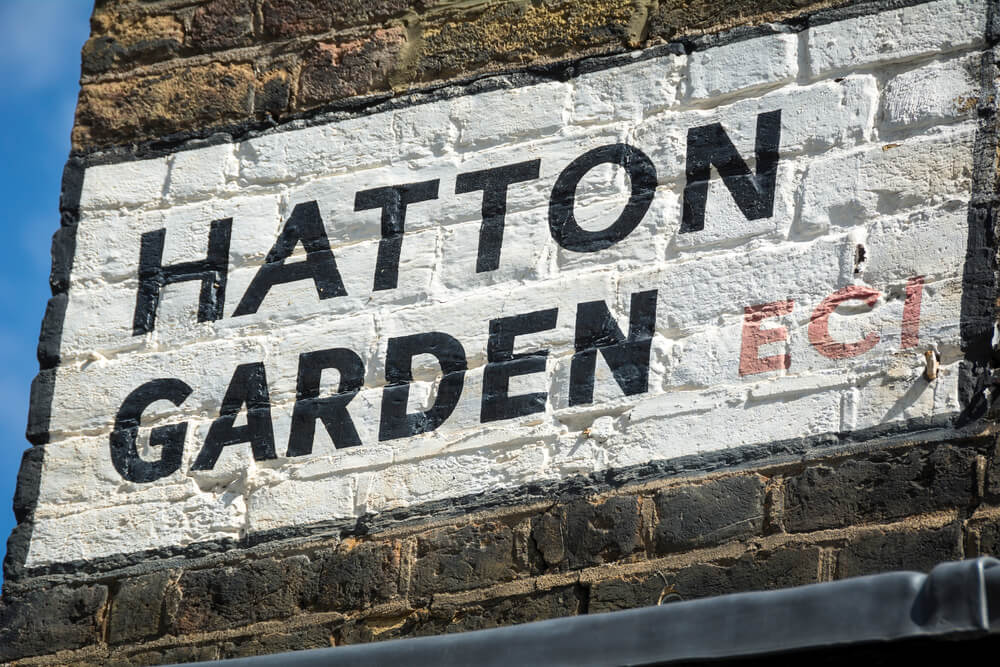
Over the Easter weekend in 2015, a crew of men, mostly in their 60s and 70s, drilled through a concrete wall to reach a vault in London’s jewelry quarter. They emptied dozens of deposit boxes and made off with an estimated £14 million in valuables.
The group was caught partly because of surveillance footage and police recordings that captured conversations about the crime.
Fort Knox
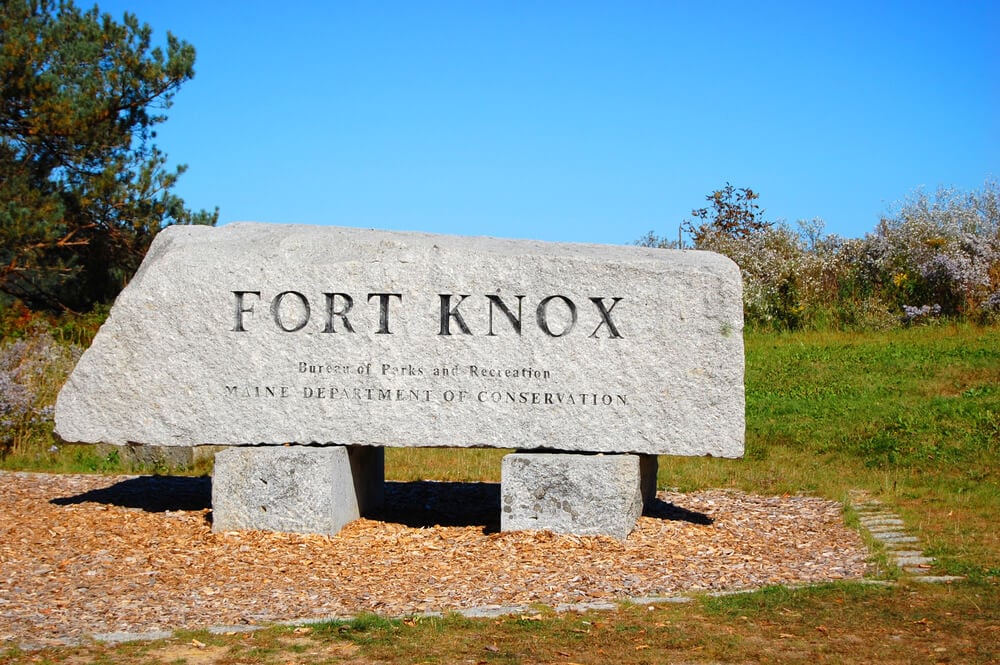
The United States Bullion Depository in Kentucky was completed in 1936 and began storing gold the following year. Its massive vault door is made of steel and weighs more than 20 tons, and the facility is protected by multiple layers of security.
Fort Knox has become shorthand for an almost impenetrable stronghold, partly because access is so restricted that the public cannot tour the vault itself.
The Federal Reserve Bank of New York Gold Vault
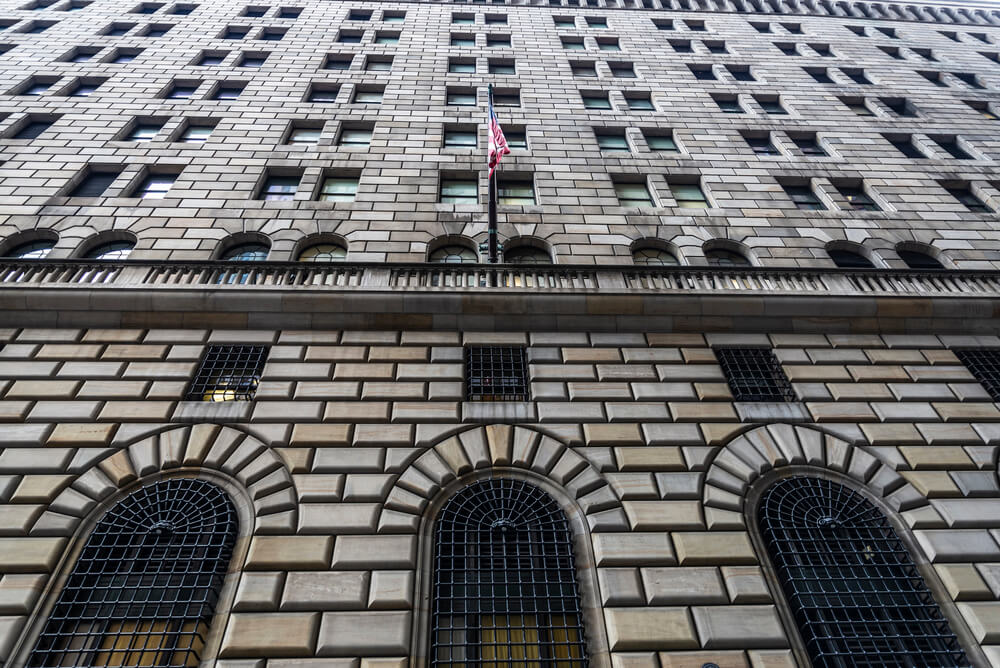
Roughly 80 feet beneath the streets of lower Manhattan, a vault carved from bedrock stores gold belonging to foreign governments, central banks and international institutions. Transactions between countries are often settled simply by moving bars from one compartment to another rather than shipping them overseas.
The vault is one of the world’s largest gold depositories, and its location beneath the city adds to its reputation for security.
Lloyds Bank on Baker Street
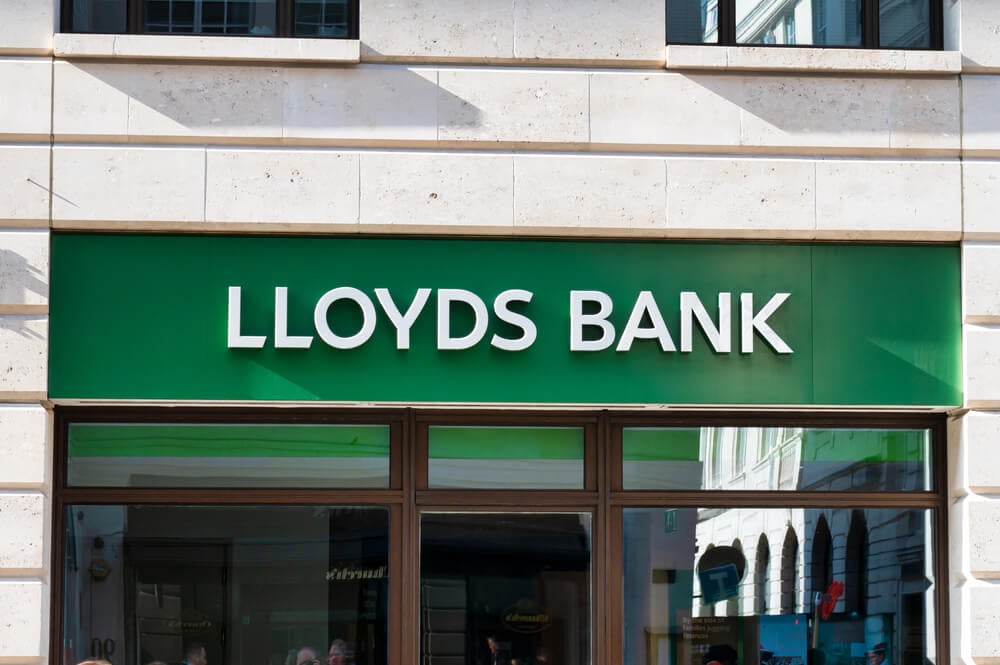
In 1971, thieves tunneled from a rented leather goods shop into the vault of a Lloyds Bank branch on Baker Street in London. A radio amateur accidentally overheard their chatter on his equipment and alerted police, who could not immediately determine which bank the conversation concerned.
The case became notorious partly because reporting restrictions limited what the press could publish at the time, and it later inspired the 2008 film The Bank Job.
Banco Central in Fortaleza, Brazil
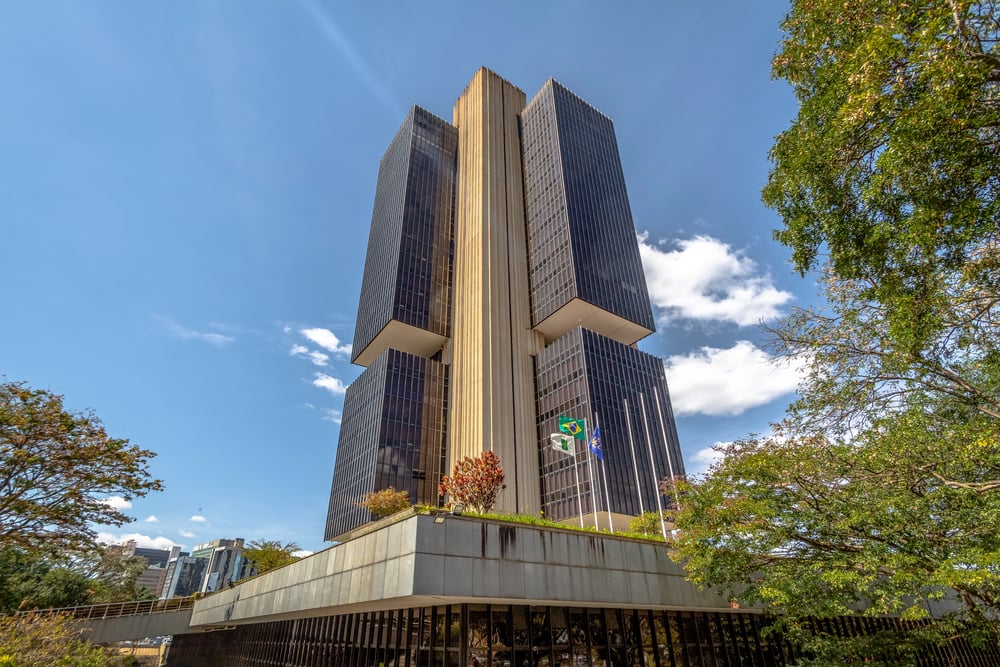
In August 2005, robbers dug a tunnel of about 250 feet from a house they rented under cover of a landscaping business that supposedly sold artificial grass. They broke into the central bank’s vault over a weekend and stole roughly 164 million Brazilian reais, worth about $70 million at the time.
The haul was one of the largest bank thefts in history, and much of the money was never recovered.
The Hiroshima Safes
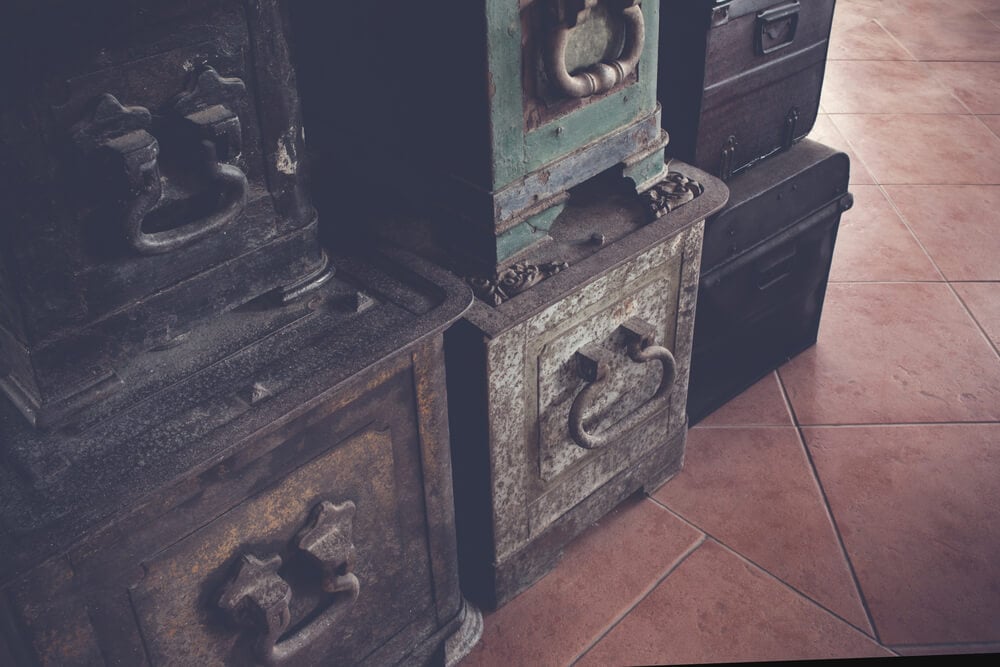
When the atomic bomb fell in August 1945, several heavy steel safes inside Hiroshima buildings reportedly withstood the blast and fire, and some kept their contents intact. One American safe maker, Mosler, later used stories of these survivors in its advertising.
The accounts became a grim illustration of how an engineered box could outlast the room around it, though the degree of damage and the circumstances varied from safe to safe.
Al Capone’s Vault at the Lexington Hotel
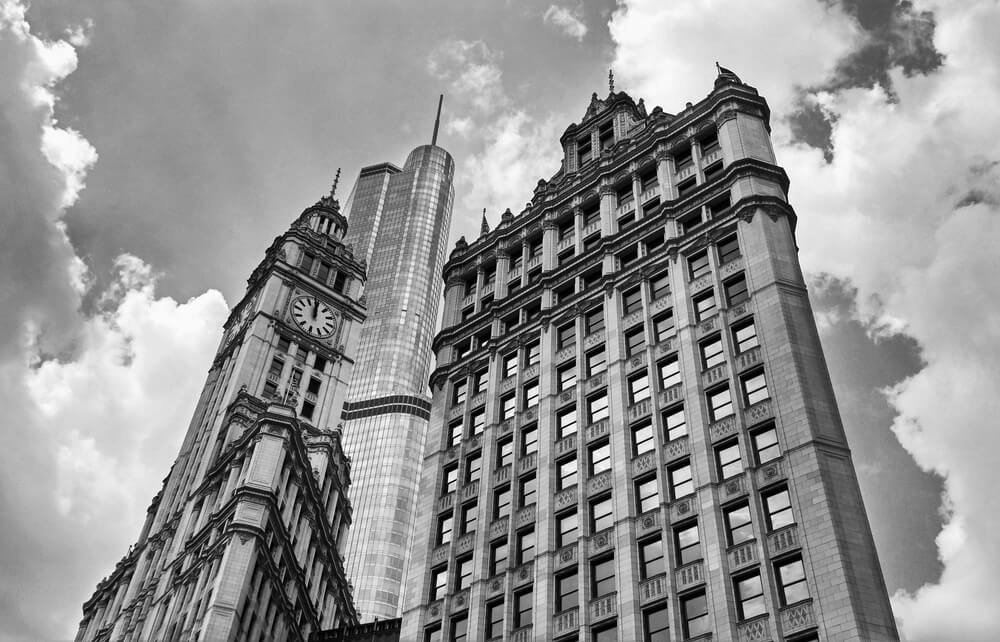
In April 1986, television host Geraldo Rivera broadcast a live special promising the opening of a secret vault tied to Al Capone in the Lexington Hotel in Chicago. Roughly 30 million viewers watched as workers broke through the wall, and what turned up was dirt and a few empty bottles.
The special became shorthand for the gap between hype and reality.
The Brink’s Robbery in Boston
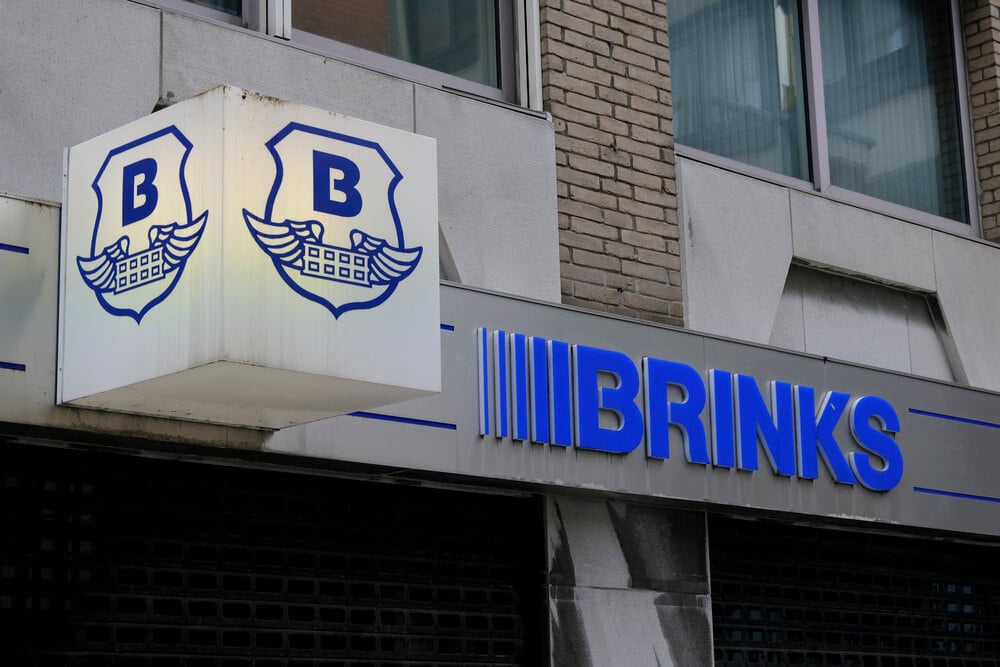
On Jan. 17, 1950, 11 men were eventually linked to a robbery at the Brink’s security company in Boston’s North End. The masked robbers stole about $2.7 million in cash, checks and other securities, making it the largest robbery in the United States at the time.
It was called the crime of the century, and investigators spent years looking for clues. The case was finally cracked in 1956, when arrests and indictments followed nearly six years of investigation.
The Bank of England Gold Vaults
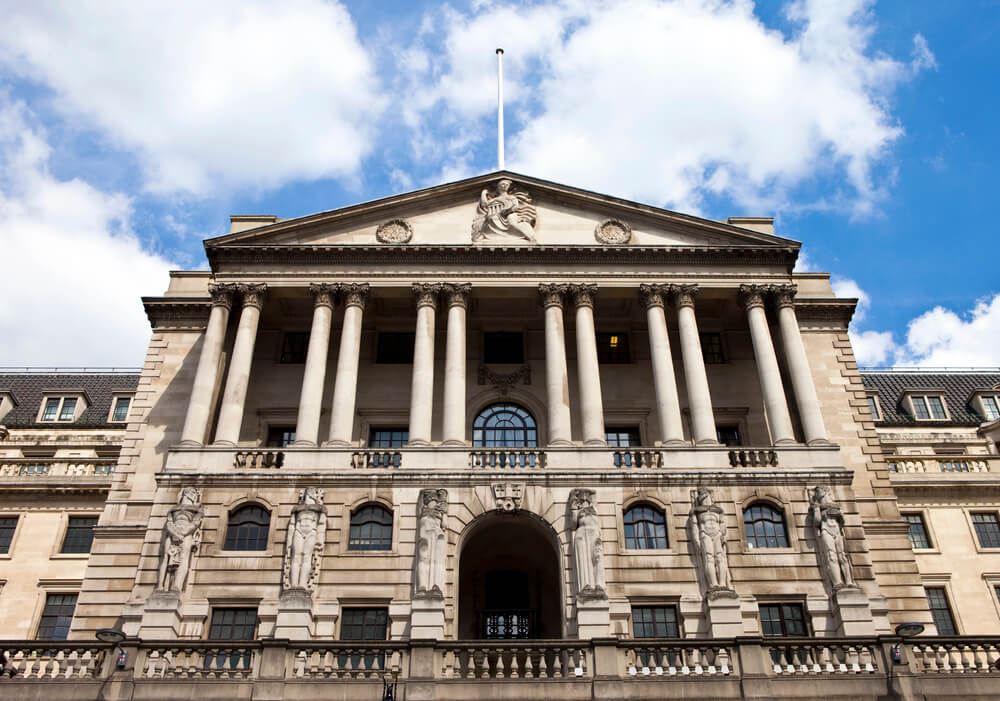
Beneath Threadneedle Street in London sit vaults that hold roughly 400,000 gold bars, making the Bank of England the world’s second-largest gold custodian after the Federal Reserve Bank of New York. Most of the metal belongs to other countries and central banks rather than to Britain.
The vaults function as a quiet clearinghouse, where ownership of a bar can change hands without the bar ever leaving its shelf.
The Securitas Depot in Tonbridge
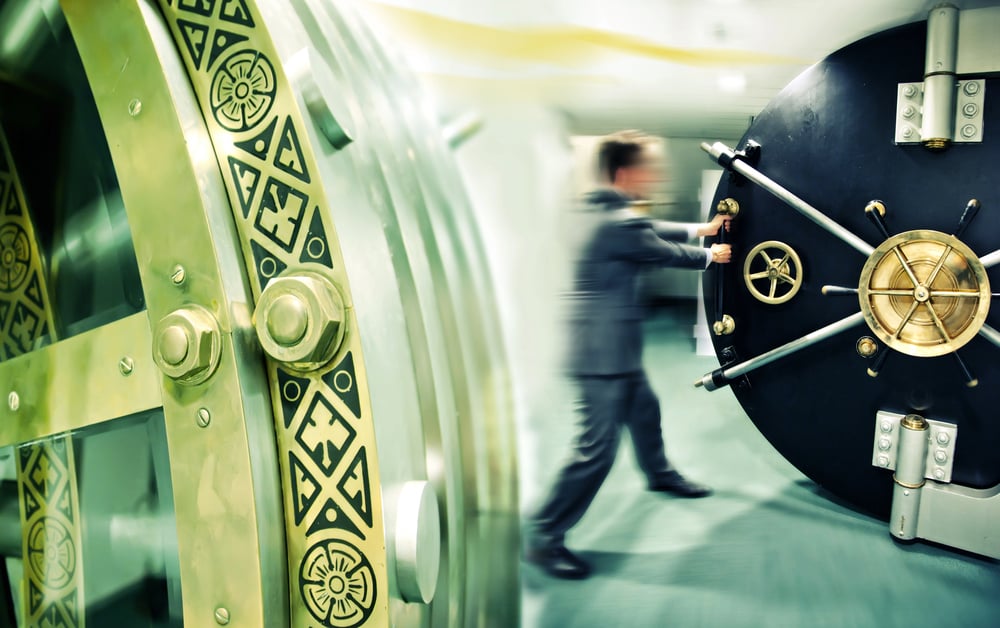
In February 2006, a gang kidnapped a manager and his family and used that leverage to force their way into the Securitas cash depot in Tonbridge, Kent. They stole about £53 million, making it the largest cash robbery in British history.
Police recovered some of the money, but a large portion was never found.
The Kreditbanken Vault in Stockholm
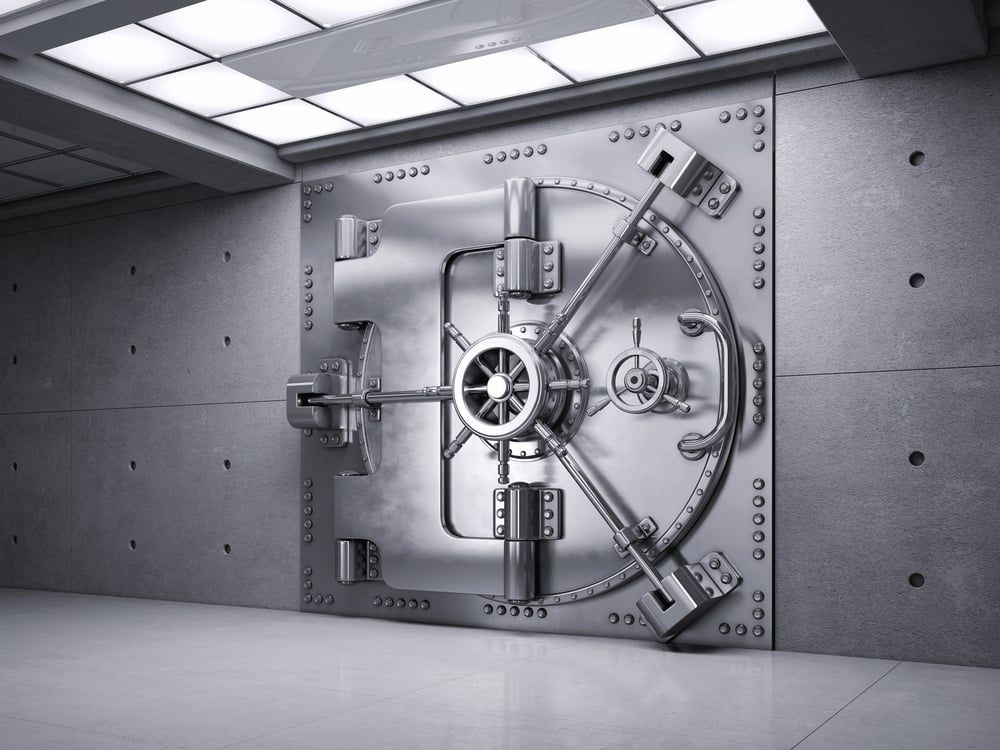
In August 1973, an armed man took bank employees hostage in Stockholm and held them in the vault for more than 130 hours. Afterward, several hostages appeared sympathetic toward their captors and resisted some efforts to portray them as victims.
The reaction gave rise to the term “Stockholm syndrome,” although the concept remains controversial and is not a formal psychiatric diagnosis. The case remains a famous example of how people may respond in complicated ways to captivity and threats.
The Diebold Safes After the Great Chicago Fire
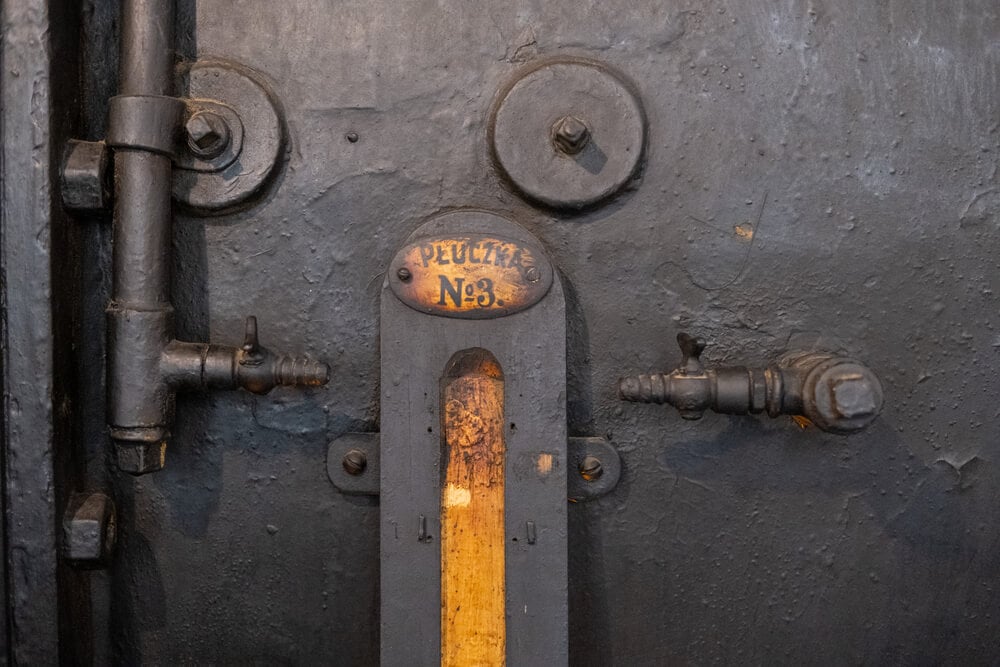
After the Great Chicago Fire of 1871 swept through the city, many businesses opened their safes expecting to find nothing but ash. Some fire-resistant safes survived and protected at least part of their contents, helping manufacturers promote the value of their products.
Diebold safes became associated with these stories of survival. For a time, a safe that survived a fire counted as the best advertising money could buy.
The First National Bank of Northfield

On Sept. 7, 1876, the James-Younger gang rode into Northfield, Minnesota, expecting an easy robbery. Cashier Joseph Lee Heywood refused to open the safe and was killed for it.
Townspeople fought back, the gang was routed, and the raid effectively ended the outlaws’ run. The failed robbery became one of the best-known episodes in the history of the James-Younger gang.
The Coffeyville Banks
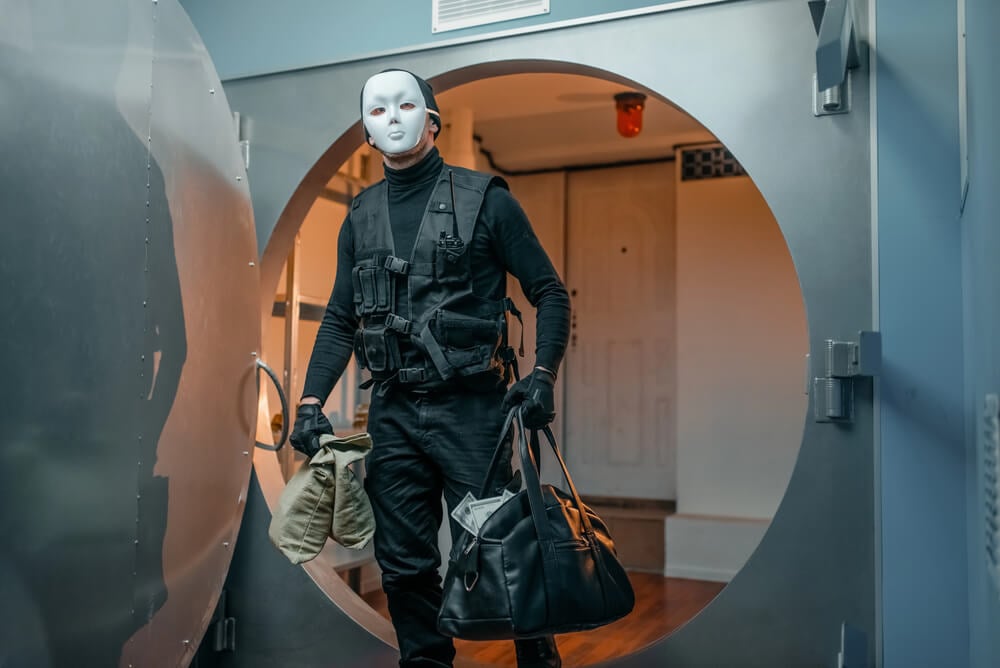
In October 1892, the Dalton Gang tried to rob two banks at once in Coffeyville, Kansas, a stunt meant to top the exploits of Jesse James. Armed townspeople recognized them and opened fire.
Four members of the gang were killed, while Emmett Dalton survived despite serious wounds. He lived for decades afterward, eventually becoming a writer and public speaker.
The Knightsbridge Security Deposit
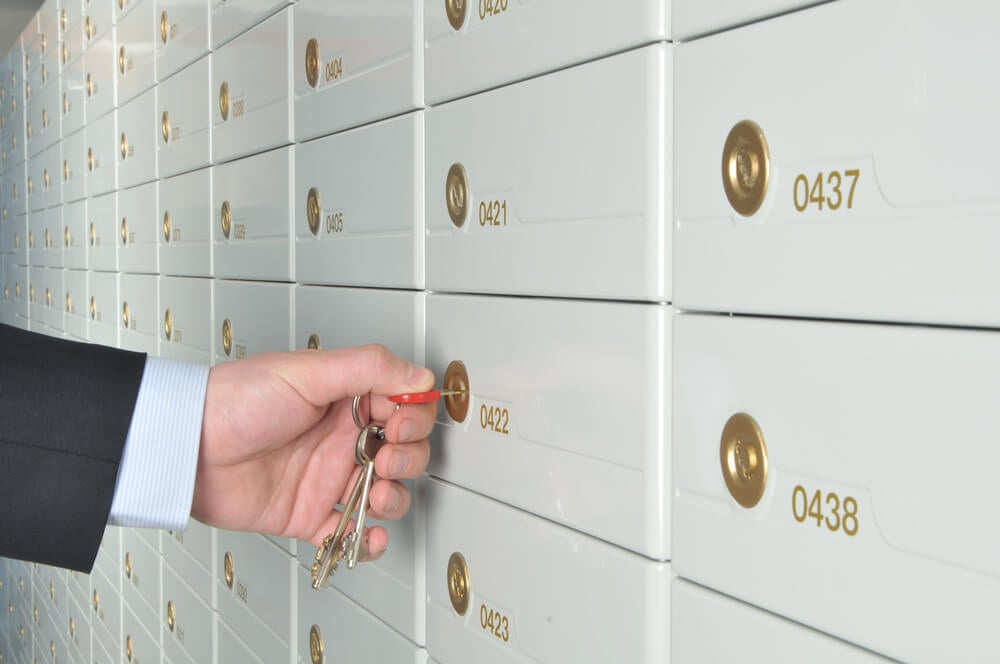
In July 1987, robbers posed as customers to get into a London safe deposit center, then held staff at gunpoint and emptied boxes. The losses were estimated at tens of millions of pounds, with some reports putting the haul at around £60 million.
Much of the property belonged to people who preferred to keep their valuables private. Because many victims declined to say what they had lost, the true total remains uncertain.
The Merkers Salt Mine

In April 1945, American troops in Germany discovered gold bars, currency and looted artworks stored deep in the Merkers salt mine. General Dwight Eisenhower toured the site soon afterward to inspect the Reichsbank reserves.
The find revealed just how much treasure the Nazi regime had hidden away as the war collapsed, including valuables taken from occupied countries and victims of Nazi persecution.
The Dunbar Armored Depot in Los Angeles
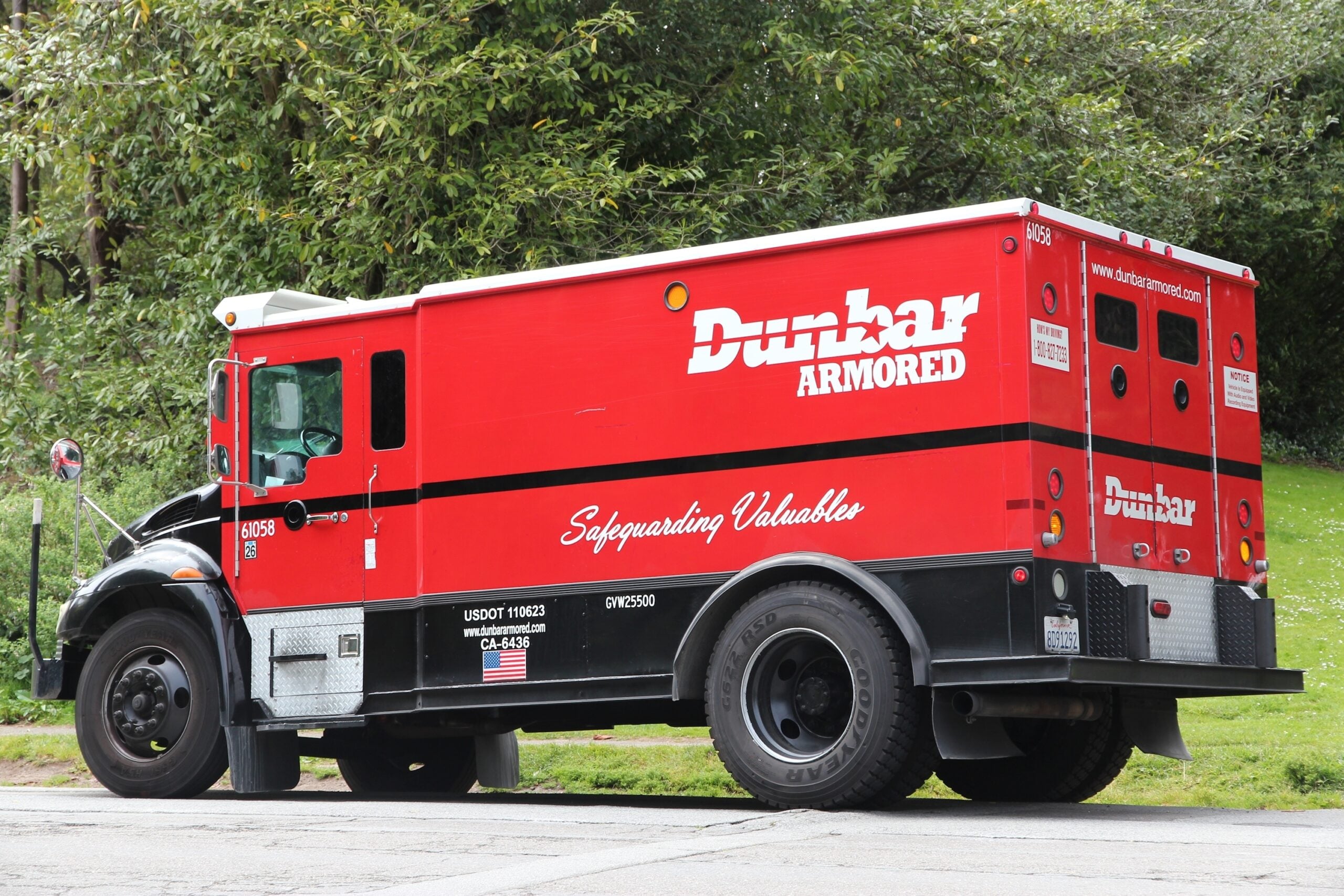
In September 1997, a vault supervisor at a Dunbar Armored depot in Los Angeles helped steal about $18.9 million from his own employer. It was among the largest cash thefts in United States history at the time.
Investigators eventually recovered a substantial portion of the money, but millions of dollars remained missing. The case showed how insider knowledge could undermine even a heavily secured cash facility.
Why Vaults Make Legends
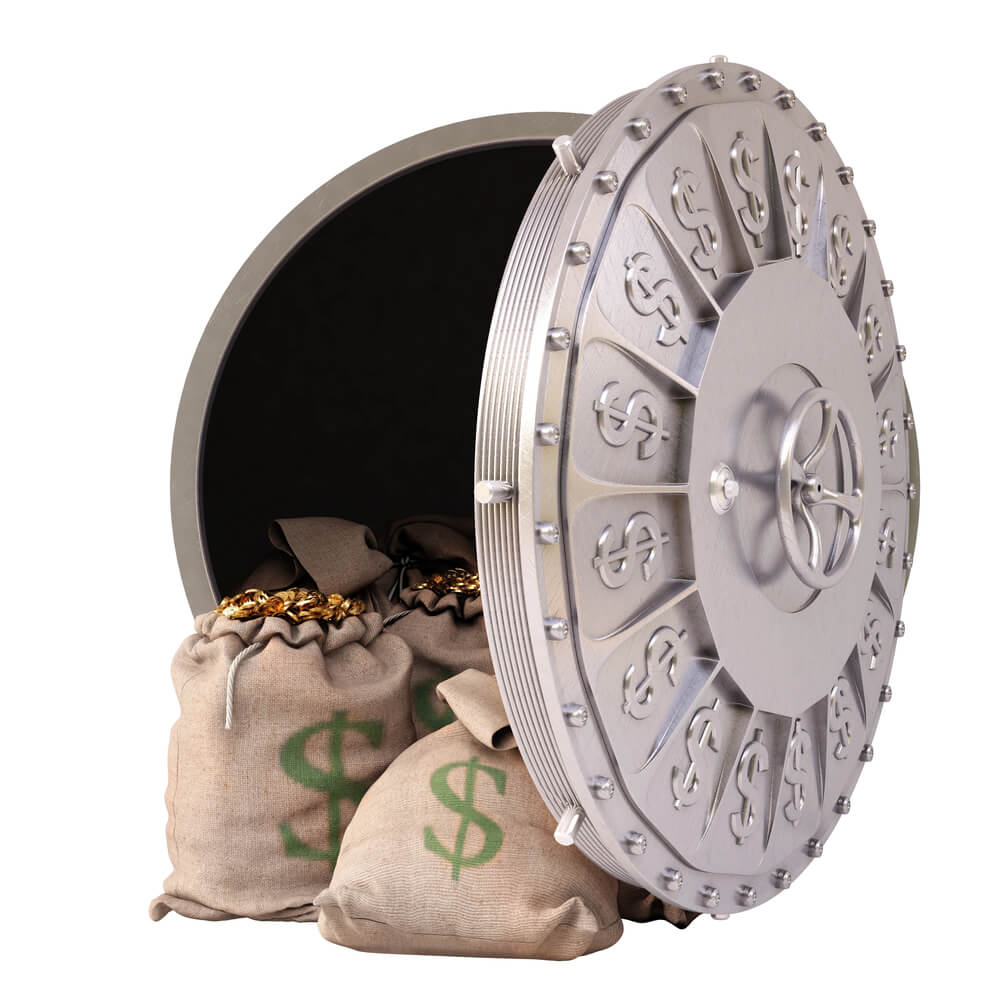
Every story on this list turns on the same tension between a promise of security and the human urge to defeat it. The cleverest thieves studied schedules, weak points and people as carefully as they studied steel.
The vaults that held firm often did so because someone refused to hand over a key, as with the cashier in Northfield.
The stories also show that what a vault protects is not always what people imagine. Some boxes held fortunes, some held ash, and one held nothing but old bottles.
The public fascination with sealed doors says less about money than about the human wish to know what is hidden behind them.
More from Go2Tutors!

- 27 Silver Dollars and Half Dollars Worth Keeping
- 28 Restaurant Menu Items Nobody Orders Anymore
- 17 Places Built in Seemingly Impossible Spots
- 27 Vintage Rings Worth More Than They Look
- 25 Restricted Sites Tourists Can’t Enter
Like Go2Tutors’s content? Follow us on MSN.