26 Olympic Events That Were Quietly Dropped
The modern Olympics began in 1896 with a modest program and a lot of improvisation. Since then, a surprising number of events have appeared, lasted a Games or two, and quietly vanished from the schedule.
A few were too strange to survive. Others fell victim to politics, cost, or a decision to make room for something new.
Tug of War
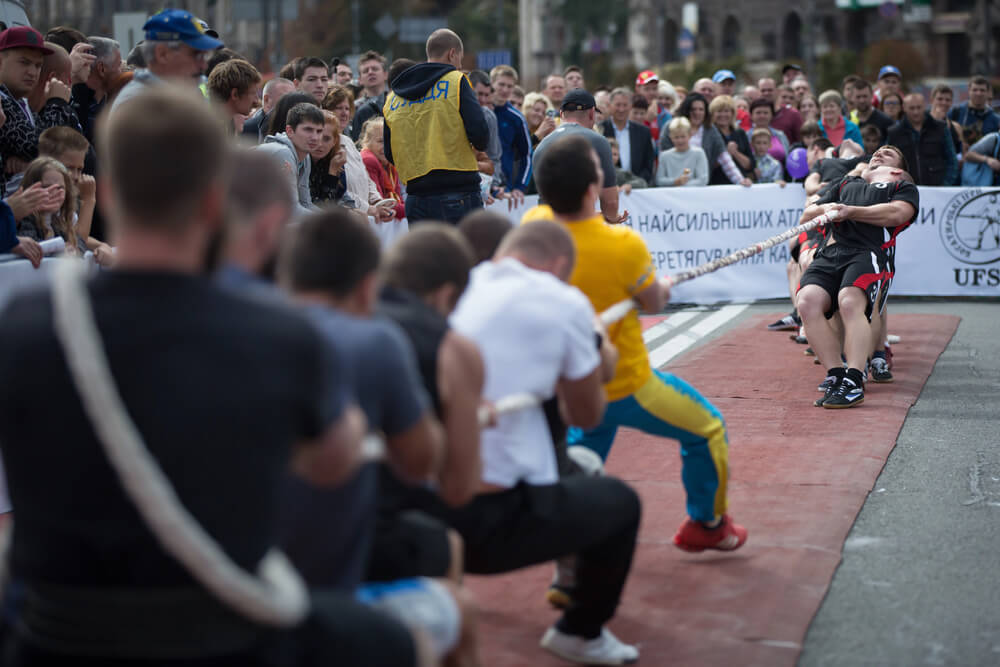
Tug of war was an Olympic event from 1900 to 1920, with teams of eight hauling on a rope until one side dragged the other across a line. It was part of the athletics program, and police teams dominated it, with City of London Police squads winning gold in 1908 and 1920.
The event disappeared after 1920 and has never returned.
Rope Climbing

Rope climbing appeared at several early Games, with gymnasts racing hand over hand up a rope against the clock. The last time it was contested was 1932 in Los Angeles, where American Raymond Bass won.
Nothing in the modern gymnastics program has taken its place, though the event still turns up in military training.
Standing Jumps
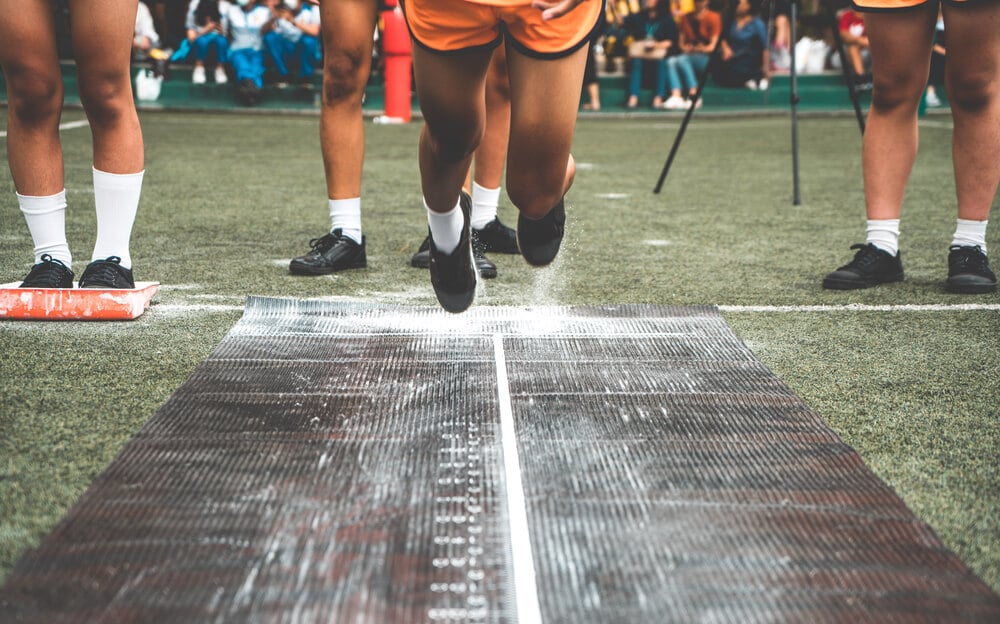
Athletes once jumped from a standing position, with no run-up, in the long jump, the high jump, and the triple jump. Ray Ewry of the United States won eight Olympic golds in the standing jumps, a feat made more remarkable by the fact that he had battled polio as a child.
The standing events vanished after 1912, and their star was largely forgotten.
Plunge for Distance
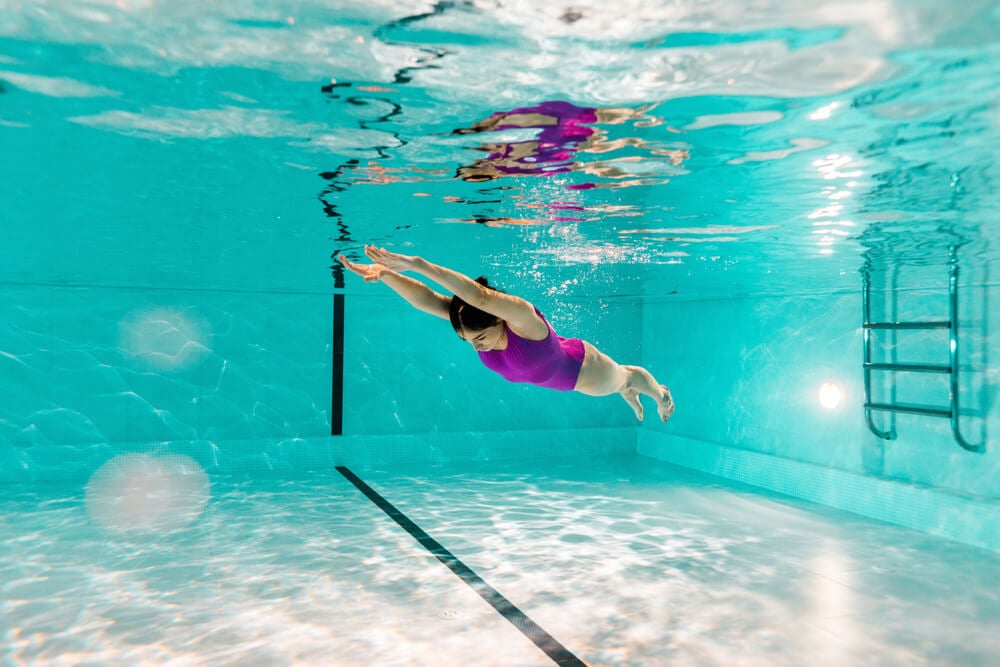
This 1904 diving event had competitors dive from a standing position and then glide as far as they could without kicking or stroking. A limit of about a minute kept it from dragging on forever.
Spectators watching from the side of the pool had nothing to look at for long stretches, which helps explain why it never returned.
Club Swinging
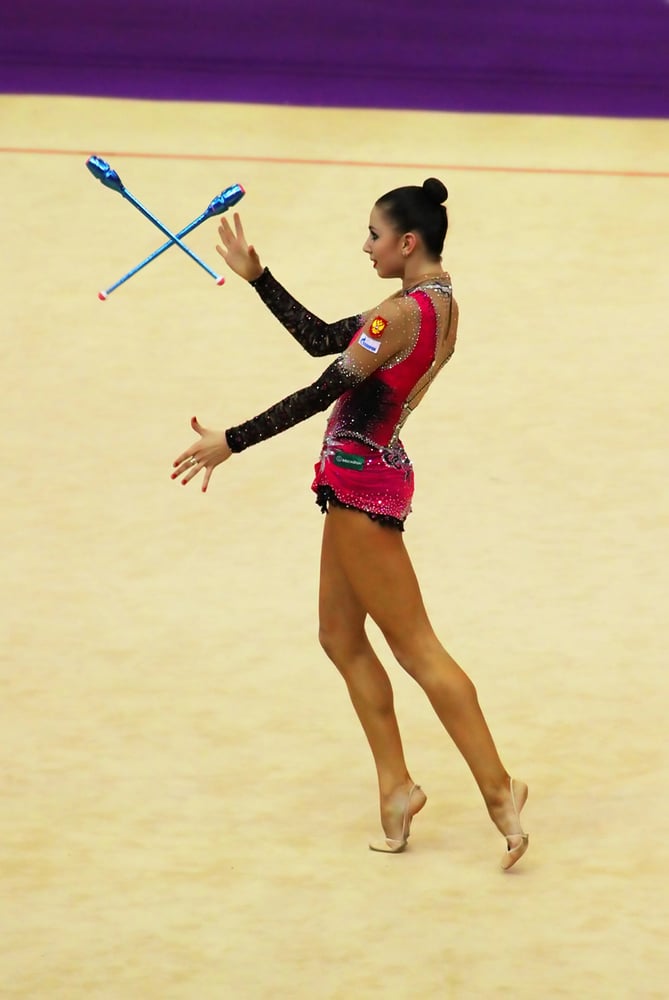
Gymnasts swung wooden Indian clubs in choreographed patterns at the 1904 and 1932 Games. American competitors won both times, with Edward Hennig taking gold in 1904 and George Roth in 1932.
The clubs lived on in rhythmic gymnastics, which uses lighter versions in a different style.
The 200-Meter Obstacle Swim
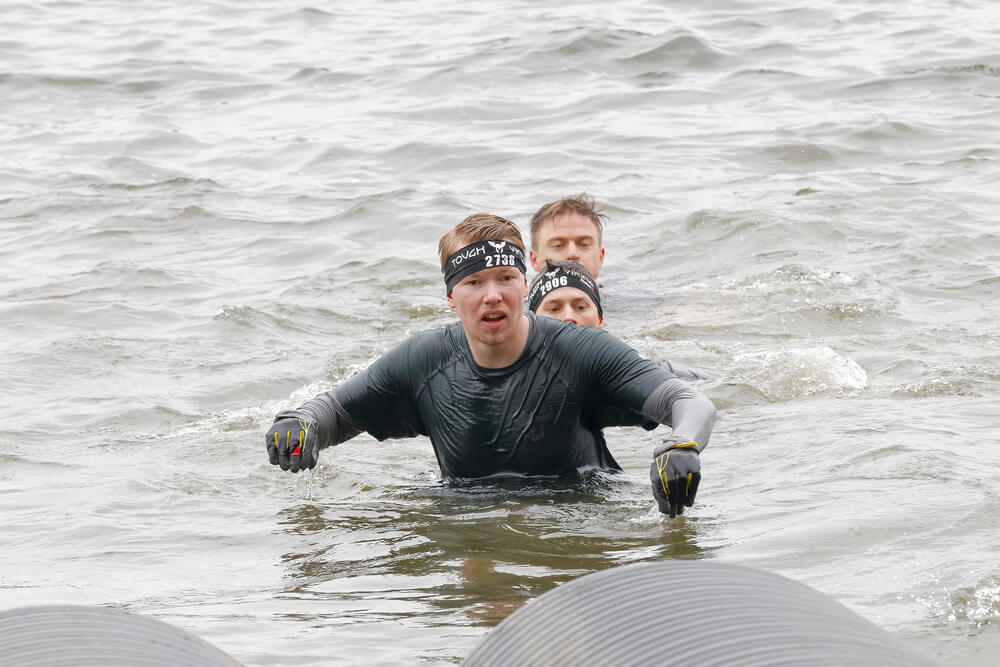
At the 1900 Paris Games, swimmers raced in the Seine over a course that required them to climb over a row of boats and then swim under another row. Australian Freddie Lane won it and also took gold in the 200-meter freestyle at the same Games.
The event had a short life, and a current like the Seine’s would not satisfy modern safety standards.
Underwater Swimming
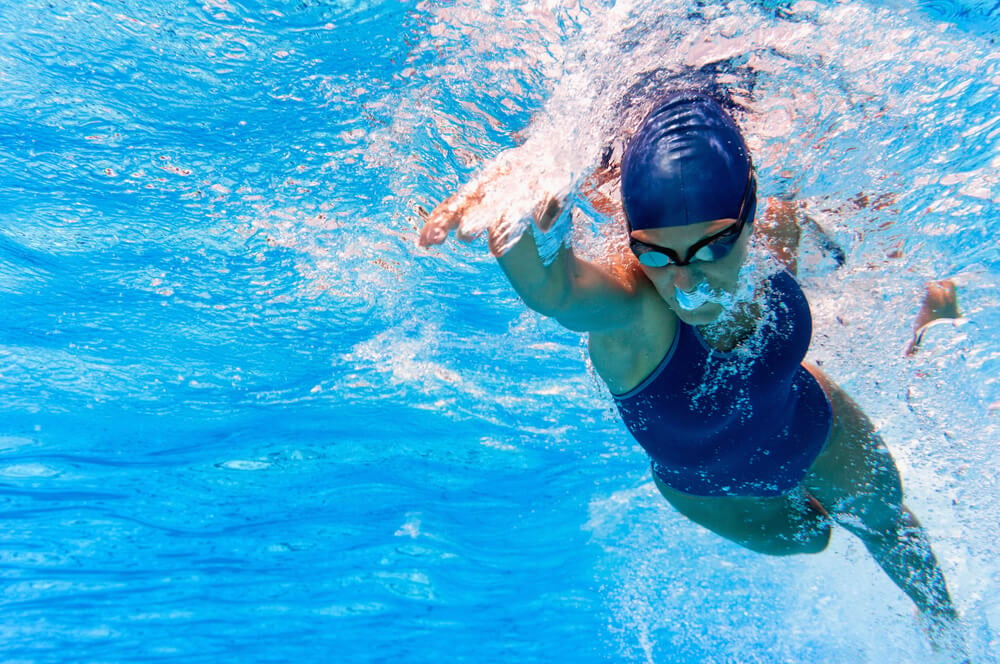
Also in 1900, competitors in the Seine earned points for the distance they could cover underwater and for how long they stayed submerged. Frenchman Charles de Vendeville won the event.
It was a one-off, and organizers apparently decided that watching people hold their breath was not much of a spectator sport.
Croquet
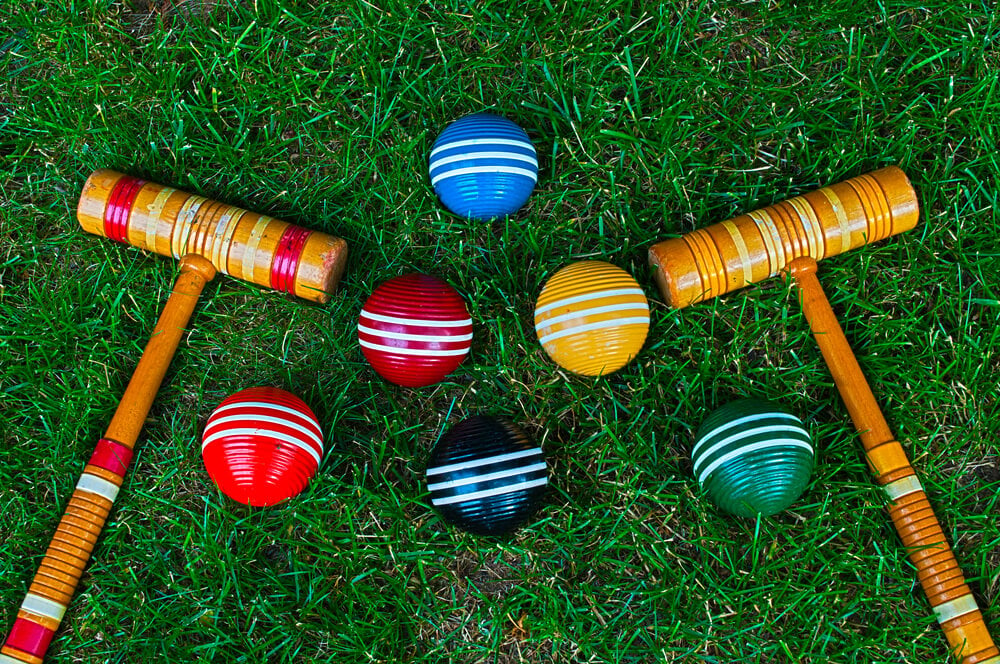
Croquet was part of the 1900 Paris Games, where a small field of French players competed on a lawn. It was never repeated at the Olympics.
It remains one of the shortest-lived sports in Olympic history.
Roque
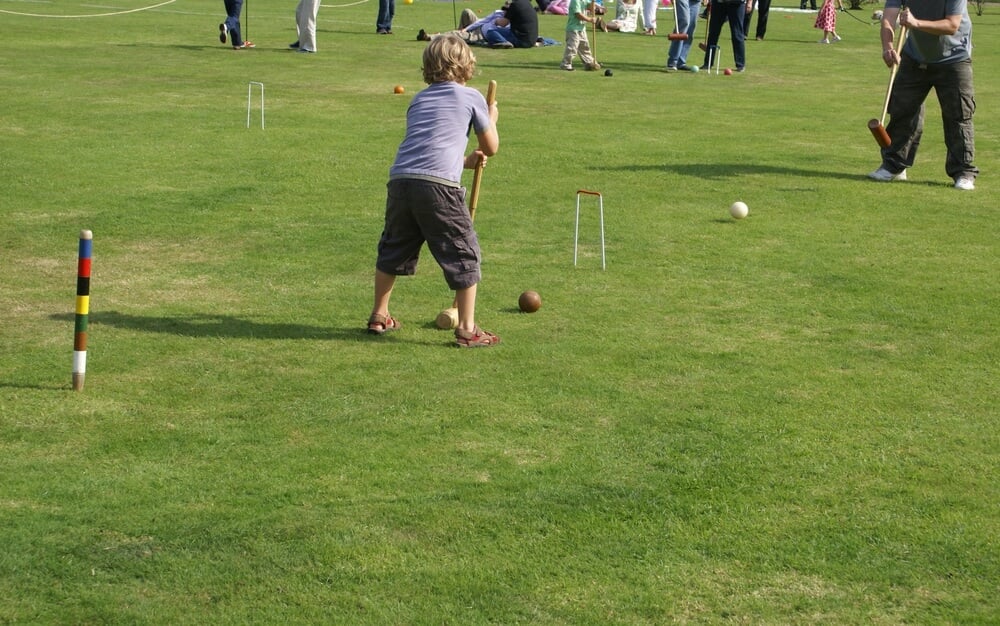
Roque, a hard-court cousin of croquet, was contested in 1904 at St. Louis. Only American players entered, and Charles Jacobus took the gold.
Like croquet before it, roque was dropped from the schedule and never revived.
Polo
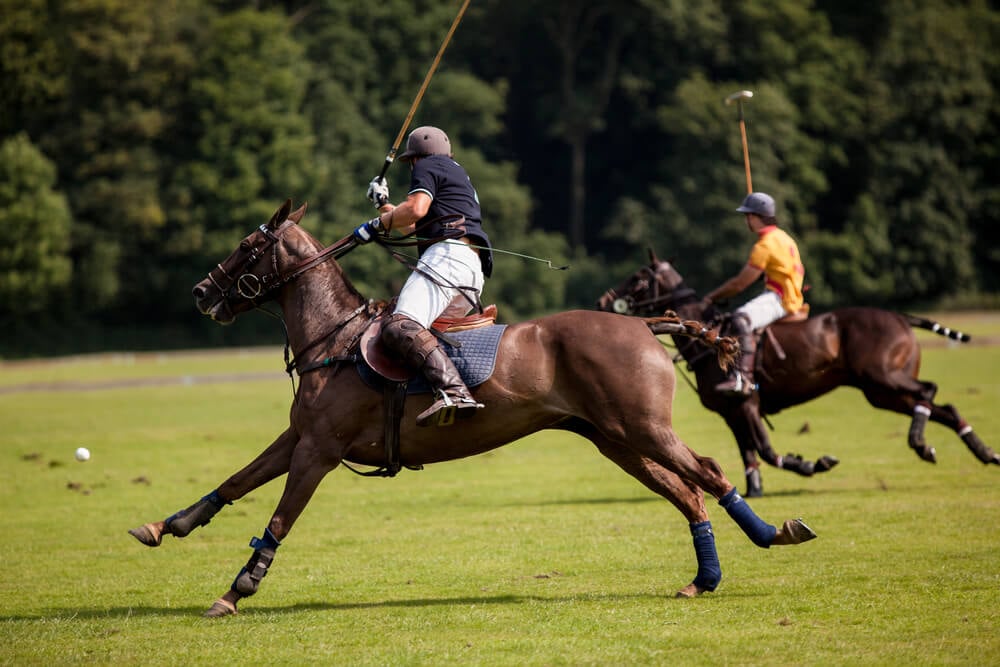
Polo appeared in 1900, 1908, 1920, 1924, and 1936. Great Britain won in 1908 and 1920, and Argentina took gold in 1924 and 1936.
The expense of bringing teams and horses to the host city worked against it, and it has not returned.
Cricket
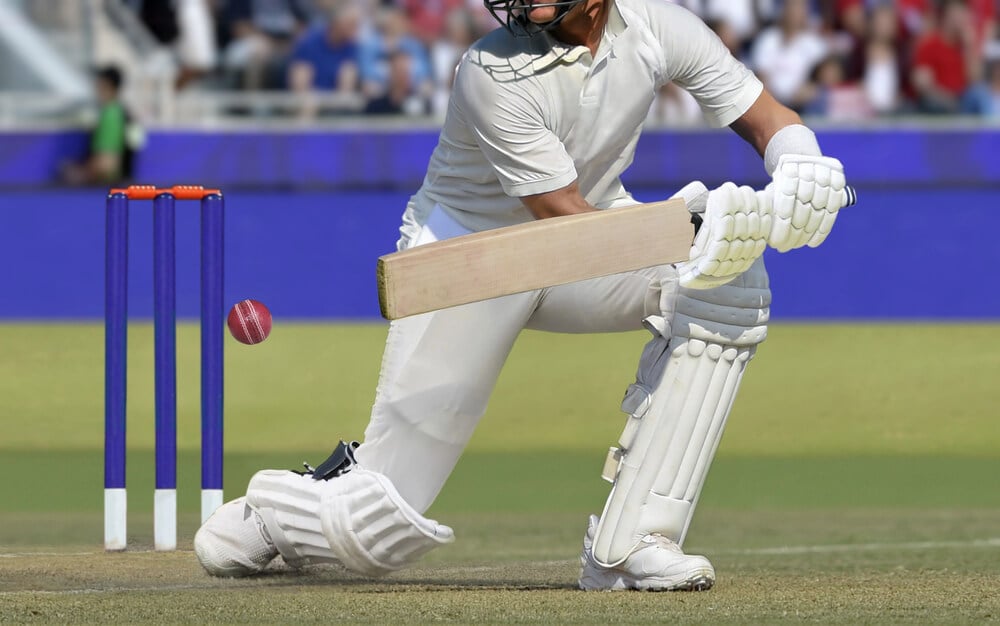
The 1900 Paris Games included one cricket match, played between Great Britain and France. The British side, a club team made up largely of English players, won by 158 runs.
Cricket has not appeared at the Olympics since, though it is scheduled to return at the 2028 Games in Los Angeles.
Motorboating
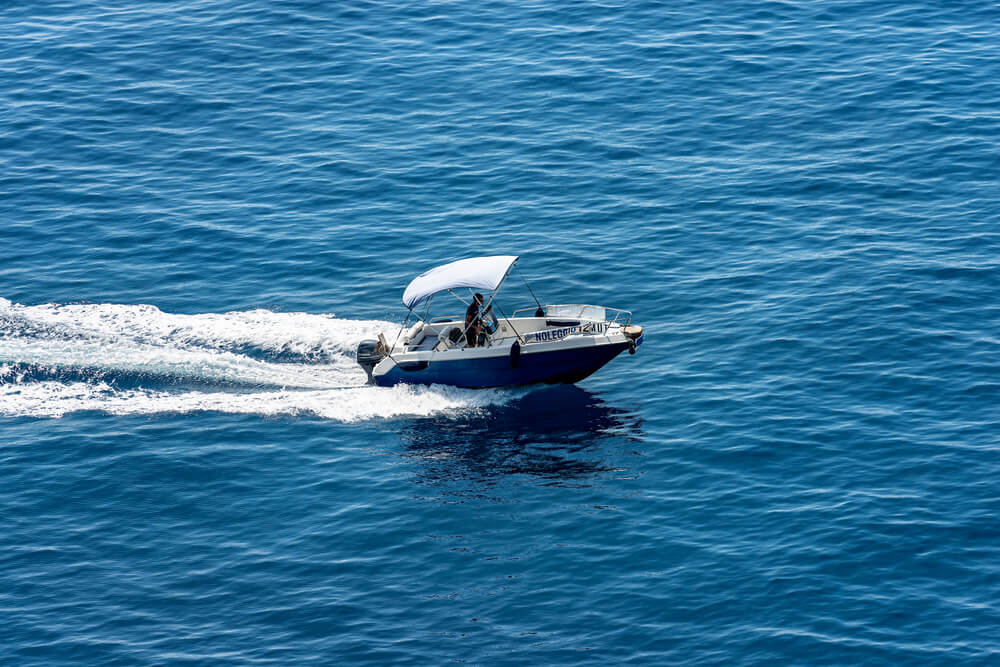
Motorboat racing made a single Olympic appearance at the 1908 London Games, with races held off the coast at Southampton. Boats competed in several size classes, and the event was never offered again.
It is the only time that engine-powered water craft took part in the Olympic program.
Art Competitions
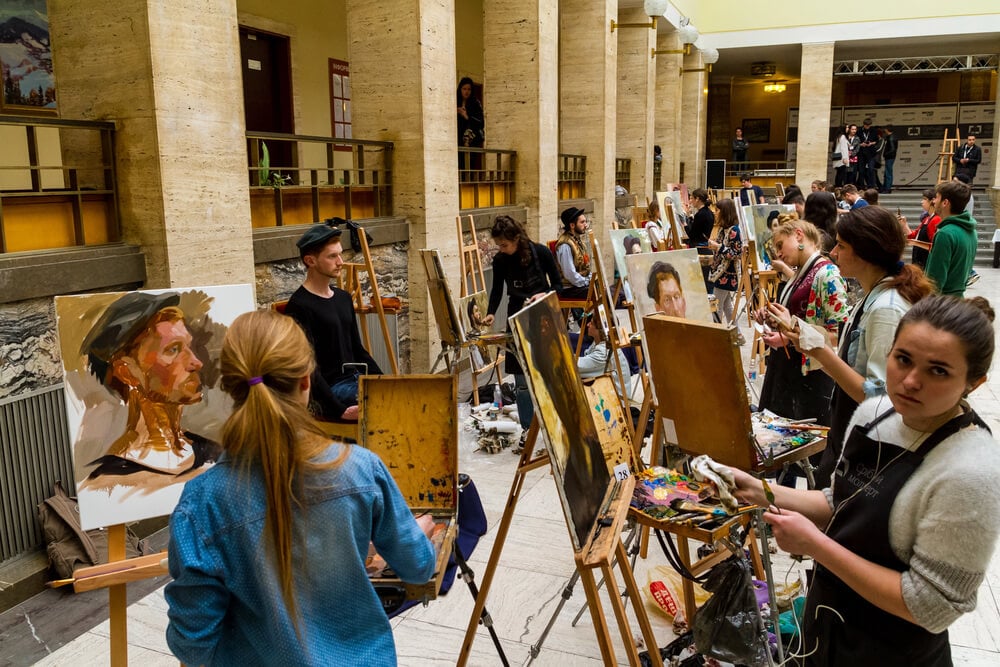
From 1912 to 1948, the Olympics awarded medals for architecture, literature, music, painting, and sculpture. Pierre de Coubertin, founder of the modern Games, entered a poem called Ode to Sport under a pseudonym in 1912 and won the gold.
The competitions ended after 1948, partly over concerns that the artists were professionals.
Equestrian High Jump and Long Jump
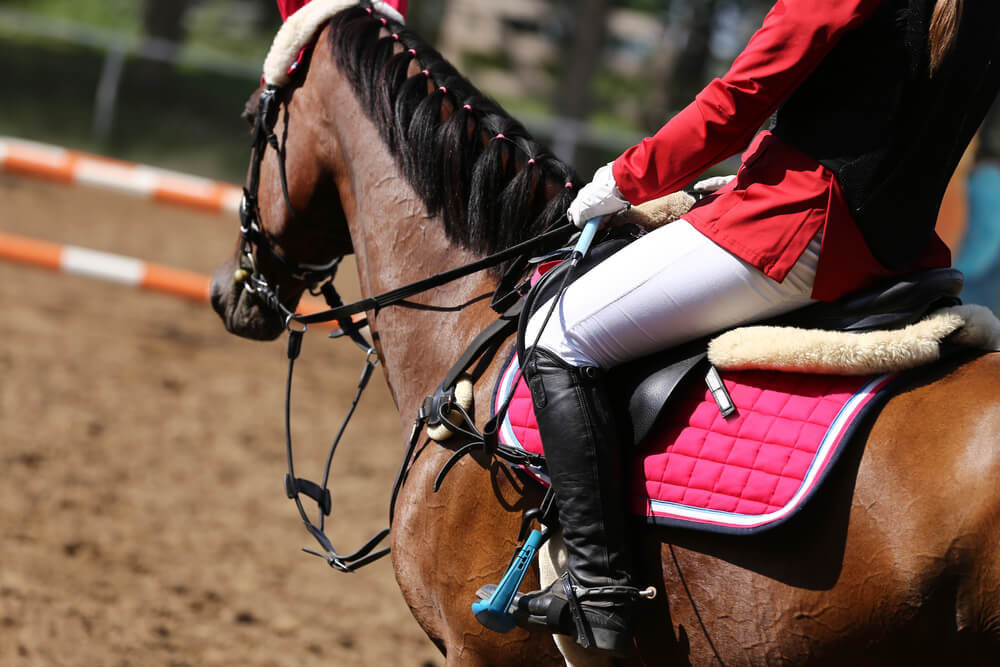
At the 1900 Paris Games, riders competed in a high jump and a long jump on horseback. The events asked horses to clear a hurdle at height and a stretch of water at length.
They appeared only that once, and the equestrian program soon concentrated on dressage, eventing, and show jumping.
One-Hand Weightlifting
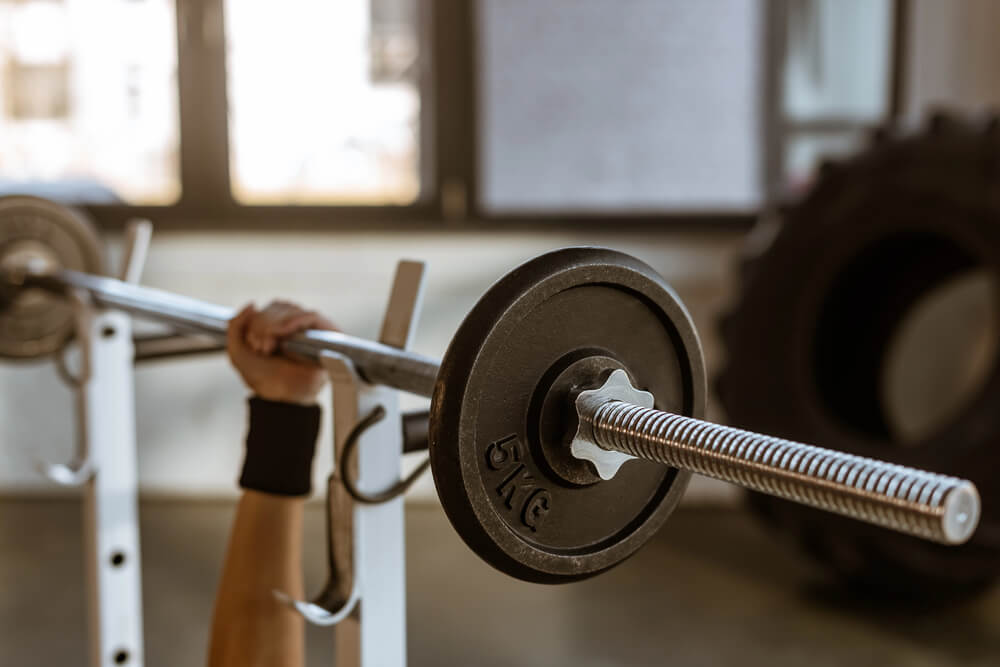
At the first modern Olympics in 1896, weightlifters competed in a one-hand lift and a two-hand lift. Launceston Elliot of Britain won the one-hand event, and one-hand lifts reappeared at a few later Games.
They eventually dropped away, leaving the two-handed snatch and clean and jerk as the sport’s standards.
Basque Pelota
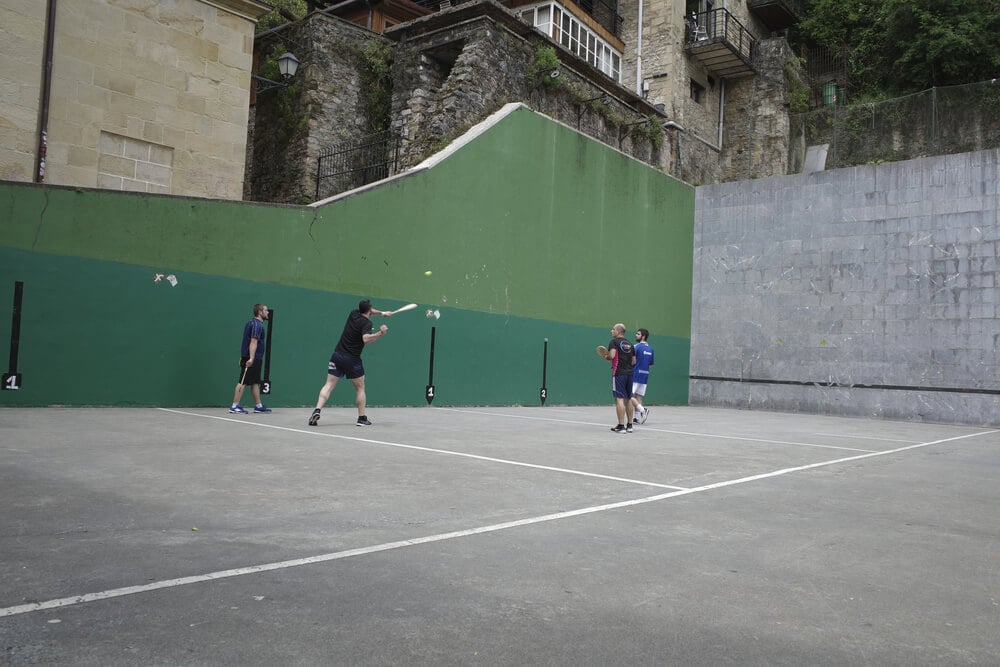
Basque pelota counted as a medal event in 1900 and later returned only as a demonstration sport, most recently at the 1992 Games in Barcelona. The game, played with a curved wicker glove or a bat against a wall, is among the fastest in the world.
Despite a loyal following in Spain, France, and Latin America, it has never earned a permanent place.
Lacrosse

Lacrosse was an Olympic event in 1904 and 1908, with Canada winning gold both times, and it was later shown as a demonstration sport in several Games. After a long absence, the sport is set to return in a six-a-side format at the 2028 Los Angeles Games.
It will be the first time it has been a medal event in more than a century.
Rugby
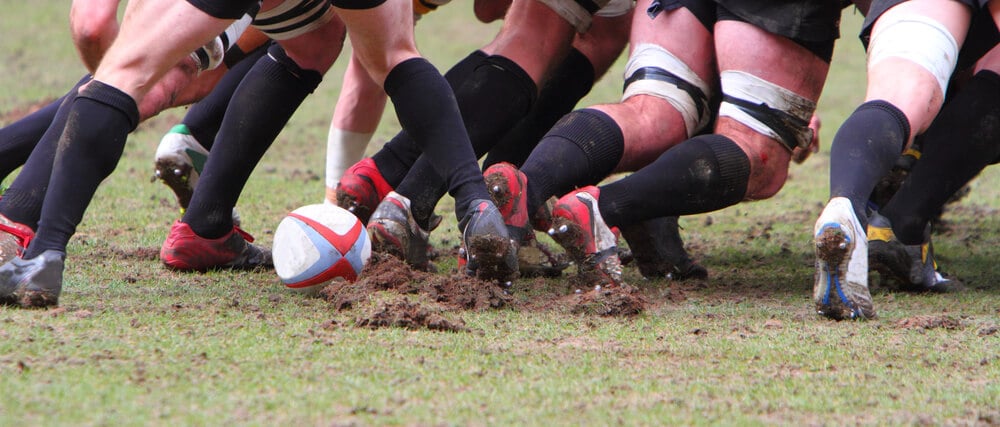
Rugby was an Olympic sport in 1900, 1908, 1920, and 1924. The United States won gold in 1920 and 1924, and the 1924 final in Paris was played in front of an angry home crowd that reportedly erupted when France lost.
Rugby disappeared after those Games and returned in 2016 as rugby sevens, with Fiji winning the first gold in 92 years.
Tandem Sprint
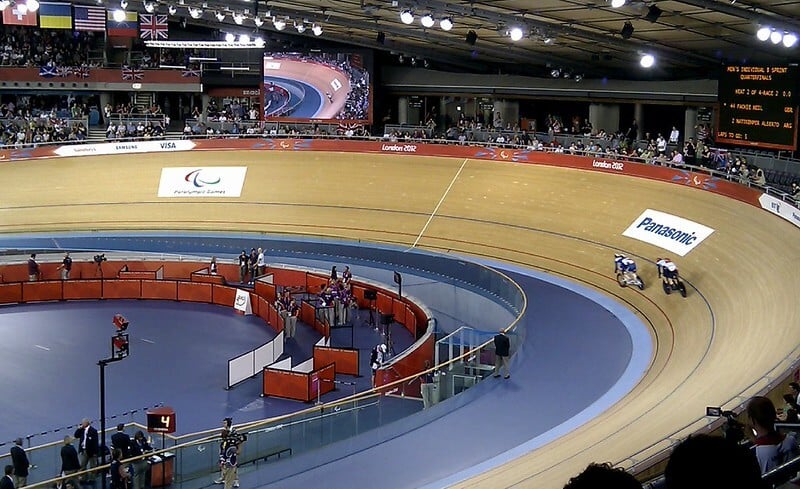
For decades, two riders on a single bicycle raced head to head, with one steering at the front and one pedaling behind. The tandem sprint was part of the Olympic cycling program from 1908 to 1972.
It was dropped afterward, and the specialized machines it required faded from view.
The Kilometer Time Trial

Track cyclists once raced alone against the clock for a single kilometer from a standing position. The men’s event was part of the Olympics until 2004, when Chris Hoy of Great Britain won the last gold in Athens.
Cycling’s governing body removed it from the program to make room for other events, and Hoy returned in 2008 to win others.
The Five-Man Bobsled
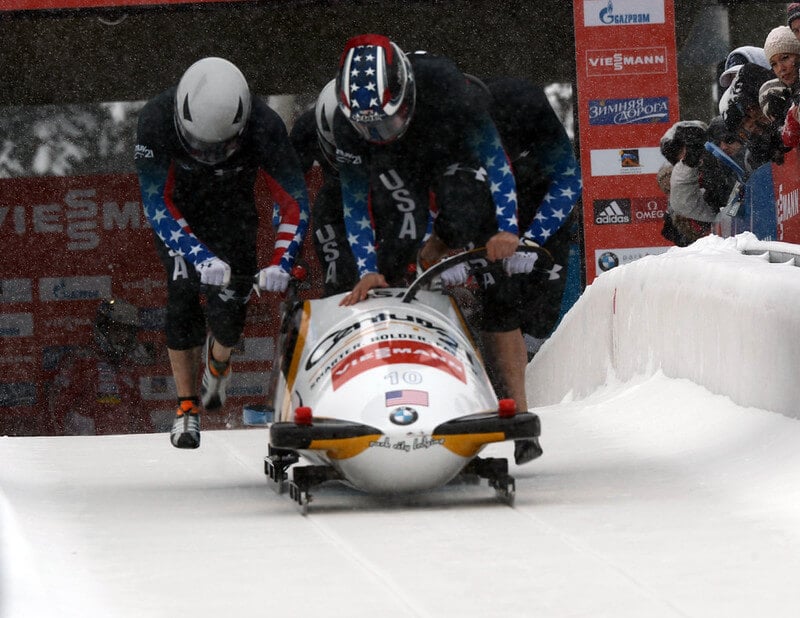
The 1928 Winter Games in St. Moritz featured bobsled races with five-man sleds instead of the modern two and four. The United States won gold, with Billy Fiske, then 16, piloting the sled.
The five-man event was never repeated, and later Games stuck with the smaller crews.
Compulsory Figures
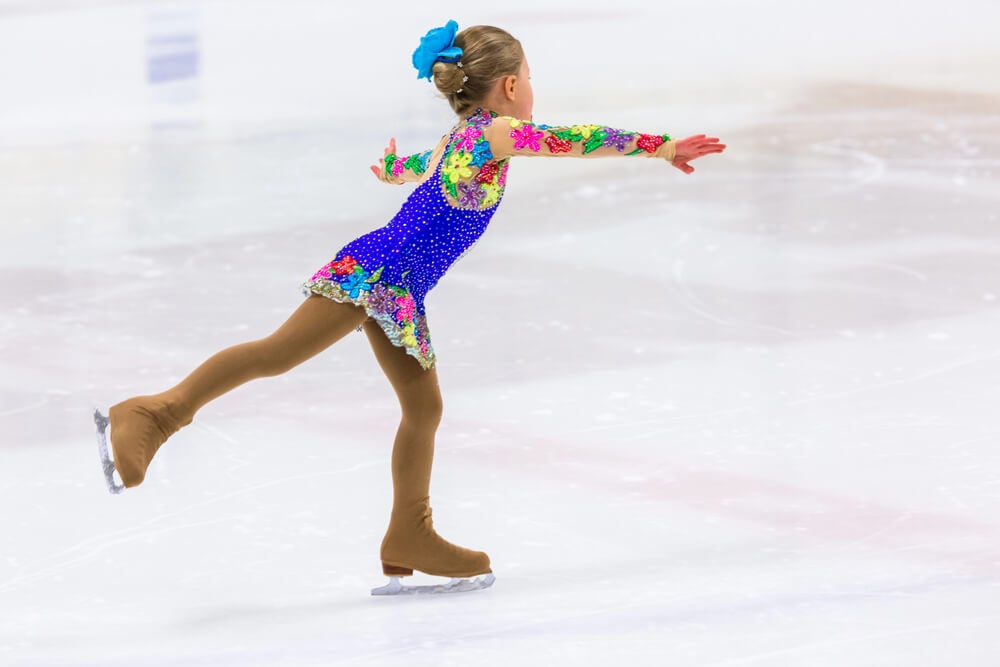
Figure skating used to include compulsory figures, in which skaters traced circles and figure eights on the ice while judges inspected the lines they left behind. The segment counted toward the final score at the Olympics through 1988.
The International Skating Union eliminated it shortly afterward because audiences and television found it dull.
The 50-Kilometer Race Walk
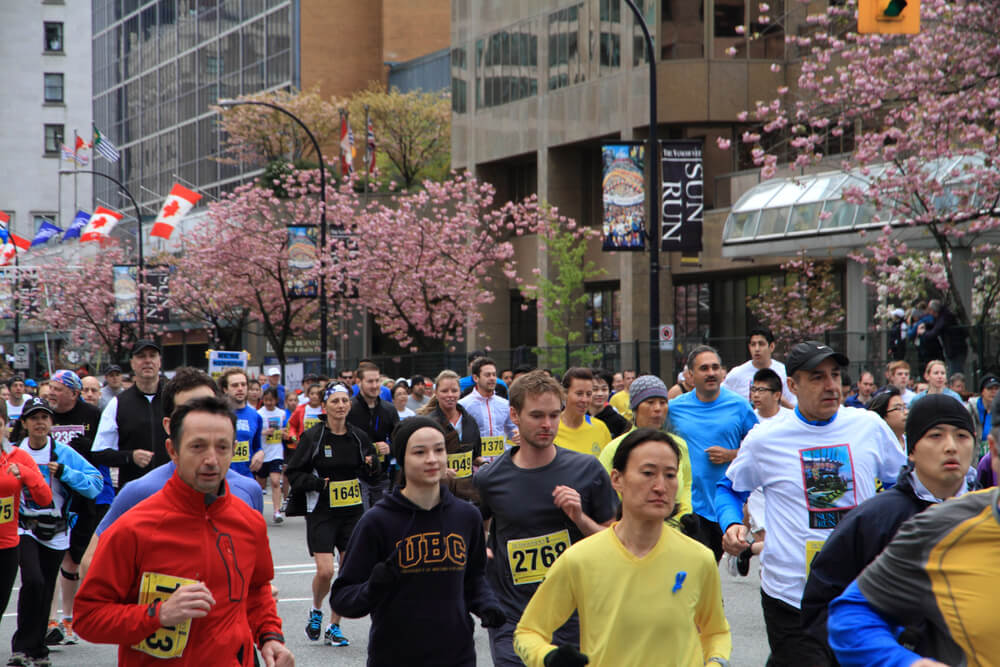
The 50-kilometer walk had been an Olympic event since 1932, making it one of the longest events on the athletics program. After the Tokyo Games, it was removed to make room for a mixed marathon walk relay, part of an effort to balance men’s and women’s events.
Many walkers protested the decision.
The 56-Pound Weight Throw
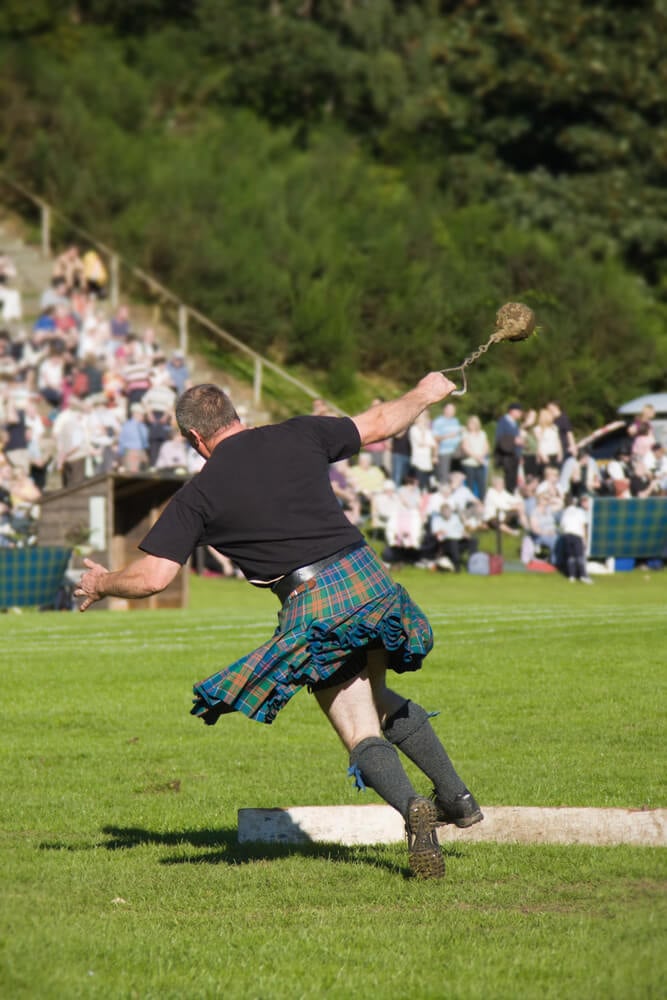
The 56-pound weight throw, in which athletes hurled a heavy iron weight on a chain, appeared in 1904 and 1920. Étienne Desmarteau, a Montreal police officer, won it in 1904 and became Canada’s first Olympic gold medalist.
Pat McDonald of the United States won in 1920, and the event was not offered again.
The Tornado Catamaran
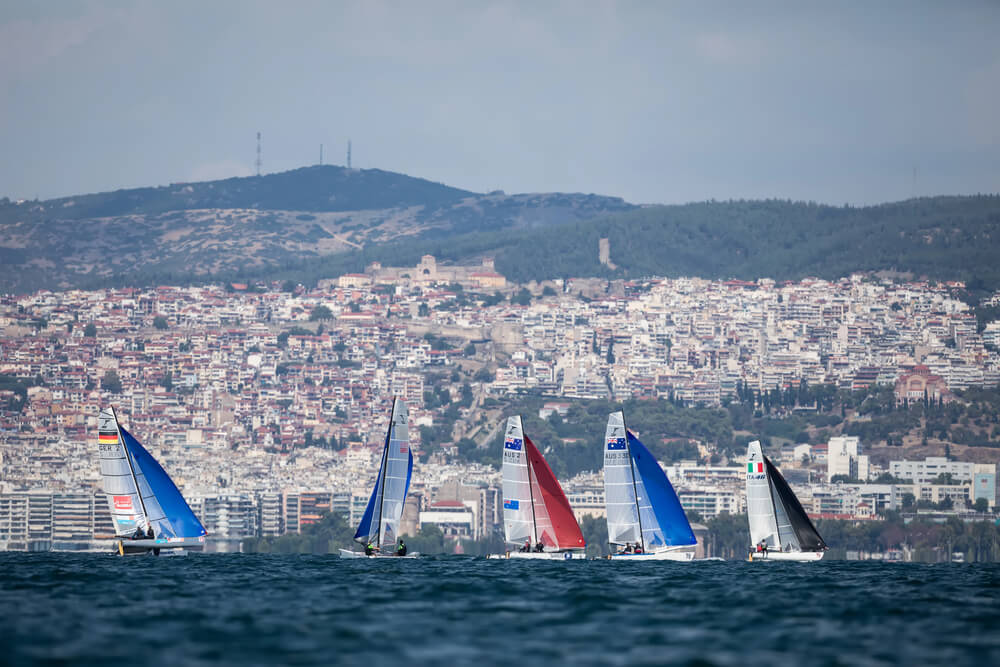
The Tornado, a fast two-person catamaran sailed with the crew hanging out on trapezes, was the Olympic multihull class from 1976 through 2008. It was dropped for the 2012 Games after the sailing program was reshuffled, and a mixed-crew multihull replaced it later.
Fans of the boat protested loudly, and the class association kept racing it long after the Olympics moved on.
The Folding Kayak
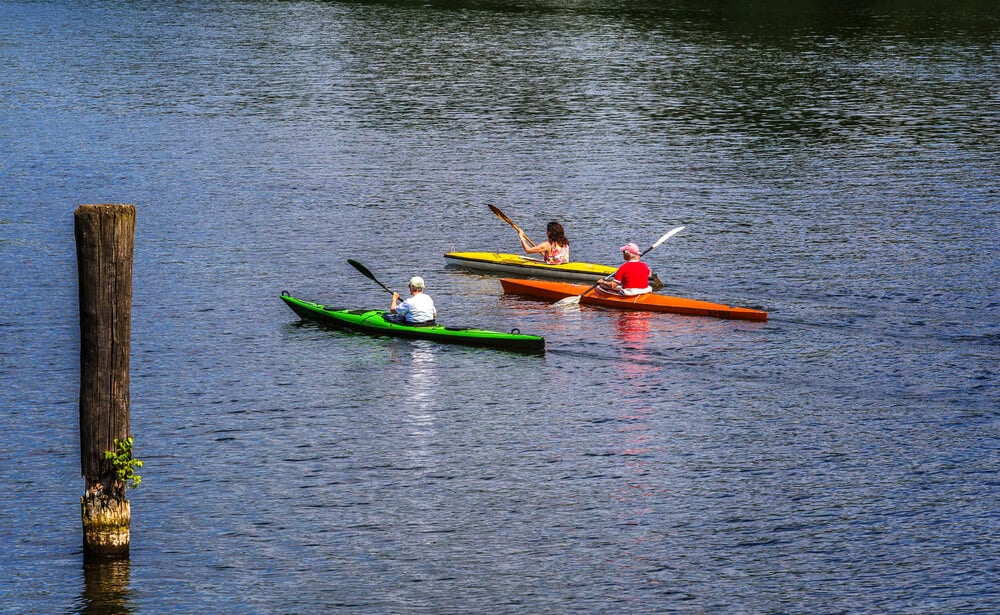
At the 1936 Games, canoe racers competed in folding kayaks, boats built from canvas stretched over a wooden frame that could be packed into a bag. They raced 10,000 meters in singles and doubles.
The boats were hardly competitive with rigid hulls over time, and the event was not repeated.
The Events the Games Outgrew
Looking over the list, a pattern emerges. Events that depended on one odd skill, expensive equipment, or only a few competing countries struggled to last.
The ones that survived were usually simple enough for any country to understand in a minute.
Others disappeared because the world changed around them. The Games became more professional, more global, and more concerned with equal opportunities for men and women.
Even so, many of these dropped events left behind stories that still sound too good to invent.
More from Go2Tutors!

- 27 Silver Dollars and Half Dollars Worth Keeping
- 28 Restaurant Menu Items Nobody Orders Anymore
- 17 Places Built in Seemingly Impossible Spots
- 27 Vintage Rings Worth More Than They Look
- 25 Restricted Sites Tourists Can’t Enter
Like Go2Tutors’s content? Follow us on MSN.