Forgotten Sports Rivalries of the Past
Sports rivalries live and die by proximity, success, and timing.
When all three align, you get decades of genuine hatred wrapped in athletic competition.
When they don’t, you get footnotes in record books that younger fans scroll past without a second thought.
Conference realignment killed some.
Losing streaks buried others.
A few just faded because the teams stopped mattering at the same time.
Here’s a look at rivalries that once commanded national attention but now feel like stories your dad tells at Thanksgiving.
Bulls vs Pistons
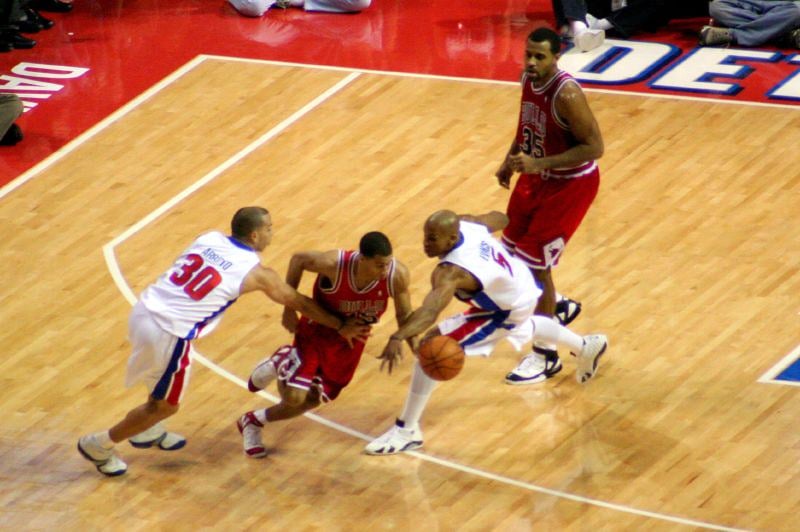
The late 1980s belonged to Detroit’s Bad Boys, and they made sure Michael Jordan knew it.
The Pistons created something called the Jordan Rules, a defensive strategy that amounted to organized assault disguised as basketball.
If Jordan drove the lane, someone hit him.
If he caught the orb in the post, two defenders collapsed.
The goal wasn’t just to stop him but to make him hurt.
Detroit eliminated Chicago from the playoffs three straight years from 1988 to 1990.
Jordan averaged 30 points in those series but couldn’t drag his team past the Pistons’ physical defense and championship experience.
Detroit won back-to-back titles in 1989 and 1990 while Jordan collected individual awards and playoff disappointments.
The 1991 sweep changed everything.
Chicago finally had the roster and the system to counter Detroit’s tactics.
The Bulls swept the Pistons in the Eastern Conference Finals, and with seconds left in Game 4, most of Detroit’s starters walked off the court without shaking hands.
The image of Isiah Thomas and Bill Laimbeer bypassing the handshake line became the rivalry’s tombstone.
Detroit’s dynasty ended that night.
Chicago was just beginning.
Red Wings vs Avalanche
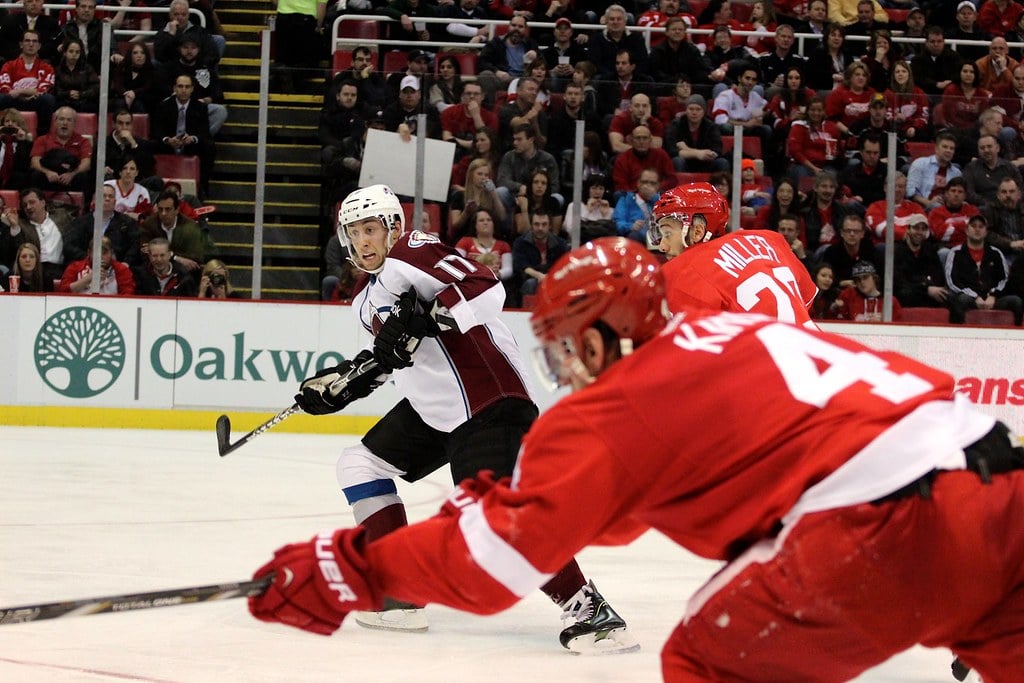
Some rivalries build slowly through playoff meetings and close games.
This one exploded in a single moment. During Game 6 of the 1996 Western Conference Finals, Colorado’s Claude Lemieux checked Detroit’s Kris Draper from behind into the boards. Draper’s face shattered.
Broken jaw, broken cheekbone, broken orbital bone.
He needed reconstructive surgery and his jaw was wired shut.
The Avalanche went on to win the Stanley Cup.
Lemieux got a two-game suspension.
He never apologized.
Detroit waited almost a year.
On March 26, 1997, the teams met in Detroit with the arena buzzing like a powder keg. Fights broke out early, but the main event came late in the first period when Darren McCarty caught Lemieux and beat him bloody at center ice.
Avalanche goalie Patrick Roy skated out to help and ended up in a fight with Red Wings goalie Mike Vernon.
Blood pooled on the ice.
The crowd lost its mind. McCarty scored the overtime winner.
Between 1996 and 2002, Colorado and Detroit combined for five Stanley Cups.
They met in the playoffs five times.
Every game felt personal.
Every hit carried extra weight.
Players from both sides still talk about it with an edge in their voices, even though most of them are friends now.
Reds vs Pirates
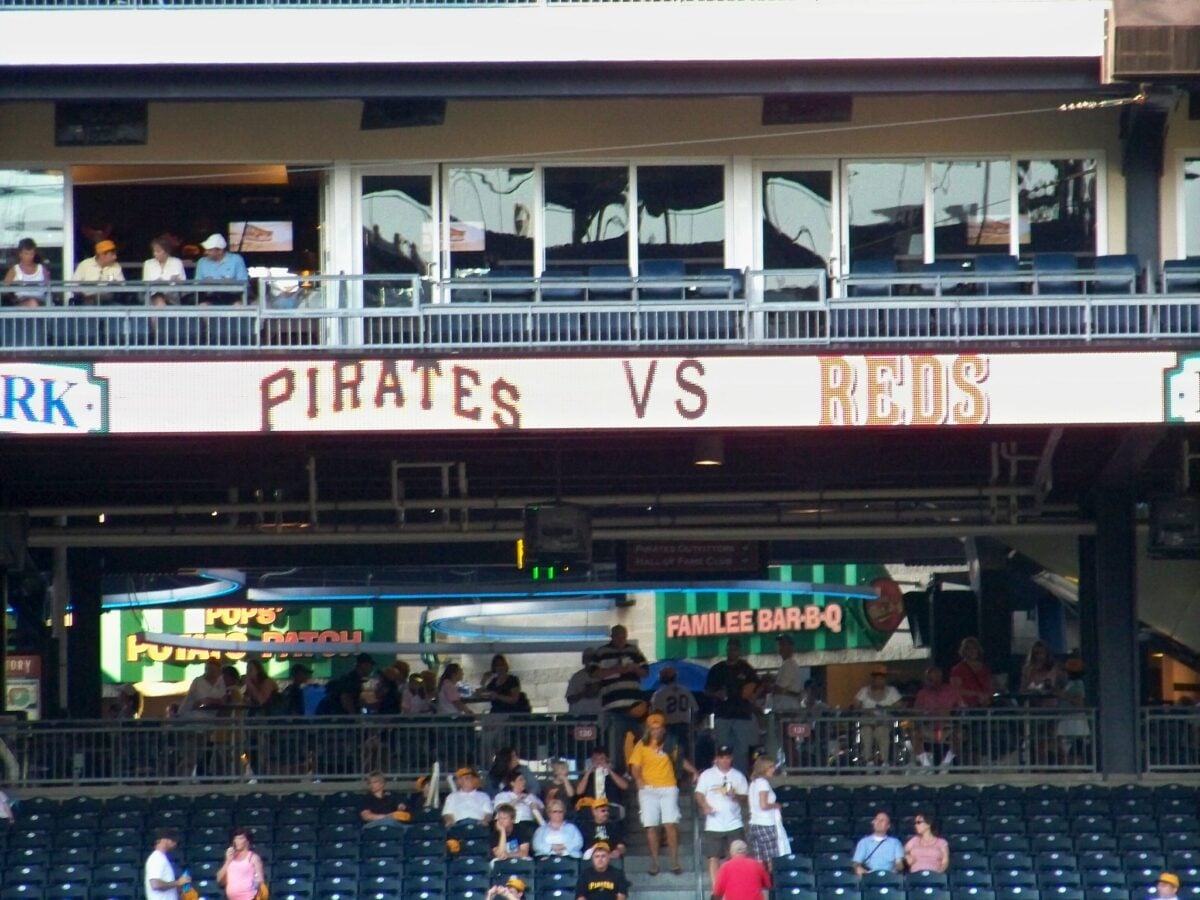
Two teams competed in the National League in the 1970s, separated by a river valley of 300 miles.
Cincinnati had the Big Red Machine with Pete Rose, Johnny Bench, Joe Morgan, and Tony Perez.
Willie Stargell, Roberto Clemente, and a roster that wouldn’t give up were Pittsburgh’s counterattack.
Throughout the decade, they faced off in the playoffs four times, and each series felt like a war.
The 1972 NLCS went five games.
Pittsburgh led 3-2 in the ninth inning of Game 5 before Johnny Bench homered to tie it. Later that inning, Pirates pitcher Bob Moose threw a wild pitch that scored George Foster with the winning run.
Cincinnati advanced.
Pittsburgh went home fuming.
They kept meeting.
The 1975 NLCS was a sweep, but three games were decided by one run.
Pittsburgh finally got revenge in 1979, sweeping Cincinnati in the NLCS en route to a World Series title.
Willie Stargell hit .455 with two homers and made it clear the Bucs had finally conquered the Machine.
The rivalry dissolved with the teams’ fortunes.
Both franchises fell into mediocrity in the 1980s and never really recovered their simultaneous excellence.
They’re still in the same division, but nobody circles those dates anymore.
Oklahoma vs Nebraska
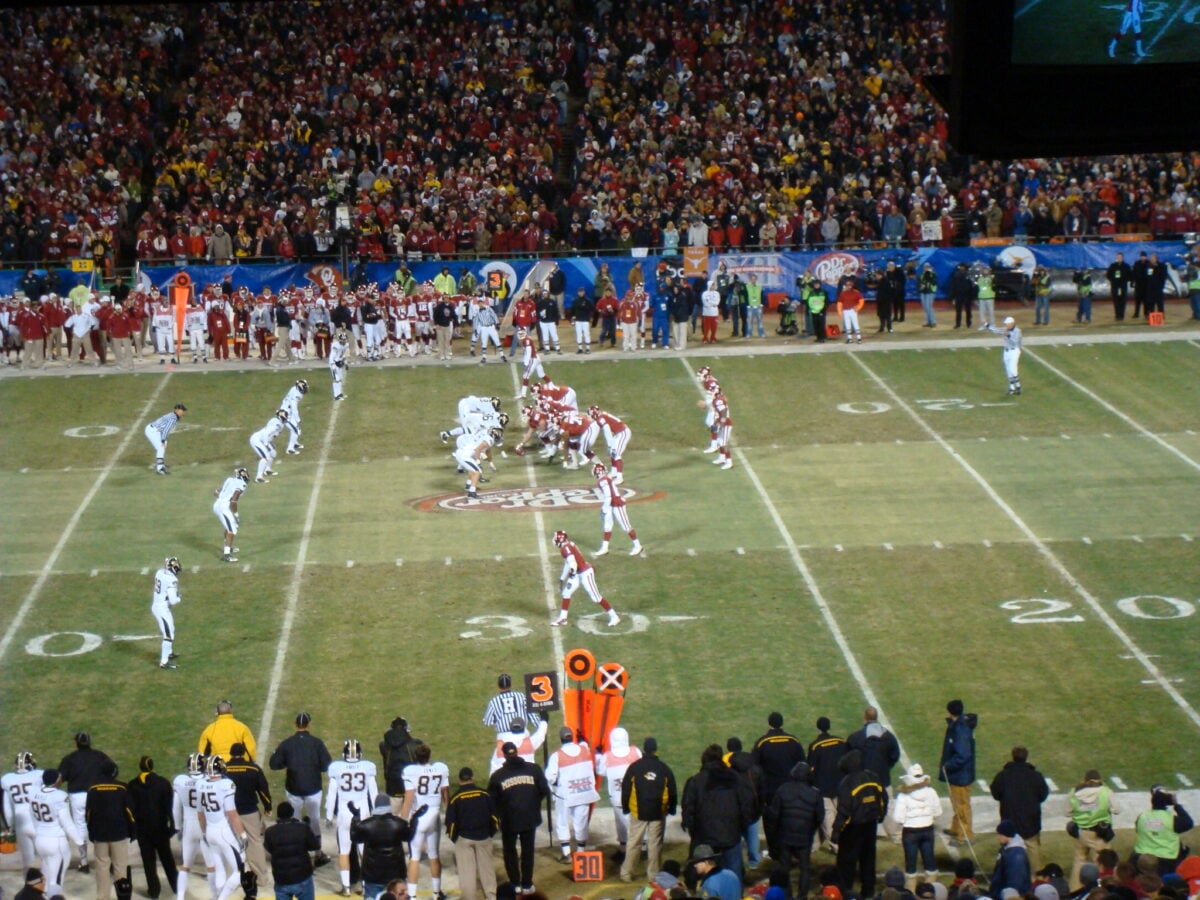
Thanksgiving meant Oklahoma versus Nebraska for 71 straight years.
The game decided Big Eight championships, sent teams to the Orange Bowl, and often determined who played for national titles.
Both programs spent decades at the top of college football with coaching legends and Heisman winners.
The respect between the programs was almost as famous as the games themselves.
The 1971 Game of the Century matched No. 1 Nebraska against No. 2 Oklahoma on Thanksgiving Day.
Nebraska won 35-31 in a game that featured 829 combined yards and came down to the final minutes.
Johnny Rodgers’ 72-yard punt return in the first quarter set the tone.
Both teams finished the season ranked in the top three.
The Big 12 formation in 1996 split them into different divisions, limiting meetings to once every few years unless they met in the championship game.
When Nebraska left for the Big Ten in 2011, the annual rivalry died.
They played in 2021 and 2022 for old times’ sake, with Oklahoma winning both easily.
Nebraska hasn’t been the same program since leaving the Big 12.
Oklahoma is now in the SEC.
The rivalry exists only in highlight reels and old timers’ memories.
Michigan vs Notre Dame
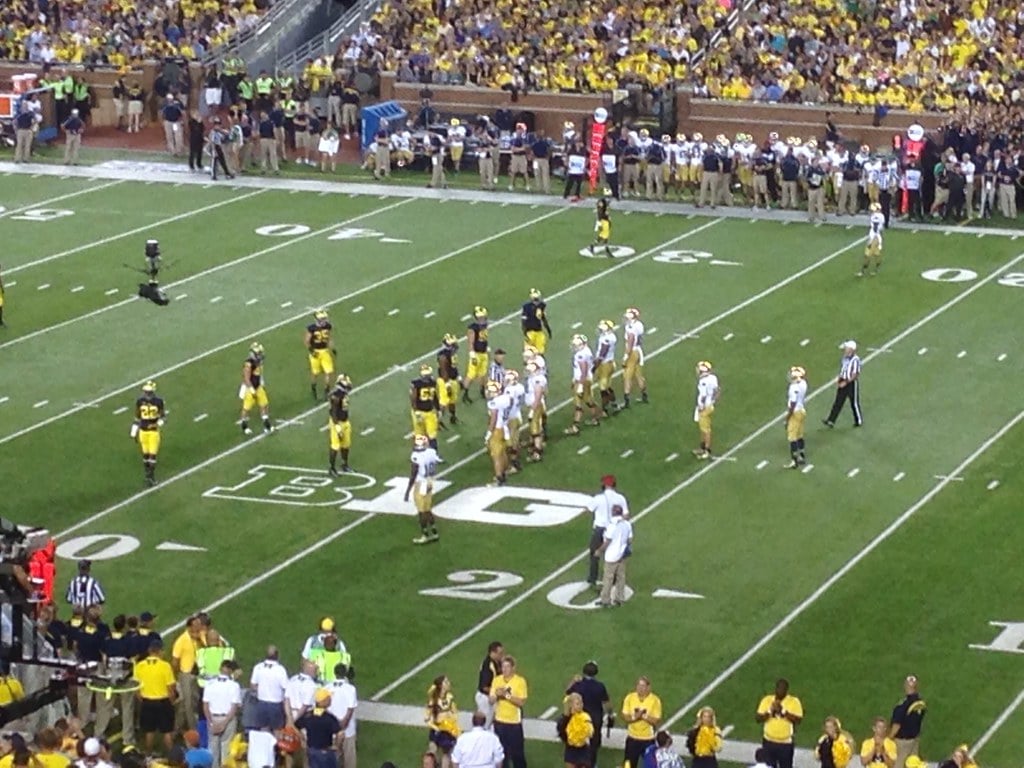
These two blue bloods met for the first time in 1887 and have played 43 times since.
The series includes multiple interruptions, most recently from 2015 to 2017 when Notre Dame joined the ACC in most sports and adjusted its football schedule accordingly.
Michigan leads the all-time series, but the gaps between games killed any sustained animosity.
The rivalry had everything going for it except consistency.
Both programs rank in the top six all-time in winning percentage and national championships.
The games mattered when they happened.
But hiatuses lasting years at a time prevented the kind of sustained hatred that defines great rivalries.
You can’t hate someone you barely see.
They resumed playing in 2018 and have met occasionally since, but it feels more like a scheduling convenience than a blood feud.
Both schools have bigger rivals who they actually play every year.
Texas vs Arkansas
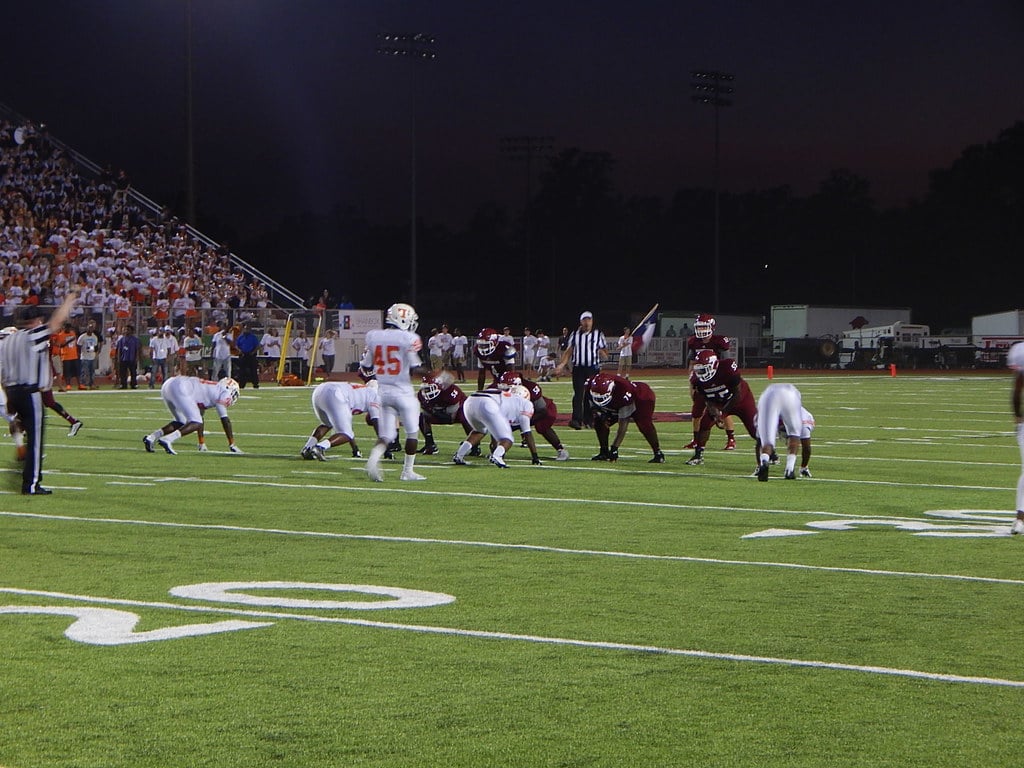
The 1969 game between No. 1 Texas and No. 2 Arkansas is called the original Game of the Century.
Texas trailed 14-0 in the fourth quarter before scoring 15 unanswered points to win.
President Nixon attended and declared Texas national champion afterward, which didn’t sit well with the rest of the country since Texas still had to play Notre Dame in the Cotton Bowl.
Arkansas left the Southwest Conference for the SEC in 1991, ending the annual rivalry.
They’ve met five times since, mostly in bowl games.
Texas has won four of those five, including a 22-point beatdown in 2008 with Tim Tebow… wait, wrong team.
The point stands: once conference rivals became occasional opponents, the rivalry died.
Florida vs Miami
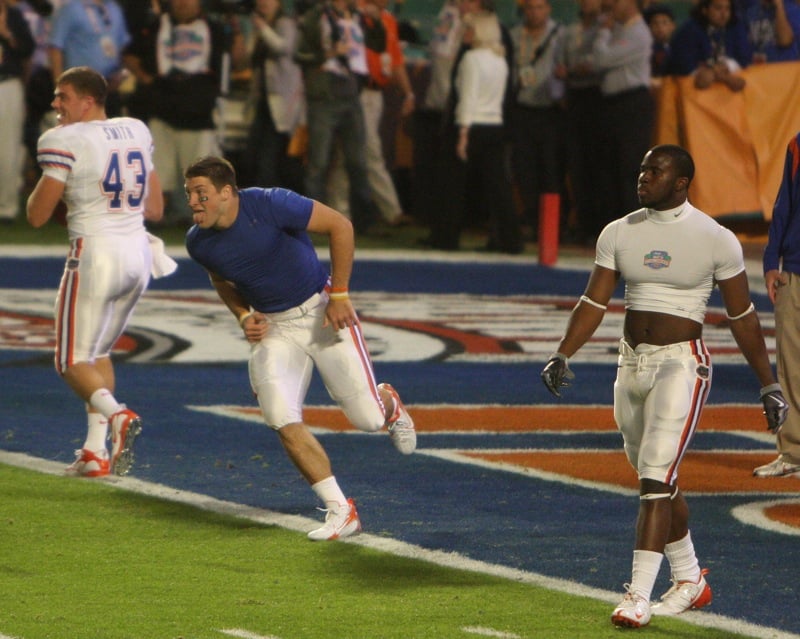
During the 1980s, these two programs hated each other with the kind of intensity that makes administrators nervous.
Miami was building the swagger and talent that would dominate the decade.
Florida was trying to keep up.
Then in 1987, the rivalry just stopped. Scheduling conflicts and SEC regulations requiring eight conference games gave Florida an out.
Some Miami players and fans still insist Florida backed away because the Hurricanes got too good.
The timing supports that theory.
Miami won five of six meetings after 1987, with Florida’s lone win coming in 2008 when Tim Tebow was steamrolling everyone.
The 2003 game saw Miami come back from 23 points down in the second half to win, led by former Florida quarterback Brock Berlin.
That probably didn’t help Florida’s desire to keep playing them.
Kansas vs Missouri

The Border War traces back to actual violence in the 1850s when pro-slavery and anti-slavery forces fought over whether Kansas would enter the Union as a free or slave state.
The football rivalry started decades later and maintained that edge for over a century.
Both programs played in the same conference from 1907 until Missouri bolted for the SEC in 2012.
The 1911 Border War is recognized as college football’s first official homecoming game.
The rivalry meant everything to both fan bases, especially in Kansas City where the cities essentially touch.
When Missouri left, Kansas refused to schedule them.
Missouri wanted to keep playing. Kansas said no. The hatred outlived the rivalry itself.
Pittsburgh vs West Virginia
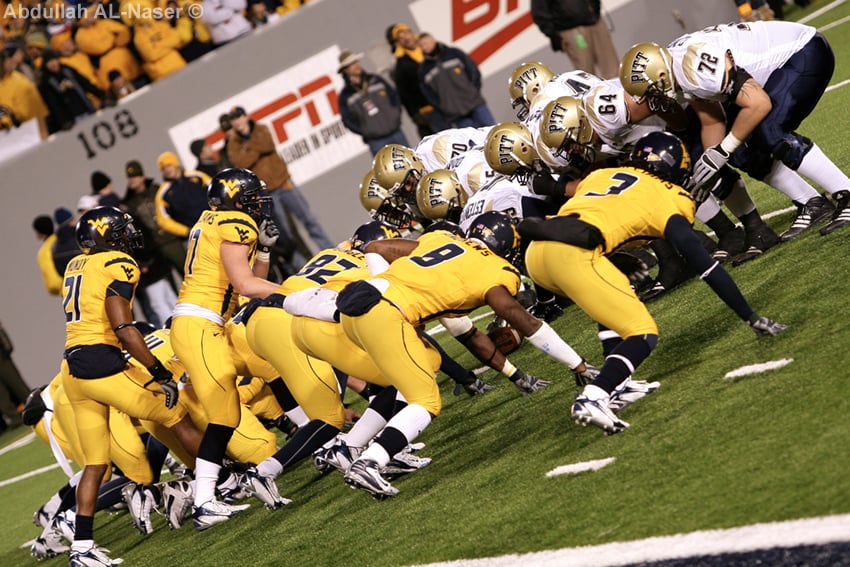
Separated by 75 miles, these two programs despised each other in a way that only proximity can breed.
Pittsburgh historically dominated, winning 21 more games than West Virginia overall.
But on December 1, 2007, the 4-7 Panthers traveled to Morgantown to face No. 2 West Virginia, who was preparing for the BCS National Championship Game.
Pittsburgh won 13-9 and destroyed West Virginia’s title hopes.
The loss is still talked about in Morgantown with the kind of pain usually reserved for family betrayals.
When West Virginia left the Big East for the Big 12 in 2012, the annual meetings ended.
Both programs still hate each other, but they don’t play anymore, which makes the hatred feel quaint.
Texas A&M vs Baylor
When Texas A&M left the Big 12 for the SEC after the 2011 season, they ended their annual meetings with Baylor.
The 2004 game stands out: Baylor upset No. 16 Texas A&M by one point in overtime in Waco.
The Bears went for two at the end of the first overtime to break A&M’s 19-year winning streak in the series.
Baylor got it and ended years of dominance.
The rivalry never recovered from the conference split.
A&M has thrived financially and competitively in the SEC.
Baylor had a brief run of success before scandals torpedoed the program.
They don’t play anymore and neither side seems particularly bothered by it.
Browns vs Steelers

Even though it’s still there, it feels like a faded snapshot of its former self.
There was real animosity between two athletic, championship-caliber programs in the 1970s and 1980s.
The AFC Central was defined by the rivalry. Playoff seeding was frequently determined by brutal, intimate games.
In 1996, Cleveland’s team was “deactivated” and relocated to Baltimore.
Since their return in 1999, the new Browns have largely been awful.
From 1974 to 2008, Pittsburgh won six Super Bowls.
The Browns have never hosted or participated in a Super Bowl.
The majority of Cleveland’s victories occurred decades ago, but Pittsburgh currently holds a 61-56 lead in the series.
The rivalry fades into the background when one team loses for 25 years.
Maple Leafs vs Canadiens
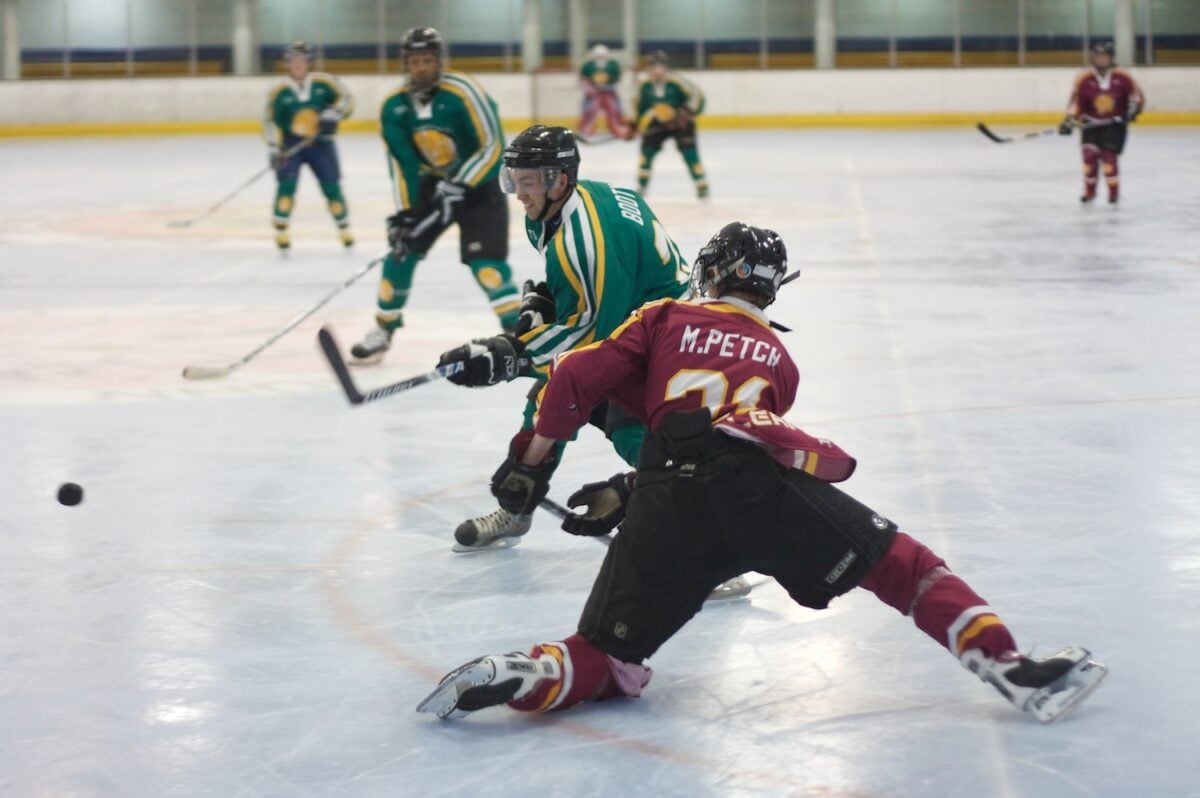
The oldest rivalry in NHL history started in 1917 and once defined hockey in Canada.
English-speaking Toronto versus French-speaking Montreal.
Original Six prestige.
Combined 37 Stanley Cups. From 1944 to 1978, these teams met in the playoffs 12 times, including five Stanley Cup Finals.
Then they stopped meeting when it mattered.
The Battle of Ontario between Toronto and Ottawa replaced it as Toronto’s primary rivalry.
The Leafs haven’t won a Cup since 1967, the longest drought in the NHL.
Montreal’s dynasty years faded into memory.
They still play multiple times each season, but without playoff stakes, it’s just another game on the schedule.
What Rivalries Leave Behind

Conference realignment has killed more rivalries in the past 15 years than anything else in sports history.
Oklahoma and Nebraska don’t play because they’re in different conferences now.
Same with Texas and Arkansas, Kansas and Missouri, Florida and Miami.
The financial incentives for switching conferences outweighed tradition every single time.
Some rivalries died because one team couldn’t keep up.
The Browns-Steelers rivalry means nothing when Cleveland can’t field a competitive team for decades.
The Bulls-Pistons rivalry ended when Detroit’s window closed and Chicago’s opened.
Timing matters as much as proximity.
The forgotten rivalries share common threads.
They required simultaneous success, geographic closeness, and institutional commitment.
When any of those three disappeared, the rivalry weakened until it became a historical curiosity.
Younger fans don’t remember when Nebraska versus Oklahoma mattered more than any bowl game.
They don’t know that the Reds and Pirates once settled National League supremacy in October instead of competing for fourth place in July.
Sports move forward.
New rivalries form.
Old ones fade.
That’s how it works.
But something gets lost when tradition gives way to television contracts and recruiting territories.
The Red Wings and Avalanche once made hockey feel dangerous.
The Bulls and Pistons turned basketball into a contact sport.
Those moments existed because the teams played often enough to develop genuine animosity.
Now we get occasional throwback games marketed as rivalry renewals.
Nebraska plays Oklahoma once a decade.
Michigan plays Notre Dame when it’s convenient.
The games happen, but the stakes are gone.
Rivalries need repetition and consequences.
Without annual meetings that determine championships or playoff spots, you’re just playing an old team you used to know.
More from Go2Tutors!

- The Romanov Crown Jewels and Their Tragic Fate
- 13 Historical Mysteries That Science Still Can’t Solve
- Famous Hoaxes That Fooled the World for Years
- 15 Child Stars with Tragic Adult Lives
- 16 Famous Jewelry Pieces in History
Like Go2Tutors’s content? Follow us on MSN.



