20 Neighborhood Errands Kids Ran for Parents
Somewhere between the ages of seven and twelve, a child in mid-century America was handed a few coins, a list, and a deadline of “before supper.” No phone, no tracking, no adult within sight. The neighborhood was the classroom, and the errand was the assignment.
Most of those trips are gone now, replaced by delivery apps, automatic payments, and a general belief that children should not cross the street alone. They once built a quiet kind of competence, though, one counted in change and landmarks.
A Loaf of Bread and a Quart of Milk
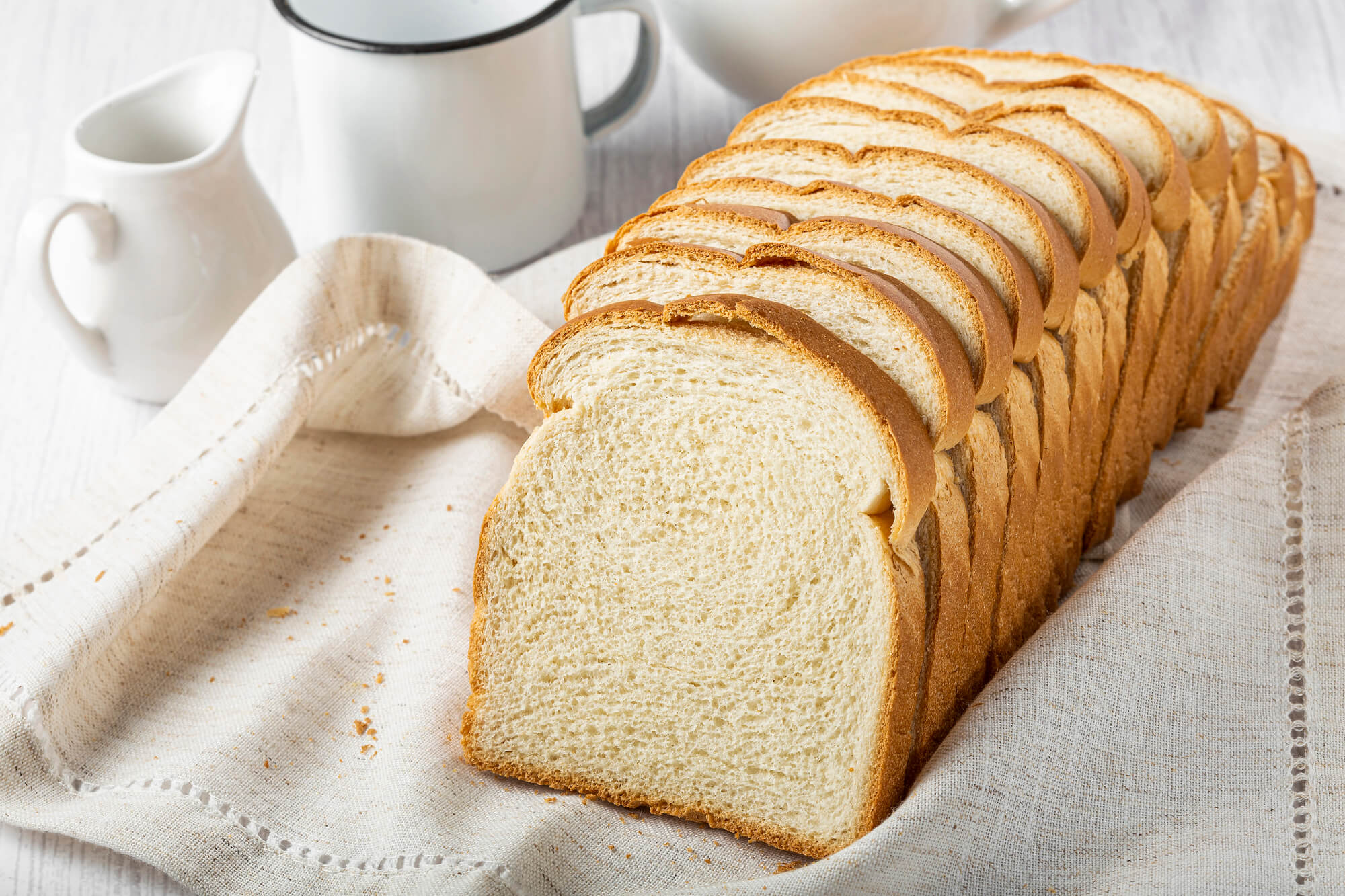
The corner grocery was the classic first solo mission, because the stakes were low and the route was short. A child came home with the loaf, the milk, and whatever change was left, and a parent counted it without ceremony.
Supermarkets pulled families into larger weekly shopping trips through the 1950s and 1960s, which made the small neighborhood store feel more like a children’s outpost than a place for serious shopping. Coming back with the wrong brand was considered a learning experience.
Glass Soda Bottles Returned for Deposit
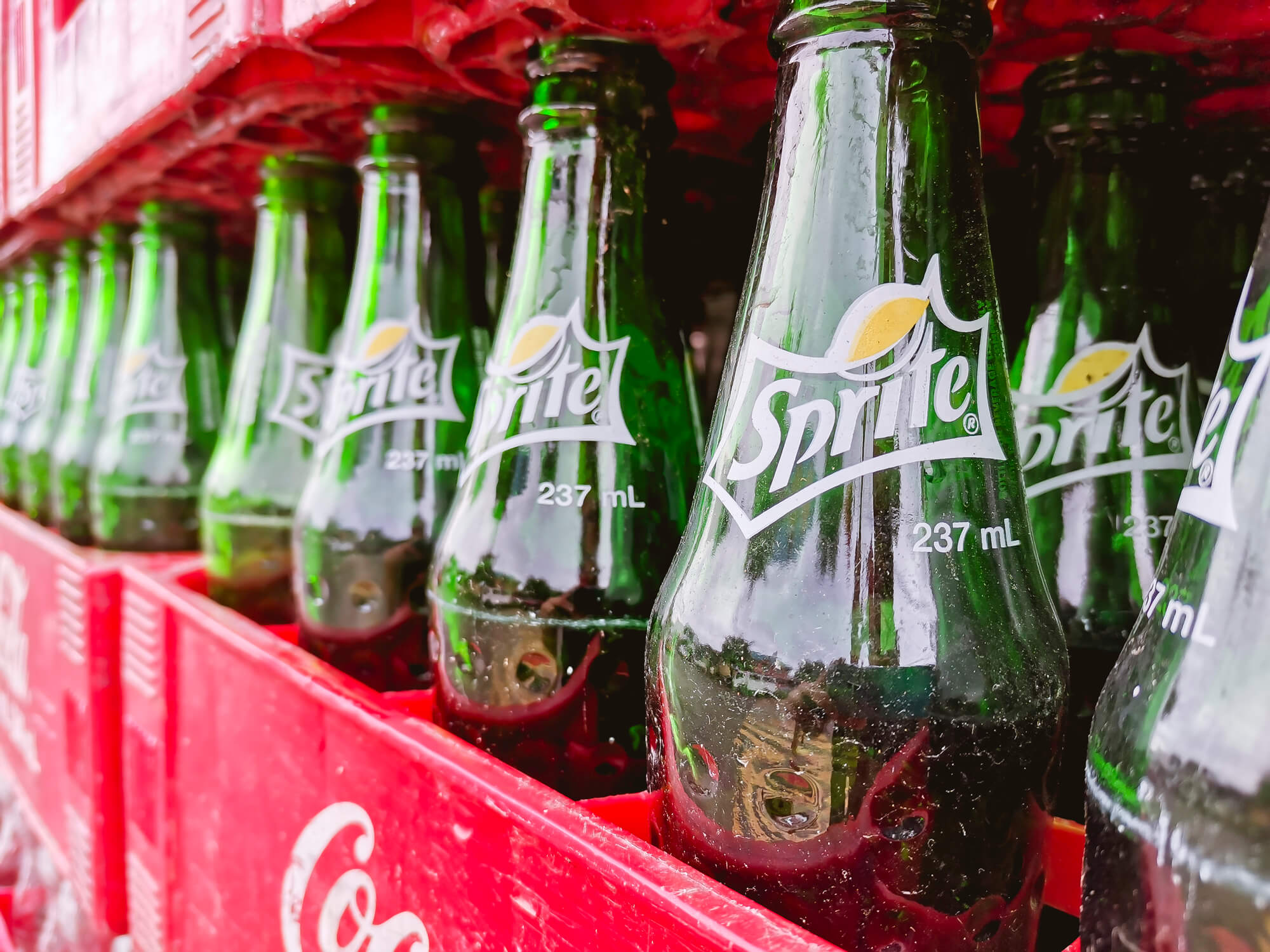
Empty glass bottles collected in a crate on the back porch were effectively a child’s savings account. Stores paid a couple of cents back on each returned bottle, and a full wagon of them could cover a candy bar and a comic book.
Oregon passed the first statewide bottle bill in the country in 1971, setting a five-cent deposit on beer and soft drink containers and bringing the practice into law. Before that, the deposit was mostly a private arrangement between bottlers and stores, which is why a bottle with a chipped lip could be refused.
Paying the Milkman
Milk delivery was a daily ritual for decades, and settling the bill often fell to whichever child answered the door. Parents left a note and cash or coupons in the empty bottles on the stoop, or sent a child out with an envelope on collection day.
Home delivery slid steadily after the 1950s as supermarkets and refrigerators with larger shelves took over. By the 1970s the truck was a rarity on many streets, which turned the milkman into a nostalgic figure while he was still making his rounds.
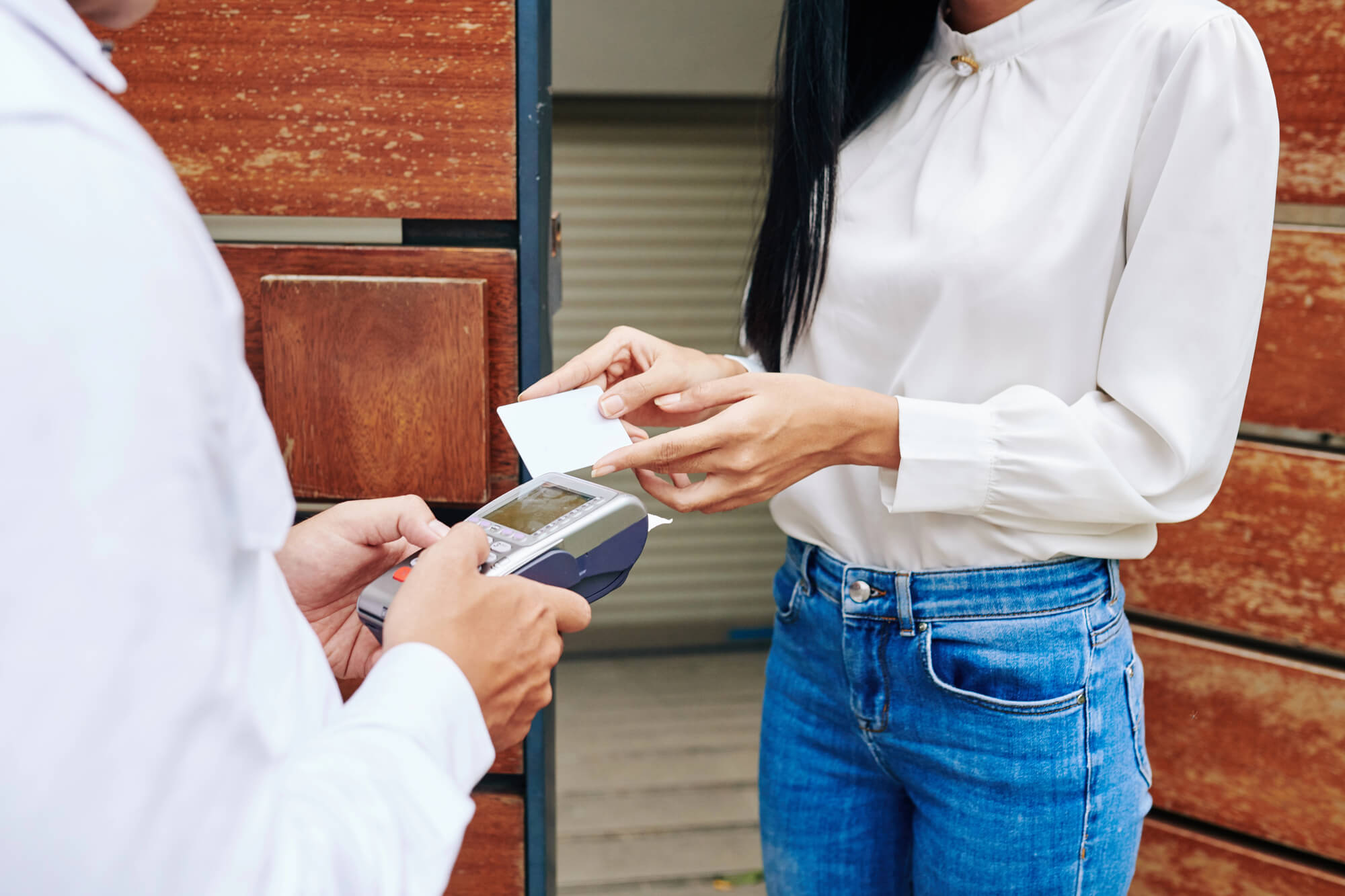
Picking Up the Dry Cleaning
A paper ticket, a pile of shirts on wire hangers, and a clerk behind a counter wrapped in plastic made up the entire transaction. Kids were sent with the claim stub folded into a pocket and told not to crush it, since the stub was the only proof of ownership.
Plastic garment bags became widespread after the postwar boom in synthetic materials, which meant a child carrying a dad’s suit down the sidewalk looked a little like a ghost walking. The hardest part was keeping the hem off the ground.
The Evening Newspaper
Cities of any size had an afternoon paper timed to land as the workday ended, and a child sent for a copy could usually buy it from a stand or a carrier near the bus stop. Single copies sold for pocket change, often just a few cents in the 1950s, so the errand barely dented the grocery budget.
Afternoon dailies thrived through the 1960s before television news and shifting commute patterns pushed many into mergers or closure. The fresh ink came off on a child’s hands, which doubled as proof of delivery.
Fetching a Prescription from the Drugstore

Many neighborhood pharmacies were independent businesses whose owner knew every family by name, so a child could be trusted to carry a refill home without a second glance. The druggist handed over a white paper bag with the label stapled shut, and the child was warned not to loiter.
Soda fountains were common fixtures in drugstores of the era, which made the trip dangerous for any pocket holding spare change. Pharmacies often kept a tab for regulars, and nobody thought it strange to send a ten-year-old to pick up medicine.
Delivering a Pie to a Neighbor

Baked goods were the original currency of neighborliness, used to welcome new arrivals, thank a favor, or mark a death on the street. A child delivered the pie, kept the dish upright, and was told firmly to say who it was from and to return with the empty dish later.
The dish itself was the real transaction, since glass pie plates and casserole dishes were expected to travel back to their owners, often with a note taped to the bottom to prevent mix-ups. A pie plate that never came back could cause a cold war that outlasted the pie.
Mailing Letters and Bill Payments
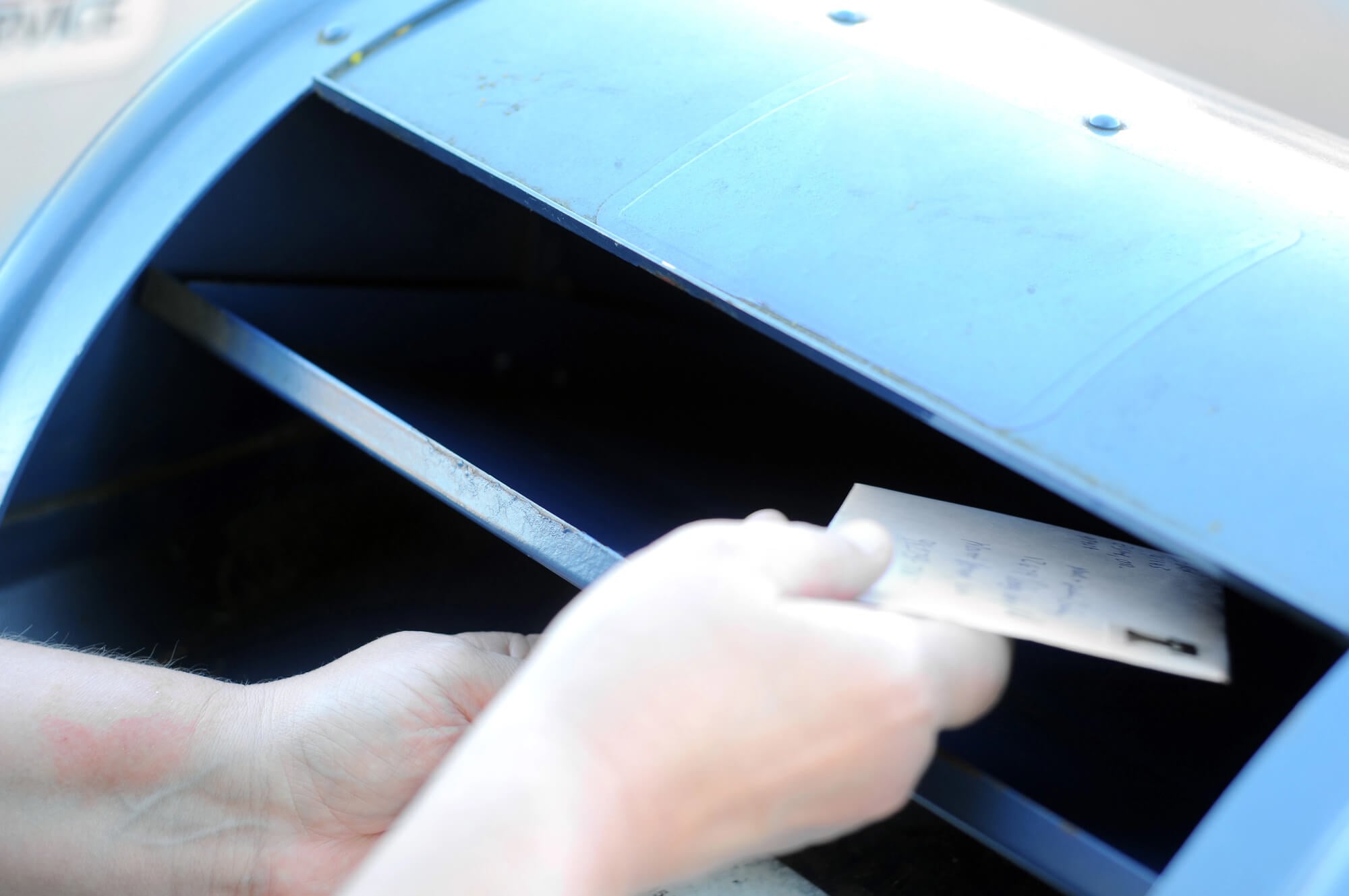
The blue collection box on the corner was the destination for utility checks, mortgage payments, and thank-you notes to grandparents. Postal customers were asked to use the ZIP Code beginning July 1, 1963, and the Post Office introduced a cartoon mascot named Mr. ZIP to explain the five digits to a skeptical public.
Children sent to the box learned to check the pickup times stamped on its door. A check dropped in at the wrong hour might sit overnight, and a late fee was explained at dinner.
Buying Stamps at the Post Office

Standing in the lobby with exact change was an education in postal economics. A first-class stamp cost 4 cents in 1958, rose to 5 cents in 1963, 6 cents in 1968, and 8 cents in 1971.
It then moved to 10 cents in 1974, making the cost of a letter something a child could track across a childhood. Sheets and coils were sold at the window, and a clerk who suspected a customer was too young to know the right rate usually offered to weigh the envelope anyway.
Taking Film to the Drugstore for Developing

A roll of exposures sat in a drawer for months before a parent finally handed it to a child with a dollar and a reminder to get duplicates of the good ones. Drugstores collected film in small envelopes, shipped it to a lab, and returned the prints a week or more later.
Kodak’s Instamatic line, introduced in 1963 with drop-in cartridges, made amateur photography simple enough that the volume of film passing across drugstore counters climbed sharply. The errand had two parts, dropping off and picking up, and a child never forgot the second.
Walking to the Butcher
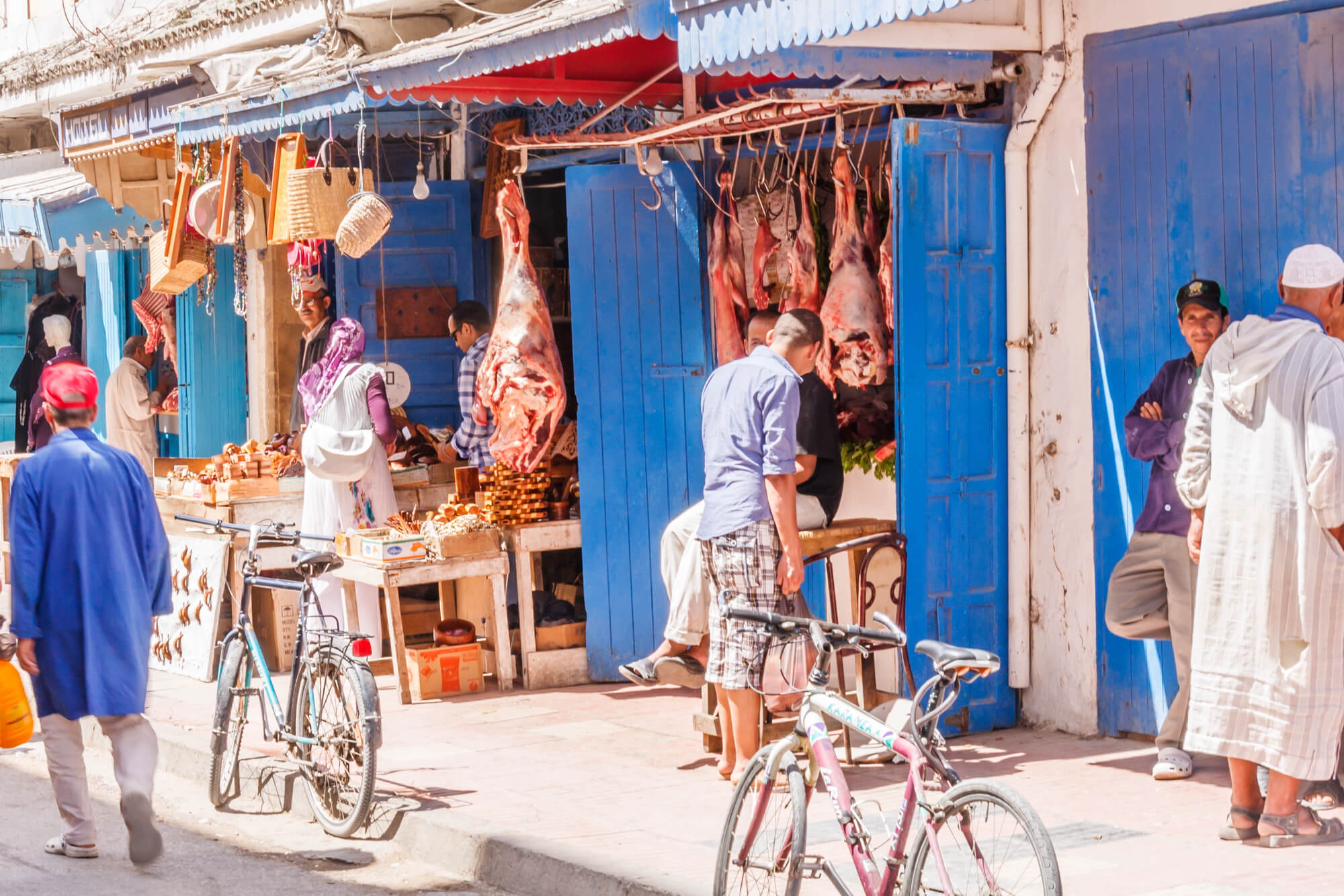
Before prepackaged meat took over supermarket coolers, a neighborhood butcher cut to order, and a child could be sent with a list that read like a recipe. The butcher wrapped the order in white paper and tied it with string, and a note on the package told the cook which cut was which.
Sawdust on the floor and a scale with a visible needle were part of the scenery, as was the butcher’s habit of slipping a free slice of bologna to the messenger. Chain supermarkets steadily squeezed these shops out through the 1960s and 1970s.
Carrying a Pail for Hand-Packed Ice Cream

On hot nights, a child could be sent to the local dairy or ice cream parlor with a pail or a cardboard container to bring back pints and quarts packed by hand. The scooper pressed the ice cream down tight to fit more in, and a skilled clerk could make a pint feel like a bargain.
Walking home fast was the entire point, since a ten-block trip in July meant a soupy dessert if the child dawdled. Parents rarely sent the errand with a stern warning, because the incentives were already obvious.
Dropping Off the Church Envelope
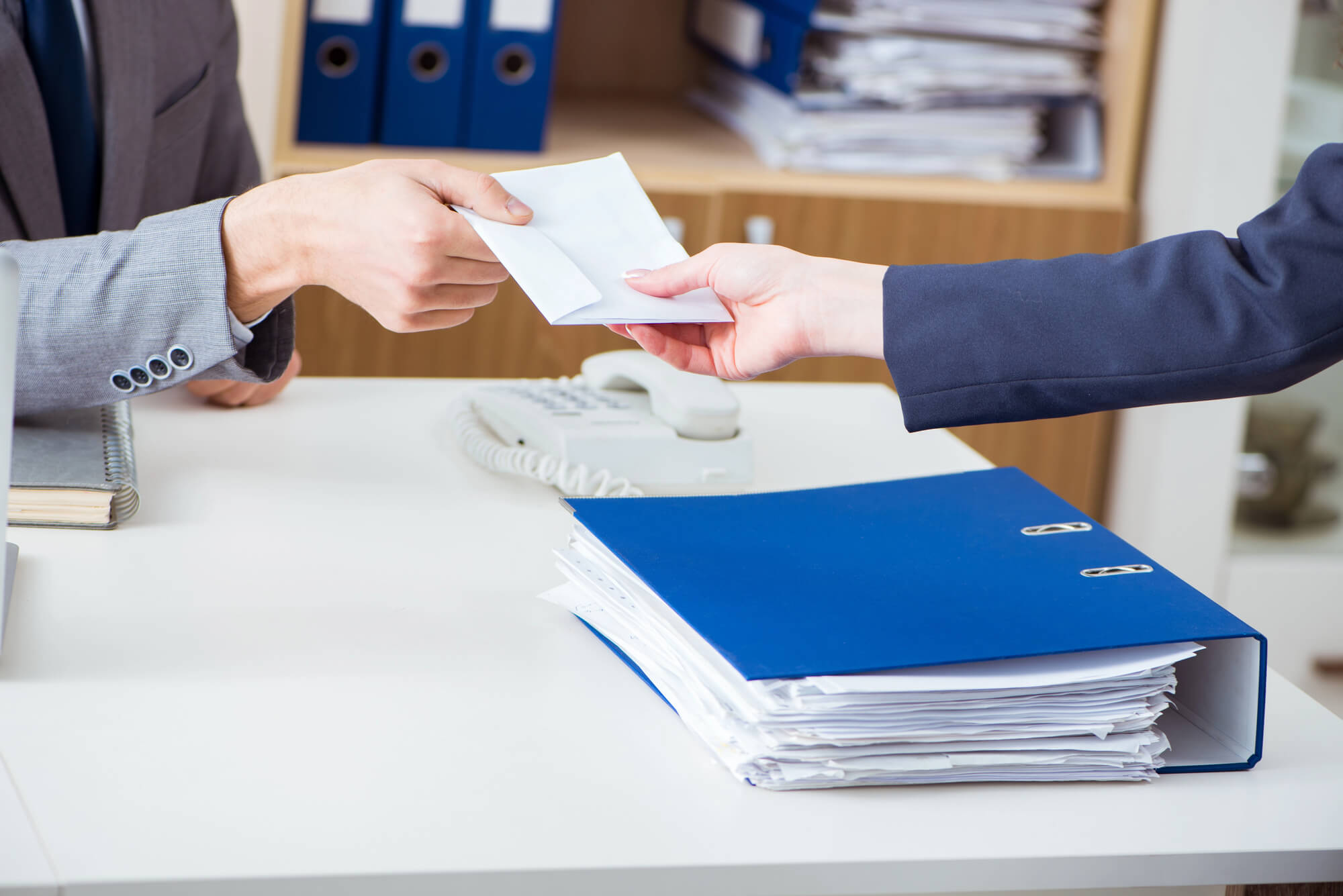
Many congregations distributed dated offering envelopes, one for each Sunday of the year, and the contribution inside was sometimes entrusted to a child. A parent who could not attend or had arrived by a different route might send the envelope along with a kid walking to Sunday school.
The sealed envelope carried a family’s number or name, which let the church track giving for the year without anyone announcing it aloud. Children treated the errand with unusual gravity, since an envelope full of money felt like a more important cargo than a quart of milk.
Buying a Block of Ice from the Iceman

In the decades before electric refrigerators became standard in every kitchen, a card in the front window told the iceman how many pounds a household wanted that day. Children ran alongside the wagon or truck, collected slivers that fell off the block, and sometimes carried a small piece into the house with tongs.
Mechanical refrigeration spread through American homes during the 1930s and 1940s, so by the 1950s the iceman was a fading sight, remembered more often than used. A child who grew up in a small town without modern appliances might still be sent to the icehouse with a wagon.
Hauling Coal for the Furnace
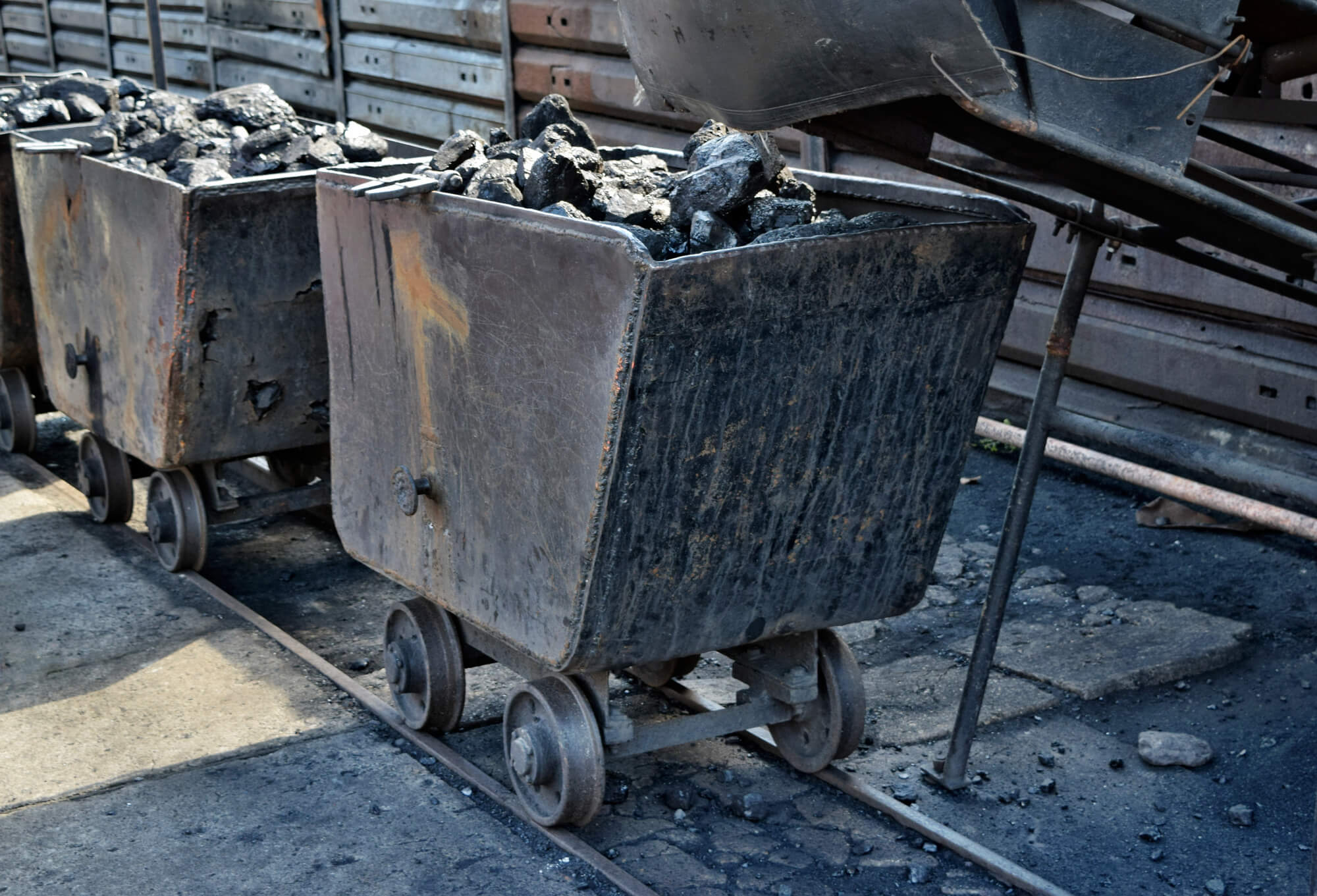
Houses heated with coal needed a steady supply, and children in some regions were sent to the coal yard with a wheelbarrow or a wagon for small loads between deliveries. The work was filthy, which made it a rite of passage.
Many American homes had switched from coal to oil and natural gas by the 1950s, so the errand belonged mostly to older neighborhoods and mining towns. A kid who returned with black hands and a full bucket was treated as a contributor to the household economy, not a casualty of it.
Checking the Mailbox
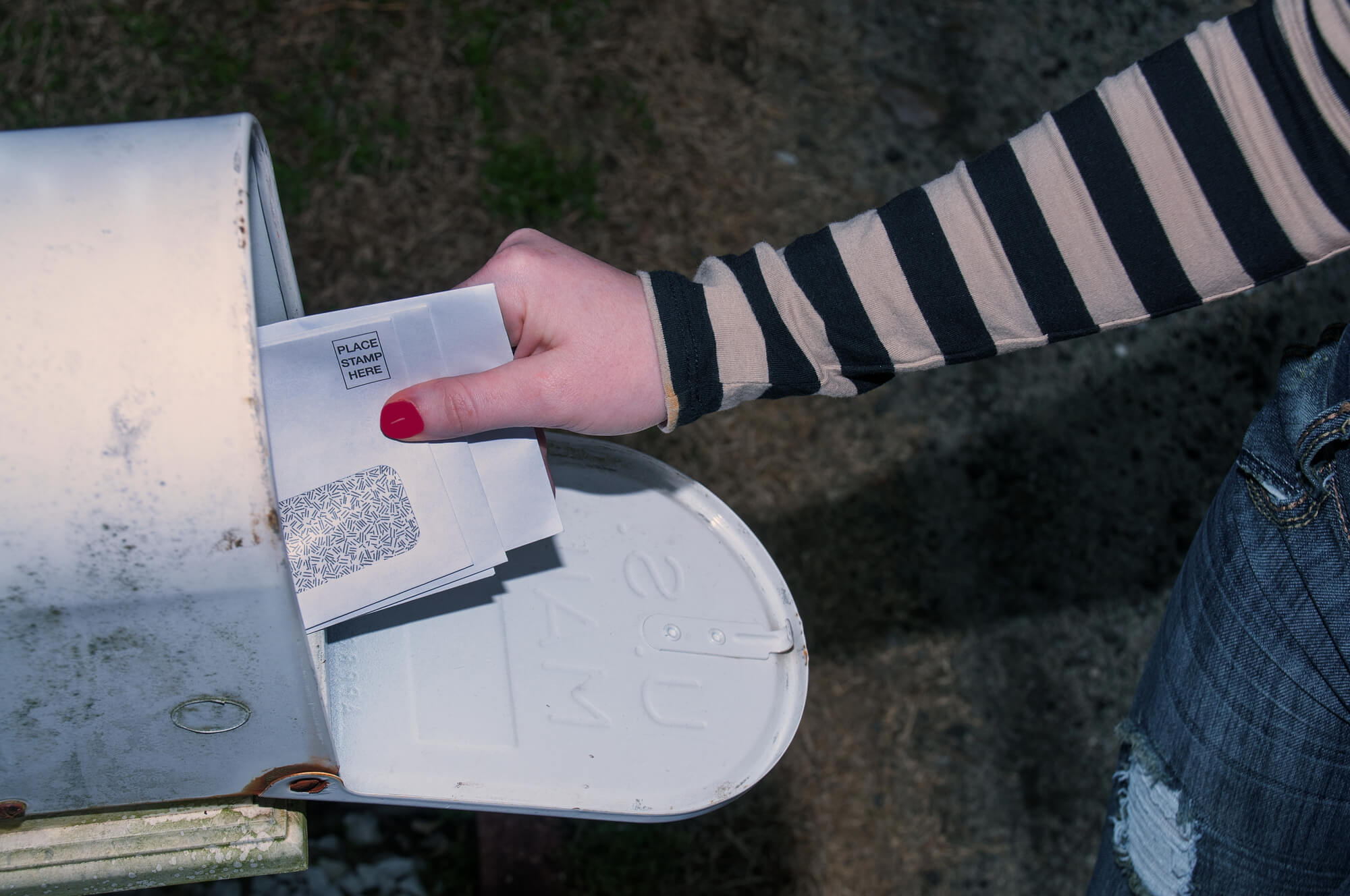
Retrieving the mail was an assignment so ordinary that it barely counted as an errand, and it carried real stakes. Children knew the carrier’s schedule and raced to the box to intercept anything addressed to them, including birthday cards and mail-order prizes.
Mail arrived once a day on most routes, so the timing was predictable. The job came with one rule, which was that mail belonged to the person whose name was on it.
Running to the Pay Phone
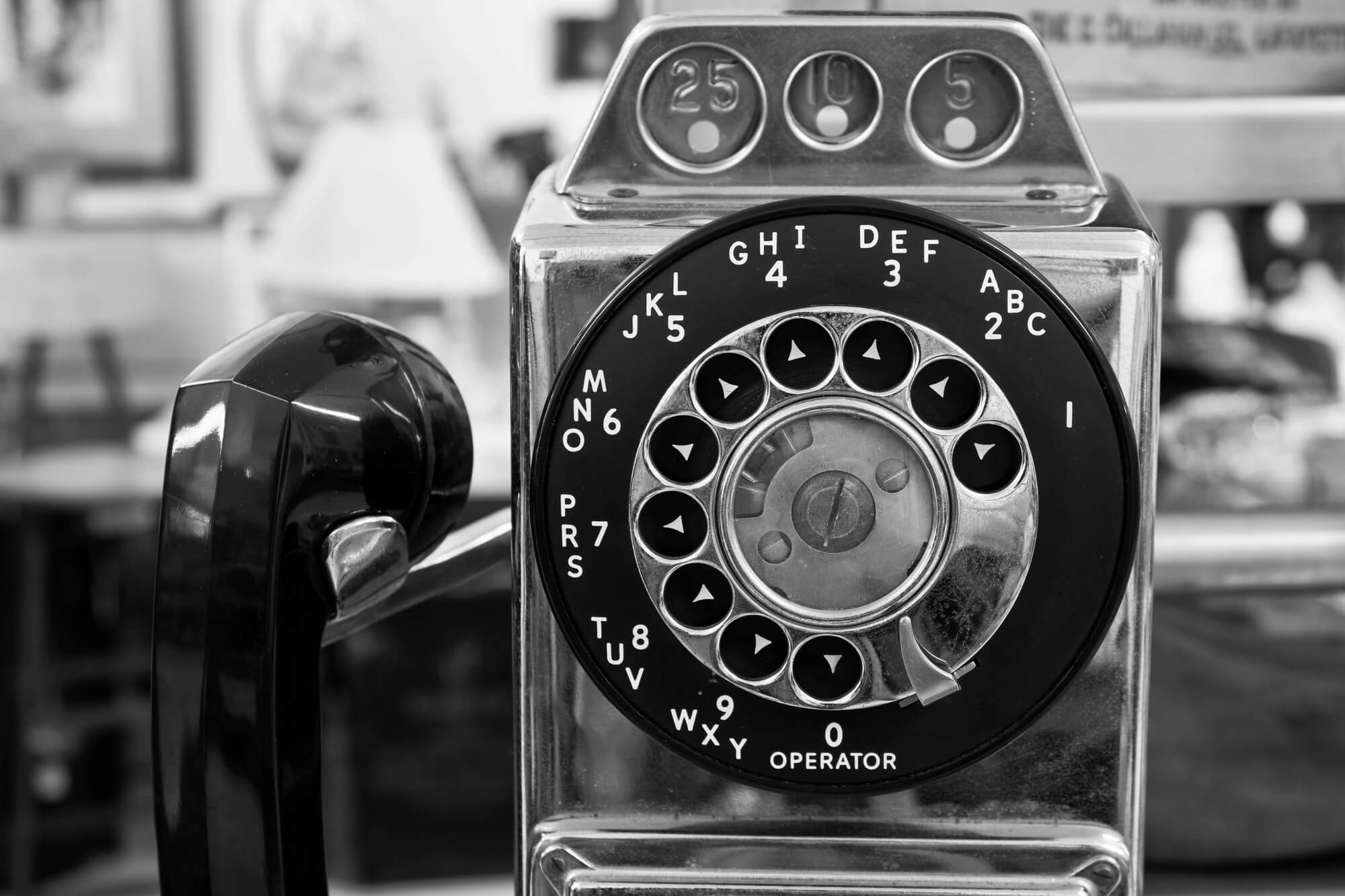
When the household phone was busy, out of order, or simply not in the house, a child could be sent to the booth on the corner with a dime. A local call from a pay phone cost a dime for years, and price increases in many places during the 1970s changed the math of every errand.
Kids learned to memorize numbers, since a handful of coins did not leave room for fumbling through a directory chained to the shelf. A returned coin in the slot was a small jackpot, and checking every coin return became a habit.
Returning Library Books
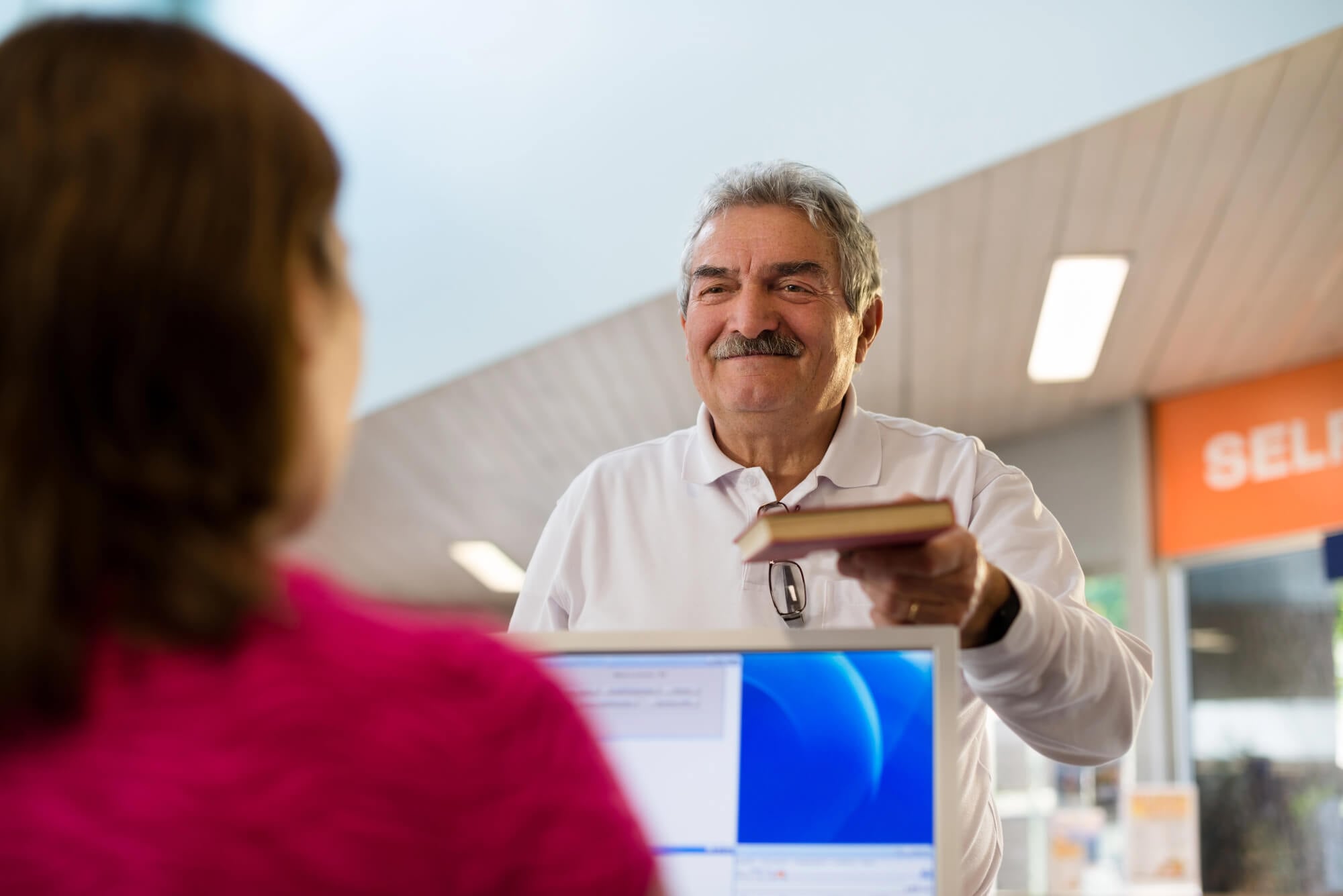
A stack of borrowed books, a due-date card pasted inside each cover, and a child sent to get them back before the fines accumulated made for a standard Saturday errand. Overdue fines were pennies per day in many systems, which turned a forgotten novel into a lesson in compounding.
Librarians stamped a new date on the card pocket with a rubber stamp, and the thud was part of the ritual. The trip often ended with a child leaving with an entirely new stack, so the errand looked like a return and worked like a refill.
Carrying Shoes to the Cobbler
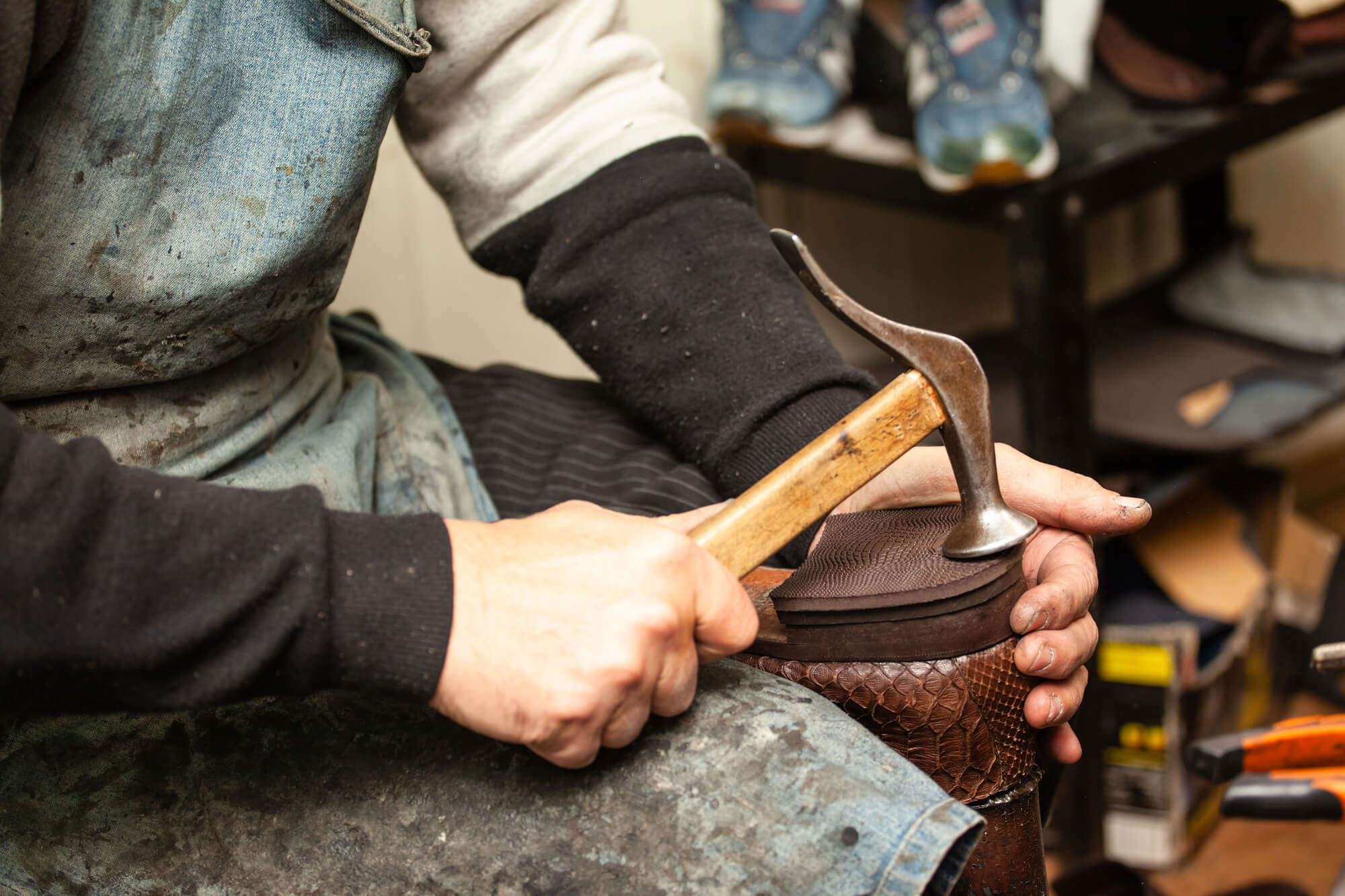
Resoling a pair of leather shoes was cheaper than replacing them, and a child could be sent down the block with a worn pair in a paper bag. The cobbler’s shop smelled of leather and polish and glue, and a tag on each shoe told the repairman what to do.
A neighborhood repair shop might also sharpen scissors, fix handbags, and replace zippers, so the same trip sometimes handled an entire basket of household repairs. Cheaper manufactured footwear and changing habits thinned out the trade after the 1960s.
Redeeming S&H Green Stamps

Sperry and Hutchinson began handing out trading stamps in 1896, and by the 1950s and 1960s, grocery stores, gas stations, and department stores gave them away with purchases. Families pasted the stamps into booklets with a damp sponge, and a child sent to the redemption center with filled books could trade them for toasters, lamps, or a rocking chair from a thick catalog.
The decision about which prize to pursue was a family negotiation that could last months. Redemption was only as good as the condition of the booklets, since torn or incomplete pages could be refused at the counter.
What the Errands Taught
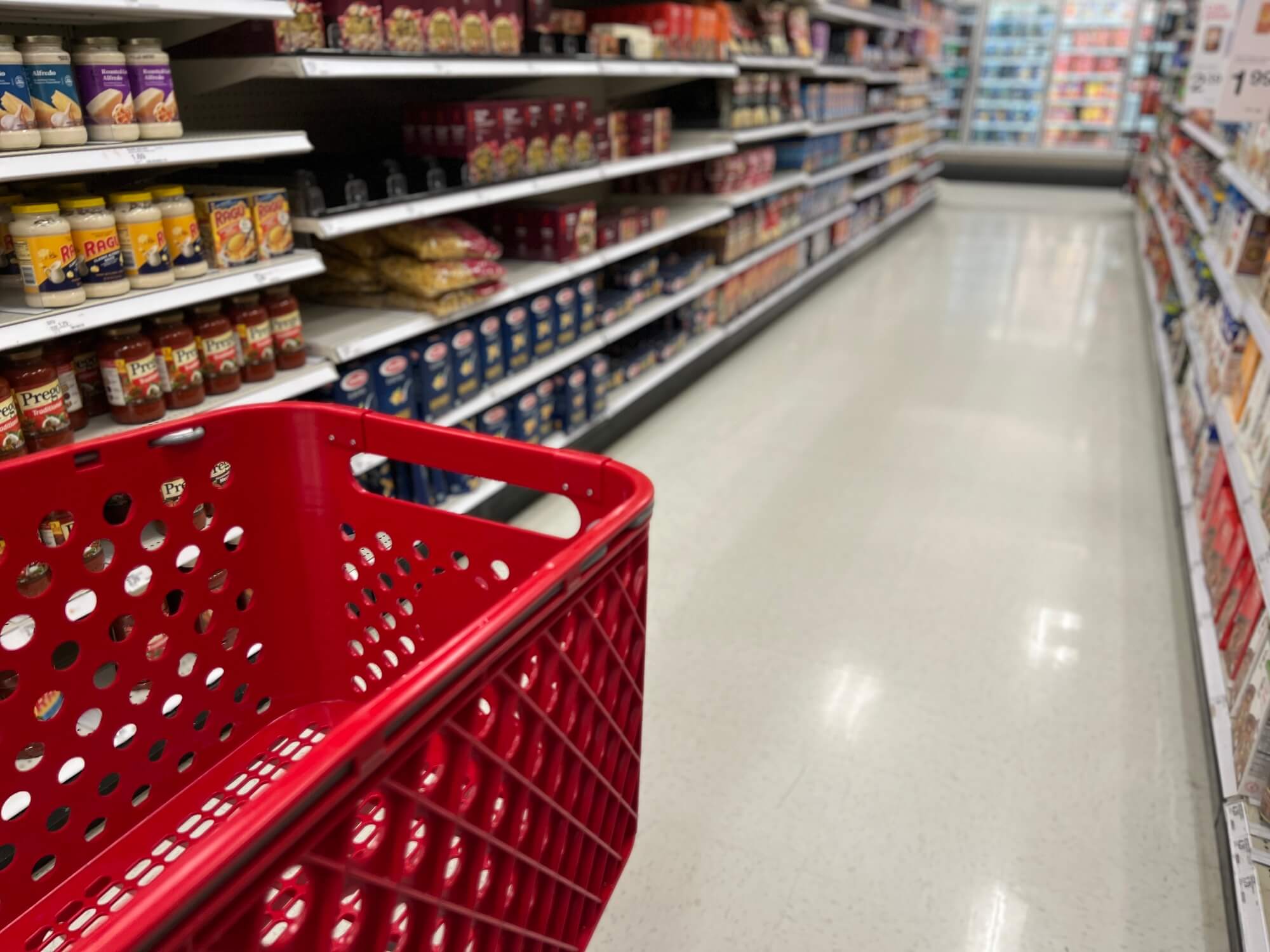
Each of these trips was small, but the lessons repeated: carry the money carefully, remember the list, speak politely to the adult behind the counter, and get home before the streetlights came on. A child who could count change and read a stranger’s face by age ten was ahead of the game on adulthood that no classroom provided.
Mistakes were cheap, and the lessons were remembered.
The errands faded because the world around them changed. Delivery routes disappeared, stores consolidated, parents grew anxious about the walk, and the payments moved to screens.
What remains is the memory of being trusted with something real, and the odd pride of walking home holding exactly what was asked for. Few modern milestones feel quite so earned.
ore from Go2Tutors!

- 27 Silver Dollars and Half Dollars Worth Keeping
- 28 Restaurant Menu Items Nobody Orders Anymore
- 17 Places Built in Seemingly Impossible Spots
- 27 Vintage Rings Worth More Than They Look
- 25 Restricted Sites Tourists Can’t Enter
Like Go2Tutors’s content? Follow us on MSN.