28 Classic Cars Dads Dreamed About
Every neighborhood had one: the man who slowed down for a certain shape in a parking lot, then spent the next ten minutes explaining its engine to anyone who stood still. The cars below earned that kind of devotion through horsepower, styling, and a little movie magic.
Some were affordable showroom stars, others were closer to rumors, and all of them lived on posters, in magazines, and in the daydreams of drivers stuck in traffic in something sensible. Prices for any of them depend heavily on condition and originality, which is a polite way of saying the dream and the invoice rarely match.
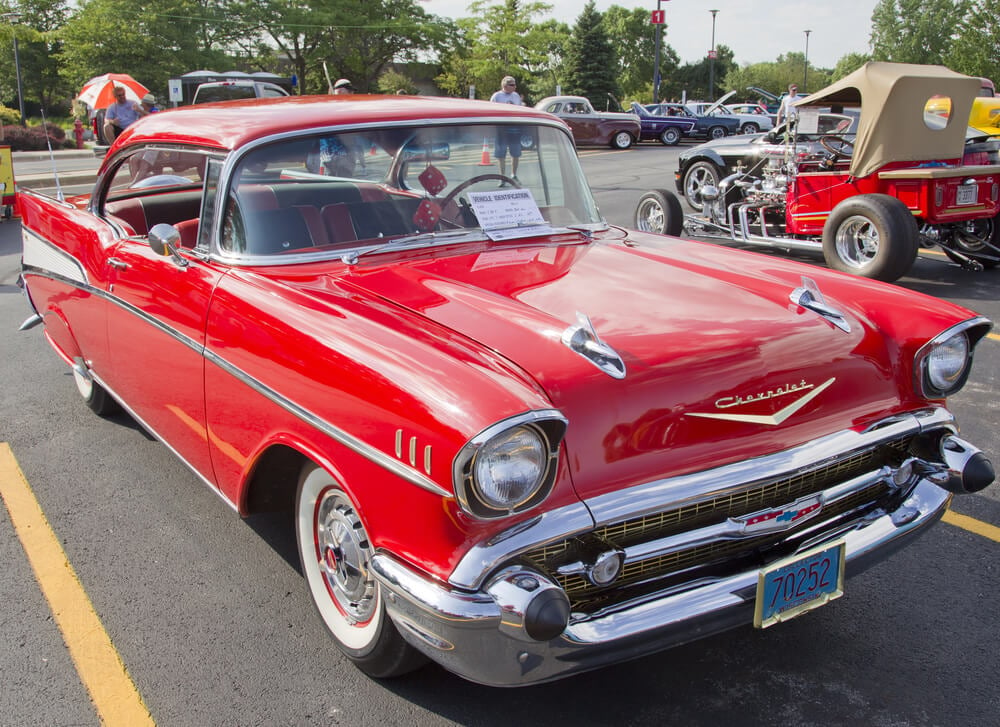
The 1957 Chevrolet Bel Air With a Horsepower Claim
— Photo by mybaitshop
Chevrolet offered the 1957 Bel Air with an optional fuel-injected 283 cubic inch V8 rated at up to 283 horsepower, giving the company a headline of one horsepower for every cubic inch. That figure was a point of pride in an era when such a ratio was considered the mark of a serious engine.
The tail fins and chrome made the Bel Air a family photograph favorite, but the injection system made it a conversation piece among men who read the spec sheets. Fuel-injected examples with original components sell for far more than ordinary carbureted ones, and condition and originality drive every number.
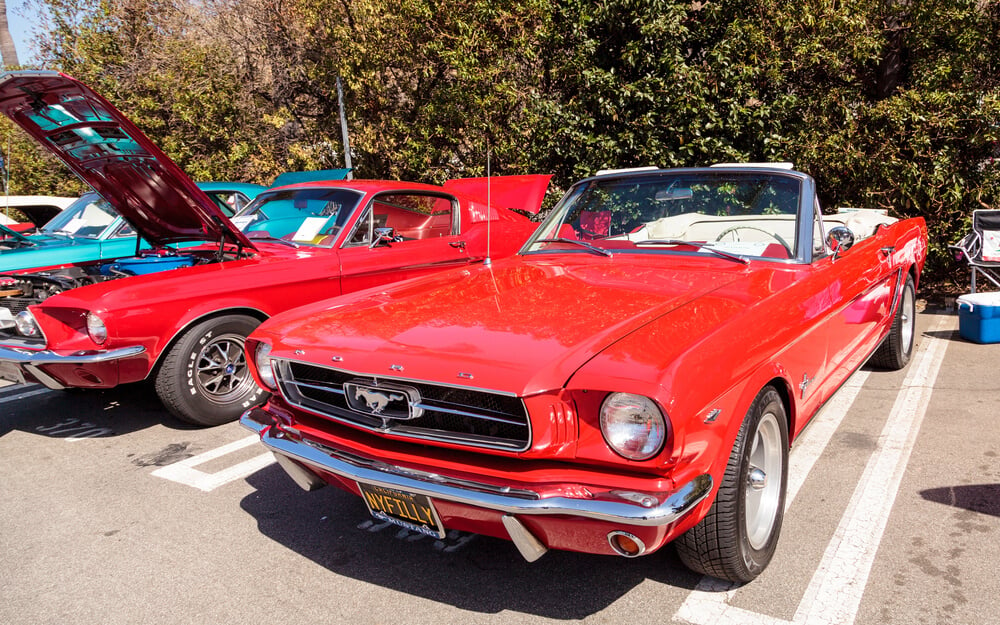
The 1965 Ford Mustang That Sold Itself
— Photo by stephstarr9363@gmail.com
Ford unveiled the Mustang on April 17, 1964, at the New York World’s Fair, with a base price of $2,368. Roughly 22,000 orders arrived on the first day, and the company passed the one million mark in about 18 months. The long hood and short deck gave working families a car that looked far more expensive than it was.
Values today swing widely with condition, originality, and engine, so a tired six-cylinder coupe and a documented V8 convertible live in different financial universes.
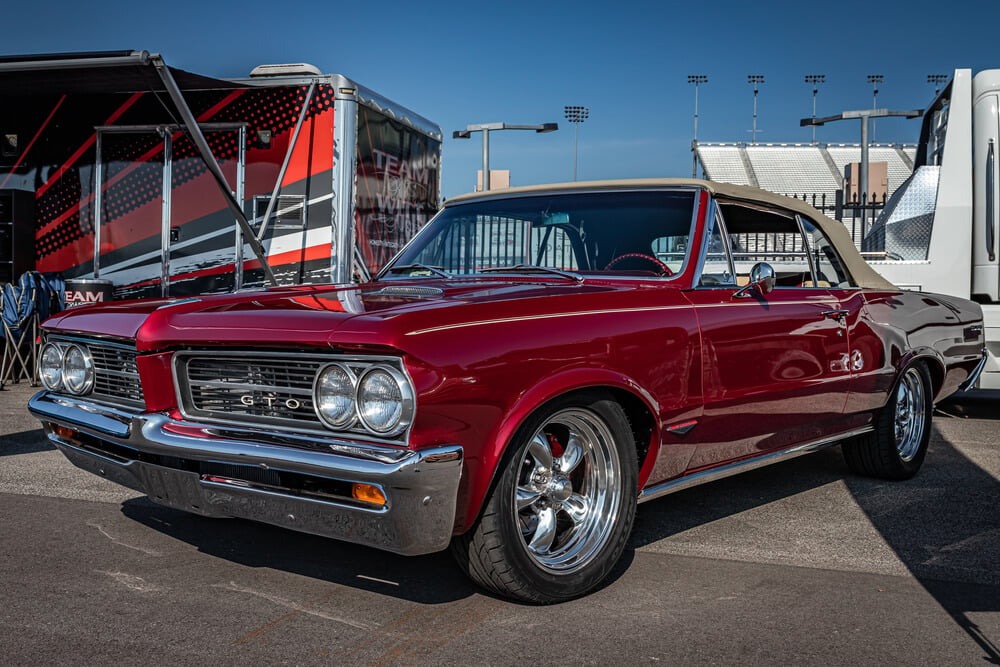
The 1964 Pontiac GTO and Its Borrowed Engine
— Photo by adifferentbrian
Pontiac slipped a 389 cubic inch V8 into the midsize Tempest as an option package for 1964, and the GTO was born. The package was expected to move a few thousand units, yet buyers took home 32,450 of them in the first year.
A Tri-Power setup with three two-barrel carburetors pushed output to 348 horsepower for those willing to pay extra. Many dads remember it as the car that proved a sedan body could hide a street racer, and clean original examples continue to command strong prices that fluctuate with condition.
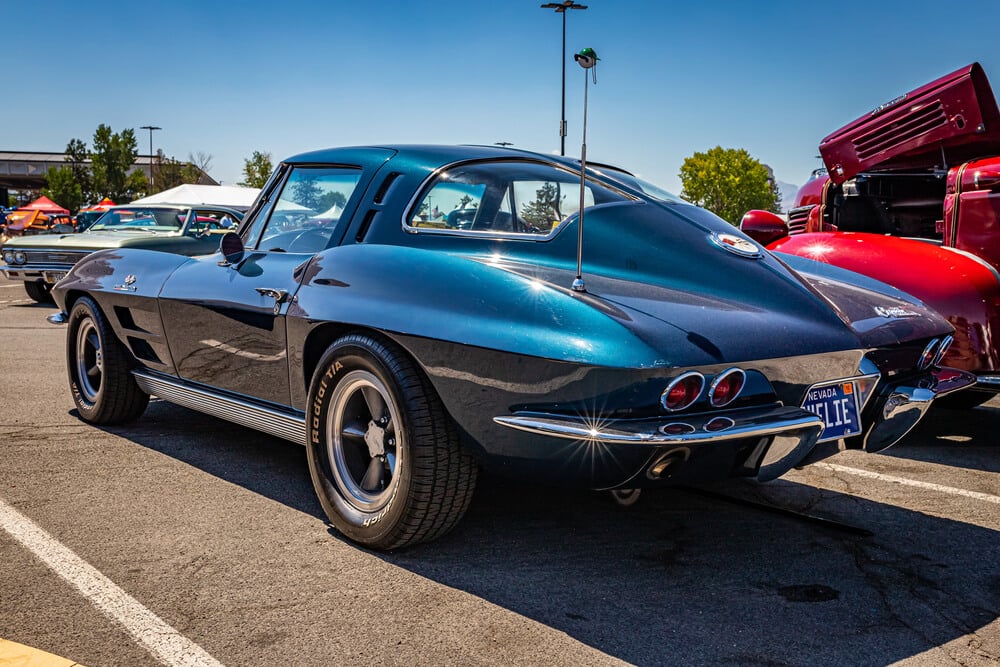
The 1963 Corvette Sting Ray Split-Window Coupe
— Photo by adifferentbrian
The 1963 Sting Ray coupe wore a divided rear window that ran down the center of the roof line, a design cue favored by stylist Bill Mitchell. Engineer Zora Arkus-Duntov disliked it because it blocked the driver’s view to the rear, and the panel was replaced with a single piece of glass for 1964.
That makes the split-window a one-year feature, with 10,594 coupes built. Collectors prize it for exactly that reason, and prices depend on condition, originality, and engine choice.
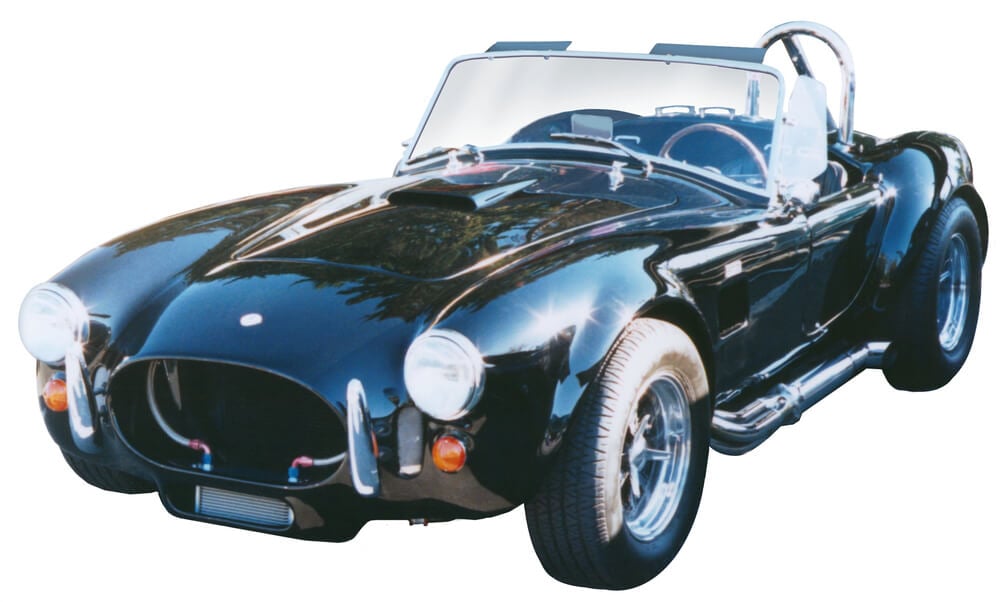
The Shelby Cobra That Combined a British Roadster and an American V8
— Photo by WendImages.com
Carroll Shelby took the lightweight British AC Ace and fitted it with a Ford V8, and the first Shelby Cobra emerged in 1962.
The result was a sports car so quick that it frightened owners and thrilled spectators alike. The later 427 version stepped up to a big-block engine of seven liters in a body that was still tiny. Genuine Cobras are priced in the stratosphere, and the market is crowded with replicas, so documentation matters as much as condition.
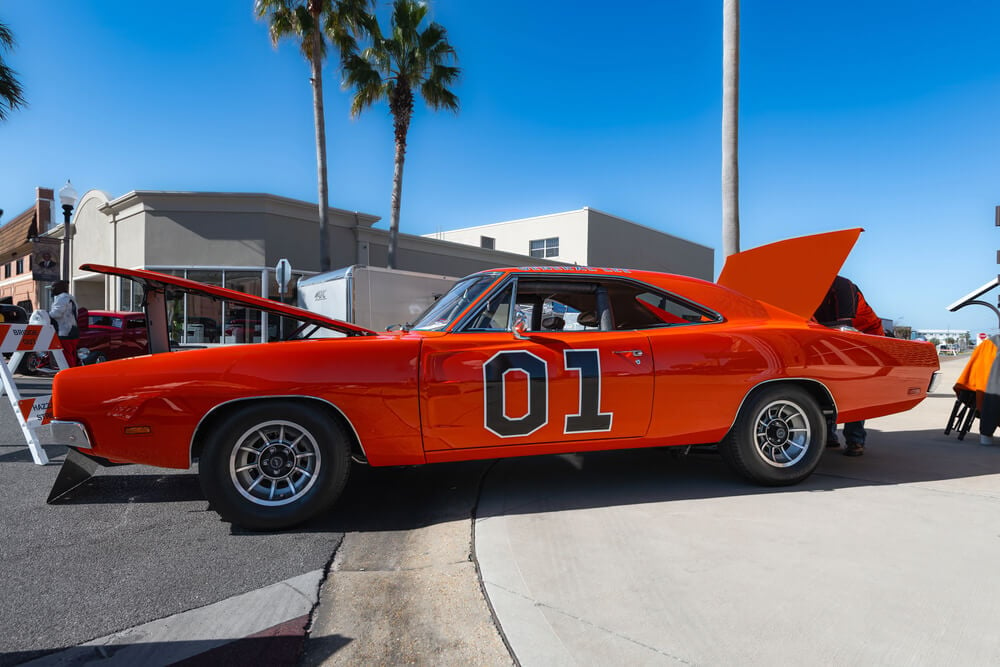
The 1968 Dodge Charger That Chased Steve McQueen
— Photo by Terrykellyphotography
A black 1968 Dodge Charger R/T drove the bad guys in Bullitt, chasing McQueen’s Mustang through the hills of San Francisco in a sequence that lasted nearly ten minutes. The R/T carried a 440 Magnum V8 rated at 375 horsepower, and the coke-bottle body and hidden headlights made it look menacing standing still.
Dodge sold more than 96,000 Chargers that year, a leap from the first-generation model. Condition and originality set the price for today’s survivors, and cars with the big engine and matching numbers sit at the top.
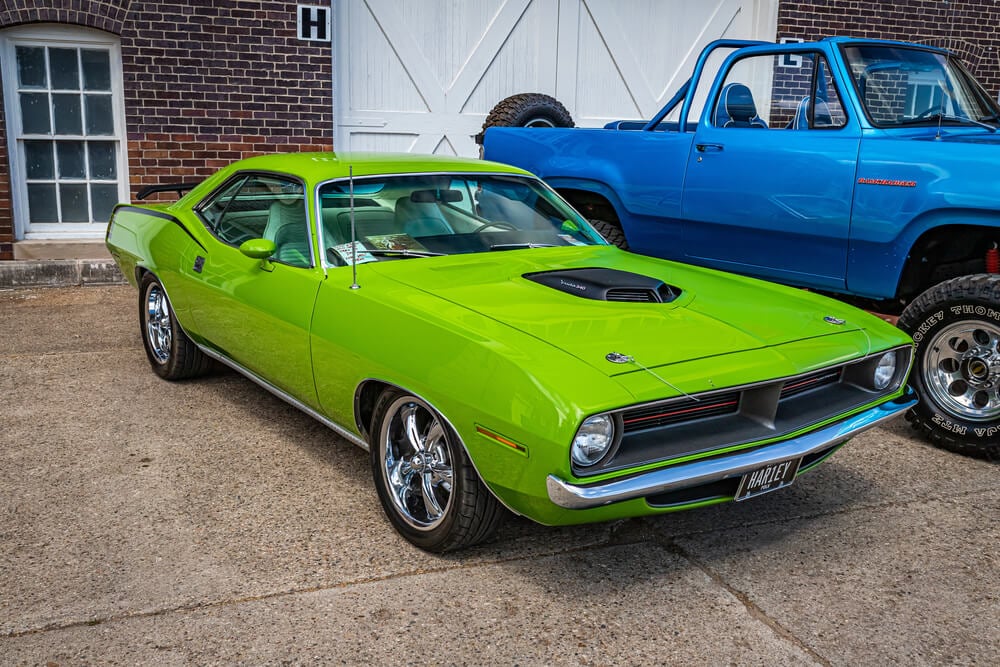
The 1971 Plymouth Hemi ‘Cuda Convertible
— Photo by adifferentbrian
The Barracuda debuted on April 1, 1964, about two weeks ahead of the Mustang, so Plymouth technically beat Ford to the pony car idea. By 1971 the ‘Cuda carried an optional 426 Hemi rated at 425 horsepower, and only 11 Hemi convertibles were built that year.
That scarcity turned the car into one of the most valuable American muscle cars, with one example selling for $3.5 million at auction. Even for such an exceptional model, value hinges on condition, documentation, and originality.
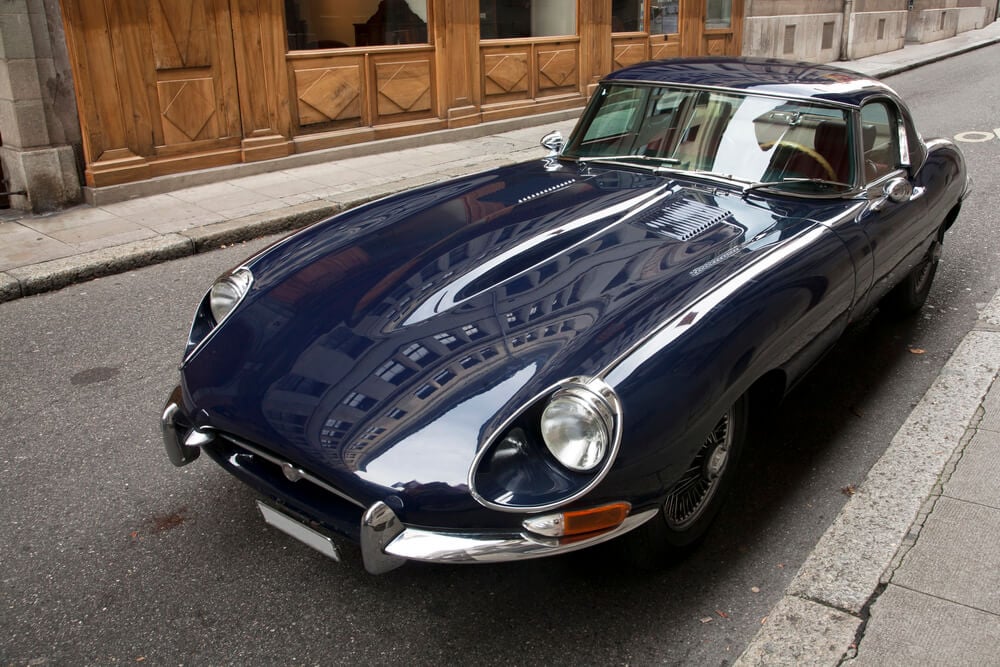
The Jaguar E-Type, Born at Geneva
— Photo by shadow69
Jaguar revealed the E-Type at the Geneva Motor Show in March 1961, and the company promised a top speed of 150 miles per hour. Its 3.8 liter inline six made 265 horsepower, and the long, curved bonnet looked like nothing else on the road.
Enzo Ferrari is widely reported to have called it the most beautiful car ever made. Early Series 1 cars command the highest prices, though condition and originality determine what any individual car is worth.
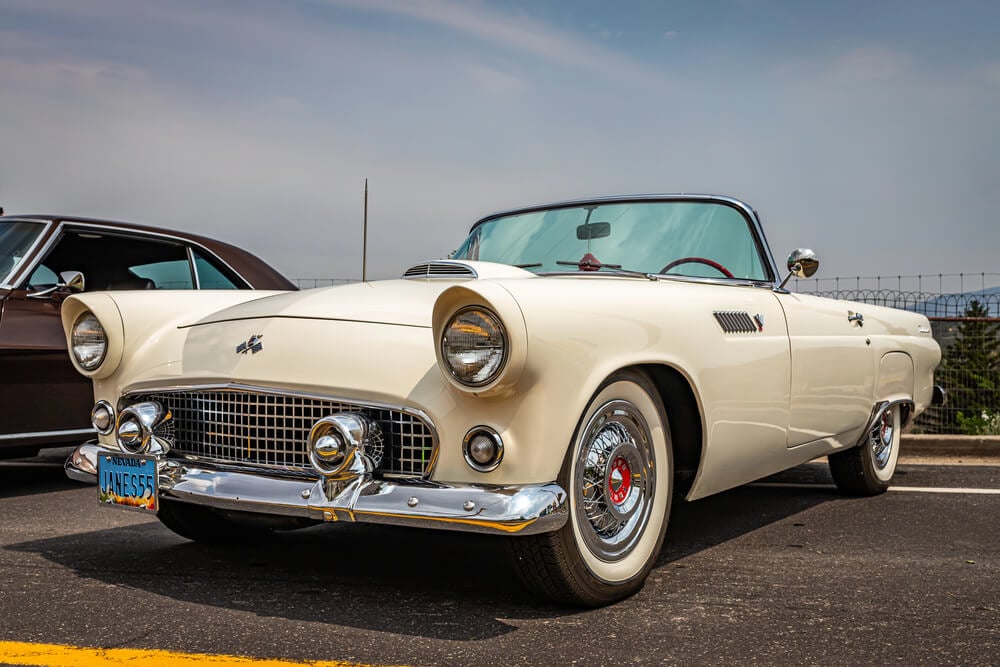
The 1955 Ford Thunderbird, a Two-Seater With Manners
— Photo by adifferentbrian
Ford debuted the Thunderbird in 1954 and began selling it for the 1955 model year, positioning it as a comfortable personal car rather than a raw sports car. It outsold the Corvette by a wide margin, with 16,155 built in 1955 against a few hundred Corvettes.
Power came from a 292 cubic inch Y-block V8, and a removable hardtop made it practical in winter. The 1955 through 1957 two-seaters remain collector favorites, and value follows condition and originality.
The Porsche 911 That Was Almost Called the 901
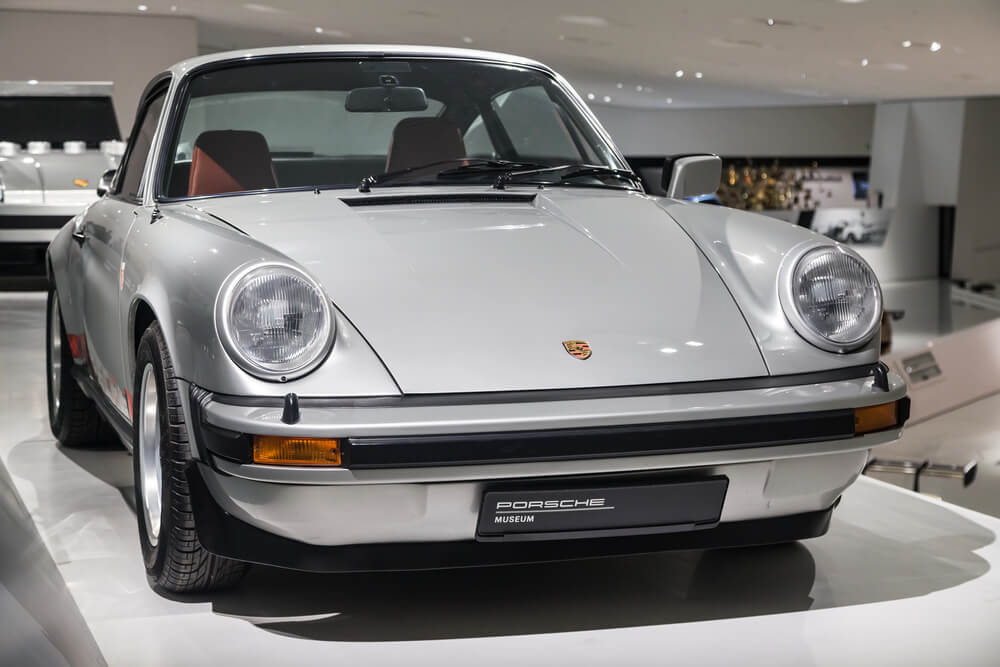
Porsche showed the new rear-engine coupe at the 1963 Frankfurt show as the 901, but Peugeot held rights to three-digit model names with a zero in the middle. Porsche changed the name to 911 and kept the air-cooled flat-six, which made 130 horsepower in a 2.0 liter displacement.
Few other designs have remained so recognizable across so many decades. Early cars are valued by condition and originality, and well-documented examples bring a premium.
The 1967 Chevrolet Camaro Z/28 Built for the Racetrack
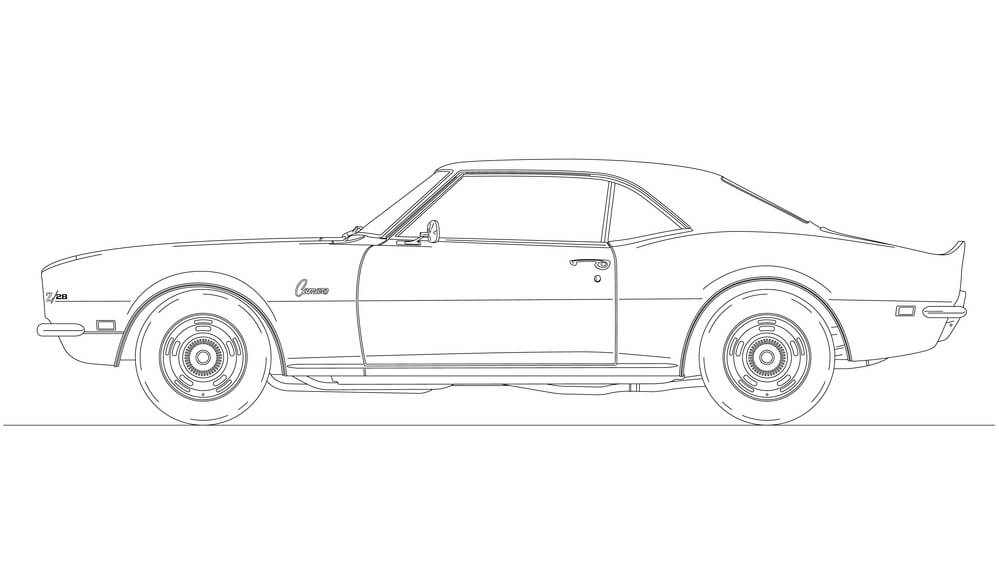
— Vector by frizio
Chevrolet created the Z/28 package to compete in the SCCA Trans-Am series, and engineers chose a 302 cubic inch V8 so it would fit under the series’ 305 cubic inch limit. The company rated it at 290 horsepower, a number widely thought to be conservative.
Just 602 Z/28 Camaros were built in 1967, a tiny figure for a car that went on to become a legend. First-year cars are valued by condition and originality, and paperwork can matter more than paint.
The 1970 Chevelle SS 454 and Its LS6 Monster
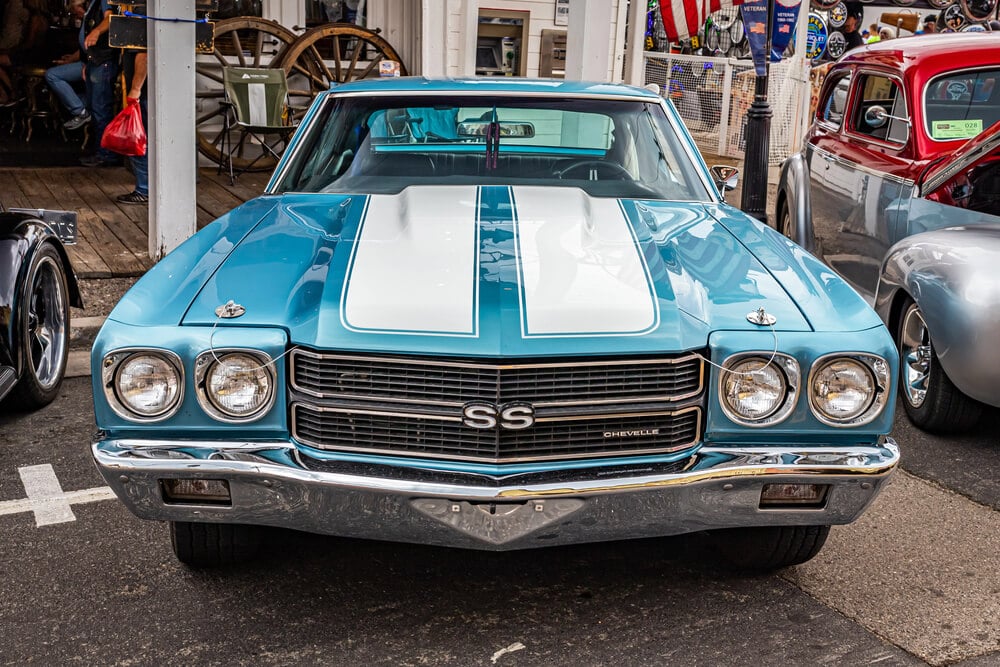
— Photo by adifferentbrian
The 1970 Chevelle SS could be ordered with the LS6 version of the 454 cubic inch V8, which Chevrolet rated at 450 horsepower. Fewer than 4,500 LS6 Chevelles were built, so the engine package is the rarest and most coveted of the line.
The car was a plain-looking coupe with a cowl-induction hood, and owners enjoyed catching strangers off guard. Condition and originality set the price, and genuine LS6 documentation moves a figure noticeably.
The 1987 Buick Grand National and the GNX
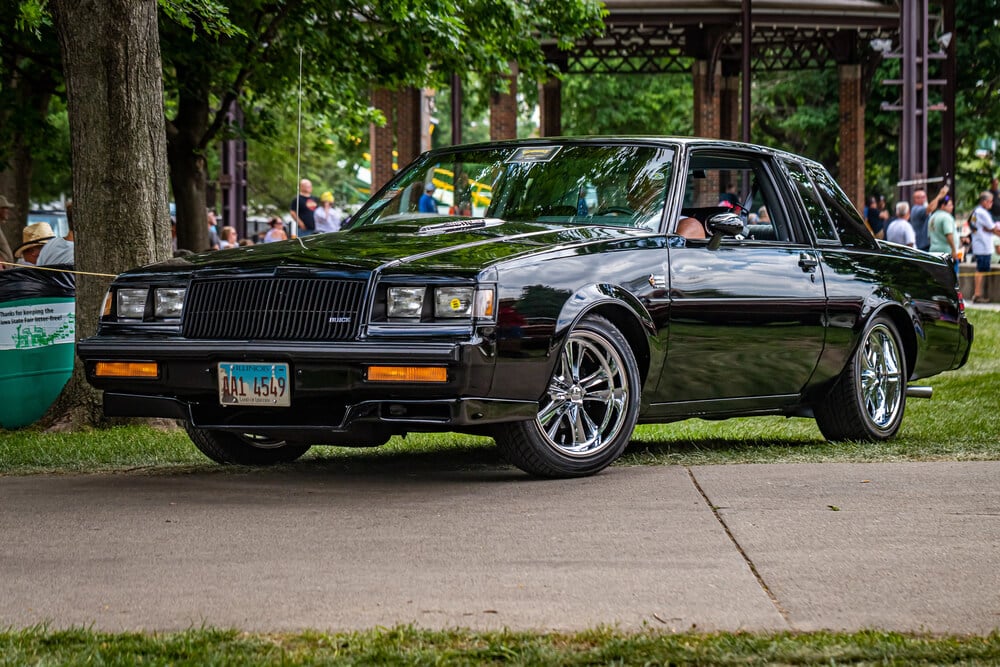
— Photo by adifferentbrian
Buick turned a staid family coupe into a black menace by pairing the Regal body with an intercooled turbocharged 3.8 liter V6, which made 245 horsepower in 1987. The company then commissioned McLaren Engines to build the GNX, of which only 547 were produced.
Buick rated the GNX at 276 horsepower, a number many enthusiasts believe was modest. Values depend on mileage, condition, and originality, with unmodified low-mile cars at the top.
The DeLorean DMC-12 and Its Brushed Steel Skin
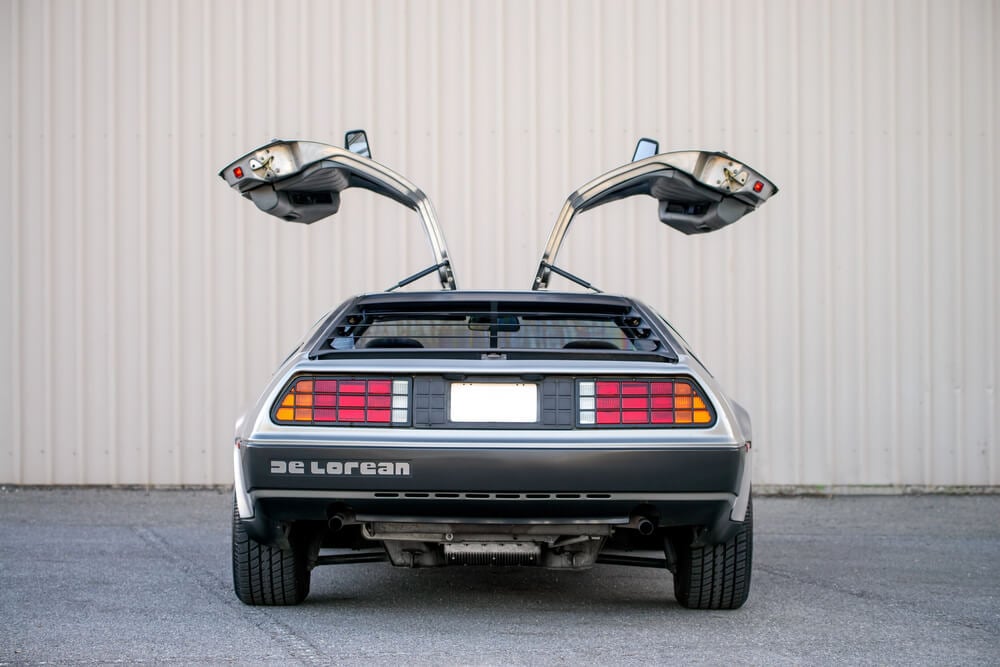
— Photo by moisseyev
The DeLorean DMC-12 had an unpainted brushed stainless steel body, gullwing doors, and a rear-mounted V6 engine. It was built in a factory in Dunmurry, near Belfast, and roughly 9,000 were made before production ended.
The car was a commercial disappointment, but Back to the Future made it a pop-culture icon in 1985. Prices vary with condition and originality, and well-kept cars remain easy to spot at any show.
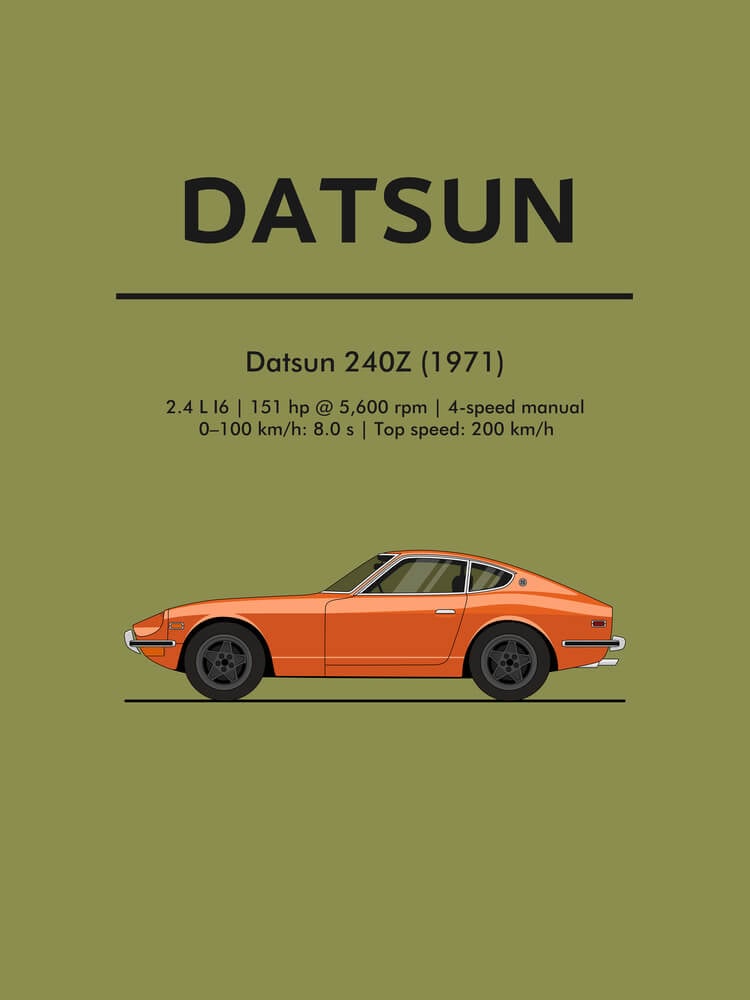
The Datsun 240Z That Embarrassed European Sports Cars
— Vector by mstojiljkovic
Datsun began selling the 240Z in the United States in 1970 for roughly $3,500, a figure that undercut many European rivals. A 2.4 liter inline six delivered 151 horsepower in a sleek fastback body.
Yutaka Katayama, who led Nissan’s American operation, championed the car and earned the nickname Mr. K. Rust was an enemy of early cars, so condition and originality are especially important to value.
The 1968 Plymouth Road Runner and the Cartoon Bird
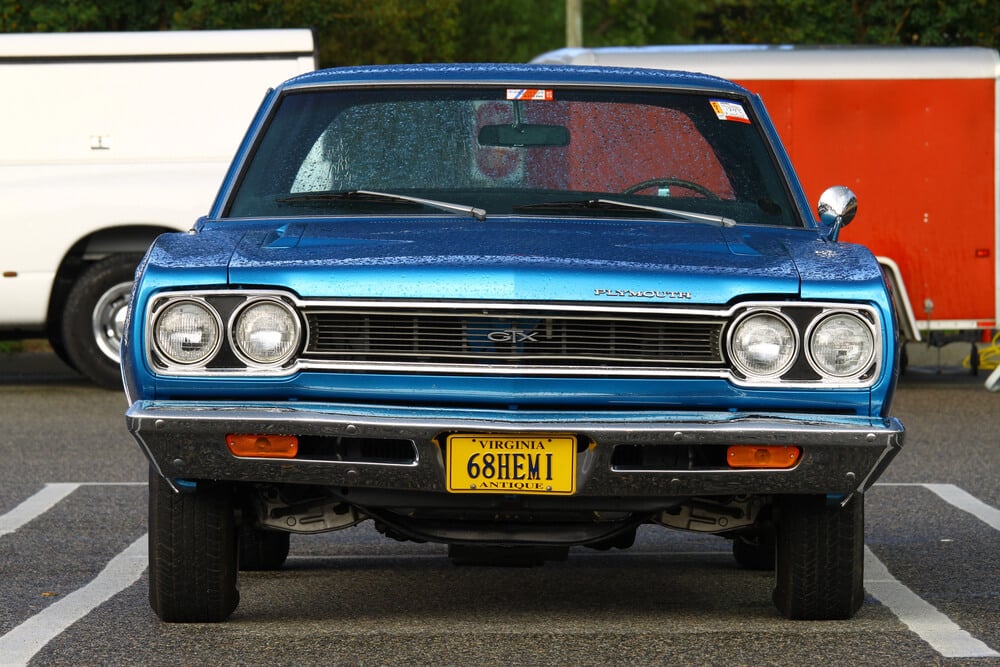
Plymouth paid Warner Bros. a reported $50,000 for the right to use the Road Runner name and character. The car was a stripped-down muscle machine with a base price of $2,896, and its horn played the cartoon’s famous beep-beep.
It was a straightforward idea: skip the luxuries and put the money into the engine. Prices depend on condition, originality, and engine option.
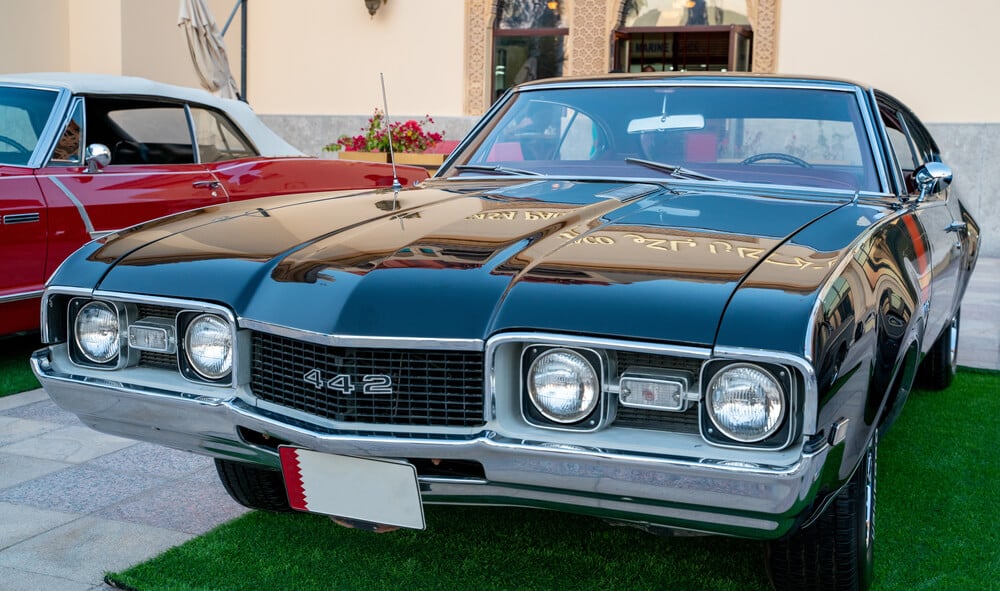
The Oldsmobile 442 and What the Numbers Meant
— Photo by Shakeel_MS
When Oldsmobile introduced the 442 for 1964, the name described the equipment: a four-barrel carburetor, a four-speed manual transmission, and dual exhausts. The package was offered on the F-85 and Cutlass, giving Oldsmobile its entry into the muscle car wars.
Over time the meaning of the badge changed as engines grew larger, including a 455 cubic inch V8 by 1970. Values are driven by condition and originality, and the W-30 versions are the most prized.
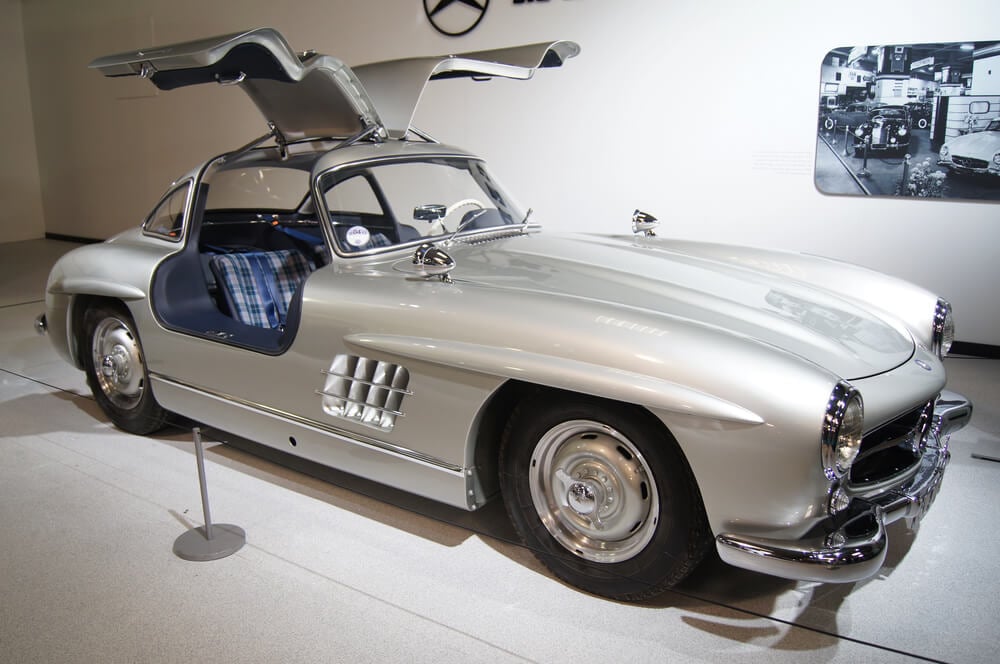
The Mercedes-Benz 300SL Gullwing and Its Upward Doors
— Photo by vmorfield
Mercedes-Benz introduced the 300SL at the 1954 New York auto show, with a fuel-injected 3.0 liter inline six rated at 215 horsepower. The doors opened upward because the tubular space frame had high sills that made conventional doors impractical.
Roughly 1,400 coupes were built, and the car was among the fastest production cars of its day. Gullwings are priced by condition, originality, and provenance, and they have long been among the most expensive classics.
The Ford GT40, a Revenge Machine
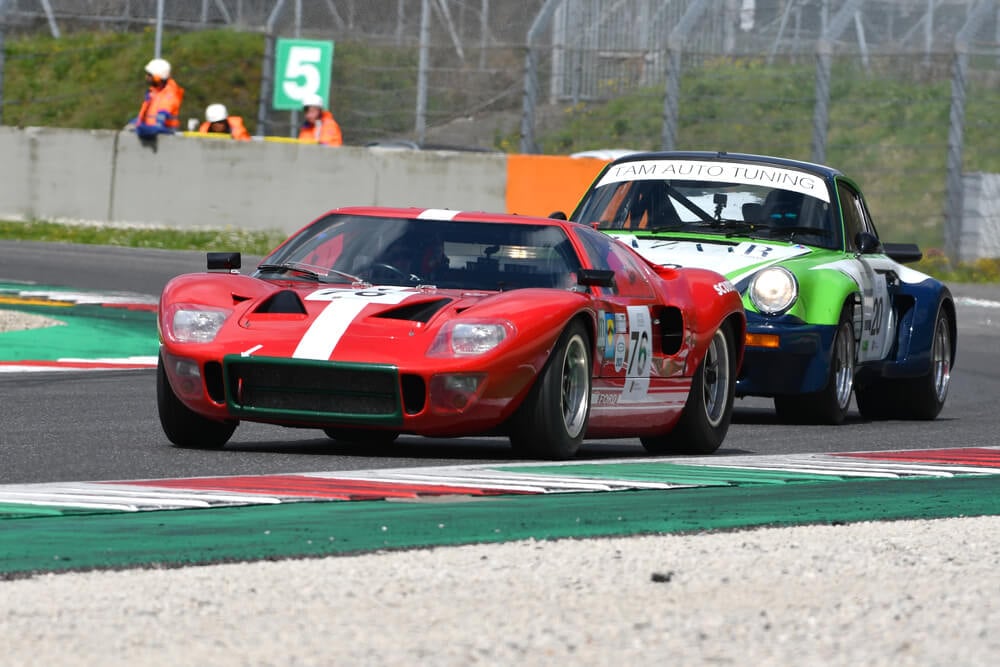
— Photo by Dan74
Ford built the GT40 to beat Ferrari at Le Mans, and the name came from its overall height of 40 inches. The company swept the top three places in 1966 and went on to win the race four years in a row, from 1966 through 1969.
Few road-going versions were made, and any car with racing history is valued very differently from a replica. Condition, originality, and documented history set the price.
The 1959 Cadillac Eldorado and the Tallest Fins
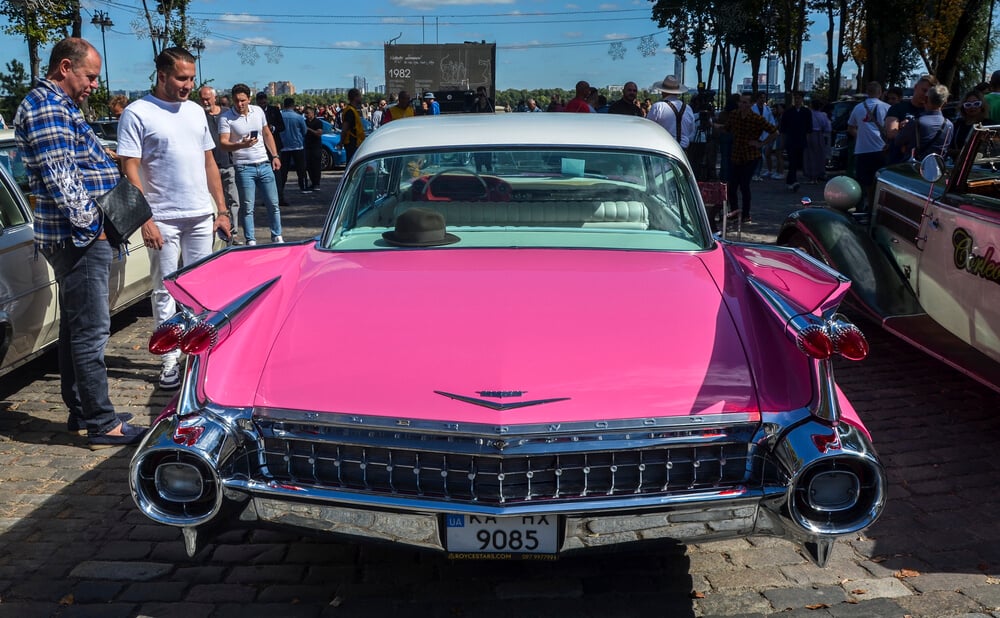
— Photo by hlor171717.gmail.com
The 1959 Cadillac had the tallest tailfins in the company’s history, topped with twin bullet-shaped taillights. The Eldorado Biarritz convertible sat at the top of the range and carried a 390 cubic inch V8.
It was the high-water mark of jet-age styling in Detroit, and Cadillac toned the look down the next year. Today a fine example is priced according to condition and originality.
The 1961 Lincoln Continental With Rear-Hinged Doors
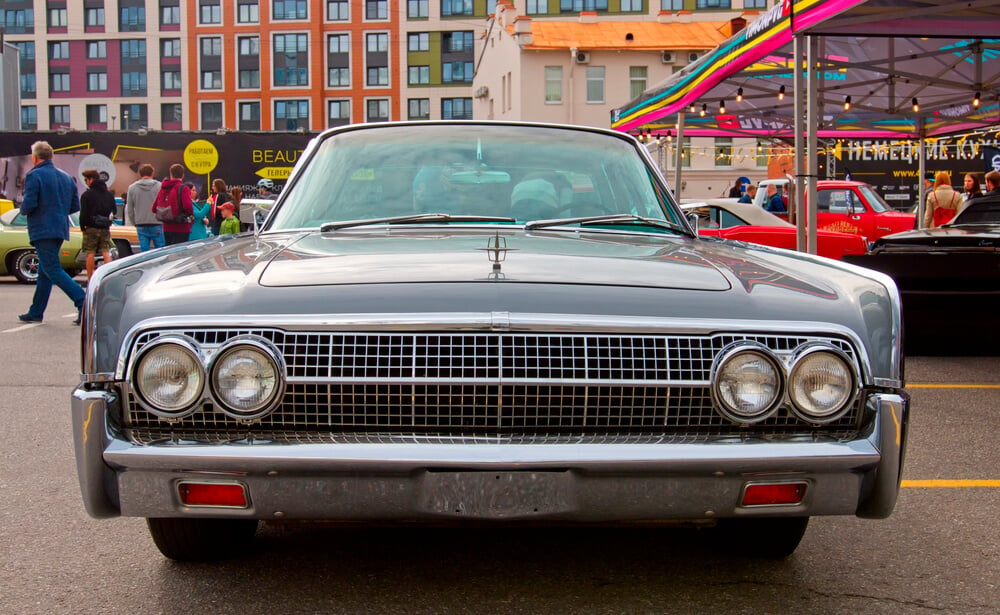
— Photo by OlegMirabo
Lincoln stripped away the excess chrome of the late 1950s and launched a slab-sided Continental for 1961, offered as a four-door sedan and a four-door convertible. The rear doors were hinged at the back, which gave the car a formal, almost ceremonial look.
A modified 1961 Continental served as the presidential limousine in which John F. Kennedy rode in Dallas in 1963. Clean examples are valued by condition and originality, and convertibles bring the most.
The 1965 Shelby GT350, a Mustang With Ambitions
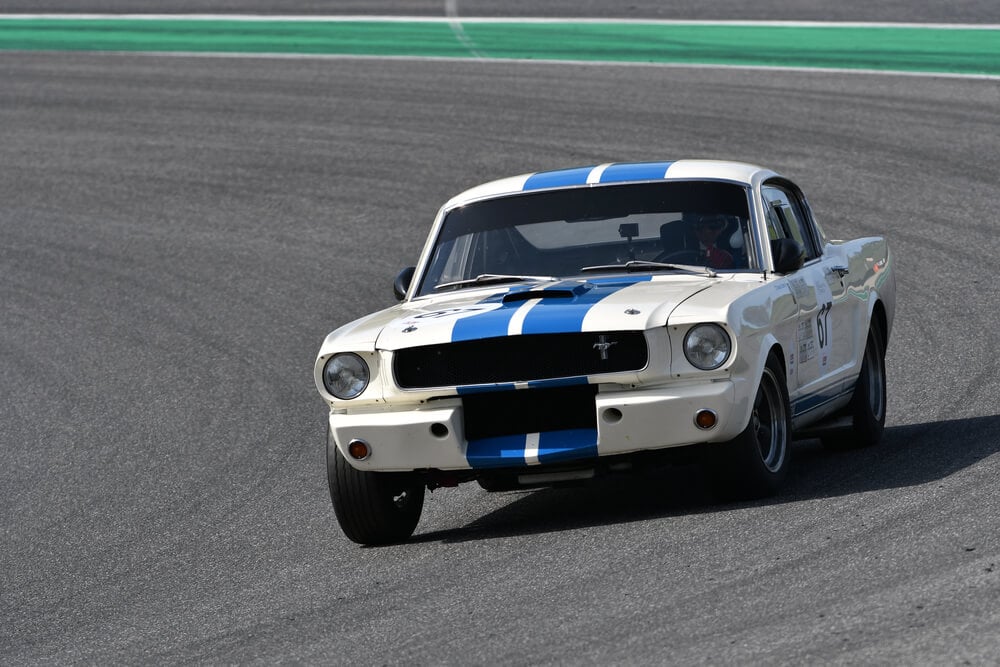
— Photo by Dan74
Shelby American turned the Mustang into a track-ready machine with a tuned 289 cubic inch V8 rated at 306 horsepower. Just 562 cars were built for 1965, nearly all in Wimbledon White with blue stripes.
The rear seat was removed to save weight, a decision that made the car less practical and more appealing to purists. Condition, originality, and documentation define the value of any surviving car.
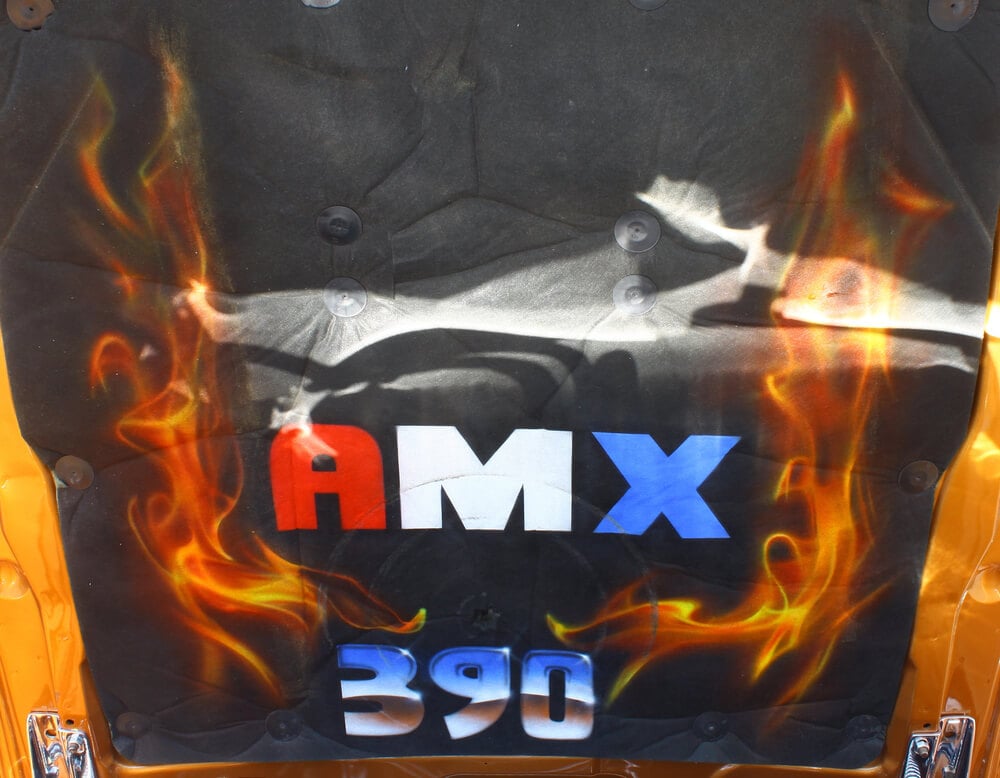
The 1968 AMC AMX, an American Two-Seater
— Photo by ruxpriencdiam
American Motors launched the AMX in 1968 as a two-seater with a short wheelbase and a base price of about $3,245. The letters stood for American Motors Experimental.
Racer Craig Breedlove set speed records in AMX models at a Goodyear test track in Texas, which gave the small company some publicity. It remains one of the more unusual muscle cars, and prices follow condition and originality.
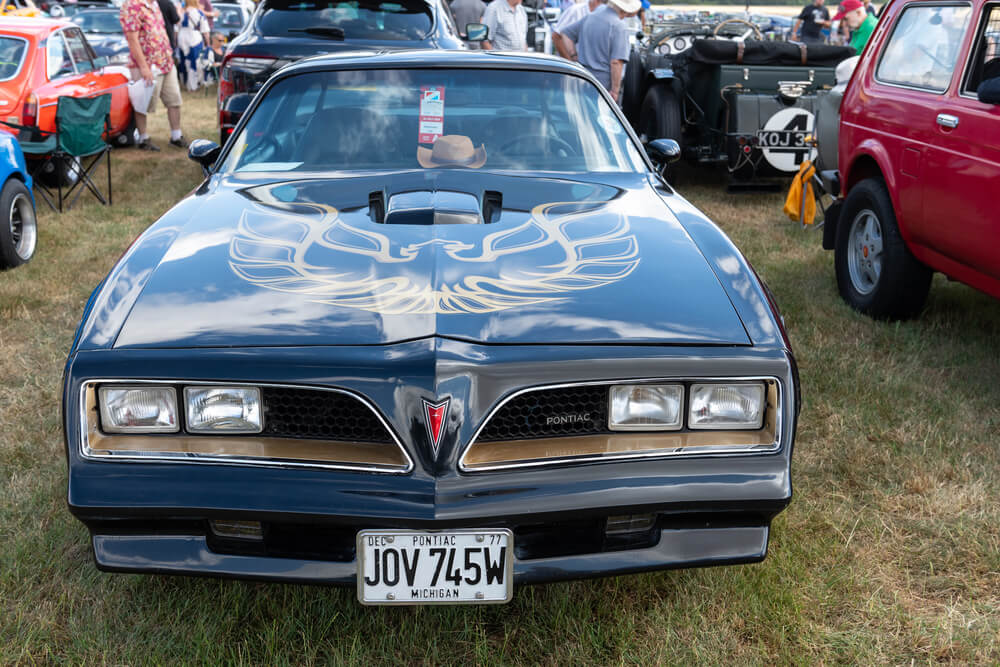
The 1977 Pontiac Trans Am and Its Movie Career
— Photo by tommeaker26@gmail.com
The black-and-gold Pontiac Trans Am became a star in Smokey and the Bandit in 1977, driven by Burt Reynolds. The hood carried a large firebird decal that made the car instantly recognizable on a movie screen.
Pontiac’s dealers reported plenty of buyers asking for the same look, and the Special Edition package grew into a phenomenon. Values depend on condition and originality, and the original decals matter to collectors.
The Lamborghini Countach, a Poster on the Bedroom Wall
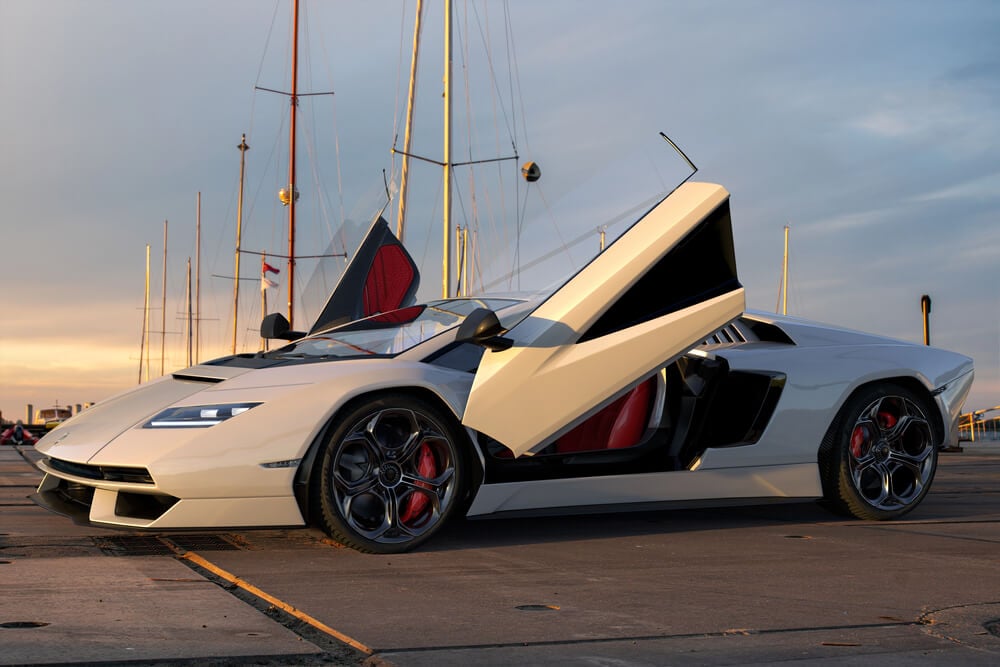
Lamborghini showed the Countach prototype at Geneva in 1971, and designer Marcello Gandini of Bertone gave it a wedge shape unlike anything else on the road. The name comes from a Piedmontese expression of astonishment, which suited its looks.
Production ran from 1974 to 1990 and the scissor doors became a trademark. Prices vary with condition, originality, and model year, with early cars often valued most.
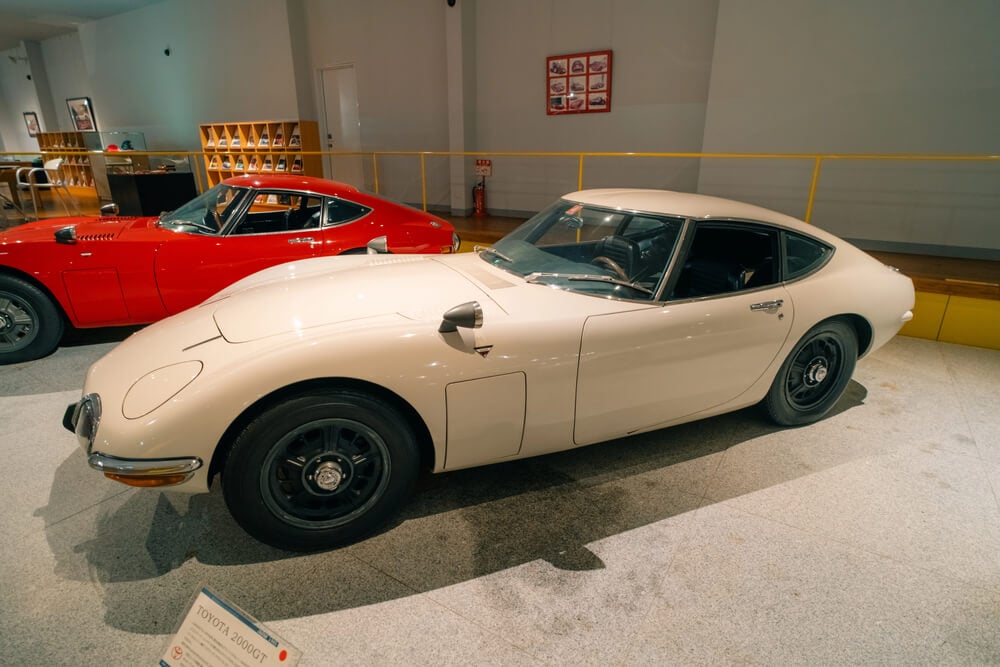
The Toyota 2000GT, Japan’s Surprise Supercar
— Photo by ibrester
Toyota built the 2000GT from 1967 to 1970, and only 351 were made. The car appeared in the James Bond film You Only Live Twice, where Toyota produced open versions for the production.
A twin-cam inline six powered the sleek coupe, which was far more expensive than the average Japanese car of the time. Its rarity has made it a prized collectible, with prices determined by condition and originality.
The 1963 Studebaker Avanti, Fiberglass Futurism
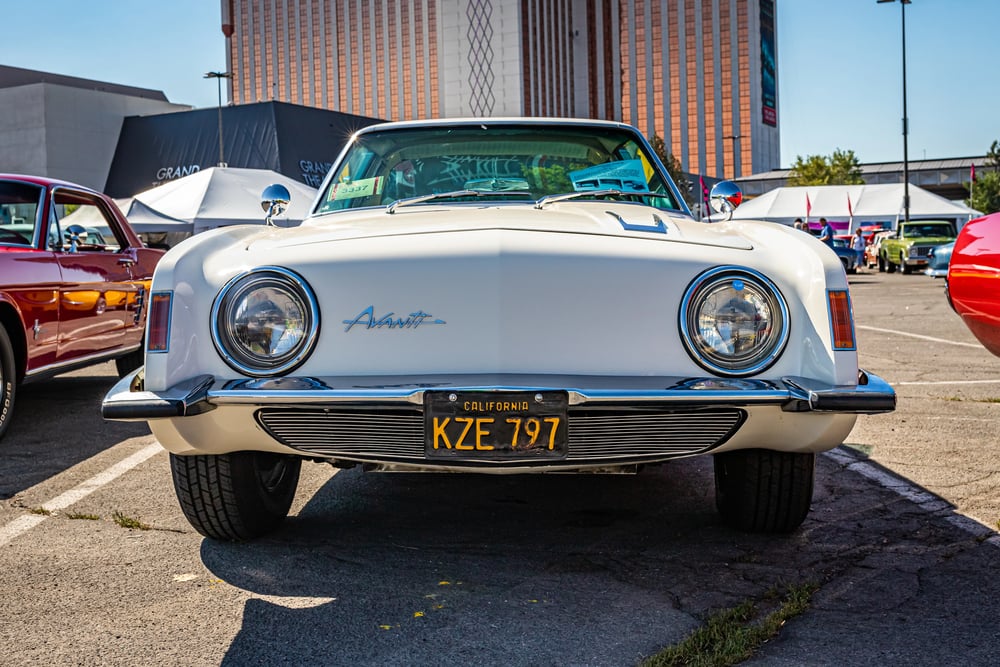
Studebaker commissioned a design team led by Raymond Loewy to create the Avanti, and its fiberglass body looked unlike anything else in the lot. Front disc brakes were standard, which was a rare feature on American cars of the early 1960s.
A supercharged R2 V8 was available for those who wanted more performance. The Avanti arrived as the company was struggling, and Studebaker ended car production in South Bend in December 1963. Condition and originality determine value.
The 1969 Dodge Charger Daytona and Its Towering Wing
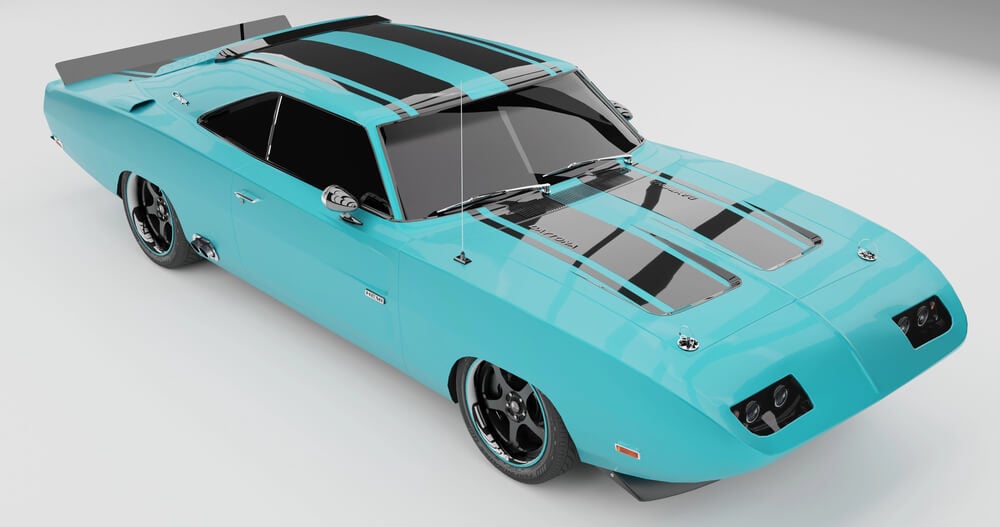
Dodge built 503 Charger Daytonas in 1969 so that the aerodynamic design could be approved for NASCAR racing. A pointed nose cone and a tall rear wing gave the car an unmistakable profile.
In 1970 Buddy Baker became the first driver to top 200 miles per hour in a NASCAR stock car, doing so at Talladega in a Daytona. Surviving cars are valued by condition and originality, and scarcity keeps prices high.
What a Driveway Dream Really Costs
— Photo by lucianmilasan
The cars on this list share more than horsepower. Each one gave a person a reason to walk to the garage on a Saturday, and many of those people never owned the car they admired.
The distance between wanting something and parking it is part of what made these machines legends. Today that distance has a price tag, and the figure moves with every scratch, replaced part, and missing document.
Still, the real value was always in the pleasure of the conversation, the creased magazine, and the friend who knew the production numbers by heart. A classic car is, in the end, a story that someone is eager to tell.
More from Go2Tutors!

- 27 Silver Dollars and Half Dollars Worth Keeping
- 28 Restaurant Menu Items Nobody Orders Anymore
- 17 Places Built in Seemingly Impossible Spots
- 27 Vintage Rings Worth More Than They Look
- 25 Restricted Sites Tourists Can’t Enter
Like Go2Tutors’s content? Follow us on MSN.