16 Secrets Of the Navy SEALs Selection Process
The world’s most elite military operators don’t just appear out of thin air. Behind every Navy SEAL stands one of the military’s most grueling selection processes—a months-long gauntlet designed to break people down and rebuild only the most determined.
While much of SEAL training remains classified, enough details have emerged over the years to paint a picture of what it really takes to earn the trident. These aren’t just physical challenges or mental games.
They’re carefully engineered tests that reveal something deeper about who can function when everything falls apart.
The 40% Rule

Your mind quits long before your body does. SEALs discovered this decades before sports psychologists gave it a name.
When recruits think they’ve reached their absolute limit, they’ve actually only used about 40% of what they’re capable of. The remaining 60% sits locked behind mental barriers that most people never learn to break through.
Training exploits this gap ruthlessly. Instructors push candidates past the point where they’re convinced they can’t continue, then push them further.
Not to be cruel, but to show them what’s actually possible when the mental governor gets turned off.
Sleep Deprivation As A Weapon

Hell Week strips away sleep like everything else that keeps humans comfortable. Candidates might get four hours of sleep across five and a half days (and that’s if they’re lucky—some get less, some get none at all).
The exhaustion isn’t accidental. It’s the point.
When people are running on empty, their true character emerges, and the instructors know it. Some candidates become irritable and snap at teammates—exactly what SEALs can’t afford in the field.
Others dig deeper and find ways to support the people around them even when they can barely stand. The ones who pass this test understand something crucial: mission success depends on the team, not the individual.
The Bell That Ends Everything

There’s a brass bell mounted on a post at the SEAL training compound, and it represents the easiest decision anyone will ever make. Ring it three times, and the pain stops immediately.
No more ice-cold ocean swims, no more carrying telephone poles overhead until your arms shake, no more instructors screaming inches from your face. Just ring the bell, and it’s over.
The bell stays there throughout the entire process—a constant reminder that quitting is always an option. And here’s what makes it particularly insidious: the instructors never try to talk anyone out of ringing it.
They’ll even encourage it sometimes, pointing out how much easier life would be on the other side of that decision. Because they know that anyone who can be talked into quitting will eventually quit anyway, probably at the worst possible moment.
Water Confidence Separates The Committed
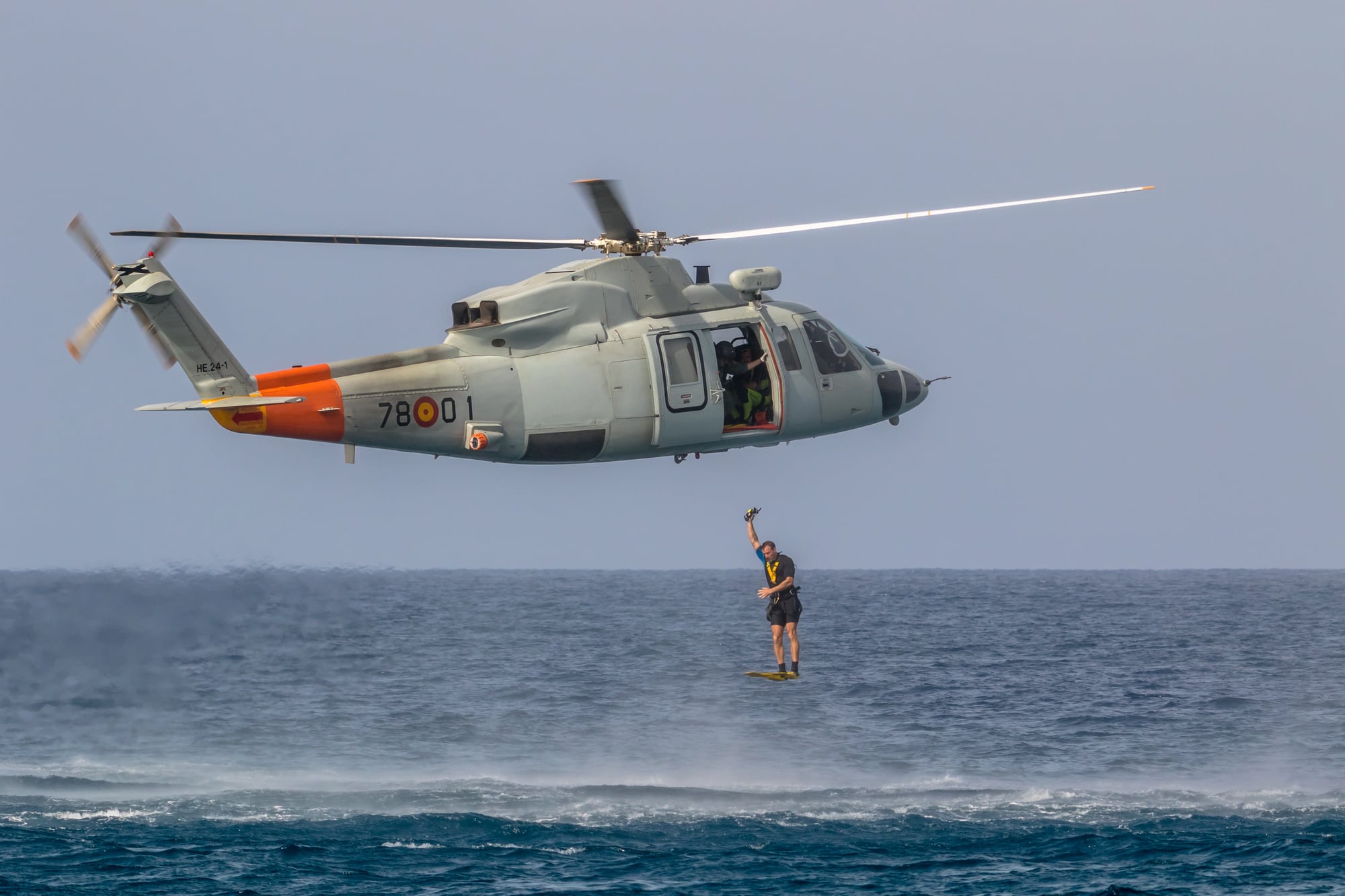
Most people have an instinctive fear of drowning, which makes perfect evolutionary sense but creates problems for amphibious operators. SEAL training doesn’t gradually ease candidates into water confidence—it throws them into the deep end with their hands tied behind their backs when appropriate.
Candidates learn to swim long distances with their hands and feet bound. They practice staying calm underwater through controlled breathing exercises and progressive exposure to challenging water conditions.
They’re taught to treat water as a second home rather than a hostile environment. The ones who never quite shake their fear of drowning tend to struggle in other areas too, because that underlying anxiety affects decision-making in ways that extend far beyond the pool.
Water confidence becomes a proxy for the kind of unshakeable composure that special operations demands.
The Power Of Small Unit Leadership
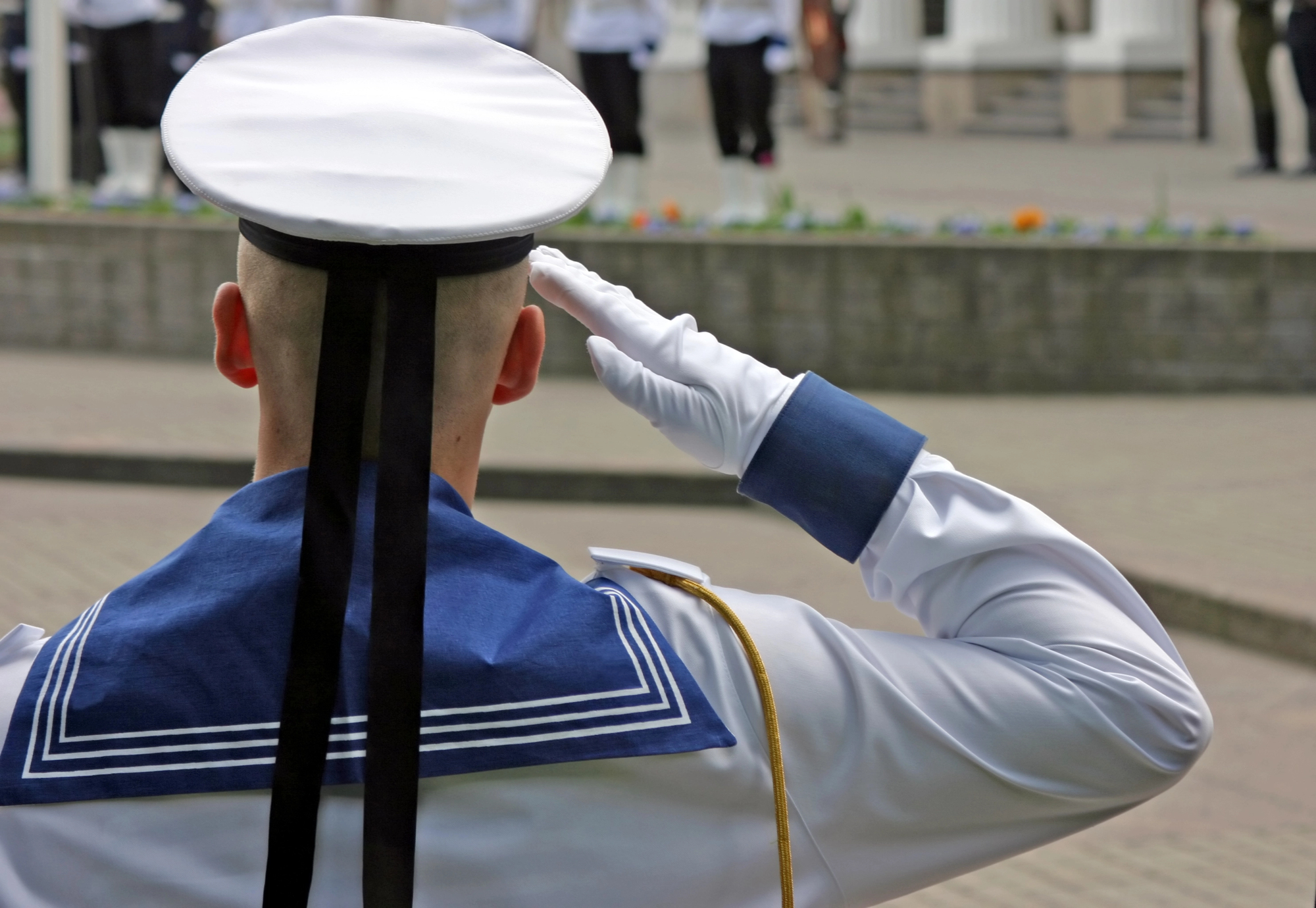
Every candidate gets rotated through leadership positions during training, and these rotations reveal more about potential than any written test could. Leading a small group of exhausted, stressed people through complex tasks while under constant scrutiny exposes leadership style in ways that can’t be faked.
Some candidates try to lead through intimidation or micromanagement. Others attempt to be everyone’s friend and avoid making the hard calls.
The ones who succeed find the balance between pushing their team forward and maintaining unit cohesion. They learn to make decisions quickly with incomplete information, then adapt when circumstances change.
Most importantly, they discover that real leadership means taking responsibility for everything that goes wrong while giving credit for everything that goes right.
Medical Screening Goes Beyond The Physical
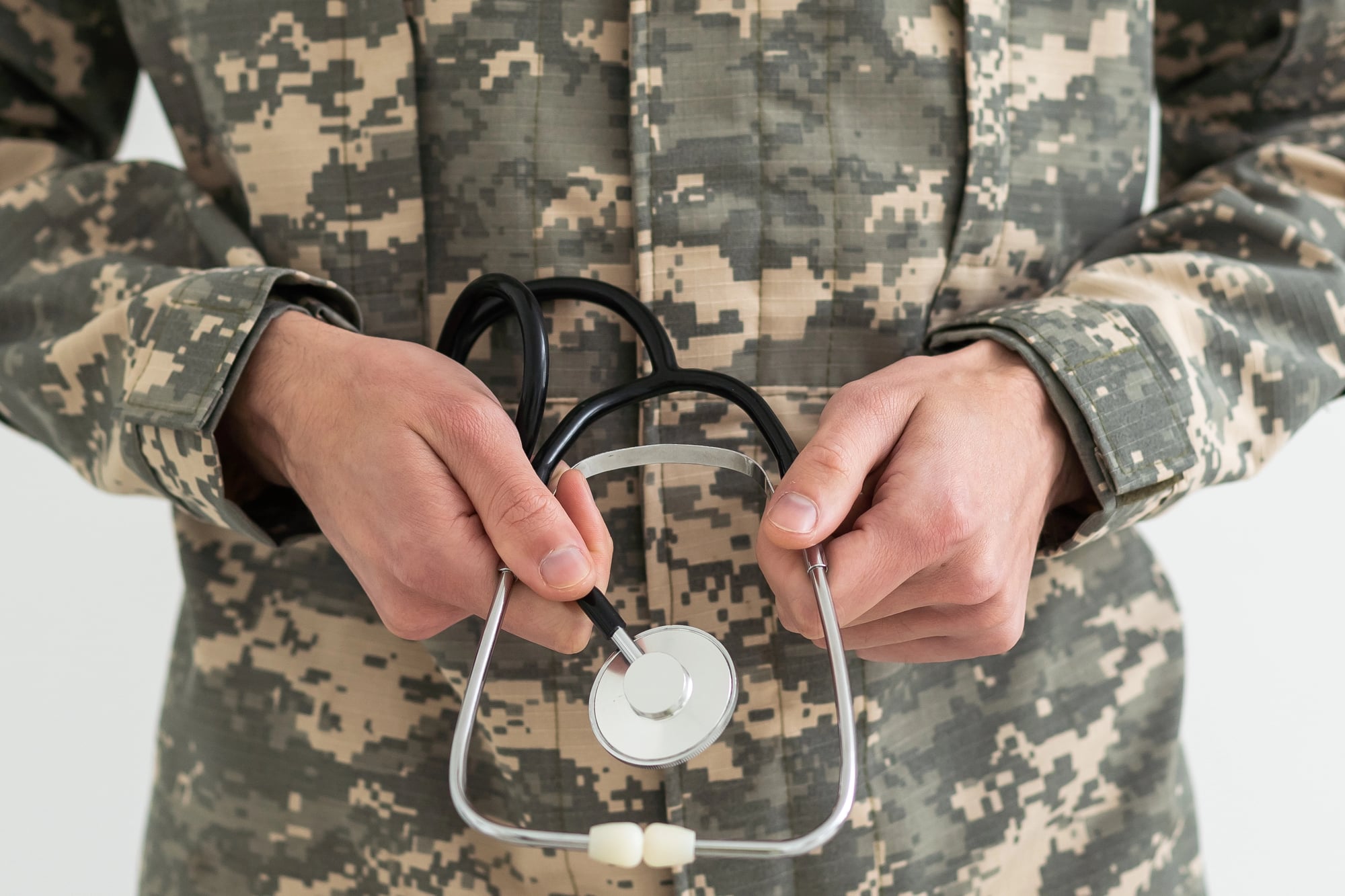
The medical evaluations for SEAL candidates examine things that standard military physicals ignore entirely. Doctors look for specific genetic markers that predict how well someone will recover from extreme physical stress.
They test for unusual pain tolerance and measure stress hormone responses under controlled conditions.
But the psychological screening goes even deeper. Candidates undergo extensive interviews designed to uncover how they respond to authority, how they handle failure, and whether they have the emotional stability to function in life-or-death situations.
The evaluators aren’t looking for people who feel no fear—they’re looking for people who can function effectively despite feeling afraid. There’s a crucial difference, and the screening process is designed to identify it.
The Myth Of The Lone Wolf

Hollywood loves the image of the solitary warrior who operates outside the rules, but real SEAL training systematically weeds out anyone who shows lone wolf tendencies. Every exercise is designed around team performance, and individual achievement means nothing if it comes at the expense of unit success.
Candidates who try to stand out by outperforming their teammates consistently find themselves struggling in other areas.
The ones who succeed understand that their job is to make everyone around them more effective, not to prove how tough they are personally. This philosophy gets tested constantly—in boat crews, in running formations, in problem-solving exercises where individual brilliance matters far less than collective execution.
Academic Standards That Surprise Outsiders
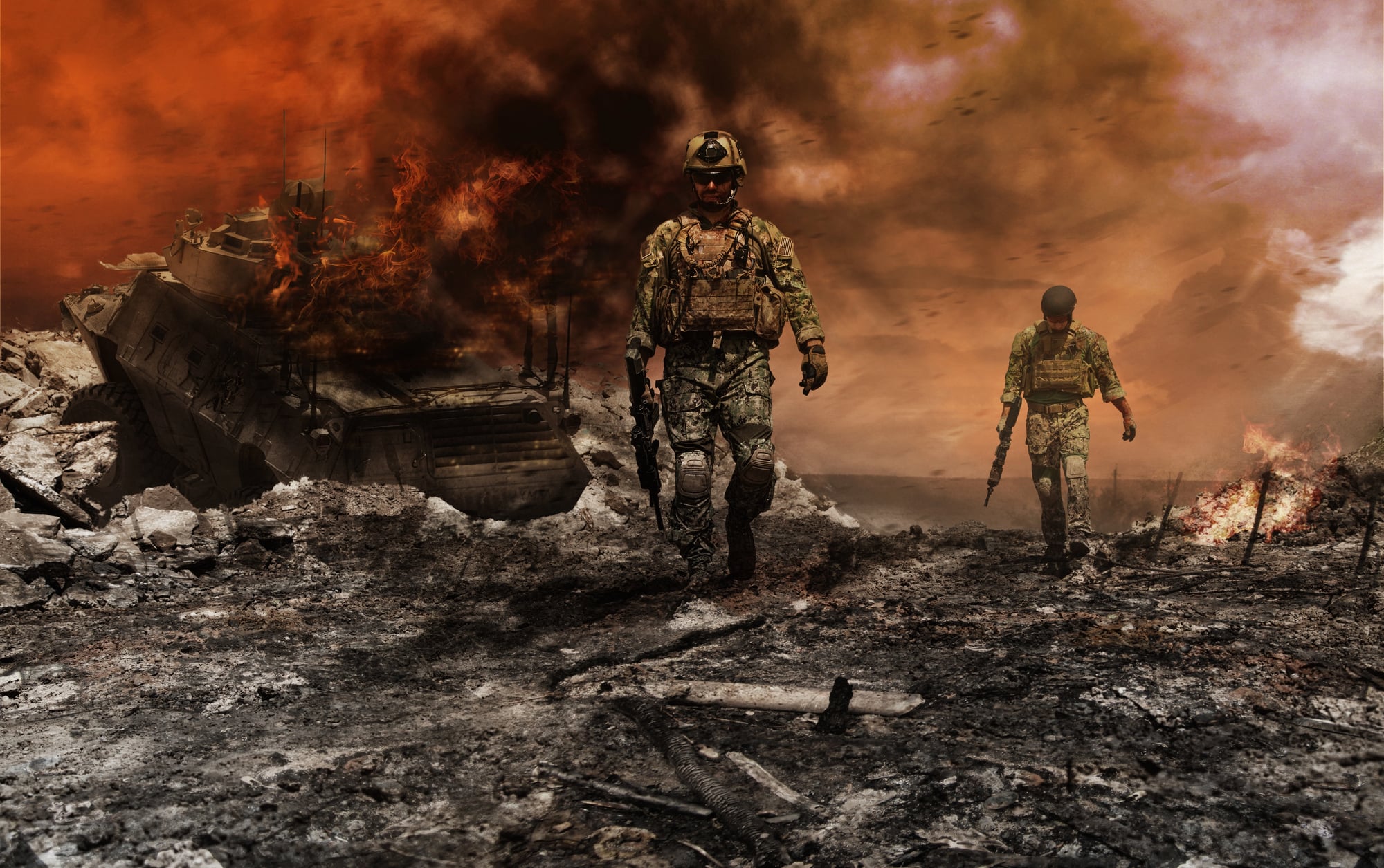
SEAL candidates need more than physical toughness and team spirit. They study subjects that would challenge college students: advanced mathematics for calculating distances and trajectories, multiple foreign languages, complex geography, and detailed military history.
The academic workload happens simultaneously with physical training, creating yet another layer of stress that separates the committed from the merely interested.
The academic component serves a dual purpose. Obviously, modern special operations require intellectual sophistication that goes far beyond kicking down doors.
But the academic pressure also tests whether candidates can absorb and retain information while physically and mentally exhausted. In the field, that ability could mean the difference between mission success and catastrophic failure.
Surf Torture Builds Mental Resilience
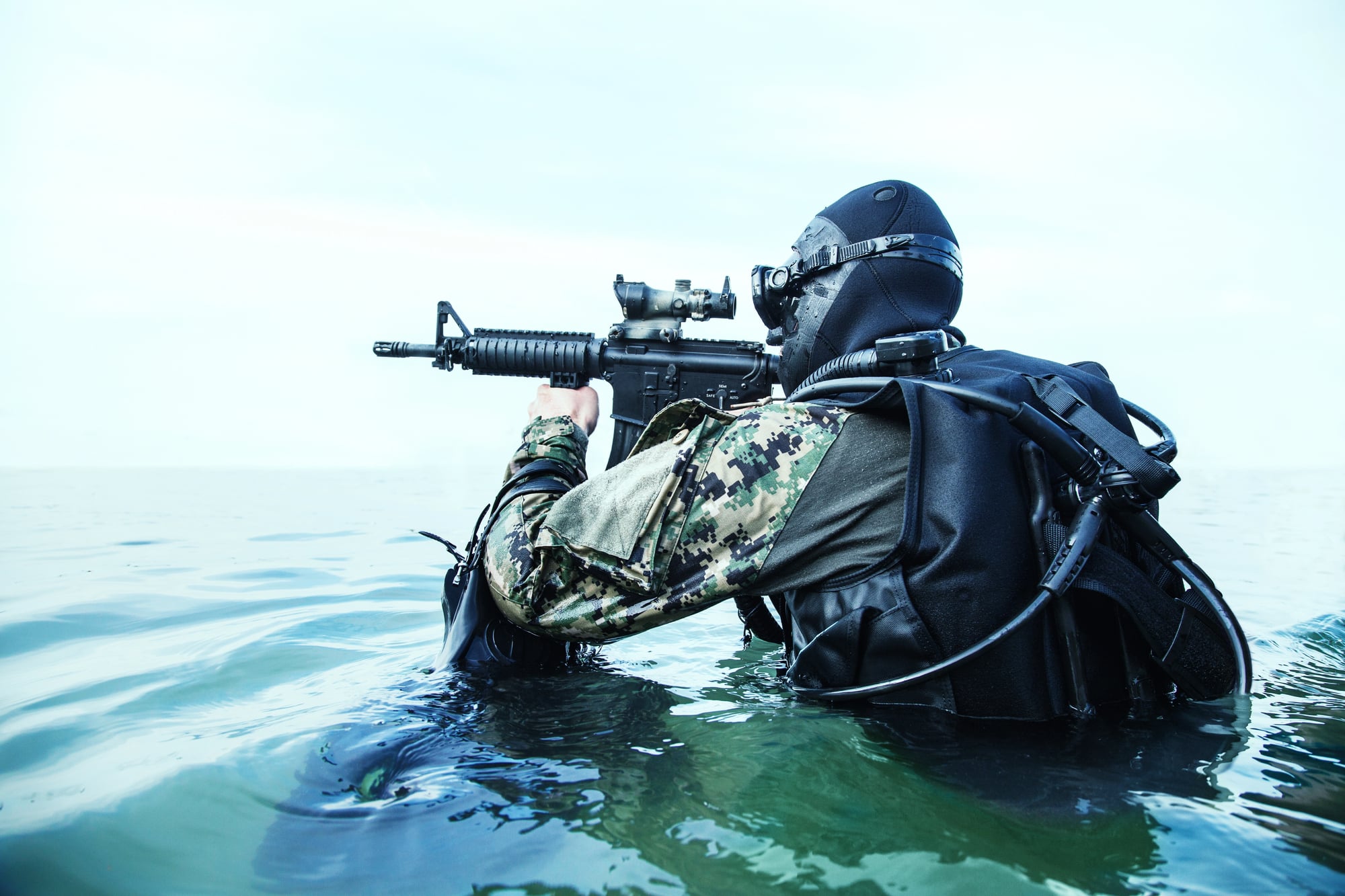
The Pacific Ocean off the California coast stays cold year-round, and SEAL candidates spend hours sitting in the surf with their arms linked together. The water temperature hovers around 60 degrees, cold enough to cause hypothermia with extended exposure.
Candidates sit there anyway, shivering violently while instructors time the evolution.
This isn’t just about building tolerance for uncomfortable conditions (though it does that too). Surf torture teaches candidates that they can endure temporary discomfort for long-term goals.
The cold feels unbearable at first, then the body adapts, and what seemed impossible becomes merely unpleasant. That mental shift—from “this is impossible” to “this is manageable”—applies to every other challenge special operations throws at them.
The Psychology Of Peer Evaluation
Candidates evaluate each other throughout training, ranking their teammates on leadership, reliability, and overall effectiveness. These peer evaluations carry significant weight in determining who advances, and they reveal social dynamics that instructors might otherwise miss.
Some candidates try to game the system by forming alliances or undermining competitors. Others focus solely on their own performance and ignore the political aspects entirely.
The ones who succeed understand that peer evaluation reflects the reality of small unit operations, where trust and mutual respect determine mission effectiveness. They earn high ratings not through manipulation but by consistently demonstrating the qualities that make someone reliable under pressure.
Log PT Reveals Character Under Pressure
Telephone pole-sized logs become the focus of some of the most grueling physical training in the program. Boat crews of six to eight candidates must lift, carry, and maneuver these logs through various exercises while instructors find creative ways to make the task more difficult.
The logs are heavy enough that coordination becomes essential—individual strength means nothing if the team can’t work together.
Log PT exposes the candidates who panic under pressure and start shouting contradictory orders. It identifies the ones who give up mentally and start going through the motions while their teammates struggle.
Most importantly, it reveals the candidates who can maintain composure and clear thinking even when their muscles are screaming and their lungs are burning. Those are the ones who tend to succeed in later phases of training.
The Role Of Mental Rehearsal
SEAL training incorporates visualization techniques that athletes have used for decades. Candidates practice mentally rehearsing successful completion of challenging evolutions before attempting them physically.
This isn’t new-age thinking—it’s practical preparation for high-stress situations where muscle memory and mental preparation determine outcomes.
The mental rehearsal extends beyond individual tasks to include team coordination and contingency planning. Candidates learn to think through scenarios in advance, considering what could go wrong and how they would adapt.
This habit of mental preparation becomes automatic over time, creating the kind of situational awareness that keeps special operators alive in hostile environments.
Pain Tolerance Testing Pushes Boundaries
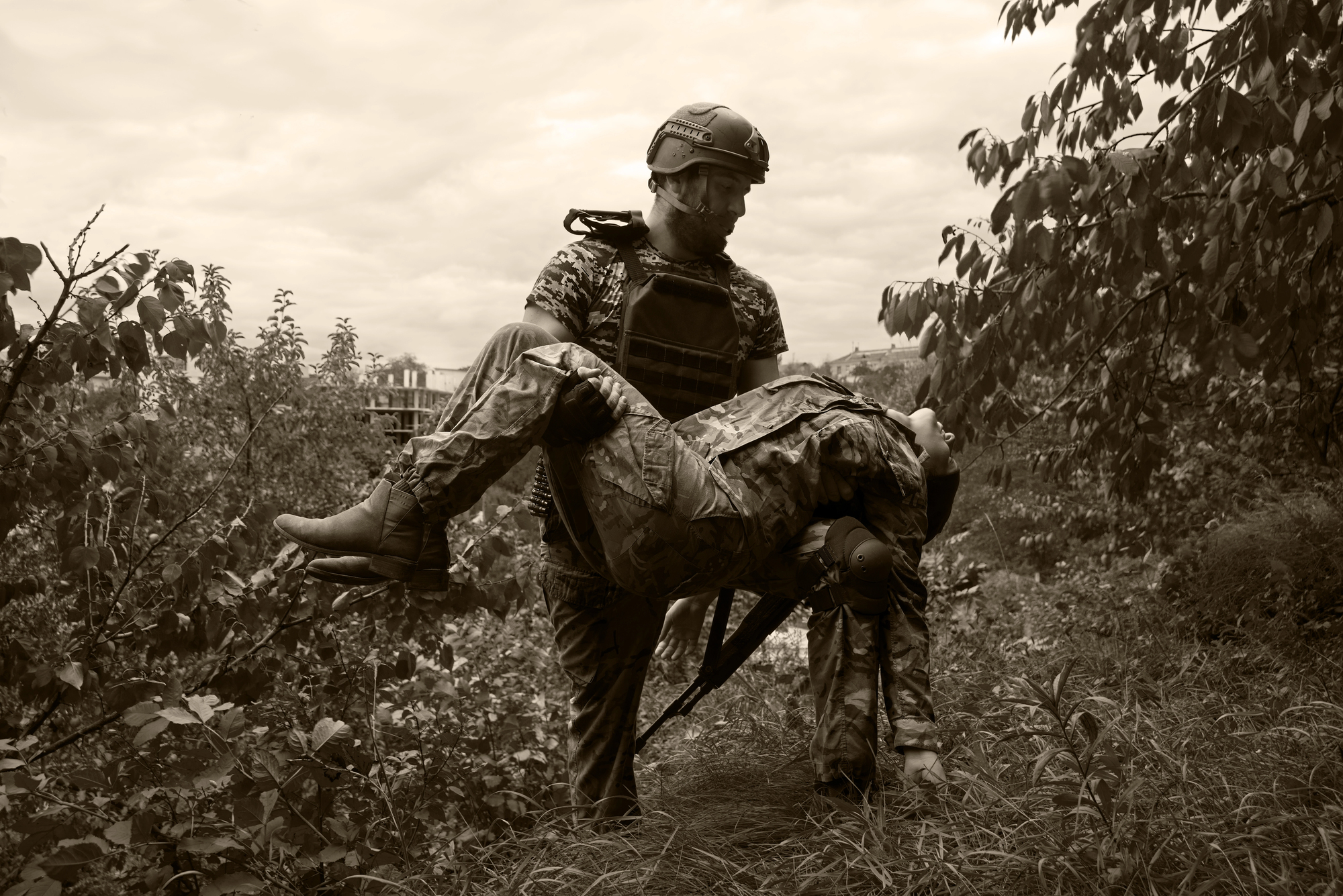
Physical pain tolerance varies dramatically between individuals, but SEAL training teaches candidates that their perceived limits are usually artificial constructs. Through carefully controlled exercises, candidates learn to distinguish between pain that signals actual injury and pain that simply indicates hard work.
This distinction becomes crucial in operational environments where minor injuries are inevitable but mission completion remains paramount.
Candidates who can’t push through discomfort tend to struggle with other aspects of training as well, because the mental toughness required for pain tolerance transfers to other challenging situations.
The ones who succeed don’t necessarily feel less pain—they just refuse to let pain control their decision-making.
Equipment Familiarity Under Stress
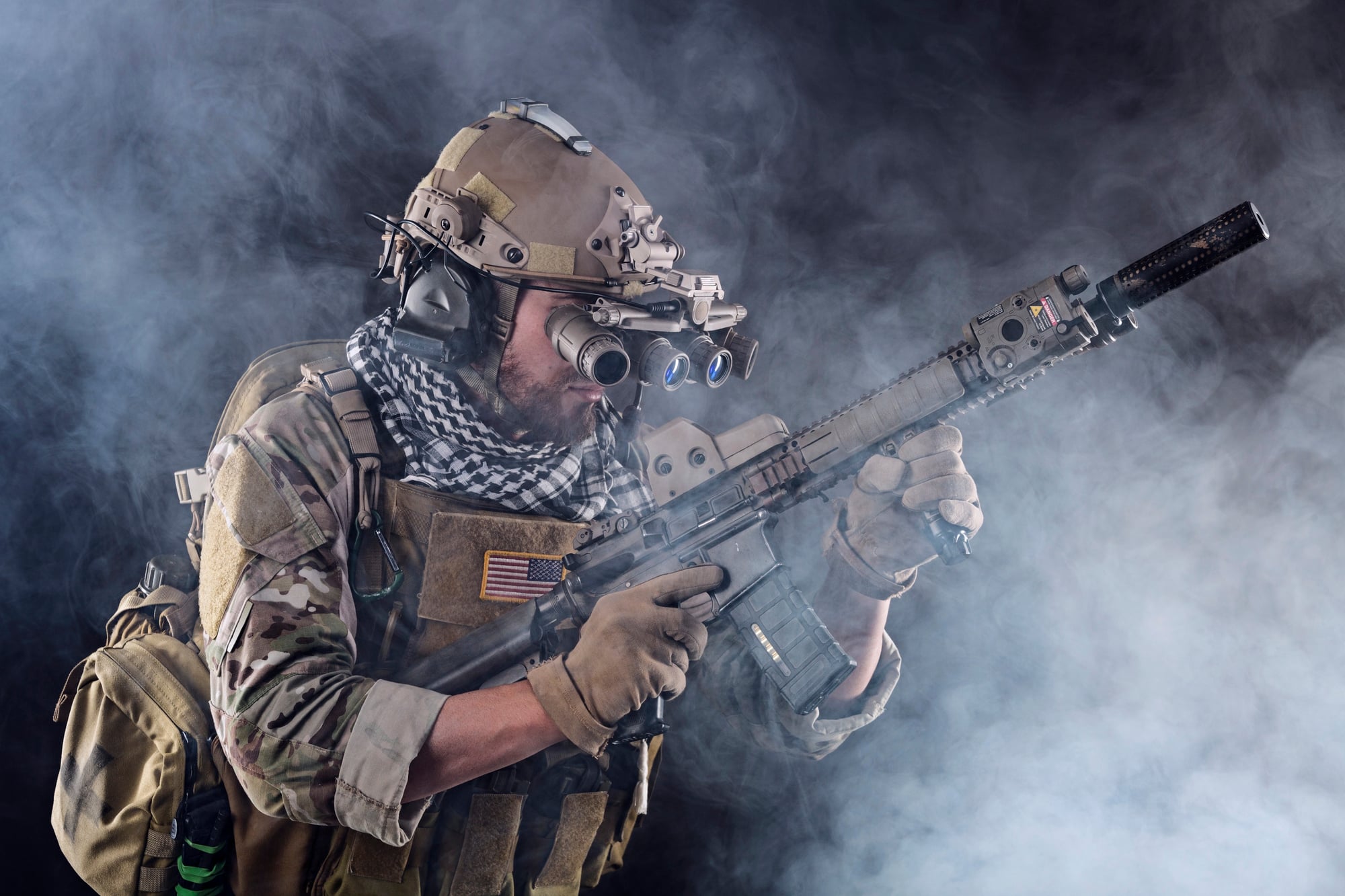
SEAL candidates must demonstrate proficiency with dozens of different weapons, communication devices, and specialized equipment. But the testing doesn’t happen in comfortable classroom settings—it happens when candidates are cold, wet, exhausted, and under time pressure.
Equipment familiarity under stress reveals whether candidates have truly mastered their tools or simply memorized procedures.
In combat, there’s no time to think through the steps of reloading a weapon or operating a radio. These actions must be automatic, and the training process ensures they become exactly that.
Candidates who can’t maintain equipment proficiency when everything else is falling apart won’t survive later phases of training.
The Importance Of Controlled Aggression
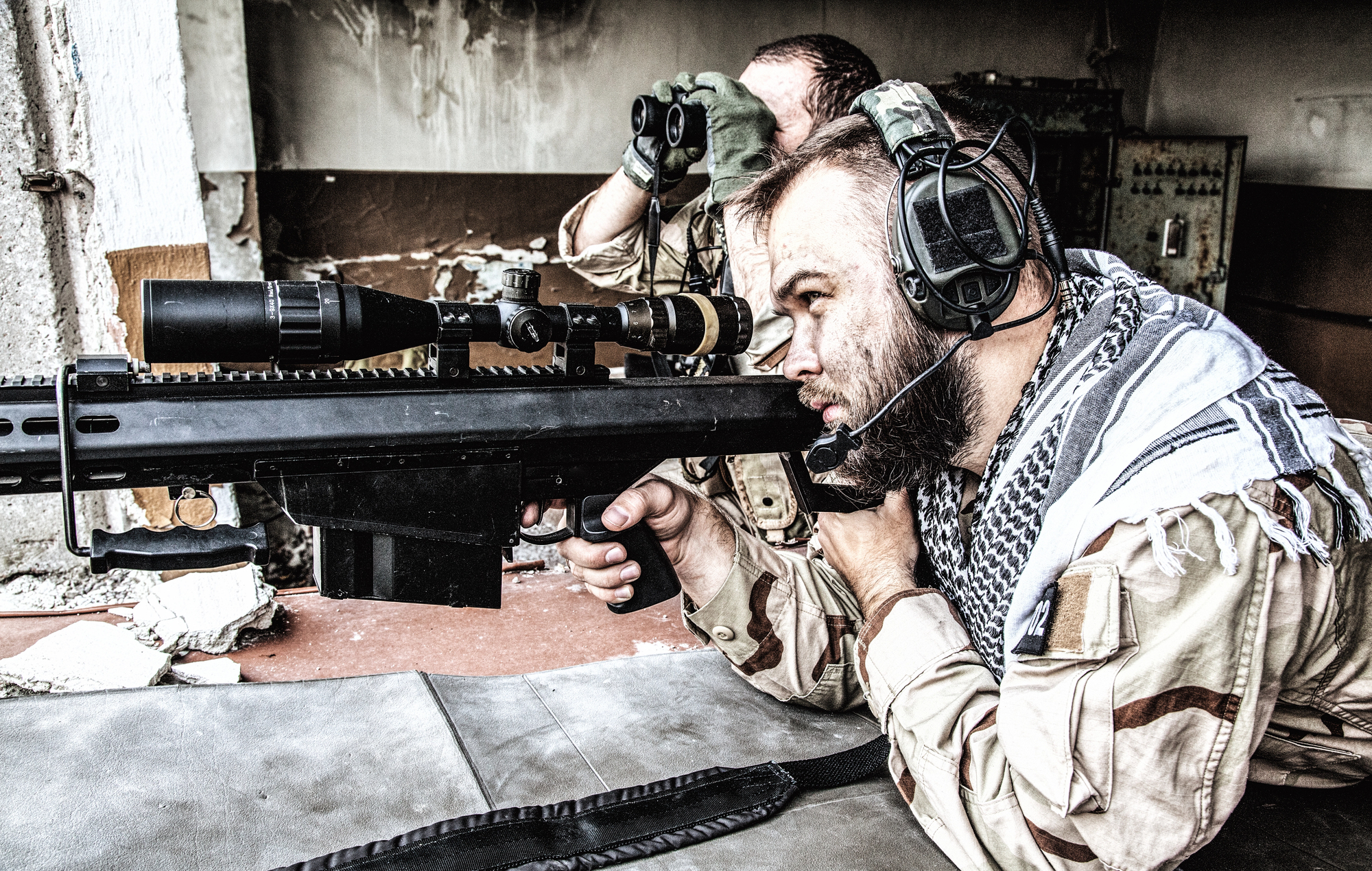
SEALs need the ability to be extremely aggressive when the situation demands it, then immediately shift to calm professionalism when the threat passes. Training tests this psychological flexibility through scenarios that require rapid shifts in behavior and decision-making.
Candidates learn to channel aggressive impulses productively rather than letting them take control.
The ones who can’t make these transitions—who remain either too passive or too aggressive for changing circumstances—struggle with the complex environments that special operations creates.
Real effectiveness comes from having multiple psychological tools available and knowing when to use each one.
Recovery And Adaptation

The human body’s ability to adapt to extreme stress varies significantly between individuals, and SEAL training identifies candidates whose recovery capacity matches the demands of special operations. This goes beyond basic fitness to include sleep quality, injury recovery, and stress hormone regulation.
Some candidates bounce back quickly from challenging evolutions and seem to get stronger throughout the process. Others struggle with cumulative fatigue and never quite adapt to the training stress.
The difference often comes down to genetics and lifestyle factors that can’t be trained, which is why the selection process eliminates candidates who can’t demonstrate adequate recovery capacity.
In the field, that ability to bounce back quickly could determine mission success.
When The Testing Never Really Ends
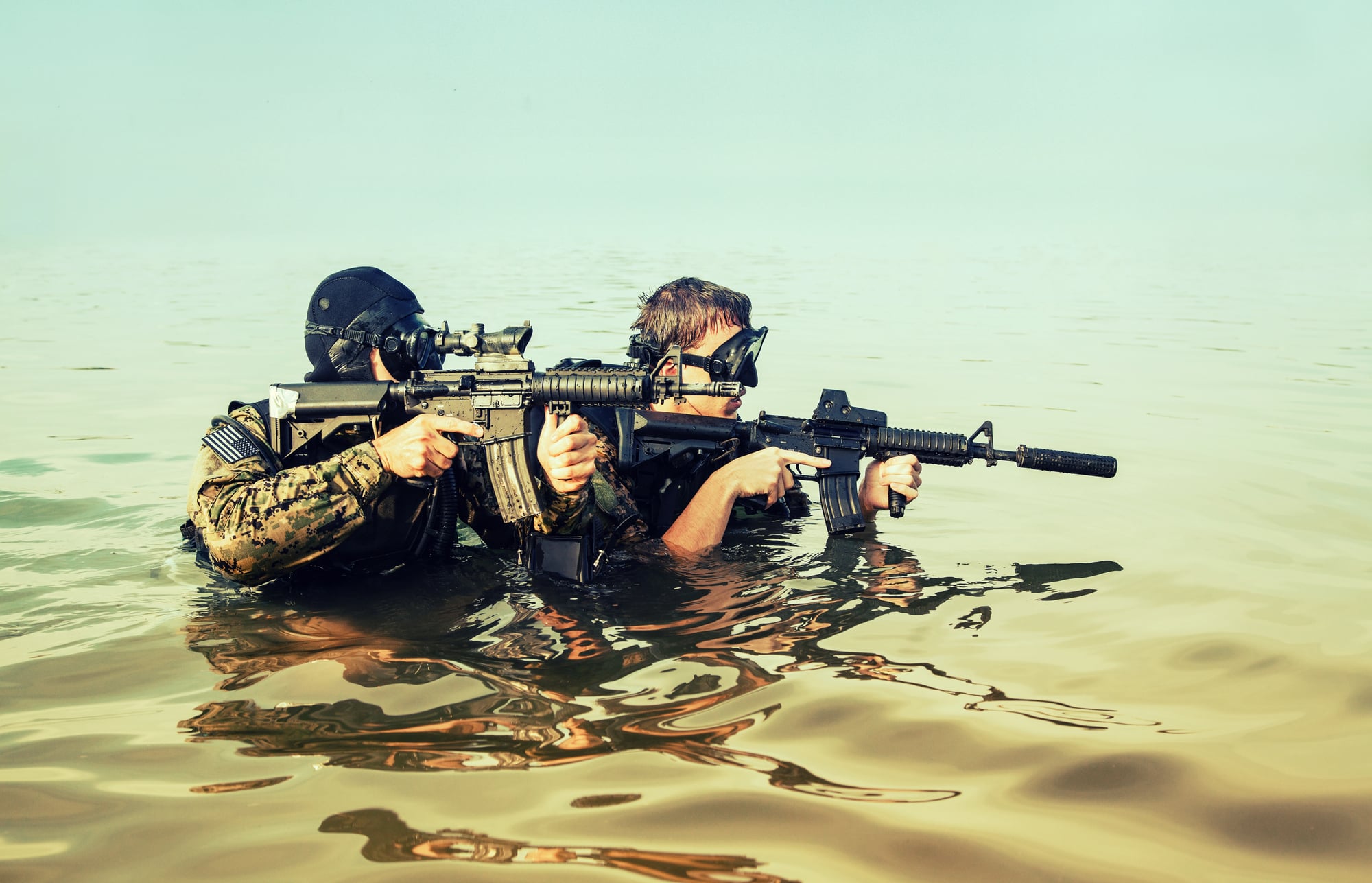
The dirty secret about SEAL training isn’t that it ends when candidates graduate—it’s that the testing mindset becomes a permanent way of life. Every deployment, every exercise, every training evolution continues to evaluate whether operators can maintain the standards that got them through selection in the first place.
This creates a culture where excellence isn’t an achievement but a daily commitment. The ones who thrive in this environment understand that earning the trident was just the beginning, not the end goal.
They’ve learned to find satisfaction in the process of constant improvement rather than in reaching some final destination. And perhaps that’s the most important secret of all: the real test isn’t whether someone can survive SEAL training, but whether they can maintain that same level of commitment for an entire career.
More from Go2Tutors!

- The Romanov Crown Jewels and Their Tragic Fate
- 13 Historical Mysteries That Science Still Can’t Solve
- Famous Hoaxes That Fooled the World for Years
- 15 Child Stars with Tragic Adult Lives
- 16 Famous Jewelry Pieces in History
Like Go2Tutors’s content? Follow us on MSN.