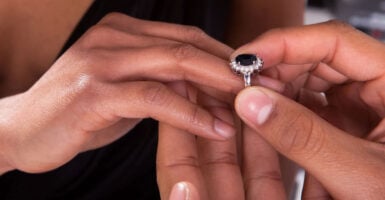
29 Vintage Engagement Ring Styles Worth More Now
Buyers are turning away from mass-produced solitaires and hunting for rings with history. Antique and vintage engagement rings offer hand-cut stones, intricate metalwork, and designs that cannot be replicated by a modern factory.
In the jewelry trade, antique generally means 100 years old or more, while vintage means at least 20. Here are the styles that are drawing the strongest interest from buyers right now.
Georgian Closed-Back Rings
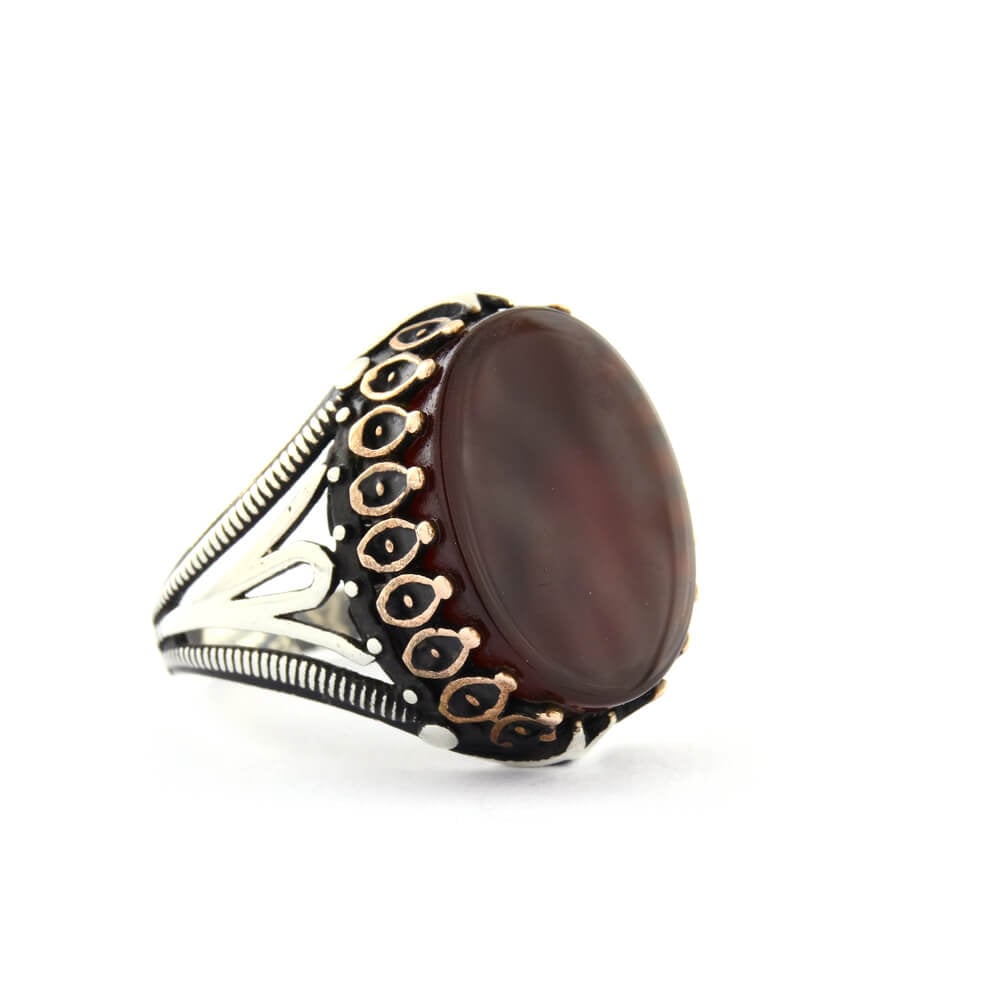
The Georgian era ran from 1714 to 1837, and the rings from those years were crafted entirely by hand. Stones were set in closed backs, often with foil to boost their color by candlelight.
Surviving examples are rare and prized for their age.
Georgian Rose Cut Diamonds
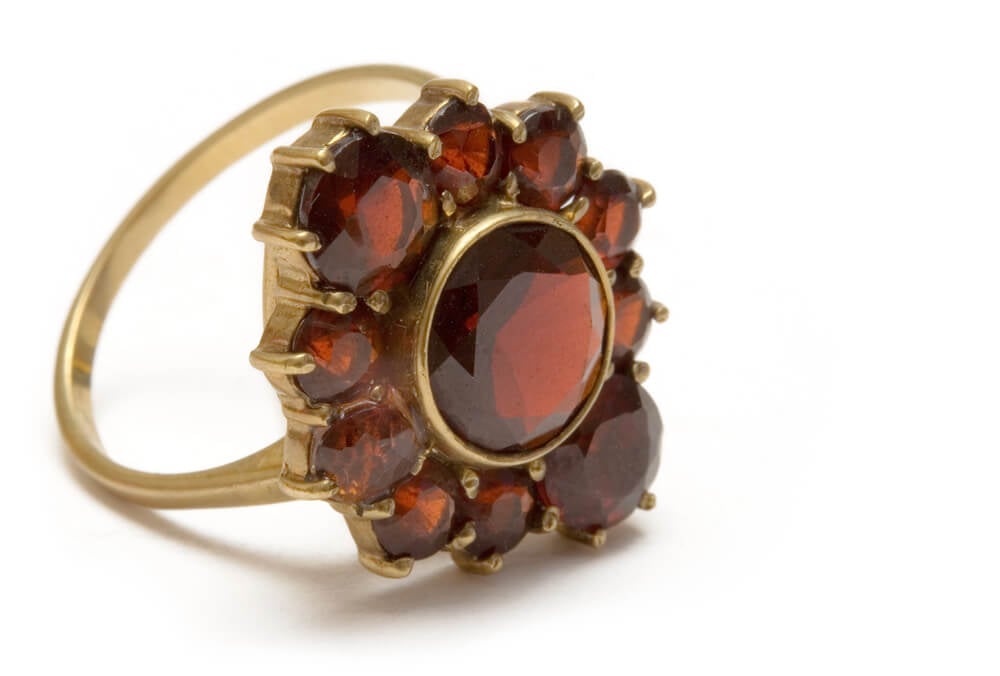
The rose cut dates to the 1500s and features a flat bottom with a domed top of triangular facets. It sparkles softly rather than flashing.
Georgian rose cuts have a gentle glow that modern cuts cannot copy.
Victorian Snake Rings
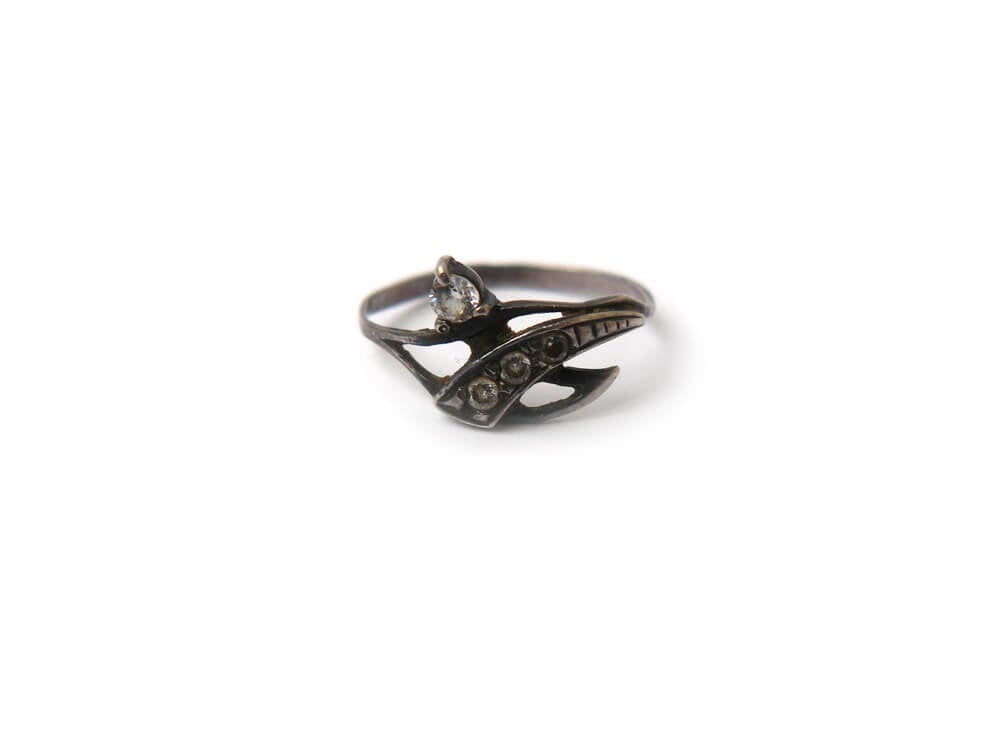
Queen Victoria’s engagement ring was reputed to be a coiled snake, and the motif spread widely after 1837. Snakes symbolized eternal love.
Rings with gem-set eyes and finely engraved scales are the most desirable.
Victorian Gypsy Settings
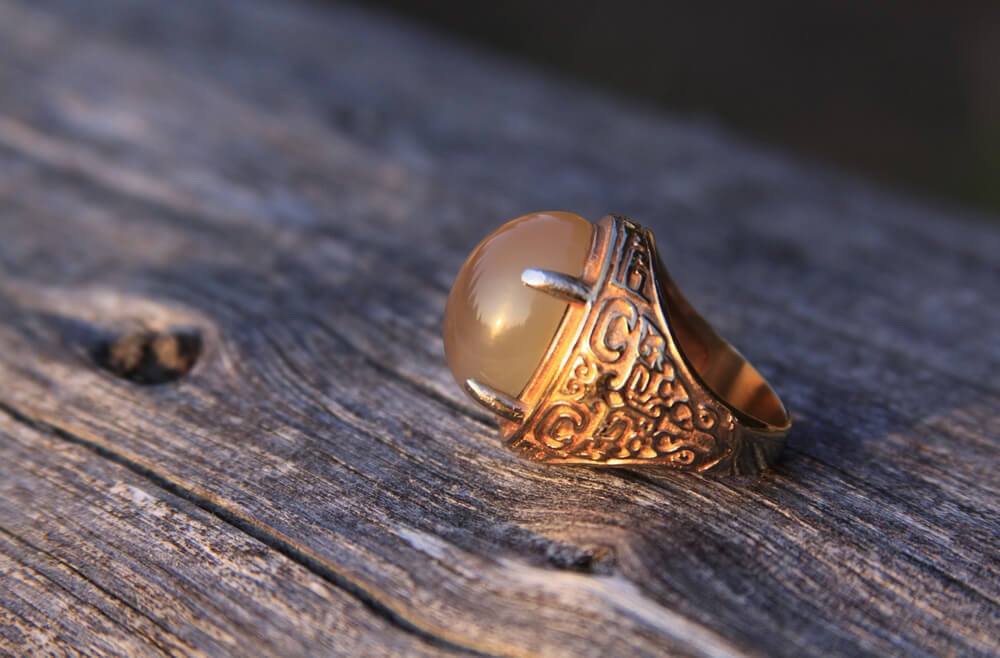
In a gypsy setting, the stone sits flush inside the band, protected from snags. It gives the ring a smooth, low profile.
Many Victorian examples carry star-shaped engraving around the gem.
Victorian Three-Stone Rings
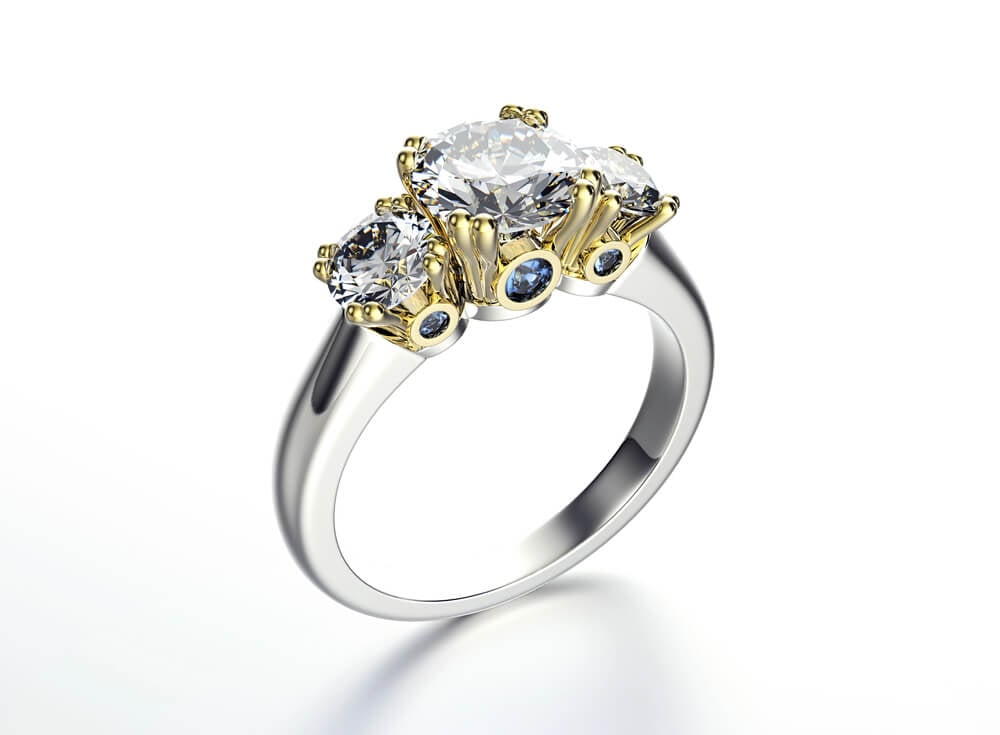
Three stones represent the past, present, and future in the traditional telling of the symbol. Victorian jewelers set diamonds or gems in gold with elaborate galleries.
Vintage three-stone rings with original stones are particularly valued.
Victorian Cluster Rings
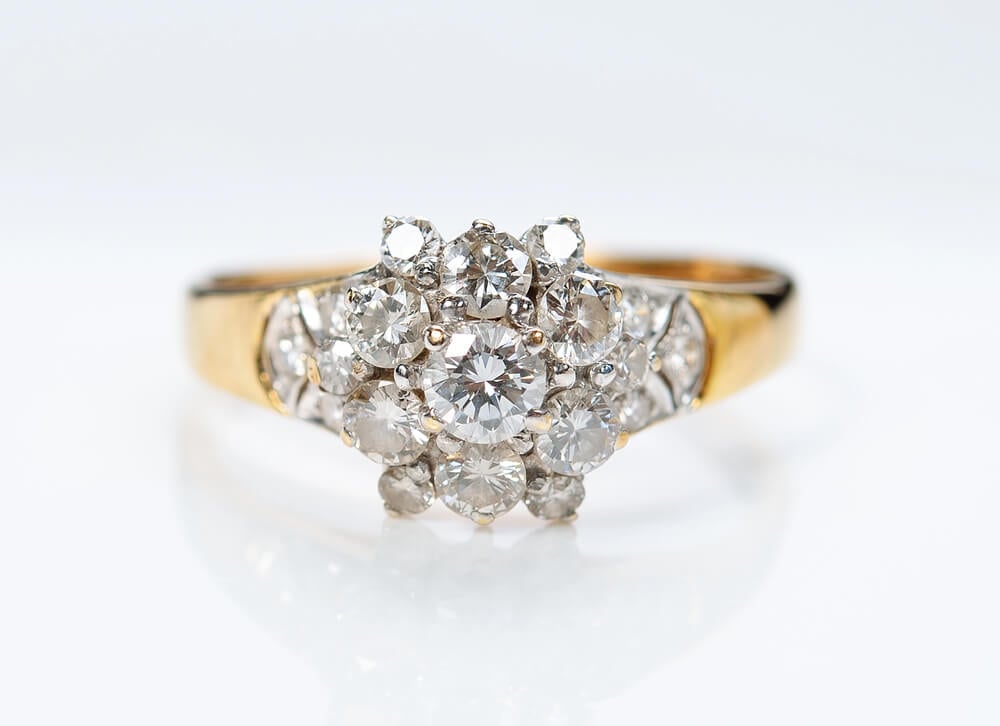
A cluster of smaller stones surrounding a center gem could mimic the look of one large diamond at a lower price. The arrangements resembled flowers or stars.
Collectors seek out intact examples with matching stones.
Old Mine Cut Diamonds
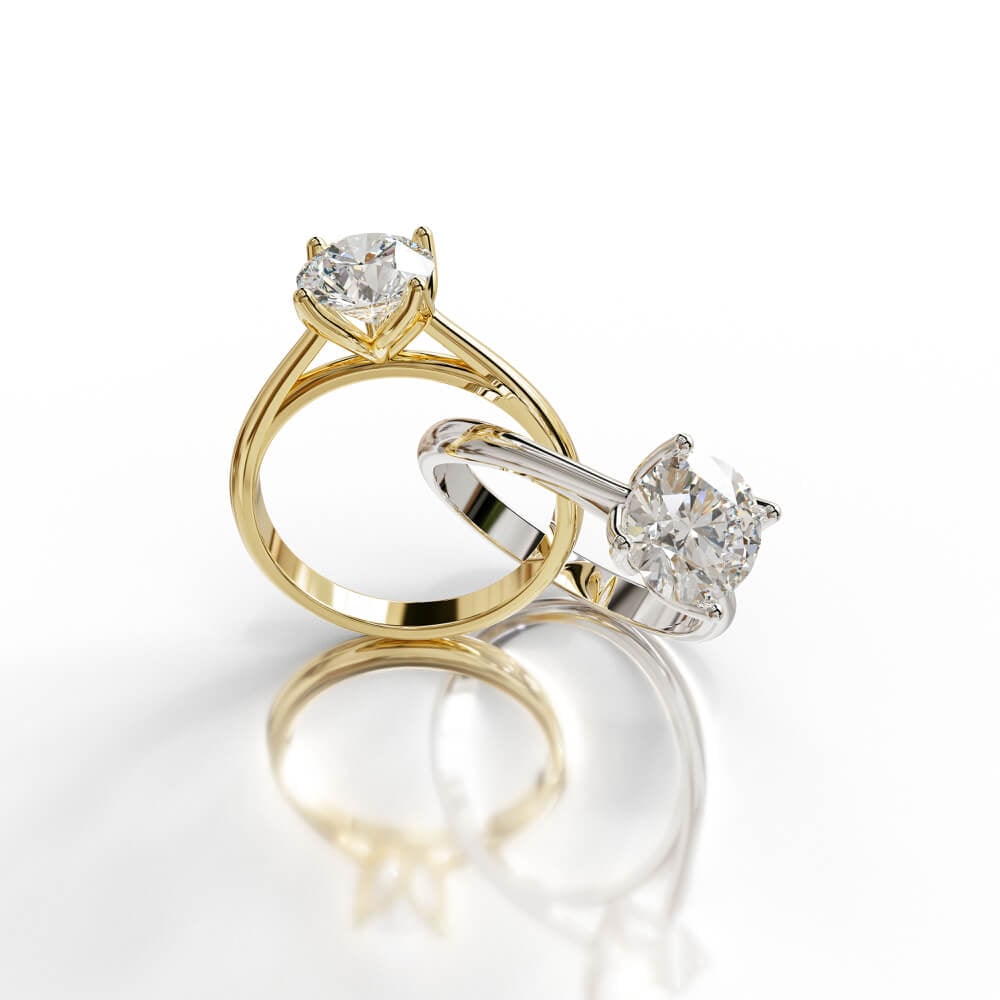
The old mine cut was used from the 1700s through the Victorian era and has a squarish shape, a high crown, a small table, and an open culet. The stones glitter with broad flashes rather than the crisp sparkle of modern cuts.
Their charm lies in that character.
Edwardian Platinum Filigree
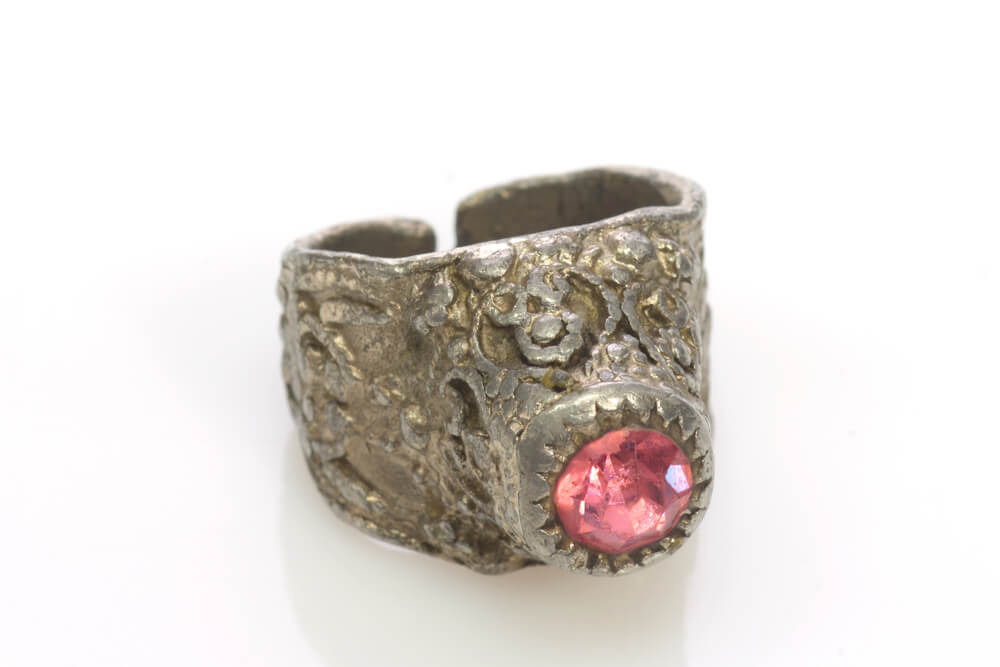
The Edwardian era ran from 1901 to 1910, and jewelers began working in platinum for its strength. They pierced it into delicate lace-like patterns.
The airy filigree resembles frosting on a cake.
Edwardian Milgrain Edges
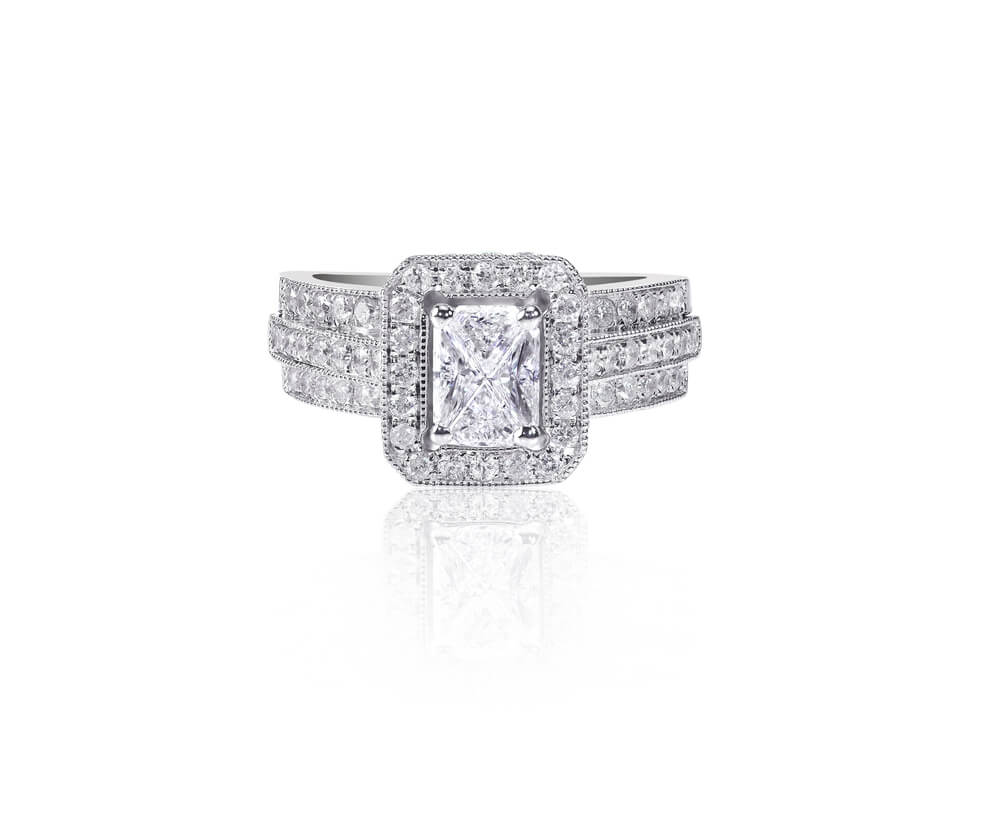
Milgrain is a row of tiny beads along the edge of a setting. It gives antique rings a soft, beaded texture.
The detail is time-consuming, so it rarely appears on modern mass-market work.
Edwardian Navette Rings
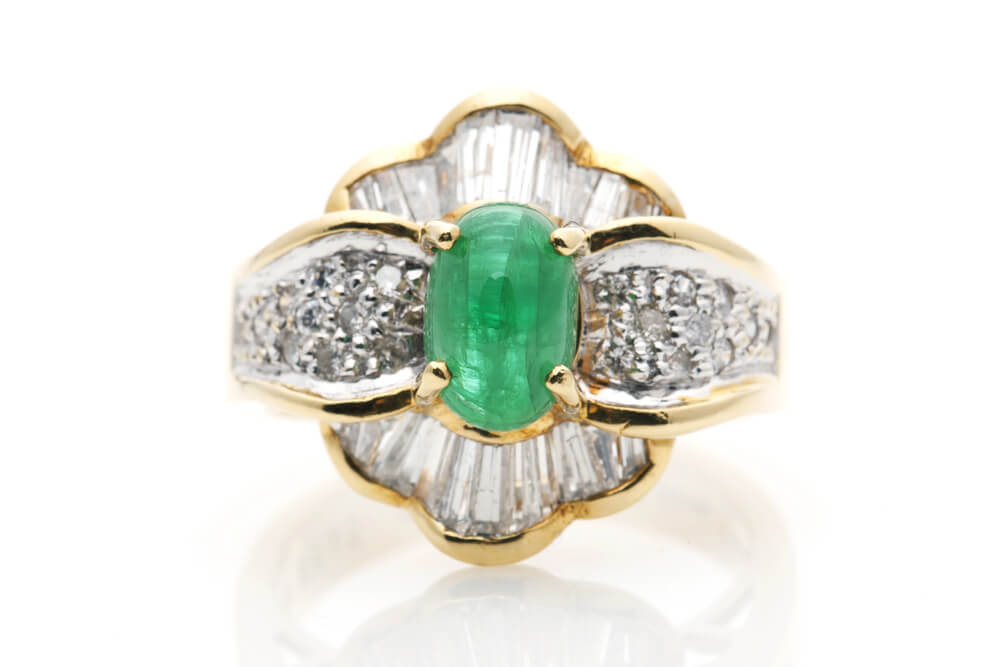
A navette ring features a pointed oval shape filled with diamonds. It was a favorite of the Edwardian period.
The shape elongates the finger.
Edwardian Garland Motifs
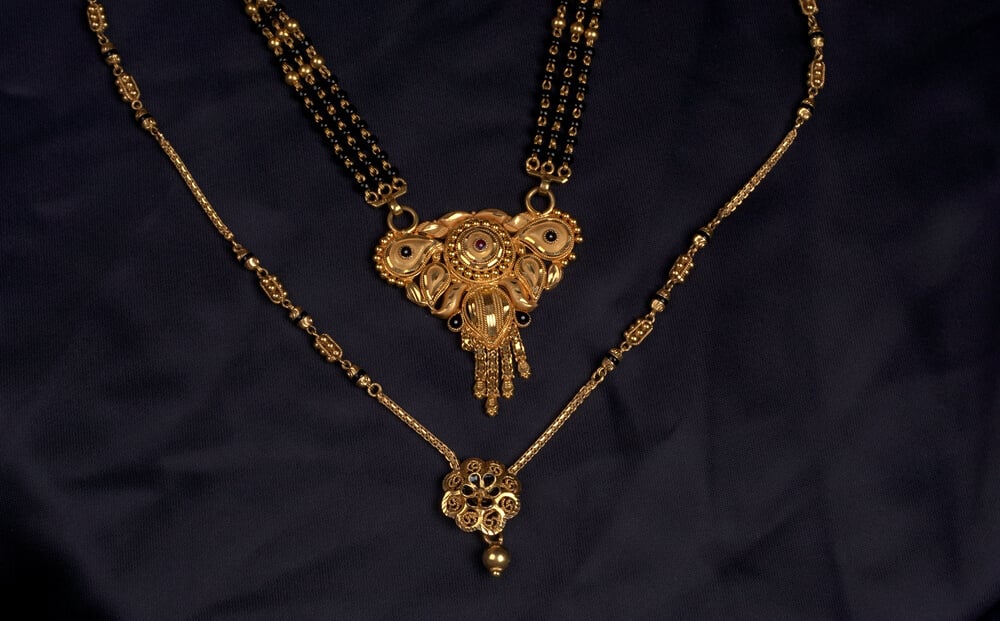
Garland designs use wreaths and ribbons of tiny stones. Platinum made it possible to build such delicate bows.
They look romantic and lightweight.
Art Nouveau Nature Rings
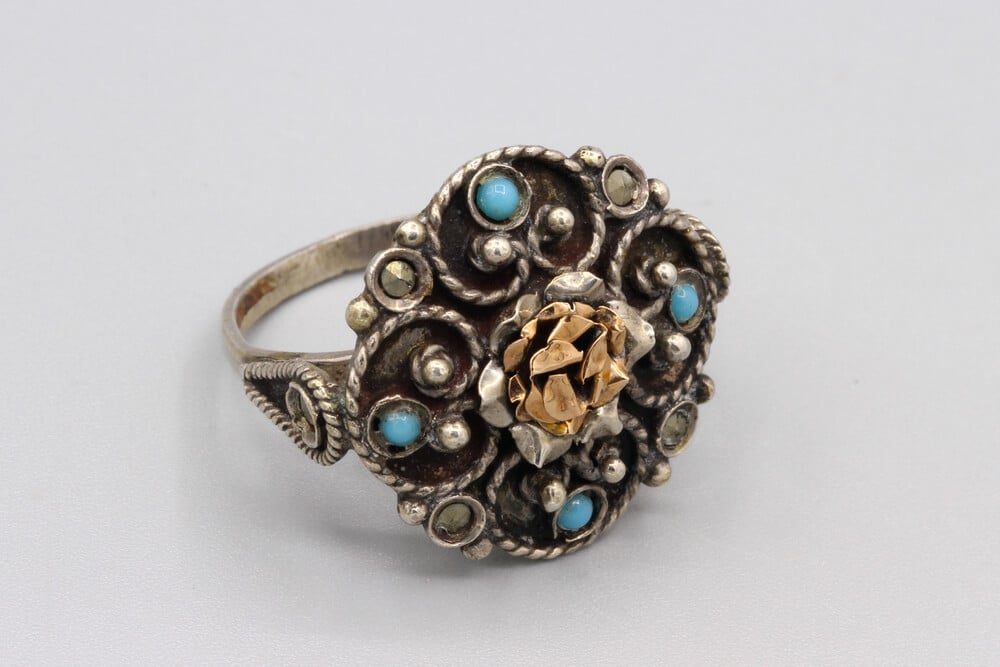
Art Nouveau jewelers drew inspiration from flowing lines, flowers, and insects. Enamel and opals were common.
Pieces by known makers command premium prices.
Art Deco Geometric Rings
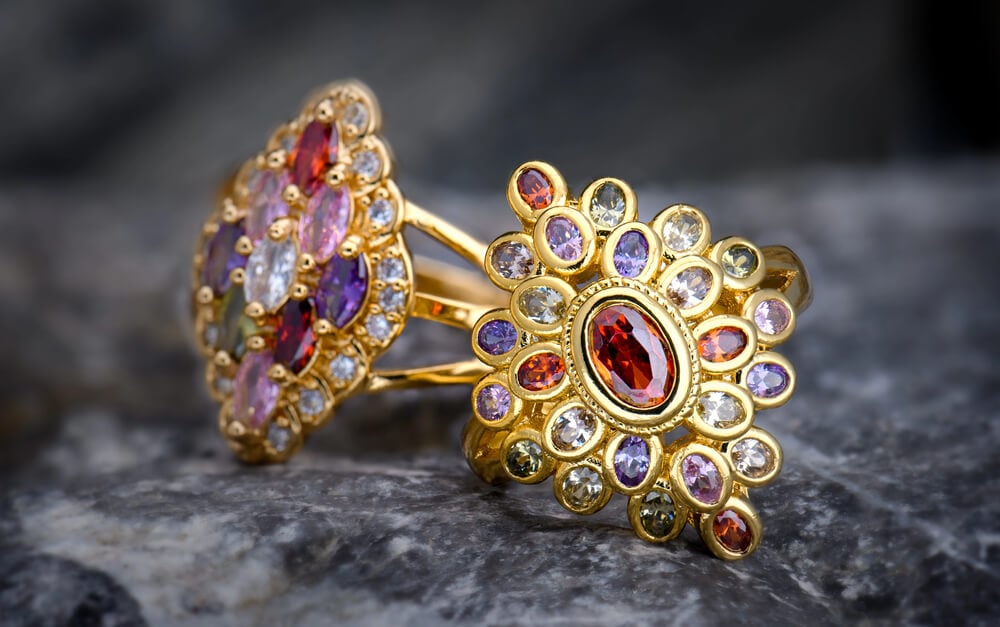
The Art Deco era of the 1920s and 1930s brought bold geometry, with straight lines and symmetrical patterns. Platinum and diamonds were a classic pairing.
Designs could be both strict and glamorous.
Asscher Cut Diamonds
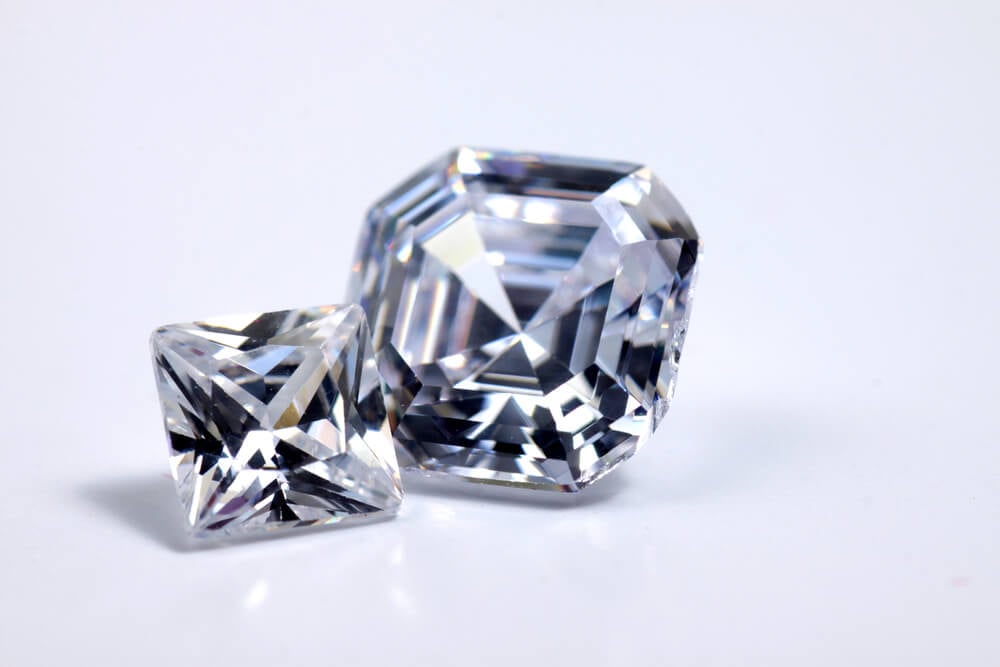
The Asscher cut is a square step cut with cut corners that became popular in the Art Deco period. It shows a hall-of-mirrors effect rather than fireworks.
Vintage stones are valued for their depth.
Baguette Accents
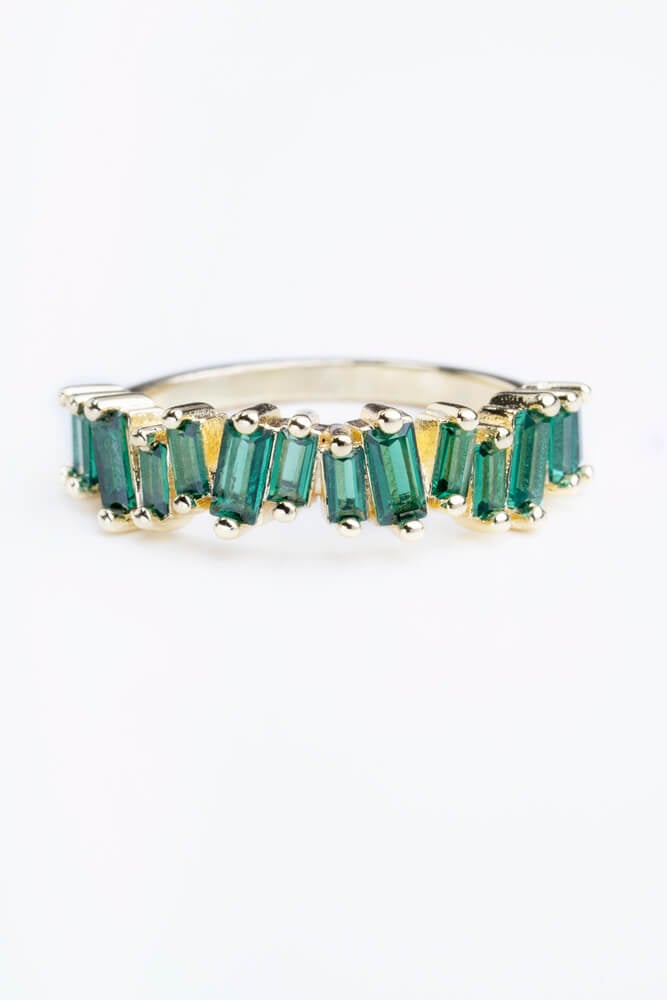
Long rectangular baguette diamonds flanked center stones in many Deco rings. They added crisp structure.
Matching baguettes are tough to find if one is lost.
Emerald Cut Diamonds
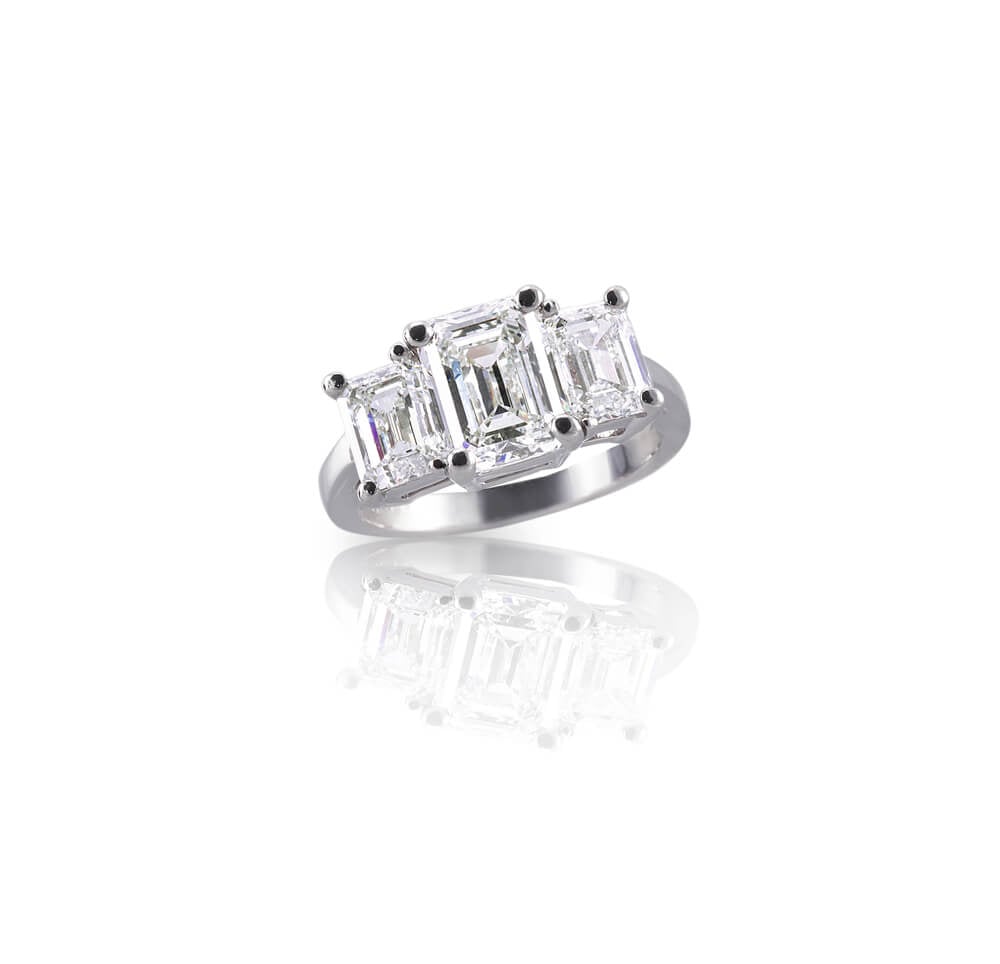
The emerald cut is a rectangular step cut that rose to prominence in the Art Deco years. Its long facets create a clean, mirrored look that highlights clarity.
Vintage emerald cuts in original mountings are especially sought.
Old European Cut Diamonds
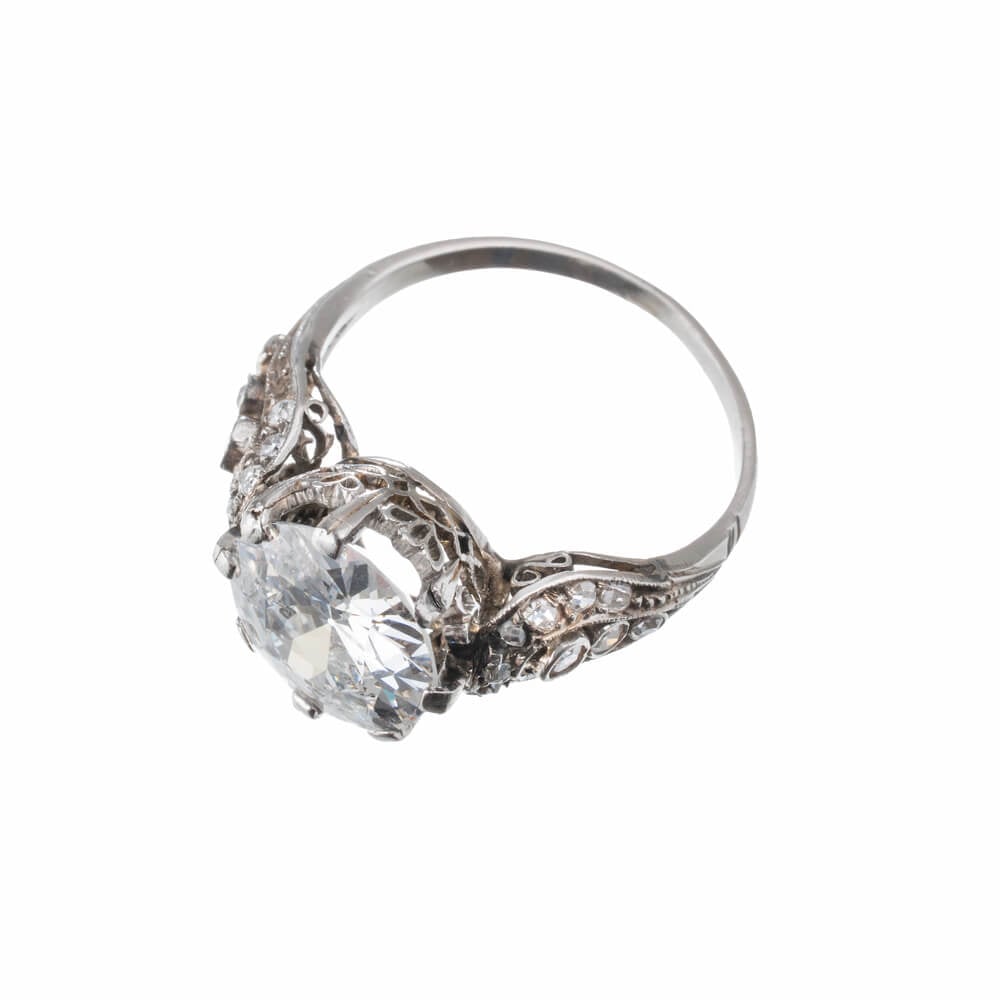
The old European cut is a round predecessor of the modern brilliant, with a small table and a chunky facet pattern. It was common from the late Victorian years through the Deco era.
Buyers like its warm, candlelit appearance.
Retro Cocktail Rings
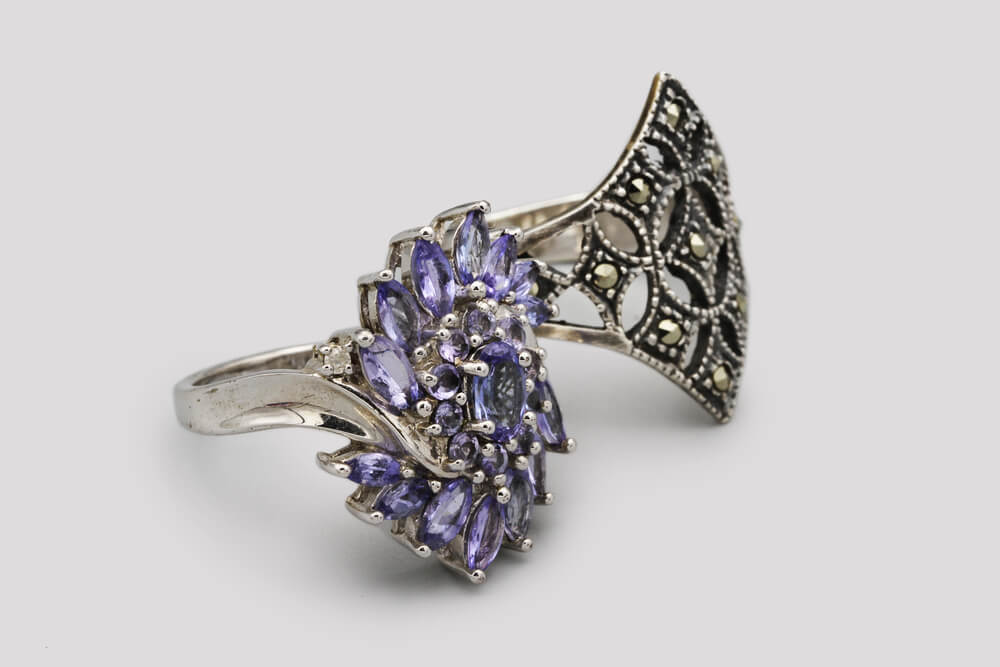
The Retro period, from the mid-1930s to the 1950s, favored large and bold designs. Cocktail rings with oversized stones made a statement.
They were worn to be noticed.
Retro Yellow and Rose Gold
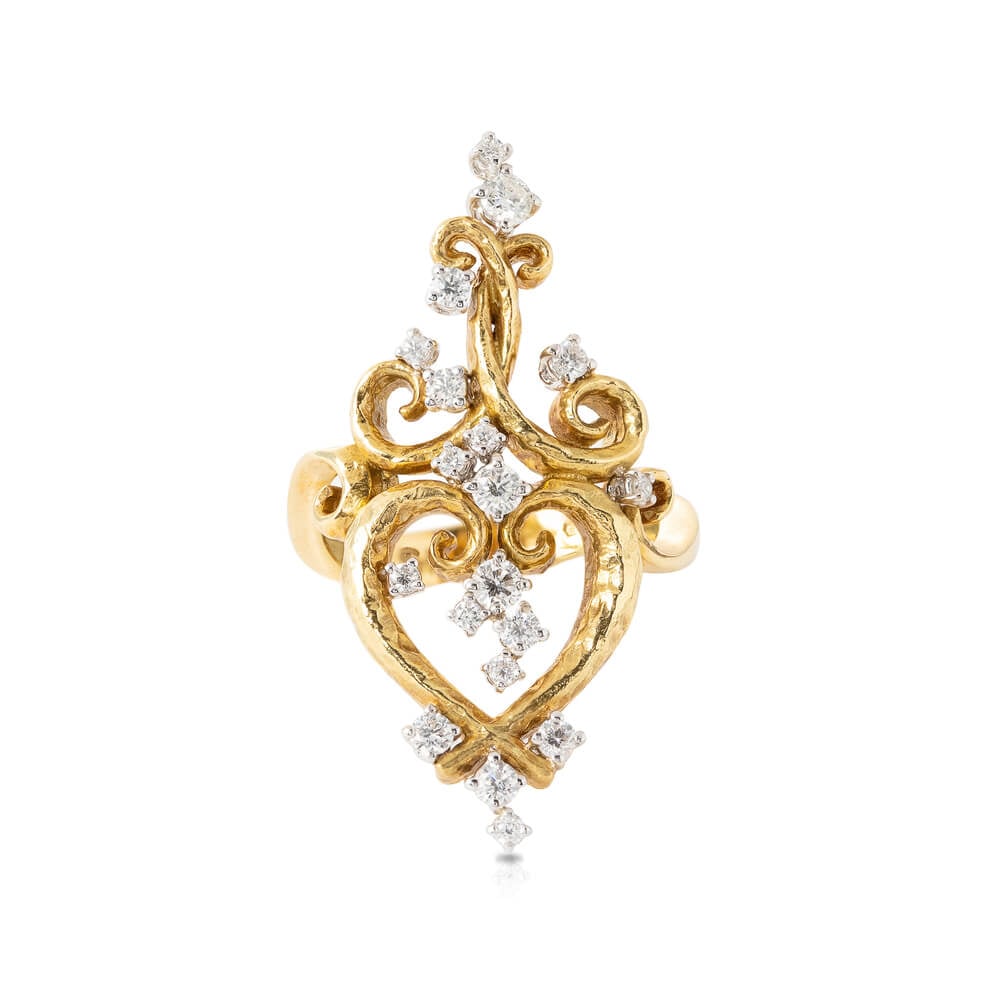
Platinum was restricted in wartime, so jewelers turned to yellow and rose gold. The warm metal tones became a hallmark of the period.
Curved, sculptural bands were common.
The Tiffany Setting
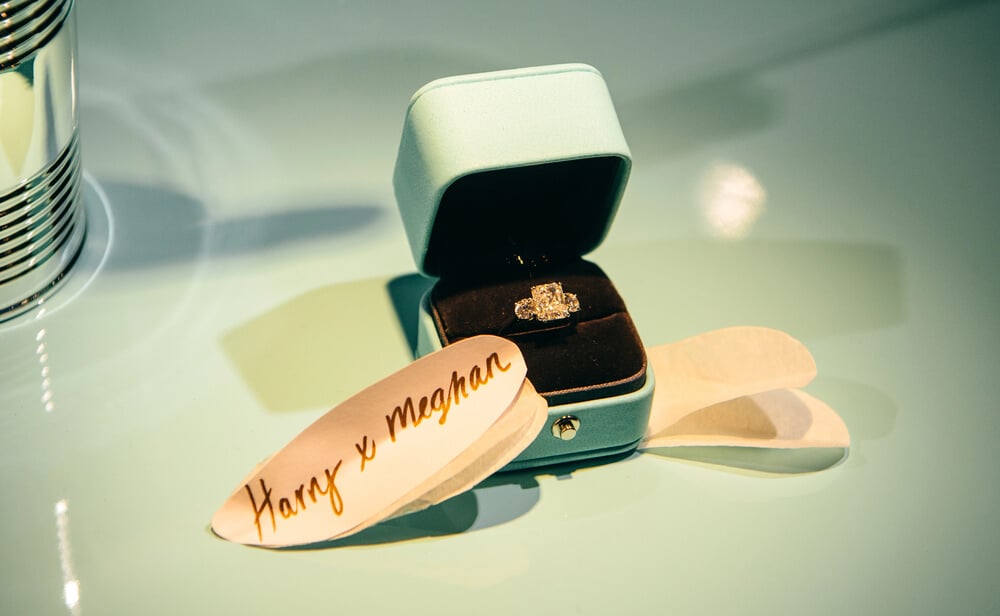
Tiffany introduced its six-prong solitaire in 1886, lifting the diamond off the band to catch light. It became the template for engagement rings.
Early versions are prized by collectors.
Toi et Moi Rings
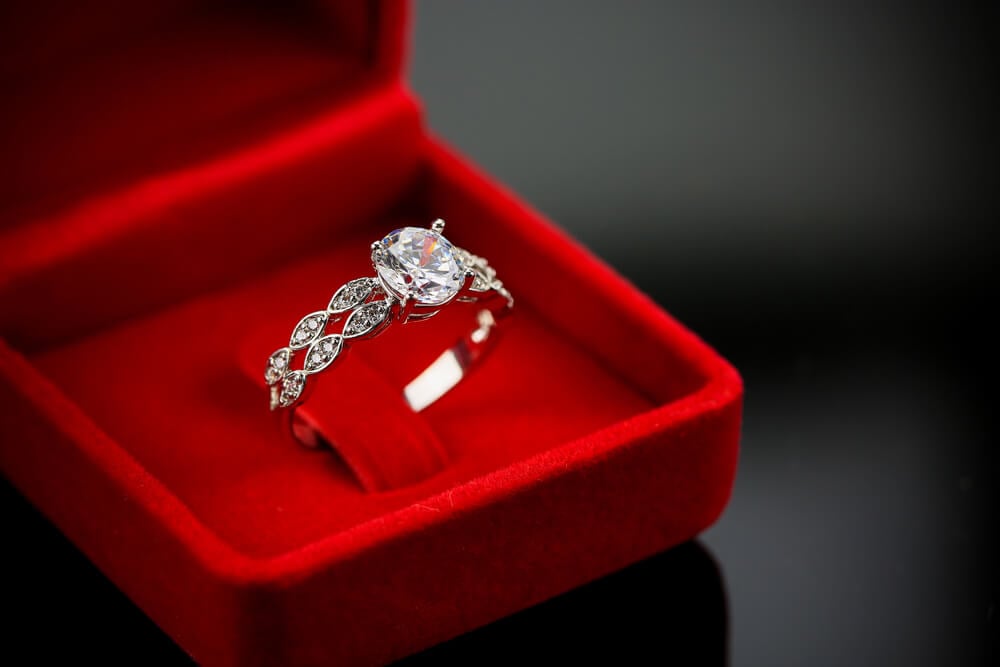
A toi et moi ring pairs two stones side by side on a twisting band. Its name means “you and me” in French.
The style has returned as a modern favorite.
Bypass Settings
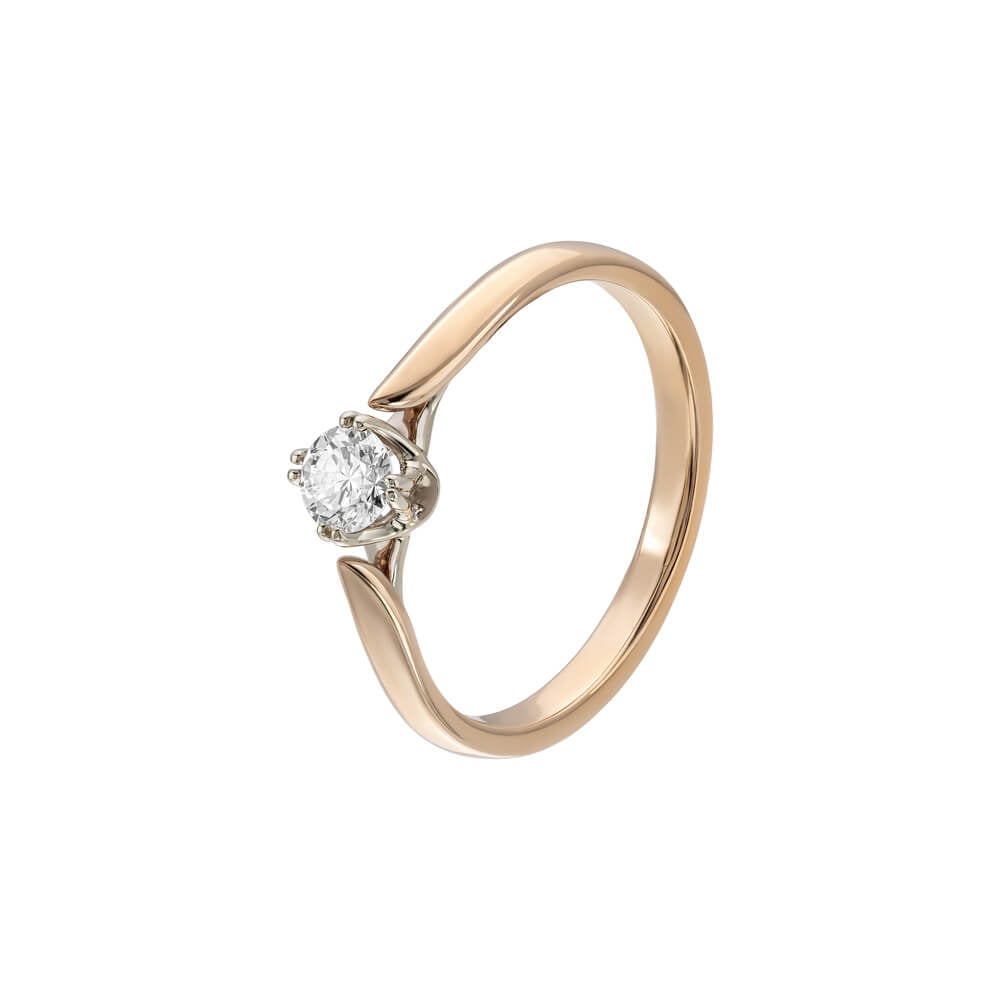
In a bypass ring, the band crosses over itself without touching and cradles the stone. The look is graceful and asymmetrical.
Antique versions often hold small diamonds.
Sapphire Centers
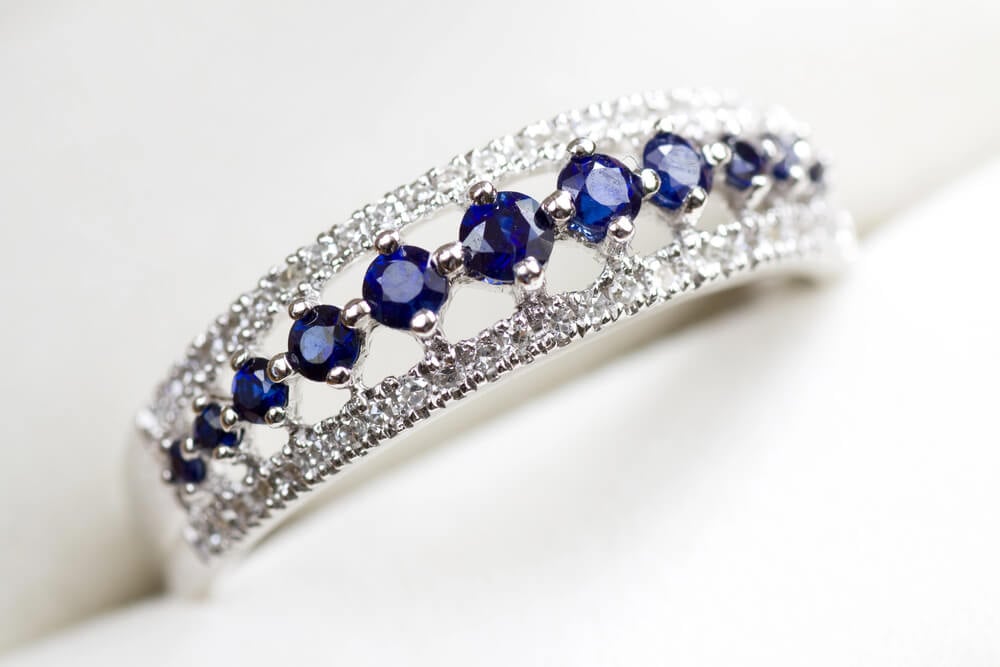
Sapphire engagement rings have a long tradition and resist wear better than many gems. Vintage sapphires in rich blue are especially prized.
Natural stones without heat treatment bring a premium.
Art Deco Halos
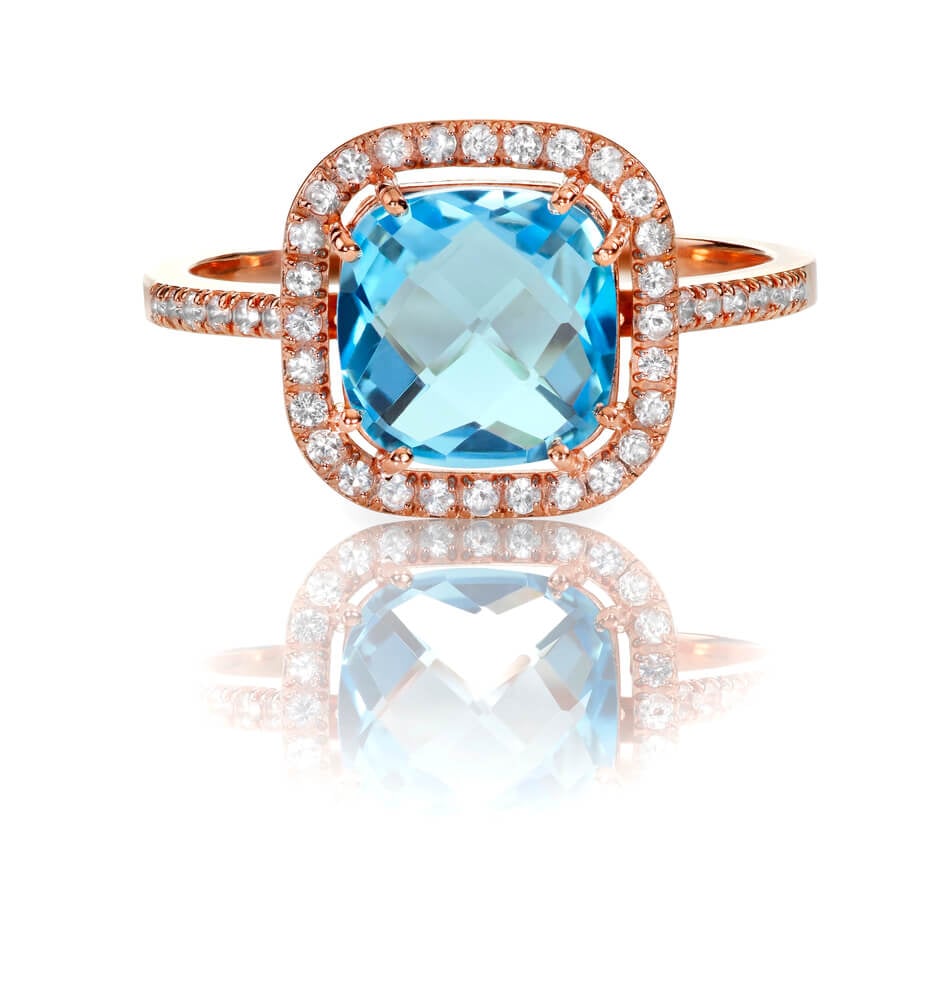
A halo of small diamonds around the center stone creates the look of a larger gem. Deco jewelers often shaped the halo as a square or octagon.
The look is again popular today.
Cathedral Settings
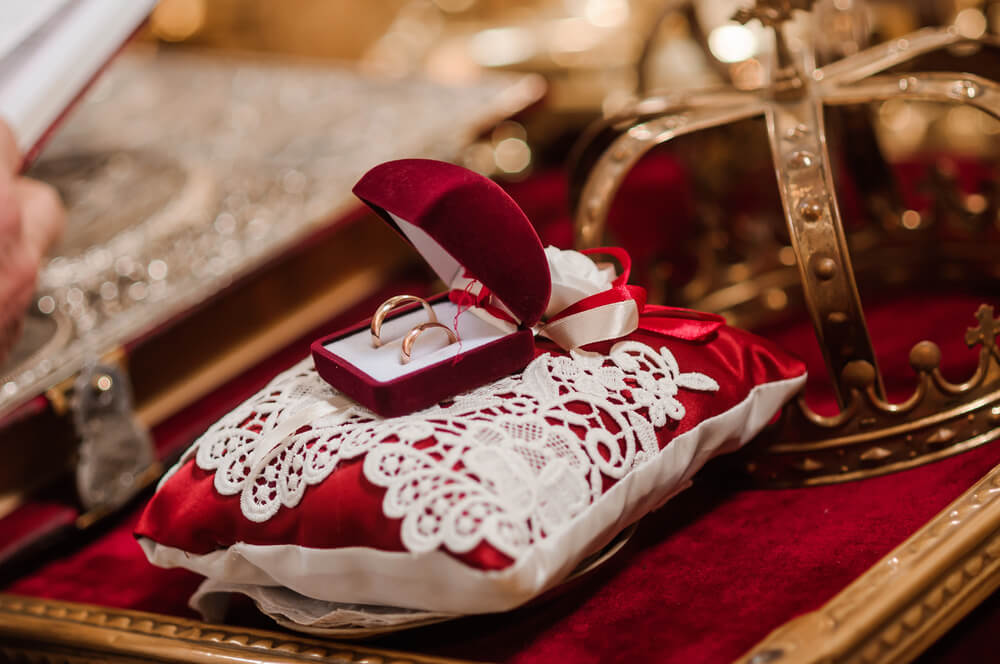
A cathedral setting uses arches that rise from the band to hold the stone. The result looks like architecture on the hand.
Older versions often feature pierced details.
Pearl Engagement Rings
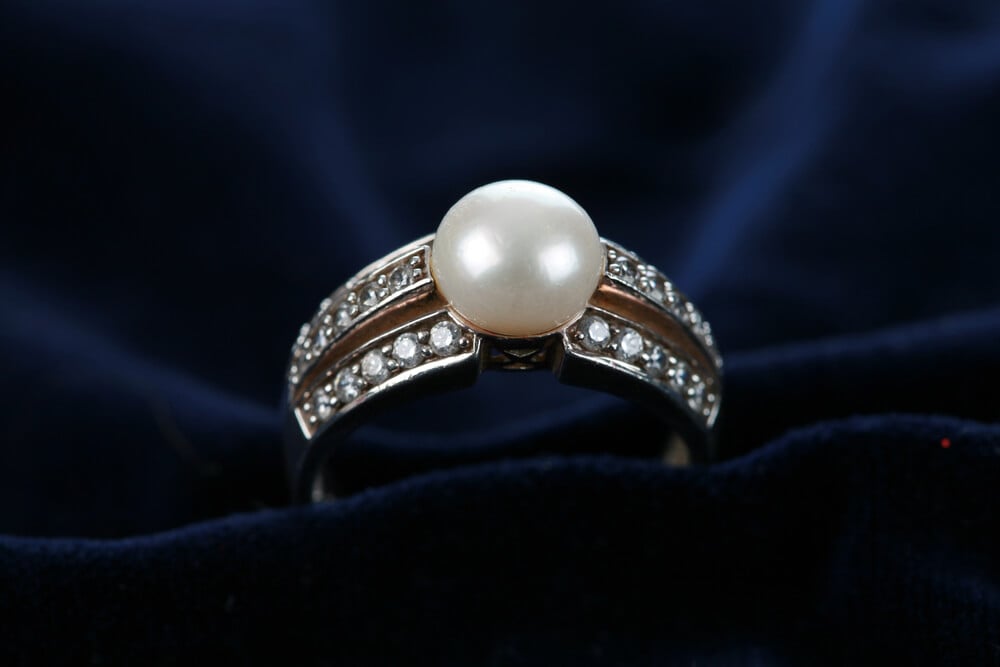
Pearls were fashionable in the Victorian and Edwardian years, often set with diamonds. They are softer than gemstones and need careful handling.
A matched, lustrous pearl in a period setting can be a bargain.
Hand-Engraved Bands
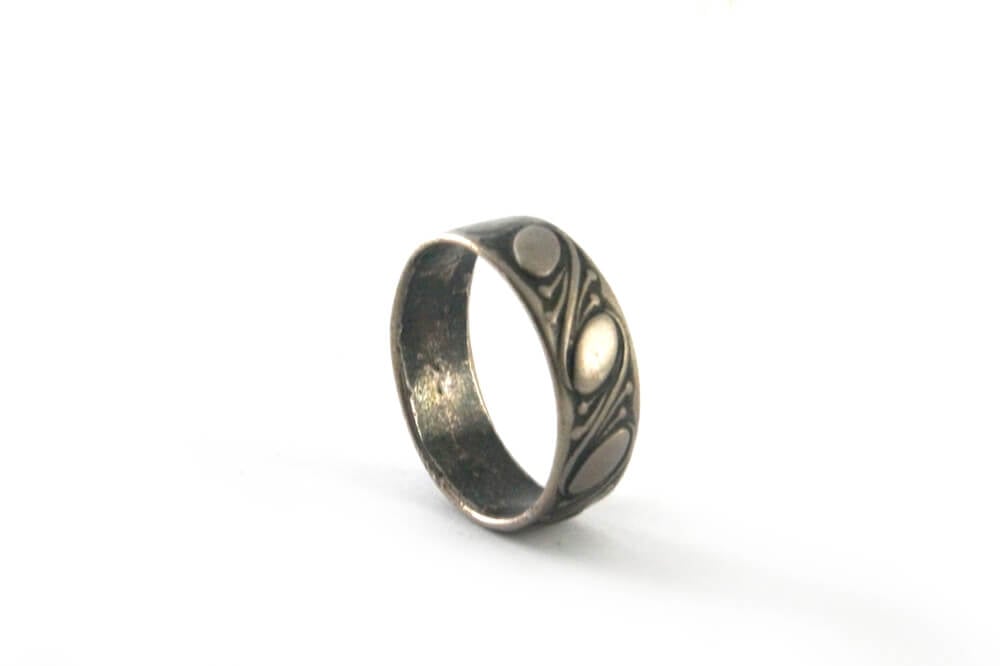
Before laser engraving, artisans carved leaves, orange blossoms, and scrolls by hand. The patterns wrap around the band.
They often wear softly over time.
Platinum Antique Mountings
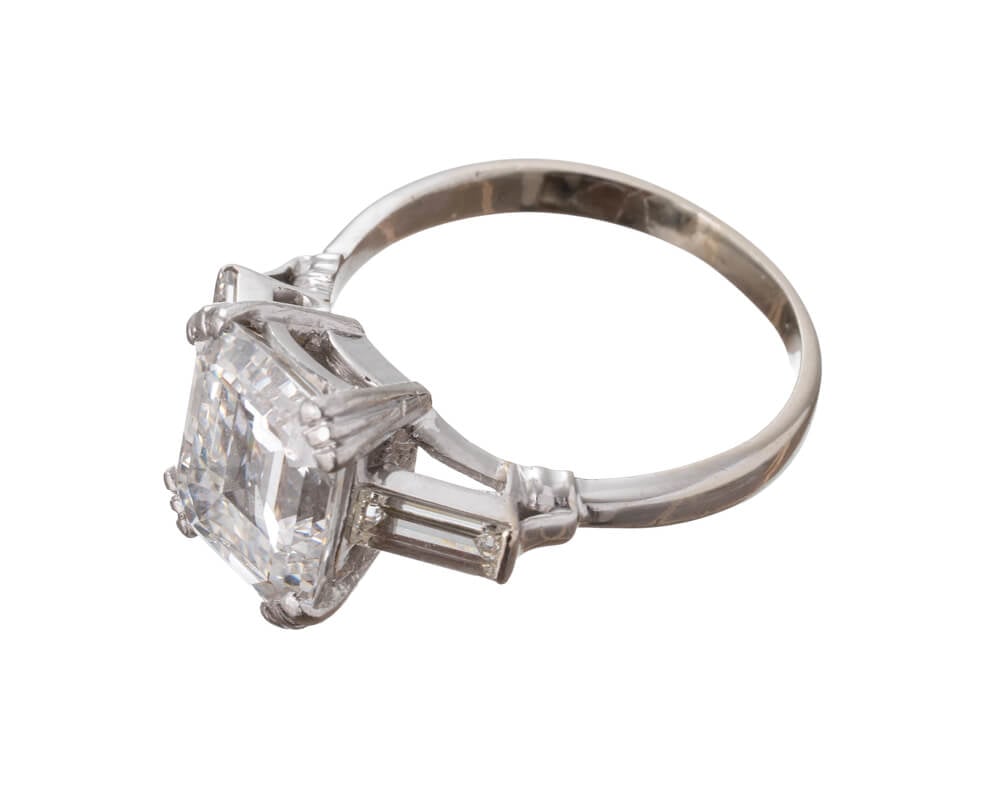
Platinum is dense, durable, and naturally white. It was the metal of choice for high-end work from the Edwardian era onward.
Antique platinum mountings are worth more than their scrap weight.
Certified Vintage Stones
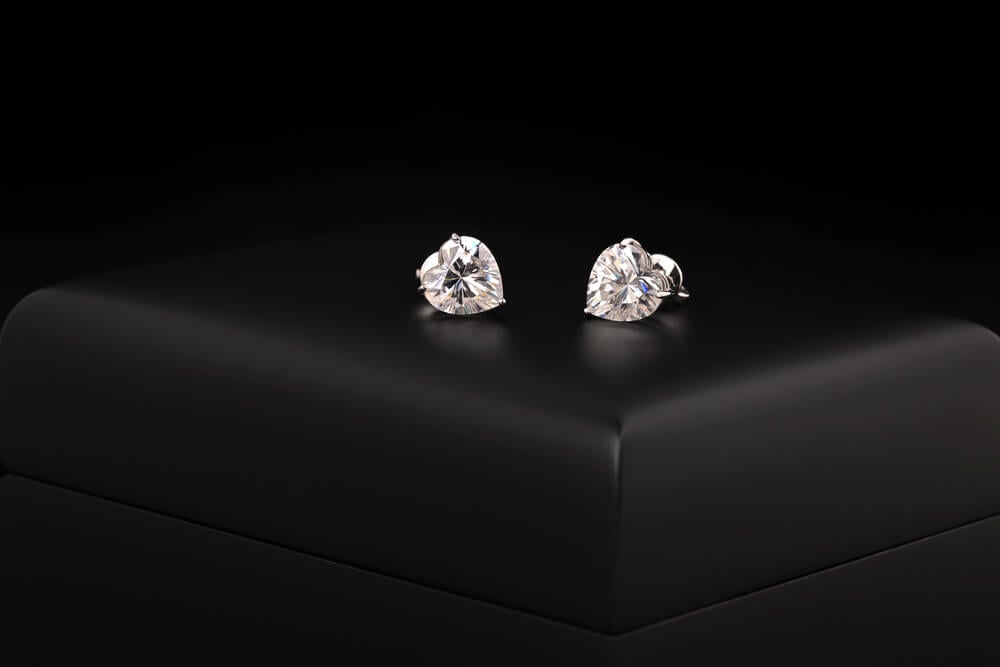
A GIA report confirms the grade of a stone and helps establish its value. Value depends on condition, hallmarks, original stones, and certification.
An uncertified ring can still be valuable, but paperwork reduces risk.
Why Old Rings Keep Winning
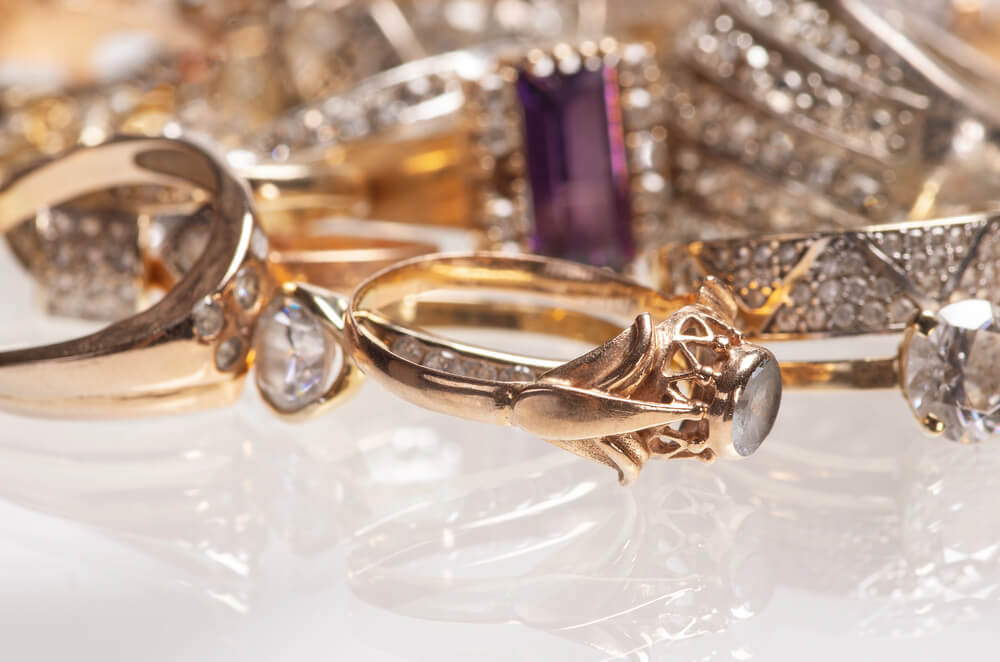
An antique ring carries evidence of human hands in every curve and bead. Each one has outlived the people who commissioned it, and that longevity is part of the appeal.
Modern replicas rarely capture the same character. Buyers are also drawn to the sustainability of choosing a ring that already exists.
No new mining is required, and the price often undercuts a comparable new stone. The result is a piece with story, beauty, and staying power.
More from Go2Tutors!

- 27 Silver Dollars and Half Dollars Worth Keeping
- 28 Restaurant Menu Items Nobody Orders Anymore
- 17 Places Built in Seemingly Impossible Spots
- 27 Vintage Rings Worth More Than They Look
- 25 Restricted Sites Tourists Can’t Enter
Like Go2Tutors’s content? Follow us on MSN.