The Most Expensive Liquids in the World
You probably don’t give the price of liquids much thought. Water is inexpensive.
Although it hurts at the pump, gasoline is still reasonably priced. Soda, milk, or juice won’t make you bankrupt.
However, some liquids are more expensive per gallon than a brand-new vehicle. Some are more expensive than a home.
A few are more expensive than the majority of people will ever make. These substances are uncommon.
They are not available at the grocery store. They are luxury goods, rare compounds, exotic venoms, and specialized chemicals that exist at the nexus of demand, scarcity, and people’s willingness to pay outrageous prices for minuscule amounts.
Although there are many different reasons why they are so expensive, the end product is always the same: liquids that redefine what “expensive” means.
Scorpion Venom

One of the most costly liquids on the planet is scorpion venom. Approximately $39 million can be spent on a single gallon.
The difficulty of extraction determines the cost. Only tiny drops of venom are produced by each scorpion, and significant amounts require thousands of scorpions and numerous milking sessions.
Because people want to be stung, the venom is inexpensive. It is used by medical researchers to investigate pain mechanisms, create novel medications, and investigate therapies for diseases like rheumatoid arthritis and multiple sclerosis.
Certain substances found in scorpion venom have shown promise in studies on cancer. Demand is driven by the medical potential, but supply is constrained by the time-consuming extraction process.
The majority of scorpion venom used in research comes from specialized facilities where scorpions are raised in controlled environments for breeding and milking. The procedure yields little and is risky and slow.
The astronomical price is the result of that combination of factors.
Printer Ink

Printer ink doesn’t sound exotic, but it’s shockingly expensive when you calculate the per-gallon cost. Depending on the brand, printer ink can cost between $2,000 and $5,000 per gallon.
That makes it more expensive than many luxury perfumes and fine champagnes. The high cost isn’t about scarcity or difficulty producing the ink.
It’s a business model. Printer manufacturers often sell printers at low prices or even losses, then make their profit on replacement ink cartridges.
They design printers to reject third-party cartridges and include chips that prevent refilling. You’re locked into buying their ink at their prices.
The ink itself is cheap to manufacture—it’s mostly water, dye, and additives. What you’re paying for is intellectual property, proprietary formulations, and a captive market.
Consumer advocacy groups have complained about printer ink pricing for years. Nothing has changed because the business model works too well for manufacturers to abandon it.
King Cobra Venom

King cobra venom costs roughly $153,000 per gallon. Like scorpion venom, the price reflects extraction difficulty and medical research value.
King cobras are dangerous to handle, protected in many regions, and produce limited amounts of venom per milking. Researchers study king cobra venom for its potential in developing painkillers, blood pressure medications, and treatments for neurological conditions.
The venom contains proteins and enzymes that affect the nervous system in specific ways, making it valuable for understanding how these systems work. Extracting the venom requires trained handlers working with live cobras.
The snakes need to be kept healthy and stress-free to produce quality venom. The entire operation is specialized, risky, and produces small quantities.
Medical research budgets can absorb these costs because the potential pharmaceutical applications justify the expense.
Horseshoe Crab Blood

Horseshoe crab blood costs around $60,000 per gallon. The blood is bright blue due to copper-based hemocyanin instead of iron-based hemoglobin.
But the color isn’t why it’s valuable. The blood contains a substance called Limulus Amebocyte Lysate (LAL), which pharmaceutical companies use to test for bacterial contamination in vaccines, injectable drugs, and medical devices.
LAL reacts to bacterial endotoxins by clotting. This makes contamination detection fast and reliable.
For decades, LAL testing was the industry standard because no synthetic alternative matched its sensitivity. Pharmaceutical companies need to test every batch of injectable drugs, creating constant demand.
Horseshoe crabs are harvested from beaches, bled (roughly 30% of their blood volume), and returned to the ocean. Many survive, but the practice raises conservation concerns.
Scientists have developed synthetic alternatives to LAL, which may eventually reduce demand for horseshoe crab blood. But for now, the pharmaceutical industry still relies heavily on it.
Chanel No. 5

High-end perfume costs vary widely, but Chanel No. 5 exemplifies luxury fragrance pricing. A gallon would cost approximately $26,000, though nobody buys it by the gallon.
You buy it in small bottles that make the per-ounce price seem less outrageous. The cost comes from ingredients, brand value, and marketing.
Chanel No. 5 contains expensive natural extracts including jasmine, rose, and various other botanical essences. But the real cost is the brand.
You’re paying for Chanel’s reputation, its advertising campaigns, and the luxury positioning that makes the perfume desirable. The fragrance industry operates on high markups.
The physical product costs a fraction of the retail price. What you’re really buying is the experience, the brand association, and the feeling that comes from using a luxury product.
Chanel understands this and prices accordingly.
Mercury
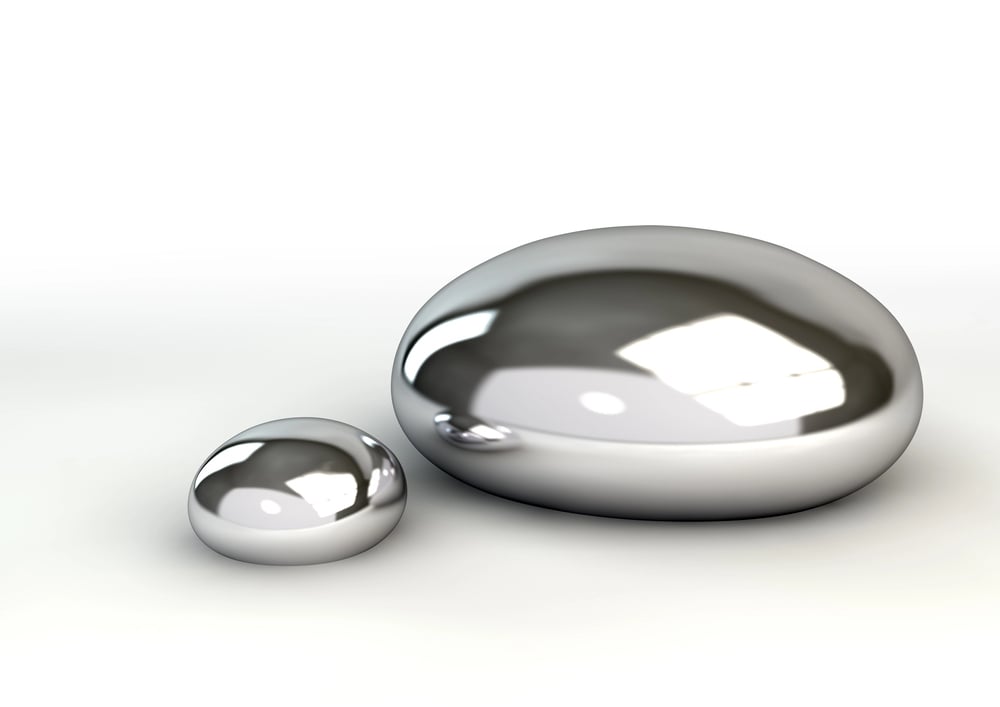
Liquid mercury typically costs in the low hundreds of dollars per gallon based on current commodity prices—roughly $50 to $300, depending on the market. Mercury is rare enough to be valuable but common enough that the price stays relatively affordable compared to other substances on this list.
It’s used in some industrial applications, scientific instruments, and dental amalgams, though many of these uses have declined due to toxicity concerns. The price reflects both rarity and handling requirements.
Mercury is toxic and requires careful storage, transportation, and disposal. Environmental regulations restrict its use in many applications, which has reduced demand but also limited legal supply channels.
What remains is a specialized market for legitimate industrial and scientific uses. Mercury mining has largely ceased in developed countries due to environmental and health concerns.
Most mercury supply now comes from recycling and stockpiles. The market is small and specialized, keeping prices elevated compared to more common industrial metals and chemicals.
Gamma Hydroxybutyric Acid (GHB)

GHB is a controlled substance with limited legitimate medical use for treating narcolepsy under strict prescription controls. The pharmaceutical version, sodium oxybate, is tightly regulated and expensive.
Reliable pricing data for illegal markets are scarce and vary widely by region and source. The high cost of legitimate pharmaceutical GHB comes from legal restrictions and limited production.
When a substance is controlled, legal manufacturers need special licenses, must meet strict security requirements, and face extensive regulatory oversight. These costs get passed to consumers.
On illegal markets, prices reflect production risks and distribution challenges. GHB demonstrates how legal status affects pricing.
The chemical itself isn’t particularly difficult or expensive to synthesize. But regulatory frameworks create artificial scarcity that drives prices up, whether through legitimate pharmaceutical channels or illegal production.
Lysergic Acid Diethylamide (LSD)
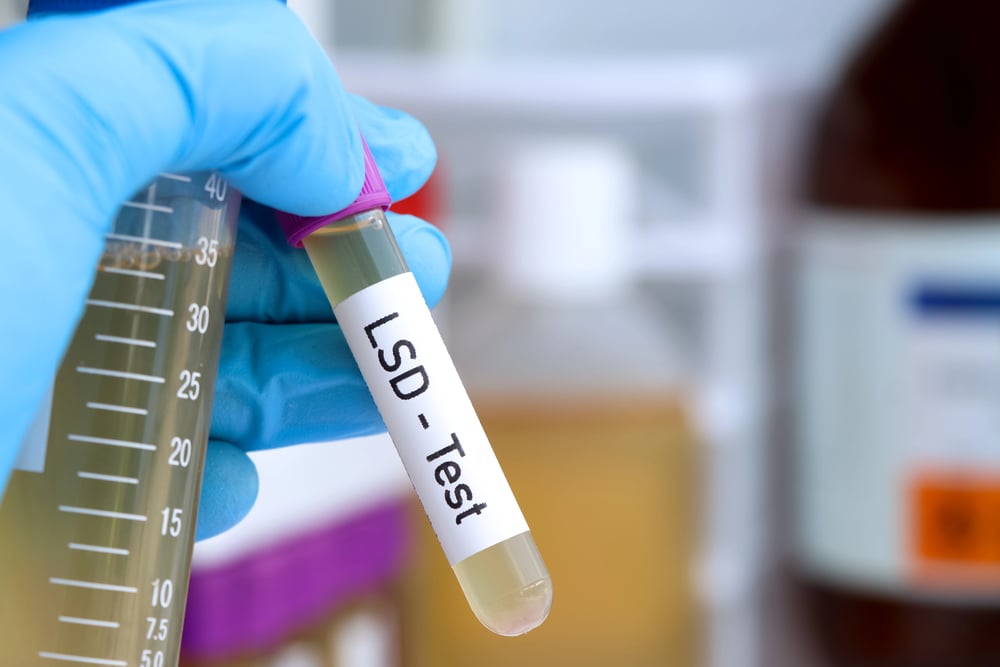
Popular estimates put the notional per-gallon value of LSD above $100,000, but LSD is sold in microgram doses, not bulk, and real prices vary widely. LSD is incredibly potent—effective doses are measured in micrograms.
A gallon would contain millions of doses, which explains the seemingly high calculated price despite individual doses being relatively affordable. The cost reflects illegality, synthesis difficulty, and extreme potency.
Manufacturing LSD requires chemistry knowledge, specialized equipment, and precursor chemicals that are themselves controlled. The risk of prosecution adds a premium.
But because such tiny amounts constitute a dose, the per-dose price stays low enough to maintain a market. LSD pricing demonstrates how potency affects liquid value.
When you need only microscopic amounts for an effect, even expensive per-gallon calculations translate to cheap per-use costs. The apparent high price is mostly an artifact of measuring it in gallons instead of micrograms.
Insulin

Analyses of U.S. list prices have estimated some insulin formulations at roughly $13,000 per gallon, though caps and discounts mean real-world prices vary considerably. This price seems insane for a medication that millions of people need to survive.
The cost comes from pharmaceutical pricing practices, patent protections, and limited generic competition. Insulin is expensive to develop and produce, but not expensive enough to justify current prices in many markets.
Pharmaceutical companies charge what the market will bear, and in countries without price controls, that means high prices. Insurance usually covers most of the cost, but uninsured or underinsured people face crushing expenses.
The insulin pricing crisis has sparked political debates and activism. The medication has been around for a century, but pharmaceutical companies have made incremental improvements that allow them to maintain patent protections and prevent generic competition.
This keeps prices artificially high despite the fundamental science being well-established.
Human Blood

Human blood is difficult to price because it’s usually donated rather than sold. But blood banks, processing, storage, and distribution create costs.
When you calculate operational expenses per gallon, processed blood costs around $1,500. The cost isn’t for the blood itself but for collection, testing, processing, and storage.
Every unit must be screened for diseases, typed, separated into components (red cells, plasma, platelets), and stored under controlled conditions. The infrastructure required to maintain safe blood supplies is extensive and expensive.
Blood pricing varies by country and system. In places with nationalized healthcare, costs are absorbed into general medical expenses.
In privatized systems, hospitals pay blood banks, and those costs get passed to patients. Either way, someone pays for the infrastructure that keeps blood supplies safe and available.
Patchouli Essential Oil

High-quality patchouli oil costs around $600 to $800 per gallon for high-grade oil, with prices varying by harvest and supplier. Essential oils are concentrated plant extracts requiring large quantities of raw material to produce small amounts of oil.
Patchouli needs to be aged to develop its characteristic scent, adding time and storage costs. The price reflects agricultural costs, extraction processes, and market demand.
Essential oils are used in perfumes, aromatherapy, cosmetics, and various other products. Patchouli specifically has been popular since the 1960s counterculture movement and maintains steady demand.
Essential oil pricing generally reflects yield—how much plant material you need to produce a given amount of oil. Patchouli’s price is moderate compared to oils like rose or jasmine, which require enormous quantities of flowers for tiny amounts of oil.
But it’s still expensive compared to synthetic fragrances.
Botulinum Toxin (Botox)
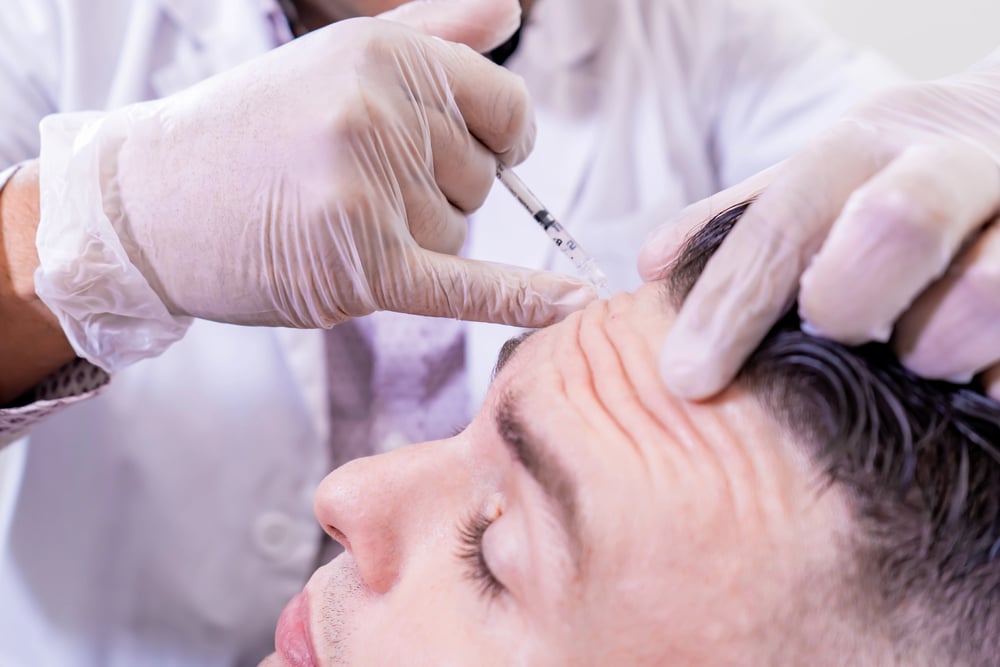
Botulinum toxin is the most acutely toxic substance known to science. Pure botulinum toxin is one of the most expensive substances in the world, quoted in the tens of millions of dollars per gram.
It’s always handled in ultra-tiny quantities—measuring it in gallons would be meaningless because effective doses are microscopic. You’d never need a gallon.
You’d never want a gallon. The price comes from production difficulty, extreme potency, and medical applications.
Botox treats wrinkles, muscle spasms, migraines, and various other conditions. It’s produced by bacterial cultures under carefully controlled conditions, then purified extensively to ensure safety and consistency.
The medical market for botulinum toxin is substantial. Cosmetic applications alone generate billions in revenue.
The astronomical per-unit cost doesn’t matter in practice because each vial contains only tiny amounts. Patients pay hundreds for treatments that use nanograms of the actual toxin.
The rest is saline and stabilizers.
Black Printer Ink vs. Color

Black printer ink and color inks have different costs, with color sometimes exceeding black. The per-gallon cost of premium color ink cartridges can reach $8,000.
Again, this isn’t about production costs. It’s about proprietary formulations and captive markets.
Color printing requires separate cyan, magenta, and yellow inks, plus black. Some printers use additional colors for better photo reproduction.
Each cartridge is sold separately, and many printers refuse to print anything if even one color is empty, even if you only want black and white output. This pricing strategy has generated significant consumer frustration.
Third-party ink manufacturers offer cheaper alternatives, but printer companies use software locks and hardware chips to block them. The ink isn’t actually worth $8,000 per gallon.
You’re paying for the printer company’s business model.
Why Liquids Cost What They Do

Price reflects a combination of factors. Rarity matters—scorpion venom is expensive partly because scorpions produce so little.
Extraction difficulty matters—horseshoe crab blood requires catching crabs and returning them to the ocean. Medical applications matter—substances used in pharmaceutical research or treatments command high prices because healthcare budgets can absorb them.
Legal status creates artificial scarcity. Controlled substances cost more because production is restricted and risky.
Luxury positioning affects perfumes and other consumer products where brand value exceeds physical material costs. Market structure matters too—printer ink is expensive because manufacturers control the market and can charge whatever they want.
Sometimes the per-gallon measurement is misleading. LSD and botulinum toxin have astronomical per-gallon prices, but nobody uses gallons.
The effective per-dose cost is much lower because the substances are so potent. The high gallon price is mathematically true but practically irrelevant.
Comparing Costs to Everyday Liquids
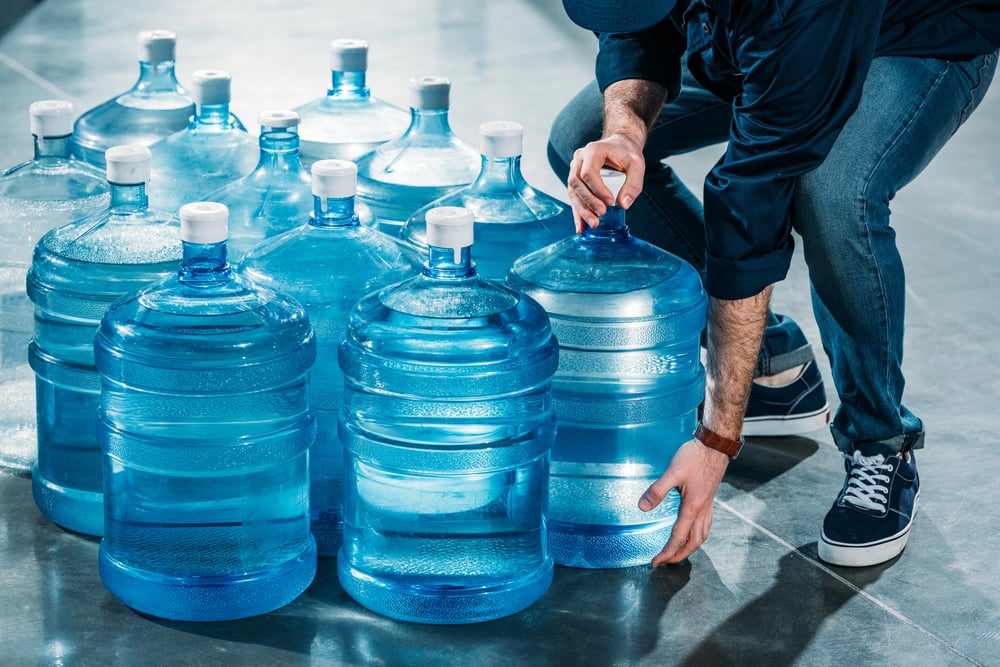
Water costs fractions of a cent per gallon. Gasoline fluctuates but typically stays under $5 per gallon.
Milk runs maybe $4 per gallon. These are the baseline liquids that shape our sense of what fluids should cost.
Even expensive everyday liquids are cheap compared to this list. Fine wine might cost $100 per bottle, which works out to roughly $400 per gallon for a truly premium vintage.
That’s expensive for wine, but cheap compared to printer ink. Craft beer might reach $20 per gallon for expensive options.
Still nothing compared to perfume. The gap between everyday liquids and these exotic substances is enormous.
You’re comparing things that cost pennies per gallon to things that cost millions. The difference isn’t linear—it’s exponential.
These expensive liquids exist in a completely different economic category from anything you’d normally purchase.
The Economics of Tiny Quantities

Most of these liquids are never sold by the gallon. Scorpion venom sells in milligrams.
Perfume sells in ounces. Insulin sells in standardized doses.
Calculating per-gallon costs makes for interesting comparisons but doesn’t reflect how these markets actually work. When you buy these substances, you’re buying tiny quantities at prices that seem reasonable in context.
A bottle of perfume costs $100, not $26,000. An insulin prescription costs hundreds, not thousands (though that’s still too high).
A dose of Botox costs a few hundred dollars. Only when you extrapolate to gallon quantities does the true cost become apparent.
This is partly why companies get away with high prices. Nobody thinks “I’m paying $5,000 per gallon for this printer ink.”
They think “I’m paying $30 for a cartridge.” The per-gallon calculation reveals the markup, but it’s not how consumers experience the purchase.
What We Value

These prices reveal what humans value. Medical substances command high prices because health matters more than cost when your life depends on it.
Venom that might cure diseases is worth millions per gallon because the potential benefit justifies the expense. Luxury goods like perfume cost what they cost because people want to signal status and enjoy premium experiences.
The physical product isn’t worth $26,000 per gallon, but the brand value and emotional experience might be worth the asking price to the customer. Printer ink demonstrates how captive markets distort pricing.
The ink isn’t valuable. The market structure makes it expensive.
This is pricing based on leverage rather than value, and it works because consumers have limited alternatives.
Rarity and Value

These liquids remind us that rarity creates value. Water is essential for life but costs almost nothing because it’s abundant.
Scorpion venom is medically interesting but practically useless to most people, yet costs millions because it’s rare and hard to obtain. The relationship between usefulness and cost isn’t straightforward.
Insulin is both essential and expensive—a combination that creates genuine hardship. Perfume is neither essential nor cheap, but people buy it anyway.
Printer ink is moderately useful and absurdly expensive, generating frustration but not enough to change behavior. Scarcity alone doesn’t create value.
The substance has to be wanted or needed. Plenty of rare liquids cost nothing because nobody wants them.
These expensive liquids combine rarity with demand, whether that demand comes from medical necessity, luxury desire, or market captivity.
The Price of Progress

Some of these prices may fall as technology improves. Synthetic alternatives to horseshoe crab blood are being developed.
Insulin pricing might eventually face regulatory pressure. Better venom extraction techniques could make snake and scorpion venom cheaper.
Other prices will likely stay high or increase. Luxury perfumes will remain expensive because the price is part of the appeal.
Printer ink will stay expensive as long as the business model works. Controlled substances will remain costly as long as they’re illegal or tightly regulated.
Technology can break pricing by creating abundance where scarcity existed. But when price comes from market structure, legal restrictions, or luxury positioning rather than physical scarcity, technology can’t fix it.
The expensive liquids that come from broken markets or artificial restrictions will stay expensive until those underlying issues change.
Measuring in Gallons

Although the gallon measurement produces a helpful framework for comparison, it also skews perception. A gallon of botulinum toxin or LSD is unnecessary.
Perfume would not be purchased by the gallon. Prices appear more exorbitant than real-world experience would indicate because of the unit.
However, there is a reason for the comparison. It makes relative costs visible in a way that is hidden by smaller units.
You know there’s a problem with printer ink pricing when you discover that it costs more per gallon than champagne. You can see why venom research is costly when a gallon of scorpion venom costs $39 million.
Although artificial, the measurement provides insight. It makes the vast range of liquid prices visible by scaling materials from various markets to a common unit.
The spectrum is wide and peculiar, ranging from fractions of a penny for water to millions for venom, and it reveals a lot about human values and how markets function.
What We’re Really Buying

You rarely purchase just the liquid when you purchase any of these pricey liquids. You are purchasing market position, infrastructure, brand value, risk premiums, or research.
The least expensive component of what you’re paying for is frequently the material itself. Maintaining scorpion colonies, training handlers, research facilities, and scientific expertise are all included in the cost of scorpion venom.
Brand building, advertising, retail space, and luxury positioning are all part of perfume. Subsidized printer costs and proprietary technology development are included in printer ink.
Insulin encompasses corporate profit margins, regulatory compliance, and pharmaceutical research. Knowing this makes otherwise absurd prices more understandable.
The production of the liquid itself may be inexpensive. Everything else needed to deliver that liquid to you in a form that can be used, along with all the guarantees, infrastructure, research, and brand value you’re really purchasing, is what’s costly.
The world’s most costly liquids are costly for reasons that extend well beyond chemistry. They are costly due to the way markets are set up, the various things we value, what we are willing to pay for, and what we are forced to pay for.
Prices reveal information about human priorities, market failures, scientific difficulties, and the desire for luxury. Every costly drop has a purpose, and that purpose sheds light on how the world functions.
More from Go2Tutors!

- The Romanov Crown Jewels and Their Tragic Fate
- 13 Historical Mysteries That Science Still Can’t Solve
- Famous Hoaxes That Fooled the World for Years
- 15 Child Stars with Tragic Adult Lives
- 16 Famous Jewelry Pieces in History
Like Go2Tutors’s content? Follow us on MSN.



