13 Toy Store Chains That Closed for Good
For decades, the toy aisle was a destination with its own address, complete with a mascot, a gift registry, and a parking lot full of minivans in December. Then the aisles emptied, one chain at a time, and the addresses turned into pharmacies and furniture outlets.
These retailers sold the same dolls and building sets that shoppers still buy today. What they could not do was outlast the debt, the competition, and the changing habits of the people carrying the shopping bags.
Kay-Bee Toys Went Out in Two Waves
DepositPhotos
Built on the Kay-Bee Toy & Hobby shops that anchored American malls, KB Toys was based in Pittsfield, Massachusetts, and passed to Bain Capital in 2000. The chain filed for bankruptcy in 2004 and emerged smaller, then filed again in 2008.
That second filing was final, and the remaining stores were liquidated by early 2009. Shoppers who remember the clearance bins in the back of the store were looking at the chain’s last business model.
Zany Brainy Sold Smart Play and Ran Out of Time
Zany Brainy built its reputation on educational toys, science kits, and storytime events at stores that felt closer to a classroom than a toy warehouse. The King of Prussia, Pennsylvania, chain went public in 1999 and merged with rival Noodle Kidoodle in 2000.
It filed for bankruptcy in 2001 and was bought out of it by a children’s retailer that later renamed itself FAO Inc. That company went through bankruptcy twice in 2003, and Zany Brainy went down with it.
Noodle Kidoodle Merged Its Way Out of Existence
Noodle Kidoodle began life as Greenman Bros., a Long Island toy distributor that moved into retail and rebuilt itself as a discovery store centered on science, art, and hands-on play. In 2000 it agreed to combine with Zany Brainy, the rival it resembled most, and the Zany Brainy name survived the merger.
The Noodle Kidoodle sign disappeared from storefronts soon afterward. Few retailers have been absorbed and then dragged into bankruptcy as quickly, since the combined company failed within about a year.
Child World Was the Toy Warehouse That Lost the Price War
Child World was a Massachusetts chain, based in Avon, that competed head to head with Toys R Us in the 1980s and also operated a sister chain called Children’s Palace. Its big-box stores sat in many of the same shopping corridors where Toys R Us built its dominance.
The company filed for bankruptcy in 1992 and liquidated. Two warehouse-sized toy chains could not share the same suburbs forever, and the larger one won.
Circus World Fit Toy Stores Into Mall Corridors
Circus World was a toy store chain built for the mall, with storefronts a fraction of the size of the warehouse toy stores that were taking over suburban strip centers. It later became part of the Child World family, which meant a carnival-themed name sat under the same corporate roof as the big-box chain it was meant to complement.
The two formats were designed to catch shoppers in different places, one on the weekend drive and the other on the stroll past the food court. When Child World collapsed in the early 1990s, the smaller banner went down with it.
Lionel Kiddie City Came From a Train Company
Lionel Kiddie City was run by the Lionel Corporation, the company famous for toy trains, which also operated stores under the Lionel Playworld name. The irony was that Lionel had sold off its train business to General Mills in 1969 and spent the following decades as a retailer instead.
Its stores wound down after the corporation went bankrupt in the early 1990s. Vintage Lionel trains remain collectible, with prices depending heavily on condition and original packaging.
Imaginarium Was Absorbed by Toys R Us and Then Shut
Imaginarium sold wooden toys, puzzles, and creative playthings in a boutique atmosphere that stood apart from big-box competitors. Toys R Us acquired the chain and then closed its U.S. stores in 2003.
The name also belongs to an unrelated Spanish toy chain, which should not be confused with the American shops. Shoppers who wanted a quieter alternative to the warehouse aisle lost one of the few places built around it.
FAO Schwarz Closed Its Fifth Avenue Flagship in 2015
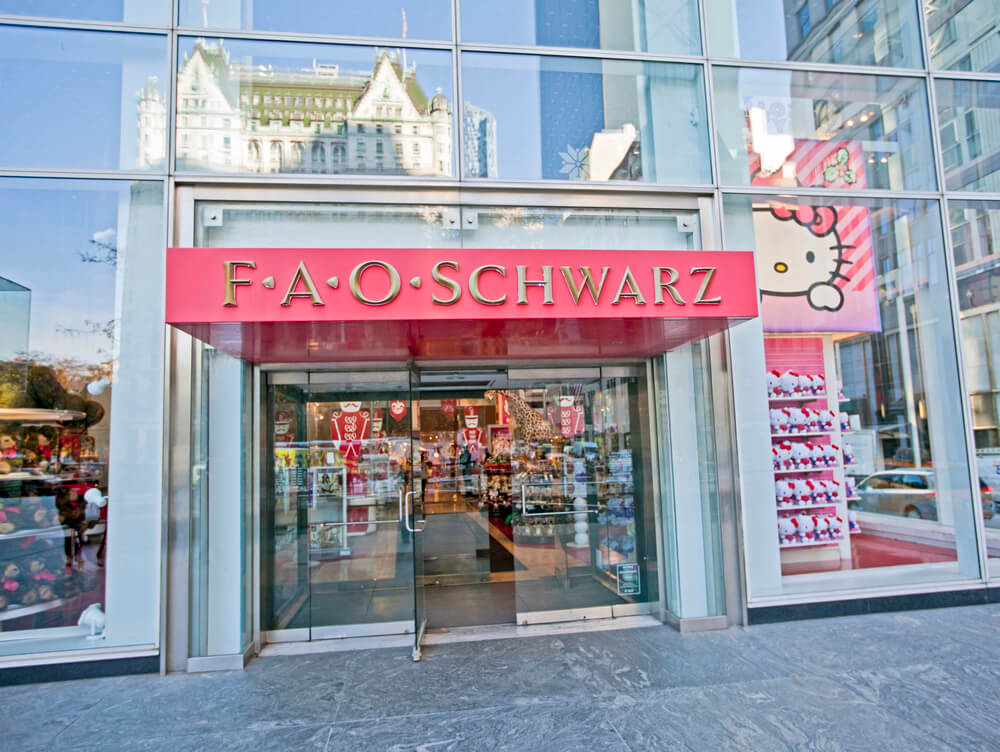
— Photo by stu99
FAO Schwarz was the Manhattan toy emporium founded in the 1860s by Frederick August Otto Schwarz and famous for the giant floor piano that Tom Hanks danced on in the 1988 movie Big. After years of ownership changes and bankruptcies, the Fifth Avenue flagship closed in 2015 under Toys R Us ownership.
The brand returned in November 2018 with a new store at Rockefeller Center, so the accurate description is that the original flagship closed rather than that the name vanished.
Learningsmith Liquidated Before the New Century
Learningsmith sold educational toys, science kits, and gifts for curious adults and children at stores in malls and shopping districts. The company liquidated around the turn of the century, leaving a niche that rivals like Zany Brainy and Noodle Kidoodle were also fighting over.
Its shelves leaned toward telescopes, puzzles, and experiment sets rather than licensed characters. Smart toys did not always translate into smart margins.
Toys R Us Closed Its U.S. Stores in 2018, and Its Overseas Arms Fell Too
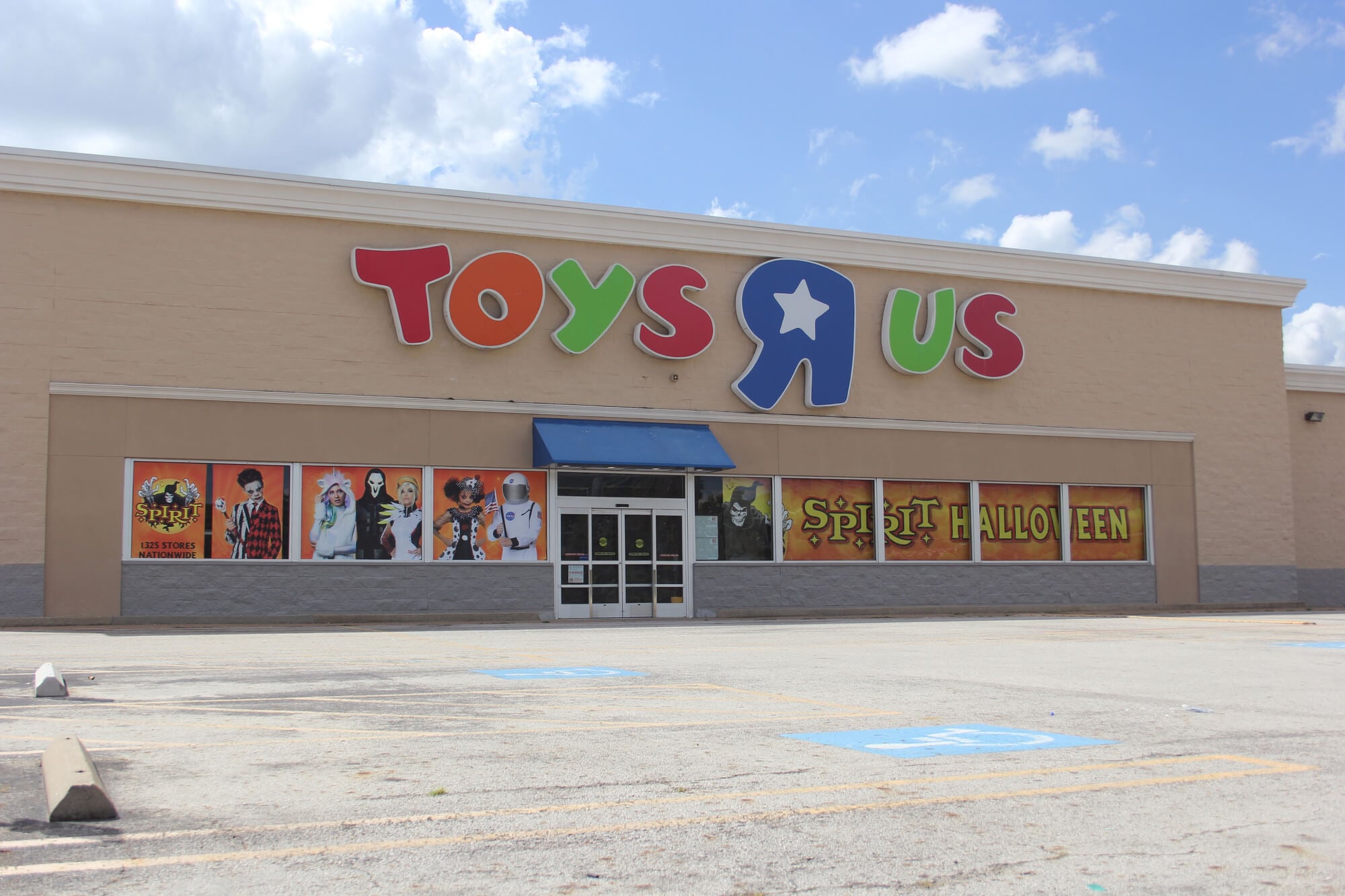
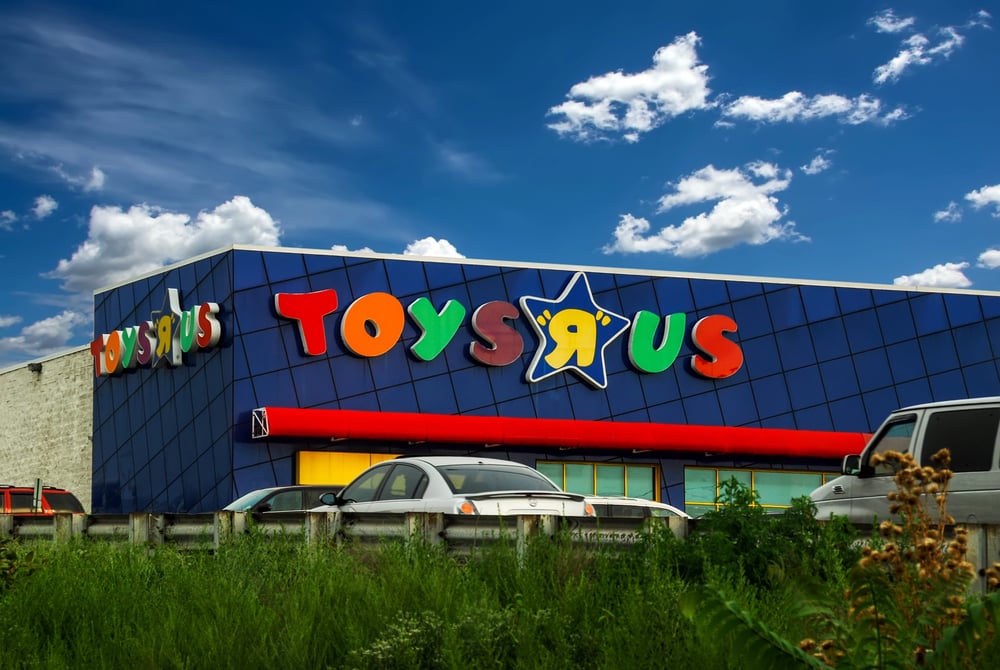
Charles Lazarus opened the original business as a baby furniture store in Washington, D.C., in 1948, and it grew into a global chain with Geoffrey the Giraffe as its mascot. Toys R Us filed for bankruptcy in September 2017, and in March 2018 the company announced it would shut down its U.S. operations.
The British and Australian arms went into administration in 2018 as well, and neither found a buyer as a going concern, so the stores closed. The brand has since reappeared in a different form, with Toys R Us shops opening inside Macy’s department stores, a small echo of the era when the chain filled entire big-box buildings.
Toys, Toys, Toys Shut Down After Nearly 30 Years
Toys, Toys, Toys was a Canadian toy retailer based in the Toronto area, and in July 2020 it filed for bankruptcy after nearly 30 years in business. The company announced the closure of all its stores and began a large liquidation sale.
The closing came in the middle of a pandemic summer that drove many independent and regional stores out of business. For families in the region, the last shelves of discounted games and puzzles were the final trace of a long-running neighborhood fixture.
Samko & Miko Toy Warehouse Closed After 60 Years
Samko & Miko Toy Warehouse was an Ontario toy retailer in the Toronto area that spent roughly six decades selling toys at discount prices. The business went bankrupt in 2024 and held an enormous closing sale.
Warehouse-style shopping let families browse a huge range under one roof, which made the loss feel larger than a single store. Few toy sellers in the region could claim a history that long.
Play Co. Toys Traded in New and Used Playthings
Play Co. Toys & Entertainment was a California-based chain that sold new toys alongside gently used ones that customers brought in for trade. That secondhand angle set it apart from the big-box chains of its era.
The company went bankrupt and shut down its stores. Its model of buying back toys anticipates the resale culture that now thrives online.
What Shoppers Lost When the Toy Aisle Moved Online
The chains on this list failed for different reasons: too much debt, too many rivals, too little room between a discounter and a specialist. Yet the pattern repeats from Child World in 1992 to Toys R Us in 2018, with each collapse clearing space for a larger competitor that would eventually face the same pressures.
Even the brands that returned, like FAO Schwarz and Toys R Us, came back as smaller, more cautious versions of themselves. What disappeared was less the product than the place.
A toy store gave children an hour of hands-on browsing with no screen and no algorithm deciding what came next. Shoppers can still buy the same toys, but the experience of wandering a crowded aisle with a wish list has become something to be reconstructed from memory.
More from Go2Tutors!

- 27 Silver Dollars and Half Dollars Worth Keeping
- 28 Restaurant Menu Items Nobody Orders Anymore
- 17 Places Built in Seemingly Impossible Spots
- 27 Vintage Rings Worth More Than They Look
- 25 Restricted Sites Tourists Can’t Enter
Like Go2Tutors’s content? Follow us on MSN.