Planet Truths Scientists Rarely Share
Most of us only got the “textbook tour” of planets in school—eight names to memorize, maybe a line about Pluto being kicked out, and that was about it. But planets are far stranger than those dry lessons suggested. Some worlds glitter with diamonds, others rain sideways glass, and a few bend the very concept of time. Scientists keep uncovering truths that sound more like sci-fi than science fact.
Here’s a list of planetary revelations that might just change the way you picture our solar system—and the wild worlds beyond it.
Venus Has Longer Days Than Years
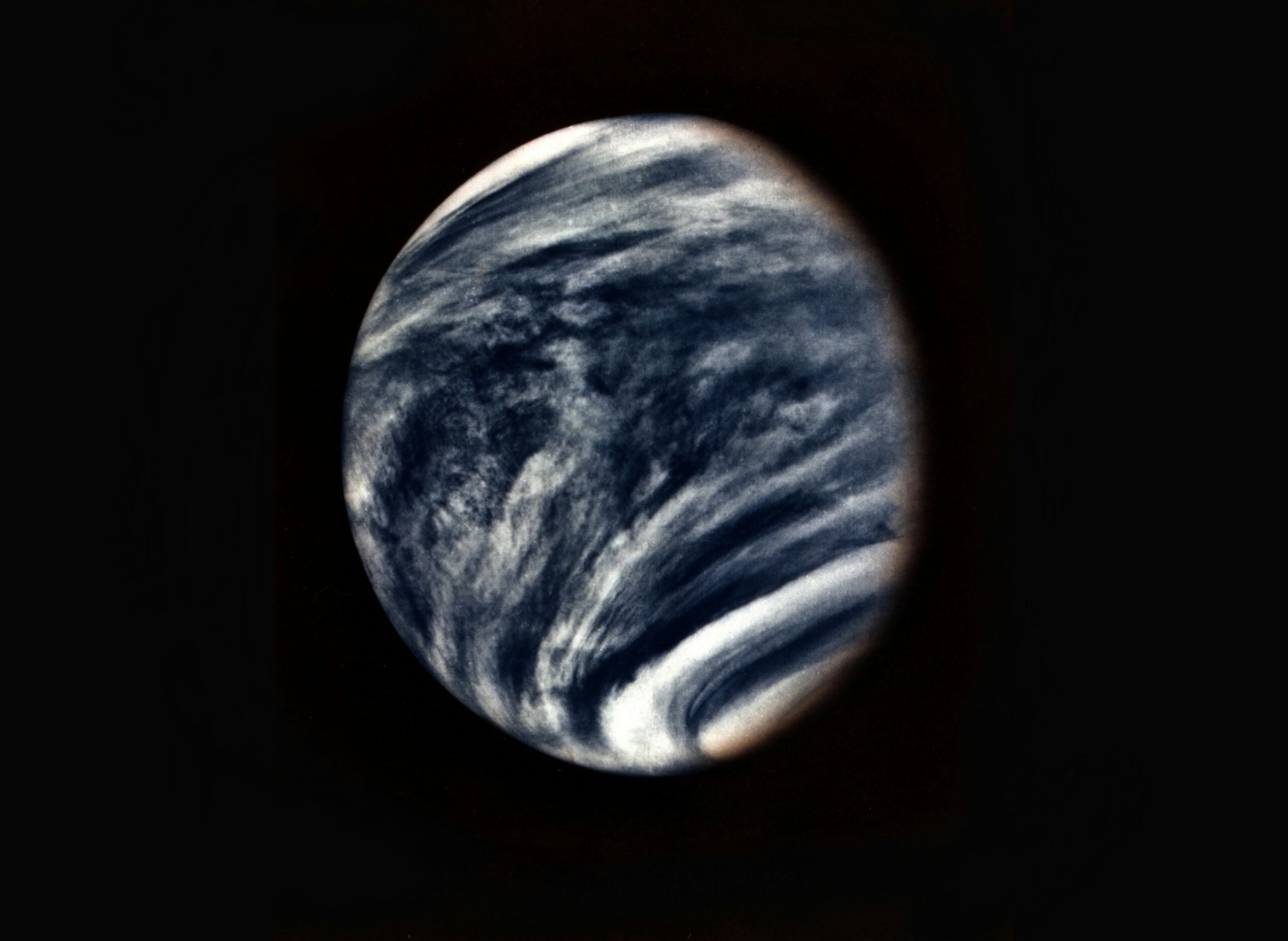
Time on Venus is straight-up bizarre. A single day takes 243 Earth days to pass, yet a year wraps up in just 225.
Translation? You’d celebrate a birthday there long before the planet even rotated once. And if that wasn’t enough, Venus spins in the opposite direction of most planets—a phenomenon called retrograde rotation.
Jupiter’s Great Red Spot Could Swallow Earth Whole
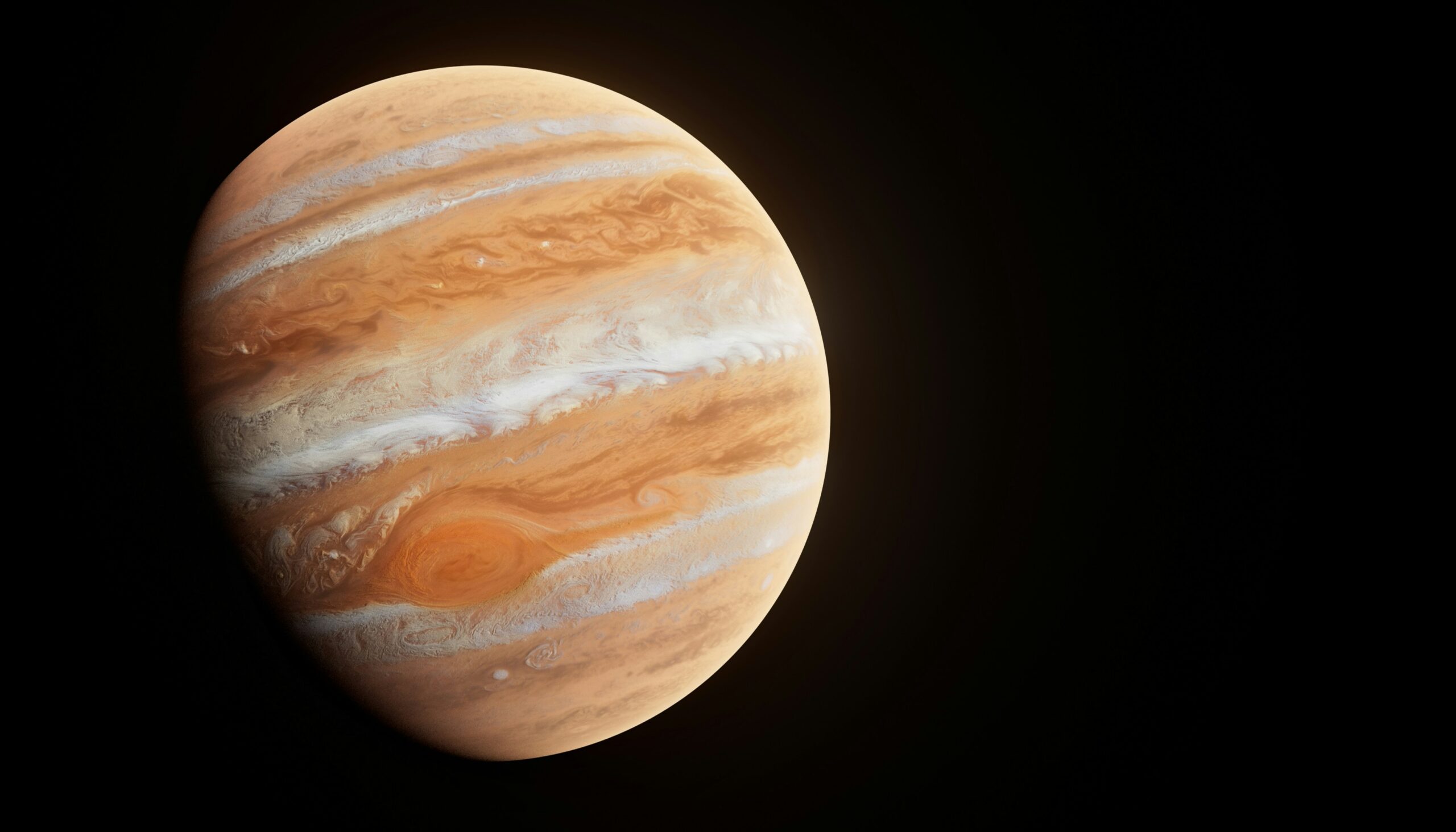
We’ve all seen the big red blotch in Jupiter photos. What’s harder to grasp is the sheer scale of it.
That storm is about 10,000 miles wide and has been raging for at least 400 years—older than most modern nations. To put it simply: Earth could fit inside it like a marble in a teacup.
Like Go2Tutors’s content? Follow us on MSN.
Earth Doesn’t Have the Most Water
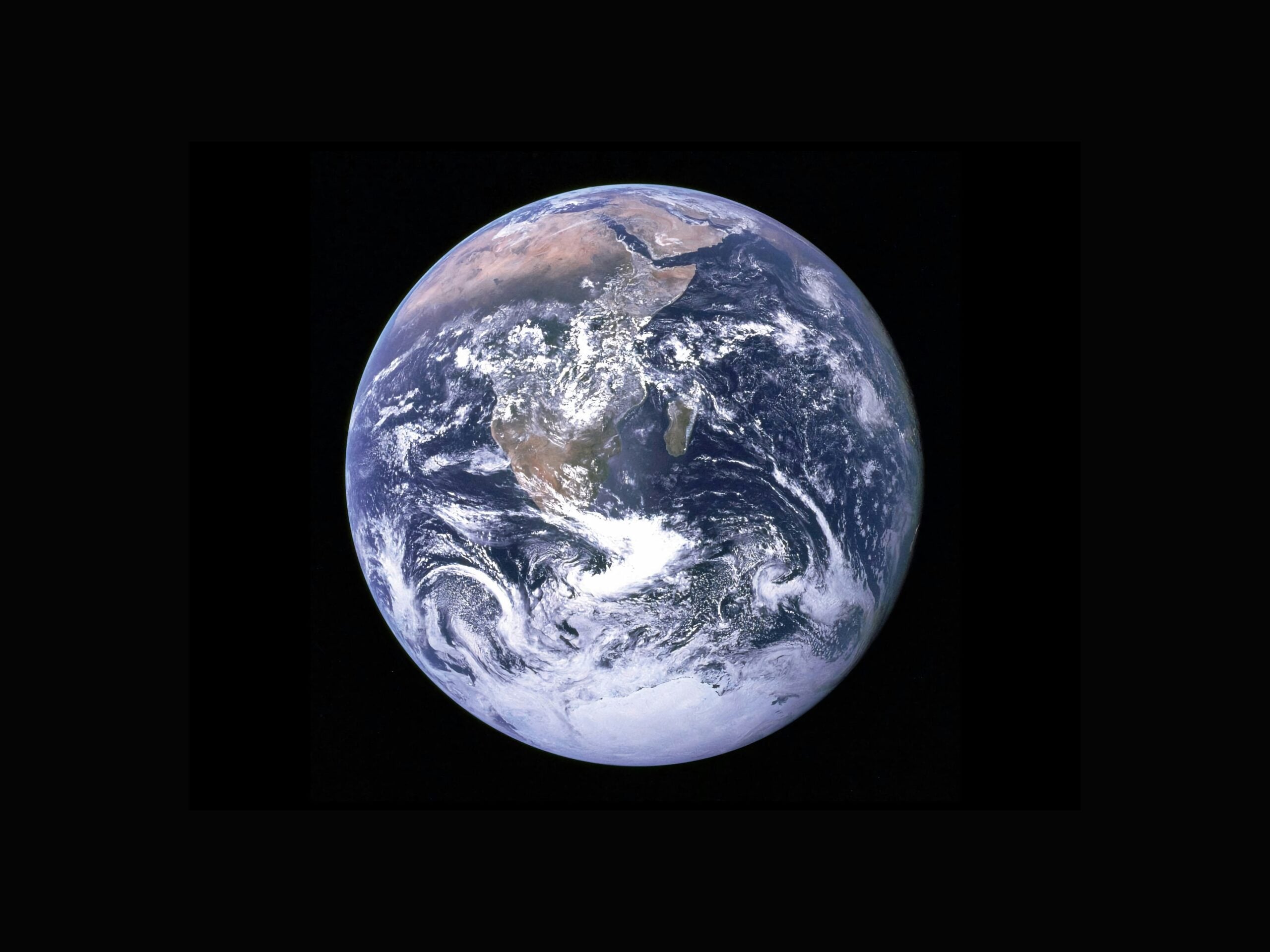
We call Earth the “blue planet,” but it’s hardly the wettest. Jupiter’s moon Ganymede alone has more water than every rocky world combined.
Beneath its icy shell lies a saltwater ocean around 100 miles deep. And Earth? We rank fifth, behind Titan, Callisto, and Europa.
Scientists Found Planets Made of Diamond
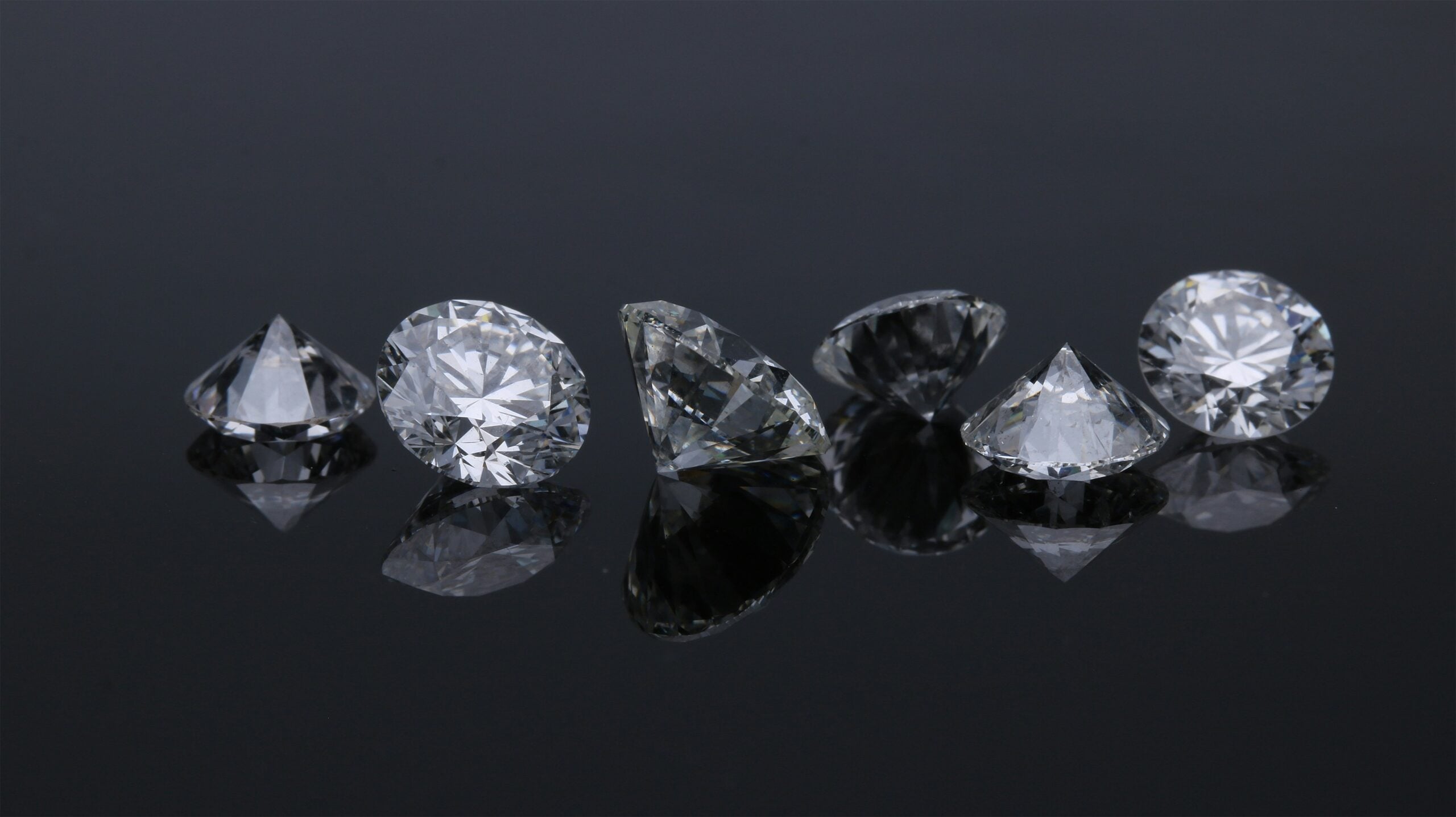
Out near the star 55 Cancri A sits an exoplanet that might literally be a diamond world. Imagine a planet so carbon-rich and pressurized that much of it crystallized into gemstone.
Its estimated value? Beyond calculation. Tempting, sure—but it’s also about 40 light-years away.
Mars Has a Volcano Three Times Taller Than Everest
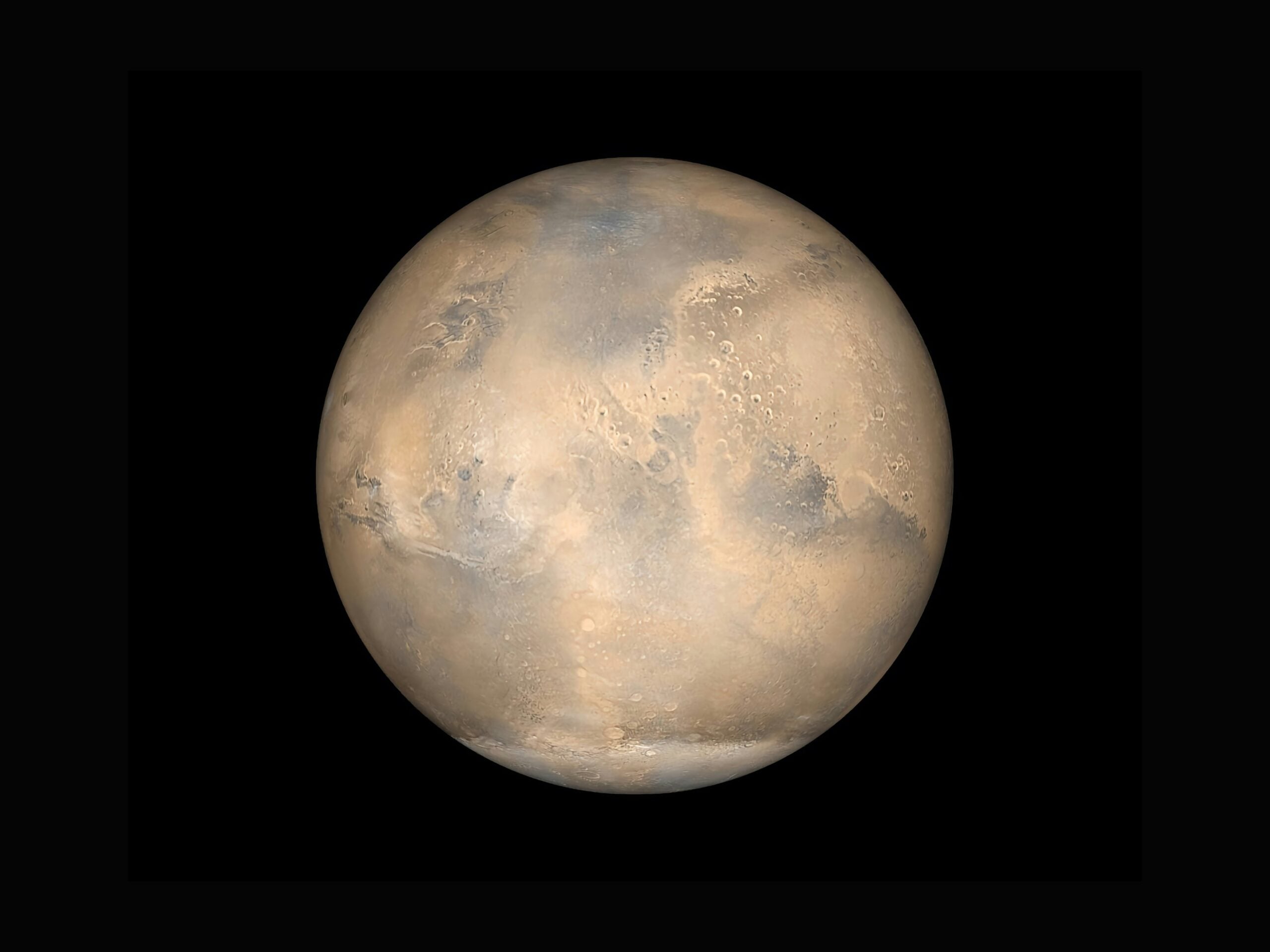
Olympus Mons is no ordinary mountain. At 13.6 miles high and wider than Arizona, this Martian volcano makes Everest look like a speed bump.
Because Mars has weaker gravity, its volcanoes grew monstrously larger than Earth’s. Stand on its peak, and the horizon curves away before you can even see the base.
Like Go2Tutors’s content? Follow us on MSN.
Some Planets Rain Glass Sideways
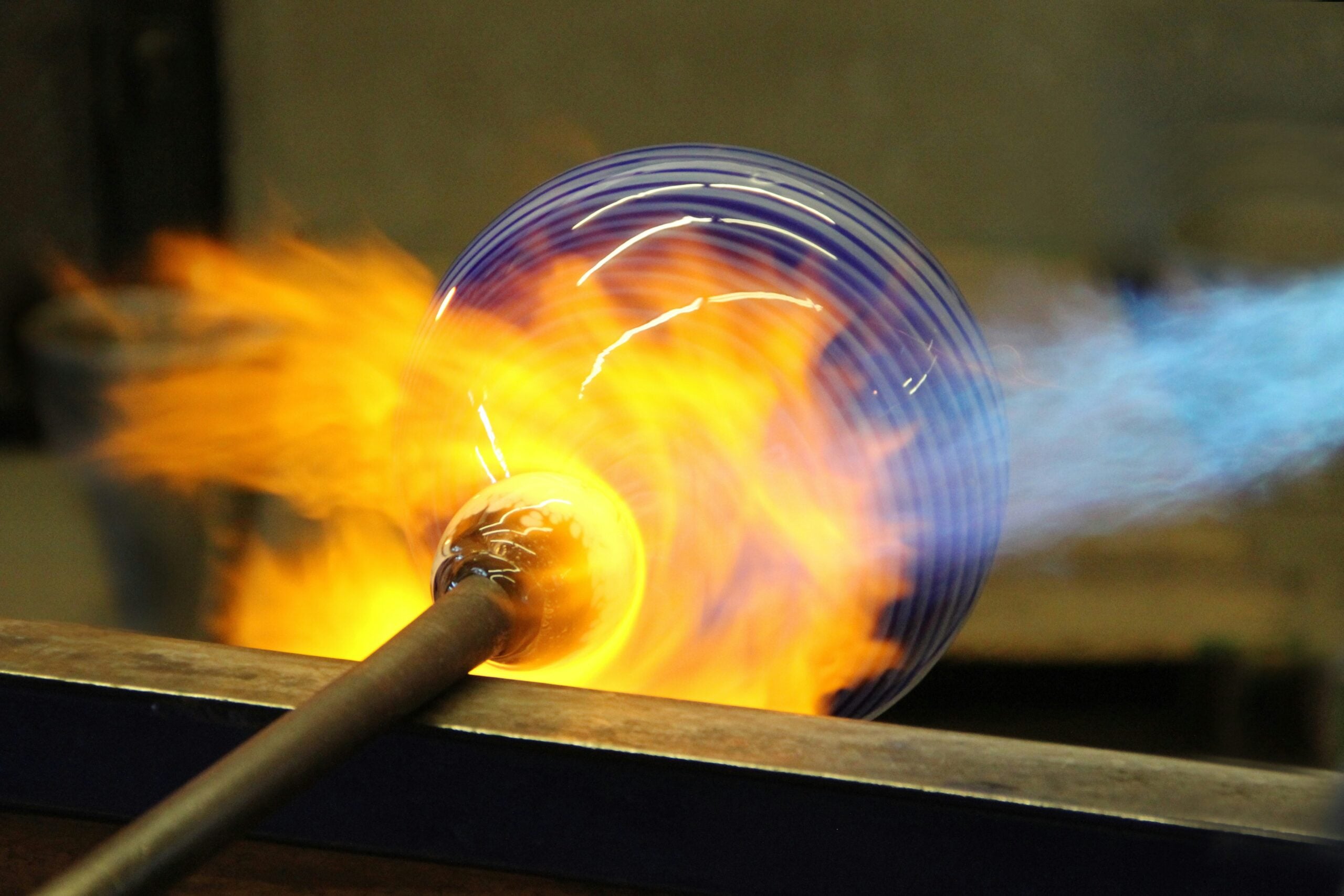
HD 189733b is basically a nightmare planet. Winds roar at 8,700 km/h while the skies rain molten glass sideways.
Its striking blue color comes from silicate particles in its atmosphere. Imagine standing there: razor-sharp glass shards flying faster than bullets while the heat reaches 1,300°C.
You Could Fit All Eight Planets Between Earth and the Moon
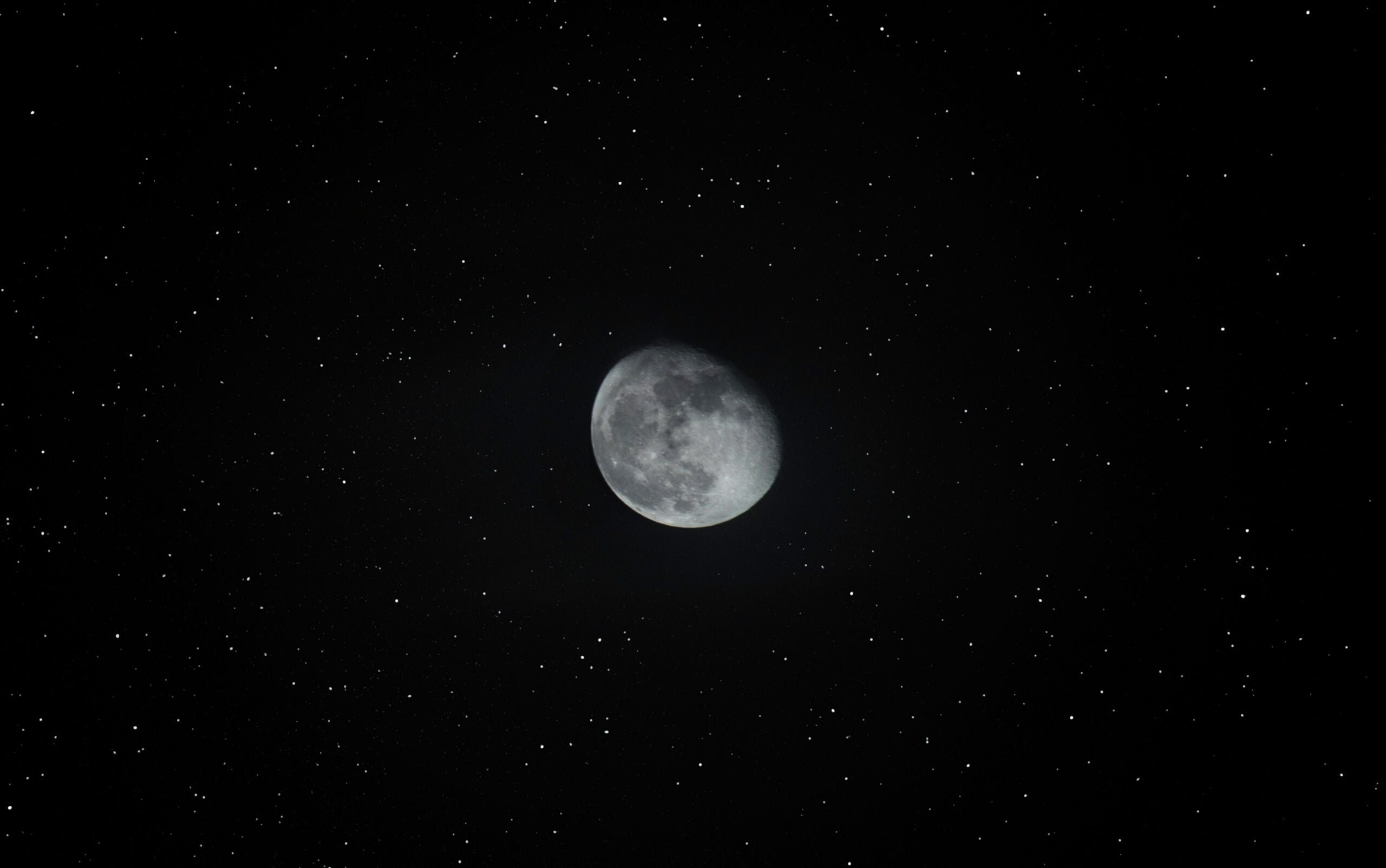
The Moon seems close—you can spot it from your backyard. But the truth? It’s 250,000 miles away.
That gap is so vast you could line up all seven other planets between us and still have a little wiggle room. Walking on the Moon makes it feel nearby, but in cosmic terms it’s quite a haul.
Mercury Is Smaller Than Two Moons
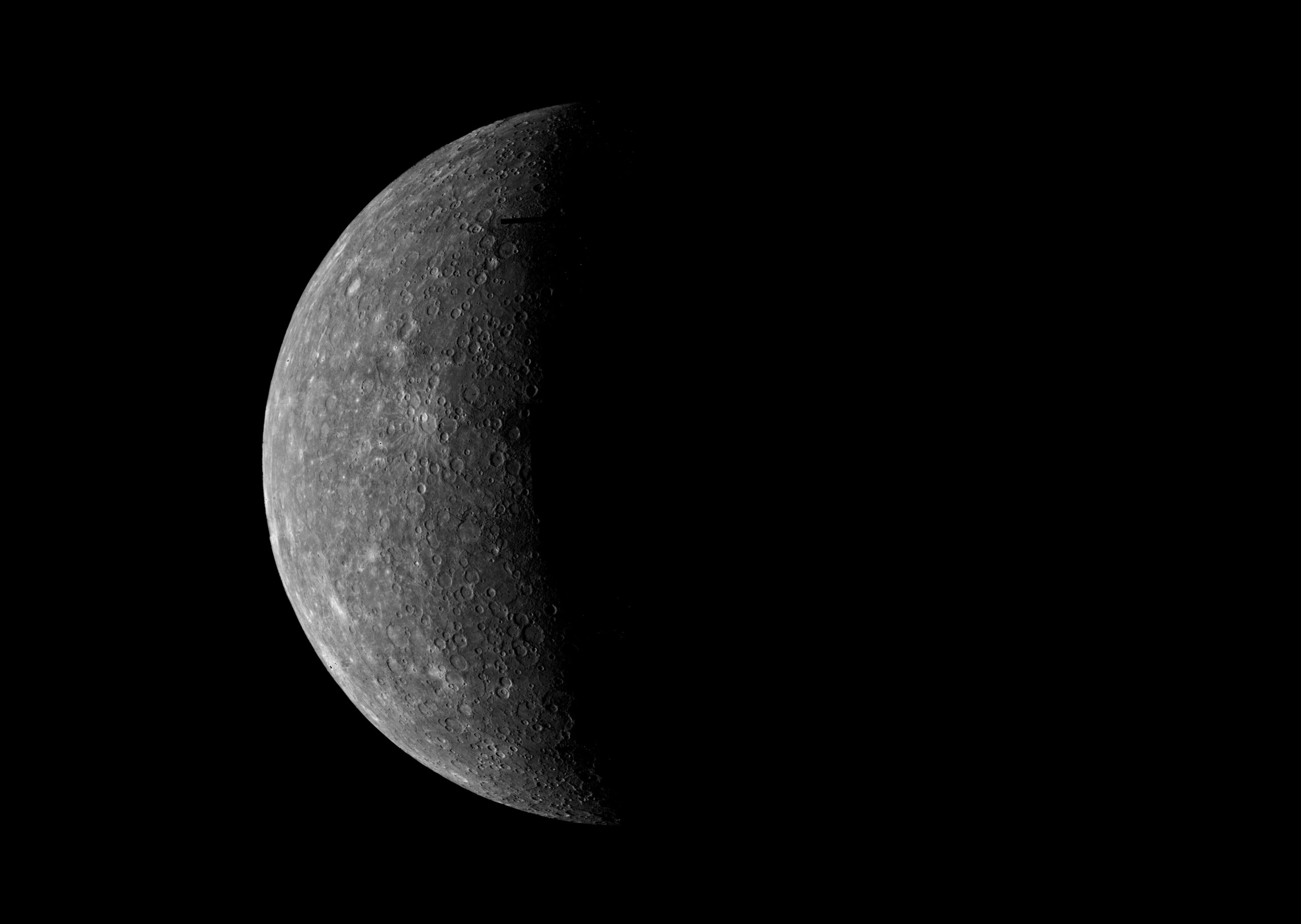
Planet status isn’t about size—it’s about what you orbit. Case in point: Mercury, the smallest planet, is actually smaller than both Ganymede and Titan.
Those moons outclass Mercury in bulk but remain “just satellites.” Talk about cosmic double standards.
Like Go2Tutors’s content? Follow us on MSN.
Saturn’s Rings Are Made of Billions of Icy Chunks
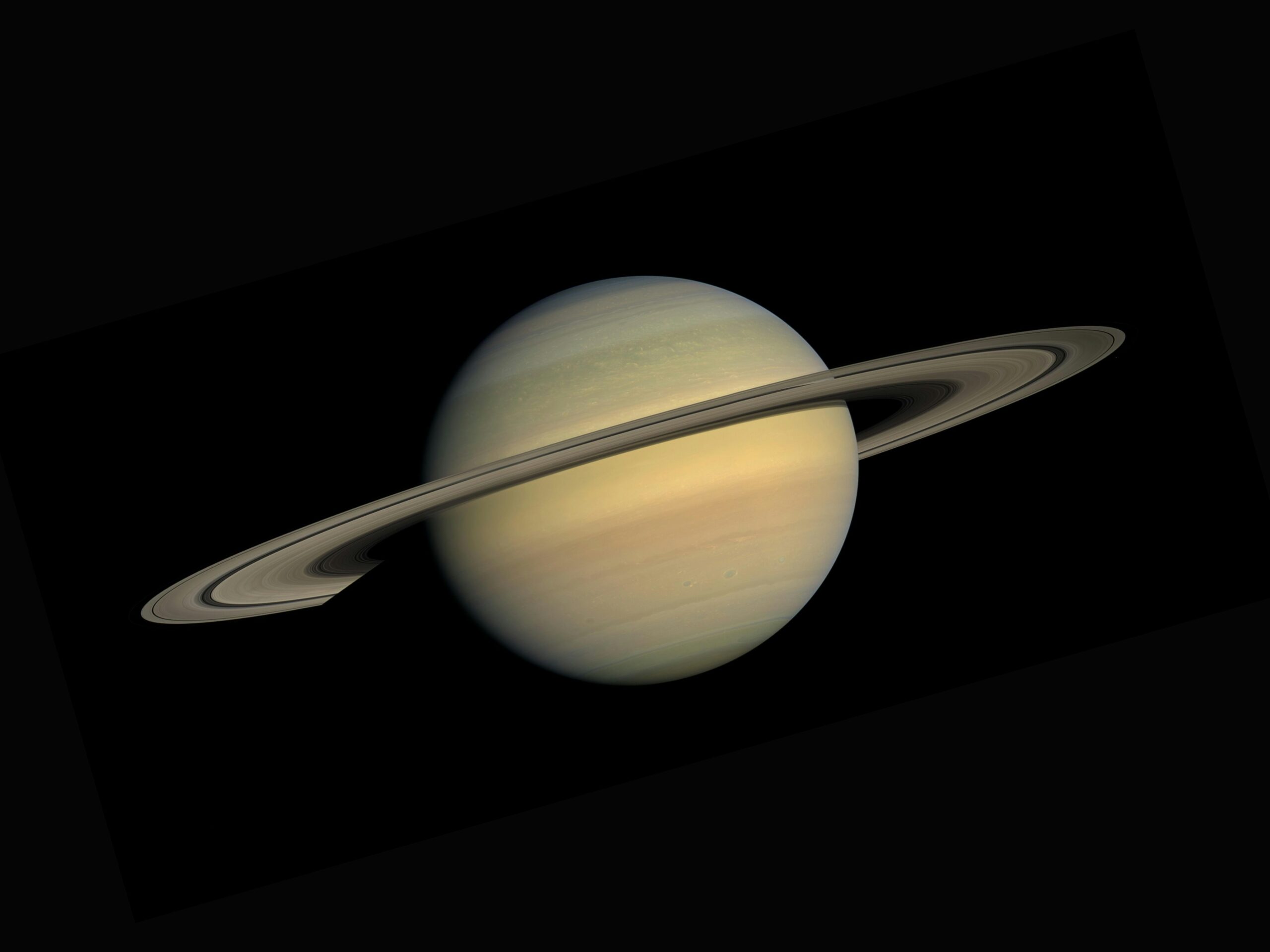
Saturn’s rings aren’t solid discs—they’re made of countless icy fragments, from dust-sized grains to boulders the size of houses. Each piece orbits independently, forming the delicate, flat layers we see through telescopes.
Scientists believe the rings are relatively young, maybe just 100 million years old—a cosmic blink compared to Saturn’s 4.5 billion-year lifespan.
A Day on Jupiter Lasts Only 10 Hours
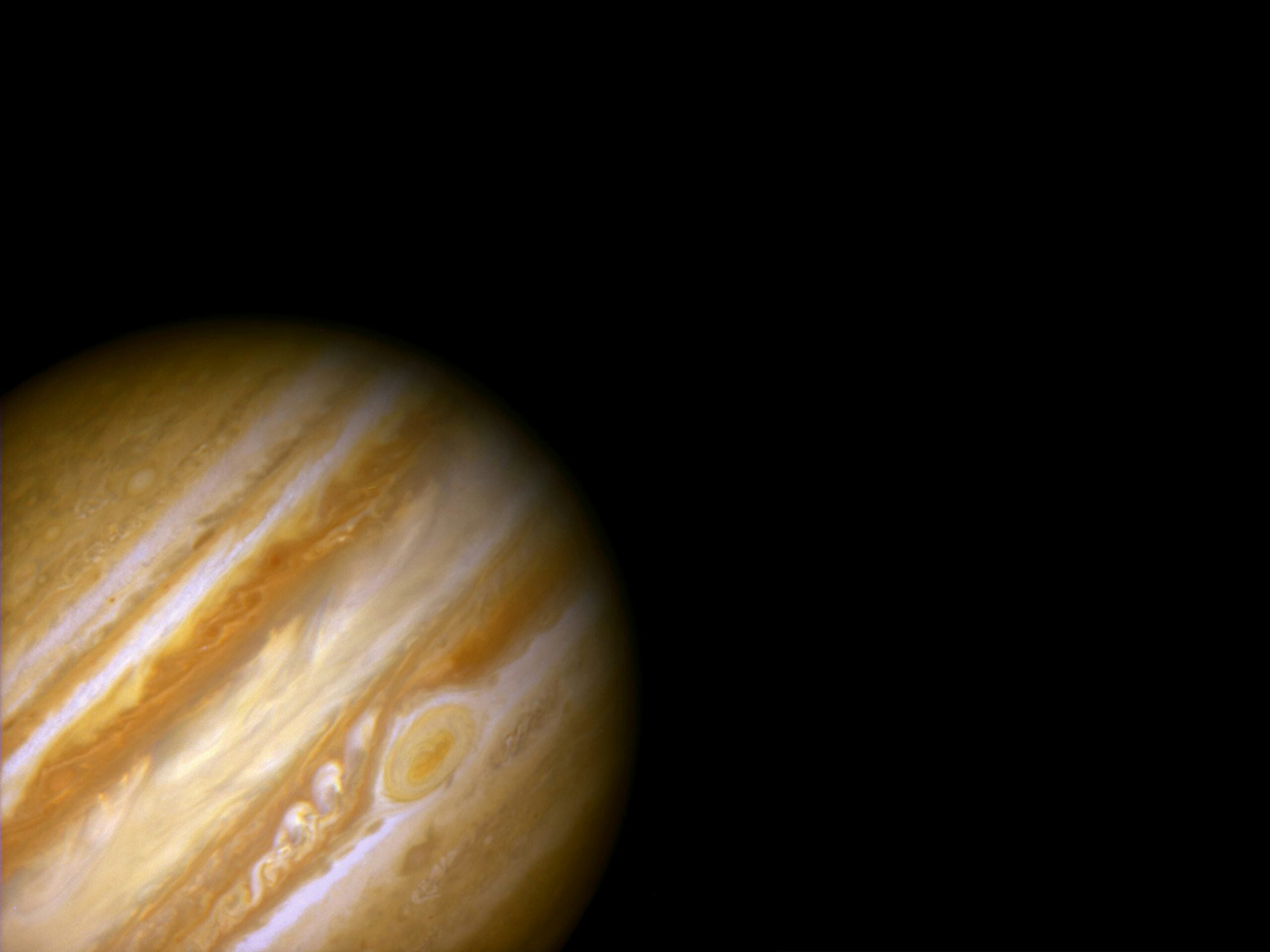
Despite being the heavyweight of our solar system, Jupiter spins the fastest. One full rotation takes just 10 hours.
That rapid spin causes its equator to bulge and fuels its wild weather patterns, including those centuries-old storms. The gas giant doesn’t do lazy days—it’s all speed.
Scientists Discovered a ‘Steam World’ Covered in Water Vapor
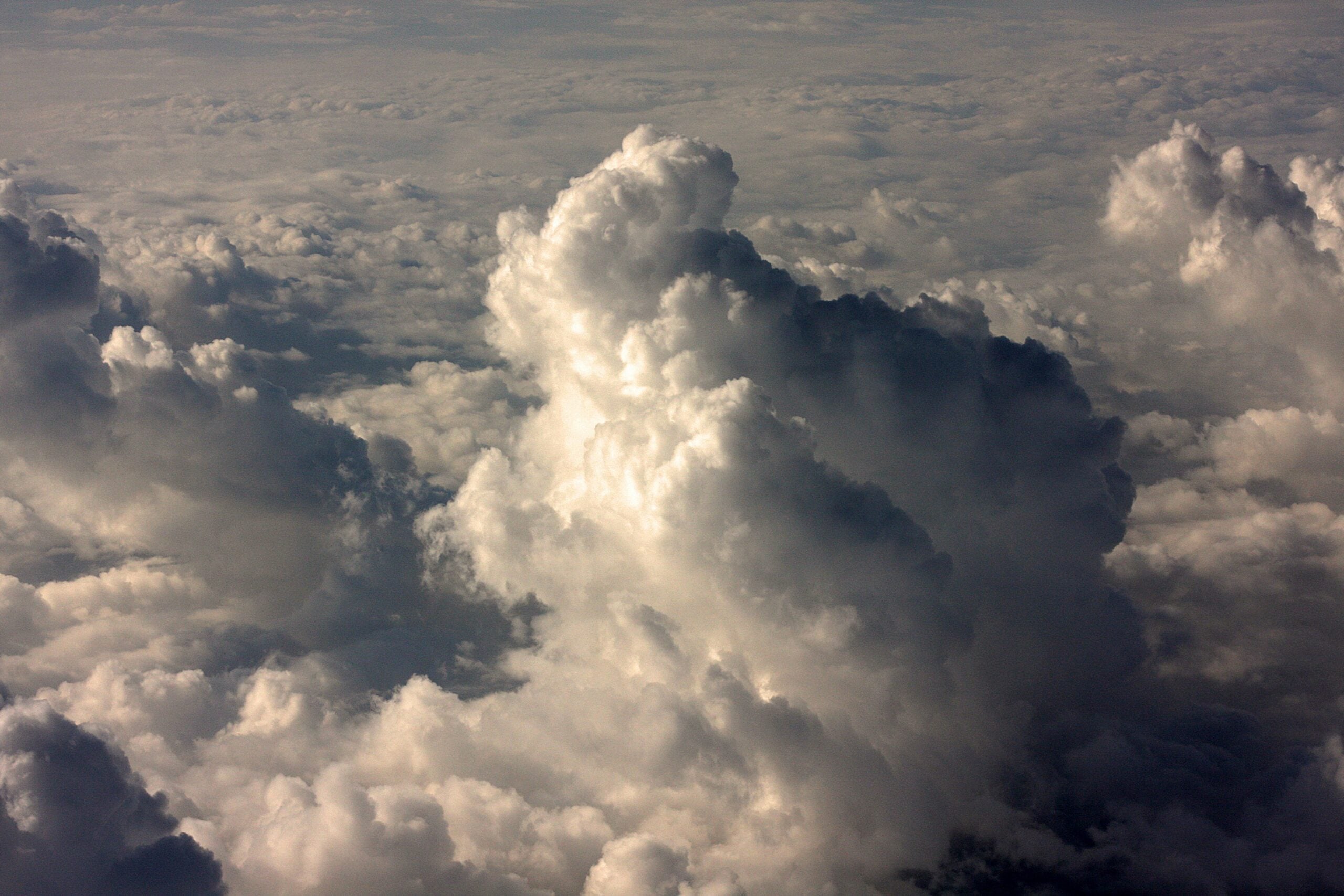
About 100 light-years away, the exoplanet GJ 9827 d exists in a permanent sauna. Twice the size of Earth, its atmosphere is almost entirely steam.
Scientists call it the first confirmed “steam world,” a type they once thought was only hypothetical. No spa day could compete with this place.
Like Go2Tutors’s content? Follow us on MSN.
Neptune Has Winds Faster Than the Speed of Sound
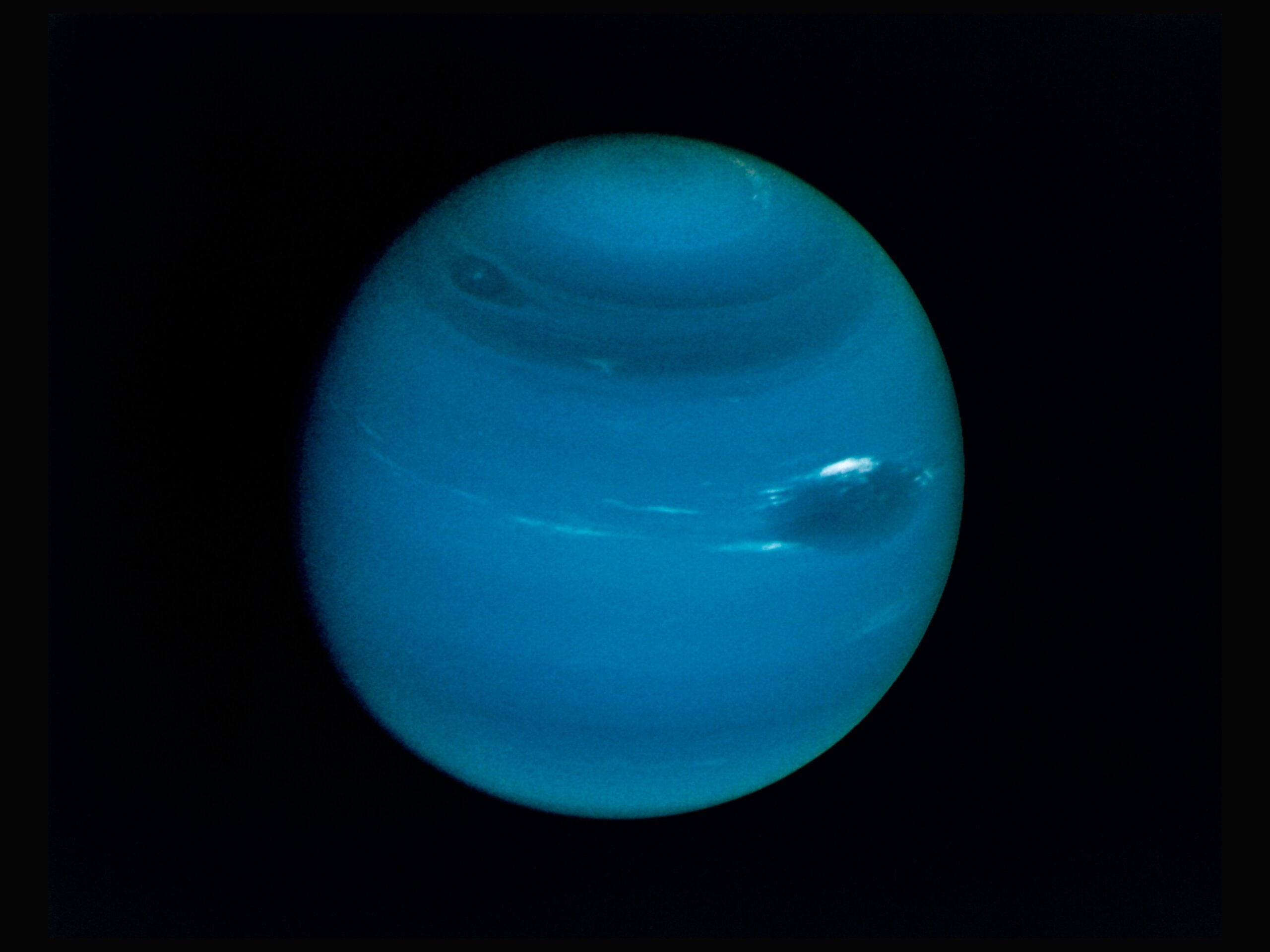
Neptune may look calm in telescope shots, but don’t be fooled. Its winds tear across the planet at supersonic speeds.
Some exoplanets take it even further—like WASP-127b, where jet streams whip at 33,000 km/h. For any spacecraft, conditions like that would be instant destruction.
Over 6,000 Planets Have Been Confirmed Beyond Our Solar System
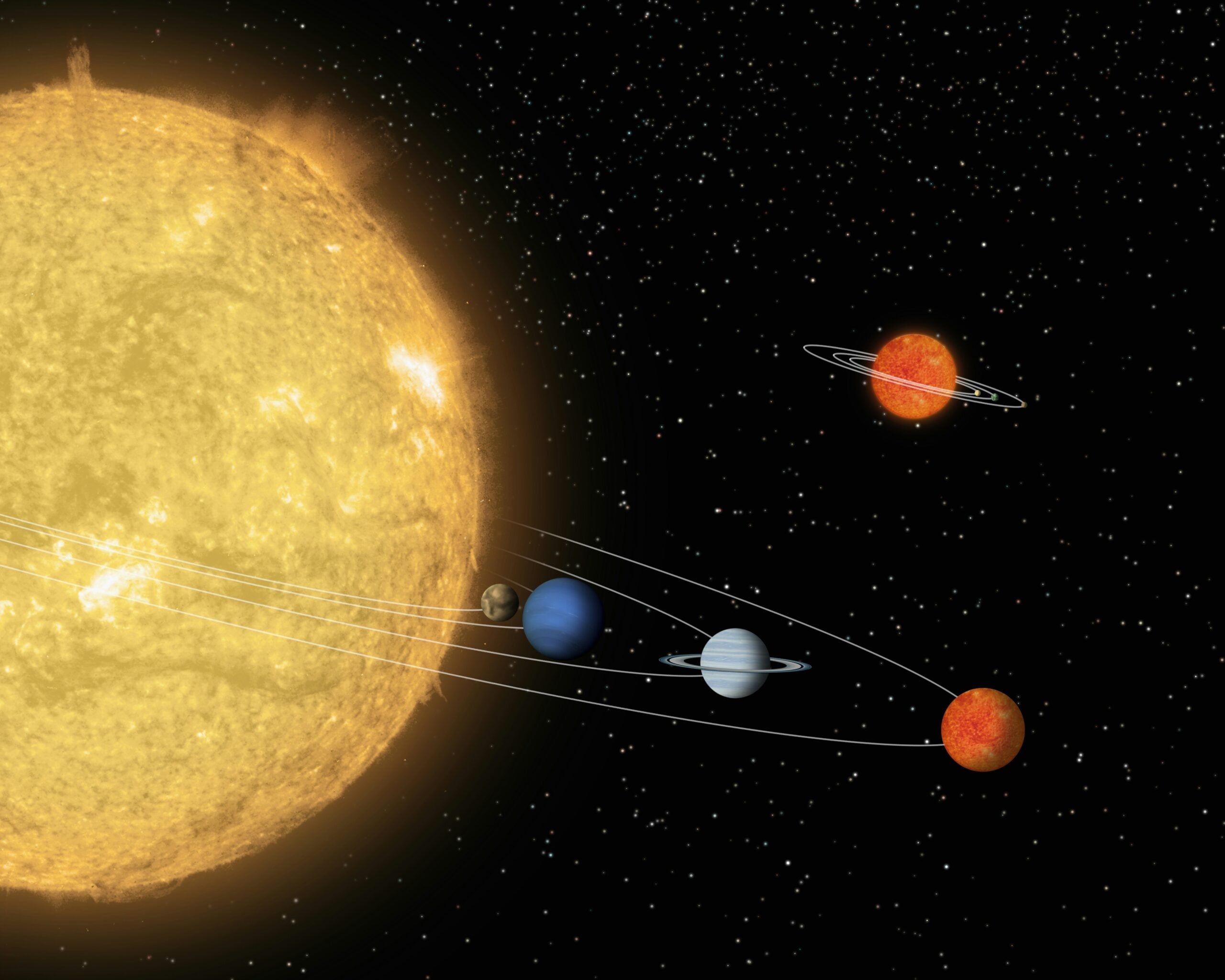
In the early 1990s, we knew of exactly nine planets. Today? NASA has confirmed more than 6,000 exoplanets, with thousands more candidates in line.
And we’re just scratching the surface—scientists estimate billions may exist in our galaxy. The universe is not shy about multiplying worlds.
Some Exoplanets May Form from Tiny Cold Clouds Instead of Disks
Not all planets are born in the classic way from protoplanetary disks. Some may form independently from small, frigid clouds called globulettes.
This alternative birth method could explain the oddballs astronomers keep finding—planets that don’t follow the usual script because they weren’t cast in the usual mold.
Like Go2Tutors’s content? Follow us on MSN.
The Cosmic Census Keeps Getting Stranger
The universe has no respect for our neat diagrams. Each year brings discoveries that force scientists to scribble out old rules and write new ones.
Diamond worlds. Steam planets. Sideways glass storms. Planets that outlast dying stars.
If anything, these findings remind us that Earth is just one strange chapter in an endless cosmic story.
More from Go2Tutors!

- 16 Historical Figures Who Were Nothing Like You Think
- 12 Things Sold in the 80s That Are Now Illegal
- 15 VHS Tapes That Could Be Worth Thousands
- 17 Historical “What Ifs” That Would Have Changed Everything
- 18 TV Shows That Vanished Without a Finale
Like Go2Tutors’s content? Follow us on MSN.