20 Discount Store Chains Families Shopped at Growing Up
Before big-box superstores and online carts, a Saturday errand meant picking a name off the highway sign and hoping the parking lot had room. Each region had its own favorites, and the names on those signs were rarely the ones that survived.
Some of these chains are still open, but many are gone, leaving behind empty storefronts, faded memories of snack bars and layaway counters, and the odd shopping bag in a relative’s closet.
Woolworth
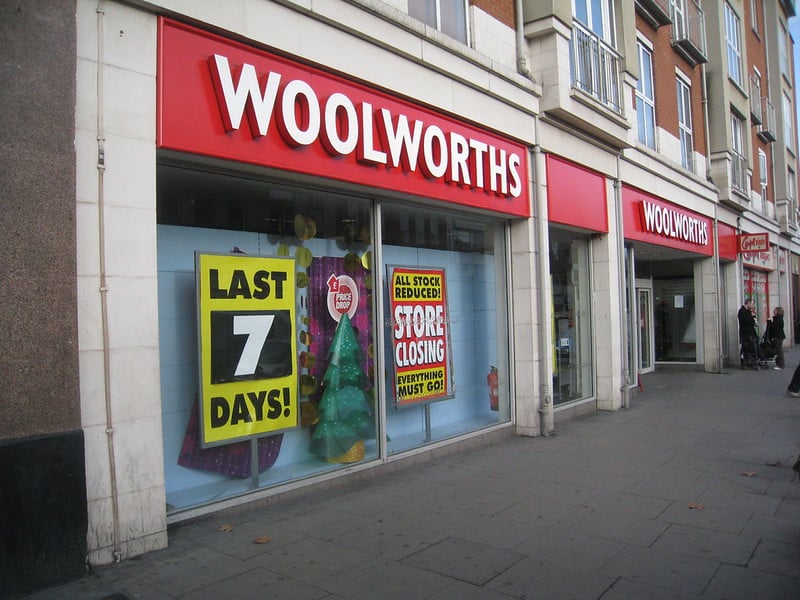
F. W. Woolworth opened his first successful five-cent store in Lancaster, Pennsylvania, in 1879, after an earlier attempt in Utica, New York, had failed. Generations of families knew the chain for its lunch counters, its candy displays, and its aisles of inexpensive housewares.
In 1960, the lunch counter at the Greensboro, North Carolina, store became the site of one of the most famous sit-in protests of the civil rights era. The last American Woolworth variety stores closed in 1997, and the company lives on today as Foot Locker, Inc.
Kmart
The first Kmart opened in Garden City, Michigan, in 1962, built by the S. S. Kresge Company as a larger, self-service answer to its older variety stores. The chain became famous for the Blue Light Special, a flashing blue light that signaled a short-lived markdown somewhere in the store.
Kmart opened the same year as Walmart and Target, which made 1962 one of the most consequential years in the history of American retail. The company merged with Sears in 2005, and only a handful of stores remain today.
Walmart
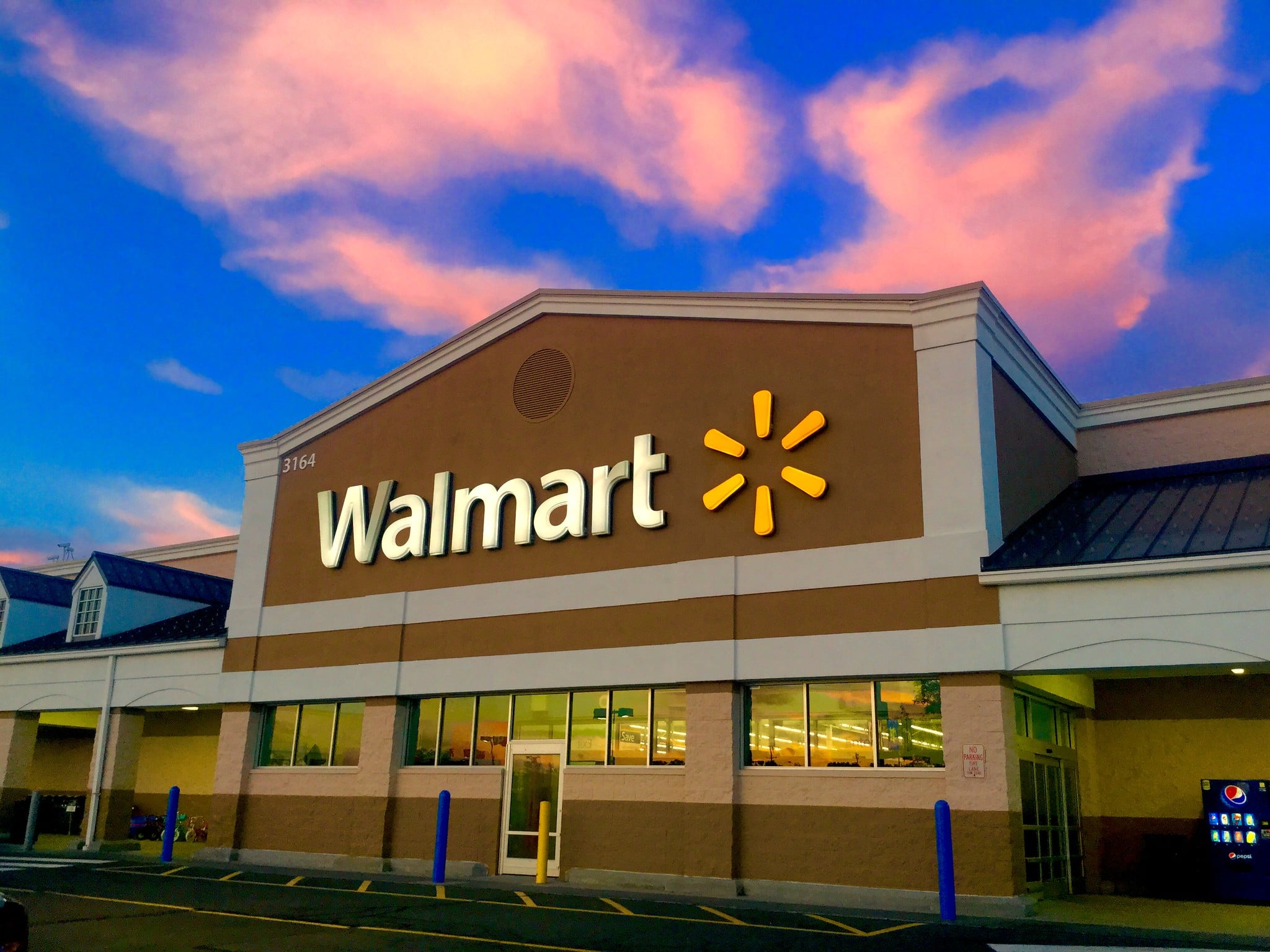
The first Walmart opened in Rogers, Arkansas, in 1962, run by Sam Walton, who already operated several variety stores in the region. Early locations clustered in small towns across Arkansas and neighboring states, where larger competitors had not bothered to build.
The company was incorporated in 1969, just as the chain began its long climb toward becoming the biggest retailer in the country. Families who grew up with the early stores often remember the plain, warehouse-like interiors more than any particular product.
Ben Franklin
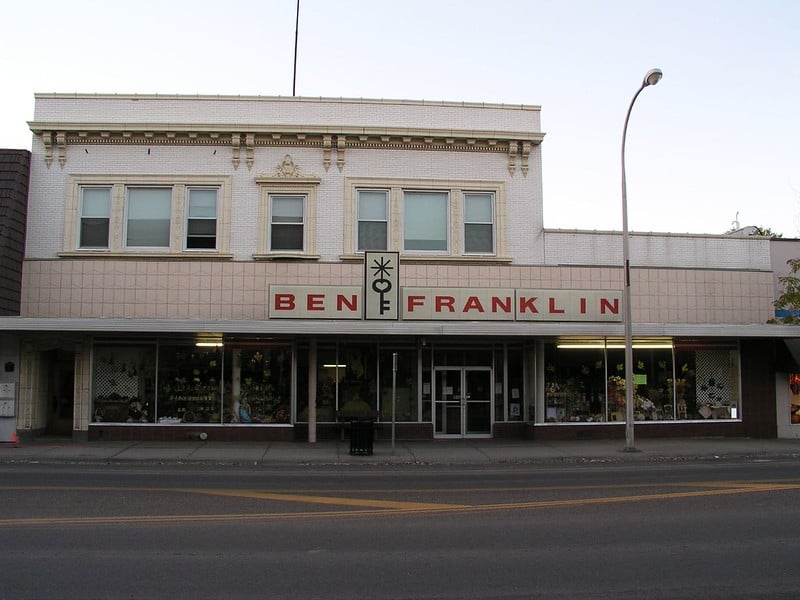
Ben Franklin stores were franchised variety shops supplied by a Chicago company, with independent owners paying to carry the name and stock its merchandise. Sam Walton himself ran a Ben Franklin franchise in Newport, Arkansas, before losing the lease and moving to Bentonville.
In many small towns, the local Ben Franklin was the place for school supplies, sewing notions, craft kits, and birthday party goods. Most of the chain eventually faded as discounters moved into the same communities.
Zayre
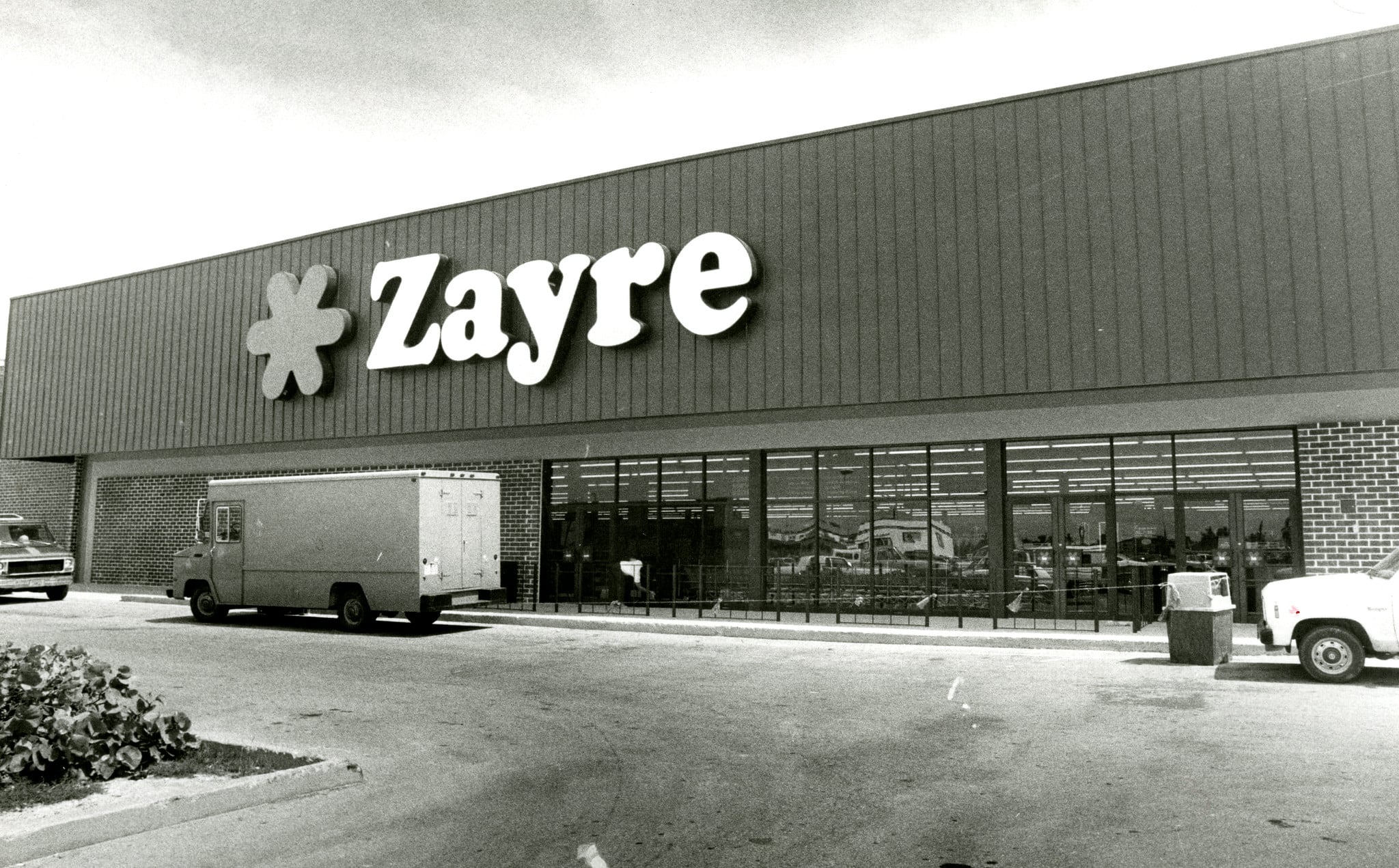
Zayre was founded in 1956 in Framingham, Massachusetts, by the Feldberg family, and grew into one of the dominant discount chains of the Northeast. In 1976, the company opened a small off-price clothing store in Auburn, Massachusetts, called T.J. Maxx.
That experiment outlasted its parent, and the corporation now known as TJX Companies is a descendant of the Zayre business. The Zayre name itself vanished from storefronts after the company sold its stores to Ames in 1988.
Ames

Ames began in Southbridge, Massachusetts, in 1958 and spread across New England and the mid-Atlantic with stores that sold clothing, tools, toys, and housewares at discounted prices. The chain bought the former Zayre stores in 1988 and later acquired Hills in 1998, which made it one of the largest regional discounters in the country.
That rapid expansion left Ames carrying more stores and debt than it could manage. The company announced in 2002 that it would close all of its stores.
Bradlees
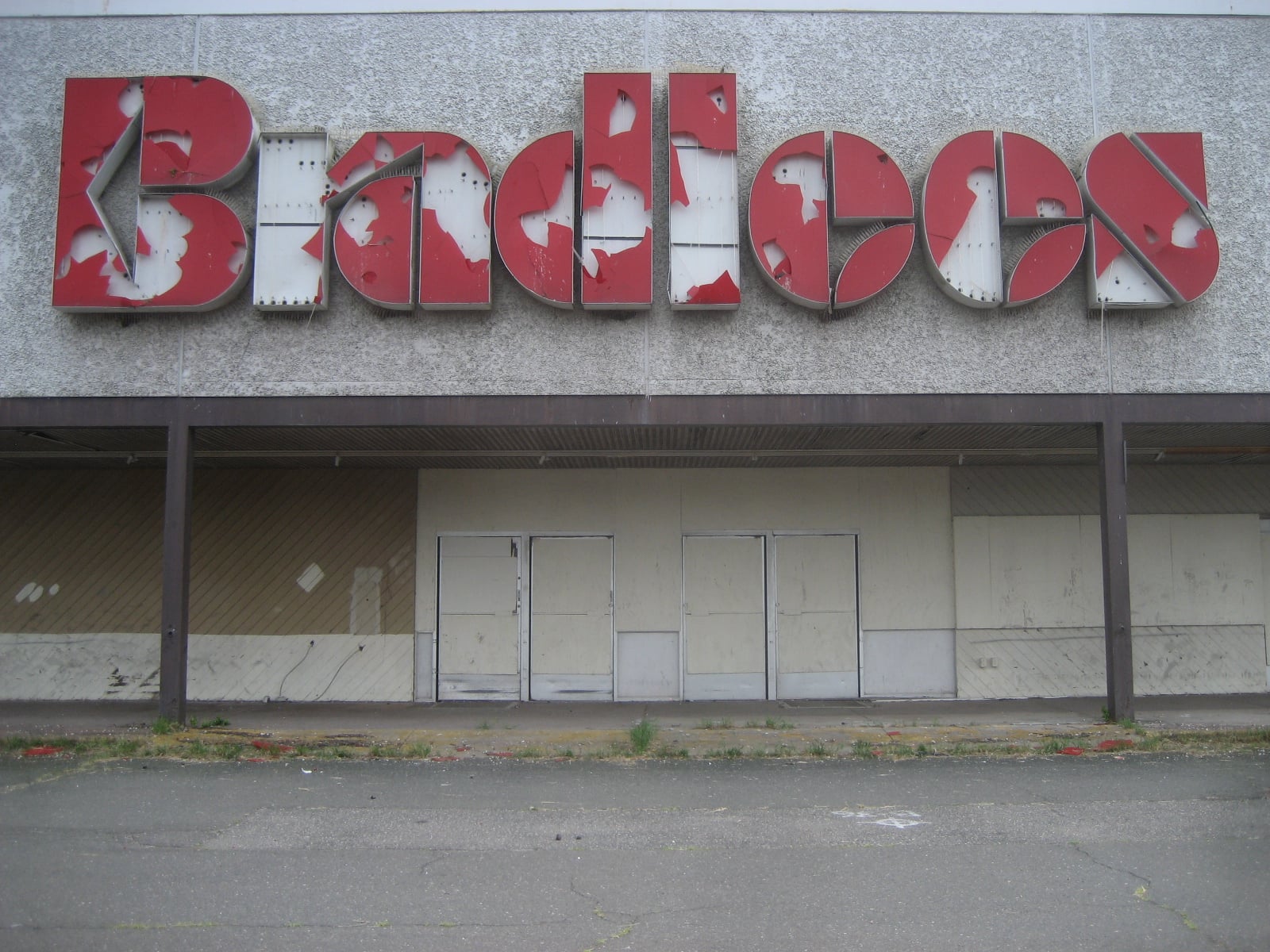
Bradlees was the discount arm of the Stop & Shop supermarket company, and it grew into a fixture of malls and strip centers across the Northeast. The chain was headquartered in Braintree, Massachusetts, and its stores were popular for back-to-school clothes and kitchen basics.
Bradlees filed for bankruptcy protection twice, once in the mid-1990s and again at the end of 2000. The company liquidated in 2001, and many of its buildings were quickly taken by other retailers.
Caldor
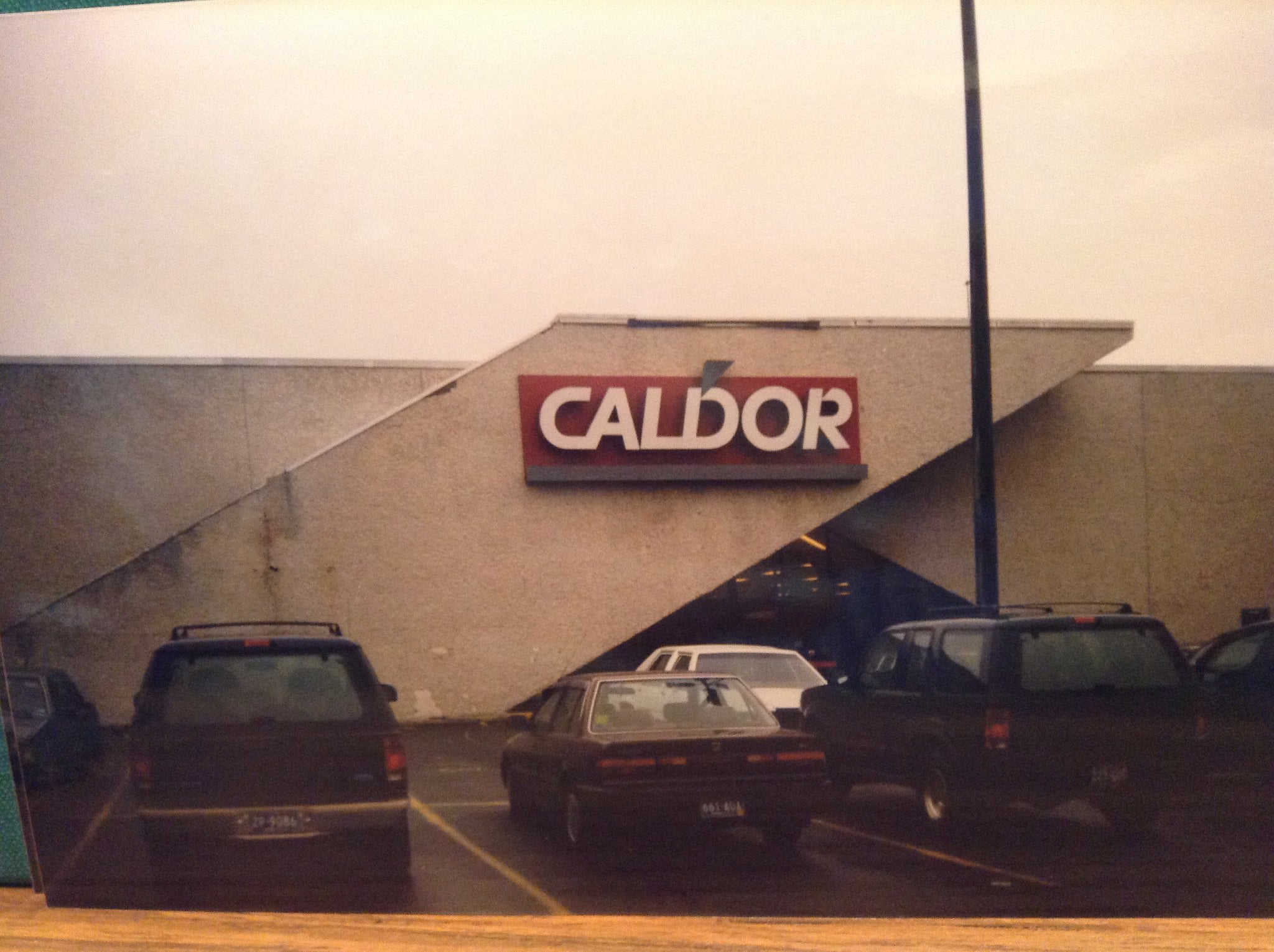
Carl Bennett opened the first Caldor in Port Chester, New York, in 1951, and the chain grew into a Northeast regional favorite based in Norwalk, Connecticut. Caldor stores were known for large toy departments, sprawling layouts, and a customer base that stretched across New York, Connecticut, and neighboring states.
The company went into liquidation in 1999 after years of financial trouble. Bennett outlived his own company by more than two decades and died at the age of 101 in 2021.
ShopKo
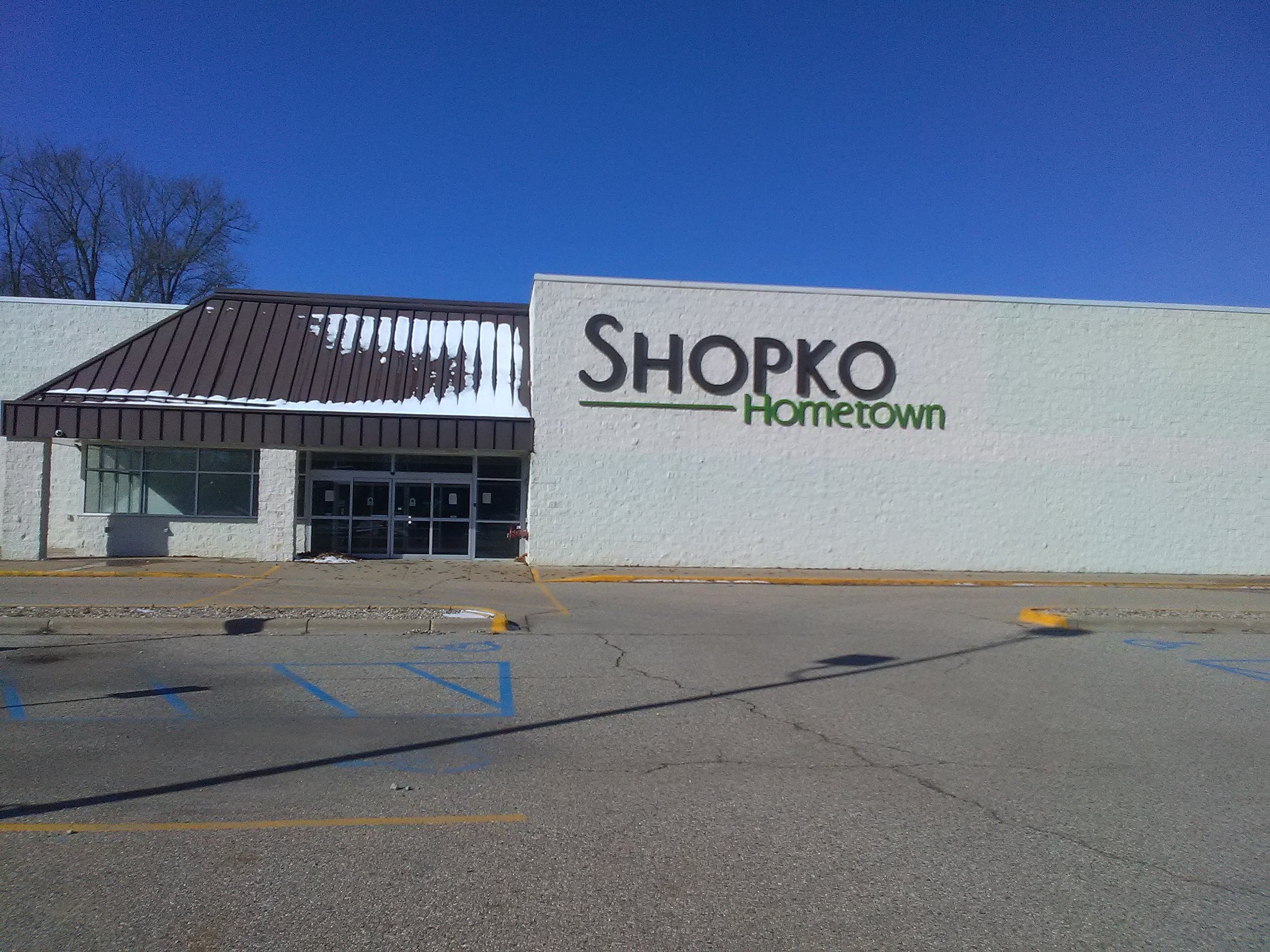
ShopKo was founded in 1962 in Green Bay, Wisconsin, by the grocery supplier Super Valu as a way to bring discount department stores to mid-sized Midwestern markets. In 1999, the company acquired the rural-focused chain Pamida, which expanded its reach into smaller communities across the Midwest, Mountain West, and Pacific Northwest.
Many families remember ShopKo for its pharmacy counters, optical centers, and weekly newspaper circulars. The company filed for bankruptcy in 2019 and closed its remaining stores.
Pamida
Pamida opened in Omaha, Nebraska, in 1962 and built its business in small towns that larger discounters often ignored. For many rural families, the local Pamida was the nearest place to buy a winter coat, a bicycle, or a set of tires without driving an hour or more.
ShopKo bought the company in 1999 and gradually folded its locations into a single operation. After ShopKo’s collapse in 2019, the Pamida name had already become a memory in most communities.
Venture
Venture was launched by the May Department Stores Company of St. Louis as a large-format discount chain, with stores that spread across the Midwest and into other regions. Its enormous layouts, which included grocery items, clothing, electronics, and automotive supplies under one roof, anticipated the superstore model that Walmart and Target later perfected.
Competition from those two chains proved too much, and Venture closed its stores in 1998. Many of the empty buildings were later converted into other businesses.
Service Merchandise
Service Merchandise was a Nashville-based catalog showroom retailer where shoppers browsed a thick catalog, wrote item numbers on a slip, and waited as merchandise arrived from the back room on a conveyor belt. The stores were especially popular for jewelry, small appliances, toys, and holiday gifts.
Families often spent an evening flipping through the oversized book before making the trip. The company went out of business in 2002.
Two Guys

Two Guys was founded by brothers Sidney and Herbert Hubschman and became known as Two Guys from Harrison, after the New Jersey town where the business took shape. The stores combined appliances, clothing, toys, and even groceries in large, bare-bones buildings that were unusual in the 1950s and 1960s.
The operating company, Vornado, eventually left retail and became the real estate firm Vornado Realty Trust. Residents of New Jersey and neighboring states still describe the chain as a defining part of suburban shopping in that era.
Fedco
Fedco stood for the Federal Employees Distributing Company, a Southern California chain that operated from 1948 until 1999. Shoppers needed a membership card to enter, which gave the stores an exclusive feel despite their low prices.
The chain sold everything from groceries to furniture, and many families treated a trip there as a monthly ritual. Membership shopping at Fedco anticipated the warehouse club model that later made Costco a household name.
Big Lots
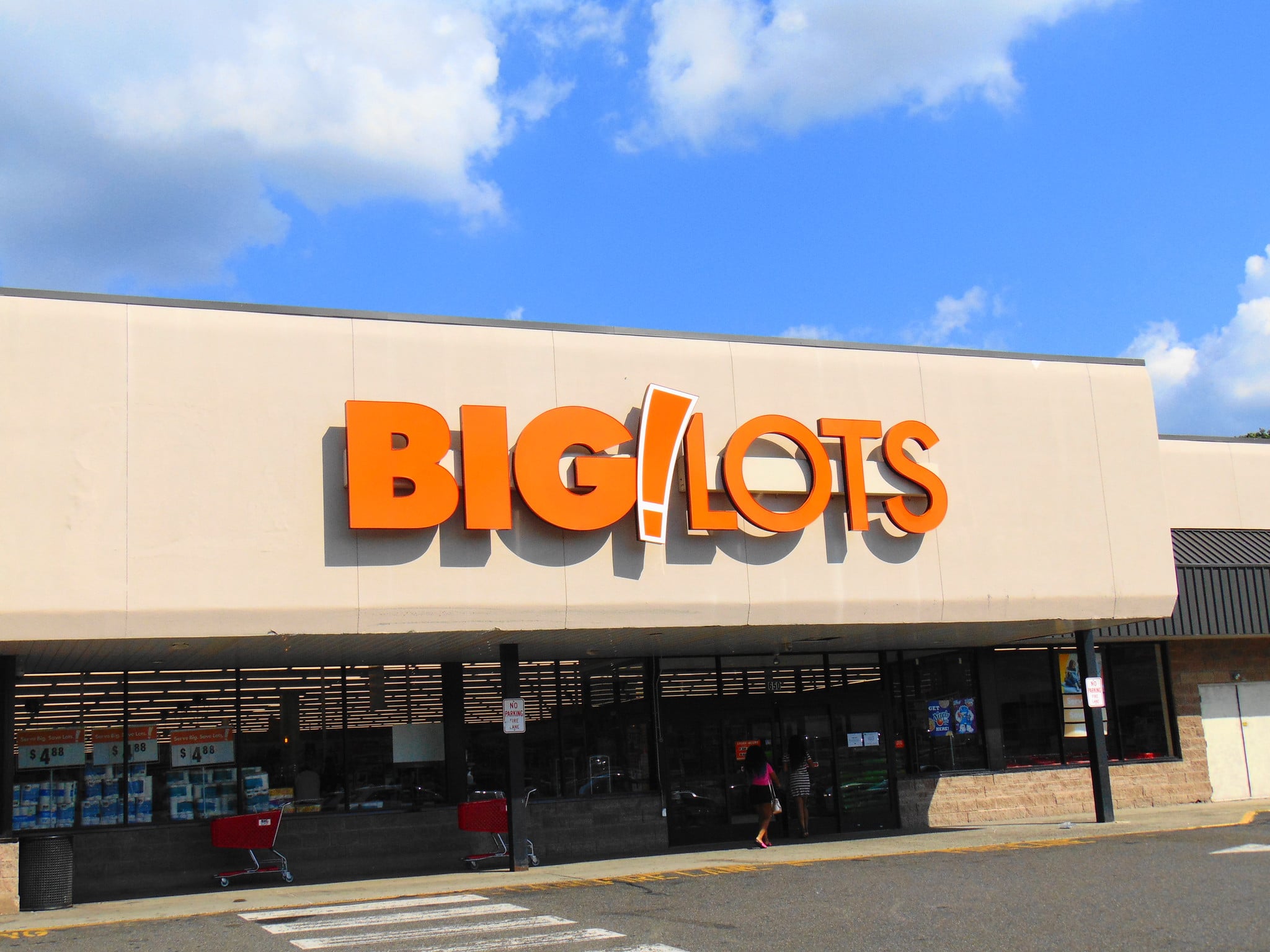
Big Lots grew out of Consolidated Stores, a company launched by Sol Shenk in Columbus, Ohio, in 1967. Shoppers visited the Odd Lots and Big Lots stores in search of closeout merchandise, which meant that the inventory could change from week to week as manufacturers shed overstock and discontinued items.
A trip there could produce patio furniture, canned goods, and toys in a single visit. The company filed for Chapter 11 bankruptcy in 2024, closing many stores in the process.
Rose’s

Rose’s began in 1927 as a five-and-dime in Henderson, North Carolina, under the name Rose’s 5-10-25 Cent Stores. Over the following decades, the business expanded into much larger discount stores across small towns and mid-sized cities throughout the Southeast.
For many Southern families, Rose’s was the everyday stop for school clothes, kitchen supplies, and seasonal decorations. The chain has since disappeared, though the name is still recalled warmly across the region.
McCrory
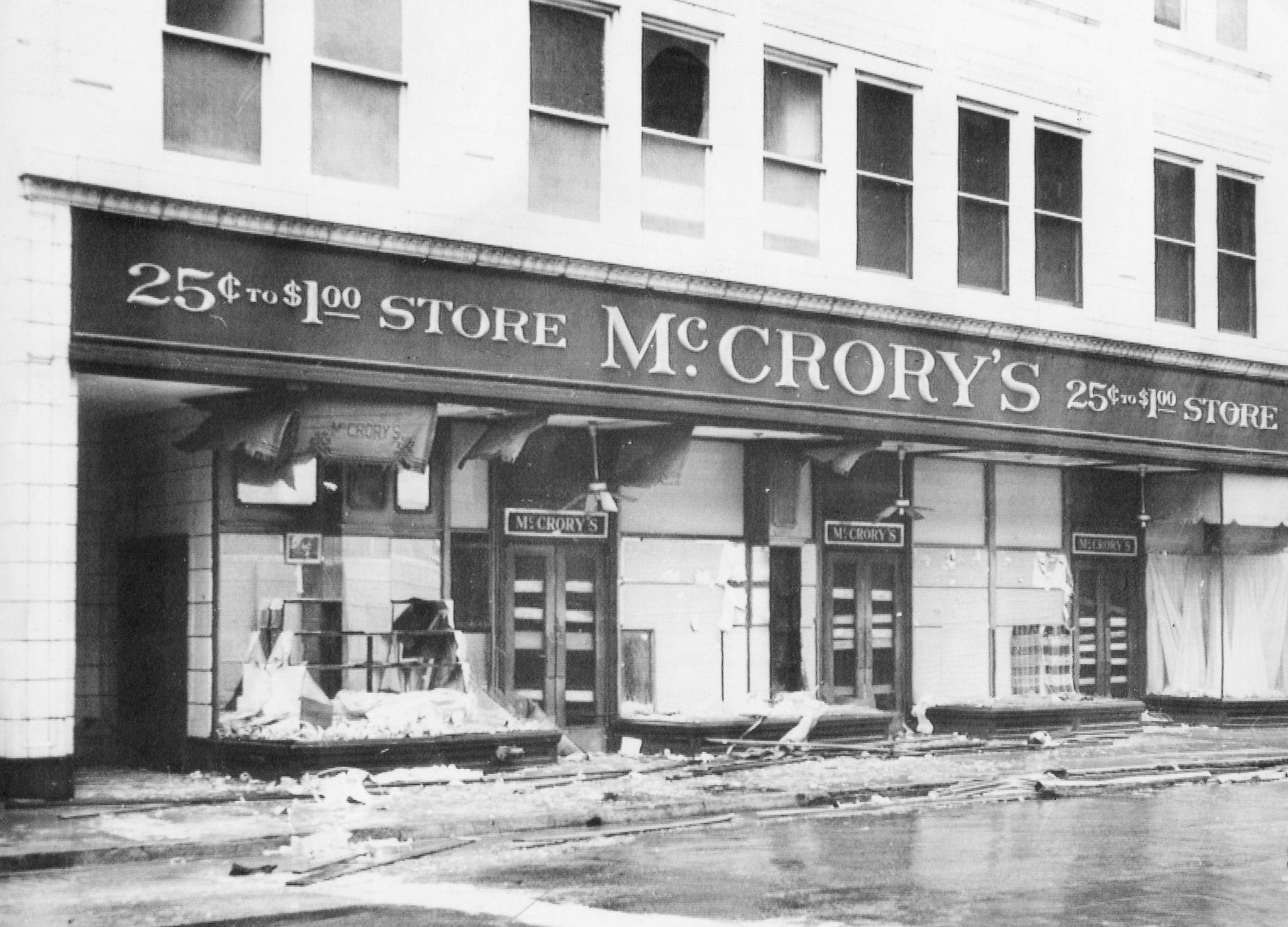
John G. McCrory opened his first store in Scottdale, Pennsylvania, in 1882, which made the McCrory name one of the oldest in American variety retail. The company was later based in York, Pennsylvania.
Downtown lunch counters and toy sections were central to the experience in many communities. The chain shrank steadily in the late twentieth century and was gone by the early 2000s.
Newberry’s

J. J. Newberry opened his first store in Stroudsburg, Pennsylvania, in 1911, and the variety chain bearing his name eventually spread to hundreds of small downtowns. Newberry’s was known for its practical merchandise, from sewing supplies to inexpensive toys, and often anchored the main street of towns too small for a department store.
Many communities remember the chain as the place where a child could spend a first allowance. The company faded as shoppers moved to suburban discounters and malls.
Montgomery Ward
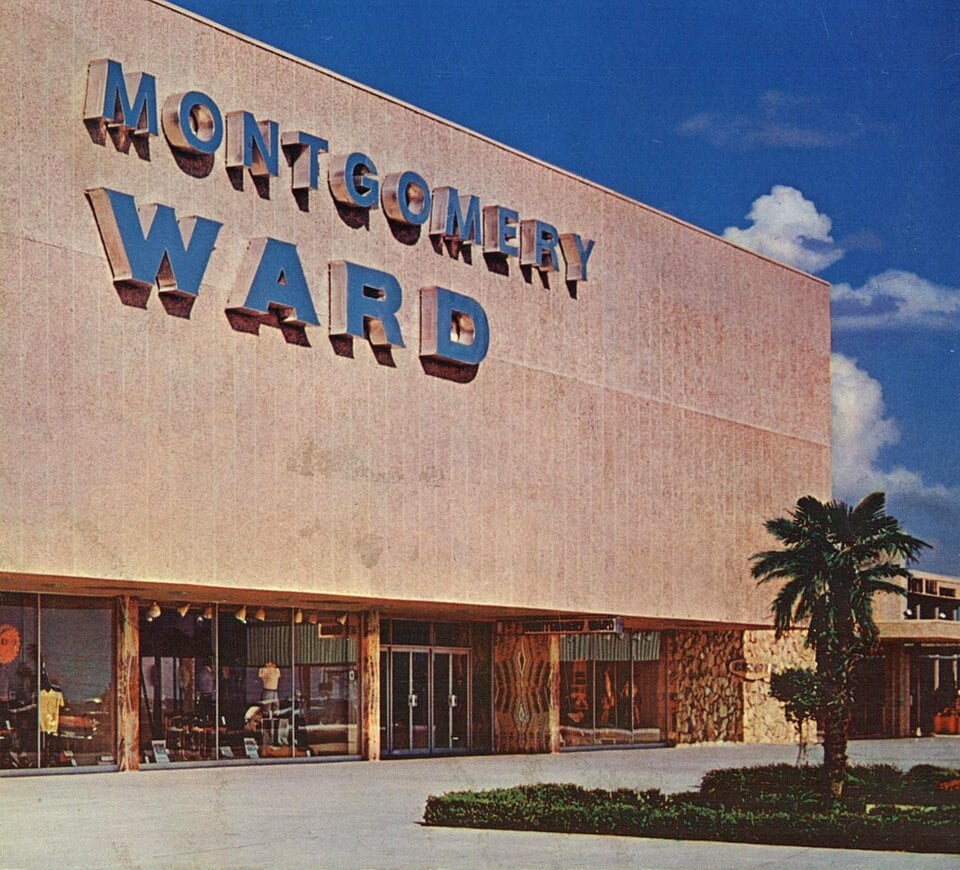
Aaron Montgomery Ward began his mail-order business in Chicago in 1872 with a single-sheet price list, and the venture grew into the first major general merchandise catalog company in the country. Over time, Ward’s added retail stores and became a competitor of Sears in nearly every category from clothing to tractors.
Families in rural areas relied on the thick catalog as a window onto products that local shops did not stock. The company went bankrupt and closed its stores in 2001.
Target
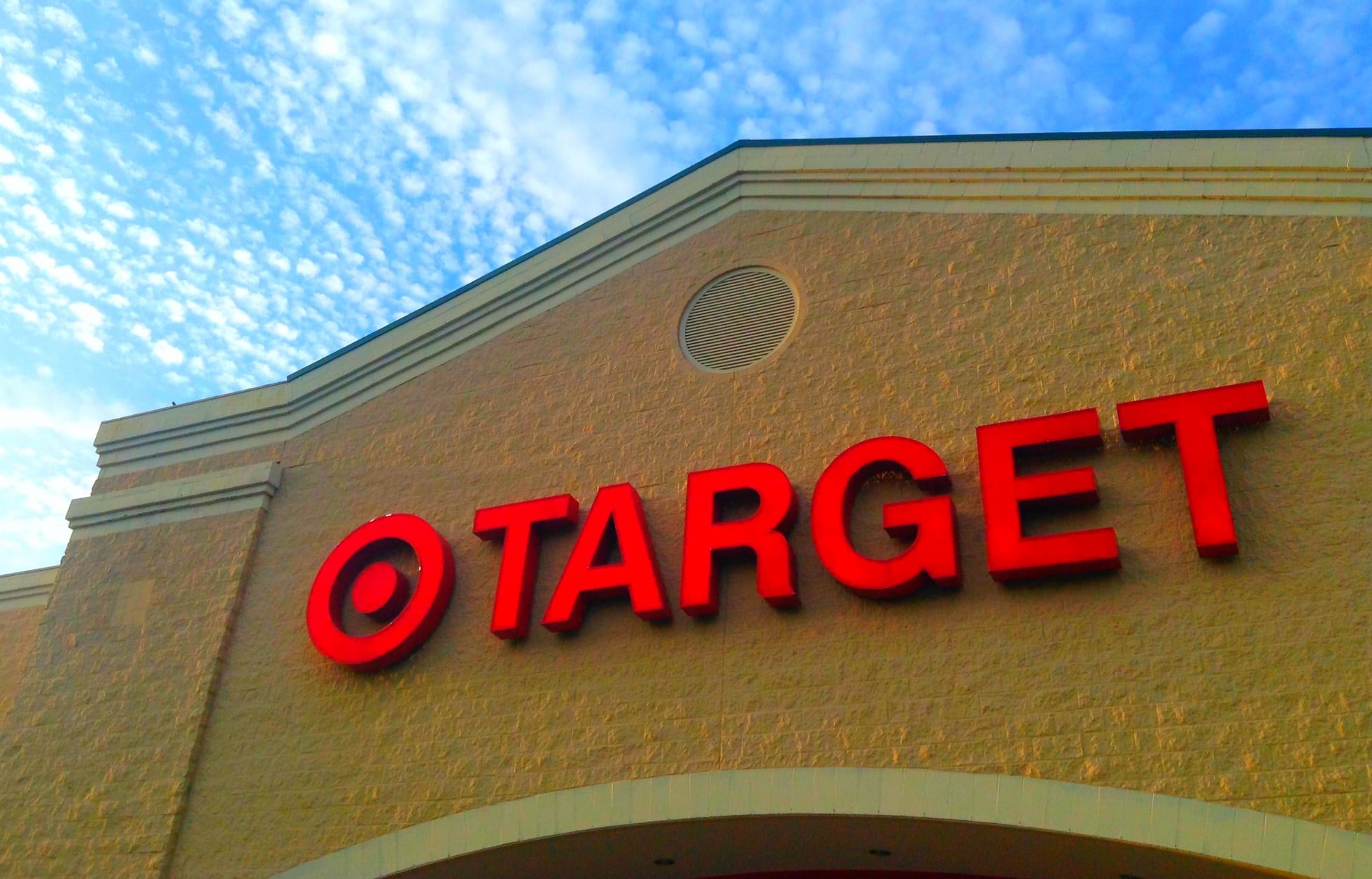
Target opened its first store in Roseville, Minnesota, in 1962, launched by the Dayton Company, a Minneapolis department store operator. The chain aimed to combine discount prices with a cleaner, more stylish shopping experience than many competitors offered.
While nearly every other discounter in this group has vanished or shrunk to a shadow, Target grew into one of the largest retailers in the nation. Families who remember the early red-and-white stores often recall them as a step above the average bargain chain.
What a Parking Lot Remembers

Each of these chains was built on a simple promise, which was that a family could find nearly everything under one roof for less than a department store charged. The names changed, the buildings were sold, and the sales circulars gradually moved online, but the habit of making a Saturday trip to a favorite store stayed with people long after the doors closed.
The decline of so many regional chains also shows how quickly retail can turn. Competitors like Walmart and Target succeeded by growing faster, building bigger, and controlling costs more tightly, while others were overextended or outmatched. What remains is a shared memory of bargain bins, fitting rooms, and checkout lines that many shoppers can still picture in vivid detail.
More from Go2Tutors!

- 27 Silver Dollars and Half Dollars Worth Keeping
- 28 Restaurant Menu Items Nobody Orders Anymore
- 17 Places Built in Seemingly Impossible Spots
- 27 Vintage Rings Worth More Than They Look
- 25 Restricted Sites Tourists Can’t Enter
Like Go2Tutors’s content? Follow us on MSN.