How Cartoons Drove Toy Trends in the 80s
The 1980s completely rewired how toys were marketed to kids. Before then, cartoons and toys lived in separate worlds—shows entertained, toys entertained, but rarely did the two overlap in such an obvious way.
That all changed in this neon-soaked decade, when Saturday mornings turned into something more than just cartoon time—they became one long commercial break that kids actually wanted to watch. This shift didn’t just happen by chance.
It was fueled by changes in government policy, bold experiments in marketing, and the realization that you could blend storylines with sales pitches to create a money-printing machine. The result? Cartoons and toys became so connected that you couldn’t really imagine one without the other.
This formula reshaped the toy industry, altered children’s television forever, and left an entire generation hooked. Here are 16 ways cartoons drove toy trends in the 80s.
Reagan’s Deregulation Opened the Floodgates
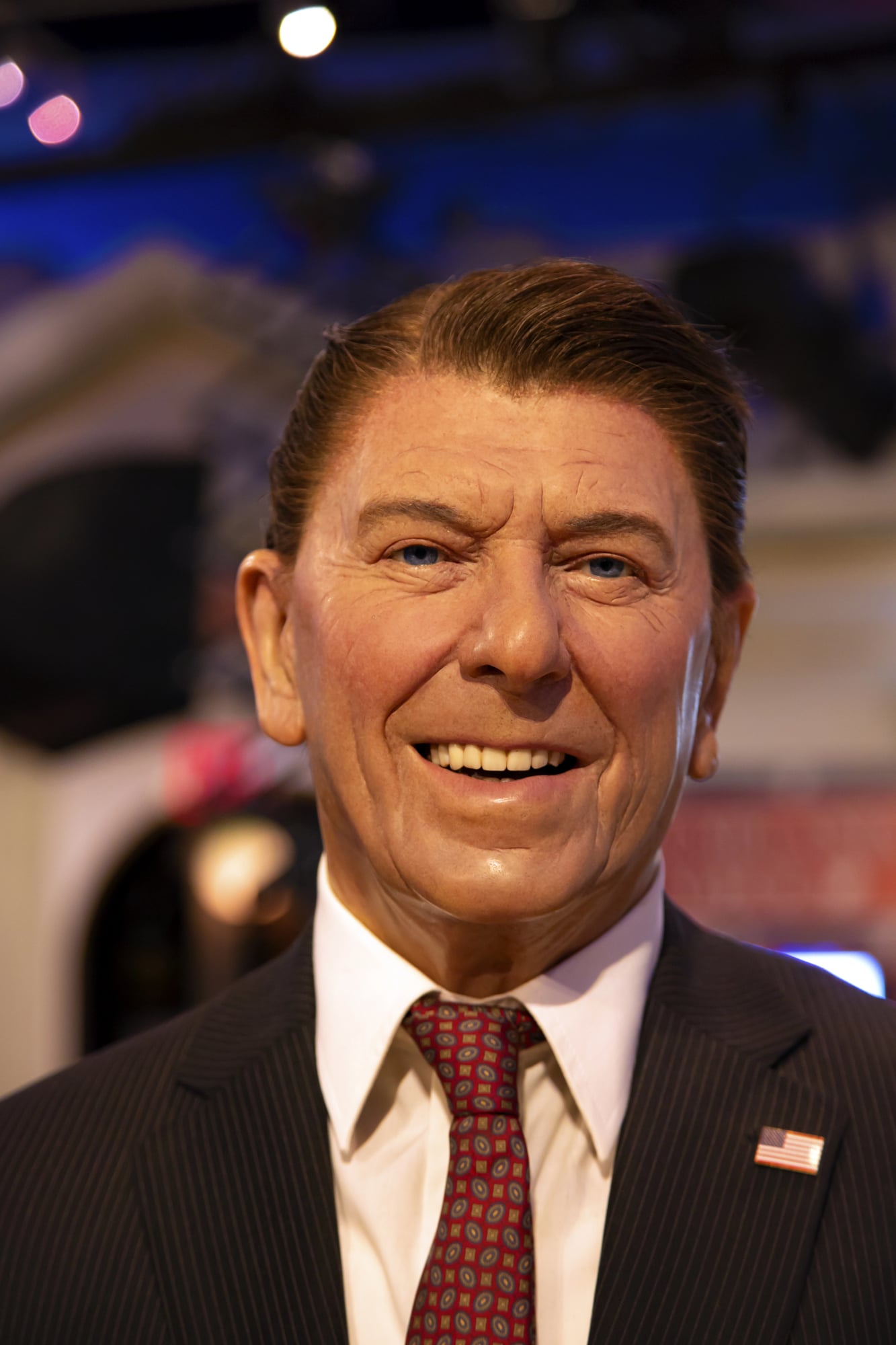
When Ronald Reagan took office in 1981, he placed Mark Fowler at the head of the FCC. Fowler believed the free market—not government rules—should decide what children’s TV looked like.
By 1982, restrictions that had stood for years began to loosen. Before this, toy companies couldn’t legally produce shows just to sell products.
The FCC had made that clear back in 1969 when they cracked down on Mattel’s Hot Wheels cartoon. Once those guardrails were removed, however, the game changed.
Suddenly, the idea of merging entertainment and advertising wasn’t just possible—it was encouraged.
The Hot Wheels Precedent Set Early Boundaries
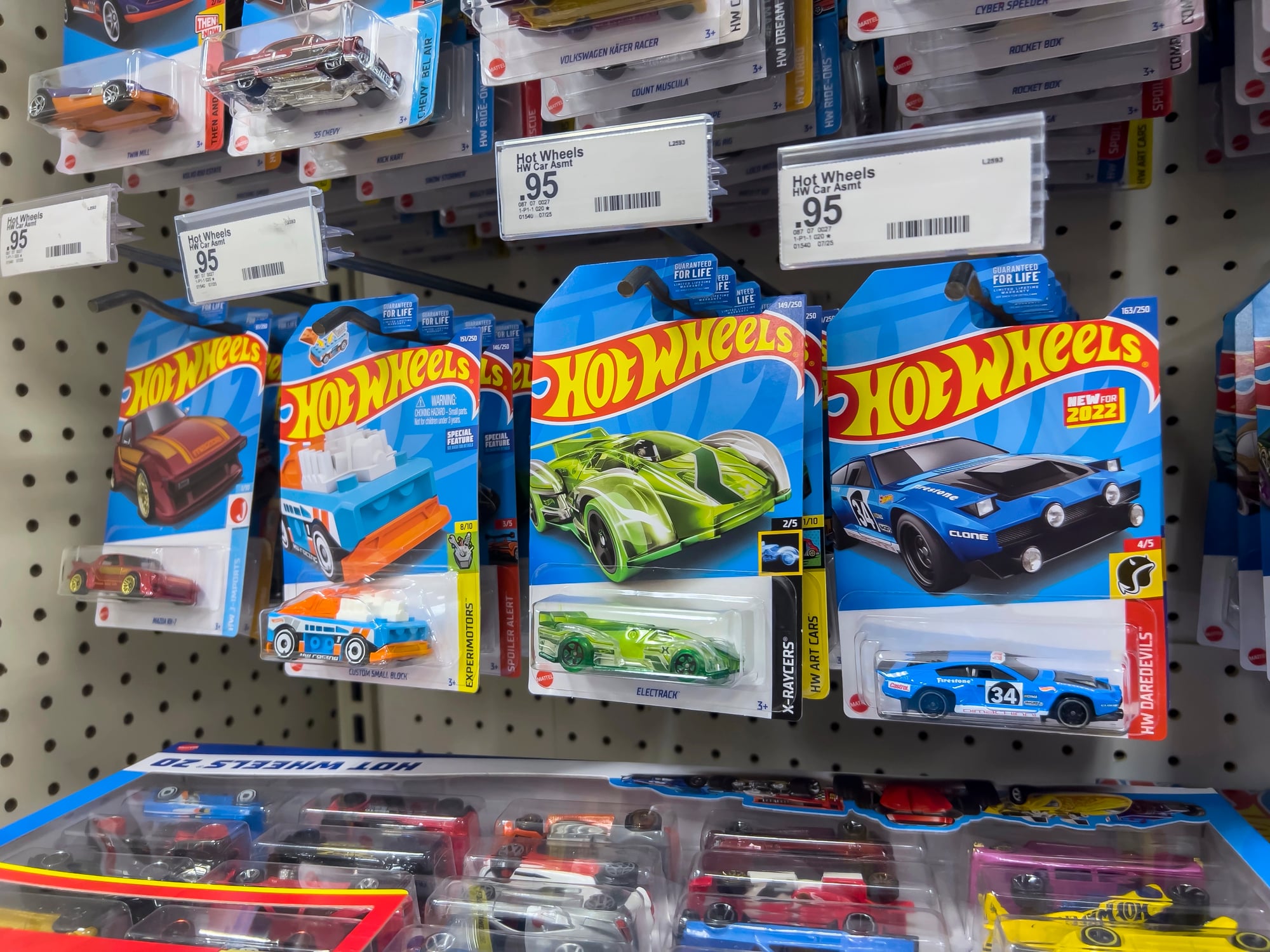
Mattel’s Hot Wheels cartoon in 1969 seemed innocent at first: a racing club, flashy cars, safe driving lessons. But competitors quickly pointed out the obvious—it was one big ad.
The FCC agreed, ruling that chunks of the show (including its theme song) counted as advertising. That ruling sank the series after only 17 episodes and scared off other toy makers for more than a decade.
The National Association of Broadcasters even went a step further, setting rules that effectively banned toy-based cartoons. That “no-go” zone lasted until the 80s blew it wide open again.
Like Go2Tutors’s content? Follow us on MSN.
He-Man Became the First Major Success
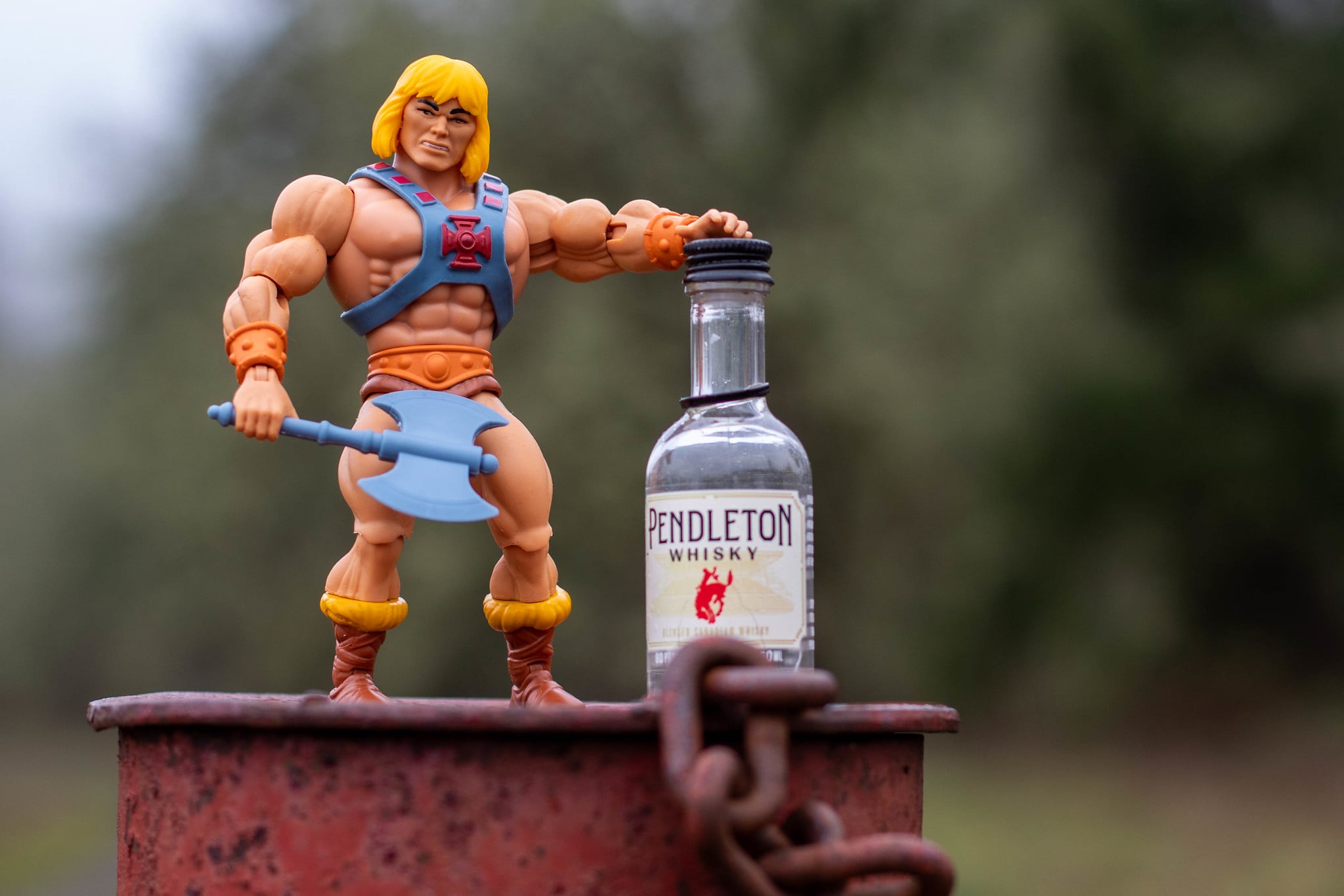
Mattel’s Masters of the Universe toys hit shelves in 1982, complete with mini-comics to give kids a taste of the backstory. But it wasn’t until Filmation launched the He-Man cartoon in 1983 that the franchise truly exploded.
The show ran for 130 episodes over two years, reaching audiences in over 30 countries. Kids didn’t just watch He-Man—they wanted him on their bedroom floor.
Castle Grayskull, Skeletor, and all the colorful side characters became must-have toys. For the first time, a cartoon was fueling toy sales on a global scale.
G.I. Joe Perfected the Formula
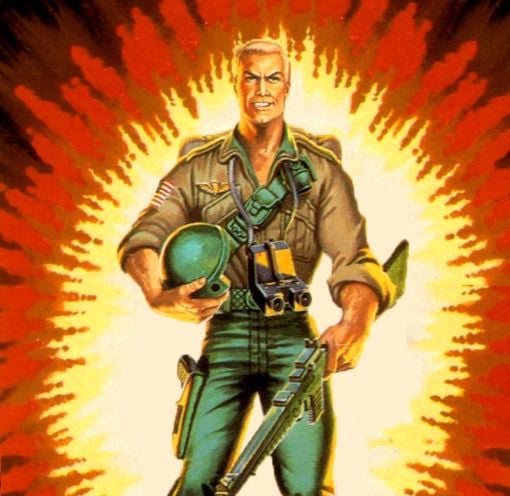
Hasbro’s 1982 relaunch of G.I. Joe created the playbook everyone else copied. The figures shrank from 12 inches to 3.75 inches, which made vehicles and playsets cheaper to produce—and cheaper for parents to buy.
Marvel Comics wrote the backstory. An animated miniseries introduced the team and villains.
Then came the full-blown cartoon. By 1986, G.I. Joe was selling faster than Hasbro could ship it.
Figures cost a couple bucks, making it easy for kids to collect dozens. By year two, the line had doubled its sales.
Transformers Created a Global Phenomenon
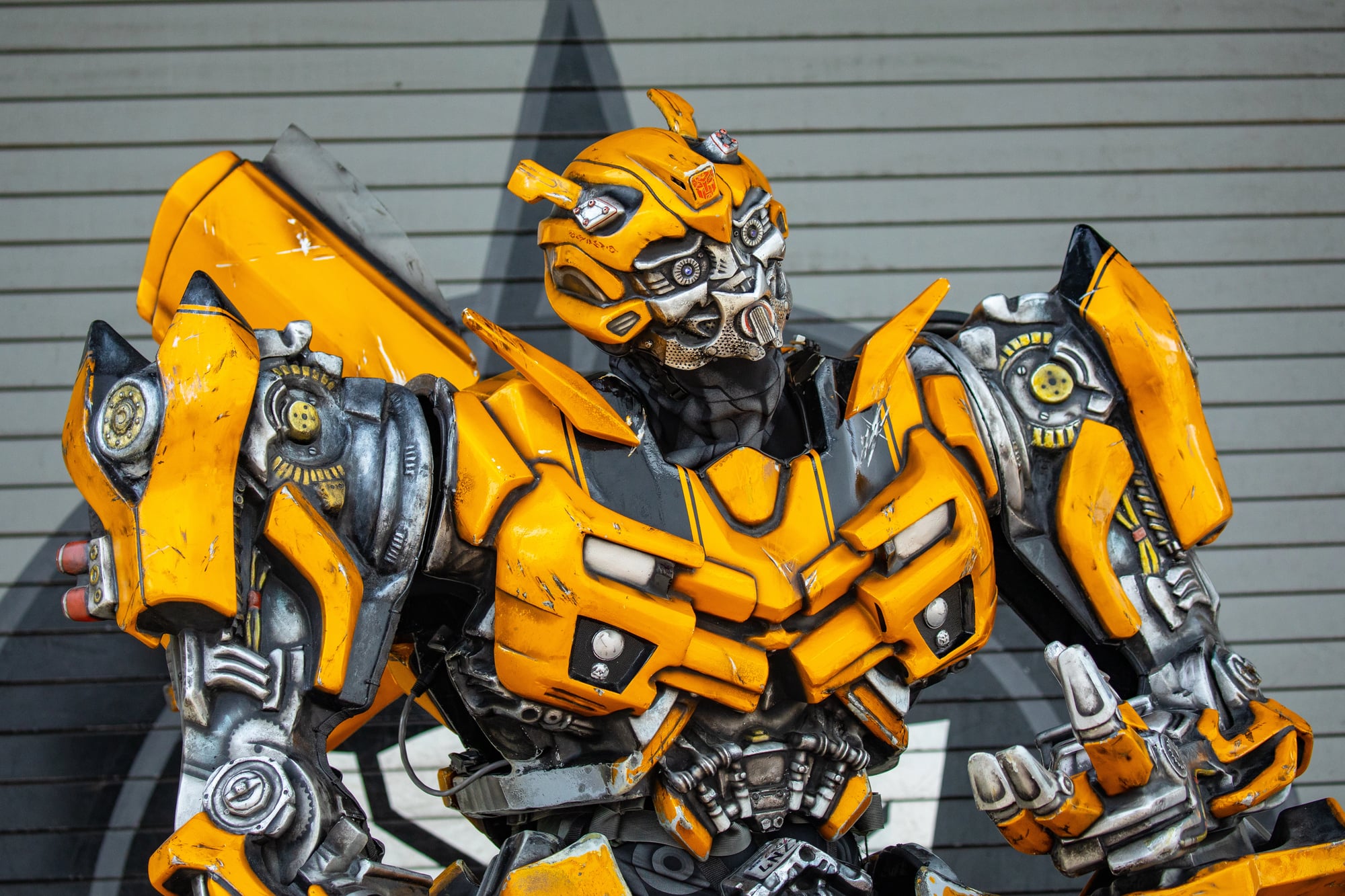
Partnering with Japan’s Takara, Hasbro brought Transformers to the U.S. in 1984. Robots that turned into cars and planes? Instant hit.
Marvel again handled the lore, Sunbow produced the cartoon, and toy aisles turned into battlegrounds between Autobots and Decepticons. The show’s serialized storytelling kept kids glued to the screen.
By 1986, Transformers was battling G.I. Joe for Hasbro’s top spot. A theatrical movie only cemented its place in pop culture history.
Like Go2Tutors’s content? Follow us on MSN.
Girls’ Toy Lines Got the Same Treatment
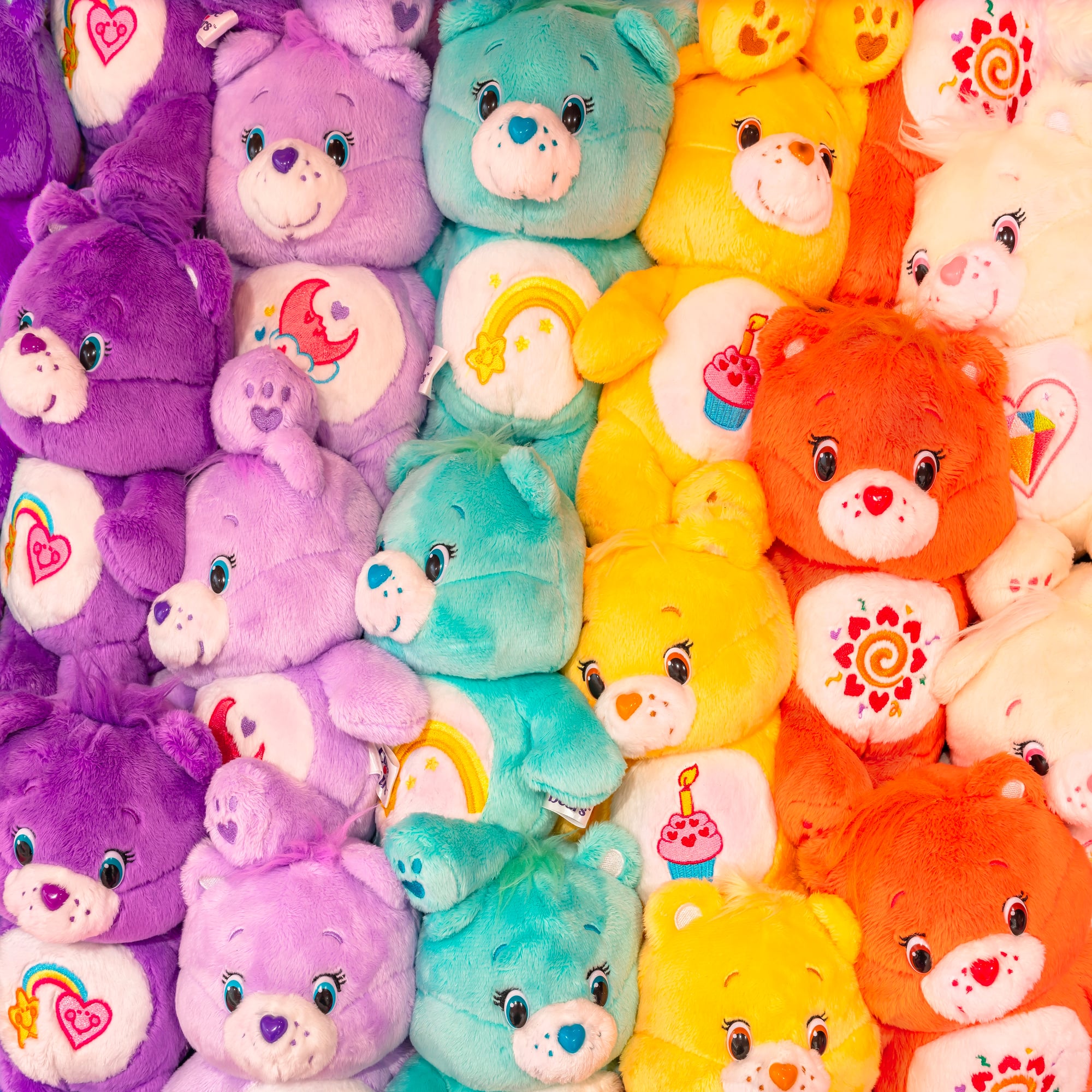
The formula worked just as well for girls’ toys. Care Bears went from greeting cards in 1981 to plush toys in 1983, then to a cartoon in 1985.
My Little Pony followed a nearly identical path, expanding into TV specials, a film, and a full series. Strawberry Shortcake and Rainbow Brite jumped on too, proving the model wasn’t limited to action heroes or sci-fi themes.
Friendship, kindness, and pastel colors sold just as effectively as laser battles and explosions.
The 65-Episode Standard Became Industry Practice
Why 65 episodes? Simple math. Five episodes a week for 13 weeks equaled a full season that could then loop in reruns.
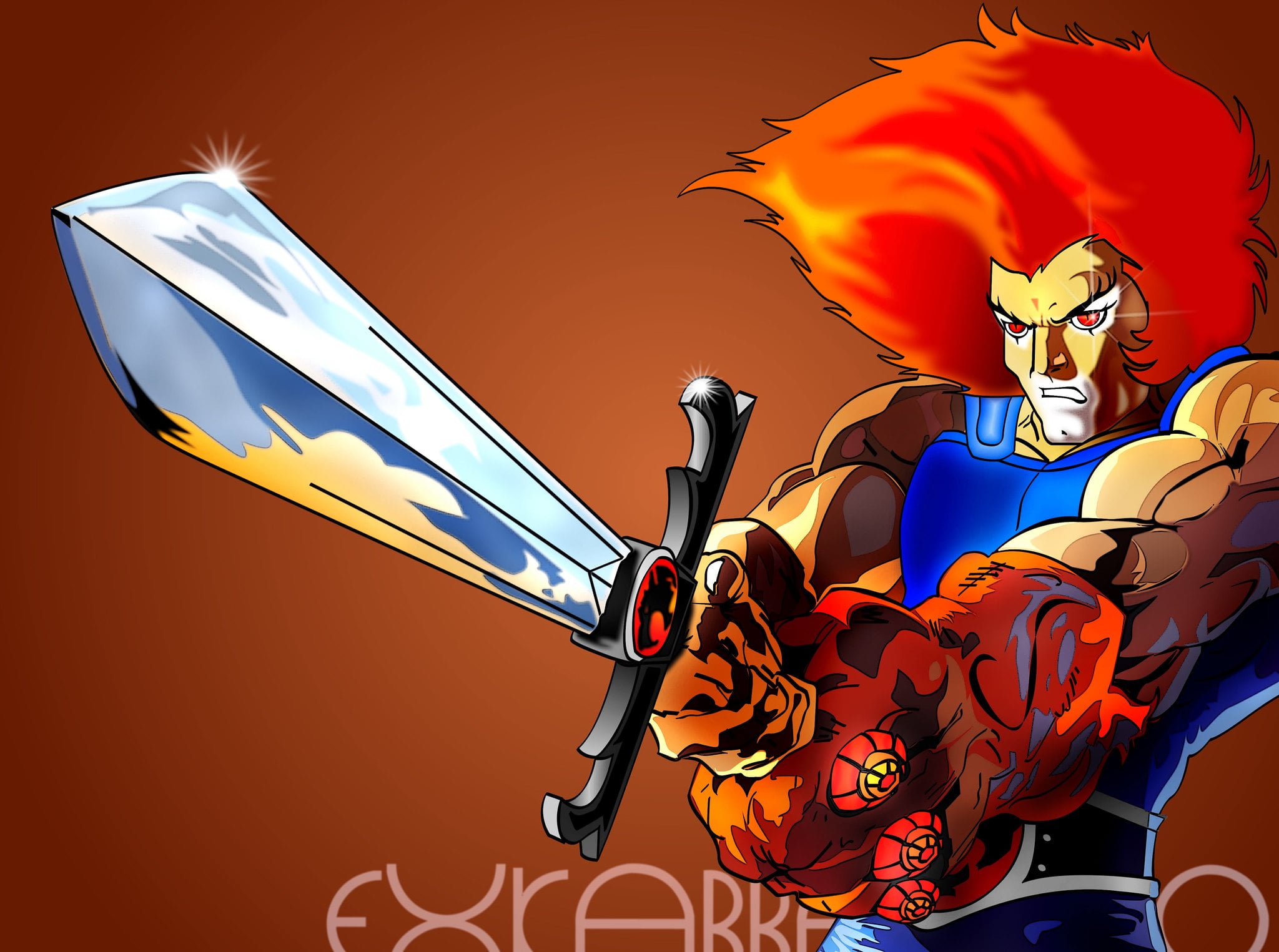
Studios didn’t need fancy scripts—just enough content to showcase the toys and keep kids entertained. ThunderCats, Silverhawks, M.A.S.K., and countless others hit that magic number, then coasted in syndication while the toys stayed on shelves.
Saturday Morning Became an Advertising Block
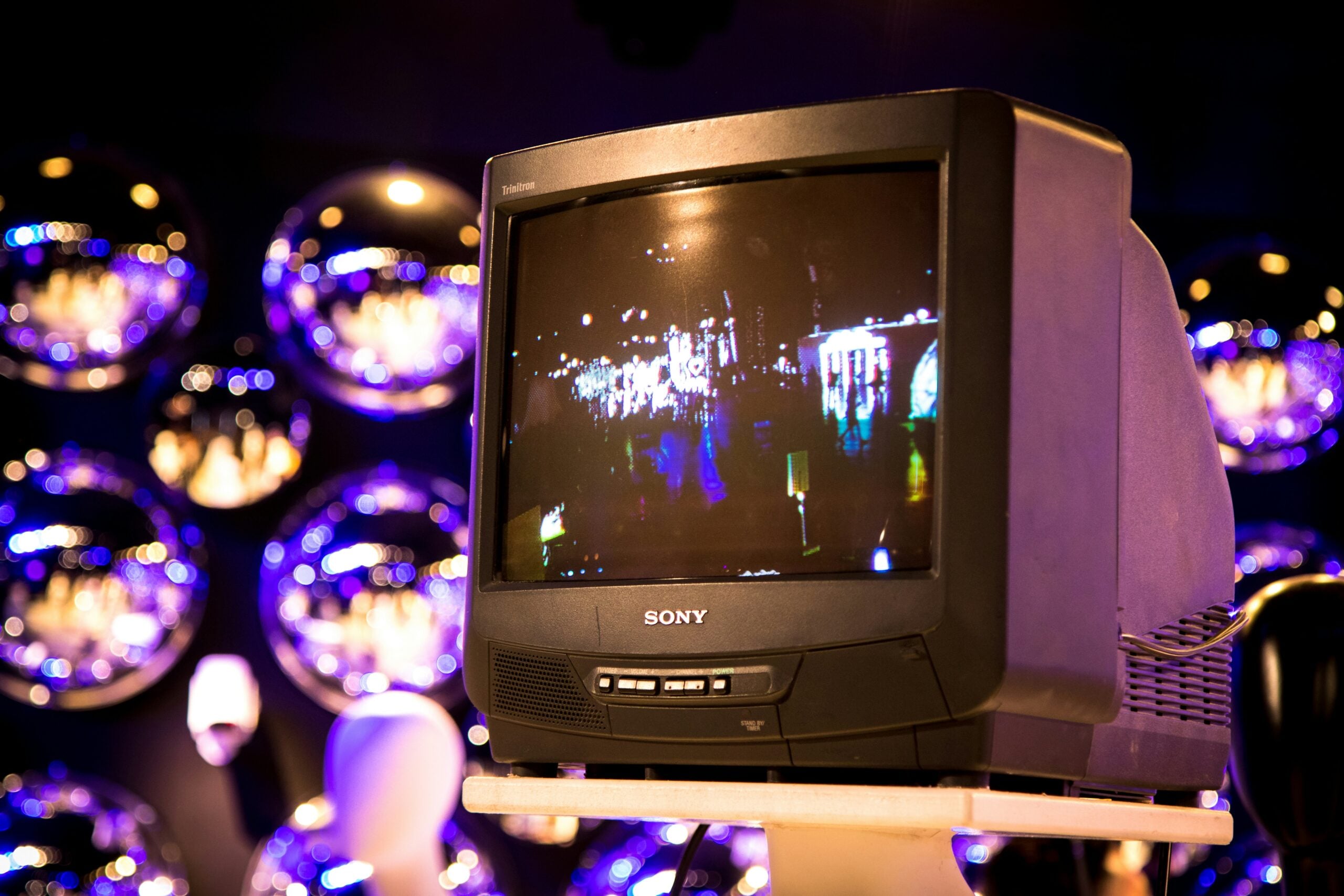
While weekday shows thrived, Saturday mornings still mattered. They became a carefully crafted funnel: kids tuned in for back-to-back shows, and every commercial slot was filled with toy ads.
Watch Transformers, see ads for Transformers. Switch to G.I. Joe, get hit with G.I. Joe spots.
The result? Kids spent hours being primed to beg their parents for the same products over and over.
Like Go2Tutors’s content? Follow us on MSN.
Toy Companies Basically Owned Animation Studios
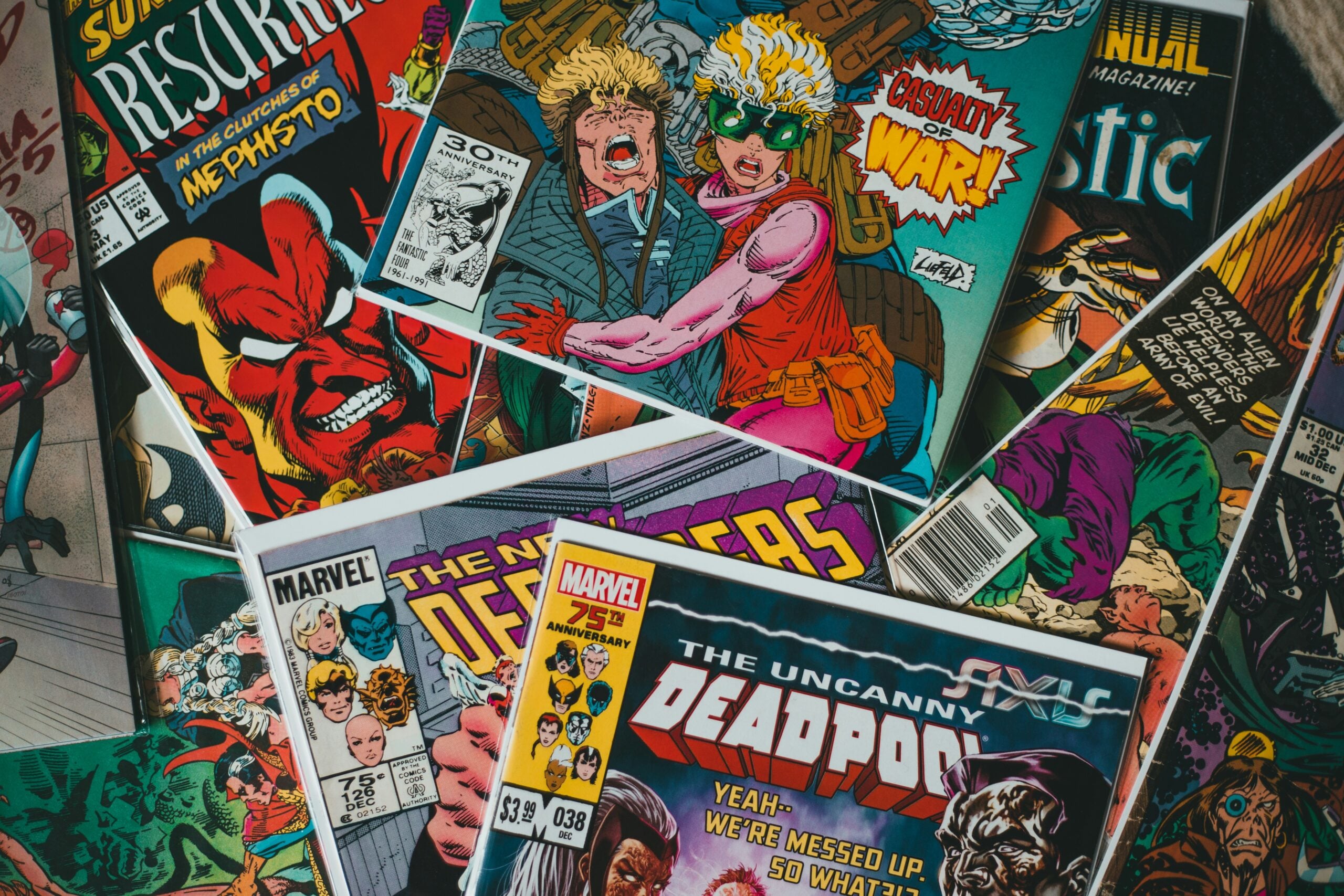
By mid-decade, toy companies weren’t just sponsors—they were co-producers. Hasbro worked so tightly with Marvel and Sunbow that toys appeared in cartoons before they even hit stores.
Mattel and Filmation operated the same way with He-Man. These cartoons weren’t just entertainment.
They were long-form commercials, with writers and animators under clear instructions: make the toys look irresistible.
Controversy Followed the Commercial Craze

Groups like Action for Children’s Television weren’t impressed. They argued kids couldn’t tell the difference between a show and an ad for the same characters.
Others worried about the violence baked into these series—war toys, laser battles, constant combat. But for every parent raising concerns, there were millions of kids glued to the screen, and toy sales that skyrocketed year after year.
Vehicles and Playsets Became Essential Purchases
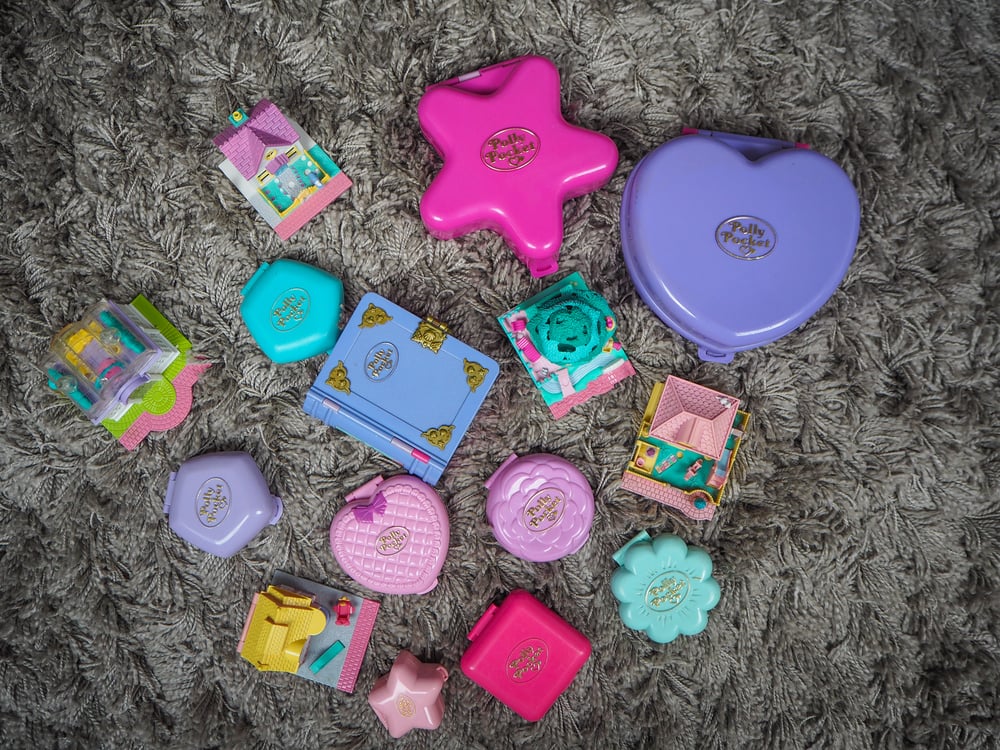
Figures were just the entry point. The big money came from giant playsets and vehicles.
G.I. Joe’s USS Flagg aircraft carrier was over seven feet long. He-Man’s Castle Grayskull was legendary.
Cartoons made these oversized toys seem like the key to “playing right.” If you only had the figures, you felt like you were missing half the adventure.
Character Development Drove Collecting Behavior
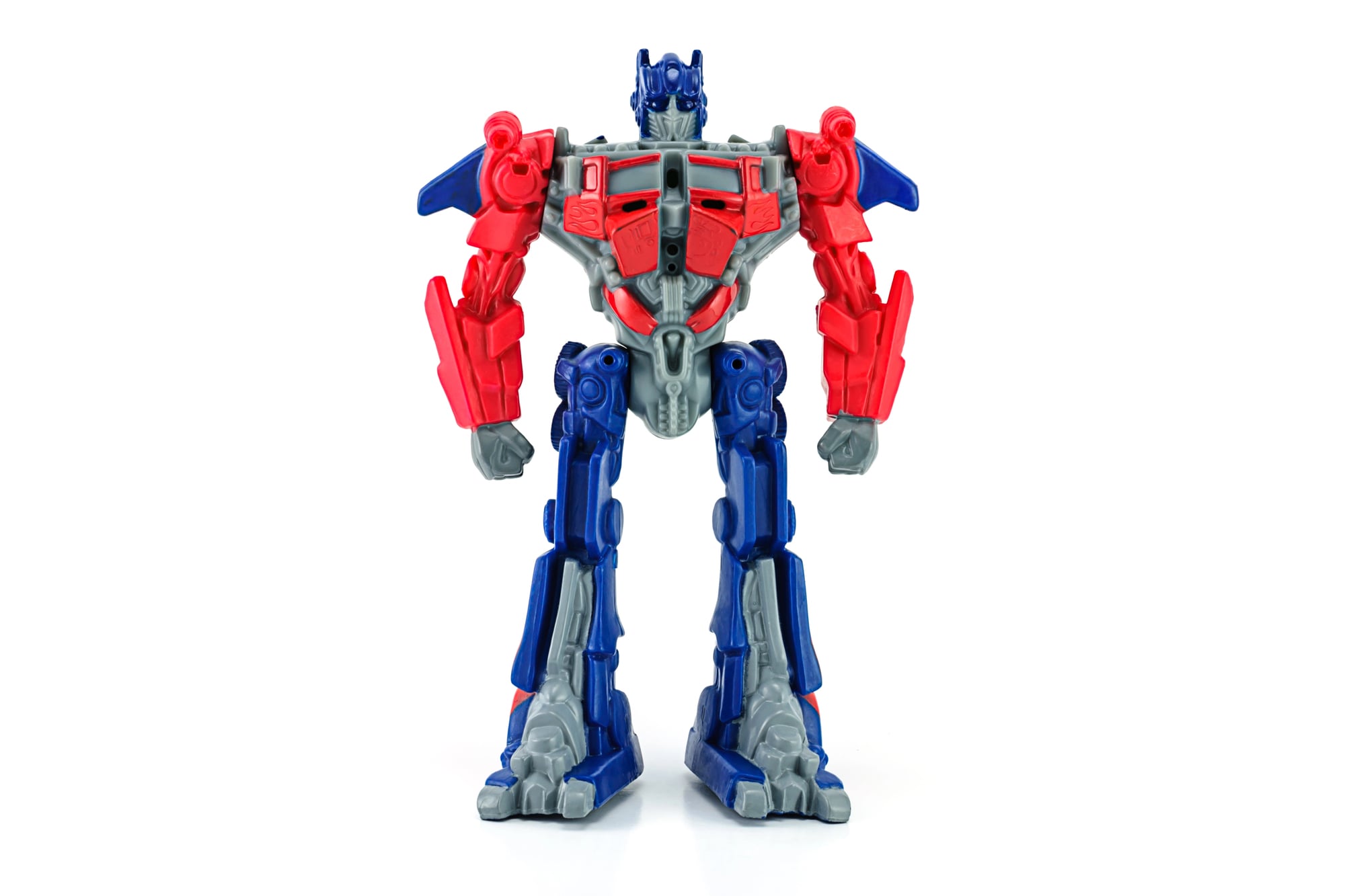
Unlike earlier toy lines where characters were interchangeable, the 80s made every figure distinct. Snake Eyes wasn’t just another soldier—he was the silent ninja.
Optimus Prime wasn’t just a robot—he was a noble leader. That storytelling meant kids wanted the full lineup, not just one or two figures.
And toy companies kept adding new characters to keep the chase going.
Like Go2Tutors’s content? Follow us on MSN.
The Legacy Shaped Modern Entertainment

The tactics didn’t vanish—they evolved. Today’s blockbusters often launch with merchandise in mind from the very beginning.
Streaming shows, movies, video games, and toys now feed into the same cycle. And the kids who grew up in the 80s?
Many are now collectors paying hundreds for the same toys they once begged their parents for. Nostalgia has turned into another powerful market force.
When Imagination Met Commerce

The 80s were a wild experiment where storytelling and salesmanship collided. Some see it as genius marketing, others as manipulation.
The truth is probably both. What’s undeniable is the impact: this formula didn’t just change toys or cartoons—it became the blueprint for how franchises are built today, from Marvel movies to Pokémon to Fortnite.
More from Go2Tutors!

- 16 Historical Figures Who Were Nothing Like You Think
- 12 Things Sold in the 80s That Are Now Illegal
- 15 VHS Tapes That Could Be Worth Thousands
- 17 Historical “What Ifs” That Would Have Changed Everything
- 18 TV Shows That Vanished Without a Finale
Like Go2Tutors’s content? Follow us on MSN.



