33 Electric Train Sets Worth Pulling from the Basement
Somewhere under the holiday decorations and a dead dehumidifier, a cardboard box may be holding more history than anyone remembers. Toy trains were built to be run hard, handed down, and shoved aside, which means the survivors have plenty to say.
A few are valuable, and many more are simply good company on a December evening.
The sets below span nearly a century and a surprising range of gauges, from heavy prewar tinplate to boxed plastic outfits made for the living room floor. Each one is a real, collectible line, and each rewards a closer look before anyone plugs it in.
Lionel Standard Gauge Blue Comet
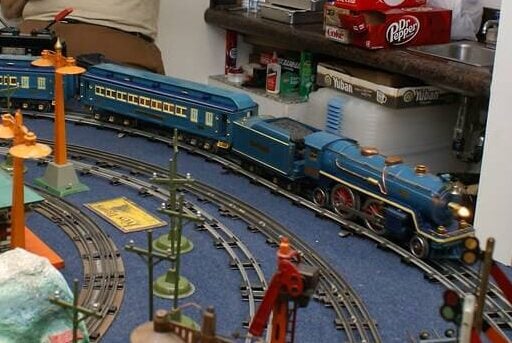
Lionel’s Standard Gauge Blue Comet, built around the 400E locomotive, is one of the best-known prizes of the prewar era. Major toy auctions have offered it as a numbered set, including set 4344, with matching passenger cars rather than a loose engine alone.
Complete sets with cars that match in color and finish are the ones that excite collectors, while repainted or mixed-together examples are valued well below them. MTH later produced Blue Comet versions as well, so a careful look at markings separates an original from a later reproduction.
Lionel 700E Scale Hudson
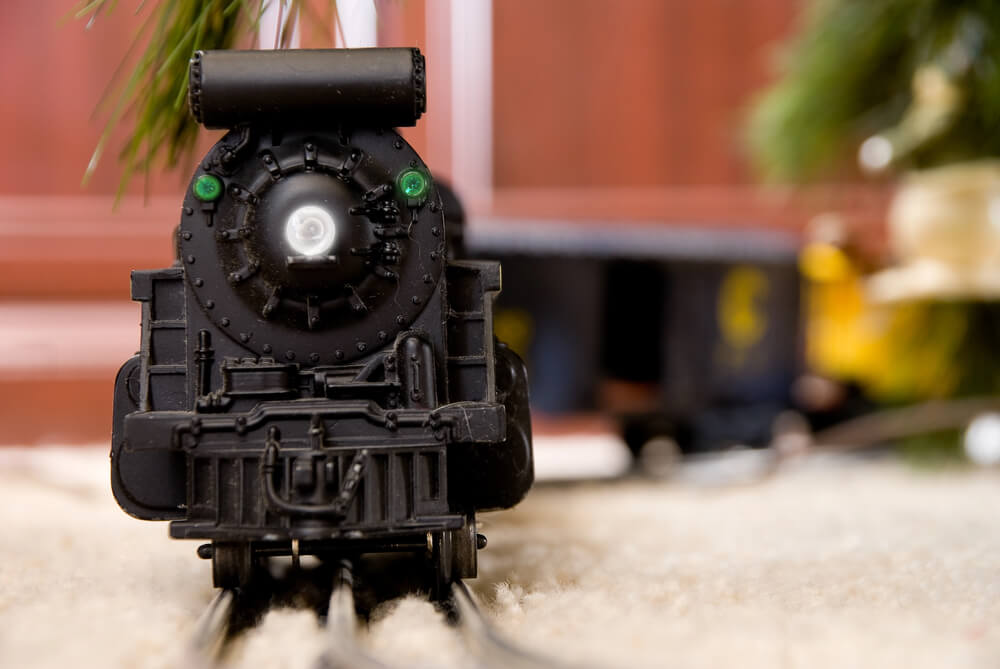
The 700E is a prewar 4-6-4 Hudson that collectors often describe as Lionel’s first three-rail scale engine. A whistle-tender variation, the 700EW, also exists, and modern Legacy Hudsons carry the New York Central number 5344 as a tribute.
Because so many of these locomotives were repainted or rebuilt over the years, original paint and intact detail parts carry a real premium. A matching tender and the original box add further appeal for anyone paying serious money.
Lionel Girls’ Train No. 1587S
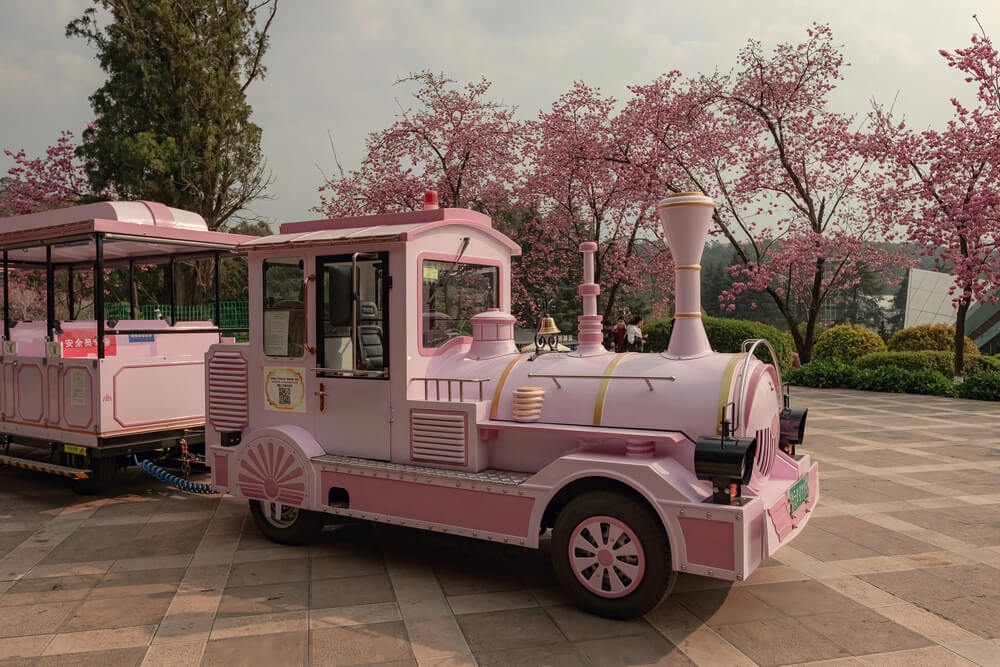
Lionel’s 1957 Girls’ Train set, with its pink steam locomotive numbered 2037-500, became famous mostly because it failed to sell. The set has since appeared on Pawn Stars, been discussed on Antiques Roadshow, and earned a place in the Museum of Failure.
Boxed examples that include the transformer and booklets sit at the top of the value ladder. A loose pink locomotive with chipped paint or a tender missing its parts falls well below that.
Williams Reproduction Girls’ Set
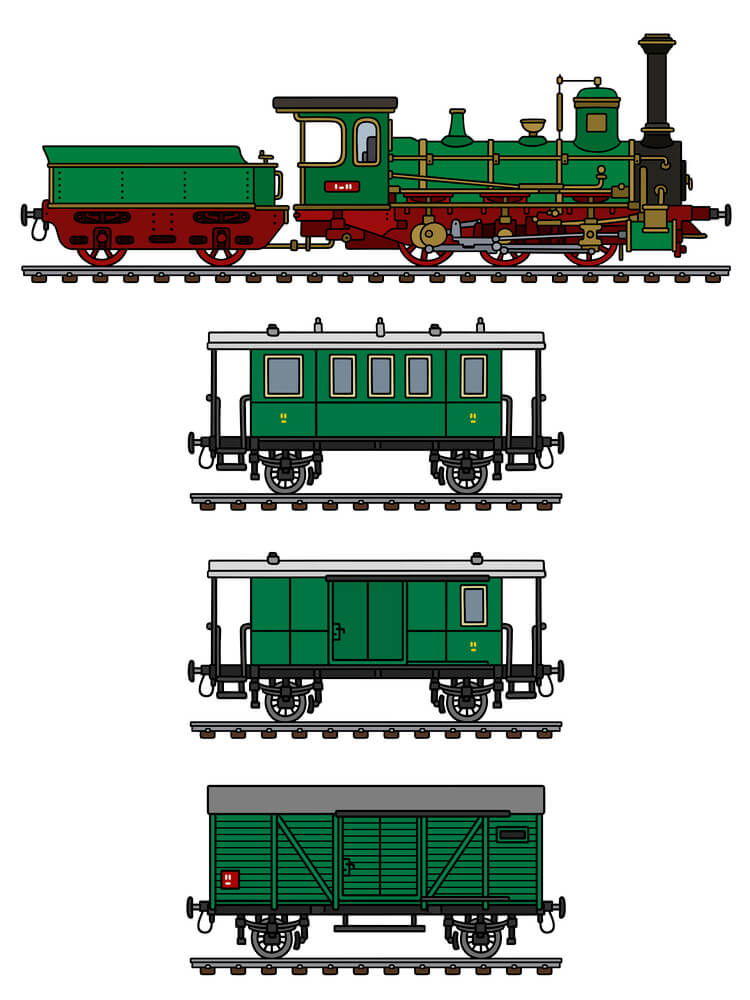
The scarcity of the pink original prompted Williams to produce reproduction Girls’ sets, which Trains magazine reviewed as a more affordable way to run the pastel idea. They look close to the originals, so telling a basement find from a modern copy depends on checking the markings.
An unopened reproduction in its packaging holds its price far better than a scuffed, boxless one. They also tend to run more reliably than an aged original with brittle wiring.
Lionel 2332 Pennsylvania GG1
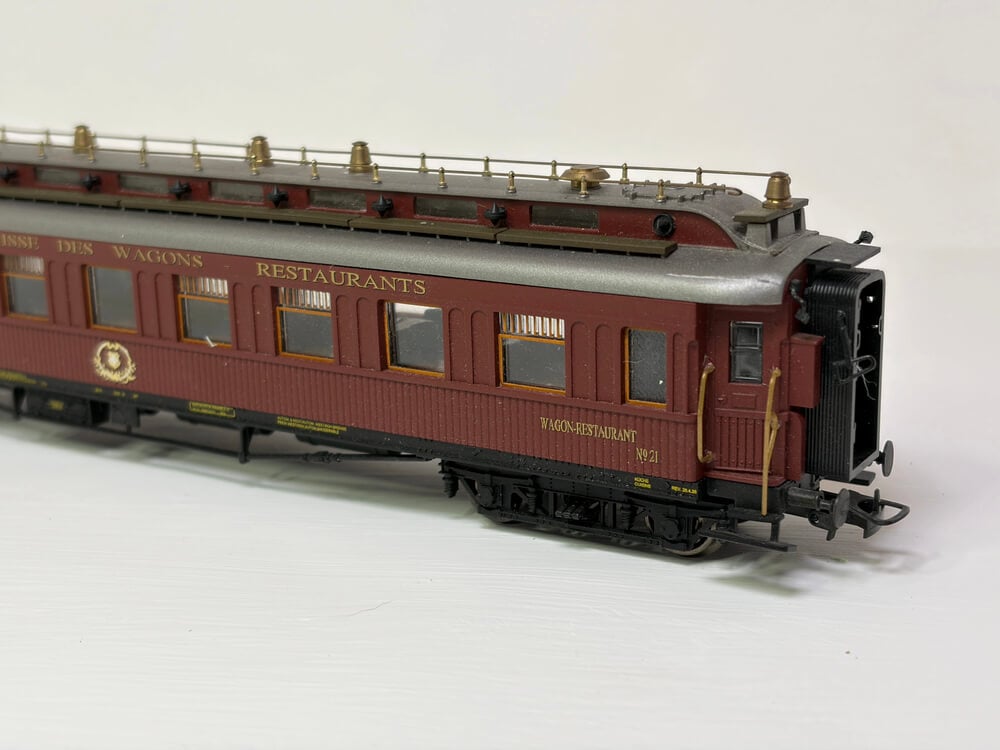
The GG1 was the Pennsylvania Railroad’s streamlined electric, and Lionel’s postwar 2332 became one of the great centerpieces of the line. Lionel later reissued the number in modern form, including a TMCC Celebration Series version and a Century Club edition, so the road number alone does not prove age.
Collectors check the body shell for cracks, the paint for sharp striping, and the running gear for smooth operation. An original box and a correct, working transformer help a vintage example sell faster than an engine found alone.
Lionel 2383 Santa Fe Super Chief
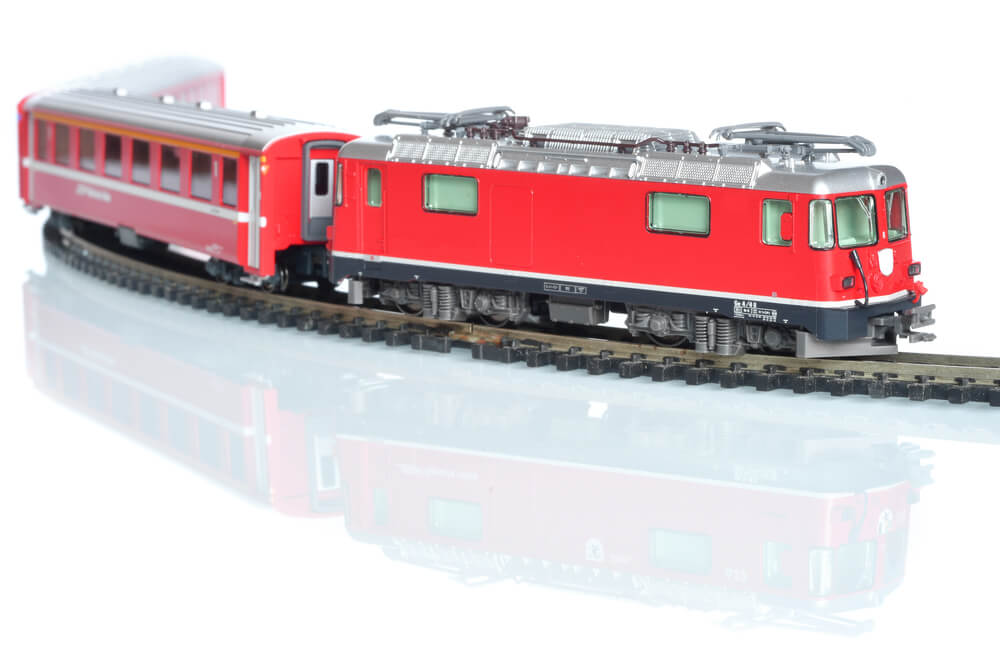
The 2383 pairs a powered F3 diesel with a dummy unit in the red and silver warbonnet scheme of the Santa Fe Super Chief. Lionel’s own reference library documents at least three production variations of the 2383, which makes identifying the exact version part of the fun.
Lionel revived the Super Chief in a later TMCC set built around the same number. Rubbed noses and tired decals hurt value no matter how well the motor runs, and matching boxes for both units lift a pair into a higher tier.
American Flyer 303 Reading Atlantic
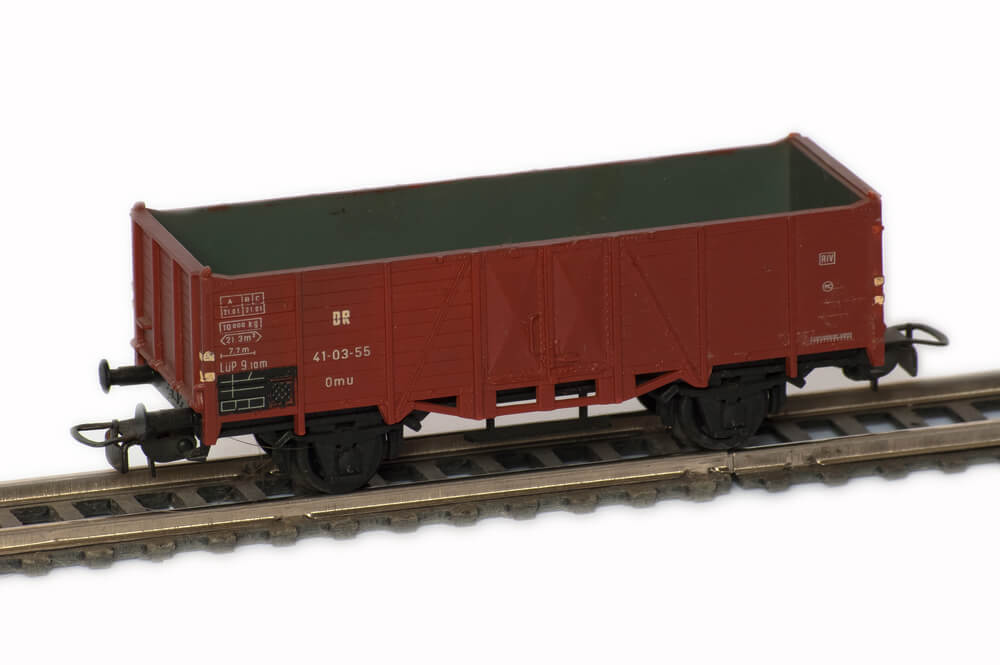
A. C. Gilbert’s American Flyer ran on two-rail S gauge track, which set it apart from the three-rail O gauge sets sold by Lionel. The 303 steam locomotive, a 4-4-2 Atlantic in Reading livery, turns up in listings as a complete set with the locomotive and seven cars.
Complete outfits with the original track and transformer are considerably easier to enjoy than a lone engine. Missing couplers, replaced wheels, and non-original paint all lower what a serious buyer will pay.
Marx Commodore Vanderbilt
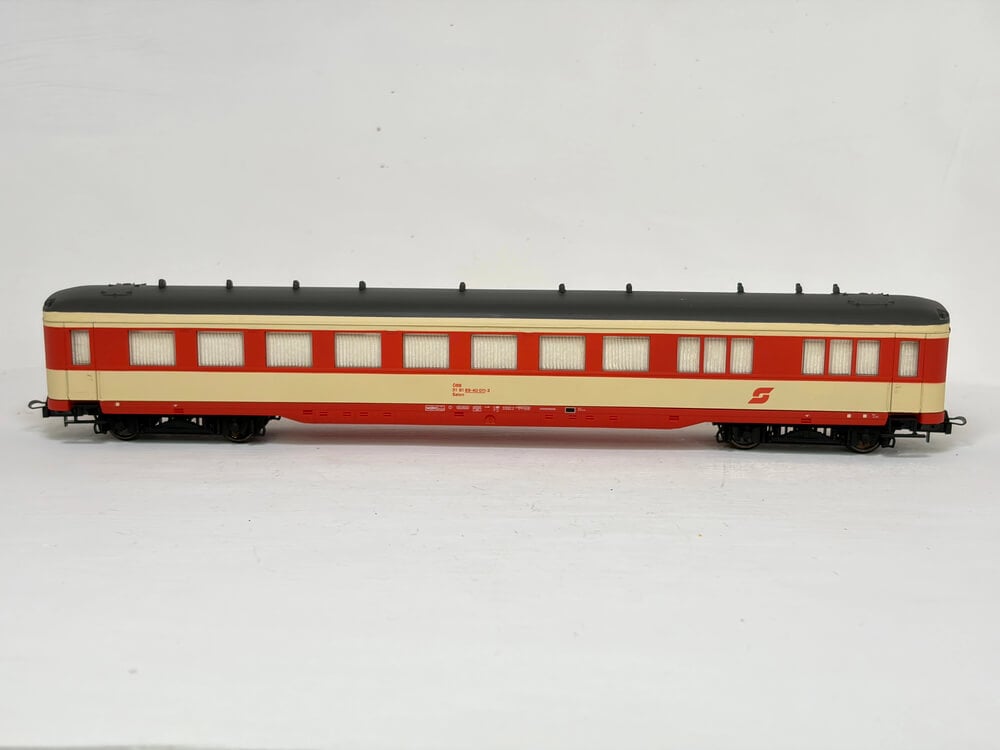
Louis Marx specialized in tin-lithographed trains that ordinary families could afford, and the streamlined Commodore Vanderbilt is one of the best remembered. Antique toy dealers have sold mechanical wind-up versions in their original boxes, and hobbyists restore tired examples as projects.
Lithographed tin scratches easily and can rust along seams, so a bright, unrestored set is far more desirable than a repainted or rusty one. The box matters nearly as much as the train for anyone paying collector prices.
Marx Happi-Time Sets

Marx sold a long run of Happi-Time boxed outfits numbered in the 9600 series, including the 9605, 9617, 9618, 9632, 9635, and 9640. Marx also sold electric O27 outfits such as the Stream Line set numbered 52262.
These sets reward detective work, because the number on the box often tells more than the engine does. A complete outfit with its original box, track, and cars is a different find than a loose locomotive with worn lithography.
Ives Prosperity Special
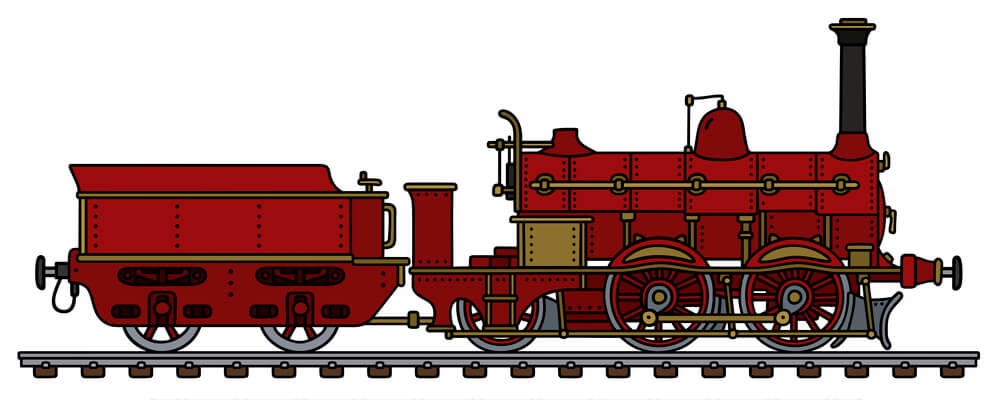
The Ives Prosperity Special survives in collections as an original boxed set from 1929, a time when the Ives name was close to its end. The Ives Railway Line also earned a place in the Children’s Museum of Indianapolis, which shows how seriously the brand is treated by museums.
Collectors look for the correct locomotive, matching cars, and paint that has not been touched up. A set with its original box is worth considerably more than one assembled from mismatched parts.
Bachmann Big Haulers Polar Express
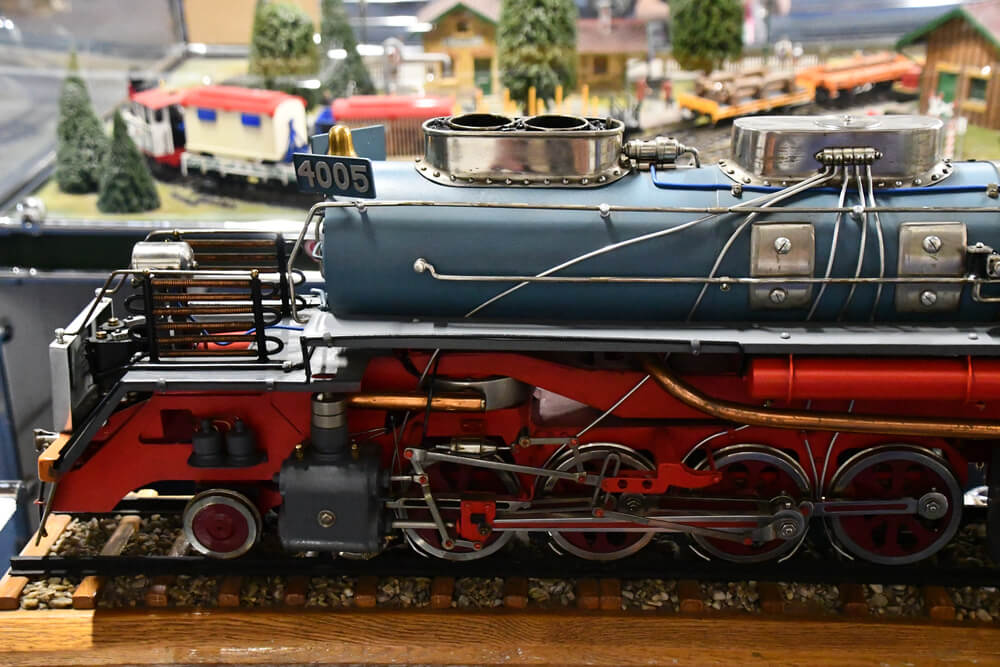
Bachmann’s Big Haulers are large G scale trains made to circle a Christmas tree or run through a backyard, and the Polar Express edition is a seasonal favorite. The plastic is sturdy enough for repeated holiday use, which is exactly why so many survive.
Collectors who want a complete, giftable set pay attention to the box art and to the figures that came with it. Sun-faded cars and missing pieces lower what a buyer will offer.
Bachmann Big Haulers South Pacific Coast Golden Classic
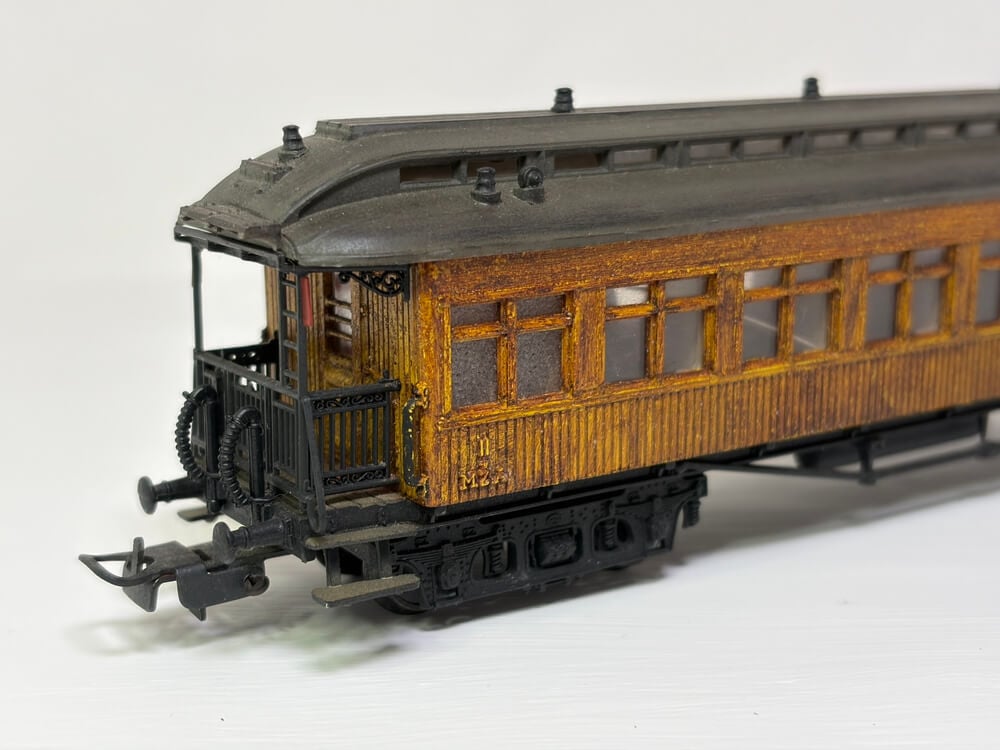
Bachmann’s Golden Classic Big Haulers set borrows the look of the South Pacific Coast, a narrow gauge line, in a cheerful storybook style. The design suits a garden railway, where its chunky proportions read well from a distance.
Plastic that has yellowed or cracked from sun exposure is a common complaint, so how a set was stored matters more than its age. A boxed set with every coupler in place and an intact locomotive is the best example a buyer can find.
Tyco Chattanooga Choo Choo
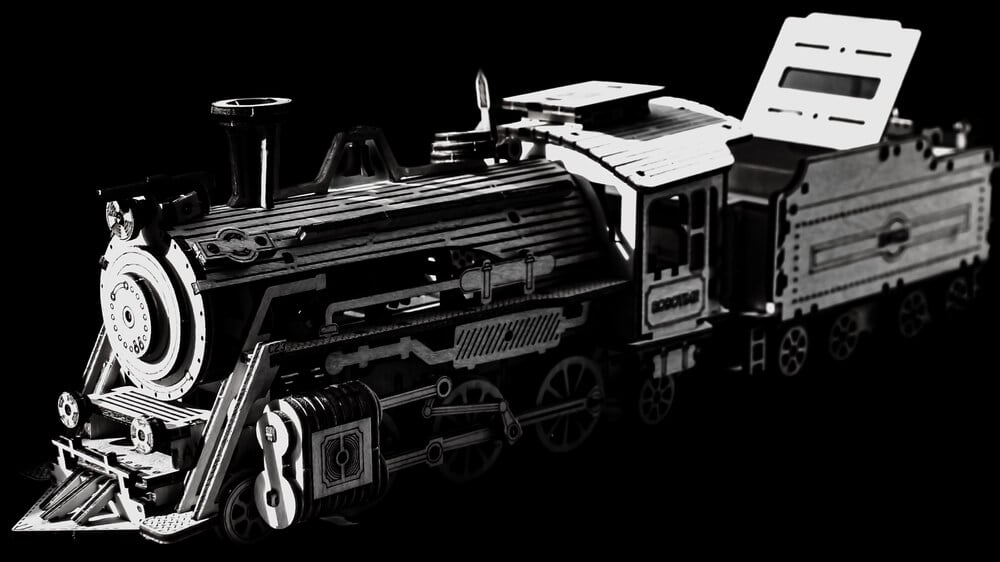
The Tyco Chattanooga Choo Choo was an HO outfit sold in huge numbers in the 1970s, and a set numbered 5628 dated 1978 included an engine and six cars. Boxed sets with nine cars turn up in listings alongside accessories, and loose cabooses numbered 506 appear on their own.
Because Tyco made so many, completeness separates the keepers from the common. A boxed set with clean decorated cars and the original power pack is in a different tier than a loose engine with a worn motor.
Athearn Genesis F7 Sets
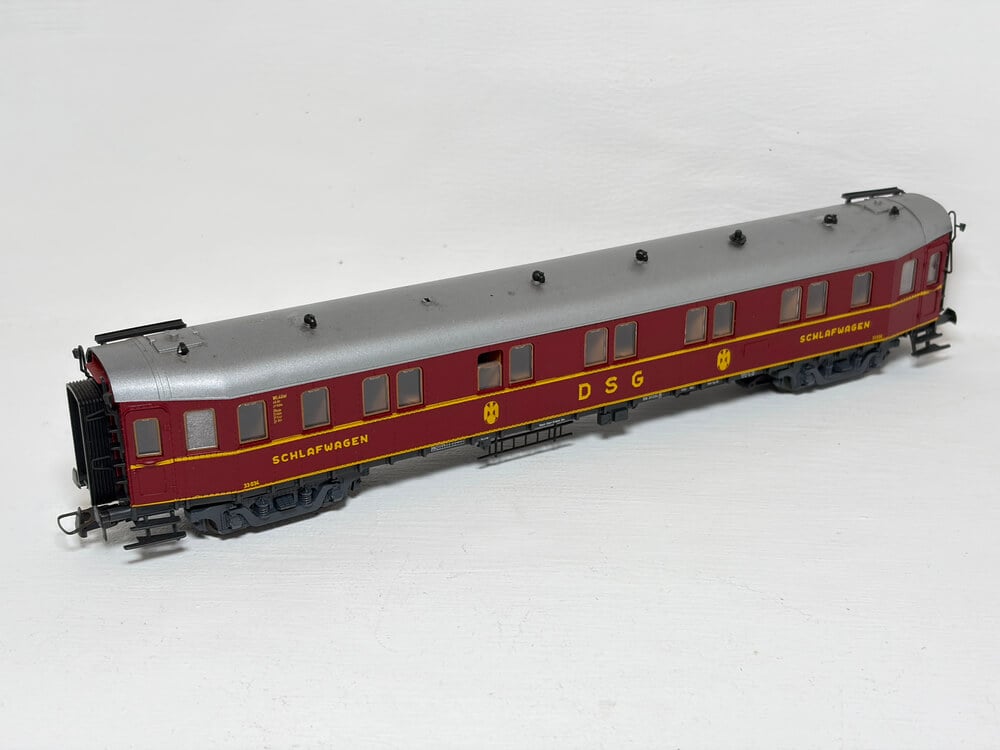
Athearn’s Genesis line includes F7A and F7B diesel pairs in the paint of railroads such as Erie Lackawanna, Southern Pacific, Wabash, and Santa Fe. Many are sold DCC ready or with sound, so they can run on modern controls straight from the box.
Fine paint detail and delicate handrails are the markers collectors check first. A set in its original packaging with the factory inserts intact is worth far more than a pair that has been run hard and repackaged.
Mantua and Tyco General 4-4-0
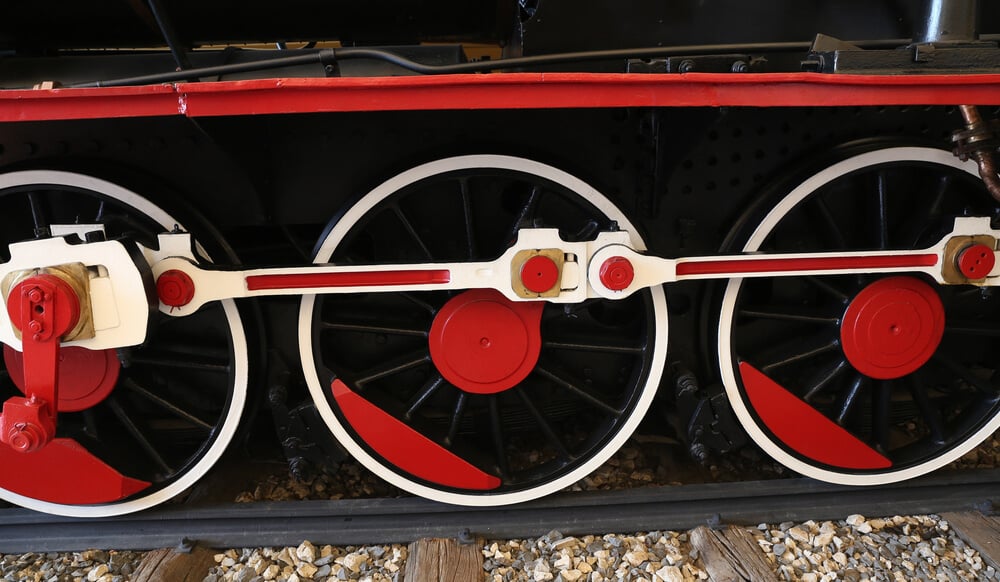
The General is an HO 4-4-0 in old-time style, made by Mantua and later sold under the Tyco-Mantua banner. Hobbyists have long rebuilt and detailed it, and its motors and mechanisms have their own following.
A clean, untouched example is a different prize from a heavily modified one. The original box and the delicate smokebox details are what buyers examine first.
K-Line O27 Sets
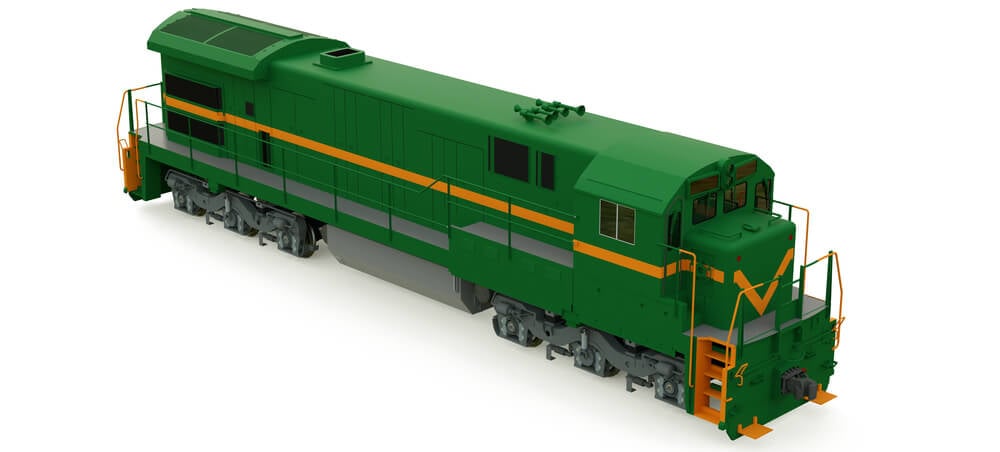
K-Line grew into a spirited rival to Lionel, producing O27 trains with colorful paint schemes and unusual road names. The company is now gone, a fate that earned it a fond tribute among hobbyists and gives its sets an orphan-brand appeal.
A set with its original packaging and transformer sells differently than a loose engine. Locomotives with missing parts can be hard to repair because replacement pieces are limited.
Kusan Space and Military Trains
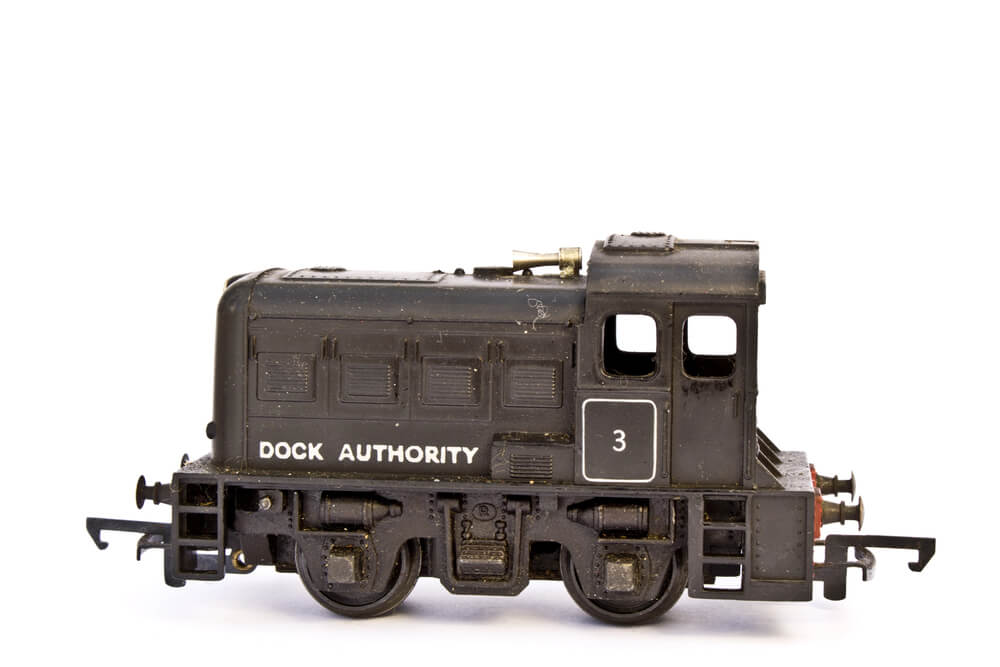
Kusan produced space and military themed trains that hobbyists say reached store shelves ahead of comparable Lionel offerings. The colors and graphics lean on rockets and army green, which captures the missile-age mood of the period.
The sets are far less common than Lionel’s, so even a modestly worn example can draw attention. Original packaging with the themed cars intact matters more than a shiny repaint.
Williams Brass Pennsylvania Mikado 9630
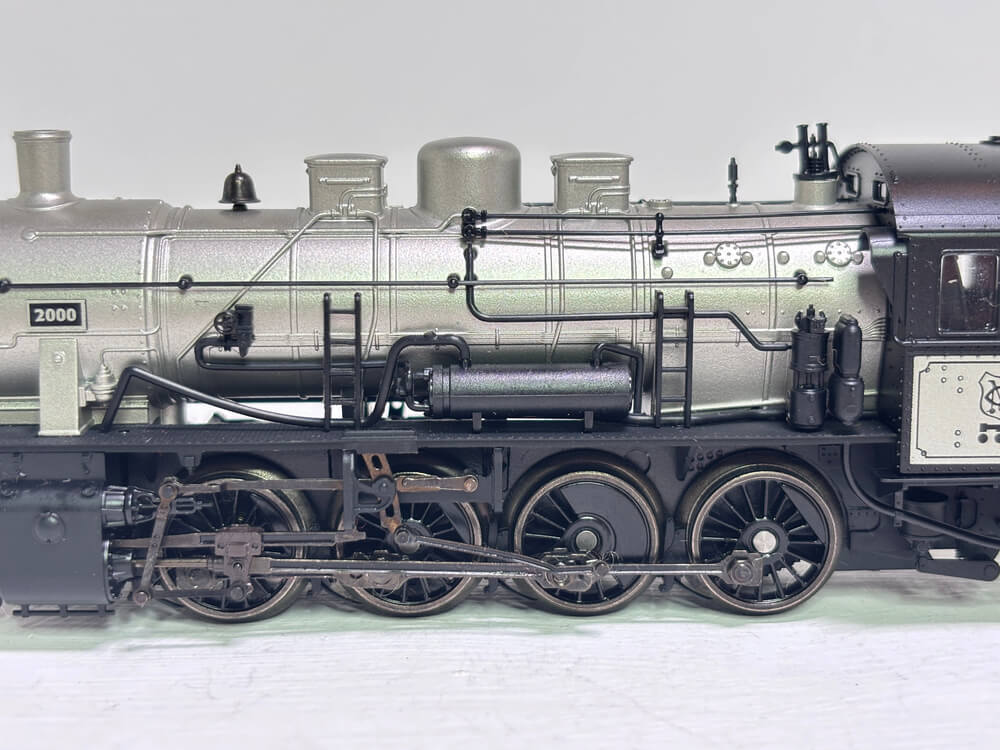
Williams built an O gauge brass 2-8-2 Mikado in Pennsylvania Railroad livery with the road number 9630. The brass construction gives it a heft and finish that stand out from painted die-cast and plastic locomotives.
Brass shows fingerprints and tarnish, so an example kept in its original box is more appealing than one handled bare. A correct tender and working electronics matter too, since a mismatched pairing lowers desirability.
Lionel 752E Union Pacific M10000 Streamliner
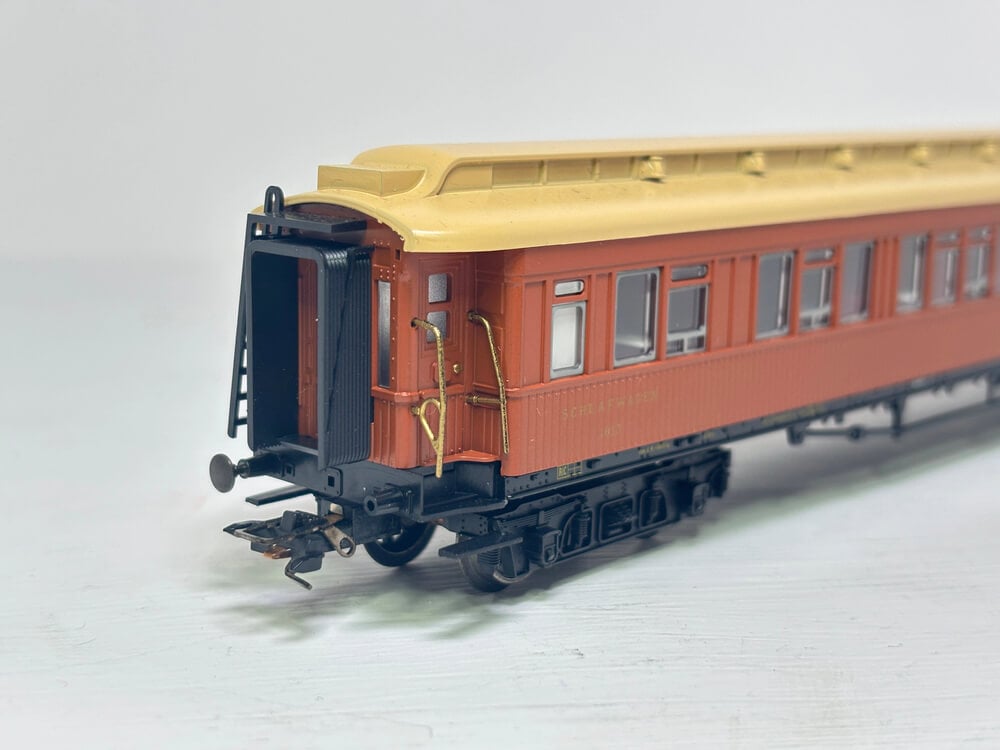
Lionel’s prewar Union Pacific M10000 streamliner appears in listings as the 752E and 752W sets, with the original set box sometimes surviving. It was a lightweight articulated trainset rather than a conventional locomotive with cars behind it.
Prewar finishes were thin, so chipped paint and replaced parts are common, and untouched examples bring a clear premium. A set with all of its cars and the original box is a different class of find than a single power unit.
Lionel Mickey Mouse Circus Train
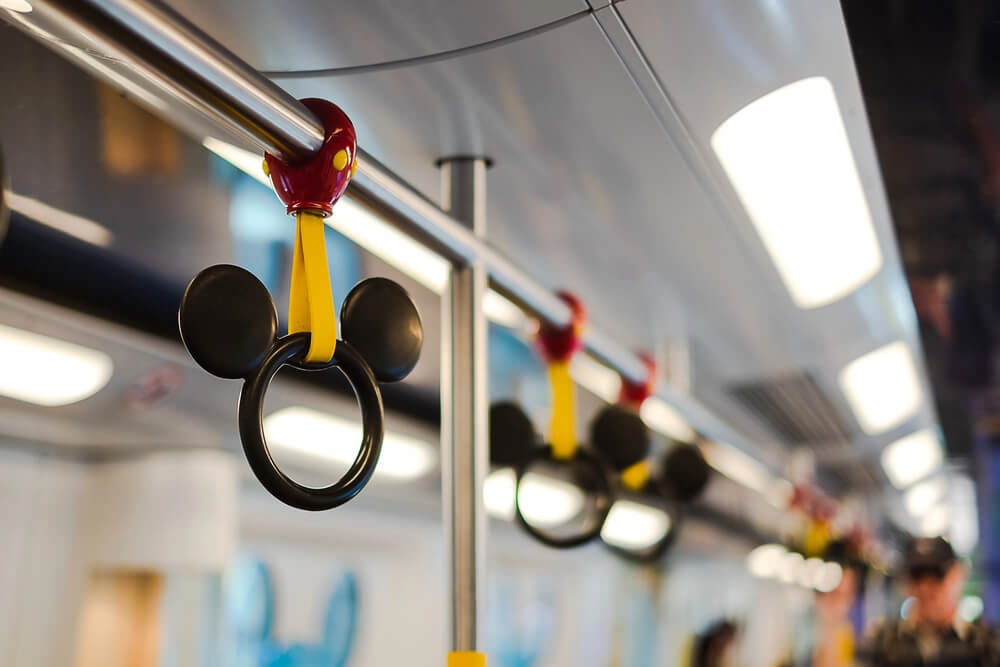
The Lionel Mickey Mouse Circus Train dates to 1935 and has been offered at Hake’s as a complete boxed set. It tied a beloved cartoon character to a toy railroad at a time when the licensing idea was fresh.
Bright lithography is the main attraction, and fading, scratches, or missing pieces change the price quickly. A complete set in its original box is far more sought after than a loose car or two.
Lionel Standard Gauge 381E
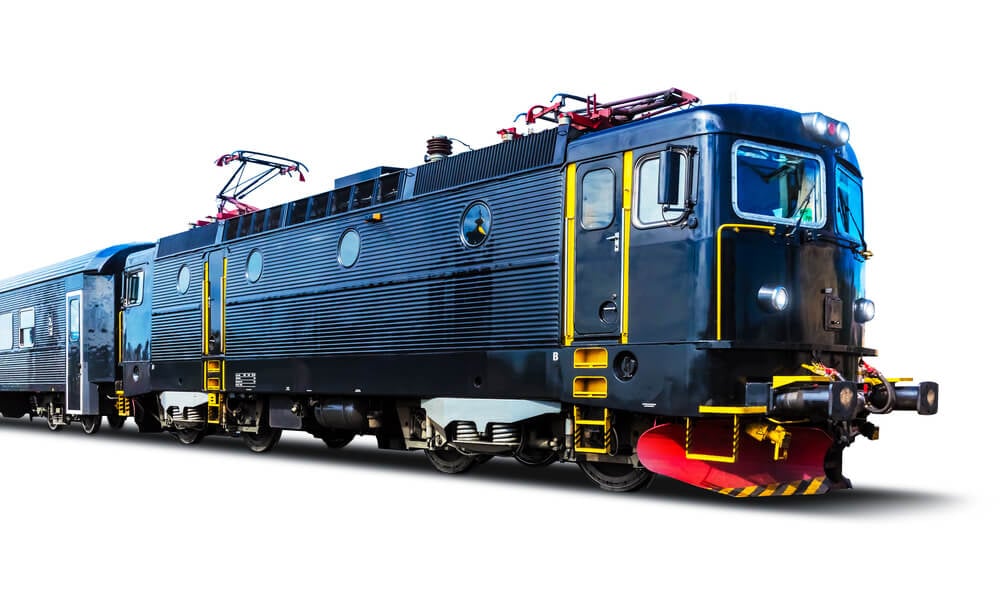
The 381E is a Standard Gauge electric locomotive, and MTH has reissued it in several versions, including Great Northern and Proto-Sound editions. Original examples are large and heavy, which explains why they are prized displays as much as runners.
Kit-bashed and reproduction versions circulate, so confirming what is original matters before paying collector prices. Paint condition and complete trim set apart a strong example from a tired one.
Lionel 2245 Texas Special F3
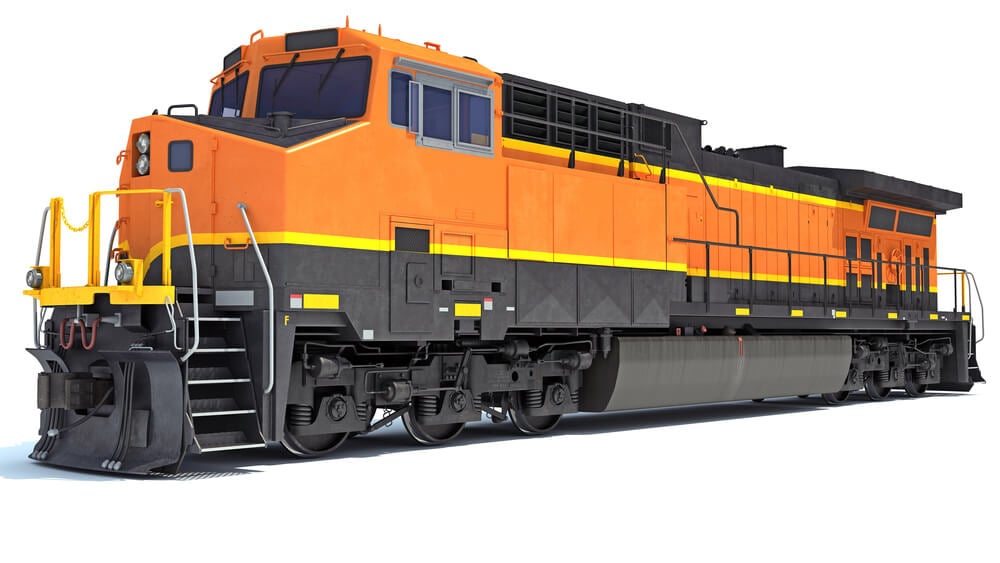
The Lionel 2245 Texas Special was an F3 diesel offered as an A and B unit set, and Trains magazine has featured it. Listings also show A and C combinations, which makes it worth checking which units are actually in the box.
The red and white paint is vulnerable to rubbing, and the decals are often the weak point. A matched, boxed pair that still runs is the best version of this find.
Lionel 736 Berkshire
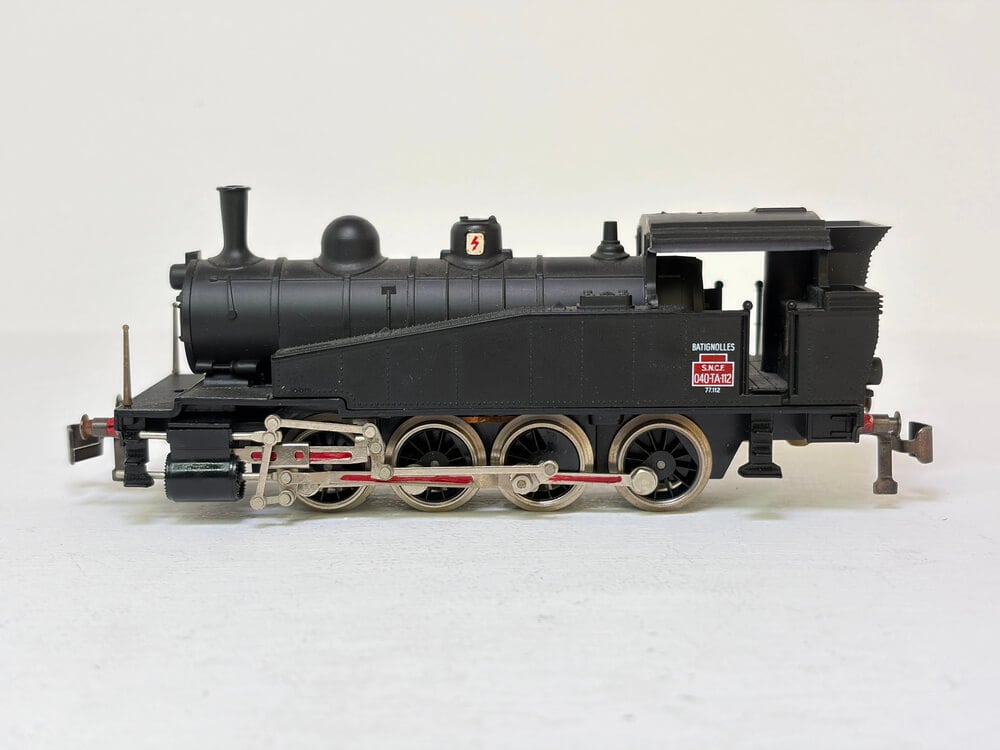
Lionel’s 736 is a 2-8-4 Berkshire steam locomotive that appears with several different tenders, including 2671WX, 6466W, and 2046W types. Readers of Trains magazine named a Berkshire among Lionel’s most perfect postwar train sets.
A Pennsylvania-lettered 736 also turns up in listings. Matching the correct tender and keeping the original box in the mix are the biggest drivers of value.
Lionel 2020 Steam Turbine
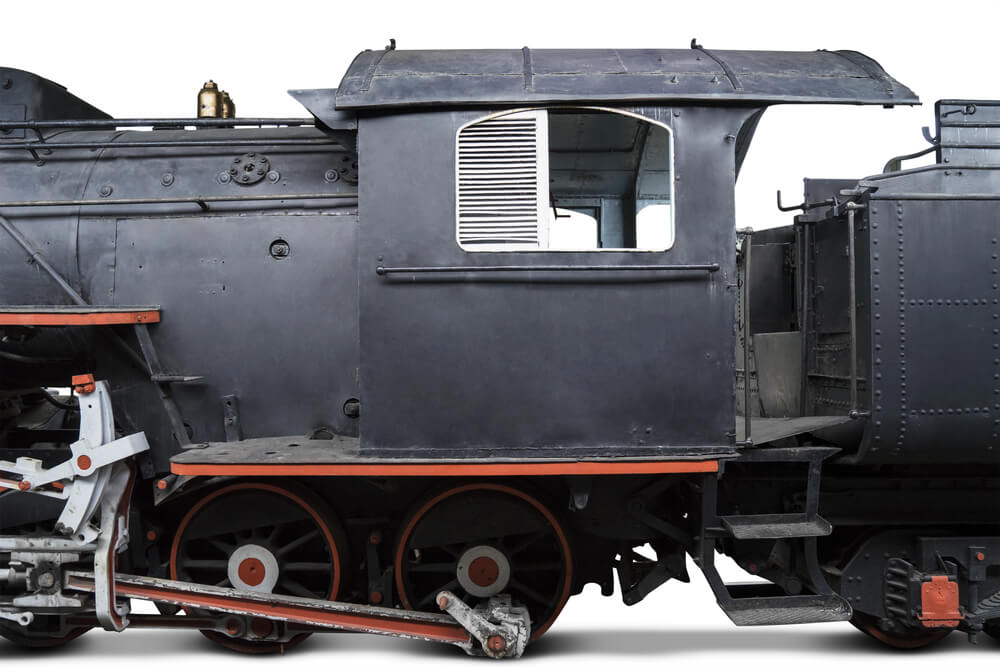
The 2020 is a 6-8-6 steam turbine from 1946, and early examples are noted for a smoke bulb feature. Lionel produced it for only a few years, running through 1949 according to hobby references.
It paired with tenders such as the 6020W, 2466W, and 6026W. Early versions with the smoke bulb and an original box bring the most interest, while tenders that do not match the era pull value down.
Lionel Pioneer Zephyr
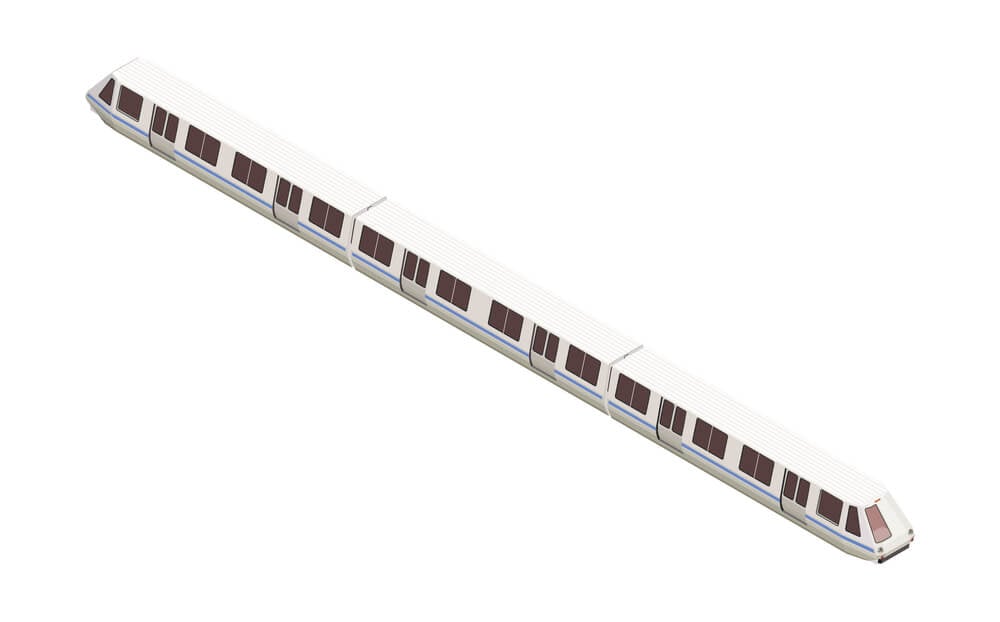
Lionel’s Burlington Pioneer Zephyr O gauge diesel set honors the streamlined train that the Smithsonian also preserves as a scale model. Modern versions such as the 6-38860 set appear in listings with their original boxes.
The sleek stainless look means scratches show quickly, and a clean body is the first thing to inspect. A complete set with box, power supply, and track is worth far more than a loose power car.
Marklin HO Digital Sets
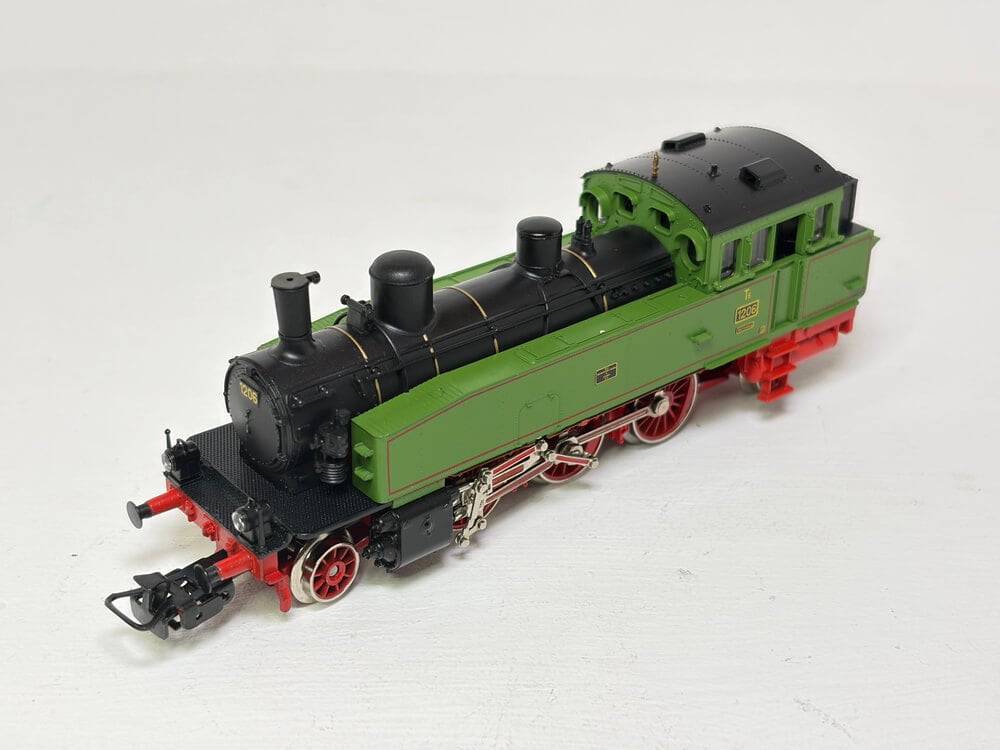
Marklin’s HO digital outfits include sets built around an ICE 2 high-speed train with a Mobile Station controller and others based on a steam locomotive. Some of its sets are designed for beginners and include a digital steam locomotive.
The European origin means voltage and track compatibility need checking before anything is plugged in. A sealed or complete boxed set holds value better than one missing controller pieces or track.
Fleischmann Piccolo N Gauge Sets
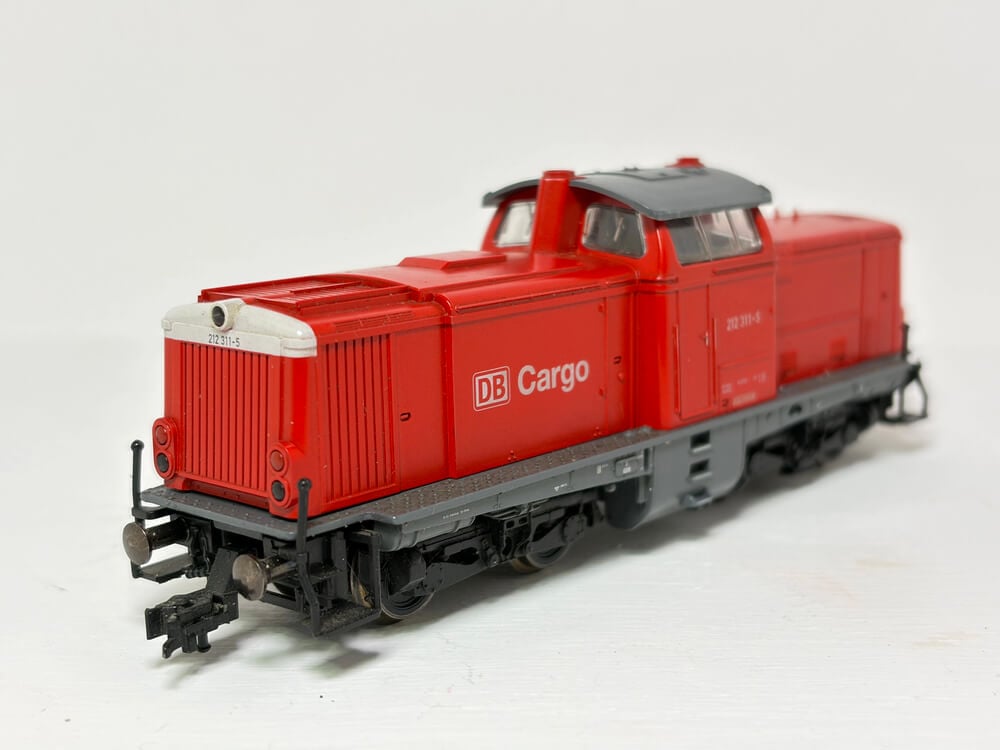
Fleischmann’s Piccolo line brought tiny N gauge trains to the shelf, including a set numbered 7430 with an extra wagon 7432. Individual locomotives such as the black 2-6-2 steam engine numbered 7123 also turn up.
At this scale, small flaws like worn couplers show up quickly, so careful testing matters. A boxed set with all of its wagons is worth more than a locomotive that has been running slowly and picking up dust.
Hornby Flying Scotsman Set
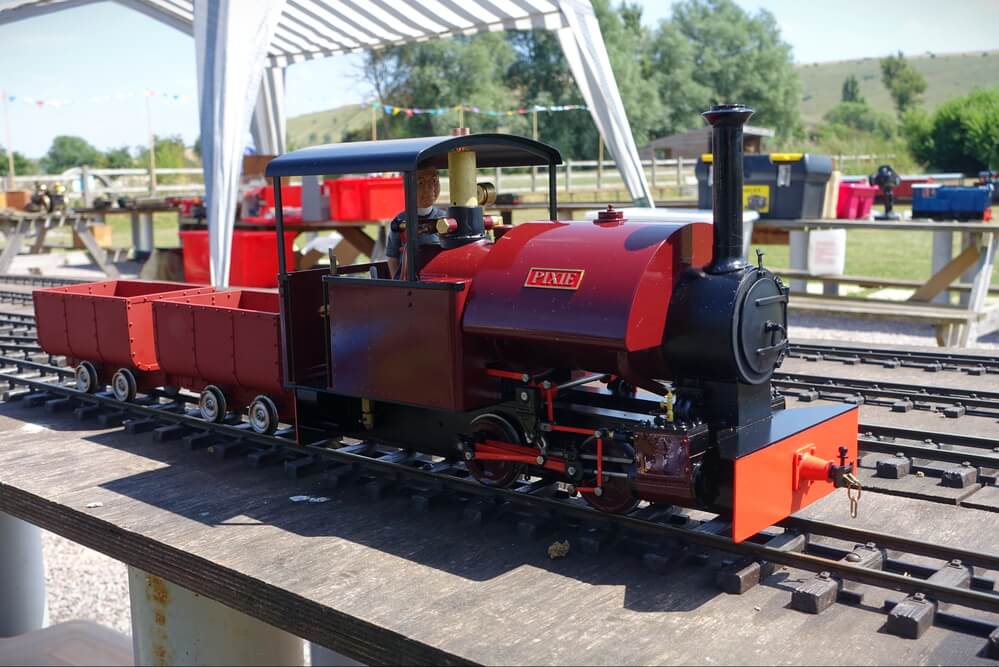
Hornby’s R1255M Flying Scotsman set is an OO gauge train pack headlined by the famous A1 class locomotive. It sells with the track and controller needed to run immediately, which makes it a popular first set.
Unused boxed examples are more desirable than ones with scuffed paint or missing pieces. The green livery attracts buyers who simply love the engine’s story.
LGB Stainz Freight Set
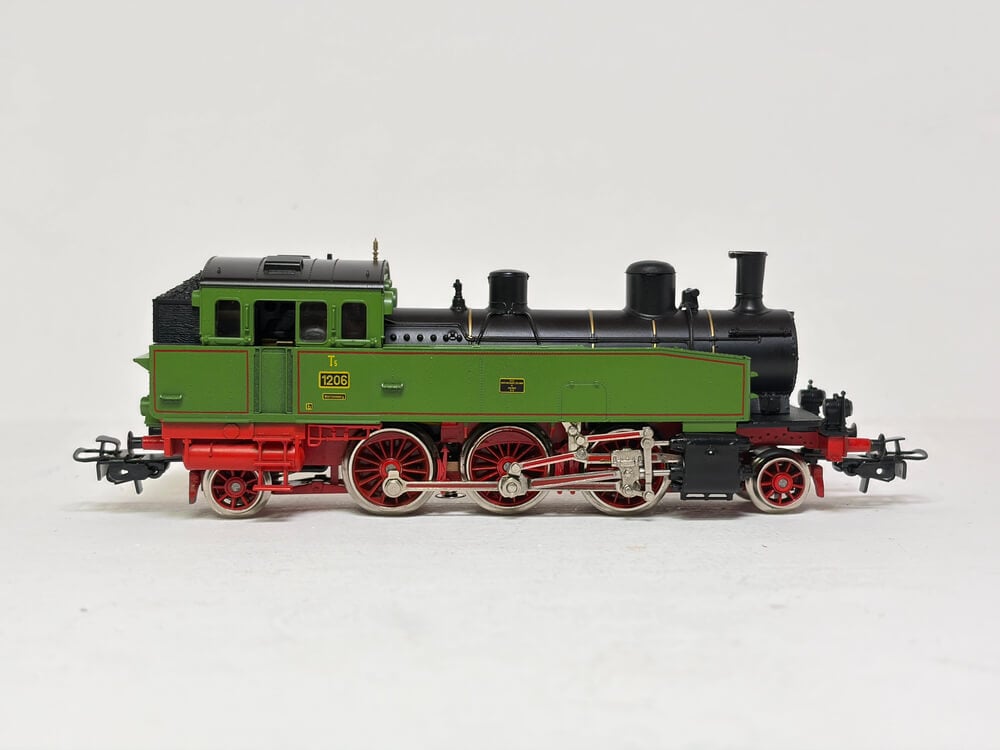
LGB’s Stainz is a small G scale steam locomotive sold in work train and freight sets, including the 72403 set with sound. LGB also sells it in smaller outfits and passenger packages, giving collectors many variations to chase.
G scale is large, so storage and track compatibility matter. A complete boxed set with sound still working is worth far more than a locomotive with a silent speaker.
Lionel 773 Hudson
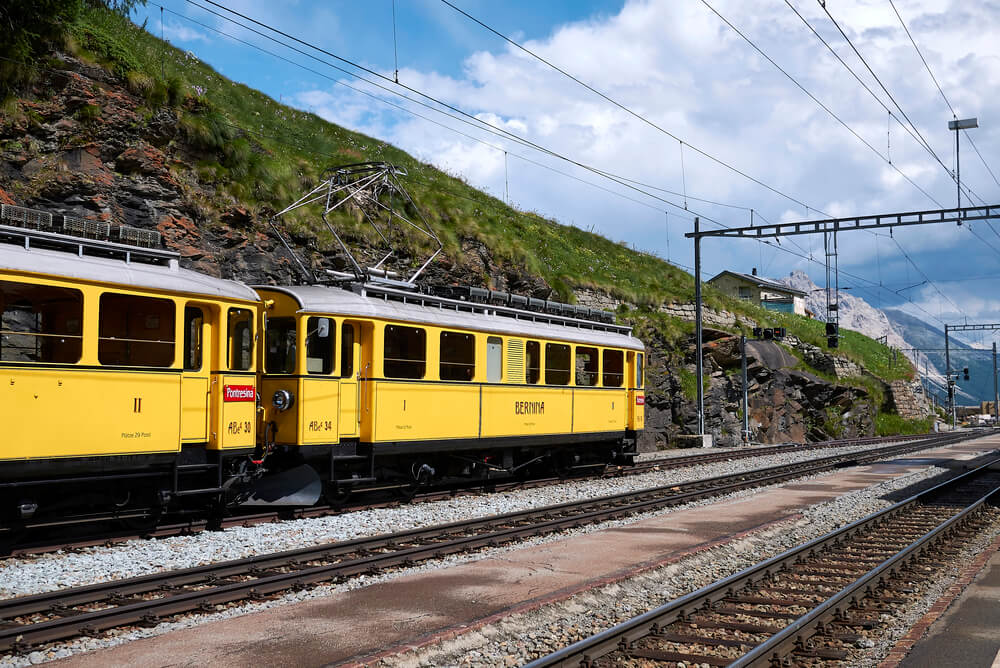
The Lionel 773 is a 4-6-4 Hudson that exists in a 1950 version and a 1964 version, and enthusiasts argue about the differences. Unrun examples with master cartons have fetched prices in the four figures, though condition drives that heavily.
The 1950 version is generally considered the more desirable of the two. Matching tenders, original boxes, and clean die-cast bodies are what collectors look for first.
Lionel 1130 Scout Set
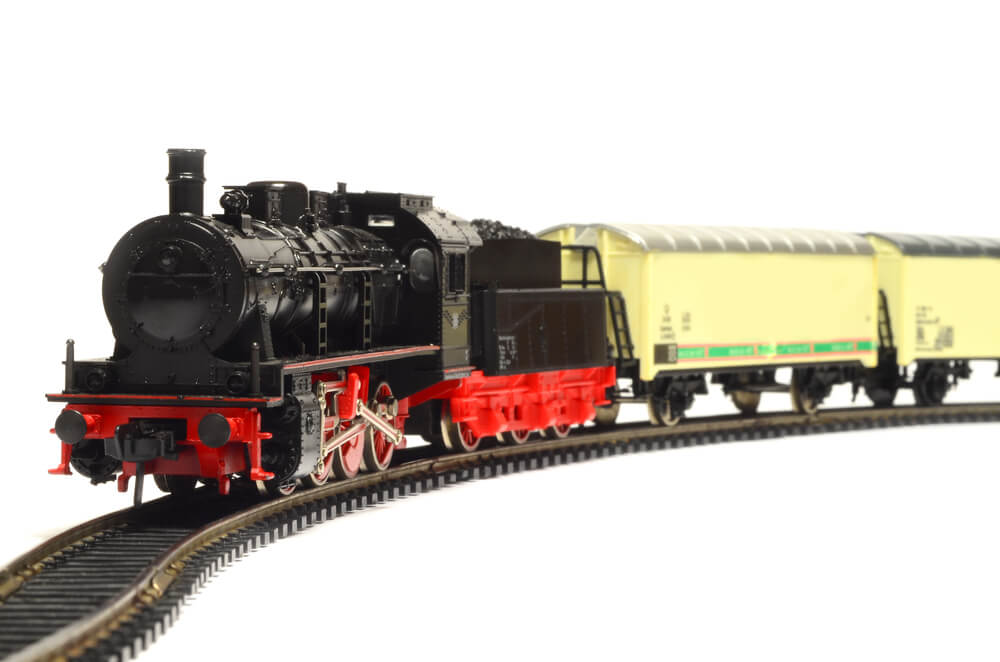
The 1130 Scout belongs to Lionel’s lower-priced postwar line, a modest 2-4-2 steam locomotive meant for beginners. Scouts have a loyal following, and collectors on hobby forums debate which are the better postwar examples.
An outfit with its tender and caboose is a much happier find than a bare engine. Rust, missing parts, and replaced couplers keep most Scouts at the affordable end of the market.
Lionel Hogwarts Express LionChief Set
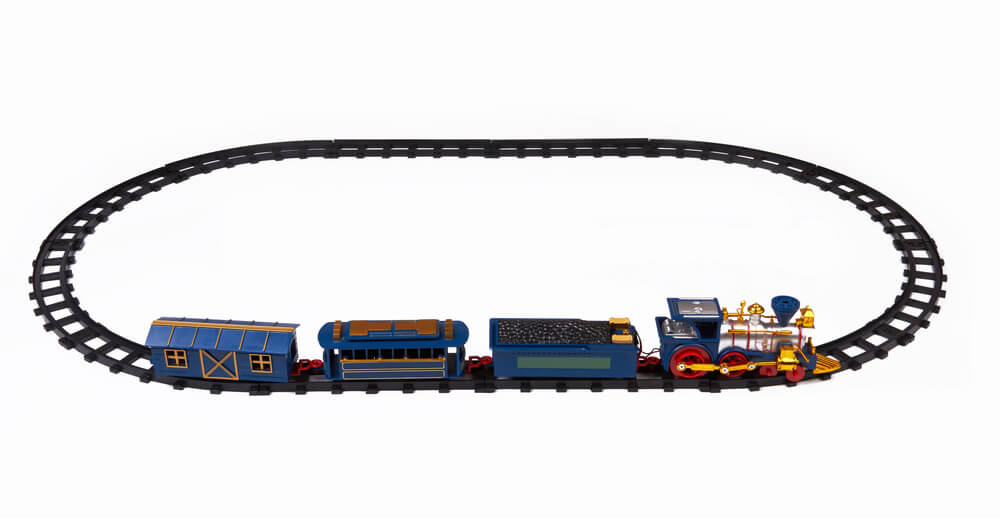
Lionel’s Hogwarts Express LionChief set was named a Toy Insider award winner for 2016 and has returned in several versions, including editions with Bluetooth 5.0 and a Dementors coach. It uses a simple remote control so a child can run it without learning transformers.
Recent production means it is still relatively available, so condition and completeness decide value. A set with its original box, remote, and all cars is the one worth keeping.
Lionel 408E Standard Gauge
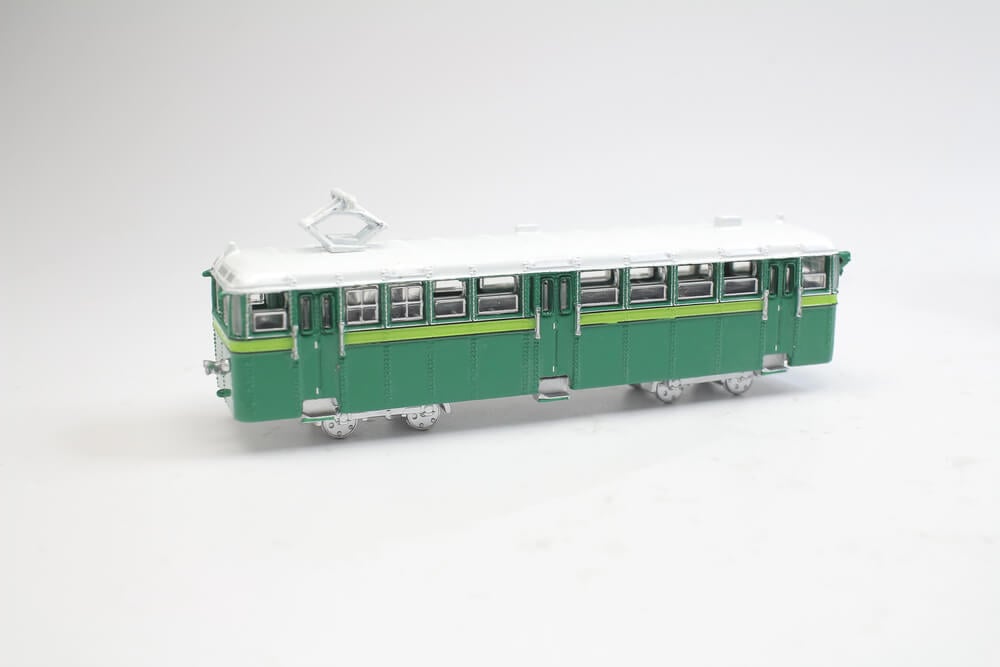
The 408E is a Standard Gauge electric with dual super motors, and Lionel has issued modern 1-408E versions in two-tone brown. MTH has also built Standard Gauge pieces under related numbers.
Original examples are large, heavy, and bold in color, which makes them prized display pieces. Paint condition and the original box affect value more than almost anything else.
What the Old Sets Are Really Teaching
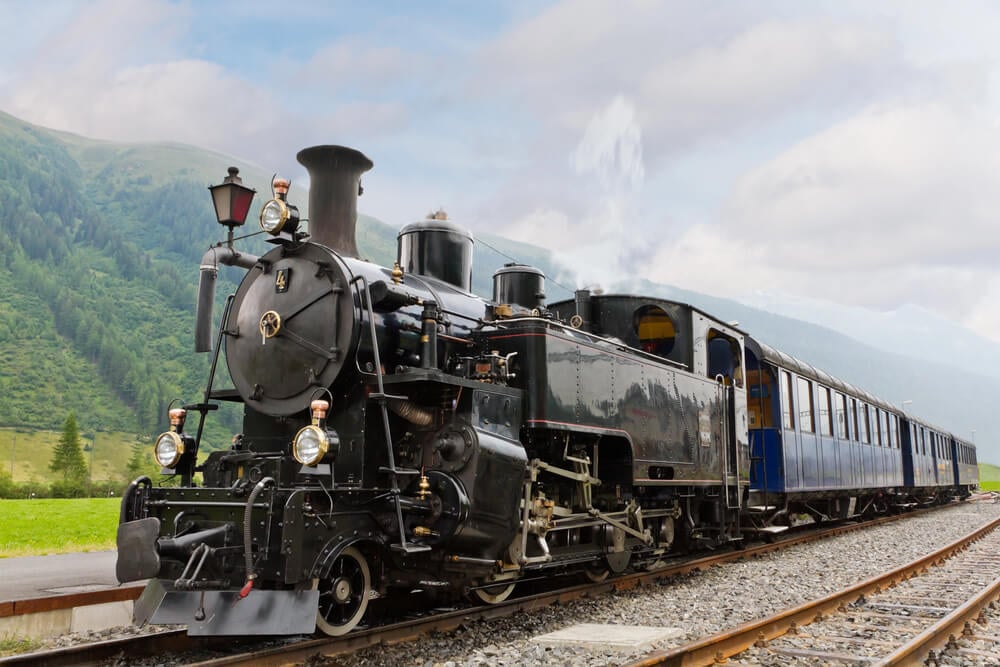
Looking across these thirty-three lines, the same lessons repeat: original paint, original boxes, and complete sets separate a treasure from a pile of parts. Reissues and reproductions muddy the picture, so a careful buyer learns to read markings and compare them against documented originals.
A single mismatched tender or a replaced transformer can change what a set is worth. Beyond the value, these sets carry a particular kind of memory, the hum of a transformer on a winter night and the smell of warm oil.
Whether the find is a Standard Gauge giant or a plastic set from the 1970s, it is worth testing gently, cleaning carefully, and then letting it run at least once more.
More from Go2Tutors!

- 27 Silver Dollars and Half Dollars Worth Keeping
- 28 Restaurant Menu Items Nobody Orders Anymore
- 17 Places Built in Seemingly Impossible Spots
- 27 Vintage Rings Worth More Than They Look
- 25 Restricted Sites Tourists Can’t Enter
Like Go2Tutors’s content? Follow us on MSN.