Noble Households That Set Early Lifestyle Standards
When thinking about where modern habits and customs come from, it’s easy to assume they just appeared out of nowhere. But many of the things people do every day, from table manners to fashion choices, actually started in the grand halls of wealthy families centuries ago.
These powerful households didn’t just live differently. They created rules and patterns that eventually spread to everyone else.
Let’s look at how these influential families shaped the way people live today.
The Medici family

Florence’s most famous family didn’t just collect art and fund buildings. The Medicis changed how people thought about meals and gatherings.
They introduced the fork to European dining tables in the 1500s, which seemed strange at first since most people ate with their hands or knives. Their banquets featured courses served in a specific order rather than everything dumped on the table at once.
This practice of structured dining spread across Europe as other nobles copied what they saw in Florence. The idea that dinner should be an organized event rather than a free-for-all came directly from their influence.
The Habsburgs and daily bathing

Most people in medieval Europe rarely bathed, thinking water spread disease. The Habsburg family maintained private bathhouses in their palaces and bathed regularly, going against common belief.
They brought this practice from their connections to Ottoman culture, where cleanliness was valued differently. Staff in Habsburg households were expected to wash regularly too, which was unusual for the time.
As their empire grew across Europe, so did the idea that washing your body was actually a good thing rather than dangerous.
French court etiquette under Louis XIV

The Sun King turned everyday activities into elaborate ceremonies at Versailles. Getting dressed in the morning became a public event where nobles competed for the honor of handing him his shirt.
Meals followed strict protocols about who sat where and who could speak when. These weren’t just random rules but a calculated system to keep nobles busy with manners instead of plotting against the king.
Other European courts adopted similar practices because they seemed sophisticated. The ripple effect meant that formal dinner parties and dress codes became standard across the upper classes.
The Borgias and personal hygiene products

This controversial Italian family gets remembered for scandals, but they also popularized scented soaps and perfumes. They imported expensive ingredients from the Middle East to create pleasant-smelling products for washing.
Before this, soap was rough stuff used mainly for laundry, not bodies. The Borgias made personal care items a status symbol that wealthy people wanted.
Their influence helped shift perfume from a purely medicinal item to something worn for pleasure.
English country house weekends

British aristocratic families developed the concept of weekend house parties in the 1800s. Guests would arrive Friday and leave Monday, following unwritten rules about changing clothes multiple times per day.
Activities were scheduled at specific times, from morning walks to afternoon tea to evening entertainment. The hosts provided everything, and guests were expected to bring servants and multiple outfits.
This tradition influenced how people still think about weekend getaways and the importance of being a good host or guest.
The Rothschilds and banking hours
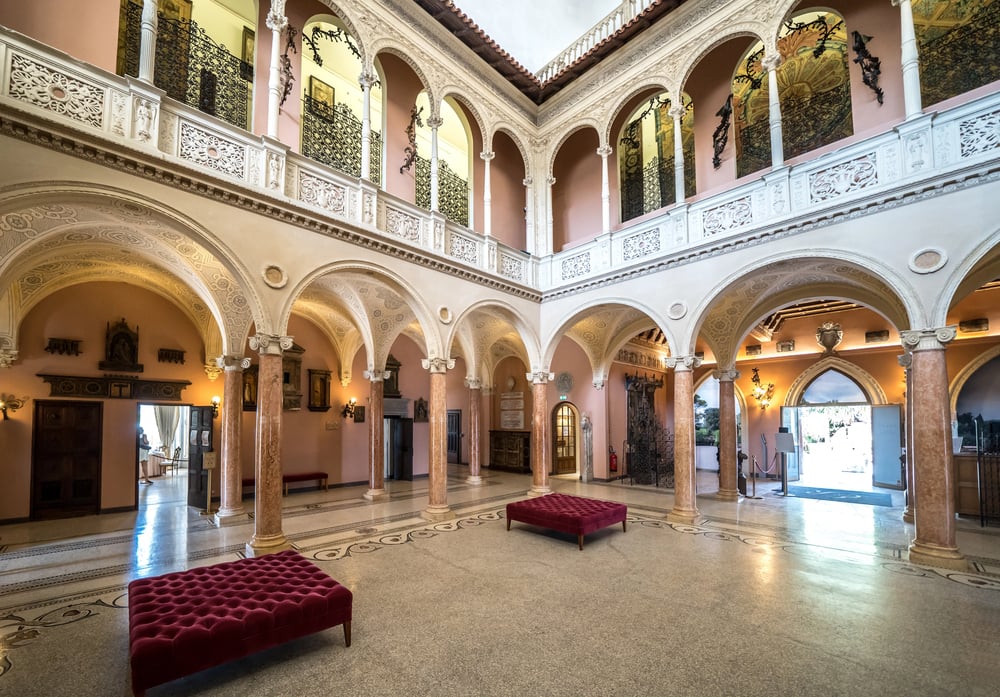
This banking dynasty established the practice of keeping regular business hours in the early 1800s. Before them, merchants and money handlers worked whenever clients showed up.
The Rothschilds set specific times when their offices were open and when they were closed. They also separated business spaces from living spaces more strictly than previous generations.
This innovation helped create the modern concept of work-life balance, even if that term didn’t exist yet.
Venetian merchant families and home decoration

Wealthy trading families in Venice filled their homes with objects from around the world in the 1400s and 1500s. They displayed glass, textiles, and curiosities from their business travels as conversation pieces.
This started the trend of decorating homes to show off taste and worldliness rather than just religious devotion. The idea that your house should reflect your personality and experiences became fashionable across Europe.
Middle-class families eventually adopted scaled-down versions of this practice.
The Sforzas and scheduled mealtimes

Milan’s ruling family established fixed times for breakfast, lunch, and dinner in their household. Before this, people generally ate when they were hungry and food was ready.
The Sforzas created a daily rhythm around meals to coordinate their large staff and frequent guests. This structure made managing a big household more efficient and predictable.
The practice spread to other noble homes and eventually became the standard three-meals-a-day schedule most people follow.
Spanish noble families and afternoon rest
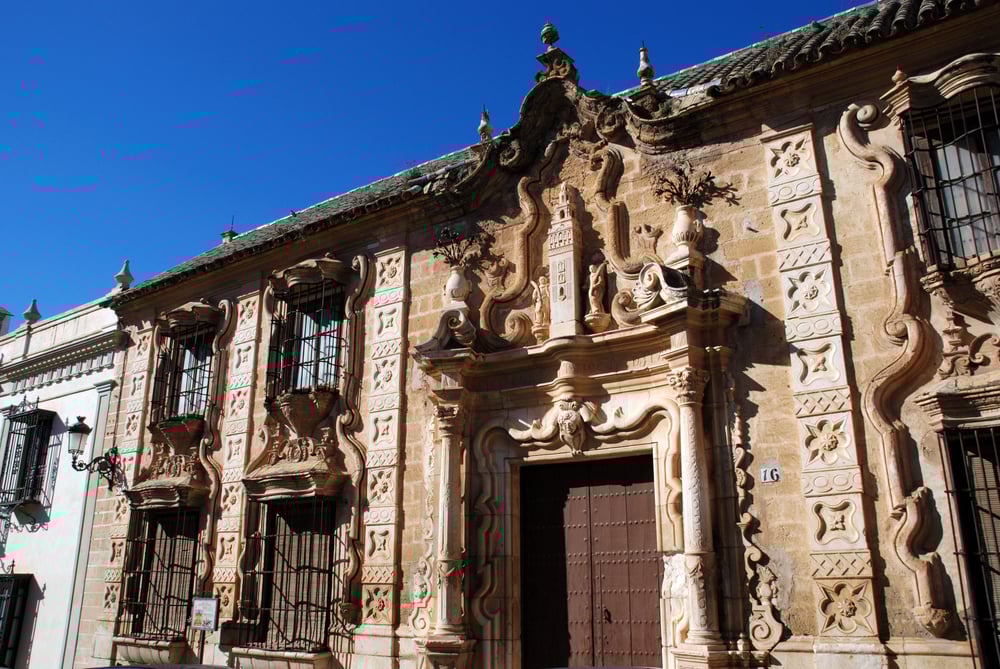
The siesta tradition that exists in many warm climates got reinforced by Spanish aristocratic households. They formally scheduled a rest period during the hottest part of the day when work was uncomfortable.
Servants and family members alike were expected to participate in this downtime. The practice made sense in hot regions and showed that productivity didn’t require constant activity.
This scheduling innovation influenced work patterns across the Spanish empire and beyond.
Italian Renaissance families and art patronage

Multiple wealthy households in Florence, Rome, and Venice competed to hire the best artists. They commissioned paintings, sculptures, and buildings to enhance their homes and reputations.
This wasn’t just about showing off wealth but about being remembered as culturally important. The competition drove artistic innovation as creators pushed boundaries to impress patrons.
The modern concept of supporting the arts through private funding comes directly from these family practices.
The Vanderbilts and home technology
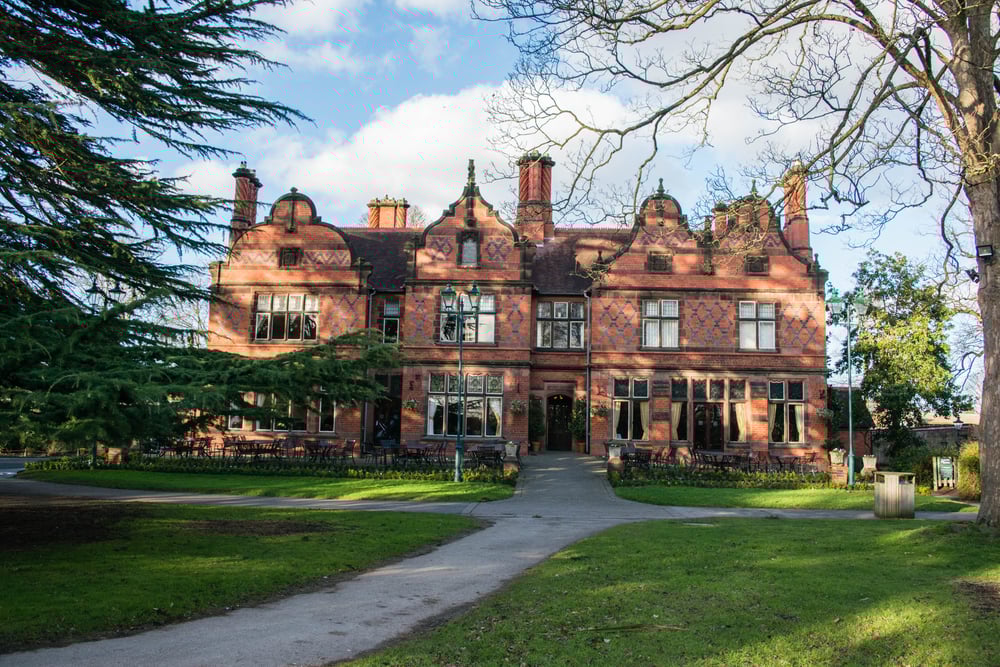
This American family installed the latest conveniences in their mansions during the late 1800s. They had indoor plumbing, central heating, and electric lighting before most people even knew such things existed.
Their homes functioned as showrooms for new technology that would eventually become standard. Other wealthy families rushed to copy these innovations to keep up.
The Vanderbilts helped normalize the idea that homes should constantly improve with new inventions.
German princely households and Christmas traditions

Noble families in Germany developed many Christmas customs that spread worldwide. They decorated evergreen trees indoors, gave wrapped presents, and created special holiday meals.
These practices were documented in their household records and copied by other families who visited. Queen Victoria’s German husband brought these traditions to England, where they became fashionable and spread through the British Empire.
The modern Christmas celebration owes much to these aristocratic household customs.
The Esterházys and private music performances

This Hungarian family employed composers and musicians for regular household concerts. They treated music as daily entertainment rather than just special occasion performance.
Joseph Haydn worked for them for decades, composing pieces specifically for their private enjoyment. This practice of having background music during meals and gatherings influenced how people think about music in homes.
The concept of recorded music playing in homes descends from this noble household tradition.
The Cecils and garden design

This English noble family created elaborate gardens that blended function and beauty. They grew food but arranged it in decorative patterns rather than simple rows.
Walking paths, fountains, and seating areas turned outdoor spaces into extensions of living areas. Other families copied these designs, and eventually ordinary homeowners wanted gardens too.
The modern backyard as a recreational space rather than just a vegetable patch descends from these noble household innovations.
Dutch trader households yet neatness rules

Wealthy families in Holland during the 1600s were known for being super clean. Floors got scrubbed every day, windows washed often, while order stayed intact throughout.
It was way more than what others in Europe thought needed doing back then. Travelers noticed it right away; word about Dutch neatness traveled fast.
Today’s idea of keeping a house fresh and put together? That traces back – somehow – to those rich traders’ habits.
The Churchills and reading culture

British upper-class families kept big book collections, plus they made sure everyone in the house read often. Instead of chatting, mornings sometimes meant silent reading time.
During dinner, talk turned to stories or ideas from recent reads. Because of this, reading became something people did to relax, not only to learn tasks.
Writers were invited over, while fresh books got bought soon after release. Today’s trend of enjoying novels for fun or stacking shelves with them started with those old family routines.
How past standards became present habits

The habits from rich homes didn’t just vanish inside grand houses. Instead, servants picked them up, then shared easier forms with relatives.
Others, like traders or office workers, followed suit just to seem polished. Over time, guides and booklets passed around tips on how to act right and run a home.
For years, odd upper-class customs slowly turned into common routines most folks now take for granted. A utensil at meals or a short trip away once only for the wealthy slipped into regular life through quiet shifts in habit.
More from Go2Tutors!

- The Romanov Crown Jewels and Their Tragic Fate
- 13 Historical Mysteries That Science Still Can’t Solve
- Famous Hoaxes That Fooled the World for Years
- 15 Child Stars with Tragic Adult Lives
- 16 Famous Jewelry Pieces in History
Like Go2Tutors’s content? Follow us on MSN.



