International Cat Day: 17 Amazing Cat Facts That Will Blow Your Mind
Every August 8th, cat lovers around the world celebrate International Cat Day—a special occasion dedicated to our feline friends that was established in 2002 by the International Fund for Animal Welfare. With an estimated 600 million cats worldwide, it’s no wonder these mysterious creatures have captured our hearts for over 10,000 years. From ancient Egypt’s reverence for cats as gods to today’s internet obsession with funny cat videos, our fascination with these enigmatic animals never seems to fade.
But beyond their adorable whiskers and purring cuddles, cats possess some truly extraordinary abilities that most people never realize. Here is a list of 17 incredible cat facts that will completely change how you see your furry companion.
Cats Share DNA with Tigers
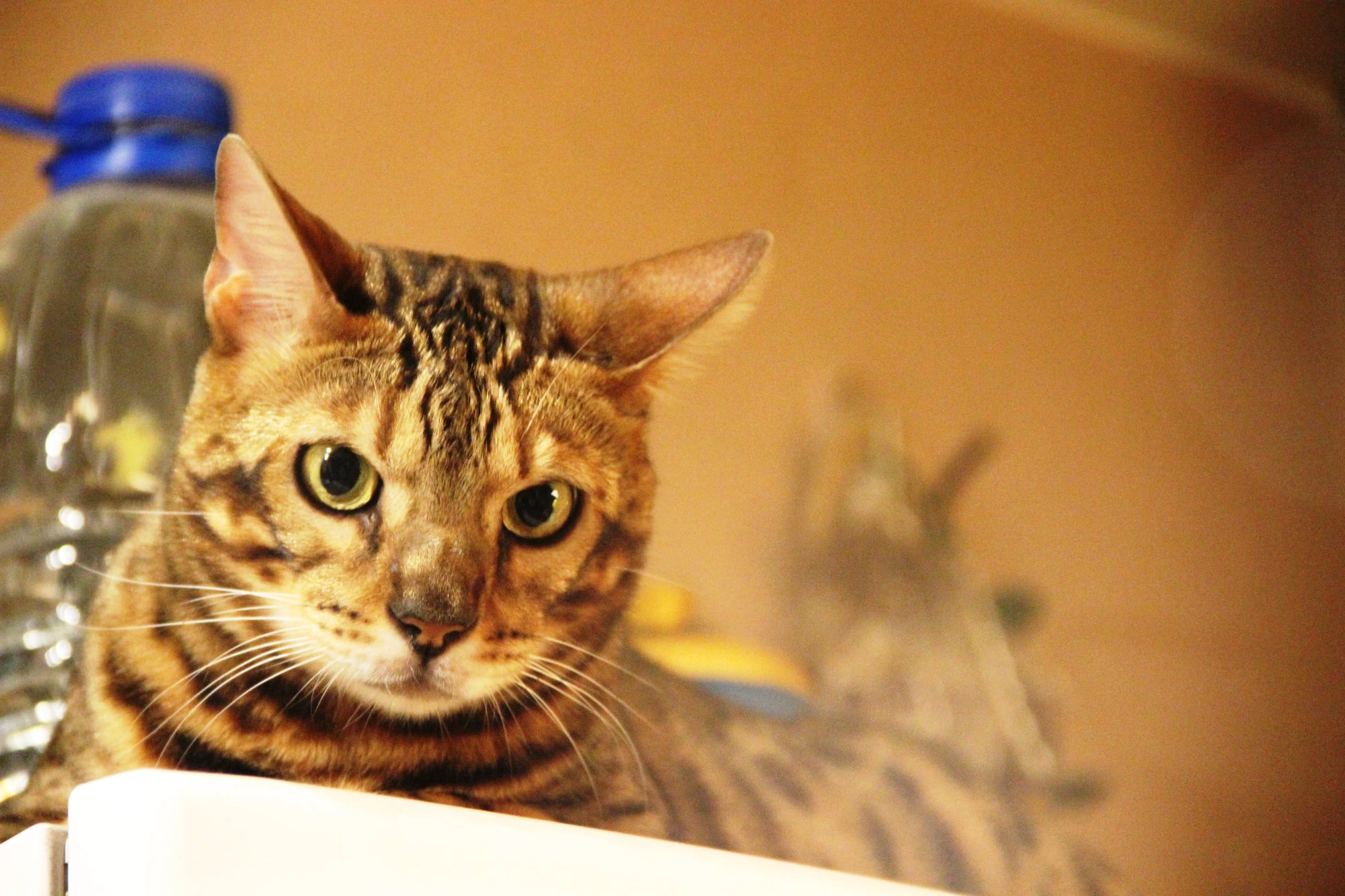
Your sweet house cat lounging on the couch shares an astounding 95.6% of its genetic makeup with tigers. This incredible similarity explains why domestic cats retain so many wild behaviors—from their hunting instincts to their territorial marking.
When you watch your cat stalk a toy mouse, you’re essentially seeing a miniature version of what tigers do in the wild.
They Have a Secret Second Nose
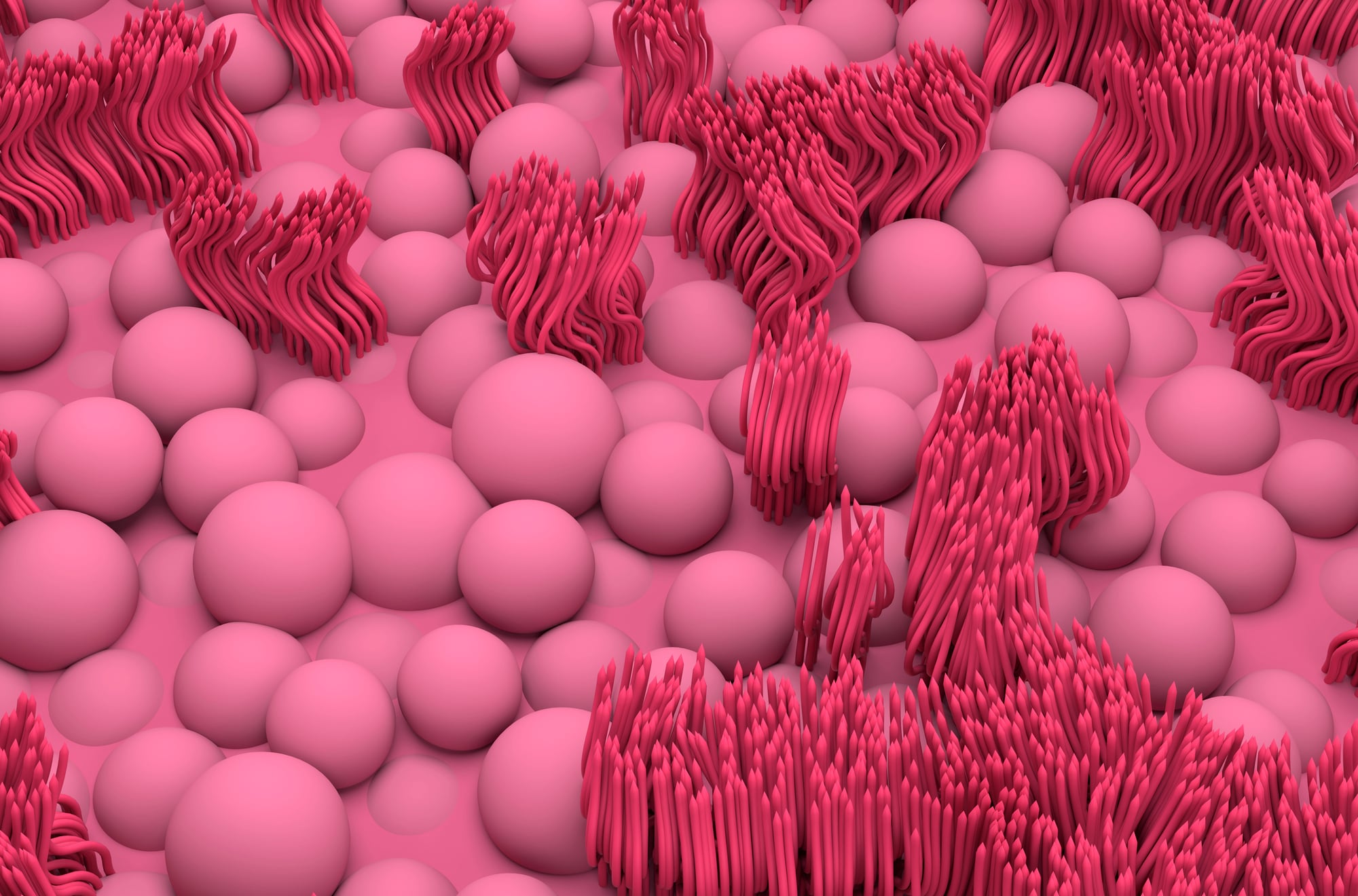
Cats possess a remarkable superpower that humans lack: a second scent organ called the vomeronasal organ, located in the roof of their mouth. This gives them a dual scent detection system that can pick up chemical messages and pheromones that regular smell receptors miss completely.
When your cat opens its mouth slightly and looks like it’s making a weird face, it’s actually ‘tasting’ the air to gather vital social and territorial information.
Like Go2Tutors’s content? Follow us on MSN.
Feline Vision Works Like Night Goggles

While cats can’t actually see in complete darkness, they can see in light that’s eight times dimmer than what humans need. Their eyes contain a special reflective layer called the tapetum lucidum—the same thing that makes their eyes glow in photos.
Combined with pupils that can dilate to cover most of their eye surface, cats have built-in night vision that would make any spy jealous.
Their Whiskers Are Precision Measurement Tools
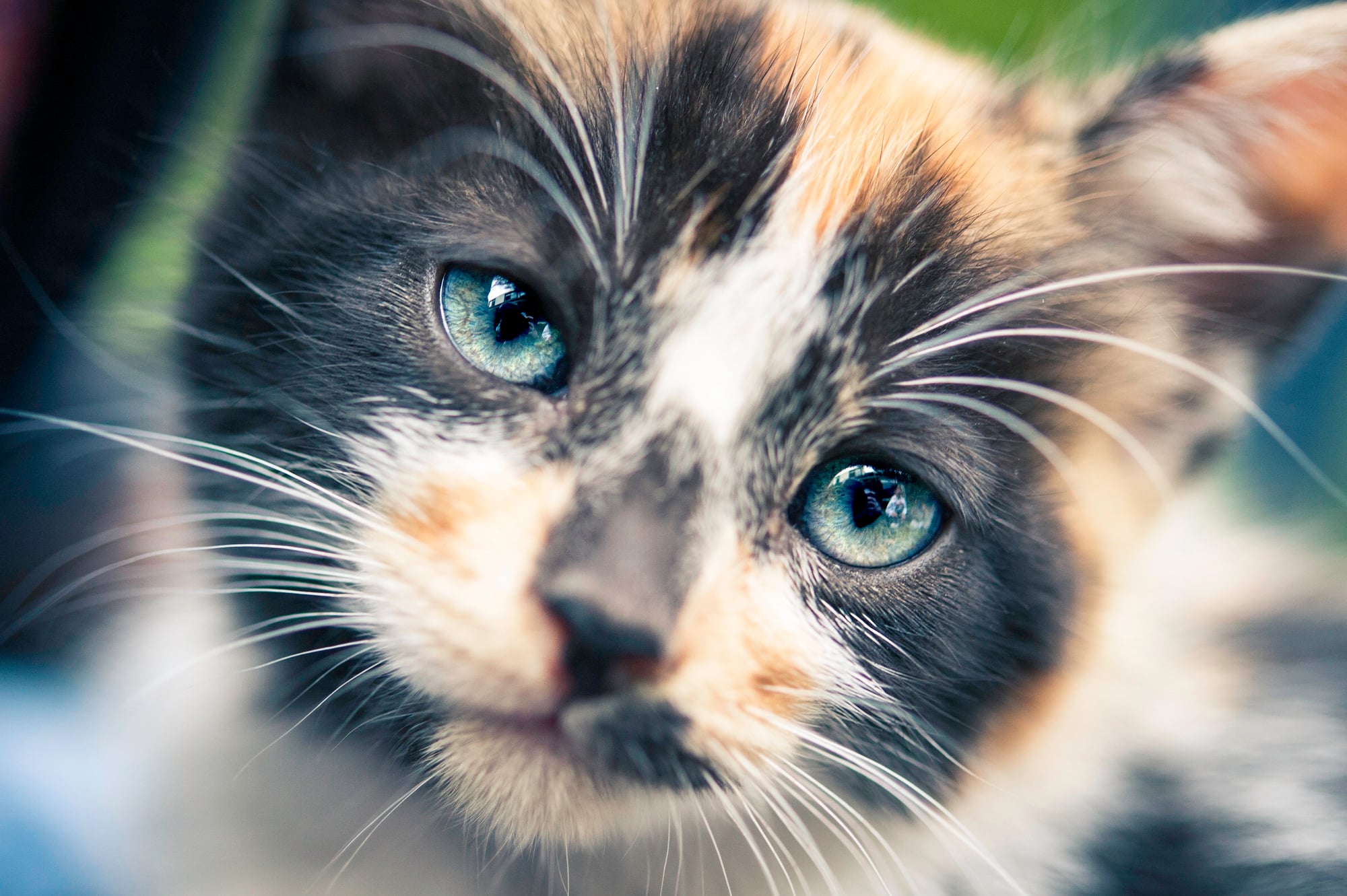
Those adorable whiskers aren’t just for show—they’re incredibly sophisticated sensory equipment. Cat whiskers are exactly as wide as their body, allowing them to determine whether they can fit through tight spaces without getting stuck.
These specialized hairs can detect even the slightest changes in air currents, essentially giving cats ‘radar’ abilities that help them navigate in complete darkness.
Cats Are Olympic-Level Sprinters

Don’t let their lazy reputation fool you—cats can reach speeds of up to 30 miles per hour in short bursts. That’s fast enough to outrun most humans and even beat Usain Bolt in a 200-meter sprint.
The Egyptian Mau holds the record as the fastest domestic cat breed, thanks to their powerful hind legs and flexible spine that works like a spring.
Like Go2Tutors’s content? Follow us on MSN.
They Have More Bones Than Humans
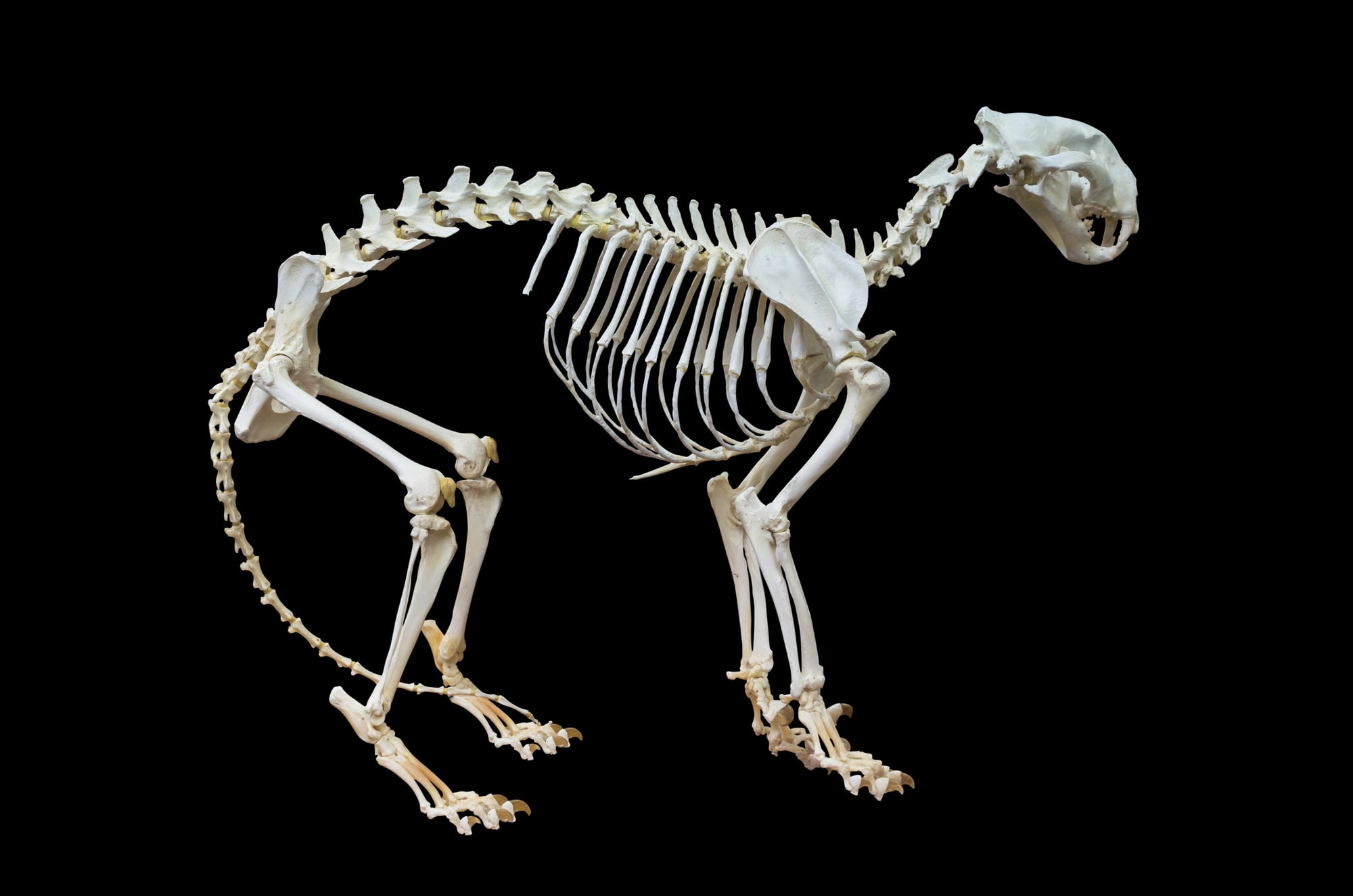
While humans have 206 bones, the average cat has 244 bones in their body—about 60 of which are vertebrae. Nearly 20 of these extra bones are located in their tail alone, giving cats the incredible flexibility that allows them to twist their bodies in seemingly impossible ways.
This extra skeletal structure is what makes cats such amazing contortionists.
Cats Can’t Taste Sweet Things

Unlike humans who have 9,000 taste buds, cats only have 473—and none of them can detect sweetness. Cats lack the genetic ability to taste sugar, which makes perfect sense since they’re obligate carnivores who have no biological need for sweet foods.
If your cat seems interested in your ice cream, they’re probably attracted to the fat content, not the sugar.
Their Ears Are Satellite Dishes
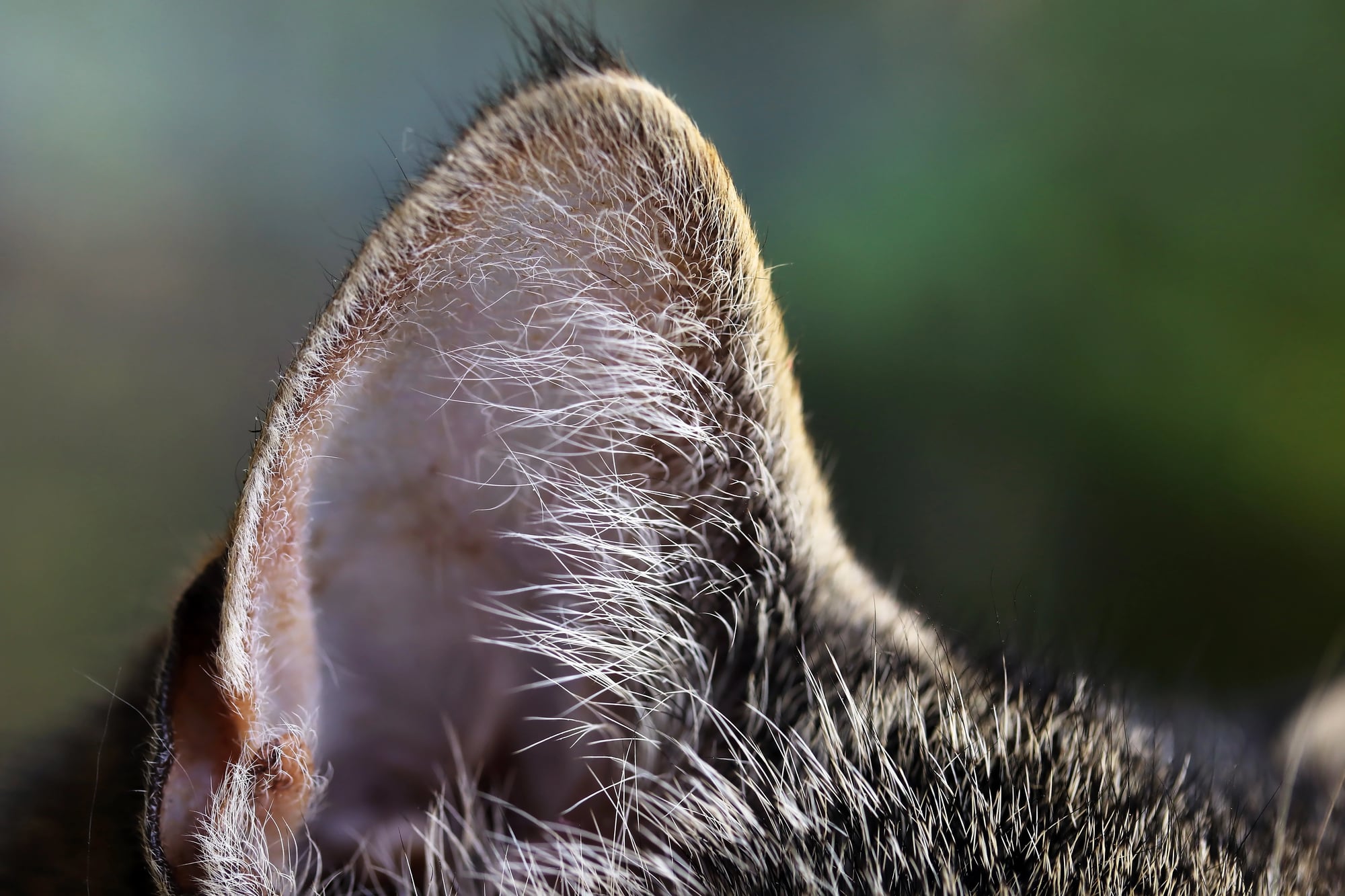
Each cat ear is controlled by 32 individual muscles (compared to humans’ measly 6) and can rotate a full 180 degrees independently. This gives cats the ability to pinpoint sounds with incredible accuracy and hear frequencies much higher than humans can detect.
Their cone-shaped ears work like satellite dishes, amplifying sounds and determining exactly where they’re coming from.
Like Go2Tutors’s content? Follow us on MSN.
Cats Have Built-In Radar

Those whisker-like hairs aren’t just on their face—cats also have sensory whiskers behind their front legs and above their eyes. These specialized hairs can detect vibrations and air movement without even touching anything, creating a three-dimensional map of their surroundings.
It’s like having a radar system that helps them hunt and navigate with pinpoint accuracy.
They’re Professional Contortionists
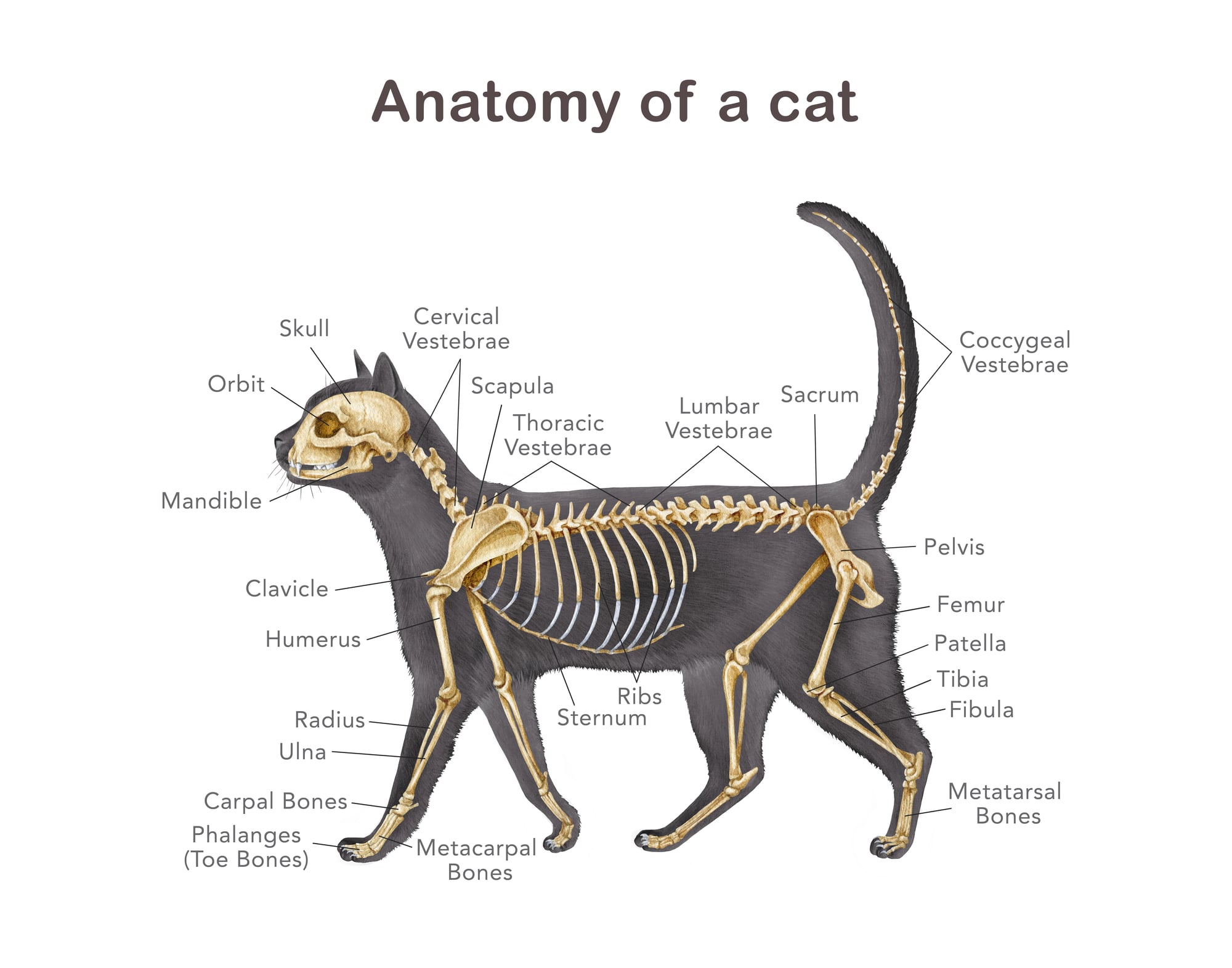
A cat’s spine contains 30 vertebrae (not counting the tail), compared to humans’ 24, and each joint is incredibly flexible. This allows cats to groom nearly their entire body and explains how they can seemingly melt through spaces that look impossibly small.
Their shoulder blades aren’t connected by a collarbone like ours are, giving them even more flexibility to squeeze through tight spots.
Orange Cats Are Almost Always Male
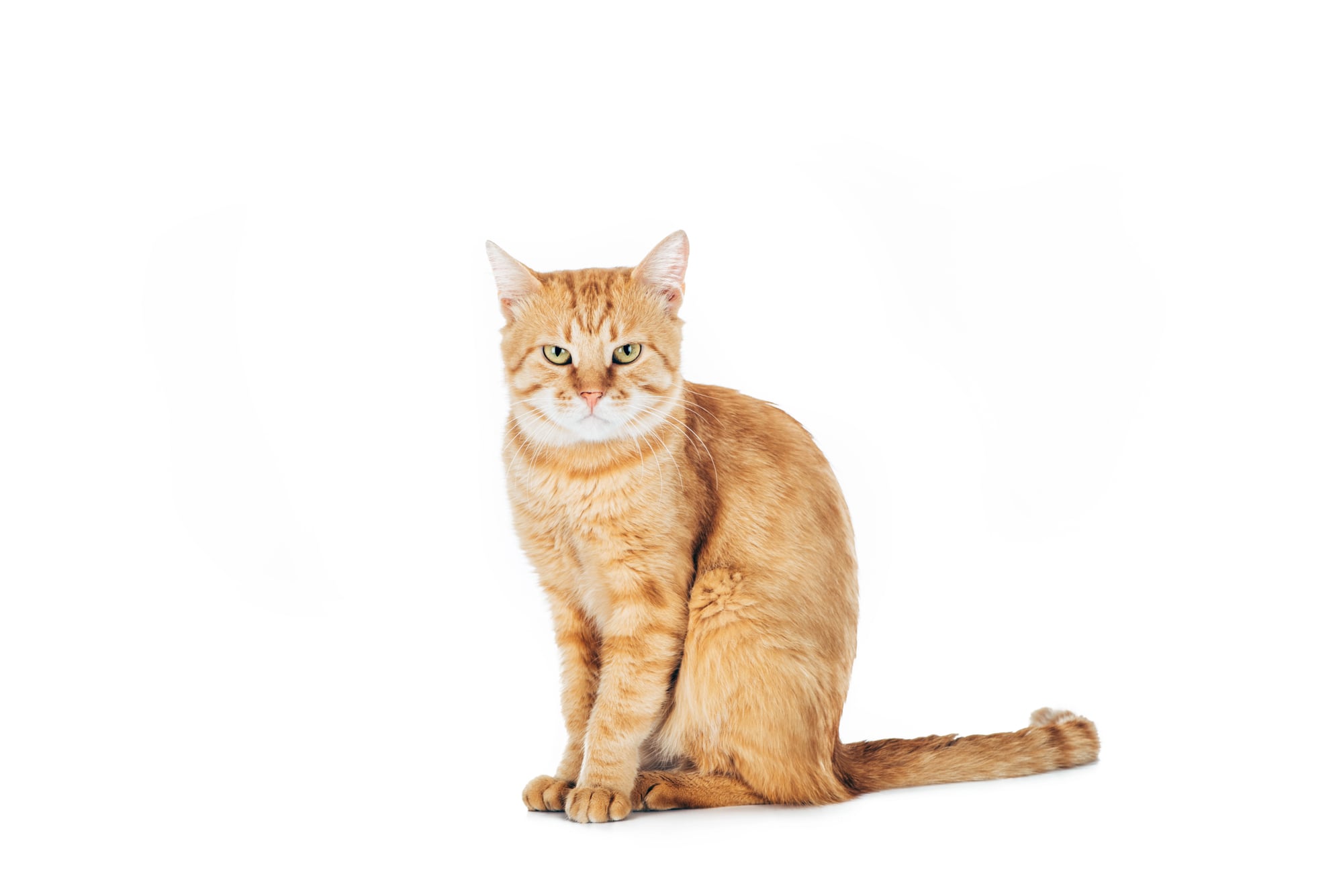
Here’s a genetics puzzle that blows people’s minds: about 80% of orange cats are male. This happens because the gene for orange fur is carried on the X chromosome.
Since male cats only have one X chromosome, they only need one orange gene to be orange. Female cats need two orange genes (one from each parent) to be orange, making orange females much rarer.
Like Go2Tutors’s content? Follow us on MSN.
Cats Have a Righting Reflex
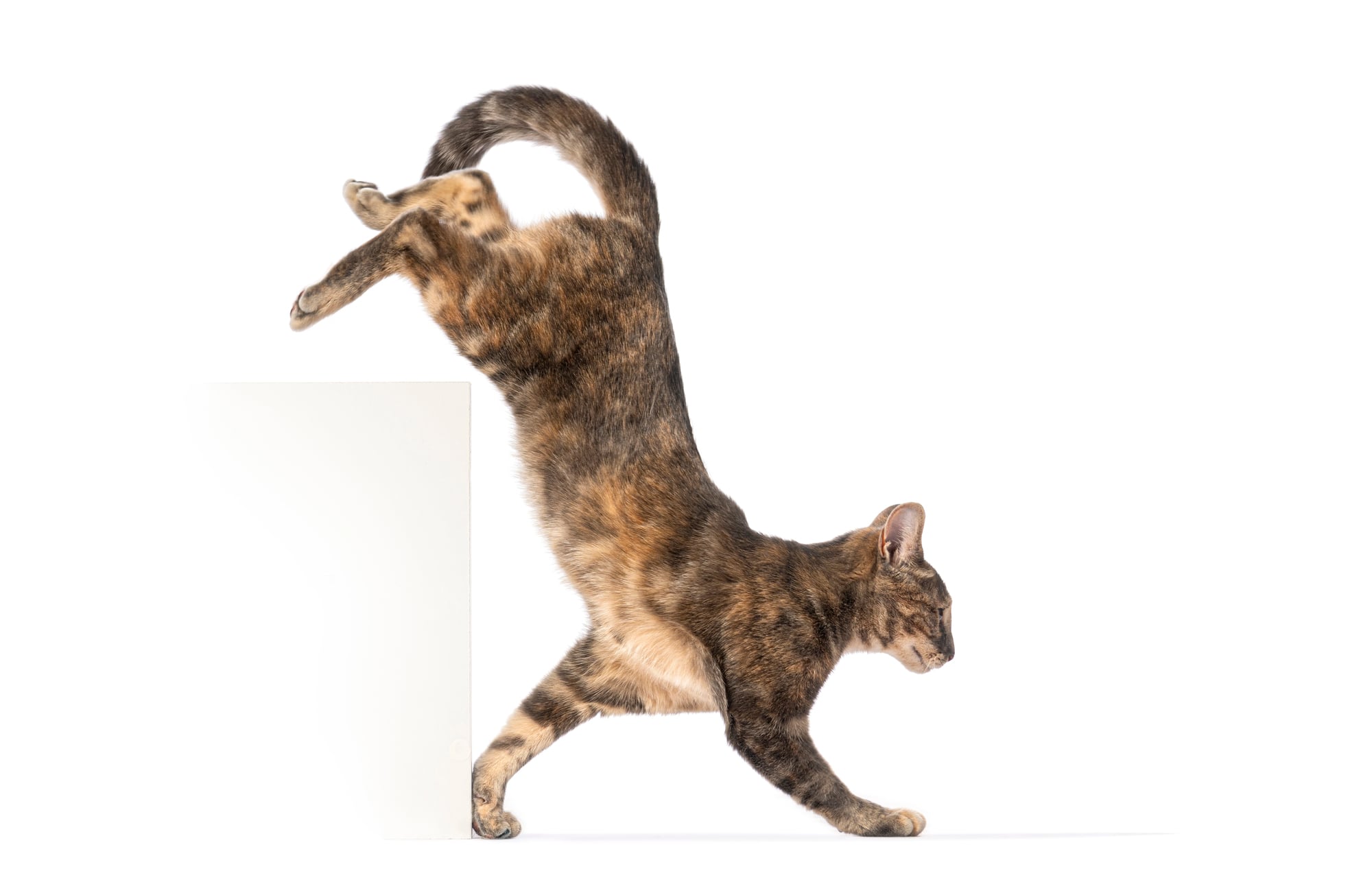
Ever wonder how cats always land on their feet? It’s called the ‘righting reflex,’ and it’s an incredible feat of physics and biology.
Cats can twist their flexible spine mid-fall, using their inner ear for balance and their keen spatial awareness to orient themselves correctly. This amazing ability kicks in when they fall from just 12 inches high.
They Communicate Exclusively with Humans Through Meowing

Adult cats don’t actually meow at each other—this vocalization is reserved entirely for communicating with humans. Cats developed this special ‘language’ just for us, with some cats capable of making over 100 different sounds.
They use various meows, chirps, and trills to train their humans into understanding their needs and preferences.
Cats Have Super-Sensitive Paw Pads

Those soft little paw pads are packed with nerve endings that make them incredibly sensitive to texture, pressure, and temperature. Cats use their paws like we use our fingertips, gathering detailed information about their environment.
They can even detect tiny vibrations through their paw pads, which helps them locate prey hiding underground or behind walls.
Like Go2Tutors’s content? Follow us on MSN.
Their Hearts Beat Like Tiny Racecars
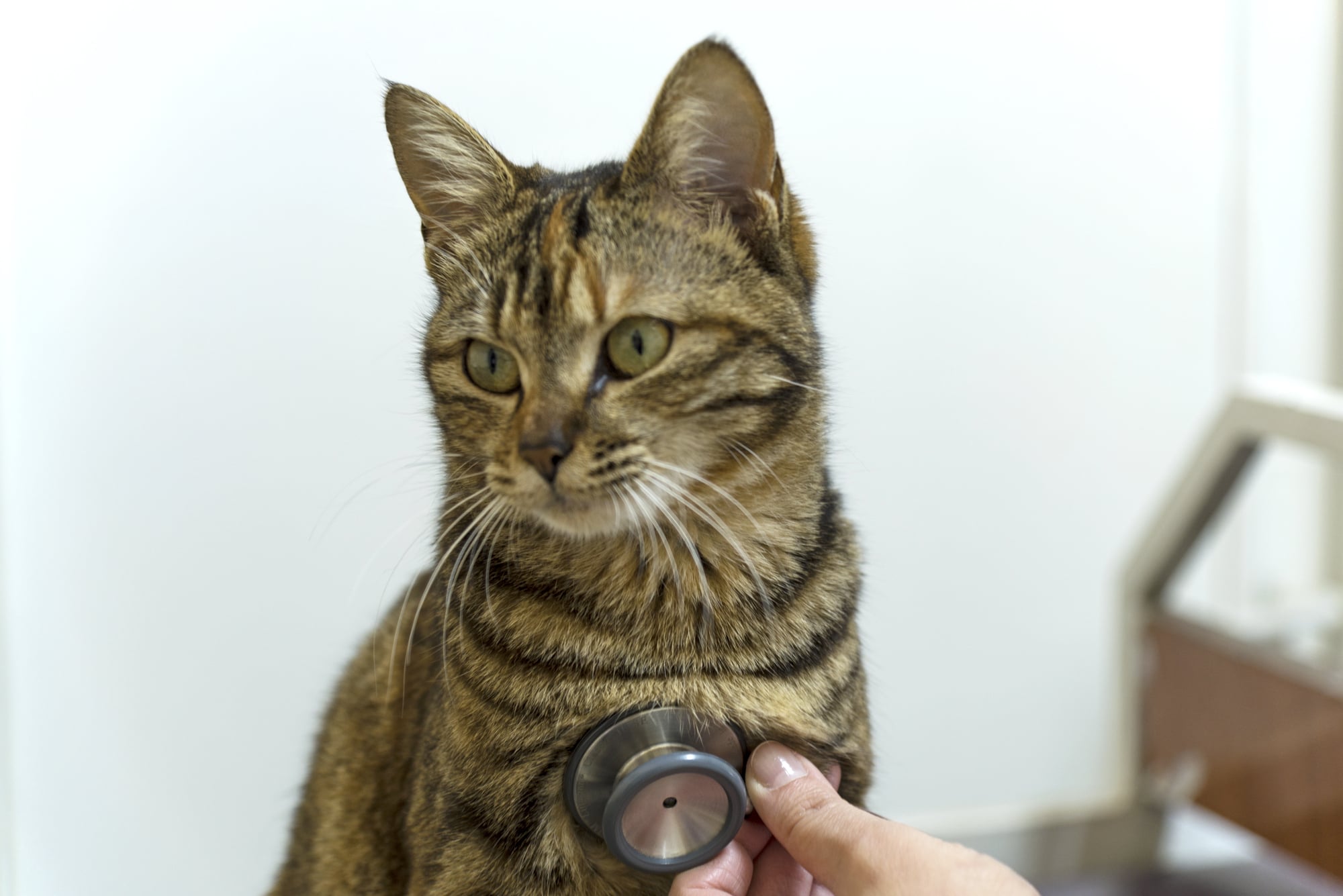
A cat’s heart beats nearly twice as fast as a human heart, pumping at 110-140 beats per minute compared to our 60-80 beats per minute. This rapid heartbeat supports their quick reflexes and burst-speed capabilities.
Despite their reputation for being lazy, cats are actually built like high-performance athletes ready to spring into action at a moment’s notice.
Cats Can Drink Saltwater

Unlike most mammals, cats have incredibly efficient kidneys that can filter salt from seawater, making it safe for them to drink. This amazing adaptation likely evolved from their desert-dwelling ancestors who needed to survive in environments where fresh water was scarce.
While your house cat should still stick to fresh water, this ability shows just how remarkable their internal systems really are.
They Have More Neurons Than Dogs
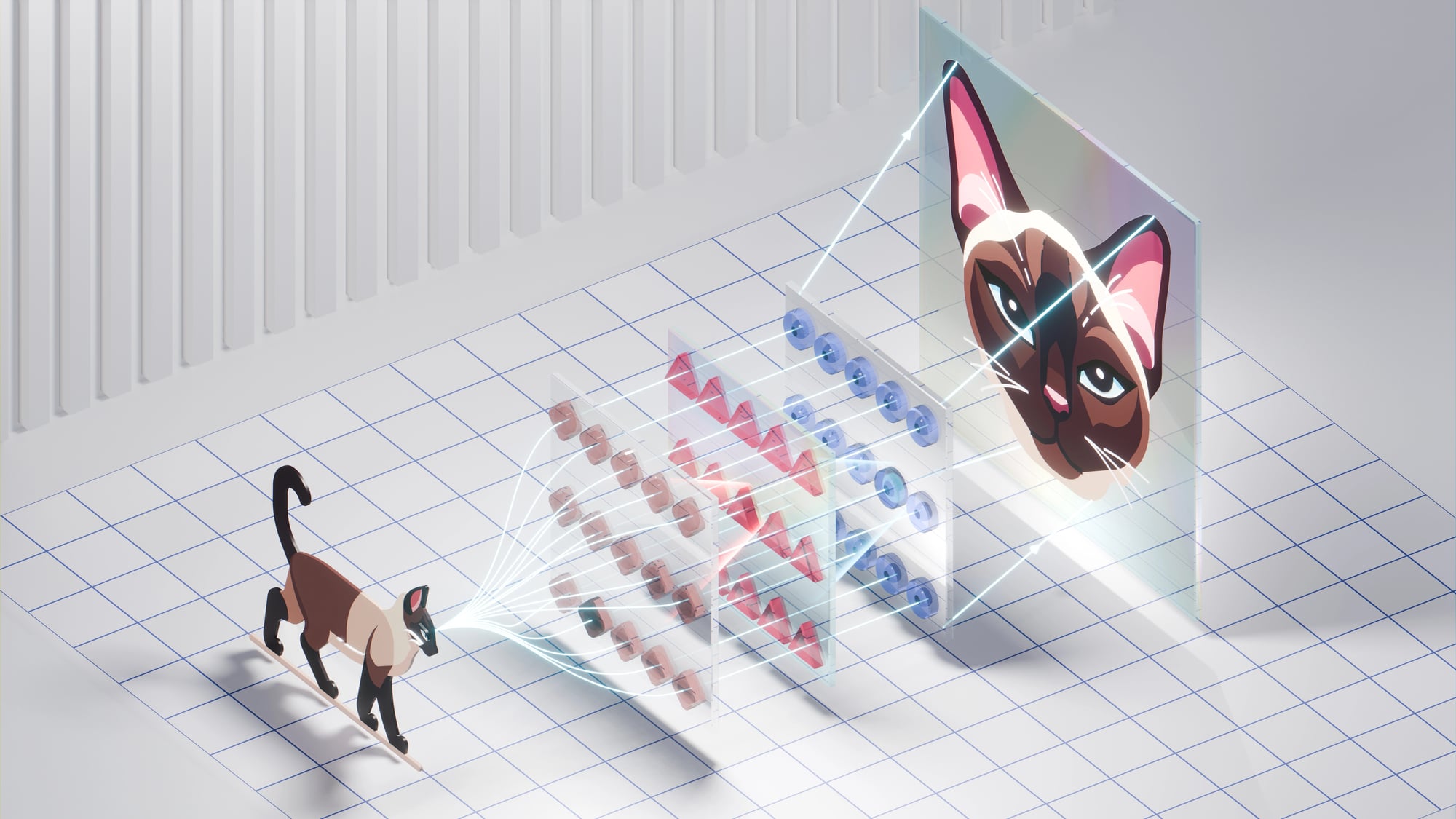
Despite having smaller brains, cats actually have more neurons in their cerebral cortex than dogs do. Cats pack about 250 million information-processing neurons into their brains, compared to canines’ 160 million.
This might explain why cats seem to have such complex personalities and can be incredibly clever problem-solvers when they want to be.
Like Go2Tutors’s content? Follow us on MSN.
From Ancient Egypt to Modern Homes
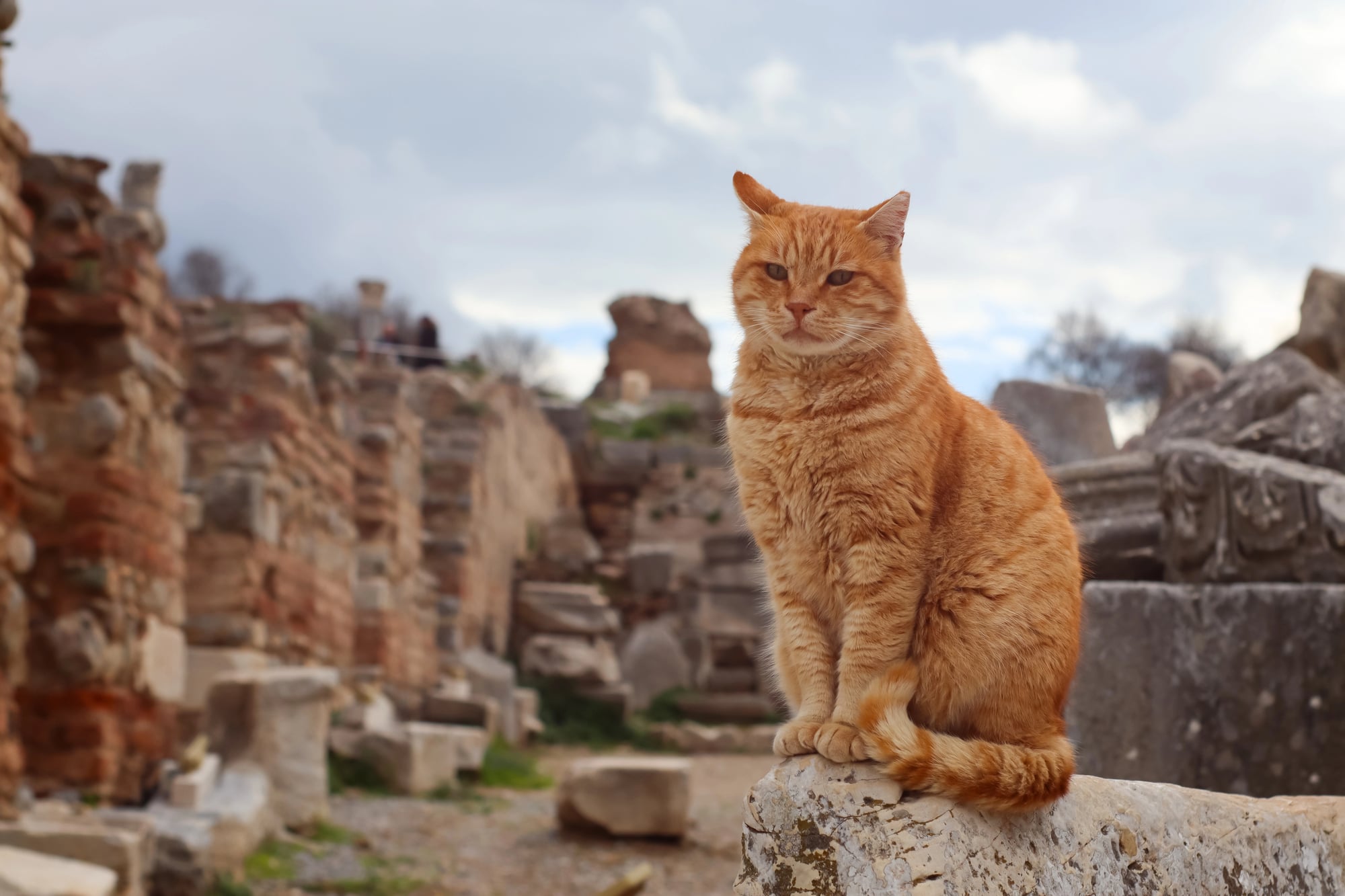
These incredible abilities explain why cats have maintained such a special place in human society for thousands of years. Unlike other domesticated animals that were bred for labor or food, cats essentially hired themselves as pest controllers and decided to stick around for the premium food and comfortable beds.
Today, as we celebrate International Cat Day, we’re not just honoring cute pets—we’re celebrating one of nature’s most perfectly designed predators who chose to share their lives with us. Whether your cat is demonstrating their lightning-fast reflexes while chasing a laser pointer or showing off their flexibility during an elaborate grooming session, you’re witnessing millions of years of evolution in action right in your living room.
More from Go2Tutors!

- 18 Unexpectedly Valuable Collectibles You Might Have Lying Around
- 20 Little-Known Historical Battles That Had Huge Consequences
- 20 Historical Artifacts That Scientists Can’t Explain
- 15 Inventions That Were Immediately Banned After Being Created
- 20 Actors Who Were Almost Cast in Iconic Roles
Like Go2Tutors’s content? Follow us on MSN.