13 Old Advertisements That Would Be Banned Today
Advertising rules have tightened a great deal since the days when a company could say almost anything about its product. Claims that once looked harmless now look alarming, offensive, or both.
These thirteen examples span more than a century. Some were pulled because of public pressure, others because the products were recognized as dangerous, and a couple because regulators stepped in.
Pears’ Soap and the White Man’s Burden

An 1899 advertisement for Pears’ Soap borrowed a phrase from a Rudyard Kipling poem to present soap as a tool of civilization. The ad tied cleanliness to colonial ideas of racial superiority.
Today it is used as an example of how commercial messages carried imperial attitudes.
Cream of Wheat’s Chef

For more than a century, Cream of Wheat boxes and ads featured a smiling Black chef based on a racial stereotype. The brand’s owner announced in 2020 that it would remove the image.
The decision followed a wave of criticism of such figures.
Lysol and Feminine Hygiene

In the 1930s and 1940s, Lysol was advertised as a feminine hygiene product, with ads hinting that a woman’s marriage depended on its use. The disinfectant could injure the tissue it touched.
Medical groups eventually warned against the practice.
Coca-Cola as a Brain Tonic

Early Coca-Cola was marketed as a tonic that could revive tired minds, and it originally contained coca leaf extract with cocaine. The company removed the drug around 1903.
Modern advertising rules would not allow such health claims.
Dutch Boy Lead Paint

Early twentieth-century ads for Dutch Boy paint, made by the National Lead Company, showed children and presented lead paint as safe for the home. Lead is toxic, especially for young children.
The United States banned lead paint for residential use in 1978.
The Gilbert Atomic Energy Lab

In 1950, A. C. Gilbert sold a children’s science kit that included a Geiger counter and small samples of uranium ore. It was marketed as an educational toy for young scientists.
The kit sold poorly and was soon withdrawn.
DDT Is Good for Me
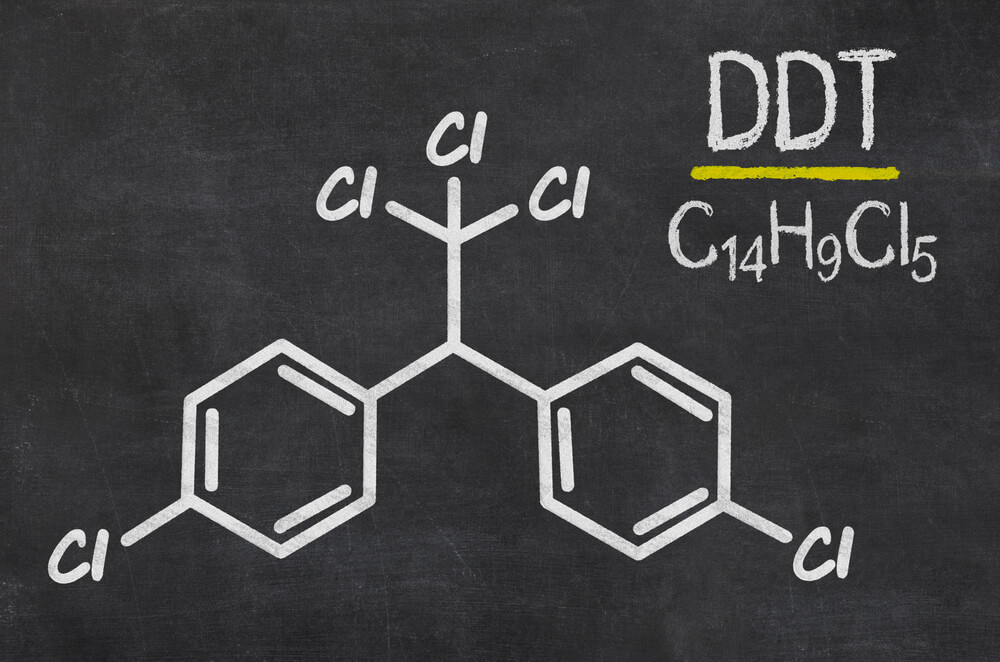
In the 1940s, advertisements promoted the insecticide DDT as a harmless chemical for the home and farm, sometimes picturing children and families. The scientist Rachel Carson drew attention to its dangers in 1962.
The United States banned most uses of DDT in 1972.
Aunt Jemima

The Aunt Jemima brand, introduced in 1889, used the image of a Black woman in a stereotyped role to sell pancake mix. Its owner, Quaker Oats, retired the name and image in 2020.
The products were renamed Pearl Milling Company in 2021.
Uncle Ben’s

Uncle Ben’s rice used the face of a Black man in a position of service for decades. Its owner announced a change in 2020 and rebranded the product as Ben’s Original in 2022.
The change reflected growing criticism of such imagery.
Land O’Lakes and Mia

For decades, the Land O’Lakes butter box showed a kneeling Native American woman named Mia. The company removed her image from its packaging in early 2020.
The brand kept its lake and landscape imagery.
Doramad Radioactive Toothpaste

In Germany in the 1920s and 1930s, a toothpaste called Doramad contained thorium and was sold with claims that radiation would strengthen teeth and gums. The idea reflected a period when radioactivity seemed healthy.
No modern regulator would allow such a product.
Philadelphia Cheese and Gender Roles

In 2019, Britain’s Advertising Standards Authority banned a Philadelphia cheese ad that showed two fathers distracted by food and leaving a baby on a moving walkway. The regulator said it reinforced harmful stereotypes about parents.
The ruling applied a new rule on gender stereotypes.
Volkswagen’s e-Golf Ad

The same 2019 ruling banned a Volkswagen advertisement that showed men in adventurous poses while a woman sat beside a pram. The regulator said it relied on a stereotype that men do adventurous things while women look after children.
The two decisions came together as the first under the new rule.
The Slow Shift in What Sells
Looking at these ads together, two kinds of change show up. Some products were found to be dangerous and removed, while others stayed on shelves but lost the imagery that sold them.
The more recent cases show regulators now ruling on the messages themselves. What once passed as normal can fade surprisingly fast once enough people object.
More from Go2Tutors!

- 27 Silver Dollars and Half Dollars Worth Keeping
- 28 Restaurant Menu Items Nobody Orders Anymore
- 17 Places Built in Seemingly Impossible Spots
- 27 Vintage Rings Worth More Than They Look
- 25 Restricted Sites Tourists Can’t Enter
Like Go2Tutors’s content? Follow us on MSN.