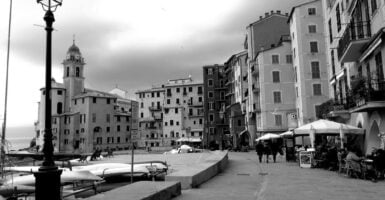
13 Photos of Cities Before Skyscrapers Arrived
Before steel frames and elevators, a church spire or a cathedral tower decided the shape of a skyline. Early photographers climbed rooftops and hills to capture cities at the scale their builders intended.
These thirteen views come from a time when a ten-story building would have been the tallest thing in sight. The cities look familiar and yet oddly flat.
Chicago in the Ruins of 1871
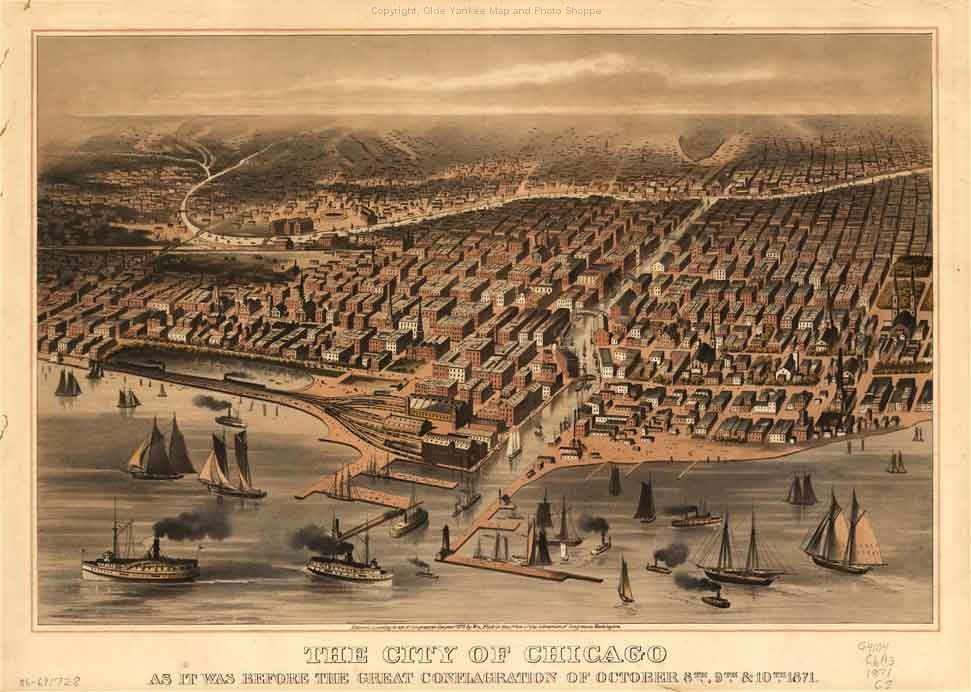
The Great Fire of October 1871 destroyed a large part of Chicago and left roughly 300 people dead. Photographs of the aftermath show a landscape of rubble with chimneys standing where houses had been.
The rebuilding that followed made the city a testing ground for tall buildings.
Chicago’s Home Insurance Building
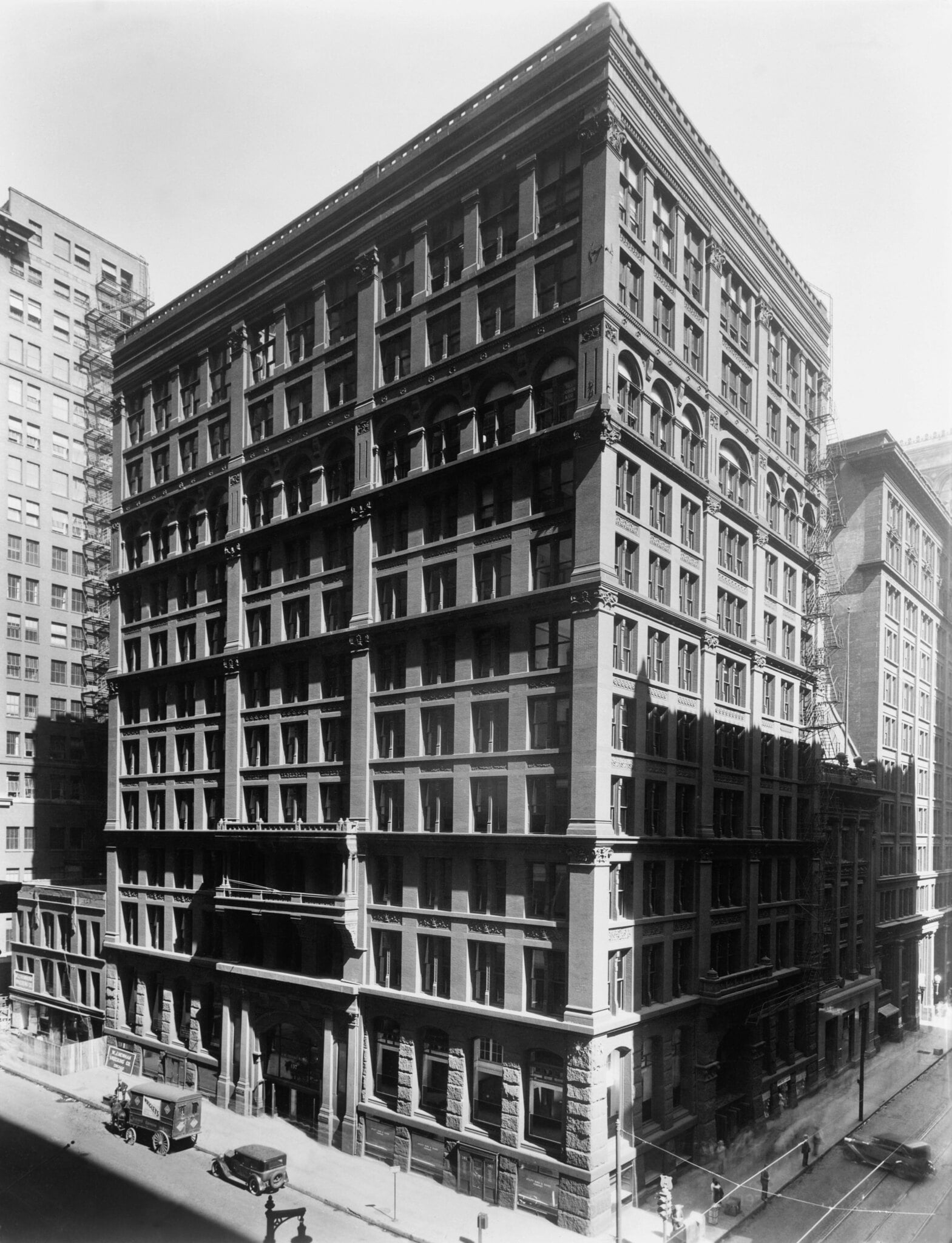
Completed in 1885, the Home Insurance Building rose ten stories and is often called the first skyscraper because of its metal frame. Photographs show a building that looks modest beside later towers.
It was demolished in 1931, but its approach spread to nearly every city.
New York Under Trinity Church
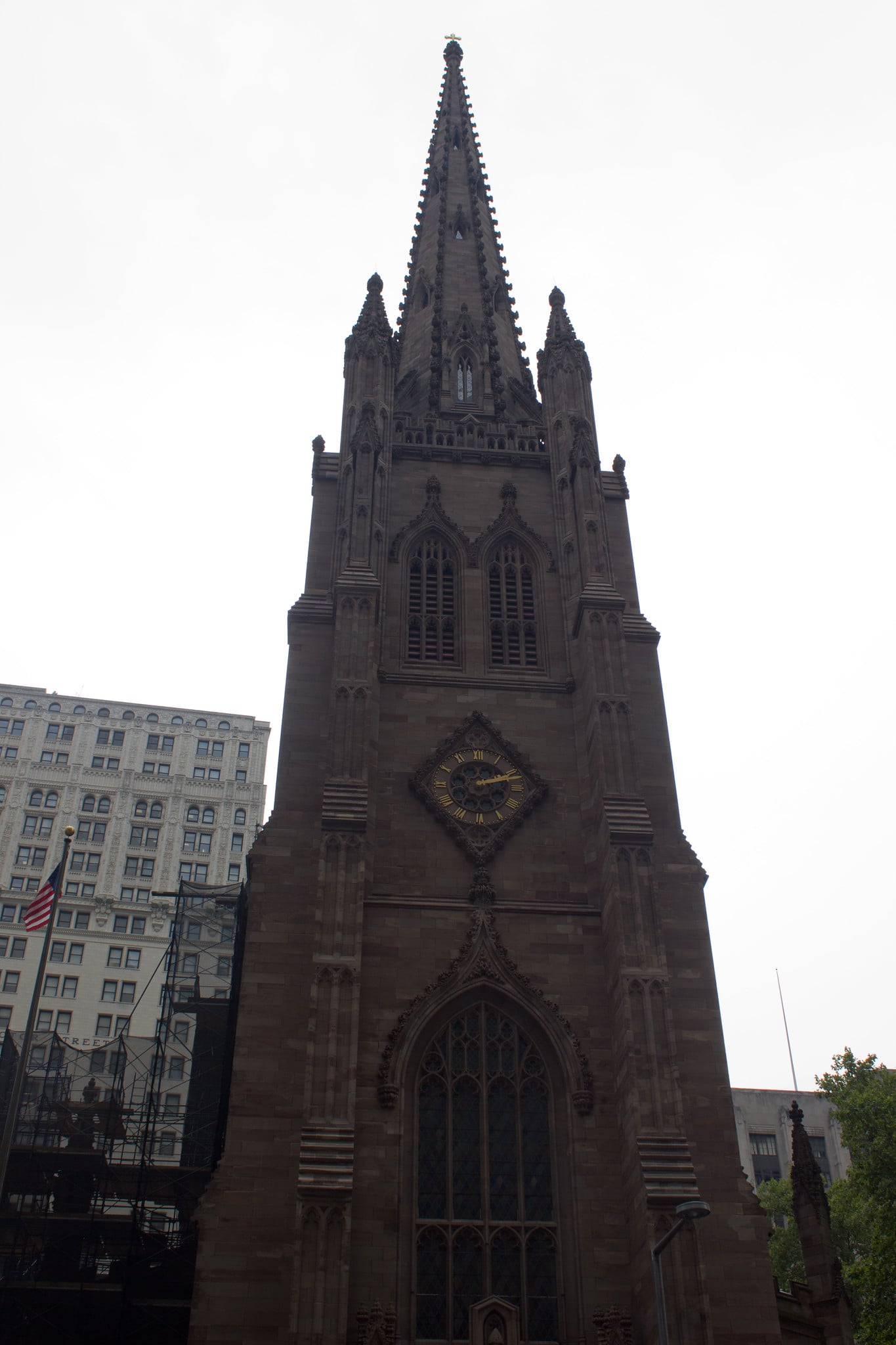
Trinity Church’s spire, completed in 1846, was the tallest structure in New York for decades. Photographs of lower Manhattan show the steeple standing above brick rowhouses and low commercial buildings.
It held the title into 1890.
Brooklyn Bridge Towers
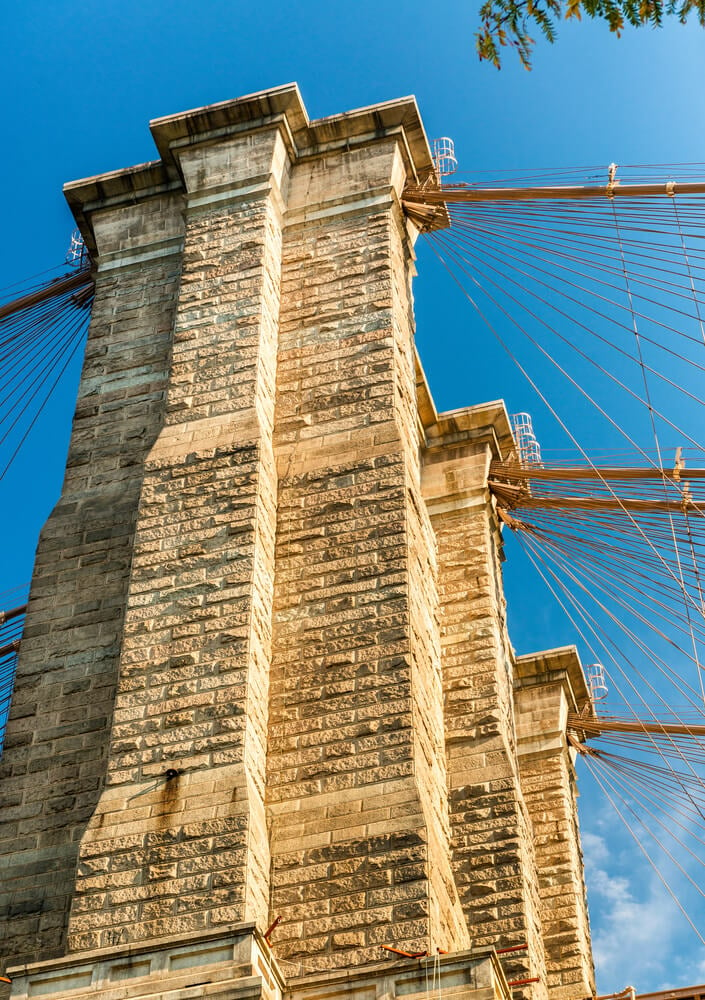
When the Brooklyn Bridge opened in 1883, its stone towers were the tallest things on either side of the East River. Photos from the period show the towers rising alone above a low waterfront.
They worked as a skyline in themselves.
Paris Before Haussmann
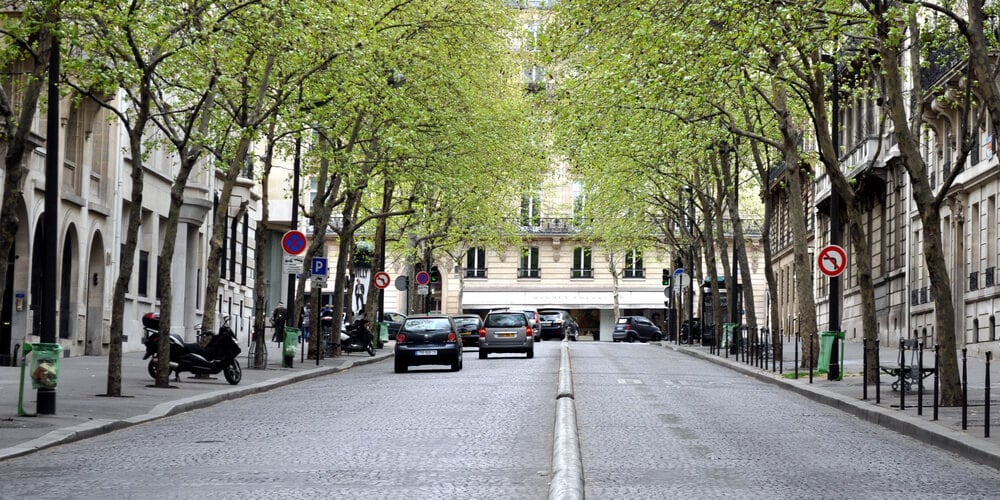
Charles Marville was hired to photograph the old streets of Paris before they were cleared for the wide boulevards of the Second Empire. His images show narrow, twisting lanes lined with uneven buildings.
They are among the clearest records of a Paris that no longer exists.
London Beneath St. Paul’s
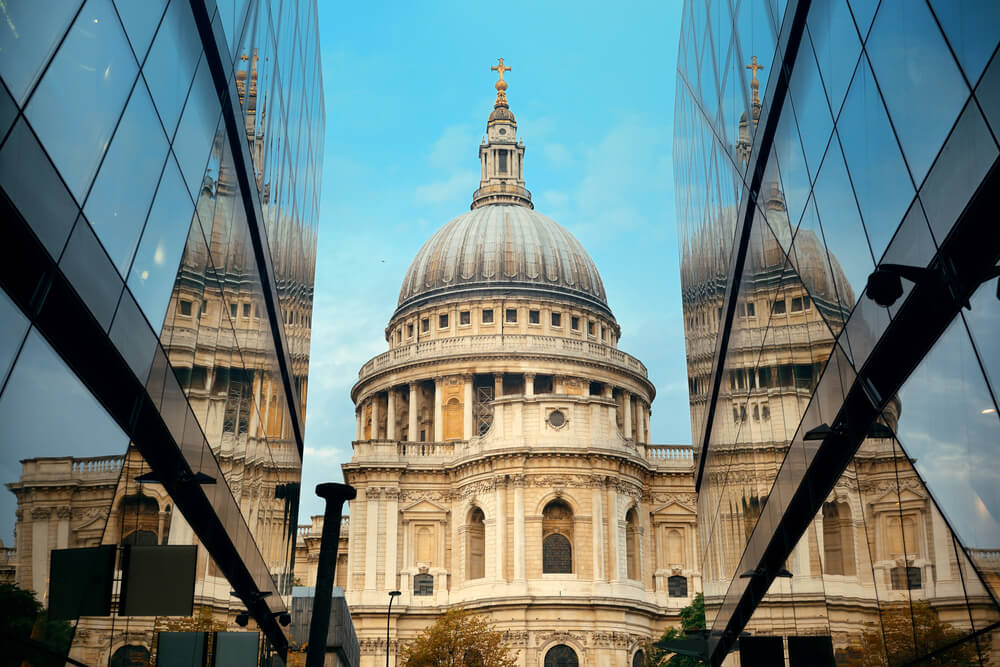
For more than two and a half centuries, St. Paul’s Cathedral was the tallest building in London. Photographs from the nineteenth century show the dome rising over rooftops and chimney pots with nothing to compete.
It remained the dominant landmark until the 1960s.
Cologne Cathedral Completed
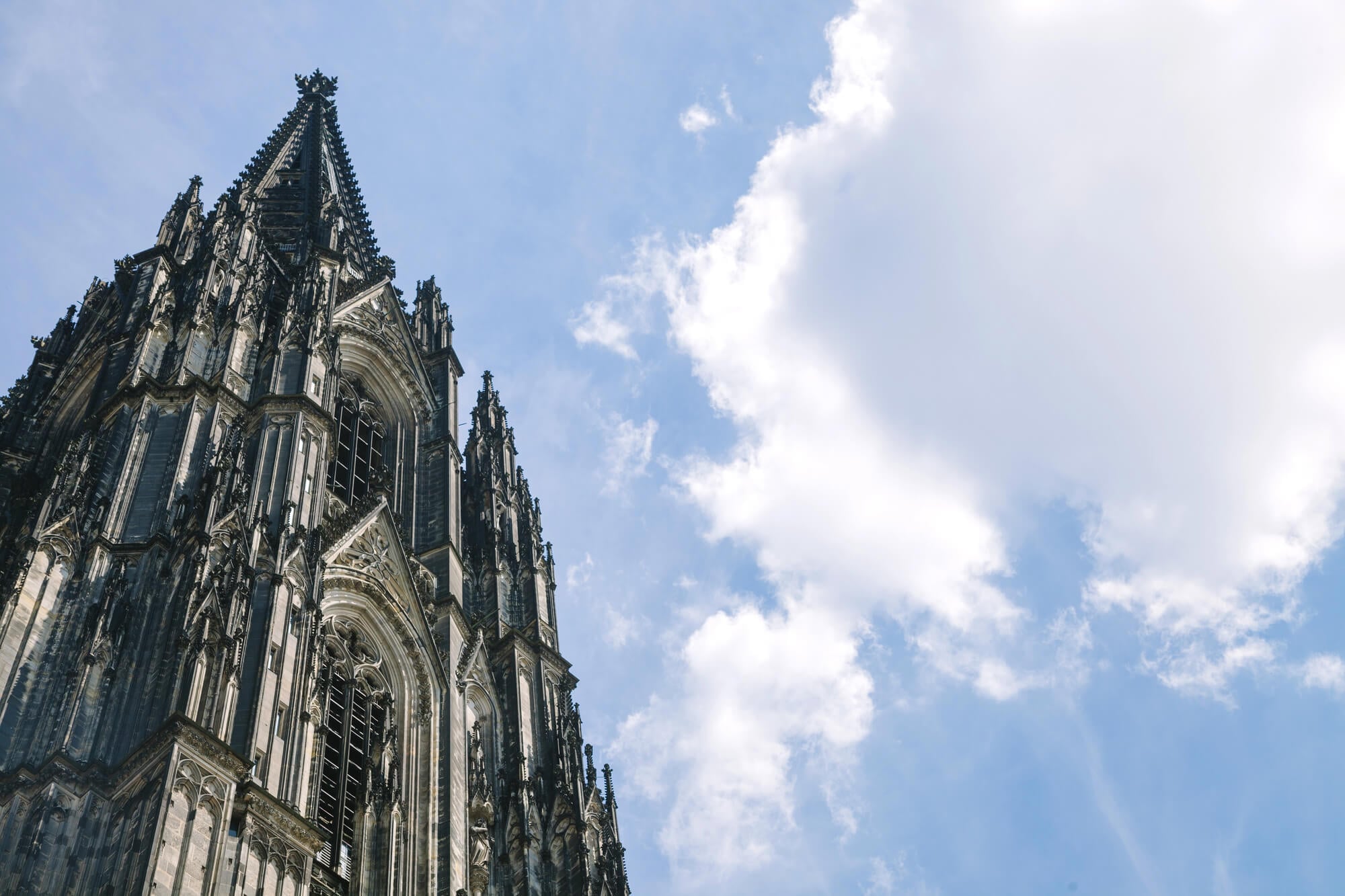
Cologne Cathedral was finished in 1880 after construction that stretched across centuries, and for a few years it was the tallest building in the world. Early photographs show its twin spires dwarfing the medieval streets around it.
It lost the title in 1884 to the Washington Monument.
Washington Without Towers
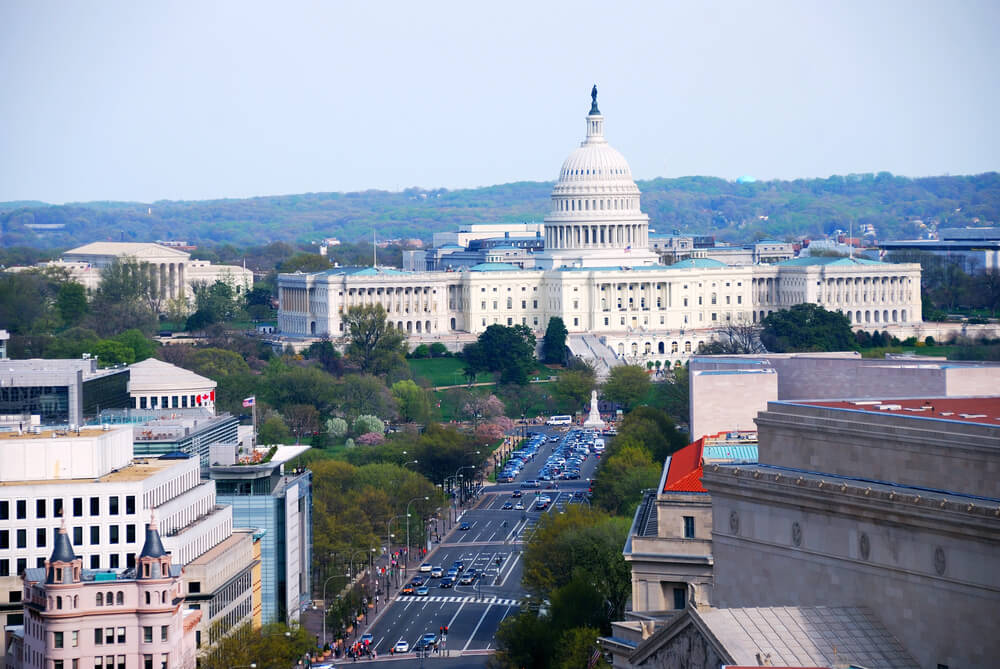
The Washington Monument, completed in 1884, topped out at 555 feet and stood above a low city of rowhouses and government buildings. Federal rules later limited building heights in the capital.
The result is a skyline that still looks quite different from other American cities.
Philadelphia’s City Hall Era
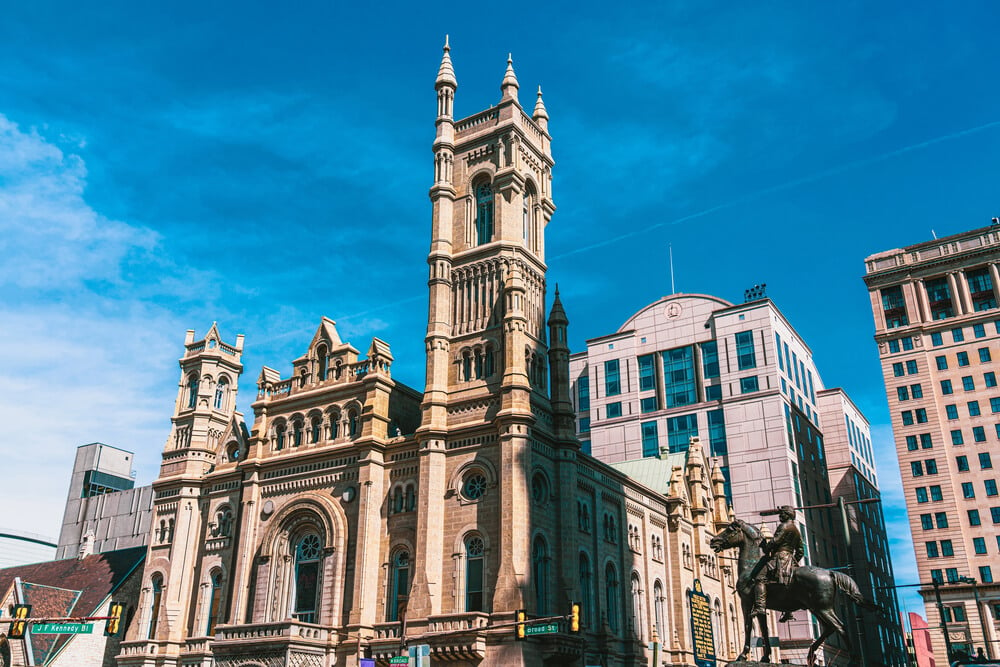
Philadelphia City Hall, completed in 1901, was topped by a statue of William Penn. For decades an informal understanding kept any building from rising above the statue.
That held until One Liberty Place went up in 1987.
San Francisco in the Gold Rush Years
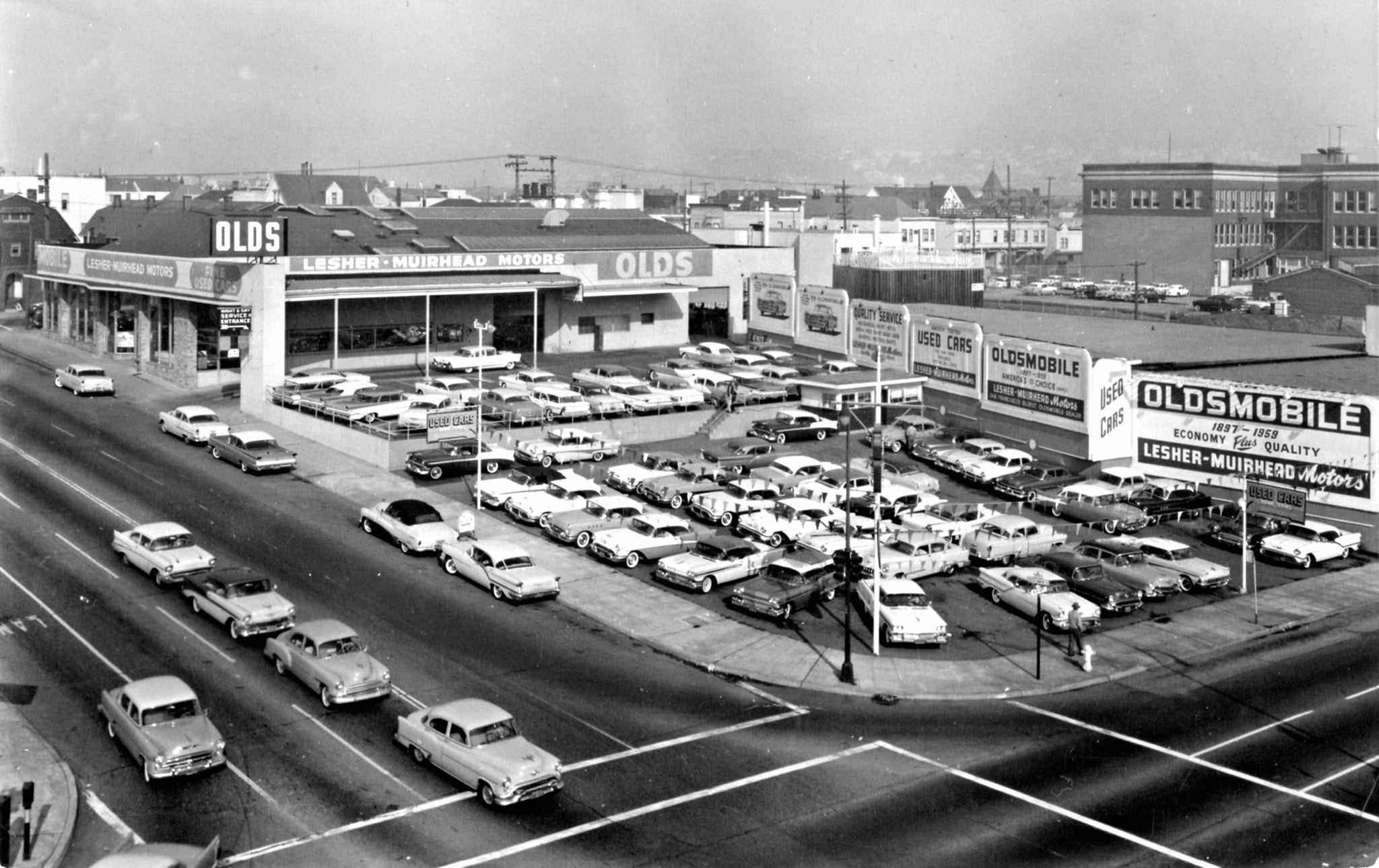
Photographers made panoramic views of San Francisco in the 1850s as the gold rush swelled the town. The images show a crowded waterfront of wooden buildings and ships.
It is hard to connect them to the city of today.
Boston’s Back Bay
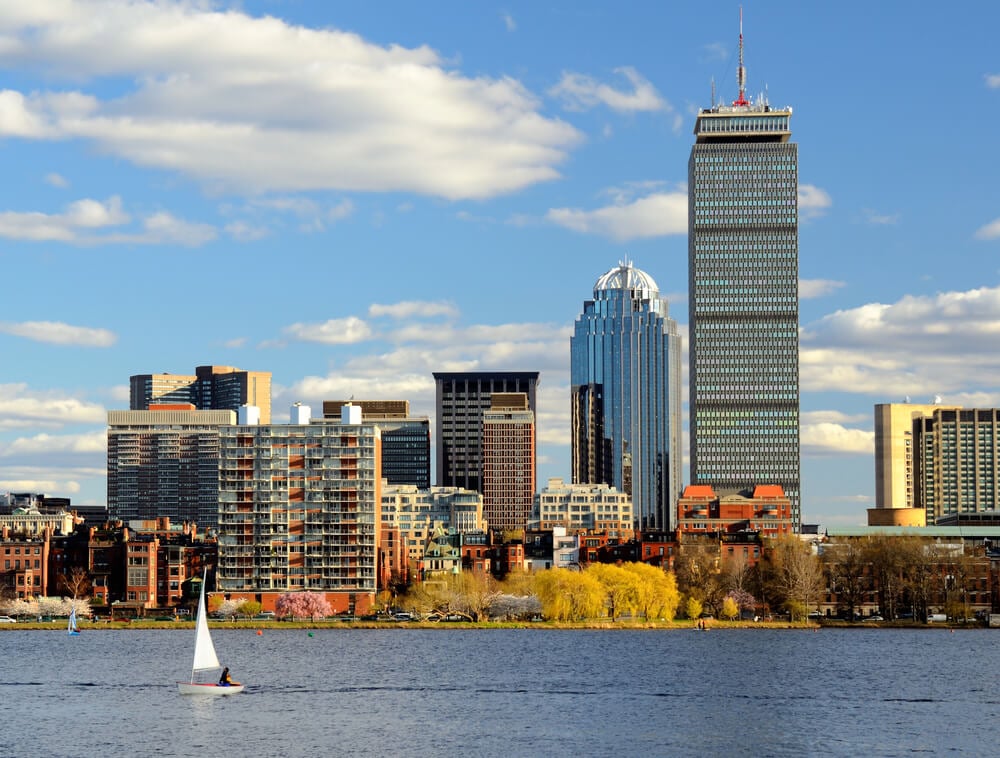
Boston filled in the Back Bay marshes during the second half of the nineteenth century to create new land for residential streets. Photographs show the filled streets in various stages, with brownstone rows rising block by block.
The orderly neighborhood still looks much as it did.
Hong Kong in the 1860s and 1870s
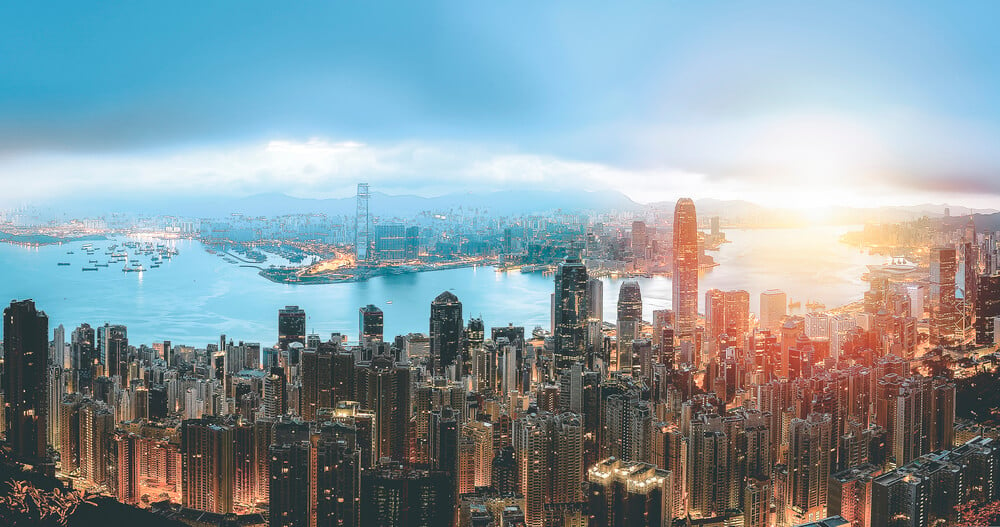
The photographer John Thomson documented Hong Kong and southern China in the late 1860s and early 1870s. His views show the harbor lined with low colonial buildings.
A modern viewer will struggle to place the places.
Shanghai’s Bund
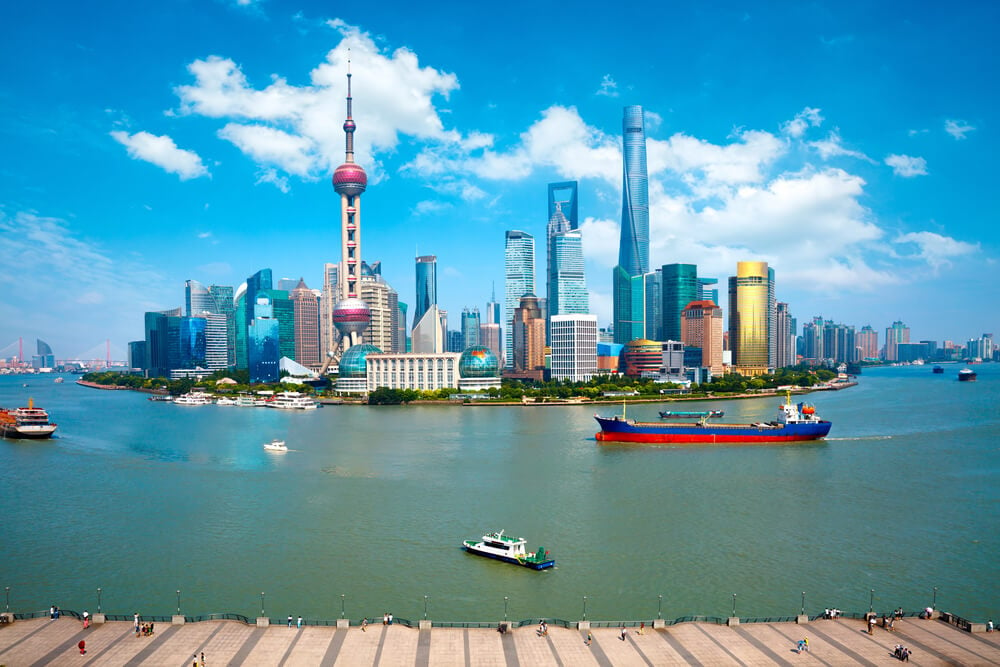
The Bund along the Huangpu River was lined with European-style buildings from the nineteenth century. Early photographs show a waterfront of modest height with ships crowding the river.
The scene looks very different from the glass towers across the water today.
The Horizon Before the Elevator

Every one of these views shares an unspoken quality: the sky belongs to the church, the bridge, or the monument. Nothing blocks the light, and nothing hides the hills.
Once steel framing and the safety elevator arrived, that arrangement vanished within a generation. The photographs are a reminder that a skyline is a choice, and that other choices were once made.
More from Go2Tutors!

- 27 Silver Dollars and Half Dollars Worth Keeping
- 28 Restaurant Menu Items Nobody Orders Anymore
- 17 Places Built in Seemingly Impossible Spots
- 27 Vintage Rings Worth More Than They Look
- 25 Restricted Sites Tourists Can’t Enter
Like Go2Tutors’s content? Follow us on MSN.